Tag Archives: oceania

Cyclone forms, CBD evacuated, rain record broken in wild Qld weather

Queenslanders have been warned to prepare for a tropical cyclone to make landfall in the state's far north early on Monday.

A low pressure system moving towards the coast formed into Tropical Cyclone Tiffany on Sunday afternoon, the Bureau of Meteorology confirmed.

Earlier predictions had the system making landfall about 4am on Monday but the bureau said that would depend whether it hit north or south of Cape Melville, which is more than 80km further east than the coastline to its north.

READ MORE: Man dead, teen missing in heavy Queensland floods

https://twitter.com/BOM_Qld/status/1480074028962308098

The cyclone is forecast to cross Cape York Peninsula before moving into the Gulf of Carpentaria.

Warnings are in place for several areas including Cape Grenville to Cape Tribulation, including Lockhart River and Cooktown.

Residents from Kowanyama to Mapoon including Weipa are in the watch area, and should consider what action they will need to take if the cyclone threat increases.

Senior meteorologist Dean Narramore said the bureau was closely monitoring the cyclone.

"From tomorrow, people in far north Queensland communities will start seeing and feeling the effects of Tropical Cyclone Tiffany as it comes closer to the coast, which means an increased risk of flooding and some localised damage in these regions,' Mr Narramore said.

"Tropical cyclones can intensify very quickly, and shift direction, so we will be updating our warnings and advice to the community and our emergency services colleagues as this system progresses."

READ MORE: Spike in Queensland infections with 18,000 recorded overnight

"We are expecting heavy rainfall and damaging winds as a result of this system, so regardless of whether it is a tropical low or a tropical cyclone, there is still an increased risk of flooding and some localised damage in the region," Mr Narramore said.

Mr Narramore warned tropical system could intensify very quickly and shift direction, saying the bureau would issue regular updates.

The cyclone comes after the Fraser Coast region, about 1500km south, saw floodwaters peak above 10m this weekend, amid the heaviest rainfall ever recorded.

The CBD of Maryborough, three hours north of Brisbane, was evacuated when a levy failed to hold.

https://twitter.com/JordanFabris9/status/1479923219565985793?ref_src=twsrc%5Etfw

Residents were sent an emergency text message telling them to get to higher ground "immediately".

Mount Joseph, 200km north-west of Brisbane, recorded 451mm of rain, the highest daily total in more 100 years, Weatherzone, said.

Some areas got as much as five times their monthly average rain.

READ MORE: NSW records 30,062 new COVID-19 cases, 16 deaths

A 22-year-old Sunshine Coast man died when he drove into floodwaters and a search is continuing for a 14-year-old girl who went missing near Gympie.

Floodwaters are expected to peak at 10.5 metres at Maryborough this evening, and 80 homes are in the danger zone.
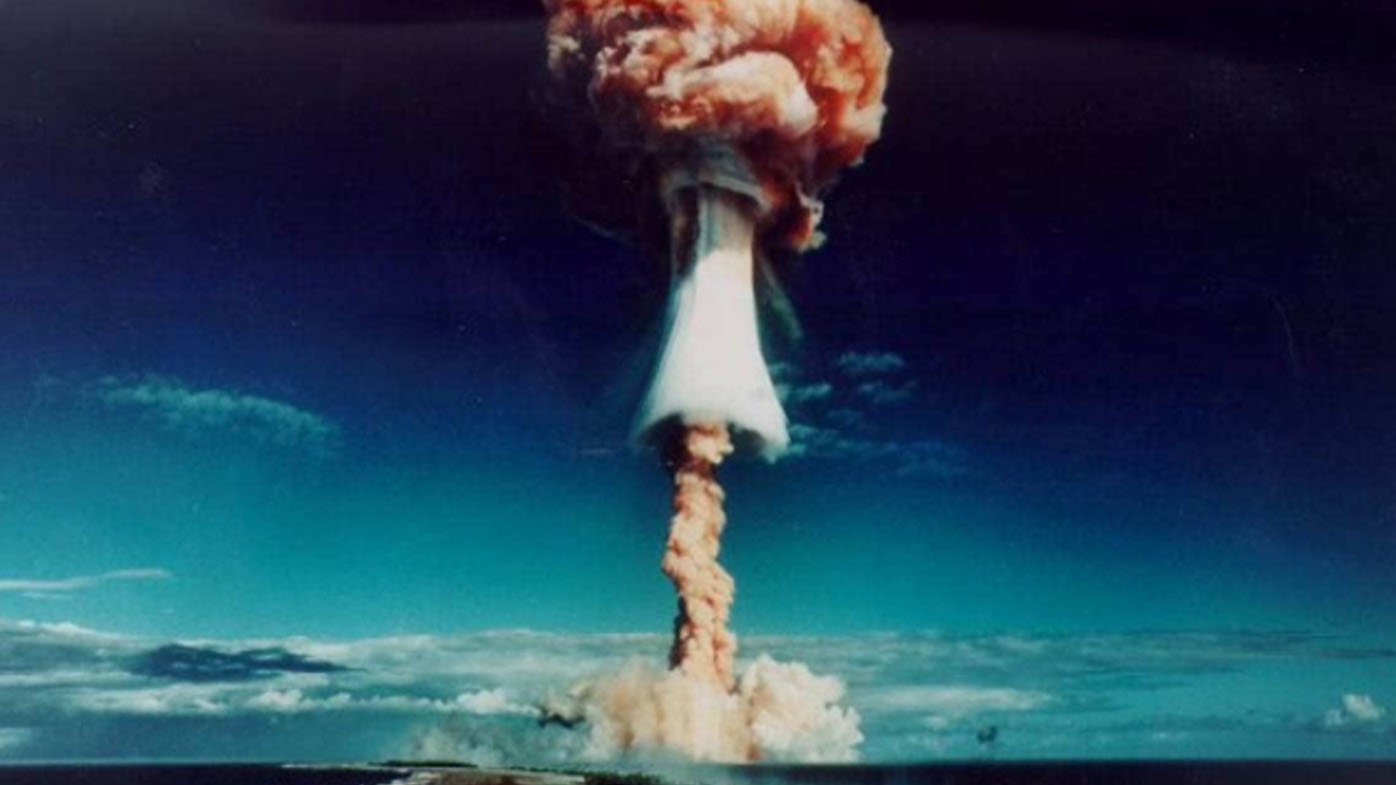
Russian city hiding chilling Cold War secret from world

There has been a "slow-motion" disaster unfolding over the past 70 years at one of Russia's most secretive sites.

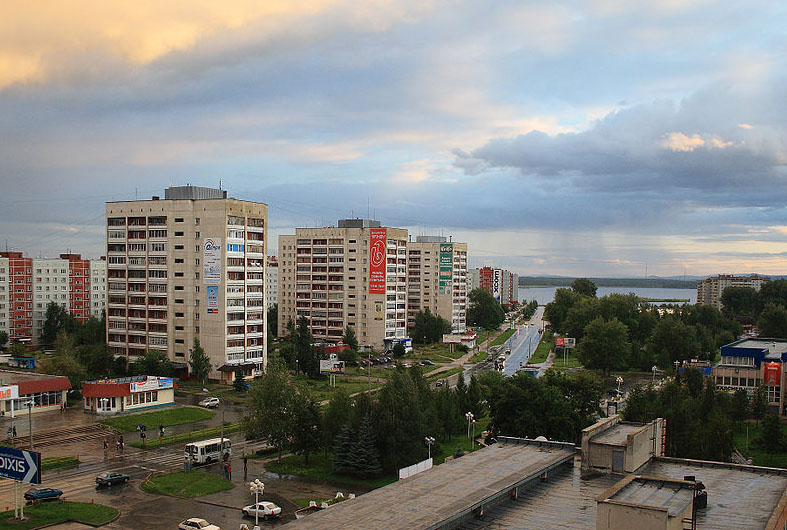
Ozersk, codenamed City 40, was the birthplace of the former Soviet Union's nuclear weapons program at the dawn of the Cold War.

On the surface, it was a clean modern city that boasted good housing, spacious parks and high quality schools to attract the country's top nuclear scientists.

READ MORE: Robots, crypto and hits on your wallet: Report flags trends for 2022

And its purpose was seen as so important that Russian authorities effectively hid it from the rest of the country and the world.

But while, the work of Ozersk's army of scientists developing Russia's plutonium supplies was cloaked in secrecy, its environmental impact proved harder to contain.

Today its legacy of radiation pollution has earned Ozersk the title 'Graveyard of the Earth'.

Building Russia's nuclear shield

Ozersk's origins can be traced to the US dropping atomic bombs on the Japanese cities of Hiroshima and Nagasaki in 1945 at the end of World War II.

Alarmed at the terrifying new weapon of mass destruction, Russian leader Josef Stalin ordered his scientists to build a nuclear arsenal to combat the American threat.

READ MORE: Ten scenarios that could rock the world in 2022

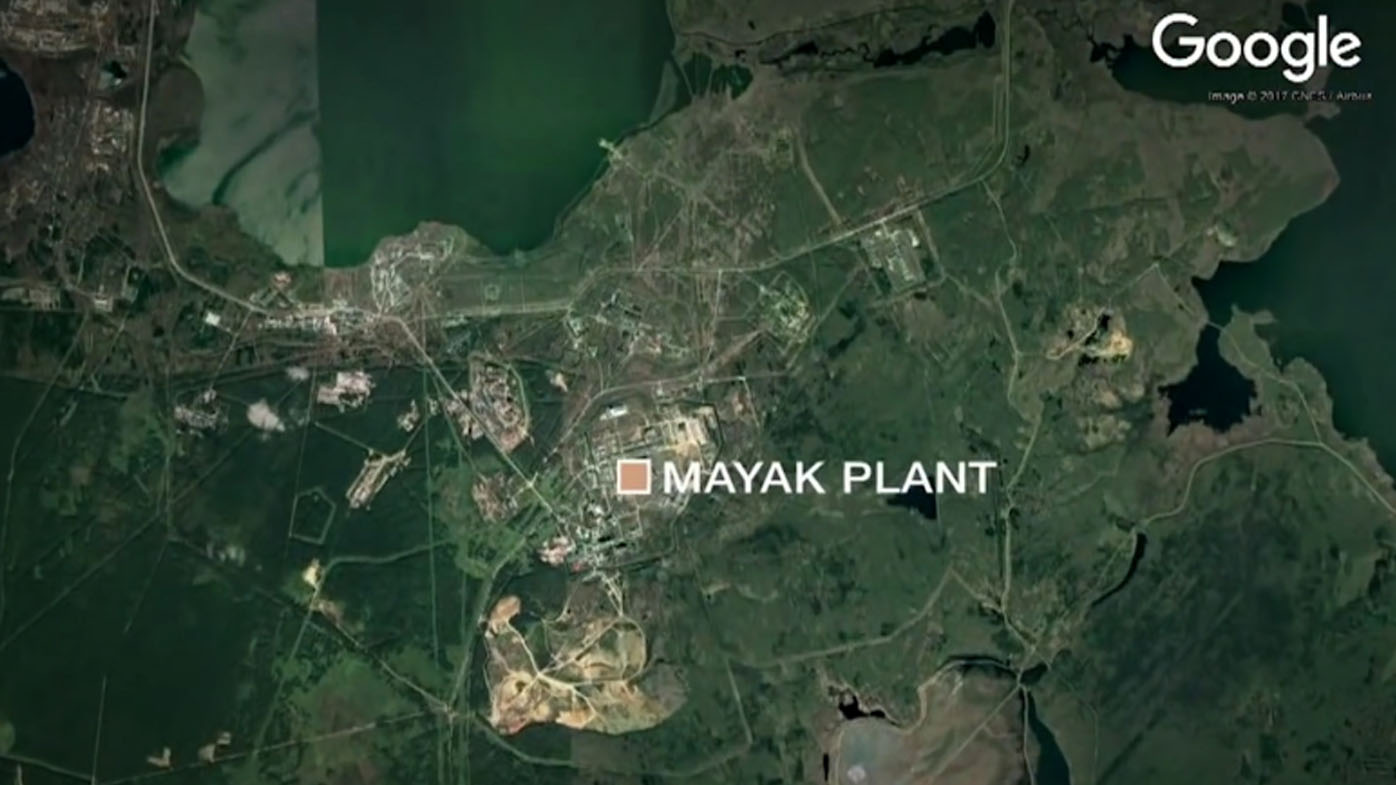
The Mayak plant deep in the Urals was founded in 1948 to develop essential large scale plutonium supplies for the Soviet atomic bomb. The work needed hundreds of workers.

Ozersk was founded nearby, initially as a sort of shanty town of wooden huts to house the workers. But over ensuing yeas, it grew to become a modern city of 100,000 people, with many of its citizens working at the Mayak plant.

'Plutopias'

US environmental historian Kate Brown has described Ozersk and its counterpart nuclear cities in the US as "Plutopias", a merging of the words plutonium and utopia.

Professor Brown, who wrote Plutopia: Nuclear Families, Atomic Cities, and the Great Soviet and American Plutonium Disasters, told Nine.com.au that Ozersk residents were the envy of most Russians.

"When I wrote about plutopia, I mean by that special, limited-access cities exclusively for plutonium plant operators who were well paid and lived comfortably. The people who lived in them were 'chosen'," Professor Brown said.

READ MORE: UK general warns risk of accidental war with Russia

"The plutonium cities such as Ozersk provided wonderful opportunities because not only was the housing very cheap and the wages very good, but the schools were good."

But in Cold War Russia this all came at the price of intrusive security and curbs on personal freedom.

Ozersk did not appear on maps and its citizens were struck from the national census.

Residents were even forbidden to contact families and friends for up to years.

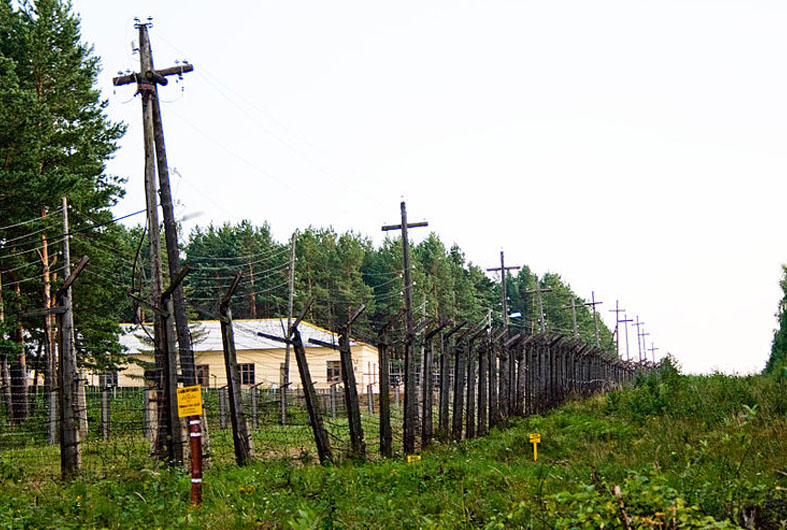
And for decades, the city was ringed by barbed wire fences and guard posts and entry was strictly controlled.

'Lake of Death'

Professor Brown said both the Russians and American governments were prepared to cut corners in their dash to develop an edge in nuclear weapons.

And in 1957 one of the cooling systems at the Mayak plant, near Ozersk, failed, causing one of the tanks that contained the plant's nuclear waste to overheat and explode.

While there were no casualties from the blast itself, more than 20 million curies of nuclear waste were swept up by the wind and scattered around the nearby countryside.

The full effects of the Mayak radiation release and other incidents took years, even decades to become fully apparent, Professor Brown said.

"The plutonium disasters were not big, explosive overnight affairs. They were slow-motion disasters that occurred over four decades," she said.

Officials from the Mayak plant also ordered the dumping of its waste into nearby lakes and rivers, which flow into the the Arctic Ocean.

Prof Brown said one of the lakes near Mayak has been so heavily contaminated by plutonium that local people have renamed it the 'Lake of Death'.

'Cover up'

The scale of the pollution was hushed up by Russian authorities for decades.

"Thanks to exhaustive efforts by the Soviet government and the already secretive nature of the location, for a long time, no one outside of the Ozersk area was even aware that it happened.

"It wasn't until renegade Soviet scientists exposed the cover-up in the 1970s that scientists started to grasp the extent of the disaster."

Radioactive spills have also happened at other secret Russian military and industry sites.

In August 2019 a brief spike in radioactivity was recorded following a mysterious and deadly explosion at the Russian navy's testing range in Nyonoksa on the White Sea.

The explosion killed two servicemen and five nuclear engineers.

Campaigners expose contamination

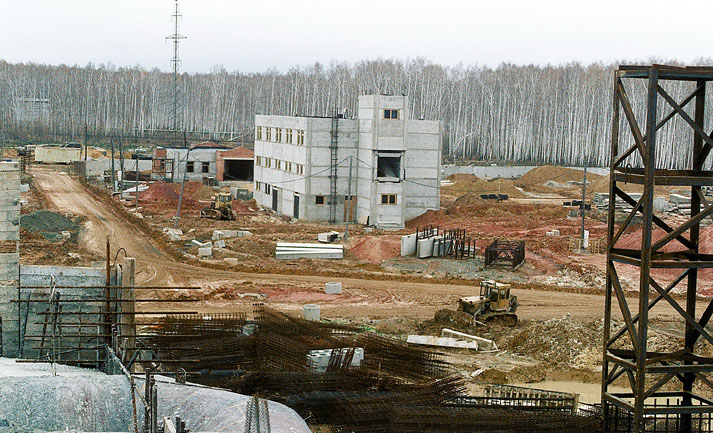
Today the Mayak plant now serves the more peaceful purpose of reprocessing spent radioactive fuel.

In Ozersk many restrictions have been eased, with residents free to leave when they want.

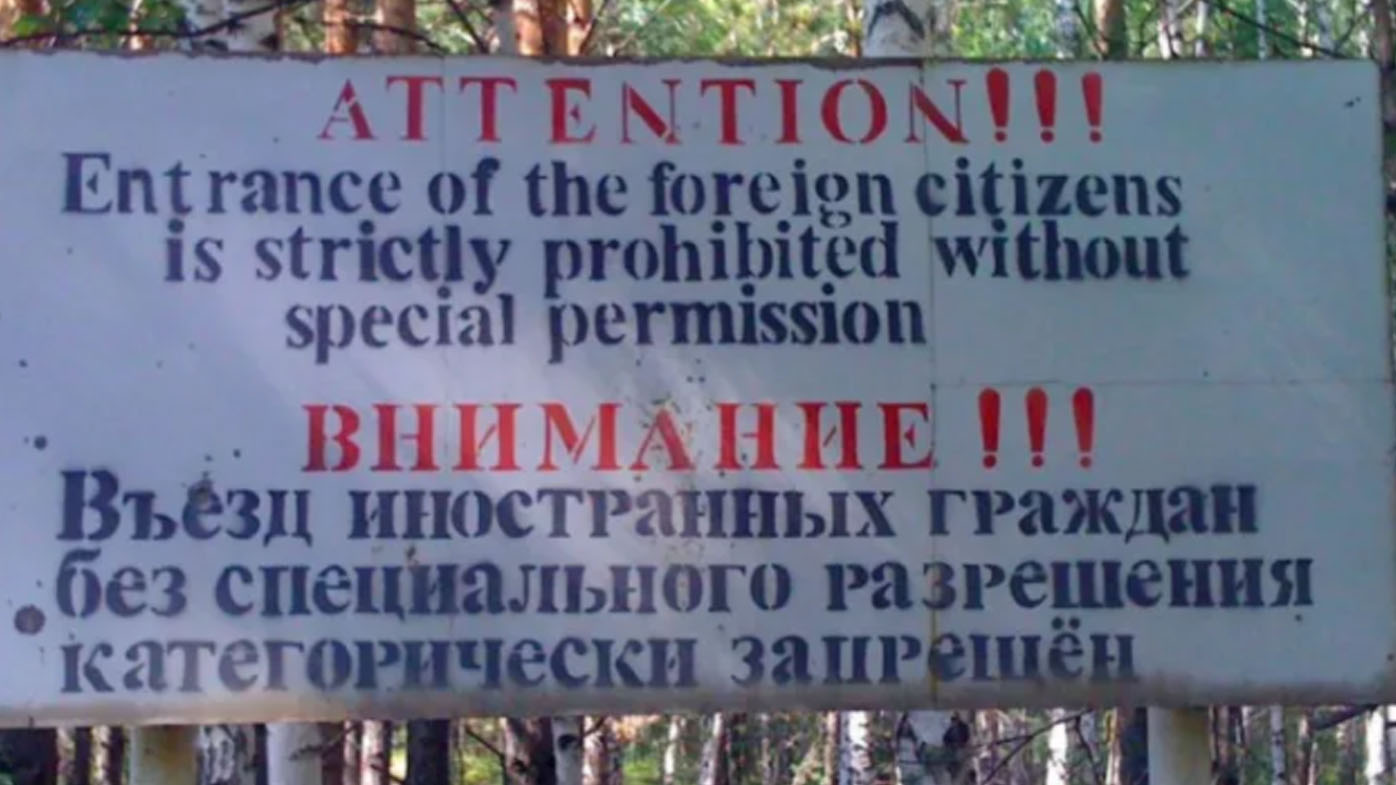
But the city is still surrounded by thick walls and guard fences, and entry by outsiders is strictly controlled by government officials.

And while efforts have been made to clean up the environment, radiation pollution remains a threat to the health of residents.

A recent study showed that Ozersk residents are more than twice as likely to develop lung, liver, and skeletal cancers and far more likely to experience chronic radiation syndrome.

Prof Brown says Russian environmental activists still face threats and persecution for exposing the radiation levels.

"They've paid a heavy price in terms of prosecution by the state and receiving threats of fines and even jail," she said.

"But they were determined to expose what really was disaster by design."

At least seven dead after boulder crashes on tourist boats in Brazil

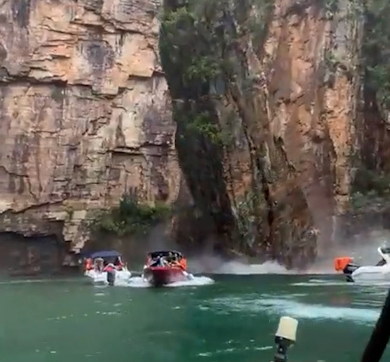
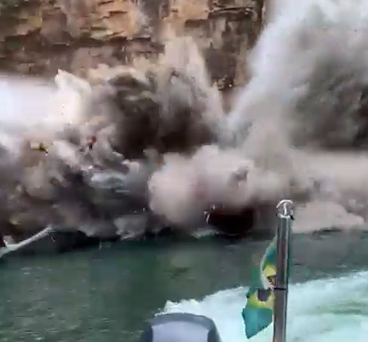
At least seven people were killed after a massive rock fell on top of several tourist boats in the Brazilian state of Minas Gerais on Saturday, CNN affiliate CNN Brasil reported.

Three people remain missing but rescue efforts stopped late on Saturday due to "the lack of natural lighting" at Furnas Lake in Capitólio.

They will resume Sunday at 5am local time, said Pedro Aihara, a spokesman for the Minas Gerais Fire Department.

READ MORE: Wild Queensland weather to get worse

At least seven people were killed after a massive rock fell on top of several tourist boats in the Brazilian state of Minas Gerais on Saturday, CNN affiliate CNN Brasil reported.At least seven people were killed after a massive rock fell on top of several tourist boats in the Brazilian state of Minas Gerais on Saturday, CNN affiliate CNN Brasil reported.

Mr Aihara said 23 of the 32 people who were treated at Santa Casa de Capitólio with minor injuries have been discharged, while two others were treated at Santa Casa in the municipality of Piumhi with exposed fractures.

Rescue efforts will continue at least through Monday, Mr Aihara said, adding that situations such as victims being trapped under the rock could potentially prolong the duration of that work.

READ MORE: Man dead, teen missing in heavy Queensland floods

Brazilian President Jair Bolsonaro said the Navy deployed a relief force team to join the search and rescue efforts.

The state of Minas Gerais, a landlocked area in southeastern Brazil, has experienced recent heavy rainfall.

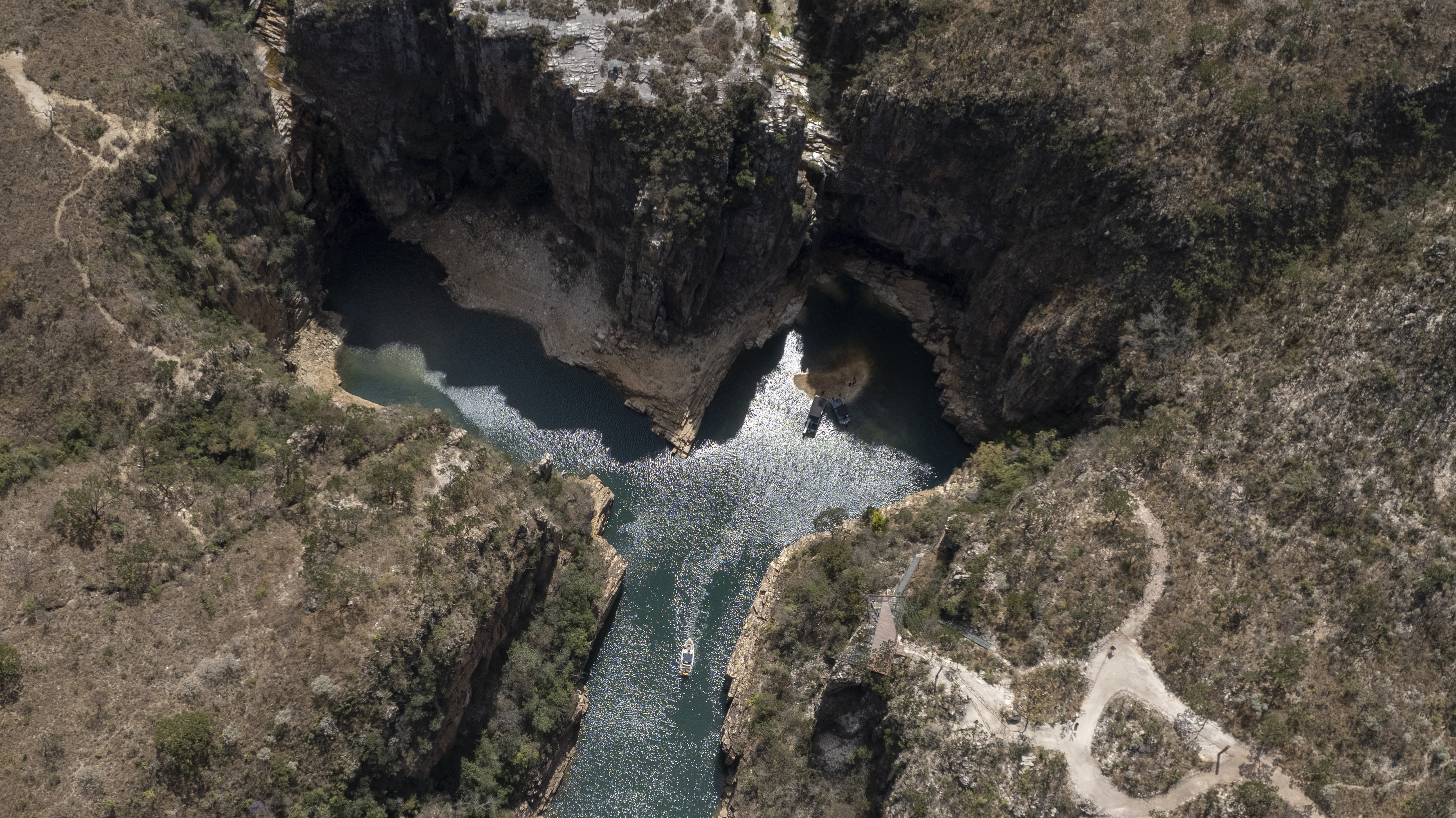
A tourist boat navigates through a canyon in Furnas Lake, near Capitolio City, Brazil. A massive slab of rock broke away from the canyon wall and and toppled onto boaters.

On Friday, the Brazilian National Institute of Meteorology issued red warnings for Minas Gerais, projecting more than 100 millimeters of rainfall daily for at least four days, state media Agência Brasil reported.

Heavy rains were what caused the rock to be loosened at Furnas Lake, according to Romeu Zema, the governor of Minas Gerais.

https://twitter.com/jairbolsonaro/status/1479922456223694848?ref_src=twsrc%5Etfw

"I stand in solidarity with the families at this difficult time," Zema wrote on Twitter.

"We will continue to act to provide the necessary protection and support."

READ MORE: NSW records 30,062 new COVID-19 cases, 16 deaths

A video that was posted on social media showed tourists on other boats in the Furnas Lake shouting "get out of there" right before the rock fell.