Tag Archives: oceania

NSW doubles rapid test order amid deadliest day of pandemic

NSW authorities have doubled their order of rapid antigen tests as the state records another 30,062 new COVID-19 cases.

Sixteen more people have died with the virus, making it the state's deadliest day since the pandemic began.

There are 1927 people in hospital, 151 of whom are in intensive care.

READ MORE: Differences between Delta and Omicron

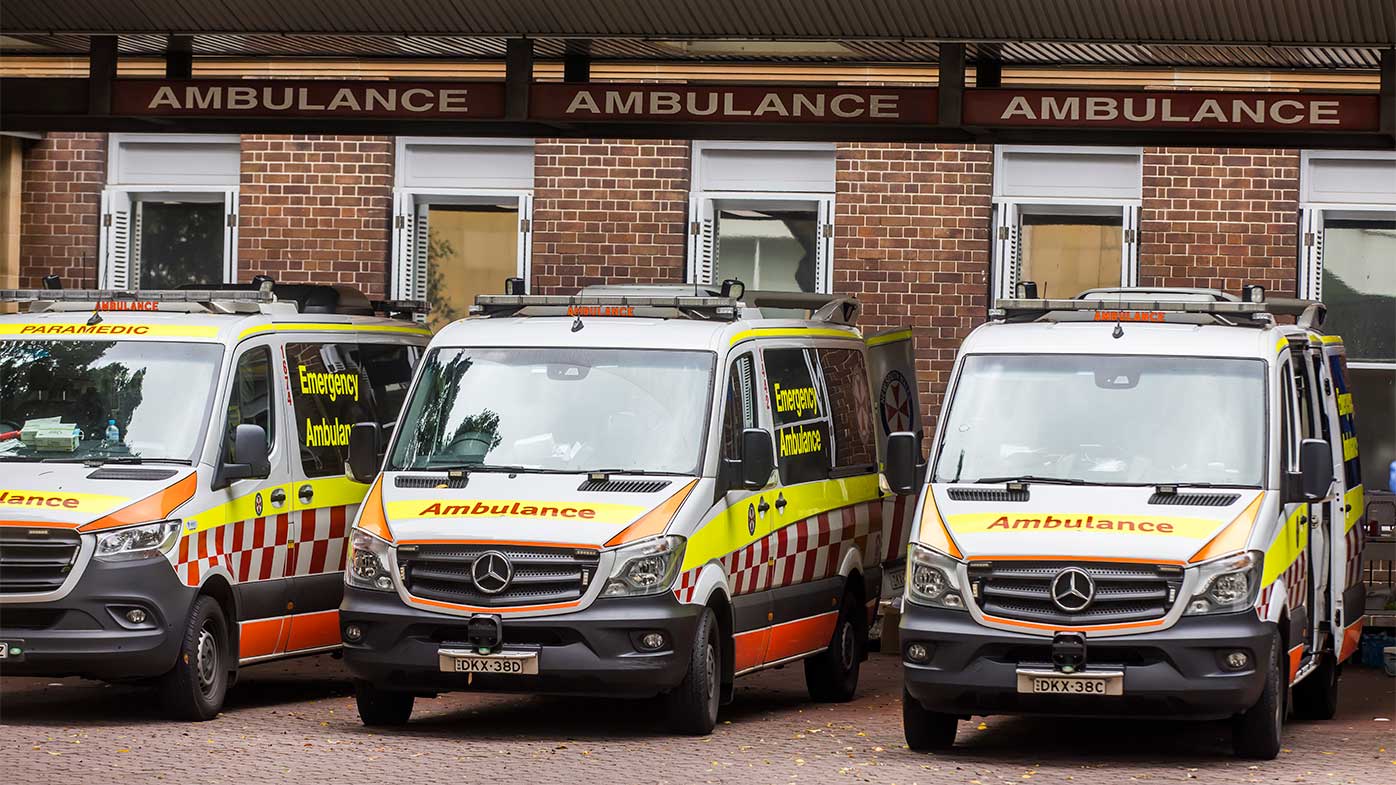
https://twitter.com/NSWHealth/status/1479935971969748995?ref_src=twsrc%5EtfwAmbulances at RPA Hospital Emergency in Sydney.

The state recorded 45,098 cases yesterday from just under 117,000 tests.

Infection numbers continue to rise, with Australia expected to reach the one million mark in coming days.

Deputy Chief Medical Officer Professor Michael Kidd said it was "likely" many Australians would test positive for COVID-19 over coming days and weeks if they hadn't already, but most wouldn't become seriously ill if vaccinated.

"We obviously want to continue to do all we can to prevent people from being infected with COVID-19," he said.

"Nobody wants to be infected with a serious infectious disease.

"And although most people will have mild symptoms or no symptoms, some people are still going to become seriously unwell with COVID-19, and we want to prevent that from happening."

Professor Kidd suggested people should be prepared, with paracetamol or ibuprofen and other essential supplies because they would not be able to go to the pharmacy or supermarket if diagnosed.

READ MORE: Tennis Australia accused of misleading Djokovic

Premier Dominic Perrottet said the state has doubled the number of rapid antigen tests it has ordered from 50 million to 100 million.

Mr Perrottet said the tests would be rolled out with a focus on areas where there are vulnerable people.

"We're already at the moment, as of today, reaching out to remote Aboriginal communities with those rapid antigen tests," he said, adding they would be used to help make the return to school for students as safe as possible.

"These tests will be crucial to ensure that we get kids back to school day one, term one. We are finalising our back-to-school plans at the moment. This will be a core part of the plans for getting kids back in the classrooms."

The Premier also announced residents will be able to register a positive rapid antigen test result via the Service NSW app from "mid this week".

NSW introduced new restrictions yesterday, with singing or dancing no longer allowed at hospitality venues, except for performers at weddings, and non-urgent elective surgery postponed.

The state also brought in a new isolation exemption for asymptomatic close contacts who are critical workers in a bid to address supply-chain issues plaguing supermarkets.

READ MORE: Federal government announces changes to pandemic disaster payment

With more people going into isolation across the state, Transport for NSW has announced further timetable changes as it battles worker shortages, with most services now running to modified weekend timetables.

"Like many industries hit by COVID, there are currently hundreds of transport staff impacted and this number is expected to fluctuate going forward," Transport for NSW chief operations officer Howard Collins said.

"We thank the community for working with us during this challenging time and apologise for any inconvenience caused while also asking customers to consider all their travel options."
Critical workers in NSW given iso exemption amid supply issues

Asymptomatic close contacts who are "critical" workers in the grocery and manufacturing sectors will be given an isolation exemption to attend work in New South Wales as the state battles growing supply-chain issues.

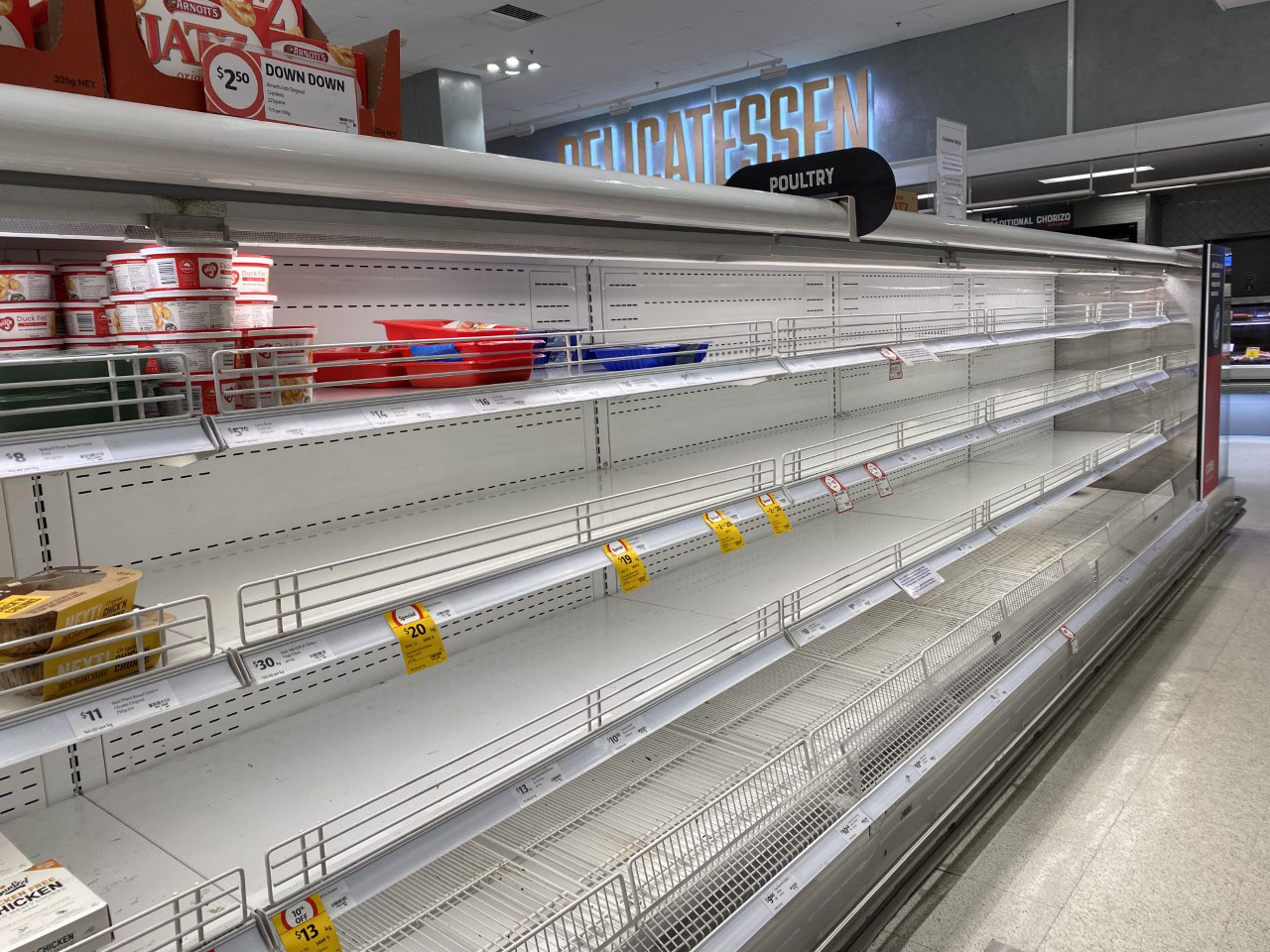
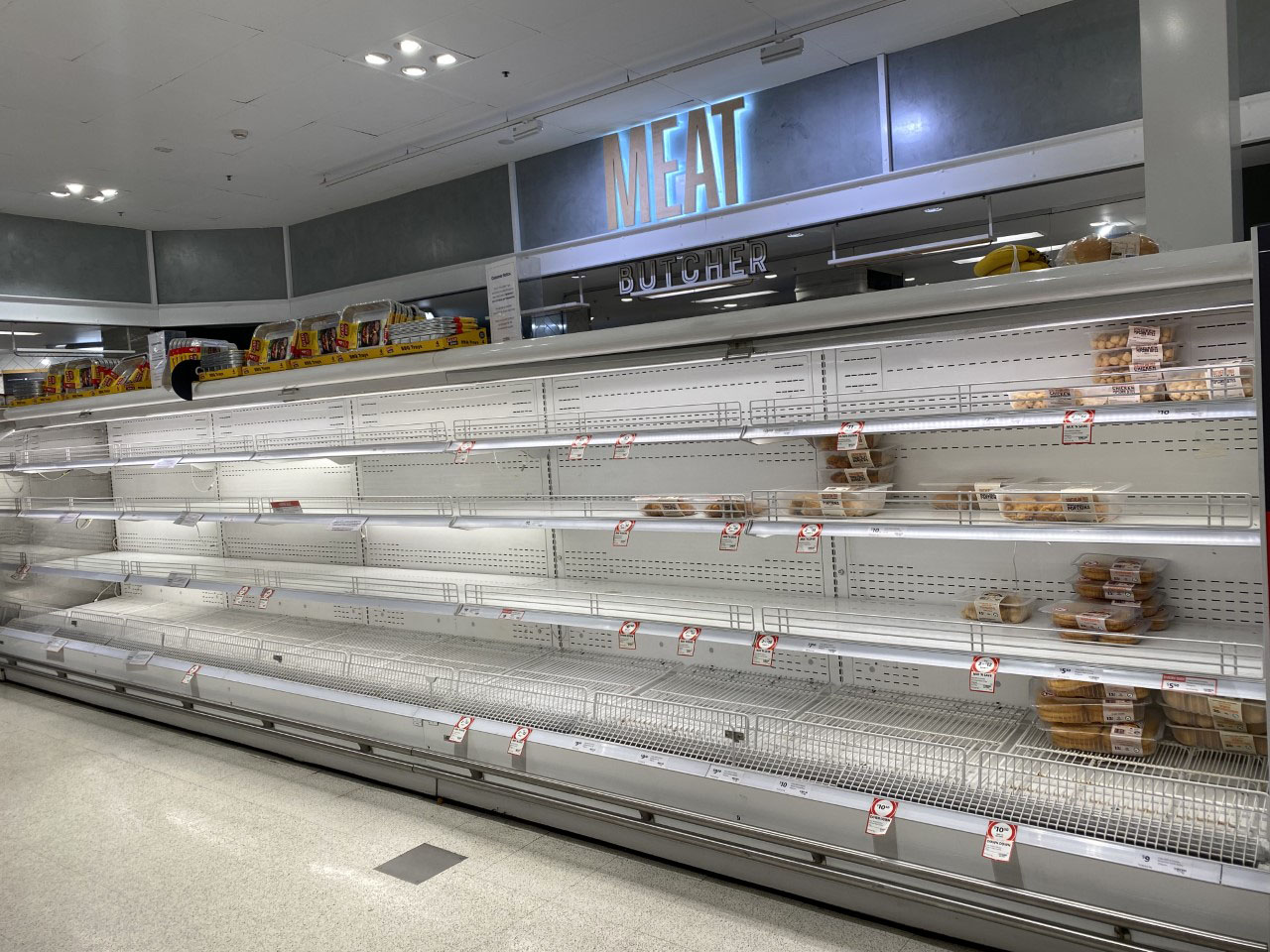
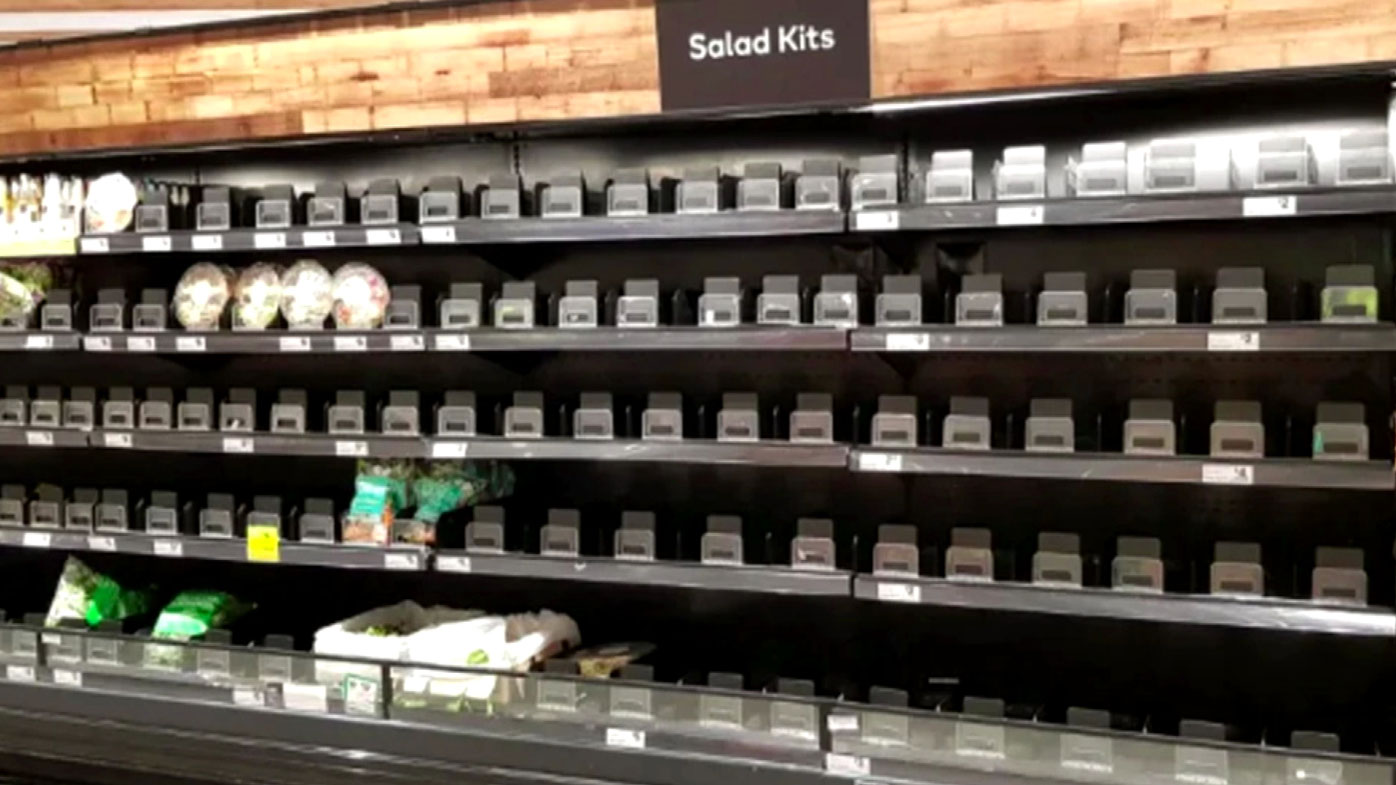
Pictures of empty shelves in supermarkets have become commonplace as COVID-19 infections rise in the country, forcing employees into isolation as either positive cases or close contacts.

In a statement released on Sunday morning, NSW Health said the change would "ensure the state has continued access to essential goods".

READ MORE: Deaths increase but COVID-19 cases drop in NSW

Empty supermarket shelves at Coles

"Workers will only be eligible to leave self-isolation if their employer determines that their absence from the workplace poses a high risk of disruption to the delivery of critical services or activities, and they are unable to work from home," the statement read.

"These workers must wear a mask and comply with risk-management strategies put in place by their employer, including daily Rapid Antigen Tests."

The changes come into effect immediately, and will apply to workers in the following sectors:

  • Agriculture (biosecurity and food safety personnel undertaking critical duties)
  • Manufacturing (production and manufacturing of food, beverages, groceries, cleaning and sanitary products)
  • Transport, postal and warehousing (food logistics, delivery and grocery fulfilment)

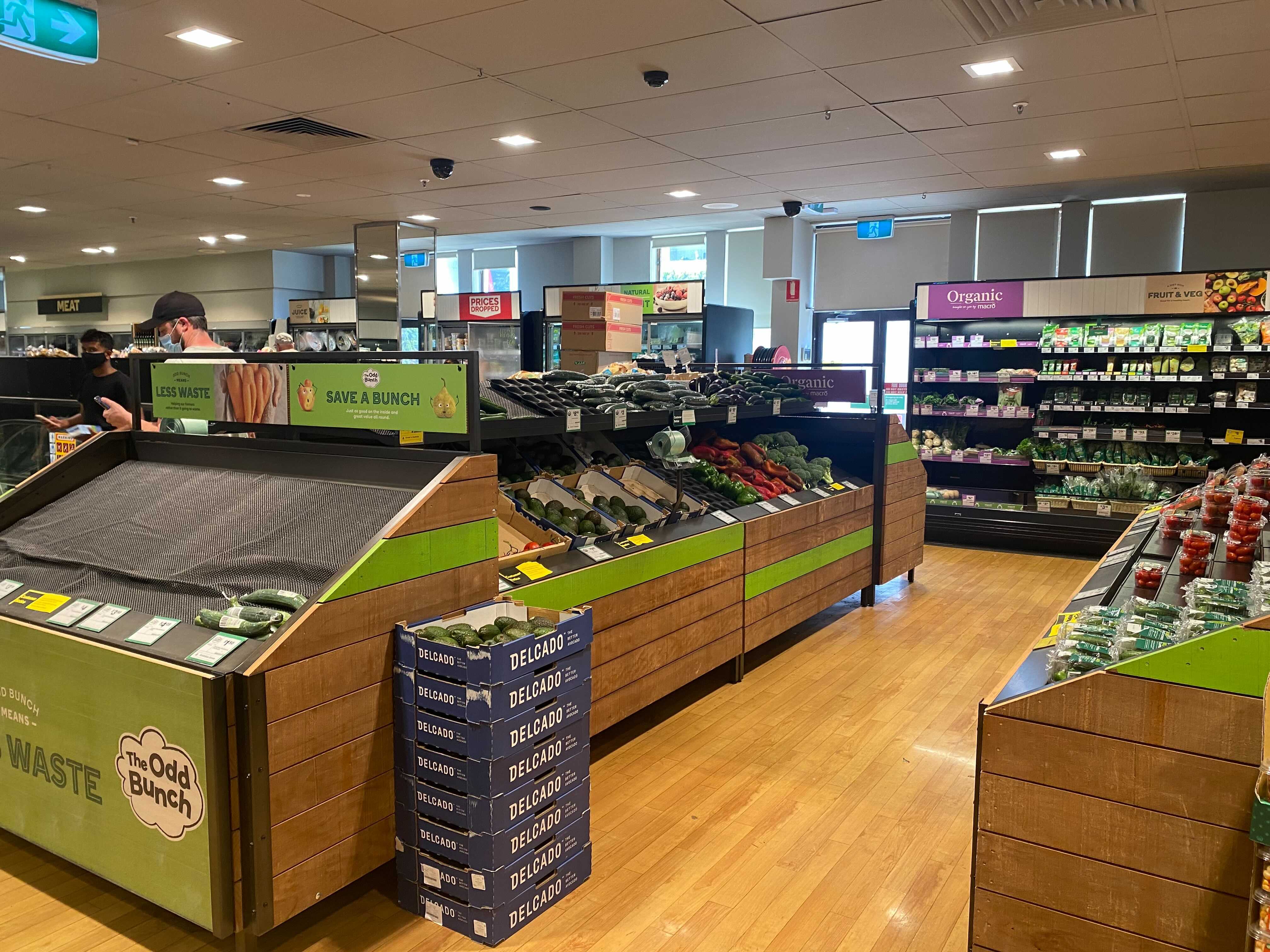
The rapidly escalating COVID crisis is having an impact on our supermarket shelves.

Emergency employees necessary for the delivery of critical services and who cannot work from home are also covered by the changes.

The new rules come as NSW recorded 30,062 new COVID-19 cases and 16 deaths on Sunday.

Similar changes could come into effect in other regions in the coming days and weeks too, with Deputy Chief Medical Officer Michael Kidd confirming state and territory leaders are meeting to discuss the impact rising Omicron infections are having on supermarket supplies.

READ MORE: Children aged five to 11 eligible for COVID-19 vaccine from tomorrow

Woolworths Surry Hills

"They are looking at this issue and looking at what might be modified with the requirements and restrictions in order to ensure supply chain and supply lines continue," Professor Kidd said.

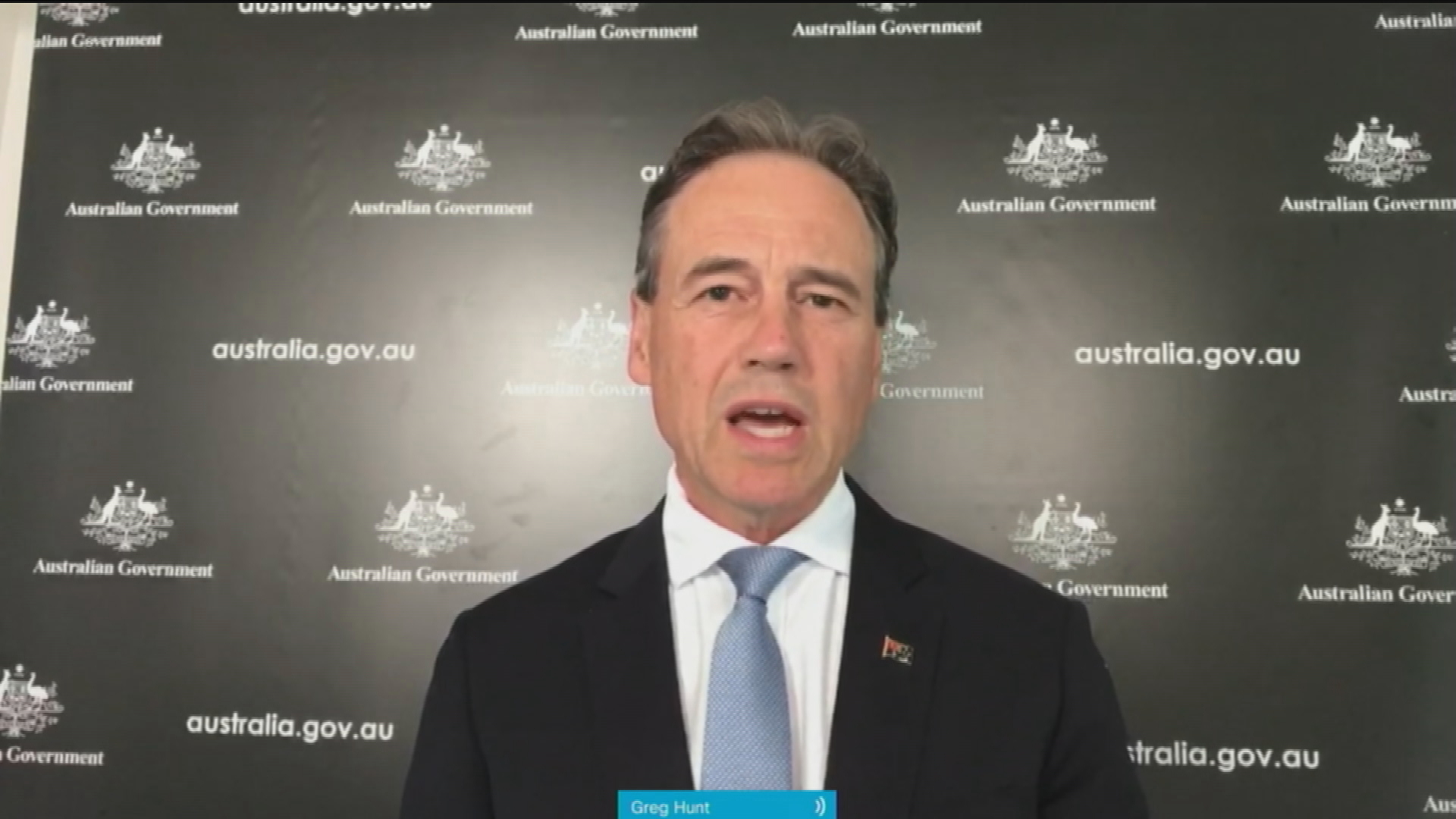
Health Minister Greg Hunt said the federal public service responsible for supply chains is also making considerations into the supply chain issue.

READ MORE: Federal government announces changes to pandemic disaster payment

Empty supermarket shelves have had Australian shoppers recalling similar scenes at the start of 2020.

However, unlike at the start of the pandemic, when supply shortages were caused by panic buying and predominantly impacted non-perishable goods (and, of course, toilet paper), the current issues are impacting fresh food as well, and have been caused by worker unavailability.

Empty supermarket shelves at Coles

On Friday, Woolworths CEO Brad Banducci said the spread of the Omicron variant had forced 20 per cent of its distribution workers in isolation, and ten per cent of its in-store employees.

Coles, meanwhile, has introduced buying limits for a number of in-demand products, including rapid antigen tests.

More children can get COVID-19 vaccine from tomorrow

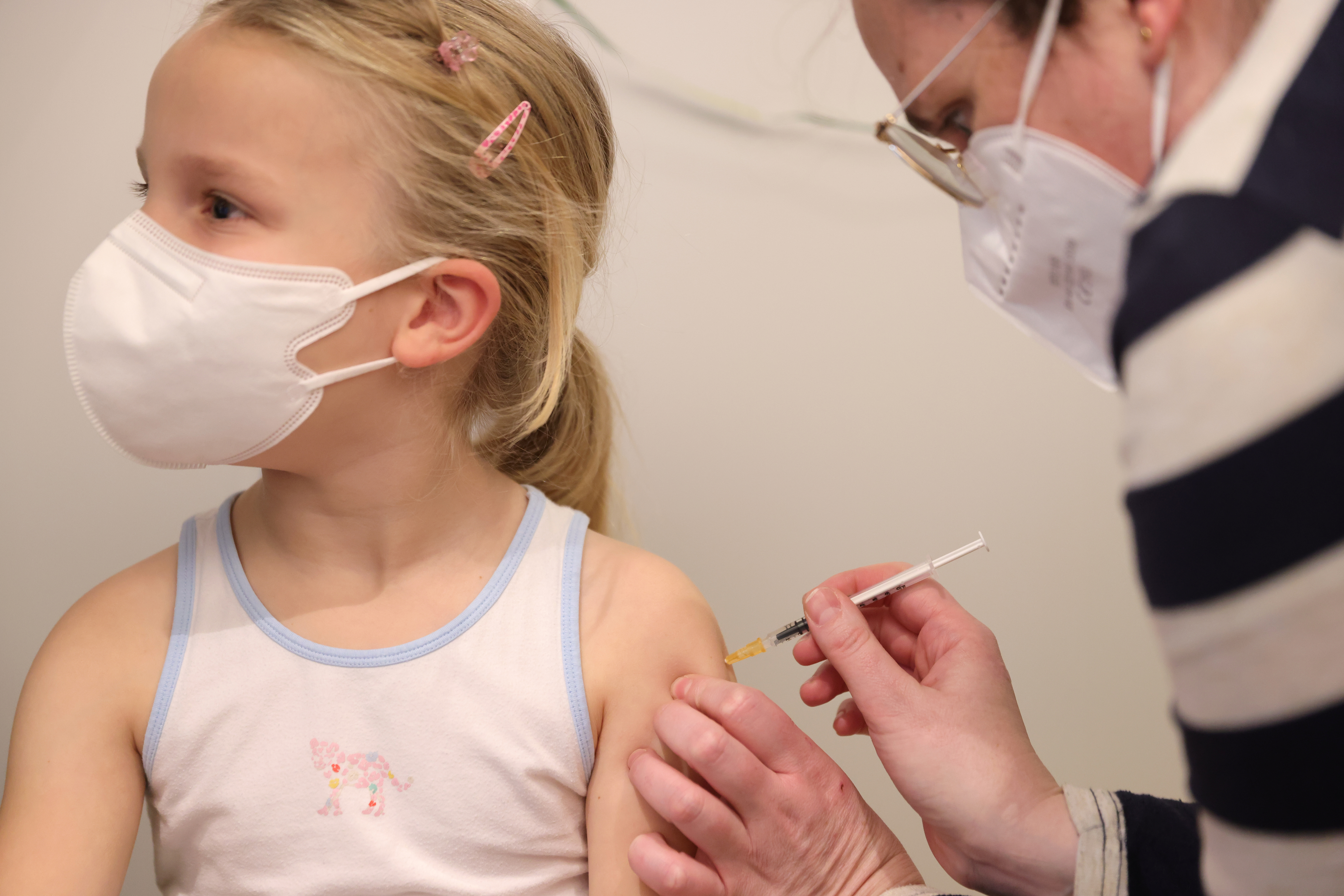
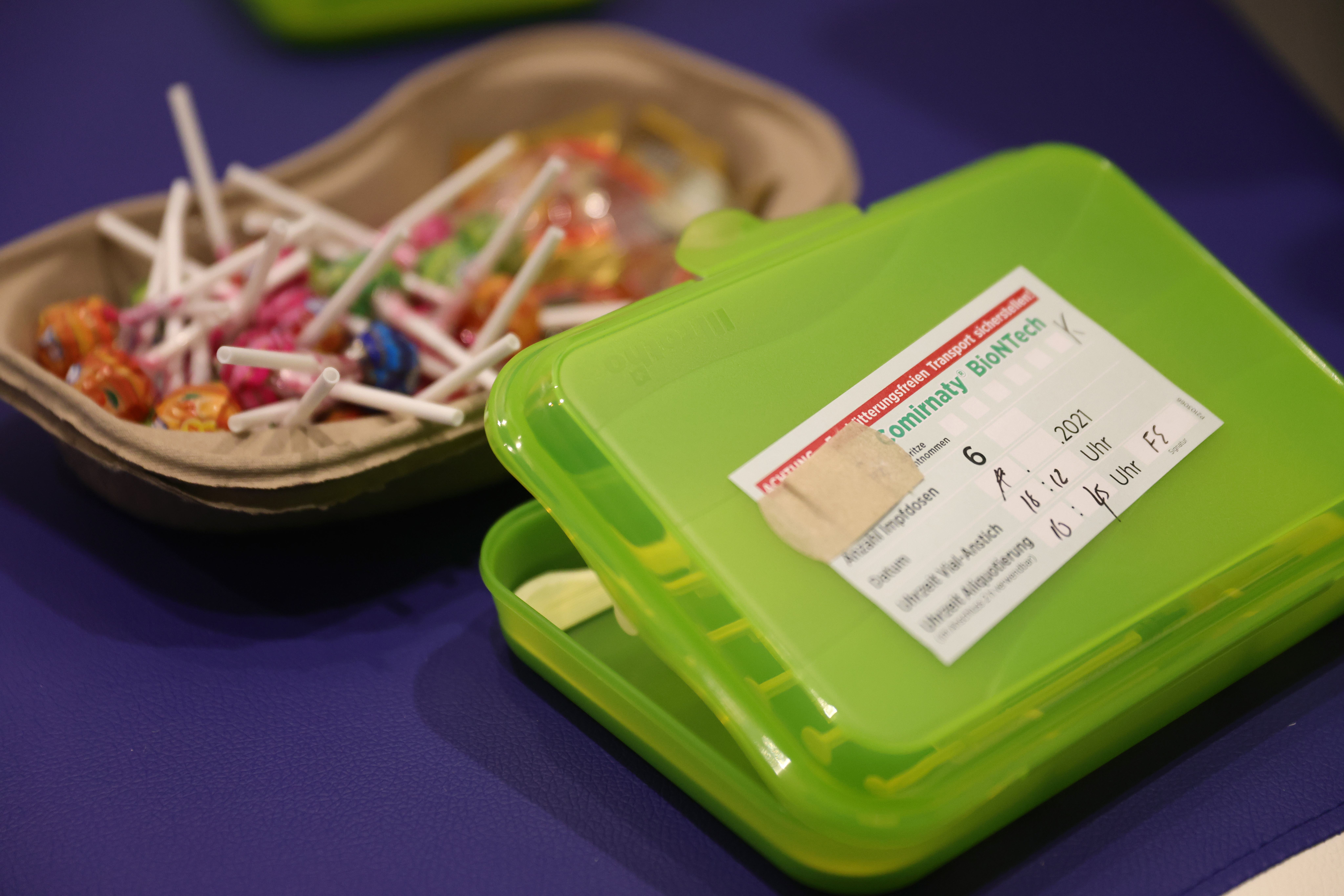
From tomorrow, children aged between five and 11 will be eligible to get the COVID-19 vaccine as the Morrison Government ramps up its efforts to get all Australians vaccinated.

Despite concerns over appointment availabilities, Health Minister Greg Hunt has assured there are plenty of vaccines available to go around for children in this age group.

"We have a population of approximately 2.3 million children in the five to 11 age group, with three million doses available over January and two million over the course of the next two weeks," Mr Hunt said today.

READ MORE: Differences between Delta and Omicron

But parents fear there won't be enough to go around and they may be forced to return to at-home learning if they cannot get children in that age group vaccinated before back-to-school dates arrive.

Professor Robert Booy, an infectious disease expert from Sydney University, said getting children vaccinated before returning to school not only protects them, but protects other family members from becoming infected if children catch it at school.

"Children are very resilient, they're able to fight off COVID Omicron much better than we as adults can," Professor Booy told Today.

"Having a vaccine is relevant, it's important, it will protect children, it will prevent them from getting the serious consequences of COVID-19 and having a vaccine will also stop transmission in the family and protect vulnerable members of the family from being infected by children."

READ MORE: Federal government announces changes to pandemic disaster payment

Professor Booy said parents should make an online vaccination booking for their children as soon as possible, especially those with major health conditions including cerebral palsy, heart and lung disease and Downs syndrome, as they are the ones who will be more at risk back in the classroom.

"There's plenty of supply but then it has to be distributed and then it has to be put in people's arms by well-trained people," he said.

"There's a lot of logistics going on. It's coming but it will take time — you won't be able to get an appointment the first week if you haven't already booked."

While there is still some hesitation among parents in sending their children back to school as state and territory infection numbers continue to climb, the Prime Minister has assured all children will be back in the classroom on day one of the new school term.

The decision to make the Pfizer vaccine available to children in this age group is approved by ATAGI and the Federal Government confirmed they will be given one-third of the dosage given to those aged 12 and over.

When National Cabinet met last week, Mr Morrison said giving more children access to the vaccine would mean they can all return to classrooms on day one of the new school term.

READ MORE: Man killed, teen missing in Queensland floods

"Vaccinating our kids is the next step in our National Plan, which has continually provided us with a safe, step by step pathway to keeping Australians safe throughout the pandemic," Scott Morrison said last week.

"That is our target, that is our objective, many states are already well advanced in their plans for achieving that.

"Getting kids back to school is very important and getting their vaccination from this week is very important."

Great whites guilty of 'cannibalistic mating'

Great white sharks have been found with scars from gruesome bites, sparking speculation about who may be capable or game enough to attack the apex predator.

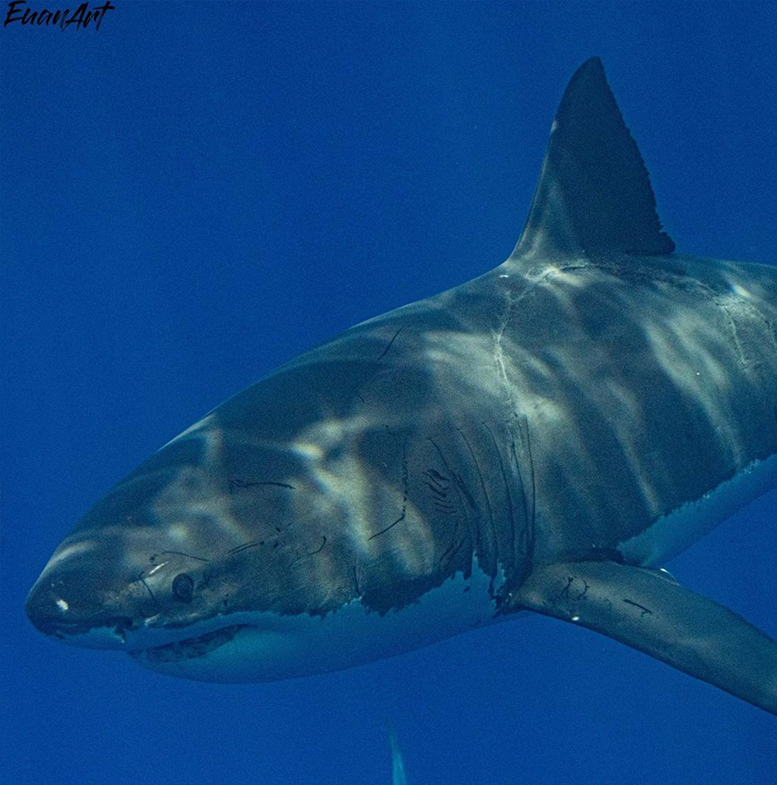
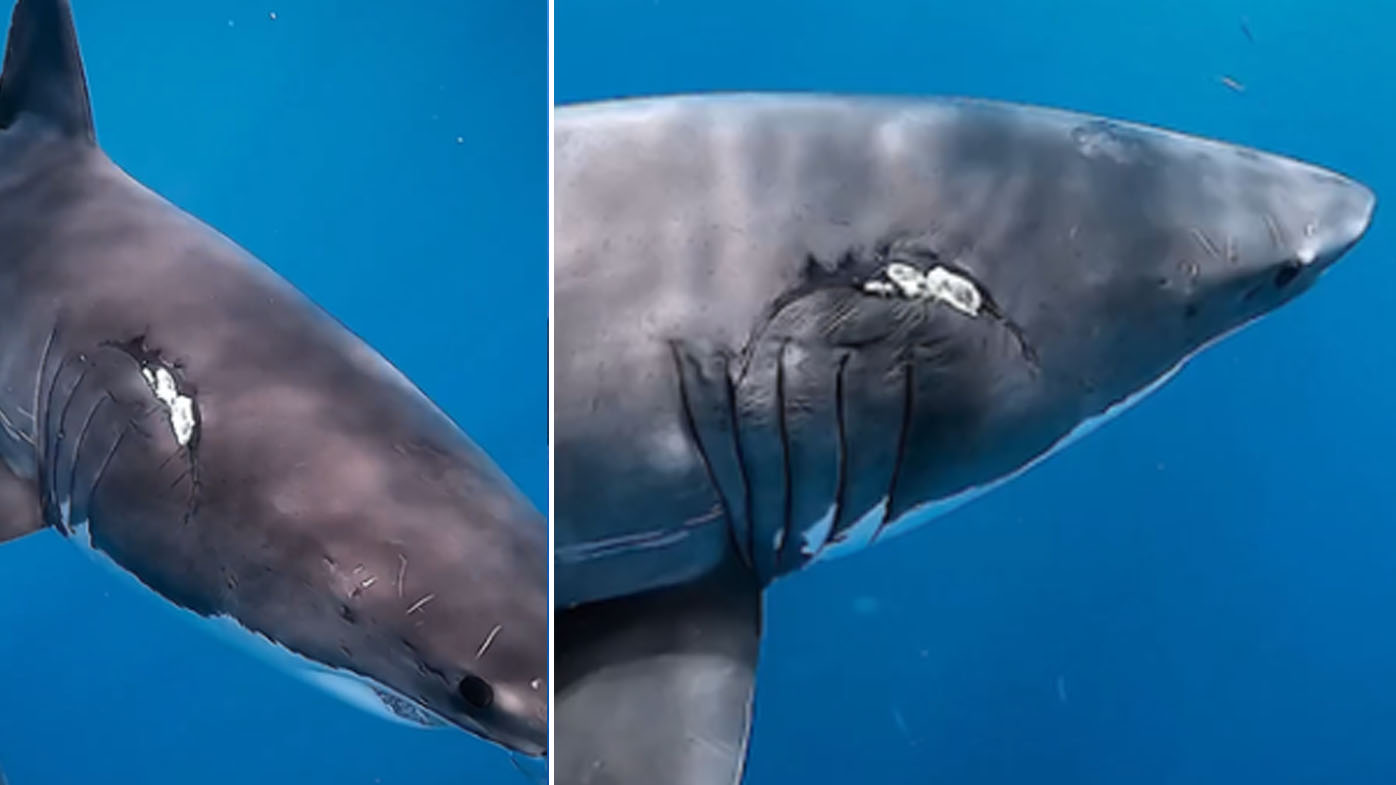
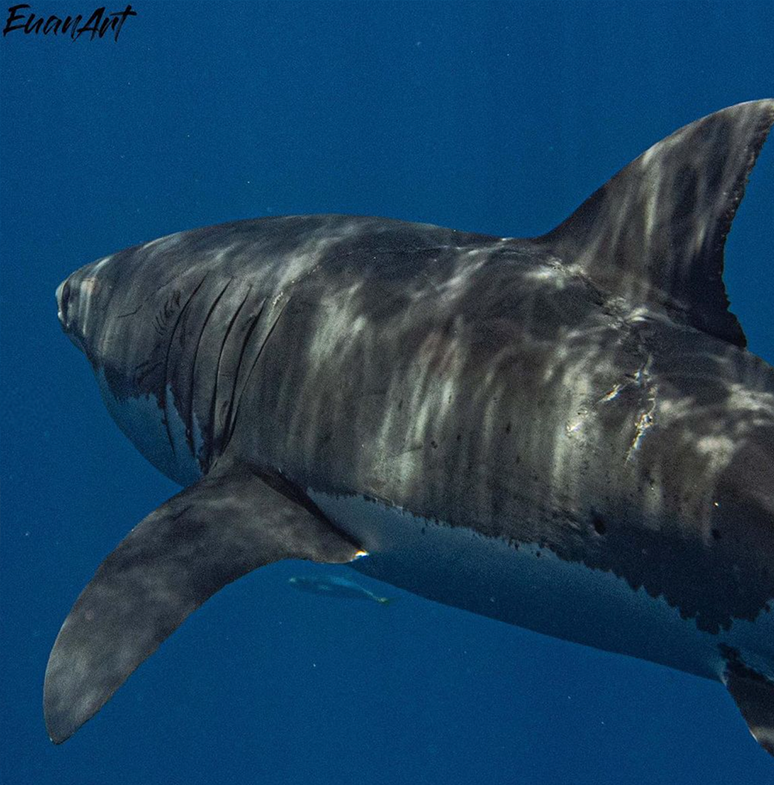
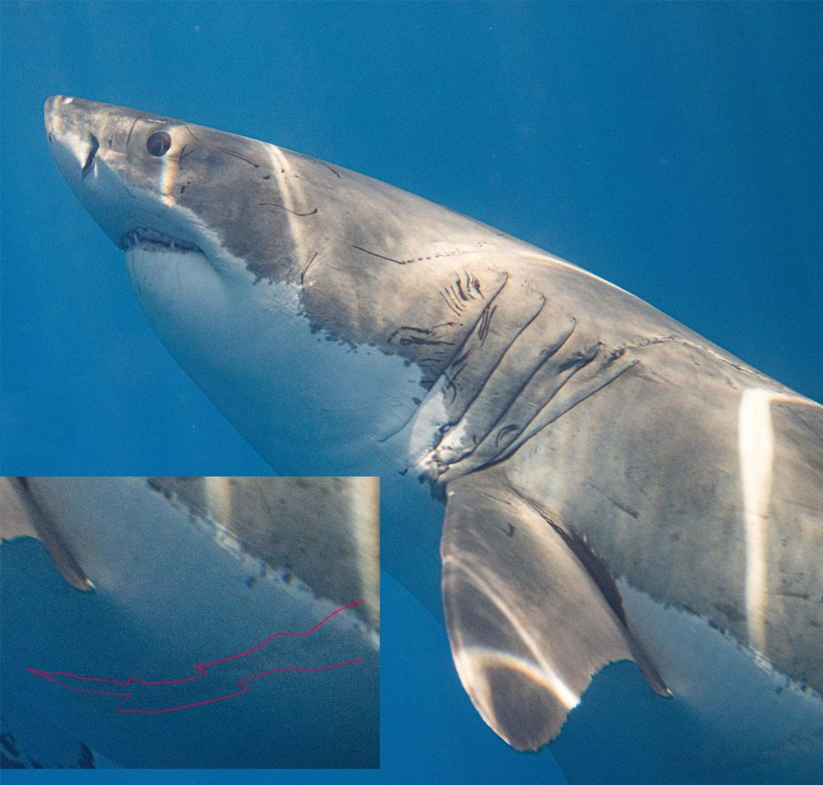
Photographer Euan Rannachan was cage diving with his friend and filmmaker Jalil Najafov in Mexico in August 2019 when a three-metre great white emerged from the inky blue depths with the scar that appeared like a massive bite.

Dolphins and Orcas have been known to kill sharks, but the teeth marks don't add up.

A fellow shark is far more likely to be responsible, with expert Julianna Kadar revealing cannibalism or aggressive mating habits could be behind the phenomenon.

Seabatch sports a huge bite mark on her left side.

"There are a number of reasons why sharks might bite each other including cannibalism, copulation and aggression," Ms Kadar — PhD Candidate at The Fish Lab at Macquarie University — said.

"It's common for larger sharks to cannibalise smaller individuals (and) during mating, the male shark usually bites the upper body or pectoral fin of the female to begin the copulation process.

"There are dominance hierarchies among individuals in a group of sharks that could certainly result in biting."

Mr Najafov posted a series of photos last year of one shark's massive set of what appeared to be gnarly "mating scars".

And rare fossil evidence found along the US coastline indicates ancient shark-on-shark attacks happened millions of years ago.

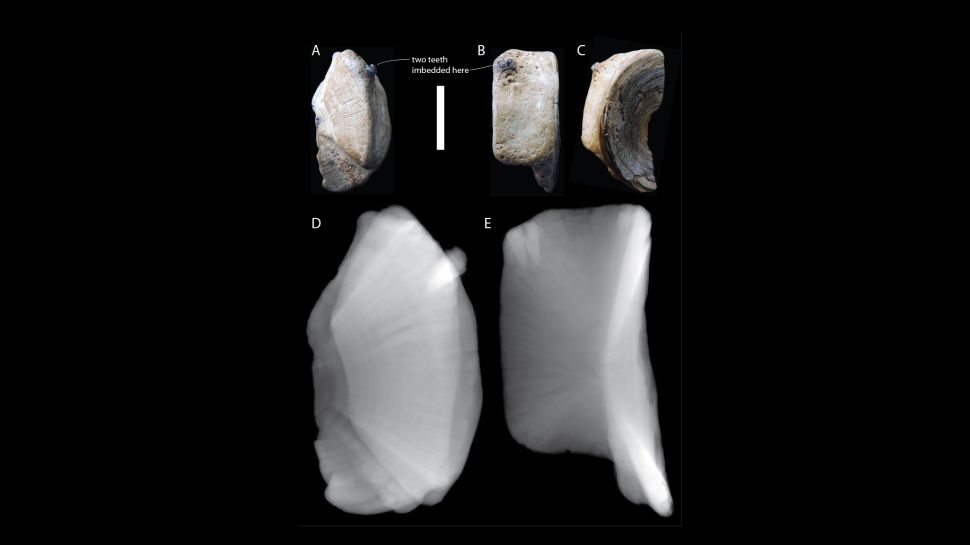
In four separate finds, fossil hunters and researches discovered ancient vertebrae of now-extinct sharks; all had bite marks.

Two even had teeth sticking out of them.

READ MORE: Day in the life of a man who tags great whites

Vertebra from an ancient requiem shark showed two teeth embedded within them. (Perez, V.J. et al. Acta Palaeontological (2021); CC BY 4.0)

'I can make out the teeth'

Mr Rannachan said he was stunned when he saw the bite on the huge great white, who has been dubbed Seabatch.

"Whatever bit this shark, it was huge," Mr Rannachan told 9news.com.au.

"I remember seeing it in the water and immediately realising I need to take a photo of the side of the shark before she left, because something did not look right

"The shark itself was a big one, so that bite is from something even bigger."

READ MORE: Deadly brown snake leaves behind 'rare' gift for snake catcher

The shark is about three metres long herself.

Mr Rannachan had also suspected another great white shark was responsible for the scar.

"If I was to guess I would say yes (it was a shark). But honestly it's almost impossible to tell," he said.

"The fact there is no obvious bottom jaw mark would lead me to believe it's not.

"But looking close at the wound I can almost make out teeth."

Euan Rannachan has spent hours gazing at this photo trying to figure out the mystery of the bite mark.

Upon observing the photos taken by Mr Rannachan, Ms Kadar said a very large shark was likely responsible for Seabatch's wound.

"The pictured bite looks like it came from a large size individual," she said.

"The size of the larger shark could be estimated if the size of the smaller shark was known and even the species could potentially be determined."

Tallest Galapagos volcano erupts, spewing lava, ash

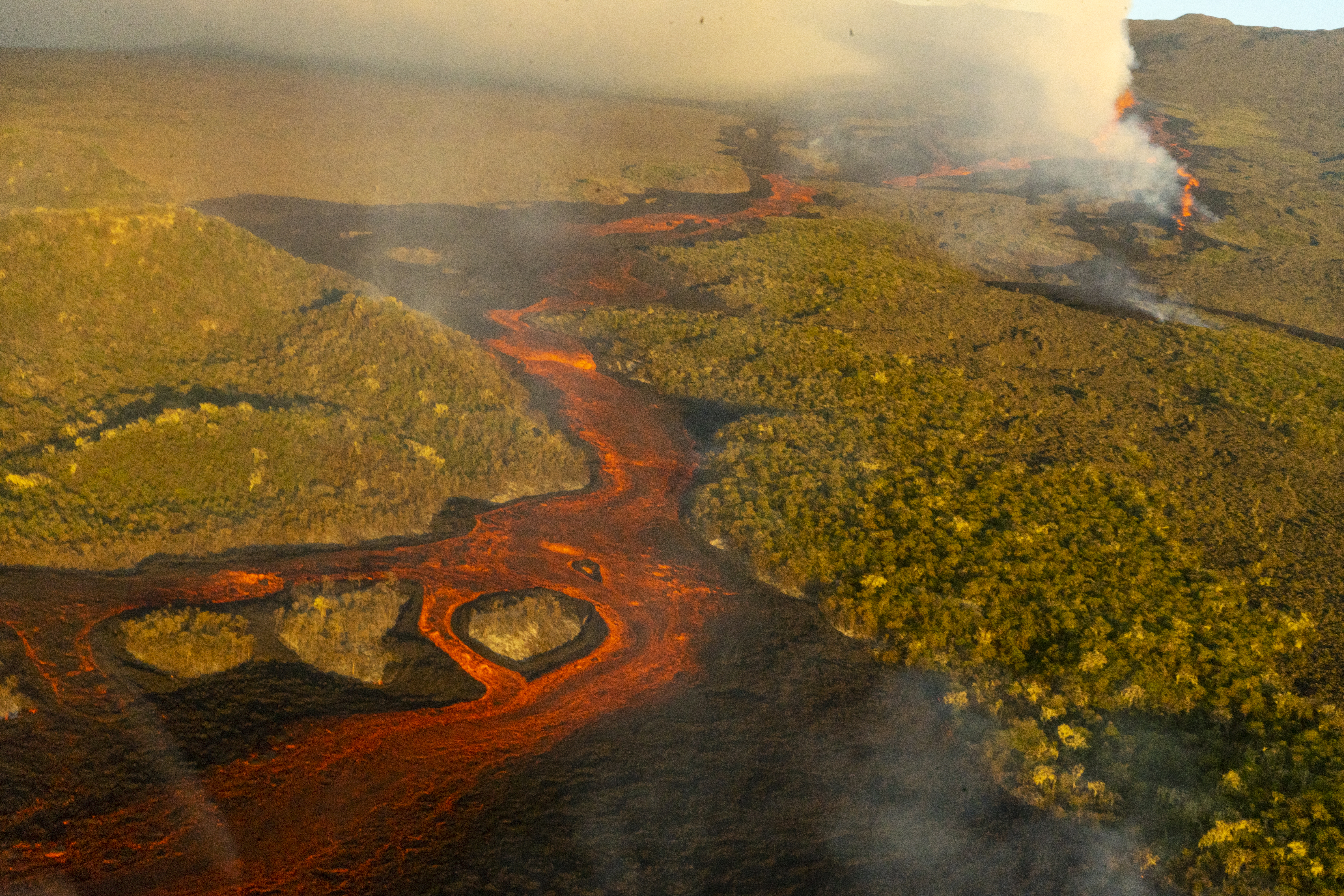
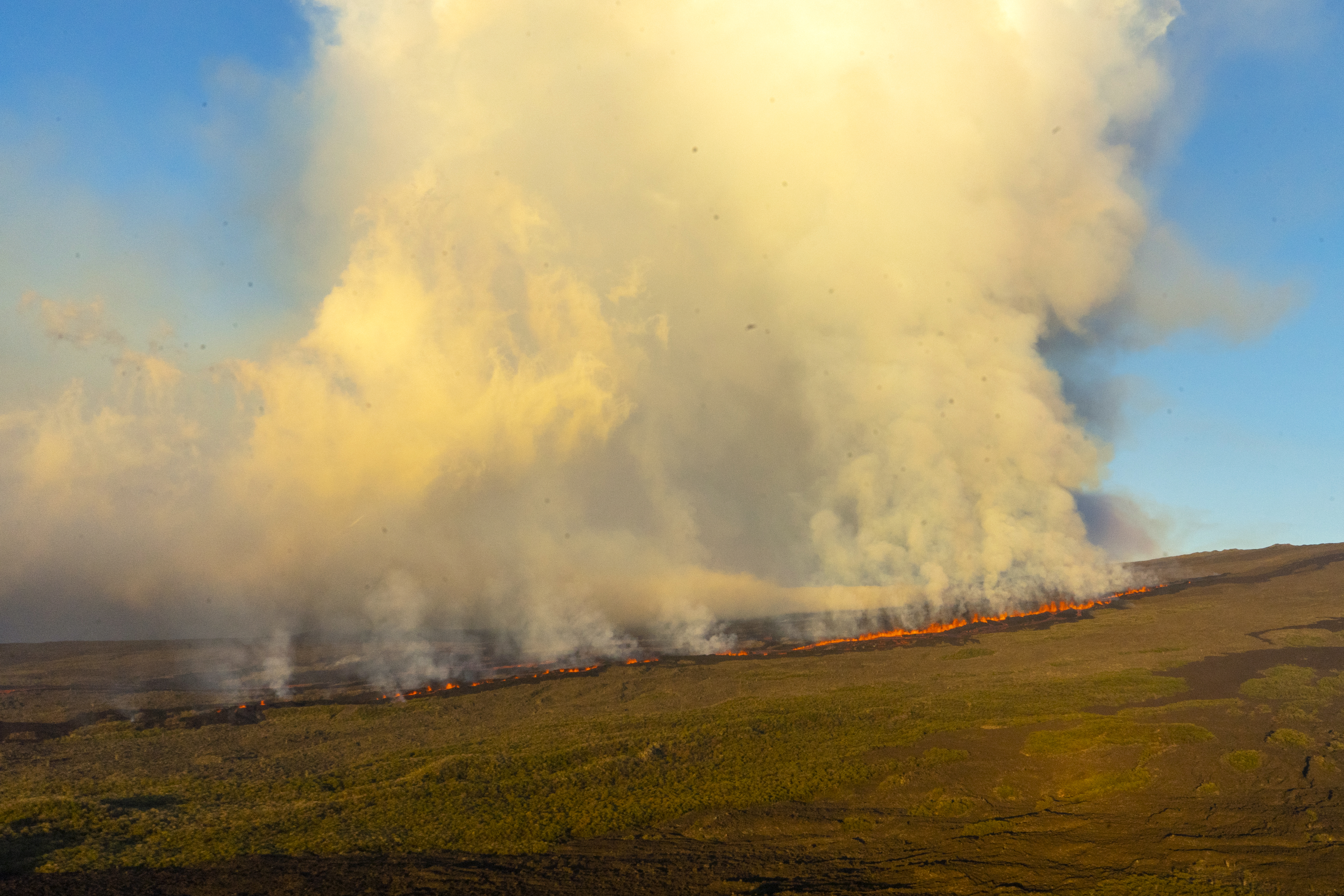
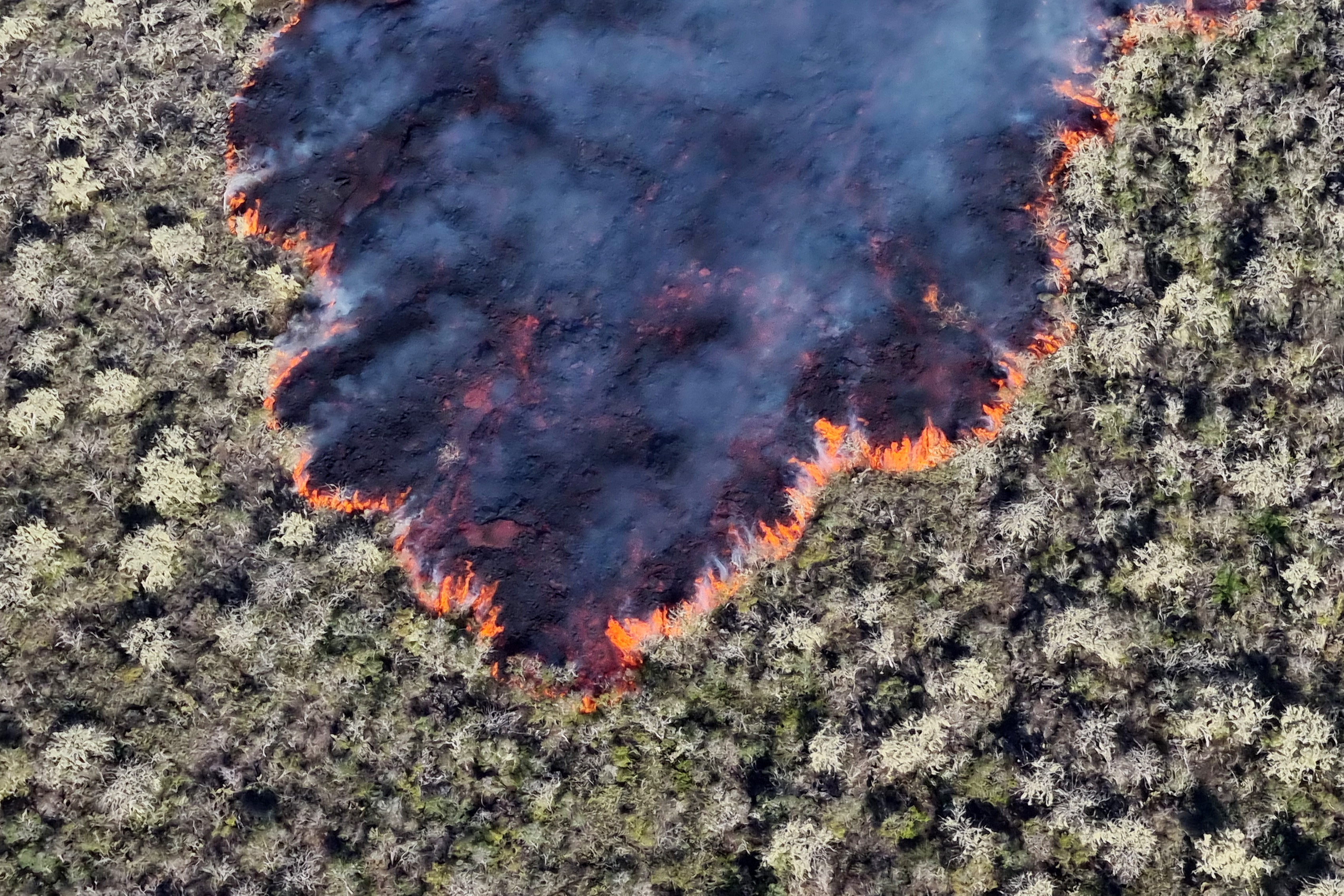
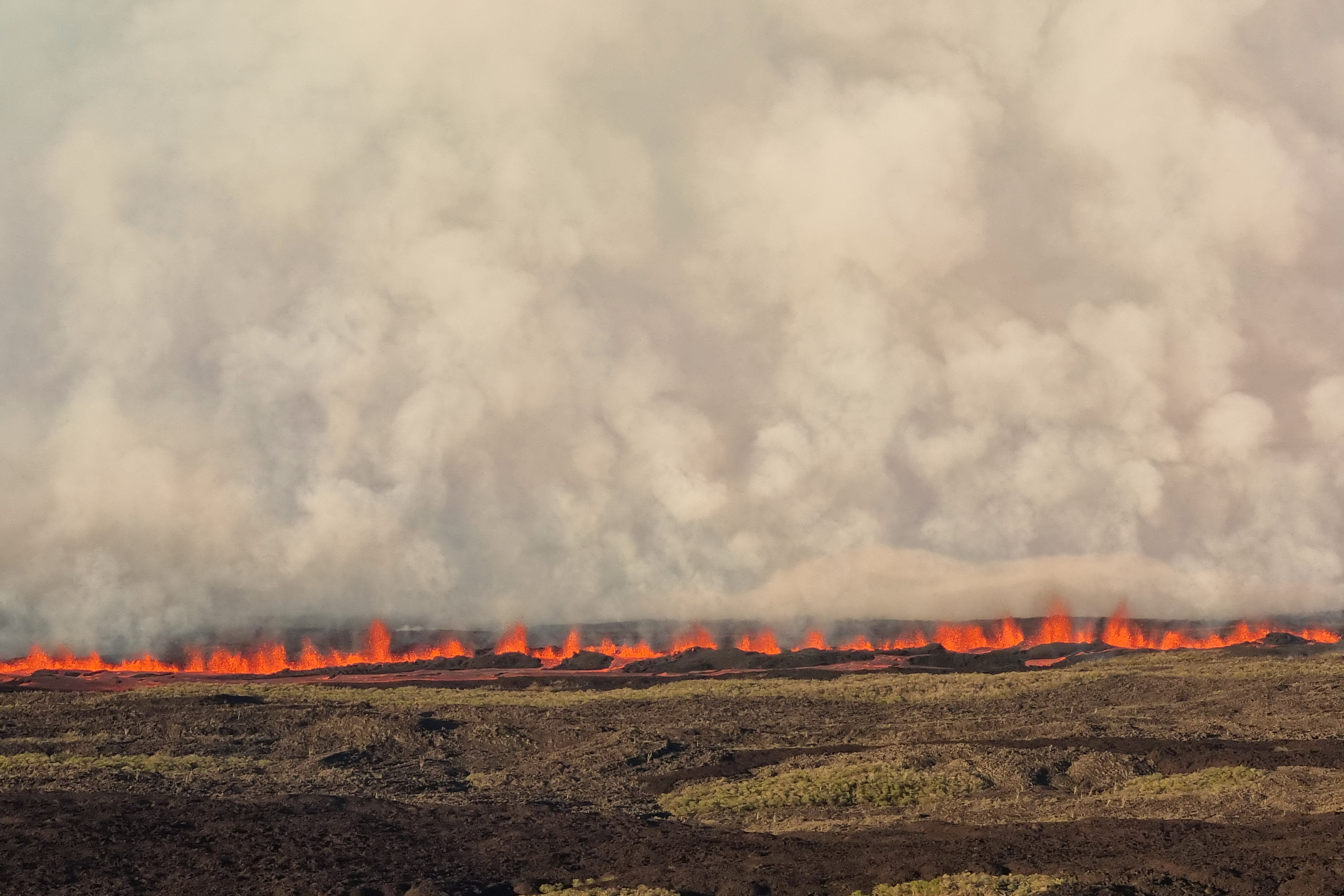
The tallest mountain in the Galapagos islands was erupting yesterday, spewing lava down its flanks and clouds of ash over the Pacific Ocean, according to Ecuador's Geophysical Institute.

A cloud of gas and ash from Wolf Volcano rose to 3793 metres above sea level following the eruption that began shortly before midnight Wednesday local time, the Institute said.

READ MORE: Differences between Delta and Omicron

Ecuador's Emergency Operations Committee said the new eruption on Isabela Island, the largest in the Galapagos chain, didn't represent a risk to humans or to native local species. Populated areas are located at the opposite side of the island.

But the Environment Ministry said eight people, including national park guards and scientists doing field work on pink iguanas living on the volcano's slopes, were evacuated from the area.

READ MORE: Federal government announces changes to pandemic disaster payment

The Galapagos Government Council said the emergency committee would continue monitoring the volcano to see in which direction the lava flows.

The 1701-metre volcano is one of numerous active volcanos in the Galapagos, which are nearly 1000 kilometres from mainland South America.

Images taken from afar and circulated by the government showed glowing lava piercing the pre-dawn darkness.

The volcano last erupted in 2015.

READ MORE: Tennis Australia accused of misleading Djokovic