Tag Archives: oceania

The ordinary expenses threatening to sink normal Aussies in 2022

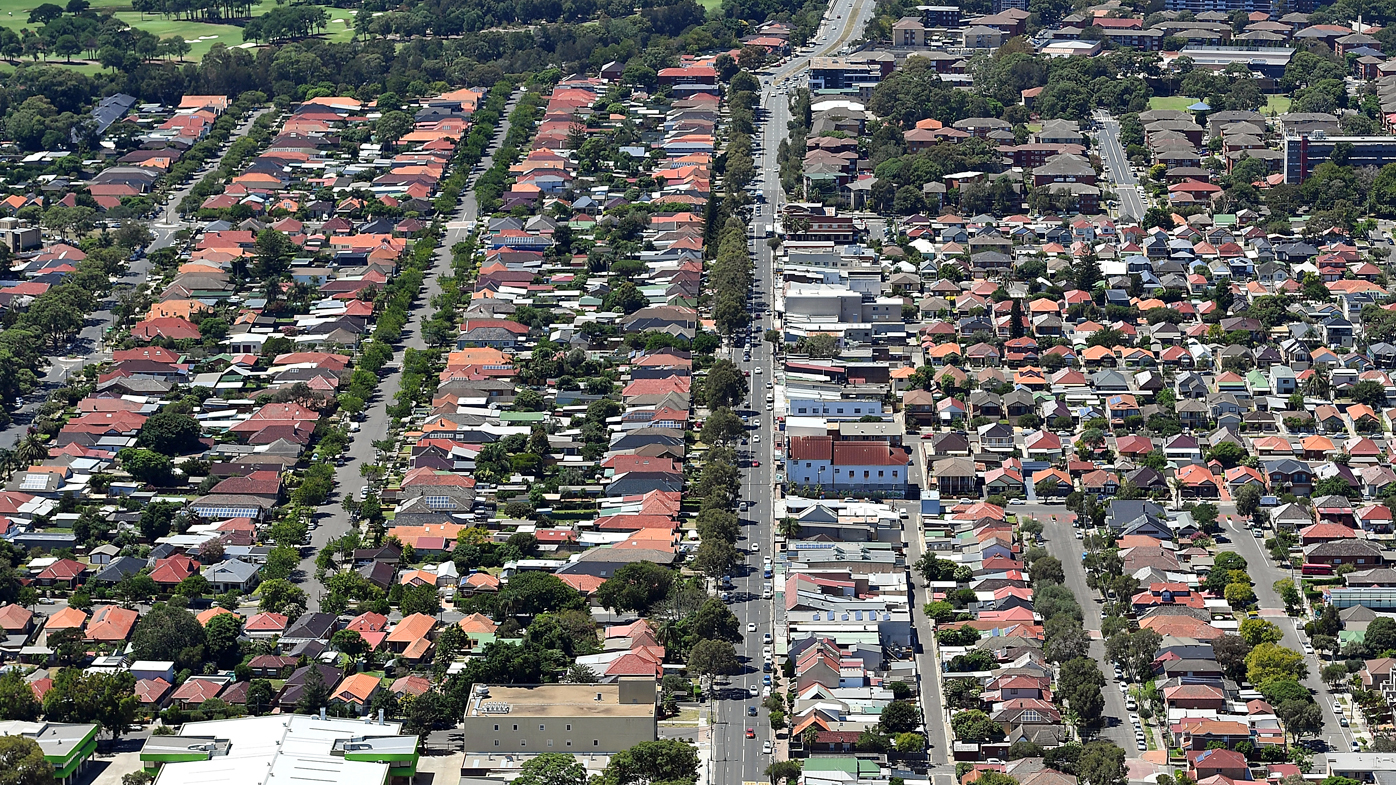
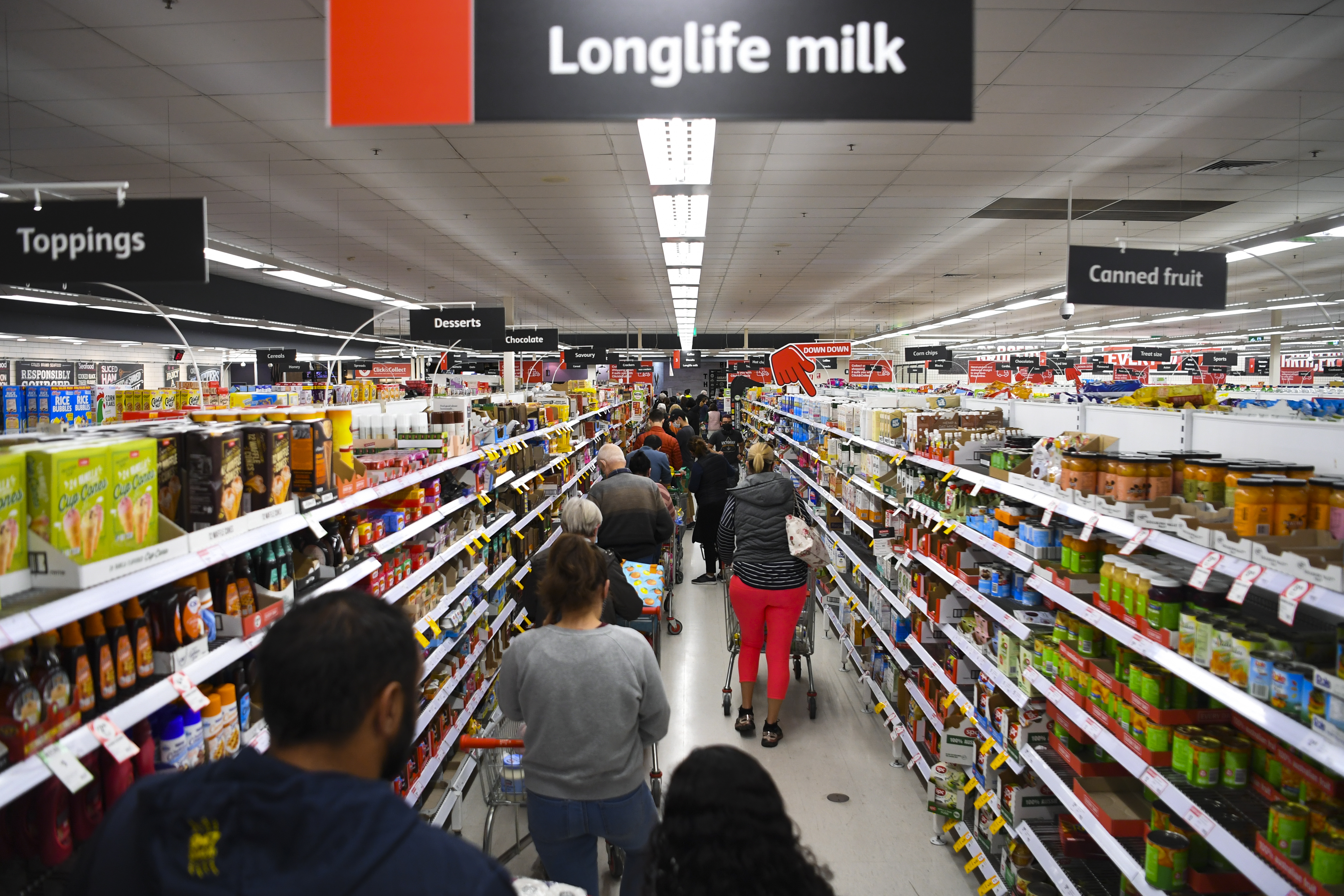
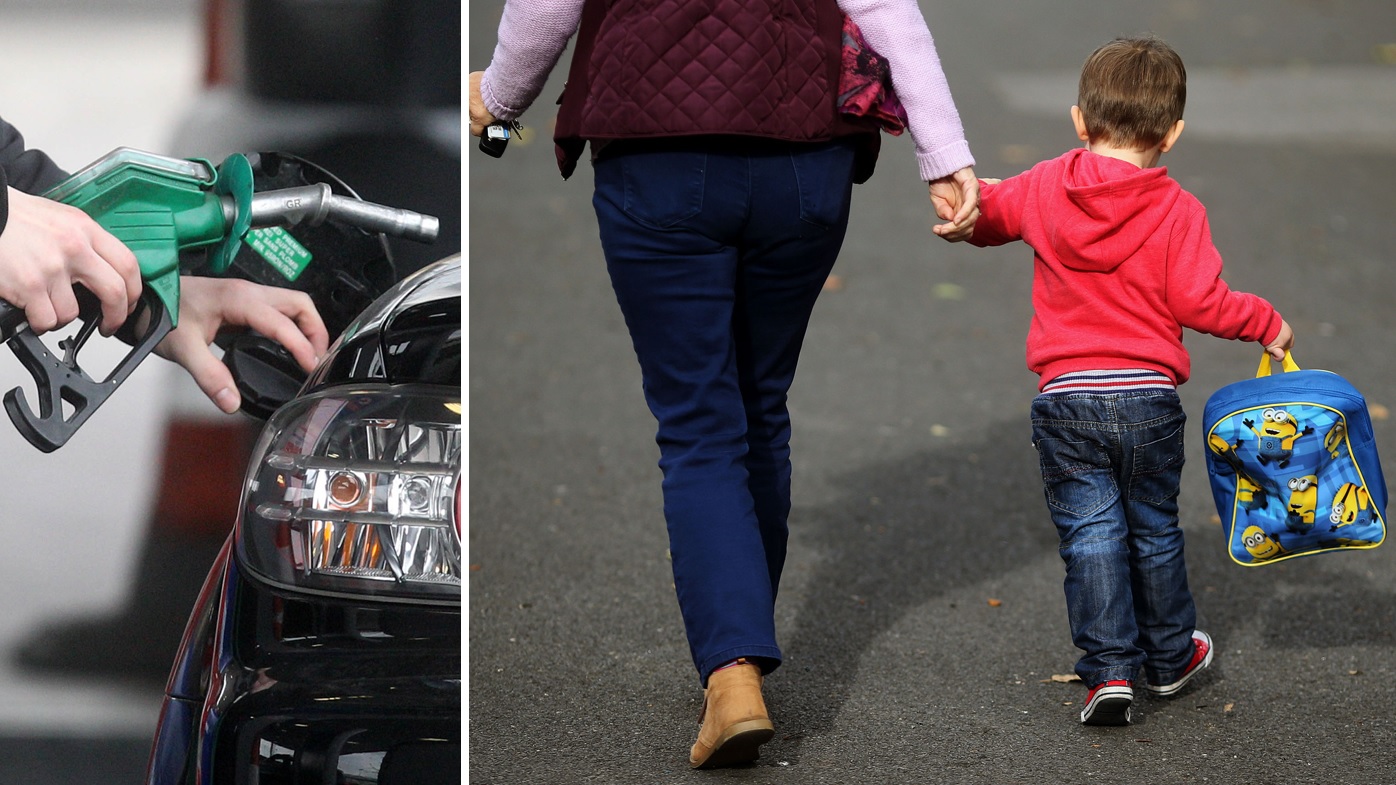
Keeping the car running, a roof over your head and a trolley full of food are the main financial concerns keeping Aussies awake at night as the cost of living threatens to blow out of control in 2022.

New data from Canstar's 2021 Consumer Pulse Report found that most Australians are worried about ordinary living expenses rising to an unmanageable level over the next twelve months.

According to the report, which surveyed 2000 Australian adults, the biggest financial pain points were the price of groceries (14 per cent), petrol prices (11 per cent) and the rising cost of rent (10 per cent).

READ MORE: Australian petrol prices hit seven-year high in October

The proportion of Australians who said they were living within their means fell to just 66 per cent, meaning more people than ever were stretching their household budgets just to cover ordinary costs.

Canstar's finance expert Steve Mickenbecker told 9News.com.au that normal wages were not rising fast enough to cover living in Australia.

"Everyday living costs are hurting the hip pockets of Australians," Mr Mickenbecker said.

"Prices are rising faster than wages, making it tougher to put food on the table and fuel in the tank."

READ MORE: Australia's property prices smash records in 2021

Outside of a mortgage, credit card repayments remained the leading source of debt with those who rely heavily on credit finding themselves deeper in the hole than they were 12 months ago.

"The proportion of Australians with debt only slightly increased by one percent, but those who are carrying debt owe a lot more than a year ago, spiking by nearly $16,000," Mickenbecker explained.

"While credit cards remain the biggest debt culprit, a growing number of Australians are accruing buy now pay later debt, and it's not just the younger generations either.

"The debt story is not all doom and gloom, as the majority – 76 per cent – of Australians with money owing feel that they can manage it."

READ MORE: Cheaper airfares as competition heats up, report predicts

Much has been made of Australia's roaring property market – which notched up a record-breaking 21.9 per cent of growth in 2021 – with Mickenbecker noting that it's the younger generations that will suffer the most.

"Canstar's results show that younger Australians are perceived as being the most hard done by when it comes to buying their first home, though I suspect the debate will continue to rage for generations to come," said Mickenbecker.

"Runaway house prices in 2021 are making the task of putting together a deposit still less attainable for first home buyers. In introducing higher capital requirements for banks, APRA will be hoping to slow housing price growth, but with banks already charging higher interest rates for investment, it may not be enough.

"If the Australian dream of home ownership is to survive this decade, we need to slow investment lending by easing the brakes on now. If next year is another year like 2021, there will be a need to slam on the brakes."

The information provided on this website is general in nature only and does not constitute personal financial advice. The information has been prepared without taking into account your personal objectives, financial situation or needs. Before acting on any information on this website you should consider the appropriateness of the information having regard to your objectives, financial situation and needs.

It won't be a pandemic forever – here's what could be next

Even after COVID-19 cases fall from their current record-high levels, it's unlikely the US — let alone the world — will be able to completely eliminate the coronavirus that causes them.

But there will come a day when it's no longer a pandemic, when cases are no longer out of control and hospitals aren't at great risk of overflowing with patients.

Many experts predict that the spread of coronavirus will eventually look and feel more like that of seasonal influenza.

READ MORE: Lawyers demand proof that Prince Andrew can't sweat
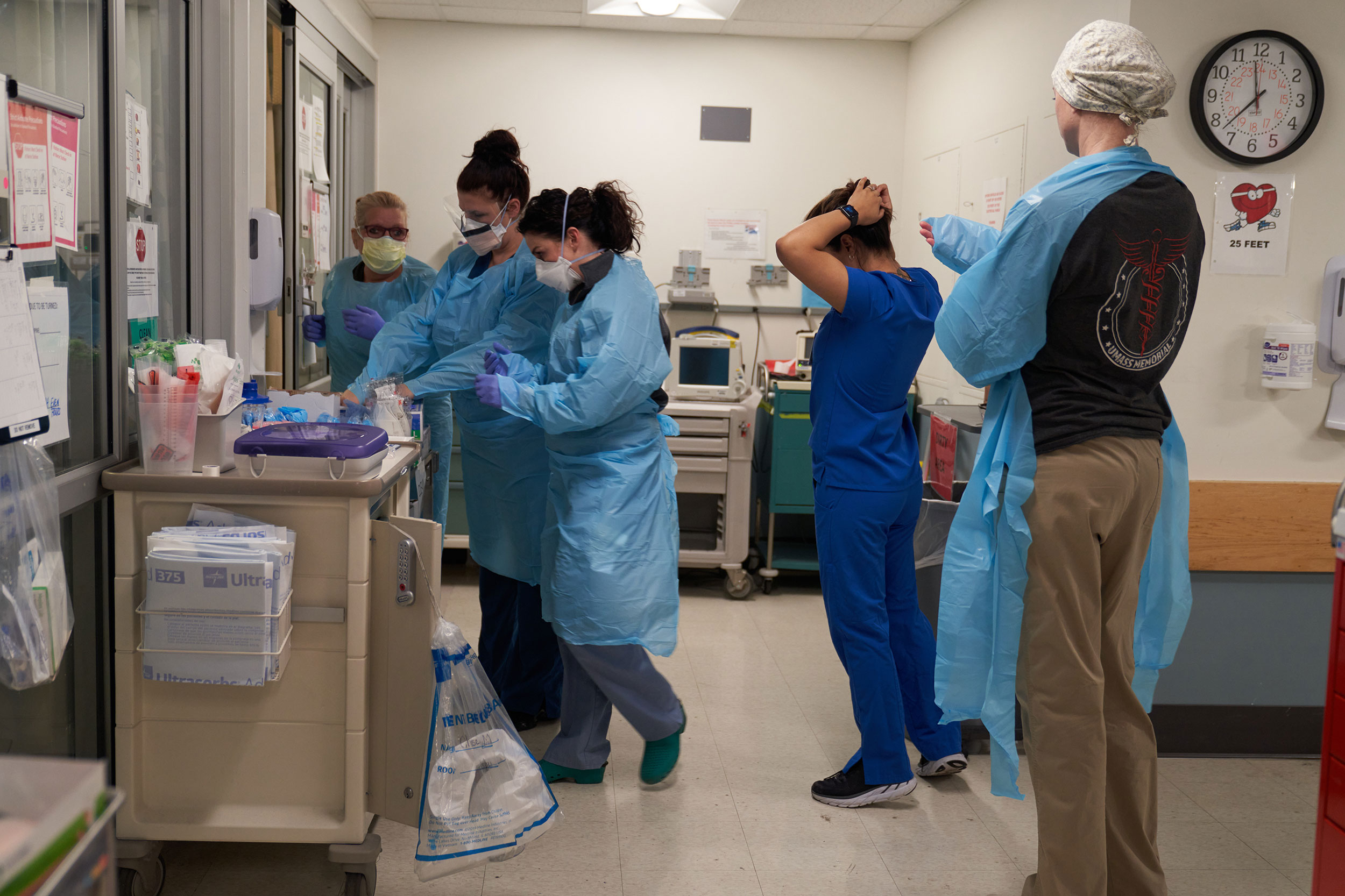
The US may be past the peak of Omicron cases around the end of January, some experts say; 2022 may be when the coronavirus becomes "part of our background and it comes (and) goes," Dr Ofer Levy told CNN's Alisyn Camerota this week.

"I think it's likely that we'll see this wave come and go and that the spring and summer will look a lot better than right now looks to us," the director of the Precision Vaccines Program at Boston Children's Hospital said. 

"There will be fewer cases, and then again, next fall and winter we'll see a spike of viral illnesses, coronaviruses, influenza and others, but that it'll be more like an endemic cycle.

"It will be a better winter, just like this winter, with all of the challenges, is still better than the winter before."

But this coronavirus shifts and surprises frequently — and there's no official benchmark for when the pandemic has ended and a new normal has begun.

READ MORE: Expert's verdict on the 'real' Robin Hood
"There's not even a measurement to say that something is an epidemic or pandemic. All of this is in the eye of the beholder — and that's part of the issue," Dr Arnold Monto, a professor of epidemiology at the University of Michigan and acting chair of the US Food and Drug Administration's Vaccines and Related Biological Products Advisory Committee, told CNN in November.

"So, all of this is not based on rules. It's based typically on what you have to do to control the outbreak," he said. 

"What is so different here is that our vaccines are much more effective than what we usually see."

That's the good news, according to Dr Monto. The bad news comes with the power of the virus to change and evolve.

No one can predict what the future of COVID-19 could look like — and the emergence of coronavirus variants, like Delta and Omicron, has shifted the trajectory.

"With the change in transmission patterns, as the variants have emerged — I call it a parade of variants — we now see much more extensive transmission and much more uniform spread globally. This makes declaring the end of the pandemic more difficult," Dr Monto said.

"Because the whole pattern of spread has changed, and there may still be pockets that really haven't gone through the kind of waves that the rest of the world has gone through."

READ MORE: 'So many memories': Over 500 homes feared destroyed by Colorado wildfire
'Wait and see and hold our breath'

Dr Monto and other public health leaders anticipate that in the future, the world could track the spread of SARS-CoV-2, the coronavirus that causes COVID-19, in ways similar to how the seasonal flu is monitored.

"We have no idea whether we're going to see that kind of seasonal pattern with SARS-CoV-2, but it does remind us that most of our respiratory viruses start behaving as seasonal events," Dr Monto said.

"There is the precedent for a very seasonal pattern for some of the coronaviruses that have been infecting people. 

"Whether SARS-CoV-2 starts to behave like that, we don't know, but at least it gives us one scenario that it might start to behave like that."

As Dr Monto put it, we have to "wait and see and hold our breath" to unlock what an endemic phase of the coronavirus might look like.

Endemic means a disease has a constant presence in a population but is not affecting an alarmingly large number of people, as typically seen in a pandemic.

'We will get to that point where it might occasionally be up and down in the background, but it won't dominate us the way it's doing right now.'

Even in early 2020, as the pandemic was just ramping up, officials at the World Health Organisation predicted that the novel coronavirus "may become another endemic virus in our communities" and never go away.

"When you think about pandemics, you're in the pandemic phase, and then you have a deceleration phase, then you have a control phase, then hopefully you'll have elimination and maybe eradication," Dr Anthony Fauci, director of the National Institute of Allergy and Infectious Diseases, told the US Senate Committee on Health, Education Labour and Pensions at a hearing in November.

"What we hope to get it at is such a low level that even though it isn't completely eliminated, it doesn't have a major impact on public health or on the way we run our lives," Dr Fauci said. 

"So if we get more people vaccinated globally and more people vaccinated now, hopefully within a reasonable period of time, we will get to that point where it might occasionally be up and down in the background, but it won't dominate us the way it's doing right now."

Even as COVID-19 cases surge to new highs, federal health officials have been thinking about how to measure the end of the pandemic and how to continue to track the coronavirus once it becomes endemic.

Dr. Anthony Fauci, director of the National Institute of Allergy and Infectious Diseases, speaks during the daily briefing at the White House in Washington, Wednesday, Dec. 1, 2021. (AP Photo/Susan Walsh)

'There is still much to be done'

To transition from pandemic to endemic in the US, the nation has to build up immunity to the coronavirus — which means many more people need to get vaccinated, Dr Philip Landrigan, a paediatrician and epidemiologist at Boston College, told CNN in November.

With some Americans still refusing to get their COVID-19 shots and some refusing to wear masks, the transition could take more time.

About 62 per cent of the total US population is fully vaccinated against COVID-19. Even fewer have received a booster dose.

"We have to get somewhere well north of 80 per cent, possibly even well north of 90 per cent of the population with immunity, either through having had infection or through having had vaccinations," said Dr Landrigan, who worked at the CDC for 15 years.

To control the spread of the measles virus in the US population, for instance, "we had to get the immunity rate up above 95 per cent, and even then, we've had sporadic outbreaks. 

"These outbreaks typically occur when you have a cluster of people in a particular place who are not immunised and all of a sudden the virus gets introduced because a traveller has come in with the virus — and bang, you've got 20 cases of measles in some town," Dr Landrigan said. 

"But that's not an epidemic. It's an outbreak against a background of almost no cases or scattered endemic cases."
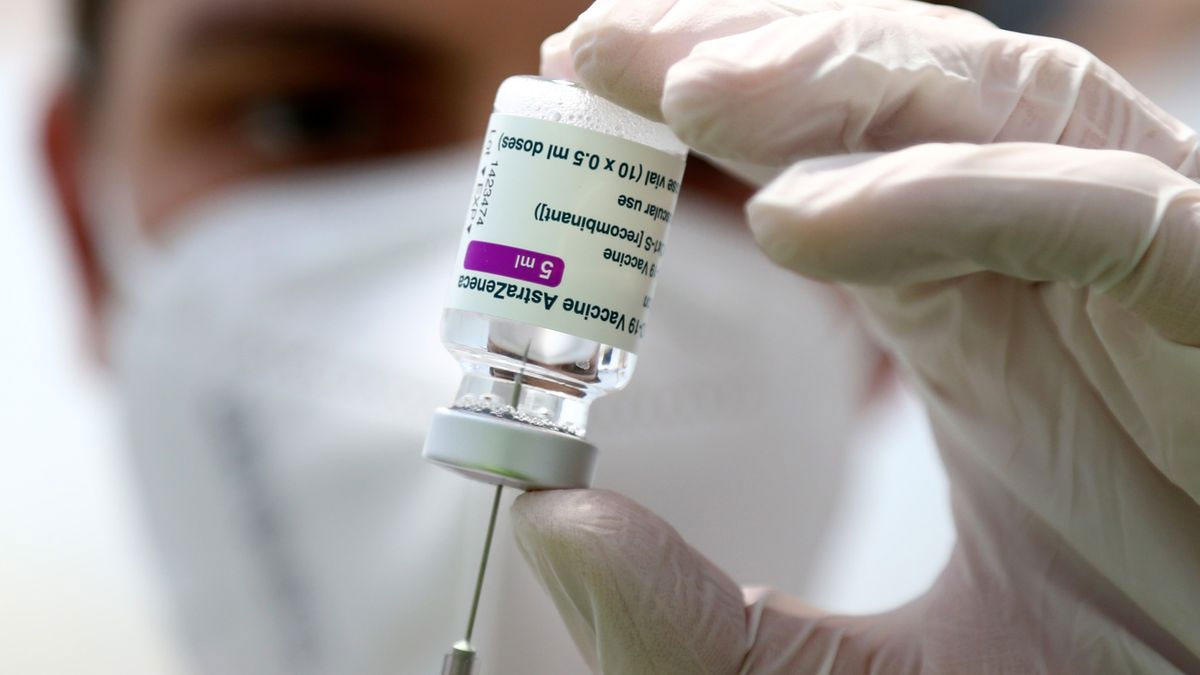
Just as supply of AstraZeneca started to improve, confidence in the vaccine was shaken by a number of reports of blood clots developing as a side effect. April saw one of the first reported cases, a 44-year-old Victorian man who was admitted to Melbourne's Box Hill Hospital. He developed blood clots in his spleen, liver and gut after getting the jab.

Health officials are familiar with the work needed to improve vaccination rates.

The CDC recommends that almost everyone six months and older in the US get a flu shot every year. But during the 2019-20 flu season, only about half of those people — 51.8 per cent — did, according to the CDC. The agency estimates flu has caused about 12,000 to 52,000 deaths each year between 2010 and 2020.

The coronavirus has killed more than 800,000 people in the United States so far. In the future, the battle to corral the virus every year may look very much like the annual fight against the flu.

"We've been thinking a lot about what an endemic phase looks like and the data that we're needing to collect during that phase. Certainly right now, we are collecting data on cases, hospitalisations, deaths," CDC Director Dr Rochelle Walensky said in the Senate committee hearing in November. 

"The question is: What are going to be our best metrics moving forward? And probably modelling it on flu."
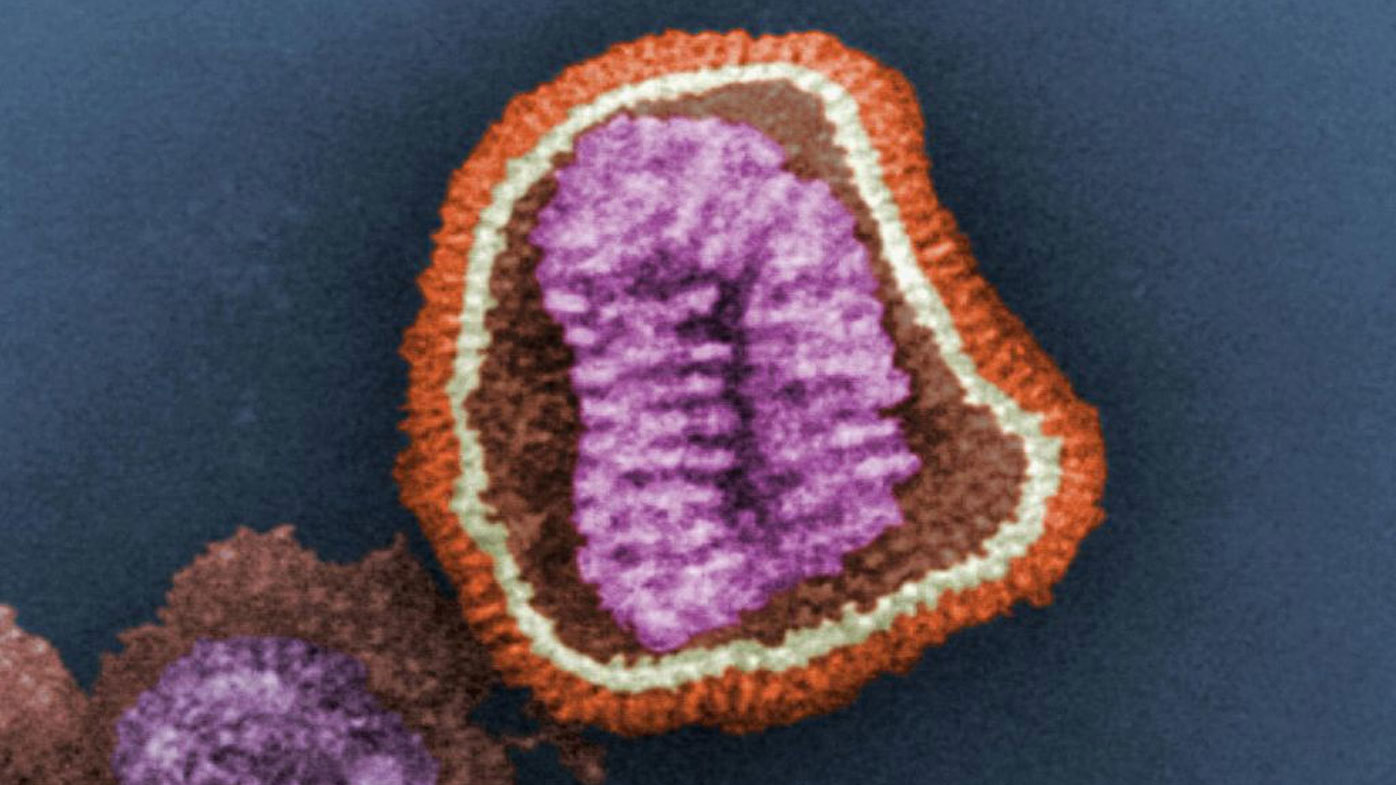
The influenza virus as seen under a microscope.

A more likely picture of the future

The CDC collaborates with health departments, laboratories, hospitals and health care providers to track diagnosed flu cases, determine what influenza viruses are circulating and measure the impact those viruses are having on hospitalisations and deaths.

One idea is that when the coronavirus becomes endemic, a similar tracking system could be used to monitor the pathogen.

"We could handle the cases just like we do with seasonal flu, where we're able to say we know we're going to see a number of cases in the winter season, and we can have the right staffing, we can have the right supplies ready, and we're ready to handle it, as opposed to the surges that we've been dealing with here," Dr Stephen Parodi, national infectious disease leader for Kaiser Permanente, told CNN in November.

"I'm still on phone calls talking about, 'what's our ICU bed capacity? What's our supplies chains that we need to provide care to patients? Do we have enough medication?'" Dr Parodi said. 

"We have a lot more work to still do to get to where we want to be, and I think we're going to see this transition over year 2022. But for some locales, where there's less immunity, it's going to be a longer run."

Even the flu is unpredictable, and doctors have seen a lot of it over the years.

"We know there are going to be cases," Dr Monto said. 

"With the flu, we've had experience with flu pandemics before. So we know typically the way they behave. This has been an evolving situation with a totally novel pathogen."
The everyday smart tech helping Australians with sight disabilities

Smart technology is seemingly taking over our homes. For the majority it's a luxury but for those without sight it's changing lives.

The ability to request information with just your voice is not to be underestimated, especially when it comes to those with sight disabilities.

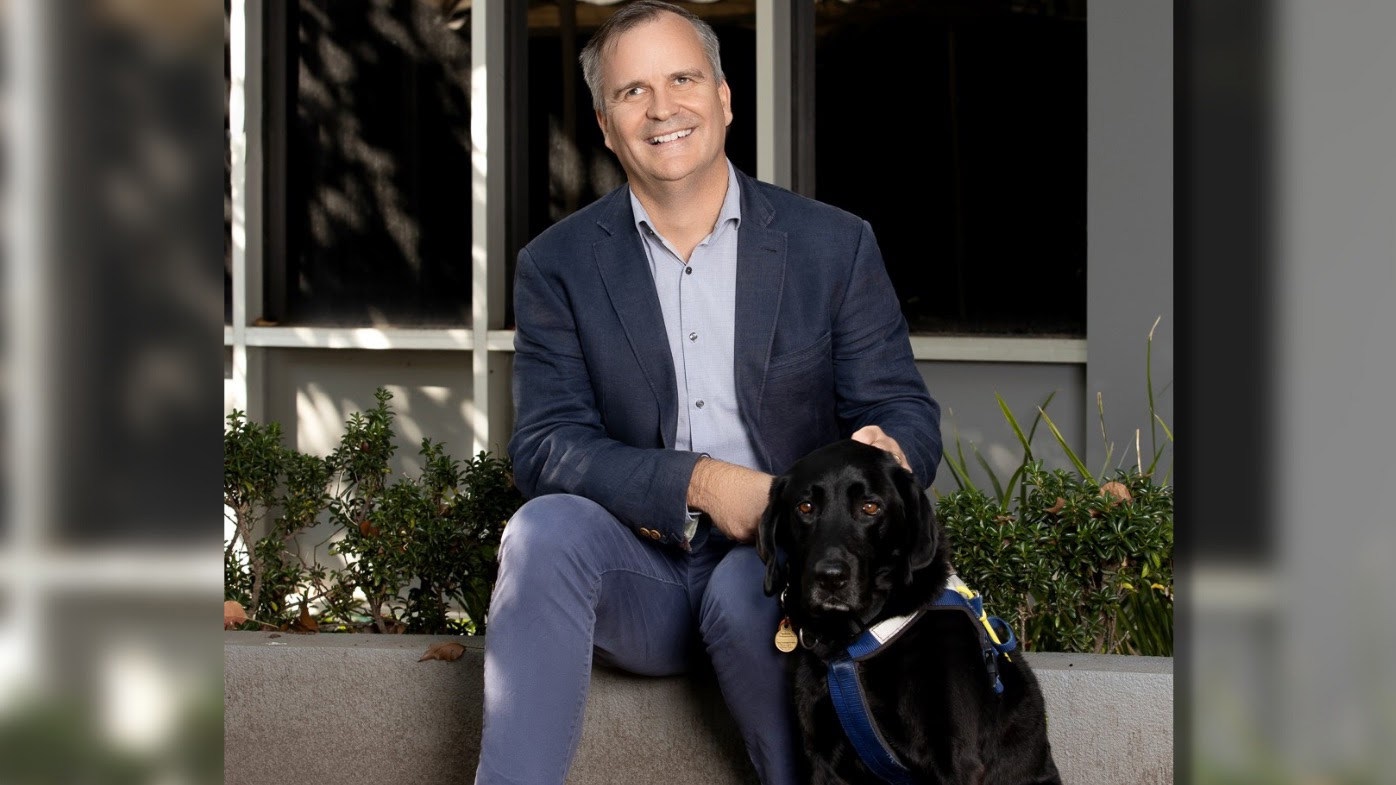
Vision Australia's Chris Edwards is totally blind and gets by with the assistance of his seeing eye dog, Eva, but there's obviously limitations when it comes to canine companions.

READ MORE: Biggest technology releases of 2021

Mr Edwards told 9News smart technology has recently become a key part of his daily life.

"Whether that's at home or at work, or when I'm out and about using the devices is a key aspect to be able to have the confidence and the independence, to be able to do a broad range of things like everybody else in the community," he said.

Mr Edwards said information that was readily available to the majority, such as Googling something on your phone, was often a major barrier for people who were blind or had low vision.

"To rely on others to be able to access that information is just not satisfactory. It's very frustrating," he said.

"Being able to use your voice to access a broad range of information and get an instant response that's clear and understandable is amazing."

Mr Edwards said he used Amazon's Echo Show at home, employing smart assistant Alexa to perform simple tasks and receive important information.

"When you're getting dressed in the morning and you're blind, you don't have access to a phone to be able to look at, and knowing what the weather will be like will inform what you'll get dressed in today," he said.

"Additionally, the ability to easily tune into a news brief, to be able to quickly hear what the key highlights of the news of the day, it's really important."

Mr Edwards said having his own virtual assistant had made traveling across town easier than before.

"I just ask it 'When's the next train from Fairfield station' and Alexa will tell me," he said.

"Something like that doesn't seem like a big deal, but it makes such a big difference to be able to have that information on demand and accessible all the time."

READ MORE: Huawei's latest luxury laptop has a very awkwardly placed camera

While the exact future of smart assistants is unclear, Mr Edwards said there were still some limitations.

"Some of the things that are very challenging for people with sight disabilities are booking travel and booking airlines and booking hotels, and those sorts of things," he said.

Mr Edwards is calling on the Australian government to update its policies on mainstream and specialist technology, making Alexa more accessible to those with sight disabilities.

"Government policy today doesn't keep up with the speed of technological change, and a lot of government programs fund specialist equipment specific to people's assistant technology," he said.

"I think that if we really want to change the dial for disability and ensure that people have the right support through technology, the government needs to recognise that some of that technology will be delivered through mainstream technologies that have fantastic accessibility features built into it.

"Even that little bit of independence that tech like Alexa can provide builds some confidence to be able to access a whole lot of things, helping our community be more mobile, connected and independent."

It's not just the vision impaired reaping the benefits of smart assistants like Alexa. Mr Edwards said the young and elderly could also take advantage of voice assistants.

"To be able to teach them a simple or voice command is really approachable and easy to learn," he said.

Smart voice technology is growing rapidly, so much so that organisations like Vision Australia have specialised tech experts to help guide new users through the process.

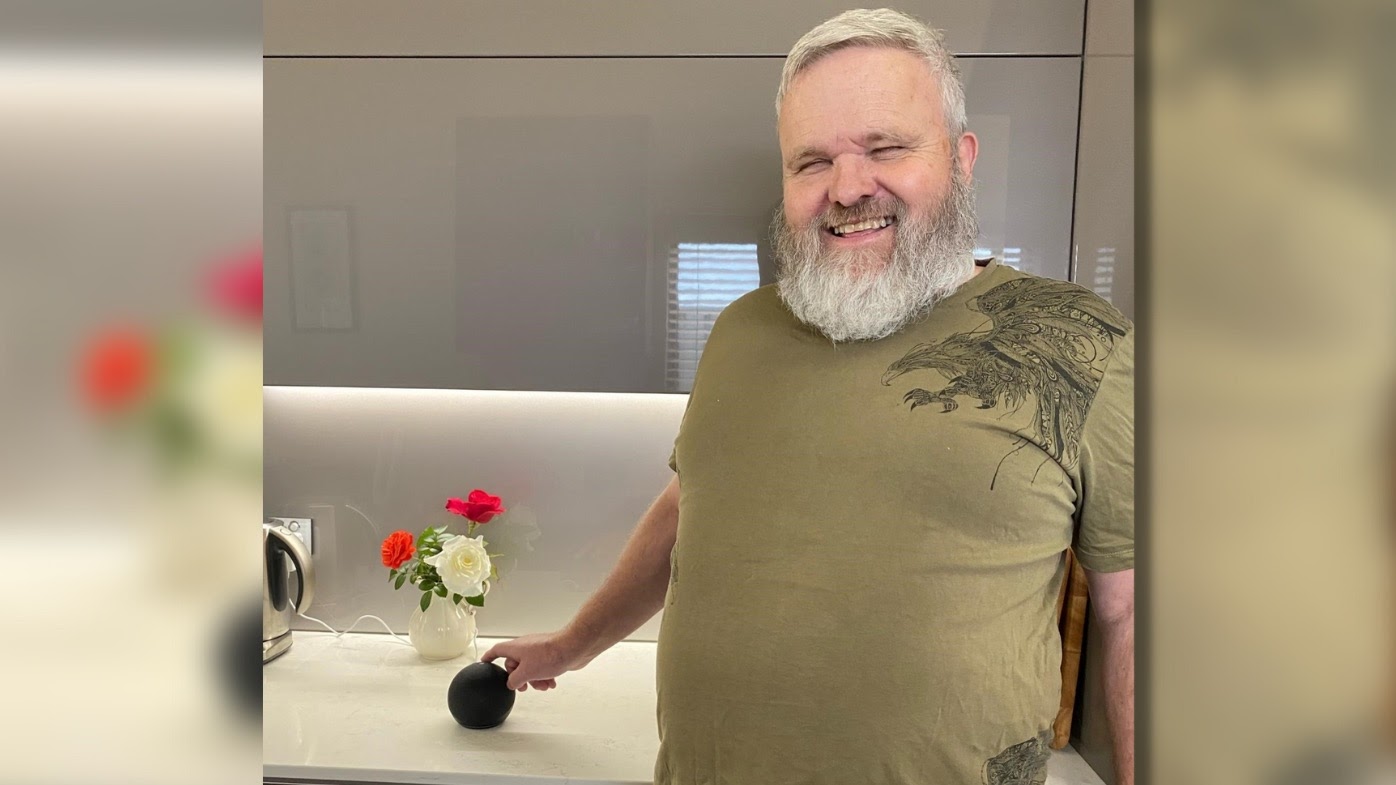
David Woodbridge is the resident assistive tech expert at Vision Australia.

He told 9News his voice assistant helped him get his family ready for the day, with over a dozen Amazon devices scattered throughout his home.

"Once the kids are off, I'll often use my devices to play a spoken word book through a service like Audible, a podcast or even just listen to the radio," he said.

"For lunch or dinner Alexa is really useful in the kitchen, helping me with timers to make sure I cook my meals correctly, and giving me recipe tips if I'm looking for inspiration."

Throughout the day, Mr Woodbridge has multiple reminders announced by Alexa, with Amazon's whisper mode activated at night so he can ask the time without waking the house.

"I've got an alarm that goes off in the kitchen, which basically says it's coffee time," he said.

"Between then and about 7.30, I've got lots of little reminders because Alexa's the only smart speaker that actually reads out reminders and repeat them once, twice or three times.

"I'm reminded that I need to make lunches for all of my children by about 7.00. Then it's got the countdown, from 7.00am to 7.25am, to get dressed, Alexa makes sure we're all running on time."

Smart assistants aren't limited to supplying information, they can also help you control items around your home such as lighting, air conditioning and even the vacuum.

Many products can be adapted to function as "smart" by using a WiFi-enabled device or adapter.

As of now, if someone with a vision disability wants to take advantage of smart assistant technology they'll likely need some help.

"You'll need help from a sighted person to help you manage the app and set up your profile — If you have any issues with your WiFi network or you mis-tap, maybe your password, you'll get frustrated," Mr Woodbridge told 9News.

"Once Alexa is set up, it's so easy but those first setup steps are critically important."

In addition to Mr Woodbridge's own podcast Talking Tech, those looking to learn more can listen to Dot to Dot and Echo Tips, both created to assist beginners wanting to take the plunge.

Historic former Manly ferry sinks in Sydney Harbour

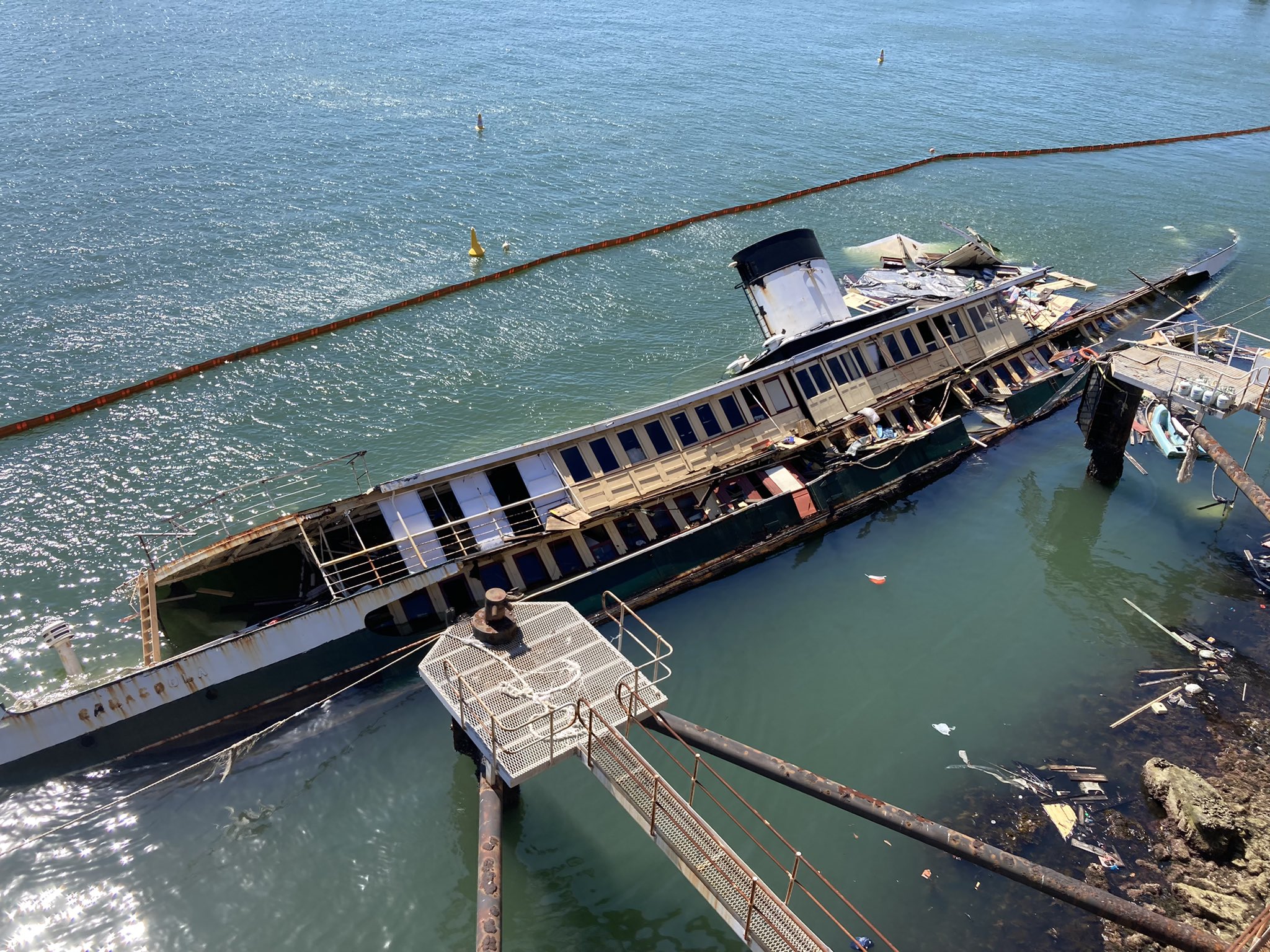
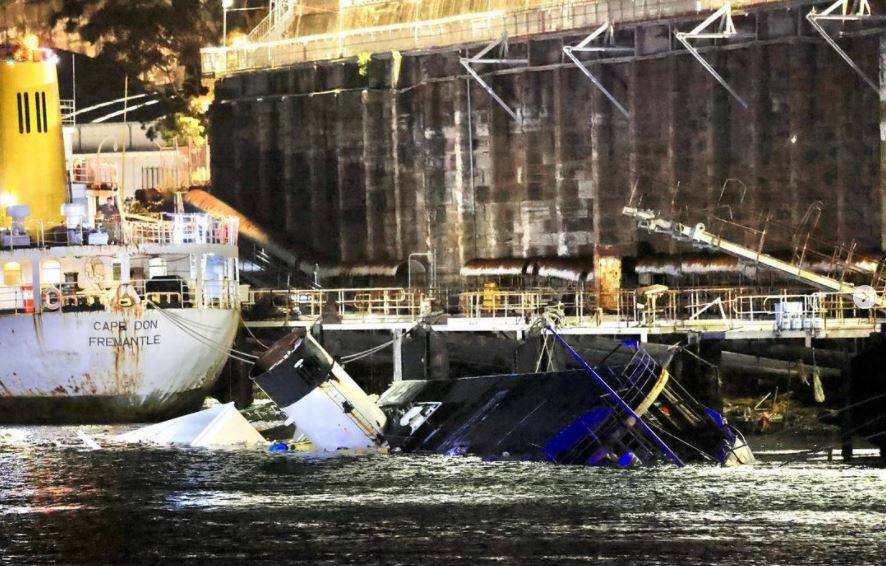
A historic former Manly ferry has sunk in Sydney Harbour after almost two decades of attempts to refurbish the vessel.

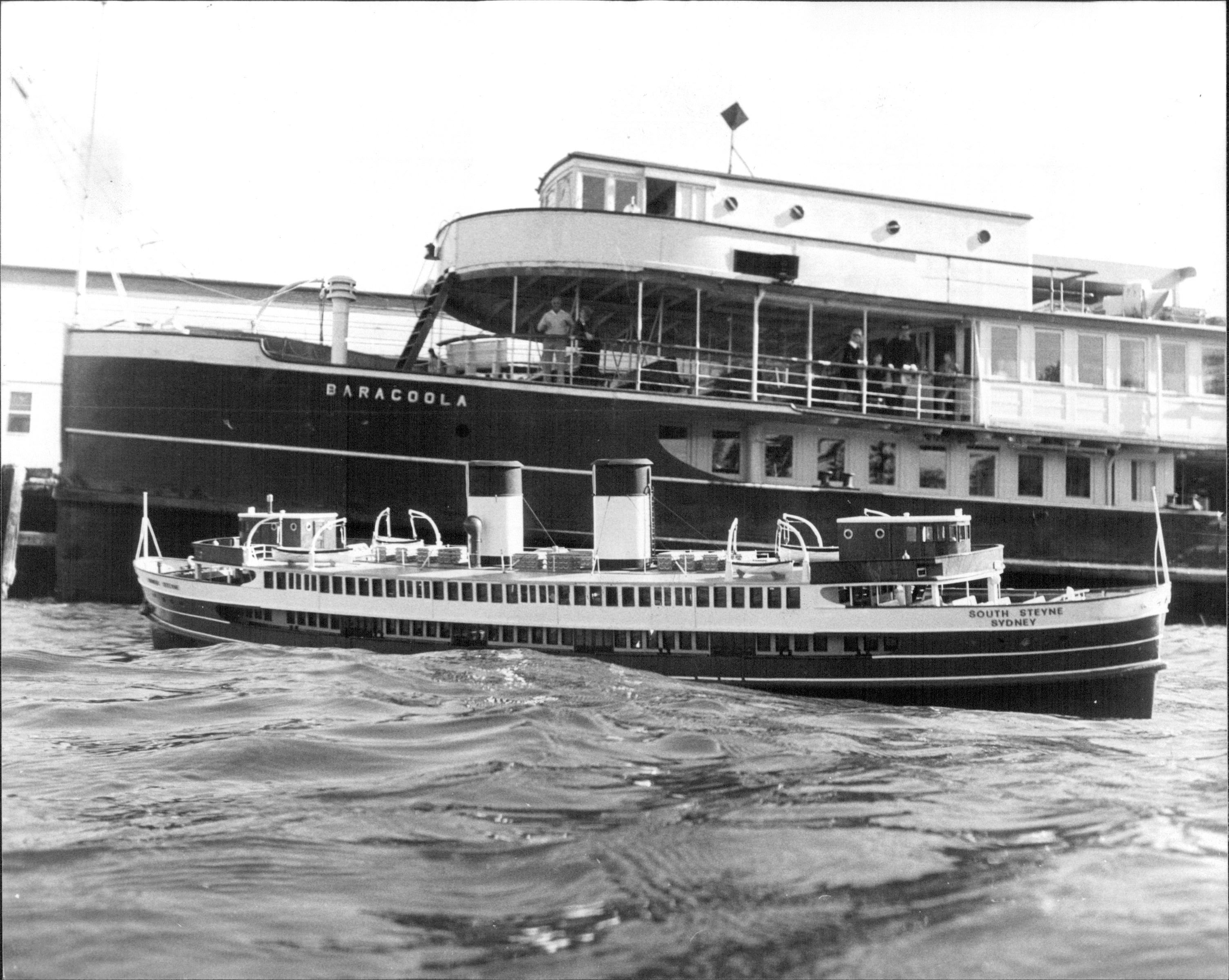
Four decades since its retirement, the 99-year-old Baragoola sank at its wharf in the lower north shore suburb of Waverton late last night.

MV Cape Don ship keeper Daniel Callender watched on as the ferry started "sinking rapidly".

READ MORE: I own a small wellness company. Here's how I earned $482,000 in a month

A historic former Manly ferry has sunk in Sydney Harbour.

"As I walked out the only noise was the sound of creaking timber as she slowly started settling on her side," Mr Callender said.

Police said two people onboard fled the ferry before it rolled on its side into the harbour.

The ropes are still strapped to now straining wharf bollards.

READ MORE: Man dies after rock fishing accident near Wollongong

Four decades since its retirement, the 99-year-old Baragoola sank at its wharf in the lower north shore suburb of Waverton late last night.

"If they snap, she'll probably settle a little further onto the seabed," Mr Callender said.

The ferry was formerly operated by the Port Jackson and Manly Steamship Company and its successors on the Manly service.

Once it was decommissioned, the vessel was moored at Balls Head Bay on the north side of Sydney Harbour.

READ MORE: NSW records 18,278 new cases as testing rates drop

MV Cape Don ship keeper Daniel Callender watched on as the ferry started "sinking rapidly".

There have been several attempts to restore the Baragoola, including one long-running project which seemingly collapsed during COVID-19.

"(There were) holes in the top sides for quite some years, and quite frankly, I'm surprised it lasted this long," former shipwright David Moore said.

The ferry was formerly operated by the Port Jackson and Manly Steamship Company and its successors on the Manly service.

The site is surrounded by floating booms to prevent pollution and there are now plans to remove the vessel from the bay.

"It's like a wounded animal, and it's in its death roll and it's just staying there," Mr Moore said.

Child's death in remote NT community declared 'major incident'

Police have declared the death of a child in a remote community south-west of Alice Springs a "major incident".

The boy's family reported his absence to police after searching for several hours on Friday.

Northern Territory Police mounted a search and rescue operation on Friday night and found the child, aged under five, early on Saturday morning.

READ MORE: Northern Territory records 95 new cases of COVID-19

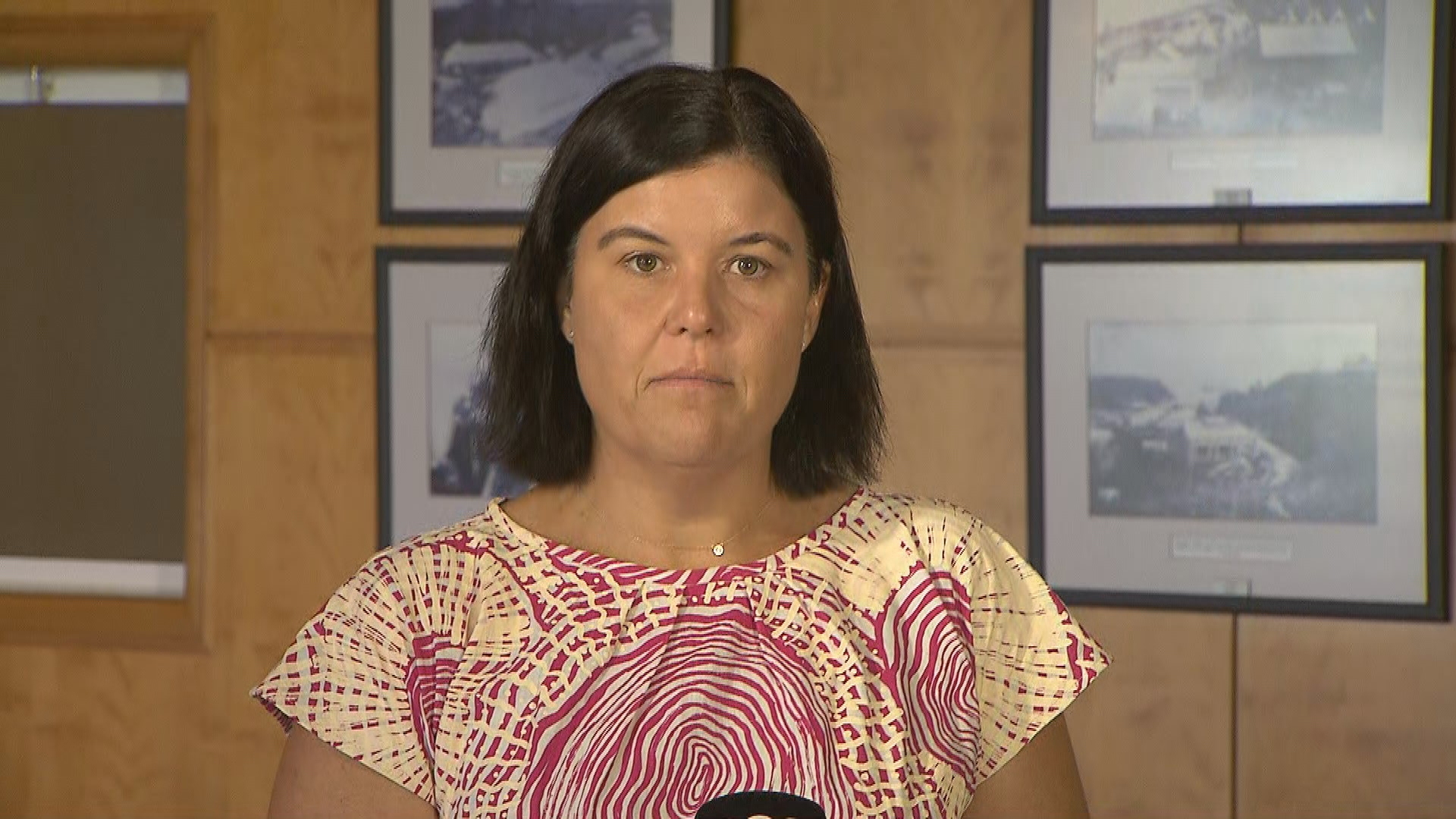
Acting Assistant Commissioner Sachin Sharma.

He subsequently passed away.

On Sunday afternoon, acting Assistant Commissioner Sachin Sharma said officers were interviewing witnesses to determine the circumstances behind the disappearance and death.

READ MORE: Man dies after rock fishing accident near Wollongong

Police offered their sincere condolences to the family and have requested that the family's privacy is respected at this time.

A report will be prepared for the coroner.

Northern Territory records 95 new cases of COVID-19

The Northern Territory has recorded 95 new cases of COVID-19.

This includes 14 cases of community transmission, 42 cases are recent interstate or international arrivals, 11 cases are close contacts of previous cases and 28 require further investigation to identify the source.

There are cases reported in the last 24 hours in the greater Darwin area, Alice Springs, Katherine, Nhulunbuy and Jabiru.

READ MORE: Prime Minister monitoring for symptoms after COVID-19 scare

The Northern Territory has recorded 95 new cases of COVID-19.

Three cases in Jabiru are connected to cases in Darwin and are in isolation prior to returning to Darwin.

Six new cases in Nhulunbuy are close contacts of cases reported yesterday and four cases are people who have returned from interstate.

READ MORE: Europe rings in New Year as COVID-19 surges

Two cases in Alice Springs are interstate travellers, as were the three cases reported yesterday.

There is a single new case in Katherine, who is a known household contact.

All other cases are thought to be in the greater Darwin area.

READ MORE: NSW records 18,278 new cases as testing rates drop

There are currently 26 people with COVID-19 in hospital, but only three are classified as acute hospital admissions.

There are 15 patients in Alice Springs Hospital, eight patients in Tennant Creek Hospital and three patients in Royal Darwin Hospital.

There are no COVID-19 patients are in ICU.

The details of more than 70 exposure sites across the state are available on the NT Health website.