Tag Archives: oceania

How long can you spread the Omicron COVID-19 variant?

If you test positive for COVID-19, you'll be advised to isolate for anywhere from five days to two weeks. It all depends on where you live.

The United States and the United Kingdom have slashed their recommended self-isolation periods for asymptomatic people — and more countries may soon follow suit, as the highly transmissible Omicron variant threatens to keep hospital staff and other key workers at home.

In the US, people can now leave isolation if they don't have symptoms after five days, followed by five days in which they should wear a mask around others. Last week, the UK cut the period to seven days for people who produce two consecutive negative lateral flow (rapid) tests.

READ MORE: Pharmacies around Australia face mass shortage of rapid antigen tests
It comes amid record-setting case figures in both nations, and marks the first time since Omicron emerged that major countries have diverged from the World Health Organisation's recommended 10-day isolation period.

But most countries still follow the 10-day marker, while others, such as Germany, require up to 14 days in isolation. The disparities have led some to wonder exactly when, and how long, people are infectious with the Omicron variant.

READ MORE: Stark warning from man whose skin cancer spread to brain

The moves were made amid worries over the availability of key workers.

"If you are asymptomatic and you are infected, we want to get people back to their jobs — particularly those with essential jobs — to keep our society running smoothly," Dr Anthony Fauci, director of the National Institute of Allergy and Infectious Diseases, told CNN this week.

But there is some emerging data behind the changes as well. The Centers for Disease Control and Prevention (CDC) said their decision was "motivated by science demonstrating that the majority of SARS-CoV-2 transmission occurs early in the course of illness, generally in the 1-2 days prior to onset of symptoms and the 2-3 days after."

An early CDC study, released on Tuesday, examined an Omicron cluster in Nebraska and found that the time between exposure and infection — known as the incubation period — may be around three days. That's shorter than the Delta strain, which studies estimate has a four-day incubation period.

READ MORE: The strangest road rules of 2021

A similar study of a Christmas party in Norway in which dozens became infected found comparable results.

"There is accumulating evidence, for vaccinated people, that if we are asymptomatic we are very unlikely to be infectious after about five to seven days," Brown University's Associate Dean of Public Health, Dr Megan Ranney, said on Tuesday.

Emerging evidence that Omicron may be less severe than Delta likely played a role in the moves too.

But the new guidelines have still prompted some debate in the medical community, with experts yet to fully understand Omicron.

"For the unvaccinated, the data doesn't really back up that you become non-infectious after five days," Dr Ranney said.

"I'm quite worried about these new recommendations."

She suggested having different guidance for unvaccinated people until more data comes in — which could also have the "added boost" of encouraging people to take up the vaccine if they haven't already.
Erin Bromage, a biology professor at UMass Dartmouth, added on CNN Wednesday that there is "absolutely no data that I am aware of" to support the switch in guidance.

He added that people can still test positive on antigen tests up to seven or eight days after their initial test, even if they don't have symptoms. Unlike the UK, where antigen tests are more plentiful, the US guidance is not dependent on getting a negative result.

Omicron is nonetheless tearing through workforces in several countries, and it's likely more nations will shorten their isolation periods in the new year if the burden on hospitals grows.

"With the sheer volume of new cases, one of the things we want to be careful of is that we don't have so many people out," Dr Fauci said.

READ NOW: Extreme weather events Australia faced in 2021
Impact of COVID-19 in Latin America eases

Many countries in Latin America were hit with soaring COVID-19 death rates early in the pandemic, as coronavirus raged throughout the region.

The tide is turning in many Latin American nations today, where vaccination rates are outpacing countries in Europe and North America and helping drive down deaths, Tim Lister writes.

The vaccine rollout was slow at the start, with just getting the vaccines in hand a major issue. Just six months ago, Latin America and the Caribbean were reporting just under half of all COVID-19 related deaths worldwide.

Now, the region accounts for about 10 per cent of global COVID-19 related deaths, according to the latest data from Johns Hopkins University. That's due to the accelerated delivery of European, American, Chinese and homegrown vaccines that a number of Latin American nations have received in the second half of this year, according to Pan American Health Organization (PAHO) data.

One reason for those successful vaccination campaigns can be chalked up to history: many countries in Latin America have long-standing and trusted national inoculation drives against other diseases, such as polio.

READ NOW: How Australia faced the emergence of the Omicron variant

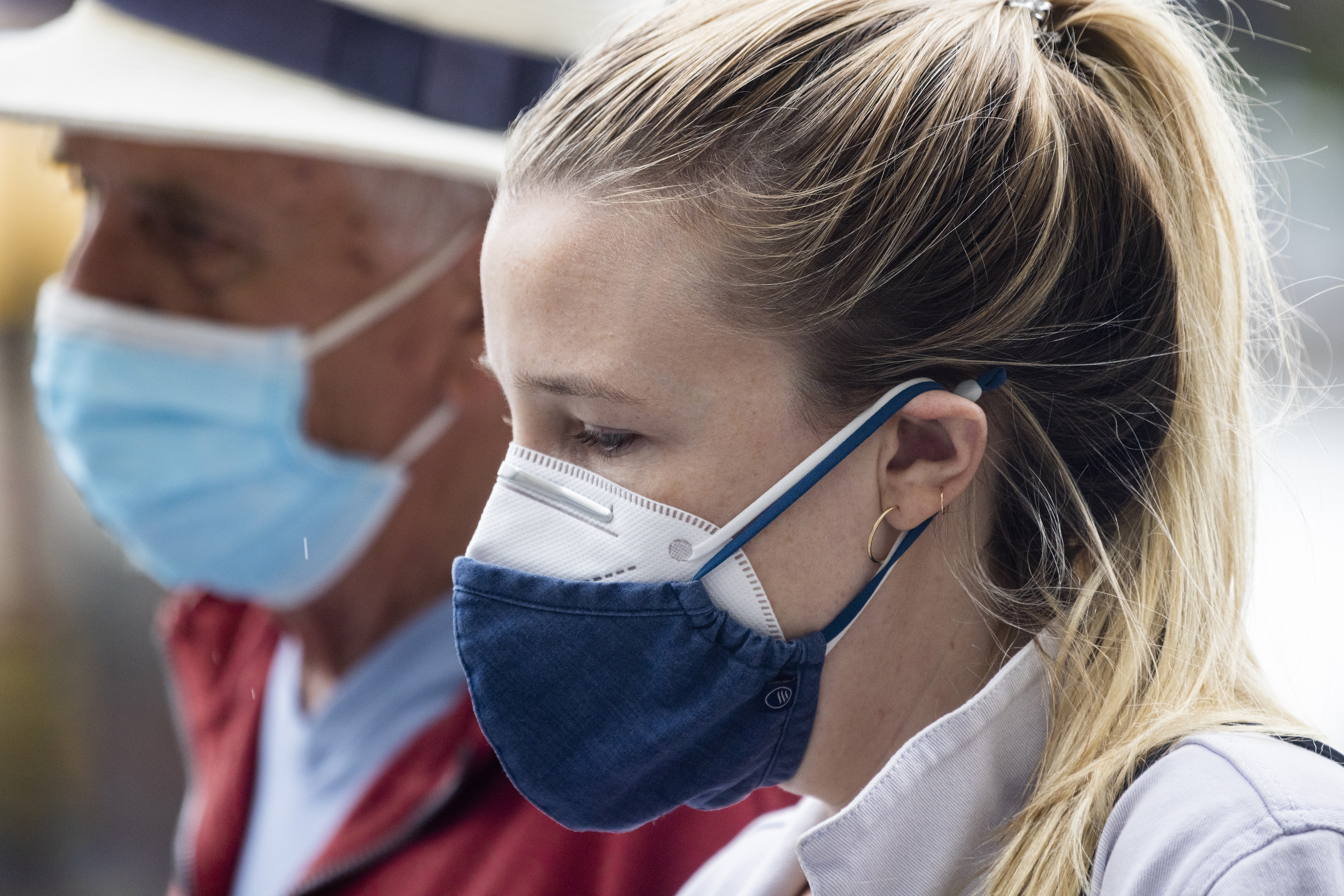
It's time to upgrade your mask

As the Omicron variant continues to spread, some experts say it's past time to reconsider your face mask options, especially if you're still wearing the cloth variety.

"Cloth masks are little more than facial decorations. There's no place for them in light of Omicron," said CNN Medical Analyst Dr Leana Wen, an emergency physician and visiting professor of health policy and management at the George Washington University Milken Institute School of Public Health.

Ideally, in crowded places, "you should be wearing a KN95 or N95 mask," which can be as inexpensive as a few dollars each, Dr Wen added.

By having a better fit and certain materials — such as polypropylene fibres acting as both mechanical and electrostatic barriers — these masks better prevent tiny particles from getting into your nose or mouth and must be fitted to your face to function properly.
Protesters behind Old Parliament House fire in Canberra

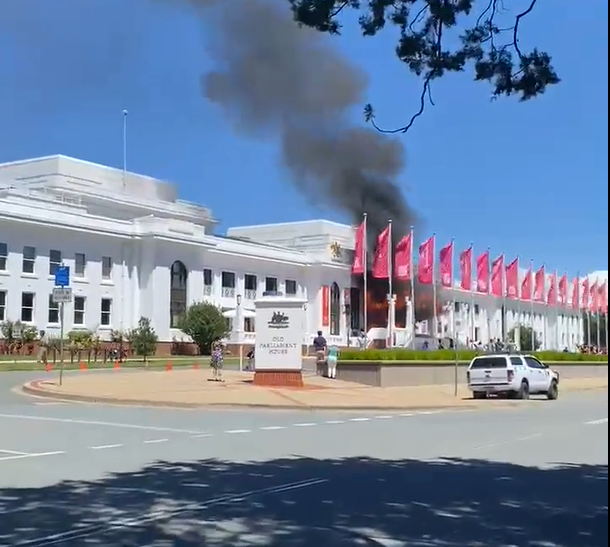
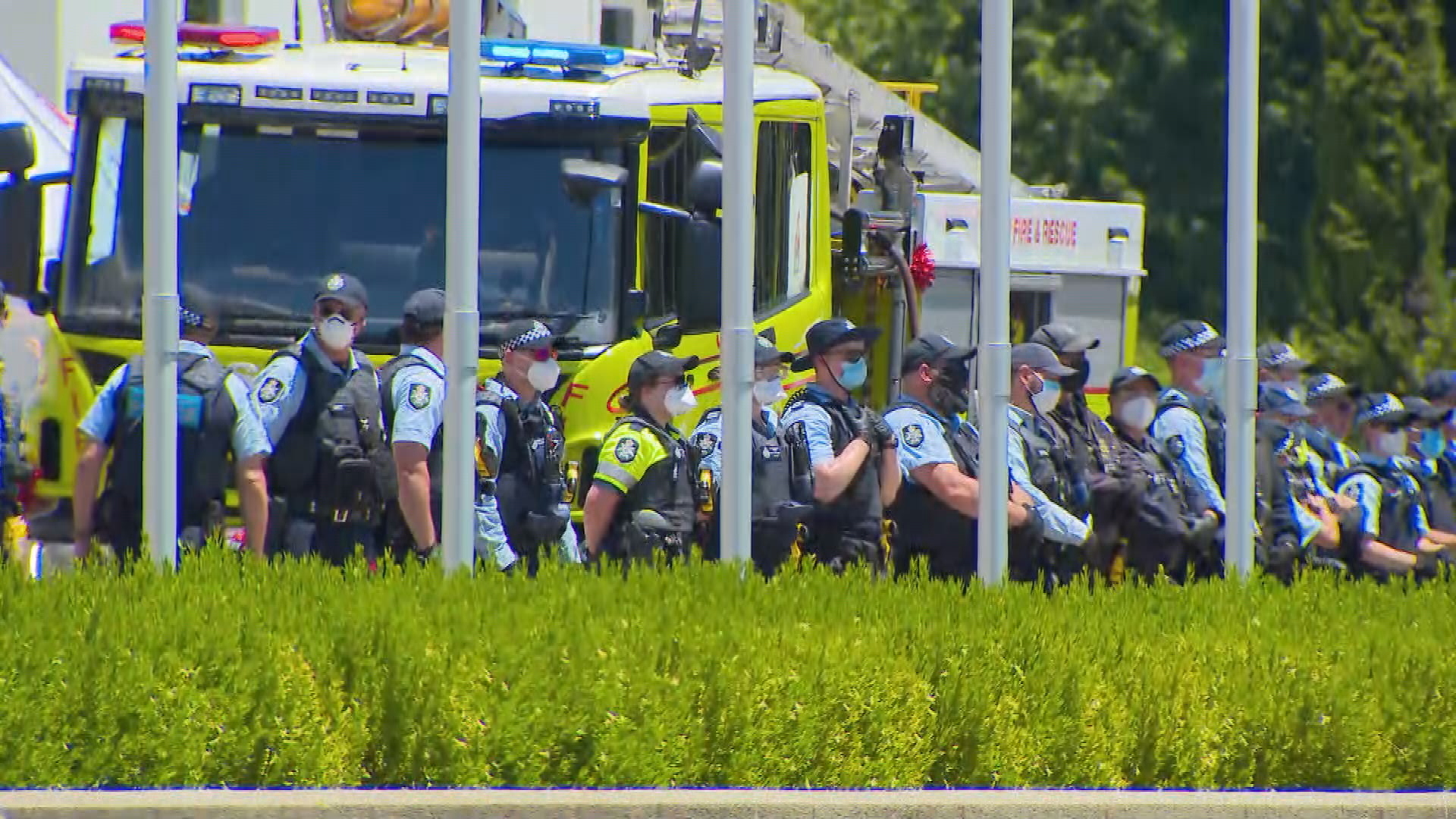
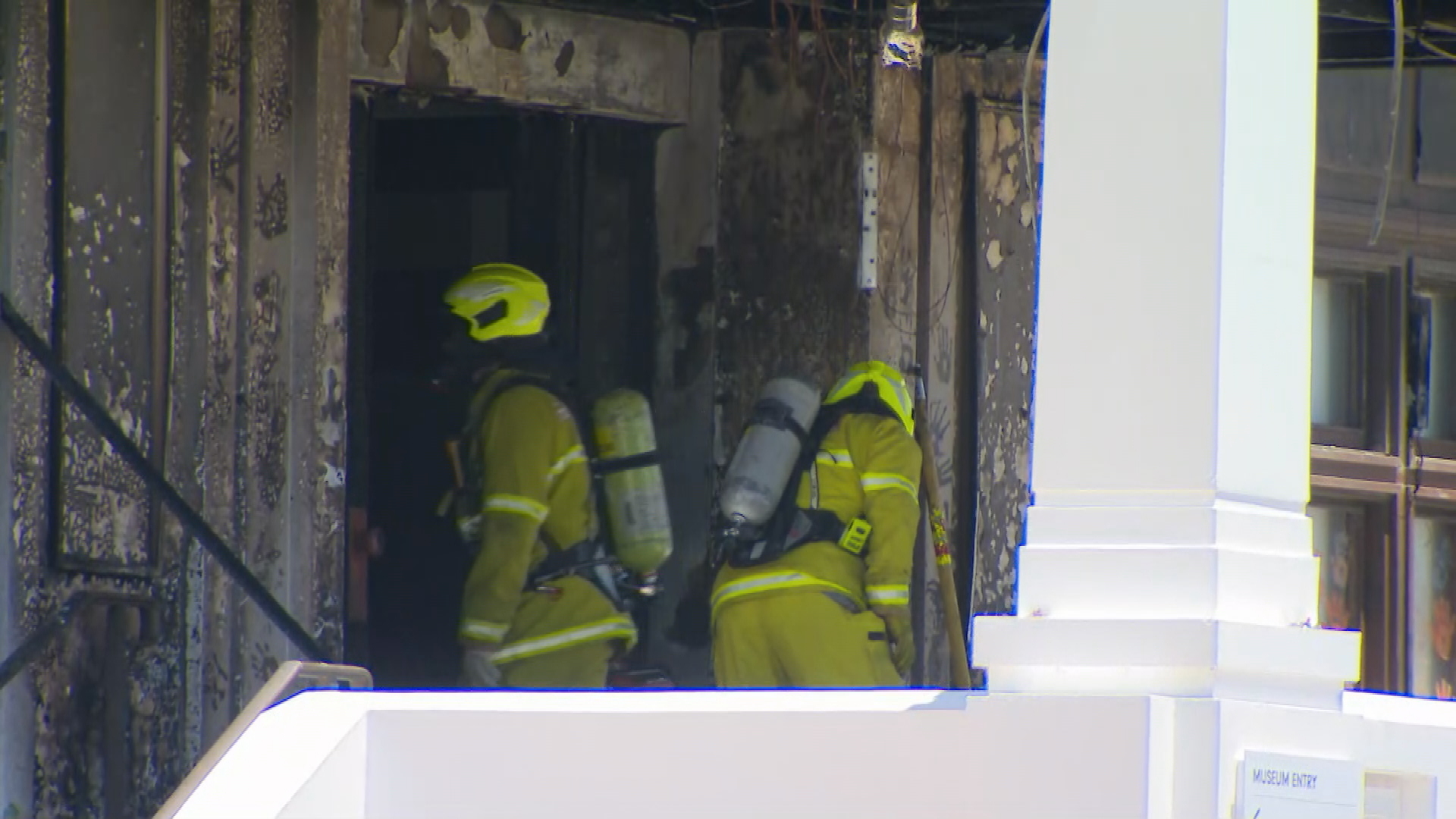
Police have confirmed a fire at Old Parliament House this morning was started by protesters.

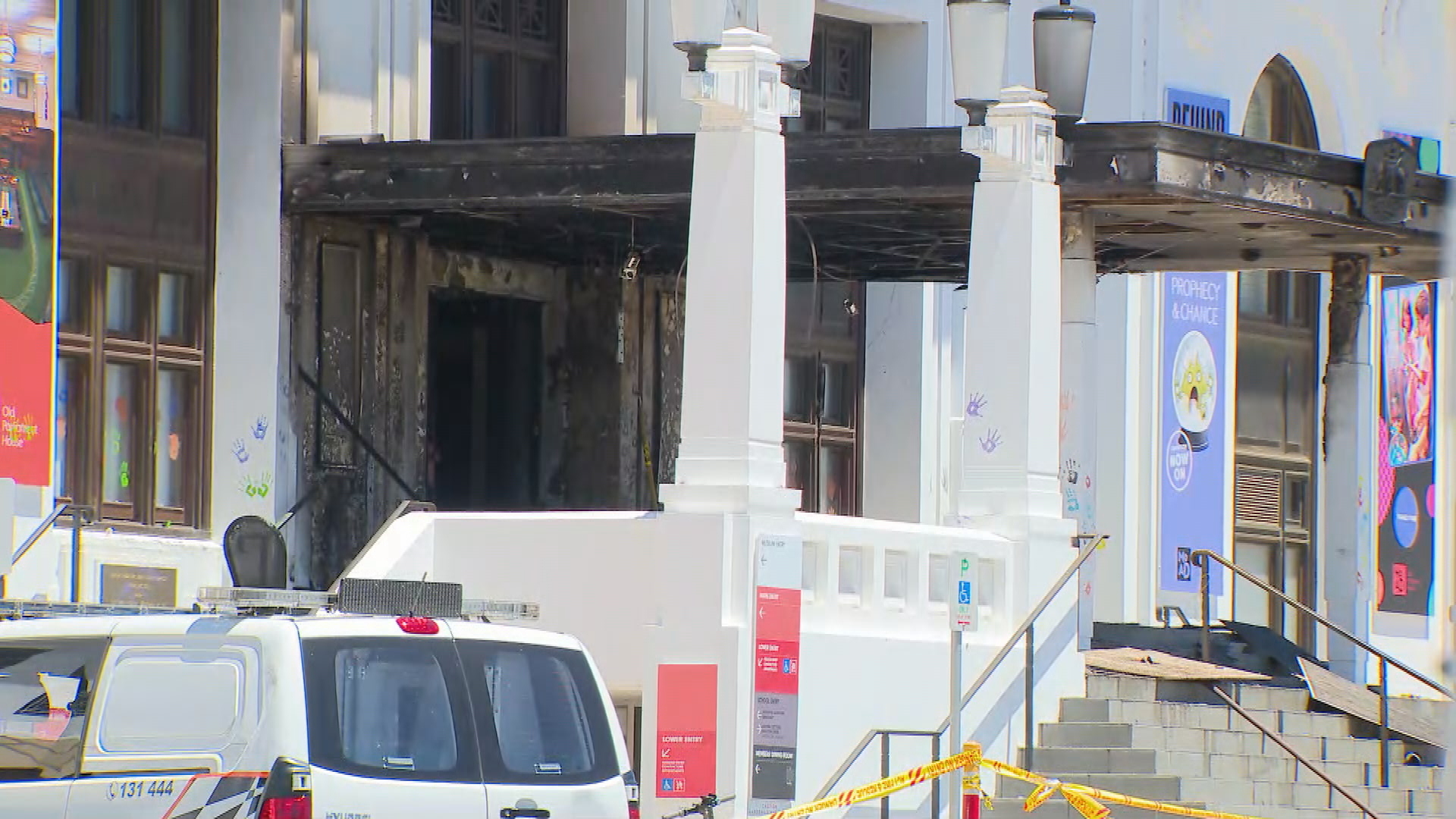
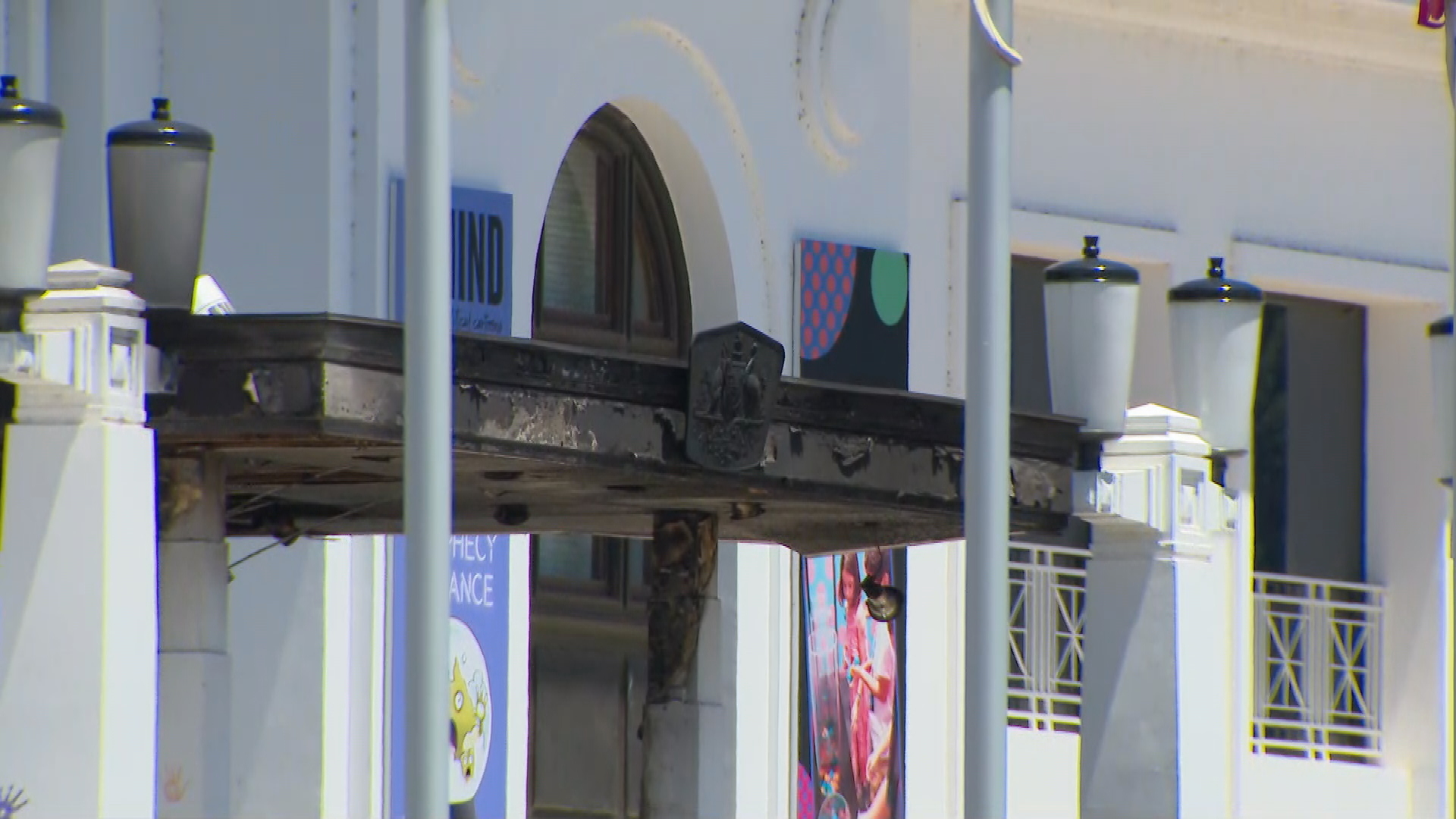
The fire has caused significant damage to the front facade of the building, with protesters outside heard chanting "let it burn".

The protest was initially peaceful but later escalated, with police using pepper spray.

READ MORE: Close contacts redefined and isolation period for COVID-19 cases reduced after National Cabinet meeting

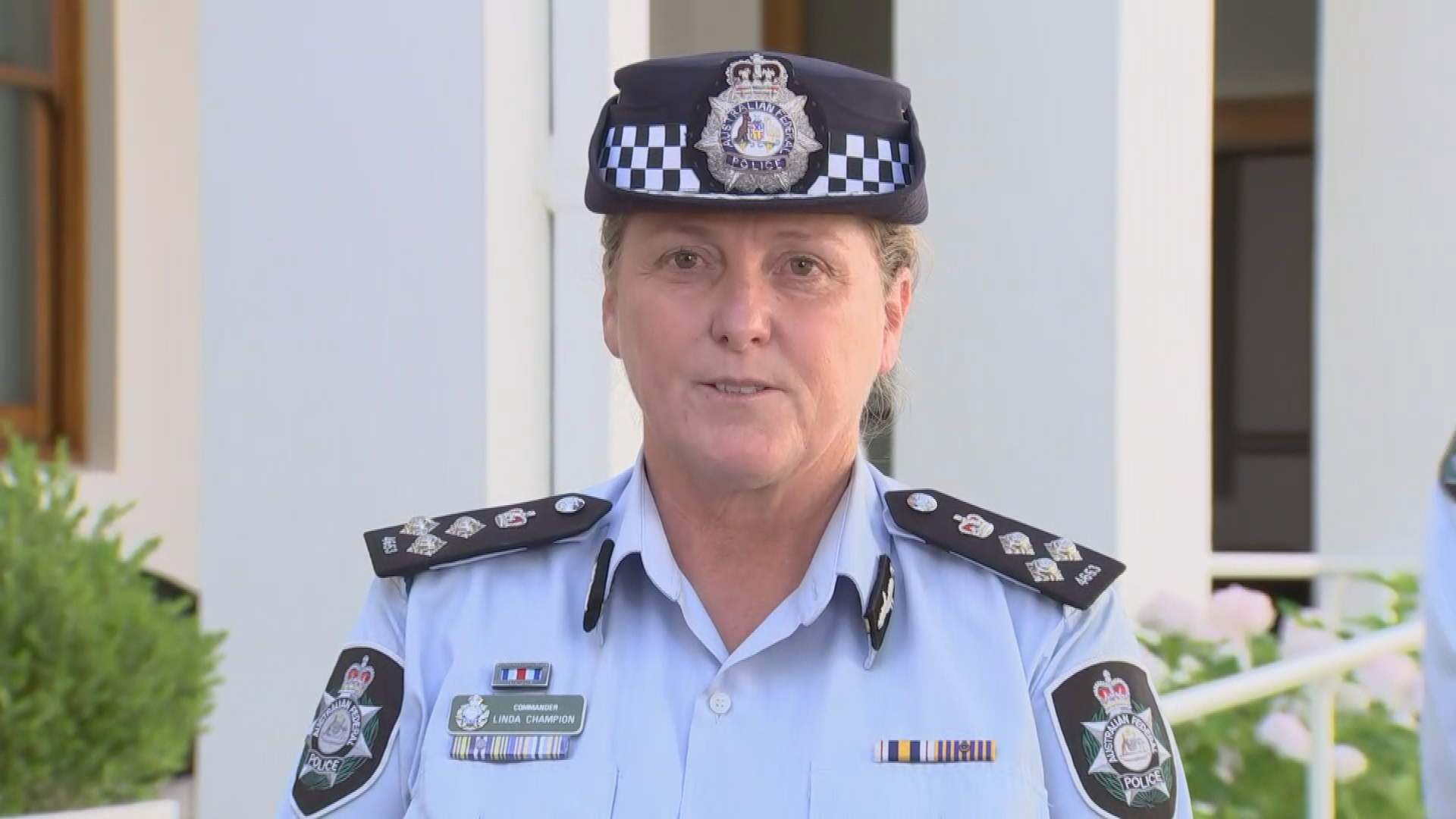
"It then got a little bit out of hand and then when ACT Police went to respond it was greatly exacerbated," Commander Linda Champion from ACT Police said.

No arrests have been made, however an investigation is underway.

It is believed the protesters are part of an anti-vaccination group, however Commander Champion did not provide any details about them, pointing to the ongoing investigation.

She added there had been several protests outside the front of the building in the last few weeks.

ACT Fire and Rescue superintendent Sam Evans confirmed police and firefighters were called to the historic building around 11.45, after receiving multiple Triple Zero calls.

The building was evacuated as firefighters tended to the blaze.

READ MORE: Victoria's COVID-19 death toll surges as state records 5137 new cases

The fire was put out within 15 minutes, but extensive damage to the front of the building and portico had already been done.

The museum will remain closed for some time, as investigations continue and the extent of the damage is assessed.

Mr Evans said smoke from the fire and water from the building's sprinkler system had caused damage, but the fire did not spread.

READ MORE: Over 50 firefighters work to contain Sydney blaze

"It's been confined to the front facade of the building," he said.

Andrew Harper from the Australian Museum said Old Parliament House would be closed temporarily.

"Obviously we're devastated by the damage to the building," Mr Harper said.

He added the destroyed front doors were an iconic part of the building, part of the original 1927 structure.

It's unclear whether the collection inside has been damaged.

Melbourne chef Adrian Richardson, who witnessed the blaze, has told 3AW he saw the front balcony above the front steps burst into flames.

https://twitter.com/rachbaxter9/status/1476360383677882368

He said protesters near the site were chanting "let it burn".

"There's a lot of police, there's a lot of police with flags all waiving and screaming, a lot of fire trucks," he told Shane McInnes.

Everything you need to know about new rules for isolation, close contacts

As the Omicron variant rapidly makes its way across Australia, bringing with it exploding case numbers in almost every state, a number of changes have been implemented across the country to reflect the new state of the play.

Health officials have now agreed that Omicron is less a severe variant compared to Delta, and although far more transmissible, it does not pose the same threat now as it would have in previous outbreaks.

Given the extra layer of protection the vaccine has added into society, a number of changes relating to management of the pandemic – including the definition of a close contact and isolation times – are being rolled out from midnight tonight AEST.

READ MORE: Close contacts redefined and isolation period for COVID-19 cases reduced after National Cabinet meeting

Here's everything you need to know:

What's changing?

The definition of a COVID-19 close contact and the isolation times for positive cases and close contacts.

What's the new definition?

As of midnight, a close contact of a positive COVID-19 case can now be defined as "a household contact, or a household-like contact, of a confirmed case only".

Not an interaction in a retail store, supermarket, bar or restaurant, only somebody that a person has spent over four hours with inside a home.

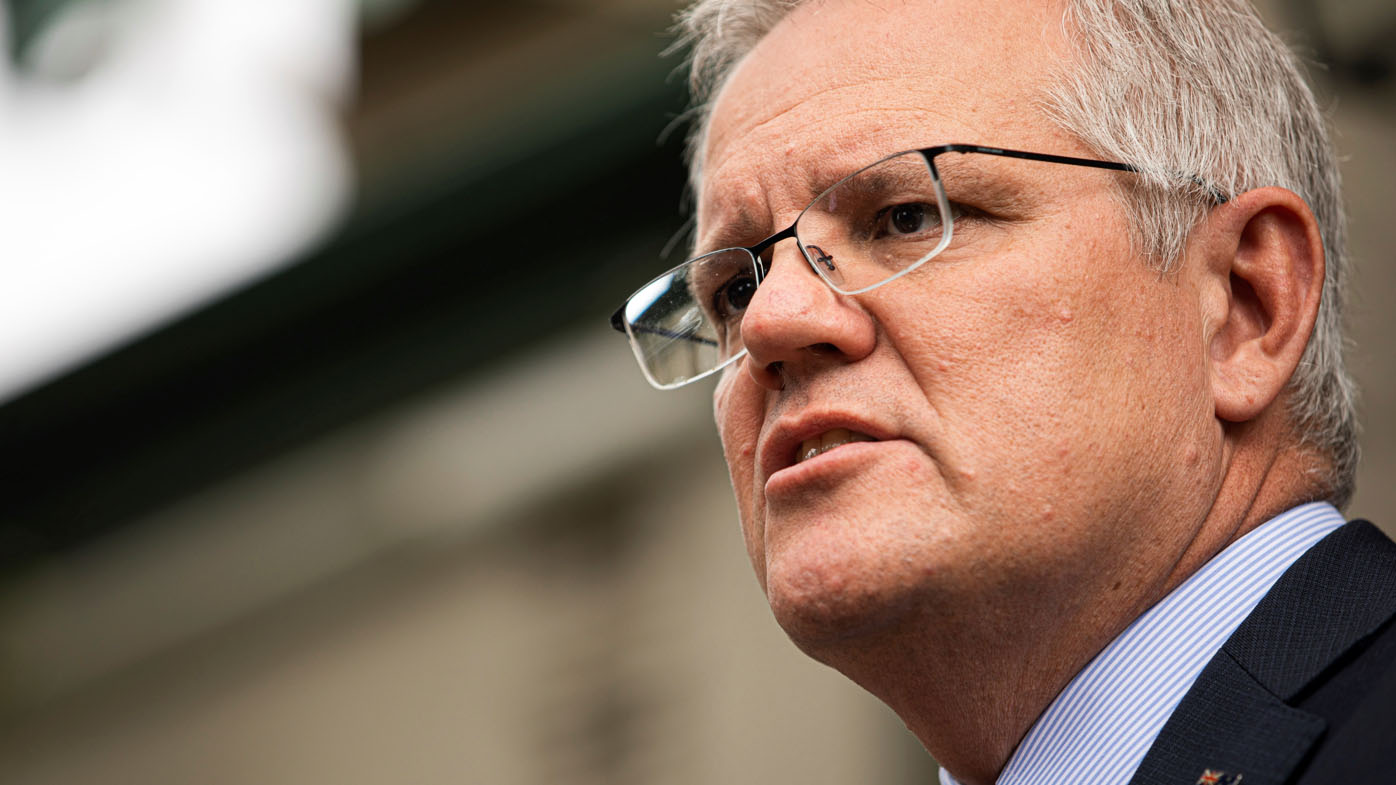
"A household contact is someone who lives with a case or has spent more than four hours with them in our house, accommodation or care facility setting," Mr Morrison said.

"You are only a close contact if you are, effectively, living with someone or have been in an accommodation setting with someone."

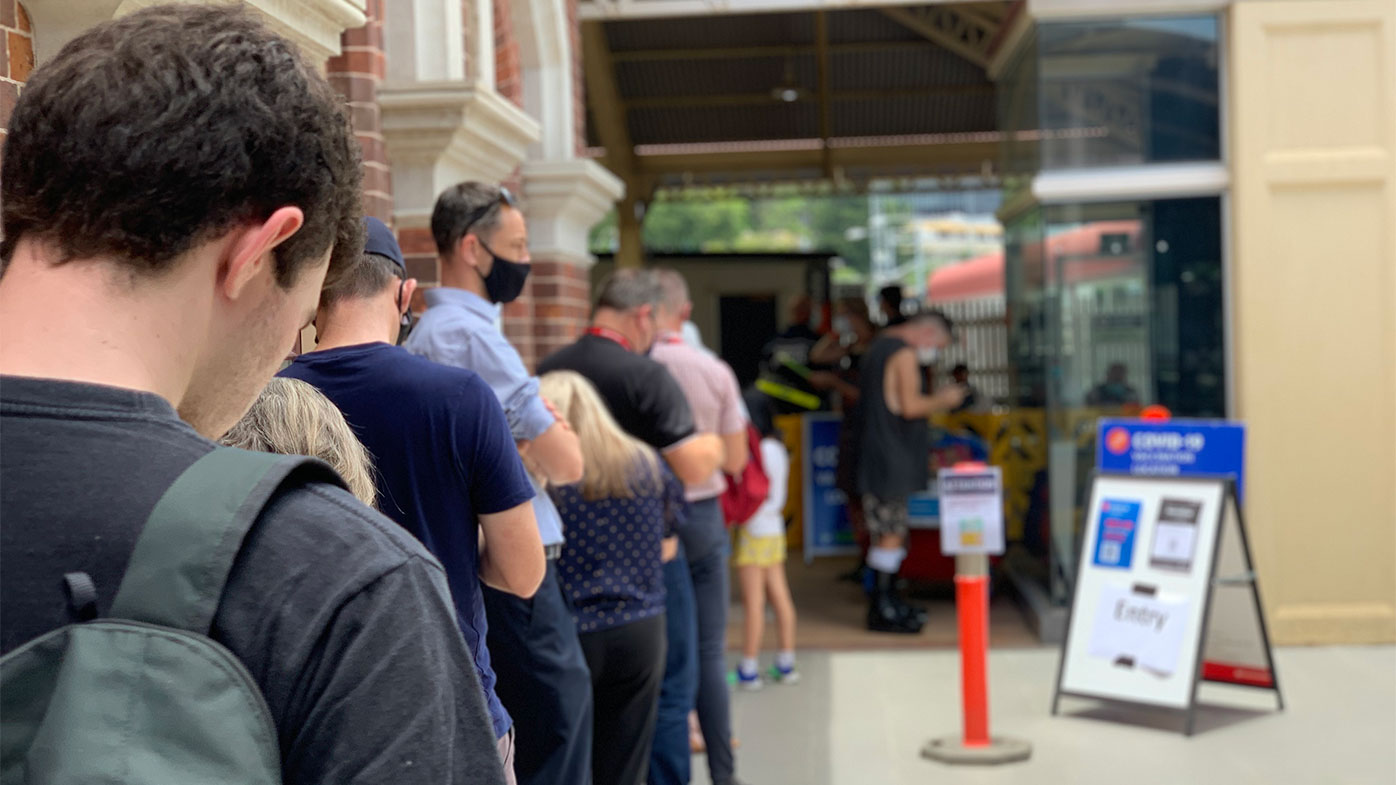
Queue at Roma Street Station in Brisbane for pop-up COVID-19 vaccination clinic.

What about isolation times?

A confirmed positive COVID-19 case will have isolate for seven days starting from the date they tested positive on PCR test, previously they would have to isolate for 10.

On day six of their isolation period, the infectious person will have to have returned negative rapid antigen test prior to being able to leave isolation on the seventh day.

Coronavirus, lockdown, isolation

How long do close contacts isolate?

A close contact that is symptomatic must take a PCR test and if positive, isolate for seven days from the date of the positive test.

"So, if you are symptomatic then the right test for you is a PCR test," Mr Morrison said.

A close contact who is asymptomatic – meaning they don't show any symptoms – must have a rapid antigen test, and if positive, they must then have a PCR test.

If close contacts return a negative test, they must still remain isolated for seven days because symptoms a may present later.

"And that is seven days from their date of exposure to the person who is a confirmed case," Mr Morrison added.

"They also will have a rapid antigen test on day six."

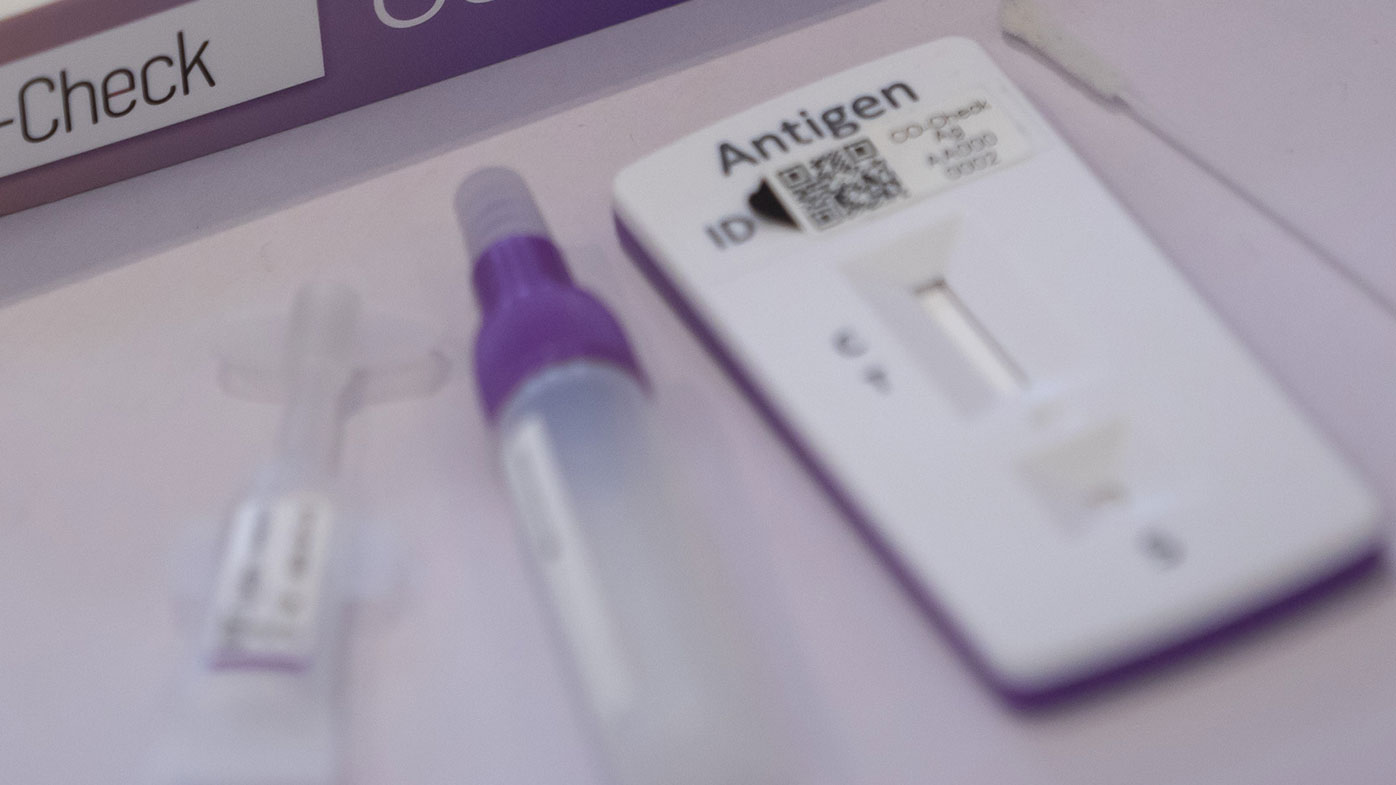
Covid-19 rapid antigen test kits.

What happens if my test result on day six is positive?

If you receive a positive rapid antigen test result on day six, then you need to go and get a PCR test.

If the PCR test also comes back positive, then the seven-day isolation period starts again.

This means it will be a 14-day isolation period.

I haven't been in contact with a COVID-19 case inside a home and don't show symptoms, do I go about life as normal?

Yes. If you don't fulfil the new definition of a close contact then there is no need for you to be in the line for a PCR test.

"You should go home. Go to the beach, go and do what you want to do. Read a book in the park," Mr Morrison said.

"Follow all the normal, common-sense things that you would do, monitor your symptoms, followed the COVID say practices, make sure you have booked for your booster, do all of those sorts of things."

So who has agreed to these new rules?

Mr Scott Morrison has announced all states and territories have agreed to the new defintions.

He said the changes will come into affect New South Wales, Victoria, South Australia, Queensland and the ACT from midnight tonight.

Tasmania will follow on January 1, and the Northern Territory and Western Australia will be making announcements in the next few days.

Close contacts redefined and isolation for COVID-19 cases reduced

Significant changes to the definition of COVID-19 close contacts and the isolation period for confirmed cases have been made at National Cabinet today.

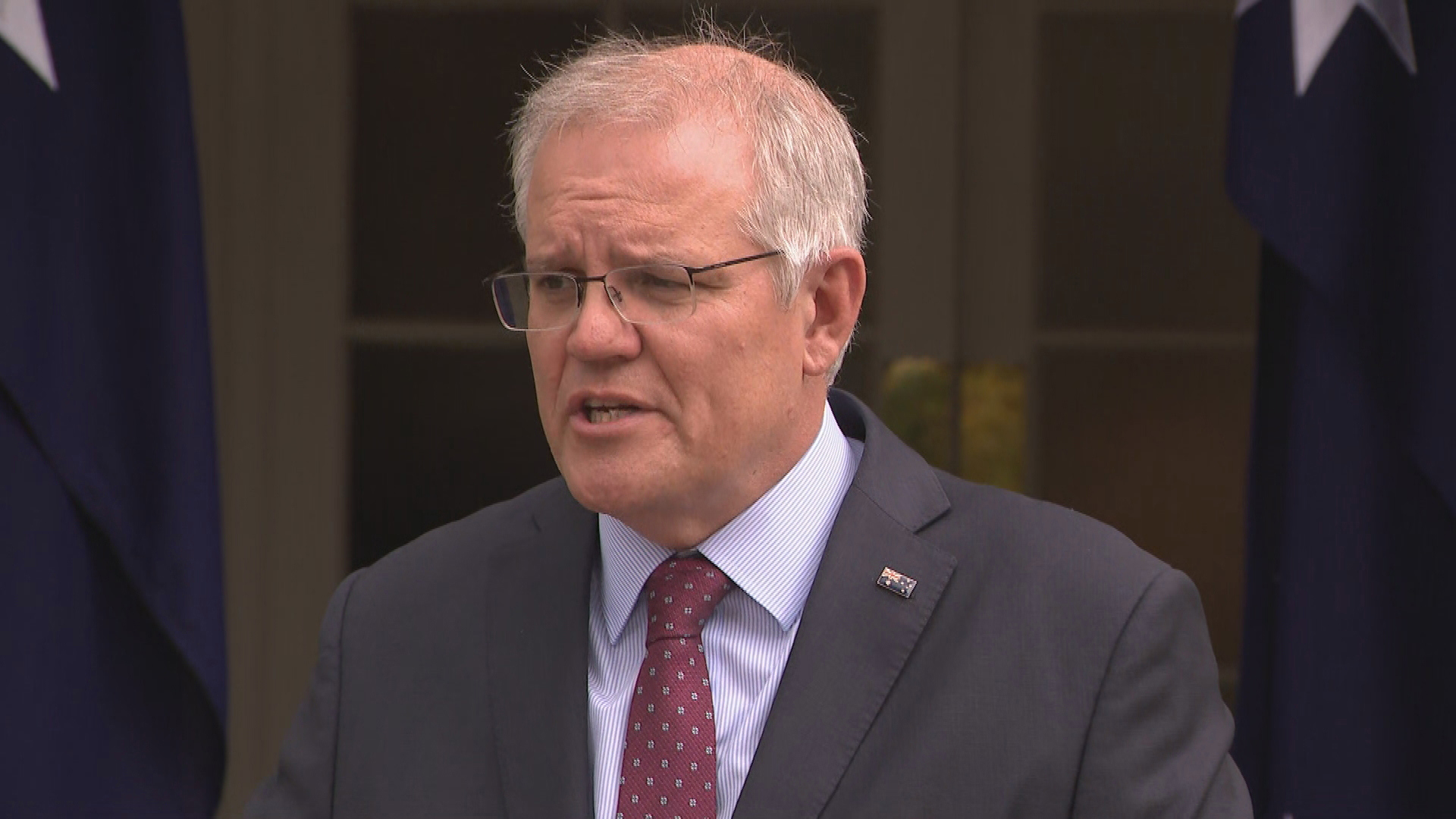
Prime Minister Scott Morrison announced state and territory leaders have agreed to a new, nationally consistent definition of close contacts.

Mr Morrison said National Cabinet had "agreed a very practical way forward to dealing with the realities of Omicron".

LIVE UPDATES: NSW COVID-19 cases could double every two days, expert warns

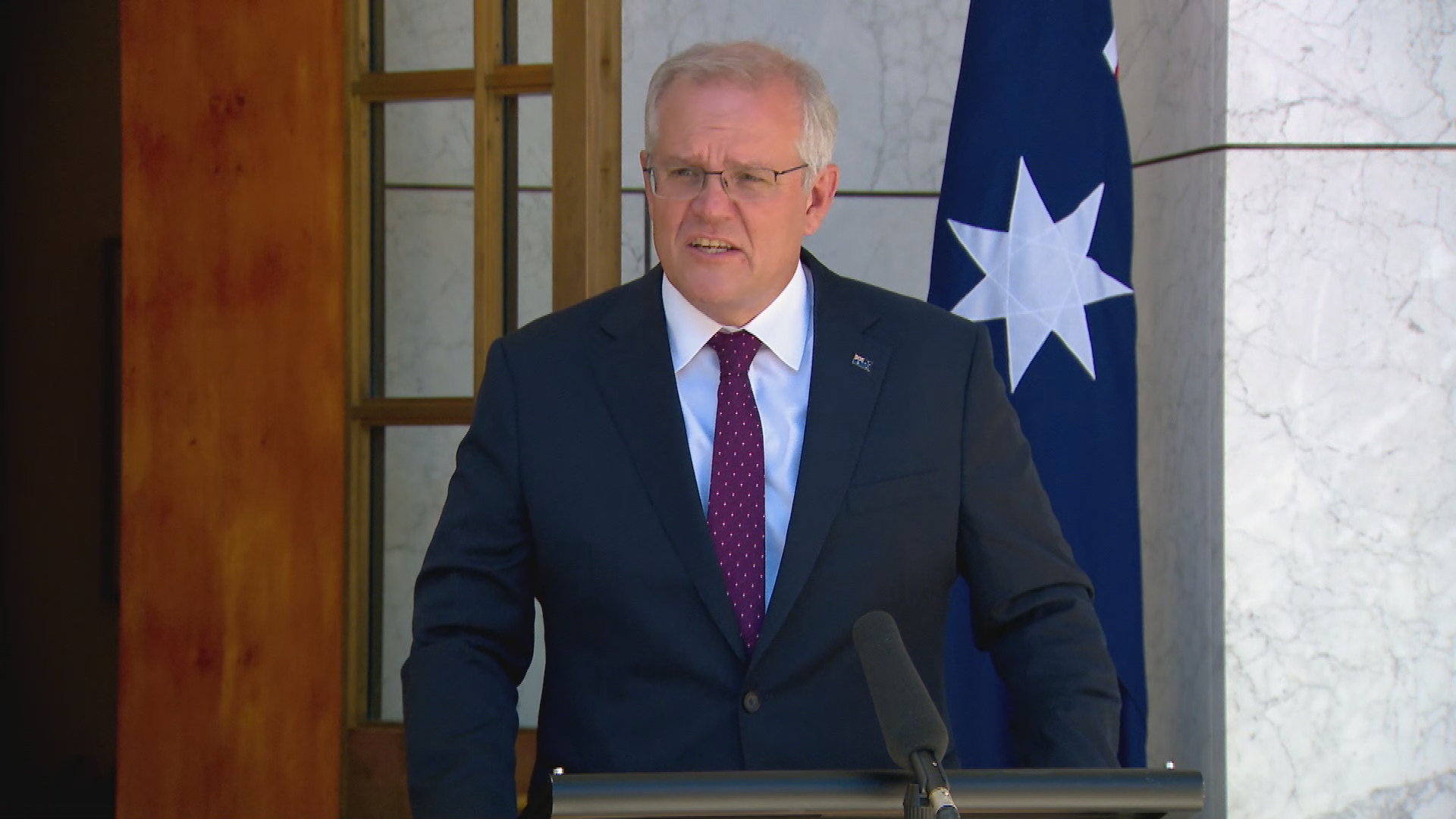
The PM has announced a new national definition of close contacts.

"Omicron requires us to undertake a change of how we are managing the pandemic, and we need to reset how we think about the pandemic, and how we manage ourselves and the things we need to do as governments," he said.

"Omicron is a game changer."

Mr Morrison said the national plans had taken into account that some states and territories had low cases and others had large outbreaks.

He said there was a need to change the definition of a 'close contact' due to the fast rate at which Omicron was spreading.

Changes to close contact definition and isolation periods

Mr Morrison announced a new definition of close contacts will come into place from midnight tonight across five jurisdictions, including NSW, Victoria, Queensland, South Australia and the ACT.

Tasmania will introduce the definition from January 1 while the Northern Territory and Western Australia will confirm in a few days "how they will be moving to these new definitions".

"A close contact is a household contact, or household like, of a confirmed case only," he said.

"A household contact is someone who lives with a case or has spent more than four hours with them in our house, accommodation or care facility setting."

Close contacts will still need to isolate for seven days from their exposure date.

An asymptomatic close contact must take a rapid test, while a close contact who is symptomatic or who returns a positive RAT test must have a PCR test.

Mr Morrison said there was no need for anyone who did not fulfil the close contact definition to line up for PCR tests.

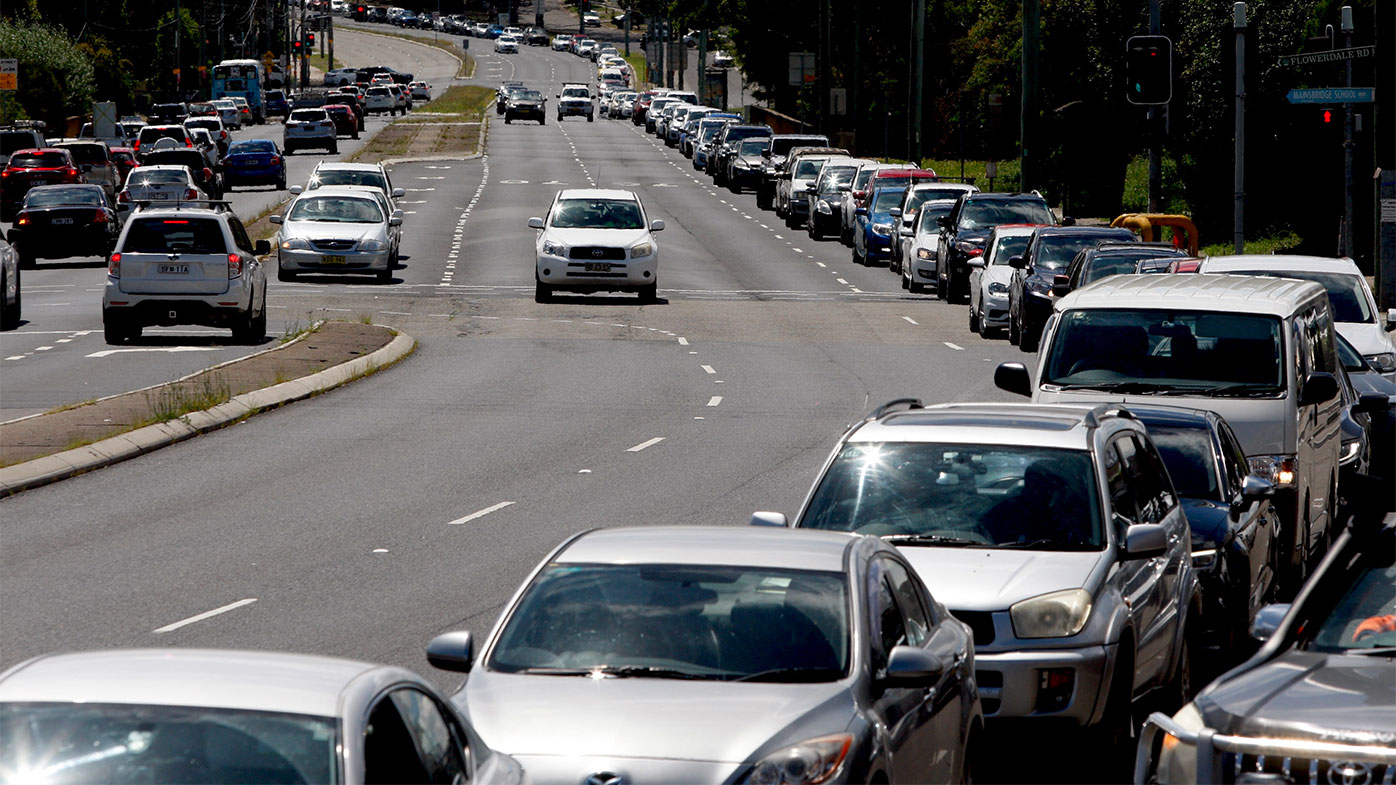
The queue for COVID-19 testing stretches as far as the eye can see in Liverpool in Sydney.

The isolation period for confirmed cases has also changed to only seven days.

"On the sixth day, you have a rapid antigen test and if that is (negative) after seven days, you can go back into the community," he said.

The Prime Minister said further work would be done on the isolation requirements for those working in the essential health workforce, in aged care setting and hospitals.

"There are even more effective ways we can keep more people at work to support the health system," he said.

He said the AHPPC would bring back further recommendations to the National Cabinet meeting on Wednesday.

READ MORE: Magnitude 7.5 earthquake felt in Darwin, Northern Territory

Prime Minister Scott Morrison is speaking now in Sydney.

Rapid tests available at testing clinics

Mr Morrison said rapid antigen tests would be provided publicly at testing centres for COVID-19 positive people and close contacts to use where necessary.

"So, if you turn up at those testing centres for all of the reasons I have set out, then you will either get a rapid antigen test or a PCR test," he said

It comes after long testing lines have been seen across the nation.

"This should significantly, we hope, over the next few weeks, greatly reduce the volume people who are having these PCR tests, which means we will be able to increase the turnaround time of these tests, getting results back to those who need to take them," Mr Morrison said.

Mr Morrison said the government was also looking at providing RAT tests in other settings such as healthcare spaces.

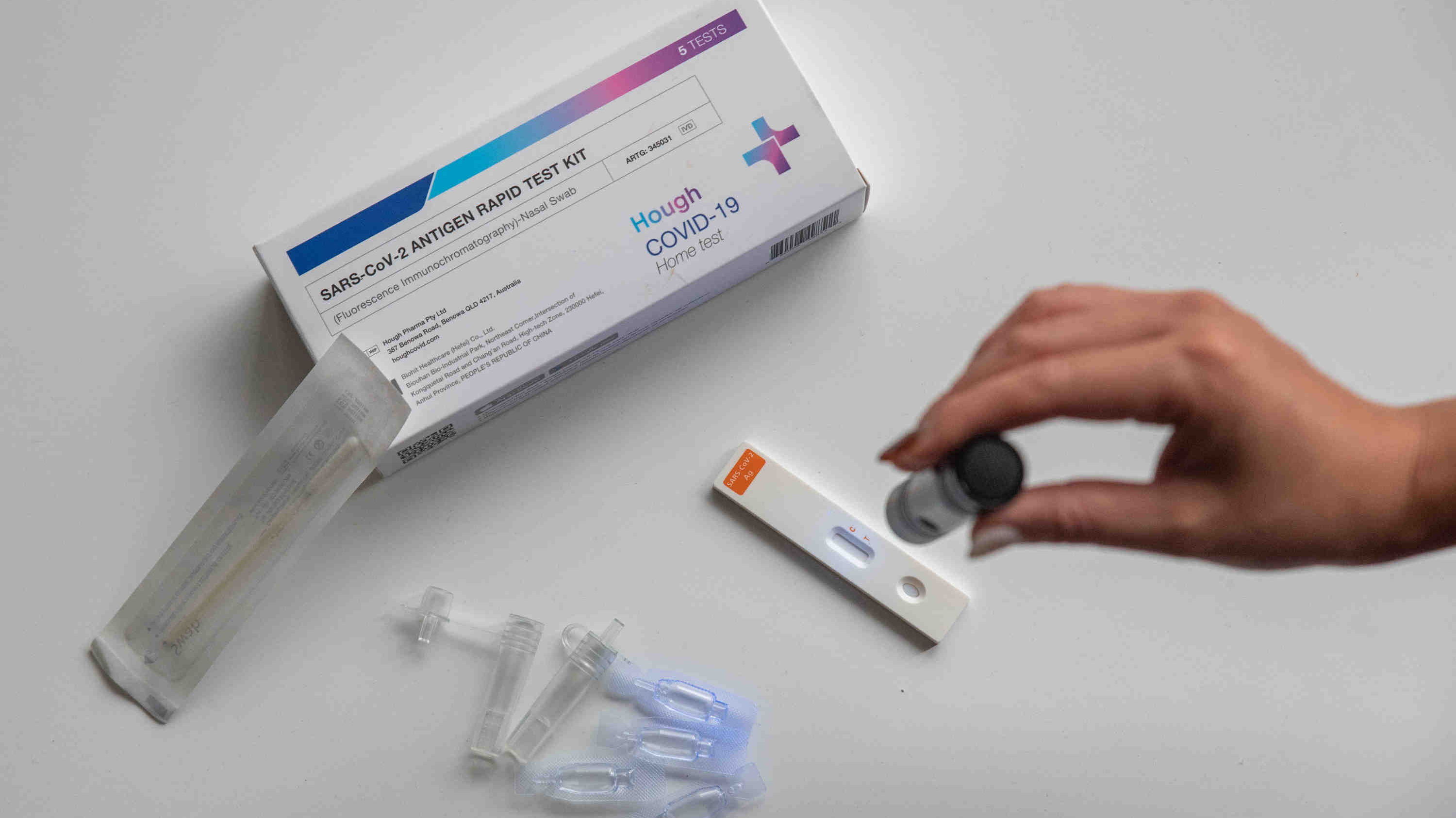
A COVID-19 Antigen Rapid Test Kit

Mr Morrison said the government was also looking at the supply of rapid tests in the private market, including pharmacies and supermarkets.

He said the government would not "all of a sudden going to go round and start providing these free to anybody and everybody".

"We will be providing them only where it is recommended to us that they need to be provided, which are in settings of close contact, for our aged care workers or in those high-risk settings," he said.

For people not included in these settings, Mr Morrison said they can buy them from supermarkets and pharmacies.

PCR tests scrapped for international arrivals

PCR testing requirements for international arrivals have been scrapped in favour of rapid antigen tests in NSW.

NSW Premier Dominic Perrottet spoke to 2GB after the National Cabinet meeting.

Mr Perrottet has announced international arrivals will only need to do a rapid antigen test when flying into Sydney.

READ MORE: The financial strategy sweeping young Aussies

"From our state's perspective, to move away from overseas travellers requiring to be PCR-tested on return, we'll move to a rapid antigen test there," he said.

"That will alleviate substantial pressure on the system."

No booster dose shortage

COVID-19 Taskforce Commander Lieutenant General Frewen said supply was not an issue with COVID-19 vaccination booster shots.

"There are currently three million doses of mRNA sitting on shelves," he said.

"Over the first two weeks of January we will deliver another six million doses of mRNA out to GPs, pharmacists and state hubs. In addition to that, there is another 16 million doses of mRNA sitting in warehouses waiting delivery."

READ MORE: Taronga Zoo devastated by 'sudden' death of new baby

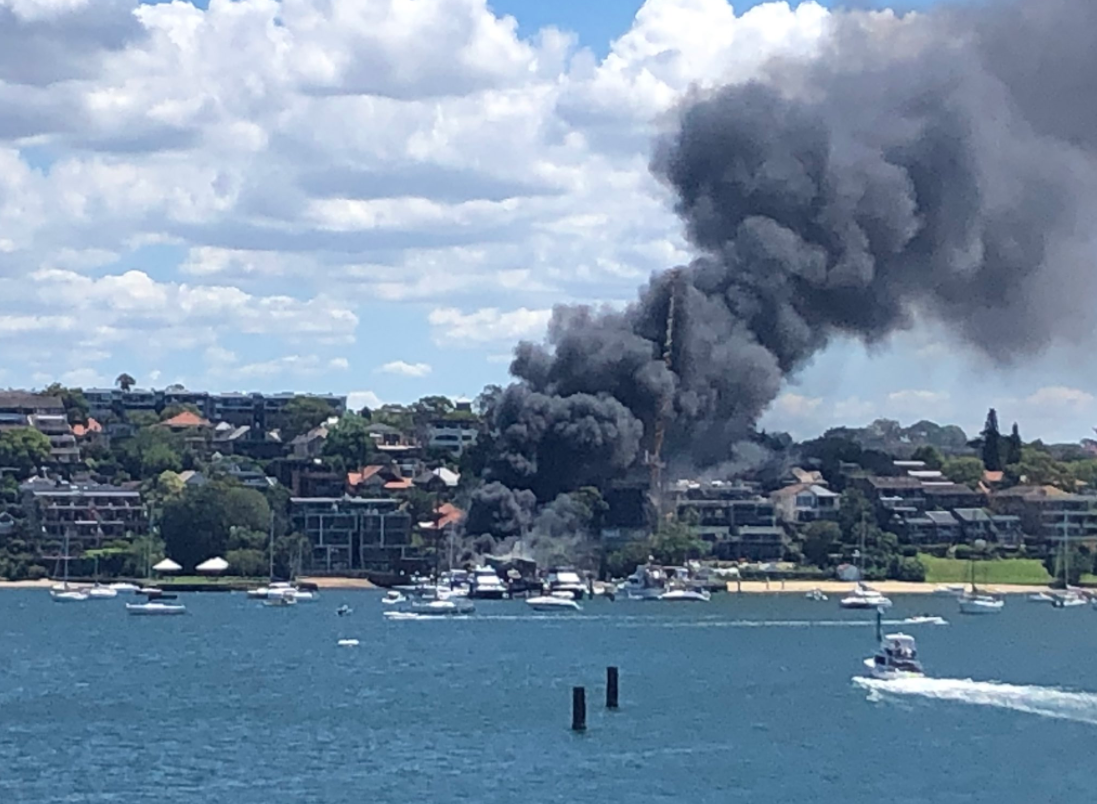
Over 50 firefighters work to contain Sydney blaze

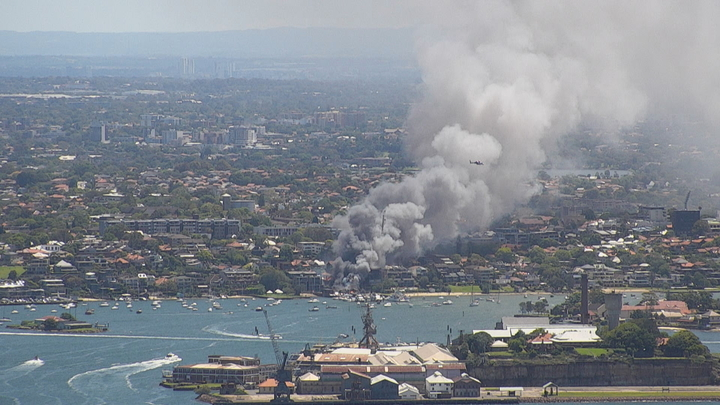
A boat workshop has caught alight off Sydney's coast, sending huge plumes of smoke into the air, as over 50 firefighters fight to contain the blaze.

Fire and Rescue NSW confirmed the shed caught alight in the suburb of Drummoyne, at the rear of a property on St Georges Crescent around 2pm.

They said the boat shed has been severely damaged, and they are working to ensure the fire doesn't spread to nearby properties.

LIVE: Australia records over 20,000 daily COVID-19 cases

Nearby residents reported the fire via Triple Zero this afternoon.

"We received a number of Triple Zero calls to a structural fire in Drummoyne. Fire crews were called on scene and saw smoke and flame issuing from a marine shed," FRNSW acting superintendent, Tim Hassiotis said.

"At this stage its too early to determine the cause of the fire."

READ MORE: COVID-19 fears hit Sydney CBD businesses before biggest trading night of the year

Fourteen fire trucks and over 50 fire fighters, as well as Ambulance crews and police are on scene.

A Port Authority fire boat on Sydney Harbour is also working to put out the fire from the water.

"Fire fighting efforts have also been significantly bolstered by use of a Port Authority boat as this premises is on the water," Mr Hassiotis said.

"They've managed to hold the fire to stop any external spread to nearby residences.

READ MORE: Infant who tested positive for COVID-19 dies in South Australia

https://twitter.com/FRNSW/status/1476402585305182209

Nearby balconies have sustained damage from the severe heat.

Mr Hassiotis confirmed search and rescue efforts were underway, to ensure nobody has become trapped by the fire.

He said the whereabouts of the property's residents remains unclear.

"There's no reports of injuries at this stage."