A diving accident off the Te Araroa coastline has claimed the life of East Coast and heartland rugby hero Morgan Waitoa. Police confirmed this morning that a body had been located in the search for a man who had earlier gone missing…
Tag Archives: oceania
Severe thunderstorm warning for parts of Far North Queensland
A severe thunderstorm warning has been issued for parts of Queensland's far north, with meteorologists predicting heavy rainfall, damaging winds and flash flooding.
The regions most likely to be impacted include the Cape York Peninsula, particularly Weipa, Aurukun and Napranum.
"A tropical low is causing thunderstorms over parts of northeast Queensland," the Bureau of Meteorology said.
READ MORE: Monsoonal rains to sweep northern Queensland as warnings issued
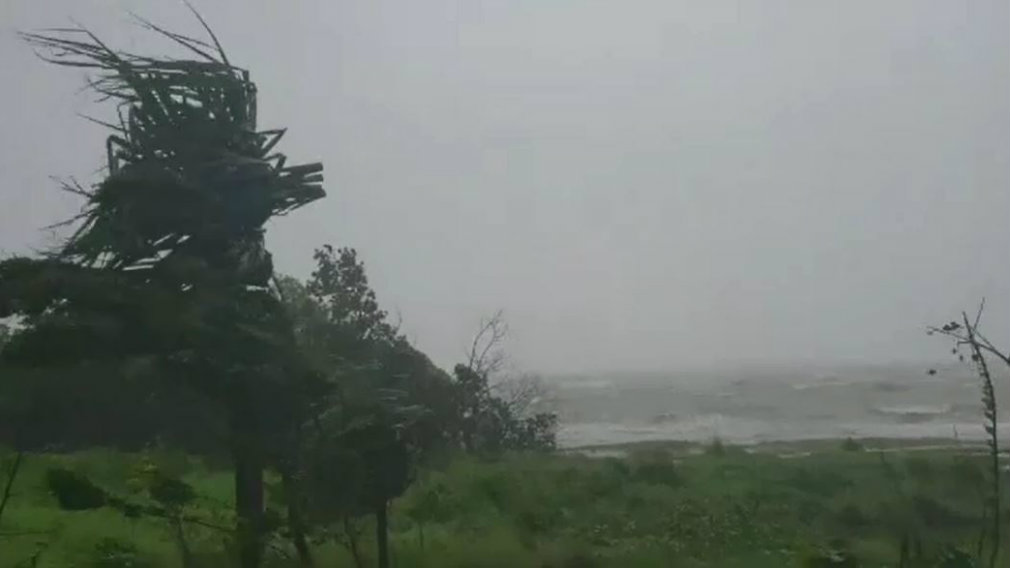
"Severe thunderstorms are likely to produce damaging winds and heavy rainfall that may lead to flash flooding in the warning area over the next several hours.
"Rainfall has fallen across most of the catchments within the Flood Watch area over recent days, with over 200 mm locally across parts of the western Cape York Peninsula."
Emergency services have advised residents to avoid floodwaters at all costs, move cars parked under trees and secure loose items from properties.
READ MORE: Power outages expected, cyclone possible as severe weather hits
Yesterday, residents of Cape York were told to prepare for "monsoonal falls" with up to 180mm rain predicted to fall across the state's far north.
In Brisbane, the BoM has predicted about a 40 per cent chance of rain today but it'll be warm, with highs of 27C expected.
Elsewhere across the country, the majority of Aussie capital cities will enjoy pleasant weather in the lead up to New Year's Eve, and even some heatwaves.
Melbourne will see tops of 33C today with light winds developing throughout the afternoon.
It'll be sunny and 27C in Sydney, 29C and sunny in Canberra, 36C in Adelaide and 31C in Perth.
Covid 19 Omicron scare: Chris Hipkins says up to 100 people isolating after close contact with Omicron case
Up to 100 people could be isolating as a result of close contact with the man who tested positive for Omicron and spent time in the community, Covid-19 Response Minister Chris Hipkins says.Last night it was revealed an Omicron-positive…
Mysterious truth about mega hit musical heading to Australia
A dramatic, gothic tale of disfigured musical genius who is obsessed with an innocent chorus girl, smash hit show The Phantom of the Opera has been packing theatres around the world for more than three decades.
The Andrew Lloyd Webber tale is a work of fiction, based on the Gaston Leroux book written over 100 years ago, however some tantalising parts of the original story are likely inspired by real life.
Not only does a subterranean lake exist under opera house Palais Garnier in Paris, where the Phantom has his lair, part of a theatre light actually did crash down from a ceiling tragically killing a patron and perhaps inspiring one of the tale's most famous moments.
READ MORE: Aussie flight attendant caught in the 9/11 story that inspired hit musical

Guy Simpson is the Opera Australia Musical Director and Supervisor and he is involved two lavish productions of the show Down Under next year.
He admitted the swirling rumours surrounding the story simply add to the experience.
"I think all these things add up to being intriguing snippets of information, that people like to embellish in their mind," Mr Simpson told nine.com.au.
Lake under an opera house
In the show, the Phantom resides in a candle lit lair on a lake under Palais Garnier, where he stalks chorus girl, Christine.
In one of the most famous scenes, he rows Christine across the water, singing the iconic song, The Music of the Night.
In reality, there really is a lagoon of water under the opera house, which was completed in 1875.
READ MORE: Aussie actress still fiercely supports vaccination after stroke
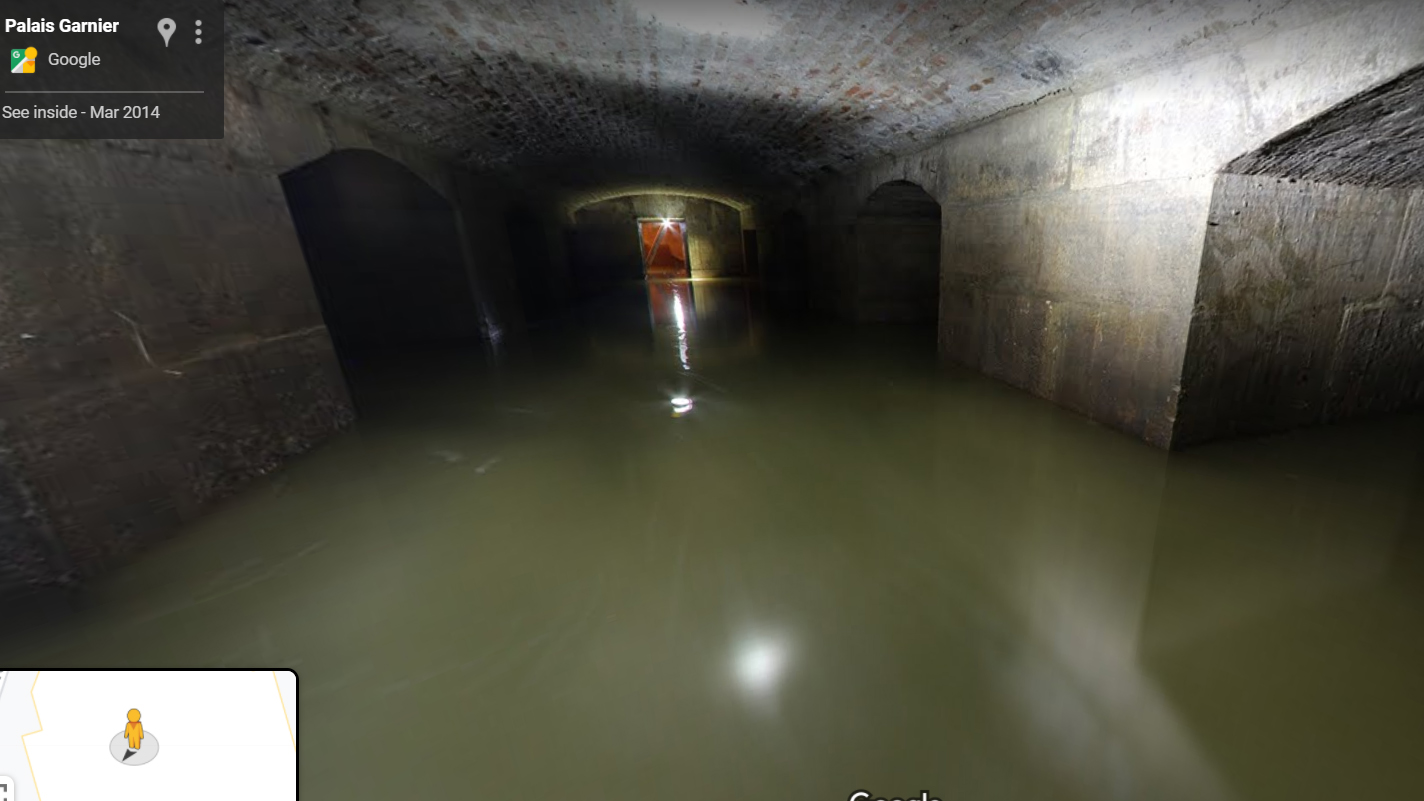
The water fills tanks which were created at the time of construction when the building's foundations were flooded by a tributary of the River Seine.
These days they're used to train firefighters.
Dingy water tanks might not be quite as romantic as the show's gothic lagoon – but with a bit of imagination it's not hard to see what might have sparked Leroux's imagination.
"Straight away that provides a great idea, that this guy might live down there and might push his boat across the lake," Mr Simpson said.
READ MORE: 'It's going to be emotional': Curtain finally rises again for Sydney actors
A chandelier tragedy
One of the most famous scenes in the show is when the menacing Phantom causes a chandelier to crash from the ceiling.
No doubt Leroux, whose novel Le Fantôme de l'Opéra, came out in 1910, was inspired by the 1896 tragedy at the theatre.

On May 20, during a performance of an opera called Helle, a fire caused a lighting counterweight to fall, crushing audience member Madame Chomette to death.

There's little doubt the author heard about the accident. The newspaper he worked as a journalist for wrote about it.
"I guess that became embellished into a chandelier," Mr Simpson, said.
"He was a theatre critic and an opera lover, I believe. His imagination could run riot."
And while there's no evidence of a disfigured genius existing, Leroux always insisted the Phantom himself was real.
And indeed, an architect who shared the Phantoms' name – Erik – is rumoured to have disappeared, saying he planned to live under the building.
The Phantom of the Opera is now the world's longest running musical after 35 years.
But Sydney is about to see it in a whole new way.
READ MORE: Bolshoi Theatre performer killed in accident on stage
Dramatic staging
Australian theatre fans can see the show next year in a never-seen-before on-water staging in Sydney Harbour, as well as a separate version inside the iconic Opera House, which will also play in Melbourne.

Delays due to COVID-19 mean both shows are now on just a couple of months apart.
Mr Simpson has been involved with the show since the late 1980s and travelled the world supervising productions from South Korea to Brazil.
He refused to reveal exactly how the on-water version will be done – but promised it's set to be spectacular.

"That might be letting out too many secrets," he joked.
Mr Simpson suggested the production may even bring composer Andrew Lloyd Webber to Australia.
"He does love coming to Australia," he said.
"I keep hearing these rumours that he might come."
He said either production will be a must-see – even for people not normally interested in musicals – simply because of the stunning music.
READ MORE: 'Not been an easy time' Melbourne shows return to the stage
"If you're going to see one musical in your life, it has to be this," he said.
"Audience members like a good tune.
"Boy, this show is absolutely full of them.
"And when you add to that the heightened things of mystery, the melodrama, the romance, it's got all these all these attributes that people find irresistible."
See The Phantom of the Opera at Sydney Opera House from August 2022 and Arts Centre Melbourne from October 2022, and on Sydney Harbour by Handa Opera from 25 March – 24 April 2022. Details: Opera Australia.
World-first drug checking law at festivals kicks into reality this New Year's
A world-first law change allowing drug checking organisations to legally work at festivals turns into reality this New Year’s. Festival organisers are no longer at risk of prosecution under section 12 of the Misuse of Drugs Act…
Taronga Zoo devastated by 'sudden' death of new baby
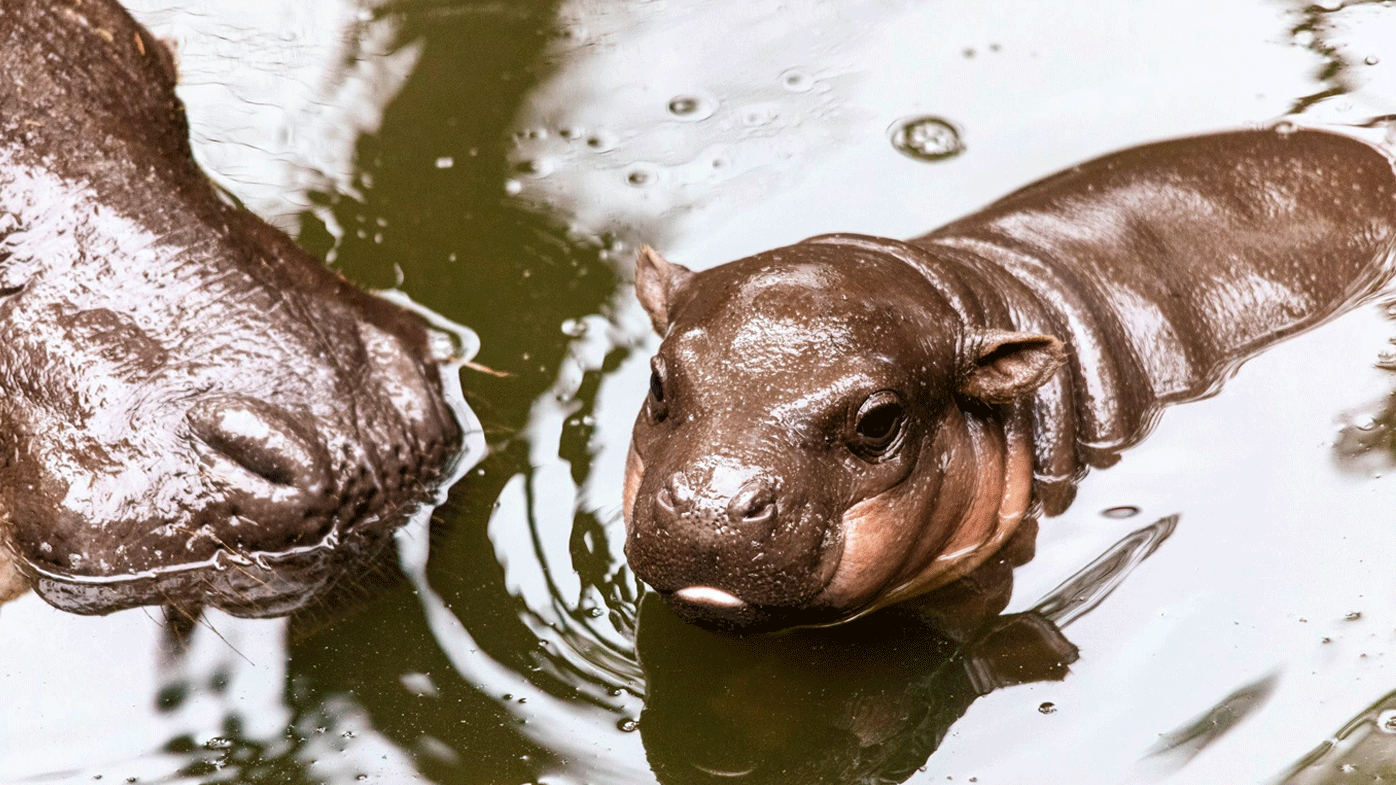
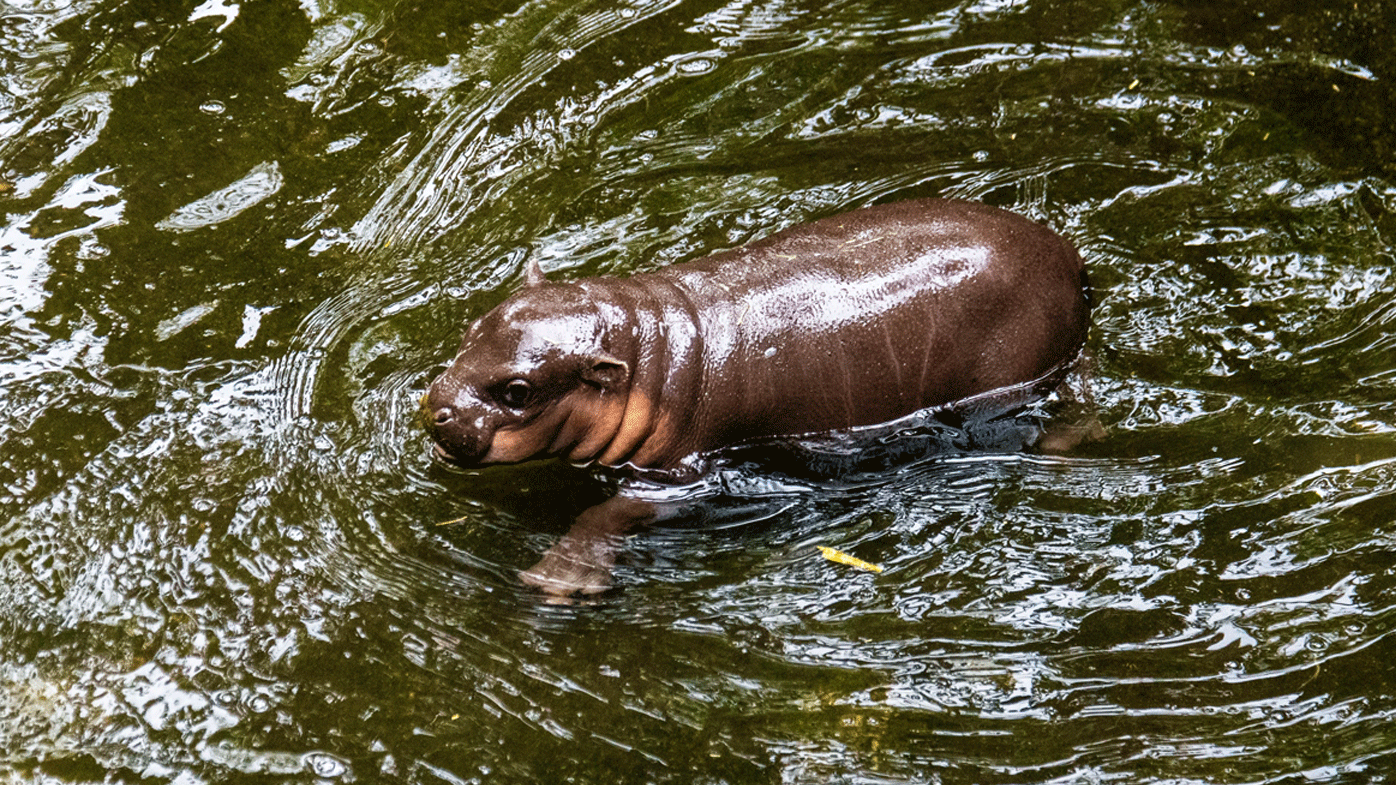
An adorable pygmy hippo calf has died at Sydney's Taronga Zoo after just a month in the world.
The zoo announced the death on Wednesday night, saying the calf — whose name, Amara, had been set to be revealed shortly — died suddenly on Friday afternoon.
"The 'little watermelon on legs' as she was affectionately known, was born in late November and in a relatively short time captured the hearts of guests and keepers alike," the zoo said, on social media.
READ MORE: Fears of price gouging and long queues amid rapid antigen test shortage
"She was found unresponsive on Christmas Eve afternoon and was sadly confirmed to have passed away.
"Preliminary findings from Taronga's veterinary team indicate a potential problem with her heart."
Veterinarians are still investigating and keeping a close eye on the calf's parents, Kambri and Fergus.
READ MORE: Emerging State of Origin star charged after alleged one punch victim dies in hospital
The zoo said there were "no indications of trauma or misadventure."
"She was a much-loved member of the Taronga family and her passing is understandably heartbreaking for all those who knew and cared for her," it said.
The pygmy hippo, Kambri's second, had made her public debut just 20 days ago, looking tiny splashing around in the water with her mum.
"Our mother and calf duo are doing really really well," Taronga Zoo senior ungulate keeper Renae Moss said at the time.
"Kambri is an excellent mother. She's extremely maternal and very protective and our calf is getting more confident every day, getting more energetic every day.
"At the beginning she was sleeping most of the day — sleeping and feeding like any newborn baby but now she's exploring her surroundings and today she's really having a good look at her exhibit."
Ms Moss said there were fewer than 3000 pygmy hippos left in the wild, making zoo births "extremely valuable".
An eight-year-old sobs every night. She may never see her mum again
An eight-year-old sobs every night after her aunt puts her to bed. A 17-year-old wakes up clutching his pillow and calling out his little brother's name.
And hundreds of children who remain in US government custody keep asking questions no one knows how to answer.
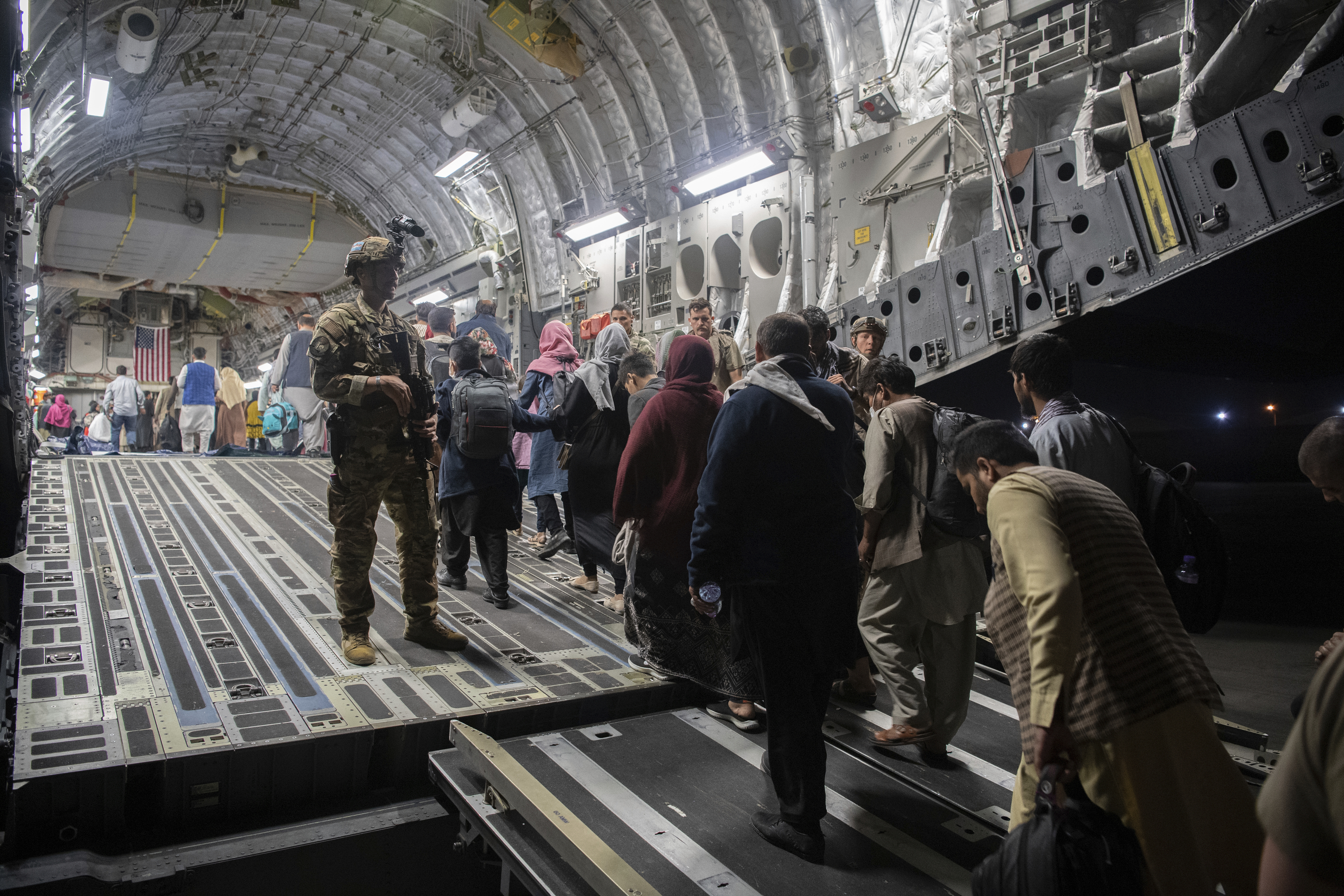
They're among the roughly 1450 Afghan children who've been evacuated to the United States without their parents since August.
READ MORE: New Omicron variant fills up children's hospitals in United States
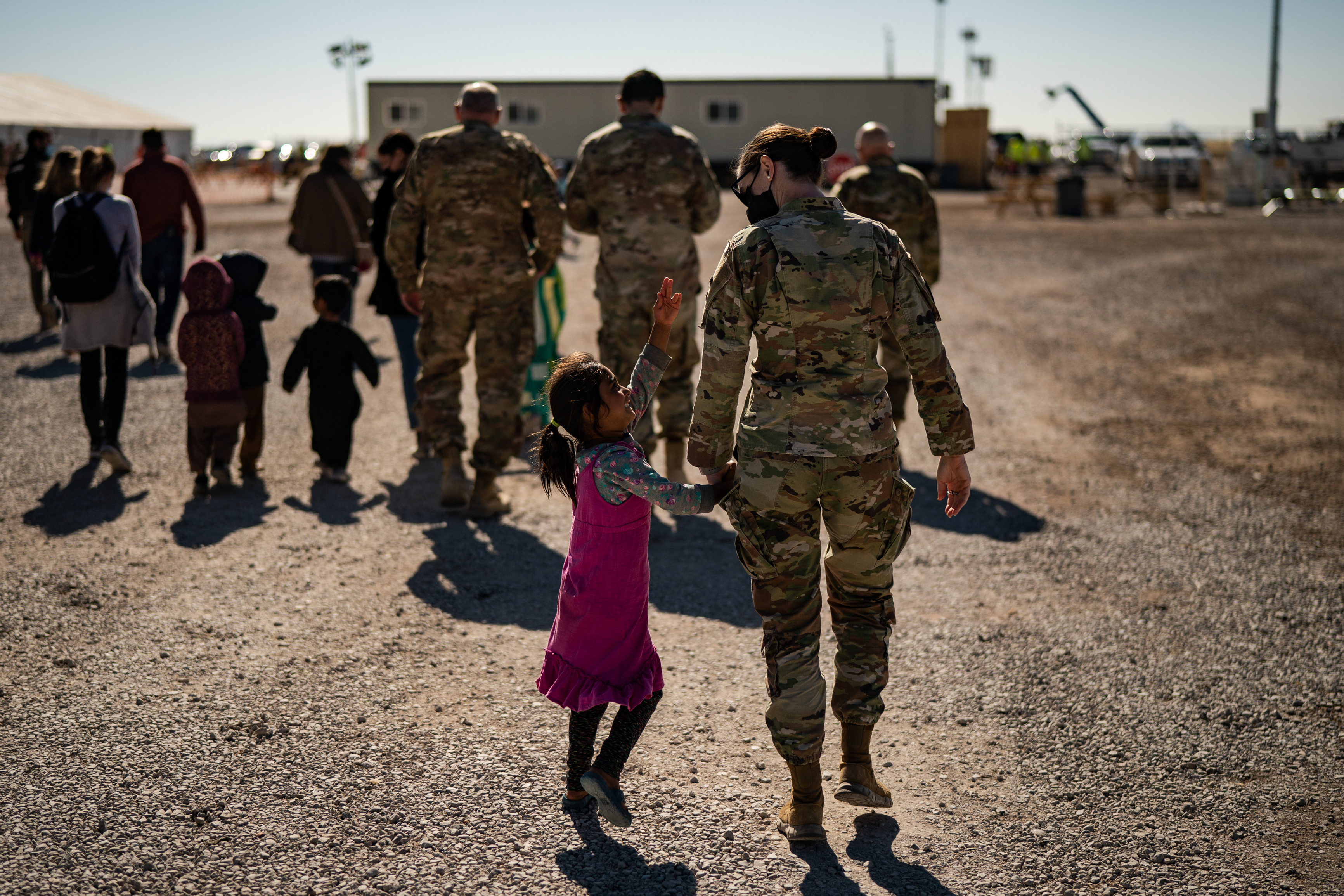
Months after they arrived, it's unclear when, how — or even if — some of their families will be able to reunite.
The large number, first reported by Reuters and updated in recent figures CNN obtained from the Office of Refugee Resettlement, reveals a devastating reality of the evacuations and their aftermath.
"It's shocking … the idea that there are over 1000 kids without their family right now, and that they're potentially feeling alone and feeling scared," says Dr Sabrina Perrino, an Afghan American paediatrician in California who is hoping to become a foster parent to help.
Many of the children tried to flee Afghanistan with their families but got separated in the chaos, advocates say.
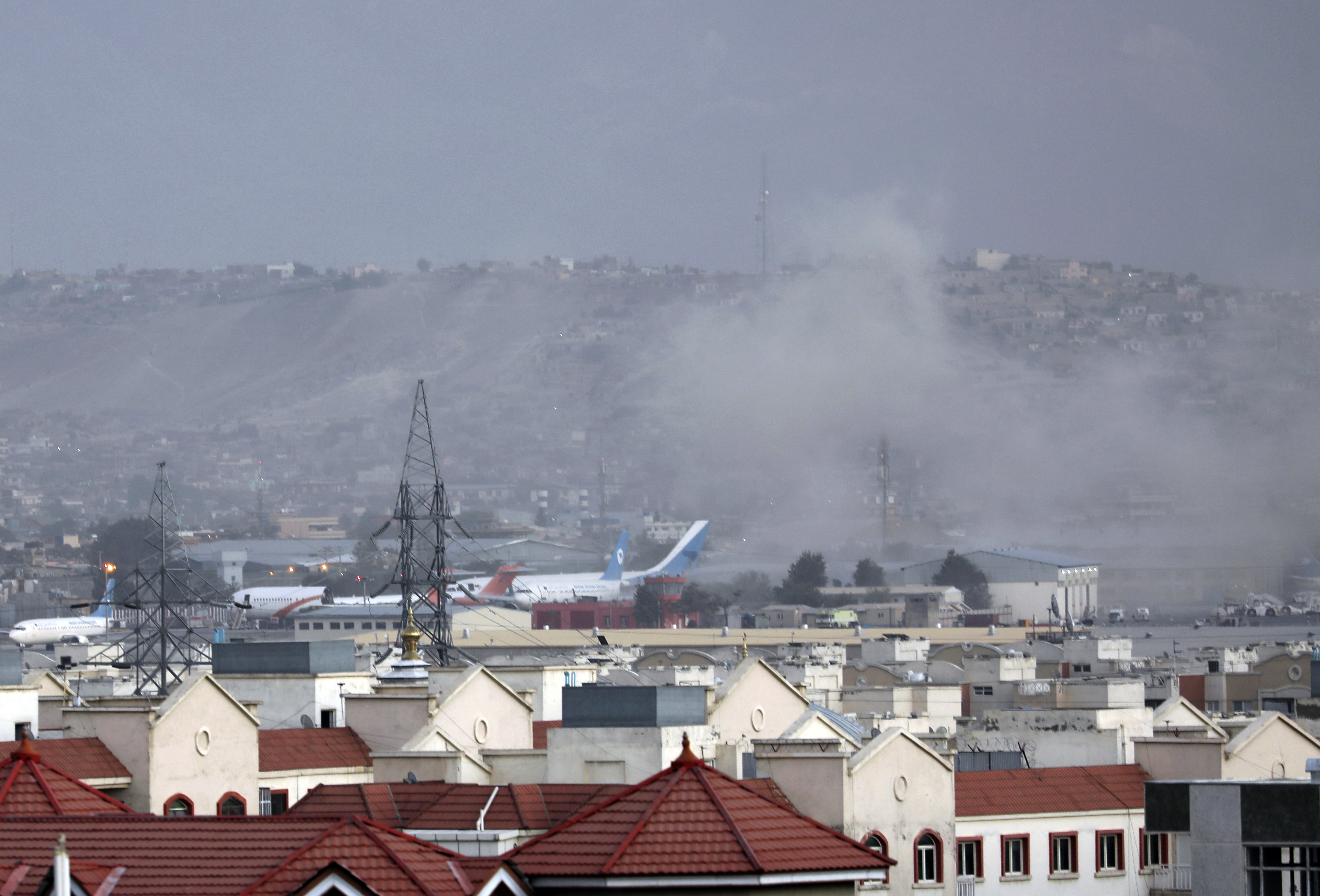
Some lost touch with their parents during the bombing at Kabul's Hamid Karzai International Airport. Some of their parents didn't survive the terror attack.
READ MORE: Teens arrested over alleged theft of wheelchair-accessible van
Officials say the vast majority of the 1450 children who were brought to the United States without their parents were quickly released to live with sponsors — including other family members they fled with or relatives who were already living in the United States.
Some were reunited with family via an expedited screening process the Biden administration created for the Afghan children.
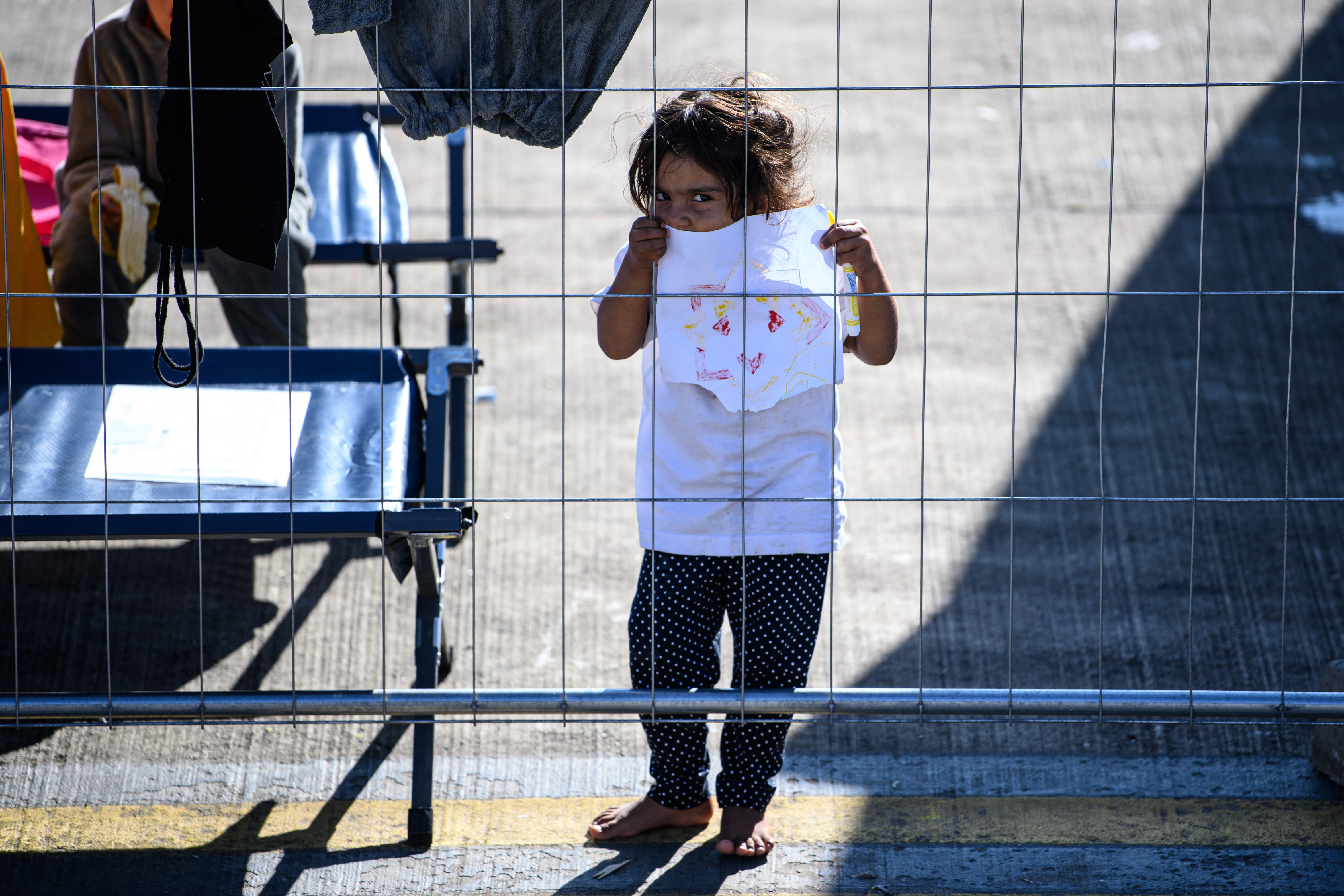
But about 250 of the children remain in US government custody, according to statistics the Office of Refugee Resettlement recently provided to CNN. And most of those children, advocates say, have no family members to reunite with in the United States.
Families and advocates who spoke with CNN said the children, already traumatised by what they went through in Afghanistan, now are living in limbo and desperate for answers about what's next.
READ MORE: Seven-year-old sexually assaulted in Perth home
Video calls with their parents are a lifeline
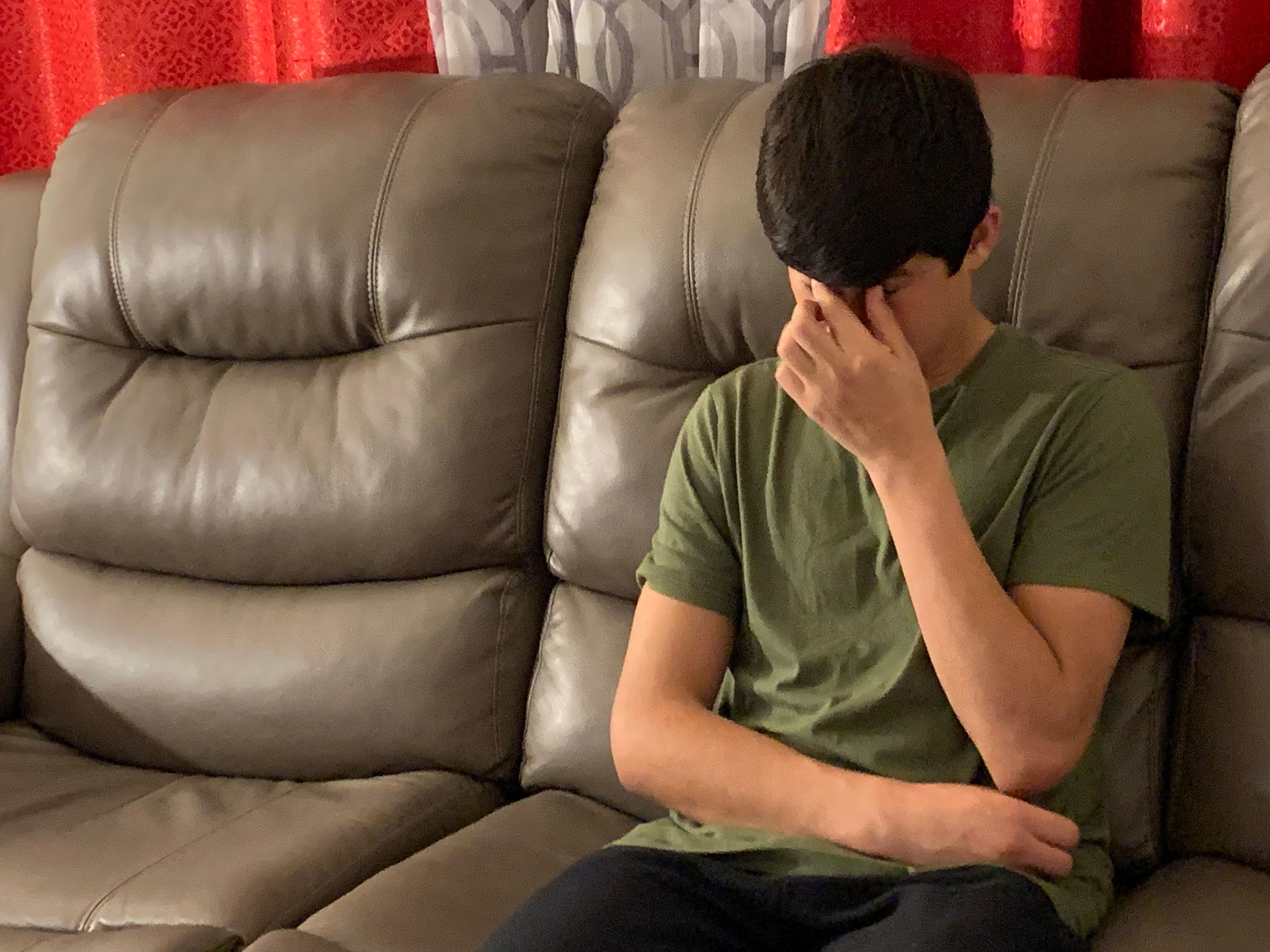
Two teenage boys sit on a sofa in a living room in Northern Virginia, looking lost.
Ramin, 17, and Emal, 16, weren't supposed to come to the United States without their parents.
The close friends, who CNN is only identifying by their first names to protect their families' safety, were neighbours in Kabul.
Together, they tried to flee the country with their families in August. But they got separated in the airport attack. Only the boys and an uncle made it out.
Their parents and siblings remained behind.
When Ramin got to the United States in September, he was frantic, says Wida Amir, a board member of the Afghan-American Foundation who met him when she was helping translate for evacuees who'd recently arrived.
"He was like, 'Take me back — send me back,'" Mr Amir recalls.
Fear for his parents' and siblings' safety overwhelmed Ramin.
Back in Kabul, he'd been so close with his 18-month-old little brother — they'd been spending almost 24 hours a day together — he couldn't imagine living apart.
One night, at the Virginia shelter where he and Emal were taken after their arrival, Ramin woke up clutching his pillow like a baby and calling his brother's name.
READ MORE: Professor's heartbreaking asbestos warning in her final moments battling cancer
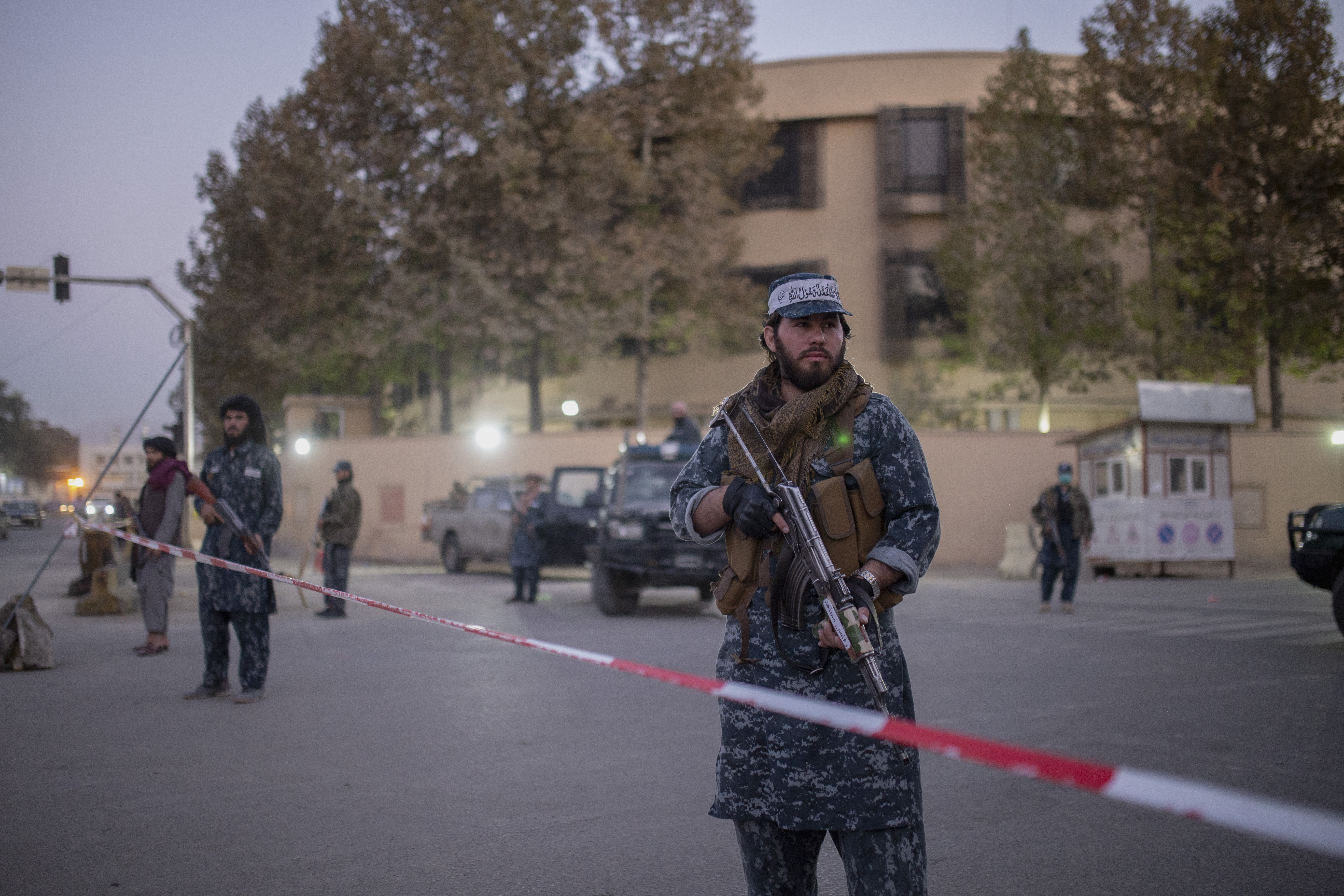
After spending more than a month at the shelter, the boys are now living with Emal's uncle and his family, who came to the US nearly five years ago on a special immigrant visa after working with USAID in Afghanistan.
The teens have started attending high school and say they're trying to focus on building a new life in the United States. They're grateful for the chance to live in safety.
But adjusting has been hard, knowing their families in Afghanistan are still in danger.
They talk with their parents nearly every day. The first video calls were difficult.
"Everyone was in tears. We just looked at each other. It was hard to have a conversation," Emal says through an interpreter.
Now, he says, those calls keep him going.
"If I don't talk to them or see their faces, I can't sleep," he says.
The teens say they want to reunite with their parents and siblings in the United States. But their family isn't sure where to turn to make that happen.
"It's something I'm always hoping and wishing for," Emal says.
There's a 'huge question' that hasn't been answered
Advocates who spoke with CNN say the procedures for reunifications with parents who remain in Afghanistan or other countries remain unclear.
"Whose job is it to reunite the parent and child, and then where do you do that? … That's a huge question that we're grappling with," says Jennifer Podkul, vice president of policy and advocacy for Kids in Need of Defence, an organisation that helps unaccompanied immigrant and refugee children.
The Department of Health and Human Services says the government is doing everything it can to help reunite unaccompanied Afghan minors with caregivers, including parents and immediate family, who remain in Afghanistan.
But leaving the country remains a significant challenge, the agency says, describing the reunification process as difficult and noting it could take considerable time.
The Department of Homeland Security and the State Department haven't responded to CNN's questions about the process for these family reunifications.
Secretary of State Anthony Blinken met with a group of unaccompanied Afghan children in September when he toured the Ramstein Air Base in Germany.
According to NPR, he told the group that Americans were looking forward to welcoming them, and that the US would try to help their families and friends who remained in Afghanistan.
The Department of Health and Human Services did not specify how many of the 1450 children brought to the United States as unaccompanied minors have been reunited with their parents or how many have parents who remain in Afghanistan — two figures that CNN requested.
Officials have noted that the number of Afghan children who remain in custody is a small fraction of the total number of Afghans who were evacuated to the United States.
'They hug me. And they talk about their parents'
But what happens to those children should still be a top concern, says Ashley Huebner, associate director of legal services at the National Immigrant Justice Centre.
"It's been really difficult," she says.
"There's a lot of frustration … with the lack of information, the lack of movement, just the real lack of urgency that we're feeling from the Office of Refugee Resettlement and others about what is going to happen to these children, and why things are taking so long."
Some children have trouble eating, knowing their families are hungry
A spokesperson for the Department of Health and Human Services said its Office of Refugee Resettlement takes the safety and wellbeing of children in its care "very seriously".
"ORR's mission is to ensure that children in ORR care are safe, healthy, and unified with family members or other suitable sponsors as quickly and safely as possible," the spokesperson said.
Advocates who've spoken with the children who remain in government custody say many of them are struggling to deal with being separated from their parents, and struggling to cope with the trauma they endured before fleeing Afghanistan.
Every time Sima Quraishi visits a shelter that's housing Afghan children in Chicago, the kids tell her how much they miss their families.
"They say, 'You look like mum.' They hug me. And they talk about their parents," the head of the Muslim Women's Resource Centre says.
'Some of these children know that their parents are no longer alive'
When she looks at the children, Ms Quraishi says she sees herself. She was born in Afghanistan and came to the United States as an orphan more than 30 years ago. And she's trying to encourage the kids and give them hope.
But it's hard, she says.
"There's a lot of support from the government that they want to make sure that they find their families. But how long will it take? None of us know," Ms Quraishi says.
"We don't even know what's going to happen to these kids."
At the Starr Commonwealth Emergency Intake Site in Albion, Michigan, Afghan children have been telling attorneys how worried they are for months, says Jennifer Vanegas of the Michigan Immigrant Rights Centre, whose team has spoken with children detained at the shelter.
"It's heart wrenching. Many of their families are in hiding, don't have sufficient food, don't have a way to get out. … We've had children tell us they are having trouble eating because they know their families are hungry," she says.
The roughly two dozen Afghan minors at Bethany Christian Services' facilities in Michigan and Pennsylvania are constantly asking what can be done to help their families, says Nathan Bult, the organisation's senior vice president of public and government affairs.
"Some of these children know that their parents are no longer alive," he says.
"I think a greater number really don't know. And we don't know. And I don't think the US government knows.
"And that's the hardest thing to tell a child sometimes, the honest truth — we don't know."
Other kids have managed to connect with friends or family on WhatsApp — but that doesn't make the situation any easier.
"They know where their parents are, and their parents are saying 'we're not safe' and they're trying to escape the Taliban. Between the fear of the unknown, and the fear of what they do know and can do nothing about, it's like a constant adverse childhood experience," Mr Bult says, using the term experts use to describe traumatic circumstances that affect children.
"My hope and prayer is that all of these children would be able to be reunited with their extended family or their immediate family, but knowing what we know about their histories, there are some children who are never going to be reunited with family."
And each moment the kids remain in government custody could compound the trauma they have to deal with, says Dr Perrino, a paediatrician in San Diego and board member of the national Afghan-American Community organisation.
That's one reason so many Afghan Americans want to become foster parents, she says. Dr Perrino is one of them.
But the process to become a foster parent is extensive and lengthy — and so far, most of the Afghan families who've signed up haven't yet qualified, Dr Perrino says.
While she works on getting the paperwork together, Dr Perrino has been telling her two kids about the situation.
"We've talked about how there are kids who don't have their family, and that we want them to come to our house," she says.
"I try to explain to them that until these kids get to find their families, that we can still help them feel like kids, and just play and have fun."
An aunt says the support she gives will never be enough
Even children who are living with family members are having a hard time.
Ferishta sees the pain on her niece and nephew's faces every day. They're living with her in Virginia now, but their minds are thousands of kilometres away.
Mina, 8, and Ahmad Faisal, 13, tried to flee Afghanistan with their parents and older brother. But the airport bombing tore their family apart.
The children made it to America in September, helped by a neighbour who led them to safety. But their mother died in the blast, and the rest of their family was left behind, Ferishta says.
The children were wounded in the attack, which killed more than 170 people and injured at least 200 others. For months, family members had been afraid to tell them about their mother's death. The children learned only recently, Ferishta says, and their devastation deepened.
Mina keeps asking questions her aunt doesn't know how to answer.
Why were she and her brother flown to Germany after the attack and treated there? Why couldn't her mum come, too? When will her dad arrive?
"Every night she starts crying until she goes to sleep," Ferishta says.
"And sometimes it's so hard for her to stop."
Ferishta does her best to comfort her. But now more than ever, Ferishta says, the children need their father by their side.
They've already been through so much. They endured treatment for their injuries at Landstuhl hospital in Germany and Walter Reed Army Medical Centre outside Washington. Then they spent 20 days at a Virginia shelter for unaccompanied minors while Ferishta frantically tried to get them out.
And now, they're grieving their mother's death as they try to adjust to their new life in America.
Ferishta says in many ways, they are the lucky ones. If the neighbour who helped them hadn't gotten in touch with Mina and Faisal's parents, their family would likely still be searching for them.
The children's names and birth dates are wrong on all the official documents issued during their journey — a problem she imagines is common for many of the Afghan children who were evacuated without their parents.
That, she fears, means families searching for loved ones might not be able to find each other.
Ferishta knows her family's story is just one of many. Reuniting separated Afghan families should be the government's first priority, she says.
"All those children who made it here without parents," she says.
"I can feel them, every day that I am living with my niece and nephew, how much they are suffering."
Lotto Powerball: Lucky Aucklander scoops $17m Lotto jackpot
One lucky Aucklander will usher in the new year more than $17 million richer after winning the Lotto Powerball tonight.The winning ticket was sold at Victoria Street Lotto & Newsagency in Auckland and the prize is made up of $17…
Concerns there are more COVID-19 cases in NSW than numbers show
Authorities are concerned there are more COVID-19 infections in the New South Wales community than the daily case numbers reflect.
Chief Health Officer Dr Kerry Chant said today there are many more infections in the community that are yet to be tested.
"There is probably more disease in the community than the numbers reflect," she said.
EXPLAINER: NSW Health scales back contact tracing – what you need to know
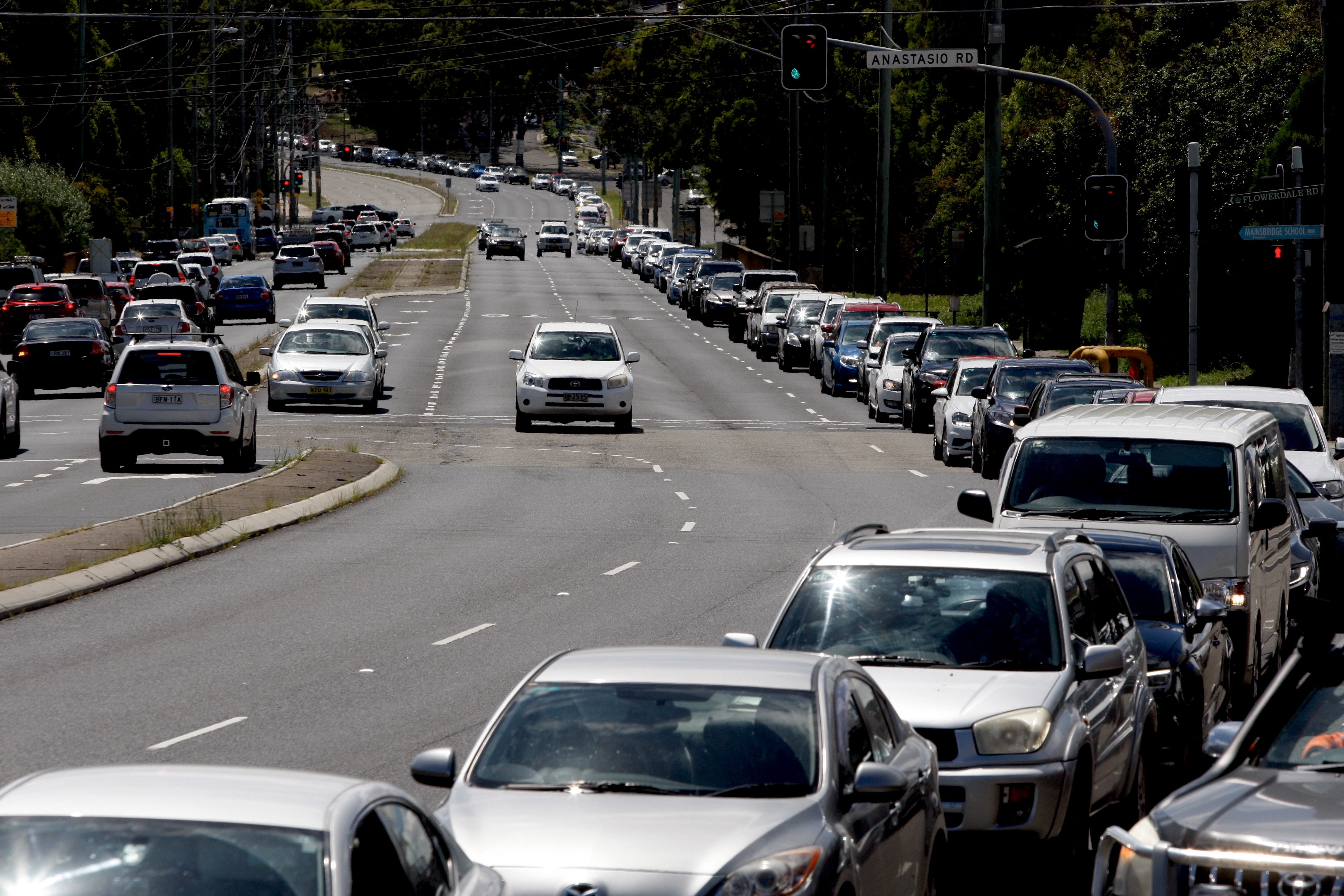
Infections are doubling every "two to four days" in the state as testing messaging has taken an about-face in a new phase of the pandemic.
Premier Dominic Perrottet has urged residents not to go to a testing clinic unless they are showing symptoms, while those expecting to get PCR results back within 72 hours have been told they will be waiting longer.
Daily COVID-19 cases in the state have shot into five figures in an Australian first, with 11,201 recorded in the 24 hours to 8pm last night.
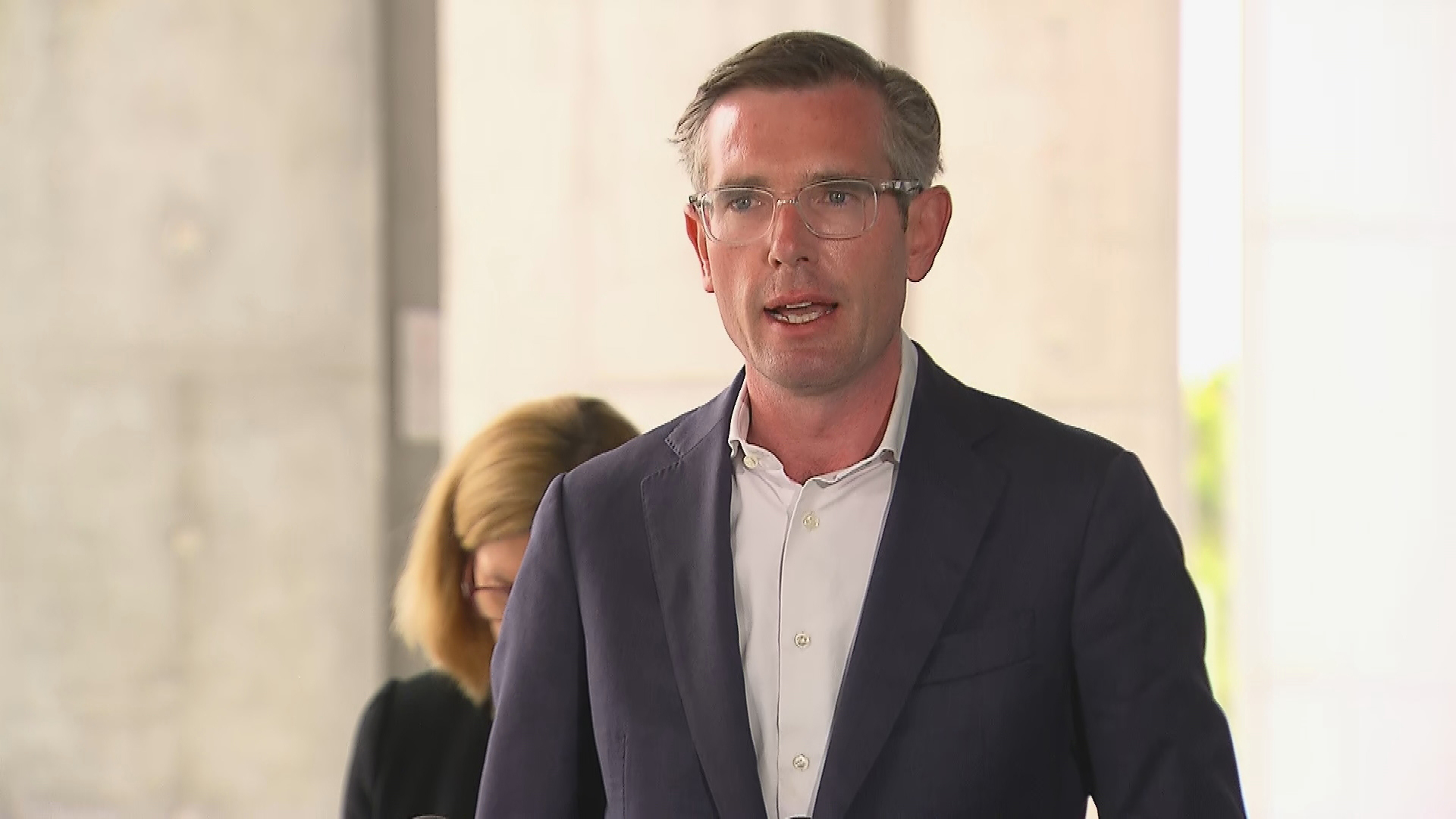
NSW Health will no longer be reaching out to close contacts, with residents infected being expected to communicate the message to those they think they've exposed.
Mr Perrottet has flagged changes to close contact definitions will be discussed at National Cabinet tomorrow.
"We are looking forward to a discussion in relation to changes to be made in relation to close contact definitions in isolation," he said.
Mr Perrottet believes a "national approach" to close contact definitions would be the best approach.
Health Minister Brad Hazzard said the "worried well" should not be lining up for PCR tests nor should people seeking tests for interstate travel requirements.
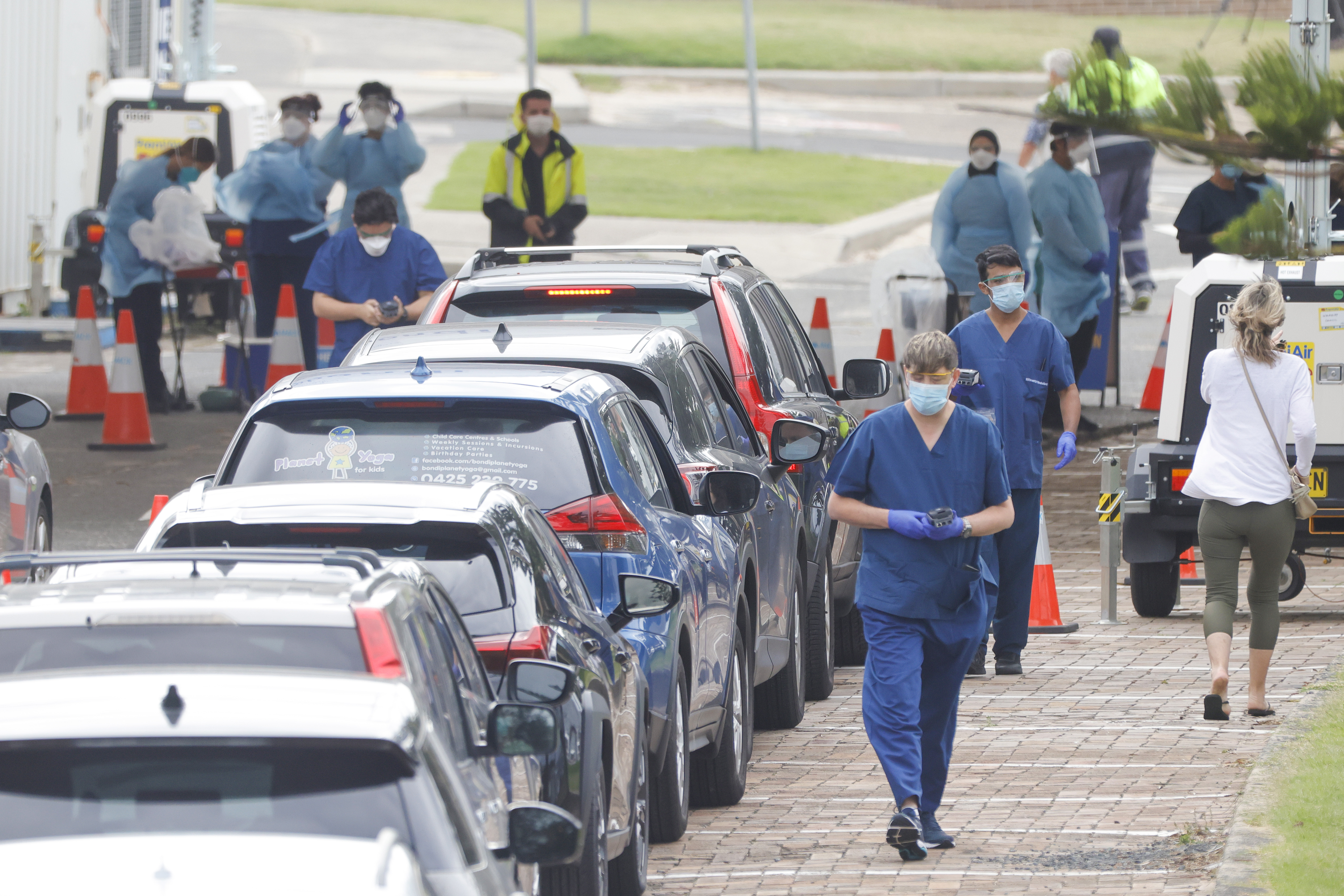
READ MORE: NSW holiday-goers warned PCR tests won't come back in time
"If you really don't need a PCR test, if you just think you're part of the community that can get one for free, all you are doing is getting in the way of people," he said.
"There are some people who I think are genuinely worried but are worried, the worried well should not be lining up for these tests."
Mr Hazzard said to get a rapid antigen test instead, and is aware of the supply issues however more tests will arrive in mid January.
'Cases doubling'
Chief Health Officer Kerry Chant said Omicron cases are rising quickly.
"We are seeing doubling every two to three to four days," Dr Chant said.
Dr Chant also said people should be seeking PCR tests if they are symptomatic, but if rapid antigen tests come back positive then they should take a PCR test.
https://twitter.com/NSWHealth/status/1475949726629388293
"So I just encourage people – anyone who has a positive RAT test should also go and get that PCR test and talk to their healthcare provider," she said.
Hospitalisations also rose to 625 today, with 61 people in intensive care.
Three people died with the virus.
Two women, one in their 70s and one in their 90s, died at the Warabrook Aged Care facility in Newcastle where they acquired their infections.
A man in his 80s from Sydney's Inner West died at Royal Prince Alfred Hospital.
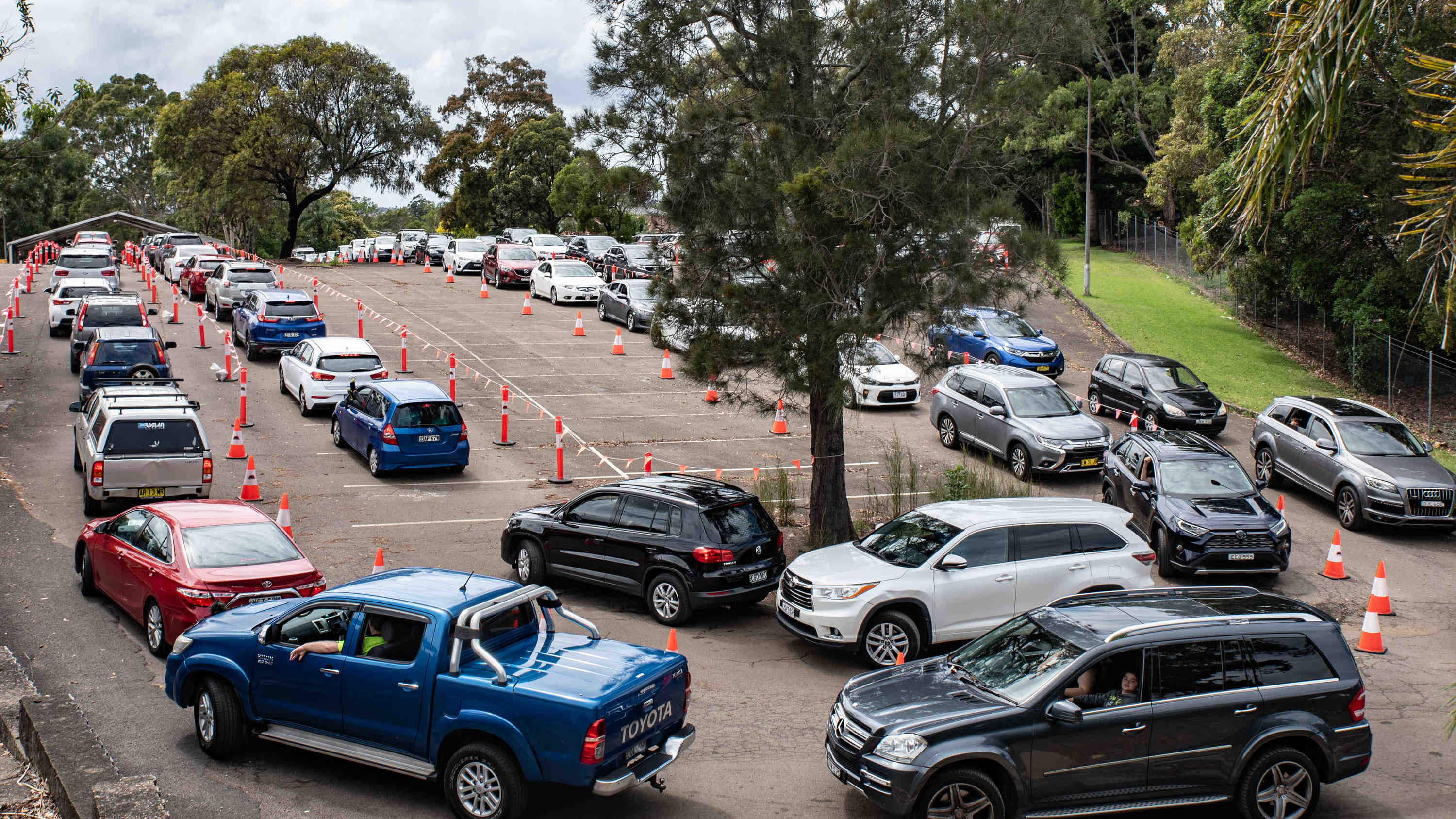
Hospitalisations are up by 68 patients on yesterday, placing further strain on a medical system already overstretched by thousands of workers being forced into isolation, along with massive demand for COVID-19 testing.
There were 157,758 tests carried out in NSW in the 24 hours to 8pm last night.
'Get your booster'
Mr Perrottet has once again urged residents to get their booster shot as the state's case numbers surge.
"My clear message to people across NSW if you have not received your booster shot please go out and do so if you are eligible," he said.
It comes as the interval between the second vaccine dose and the booster shot was changed to four months.
Mr Perrottet said "the overwhelming majority of people in ICU are unvaccinated" and called for everyone to get vaccinated.
Changes to contact tracing and isolation periods
NSW Health said they have changed their approach to contact tracing, prioritising "households of cases and settings with vulnerable people where COVID-19 cases may have visited or worked".
Prior to the current surge in cases, NSW Health would contact people exposed to the virus but now people who are positive are directed to tell those they have been in contact with.
"People who have been confirmed as COVID-19 cases are asked to tell those they have recently spent time with that they have tested positive," NSW Health said.
"NSW Health will only contact with a small number of exposed people to direct them into self-isolation under the public health order."
There are also moves to cut the isolation times for people with COVID-19 as more virus sufferers in New South Wales are told to manage their symptoms at home.
NSW cut the isolation period for people infected with COVID-19 to 10 days last week, but further reductions are under consideration.
Rapid antigen test shortages in NSW
Meanwhile, NSW continues to call for people to avoid PCR testing unless they are directed to get one or have COVID-19 symptoms, with testing clinics overrun around the state.
Yesterday, at least one clinic was forced to turn people away even before it opened, as those seeking tests queued overnight.
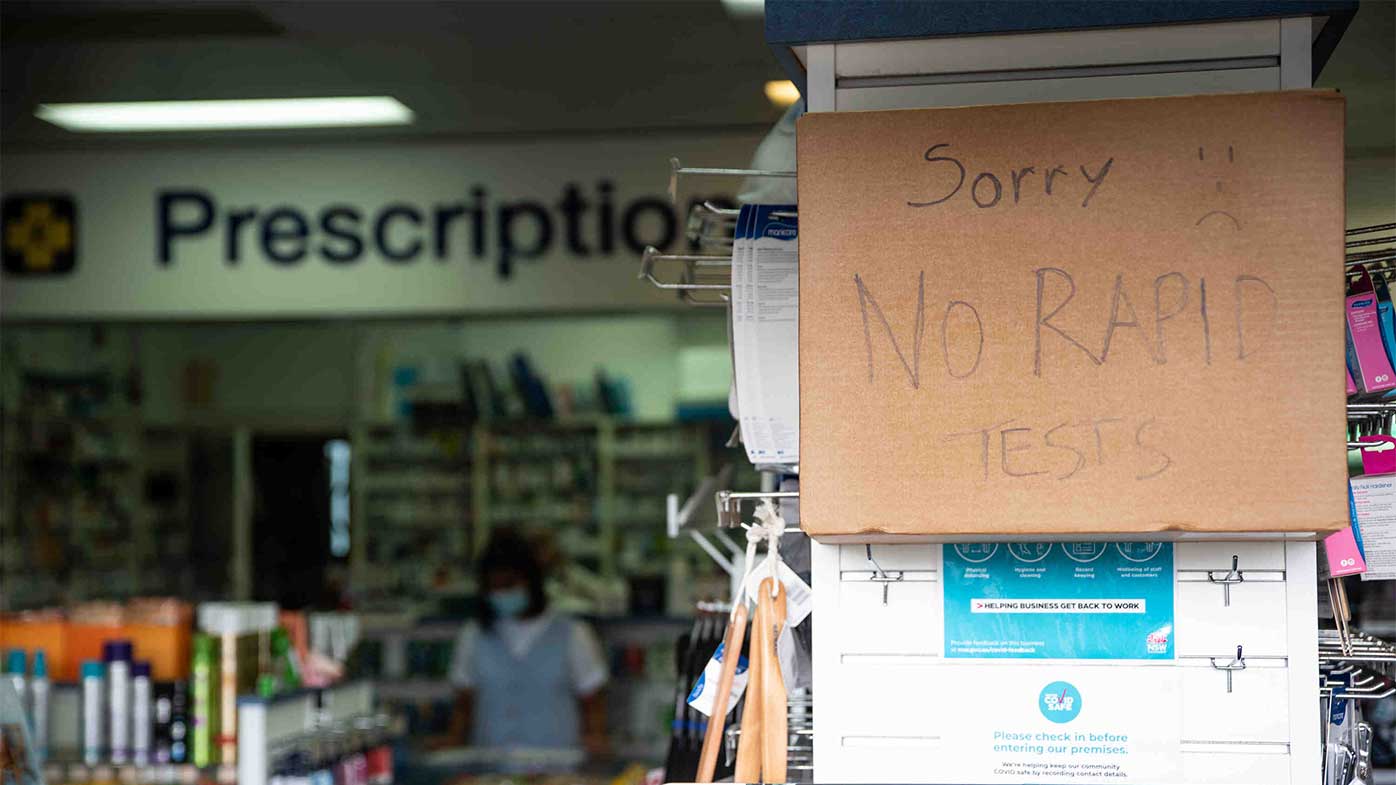
But Pharmacy Guild of Australia NSW president David Heffernan said there was a shortage of rapid antigen tests on shelves due to the public holidays.
"Having these announcements obviously don't help when pharmacies don't have the ability to top up," he said.
"There has been a spike in the demand of rapid antigen tests and therefore a lot of pharmacies have been depleted."
Mr Perrottet said more stock had been ordered.
"We've put an order in for 20 million rapid tests and my understanding is they will be available by the end of January," he said.
Truck driver charged over major Calder Freeway crash that killed toddler
The truck driver involved in a multi-vehicle crash on the Calder Freeway in Victoria's north-west that killed a toddler and critically injured several others, has been charged.
The 42-year-old Donald man has been charged with culpable driving causing death over the crash in Diggers Rest on December 6.
Investigators alleged the grain truck he was driving collided with a number of cars on the freeway near the Bulla Road overpass about 2.30pm.
READ MORE: Free rapid antigen tests on the way as Victoria records 3767 new COVID-19 cases
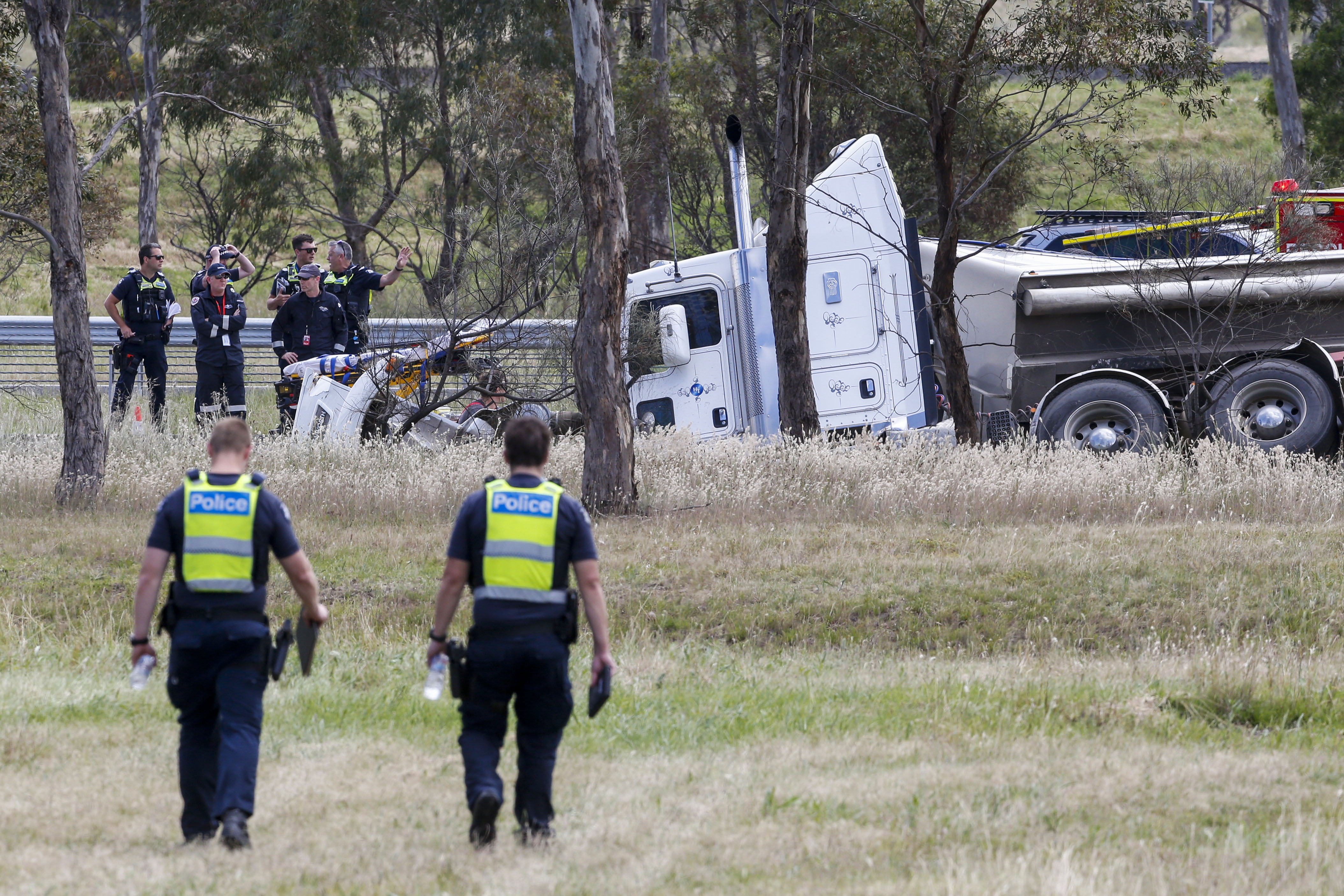
A two-year-old Caulfield South girl, a rear seat passenger in a car carrying four people, died at the scene.
Her parents and sister, a 35-year-old man, a 37-year-old woman and a one-year-old girl, who were all in the same car, were all left in a critical condition.
Another driver, a 62-year-old South Melbourne man who was driving a Toyota Hilux that got trapped under the truck, was also left in a critical condition.
The woman remains in hospital in a stable condition, while others have all since been released from hospital.
The truck driver has been bailed to appear at the Melbourne Magistrates' Court in May.