A woman told to stay inside as armed police smashed into a nearby Maraenui house says the callout was a misunderstanding.Investigations have concluded and no charges will be laid after the Armed Offenders Squad and Police Negotiation…
Tag Archives: oceania
Homicide Squad investigates death near Melbourne train station
A train station in Melbourne's west has become a crime scene after a man was allegedly stabbed to death the early hours of the morning.
The 40-year-old Melton man was stabbed and died not far from Melton Station on Staughton Street in Melton South after 2.35am.
The Homicide Squad are investigating the incident and have cordoned off a platform at Melton Station along with the carpark.
READ MORE: Free rapid antigen tests as Victoria records 3767 new COVID-19 cases
https://twitter.com/gillianlant/status/1475926655042416641
They believe the man had an interaction with an unknown man while walking through the train station about 2.30am.
It is believed the unknown male approached the victim and stabbed him in the upper body.
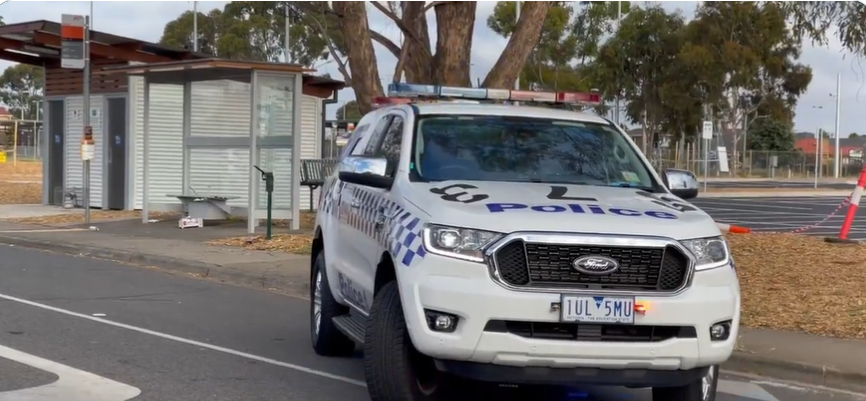
Detectives are calling for witnesses following the incident.
They specifically want to speak with a group of four males, perceived to be of African appearance, who are believed to have been with the attacker at the southern end of the train station just prior to the incident.
Anyone who was in the area at the time, or has dash cam footage for information to call Crime Stoppers on 1800 333 000 or log onto www.crimestoppersvic.com.au
US Civil War artefacts recovered after time capsule opened up
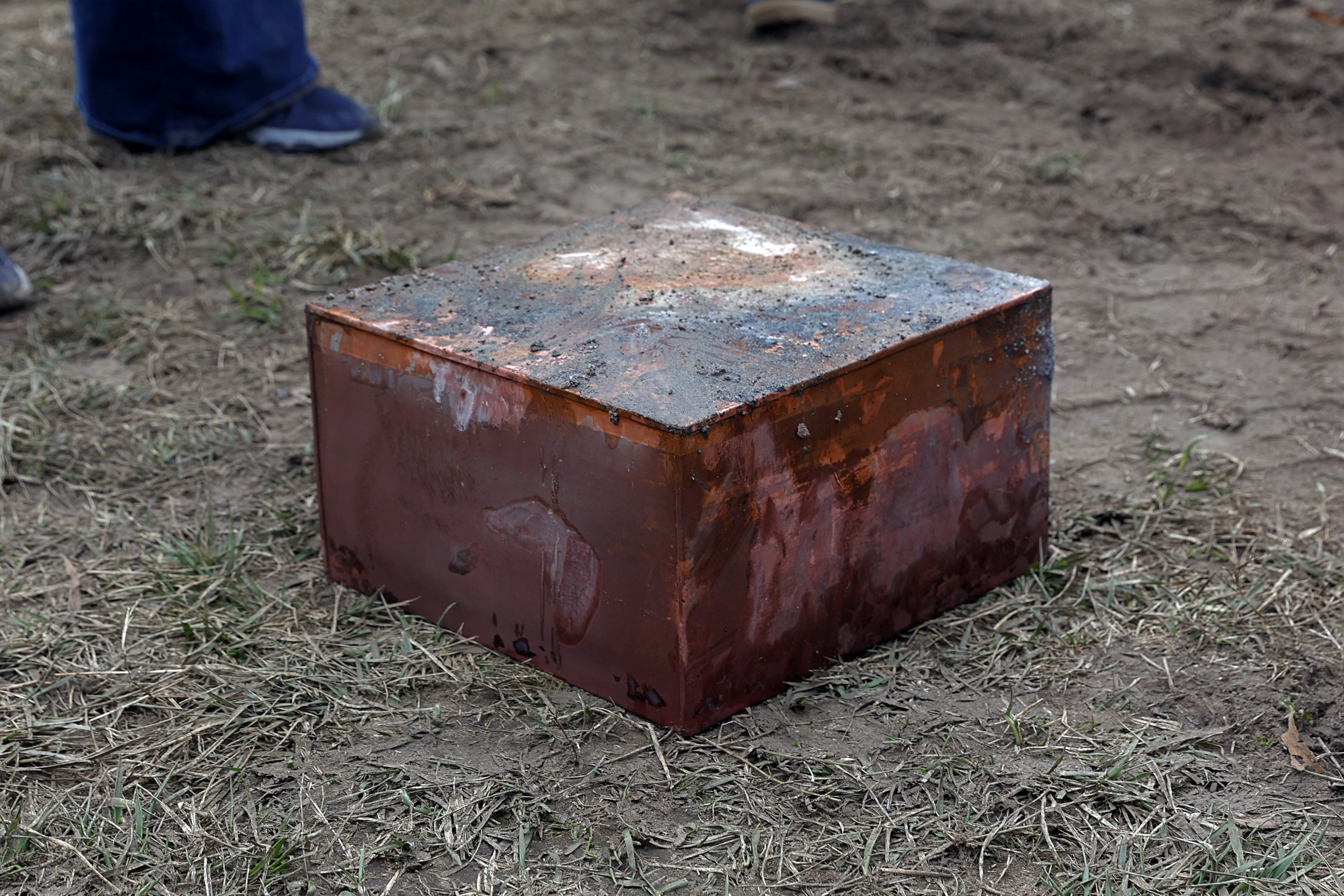
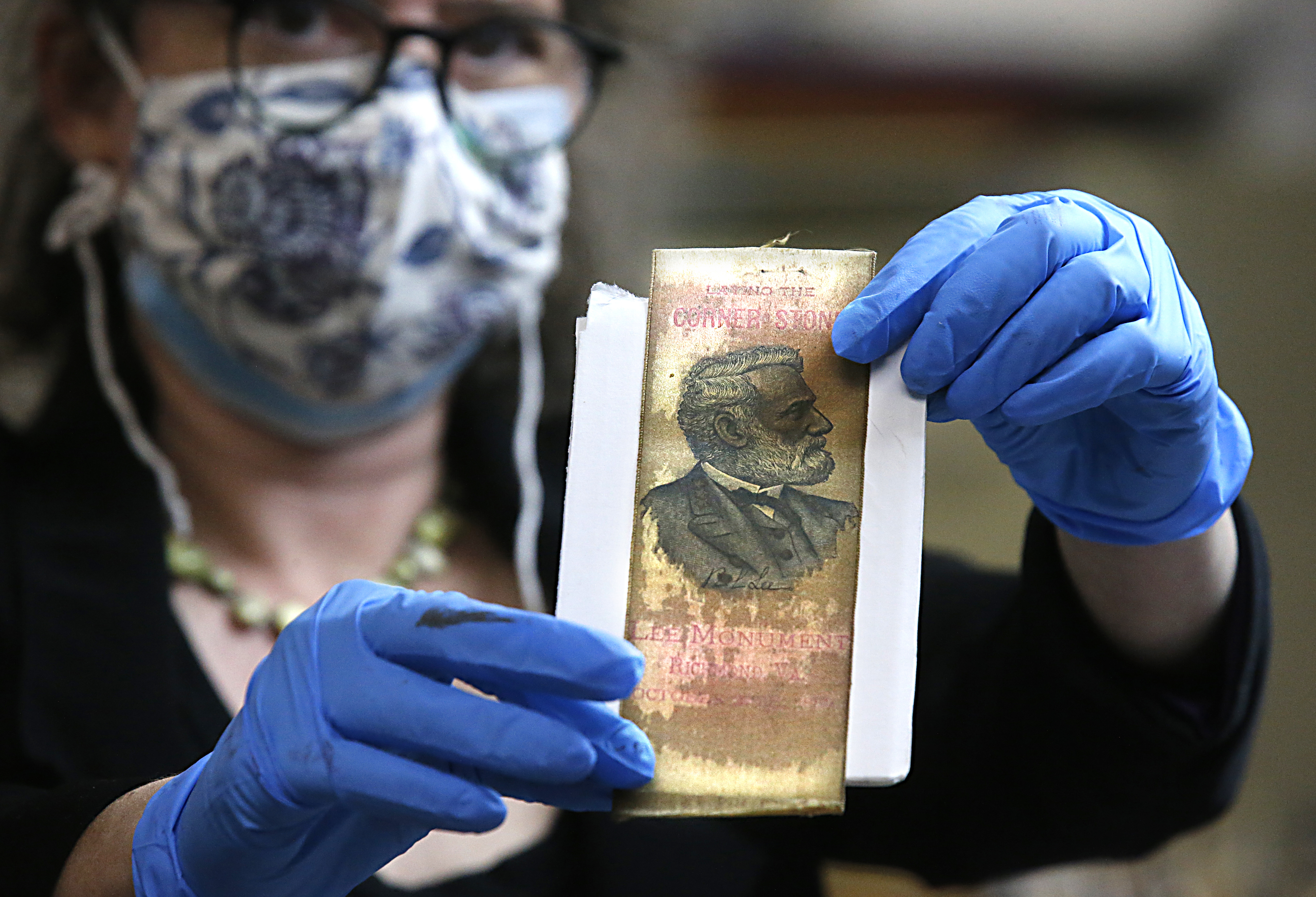
Conservation experts in Virginia’s capital on Tuesday pulled books, money, ammunition, documents and other artefacts from a time capsule found in the remnants of a pedestal that once held a statue of Confederate General Robert E. Lee.
The lead conservator for the Virginia Department of Historic Resources, Kate Ridgway, said the measurements and material of the box, copper, match historical accounts.
As the contents inside were unpacked, they appeared to match the description of the 1887 time capsule they had been looking for.
READ MORE: US construction crews discover second time capsule under Robert E. Lee statue

“It does appear that this is the box we expected,” she told reporters.
Records maintained by the Library of Virginia suggest dozens of Richmond residents, organisations and businesses contributed about 60 objects to the capsule, including Confederate memorabilia.
The box was discovered and carefully extracted from the monument site a day earlier, marking the end of a long search for the elusive capsule. Ms Ridgway said the box, which weighed 36 pounds, was found in water in a little alcove of the pedestal.
The contents were damp, but “it's not soup,” Ms Ridgway said.
“I think it’s in better shape than we expected,” she said.
READ MORE: The 3500-year-old mummy of an Egyptian king has been 'digitally unwrapped'
Historical records had led to some speculation that the capsule might contain a rare and historically significant photo of deceased President Abraham Lincoln. One line from a newspaper article listed among the contents a “picture of Lincoln lying in his coffin".
On Tuesday, conservators found a printed image from an 1865 issue of Harper’s Weekly in the time capsule that Ms Ridgway said seemed to show a figure grieving over Lincoln's grave, but did not appear to be the much-anticipated photo.
Harold Holzer, a historian and Lincoln scholar, had previously told The Associated Press he believed it highly unlikely that the time capsule contained an actual photograph of Lincoln in his coffin because the only known photo of Lincoln in death was taken by photographer Jeremiah Gurney in City Hall in New York on April 24, 1865.
READ MORE: Reports isolation time could be slashed for people with COVID-19
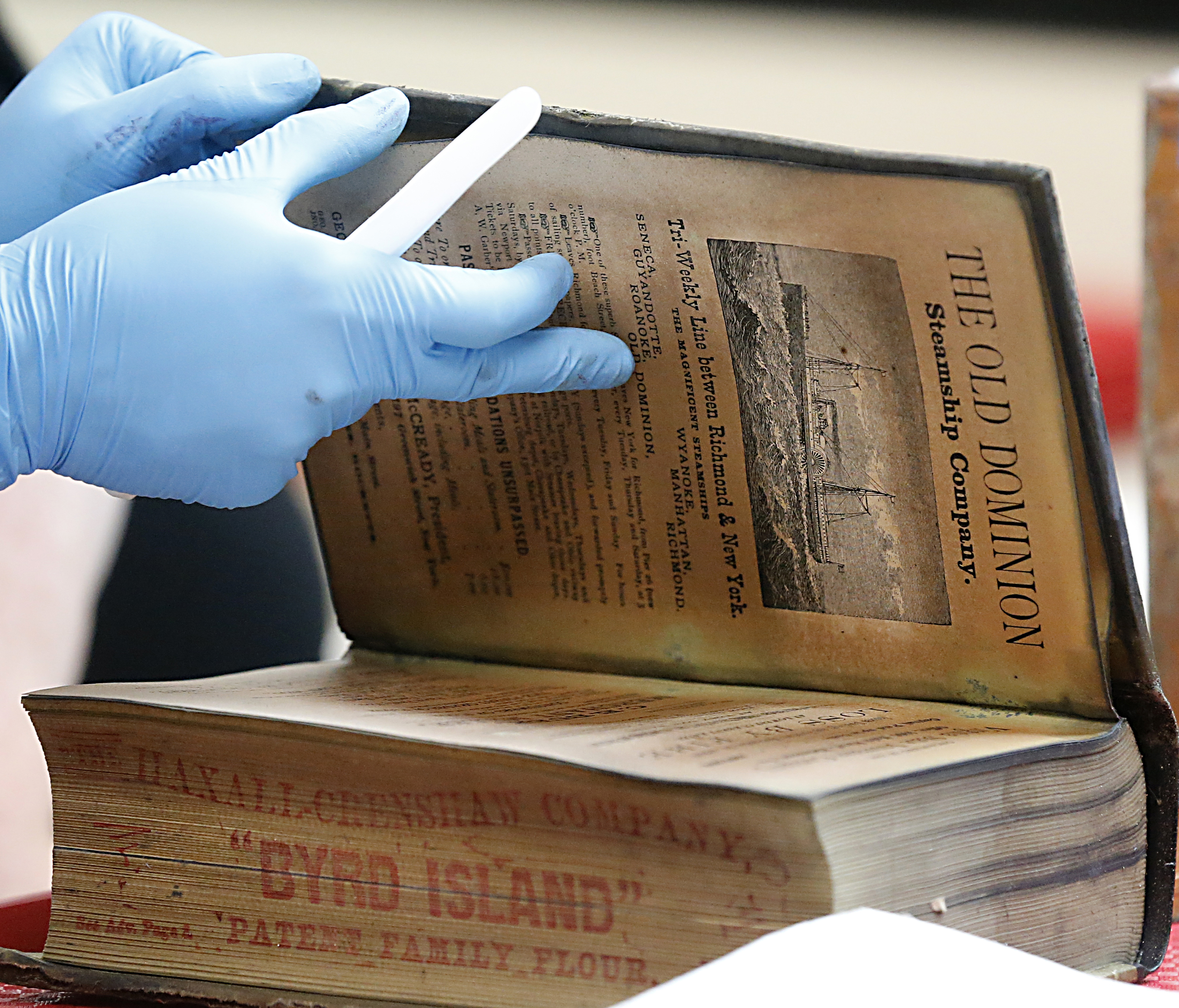
The contents of the tightly packed box had expanded from the damp and stuck together, making unpacking difficult, so conservators decided to relieve pressure by cutting down one side.
“Not ideal, but it’s the way it is,” Ms Ridgway said.
After Ms Ridgway and other team members meticulously extracted each object, other conservators would then cart the pieces to the back of the lab for further study and cataloguing. The team made sure to photograph each object in the box before manipulating it.
Many of the paper items were damaged from water and time but still at least partly legible.
Along with several waterlogged books, pamphlets and newspapers, the box contained an envelope of Confederate money, which conservators carefully separated, and two carved artefacts, a Masonic symbol and a Confederate flag said to have been made from the tree that grew over General Thomas Jonathan "Stonewall" Jackson’s original grave.
READ MORE: Teens arrested over alleged theft of wheelchair-accessible van
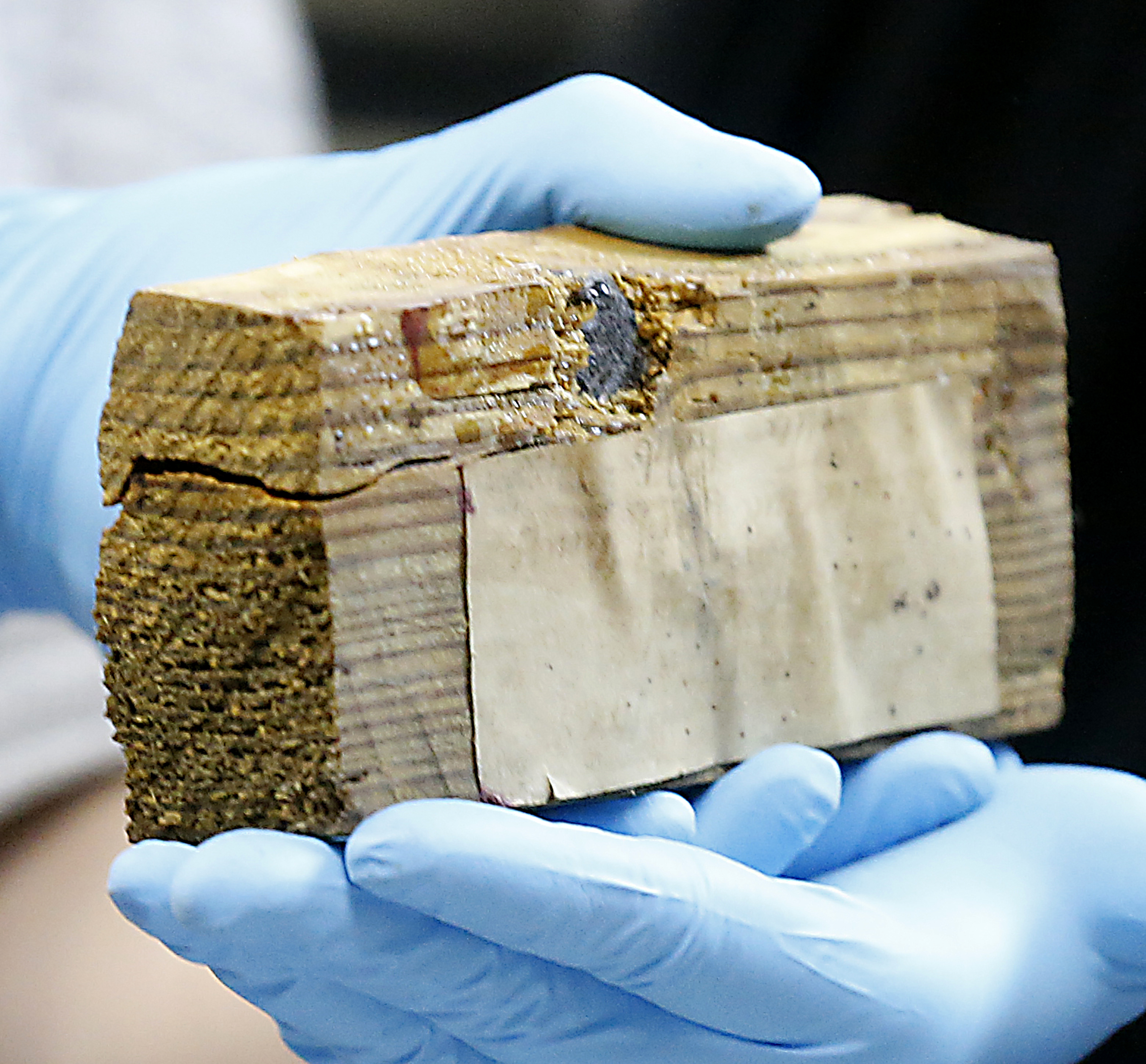
Conservators also pulled buttons, coins and Minié balls — a type of bullet used in the Civil War — from the box. A bomb squad had checked the capsule on Monday, partly to make sure there was no live ammunition.
Virginia Governor Ralph Northam ordered the enormous equestrian statue of General Lee removed in 2020, amid the global protest movement sparked by the police killing of George Floyd.
Litigation pushed back his plans, and the statue was not removed until September, after a court cleared the way.
Contemporaneous news accounts from the late 1800s detailed the placement of the time capsule in the foundation of the pedestal, and imaging tests conducted earlier this year appeared to confirm its existence.
READ MORE: New Omicron variant fills up children's hospitals in United States
But a lengthy search during the September statue removal came up empty.
Earlier this month, Governor Northam ordered the pedestal removed as well, and crews working on the project again started to search for the artefact.
A time capsule was discovered two weeks ago, generating excitement, but hours of painstaking and ultimately anti-climactic examination suggested that artefact was placed by someone else, perhaps someone involved with the construction.
ACT records 138 new COVID-19 cases
The ACT has recorded 138 new COVID-19 cases, a decrease from yesterday's 252 new infections.
It brings the total number of active cases in the ACT to 1028.
There are four people in hospital, and no one is in ICU.
EXPLAINER: NSW Health scales back contact tracing – what you need to know
https://twitter.com/ACTHealth/status/1476006771172929541?ref_src=twsrc%5Etfw
ACT Health has acknowledged there are higher than usual wait times at COVID-19 testing clinics.
Currently the Nicholls testing clinic has an hour long wait time, and the Kambah drive through clinic has a 1.5 hour wait time.
But the Mitchell drive through testing clinic only has a wait time of less than 30 minutes.
ACT Health is urging people be kind to staff as it acknowledged what was a frustrating time for many.
National Cabinet to overhaul close contact requirements, testing rules
An overhaul of the country's COVID-19 testing system and changing restrictions for close contacts of the virus will be the focus of tomorrow's National Cabinet meeting, the Prime Minister has announced.
Scott Morrison said the meeting of Premiers and Chief Ministers, which has been brought forward, will focus on reducing long queues at COVID-19 testing clinics and gauging the impact the Omicron strain will have on the nation's health system.
"We will continue to see cases to rise but those cases are not translating into serious disease and are having a proportional impact on our hospital system," Mr Morrison said
READ MORE: Free rapid antigen tests on the way as Victoria records 3767 new COVID-19 cases
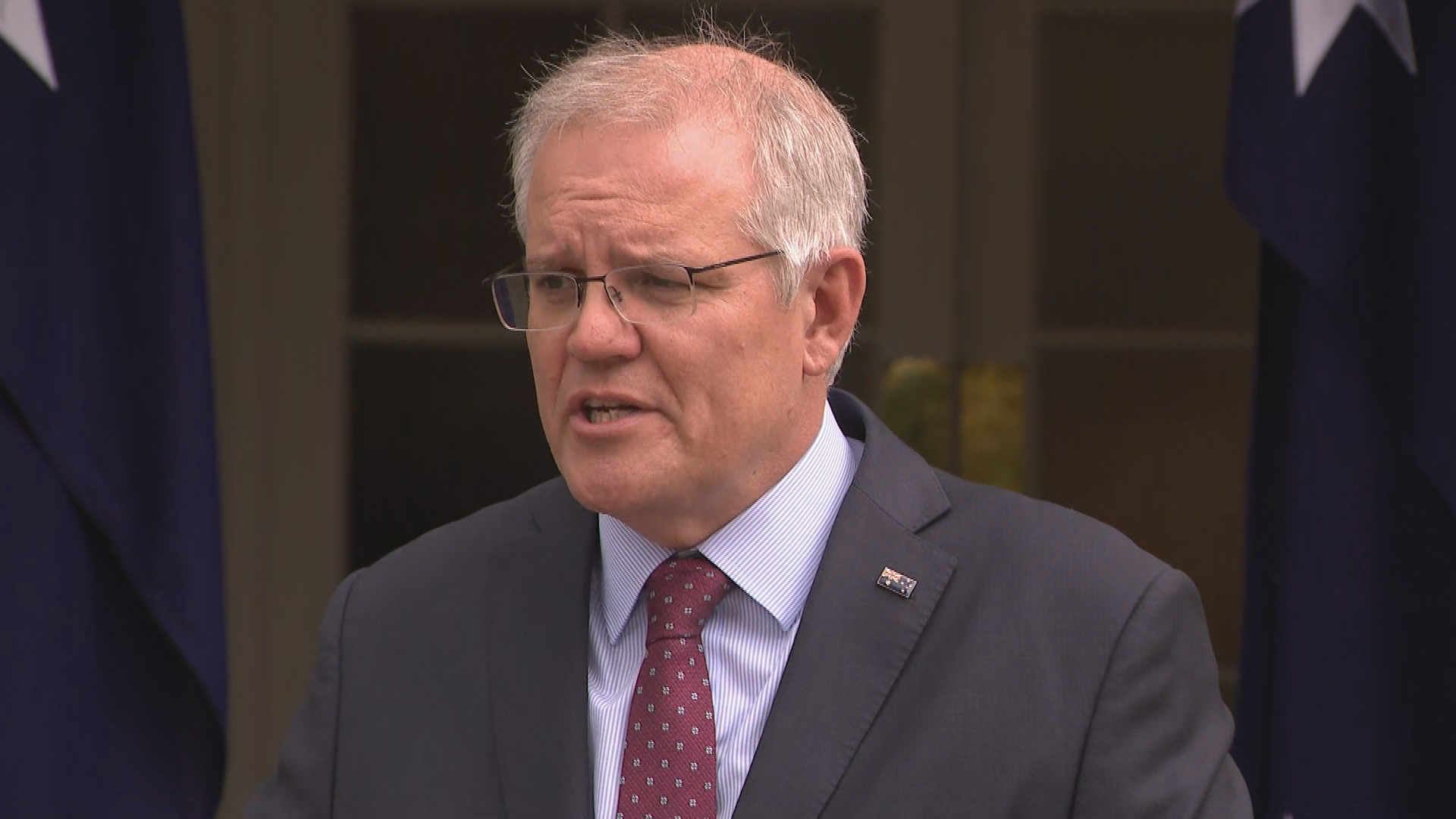
Mr Morrison said he intends to agree on a nationwide definition of what a COVID-19 "close contact" is at tomorrow's meeting.
He hinted the discussion would result in reduced restrictions for people considered to be a close contact of a positive COVID-19 case.
The Prime Minister said the current system was "impractical" and the high volume of cases would lead to a large economic and medical impact of non-positive close contacts isolating as a precaution.
"You just have to monitor your symptoms, you have got to be conscious of where you are going, not the best idea to go and visit an aged care facility in that situation for a week or so," Mr Morrison said.
READ MORE: 'It's a ridiculous situation': Health Services Union State Secretary says about testing chaos
https://twitter.com/Fi_Willan/status/1476014825541046272
"And also to take your normal precautions of wearing masks and things like this.
"This is how people responsibly manage their own wellbeing and the wellbeing of others in the Omicron pandemic."
Additionally, the Prime Minister will seek to gain a consensus across all states and territories as to when a PCR test is required compared to a rapid antigen test (RAT).
Currently all states and territories have varying requirements for the isolation rules around close contacts and when to seek a PCR test.
The Prime Minister said that where a RAT is required, the cost will be shared 50/50 between the Commonwealth Government and the specific state government.
State governments will be responsible for securing the tests and the supplies that go with them.
The Commonwealth Government is currently "in market" to buy more rapid tests, with $375 million set aside to buy an additional six million tests.
Chief Medical Officer Professor Paul Kelly said long waits to receive a PCR test and then even longer waits to receive a result was having the opposite effect to what testing was designed to do.
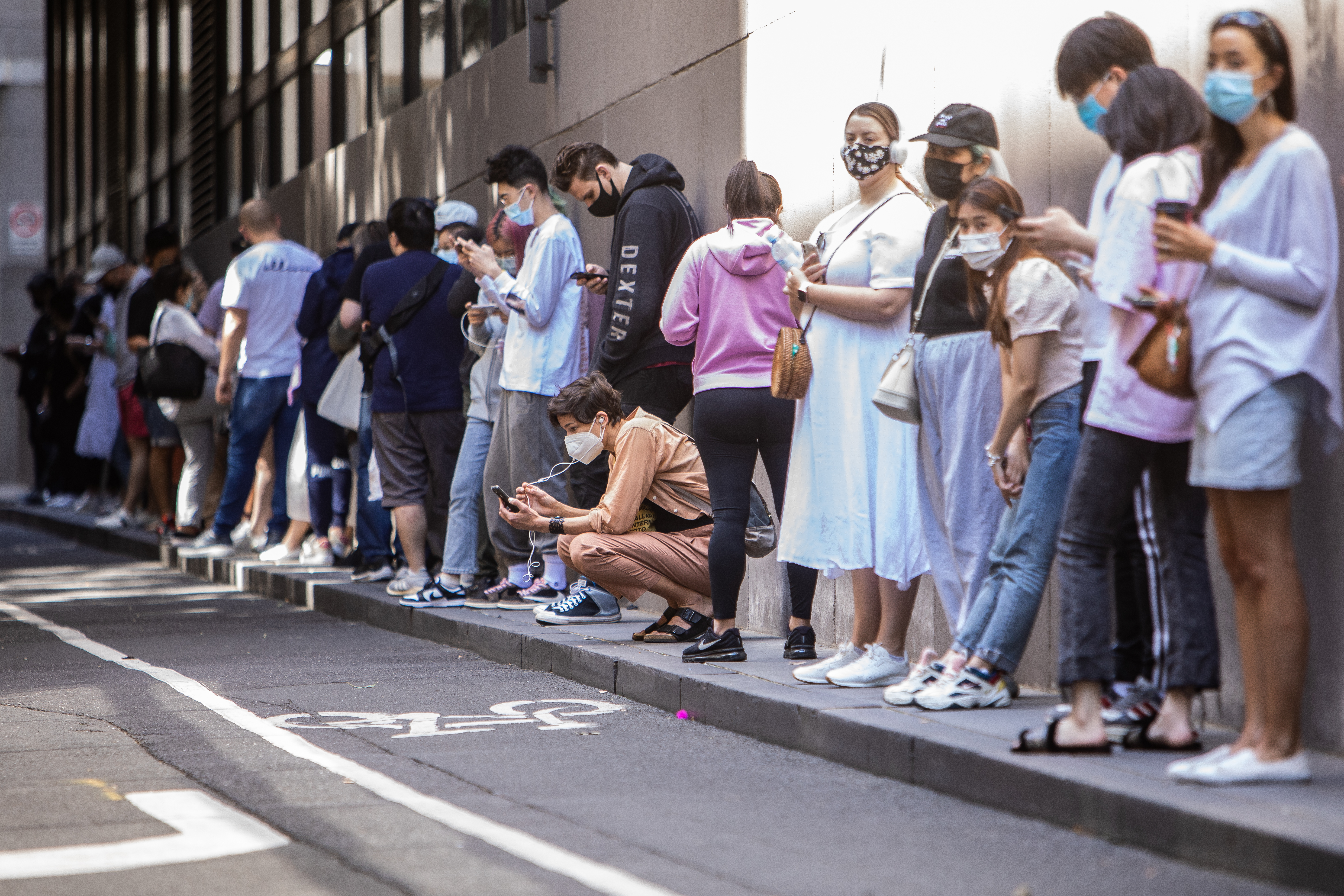
"Frankly, if you have to wait for eight hours in a queue and then 72 to 96 hours to get a result, it's not fulfilling any useful public health function," Professor Kelly said.
"And it is delaying proper clinical care. So, really, what we're trying to do here is to go for the best bang for the buck.
"Make sure that people that are queuing really need that test."
Omicron less severe than Delta
CMO Professor Kelly said authorities knew the Omicron variant is less severe than other variants of COVID-19, but how much less severe is still "an open question".
"Even in the UK, and the same here, we're still seeing most of the cases in younger people," Mr Kelly said.
"There's still that little bit of doubt about what happens in older people in Australia in relation to Omicron."
New Year's Eve at the Mount: Attempt to reintroduce fireworks thwarted by Covid
This Friday will mark the sixth year since Mount Maunganui made an abrupt transition from its wild reputation as New Year’s Eve party central to a place where drunken antics, and large beach gatherings in general, were actively discouraged….
War elephant reign of terror ended by Roman battle tactic
They were once the most feared sight on a battlefield.
Advancing giant war elephants, clad in impressive armour and directed by drivers using reins connected to large iron hooks, struck terror into legions of foot soldiers.
The massive beasts, often measuring three metres tall and weighing up to four tonnes, were a devastating physical weapon, capable of goring and crushing enemy fighters.
But the elephants were also a tremendous psychological weapon.
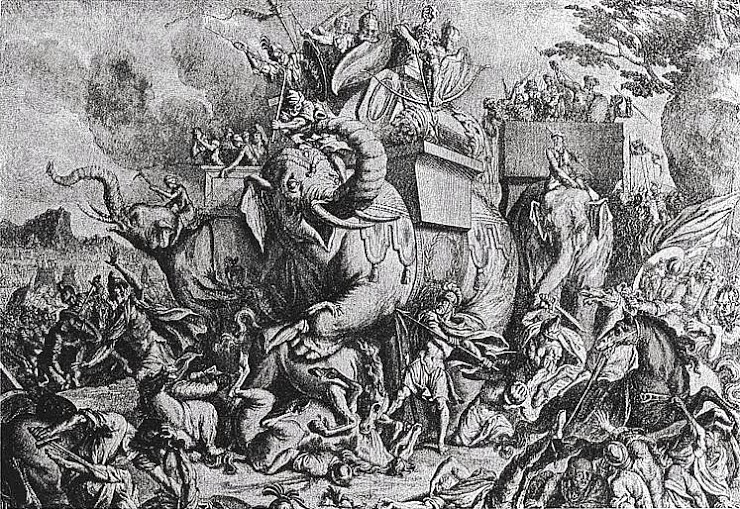
Soldiers encountering war elephants for the first time were known to turn and flee in the face of such formidable, destructive power.
First recorded by historians in 330 BC, at the battle of Gaugamela between the armies of Alexander the Great and King Darius III of the Achaemenid dynasty of Persia, war elephants fast became a revolutionary tool of war.
A kind of organic tank, with thick skin difficult to penetrate, war elephants were very different to cavalry horses and animals used to hump army supplies over vast distances.
"Elephants will actually fight in a battlefield situation," Bret C Devereaux, an assistant professor in ancient history at North Carolina State University, explained.
"They will attempt to crush things, they will try to batter people with their trunks, they have their tasks which they will use as weapons."
Some historical accounts, Professor Devereaux said, even detailed armies using potions to try and whip male elephants into an hormonal state of musth, when the animals become particularly aggressive.
"It's not clear how how realistic these reports are," he said, but the belief was that inducing this aroused state before battle would make them even more ferocious fighters.
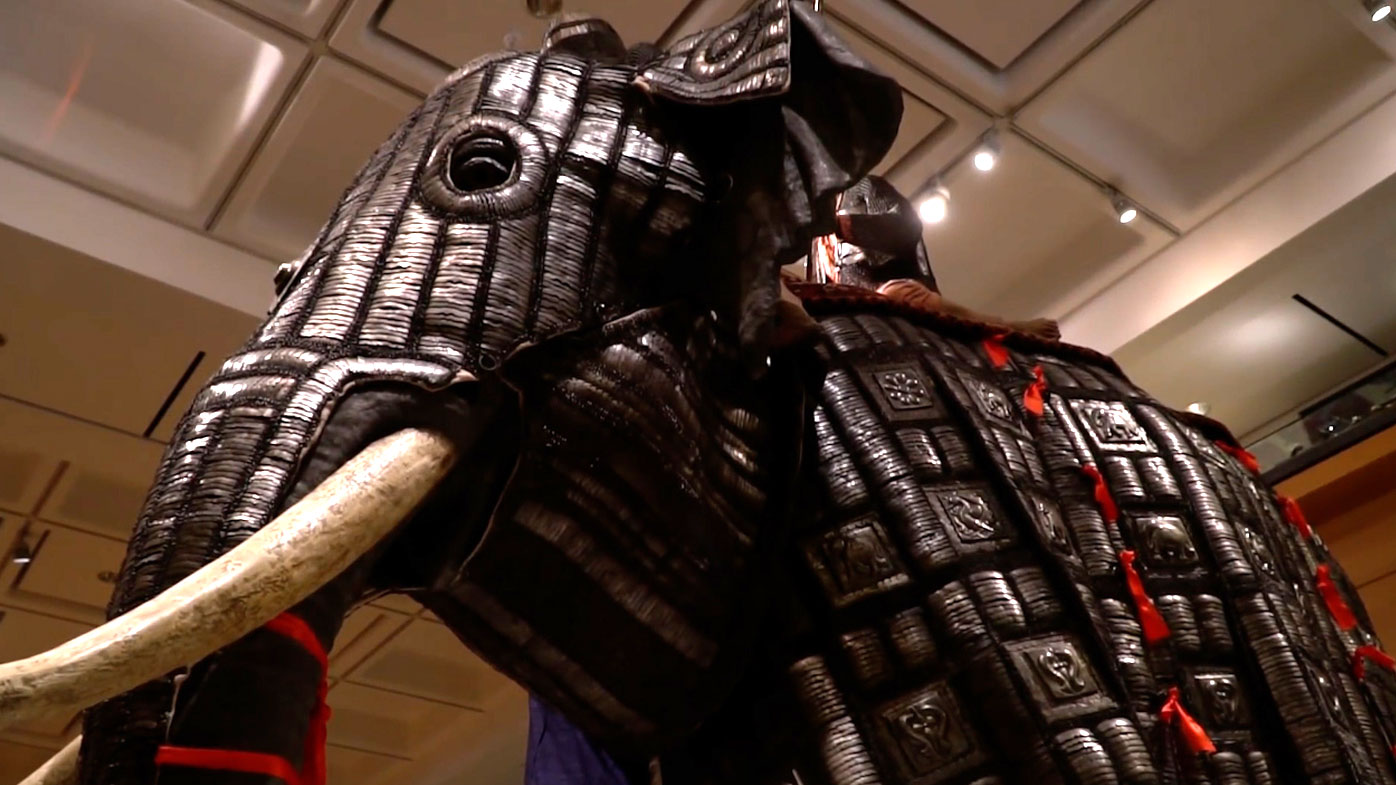
War elephants were "extremely effective" when they were unexpected or deployed against armies who had none of their own.
It was the Roman army, Professor Devereaux said, who worked out a simple strategy to defeat the elephants, and turn the marauding beasts into a "liability".
At first the Romans were at a loss over what to do about the elephants.
But early disasters against the war elephants of Pyrrhus of Epirus, a military adventurer, taught the Romans harsh lessons, which they learned quickly from.
The key tactic devised by the Romans was to switch from a mass of soldiers to a screen of light infantry, who were best armed with javelins.
"They can either use those weapons to kill the mahout, the driver of the elephant, or to panic the elephant and get it moving in the other direction," Professor Devereaux said, "to get it turned around and panicked."
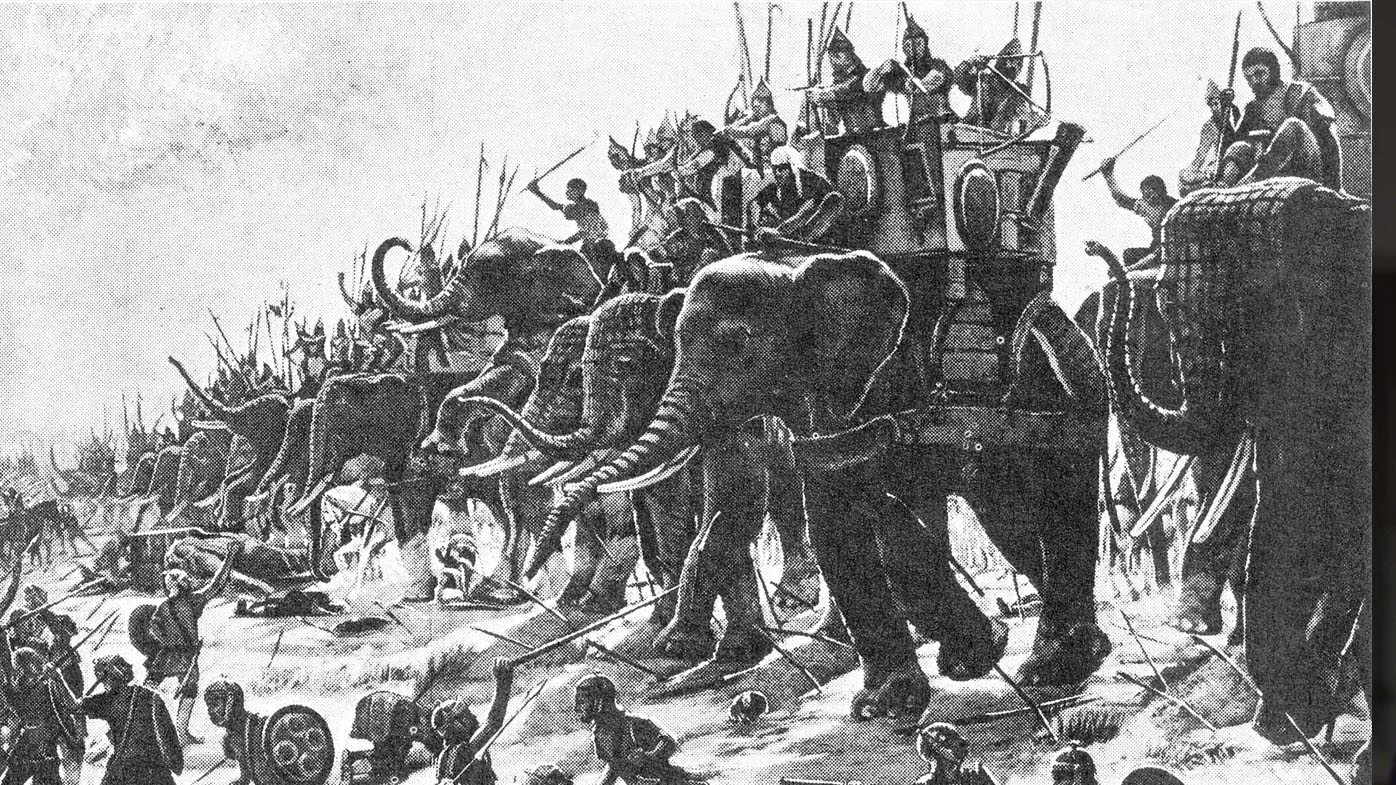
Fleet-footed soldiers attacking the elephant's legs and knees with axes was another successful Roman tactic.
"Again, you're not necessarily aiming to kill the elephant, you're aiming to cause it enough pain and distress that it runs amok and runs away from you."
Unconfirmed accounts also detailed how Romans would douse pigs in oil, set the hogs alight and run them towards advancing elephants, hoping to trigger a reverse stampede, Professor Devereaux said.
The other big issue with war elephants was how expensive they were to maintain.
Once a soft underbelly had been exposed by the Romans, the cons began to outweigh the pros.
"If you're going to bring more elephants to battlefields, they've got to be doing something for you, you're not going to bring them on a whim because they literally eat a ton," Professor Devereaux said.
It also wasn't possible to breed war elephants.
Instead, armies needed to capture and train fully grown male adults, hardly an easy feat.
"The further away you are from India, the more expensive and difficult they become," Professor Devereaux said.
While the Romans occasionally used war elephants against tribal people in Gaul (France) and Spain, who had never encountered them, it was India's maharajahs who assembled the largest contingents of war elephants.
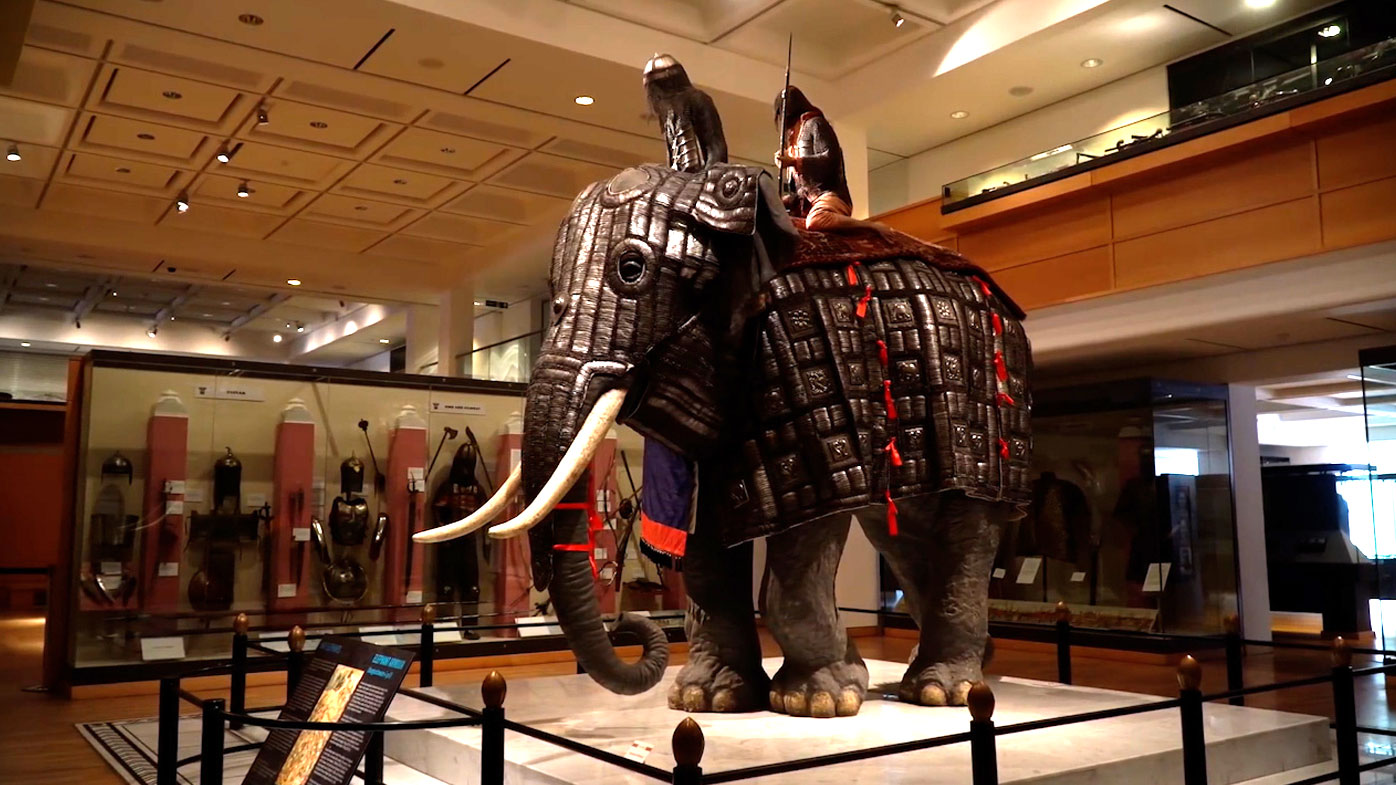
This was partly because of geography and handy access to a "local supply" of elephants, Professor Devereaux said.
But is was also because war elephants projected royal power in Indian culture.
"War elephants had a battlefield utility but also a symbolic utility," he said.
"If you're a king, when you go to fight your entire position as king is predicated on your military skill.
"So you don't just need to win, you need everyone to see you winning, you need to be seen as very impressive.
"And, on that front, elephants are perfect."
Professor Devereaux likened the Indian fascination with war elephants to contemporary oil-rich, authoritarian states who "over-invest in really flashy military platforms like fighter jets, and under-invest in boring but important things like infantry training."
Though they had obvious limitations, elephants were still be used by armies as late as World War II, lugging cannons and supplies over difficult terrain.
Covid 19 Delta outbreak: Spike in Omicron cases overnight as genome sequencing results emerge
Omicron cases detected at the border have risen by 17 overnight, the highest daily jump since the first case arrived in New Zealand less than a fortnight ago. The total number of Omicron cases in the country rose from 54 to 71 …
Police to patrol New Year's Eve gatherings in Hawke's Bay
Police officers are preparing to fan out to patrol parties and other informal gatherings across Hawke’s Bay on New Year’s Eve.Most public New Year’s Eve gatherings, including Napier’s annual fireworks display, are cancelled this…
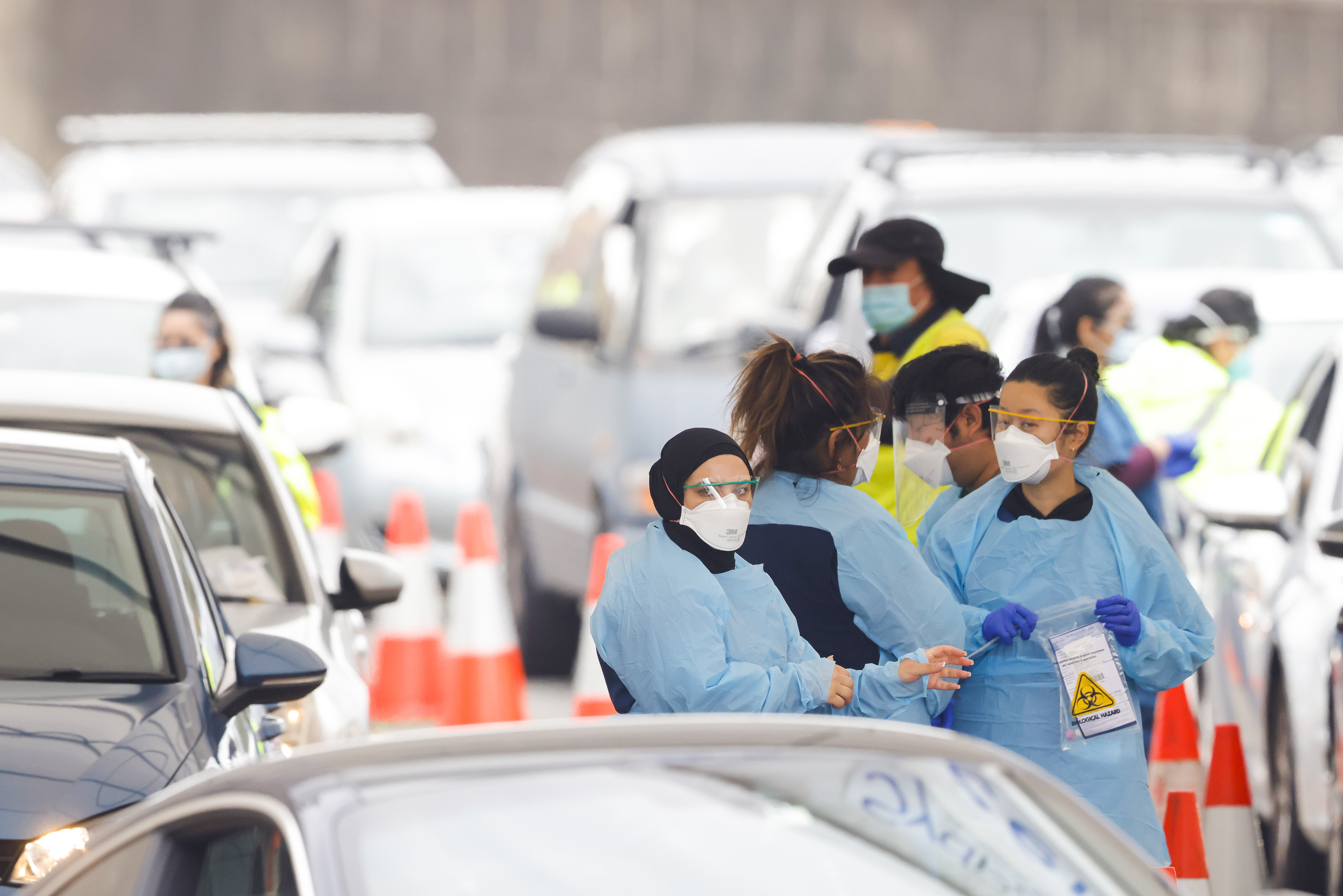
NSW Health scales back contact tracing as COVID-19 cases surge
NSW Health has scaled back contact tracing for close contacts of COVID-19 cases as infections soar in the state.
NSW Health confirmed in today's case numbers that they have changed their approach to contact tracing.
"NSW Health is now prioritising households of cases and settings with vulnerable people where COVID-19 cases may have visited or worked," NSW Health said.
READ MORE: NSW daily COVID-19 cases rocket to over 11,000
Prior to the current surge in cases, NSW Health would contact people exposed to the virus but now people who are positive are directed to tell those they have been in contact with.
"People who have been confirmed as COVID-19 cases are asked to tell those they have recently spent time with that they have tested positive," NSW Health said.
"NSW Health will only contact with a small number of exposed people to direct them into self-isolation under the public health order."
Most people already are aware they have been in contact with a COVID-19 case when notified by friends, colleagues and family, NSW Health added.
READ MORE: Queensland dumps PCR test requirement for visitors from January 1
How do I know if I'm a close contact?
NSW Health is now relying on positive COVID-19 cases to tell anyone they have been in contact with.
Unless it is a high-risk setting where there are vulnerable people including aged care homes or household contacts, NSW Health will not be alerting people exposed to the virus.
People will now need to rely on COVID-19 cases telling them they have been exposed.
What do I do if I'm told by a friend that I've been exposed?
If someone tells you they have COVID-19 and you have been exposed, you should go and get tested if you are displaying symptoms.
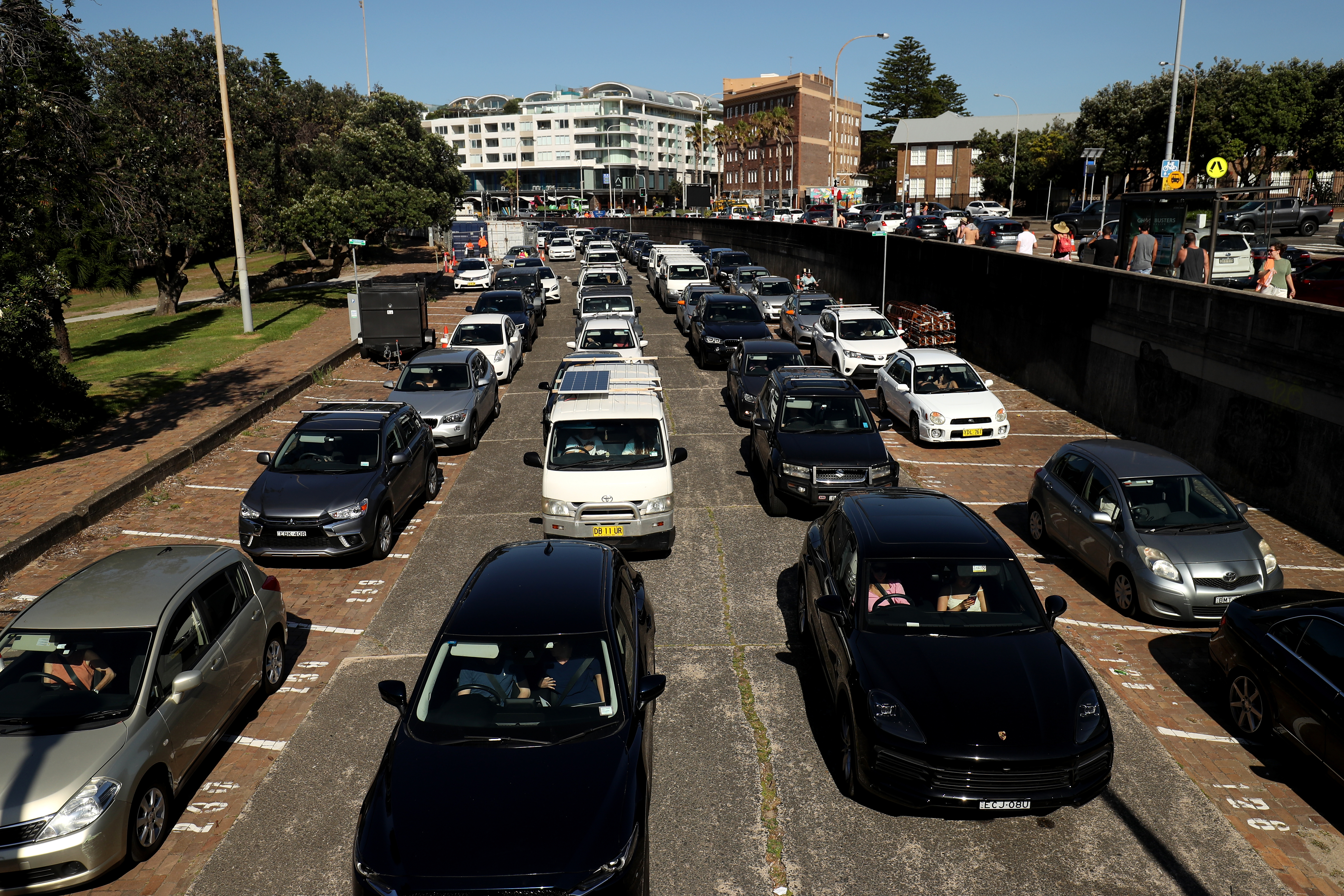
The NSW Government is urging people who are not symptomatic or have not been advised by NSW Health not to get a PCR test due to the lengthy testing lines plaguing the state.
"I know there are long queues right across our state, so if we can help with that, if you do not feel unwell, if you are not advised by NSW Health, there is no need to receive a PCR test," Premier Dominic Perrottet said.
"You are taking a spot in the queue from somebody who needs a test."
Mr Perrottet has urged people to get a rapid antigen test if they are concerned.
"The only people getting a PCR should be those who have COVID-19 symptoms; live in a household with a confirmed COVID-19-positive case; or have been in a venue which NSW Health has advised there has been high transmission," NSW Health said.
READ MORE: Rapid antigen test shortages in NSW pharmacies as demand surges
It comes as NSW COVID-19 cases reached a record high today, reporting 11,201 infections in the 24 hours to 8pm last night.
Three people died with the virus.
Hospitalisations have risen by 68 patients since yesterday, with 625 people in hospital and 61 people in intensive care.