Tag Archives: oceania

'Phantom' COVID-19 jab costs man his job

John Goldsmith says he has been trapped in a nightmare for months, ever since he turned up at a local Adelaide chemist in September expecting to get his first COVID-19 jab.

Instead, the pharmacist delivered this baffling news: Mr Goldsmith's immunisation record showed he had already had his first dose of the Pfizer vaccine, two weeks earlier, on August 31.

The vaccine was supposedly given to him at a doctor's surgery in the Adelaide CBD, almost an hour away from where he lives.

"I didn't know what was going on, I never had the jab," Mr Goldsmith said.

READ MORE: Daily COVID-19 cases jump by 2000 in NSW
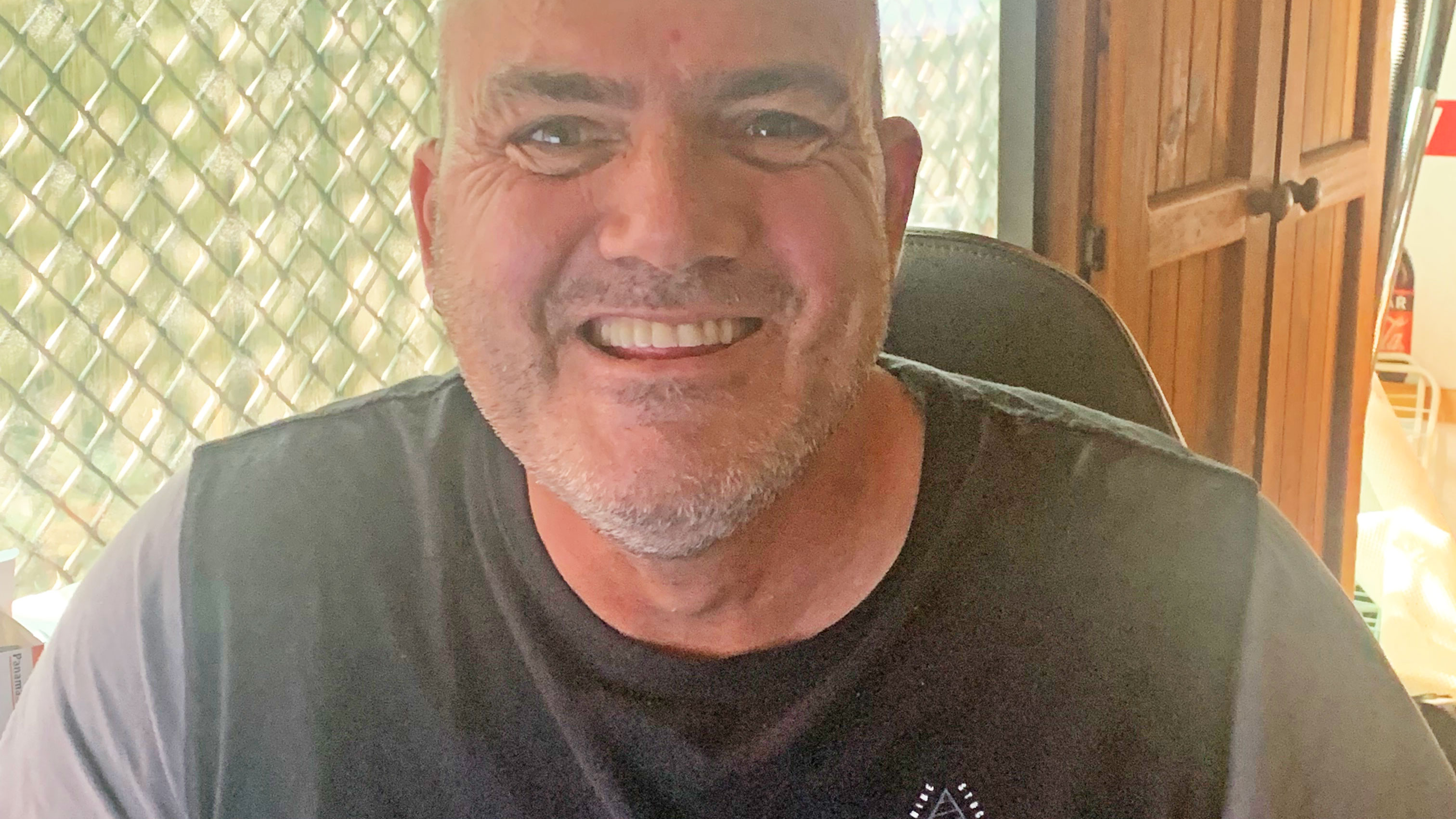
John Goldsmith says he has been unable to fix a mistake in his immunisation status.

Mr Goldsmith said he had made dozens of calls to try to sort the mess out since then, all to no avail.

"I called Medicare, they said call the immunisation register. I called the immunisation register and they told me to ring Medicare," Mr Goldsmith said.

"This is my problem — I can't get the second jab, because I have not had the first jab.

"Yet, officially, I have had the first jab, so I can't get the first jab until it's removed from my (immunisation record).

READ MORE: NSW bringing back QR check-ins, plan for free COVID-19 test kits

"Confused yet? Well, so am I."

Mr Goldmsith's most pressing issue was he needed to be vaccinated for his job as a courier driver, which involved delivering items to hospitals and aged care homes.

Unable to get vaccinated, Mr Goldsmith said he was fired a month ago.

"I went to another job interview and the bloke asked if I was vaccinated," Mr Goldsmith said.

"I said, 'no' and I gave him the run-down of what has happened and he said, 'I can't give you a job until you are vaccinated'."

READ MORE: Two funerals and a wedding on Zoom in horror year for Brisbane mum trying to get home

Mr Goldsmith's immunisation statement which says he has received one dose of the Pfizer vaccine.

The error on his immunisation register had put him in a perilous financial position, Mr Goldsmith said.

"I've had to sell my car just so I can survive, so that I can pay my rent and bills and buy food," he said.

"I need this sorted before I end up on the streets." 

Mr Goldsmith said the mistake also meant he would not be able to see his family at Christmas, as his nephew had leukemia and he did not want to risk potentially exposing him to the virus while unvaccinated.

"Even if get this miraculously wiped off the system now, and I can go and get the jab today, I still won't get to see my family because (the vaccine) takes a while to build up in your system," he said.

"This has destroyed my life, how much more can I lose?"

READ MORE: Andes flight disaster survivor recounts horror of eating friends

Mr Goldsmith said it was physically impossible for him to have received the vaccine in Adelaide's CBD at 2.55pm on August 31, as his records suggested.

The courier said he was working on that day and his bank statement showed he had been in Tailem Bend, about an hour-and-a-half from the CBD, at 3.09pm — 14 minutes later.

In August, The Guardian reported some Australians, including healthcare workers, were struggling to have errors corrected on their immunisation records.

Services Australia general manager Hank Jongen said he sympathised with the situation Mr Goldsmith was in.

"We understand this is a challenging time for Mr Goldsmith and we're working with him to make sure his immunisation record is correct," he said in a statement to 9News.com.au.

"We are currently working closely with both Mr Goldsmith and the medical clinic to resolve this matter.

"Services Australia takes the integrity of the Australian Immunisation Register very seriously and has systems and processes in place to help ensure providers report correct information.

"However, with a vaccine rollout of this scale for millions of Australians, there is the potential for human error to occur from time to time."

Contact reporter Emily McPherson at em********@******om.au.
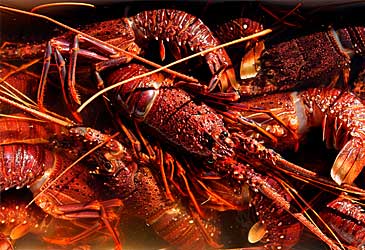
Supermarket giants slash Aussie lobster prices

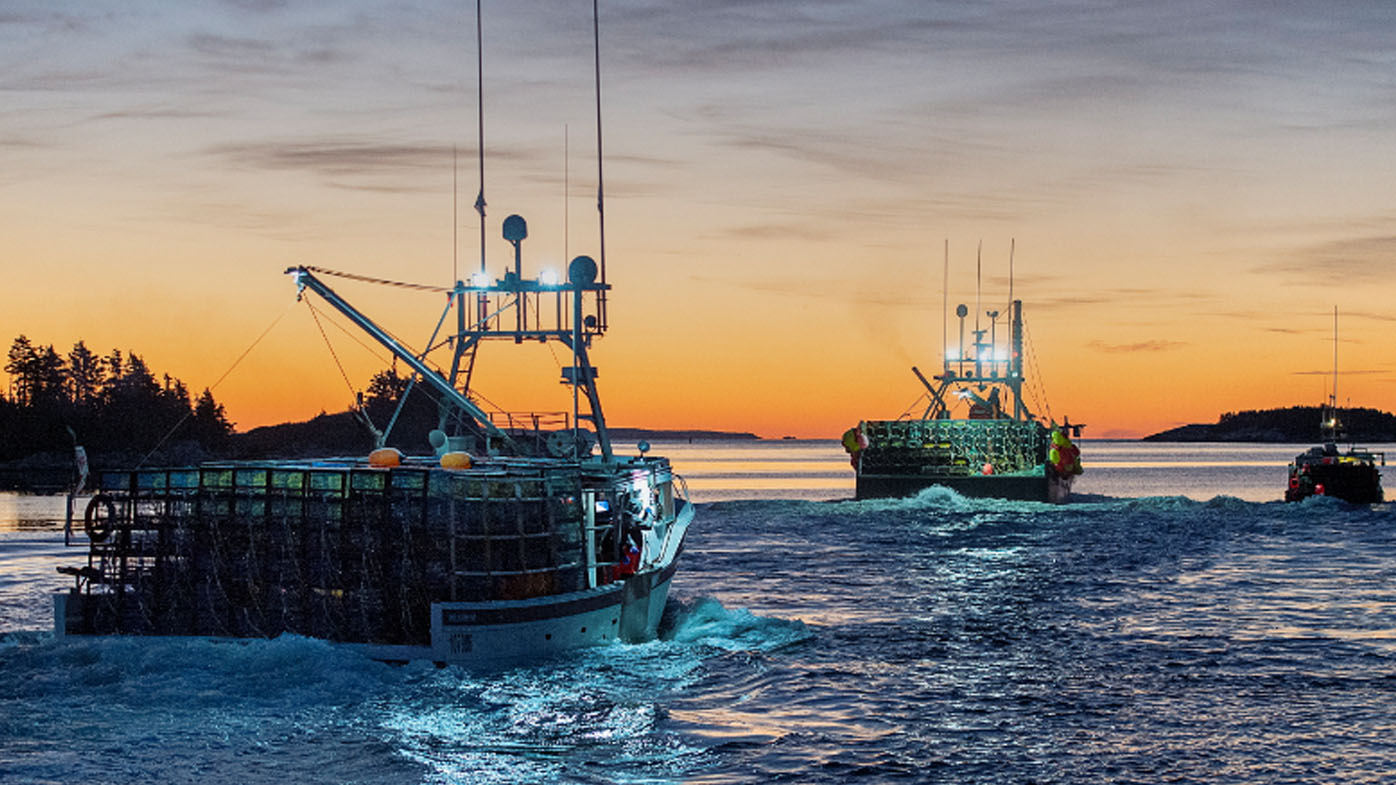
Seafood lovers can snap up Christmas bargains for Australian rock lobsters after Woolworths and Coles slashed prices.

The supermarket giants have this week cut the price of whole lobsters from Western Australia to $22 each, down from the regular price of $27.

Woolworths is forecasting Australians will eat more than 100 tonnes of WA rock lobsters during the three weeks of Christmas.

READ MORE: COVID-19 daily cases soar to 5715 in NSW

Rock lobsters (Getty)

The luxury seafood is expected to sell out quickly, Woolworths commercial director of meat and seafood Tim Dudding said.

"WA rock lobsters were one of our most popular products during last year's Christmas season and we saw incredible demand," Mr Dudding said.

"We've continued to offer rock lobster through the year and have nearly doubled our order this Christmas, as customers look to support local Australian producers and make what's traditionally a delicacy more accessible."

The move came after Coles announced it was cutting the price of its Australian rock lobsters.

In selected stores across the country, Coles is also offering WA Rock Lobster tails and extra-large WA Rock Lobsters for the first time ever, while keeping the prices low for customers to enjoy ahead of Christmas. 

READ MORE: NSW bringing back QR check-ins, plan for free COVID-19 test kits

Coles' general manager for bakery, deli and seafood, Andy Mossop, said the supermarket is expecting its biggest week of the year for seafood sales with customers buying more than 70 per cent additional seafood compared with an average month.

"We are delighted to be able to make great quality and responsibly sourced Australian seafood like WA rock lobsters more affordable so more Australians can treat themselves this Christmas Day," Mr Mossop said.

Asteroid that wiped out the dinosaurs sparked years of darkness

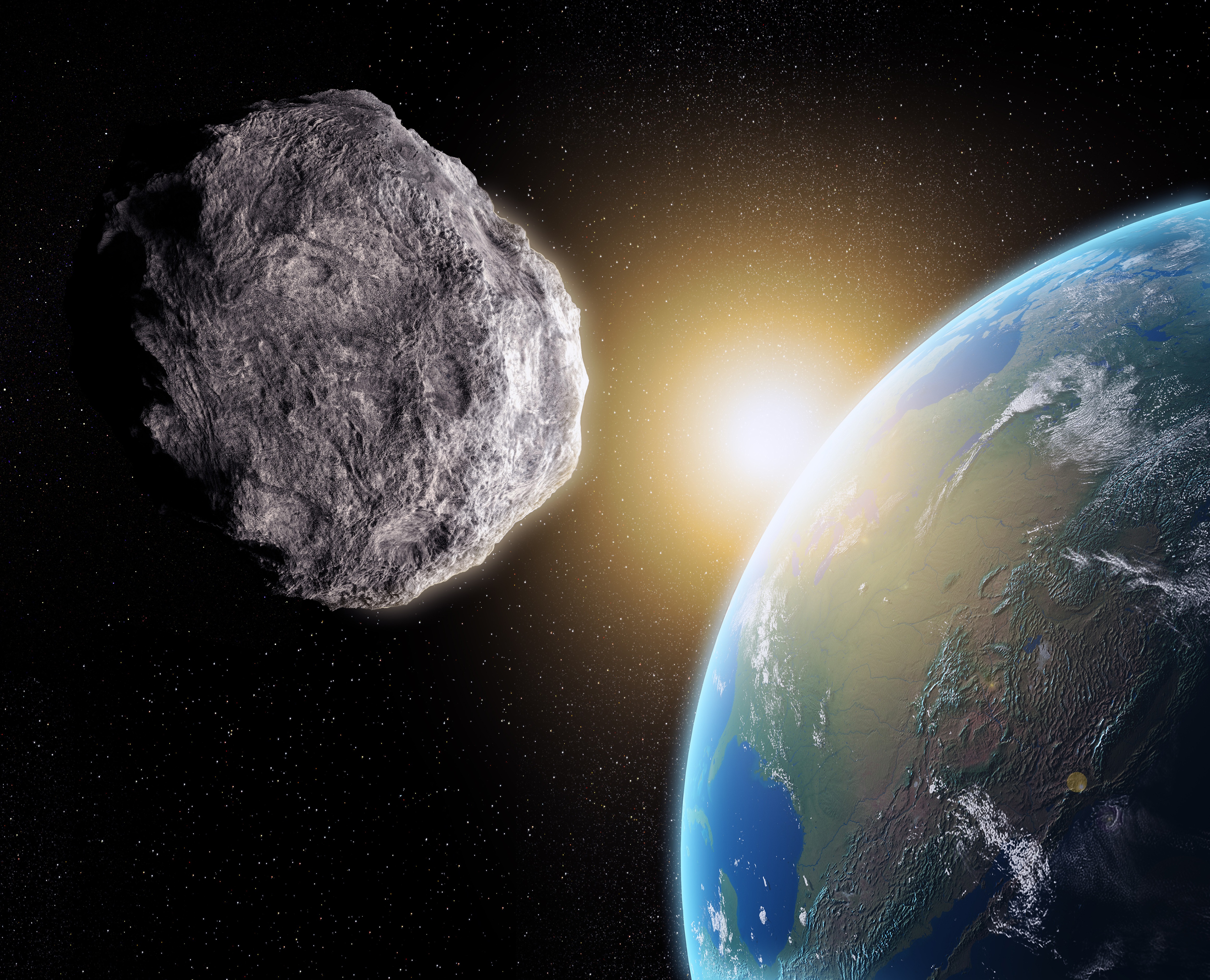
The asteroid that wiped out the dinosaurs sparked a wave of environmental catastrophes that could have seen parts of the Earth endure two years of darkness, new research suggests.

The research, presented at the American Geophysical Union's autumn meeting, showed that while the asteroid's impact 66 million years ago was devastating, what followed could have been worse.

The impact would have thrown up vast clouds of rock and acid, but scientists now believe wildfires were a central cause of the wave of extinctions that followed.

READ MORE: Queensland to accept home tests from January 1

"The common thinking now is that global wildfires would have been the main source of fine soot that would have been suspended into the upper atmosphere," Dr Peter Roopnarine, who presented the research at the meeting, told LiveScience.

"The concentration of soot within the first several days to weeks of the fires would have been high enough to reduce the amount of incoming sunlight to a level low enough to prevent photosynthesis."

The researchers modelled the impact of the darkness across various time periods. They found extinction levels reached up to 81 per cent after 600 to 700 days of darkness, suggesting parts of the earth could have experienced years without light.

Almost all dinosaur species were destroyed by the catastrophe, with only the ancestors of modern birds surviving.

World's first SMS sold at auction as NFT

The world's first SMS has been sold as a non-fungible token (NFT) for $207,584 (US$149,729) at an auction in Paris, according to the auctioneer Aguttes.

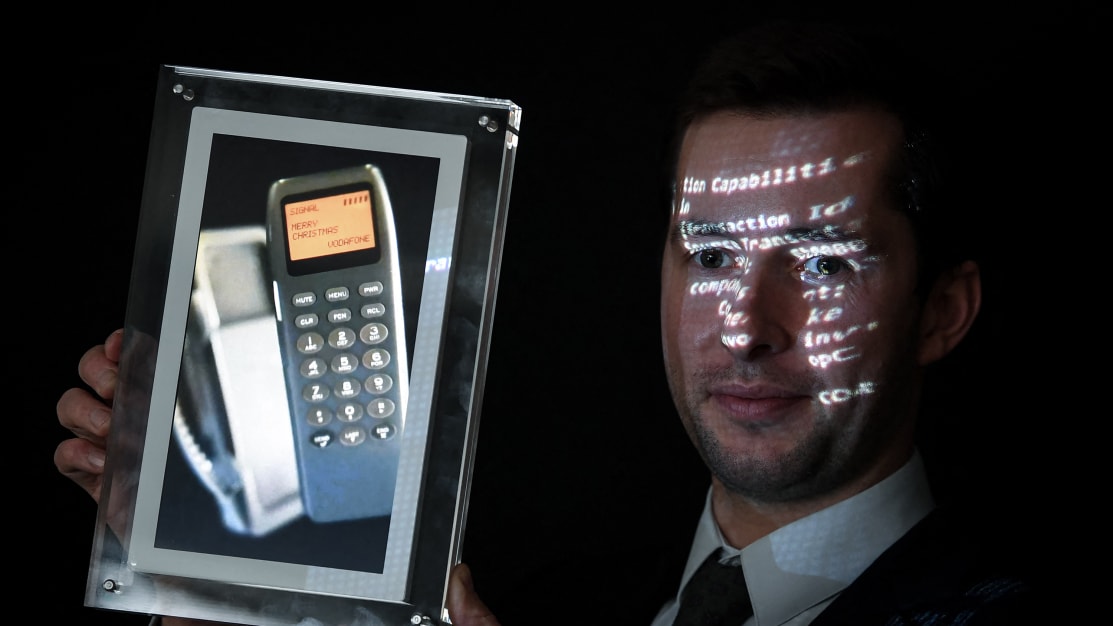
Reading "Merry Christmas," the message was sent by British programmer Neil Papworth from his computer on December 3, 1992 to Richard Jarvis, then director of UK telecommunications company Vodafone.

Mr Jarvis received the message on his Orbitel 901 mobile phone during the company's Christmas function.

READ MORE: Andes crash survivor recalls fight for survival 49 years on

The NFT is a replica of the original communication protocol that transmitted the SMS, the auction house said.

The unknown buyer, who was to pay in the cryptocurrency Ether, will also receive a digital frame with a 3D animation of the message being received.

'A pivotal moment'

Mr Papworth and his colleagues were trying to develop a type of communication whereby their client, Vodafone, could offer users the ability to send messages to each other's phones, Aguttes explained on its website.

They eventually refined the code, and the transmission of texts via Vodafone's network became a reality.

"In 1992, I had no idea just how popular texting would become, and that this would give rise to emojis and messaging apps used by millions," Mr Papworth was quoted as saying by the auctioneer.

"I only recently told my children that I sent that first text. Looking back with hindsight, it's clearer to see that the Christmas message I sent was a pivotal moment in mobile history," he added.

Initially, texts could not be sent from cellphones because they did not have keyboards. However, by 1994, they were able to be transmitted from phones thanks to the arrival of the Nokia 210.

Five years later, text messages could be sent on various telecommunications networks, giving rise to their popularity.

Texting as a means of communication began to overtake the use of phone calls, according to the press release.

READ MORE: Deadly brown snake hitches 110km ride in car

The 160-character limit of SMS – which stands for "Short Message Service" – has since been incorporated across digital platforms including Twitter.

The way that users choose to express themselves has developed over time with the introduction of Internet acronyms and emojis.

Shaking up the art world

Just as the world's first SMS revolutionised the way people communicate, NFTs are shaking up the art world.

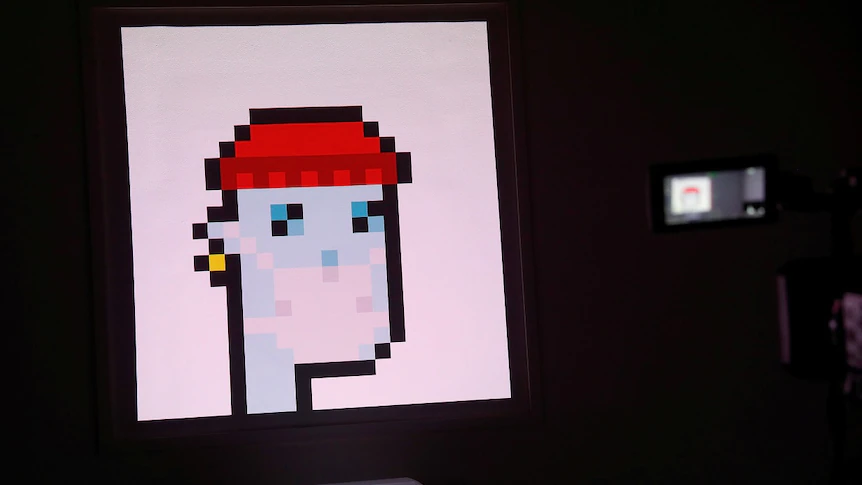
Non-fungible tokens are a form of cryptocurrency that convert digital pieces of art into unique, verifiable goods that can be traded on the blockchain.

Each NFT is one-of-a-kind, meaning that no two tokens are the same. Since March, when the first NFT artwork was sold for $96,153,984 (US$69,346,250) during an online auction by Christie's, virtual art has broken into the mainstream.

Earlier this month, a distracted trader accidentally sold an NFT for a hundredth of its market price.

More recently, Wikipedia co-founder Jimmy Wales sold an NFT of the first ever edit made on the website – a testament to how virtual art can be used to commemorate moments in Internet culture history.

READ MORE: Aussie couple lose land due to developer loophole

Speaking about the sale of the SMS NFT, Maximilien Aguttes, the development manager at Aguttes auction house, said, "The first printed book, the first phone call, the first email, all these inventions have changed our lives and communication in the world."

"This first text message received in 1992 is a historic testament to human and technological progress. It transmitted a message of joy, 'Merry Christmas'," Mr Aguttes added.

Vodafone said earlier this month that proceeds from the sale would be donated to the United Nations Refugee Agency.

Andes flight disaster survivor recounts horror of eating friends

WARNING: This story contains content some readers might find disturbing.

It's been more than 49 years since the plane José Luis "Coche" Inciarte was travelling in crashed in the Andes, sparking a desperate fight for survival.

Over 72 days, trapped 3600 metres high in a glacial valley amongst the world's longest mountain range, the 27 survivors were hit with freezing temperatures, an avalanche and had to eat human flesh to survive.

The ordeal inspired the movie 'Alive' and countless memoirs have been written about what became known as the "Miracle in the Andes".

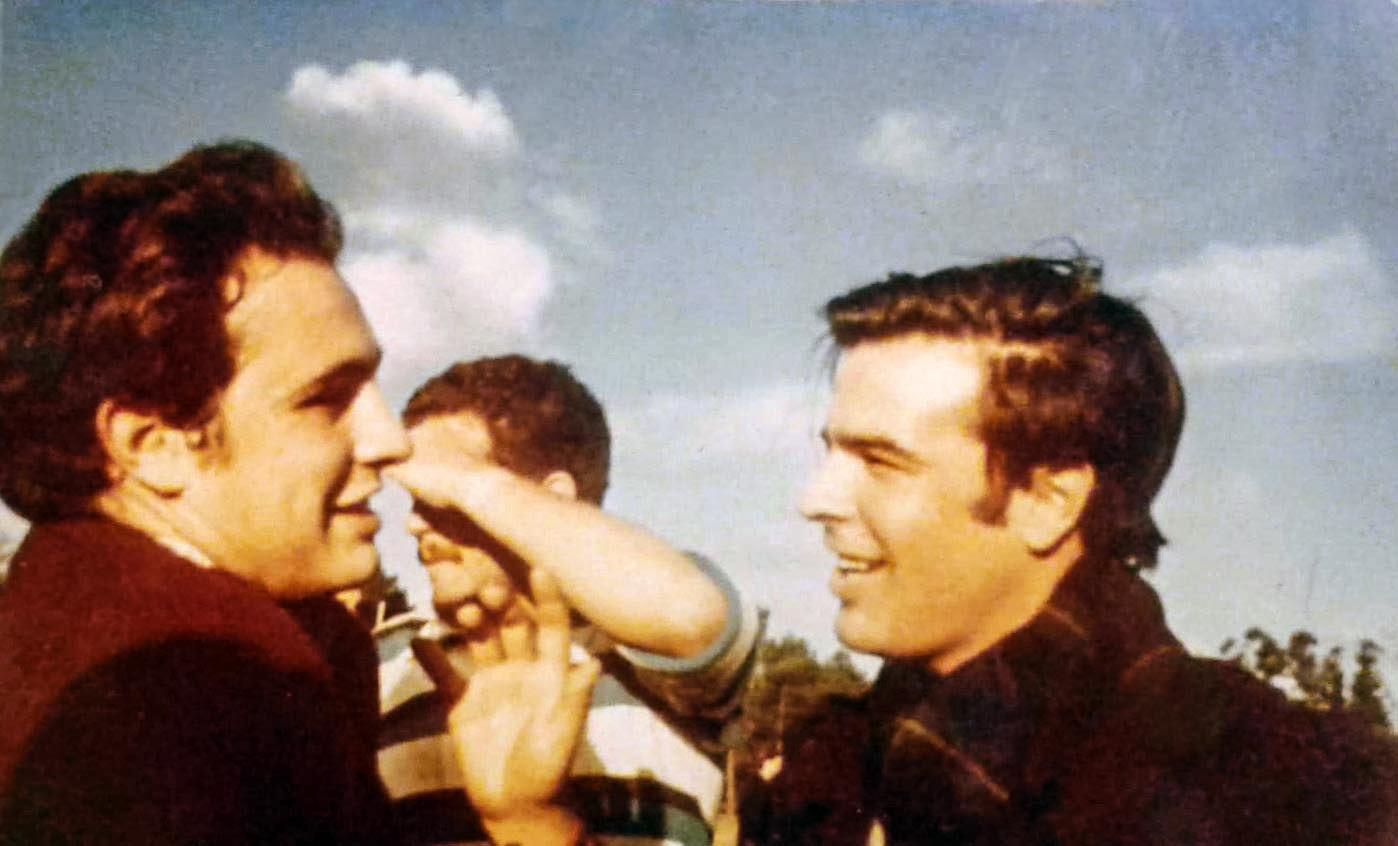
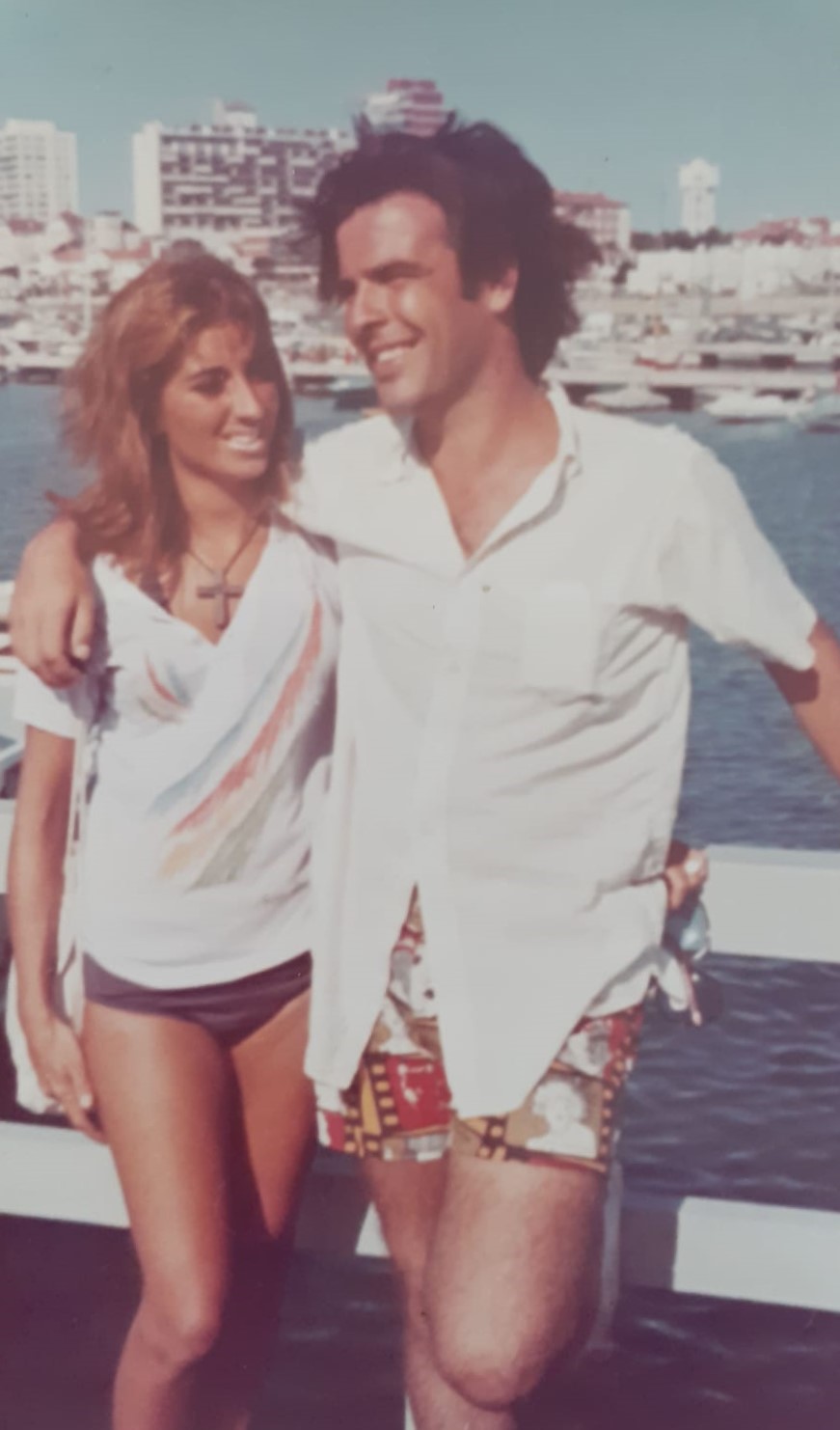
Coche (right) with his best friend Gaston, who did not survive the flight.

Speaking to 9news.com.au Coche said every day he asks himself "why" he survived, when so many of his friends didn't make it.

He also revealed the difficulty in eating the flesh from his dead friends after a remarkable "pact" had allowed some to survive for months, in some of the most inhospitable terrain on the planet.

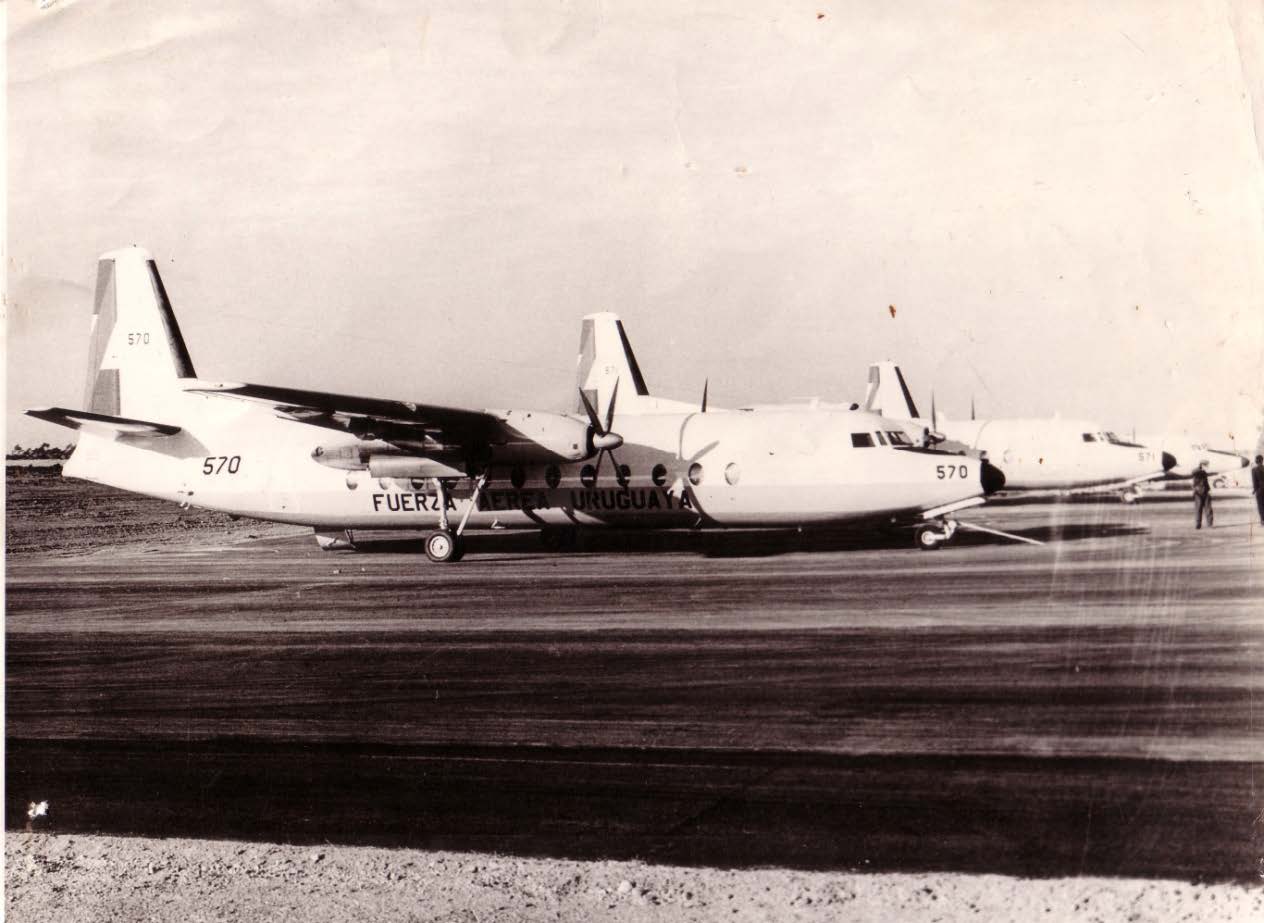
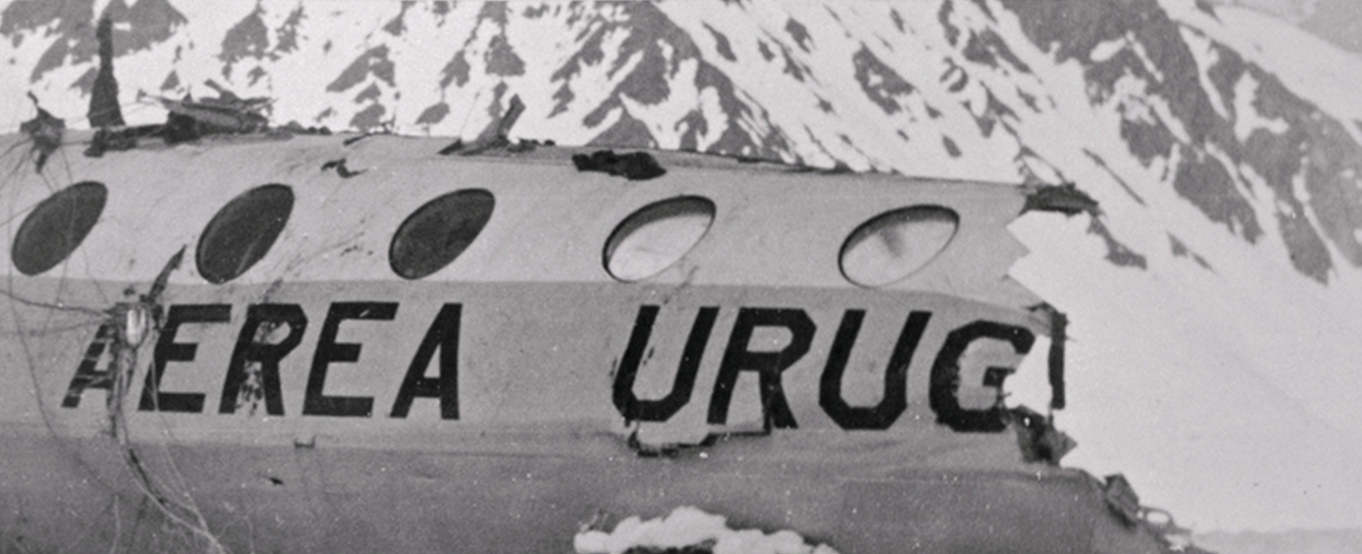
It was Friday, October 13, 1972 when the Uruguayan Air Force Fairchild F-227 set off over the South American mountain range carrying more than 40 members and players of the Old Christians' rugby team.

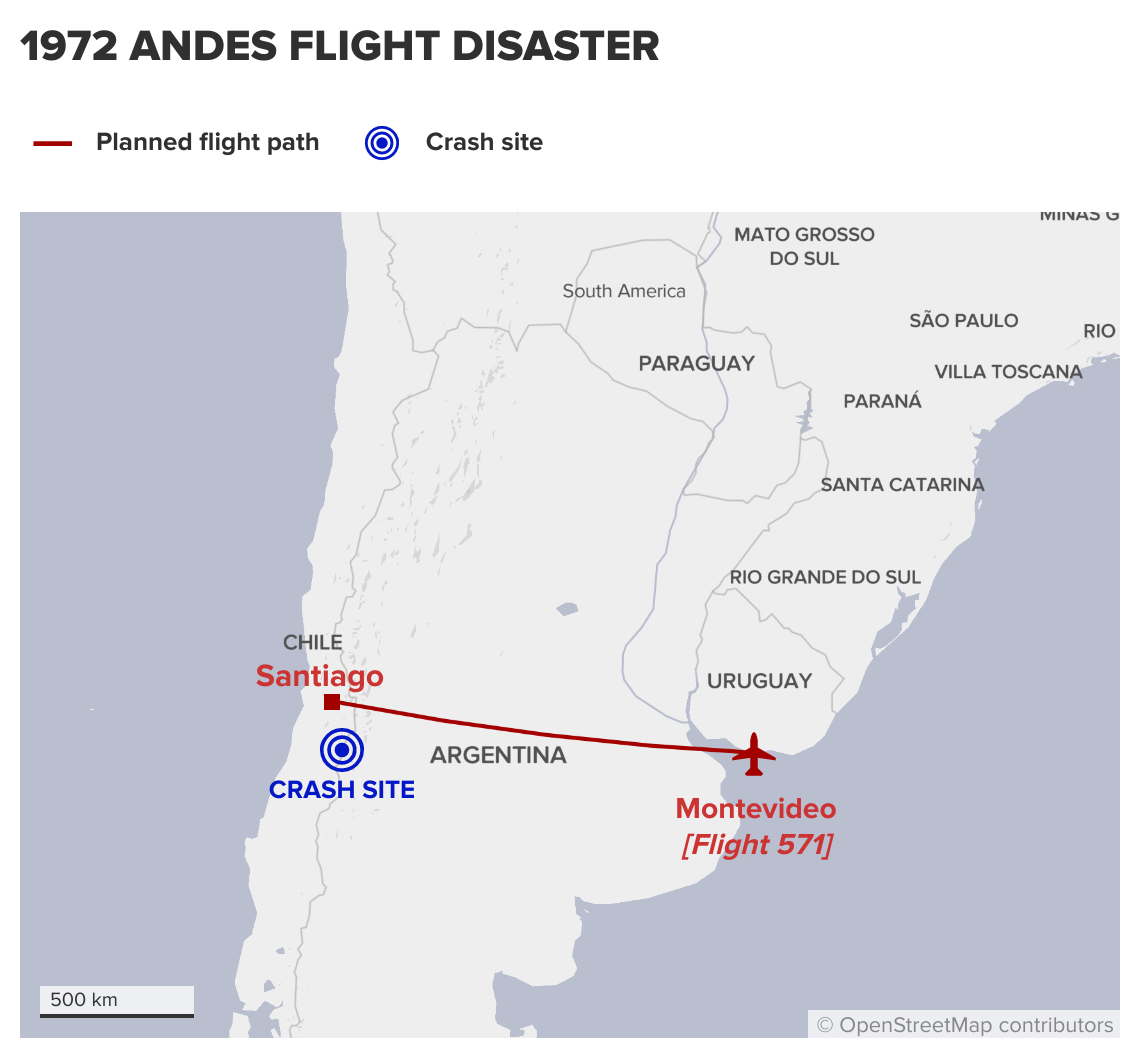
Their destination was Santiago, the capital of Chile, but as the plane crossed the Andes, disaster struck.

The plane took off from Montevideo in Uruguay.

The pilot began to descend early, thinking they'd reached Los Cerrillos Airport and hit extreme turbulence.

One of two deep air pockets hit that day caused the plane to drop 1000 metres.

The plane slammed into a mountain, which sheered off both wings and the tail section of the plane.

Coche said the sounds of the crash still haunts him.

"I realised we were having problems when I heard the pilot say to the mechanic 'give me power, give me power'," Coche who details the ordeal in his memoir Memories of the Andes, said.

"In that precise moment I heard a great explosion.

"I put my head between my knees, and shut my eyes and I only opened it once again when the plane stopped sliding down the mountain.

"I only heard the noise produced by the metal of the plane rushing on the snow.

"I can't forget that noise. I was thinking, I was going to die."

Remarkably, Coche only sustained a small scratch to his knee during the crash.

Jose Luis 'Coche' Inciarte endured 72 days in the Andes after the plane crashed in the mountain range.

"If I had a fall from a bike I would have gotten a worse injury," he said.

"But a plane crashing in the middle of the Andes? A scratch."

The aftermath of the crash

After the crash "came a great silence".

It was broken only by the sounds of crying, and screaming.

"I lifted my head from my knees and what I saw was horrific," Coche said.

"All kind of bodies, blood and other things."

Among the dead where Coche's best friend Gaston, who he had originally tried to sit next to in the tail section of the plane. The seat was already taken.

That first night the cold was unbearable.

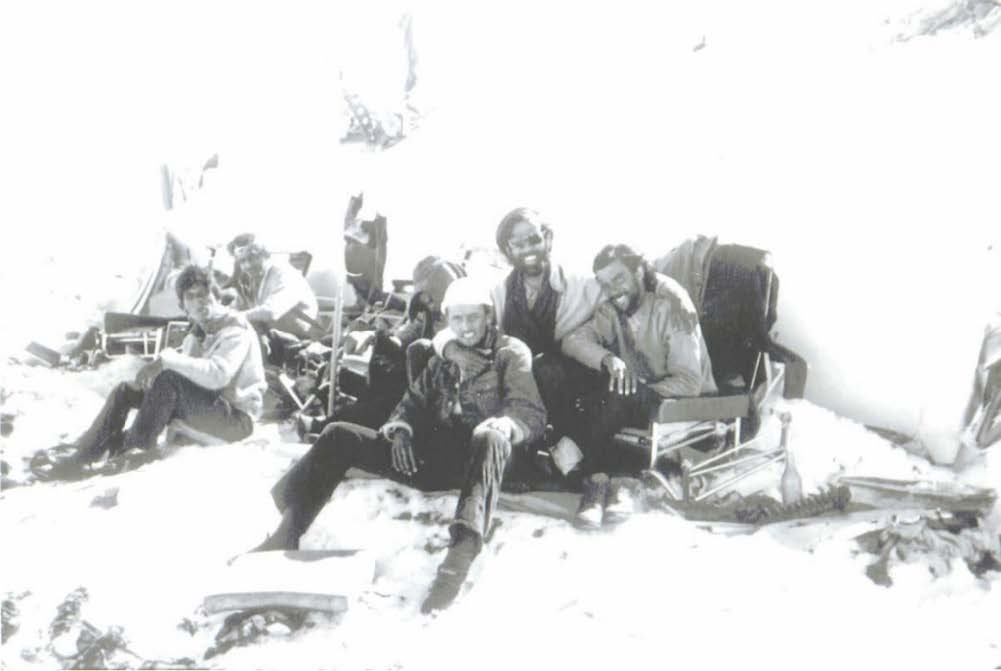
The wings and tail were shorn off the aircraft in the crash. The survivors sheltered in what was left of the fuselage.

"It was the longest night of my life and the coldest one too," Coche said, explaining the survivors huddled together in the broken fuselage for warmth.

"I never thought I would see another morning".

But night turned to morning, which turned to day — over and over the cycle repeated.

The survivors cleared the fuselage of bodies and twisted chairs and melted snow for water.

"Every day we were waiting, sitting in the snow, waiting for the rescue that never came," Coche said.

On Day 10, the survivors were dealt a devastating blow.

Over the radio, they heard the search for the wreckage had been called off.

The pact

Trapped at an altitude where no animals or plant life grows, the remaining survivors were forced to make a pact; they offered their bodies as food for the others should they succumb to the elements.

Jose Luis 'Coche' Inciarte was 24 at the time of the crash and engaged to his fiancee Soledad.

"We were going to die starving," Coche said.

"We made between us, those who were still alive because the dead couldn't speak for themselves, a pact.

"It was the most wonderful pact I've ever seen between man in that situation; in essence it was to honour life."

But while Coche recognised the need for food, his body didn't obey him.

"Making the decision to eat the human flesh of our friends, and then doing it, executing it, was a great space between each other," he said.

"The hand doesn't obey with you, and the mouth doesn't want to open, the throat can't swallow.

"It was very difficult. It took many days to eat one piece. I ate so little."

Coche lost 45 kilos over the 72 days he was trapped in the Andes.

The day of the 'terrible avalanche'

The sixteenth day after the crash, an avalanche tore down the slopes of the Andes and trapped the survivors in the fuselage.

Eight more people died, buried under the ice and snow.

"After the avalanche something worse came among us," Coche said.

"This terrible avalanche was worst of the 72 days, because we stayed for three days under the snow inside the plane."

On the third day the survivors dug a small tunnel from the left window of the cockpit.

They emerged to a dazzling view. Coche said it felt symbolic; almost like being reborn.

"It was a beautiful blue sky, the sun was shining and the snow was very, very clean," Coche said.

The hours passed to days, which gave way to weeks.

At last, rescue

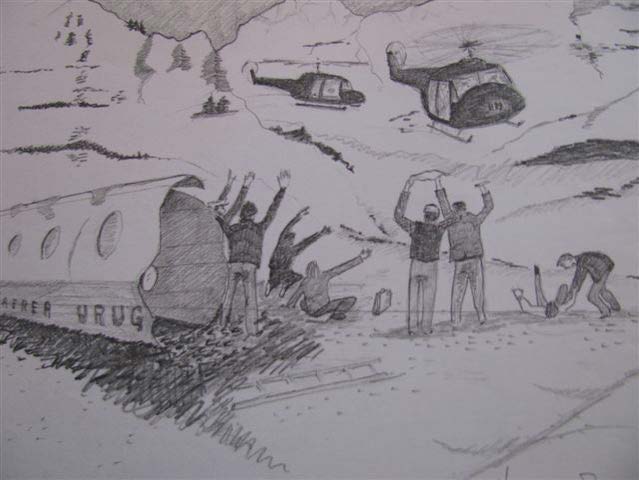
On December 23 – 49 years to this day – Coche heard a sound he'd almost given up hope of hearing; the thumping whir of helicopters.

CaptionAn artists impression of the 'Miracle of the Andes'.

Nearly two weeks prior three survivors, Roberto Canessa, Nando Parrado and Antonio Vizintín, had made the decision to trek out to get help.

In the end Mr Vizintín turned back. But Mr Canessa and Mr Parrado were successful.

They trekked for 10 days through the Andes and alerted authorities to the plight of the remaining 16 survivors.

"My life was pending on Canessa and Parrado," Coche said.

"I decided to let myself die after December 24, but Canessa and Parrado bought us two helicopters.

"Beautiful engines flying around us. We were very, very happy."

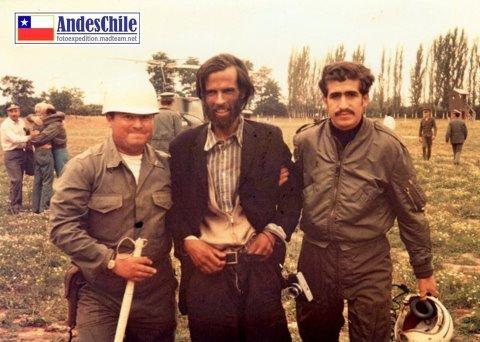
Coche lost 45 kilos during the 72 day ordeal in the Andes. Upon being rescued he was given a small piece of chocolate and felt 'immediately full'.Coche was all smiles as he returned to Uruguay after the rescue.

'Almost 50 years have gone by'

Exactly eight months after the rescue, Coche married his fiancee Soledad.

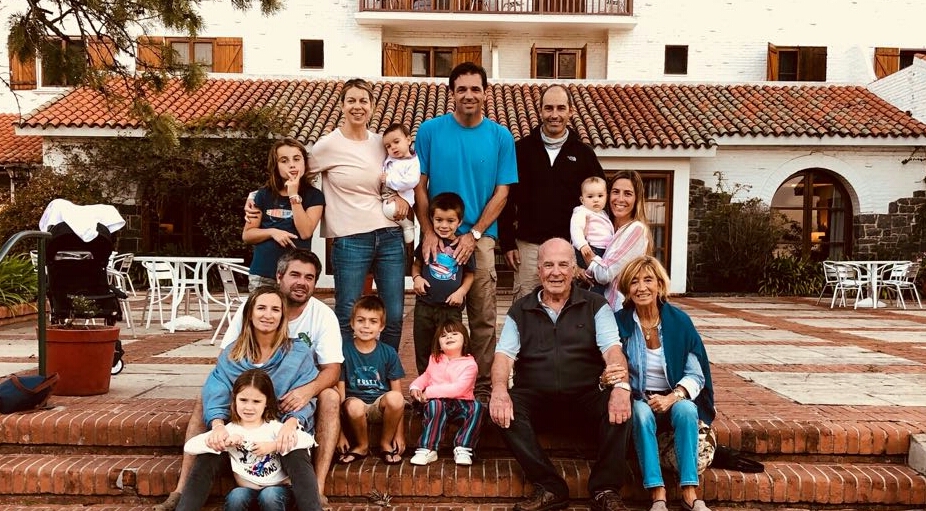
Today he has three kids and eight, "almost nine" grandkids, with one due around March.

Coche and Soledad married nine months after he was rescued.

"I was very hurried to have my own family, I thought so many times on that mountain I would never have one," he said.

He was diagnosed with cancer and has beaten the disease twice.

As the decades pass, Coche still struggles to make sense of the ordeal.

"I'm by no means a master of this experience," he said.

"It's been nearly 50 years since the crash and I am still asking myself 'what happened?' Why me, why me and not another?

"I don't have a reasonable response to that question. Those 72 days were horrific; the worst a man can live.

"I don't know why we survived in a place human life, or animal and vegetables, can't live."

Coche said he 'hurried' to have a family after his time in the mountains.

Coche said if he could share one lesson from his time in the Andes it would be "don't give up".

"Never give up. Continue," he said.

"If the mind gives orders the body has to obey."

Jose Luis 'Coche' Inciarte's memoir Memories of the Andes was released last year and is available now.

Contact Raffaella at rc*********@******om.au.