Activist and former Māori Party MP Hone Harawira has lashed out at New Zealand Police over the handling of Northland Covid-19 checkpoints, characterising law enforcement’s decision to vet volunteers as “racist to the core”.Iwi-led…
Tag Archives: oceania
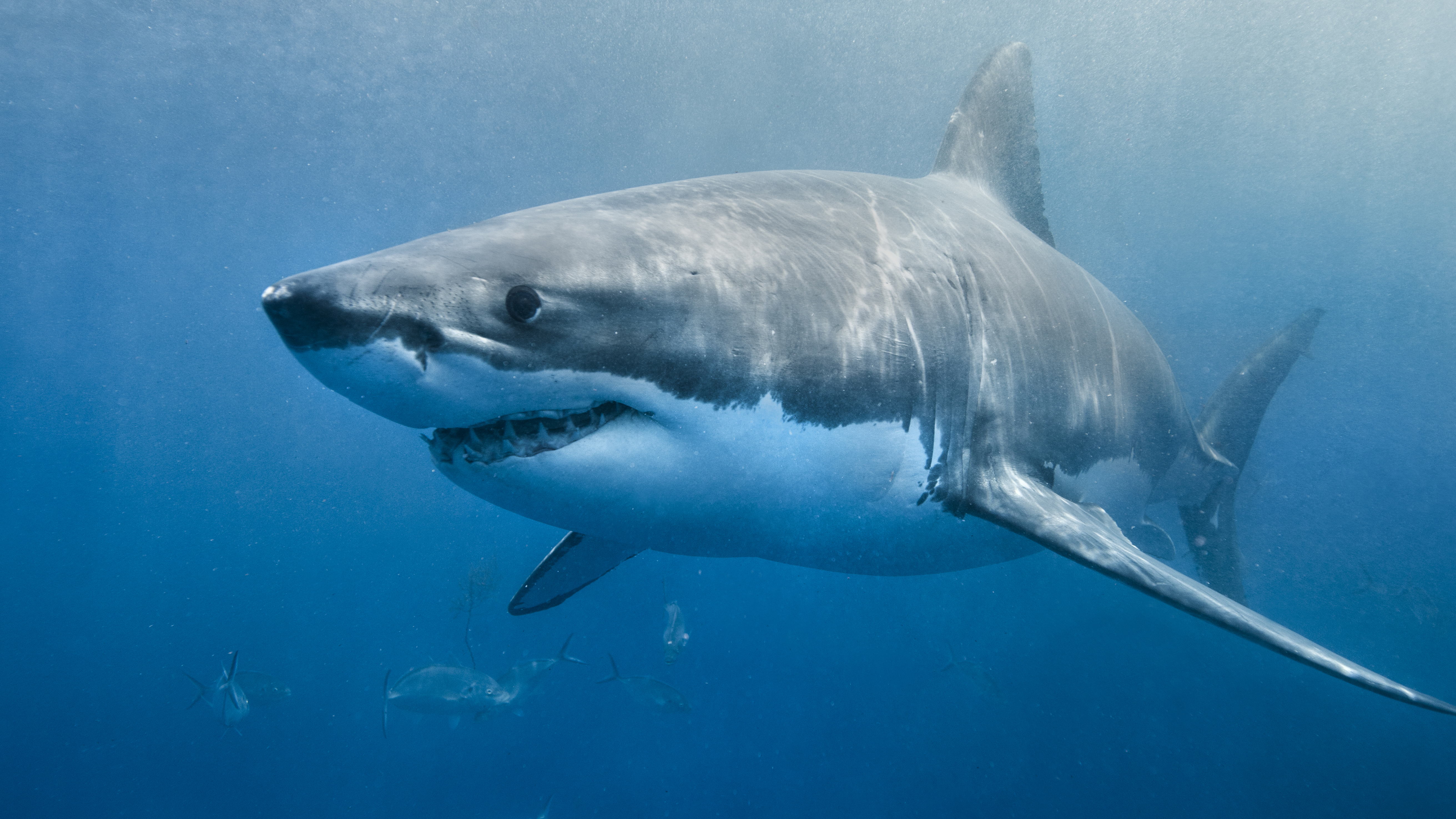
Mammal found preying on sharks in 'incredible world first'
In New Zealand waters an unlikely animal has been caught preying on sharks in a "world-first" discovery.
Leopard seals, an apex predator like sharks, are known to hunt penguins and other seals but sharks were not previously thought to be on the menu.
That is, until a study led by Krista van der Linde of leopardseals.org. found evidence of shark remains in the droppings of the seals.
READ MORE: What the weather will be like on Christmas Day
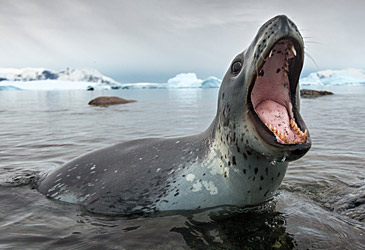
Some of the seals also bore scars; evidence of past fights with sharks.
Dr Linde told stuff.co.nz the find was "next level incredible" and puts seals in a small group of marine animals.
"We were blown away to find sharks were on the menu, but then we also found that elephant fish and ghost sharks were being hunted by the leopard seals," Dr van der Linde said.
"To know there is another marine mammal also munching on sharks, well, that has implications for the whole food web and our understanding of how it all is interlinked."
The high level of shark remains found in the poo meant sharks may be an important part of the leopard seals' diet, Dr van der Linde added.
The Department of Conservation said leopard seals are the only seals known to regularly hunt and kill warm-blooded prey.
It comes as great white shark populations boom in New Zealand.
Last month Marine Biologist Riley Elliott told 9News.com.au the Bowentown area on the North Island has become a "major hotspot for unknown reasons" with a spate of sightings recorded.
One dead following Raglan paragliding incident
A person has died following a paragliding incident near Raglan on Monday afternoon.Emergency services were alerted to a paraglider requiring medical attentionon the beach near Ngarunui Beach Rd at about 2.30pm. A police spokesperson…
No excuse for any rapid antigen test shortage, supplier claims
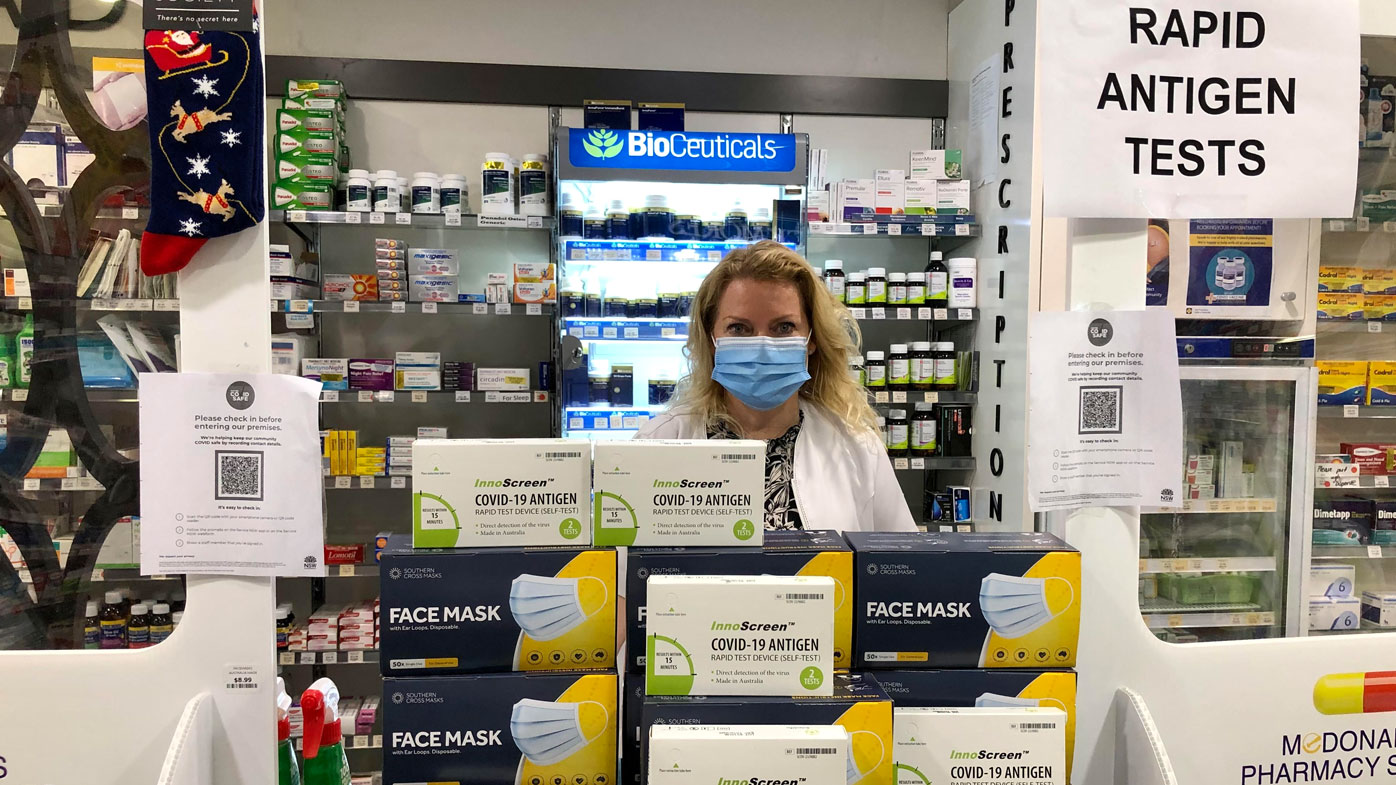
Any rapid antigen test shortages in Australia will be the fault of pharmacies and other retailers, a leading supplier of the kits has said, as testing for the Omicron variant skyrockets ahead of Christmas.
Roche Australia said demand for the do-it-yourself tests to detect coronavirus had "gone bananas" over the last week but it confirmed its supplies from South Korea into Australia were plentiful.
"We have had calls today from clients ordering thousand of tests," Allison Rossiter, managing director of Roche Diagnostic Australia, told 9news.com.au.
READ MORE: How to have a Covid-safe Christmas
READ MORE: Hundreds in Christmas quarantine after infectious teen goes clubbing
"We have a warehouse full of stock," Ms Rossiter said, despite large deliveries of the tests shipped out from Roche to pharmacies and retailers across Australia every day.
Ms Rossiter said there had been a mad rush of orders for the test as cases of Omicron began to rise in New South Wales, but was bemused by any talk of shortages.
Rapid antigen tests were approved for use in Australia from November 1 and there was an initial "flurry" in orders, Ms Rossiter said, but that had fallen away until the emergence of Omicron.
Roche Diagnostic is one of 15 approved suppliers of rapid antigen tests in Australia.
Inquiries from 9news.com.au to other suppliers went unanswered.
Chemist Warehouse did not respond with comment about any potential rapid antigen test shortages. The Pharmacy Guild Of Australia also declined to comment.
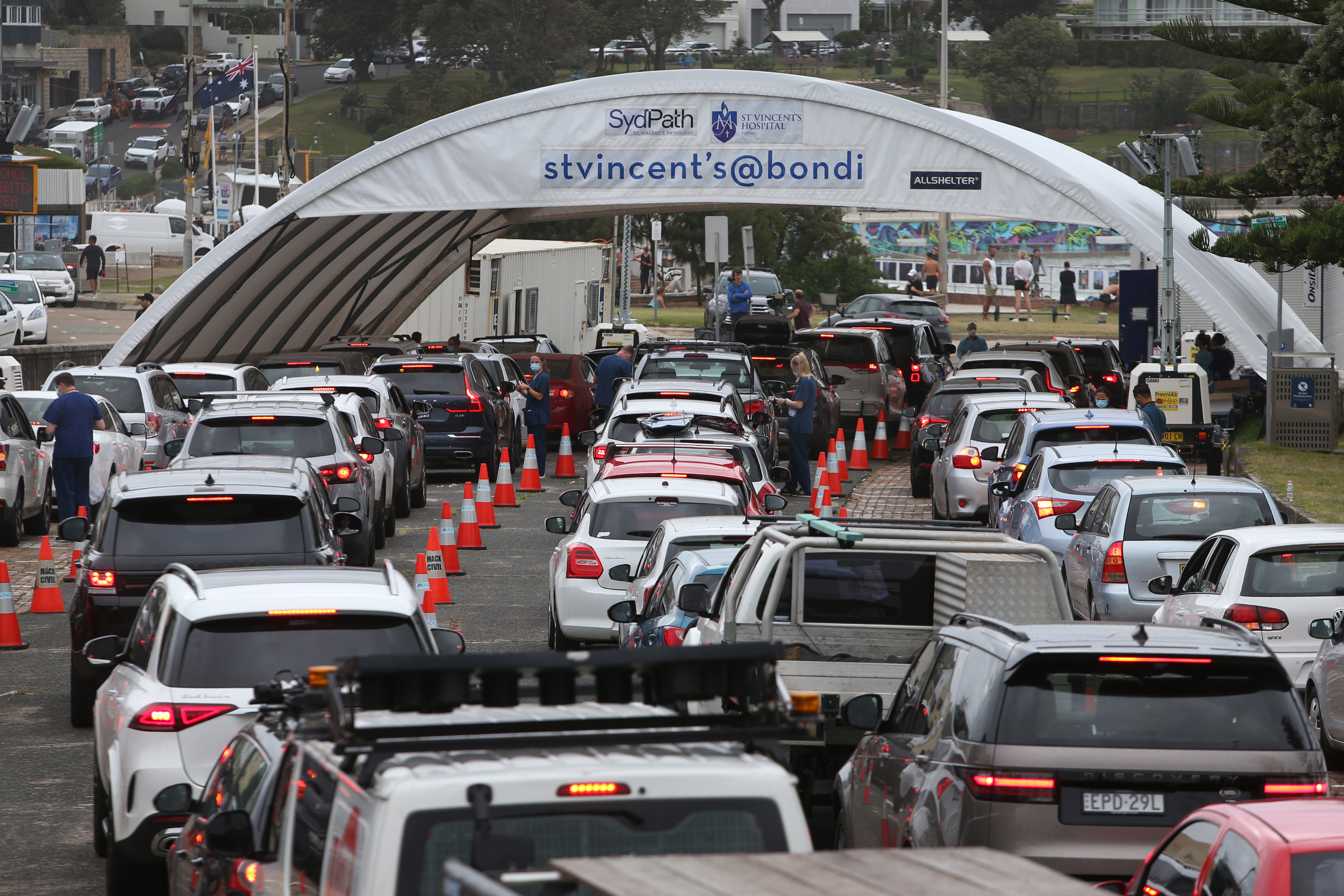
Lines and wait times at PCR testing sites across Sydney have spiralled over the last week, with many residents rushing to get clearance to travel interstate or – to a lesser extent – abroad.
Roche Australia also supplies PCR kits and analysis machines to Australia.
Ms Rossiter said demand for PCR tests had "never really slackened off" and "had been high for most of the time" since the pandemic began almost two years ago.
READ MORE: Hacker steals Sydney man's life savings after simjacking
Serious crash in Christchurch: Main road closed as emergency services work at scene
At least one person has been seriously injured in a crash in Christchuch this afternoon.Emergency services are at the scene on Russley Rd in Harewood in the west of the city after the crash just before 3pm.St John has transported…
Covid-19 Delta outbreak: Vaccine Board says man's death 'probably due to vaccination'
The death of a 26-year-old man is “probably due to vaccination”, according to the Covid-19 Vaccine Independent Safety Monitoring Board. The Board met earlier this month to discuss the details of three cases in relation to possible…
Kiwi mum forced to return toddler to Australia after fleeing abusive, isolating relationship
If you need help – scroll down for information and contact details A Kiwi mum who left Australia under the cover of night to escape from her estranged partner and abusive relationship is now being forced to return her toddler back…
Why trackers are being fitted to funnel web spiders
Tiny electronic trackers have been fitted to eight funnel web spiders to monitor their movements around Sydney over coming months.
Scientists hope the project will help pinpoint the time of year when the funnel web – the world's deadliest spider – is the greatest risk to humans.
But before the spiders were released by University of New South Wales researchers the electronic trackers had to be attached to the eight arachnids.
READ MORE: Thousands without power, women fighting for life after shock Sydney storm
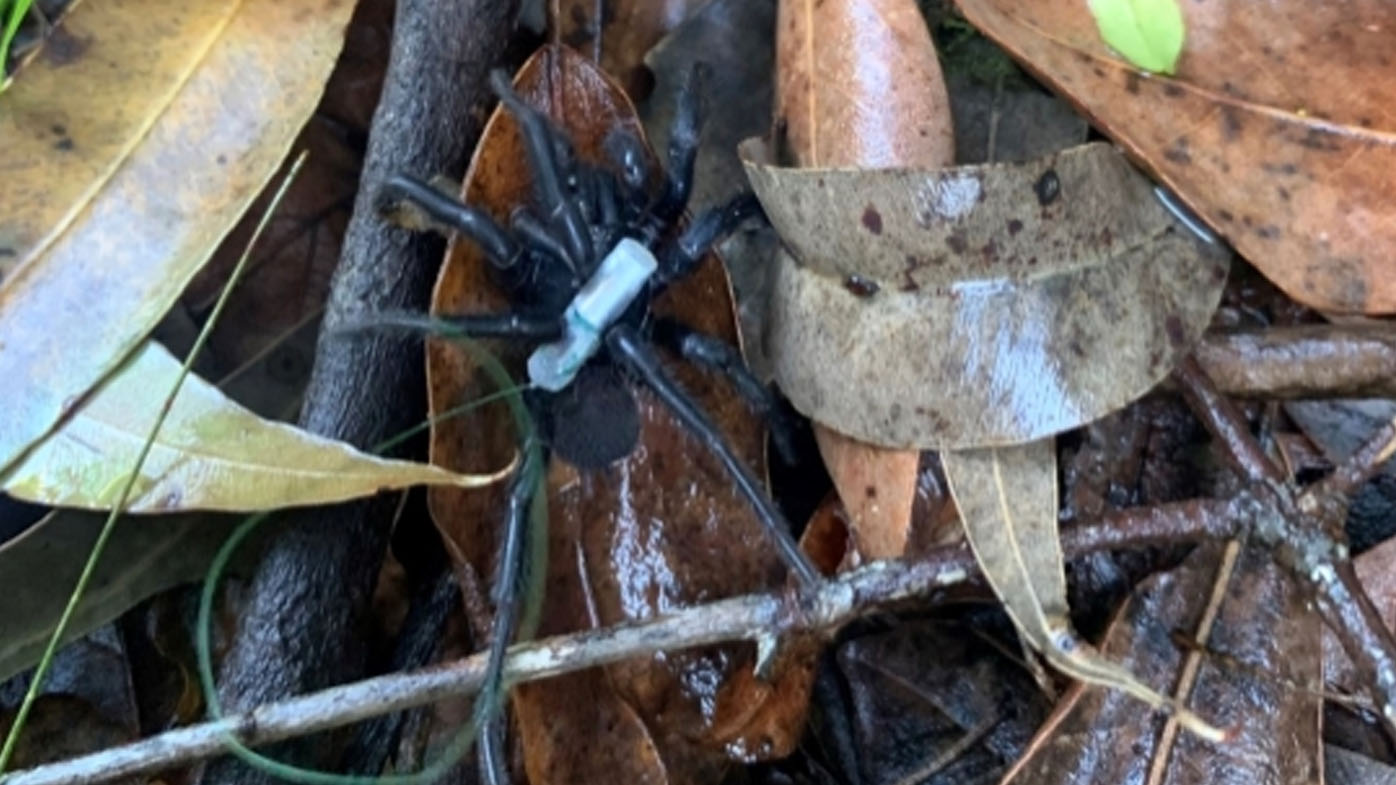
Postgraduate student and lead researcher Caitlin Creak said it involved fixing a device to the top of the spider's body using superglue and a sponge to hold down its legs.
"I am very cautious with them. I never handle them with my hands, ever. I always use 30-centimetre long forceps and thick plastic containers when interacting with them," Ms Creak said.
After the funnel web recovers from the delicate operation, it is released into the wild the following day.
The researchers will then trace the movements of the eight spiders from the tracker signal using GPS coordinates and measuring tape.
READ MORE: Swimmer's close encounter with nurse shark in 'waist-deep' water
'Icon of fear and fascination'
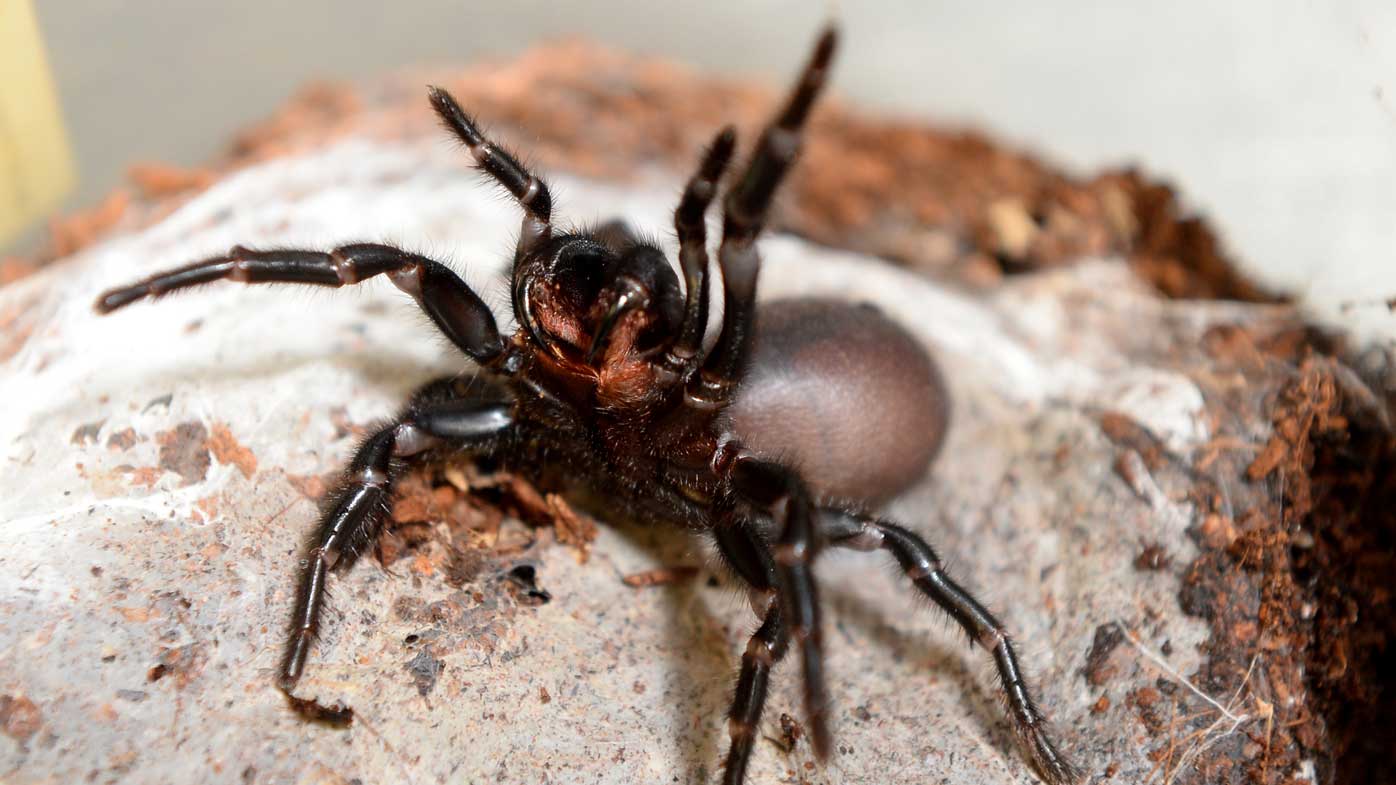
The male Sydney funnel web spider is probably responsible for all 13 recorded deaths from funnel web spider bites, and many medically-serious bites, according to the Australian Museum in Sydney.
"This remarkable spider has become a part of Sydney's folklore and, although no deaths have been recorded since the introduction of an antivenom in 1981, it remains an icon of fear and fascination for Sydneysiders," the museum said.
The Sydney funnel web spider starts appearing in early November through to late April.
Ms Creak said they are most active in the late summer and early autumn.
"The peak of this season normally sits around February-to-March, but this all depends on the weather. They like it warm and humid."
Ms Creak said the species of spider is nocturnal, so both males and females are more active at night.
READ MORE: Fears Victorian COVID-19 testing hubs will be overwhelmed by holiday surge
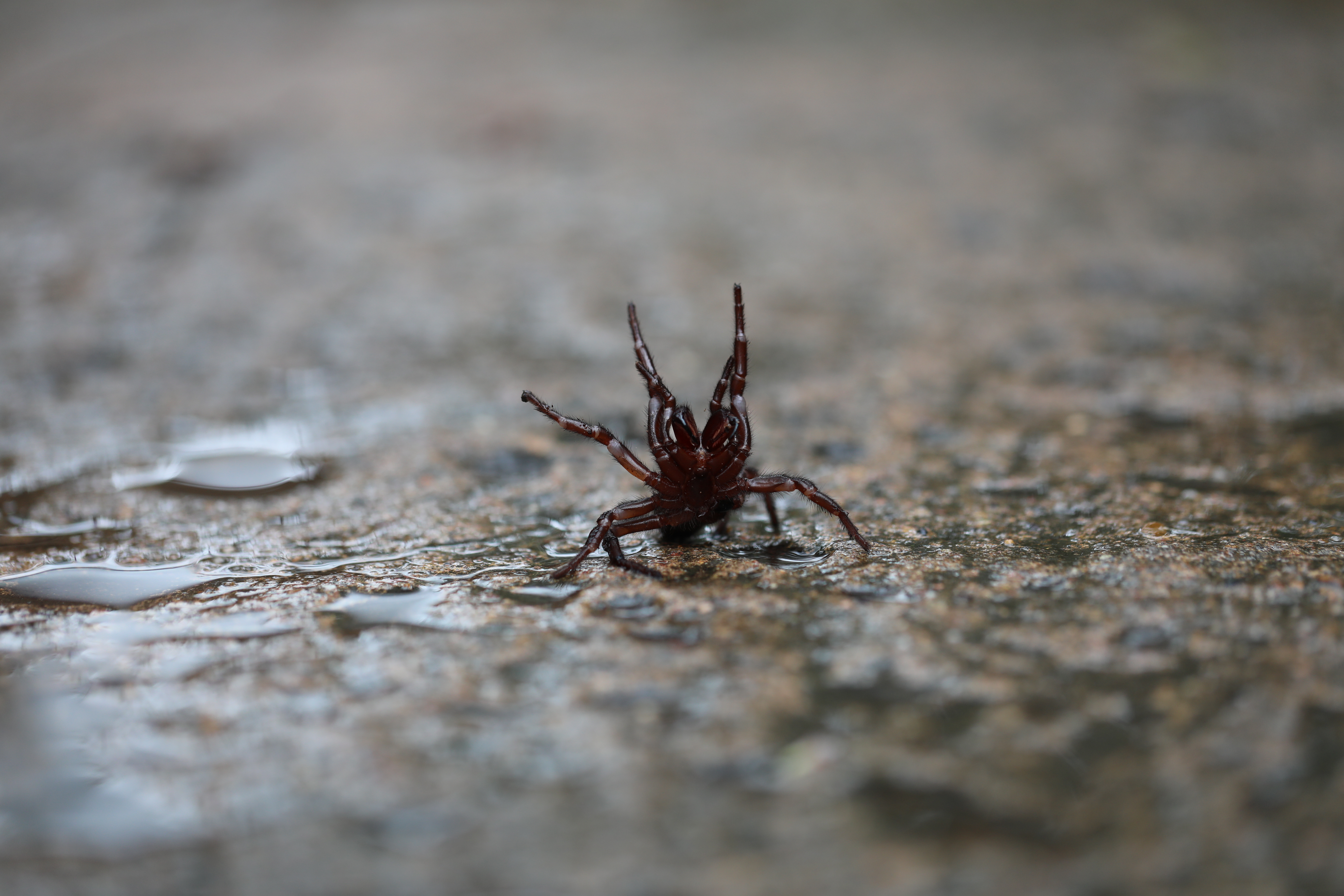
"But it is only the sexually mature males that will leave their burrow permanently, and as they wander looking for females, they will camp during the day, either in a females burrow, or in a sheltered spot where they can make a thin silky cocoon to sleep in," Ms Creak said.
"This is where people tend to have run-ins with them, as the males look for shelter, whether that be a log, or a pile of sheets, or bark and leaves, or someone's shoes they have left outside."
But Ms Creak was keen to dispel one myth about a funnel web's capacity to attack humans.
"I get this question all the time: 'what if it jumps on you?' They physically can't jump," she said.
Herald afternoon quiz: December 20
Test your brains with the Herald’s afternoon quiz. Be sure to check back on nzherald.co.nz for the morning quiz tomorrow.
7-days of Christmas cheer
For the fourth year running a collective of south Auckland Marae are operating their 7-Days-of-Christmas campaign to distribute food and presents to whanau in need. “For seven days we’re providing kai parcels, Christmas presents…