Two Kiwi mountaineers have cracked what they had thought was impossible and climbed New Zealand’s 24 highest peaks in a month.Alastair McDowell, 30, and Hamish Fleming, 31, started their arduous mission on November 13 and climbed,…
Tag Archives: oceania
The massive illicit drug footprint in NSW
This is the map and graph which shows how New South Wales easily made up the lion's share of billions of dollars worth of illicit drugs seized and burned by the Australia Federal Police this year.
Of the 25 tonnes of drugs vaporised in special furnaces, NSW accounted for 19.1 tonnes, or 76 per cent of the total burn.
NSW has long been considered the gateway into Australia for drug shipments from the US, Mexico, South America, Europe and Asia, and these AFP figures back that up.
The AFP's Eastern Command in NSW sent nearly 20 tonnes of illicit drugs for destruction, including more than 15 tonnes of stimulants and one tonne of cocaine.
It also destroyed 9.3 tonnes of Gamma-Butyrolactone (GBL), a fast-acting stimulant linked to significant numbers of fatal overdoses.
Victoria and Tasmania, which make up AFP Southern Command, incinerated 3.7 tonnes, including more than 2 tonnes of khat, a stimulant found in the leaves of an East African shrub, 630kg of pseudoephedrine and 506kg of methamphetamine.
Northern Command, which covers Queensland and part of the Northern Territory north of Katherine, burned 1.9 tonnes, including 680kg of stimulants such as methamphetamine and MDMA, 530kg of cannabis and 200kg of cocaine.
READ MORE: How South American cartels smuggle cocaine into Australia
Western Central Command, made up of Western Australia, South Australia and up to Alice Springs in the NT, destroyed almost 900kg, including more than 260kg of stimulants and 505kg of cannabis.
The total weight of drugs burned by the AFP, which was monitored by armed officers, was the equivalent of four large adult male African elephants.
Temperatures inside the furnaces reach 1400 Celsius, which vaporise the drugs into a harmless steam.
For free and confidential advice about alcohol and other drug treatment services call the National Alcohol and Other Drug Hotline on 1800 250 015.
Words: Mark Saunokonoko
Interactive graphics: Tara Blancato
Border opens to finish quest
The lifting of travel restrictions around Auckland meant reconnecting families for some, economic benefits for others and the wellbeing of just spreading ones wings for the restless. But for 57-year-old former Co-Operative Bank CEO,…
Covid 19 Delta outbreak: PM declares NZ has reached 90 per cent double-dose vaccination
Parliament has adjourned for the year with Prime Minister Jacinda Ardern wishing all New Zealanders a wonderful break.”You bloody deserve it!”The House broke into applause when she announced that 90 per cent of New Zealand’s eligible…
Three people charged after death at Middlemore Hospital
Further charges have been laid following the alleged murder of Rangiwhero Toia Ngaronoa, who was dropped off at South Auckland medical facility with critical injuries. A woman, 23, was charged on Monday with the murder of Ngaronoa,…
Christchurch teenage driver charged over Governors Bay Rd fatal crash
A Christchurch teenager has been charged with careless driving causing the death of 18-year-old Dylan Bruce Taylor, who was killed in a crash on Governors Bay Rd in July.Cory Neville Aberhart, 18, appeared in the Christchurch District…
Herald afternoon quiz: December 15
Test your brains with the Herald’s afternoon quiz. Be sure to check back on nzherald.co.nz for the morning quiz tomorrow. To challenge yourself with more quizzes, CLICK HERE.
Australian cruise industry set to pass two years of shutdown
Australia's $5 billion cruise industry will soon reach two years of inactivity after firms started cancelling more sailings into 2021.
P&O has now declared sailings off until at least April next year in response to the extension of a ban on ships in Aussie waters.
Other firms including Royal Caribbean, Princess, Cunard, Carnival had previously cancelled sailings up to March 2022.
READ MORE: Every NSW COVID-19 restriction that just changed

Health Minister Greg Hunt extended the cruise ban until February 17 2022 last week, despite earlier saying he wanted cruises back on by Christmas this year.
The industry supports 18,000 Aussie jobs.
Travel agents, food suppliers, maritime firms and on-shore tour and tourism firms also suffer a knock-on effect.
President of P&O Cruises Australia Sture Myrmell called the ongoing shutdown "discouraging".
"As we approach the two-year mark in our rolling pause in operations, it is understandable that our guests will be very disappointed and frustrated that there is still no agreed restart plan for cruising in Australia," Mr Myrmell said.
"Federal and state governments are yet to outline their requirements for restart despite the nation's high vaccination rate, the cruise industry's comprehensive health protocols, vaccination policies for guests and crew and the successful resumption of cruising in other international markets."
READ MORE: State by state guide to Australia's latest vaccination rates and COVID-19 case numbers
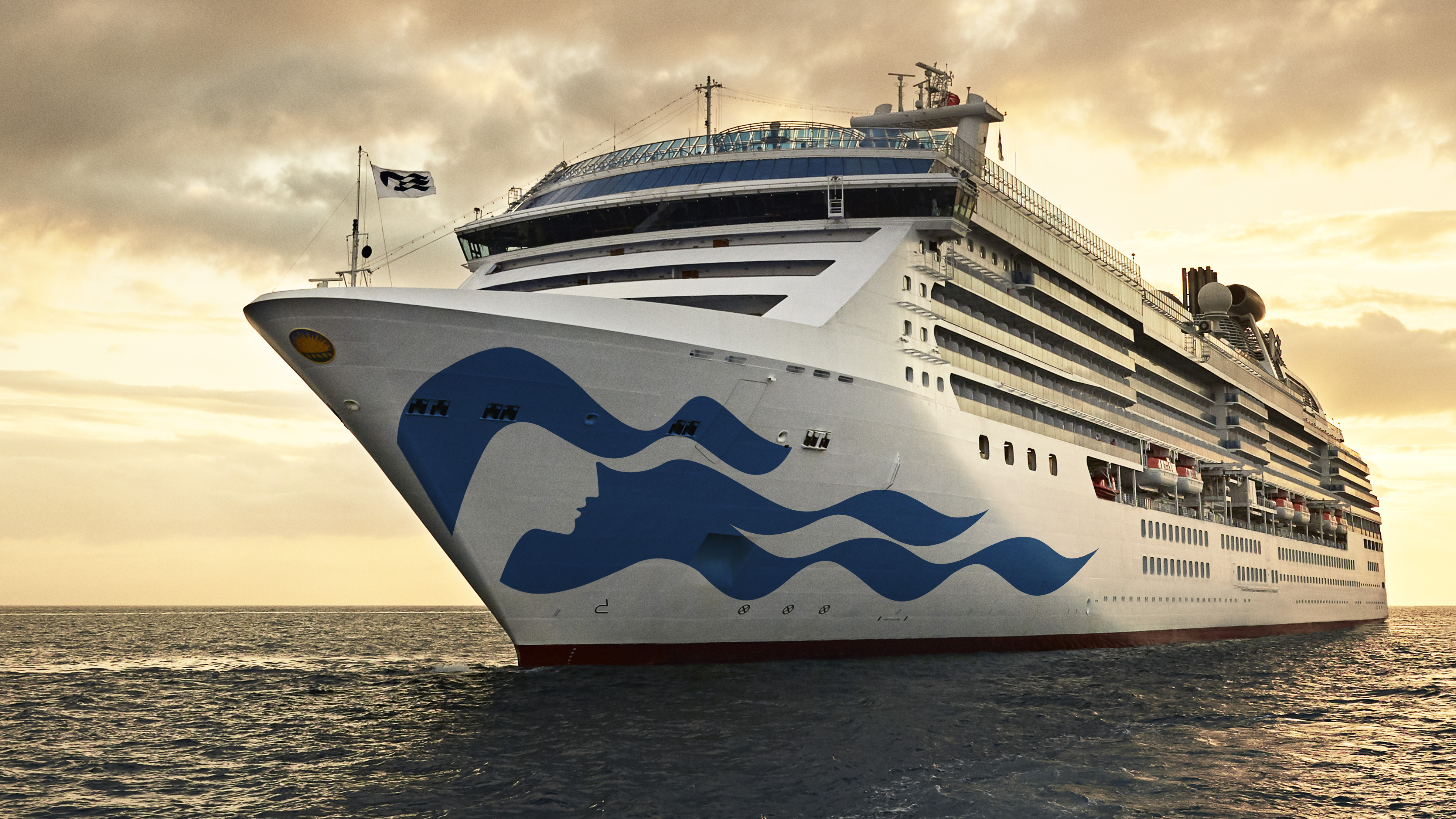
READ MORE: Cruises won't return by Christmas even if ban is lifted, bosses say
Cruises are sailing around the world with vaccination and testing rules in place.
But Cruise Lines International Association (CLIA) Managing Director Australasia, Joel Katz said there's "no end in sight" for the industry here.
"The cost to Australian businesses and workers will go beyond $10 billion in the next few months, yet our governments are showing no sense of urgency to create a solution," he said.
"Almost 5 million people have successfully sailed in countries where cruising has already resumed, with strict and effective health protocols in place.
"More than 80 other countries have resumed cruising, but in Australia our governments have still not agreed on measures that will allow a similar resumption here.
"Cruise lines have done an enormous amount of work in response to the pandemic and the health measures we've introduced around the world are the most comprehensive to be found anywhere in tourism."
READ MORE: 'Exceptionally hot air' will cause temperatures to soar
NSW Premier Dominic Perrottet is keen to get ships back in Sydney, saying it makes "no sense" somebody can now travel overseas to cruise but can't get aboard a ship in Australia.
Sydney is the country's busiest cruise port and sees 115,000 passengers set sail a year.
But Circular Quay has remained silent since the end of March 2020, when an initial 30-day cruise ship ban was announced.
Months of rain mean we need to watch for this dangerous parasite
Ongoing wet weather in recent months has prompted warnings about an explosion in the tick population, with a woman hospitalised overnight after a seemingly innocuous bushwalk.
Nine.com.au Line-Up Editor Karina Recchi went for a walk in Lane Cove National Park in Sydney's north last week, and came home feeling fine.
However, by Friday she felt a little bump just above her ear.
LIVE UPDATES: Sweeping changes to COVID-19 restrictions announced in Victoria
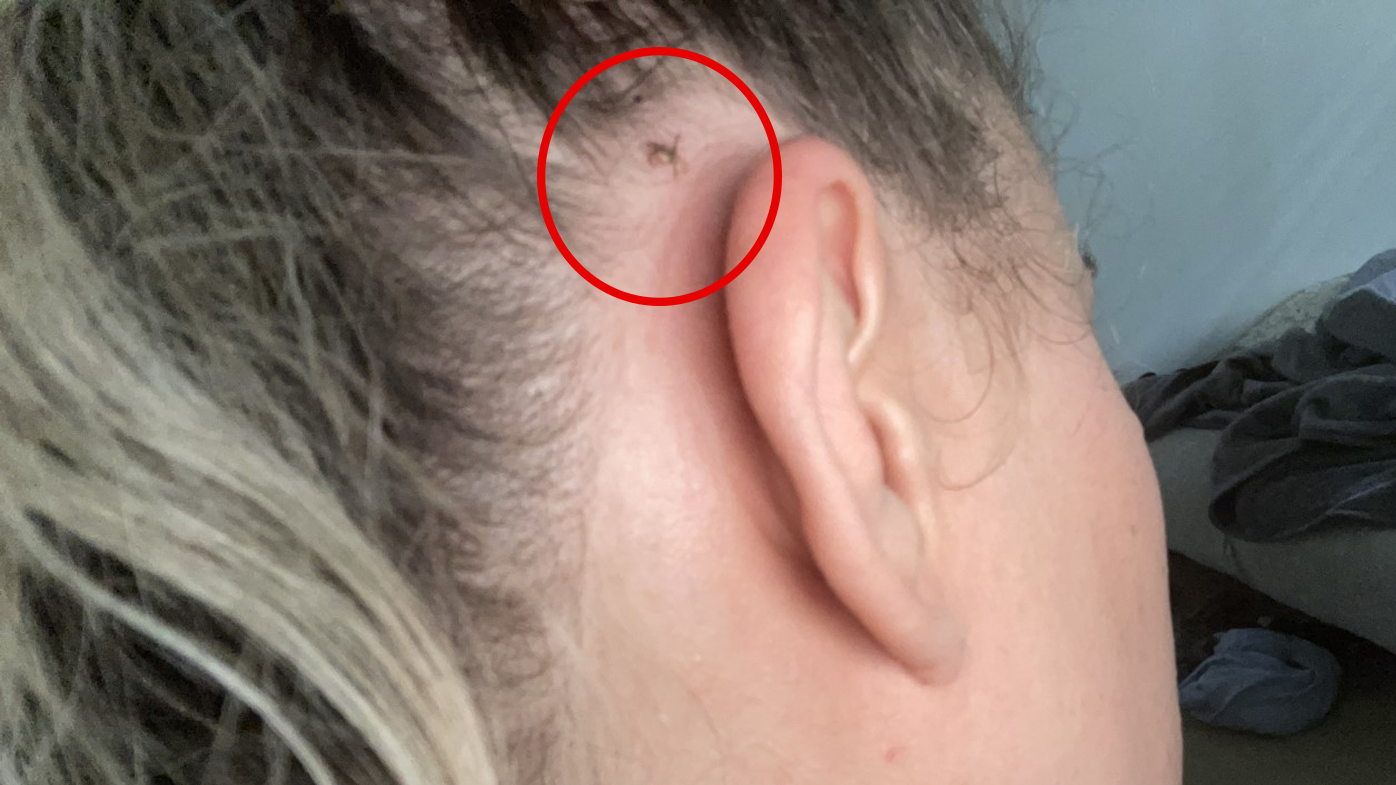
"My first thought was, 'Is this food'? Is it a sore? Have I grown a mole?'" Ms Recchi said.
"I had no idea."
Using her phone and a mirror, she was able to spot what looked like a small brown lump.
Still unsure what she was looking at, she started scratching and tugging at it.
READ MORE: Every NSW COVID-19 restriction that just changed
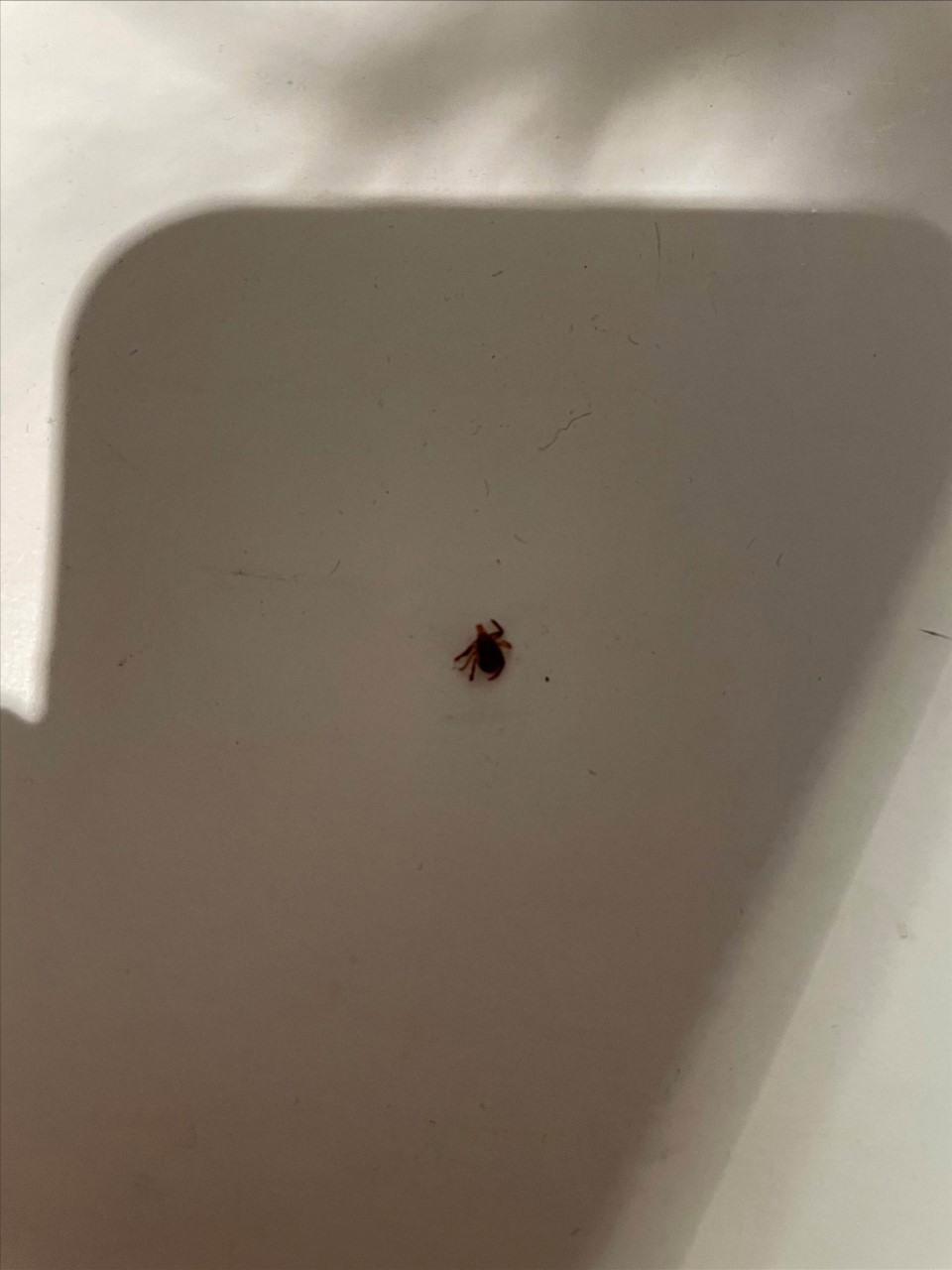
It took "five minutes of pulling", but finally, the tick was dislodged, and still alive.
"I had no clue what I was looking at," Ms Recchi said, admitting she was "terrified" of the creature in front of her.
After some quick internet searches and a phone call to a colleague, she was on her way to the doctor, who suggested she head to the hospital.
"I don't know if it was a reverse placebo effect, but I felt really dizzy, had a massive headache and I pins and needles in my legs," Ms Recchi said.
READ MORE: Queensland on tenterhooks after flight sent into isolation
After a night in the emergency ward and multiple tests including a CT scan, blood tests and neurological checks, Ms Recchi was discharged, with advice to follow up with further tests.
"I was lucky – the doctor said I pulled the tick out fine as it was whole," she said.
"But what worried them was that the tick was still alive. They said if you're trying to pull it out while it's alive, and you're squeezing it, it can release its venom into you.
"And because it bit and burrowed into my head, they wanted to make sure there was no damage."
Tickpocalypse now
Wet weather in recent months, and the forecast of more to come, has precipitated a boom in tick populations in Australia.
Ticksafe owner Aaron Wagner said the consistent rain had "definitely" been a driving force.
"The tick population is much bigger than in previous years," he said.
He and his Sydney-based team, who focus on tick prevention and extermination services in gardens, were "considerably busier" than they had been in years.
READ MORE: 'Exceptionally hot air' will cause temperatures to soar
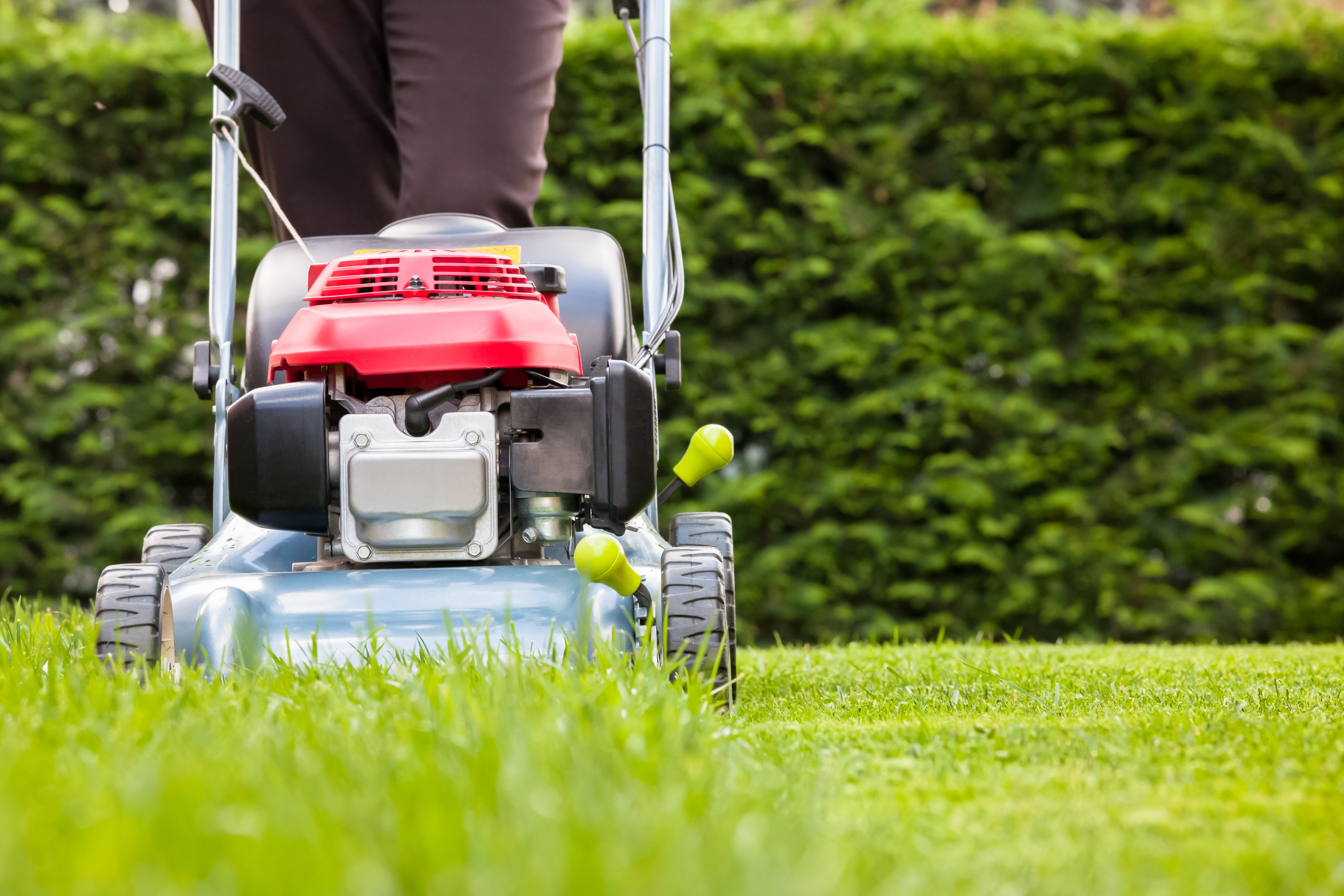
"What's different is that now, people with well-kept lawns, not just jungles, are calling with tick problems," Mr Wagner said.
"We don't normally see that."
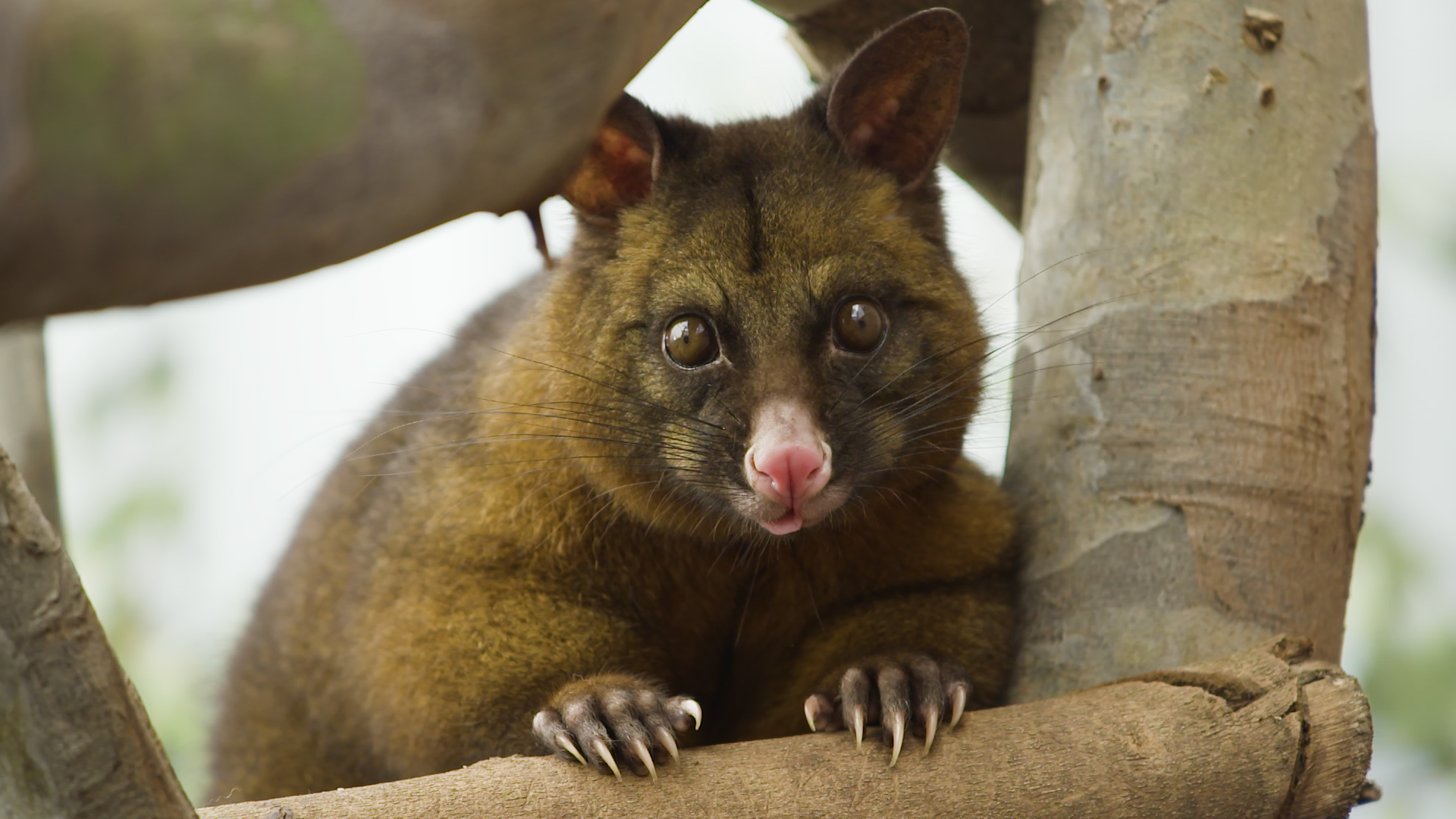
What people need to watch out for is evidence of marsupials in their yard.
Mr Wagner said animals such as possums and bandicoots were immune to tick venoms, and that once a parasite had drunk its fill of blood from them, it would fall off.
Conical holes in the lawn were signs of bandicoots, and probably a good reason to call a tick specialist.
And Mr Wagner warned the population boom wouldn't end any time soon.
"People have this idea that spring and summer is 'tick season'," he said.
"Ticks have a life cycle of 12 to 14 months, so they are going to be around for a while."
He said it would take a sustained period of dry weather for the population boom to be checked.
What to do if you're bitten
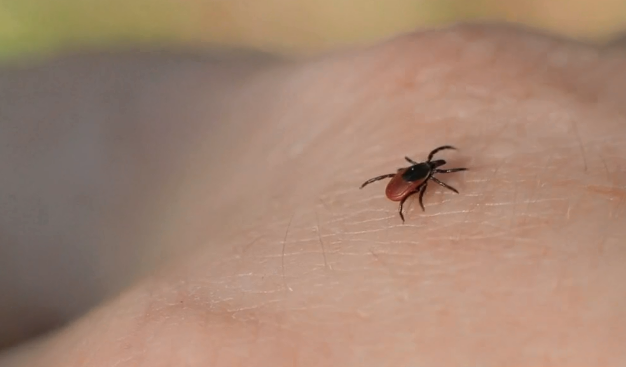
Paralysis ticks are the chief species of concern in Australia, but they are mostly focused on the eastern coast. Adults are blue-grey and measure about one centimetre in length.
Lyme disease, probably the most infamous tick-based illness, is not endemic in Australia, but allergic reactions and a condition called "tick paralysis" are still possible.
Health Direct advises that most people bitten by ticks will mostly notice redness and swelling around the bite site, which will fade when the tick is removed.
Signs of tick paralysis include a rash, headache, fever, flu-like symptoms, sore glands, unsteady walking, an intolerance for bright lights, weak limbs and a paralysed face.
Symptoms of an allergic reaction include a swollen throat, difficulty breathing, or collapsing.
If you have been bitten by a tick and are not sure if you're allergic, or know that you are, seek medical help immediately.
If you know you are not allergic, you can try to remove the tick yourself, by spraying it with something that contains ether, which should kill the tick and force it to drop off in about five minutes.
Trying to yank the tick out, or to burn it or use any other substance to kill it is not advised.
If the tick or part of the tick remains embedded, seek medical advice.
NSW Health confirmed to nine.com.au the above-average rainfall associated with La Nina meant more tick activity than usual was suspected.
"The best way to prevent tick bites is to avoid tick prone areas such as natural bushland; wear and tuck in a long-sleeved shirt and long pants tucked into socks; wear light coloured clothing; use an insect repellent that contains DEET, Picardin or oil of lemon eucalyptus," a department spokesperson said.
"If you suspect you have been bitten by a tick seek professional medical advice."
Wellington public servants advised to stay home or conceal their identity during freedom protest
Wellington government workers have been advised to work from home or conceal their identity, due to concerns they could be targeted by protesters. The Freedom and Rights Coalition is staging a protest in the capital from tomorrow…