Tag Archives: oceania

UFOs captured on video by pilot

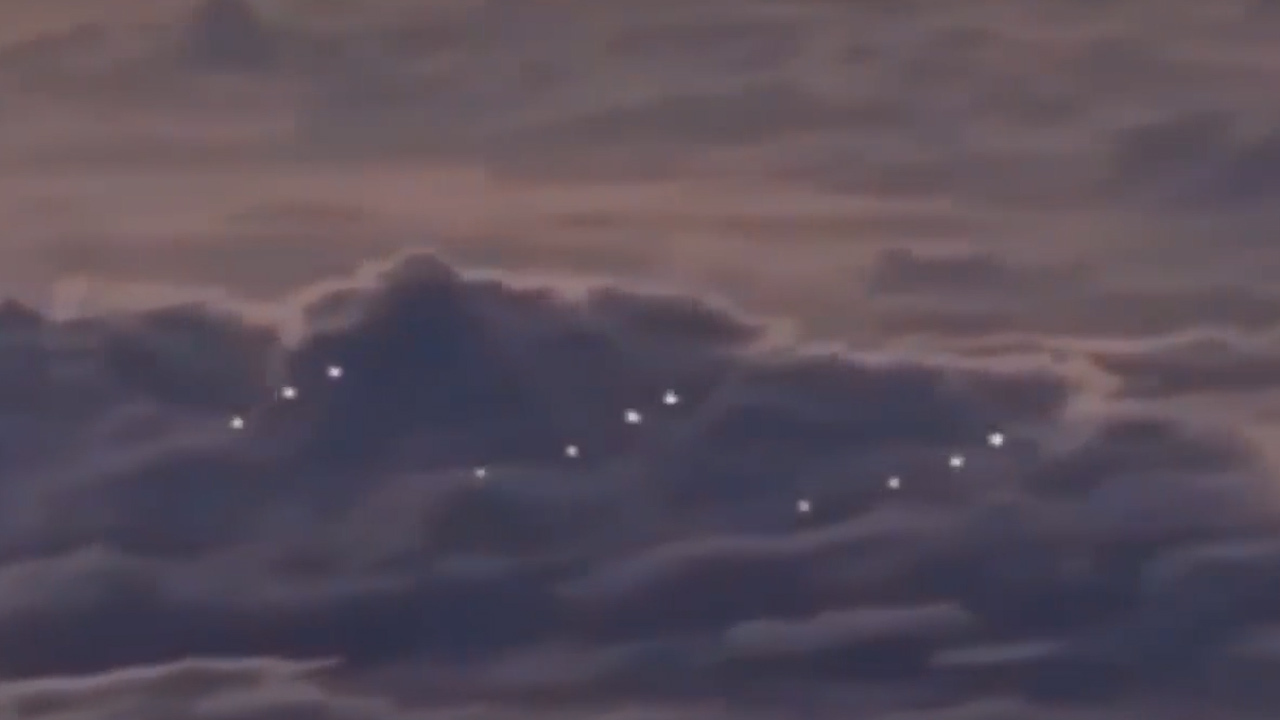
The pilot was flying over the South China Sea when he spotted the light formations through the clouds near Hong Kong.

Three sets of lines of white orb-like objects can be seen in the video shining through the clouds.

The objects appear to be dipping in and out of the clouds as they fly in together in an erratic way.

READ MORE: China scrambles to contain fallout of giant Evergrande debts

Unidentified flying object spotted above the Pacific Ocean.

In the video, one person can be heard saying: "I don't know what that is. That is some weird s—."

Some users on social media speculated the objects could be reflections from the cockpit glass or military flares.

Similar footage was filmed by a woman on December 9 from the Chino Hills region of California.

According to her, the orbs were first spotted by her grandson while he was taking out the rubbish.

Giant fox traced into snow on frozen lake

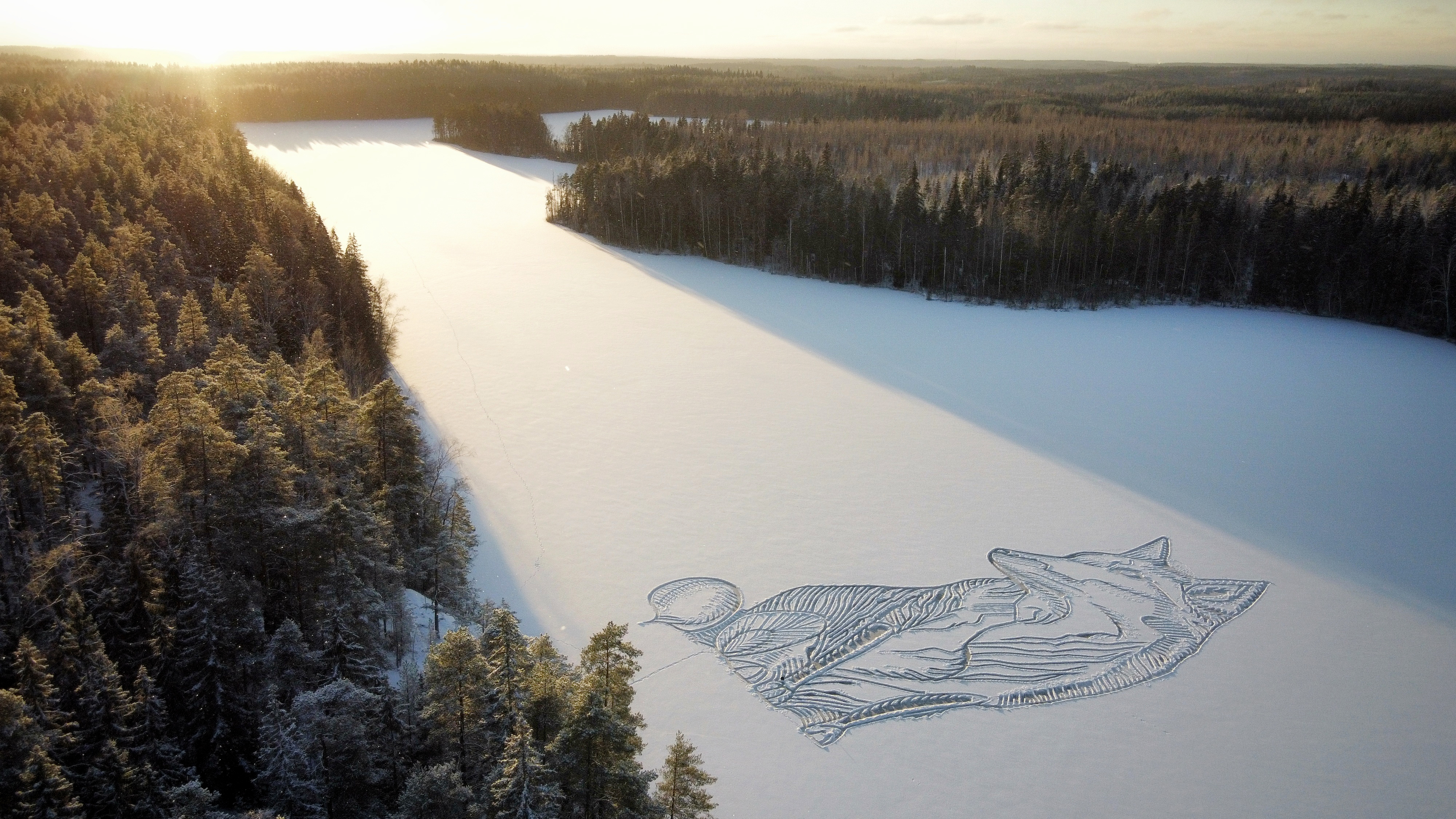
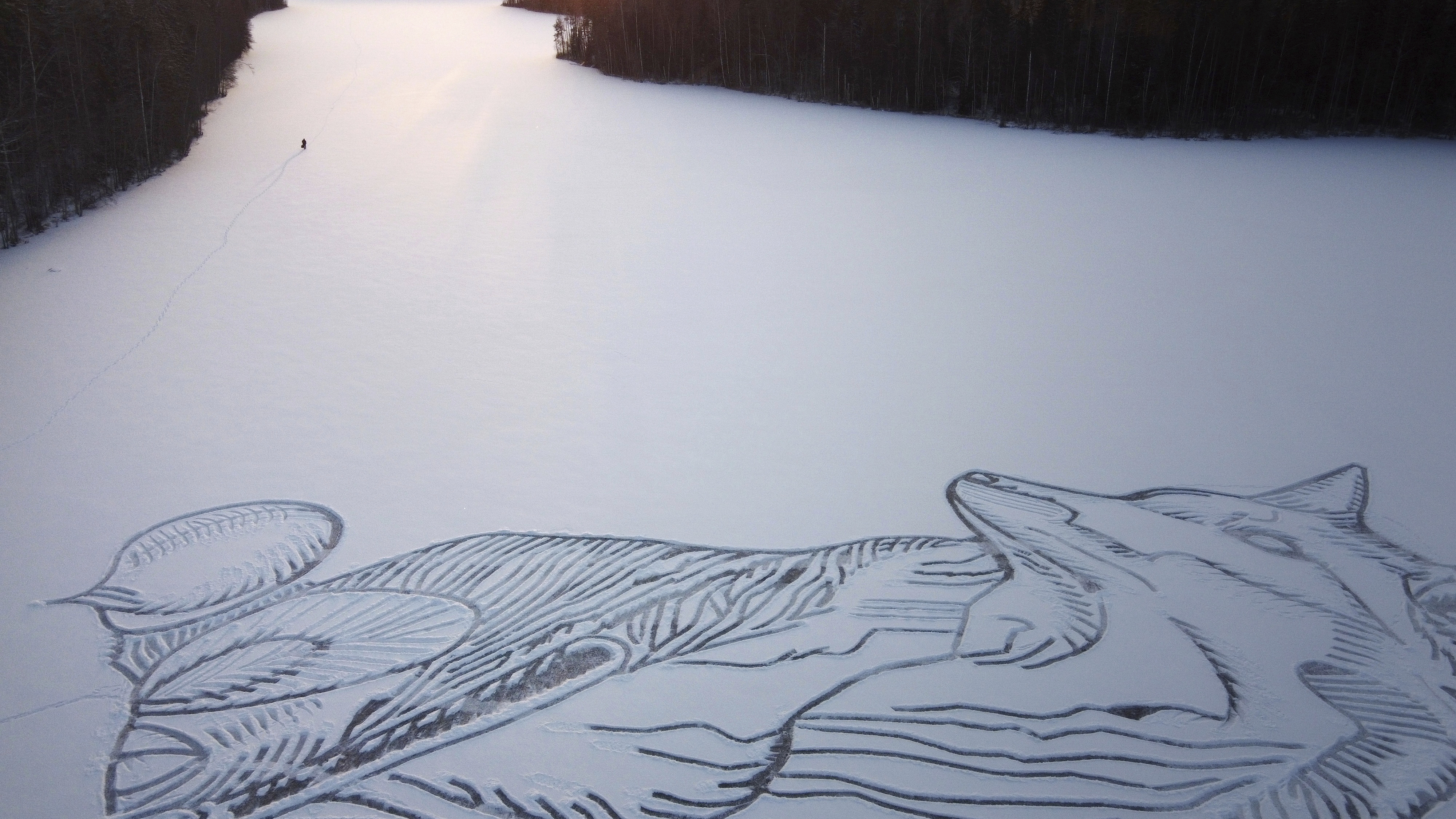
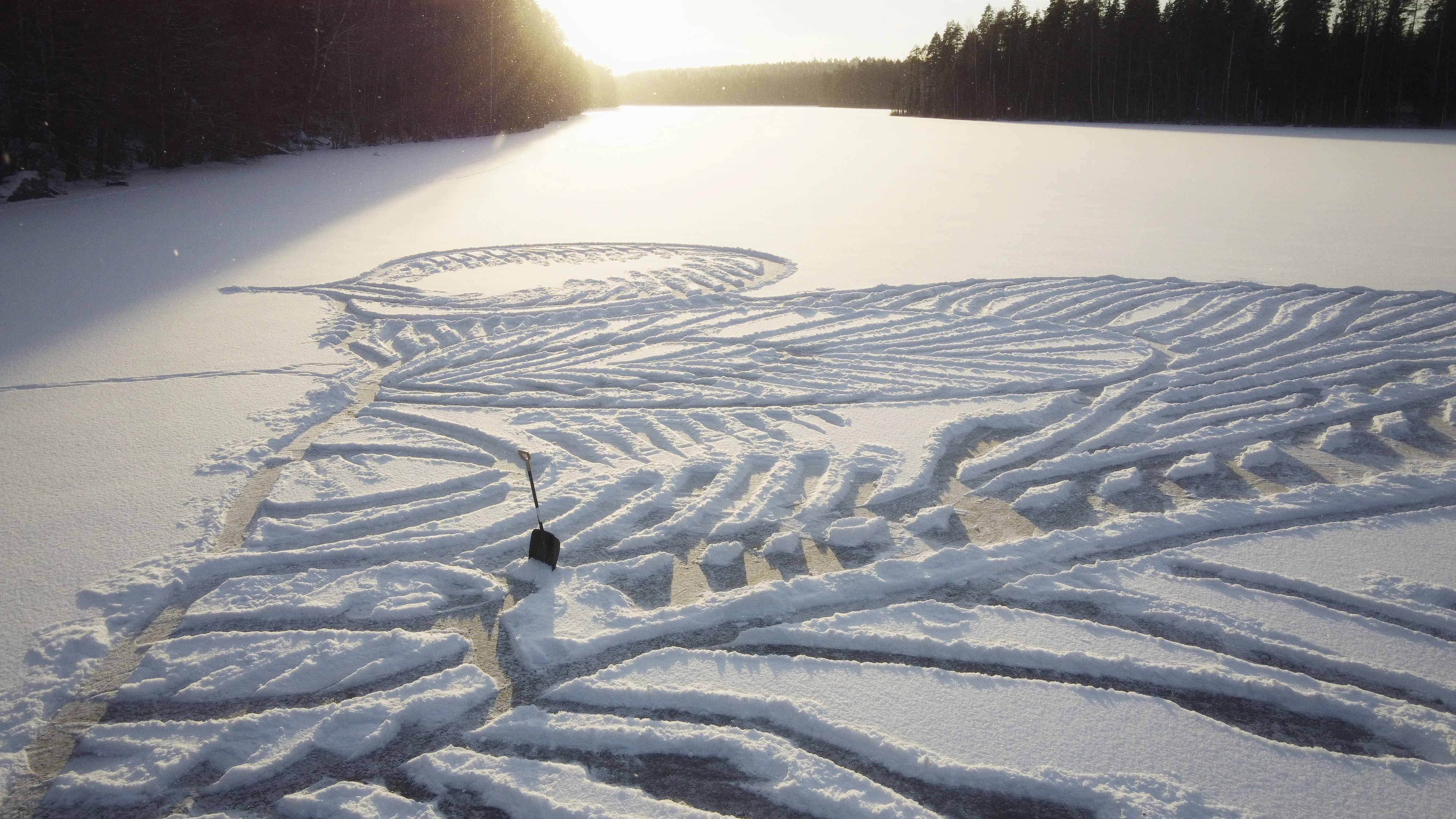
An architect-designer in southern Finland has returned to a frozen lake with a snow shovel to draw a large animal on the ice for the sixth year in a row, creating an artwork that he hopes will "make people happy and encourage them to go out to hike in a beautiful nature."

On December 4, Pasi Widgren drew a fox that measures about 90 metres from nose to tail on Lake Pitkajarvi, north of Helsinki.

In previous years, he used a shovel to sketch a bear and an owl, always using the same lake as his canvas.

LIVE UPDATES: PM hails 'biggest scientific discovery of pandemic'

Widgren has drawn animals on local lakes every winter since 2016 near his home in a village not far from Lahti, a town of 120,000.

The drawings disappear when more snow falls or when the ice melts.

The idea for the ephemeral art came "suddenly a couple of years ago when I realized I may have a special ability of coordination to do this kind of things myself," the 40-year-old told The Associated Press.

READ MORE: China scrambles to contain fallout of giant Evergrande debts

When he reached Lake Pitkajarvi this month, he tested the thickness of the ice to make sure it was dense enough to walk and work on. At 10cm-15cm thick, it was.

"Of course, I had ice awls with me, around my neck," in case the ice cracked and he had to rescue himself, Widgren said.

"Then I sketched the contours of the figure by walking and thinking it to match my image of fox at the same time and then I started to 'draw' by using (the) snow shovel."

READ MORE: Christmas parties could spark Omicron wave

READ MORE: North Korea's Kim Jong-Un at critical crossroads

Four hours later, Widgren was done.

"I walked to the top of the cliffs" 45m above the lake "to look at the end result, drank coffee from my thermos bottle and took some photos and videos as a memory of doing this."

The fox was less visible by Monday because it has snowed a little, Widgren said.

"It's very important to me also that making this kind of art doesn't leave any (marks) to nature," he said.

How COVID-19 restrictions are changing tomorrow

Coronavirus restrictions are set to further ease in New South Wales and other states from tomorrow as vaccination rates ramp up.

Major changes will take place in NSW, where unvaccinated people will be able to enjoy the same freedoms as the vaccinated for the first time.

While density limits will be axed, along with masks and QR codes in a range of places.

Here are all the changes set to take effect from Wednesday, December 15 across the country.

READ MORE: Rise in NSW COVID-19 cases will not impact restrictions relaxing
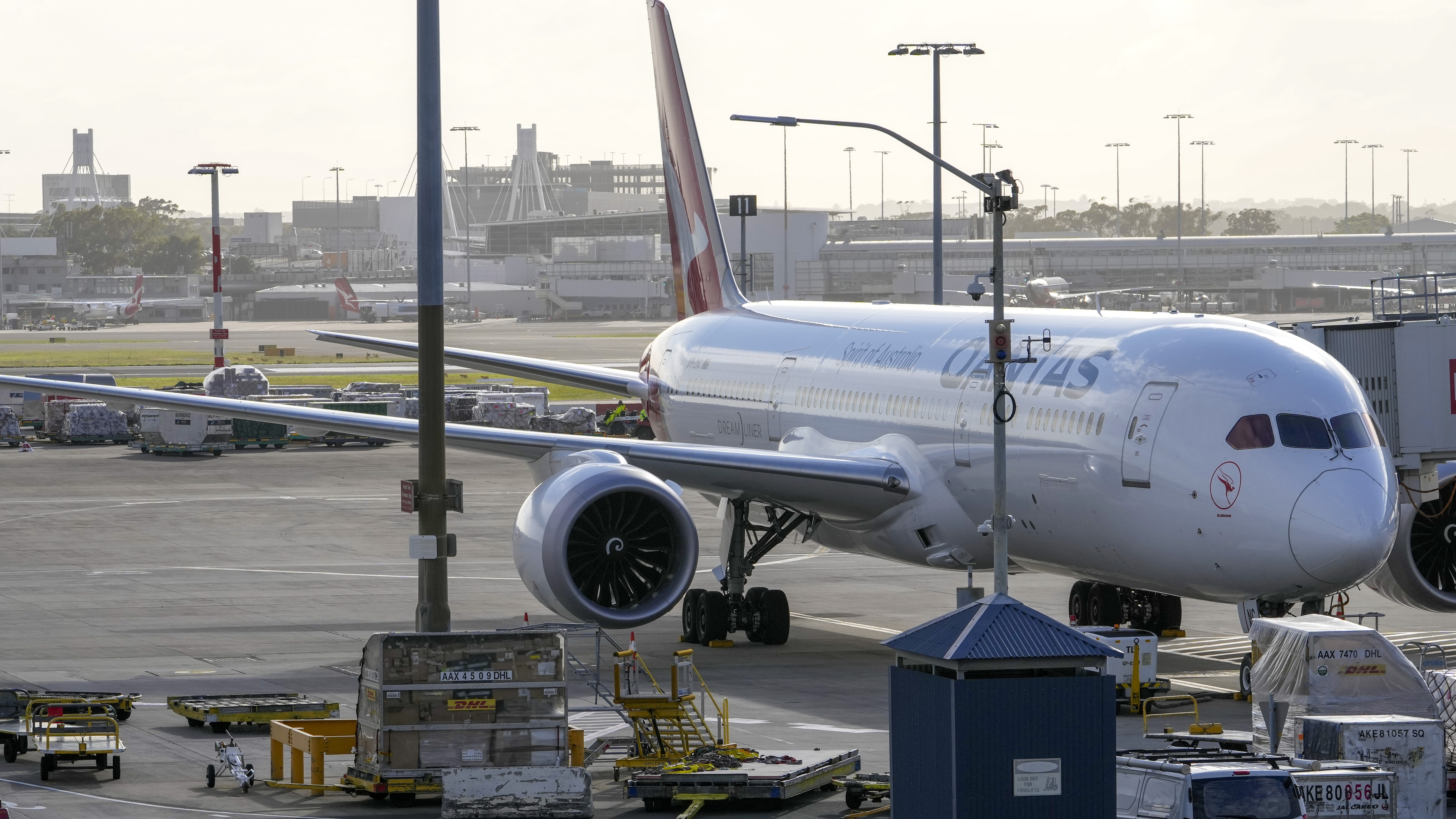
A plane arrives at Sydney Airport.

New South Wales

Masks and QR codes

Masks will only be required on public transport and planes; at airports; and indoors for front-of-house hospitality staff who are not fully vaccinated.

However, masks will be strongly encouraged in settings where you cannot social distance.

QR code check-ins will be scrapped and only required at the following locations:

  • Hospitals
  • Aged and disability care facilities
  • Gyms
  • Places of worship
  • Funerals or memorial services
  • Personal services (including sex services)
  • Pubs, small bards and registered clubs, nightclubs and strip clubs
  • Indoor music festivals with over 1000 people

Retail and personal services

Non-essential retail stores will remain open to everyone, regardless of vaccination status.

There will be no limits for personal services such as hairdressers, spas, beauty salons, tattoo and massage parlours.

Sex-on-premises services can open.

COVID-safe plans will be optional for businesses.

READ MORE: All the COVID-19 rules changing in NSW from December 15

Restrictions scrapped for unvaccinated

Unvaccinated people in NSW will be permitted to re-enter hospitality venues, retail stores and gyms.

International travel

Fully vaccinated international travellers will no longer need to quarantine when they arrive in NSW from December 15.

However, people must still do a PCR test and if they are not fully vaccinated, quarantine on arrival for 14 days.
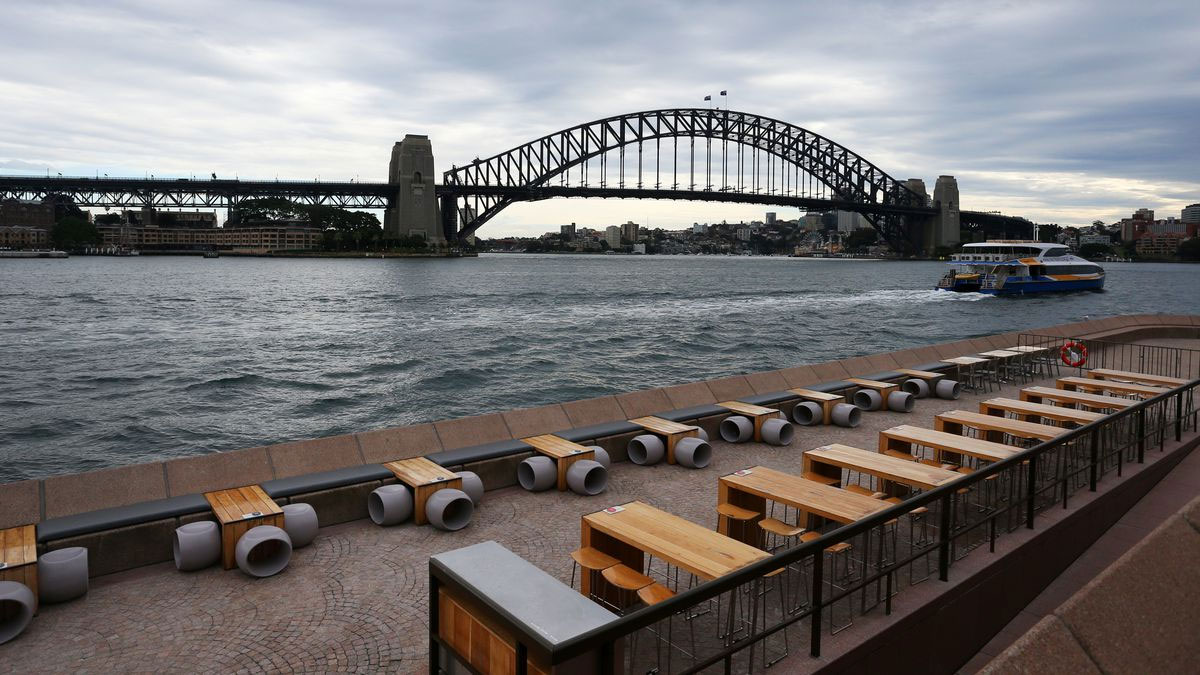
With the Delta outbreak spreading rapidly, a two-week lockdown was announced for all of Greater Sydney on June 26. It was first full-city lockdown for Sydney since 2020.

Victoria

Victoria's mask mandate is expected to be eased in the coming days in retail settings, to fall in line with the NSW measures after December 15.

However, the state's new pandemic laws have prevented the Victorian Government from confirming the changes.

Victoria's state of emergency will be replaced with the new laws at 11.59pm tomorrow, preventing the government from foreshadowing any changes to rules or making them public before they go through "proper processes".
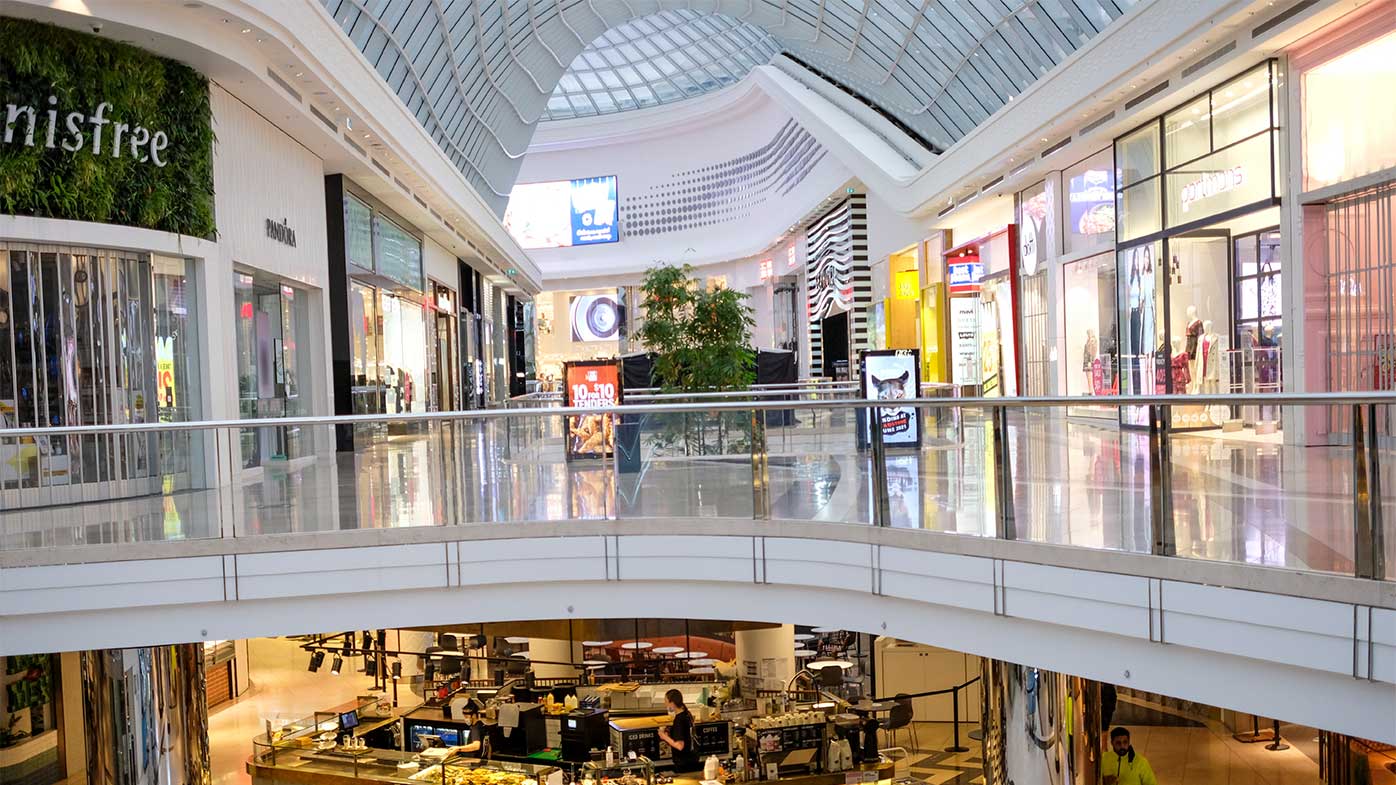
An empty Chadstone shopping centre on Victoria's first day of lockdown.

Tasmania

From December 15, travellers from anywhere within Australia will be able to enter Tasmania, as long as they are fully vaccinated.

People from high-risk areas must return a negative test result within 72 hours of travel.

Fully vaccinated international travellers also won't need to quarantine from December 15 if they return a negative PCR test 72 hours before their arrival.

International travel for visa holders

International students will be permitted to enter Australia, along with fully vaccinated eligible visa holders, without needing to apply for a travel exemption.

The new rule applies to visa holders in Australia seeking to leave the country and return.
Australian fossil reveals more about how first fish migrated to land

Australian-led research has provided new evidence about how the first fish to migrate to the land might have made the leap.

Flinders University led the new investigation into a 330 million-year-old fish fossil found in Queensland.

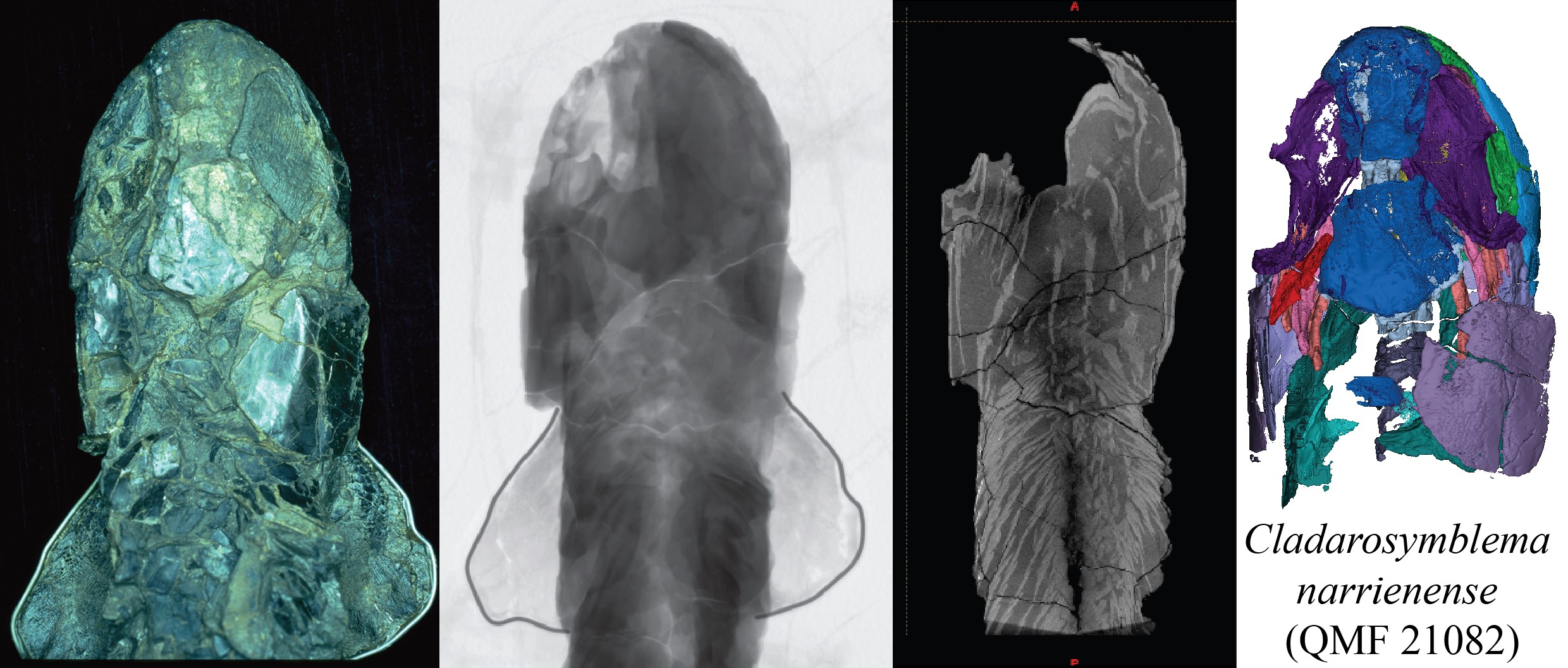
The fish, a Cladarosymblema narrienense, was an ancestor of the first land animals.

LIVE UPDATES: PM hails 'biggest scientific discovery of pandemic'

Cladarosymblema is a type of 'megalichthyid' fish, a group which existed from the Devonian-to-Permian periods, typically living in freshwater environments, and they were large, predatory animals.

Through sophisticated CT scanning of the fossil, researchers found evidence it had a brain similar to its eventual terrestrial descendants, compared to the brains of other fishes which remained living in water.

"This fish from Queensland is one of the best preserved of its kind in the entire world, in perfect 3D shape, which is why we chose to work on it," John Long, Strategic Professor in Palaeontology at Flinders University, said.

READ MORE: China scrambles to contain fallout of giant Evergrande debts

While this fish was first described in 1995, by Professor Long and others who had earlier explored and excavated the Queensland fossil site, parts of its anatomy have remained unknown.

But some of those hidden secrets have been revealed by Australia's largest CT scanner, now at Flinders University.

New information obtained from often unseen internal bones has been revealed by the new scans – particularly in the gill arch skeleton, the shoulder girdle and the palate bones (the upper mouth roof area).

READ MORE: Christmas parties could spark Omicron wave

"Additionally, a cranial endocast (mould of the internal cavity of this fish's unusually large skull) gives clues as to the shape of the brain of this animal," says Dr Alice Clement, lead author of the new paper and part of the Flinders Palaeontology Group.

"The area for the pituitary gland (so-called the 'master gland') is relatively large, suggesting a significant role in regulating various important endocrine glands."

The research has been published in PeerJ.