Police attended two large disturbances involving boy racers overnight – but took no action apart from speaking to those involved.The first, in an industrial area along Rosebank Rd in the Auckland suburb of Avondale, was reported…
Tag Archives: oceania
Covid 19 Delta outbreak: Kiwi mum home after virus fight flooded with messages
A Hamilton mother who shared her Covid-19 fight for life in hospital has gone home to find her inbox flooded with messages from complete strangers thanking her for convincing family members to get vaccinated. “The whole thing was…
Local Focus: Have yourself a very crafty Christmas
It’s a treasure trove of handmade arts and crafts.For many people, the Hawke’s Bay Arts and Crafts Christmas Bazaar, now in its 26th year, is the only place to shop for Christmas gifts.Bazaar administrator Marita McCormick-Duncan…
Colossal winged reptile is largest known flying animal ever to live
The bones of an extinct reptile tell a story of how this ancient creature took an 2.4-metre leap of faith in the air to take flight, new research has revealed.
The pterosaur Quetzalcoatlus, the largest known flying animal that ever lived, boasted a 12-metre wingspan that would allow it to soar through the sky, according to a research collection published Wednesday by the Society of Vertebrate Paleontology.
Scientists were puzzled for decades at how such a large creature could fly, said coauthor Matthew Brown, director of vertebrate paleontology collections at The University of Texas in Austin.
READ MORE: More than 30 tornadoes carve path of destruction across US
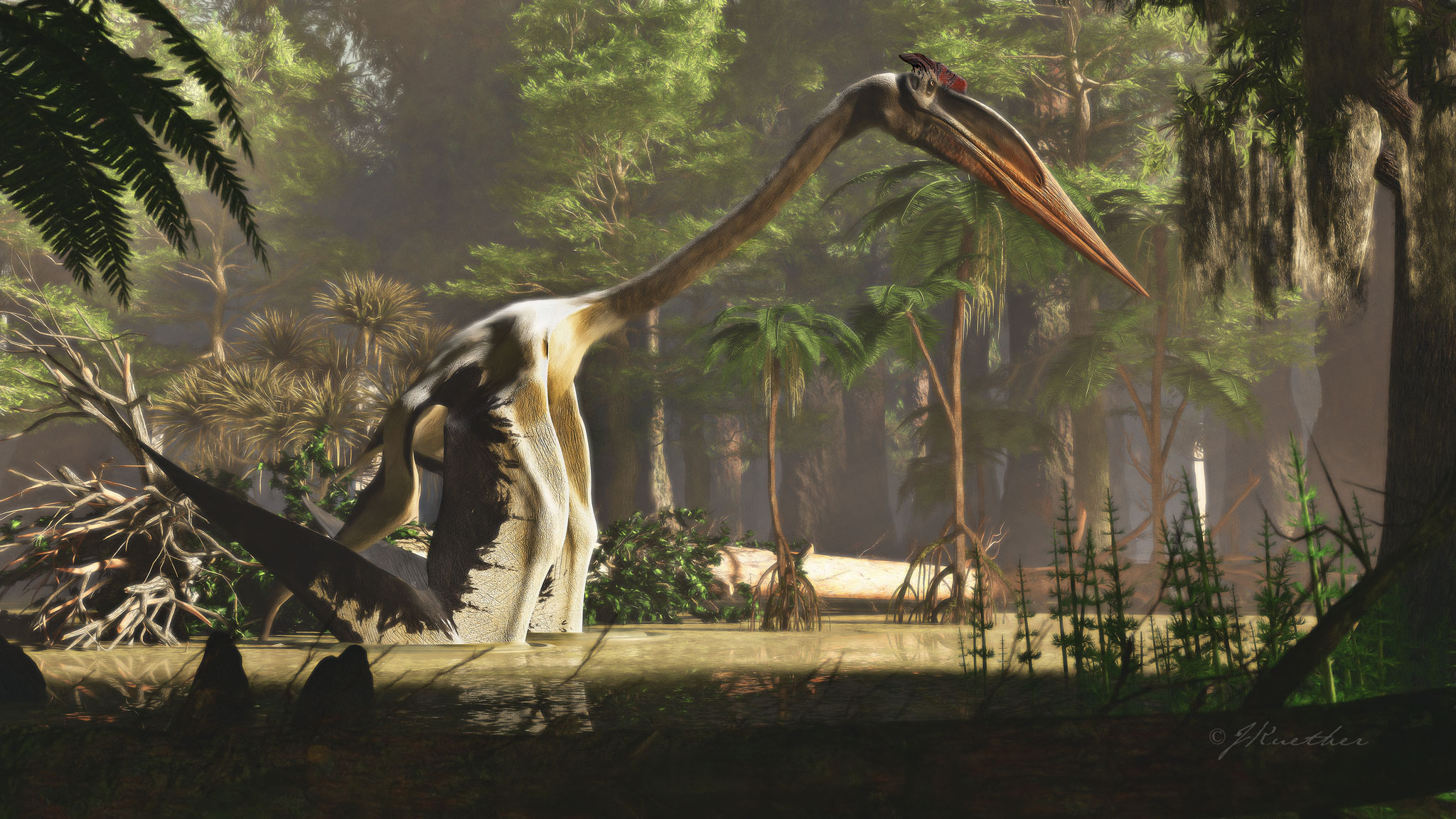
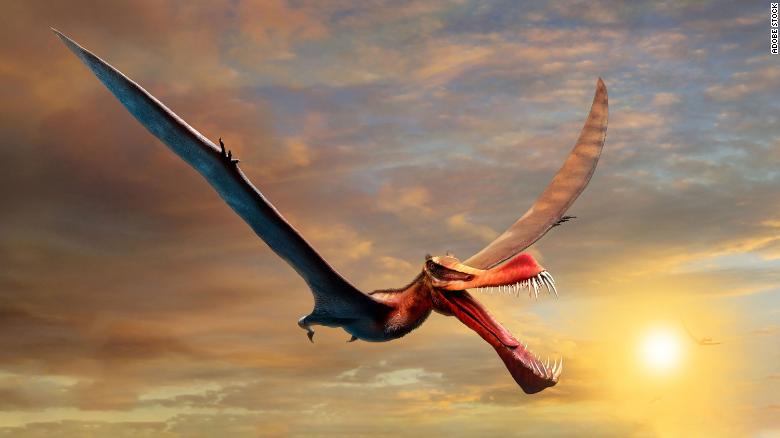
After years of research, Mr Brown's team discovered Quetzalcoatlus likely took to the sky like a fighter jet off an aircraft carrier – punching 2.4 metres off the ground before flapping huge wings.
It took nearly 50 years between the time the bones were discovered in Big Bend National Park in Brewster County, Texas, and when scientists could determine how the creature flew. Mr Brown attributes that to the painstakingly slow process of unearthing the bones.
Like many other flying species during that time, this pterosaur had bones that were hollow to aid in flight, Mr Brown said.
"You have these sort of potato chip-like bones preserved in very hard rock, and you've got to remove the bones from the rock without destroying them," he said.
Two new species are discovered
Over the last half century, two new smaller species of pterosaurs were discovered in the national park as well.
At first, the scientists weren't sure if the animals were juvenile versions of the Quetzalcoatlus or a different species altogether.
The researchers took precise measurements of the fossils and ran them through a computer algorithm. If they didn't come back as near matches to the other animal, it was mostly likely another species, Mr Brown said.
READ MORE: South African doctors see signs Omicron is milder than Delta
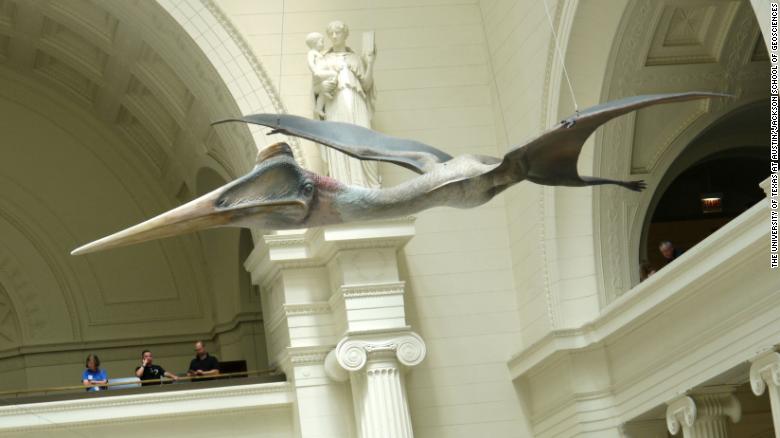
The smaller of the two new species has a blunt beak while the larger species has a long, thin, beak that comes to a point.
The animals lived in a forest oasis over 70 million years ago in what is now Texas, which was home to many bodies of water.
The larger Quetzalcoatlus would have likely used its narrow beak to forage for crabs and worms along the water, according to the research collection. This reptile species also tended to hunt alone.
The smaller Quetzalcoatlus was much more social and would spend time in large groups. Researchers found about 30 of the flying animals together at a fossil excavation.
Missing pieces of the fossil
Scientists have fairly complete skeletons of the smaller species, but only a portion of the original Quetzalcoatlus body.
Mr Brown said he wants to pick up where Douglas Lawson, a former geology graduate student at the University of Texas who discovered the original bones in 1971, left off.
One of Brown's personal goals is to obtain a permit and go out into the national park to find the rest of the animal and collect it.
"That would be hugely informative and would really test a lot of our hypothesis about what these big animals look like based on the small ones," Mr Brown said.
A slow-burning quake is unfolding beneath Kāpiti
Another silent, slow-burning earthquake is unfolding beneath New Zealand – and it could keep rolling on for months to come. Over the past two decades, scientists have come to understand “slow-slip” earthquakes as a common and…
More than 1.5 million Aussies instantly in line for booster
An additional 1.5 million Australians are now eligible to receive their COVID-19 booster shots after they were approved to be administered at the five-month mark.
A booster dose was initially recommended to be given six months after a second dose of the COVID-19 vaccine, to ensure greater protection from the virus.
However, the rollout has been brought forward by a month to help stop the spread of the Omicron variant, with the Australian Technical Advisory Group on Immunisation (ATAGI) backing the decision of the Therapeutic Goods Administration.
READ MORE: Court won't stop Texas abortion ban but lets clinics sue
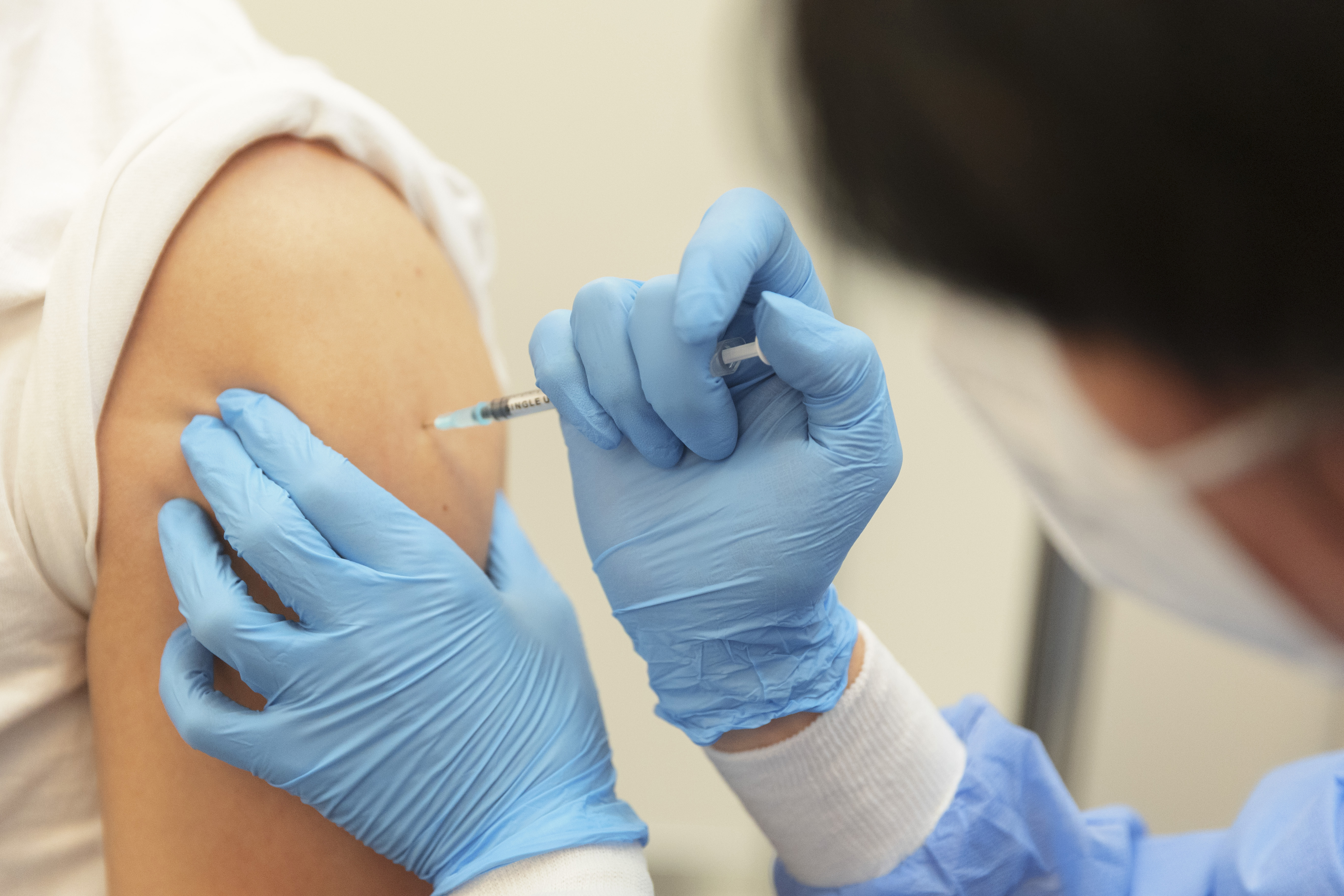
Australians aged 18 and over have the choice to receive either a Pfizer or a Moderna COVID-19 booster shot, irrespective of which vaccine they had previously.
The AstraZeneca vaccine is currently not registered as a booster but remains available to those who cannot have mRNA vaccines.
Federal Secretary of Health Professor Brendan Murphy said the ATAGI had examined the immunity of the vaccines and research found that after six months, protection against COVID-19 had declined.
"There's evidence that by six months there is some declining protection to Omicron and so the ATAGI felt that there was a good reason to get people 'boostered' if possible before that six-month mark," he said.
READ MORE: COVID-19 cases drop in NSW with more restrictions set to ease
Federal Health Minister Greg Hunt said Australia was one of the first countries to roll out a nationwide booster program.
"On the latest advice, it's appropriate, reasonable and safe for somebody to get the booster from five months," he said today.
"By the end of the month, by the start of January, 4.1 million Australians will be eligible to have the booster."
Over 8500 GPs, pharmacies and clinics will be providing either or both Moderna and Pfizer boosters.
Mr Hunt said already 683,000 people across Australia have had their booster shots, which was "well ahead of expectations" and "well ahead of schedule".
The country's vaccination rate sits at 93.3 per cent for first doses and 89.2 per cent for second doses.
Victoria University Students' Association Don Binney art work auction decision 'sad'
Victoria University of Wellington will lose some of its mana by auctioning off a work of art by Don Binney created specifically for the university, according to a Wellington art writer. The work – Mana Island – is up for auction…
Person found critically injured in Clover Park, South Auckland
A man is in hospital after being critically injured in an apparent assault in South Auckland.Emergency services rushed to Clover Park on Hollyford Drive shortly after 7.30am today, after reports of a man being assaulted. Read…
Weather: Storm, rain, flooding warnings for North Island, parts of South
Parts of the North Island could be soaked with more than 100mm of rainfall when a low-pressure system rolls into New Zealand this week – and forecasters are also keeping close watch on a forming tropical cyclone. A week of wild…
Covid 19 Delta outbreak: 103 new community cases ahead of Government's traffic light review
COVID LATEST• Is Auckland close to orange? Low case numbers ahead of Cabinet D-day Explainer: What we’ve learned about Omicron and what it means for New Zealand • People who paid man to take 10 shots in one