There are four new cases of Covid-19 in Nelson.The new cases were reported by the Ministry of Health at 1pm today.A spokesperson said three are linked to existing cases and investigations into possible connections for the fourth…
Tag Archives: oceania
Gems from plane crash returned to climber who discovered them
A mountain climber who discovered a cache of precious gems while on a hike in France has been given half of the stones.
The mountaineer found the stash of emeralds, rubies and sapphires on Mont Blanc, western Europe's highest mountain, in 2013.
As required by French law, he handed the box in to police.
LIVE UPDATES: Premier urged to take cautious approach on reopening
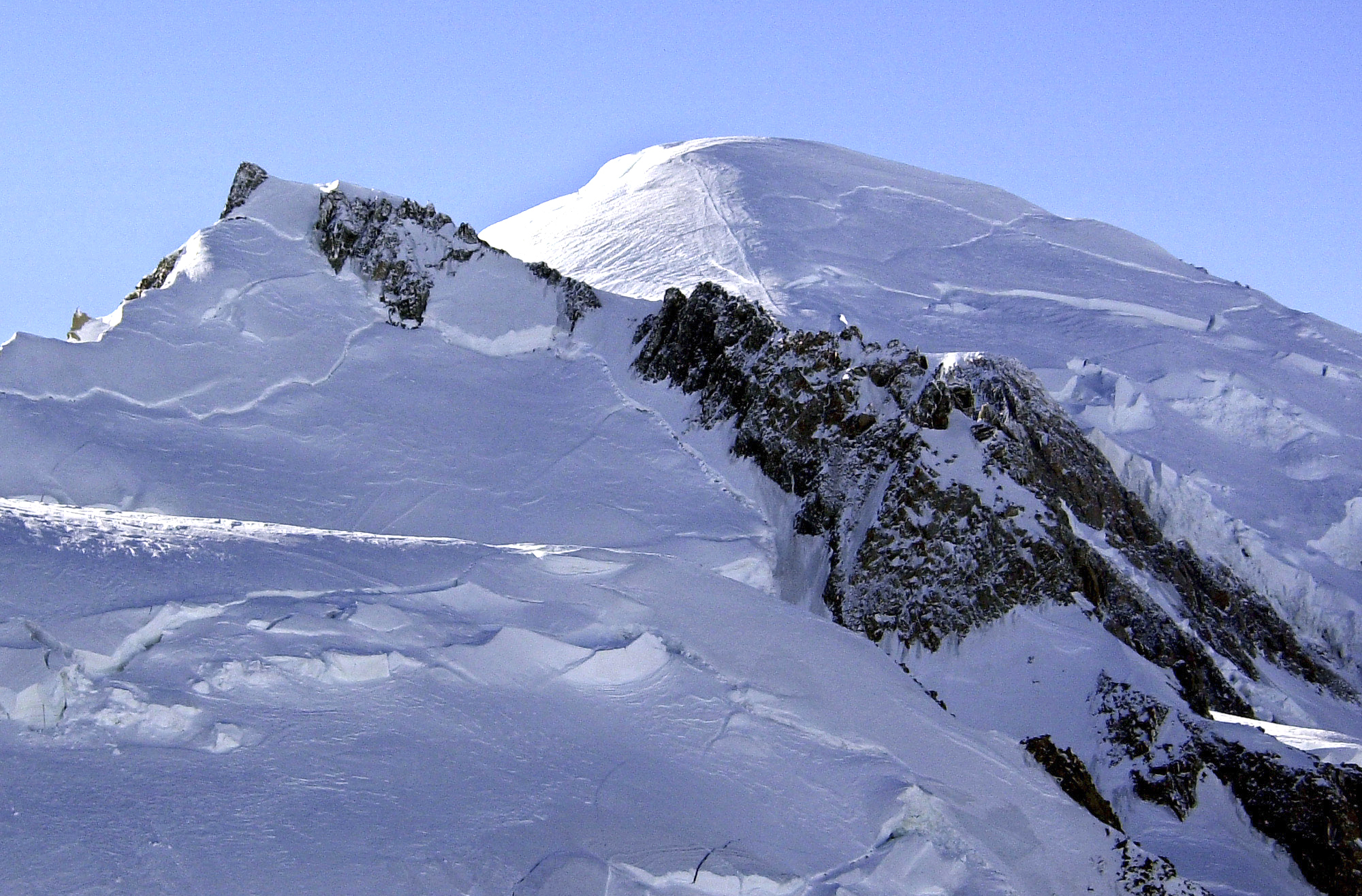
It was believed the gems had been on an Air India flight which crashed into the mountain in 1966.
The flight had been travelling from Mumbai to New York.
However, attempts by French authorities to find the rightful current owner were unsuccessful, the BBC reported.
READ MORE: Police investigate alleged 'Nazi' attack on Sydney political activist
Thus, the gems were split into two equal lots to be divided between authorities and the climber.
Each half was reportedly valued at 150,000 euros ($242,490).
Bob Dole, giant of the US Senate, dies aged 98
Bob Dole, who overcame disabling war wounds to become a sharp-tongued Senate leader from Kansas, a Republican presidential candidate and then a symbol and celebrant of his dwindling generation of World War II veterans, has died. He was 98.
His wife, Elizabeth Dole, said in an announcement posted on social media that he died early Sunday morning (local time) in his sleep.
Mr Dole announced in February 2021 that he'd been diagnosed with stage 4 lung cancer.
READ MORE: Police investigate alleged 'Nazi' attack on Sydney political activist
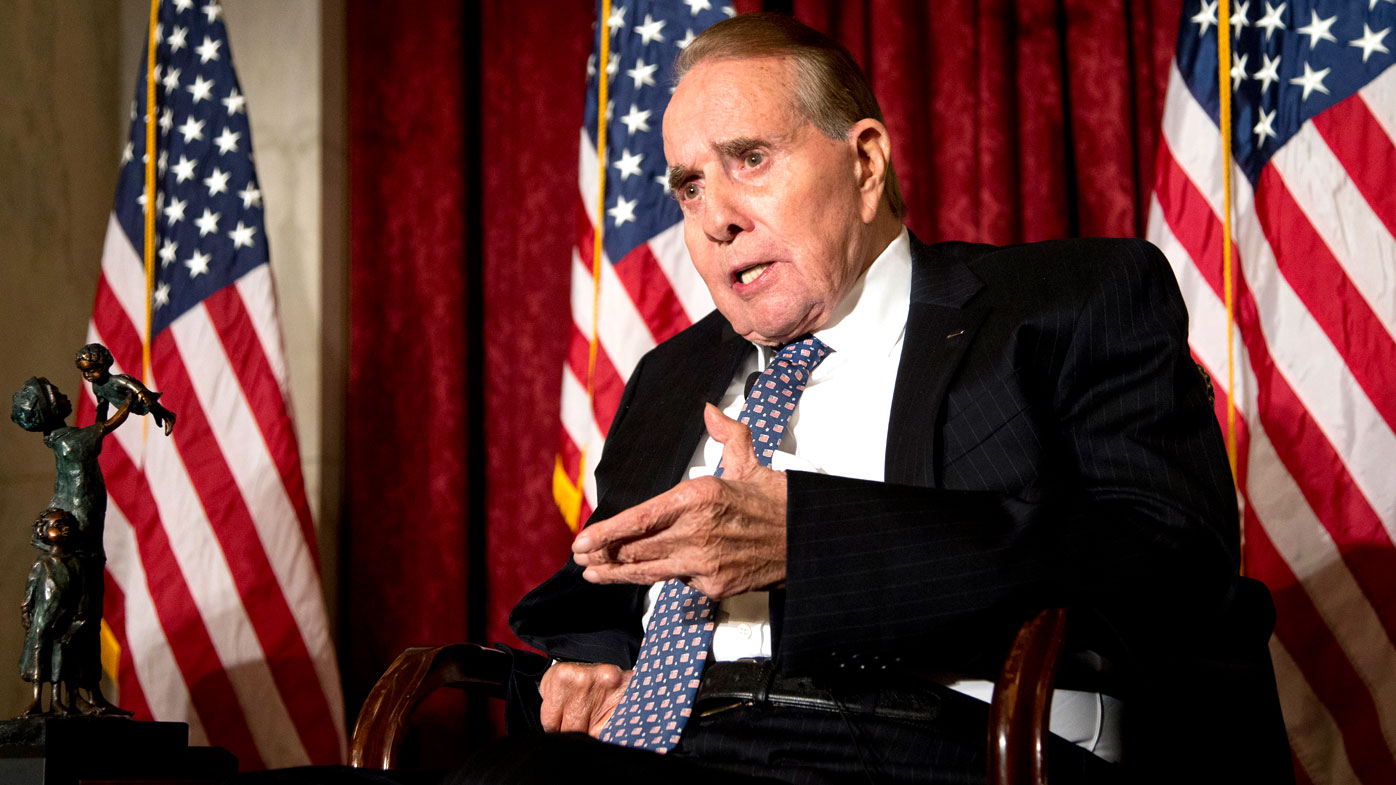
During his 36-year career on Capitol Hill, Mr Dole became one of the most influential legislators and party leaders in the Senate, combining a talent for compromise with a caustic wit, which he often turned on himself but didn't hesitate to turn on others, too.
He shaped tax policy, foreign policy, farm and nutrition programs and rights for the disabled, enshrining protections against discrimination in employment, education and public services in the Americans with Disabilities Act.
Mr Dole devoted his later years to the cause of wounded veterans, their fallen comrades at Arlington National Cemetery and remembrance of the fading generation of World War II vets.
Thousands of old soldiers massed on the National Mall in 2004 for what Mr Dole, speaking at the dedication of the World War II Memorial there, called "our final reunion."
He'd been a driving force in its creation.
"Our ranks have dwindled," he said then. "Yet if we gather in the twilight it is brightened by the knowledge that we have kept faith with our comrades."
Long gone from Kansas, Mr Dole made his life in the capital, at the centre of power and then in its shadow upon his retirement, living all the while at the storied Watergate complex.
When he left politics and joined a law firm staffed by prominent Democrats, he joked that he brought his dog to work so he would have another Republican to talk to.
He tried three times to become president.
READ MORE: NSW accident victims getting dudded by scheme set up to protect them

The last was in 1996, when he won the Republican nomination only to see President Bill Clinton reelected.
He sought his party's presidential nomination in 1980 and 1988 and was the 1976 GOP vice presidential candidate on the losing ticket with President Gerald Ford.
Through all of that he carried the mark of war.
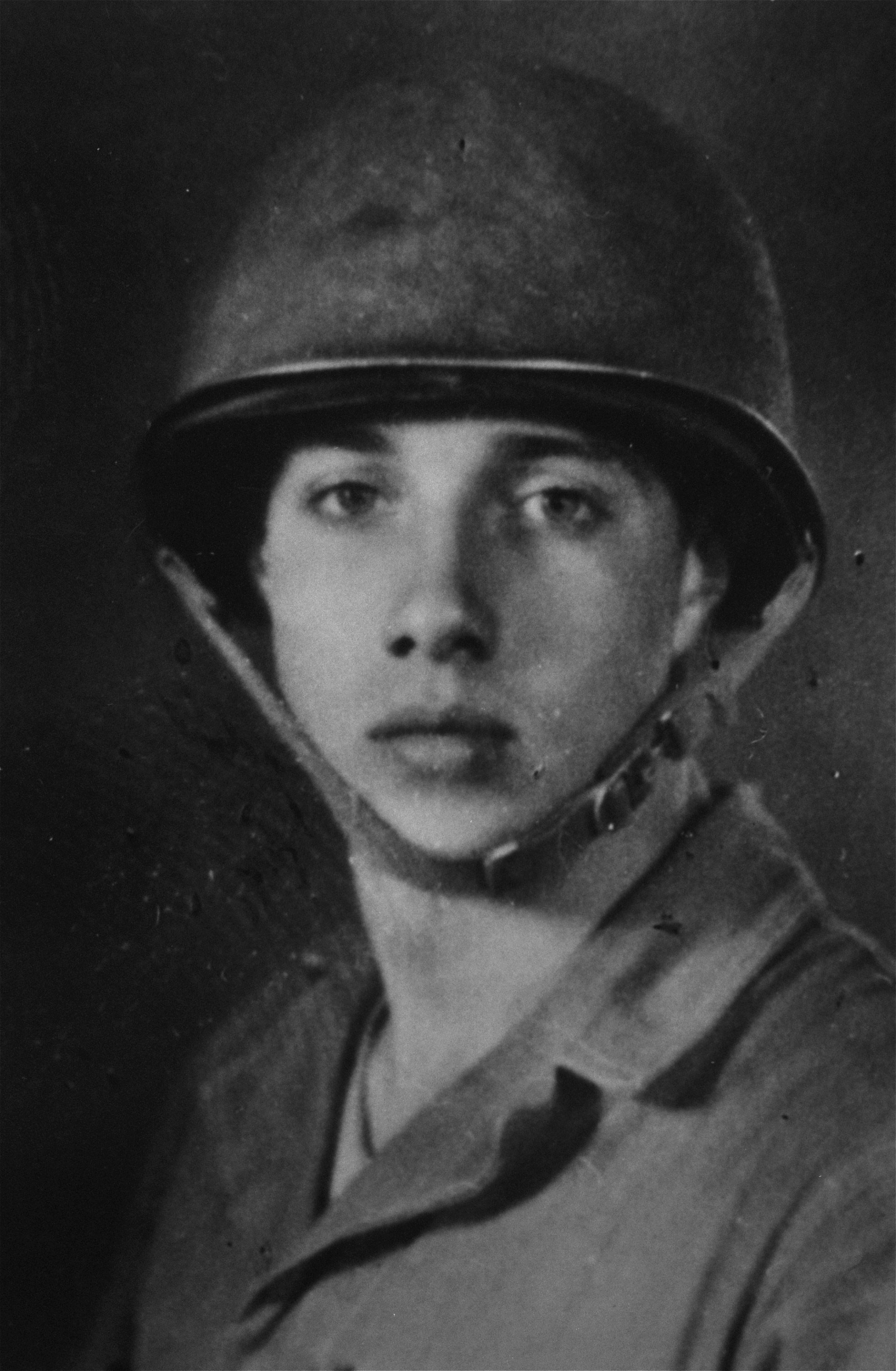
Charging a German position in northern Italy in 1945, Mr Dole was hit by a shell fragment that crushed two vertebrae and paralysed his arms and legs.
The young Army platoon leader spent three years recovering in a hospital and never regained use of his right hand.
To avoid embarrassing those trying to shake his right hand, Mr Dole always clutched a pen in it and reached out with his left.
Mr Dole could be merciless with his rivals, whether Democrat or Republican.
When George H.W. Bush defeated him in the 1988 New Hampshire Republican primary, Mr Dole snapped: "Stop lying about my record."
READ MORE: Man charged with murder after 67-year-old woman stabbed to death in Sydney
If that pales next to the scorching insults in today's political arena, it was shocking at the time.
But when Bush died in December 2018, old rivalries were forgotten as Mr Dole appeared before Bush's casket in the Capitol Rotunda.
As an aide lifted him from his wheelchair, an ailing and sorrowful Mr Dole slowly steadied himself and saluted his one-time nemesis with his left hand, his chin quivering.
Mr Dole also endeared himself to the public as the self-deprecating pitchman for the anti-impotence drug Viagra and other products.
He also continued to comment on issues and endorse political candidates.
In 2016, Dole initially backed former Florida Gov. Jeb Bush for the GOP presidential nomination.
He later warmed to Donald Trump and eventually endorsed him.
But six weeks after the 2020 election, with Mr Trump still refusing to concede and promoting unfounded claims of voter fraud, Mr Dole told The Kansas City Star, "The election is over."
He said: "It's a pretty bitter pill for Trump, but it's a fact he lost."
Robert Joseph Dole was born July 22, 1923, in Russell, a western Kansas farming and oil community.
He was the eldest of four children.
His father ran a cream and egg business and managed a grain elevator, and his mother sold sewing machines and vacuum cleaners to help support the family during the Depression.
Mr Dole attended the University of Kansas for two years before enlisting in the Army in 1943.
New DNA tech to help police catch mystery criminals
The Australian Federal Police will soon be armed with pioneering DNA technology to help stop cases going cold.
If DNA left behind at the scene of a crime does not hit a match on any national data bases, cases can often sit unsolved for years.
But now, thanks to new forensic technology, the AFP will be able to develop a broad picture of what the offender physically looks like, even if that person does not exist in any identity databases.
READ MORE: Police investigate alleged 'Nazi' attack on Sydney political activist

The new technology known as Massively Parallel Sequencing (MPS) can provide predictions for someone's gender, eye colour and, in coming months, hair colour.
MPS is more informative than traditional DNA profiling.
Its true power comes from its ability to obtain leads from DNA when the perpetrator is unknown and there is no matching profile on a law enforcement DNA database.
It can also be used in missing persons and unidentified human remains cases.
READ MORE: Almost $30,000 worth of sheep stolen from Victorian farmer
MPS capabilities will only increase, Dr Paul Roffey, lead scientist behind MPS at AFP Forensics predicted.
"Over the next decade our team will be looking to widen prediction capabilities to include traits such as age, body mass index and height," he said.
"We will also be seeking opportunities to provide fine detail predictions for facial metrics such as distance between the eyes, eye, nose and ear shape, lip fullness, and cheek structure".
The AFP has been testing MPS to ensure its accuracy, before using it in any forensic investigations.
READ MORE: How DNA could blow open Madeleine McCann cold case
$1 million reward announced over man's death in 2020 home invasion
A $1 million reward will today be announced for information about the 2020 murder of Kalim Saliba in Sydney's north-west.
Just before 12.30am on Wednesday, April 29 last year, police were called to a home on Tallowwood Avenue in Cherrybrook after reports two men had broken in.
The residents, an 86-year-old man and an 83-year-old woman, were found with serious head injuries.
READ MORE: TGA approves Pfizer for five to 11-year-olds
They were taken to hospital, where the man, Mr Saliba, died.
Police said at the time they did not believe it was a random attack.
The reward, for information leading to the arrest and conviction of anybody responsible for his death, will be announced at a press conference this afternoon.
Vaccine-rich Australia urged to donate more COVID-19 shots
Rich vaccine-hoarding nations like Australia are coming under increasing pressure to give the gift of the jab amid anger in southern Africa over travel bans and vaccine inequity.
After initially struggling for months to get shots in arms, Australia is at the top of the global list for vaccine supply, on a per capita basis.
There are now enough shots reserved to vaccinate the whole population almost five times over, according to the International Monetary Fund and World Health Organisation.
READ MORE: The country where COVID-19 seems like a curable disease
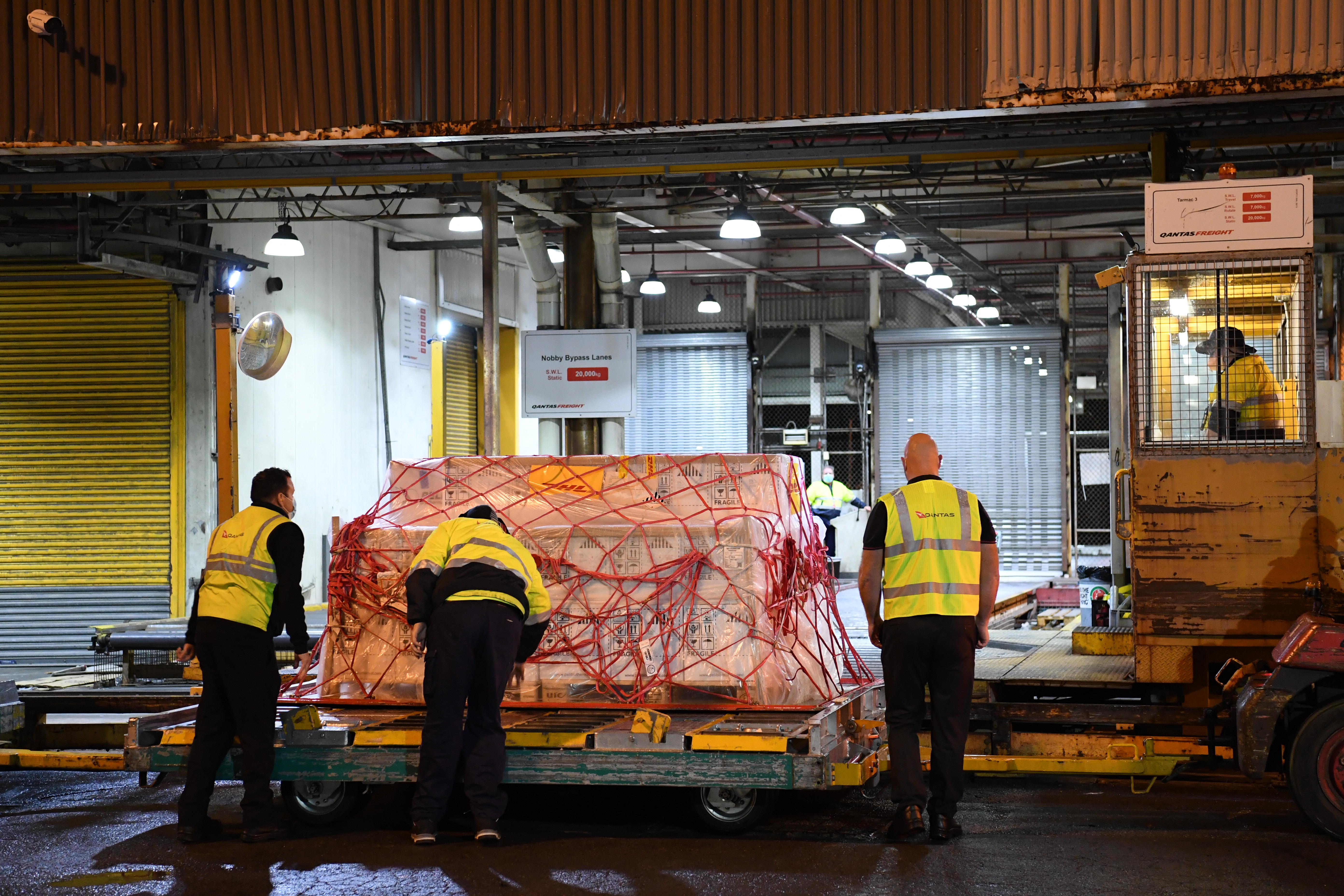
Experts and global health bodies such as the WHO have been appealing for months for rich nations to do more to vaccinate the rest of the world.
Australia has pledged to donate more than most, but has been picky about where those doses go and slow to deliver on those promises, according to a Lowy Institute report from October.
Now, the emergence of the Omicron variant in southern Africa is putting the spotlight back on the way vaccine inequity is threatening both the world's least-vaccinated continent and the rest of the world.
"The virus is a ruthless opportunist, and the inequity that has characterised the global response has now come home to roost," said Dr Richard Hatchett, CEO of CEPI, one of the groups behind the UN-backed COVAX shot-sharing initiative.
Dr Simani Gaseitsiwe is part of the team at the Botswana Harvard HIV Reference Laboratory that sequenced one of the first sets of Omicron samples, if not the absolute first.
The infectious biologist has watched in frustration at the way western countries have slammed their doors shut since his team's work helped uncover the variant.
He's equally bemused by pushes in places such as the United States, Europe and Australia to give boosters to the entire population when only 7 per cent of Africans are vaccinated.
"I think it's some of those lessons that we refuse to learn that something especially for a virus that is this transmissible," he told 9News.com.au.
"If it comes up, if it pops up in any corner of the wild, no part of the world is safe.
"That should be also what guides the distribution of vaccines globally."
READ MORE: Moment surfer realises large shark is hunting right behind him
At US President Joe Biden's September Global Summit to End COVID-19, Prime Minister Scott Morrison committed to share "up to 60 million" doses with the Pacific and South East Asia by the end of 2022 — 40 million from the national supply and up to 20 million through a UNICEF partnership.
Australia has purchase agreements for more than 250 million doses, including boosters, potential variant-specific formulations and shots not expected to arrive until 2023.
A Department of Health spokesperson said 9.3 million shots had been supplied as of Wednesday and more than $600 million allocated to regional vaccine initiatives.
Those numbers, according to the Lowy Institute, put Australia second on the list of most generous countries per capita — 2.3 dose donations pledged per person — but the full picture is more complicated.
In an October report, Lowy Institute research fellow Alyssa Leng and lead economist Roland Rajah said Australia had been "as geopolitical as China", while also noting the logic behind helping neighbours with severe outbreaks such as Fiji and Indonesia.
"Nonetheless, it is also the case that the countries so far being targeted by Australia appear to be doing much better than others in accessing enough vaccines," they wrote.
READ MORE: Accuser's credibility attacked at Ghislaine Maxwell trial
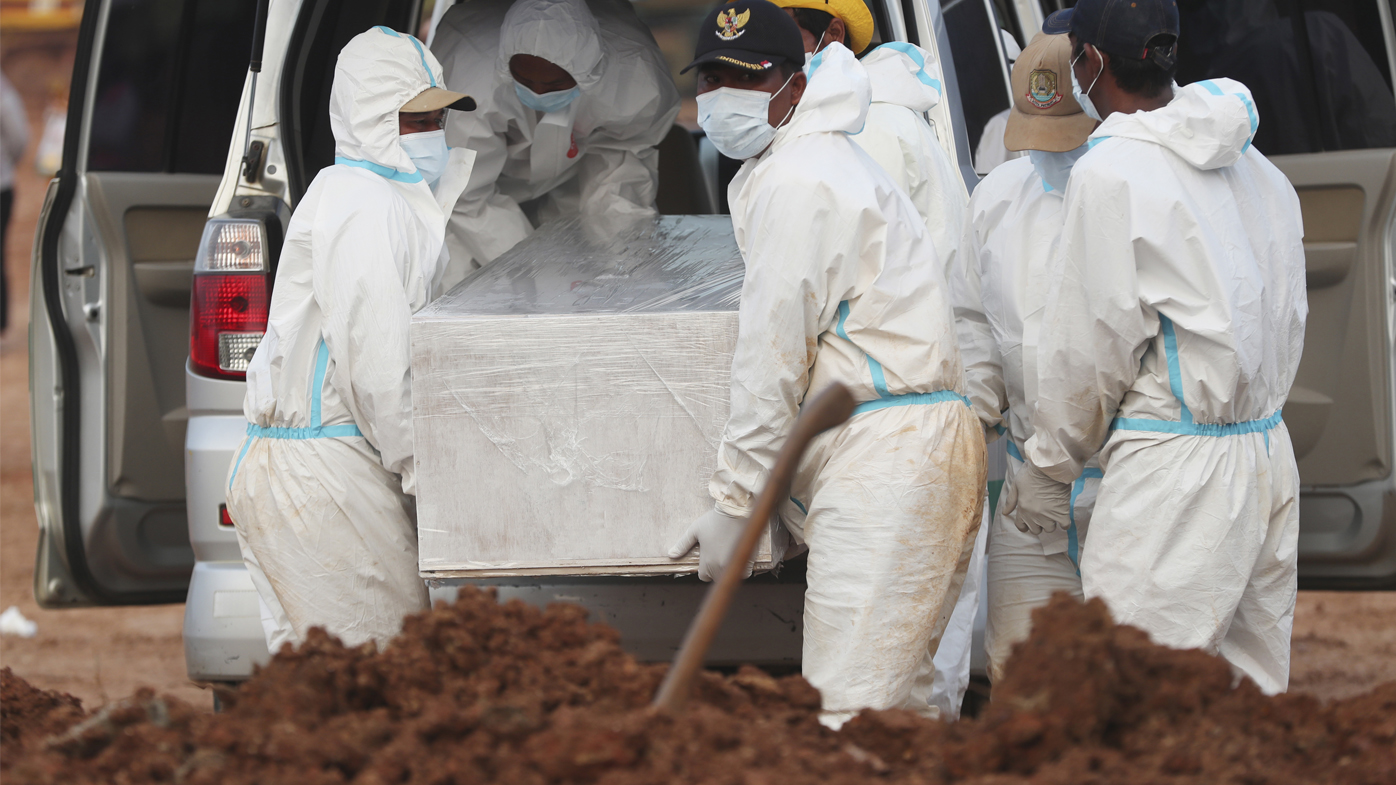
"Most countries in Southeast Asia appear to have secured enough vaccine supplies to cover the majority of their population while Australia has committed to supplying enough vaccines to cover the much smaller populations of the Pacific Islands.
"It is in Africa where a lack of vaccine access is most severe."
Australia has given $130 million to COVAX, but the institute's calculations put that figure at less than half of what the UK and US have spent, per capita, and less than a quarter of the likes of Sweden, Norway and Switzerland.
Having suffered through a lack of vaccinations for months and now faced with a variant that shows early signs of being more transmissible, much of southern Africa is now facing an economic hit from the West's reaction to Omicron.
Botswana is among the half-dozen to a dozen southern African nations affected by travel bans rushed into place from the United Kingdom, United States, Australia and many other countries.
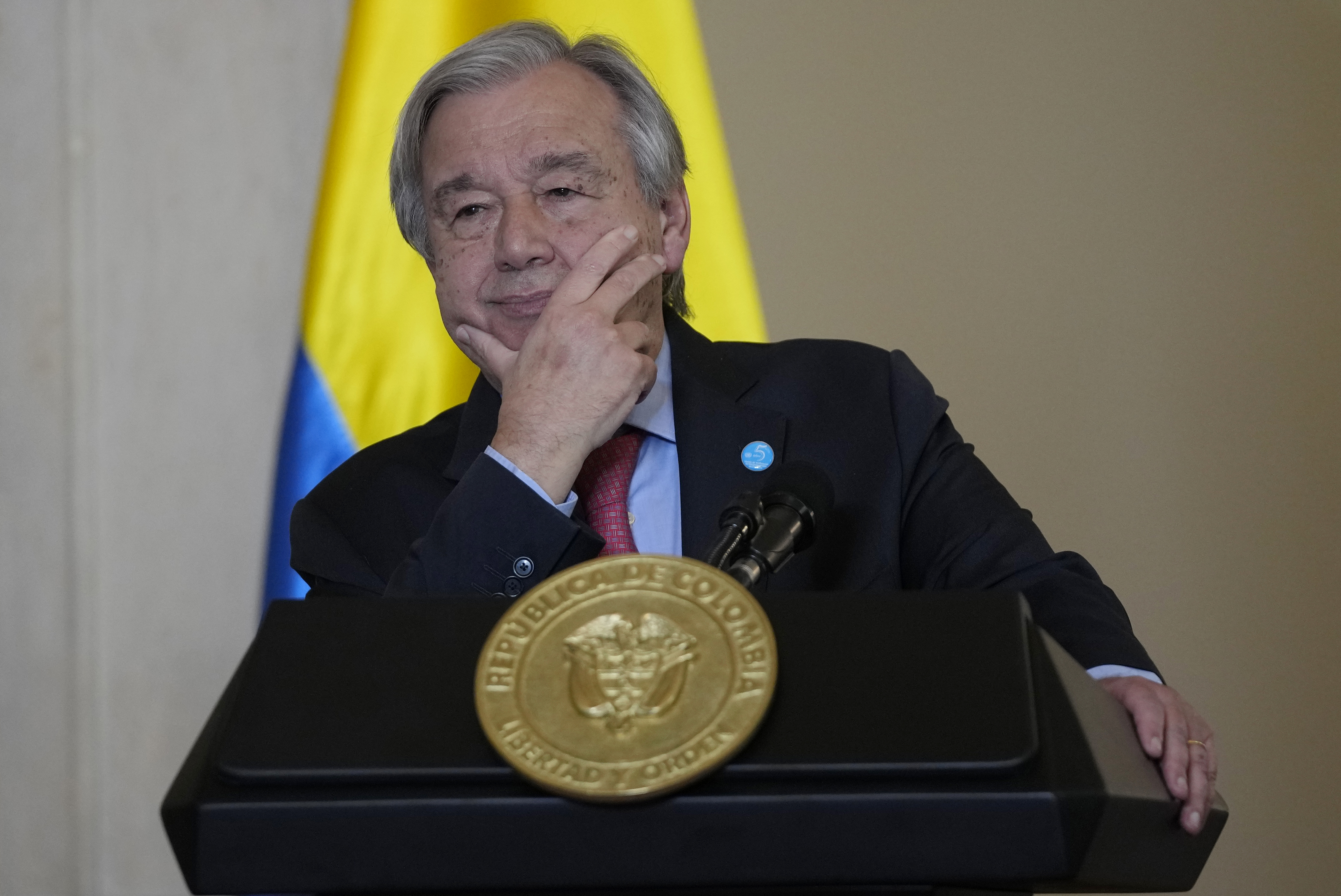
UN Secretary-General Antonio Guterres on Thursday joined a chorus of criticism, calling the restrictions "unfair" and "ineffective".
Australia's Department of Health justified its ban, telling 9News.com.au it came at a time when there was "no evidence" of community transmission in other regions.
"To date, Omicron confirmations in other countries are rising but are confined to travellers and their close contacts," a spokesman said.
"The Department of Health continues to closely monitor the situation and assess the risk."
Overnight, Norway revealed a sudden Omicron variant outbreak had infected at least 50 people.
Dr Gaseitsiwe is one of many researchers from southern Africa sounding the alarm about the effect the bans could have short-term on their ability to learn more about the virus and long-term on countries' willingness to reveal new variants.
Local scientists have even experienced a backlash from some as a result of economic damage from the bans.
"So what is it next time that is going to motivate countries to be able to share this kind of information with the global community timely?" Dr Gaseitsiwe said, criticising the "knee-jerk" reaction.
"Because the next time we want to share this, our ministry might say 'nah, you guys have to be careful, because you know, what happens once a variant of concern is identified in particular'.
"And this is not necessarily Botswana, it could be any country in the world. And you wouldn't blame the country for doing that."
Dr Tulio de Oliveira, director of the research centre that sequenced the first Omicron sample in South Africa, tweeted earlier this week that his team would soon run out of reagents necessary for their testing.
"It will be 'evil' if we can not answer the questions that the world needs about #Omicron due to the travel ban," he said.
https://twitter.com/Tuliodna/status/1465389873611915275
Dr Gaseitsiwe, like most scientists, says it's too early to tell whether Omicron will definitely prove to be more transmissible and if it will evade vaccines, as some fear.
The Botswana Harvard HIV Reference Laboratory, which he used to lead, is now among those leading the charge to find out.
Its scientists are harnessing knowledge gained through decades of respected HIV research to not only sequence more virus samples but design cohorts to test the new variant's real-world effects.
Botswana is not suffering the same massive surge of infections as neighbouring South Africa and its vaccination rate — almost 20 per cent according to Our World in Data — is not as low as much of Africa.
But it still pales in comparison to Australia and even the least-vaccinated countries in Europe where vaccine hesitancy is rife.
Dr Gaseitsiwe highlighted that African countries were dependent on richer countries for doses that now seem likely to instead be used for boosting immunity in already fully vaccinated residents.
"Nobody is safe until everyone is safe, and nobody's safe until everyone else is vaccinated," he said.
– with Associated Press
Scientists shocked by dinosaur's 'bizarre' weaponised tail
A new species of armoured dinosaur discovered in Chile had a weaponised tail not seen before in any other dinosaur.
Roughly 2m in size, the small armoured dinosaur called an ankylosaur dates from the late Cretaceous period, around 71.7 million to 74.9 million years ago.
Its largely complete fossilised skeleton was found in Magallanes province in Patagonia, Chile's southernmost region.
READ MORE: New sea monster with 'arsenal of deadly teeth' discovered
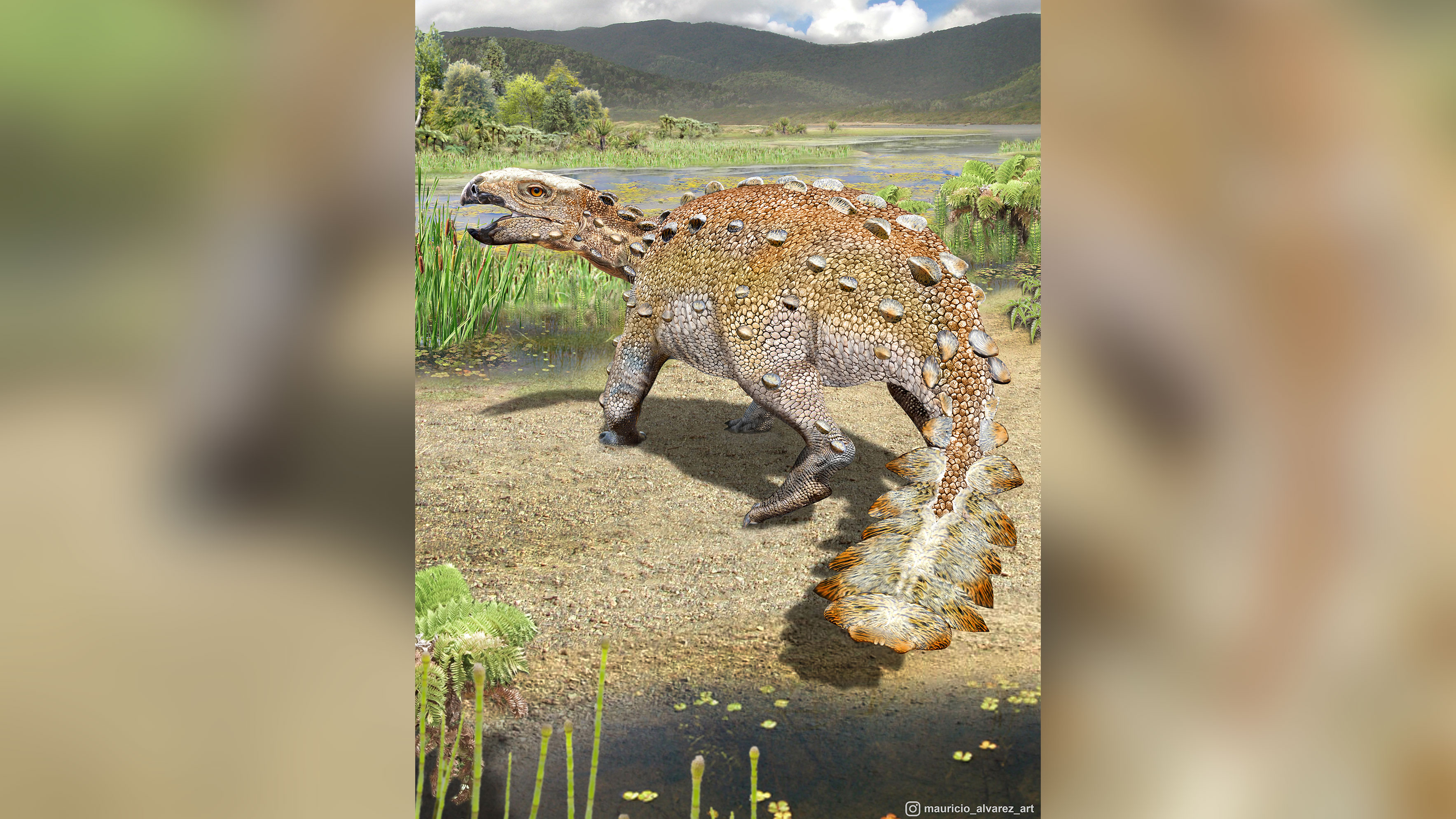
The dinosaur, named Stegouros elengassen, had evolved a large tail weapon unlike those seen in other armoured dinosaurs such as the paired spikes of Stegosaurus and the club-like tail of Ankylosaurus.
While its skull had features in common with other ankylosaurs, its tail weaponry was "bizarre," according to the study, which was published in the journal Nature on Wednesday.
The dinosaur's tail had seven pairs of flattened, bony deposits fused together in a frond-like structure.
"The tail is extremely strange, as it is short for a dinosaur and the posterior half is encased in dermal bones (bones that grow in the skin) forming a unique (tail) weapon," said Sergio Soto Acuña, main author of the study and a doctoral student at the Universidad de Chile, via email.
READ MORE: Indonesia's Semeru volcano spews ash and gas, killing 13 and leaving dozens hurt
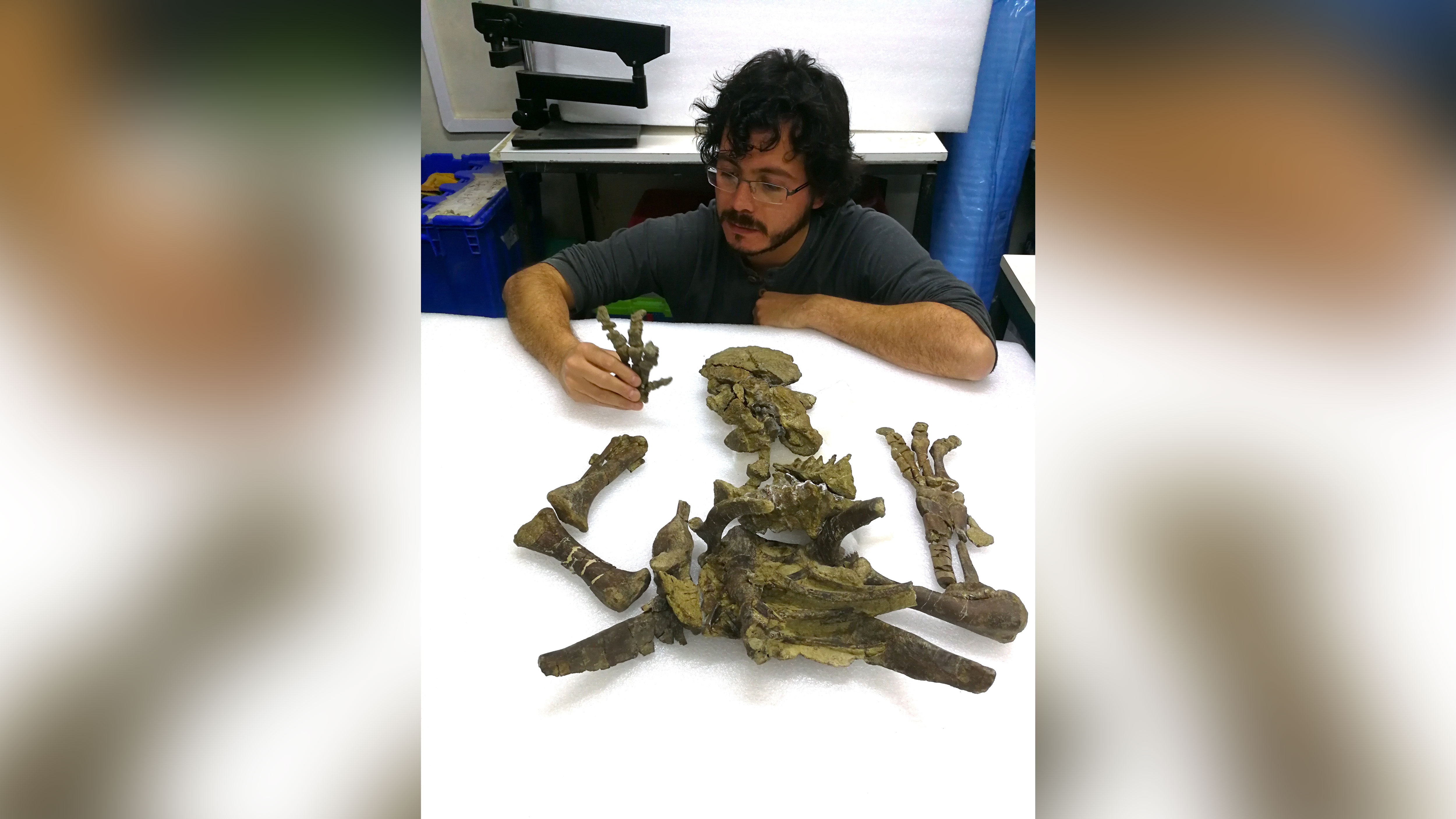
He said it resembled the tail of a rattlesnake or spiny-tailed lizard. But unlike these creatures, the dinosaur possessed true bones under the scales.
The most similar feature would be the tail of a giant armadillo, but they are also extinct, he added.
Stegouros means "roofed tail" in Greek and "elenggassen" is from Aonikenk, the language of the original inhabitants of Patagonia, and refers to a mythological armoured beast. The fossil was found in 2018.
The study noted that very few ankylosaurs had been found from southern Gondwana — the lower part of the ancient supercontinent Pangea.
"Unlike the ankylosaurs of the northern hemisphere, our new dinosaur possesses light armour, slender legs, and a smaller size," he said.
The fossilised plants discovered in the same region indicate that the climate was warmer when this dinosaur inhabited the place — very different from the current cold climate prevailing in Patagonia.
Thirteen dead, dozens injured after Indonesian volcano erupts
The death toll following the eruption of the highest volcano on Indonesia's most densely populated island of Java has risen to 13, with seven people still missing, officials say.
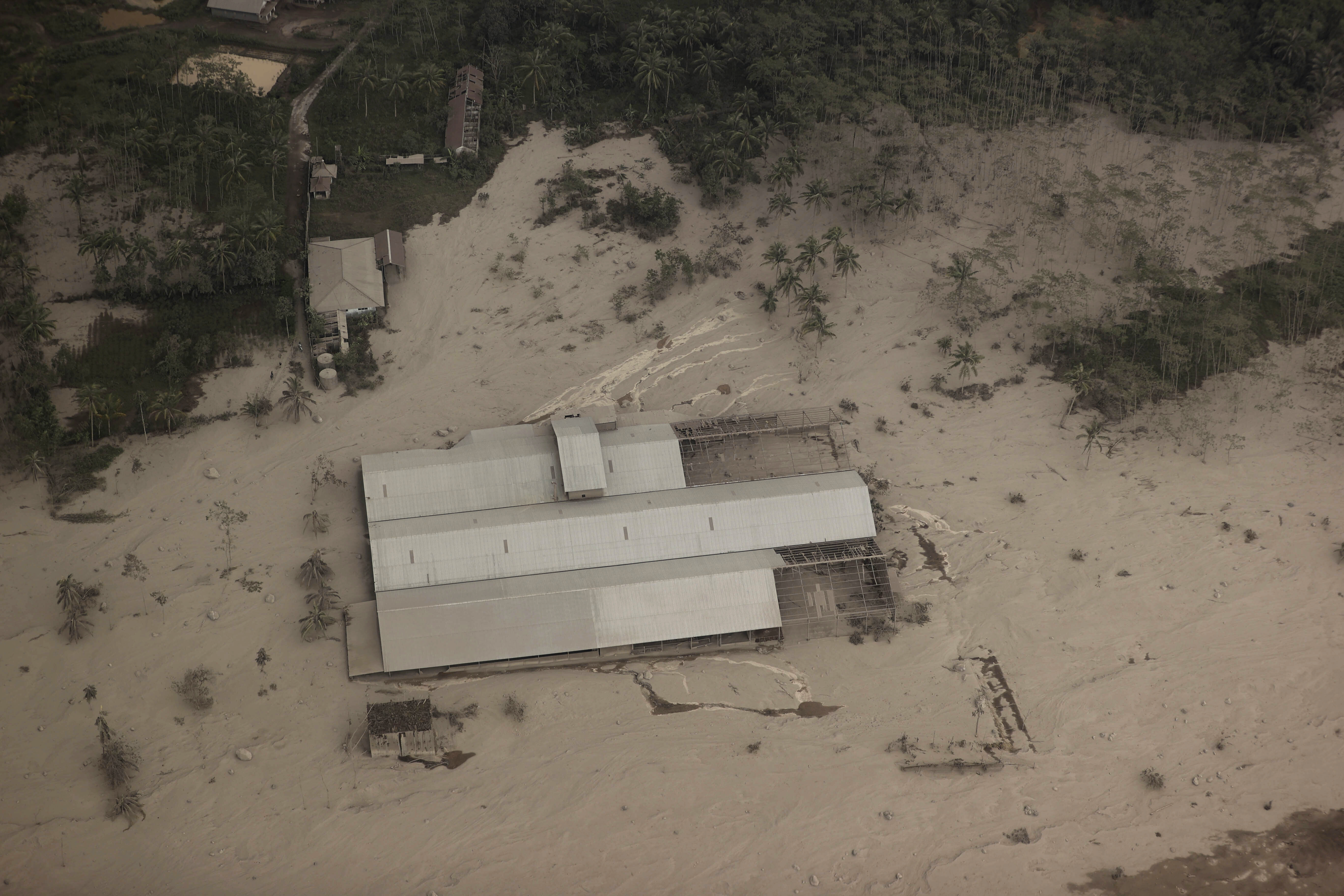
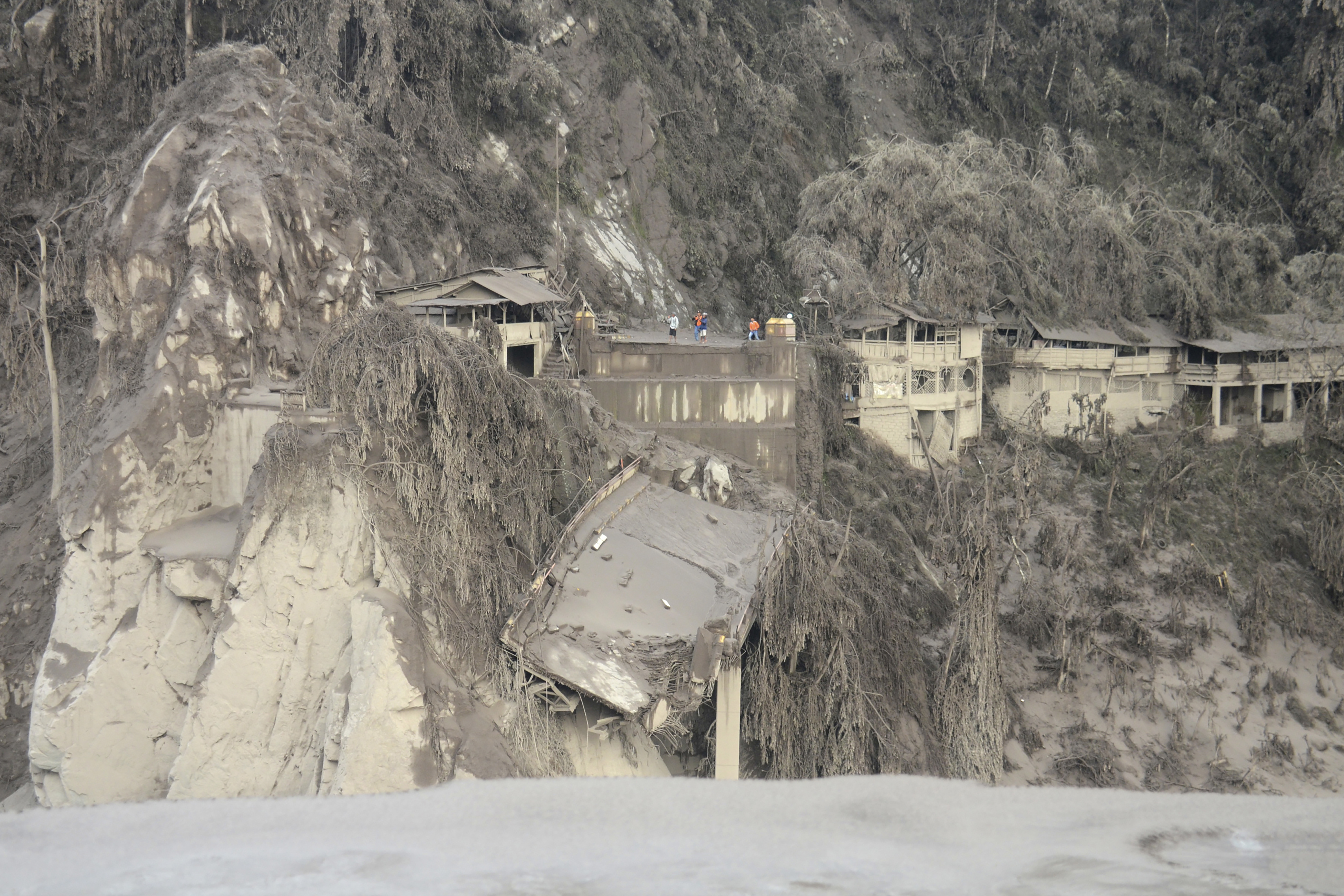
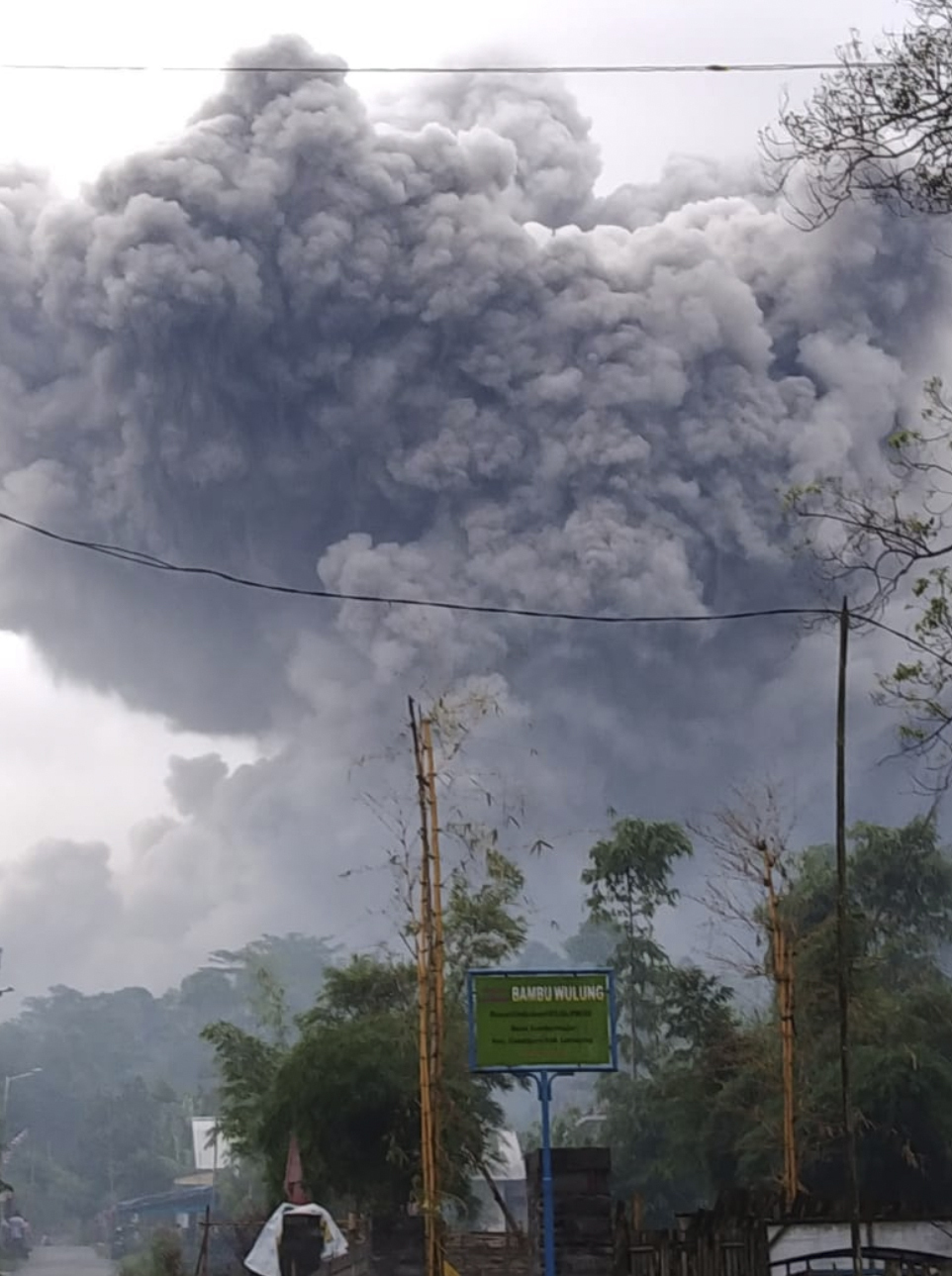
Smouldering debris and thick mud hampered search efforts on Sunday after Mount Semeru in Lumajang district in East Java province spewed thick columns of ash more than 12,000m into the sky on Saturday.
Searing gas and lava flowed down its slopes after a sudden eruption triggered by heavy rains. Several villages were blanketed with falling ash.
READ MORE: Australian man arrested in Bali for drug possession
A thunderstorm and days of rain, which eroded and finally collapsed the lava dome atop the 3676m Semeru, triggered an eruption, said Eko Budi Lelono, who heads the geological survey centre.
He said flows of searing gas and lava travelled up to 800m to a nearby river on Saturday. People were advised to stay 5km from the crater's mouth.
"Thick columns of ash have turned several villages to darkness," said Lumajang district head Thoriqul Haq.
Several hundred people were moved to temporary shelters or left for other safe areas, he said, adding that power blackout hampered the evacuation.
READ MORE: The unstoppable wall of burning rock burying a Spanish island
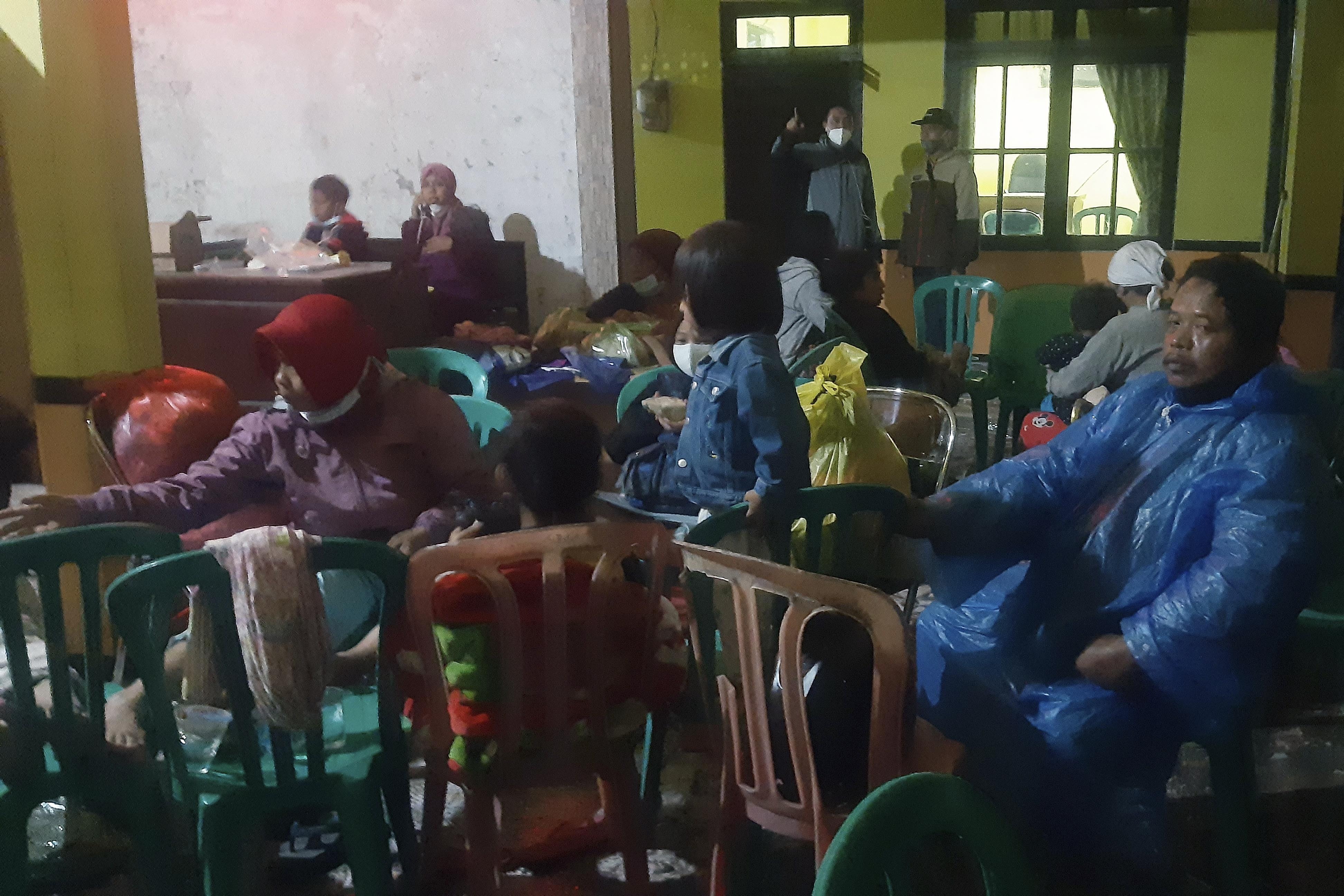
The debris and lava mixed with the rainfall formed thick mud that destroyed the main bridge connecting Lumajang and the neighbouring district of Malang, as well as a smaller bridge, Haq said.
Despite an increase in activity since Wednesday, Semeru's alert status had remained at the third highest of four levels since it began erupting last year, and Indonesia's Volcanology Centre for Geological Hazard Mitigation did not raise it this week, Mr Lelono said.
National Disaster Mitigation Agency spokesperson Abdul Muhari said at least 13 villagers died from severe burns and 57 were hospitalised, including 16 in critical condition with burn injuries.
He said rescuers were still searching for seven residents and sand miners along a river in Curah Kobokan village who were reported missing.
Entire houses in the village were damaged by volcanic debris and more than 900 people fled to temporary government shelters, Mr Muhari said.
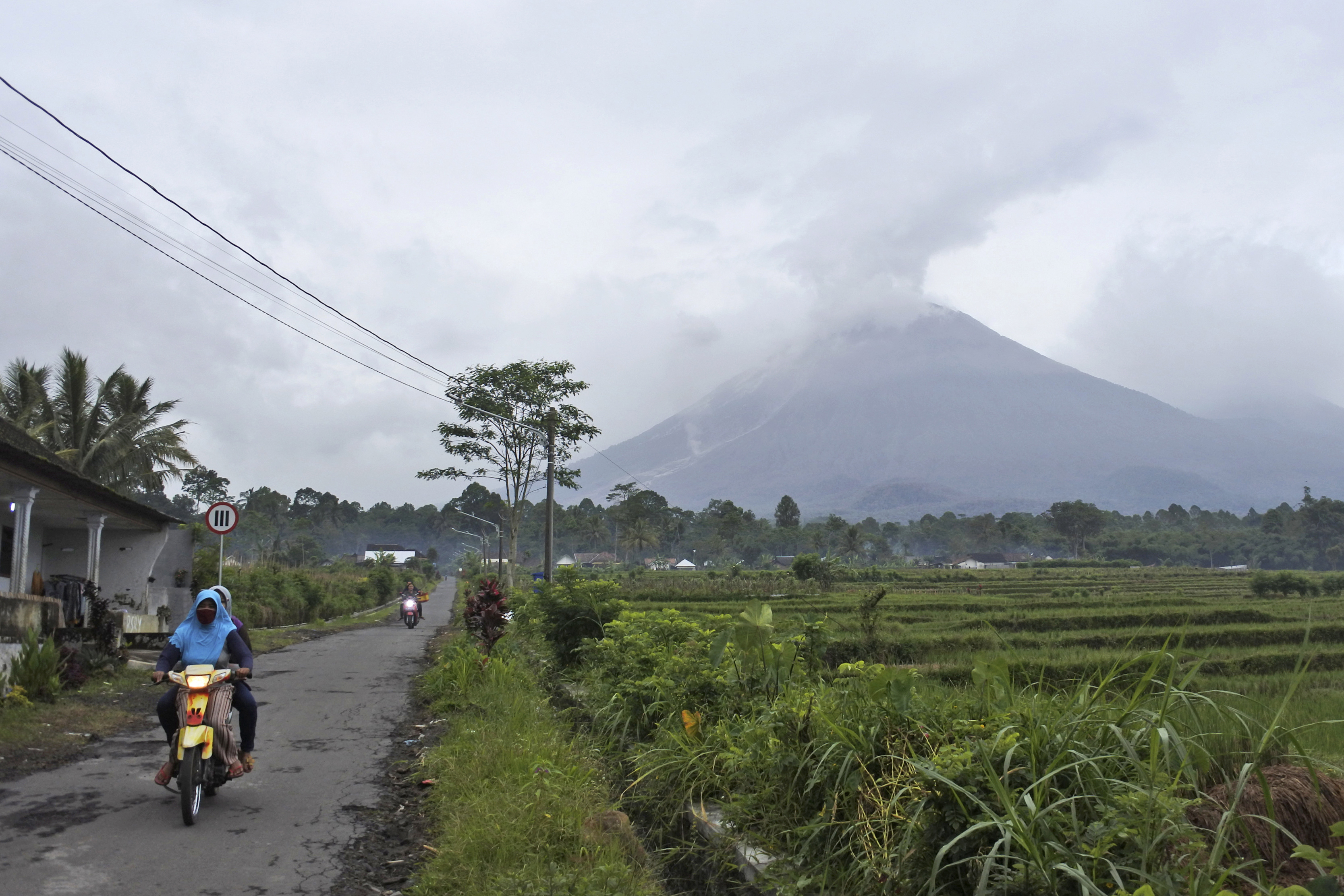
Liswanto, the head of Semeru's monitoring post, said his office had informed the community and the miners that hot ash could tumble down from Semeru's crater at any time, after sensors picked up increased activity in the past week.
But some residents who fled to a government shelter near Lumajang district's head office said authorities did not convey any information to them about the volcano's activities.
"Suddenly everything went dark, the bright afternoon turned into night. A rumbling sound and heat forced us to run to the mosque," said Fatmah, a resident who fled to the shelter from Curah Kobokan, about 5km from the crater.
"It was a far stronger eruption than in January."
Transportation Ministry spokesperson Adita Irawati said her office issued a notice Saturday for all airlines to avoid routes near the volcano.
She said flight operations were still running as scheduled and authorities would continue to monitor the situation.
The Darwin Volcanic Ash Advisory Centre said the spread of volcanic ash from Mount Semeru was detected to the southwest moving at a speed of 50 knots.
Television reports showed people screaming and running under a huge ash cloud, their faces wet from rain mixed with volcanic dust.
The last time Semeru erupted, in January, there were no casualties.
Indonesia, an archipelago of more than 270 million people, is prone to earthquakes and volcanic activity because it sits along the Pacific "Ring of Fire," a horseshoe-shaped series of fault lines.
Gardening Australia host Peter Cundall dies aged 94
Former presenter of Gardening Australia Peter Cundall has died aged 94.
A post on Gardening Australia's Facebook page confirmed the death of the ABC TV host.
Cundall, who was originally from the UK and lived in Tasmania, hosted the show for 18 years.
READ MORE: TGA approves Pfizer vaccine for young children
His family said in a statement he died today.
"On Sunday 5 of December 2021, Peter Cundall passed away peacefully after a short illness, surrounded by his family," it said.
"Peter's privacy, and the privacy of his family, is to be respected during this very sad time.
"Peter's family does not wish to be contacted.
"While he was loved by many, as per Peter's wishes, there will be a private cremation and no memorial services will be held. An obituary is to follow."
Current host of the show Costa Georgiadis paid tribute online.
"Just heard that Peter Cundall has passed away," he wrote.
READ MORE: Queensland records seven new COVID-19 infections
"Called back to the earth he loved and nurtured for a lifetime on World Soils Day.
"Your service & love of nature will continue to shine & be spread like seeds in the wind by those you've inspired for generations.
https://twitter.com/wendy_harmer/status/1467368394282258432?ref_src=twsrc%5Etfw
"May his memory Eternal."
Radio host Wendy Harmer also posted a tribute, saying: "We loved you so much".
Cundall's family requested no photo be used in the announcement of his death, the statement said.
Hail, lightning hit south-east Queensland — and more on the way
South-east Queensland has been battered by wild winds, lightning and golf-ball-sized hail, destroying a single mother's home in Brisbane's south.
And weather forecasters says last night's storm is a taste of what's to come throughout the rest of summer.
The dramatic storm loomed over the Gold Coast, barrelling into a Christmas carols event, before rolling north.
READ MORE: Pfizer jab approved for young children
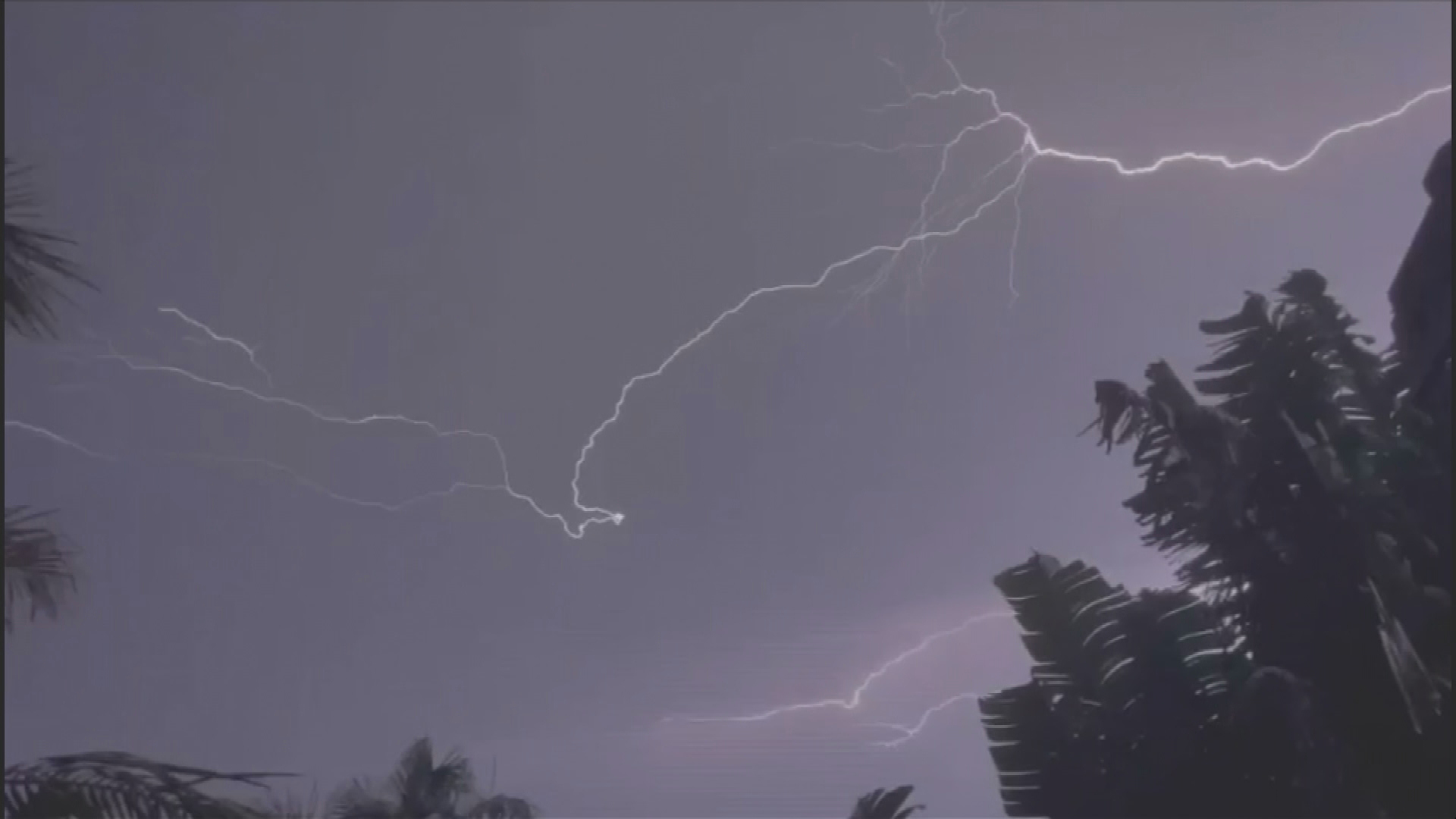
Mount Tarampa, north-west of Ipswich, was peppered with hail and driving winds.
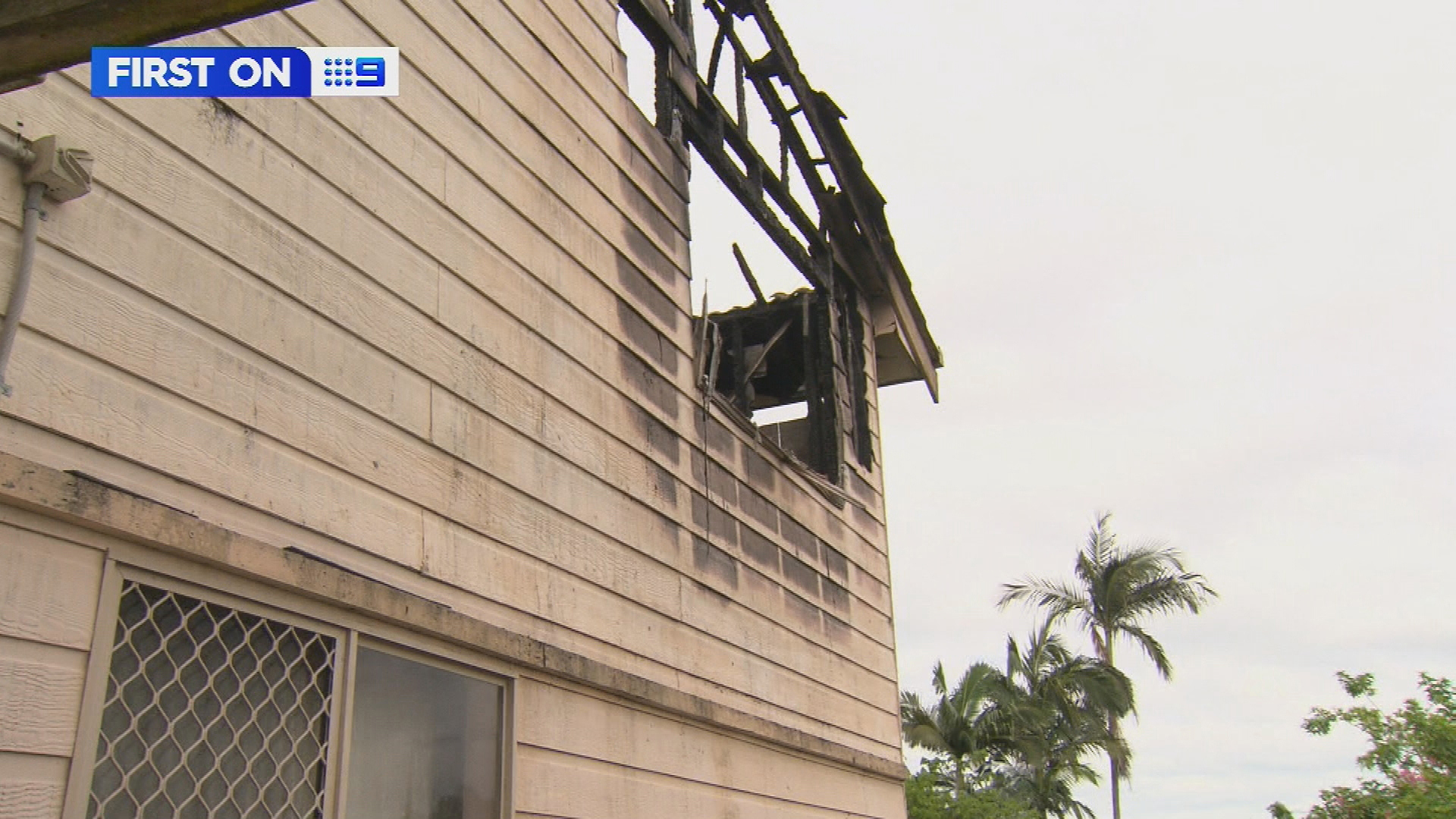
The top floor of a home at Sunnybank Hills was destroyed in a lightning strike, leaving a single mother and her children with nowhere to live.
But for most of Brisbane, Caboolture, and Moreton Bay, it was simply a lightning show.
The overnight drenching prompted Queensland Premier Annastacia Palaszczuk to officially rule out water restrictions this summer.
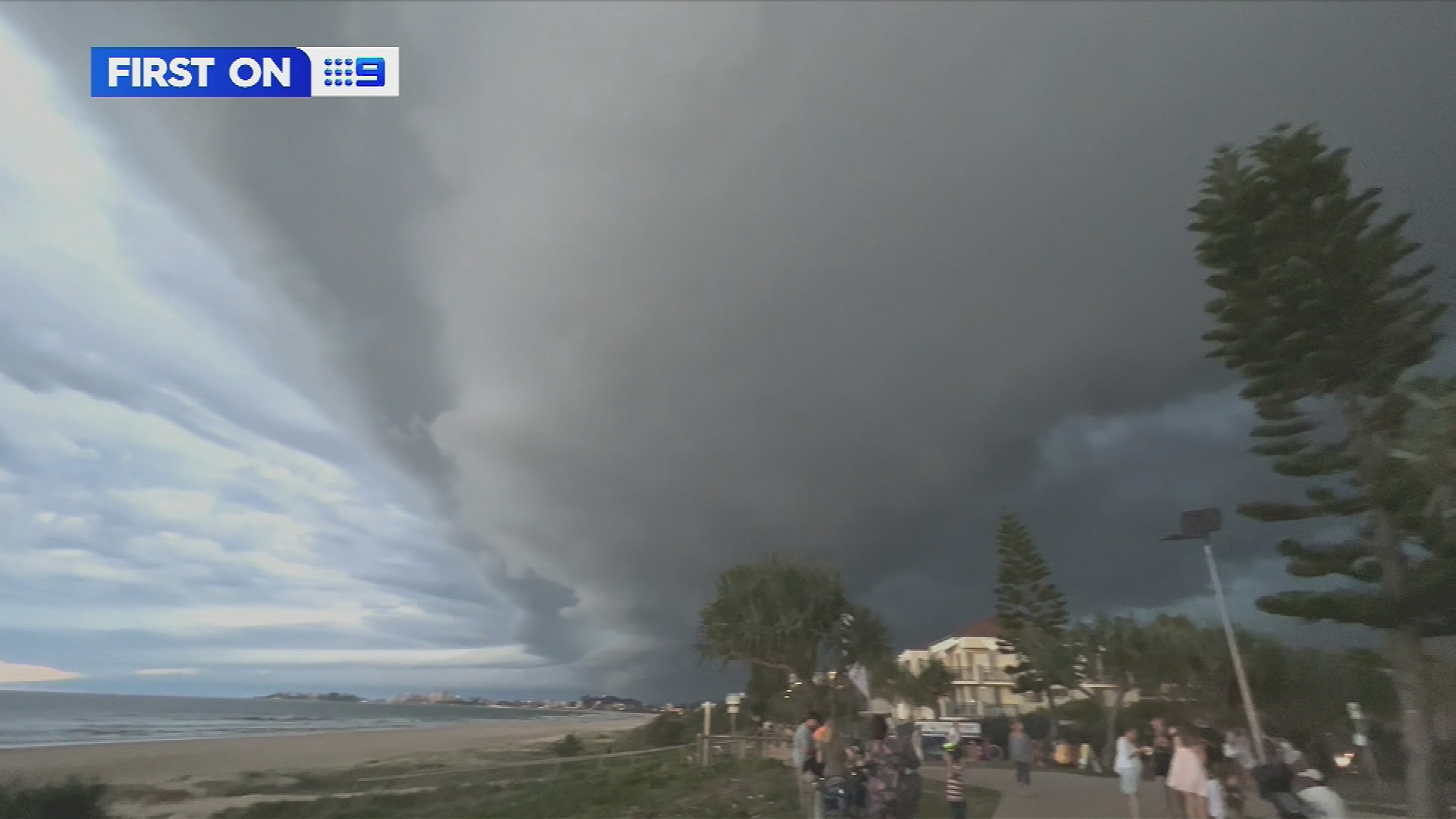
"Our water grid is at 61.8 per cent and that's up 6.7 per cent from last year," she said.
The Bureau of Meteorology warned cells like this could become more regular throughout the rest of summer.
"(It) certainly has been an unusual season, well above average in the number of severe thunderstorms we have seen," forecaster Shane Kennedy said.
In NSW, Prime Minister Scott Morrison and Premier Dominic Perrottet took to the air to assess the damage around Forbes in the Central West — one of the first towns to be hit by the floods causing havoc across the state.
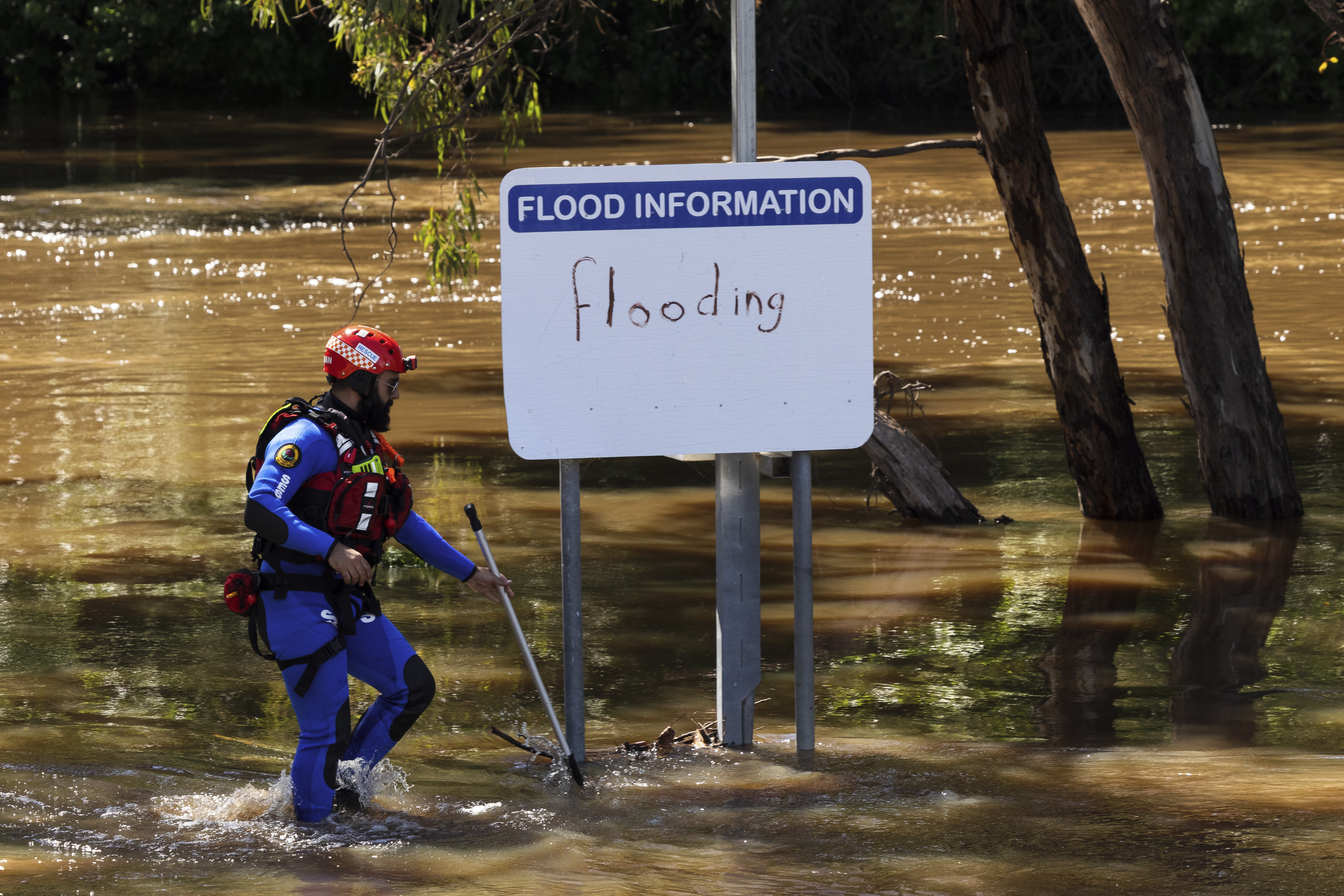
Mr Morrison also received briefings on the ground and met with the SES and volunteers.
Wee Waa, in the New England region, has now reopened after being cut off by floods for a week, and in Narrabri there's damage on the roads, with more rain to come.