A man who had dozens of bonsai stolen from his Mt Albert back garden said his biggest fear was that his precious trees would be destroyed or not cared for.The man’s son Nick Yu said his father had tended the trees for four or five…
Tag Archives: oceania
Weather: Heavy rain in south, sunny in north over weekend
Western and southern parts of the South Island should brace for heavy rain this weekend while sunny and calm days are expected in the North Island.MetService is predicting central parts of Westland could see between 250-350mm of…
Guided-missile destroyer's Wellington arrival first US Navy visit in five years
Guided-missile destroyer USS Howard arrived in Wellington this morning. The gas turbine-propelled destroyer is the first US Navy ship to visit since USS Sampson’s trip five years ago. Sailors on the US ship spent at least 14…
Covid 19 Delta outbreak: Stroke Foundation outlines that the vaccine reduces stroke risk
By RNZ The Stroke Foundation is urging people to get vaccinated against Covid-19 to help reduce the risk of a debilitating stroke.Its chief executive Jo Lambert told Morning Report new studies show more severe infections of Covid-19…
Covid 19 Delta outbreak: 173 new cases in the community
There are 173 new cases of Covid-19 in the community today.Of those cases, 154 are in Auckland, 15 are in Waikato, one is in Northland, two are in Bay of Plenty and one is in Lakes DHB. There is also a case in Canterbury but who…
Simon Bridges first to put name forward for leadership
Former National leader Simon Bridges is the first candidate to firm up their intention to run in the race to be the next leader of the party, filling the vacancy left by Judith Collins. Bridges said he was weighing up a tilt on…
Wairoa Keno player wins $80,000 campervan from old ticket stored in jar beside bed
A Wairoa resident has won a VW campervan valued at more than $80,000 after checking a winning Keno ticket left beside their bed for two weeks.The player, who wishes to remain anonymous, is a regular Keno player who keeps their tickets…
Covid 19 Delta outbreak: Farm Cove Intermediate School student tests positive
An East Auckland school is remaining open despite a student testing positive for Covid-19 as the risk of further transmission is understood to be low. Farm Cove Intermediate School in Pakuranga sent an email to parents and caregivers…
The fear of missing out and the psychology of Black Friday
From its somewhat chequered origins in the 1950s when Philadelphia police reportedly started using the term to describe the traffic chaos in the streets after Thanksgiving, Black Friday has transformed into one of the most highly-anticipated shopping events of the year.
But there's more to the shopping craze than just shopping bags and the swiping of credit cards.
Consumer behaviour expert Associate Professor Maxwell Winchester from Victoria University said it's an event that tells us about a deeper need within all humans – a fear of missing out.
READ MORE: Three guilty of hunting down and killing Black jogger in US
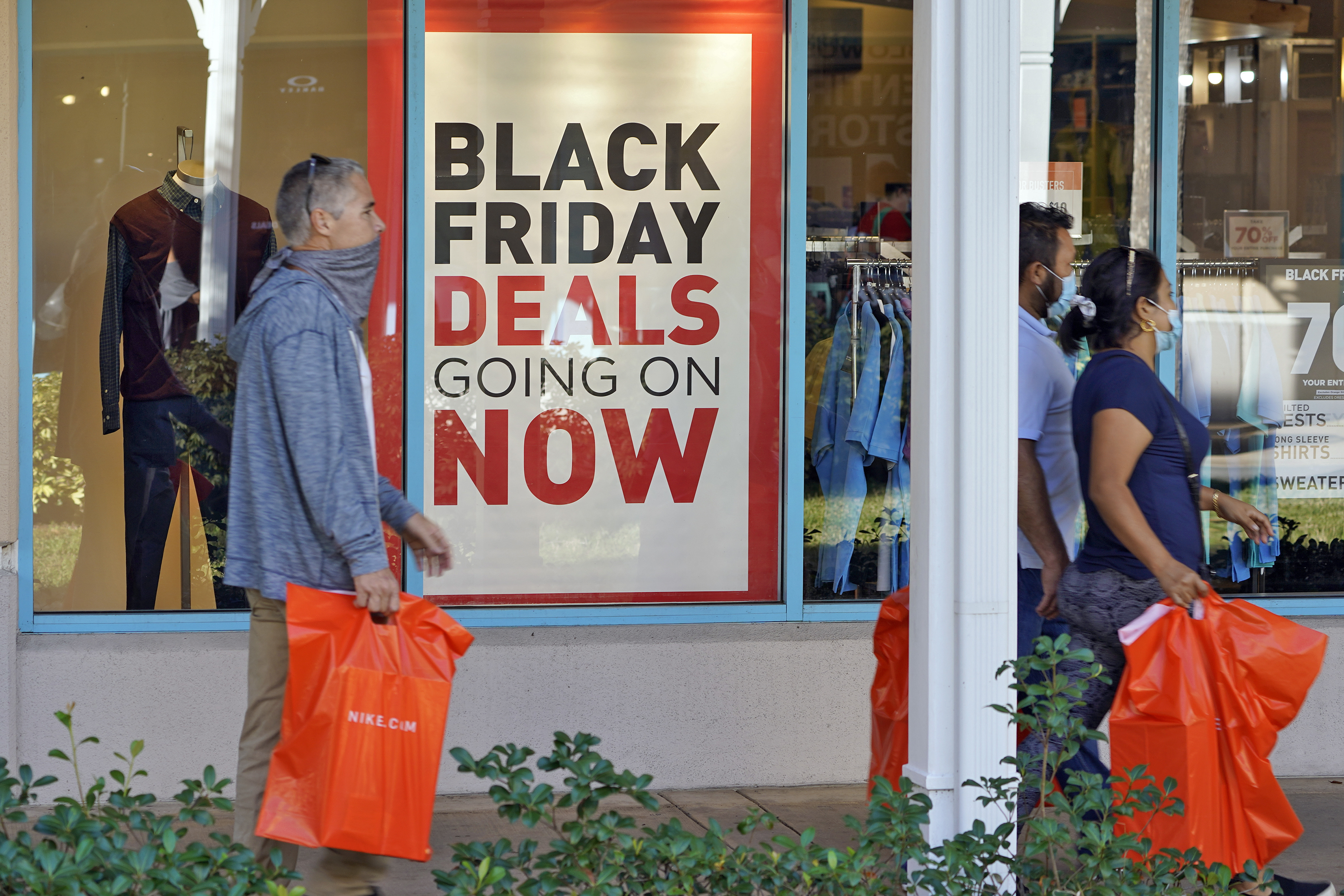
"People don't really like to miss out on things," Professor Winchester said.
Professor Winchester said when an item is presented as being scarce then hype is created and more can be charged for it.
"It gets in the media a lot and then even more people are interested. It's almost like a vicious cycle," Professor Winchester said.
"So that's probably what the retailers are playing on here, is if you create a fear of missing out, then people will react to that.
"If there are limited stocks, and they're heavily discounted prices, some consumers who do feel [like they are] missing out will certainly be in there trying to get hold."
That fear of missing out, combined with concern over scarcity of products, is what Professor Winchester said can sometimes even fuel violence.
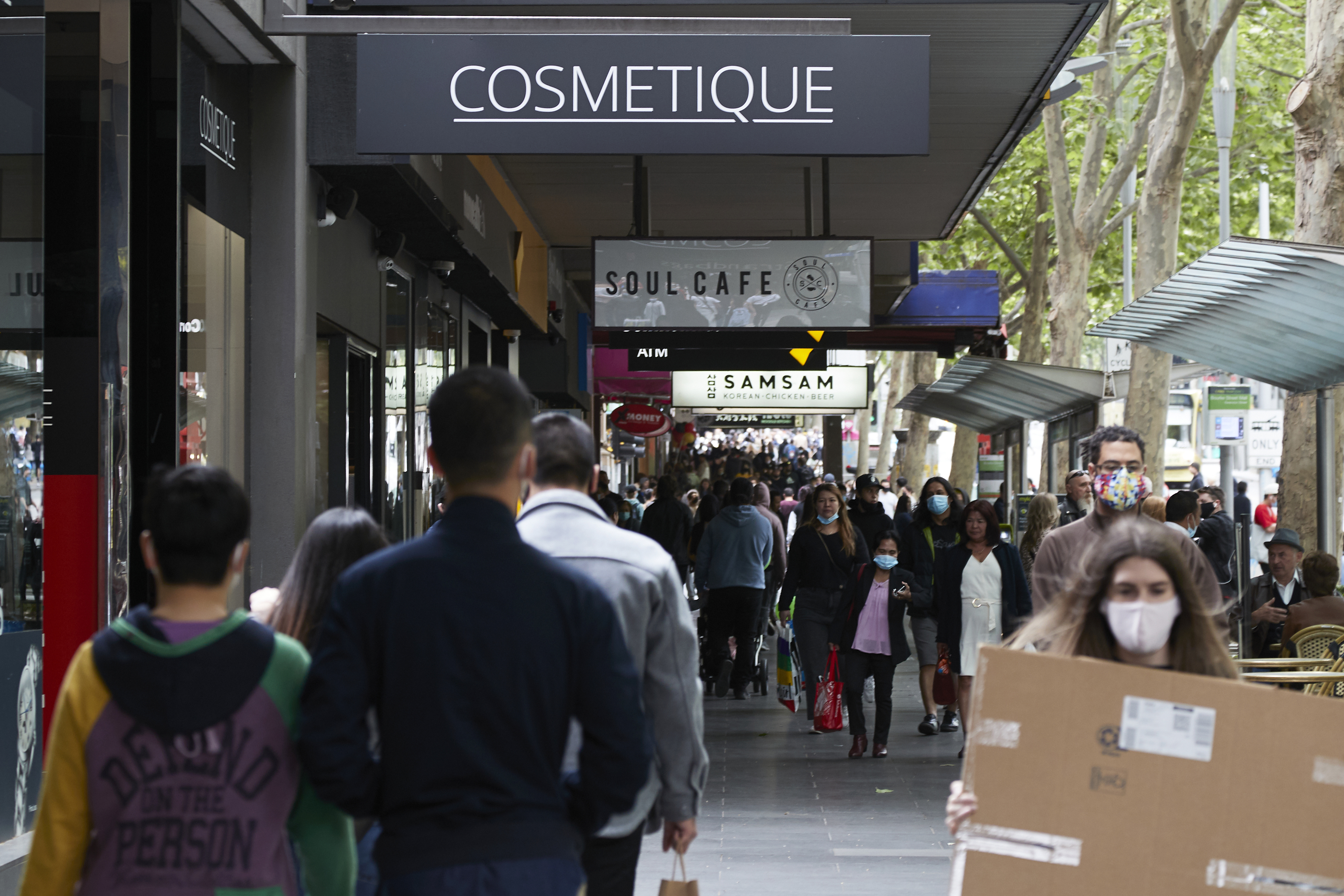
READ MORE: France's warning of Australia's 'trust crisis' over submarines
Footage of shoppers being trampled in the US have emerged over the years, with the New York Post reporting that between 2006 and 2018, 44 Black Friday incidents left at least 11 dead and around 109 injured, including a man who shattered his hip after being pushed into a shelf of discounted presents.
"When things are extremely scarce, and there's competition for something that is very scarce, then people will resort to violence to ensure they get what they feel they deserve," Prof. Winchester said.
Prof. Winchester said this type of shopping-related violence was also seen at the start of the pandemic.
"People were going to supermarkets and filling trolleys and taking not their fair share of toilet paper and other items. And there were some instances where the shoppers will get violent and or abusive towards the customers who were hogging."

READ MORE: WA dad charged with murder of daughter 16 years after assault
Content creator and student Annika said she's felt the anxiety of missing out on Black Friday.
"I think it's just the bombardment of emails. It's all over social media. So, it's really hard to escape," Annika said.
"Because it is, you know, the limited time offers it's competition to purchase things before it runs out.
"I think that sort of adds to that sort of pressure that people feel with Black Friday."
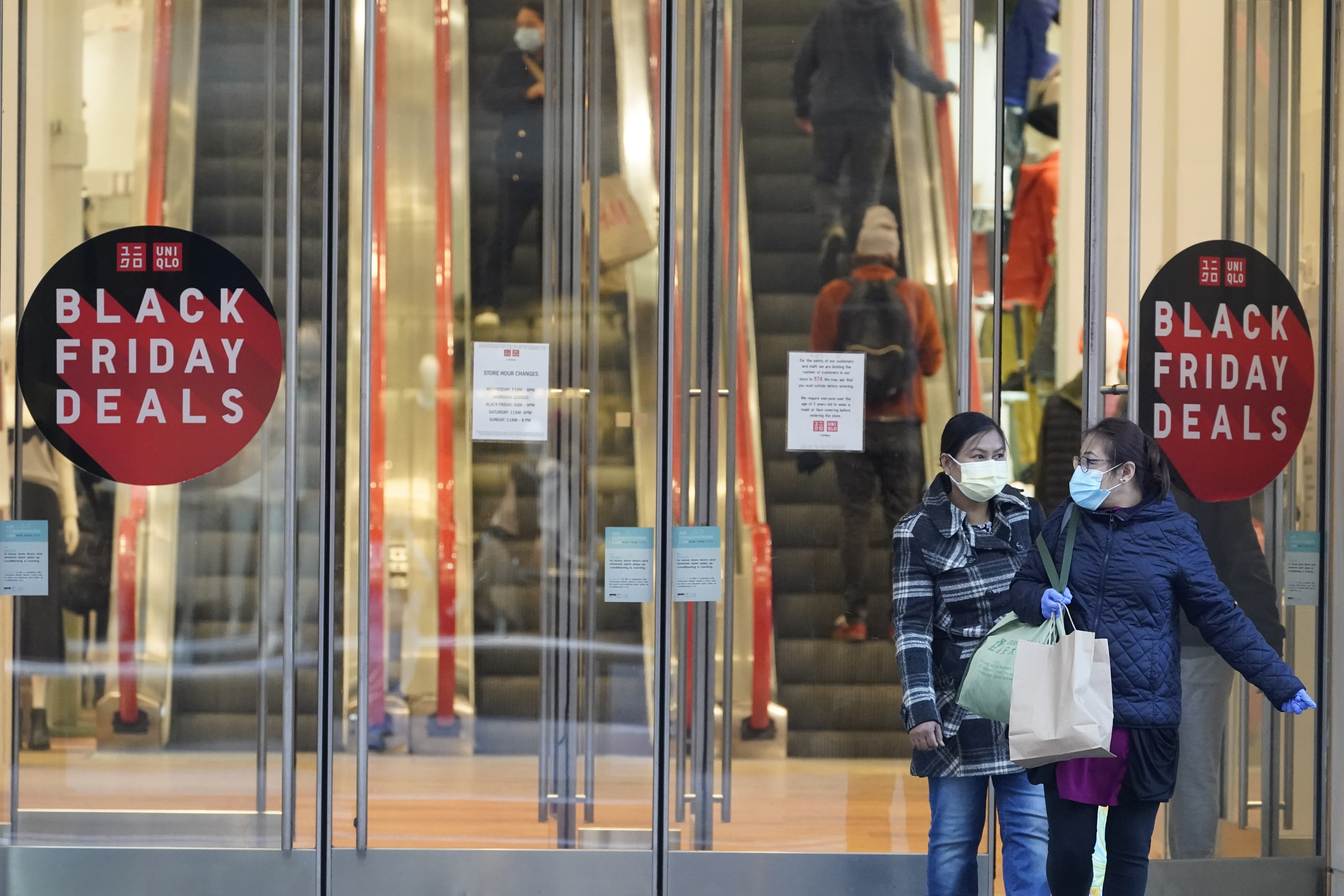
READ MORE: Some face mask rules likely to be extended in NSW
Prof. Winchester said it is important that when it comes to shopping events like Black Friday consumers stay rational.
"Look at what prices you can get from different retailers and do some research," Prof. Winchester said.
What are China's 'artificial islands' and why are there concerns?
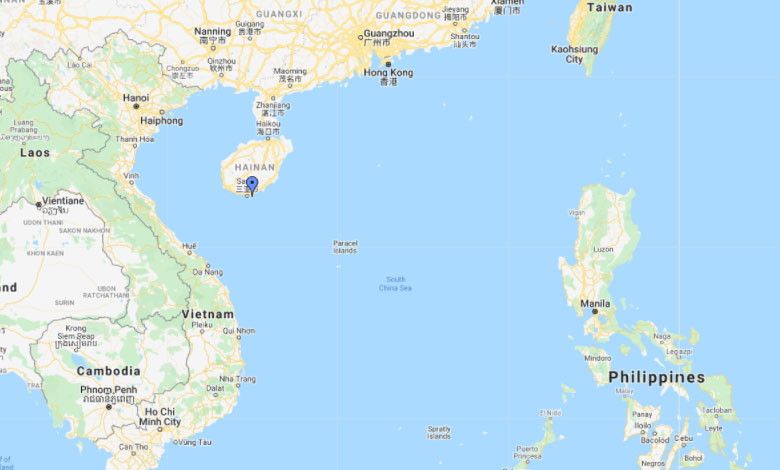
They don't appear on most world maps, but China's "artificial islands" are an important sector of the globe that world powers are anxiously keeping watch over.
The islands and their mega resources, which have suddenly emerged in the past six years, have drastically tipped the power balance in the South China Sea – a key to much of the world's international trade.
Dr Malcolm Davis, a Defence Strategy and Capability Senior Analyst from the Australian Strategic Policy Institute, has broken down the dispute over the islands and what they mean for the rest of the world.
READ MORE: China's reach could be growing in the Pacific
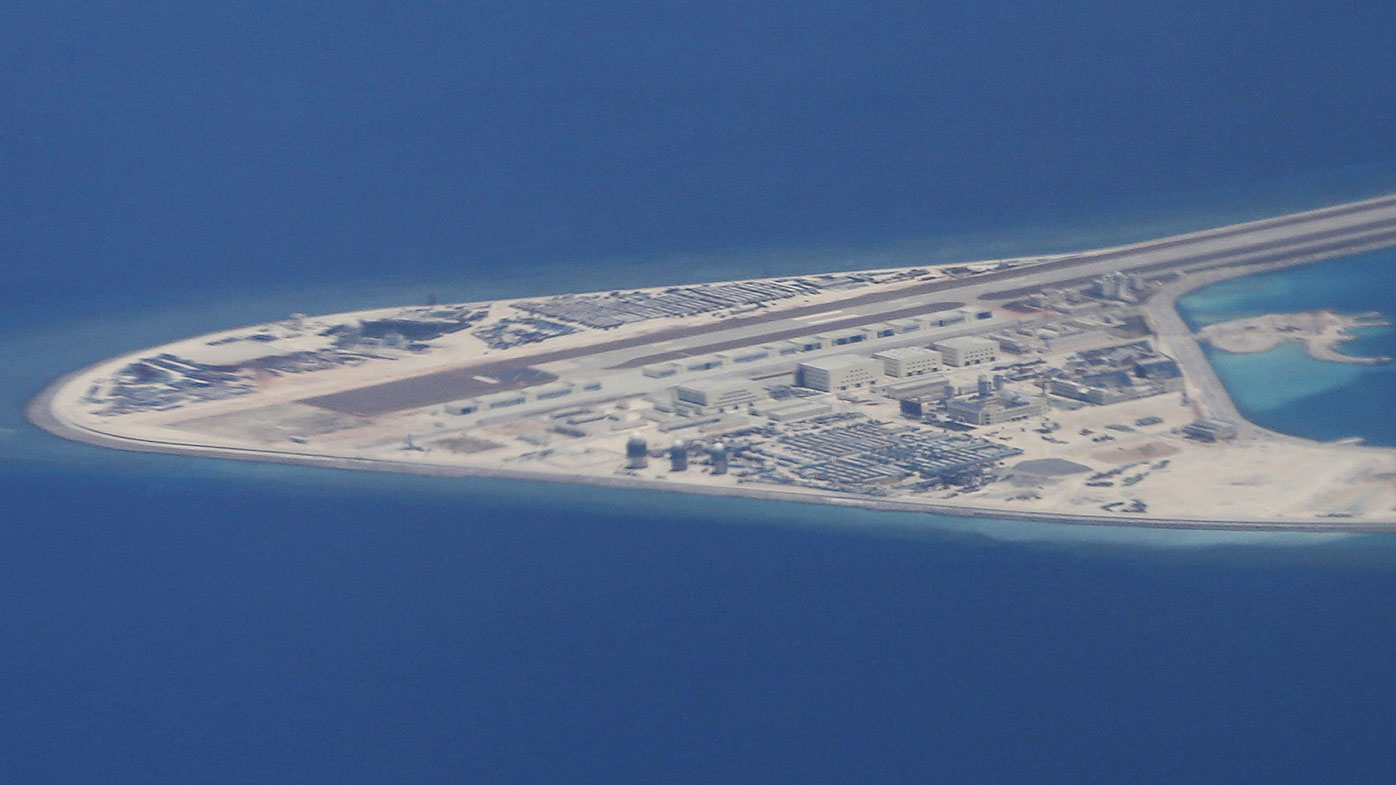
How did new islands come about?
China moved to start creating the artificial islands in the South China Sea in 2014, building them on top of rocks or reefs which were close to the water's surface at high tide.
Dredging ships were used to scoop up the sea floor to build up the islands on top of the rocks.
The manmade islands span an incredible almost 3200 acres of new land, according to research by the Asia Maritime Transparency Initiative.
The space which the islands now occupy was previously not considered territory under International Law.
A number of Asian countries have claims over the South China Sea, however China claims the islands as their territory, and is using the islands to further their claim over the region as a whole.
In 2016 an international tribunal found that China had no right to claim ownership of the sea and ruled that China had violated international law in constructing the islands.
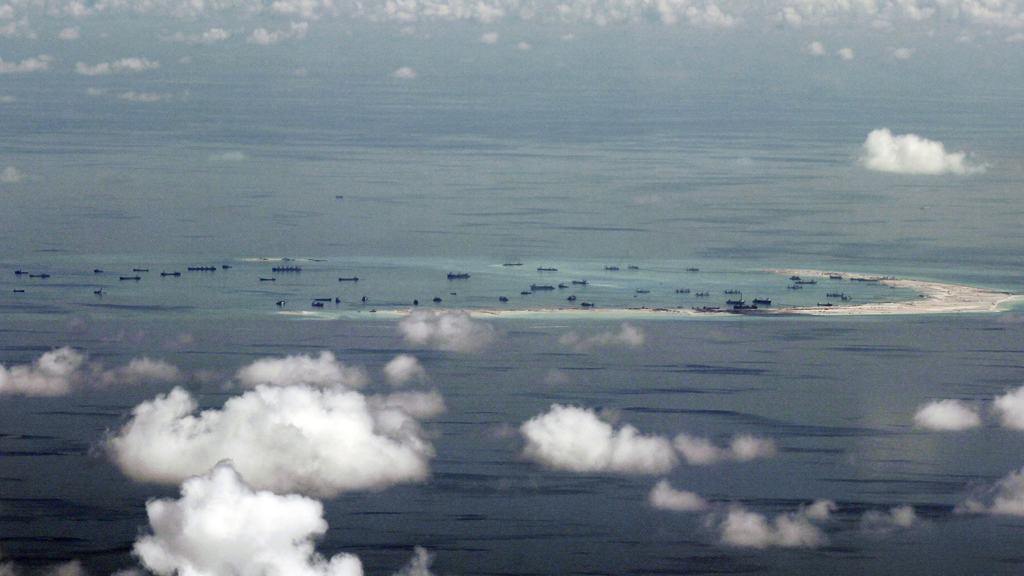
What are the islands being used for?
The entirety of the islands are being used to bolster China's military capability.
Aerial photographs of the islands reveal the military bases do not even allow space for a tree.
The military spaces host missile systems, radars, runways capable of handling heavy aircraft, fuel storage facilities to support military operations and naval facilities.
Dr Davis said the resources concentrated on the islands give China the power to potentially overwhelm The Association of Southeast Asian Nations' military – which includes input from Brunei, Cambodia, Indonesia, Laos, Malaysia, Myanmar, the Philippines, Singapore, Thailand and Vietnam.
Using the islands, China has the potential to project military power all the way down to northern Australia or into the Indian Ocean.
READ MORE: Bitcoin falls as China takes aim at 'extremely harmful' crypto mining
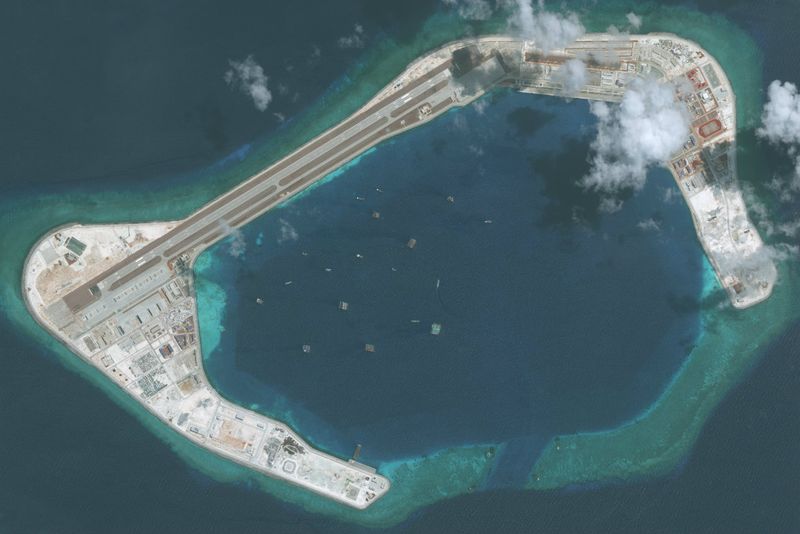
Why are the islands concerning?
The islands, and the power they give China, are concerning for a number of reasons.
As well as massively strengthening China's military capabilities in general, they strengthen China's claim over the South China Sea.
They give China overwhelming power to control the very important international waterway, which much of the world's maritime commerce travels through.
If China is allowed to control the South China Sea, they could control much of the world's international trade, particularly the traffic that goes through those waters.
Trade shipments worth trillions of dollars pass through the South China Sea every year.
Control of the sea would also give China a much greater ability to isolate and coerce Japan in a crisis, Dr Davis said.
This will particularly be a risk if – or when – China starts military conflict over Taiwan.
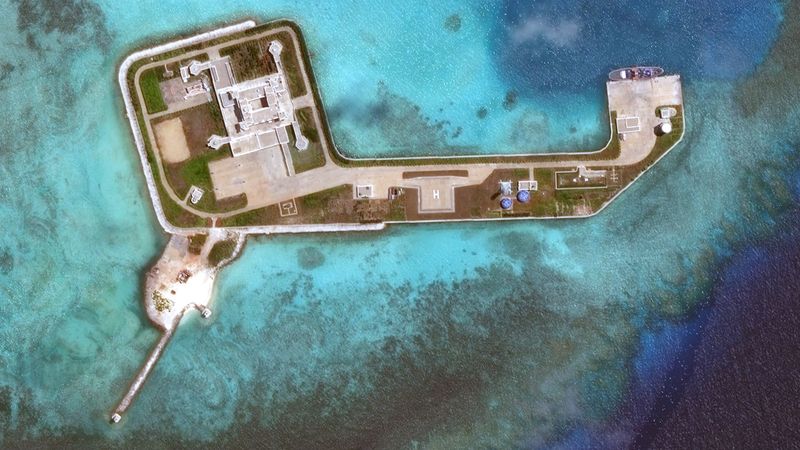
What is likely to happen regarding these islands in coming years – if anything?
There are a range of things China could do in coming years that could increase tensions, according to Dr Davis.
He said there will be activities in the South China Sea that will warrant international attention.
One possibility is that China might declare an Air defence identification zone in the South China Sea, which mean permission would need to be sought for all proposed air movements across the area.
Dr Davis said the move is likely to occur and believes Australia would challenge it.
Another strong possibility is that China may seek to invade Taiwan and try to claim Taiwanese islands in the South China Sea, particularly Pratas Island.
Dr Davis said it was widely expected that China would make a move on Taiwan in the second half of this decade.
READ MORE: Chinese 'spy ship' spent three weeks off Australian coast, Dutton says
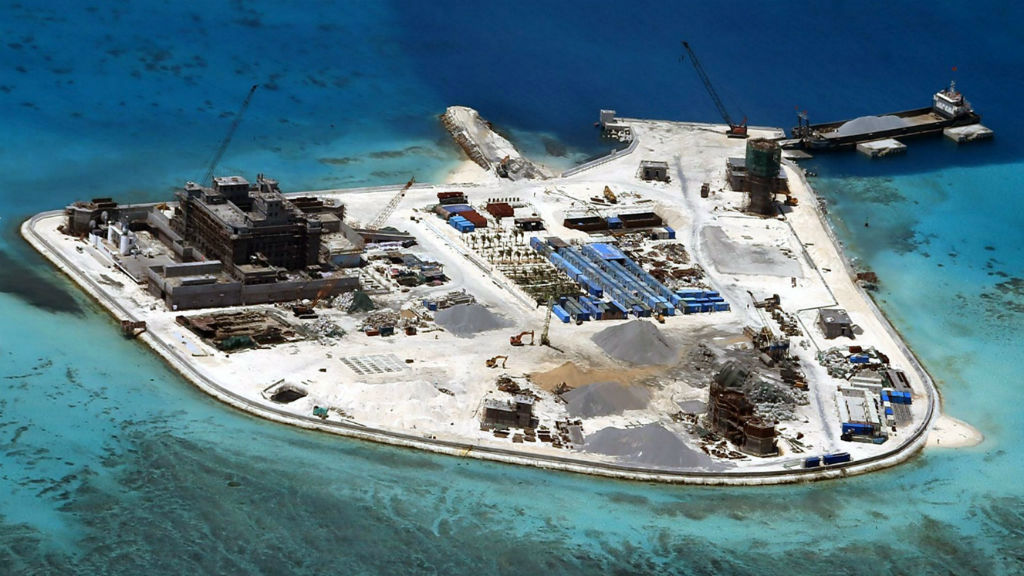
The artificial islands in the South China Sea will then be crucial in the subsequent military conflict, which would likely see US intervention, followed by intervention from Australia and Japan.
Dr Davis said the artificial islands would serve as a "theatre of operations" for China.
Is anything being done about them?
The United States and Japan conduct Freedom of Navigation Operations (FONOPS) over the islands.
A recent US aircraft on a similar mission was recently met with repeated demands to leave as it approached one of China's new ocean bastions.
Australia also conducts observations in the South China Sea, but has not yet been willing to do transits that directly challenge China's claims to the territory, like FONOPS.
China has previously made repeated demands for US aircraft near its ocean bastions to leave the region.
Dr Davis said ASEAN's focus was more on diplomacy at the moment.
He said the organisation was trying to create a code of conduct to manage actions in the South China Sea, however wasn't challenging China on its illegal actions.
READ MORE: Australia to join US in keeping watch over Chinese artificial islands