Lockdown-fatigued Aucklanders now have hope of a Christmas outside the City of Sails after today’s announcement that the region’s border will relax next month. As revealed by Prime Minister Jacinda Ardern, travel will be allowed…
Tag Archives: oceania
Millions of flame red crabs begin annual migration off Australian coast
Millions of flame red crabs have started to make their way out of the jungles of Christmas Island, off the coast of Western Australia, as they march to the ocean.
Videos and photos have captured the Christmas Island red crabs swarming up bridges, across roads, and even escaping the heat by resting in the entrances of office blocks.
There are so many crabs, Christmas Island National Park staff have to occasionally sweep them off roads so they don't get squashed by cars.
READ MORE: William Tyrrell's foster mother a person of interest
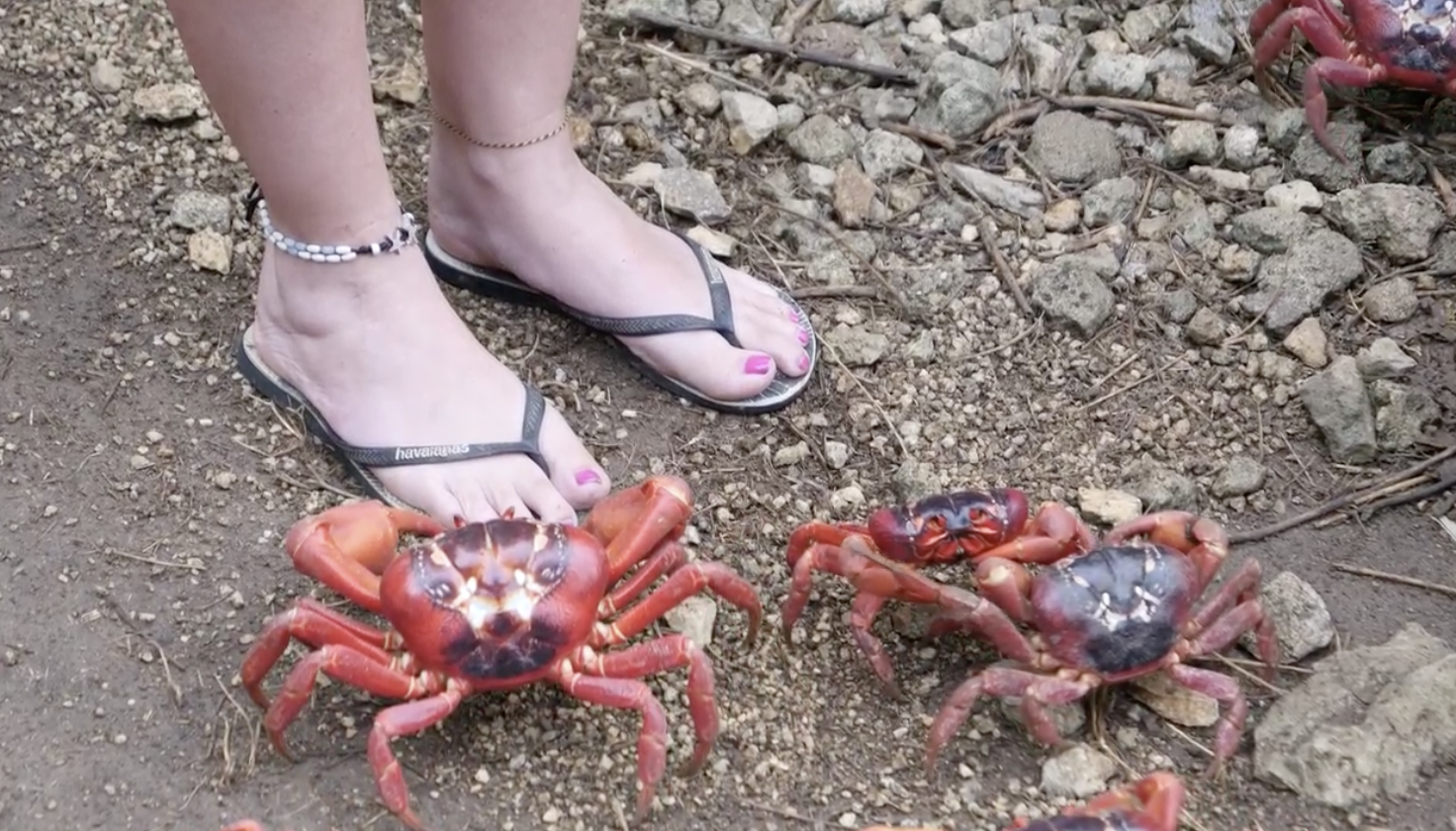
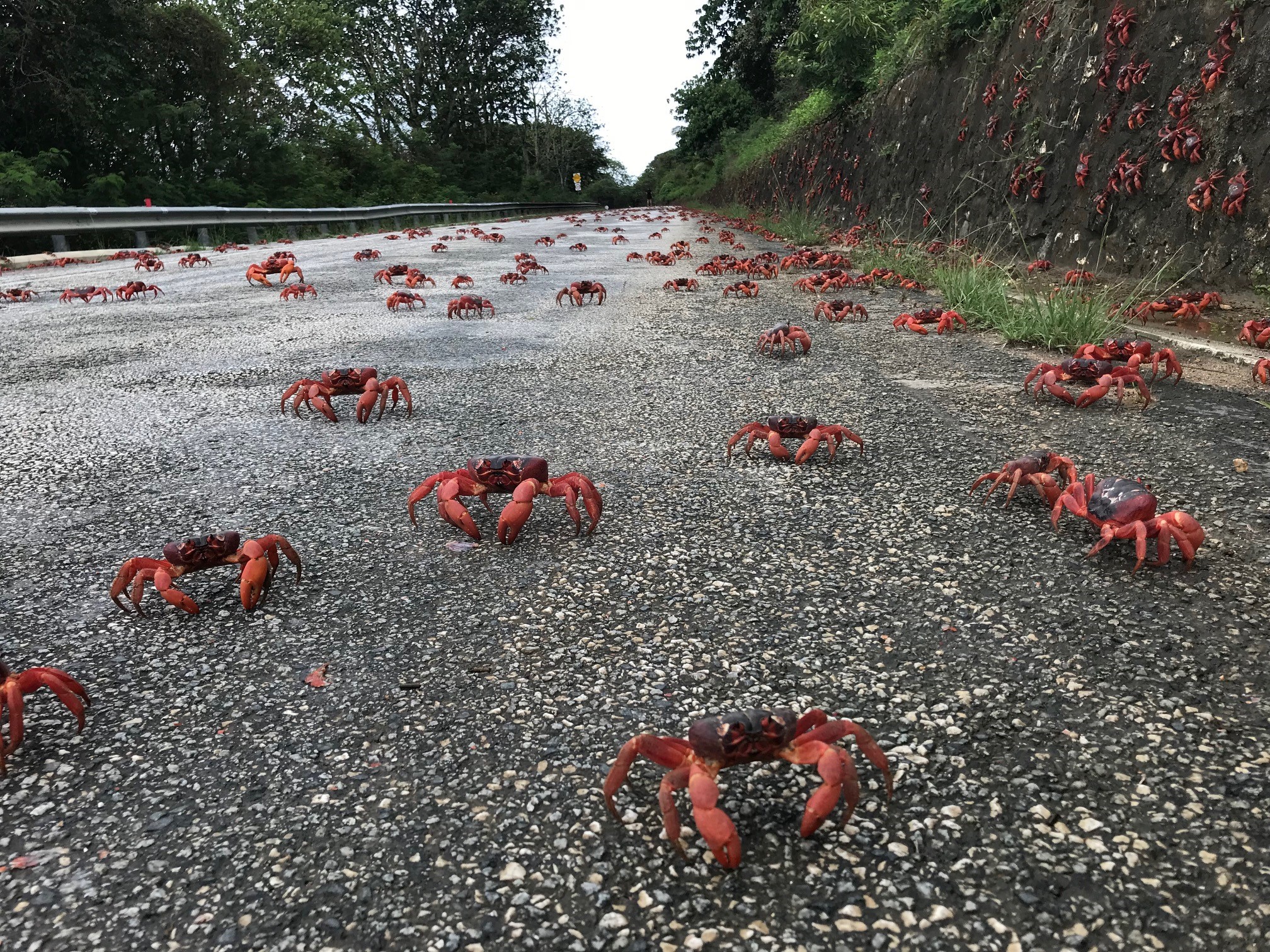
On Sunday, residents of the Drumsite settlement were unable to leave their neighbourhood due to a massive number of crabs crossing the roads.
While a spectacular sight, it's not a new one for residents.
READ MORE: Fisherman films shark feeding frenzy off WA coast
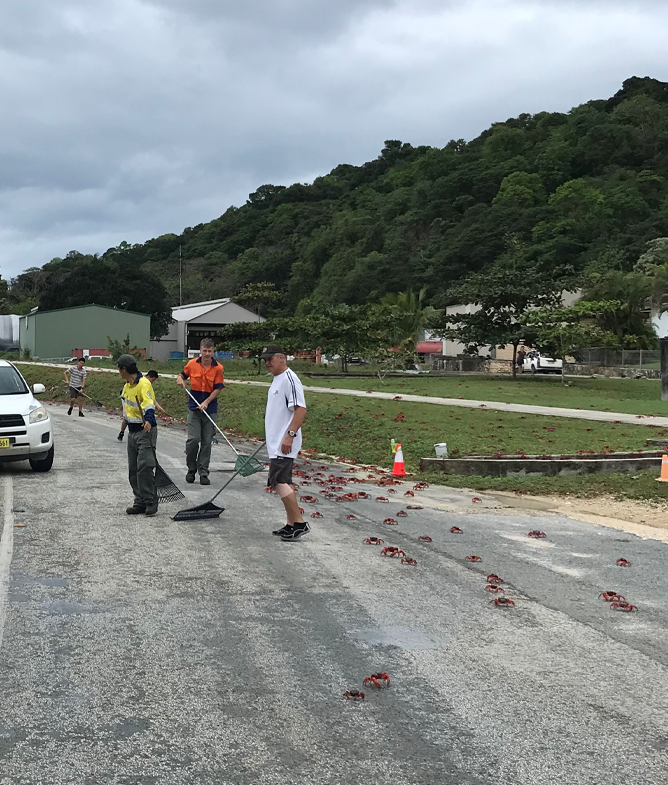
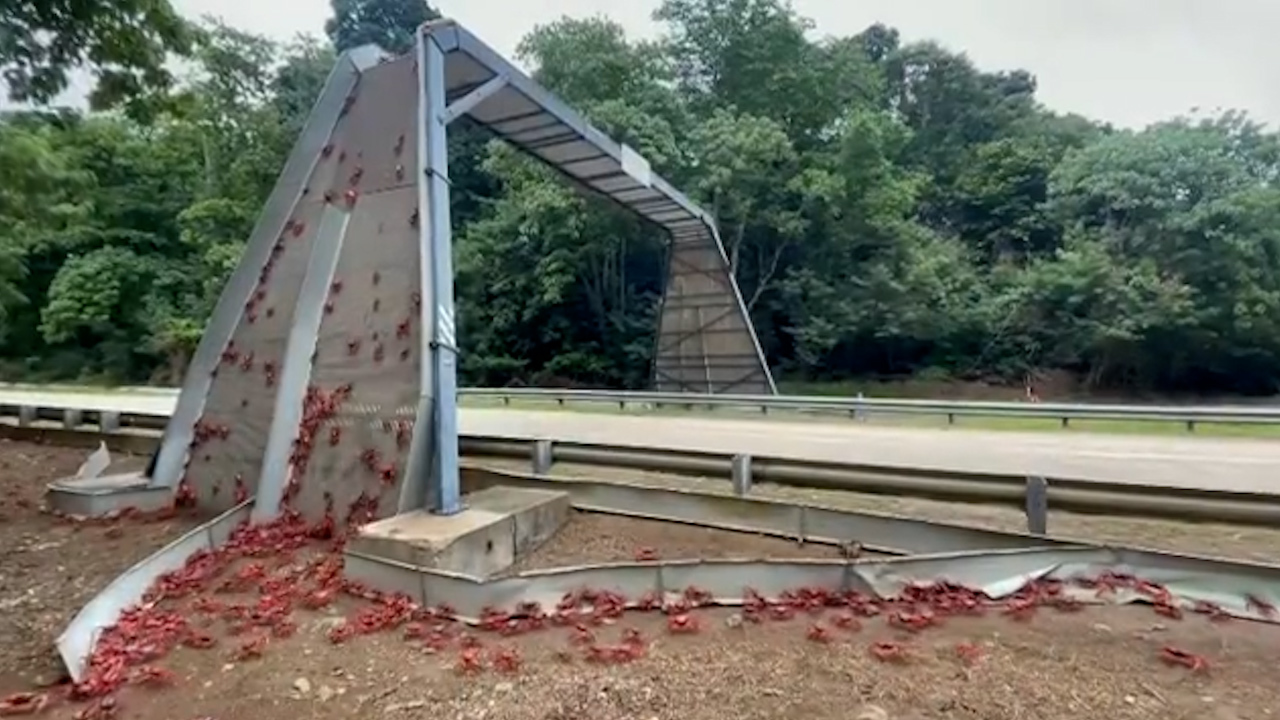
Christmas Island National Park acting manager Bianca Priest said this spectacular natural event takes place on Christmas Island every year.
"World-renowned naturalist Sir David Attenborough described the red crab migration as 'like a great scarlet curtain moving down the cliffs and rocks towards the sea' and considered filming the spectacle as one of his 10 greatest TV moments," she said.
"Over the years visitors have travelled from every corner of the world to witness this wildlife phenomenon."
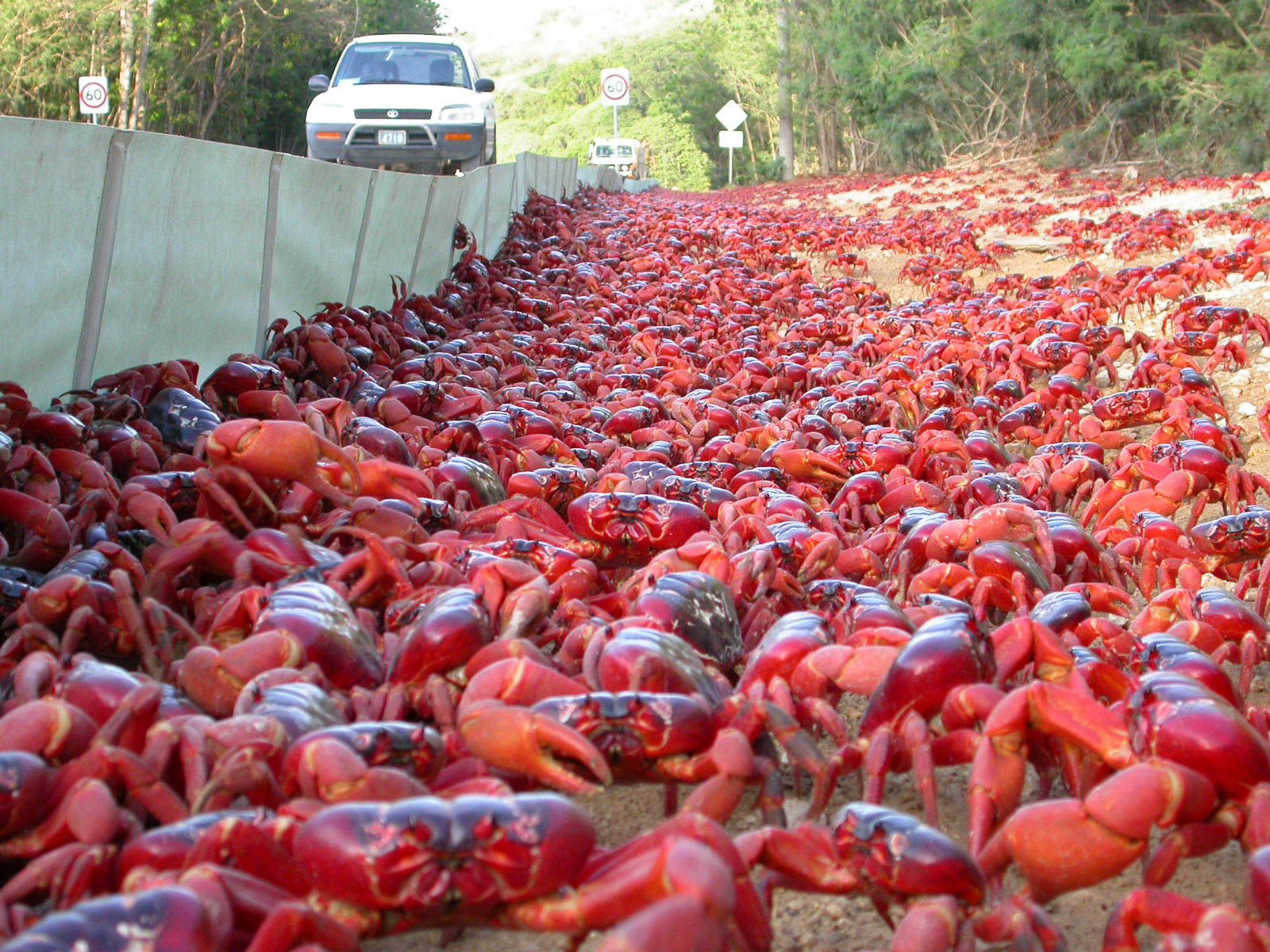
The migration begins with the first rains of the wet season – usually in October or November. Males start the charge and are joined along the way by females of the species, Parks Australia says.
Once they arrive at their seaside breeding grounds the crabs will take dip to replenish moisture.
https://www.instagram.com/p/CWSD-kVv6Ts/
Then the breeding begins.
After mating male crabs will take a second dip before starting the journey back to the jungle.
Females stay behind in the burrows.
New site for food rescue charity Kaibosh means more food saved from waste
Demand keeps growing for Kaibosh, a food rescue charity that opened its Kāpiti-Horowhenua branch last year.Starting out in an old classroom at Kāpiti Impact Hub on Tongariro St, Kaibosh has moved to a bigger building on…
Lawyer takes on climate challenge at Napier council
Napier City Council has appointed a Napier lawyer as its first-ever climate change specialist.According to a council media release, Heather Bosselmann’s role will champion the council’s “ownership” of specific United Nations Sustainable…
Glenleith homicide: Another arrest after discovery of woman's body in Dunedin
Another person has been arrested as Dunedin police continue to investigate the discovery of a woman’s body at a Glenleith property on October 8.A 43-year-old Dunedin hairdresser was charged with murder on October 9. She’s been given…
Herald afternoon quiz: November 17
Test your brains with the Herald’s afternoon quiz. Be sure to check back on nzherald.co.nz for the morning quiz tomorrow.
High-profile divorce ends with $927 million art auction
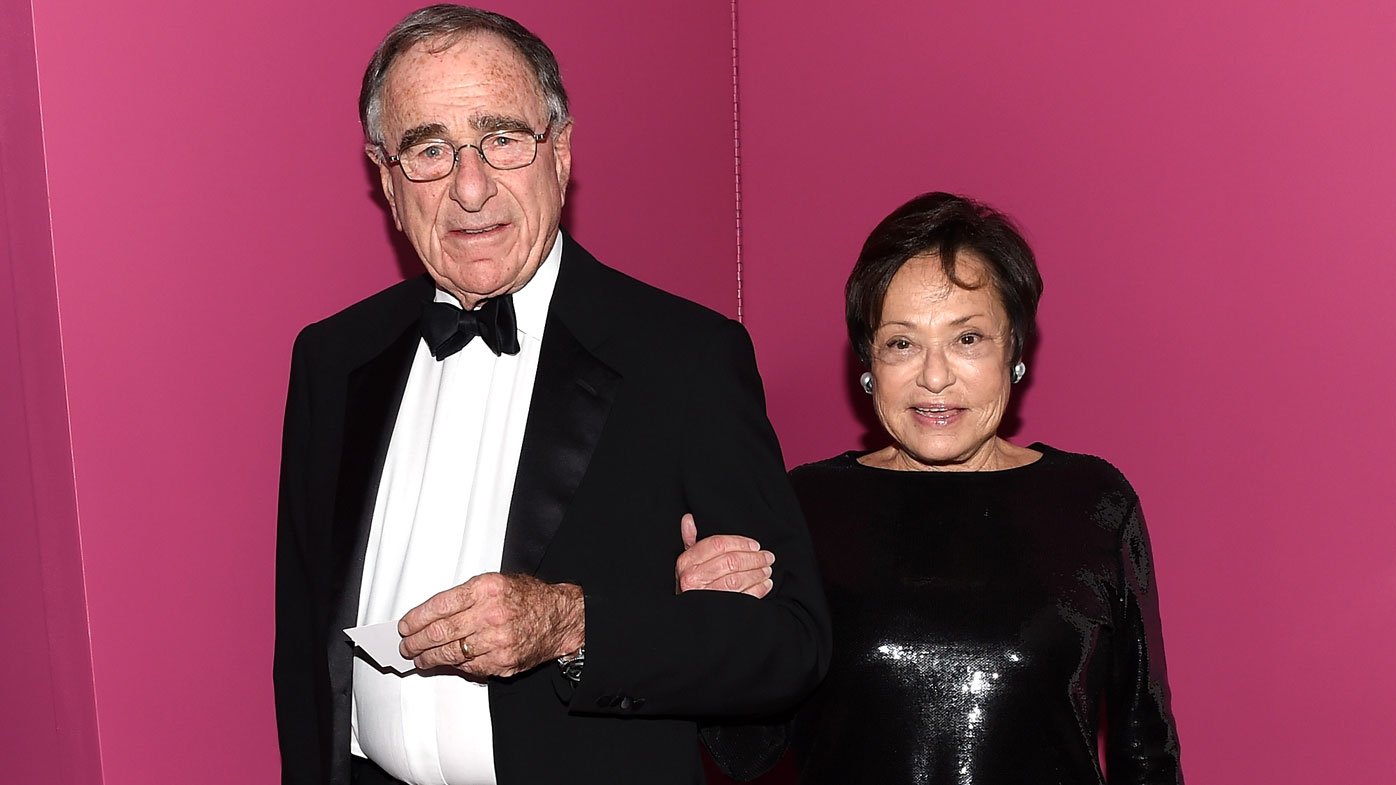
Nearly three years after the high-profile divorce proceedings of a New York real estate developer and his wife, a portion of their art collection has smashed estimates to sell for over $927 million.
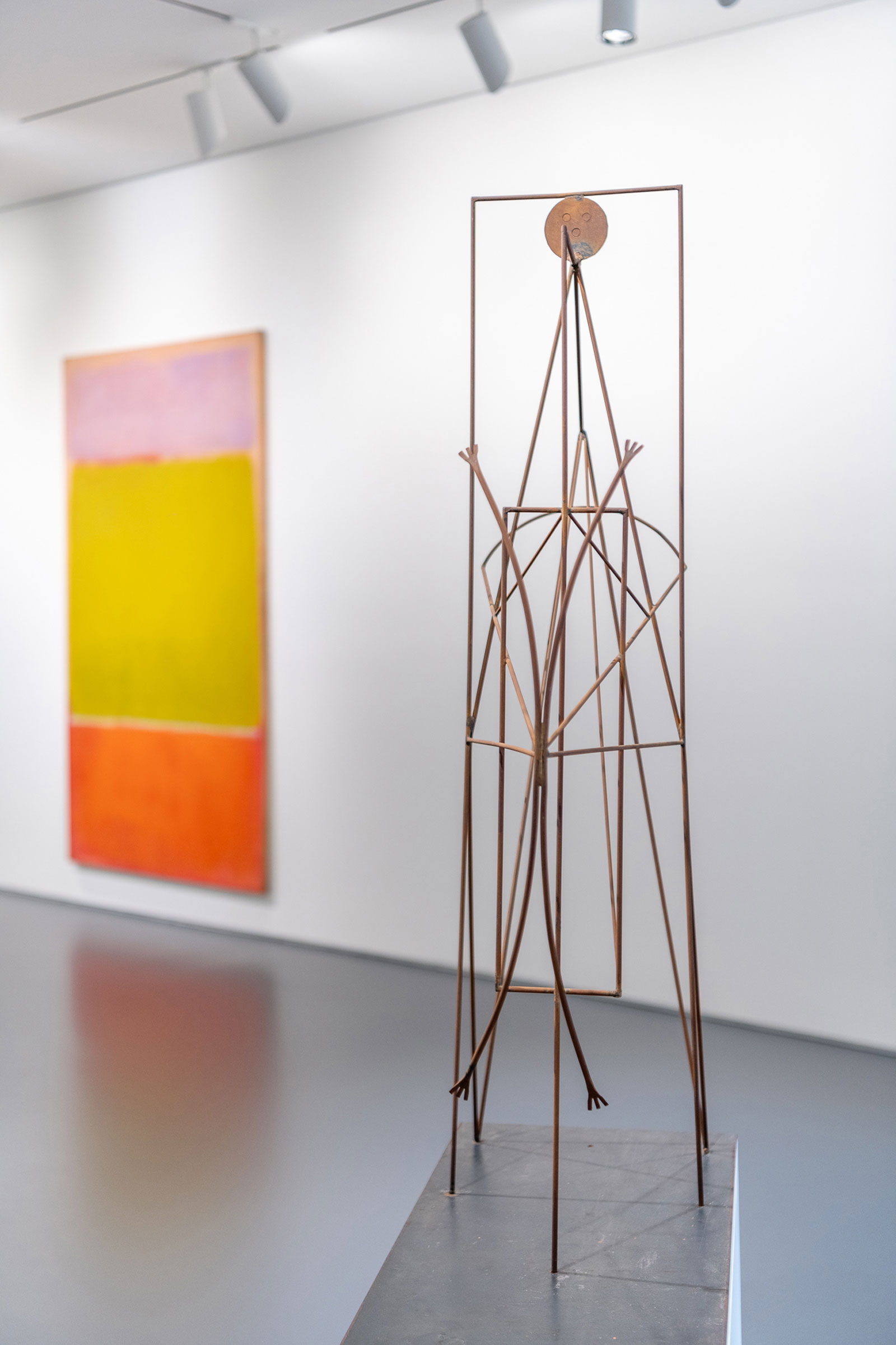
An initial batch of 35 artworks owned by Harry and Linda Macklowe went under the hammer yesterday, including pieces by Pablo Picasso, Andy Warhol and Cy Twombly.
A work by abstract painter Mark Rothko fetched an eye-watering $113.2 million while Jackson Pollock's Number 17, 1951 sold for over $83 million to set a new record for the artist's work.
READ MORE: Car seized in Sydney in search for William Tyrrell
"It's a collection that has never been moved (or) touched," said Grégoire Billault, chairman of contemporary art for Sotheby's, at a press event announcing the two-part auction in September.
"Quite often, when we have collections for sale, a lot of it has been sold already, or some (works) are given to museums; others are given to members of the family."
The Macklowes married in their early 20s in 1959 and had since accrued all of their significant assets together, including a $98 million apartment, a yacht and multiple commercial properties, according to court documents.
They started their art collection shortly after they married.
READ MORE: Red meat prices to soar over next 18 months
In 2018, during their divorce proceedings, a New York State Supreme Court judge ordered the Macklowes to sell 65 artworks from their collection and split the profits, after the couple's hired experts provided vastly different appraisals of what some of the artworks were worth.
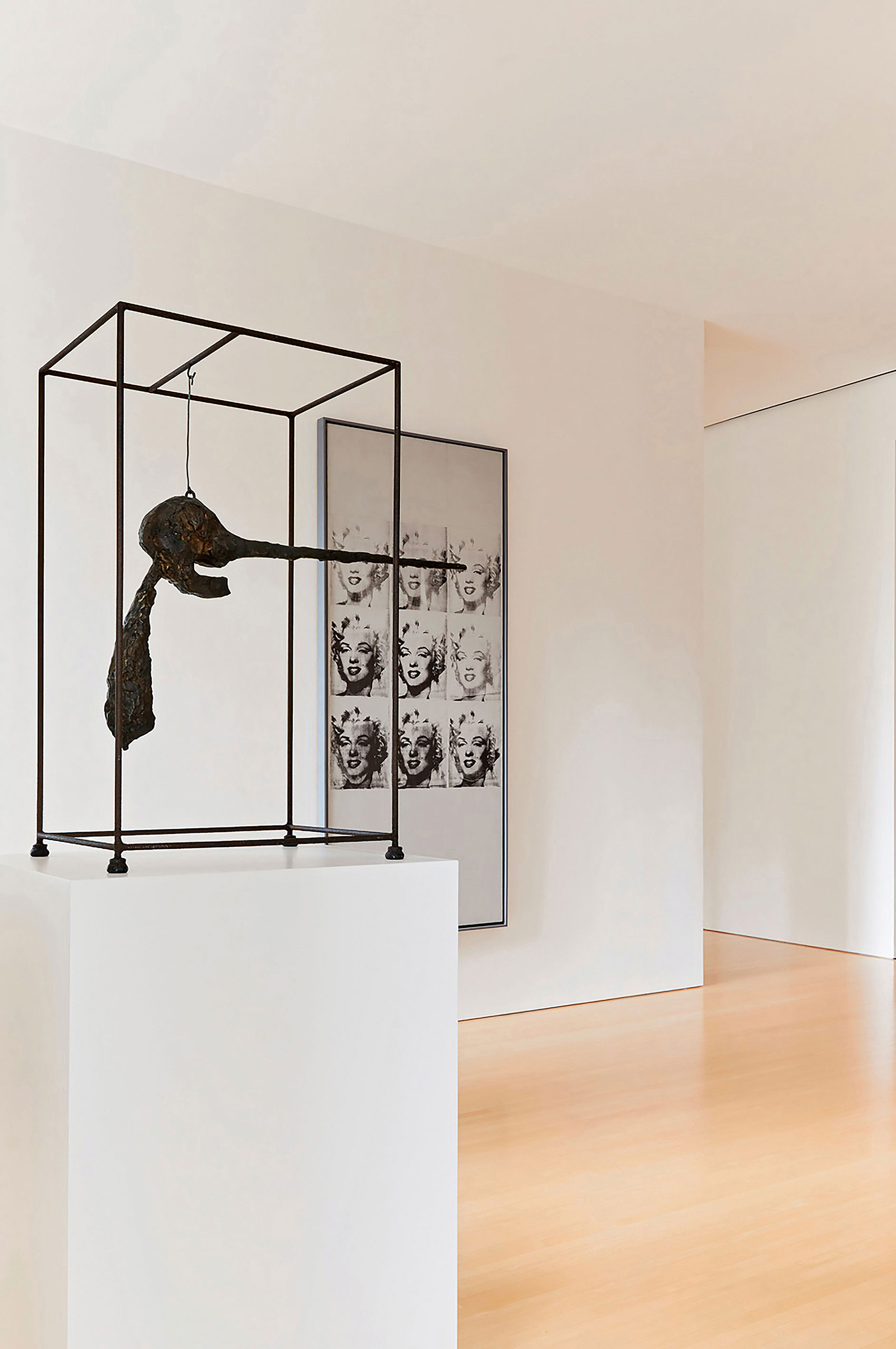
Valuations for Alberto Giacometti's existential sculpture La Nez, for instance, varied by $41 million.
The court decision set off a battle between auction houses Sotheby's, Christie's and Phillips to bring the collection to market; the appointed art dealer, Michael Findlay, delayed the decision last year due to the pandemic, according to Artnet.
The Giacometti sculpture eventually sold for over $107 million, the second-highest price achieved at Monday's auction.
Elsewhere, Warhol's Nine Marilyns – one of the Pop artist's famed serial screen prints of Marilyn Monroe – fetched over $64 million and a Picasso sculpture honouring French poet Apollinaire made over $35 million.
READ MORE: Thousands apply for compensation for COVID-19 vaccine reactions
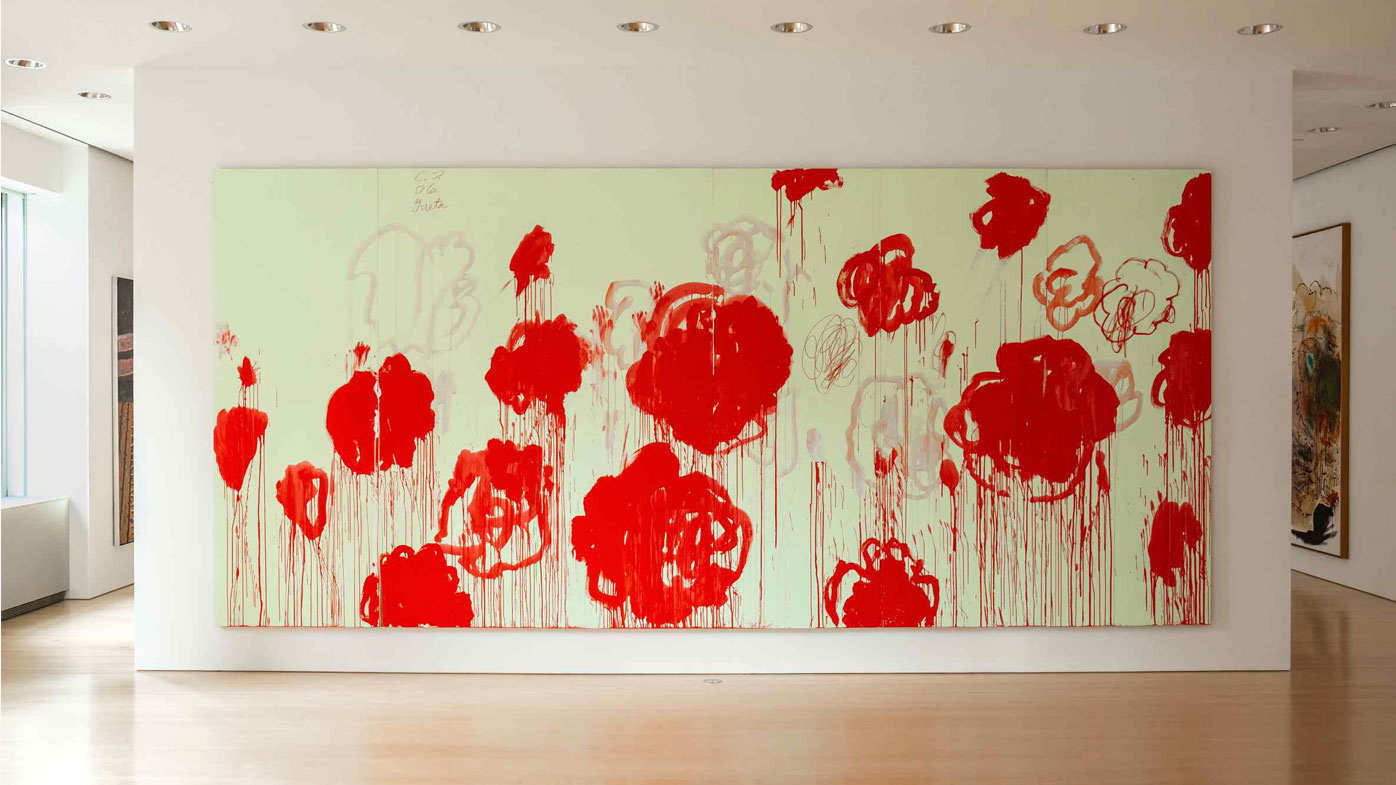
The remaining 30 artworks will go under the hammer at Sotheby's New York in May 2022.
At a virtual press event announcing the sale in September, Sotheby's CEO Charles Stewart had called the Macklowe Collection "one of the most significant and museum-quality collections of modern and contemporary art ever to come to market."
He added: "This sale will… make history as the defining moments in the art market."
Covid 19 Delta outbreak: National predicts 'summer of chaos' in traffic light, Auckland border system
The National Party has accused the Government of contriving a “summer of chaos” with today’s Auckland boundary and traffic light announcement .National leader Judith Collins pooh-poohed the proposed traffic light announcement,…
More than 250kg of meth allegedly smuggled into Auckland Airport by baggage handlers this year
Police allege a group of baggage handlers at Auckland Airport were involved in smuggling, or conspiring to smuggle, close to 500kg of methamphetamine into New Zealand this year alone. More than a dozen people appeared via audio…
These fully vaccinated Aussies say getting home is harder than ever
If architect couple Marijke and Steven Smit and retiree Judy Smith were just a couple of years younger, their relatively painless returns to Australia would be virtually assured.
Instead, an age limit imposed by Australian authorities on a Chinese vaccine taken by hundreds of millions of people in dozens of countries has left them effectively shut out once again.
As of November 1, Australia's Therapeutic Goods Administration recognises the World Health Organisation-approved Sinopharm jab — but only for people aged 18 to 60.
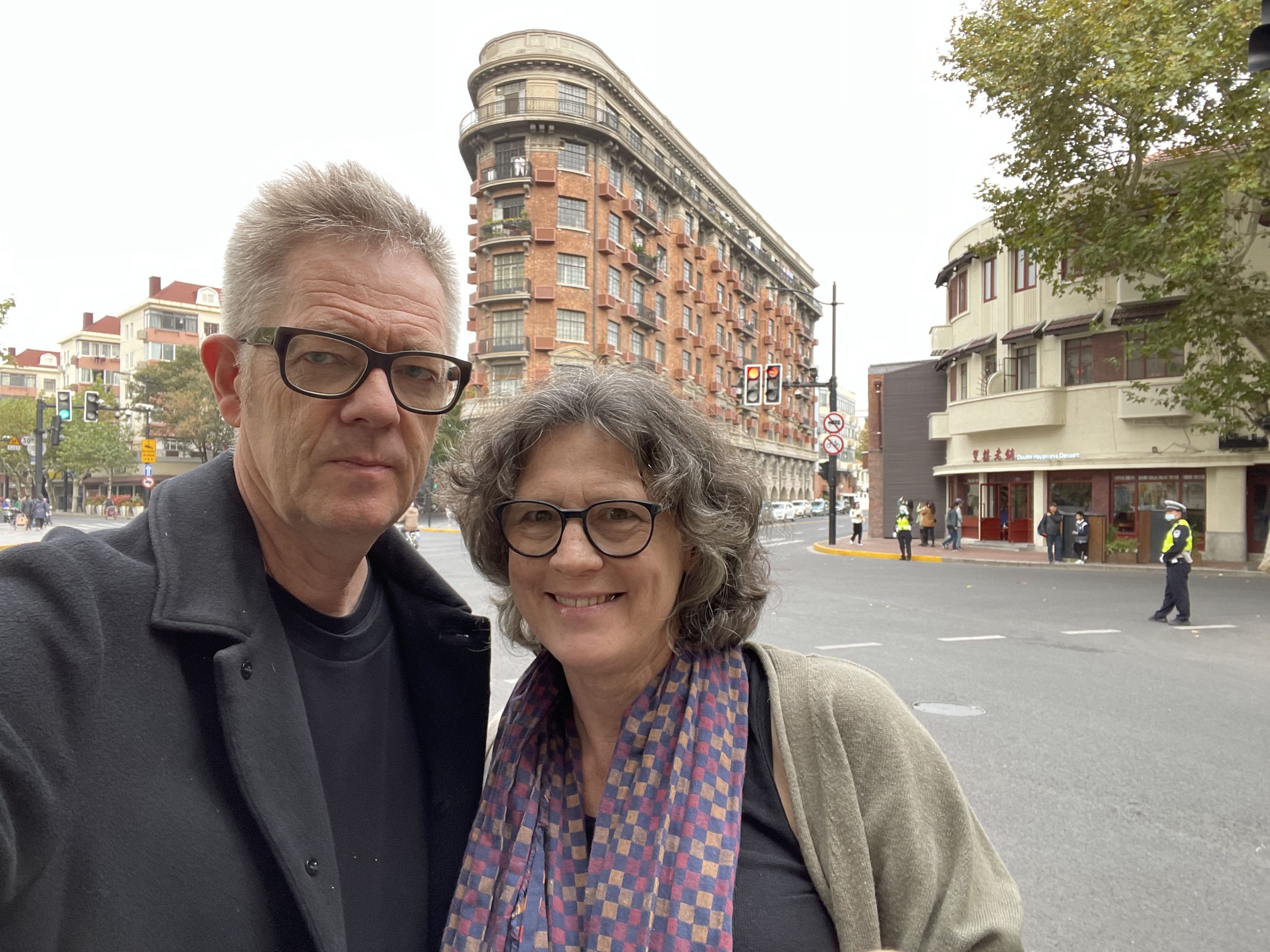
Ms Smith and Ms Smit (no relation) are 62, Mr Smit is 63 and all three are fully vaccinated with Sinopharm.
"For two minutes, I was excited," Ms Smith told 9News.com.au.
"For two minutes, I thought, 'I can get home and see these people and these babies.'"
But then she read the fine print.
The Sinopharm jab is approved for emergency use by the World Health Organisation and individually in 68 countries around the world, according to McGill University in Canada's COVID-19 Vaccine Tracker.
New Zealand, the US and — from next week — England, all recognise the jab for travel without imposing age limits, as do several European countries, although the European Union itself has not done so.
"It's incredibly difficult being stuck in a country and basically having to deal with a very illogical argument that you can't be considered vaccinated because you're over 60," Ms Smit told 9news.com.au.
"It's just utterly insane."

The TGA didn't respond to a series of questions from 9news.com.au about the decision-making process.
Its online explanation cites "published, pre-print data and information provided by the WHO in confidence to the TGA" suggesting similar but "slightly lower" protection against severe infection and hospitalisation than Australia's jabs.
The issue appears to be with the Chinese trial, which the WHO says was "not designed and powered to demonstrate efficacy against severe disease in persons with comorbidities, in pregnancy, or in persons aged 60 years and above".
In recent months, some experts have expressed concerns about outbreaks in countries such as the Seychelles and Bahrain that were heavily immunised with either Sinopharm or Sinovac, also from China.
The Australian government is very clear that anyone vaccinated with a shot not on the recognised list, such as the Russian Sputnik jab, is not considered to be vaccinated.
Once in Australia, it's unclear whether someone vaccinated with an unrecognised vaccine would even have the option of getting another two doses of AstraZeneca, Moderna or Pfizer.
Ms Smith is thankful to have spent the pandemic in the vibrant Sri Lankan city of Colombo, breathing in barbecue chicken and biryani from the takeaway place next door and looking out to the ocean as the morning and evening prayers ring out around her.
It wasn't easy, she says, describing the city's lockdown as far stricter but shorter than those in Sydney and Melbourne.

She is happily retired and not looking to move back to Australia for good but it's been almost three and a half years since she's been back to Sydney and her niece and nephew have children she's never met.
Not to mention the sister she hasn't seen in just as long.
It's not just that airlines are reportedly cancelling many unvaccinated plane passengers' tickets or that she would still have to endure and pay for hotel quarantine.
The former financial services worker knows she won't be able to catch up with a friend at a pub or a restaurant until at least December 15, when the unvaccinated are granted more freedoms.
"What I really want to get across is the disappointment, the rug being pulled out from under us," she said.
"We're in a worse situation than we were two weeks ago and the government's just not offering us any hope at all."

The Smits are facing an even more crucial crunch as they try to get back to Tasmania before Mr Smit's visa-linked work contract in Shanghai ends in six weeks.
The architects say they have looked at just about every option, even contacting 10 different countries to try to get another two doses of an approved vaccine, and nothing is feasible.
Ms Smit, a permanent resident since 1986 with three kids and a grandchild born in Australia, said returning to Australia six months ago would have been "expensive but doable".
"Since Sydney has opened up it only has 200 places (for unvaccinated people in hotel quarantine). It's close to impossible to get tickets," she said.
"I simply cannot. I've looked, believe me, I've looked at tickets, and I just cannot get anything in the next two, three, four months.
"It's literally and then, you know, at the moment, flights have two or three seats for unvaccinated people."

The architect said she had been encouraged to take a DFAT repatriation flight but that would mean getting to Germany or Turkey first — currently a 13-hour-plus flight in the wrong direction — and make it almost impossible for her husband to comply with his work's lengthy notice period.
Mr and Ms Smit have the added complication of trying to get to Tasmania, meaning they will likely have to apply for an exemption to enter and quarantine again on arrival.
The couple have spent time stranded in the Netherlands, Australia — they needed to get back to China to access eight months of salary and for Mr Smit to continue working — and now China but are trying to stay upbeat in a difficult situation.
"I don't sound it necessarily at the moment but we're feeling pretty desperate about the whole situation and pretty, yeah, it's incredibly stressful," she said.