Family grieving an Auckland father shot and killed in a New Lynn driveway face further devastation – he has since tested positive for Covid-19. Father of two boys, Robert James Hart, died on a Great North Rd driveway on Friday morning…
Tag Archives: oceania
Government guarantees living wage for public service contractors
Some of the Government’s lowest-paid workers including cleaners, caterers and security guards will soon be earning at least the living wage of $22.75 an hour. Public Service Minister Chris Hipkins said this morning those core Public…
Christchurch Port Hills crash: Father angry driver didn't plead guilty sooner
A father is fuming the teen driver accused of killing his two daughters in a car crash on the Port Hills has entered a shock guilty plea in the middle of his jury trial. Jason Alexander told the Herald he believes Levi Fiddymont…
Car has been parked in the same spot in Italy for almost 50 years
A car that has been parked in the same spot for almost 50 years has become a tourist attraction in an Italian town.
A grey Lancia Fulvia has become a mainstay out the front of a newsstand in Conegliano, in the country's Veneto region.
The owner of the classic car, 94-year-old Angelo Fregolent, parked the vehicle outside the business which he ran with his wife in 1974.
READ MORE: Australia's most wanted fugitive arrested
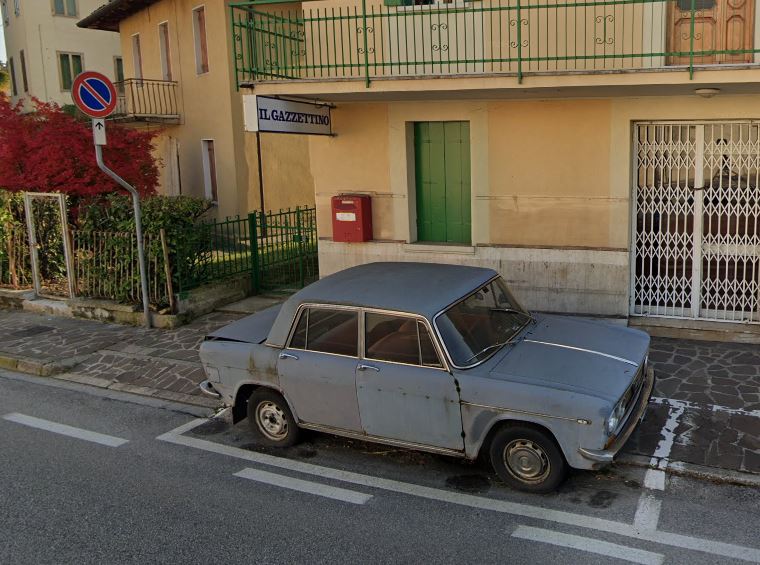
When the couple retired, they left the vehicle on the street.
The car has since become a local landmark, as tourists snap a photo with the car to upload to social media.
However, those hoping to get a selfie with the local landmark may have to visit sooner rather than later.
READ MORE: Rain bomb to smash multiple states with flood warnings in place
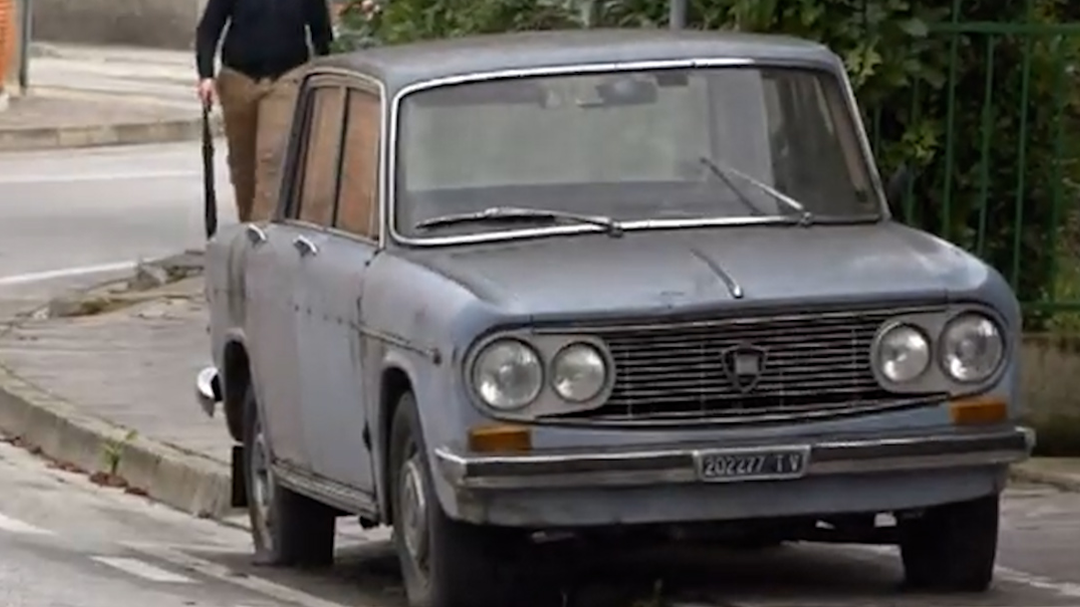
There is a plan to remove the four parking spaces on the busy street where the car is located.
Locals have been discussing moving the vehicle to a place where it can continue to be admired.
As for the original owner, he is pleased with the attention his car is getting and wants to see that admiration continue.
"Of course I would be happy to see it valued as it deserves," Mr Fregolent told local newspaper Il Gazzettino.
Collisions between black holes and stars spark 'tsunami' in space
The ripples created by massive cosmic collisions have reached Earth after travelling across the universe for billions of years.
Scientists have detected the largest number of these gravitational waves since the cosmic events were first discovered in 2015, according to new research.
Astronomers made 35 new detections of gravitational waves, or ripples in space-time, between November 2019 and March 2020.
LIVE UPDATES: 'Life will be miserable for unvaccinated', top doctor warns

READ MORE: Alleged cocaine smuggler Mostafa Baluch arrested
The cosmic waves were largely created by pairs of merging black holes, but several were born of rare collisions between dense neutron stars and black holes.
It's a giant leap from when just three gravitational waves were detected between 2015 and 2016.
This brings the known number of detected gravitational waves to 90 from 2015 to 2020.
They were detected by the Laser Interferometer Gravitational-Wave Observatory, or LIGO, in the US, and the Virgo gravitational-wave observatory in Italy.
The results of the latest observation campaign were published on Monday.
Star life and death
Gravitational waves can help scientists better understand the violent life cycle of stars and why they turn into black holes or neutron stars when they die.
These ripples in space-time were first predicted by Albert Einstein in 1916 as part of his theory of general relativity.
This latest discovery is "a tsunami" and a "major leap forward in our quest to unlock the secrets of the Universe's evolution," study co-author Susan Scott, a professor at the Australian National University Centre for Gravitational Astrophysics, said in a statement.
"This really is a new era for gravitational wave detections, and the growing population of discoveries is revealing so much information about the life and death of stars throughout the Universe," she said.
"Looking at the masses and spins of the black holes in these binary systems indicates how these systems got together in the first place."
READ MORE: Australia ranked last on climate policy in major report
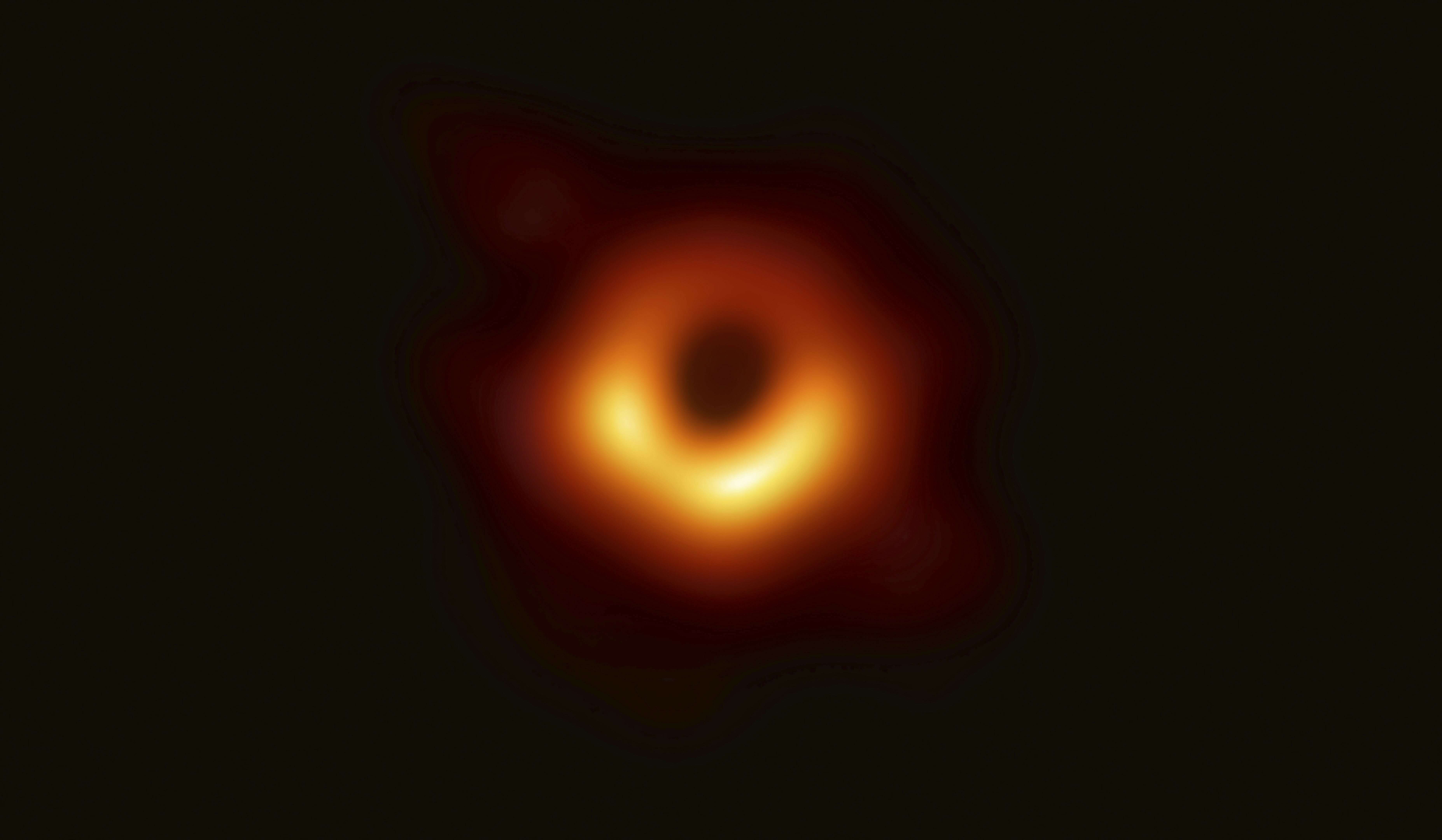
Improving the sensitivity of the detectors to gravitational waves is helping scientists track more of them than before, Professor Scott said.
"The other really exciting thing about the constant improvement of the sensitivity of the gravitational wave detectors is that this will then bring into play a whole new range of sources of gravitational waves, some of which will be unexpected," she said.
Diverse black holes and neutron stars
This new catalogue of gravitational waves includes black holes of all shapes and sizes, in addition to the rare mergers of neutron stars and black holes.
Black holes and neutron stars are both the result of star death.
When stars die, they can collapse into ravenous black holes that consume all of the matter around them.
Or they can form a neutron star, an incredibly dense remnant that remains after a star explodes.
Currently, the heaviest known neutron star is 2.5 times the mass of our sun and the lightest black hole is five times the mass of our sun. In between is the "mass gap."
Improving and refining the detectors is also helping scientists tackle the mass gap, or identifying what exists within this range.
READ MORE: Recommendations to be acted on after girl dies waiting at WA hospital
One of the collisions in this latest observation campaign brought a massive black hole about 33 times the mass of the sun with one of the lowest-mass neutron stars ever found, which is about 1.17 times the mass of our sun.
"Only now are we starting to appreciate the wonderful diversity of black holes and neutron stars," study co-author Christopher Berry, a member of the LIGO Scientific Collaboration, said in a statement.
"Our latest results prove that they come in many sizes and combinations.
"We have solved some long-standing mysteries but uncovered some new puzzles too.
"Using these observations, we are closer to unlocking the mysteries of how stars — the building blocks of our universe — evolve."
Dr Berry is also a lecturer at the University of Glasgow and a visiting scholar at Northwestern University's Center for Interdisciplinary and Exploratory Research in Astrophysics, or CIERA.
The LIGO and Virgo detectors will be joined by the Kamioka Gravitational Wave Detector project in Japan for the next observing run scheduled to begin in late 2022.
Until then, scientists around the world will study the latest observations to look for intriguing signals that may be hiding in the data.
"It turns out that the gravitational-wave universe is incredibly exciting," Maya Fishbach, a NASA Einstein Postdoctoral Fellow at CIERA and member of the LIGO Scientific Collaboration, said in a statement.
"Our upgraded detectors will be able to catch quieter signals, including black holes and neutron stars that merged even farther away, with signals from billions of years ago.
"I can't wait to discover what else is out there."
Australia ranked last on climate policy in major international report
Australia has been ranked last among 60 countries on climate change policy in an annual report that dings the nation's performance in every major category.
Overall, Australia dropped four places to 59th in the 2022 Climate Change Performance Index report, which warned even the best-ranked countries in the world were still not doing enough to stave off dangerous climate change.
Australia figured poorly in all four categories — greenhouse gas emissions, renewable energy, energy use and climate policy — but it was on both national and international policy that it copped the biggest battering.
READ MORE: Obama takes swipe at Russia and China for 'lack of urgency' on climate
Among the G20, South Korea, Canada and Saudi Arabia ranked below Australia overall, with Denmark, Sweden, Norway and the United Kingdom maintaining their places at the top of the list.
The top three places were left blank to signify no country was doing enough across all areas.
Experts contributing to the CCPI report, which is compiled by Climate Action Network, Germanwatch and New Climate Institute, said Australia's Technology Investment Roadmap was not enough to decarbonise the economy and promote renewable energy.
It said despite a growing renewables industry, Australia had "failed to take advantage of its potential".
"Despite public support for a net zero target, there is currently no national plan for transitioning to renewable energy (a backdrop for the very low rating for the National Climate Policy indicator), with the policy uncertainty undermining investment and causing energy supply concerns," the report stated.
"The country's lack of domestic ambition and action has made its way to the international stage."
READ MORE: Fossil fuel lobby bigger than any nation at climate summit
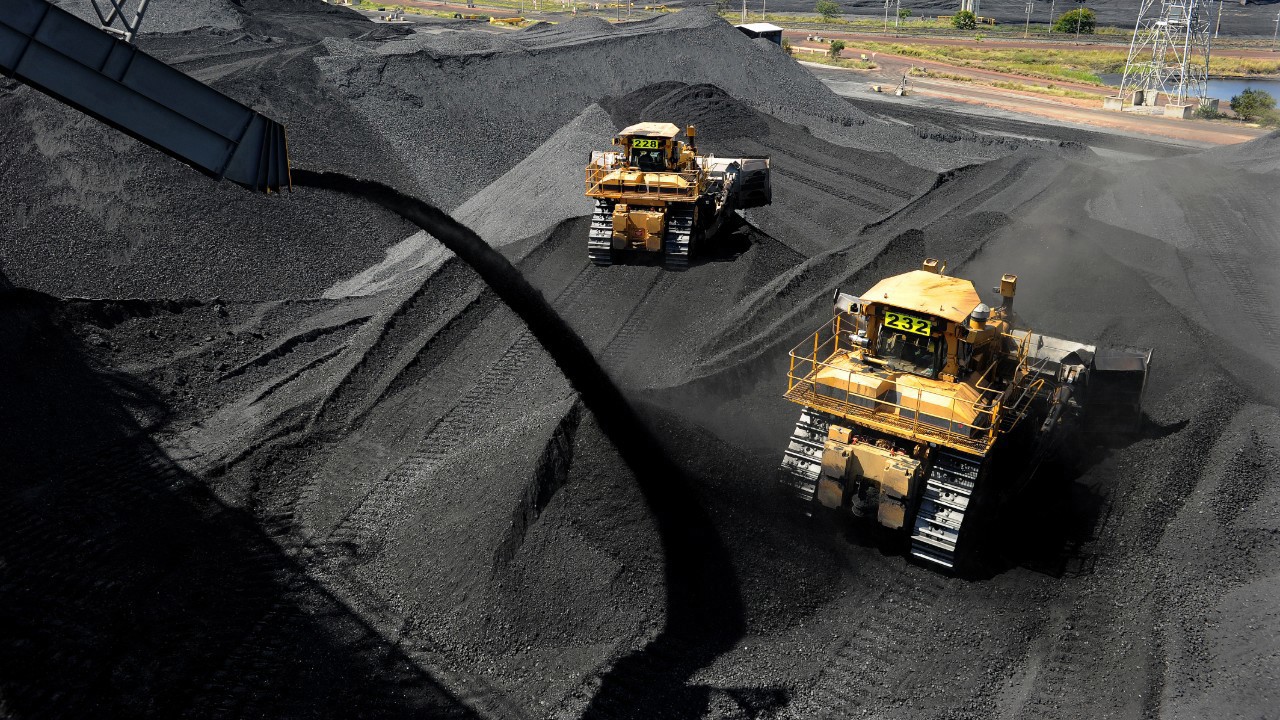
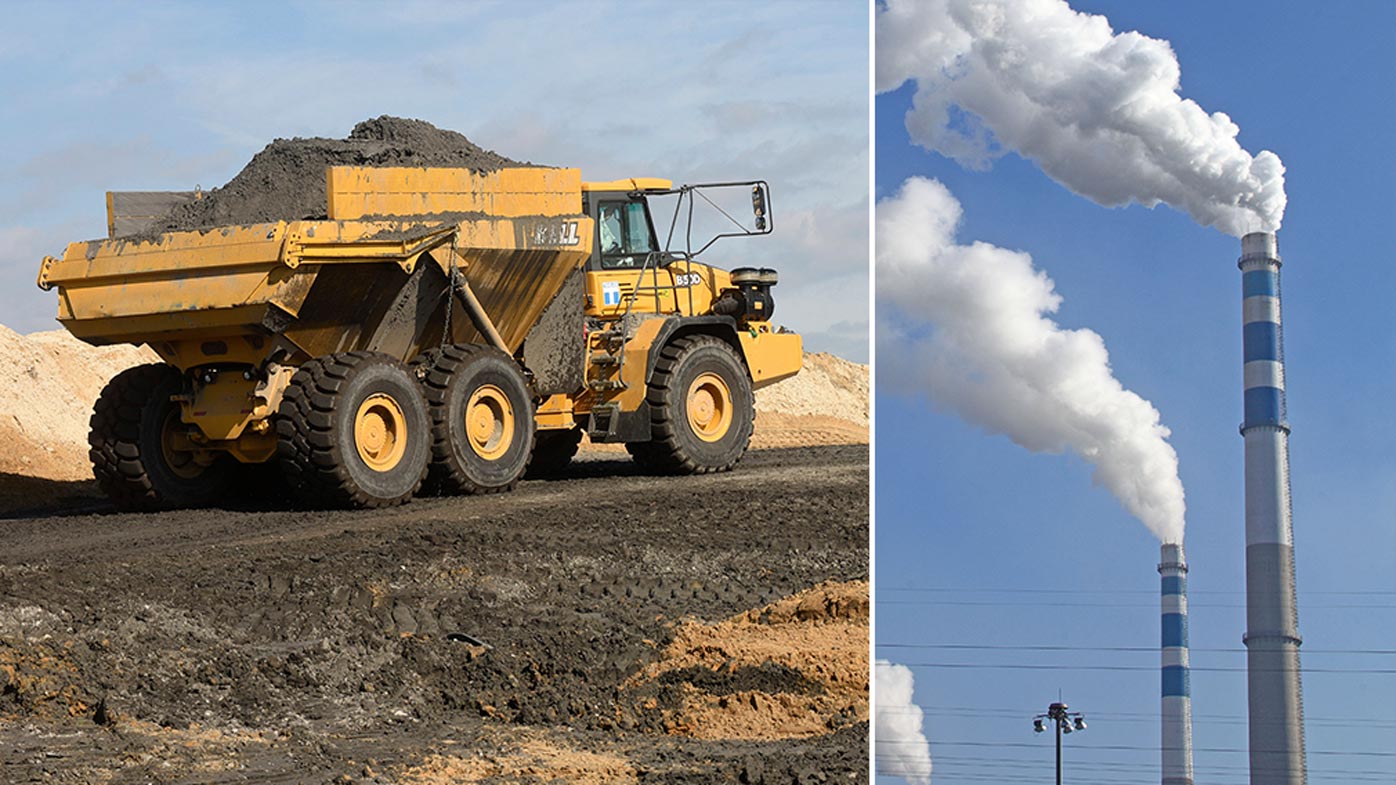
Germanwatch low-carbon strategies and energy senior advisor Jan Burck said as one of the world's largest exporters of coal, Australia was "really part of the problem".
"They really get zero points for national and for international policy from the experts from Australia," he said, at a press conference held at the COP26 United Nations climate summit in Glasgow.
"And they're proof here at this conference that they deserve it.
"They really blocked a lot of things and are not willing to change that in this moment."
Australia's highest ranking was 49th for energy use and its best sub-category ranking "medium", for greenhouse gas emissions per capita trends.
It has been a dynamic year for climate policy thanks to COP26 in Glasgow, more ambitious 2030 emissions targets from a number of major polluters and the re-emergence of the US on the world stage under President Joe Biden.
READ MORE: Fears exclusive Melbourne Cup party is a 'super spreader' event
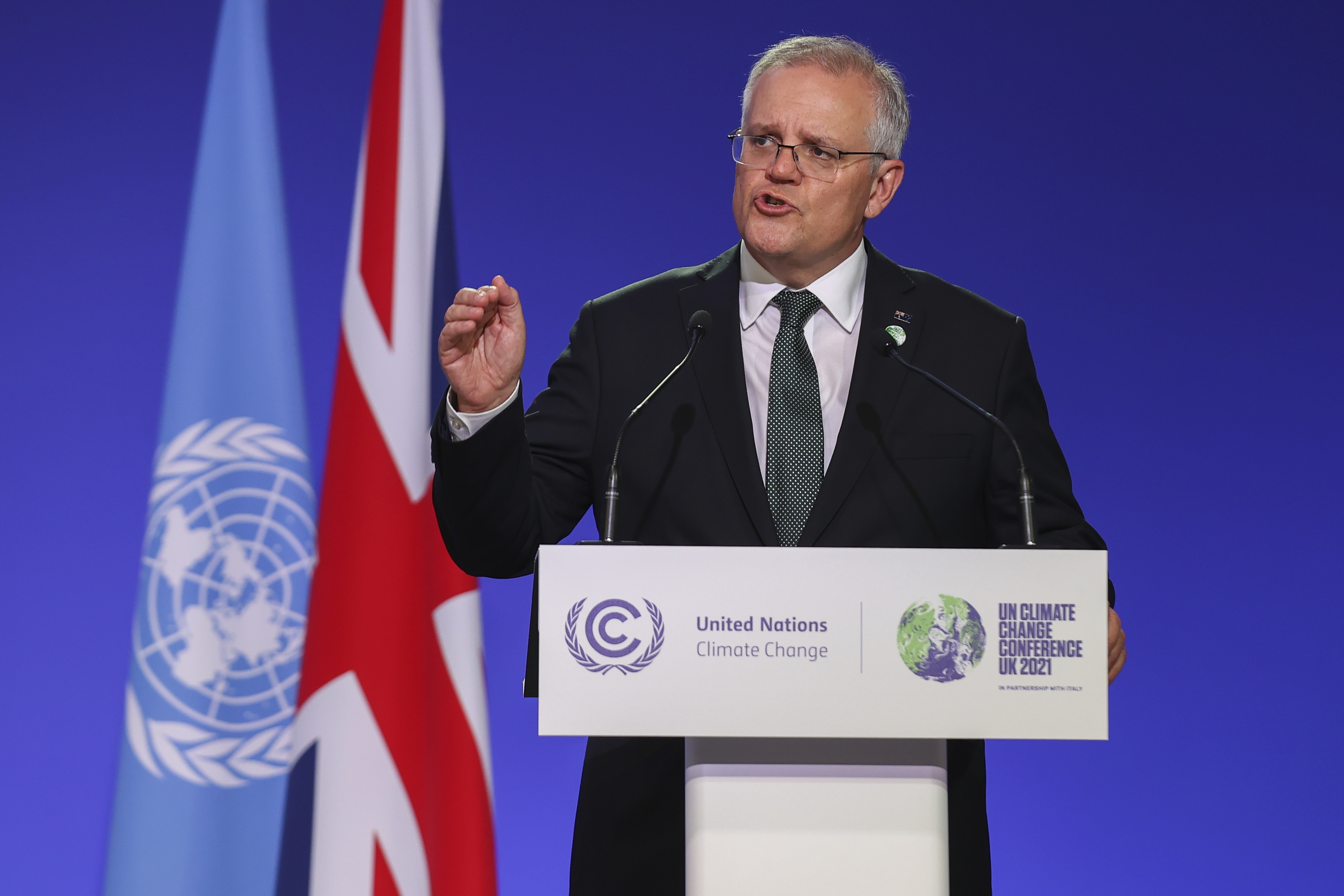
Amidst this backdrop, Prime Minister Scott Morrison's government has committed to reaching net zero emissions by 2050 but failed to update the nation's 2030 target as called for in the Paris Agreement and declined to sign on to international commitments to phase out coal and reduce methane emissions.
"COP26 was squarely focused on increasing short-term action and the Australia Government won't even consider improving its weak, dated emission reduction target for 2030," Australia Institute climate and energy program director Richie Merzian said, in a statement.
"No wonder Australia is slipping further in the global rankings."
In a video shared to Twitter before leaving COP26, Industry, Energy and Emissions Reduction Minister Angus Taylor said Australians were doing "extraordinary things" to bring down emissions, "not just in our own country but across the world, across a whole range of technologies".
READ MORE: What countries produce the most greenhouse gas emissions?
https://twitter.com/AngusTaylorMP/status/1457179062376435714
"Our focus is on bringing down the cost of low emissions technologies, not wiping out industries," he told SBS earlier in the week.
A spokesman for the minister attacked the ranking as lacking credibility.
"It employs a subjective, non-transparent, and non-replicable methodology for ranking countries' performance, promoted by advocacy organisations to suit their own agendas," he said, in a statement.
Australian Conservation Foundation climate and energy program manager Gavan McFadzean said that while 130 countries had increased their short-term emissions reduction ambitions, Australia hadn't, "relegating us to the bottom of the pack with the likes of Saudi Arabia and Iran".
"Although renewable energy is booming in Australia, all the work has been done by state and territory governments and the private sector, which is why Australia is rock bottom on the table of national climate policies," he said, in a statement.
About 130 world leaders met in Glasgow last week for what host Britain says is the last realistic chance to keep global warming to 1.5 degrees above pre-industrial levels — the goal the world set in Paris six years ago to stave off catastrophic climate change.
The conference continues this week.
Earth has already warmed 1.1 degrees. Current projections range from a 1.9-degree warming by the end of the century to a 2.7-degree increase, depending on whether analysts take into account 2050 net-zero targets or the more immediate 2030 pledges.
The Morrison government on Monday announced a $250 million Future Fuels investment fund aimed at expanding public electric vehicle charging and hydrogen refuelling infrastructure and household smart charging, while looking for greener solutions for heavy, long-distance and commercial vehicles.
Mr Morrison claimed claimed Labor's proposed electric vehicle policy in 2019 would "end the weekend".
He will reportedly announce a $1 billion Low Emissions Technology Commercialisation Fund on Wednesday, designed to encourage investment in Australian companies developing emerging low-emissions technology.
Brisbane teen fighting for life after alleged assault
A Brisbane teenager is fighting for his life in hospital after police found him unconscious and in a critical condition on the side of a road.
The 18-year-old was taken to the Royal Brisbane and Women's Hospital in a critical condition, with significant head and facial injuries, after being found on the side of Kruger Road in Carbrook on Sunday night.
Investigations are underway into a traffic incident police believe to be related to the alleged assault, with footage showing two cars engaged in dangerous driving behaviour.
READ MORE: Fears exclusive Melbourne Cup party is a 'super spreader' event
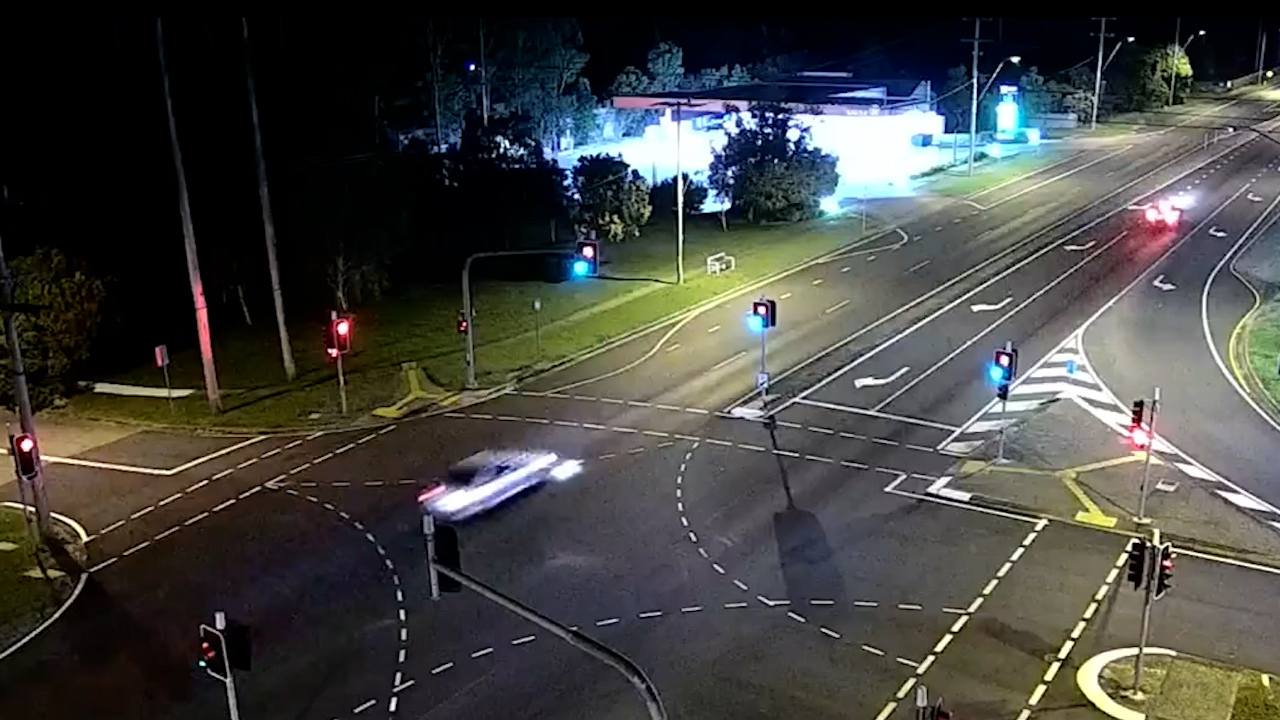
A silver Camry sedan and a red Commodore were located near where the man was found.
They have both been seized by police.
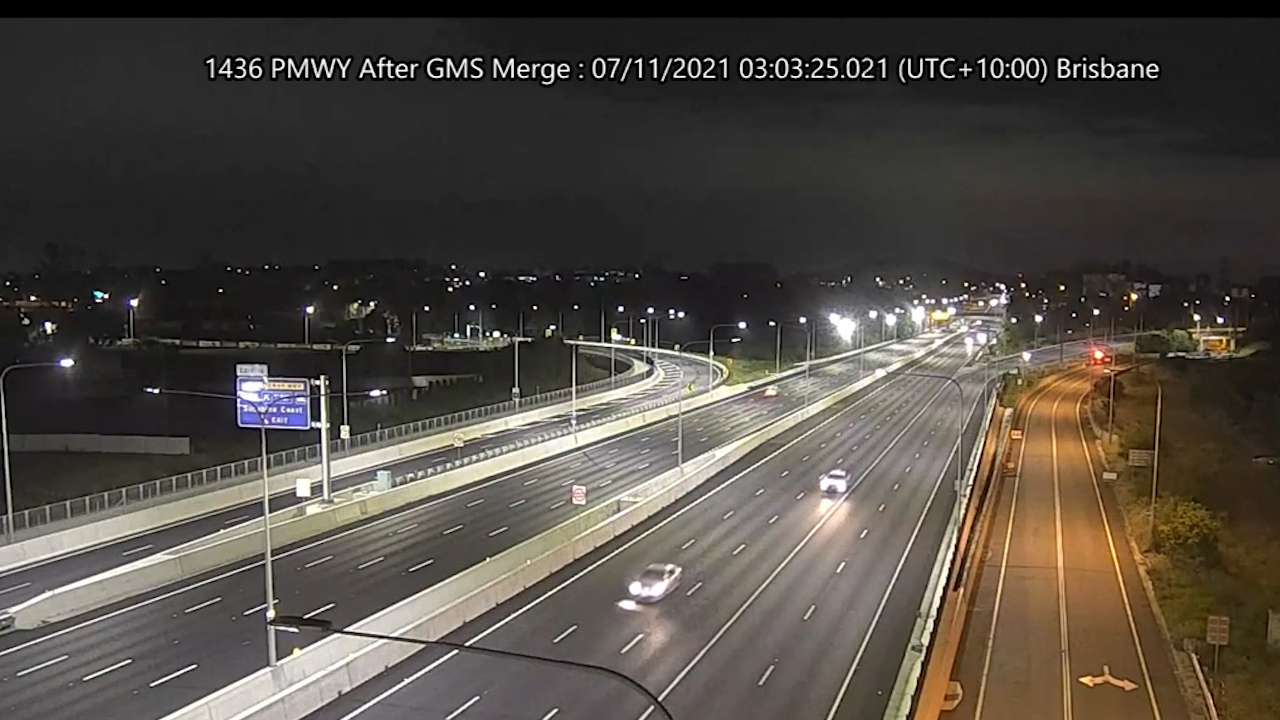
Investigators are appealing to the public for information, particularly in relation to the two cars travelling southbound on the M1 from Brisbane or on Beenleigh Redland Bay Road prior to 3.30am.
READ MORE: Mask mandate set to end in Queensland
Detective Superintendent Brendan Smith said officers were trying to determine who was responsible and how the young man came to be at the roadside.
READ MORE: Aussie victims sent bizarre items in the post
https://twitter.com/R_DAlessandro9/status/1457913989627723783
READ MORE: Swooping crows with 'grudges' terrorise Gold Coast shopping district
"We've got a young person now who's fighting for his life in hospital," Superintendent Smith said.
Police suspect the alleged assault followed a disagreement in Brisbane's nightlife district, Fortitude Valley, involving two groups of youths.
Police have identified 15 people of interest aged between 16 and 20.
Investigations are continuing.
Tiny device could be the new way to treat rheumatoid arthritis
A device the size of a 50 cent coin could be a new way to treat rheumatoid arthritis.
It's a condition affecting almost half a million Australians each year.
Many are treated with a range of drugs to stop the pain and stiffness.
Now researchers at the Bionics Institute have developed a treatment that could be an alternative to medication
READ MORE: Fears exclusive Melbourne Cup party is a 'super spreader' event
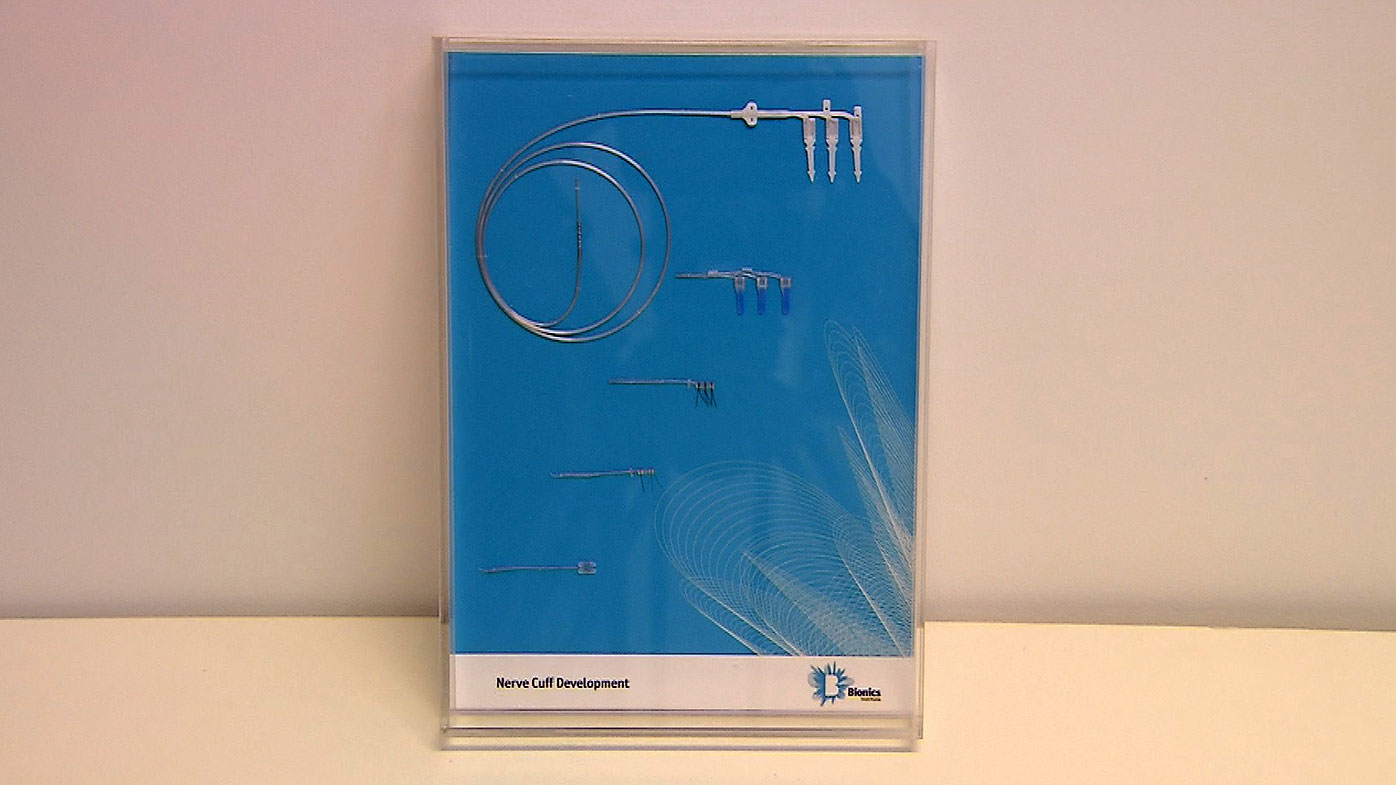
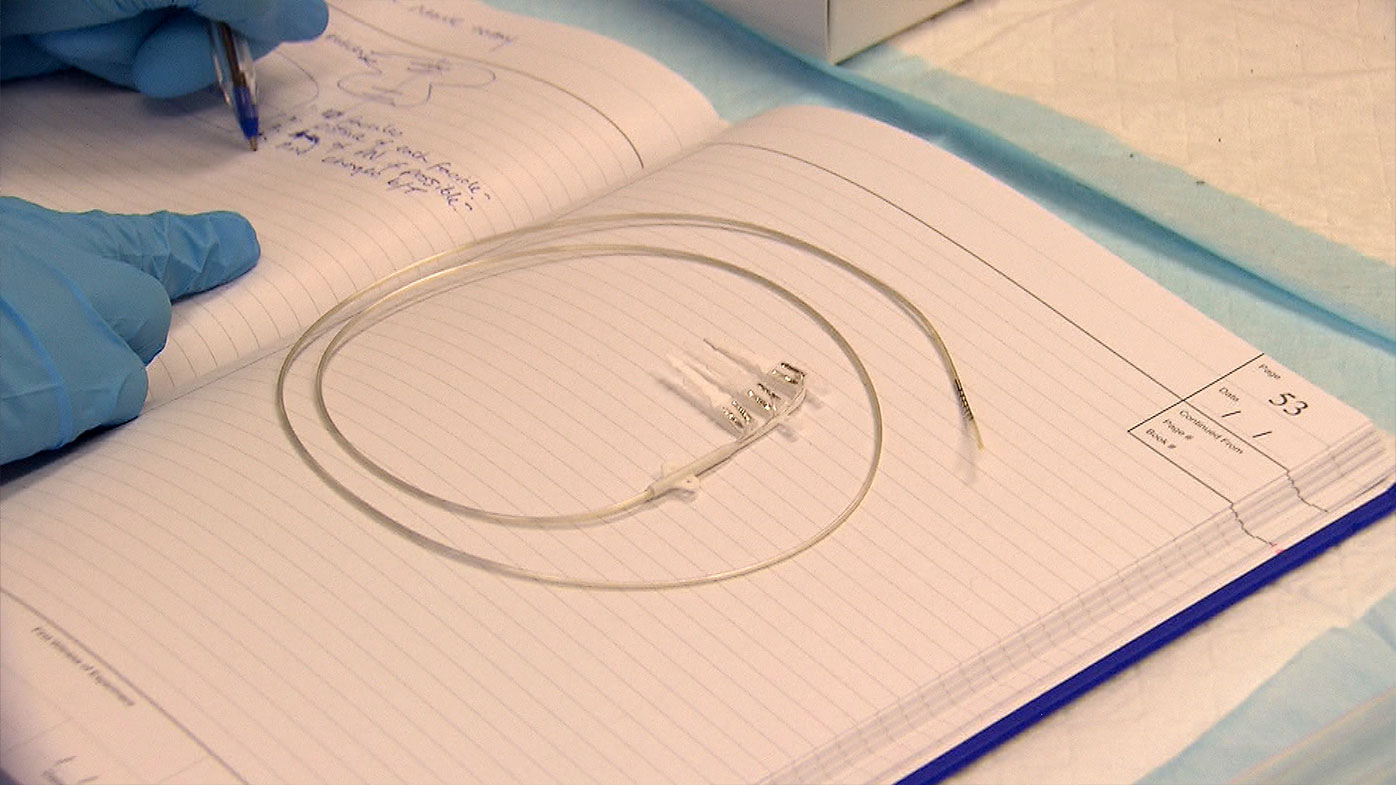
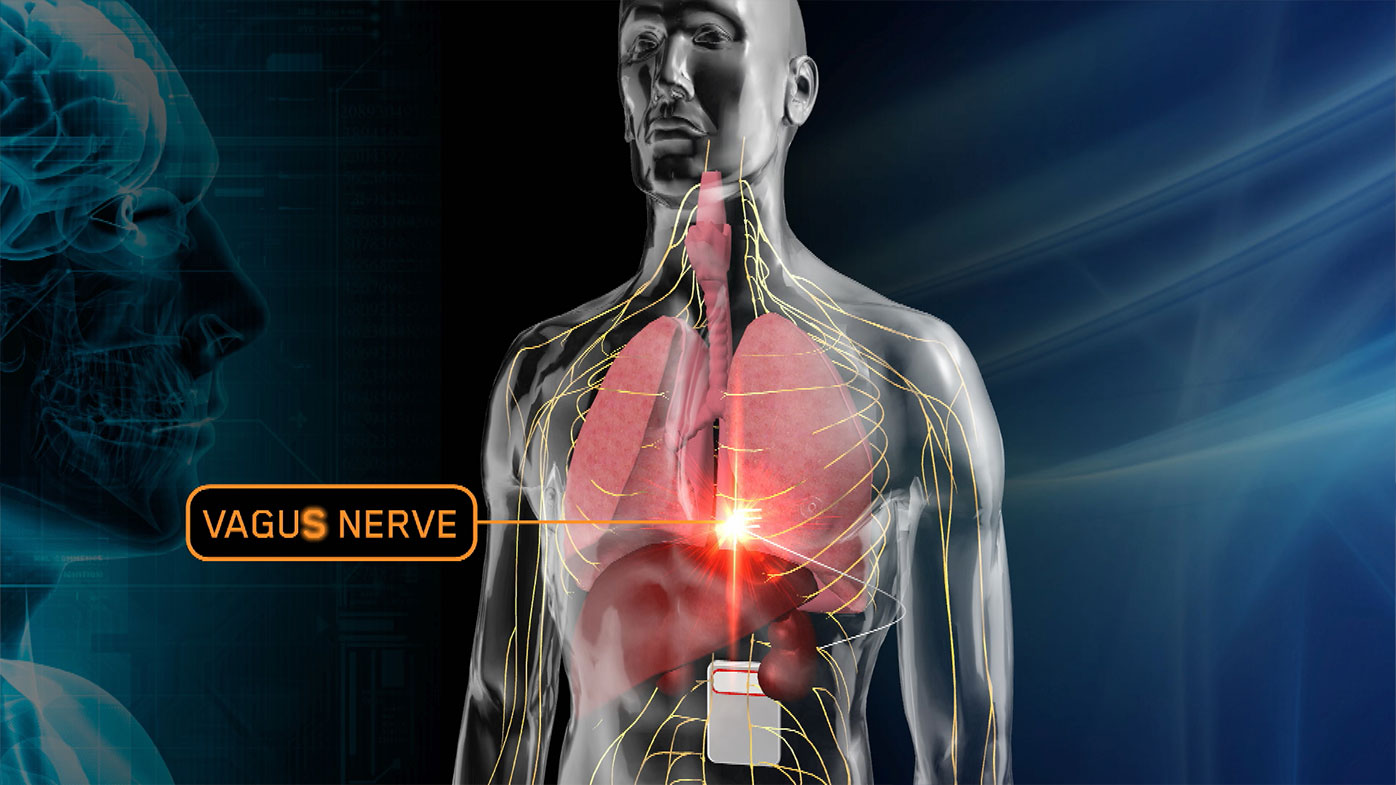
The battery-powered device is implanted below the lungs in an abdominal cavity.
It stimulates the vagus nerve, a major nerve in the body, the electricity is thought to reboot the body's built-in healing system.
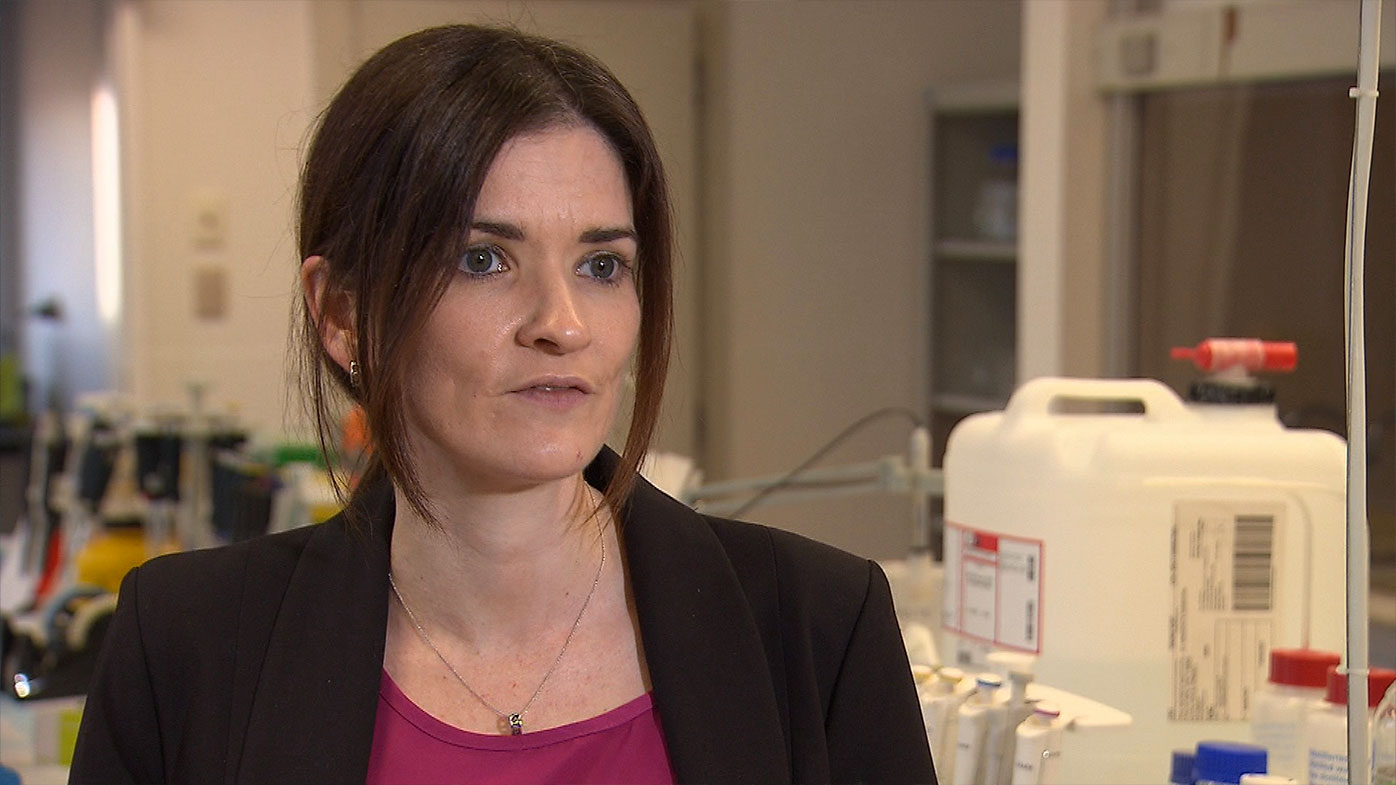
Dr Sophie Payne from the Bionics Institute said "it basically uses your own bodies natural way of fighting-off inflammation."
In rheumatoid arthritis, the body attacks its own joints causing inflammation, pain and stiffness.
"By stimulating the vagus nerve, which controls the body's anti-inflammatory reflex, we can dampen the inflammation to reduce the pain and stiffness and allow people with rheumatoid arthritis to move freely," Dr Payne said.
READ MORE: Aussie victims sent bizarre items in the post
Karen Morgan has lived with rheumatoid arthritis for 22 years.
"You feel tired, when things get sore they not only get sore they get stiff," Ms Morgan said.
"The medication makes the pain bearable most of the time, but when I have a flare up it's a struggle to do anything."
READ MORE: Swooping crows with 'grudges' terrorise Gold Coast shopping district
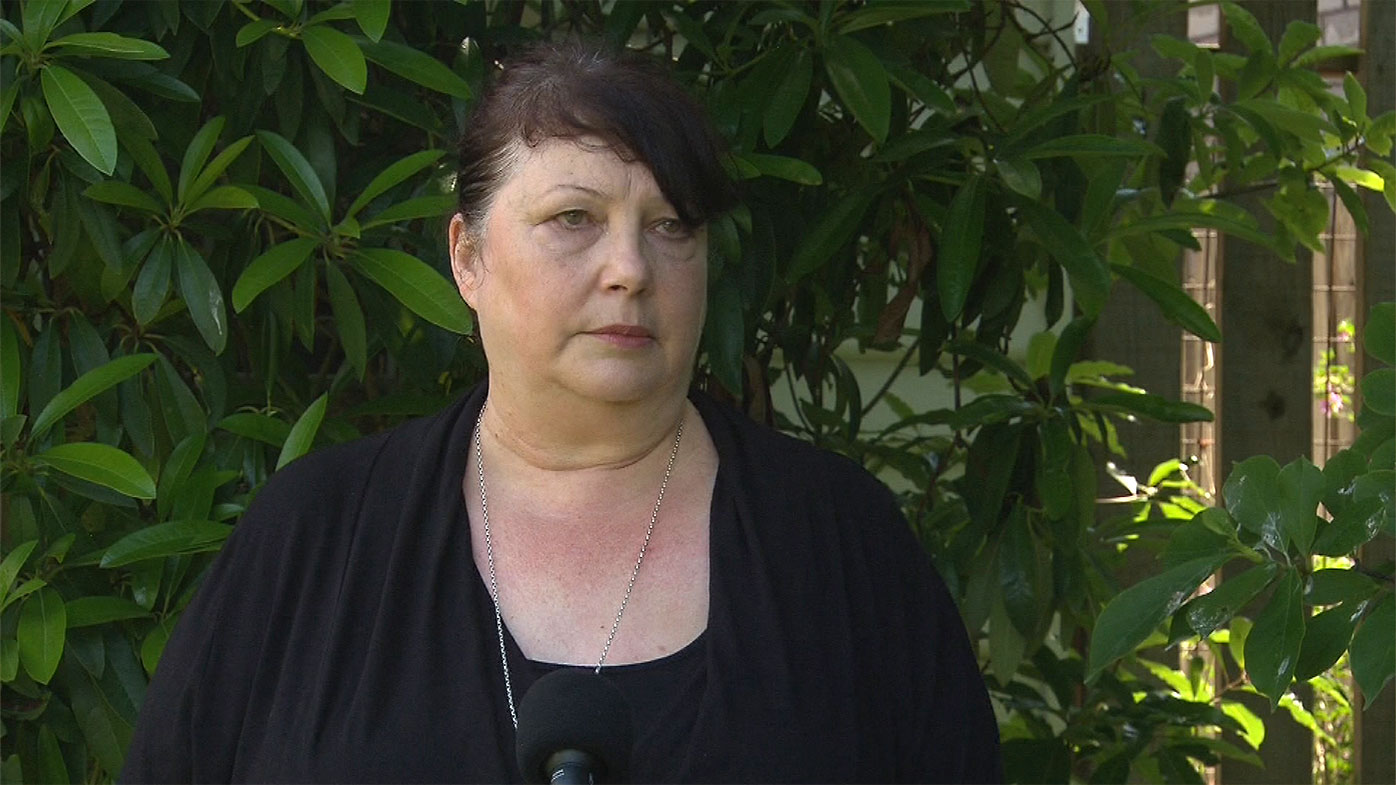
Similar devices have been trialled overseas but implanted in the neck.
Some patients have reported coughing, a hoarse voice and in some cases the slowing of the heart.
"I'll be more beneficial because we are applying the electricity below the branches that activate the heart and the lungs," Dr Payne said.
Once funding is secured trials are expected to begin in two years.
Covid 19 Delta outbreak: Infected Aucklander isolating in caravan feels 'scared', abandoned by authorities
By Katie Todd, RNZ An Aucklander with Covid-19 who has confined herself to a caravan in her backyard feels scared for her health and abandoned by authorities.About 2000 people with the virus are living at home and those supporting…
Covid 19 Delta outbreak: Whānau wants MIQ facilities to appoint Māori advisers
Originally published by Māori Television Whānau in managed isolation hotels say the facilities have failed to understand and acknowledge Māori points of view.A Ngāpuhi whānau who feel isolated at an MIQ…