Wellington Phoenix is auctioning off two playing kits to boost the funds raised by “selfless” teenager Jemima Gazley, who died of brain cancer last month . Diagnosed with an inoperable brain tumour known as DIPG in February, 15-year-old…
Tag Archives: oceania
'Folk hero' Breaker Morant and comrades recognised after 120 years
One of the most controversial episodes in Australian military history has taken a new turn, 120 years on.
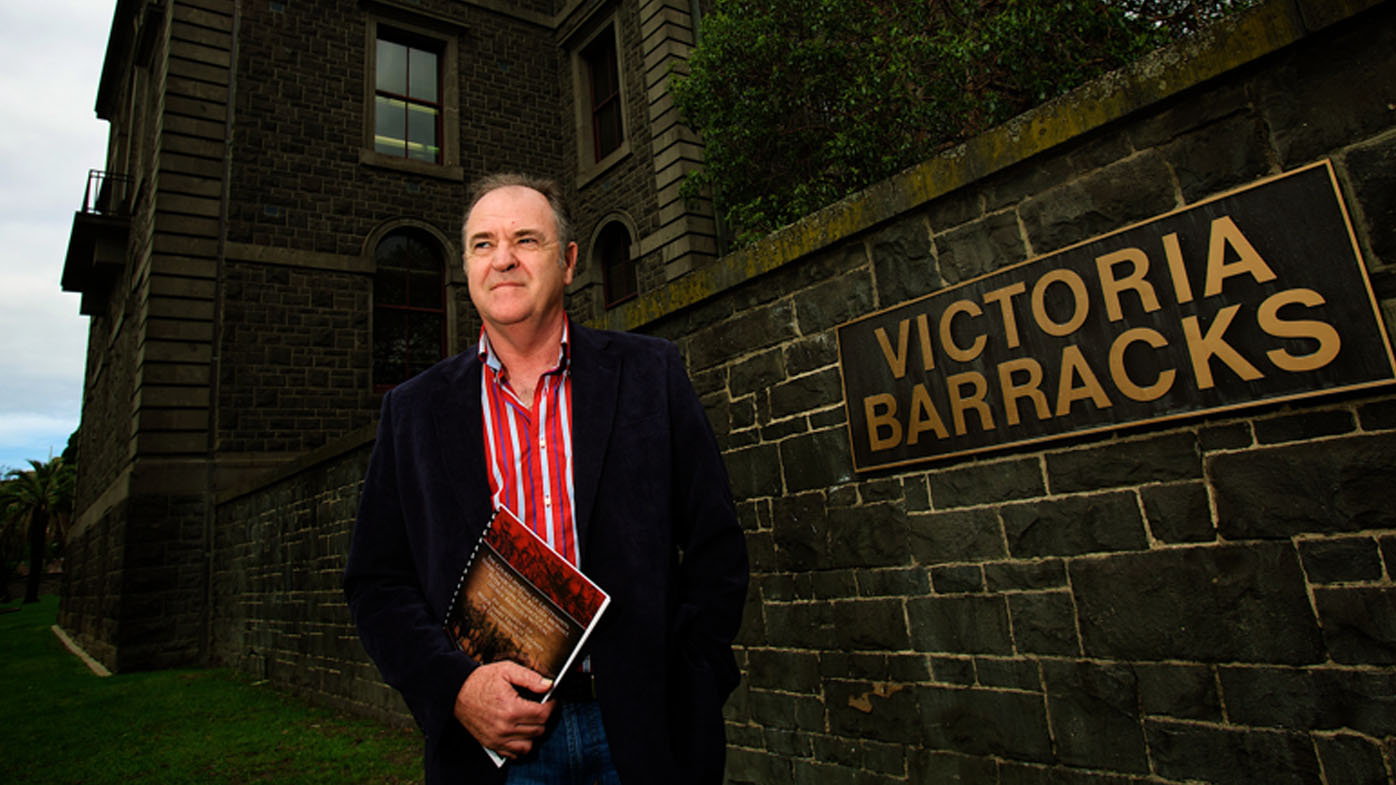
Three Boer War veterans – including the famous Harry 'Breaker' Morant – who were convicted in disputed circumstances of shooting prisoners – have been posthumously awarded military service medals.
British-born Morant and Australian co-accused Peter Handcock were executed in 1902 after they admitted to killing prisoners under orders.
READ MORE: Treasured World War II relics discovered in backyard
Another Australian, George Witton, was also sentenced to death, but had his sentence downgraded to life in prison.
Australian military lawyer James Unkles has been working on the case pro-bono for 10 years on behalf of the trio's descendants.
He told Nine.com.au his campaign has the support of top lawyers and federal MPs.
"I have advocated for an independent inquiry into the substantial evidence I've uncovered which has been validated by so many QCs," Mr Unkles said.
"They all sing with the same song, and that is this case wreaks of a gross injustice, that these men were not tried and sentenced according to law."
Who was 'Breaker' Morant?
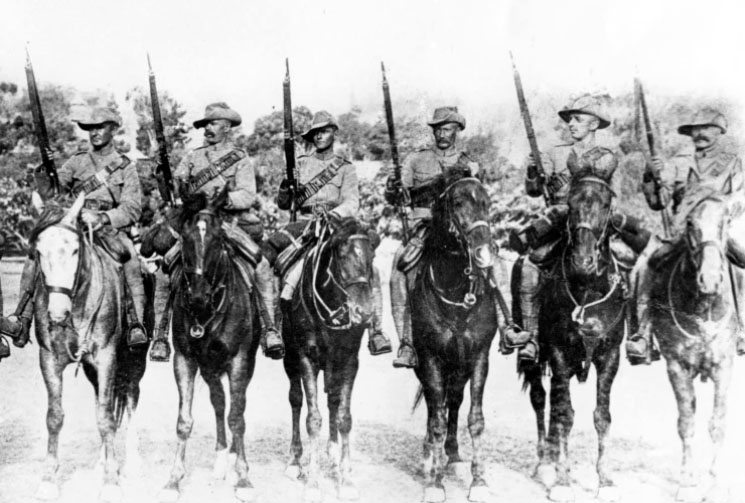
Harry Morant is believed to have been born in Somerset, England, in 1864. He settled in Queensland in 1883, where he established a reputation as a horseman, earning the nickname 'Breaker'.
In 1900, after the British Empire declared war on the Boer republics in South Africa, Morant joined an Australian regiment and soon saw action.
Two years later he was posted to the Bushveldt Carbineers military unit, as the conflict between the Boer guerilla forces and British-led troops became increasingly bitter.
While leading a patrol in the northern Transvaal in August 1901, Morant ordered the execution of a group of Boer prisoners.
Morant, Handcock and other officers were arrested and court-martialed for the killings.
READ MORE: Drought reveals ancient boomerangs hidden in Cooper Creek
Their Australian lawyer maintained the soldiers were acting under orders from senior British commanders.
There was also claims the army's high command applied pressure for the soldiers to be found guilty and used as scapegoats for the shootings.
Handcock and Morant were executed by firing squad in February. 1902. Witton was given a life sentence and released four years later.
Divisive figure
During the past 120 years, Morant has risen to folk hero status in the manner of Ned Kelly.
A number of books and the 1979 film 'Breaker Morant', has kept the Boer War veteran in public consciousness.
But not all Australians regard him as a larrikin adopted Aussie and victim of British misjustice.
READ MORE: 'Rare and magical': Waterfalls stream down Uluru
Writer Peter FitzSimons in his book 'Breaker Morant' compared Morant with a war criminal who enjoyed boasting about his violent acts.
Descendants of Morant, Handcock and Witton, however, maintain they suffered an injustice during their trial.
They are calling on the Australian Government to set up an independent inquiry into their convictions.
What countries produce the most greenhouse gas emissions?
Ambitious new emission pledges and a plan to end deforestation in the coming decade are critical initiatives for the world to keep global heating below 2C, the COP26 Climate Change Summit heard this week.
These also happen to be two of the major outcomes agreed upon by leading countries like the US, China, Australia and India in the first week of the Glasgow-based summit.
It follows Australia unveiling its plan to reach net-zero emissions by 2050 on October 26.
So, with all this talk about greenhouse emissions – what exactly are they, and which countries are producing the most?
READ MORE: World strapped to a 'doomsday device'
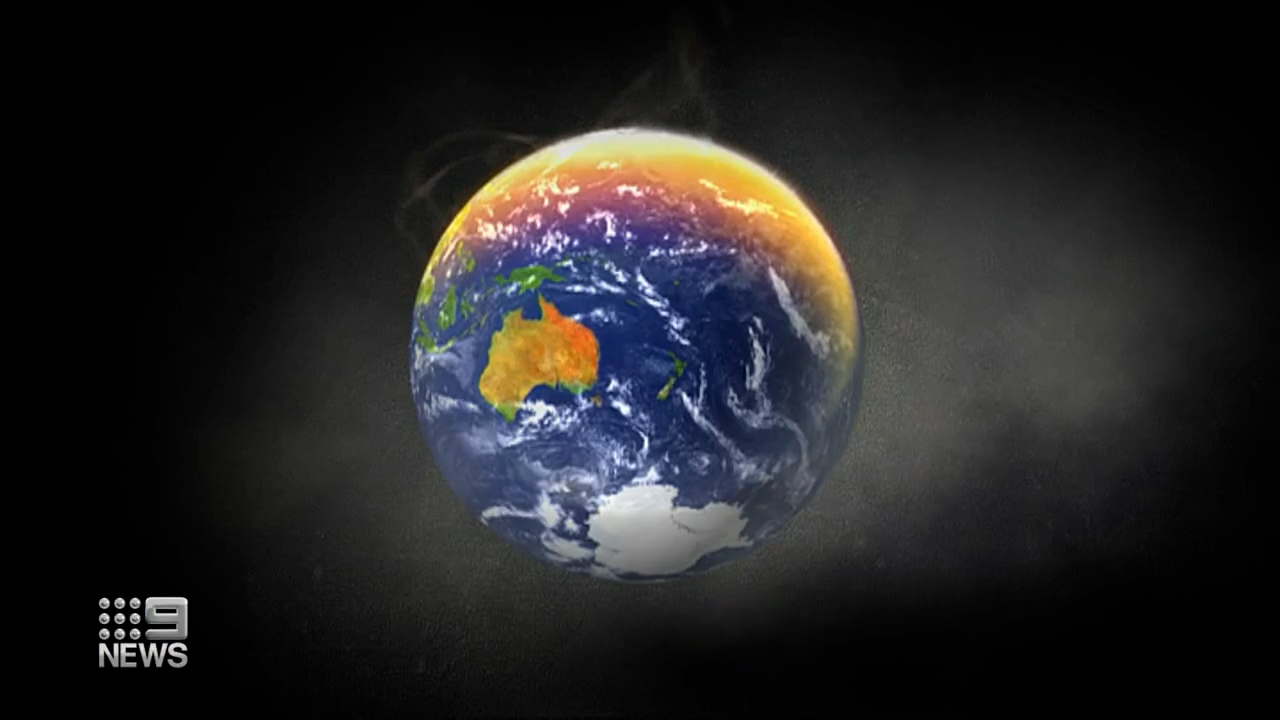
What are greenhouse gas emissions?
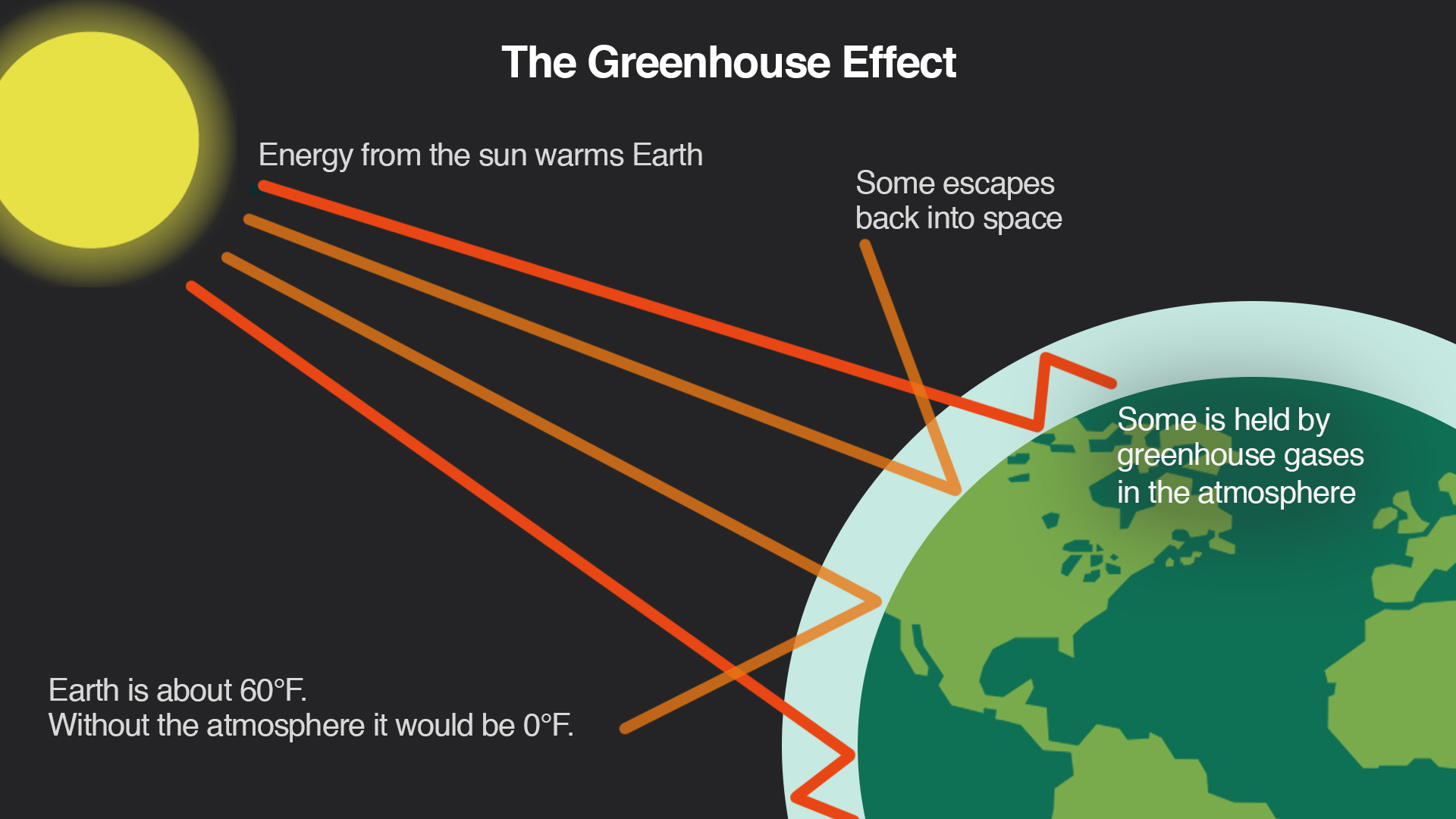
There are five main gases that trap heat in earth's atmosphere and contribute to the greenhouse effect.
These are:
- Carbon dioxide
- Methane
- Nitrous oxide
- Fluorinated gases
- and finally water vapour, which is produced naturally.
The term carbon emissions, or greenhouse gas emissions, refers to the release of these gases into the atmosphere, which was accelerated by the industrial revolution.
What is the biggest cause of emissions?
The majority of emissions is carbon dioxide, which is released through the burning of fossil fuels: coal, oil, and natural gas.
Carbon dioxide is now reaching levels 50 per cent higher than before the Industrial Revolution, recent data from the Mauna Loa observatory in Hawaii shows.
READ MORE: China turns to stranded Australian coal amid power crisis
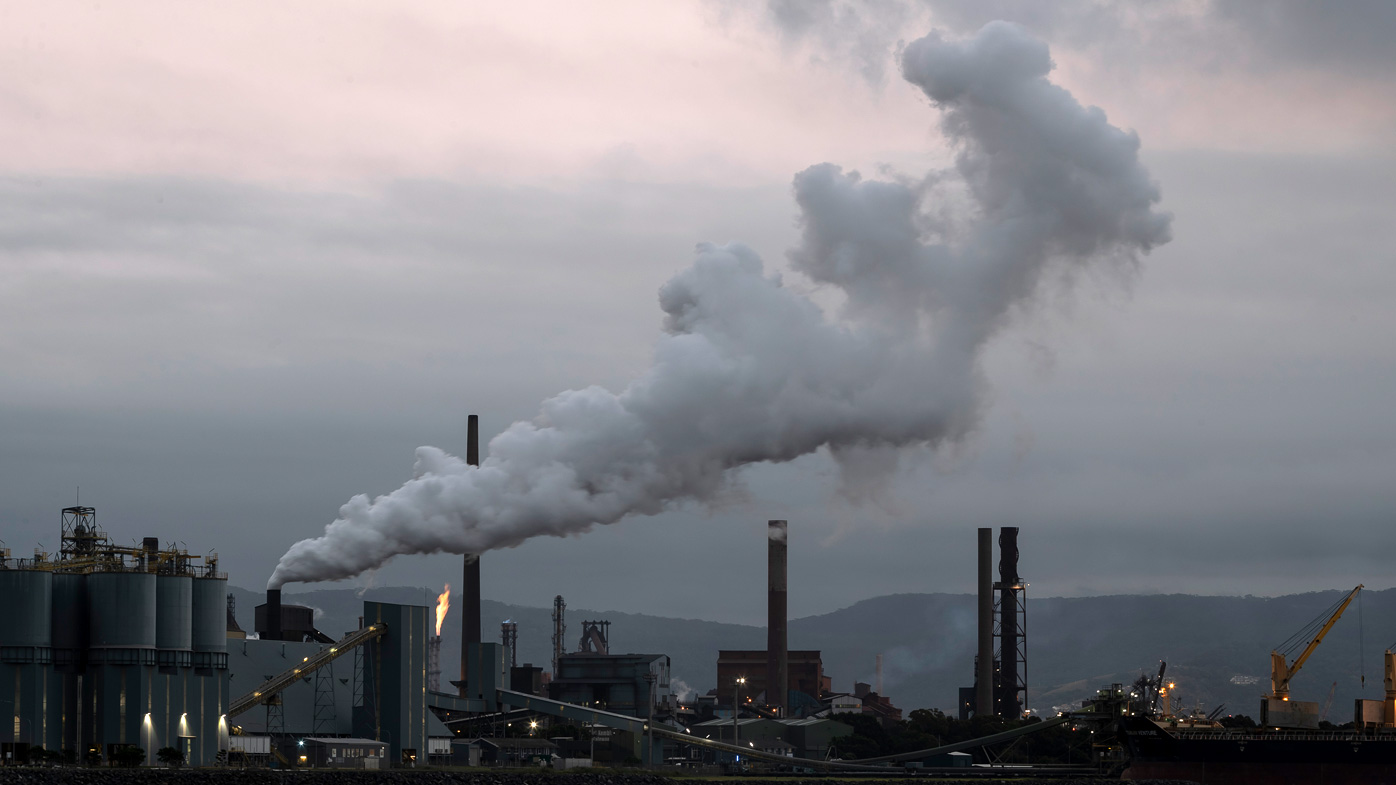
Burning coal provides electricity, heat, and transportation, but some countries, like Australia, rely on coal more than others.
What countries produce the most greenhouse gas emissions?
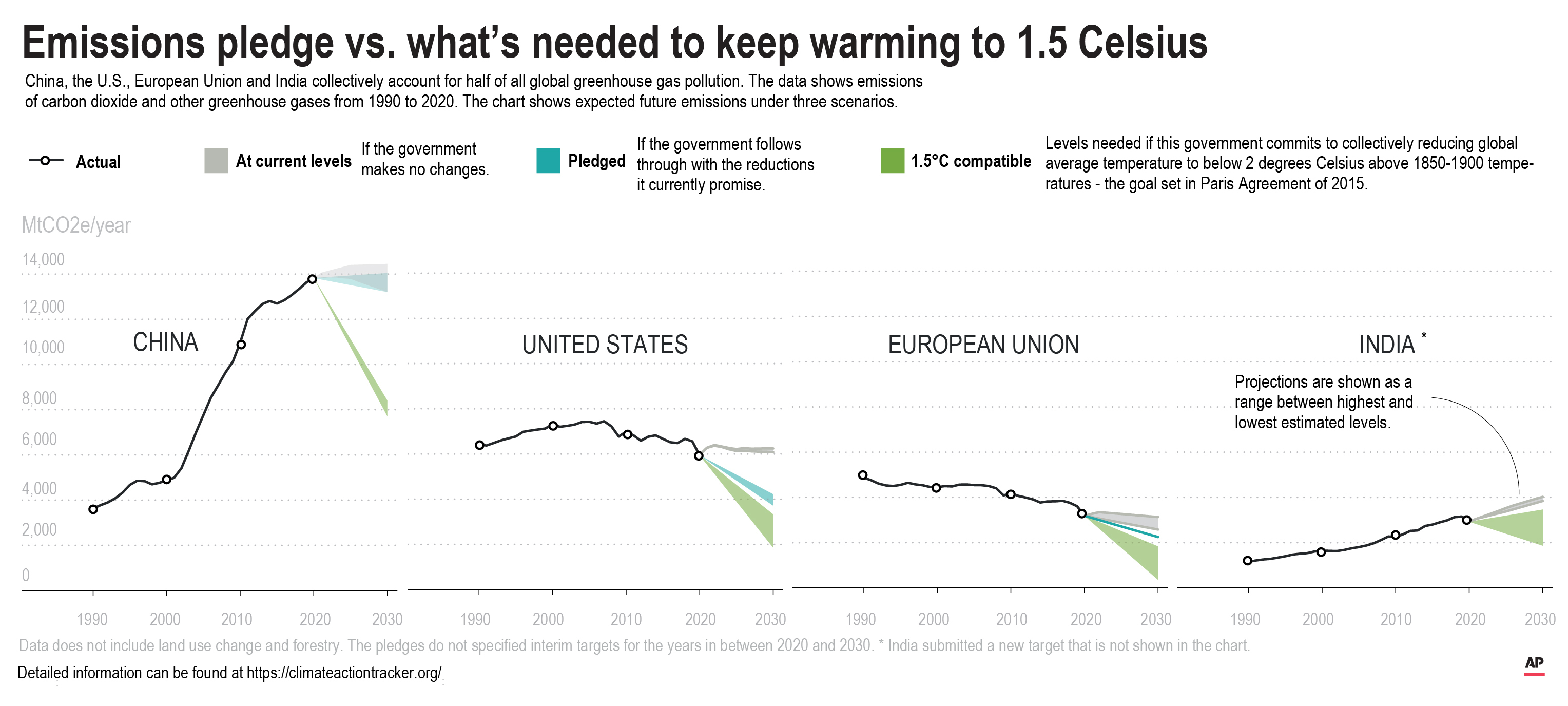
With the world's largest population – home to more than 1.4 billion people – China is by far, the world's biggest emitter of CO2 emissions.
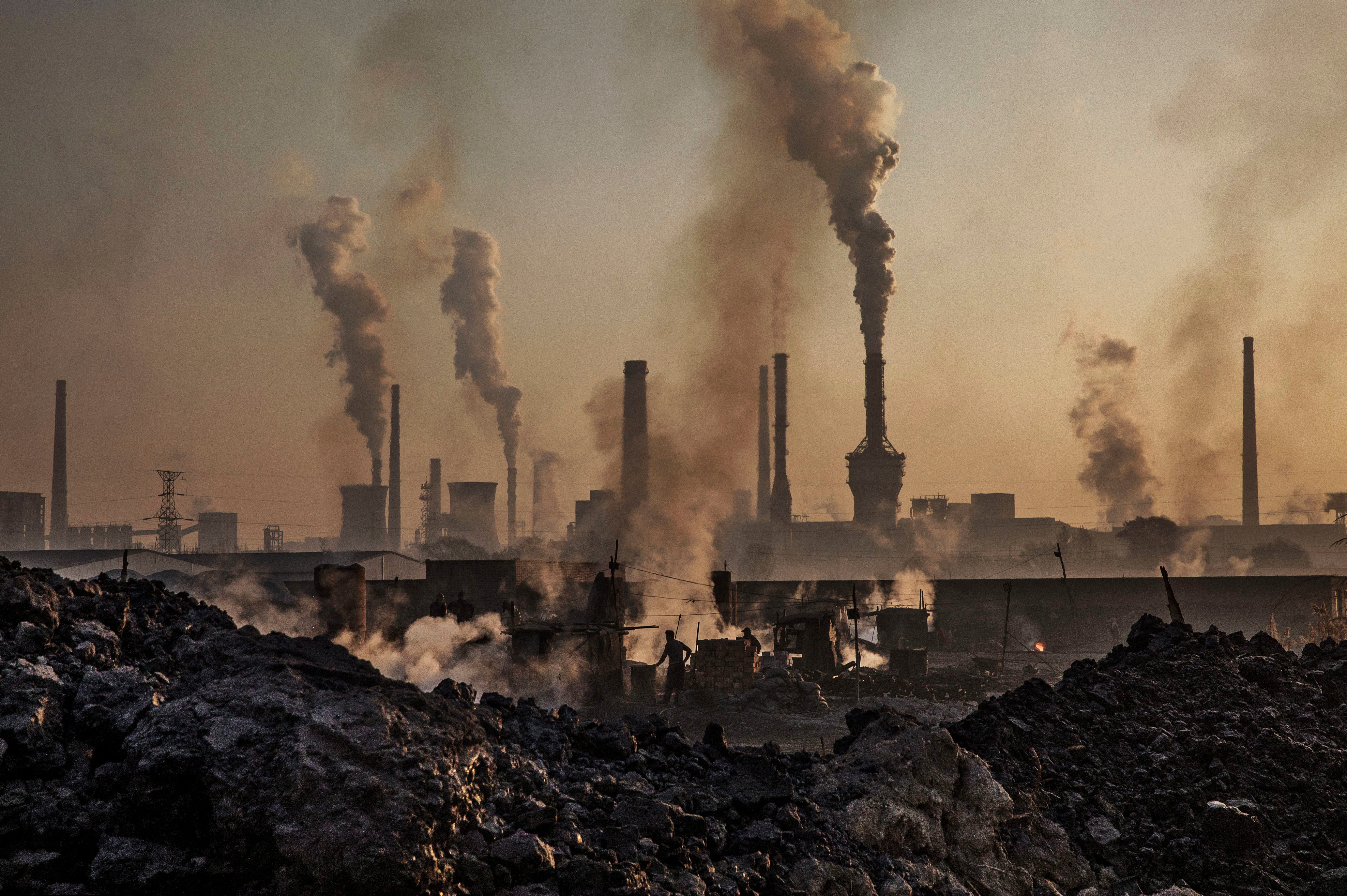
Emissions from China contribute 28 per cent to global emissions.
This is followed by the United States which contributed 15 per cent of global emissions and India, which clocked in at 7 per cent.
So what happens if we don't reduce CO2 emissions?
If countries don't agree to cut emissions then the world will see warming "well above" 3 degrees by 2100, according to the COP26 presidency.
This could be potentially catastrophic, as the planet is already feeling the effects of a warming climate.
READ MORE: NSW RFS warns repeat of 'catastrophic season' coming soon
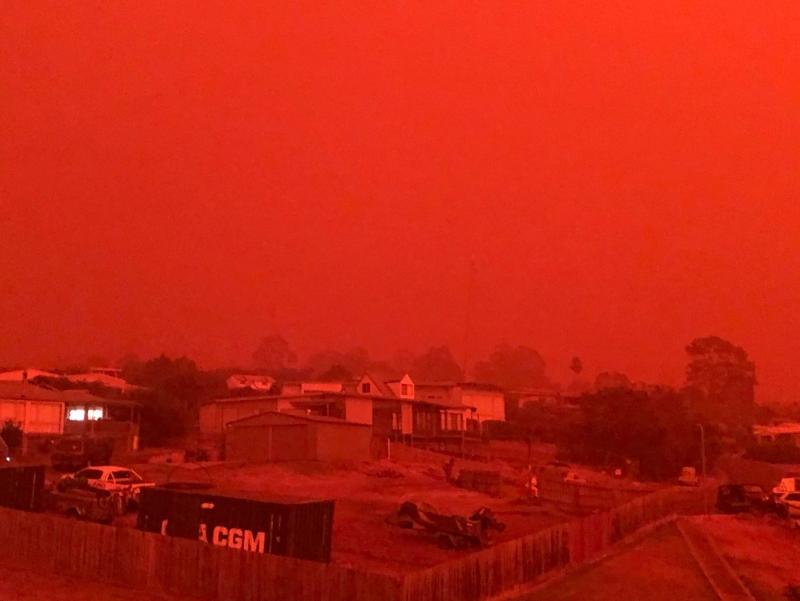
Already at 1.1 degrees above pre-industrial levels, the world is heading for average global temperatures of 1.5 degrees faster than scientists thought, the Intergovernmental Panel on Climate Change's (IPCC) "code red" report said.
If greenhouse gasses are reduced today, that threshold is on track to be crossed in the mid-2030s.
READ MORE: Bushfires sparked algae bloom the size of Australia
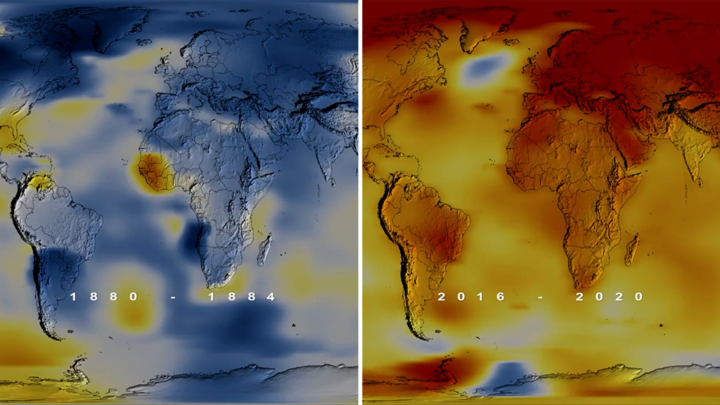
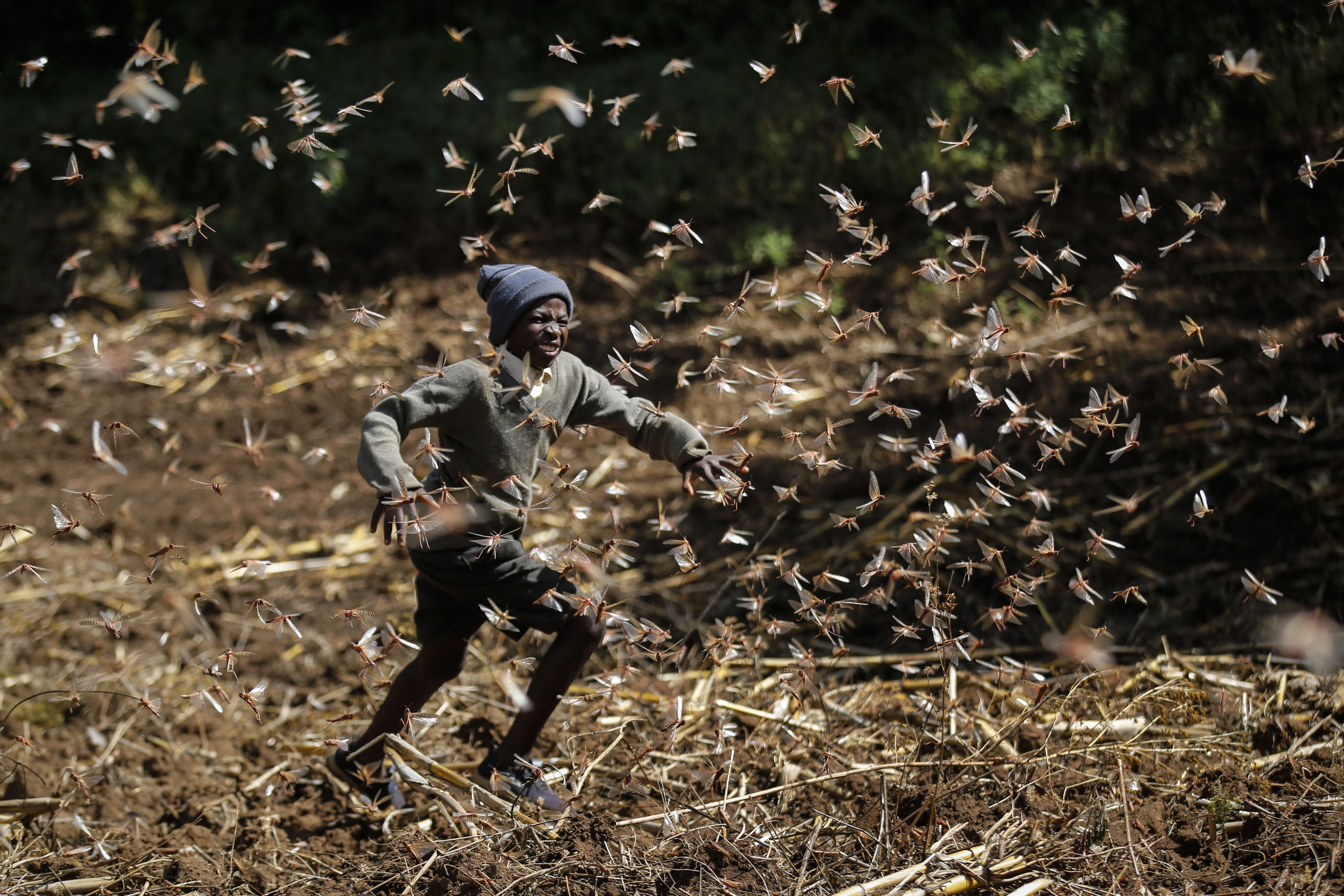
Rising temperatures, prolonged droughts, increasing sea levels due to melting ice caps, fierce storms, raging fires, drop in crop yields and insect and disease outbreaks – are all a reality of climate change.
A recent UN state-of-the-science climate report found Australia is already experiencing more heat extremes and higher sea level rises than the global average because of climate change.
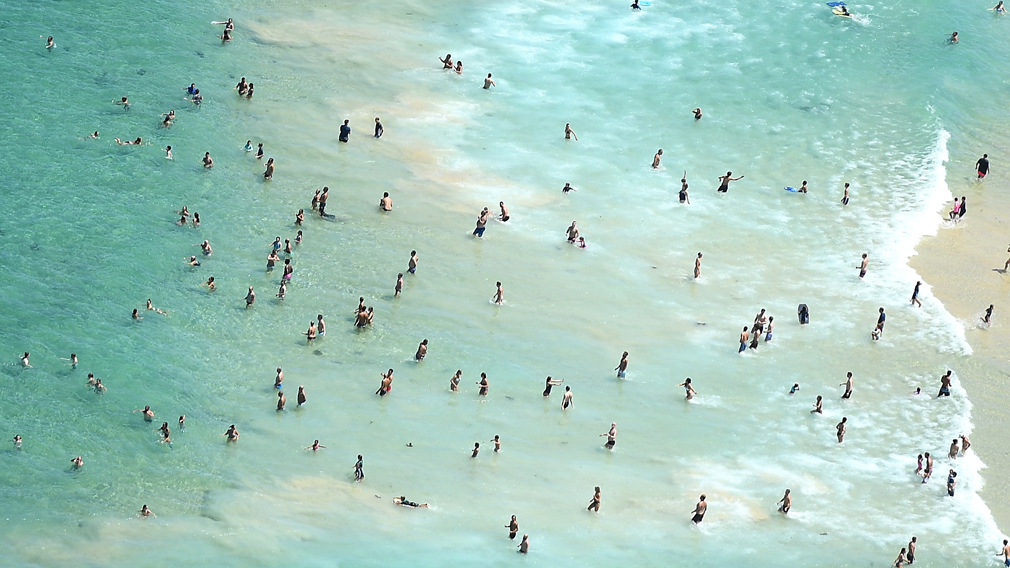
Okay then, so how do we reduce emissions?
Climate leaders at the COP26 talks in Glasgow, Scotland, on Thursday intensified their efforts to put an end date on the use of coal.
At the G20 meeting in Rome over the weekend, leaders failed to specify how they would phase out coal. It will be a tough ask to convince developing countries to go further than the rich world.
The picture is fairly rosy in western Europe and even the United States, where it seems the fossil fuel is indeed on its last legs, save for some pockets of resistance.
Belgium, Austria and Sweden are among a growing number of European countries that no longer use coal to generate electricity.
In the US, which technically has no coal phaseout plan, coal has wound down dramatically in favour of natural gas, which emits about half the carbon dioxide.
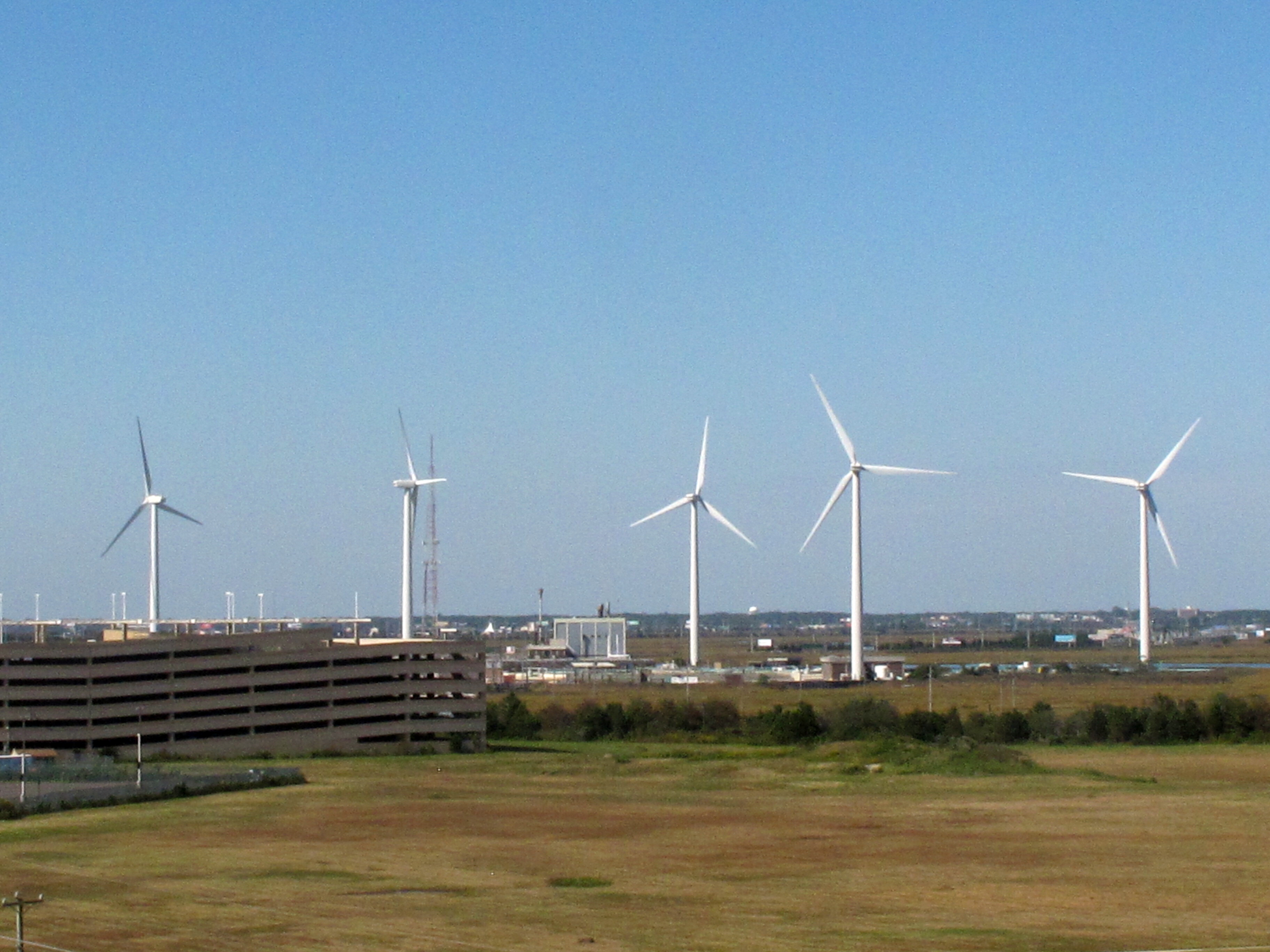
A slow but steady increase in wind power is also helping put coal out of business.
Globally, proposed coal plants are rapidly being cancelled. A report by climate think tank E3G found a 76 per cent reduction in proposed coal power since the Paris Agreement was signed in 2015.
But the trend is distributed unevenly.
Coal plants are still on rise throughout much of Asia, and while power generation from coal technically peaked in 2013, it has basically plateaued since then.
https://twitter.com/fbirol/status/1339826738776465409
The current global energy crisis, triggered by a quicker-than-expected economic rebound amid the pandemic, has even given it a bump. Coal prices last month were at an all-time high.
For every Belgium, Austria and Sweden there is a China, India, and Indonesia, where coal is still king.
Consigning coal to history is a requirement to rein in rapid climate change, but it may not happen as quickly as Western climate leaders may like.
But there has been some movement.
The UK government on Thursday announce that 18 new countries – including big coal users like Poland and Vietnam – have joined more than 40 others in a commitment to stop building new coal projects and to phase out the fossil fuel by 2030 for developed nations, and 2040 for the developing world.
Despite all this progress, a true global transition from coal will only happen when China decides.
Australia's lucrative coal business
Australia has no clear end date on coal and its government has said it plans to keep mining and exporting the fossil fuel well beyond 2030.
The country makes more money than any other nation from exporting coal from its roughly 100 mines, and it has the highest proportion of coal in its energy mix of all the developed G20 nations, at 54 per cent according to climate and energy think tank Ember.
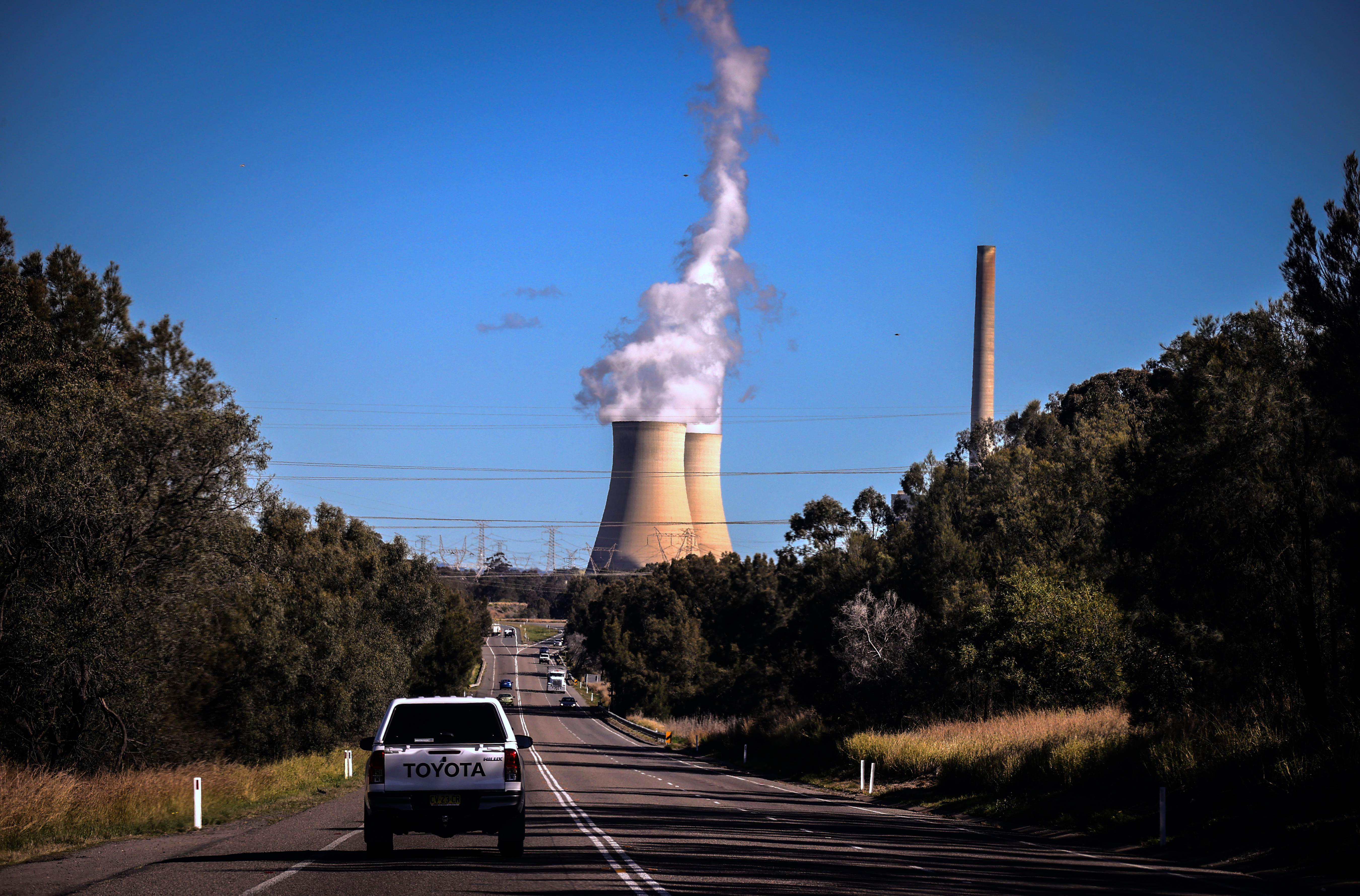
As long as countries like China demand huge volumes of coal, Australia's government has made clear it will keep supplying them.
Australia makes around $67 billion annually in coal exports and the industry directly employs around 50,000 Australians, government data shows.
– With CNN
Covid 19 Delta outbreak: Napier, Gisborne mayors urge testing, vaccination after positive wastewater samples
The detection of Covid-19 in wastewater samples taken in Napier and Gisborne is a “wake-up call” for those not yet vaccinated that the virus is “on our doorstep”, local mayors say.Gisborne mayor Rehette Stoltz told the Herald that…
Russian diplomat found dead on street outside Berlin embassy
A Russian diplomat found dead on the sidewalk outside the embassy in Berlin last month is believed by German authorities to have been a secret agent for a Russian intelligence agency, Der Spiegel magazine reported Friday.
The body of the 35-year-old diplomat was found on the morning of October 19; he apparently fell from an upper floor of the Russian embassy building in the German capital, though it was unclear why he fell or what the cause of death was, Der Spiegel reported.
Der Spiegel and investigative site Bellingcat report that the dead diplomat had been accredited as second secretary at the Russian embassy in Berlin since 2019, but German security officials believe he was an undercover officer for Russia's FSB, the internal security and counterintelligence service, and that he was related to a high-ranking FSB officer.
READ MORE: Russian military reportedly massing on Ukraine border – again
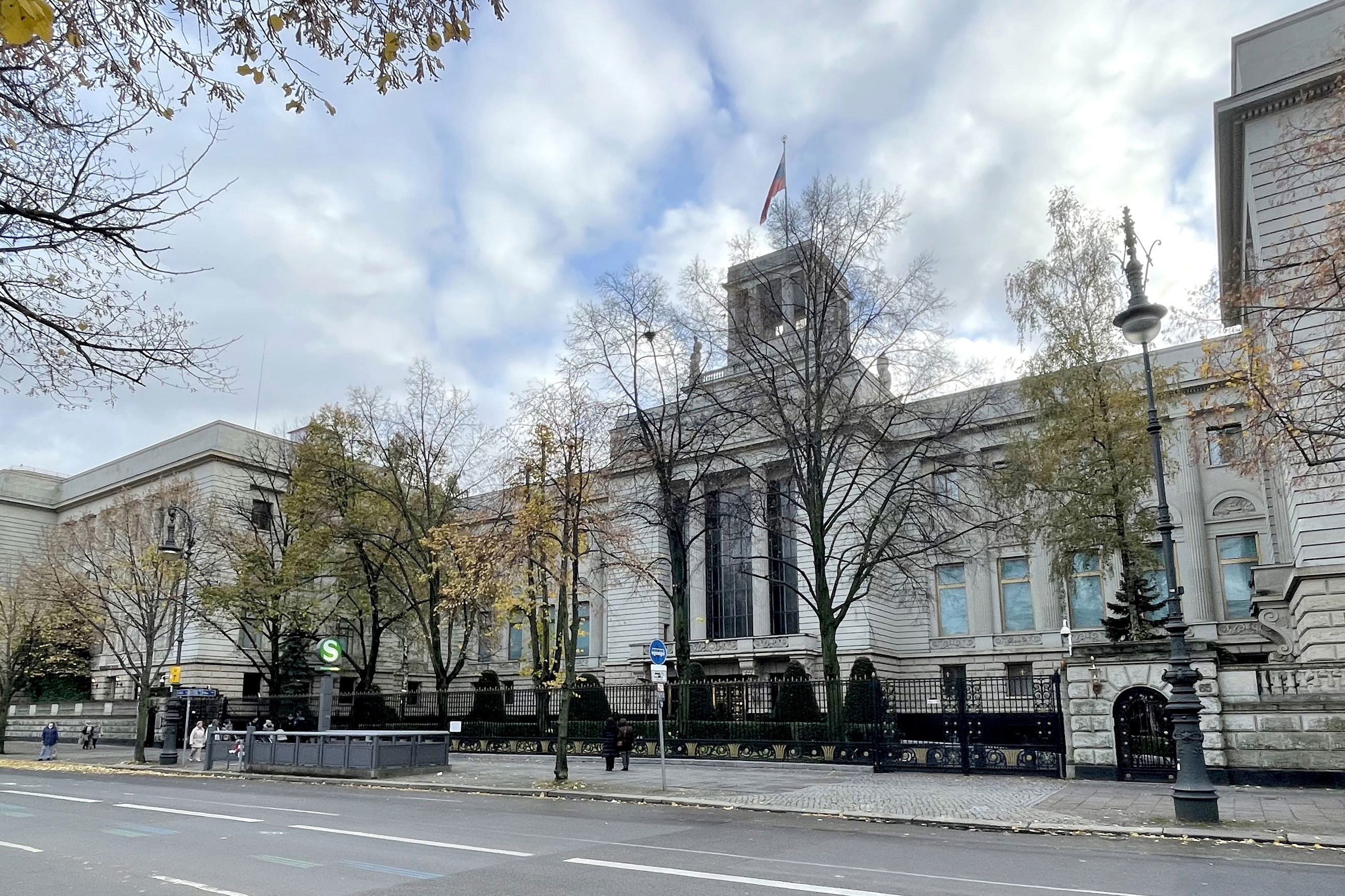
The FSB was previously linked by Western intelligence services to the murder of a Georgian exile who was shot dead in a Berlin park in 2019, Der Spiegel and Bellingcat reported. The Kremlin has denied any link between the killing and the Russian state.
The Russian embassy did not agree to an autopsy of the diplomat, and the his diplomatic immunity meant that Germany's public prosecutor could not carry out an investigation, Der Spiegel reported Friday.
Russian and German officials acknowledged the death of the diplomat on Friday following the Der Spiegel report.
"A tragic accident with a Russian diplomat occurred on October 19, 2021," the Russian embassy said in a statement.
"All the formalities related to sending the diplomat's body to his homeland were promptly settled with the competent law enforcement and medical authorities of Germany in accordance with the current practice."
"We consider the speculation that appeared in a number of Western media in the context of this tragic incident to be absolutely incorrect."
A spokeswoman at the German foreign ministry told CNN the government was aware of the death of the diplomat, but due to "reasons of personal protection of the persons concerned and their relatives, no further details will be disclosed at this moment."
The death of the diplomat came nearly a year after an investigation by CNN and Bellingcat revealed that an FSB toxins team of about six to 10 agents trailed Russian opposition leader Alexey Navalny for more than three years before he was poisoned in August 2020 with the lethal nerve agent Novichok.
One of the FSB agents was later duped into telling Navalny over the phone that the Novichok had been planted in his underpants — a detail that emerged when Navalny posed as a member of Russia's National Security Council and called the agent to press him for details of the operation, as was revealed exclusively in another CNN-Bellingcat investigation.
Search for life on other worlds tops astronomy to-do list
A US survey of astronomers puts the search for extraterrestrial life at the top of their to-do list for the next 10 years.
In a report issued Thursday by the National Academy of Sciences, Engineering and Medicine, astronomers stressed the need to continue the hunt for potentially habitable planets circling other stars, building on the “extraordinary progress” already made.
The ultimate goal, they noted, is to capture pictures of any Earth-like worlds that might be out there.
READ MORE: NASA detects signs of possible first planet beyond our galaxy
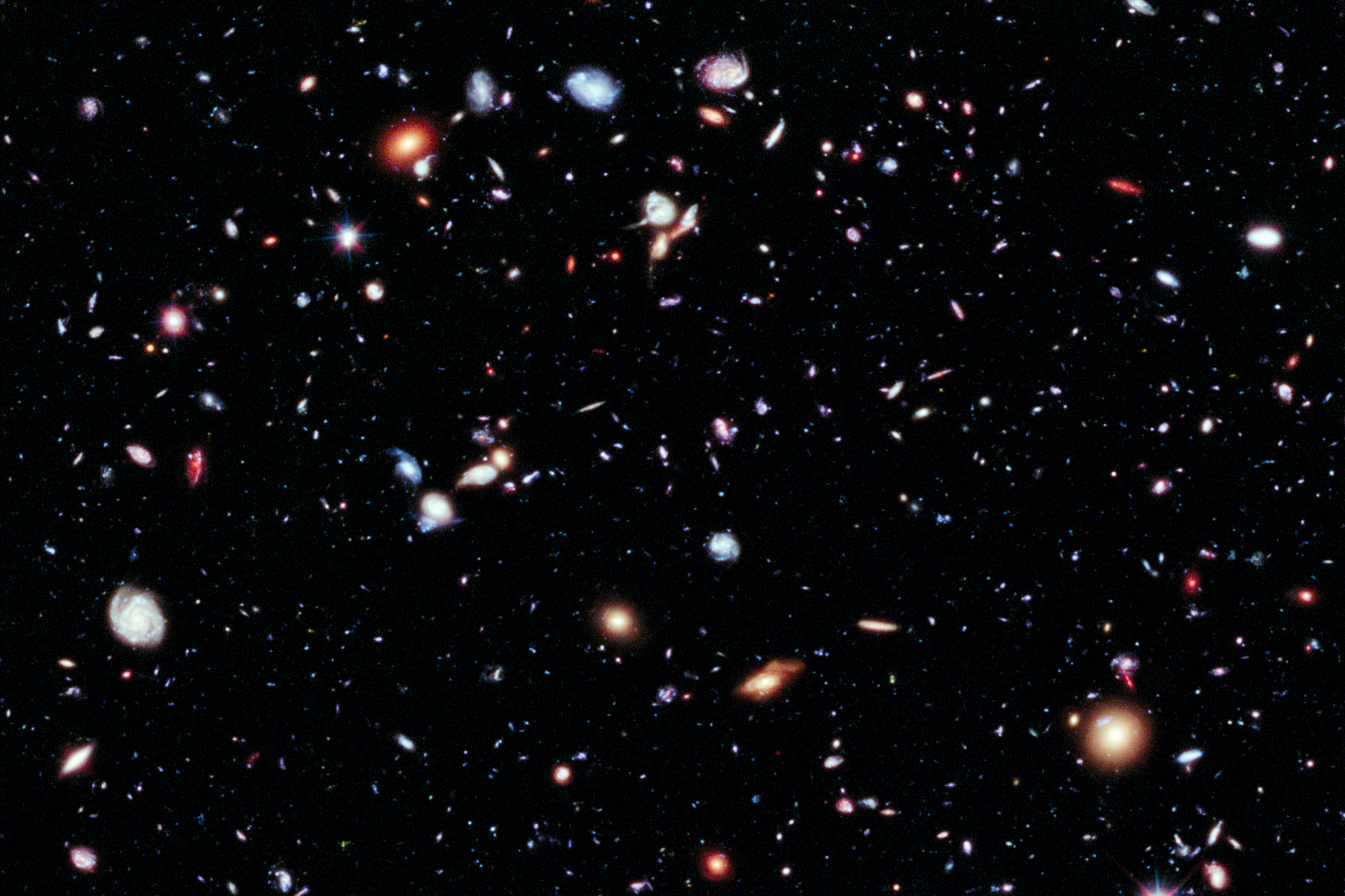
“Life on Earth may be the result of a common process, or it may require such an unusual set of circumstances that we are the only living beings within our part of the galaxy, or even in the universe. Either answer is profound,” the report stated.
“The coming decades will set humanity down a path to determine whether we are alone.”
Also ranked high: exploring the origins and evolution of black holes, neutron stars, galaxies and the entire universe.
READ MORE: Giant planet found orbiting a dead star shows what may happen when our sun dies

At the same time, the 614-page report stressed the need for greater diversity among astronomy’s ranks — still predominantly male — and suggested that NASA consider a science team’s diversity when doling out money for research or projects.
The survey is done every 10 years and draws input from scores of mostly US-based scientists.
The latest report recommends that NASA create a new office to oversee space observatories and overlapping missions in the coming decades.
First up should be a telescope that’s significantly bigger than the Hubble Space Telescope that would be capable of spotting planets that are 10 billion times fainter than their stars, the report stated.
Once the necessary technologies are ready, this telescope could be ready to launch in the 2040s for around $14.91 billion, followed by other mega observatories in the billions of dollars.
But the report emphasised the need for smaller, more modest missions as well.
Launching one spacecraft per decade with a cost cap of $2.03 billion, it stated, balances science with timeliness.
The report noted the threat in years past of cost overruns and delays in major projects.
Due to finally blast off next month, the NASA-led James Webb Space Telescope — designed to scan the early universe and explore the atmospheres of other worlds — is a prime example of that.
Yet its launch promises to be “a momentous occasion that will shape the course of astronomy and astrophysics in the coming decades," the report noted.
The report — sponsored by NASA, National Science Foundation, Energy Department and Air Force — noted that the survey was conducted during a health crisis.
While the pandemic has underscored the importance of science, “the ultimate economic and social impacts of the pandemic remain unclear, adding to the uncertainty of the future landscape.”
The report urged NASA, the National Science Foundation and Energy Department to treat harassment and discrimination “as forms of scientific misconduct,” add more diversity to its upper levels, and consider diversity when funding a project.
Gold Coast man who tested positive for COVID-19 released from hospital after two weeks
The man who crossed the Queensland border and brought COVID-19 with him has been released from hospital. He says the state government "exaggerated", his condition.
Duran Raman was diagnosed with COVID-19 on the Gold Coast on October 21 and has spent the last two weeks in hospital.
It's alleged the one-time Uber driver crossed the border by foot, pre-diagnosis, before being hospitalised with severe symptoms at Gold Coast University Hospital.
READ MORE: Man charged over Cleo Smith kidnapping

His positive status prompted extensive police investigations and Queensland Health contact tracing efforts to track his activity.
At the time of his hospitalisation, it was reported Mr Duran was too sick to communicate with health authorities.
"He's so breathless he can hardly talk to us and will probably have to go into intensive care," Dr Young said at the time.
Upon leaving hospital, Mr Raman has denied this was the case.
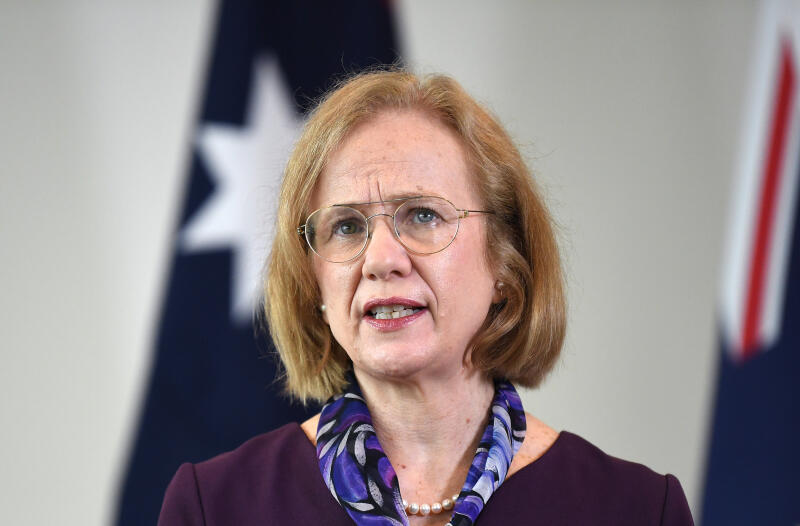
"I was fine, I was fine. They were exaggerating it like something stupid," he said.
"It wasn't that bad, I was a little bit crook — a little bit fluey."
READ MORE: Treasure hunters 'metres away' from $27.5 billion hoard
While Mr Duran wasn't in intensive care for his two weeks in hospital, he was put on oxygen to assist his breathing.
"I had a little bit. But it wasn't like I couldn't breathe and I really needed it," he said.
"It wasn't like I was on my deathbed needing high-flow oxygen."
READ MORE: The screening test saving babies in some states but not others
During his hospitalisation, he was charged for allegedly breaching border restrictions, and issued a $4135 fine.
"I lost my job so it's a bit much for an unemployed guy now," Mr Duran said.
He added he'd like to apologise to residents of Queensland and ask for forgiveness, acknowledging his branding by many as "public enemy number one", over the last two weeks.
"My aim is to be Queensland's public friend number one," Mr Raman said.
'Netflix of furniture' among the latest popular subscription services
The consumer trend of subscription services like Netflix, and 'buy now, pay later' schemes, have extended to home furniture, with consumers signing up to dress their homes in the latest styles.
Speaking to 9News, Melbourne resident Alex Perilli said when he moved into his home, he could not wait to deck it out with the latest furniture.
He wanted high-end quality without having to commit to high-end prices.
READ MORE: Aussie homebuyers borrowing well above budget to get property
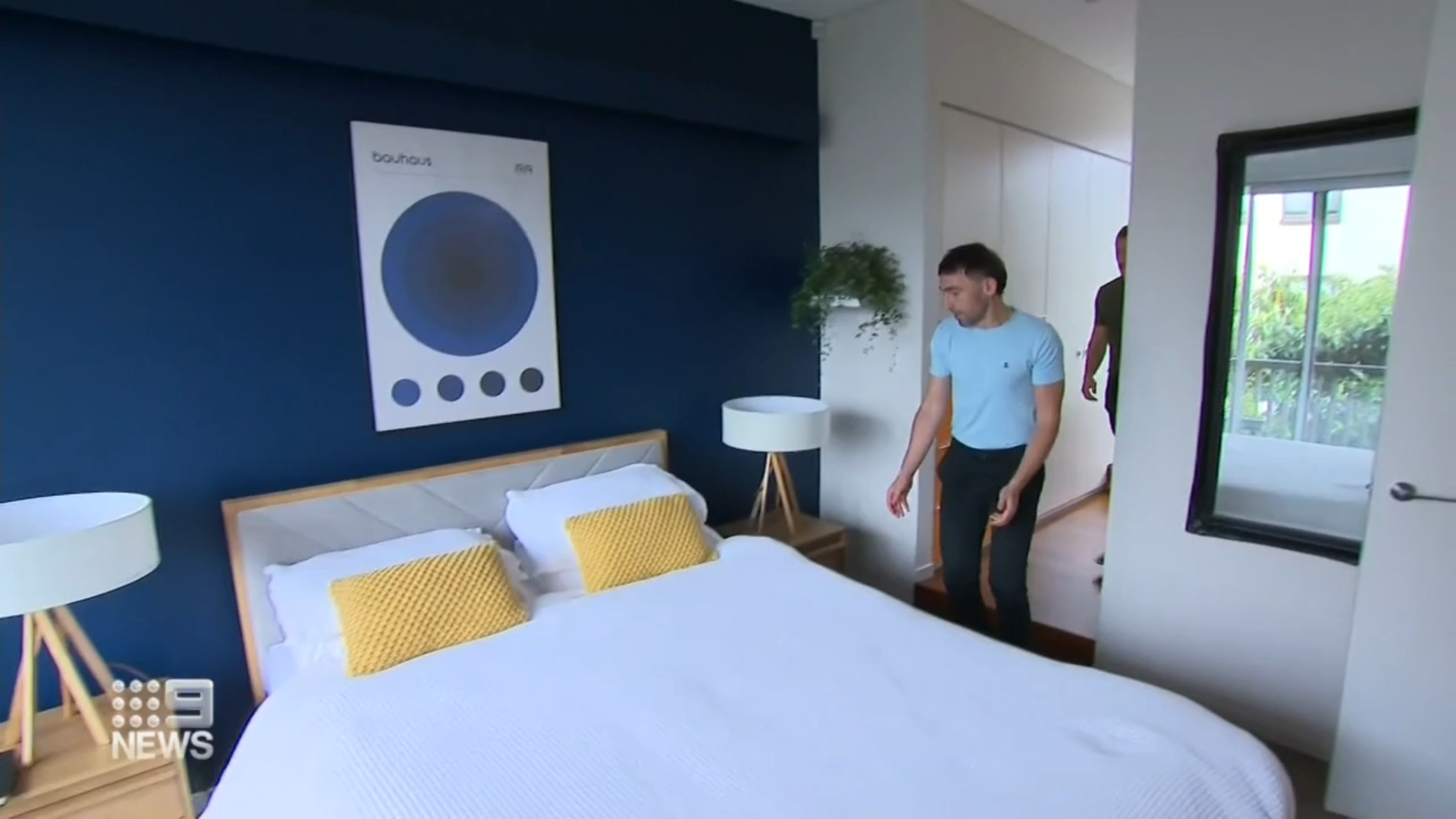
"Maybe in 12 months we want to change our style," he said.
"You don't want to keep a sofa because you spent $10,000 on it."
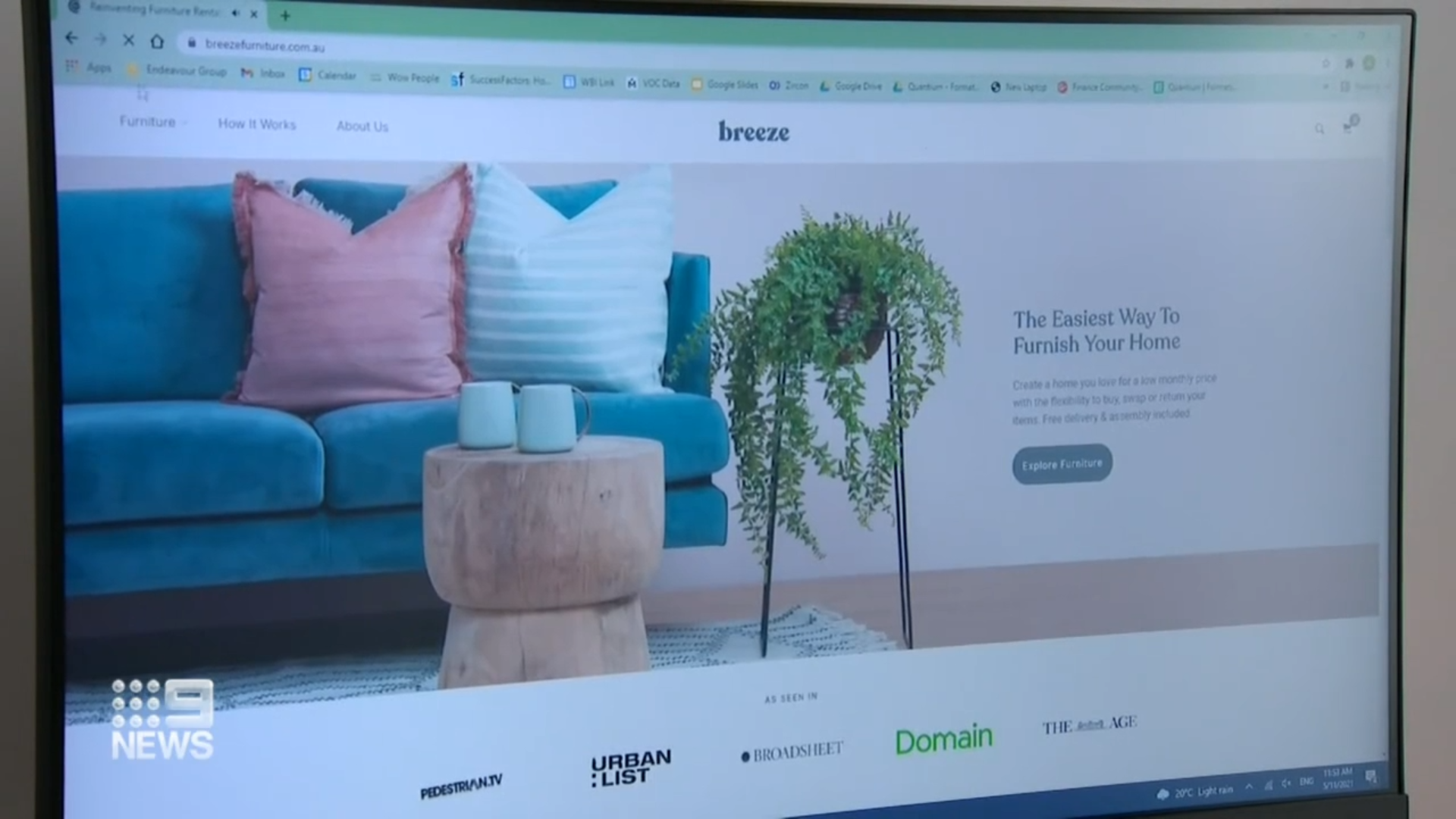
He used a service called Breeze where subscribers pay monthly instalments on pieces of furniture and at the end of the term, they can choose to buy it, swap it, or return it.
"There is a shift in consumer behaviour – more people want access over ownership," TJ Hoon from Breeze said.
Many consumers have opted for subscription services for entertainment such as TV shows and movies, as well as food, cars and now even furniture.
READ MORE: Choice Shonky Awards products revealed for 2021
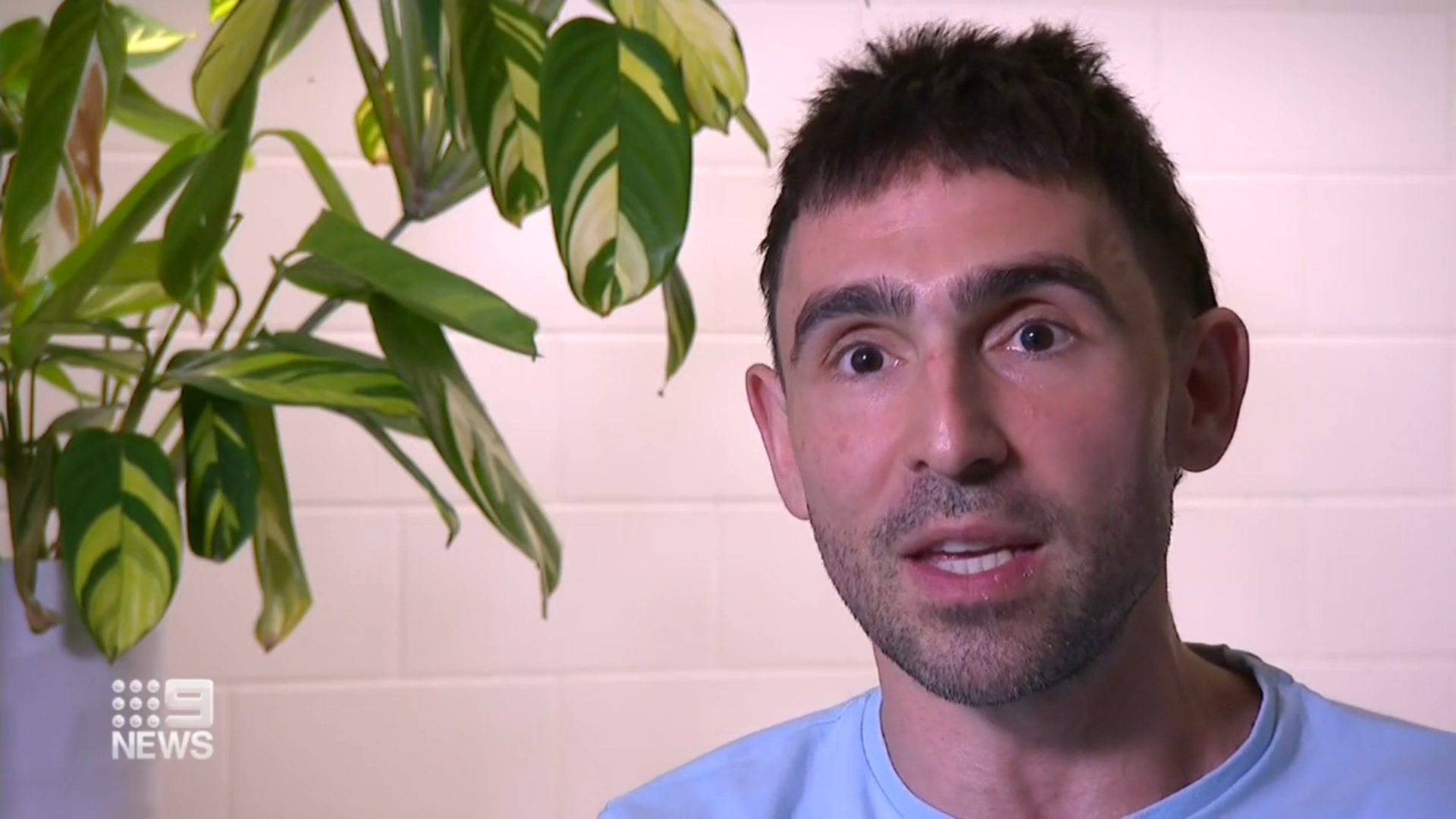
"You do it online with Airbnb and Netflix every day. So why not furniture?" Mr Perilli said.
The trend to "pay later" continues to grow, with major retailers like Harvey Norman offering "latitude payments" promising "zero interest" with conditions.
New product subscription services like Snaffle are constantly entering the market.
"We really control the spending to what you can afford," Paul Winslow from Snaffle said.
"We offer you the great products that you want and you can pay for them over one, three or four years."
READ MORE: COVID-19 leads to home renovation boom
However, the Consumer Action Law Centre wants people to be aware of the risks and look closely at the terms and conditions.
"Many people are coming up to our service with multiple 'buy now, pay later' products to different providers and becoming over-indebted very quickly," Consumer Action Law Centre CEO Gerard Brody said.
Mr Brody said consumers could wind up paying three to five times more for a product than if they made the purchase outright.
It is also important to be wary even if the service is selling the product interest-free.
"That doesn't mean that there aren't other costs that are hidden and risks to consumers including that they don't abide by the consumer protections," Mr Brody said.
Rare glimpse into Queensland's early rock and roll era… in Greece
A rare piece of Queensland's history has been discovered on the other side of the world, giving Australians a first-ever glimpse into the state's early days of Rock and Roll.
Black and white video footage shows The Rocketts, Brisbane's early answer to the 1950s rock scene and first ever rock band.
The finding and preservation of the footage is owing to a relative of George Vardas, the man behind the lens.
READ MORE: Man charged over Cleo Smith kidnapping

It's believed on his return to Greece Mr Vardas took a reel of film, which was found recently in his old apartment.
The film was brought back to Australia, making its way into the hands of researchers at the State Library of Queensland and painstakingly preserved.
It's now available to fans of the era wanting a deep dive into history.
"It's so rare to see footage of live music from that era," specialist librarian Reuben Hillier said.
"We don't have any real photographs of fifties rock and roll in our collection. They're very scarce."
READ MORE: The screening test saving babies in some states but not others

State Library engagement officer Myles Sinnamon said while the video provided an interesting look into The Rocketts' performance and dancing fans, there was no way to tell what they sounded like.
"The film doesn't have any sound to it. Certainly if there's a recording out there that would be really good," he said.
But library staff believe they've identified some of the band members: Ron Carroll on piano, with guitarists Ozzie Mengel and Chuck Supplice.
"We're about 99 per cent certain it's The Rocketts but we'd like some more confirmation on that, and certainly there's some other band members we aren't too sure of their names."
READ MORE: Treasure hunters 'metres away' from $27.5 billion hoard
The footage was restored, frame by frame, by experts at the State Library, part of its Reel Rescue program.
As part of the initiative, library researchers are seeking your help, calling on Queenslanders to help uncover or identify fascinating historical records of early life in the state.
"Queensland's climate isn't going to help these films last much longer," Mr Hillier said of the program's digitisation goals.
"We're always interested to see film from smaller towns, outback properties or different communities."
Group of men haul shark onto shore of popular Adelaide beach
A group of South Australian men have been filmed hauling a shark onto a popular Adelaide beach and posing for selfies with it, before eventually releasing it.
Confronted onlookers told 9News they were horrified by the group's actions on Henley Beach last night.
While the shark was eventually released, one witness said it appeared distressed.
READ MORE: Man charged over Cleo Smith kidnapping
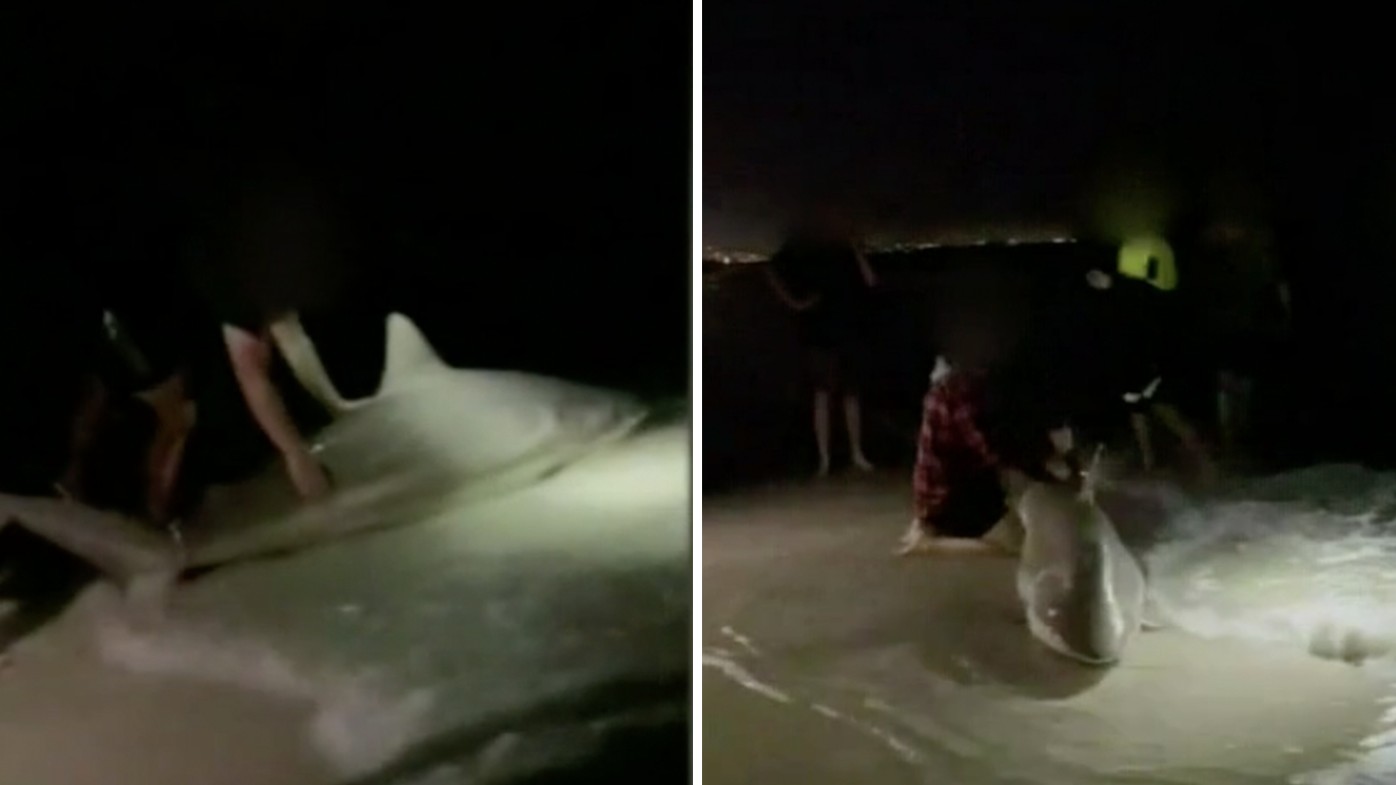
"They hooked it with a rope, they tied it around its tail and they just had it on the beach, taking photos," Asha Reilly said.
"They'd beached it and it clearly couldn't breathe.
"I felt sick to the stomach, and I could see other people, bystanders were as well, it was just horrible."
READ MORE: The real reason why great white sharks might bite humans
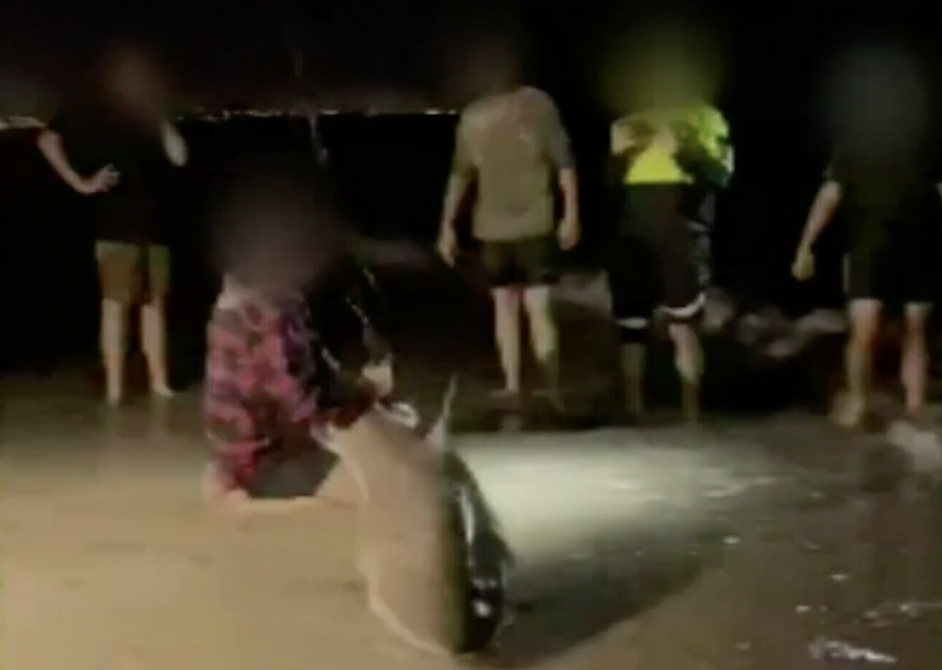
The Primary Industries Department website said "most fisheries adopt catch and release practices" and "it's important that fishers follow appropriate gear and handling procedures to ensure the ethical and humane treatment of our aquatic species".
In a statement, they told 9News the species of shark couldn't be identified.
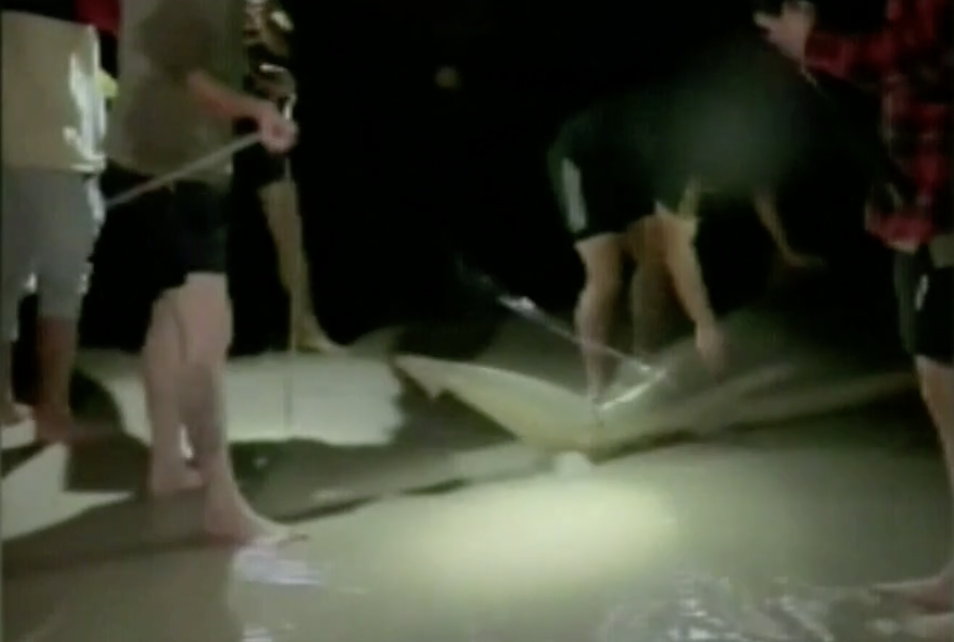
The RSPCA questioned whether the correct guidelines were being followed to limit the shark's suffering.
They say that would include throwing water over the animal, and covering its eyes to keep it calm.