Tag Archives: oceania

Cleo Smith rescue makes front pages all over the world

The rescue of missing four-year-old Cleo Smith has made front page news around the globe.

Her discovery in a home in Carnarvon overnight has made international news, especially in the UK.

The news is the top story on the BBC home page, as well as on The Times and The Guardian.

READ MORE: Moment Cleo Smith found caught on bodycam
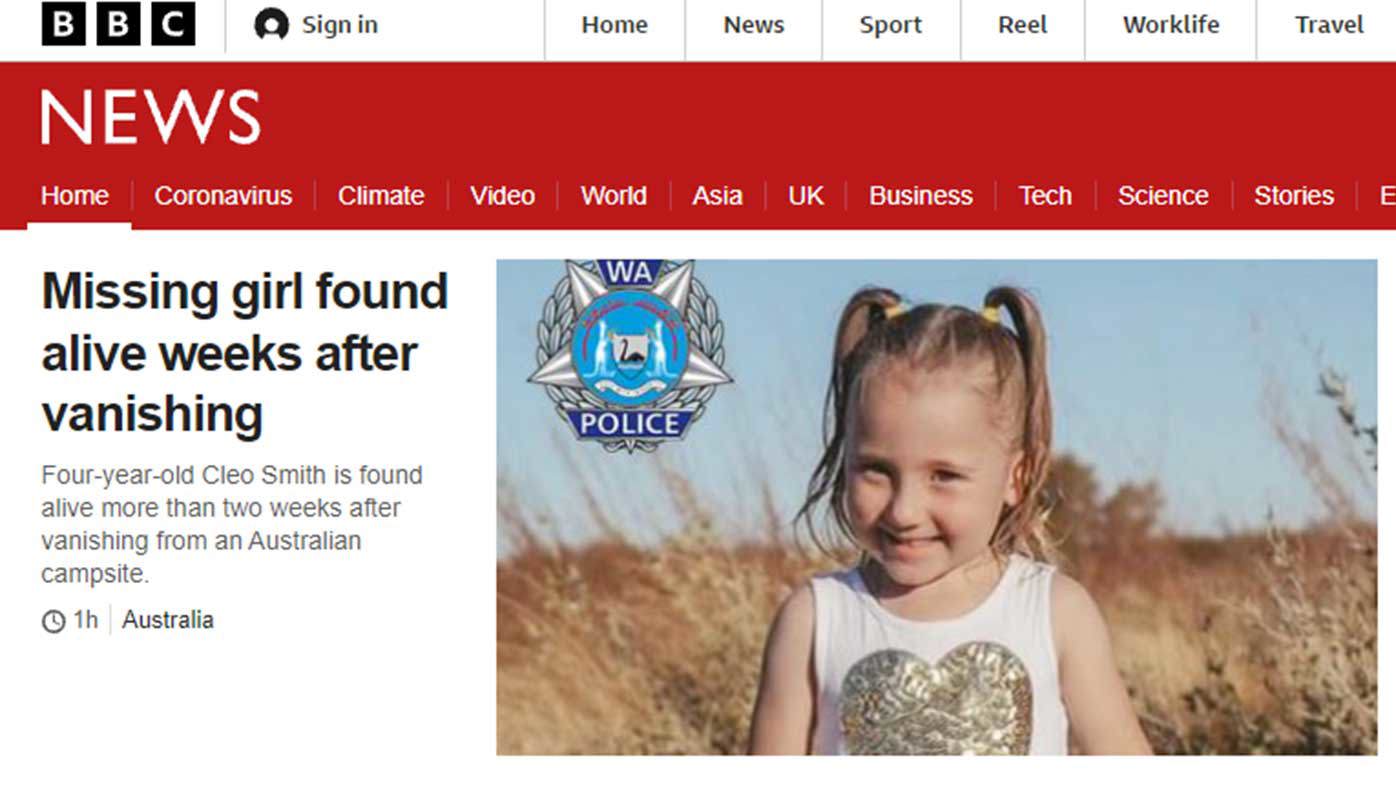
Cleo Smith's rescue was the top story on the BBC.

LIVE UPDATES: Cleo Smith found – latest developments

"Girl, 4, snatched from tent in the outback found after 17-day search," the Times headline read.

The story is also front page news on the Irish Independent and US news website CNN, and is top of the page on New Zealand sites.

Her rescue has also been reported on German sites Der Spiegel, Deutsche Welle, RND and Suddeutsche Zeitung.

And the news is being reported in countries like Uruguay and Chile.

READ MORE: How missing WA girl was found
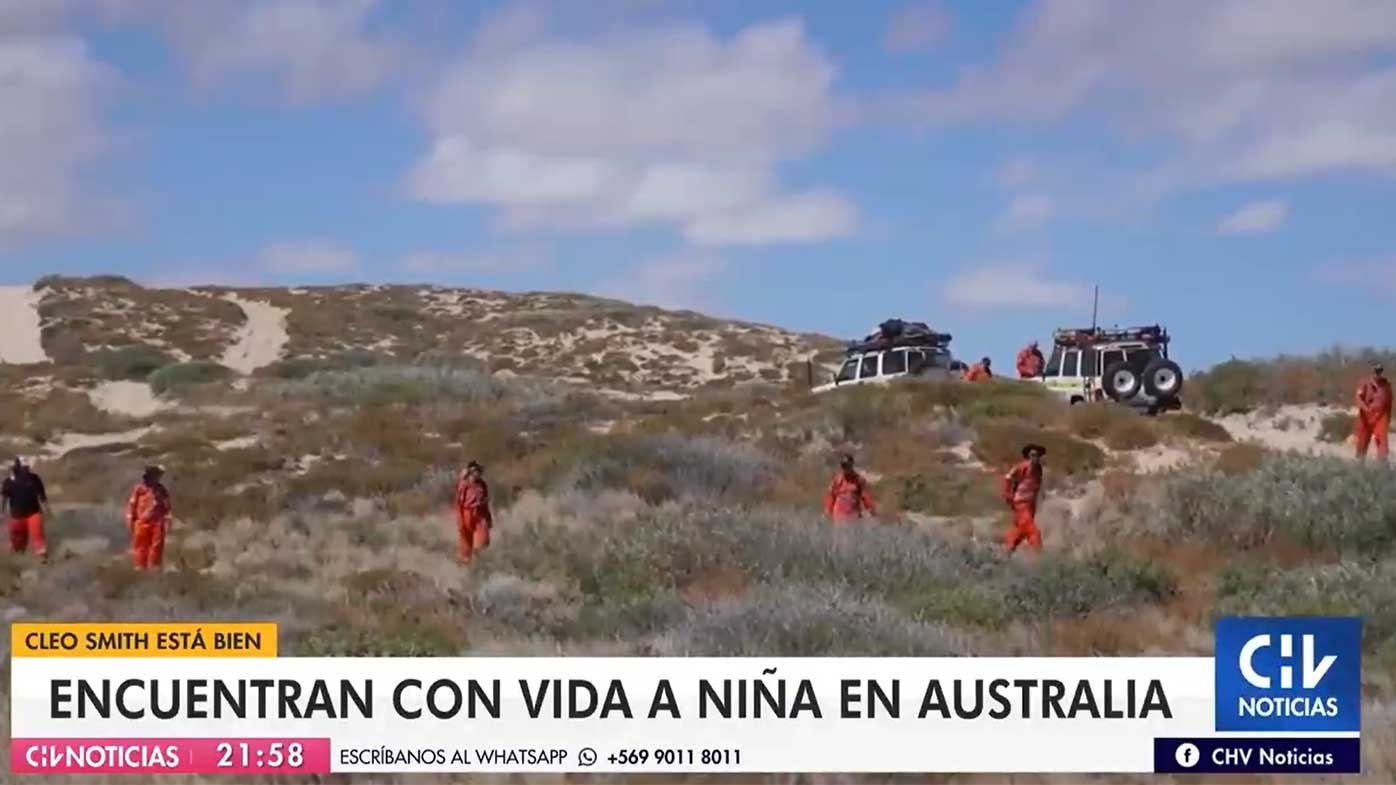
Cleo Smith's rescue was reported on television in Chile.

CLEO SMITH FOUND: WHAT WE KNOW

  • At 12.46am (AWST) overnight, police broke into a locked home in Carnarvon, Western Australia, where four-year-old Cleo Smith was found alive and well. 
  • A 36-year-old man was found not far from the home, and has been taken into custody. He is assisting police with inquiries. 
  • Police have said the man has no connection with Cleo Smith's family. 
  • Investigators were acting on information received that night, but it has not been disclosed yet what led them to that address. 
  • Cleo has been reunited with her family. 

The news has also been celebrated by celebrities overseas.

Eight out of Ten Cats Does Countdown host Rachel Riley expressed her relief via Twitter.

https://twitter.com/RachelRileyRR/status/1455654453072306177

Tonight on Channel 9 at 8.40pm Finding Cleo: A Nine News Special will have all the latest updates from a remarkable day. Watch live on Channel Nine or 9Now here

Police searching for Cleo Smith worked 'hierarchy of suspicion'

Police worked through a hierarchy of suspicion to find Cleo Smith, a former detective has explained, adding that detectives will now be establishing if a man found with the young girl acted alone.

Speaking on Today, Terry Goldsworthy said abductions by strangers are "fairly rare" and so police must naturally eliminate closest family and friends first.

"Once (police) determined it was looking like a kidnapping or a homicide potentially … they would have moved through the hierarchy of suspicion," the former Queensland detective turned criminologist said.

LIVE UPDATES: Cleo Smith found – latest developments

A police team broke their way into a locked house in Carnarvon at 1am and found little Cleo in one of the rooms

READ MORE: How missing WA girl was found

Mr Goldsworthy said technology and a massive media campaign had played a "major role" in assisting police to track down a suspect.

"The fact the raid took place last night, at 1am, I suspect they got some information shortly before that time and acted immediately."

Police have detained a man who was found in the Carnarvon house with Cleo early this morning.

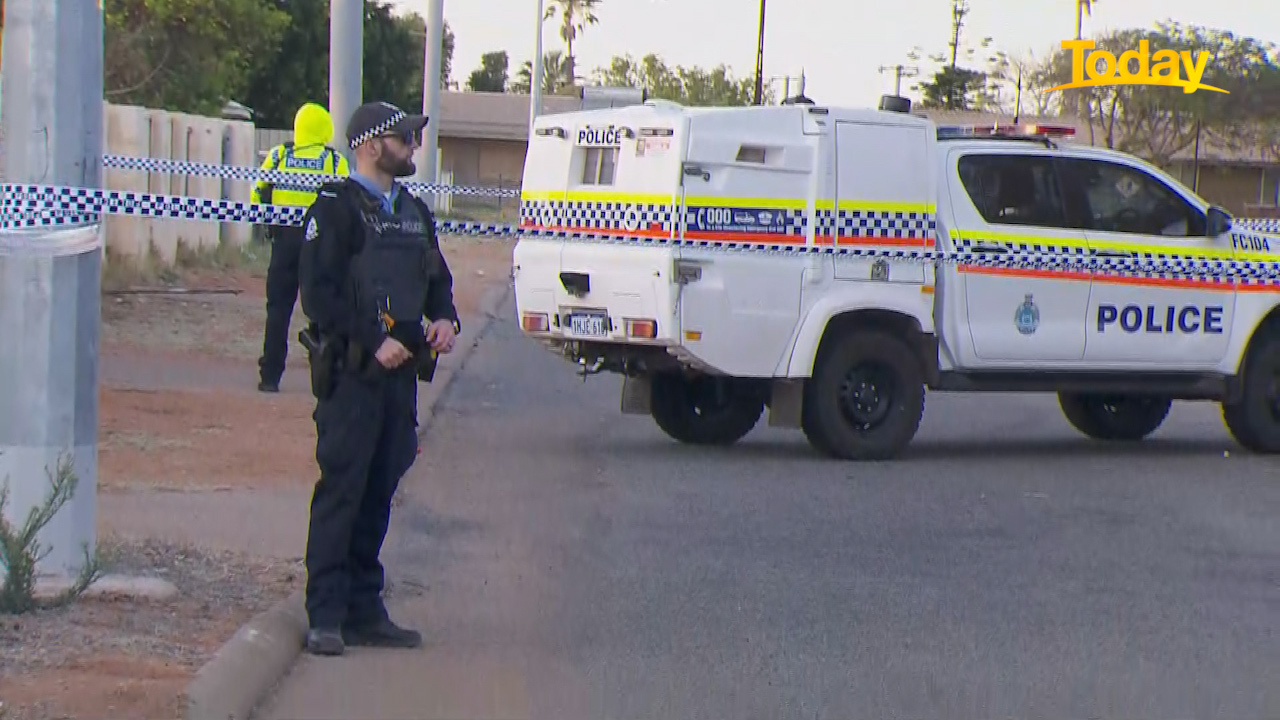
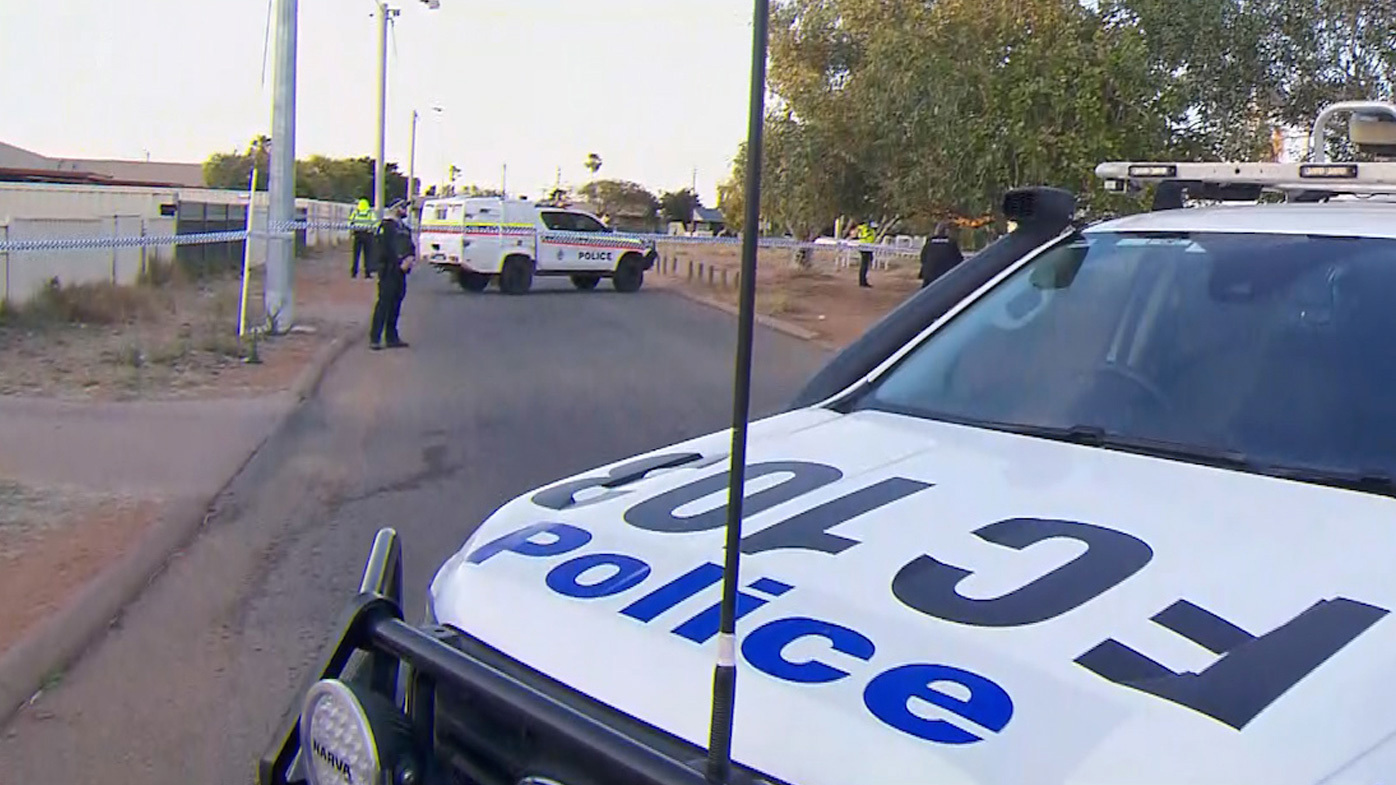
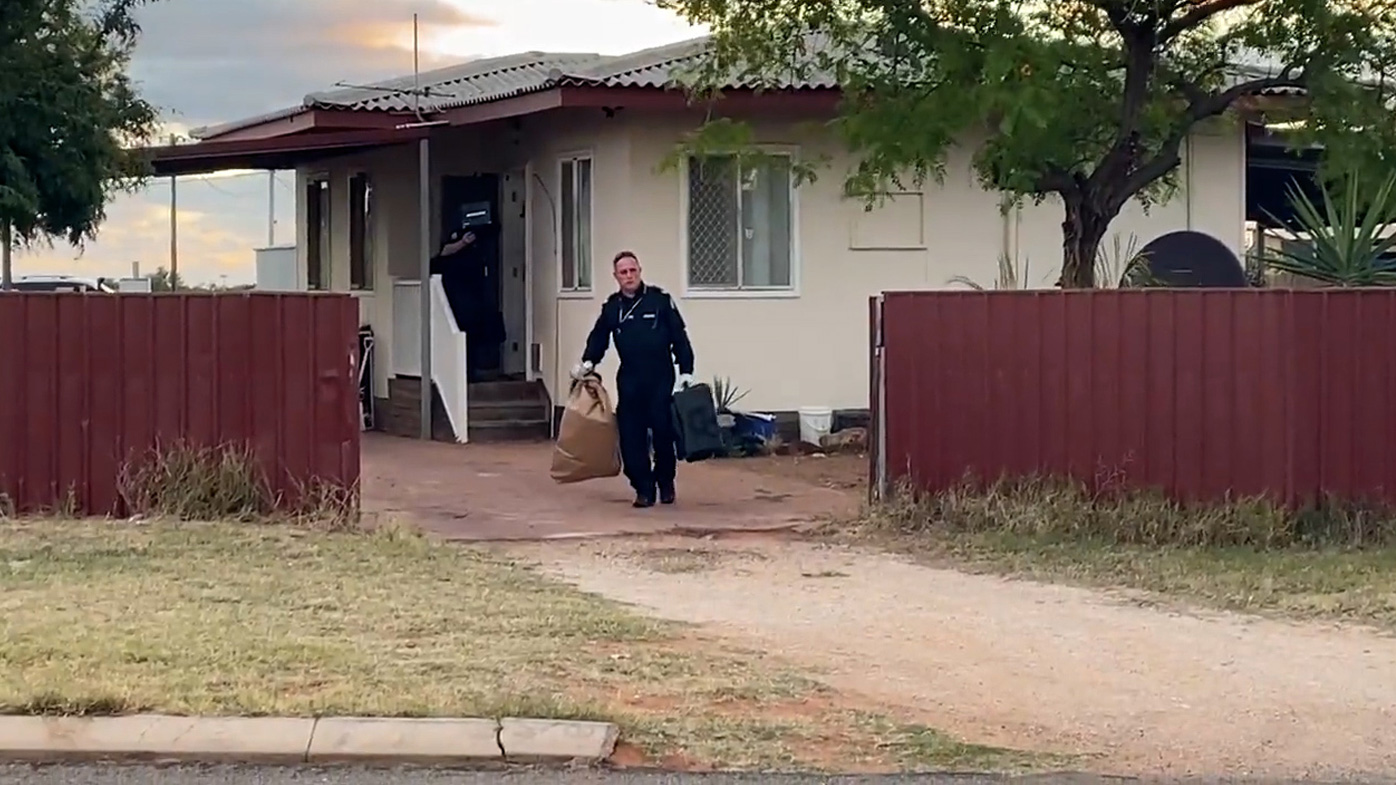
The house, currently ringed with police tape and being searched forensically, is located just minutes from the young girl's family home.

Now police will be questioning the man to find out how Cleo came to be in the house, Mr Goldsworthy said, and if the suspect worked alone or with other people.

"Let's not exclude there could be others," he said.

"We don't know that yet."

READ MORE: 'Our family is whole again'

Cleo police worked 'hierarchy of suspicion'Cleo Smith.Police stand watch as a forensic search of the house in Carnarvon where Cleo Smith was found is conducted.

The primary evidence police have is finding Cleo in the house, Mr Goldsworthy explained.

"The circumstances of how she got there will now be the focus of their investigation.

"So they'll be trying to work back from locating her this morning, back to her disappearance 19 days ago."

Police will want to "fill in those blank spaces" and build a case to lay charges.

CLEO SMITH FOUND: WHAT WE KNOW

  • At 12.46am (AWST) overnight, police broke into a locked home in Carnarvon, Western Australia, where four-year-old Cleo Smith was found alive and well. 
  • A 36-year-old man was found not far from the home, and has been taken into custody. He is assisting police with inquiries. 
  • Police have said the man has no connection with Cleo Smith's family. 
  • Investigators were acting on information received that night, but it has not been disclosed yet what led them to that address. 
  • Cleo has been reunited with her family. 

READ MORE: Finding Cleo Smith 'a miracle'

Tonight on Channel 9 at 8.40pm Finding Cleo: A Nine News Special will have all the latest updates from a remarkable day. Watch live on Channel Nine or 9Now here

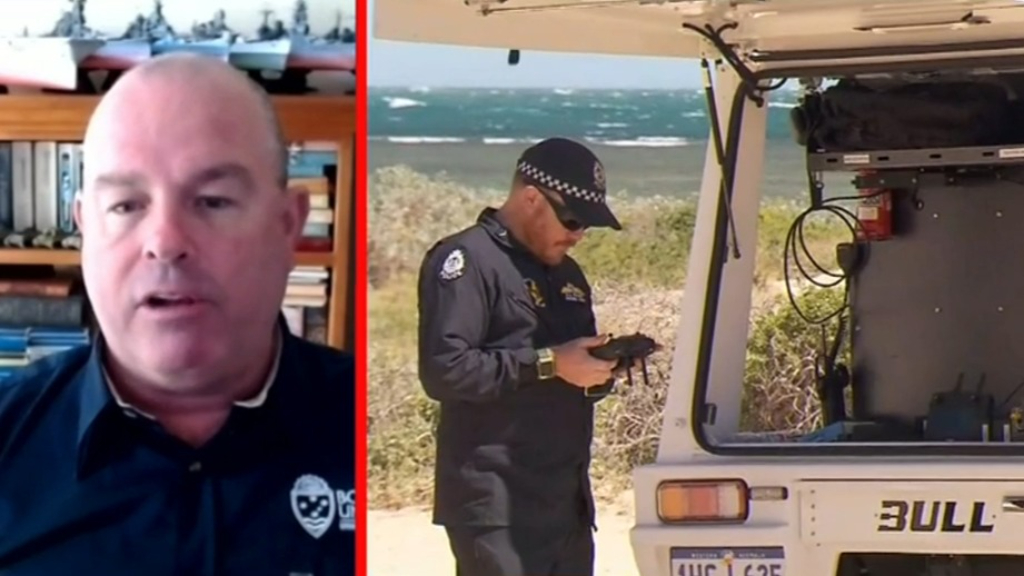
How missing WA girl was found

It started with an unzipped tent door and ended with police busting into a locked home in Carnarvon.

Cleo Smith has been found, alive and well, 19 days after she vanished from her family tent at a tiny campsite in remote Western Australia.

The police search for little Cleo, aged four, began on October 16, a Saturday morning.

LIVE UPDATES: Cleo Smith found – latest developments

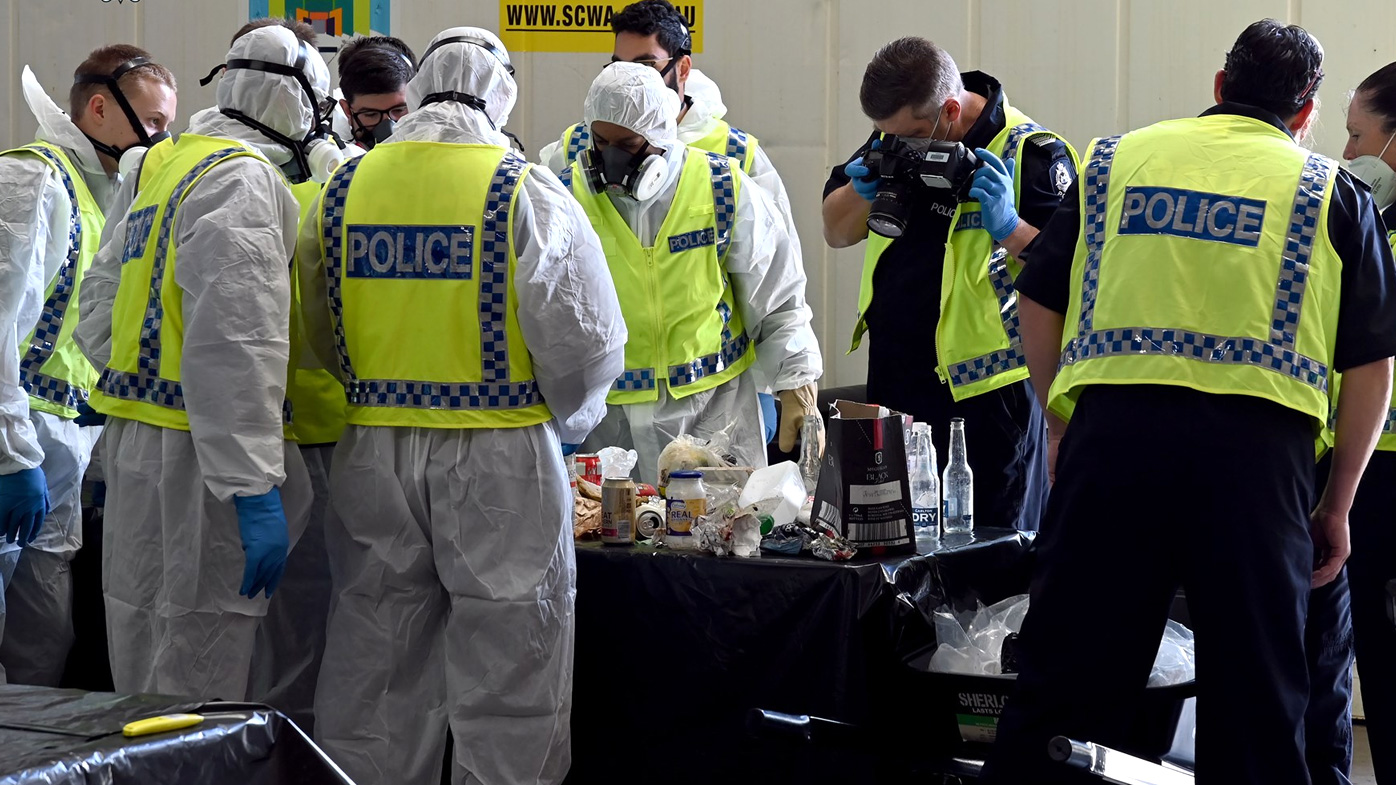
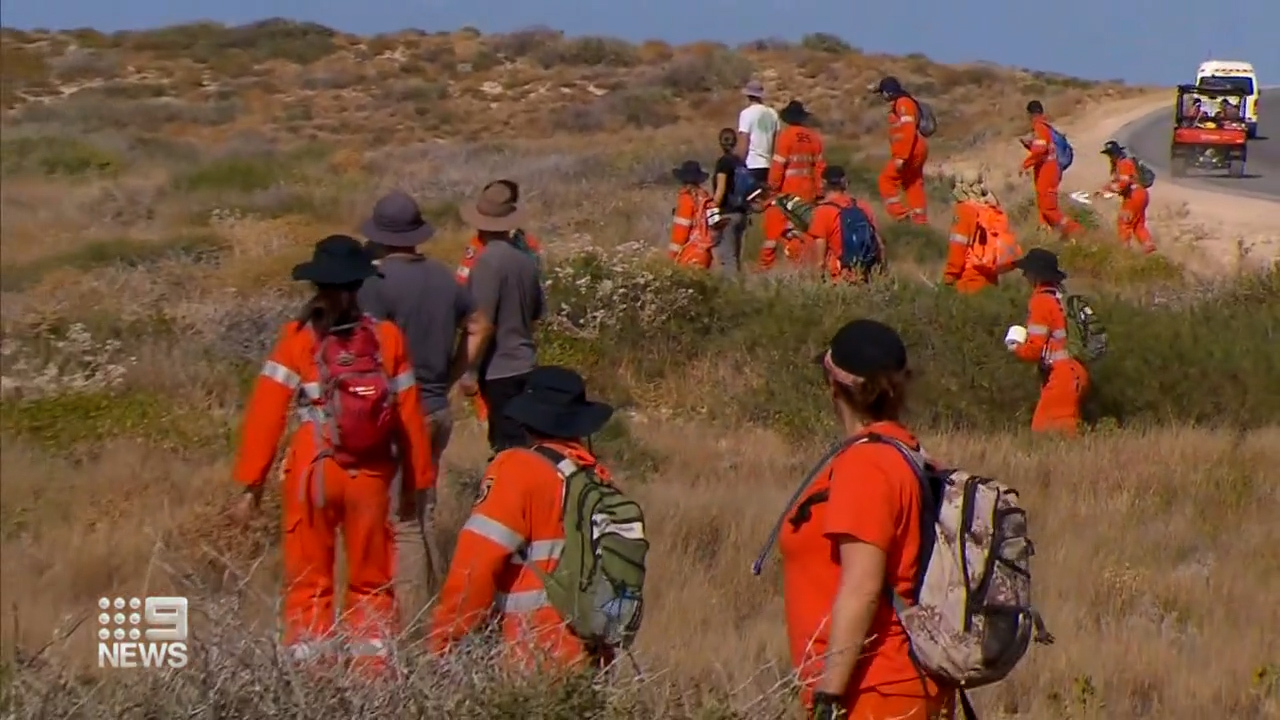
WA Police officers collected more than 50 cubic metres of rubbish from roadside bins as far north as Minilya to as far south as Geraldton.

READ MORE: Police searching for Cleo Smith worked 'hierarchy of suspicion'

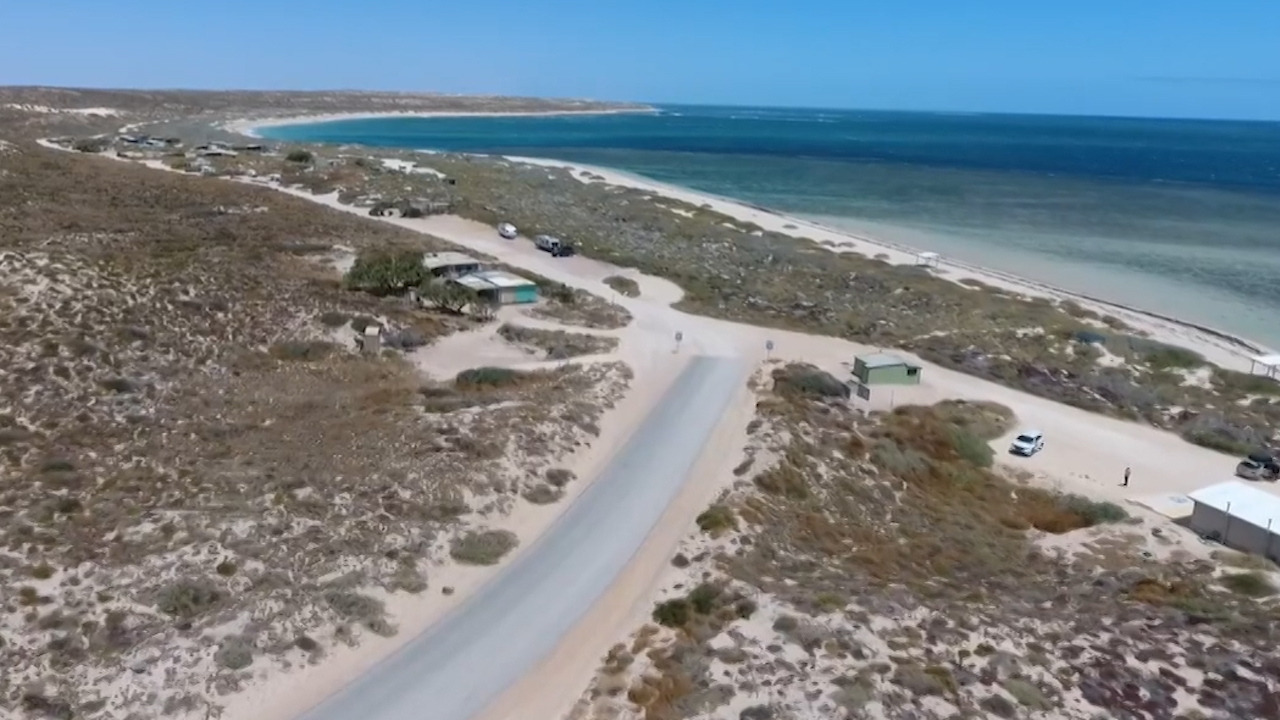
The night before, Cleo and her family, mum Ellie, her partner Jake Gliddon and her little sister arrived at Blowholes Campsite for a weekend of camping.

But when Ellie Smith woke at 6am, Cleo was gone.

https://omny.fm/shows/the-9news-lunch-podcast/nov-3-special-edition-tears-of-joy-as-missing-cleo/embed?style=cover

The zip was open and Cleo's sleeping bag was also missing.

Cleo's mum Ellie called police around 6.23am, triggering one of the biggest and most complex hunts in WA police history, involving satellites, drones, helicopters, musterers and good old fashioned police work by a team of 100 officers and detectives.

Cleo police worked 'hierarchy of suspicion'Helicopter pilot Justin Borg said he expected to find young Cleo in just hours on day one.

Led by Detective Superintendent Rod Wilde, police called for CCTV from a radius of 1000-kilometres away from Blowholes, fearing that an abductor had whisked Cleo away in one of Australia's most vast and hard to police regions.

In the end, Cleo was much closer to home, found in the family's hometown of Carnarvon, with a population of just 4400.

During the investigation, police searched Cleo's family home on three occasions, at times leaving with bags of evidence.

READ MORE: How missing WA girl was found

WA police made three searches of Cleo Smith's home after she vanished without a traceOfficers are checking satellite coverage as part of the hunt for Cleo Smith in WA.

Those searches prompted unfounded speculation on the family, despite WA Police insisting it was all a routine part of the investigation.

A call went out to try and find a car that had reportedly left Blowholes around 3am on the night Cleo vanished, but efforts to trace the vehicle and a driver came to nothing.

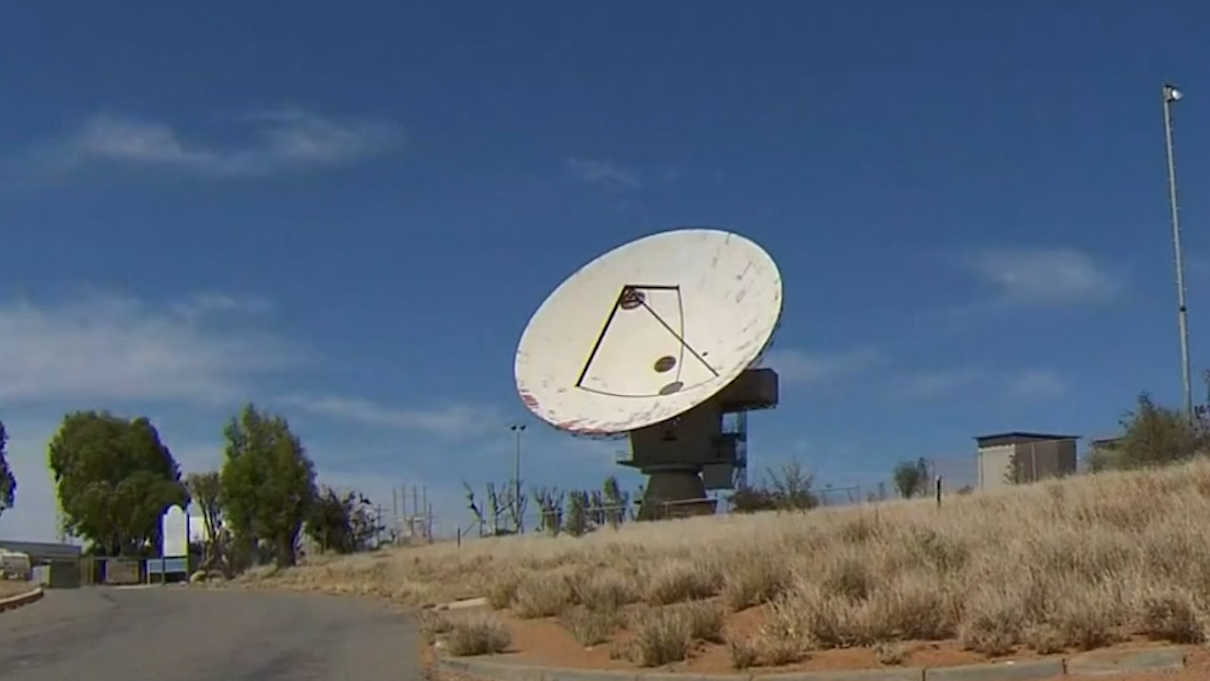
It didn't take long for the Australian Federal Police to get involved, reportedly seeking access to images from high-resolution satellite cameras.

Mobile phone and cell mast data was trawled and analysed. Drones mapped scrubland and dirt tracks, looking for signs of disturbed earth or a trail left by a dragged sleeping bag.

The state government offered a $1 million reward for any information that led to finding Cleo.

READ MORE: Finding of Cleo Smith 'a miracle', leading criminologist says

The Blowholes Campsite, near Carnarvon, where Cleo Smith went missing was continued to be searched. Police sought access to satellite images as part of the hunt for Cleo Smith in WA.

Police conducted painstaking searches of mountains of rubbish hundreds of kilometres from Blowholes, desperately trying to find a clue that could lead to Cleo's whereabouts.

Incredibly, at 1am (local time) police broke into a locked house, just minutes from Cleo's home, and found a small girl in a room.

When police asked what her name was, she said: "My name is Cleo."

A man is in custody.

READ MORE: Nation weeps and celebrates as little Cleo found 'alive and well'

CLEO SMITH FOUND: WHAT WE KNOW

  • At 12.46am (AWST) overnight, police broke into a locked home in Carnarvon, Western Australia, where four-year-old Cleo Smith was found alive and well. 
  • A 36-year-old man was found not far from the home, and has been taken into custody. He is assisting police with inquiries. 
  • Police have said the man has no connection with Cleo Smith's family. 
  • Investigators were acting on information received that night, but it has not been disclosed yet what led them to that address. 
  • Cleo has been reunited with her family. 

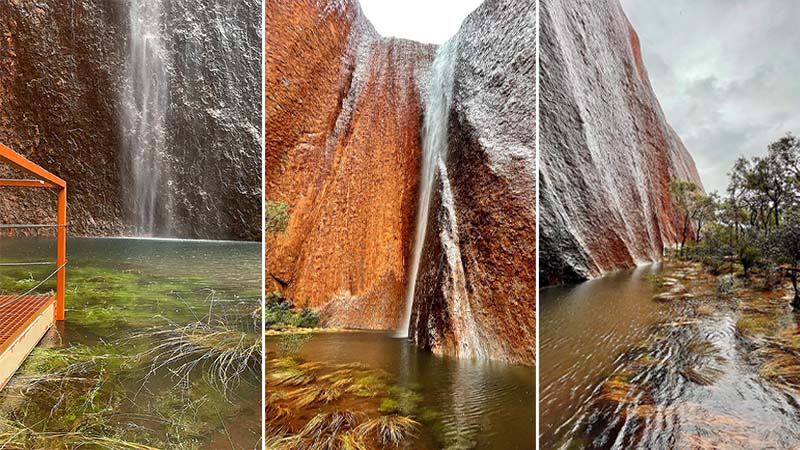
'Rare and magical': Waterfalls stream down Uluru

The strangely sheep-like calls of countless native frogs are deafening as waterfalls stream down Australia's big red heart.

They're louder than the water itself in video shared by the Uluṟu-Kata Tjuṯa National Park on Tuesday, after "the rock" was drenched in 22mm of rare rain overnight.

"While that doesn't sound like much, the annual average rainfall is just under 300mm," Parks Australia said of the "rare and magical" moment through the reserve's Facebook account.

READ MORE: Disneyland Shanghai goes into snap COVID-19 lockdown

"With a hot summer ahead, the rain is welcome and locals are hoping for more of it over the coming months."

Explaining the burrowing frog choir, the account said the reptiles would call "profusely" after enough rain fell to encourage them out of their burrows, especially at dawn and dusk.

"While the water persists, you can see them in the waterholes during the day, but as soon as it starts to dry out, they disappear underground again, waiting for the next downpour to occur," it said.

https://www.facebook.com/OfficialUluru/posts/257634926402469?__cft__

Record heat in NT and Queensland

The rain comes as scorching temperatures nudged or broke records in Queensland and the Northern Territory in October, with meteorologists reporting a 2-degree increase in average temperatures.

According to the Bureau of Meteorology, October was hotter than usual for Australia as a whole, with every state except Victoria noticing significantly warmer-than-average weather.

Victoria had a series of cold fronts strike the southern regions, which resulted in dramatic storms.

READ MORE: Queenslanders warned to prepare homes for 'severe' storm and cyclone season

But up north, Queensland and the Northern Territory experienced some of their hottest October temperatures on record.

Queensland experienced its fourth-warmest October ever, with an average increase of 2.12 degrees.

The Northern Territory experienced an increase of 2.11 degrees, its third-warmest October on record.

Darwin sweated through its warmest-ever October night on record on the 20th, reaching 26.6C, while Brisbane recorded its hottest October day since 2004, with a top of 36.6C on October 4.

READ MORE: Disneyland Shanghai goes into snap COVID-19 lockdown

Weatherzone's Anthony Sharwood said while scorching days in the north may not seem unusual, the temperature increases have been significant.

"The biggest story of spring 2021 in Australia to date is definitely the well-above (average) temperatures right across the northern part of our country, and especially in Queensland and the Northern Territory," Mr Sharwood said.

According to Mr Sharwood, early-season heat set in earlier than usual in the areas.

READ MORE: Leaked text message in spat between French PM and Morrison

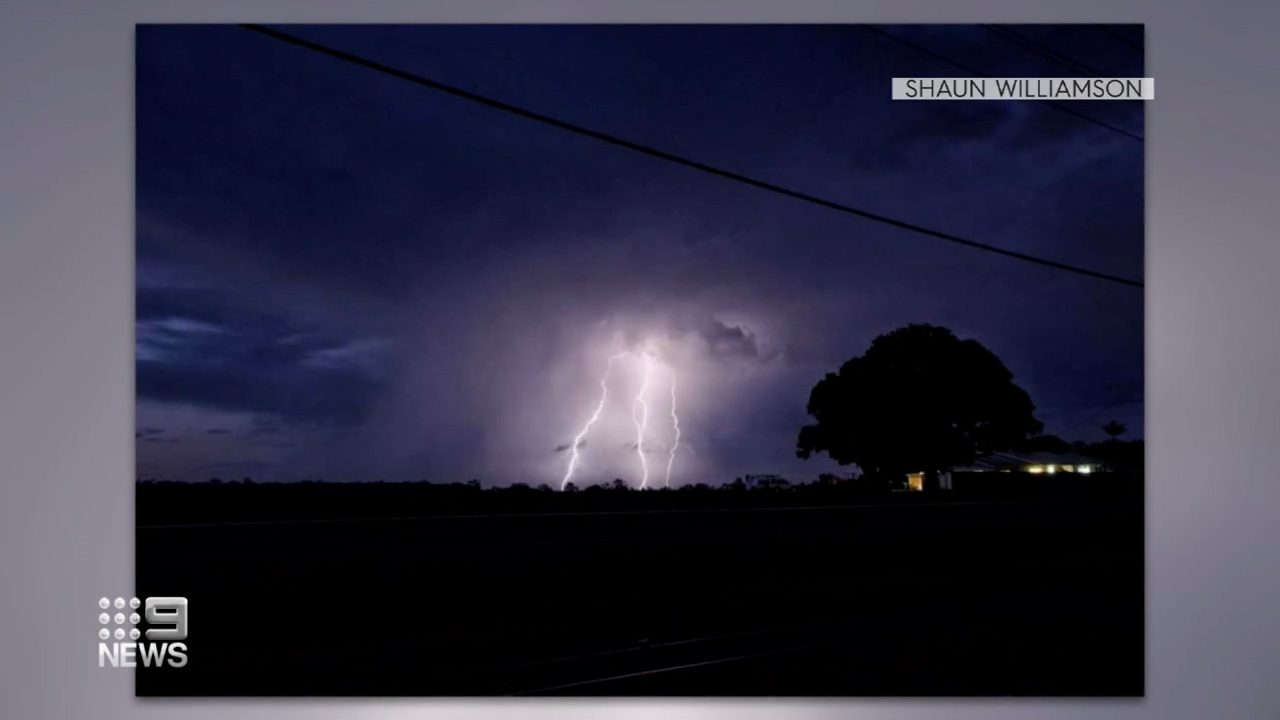
The town of Bucca, west of Bundaberg has been hit by severe storms and a suspected tornado last night, rattling the community.

Hotter than average temperatures may have contributed to the onslaught of unusual weather events in Queensland last month, with giant hail storms and four confirmed tornados recorded in the state.

Storm season in the state typically runs from November to December each year, while cyclone season extends till the end of April.

https://twitter.com/weatherzone/status/1455070011559604226

The Bureau of Meteorology uses a 30-year period from 1961-1990 as its reference period for average monthly temperatures, as defined by the World Meteorological Organisation.

COVID-19 leads to home renovation boom

Australians have been pouring money into their homes during COVID-19, sparking a renovation boom.

In the past 12 months, owner-occupiers took out $4.38 billion in loans to fund alterations, additions, repairs, and rebuilds.

In August alone, owner-occupiers took out a huge $500 million in loans.

READ MORE: Leaked text message in spat between French PM and Morrison

Sydneysiders are spending big on renovations.

There has been a 143 per cent increase compared to last year in renovation loans.

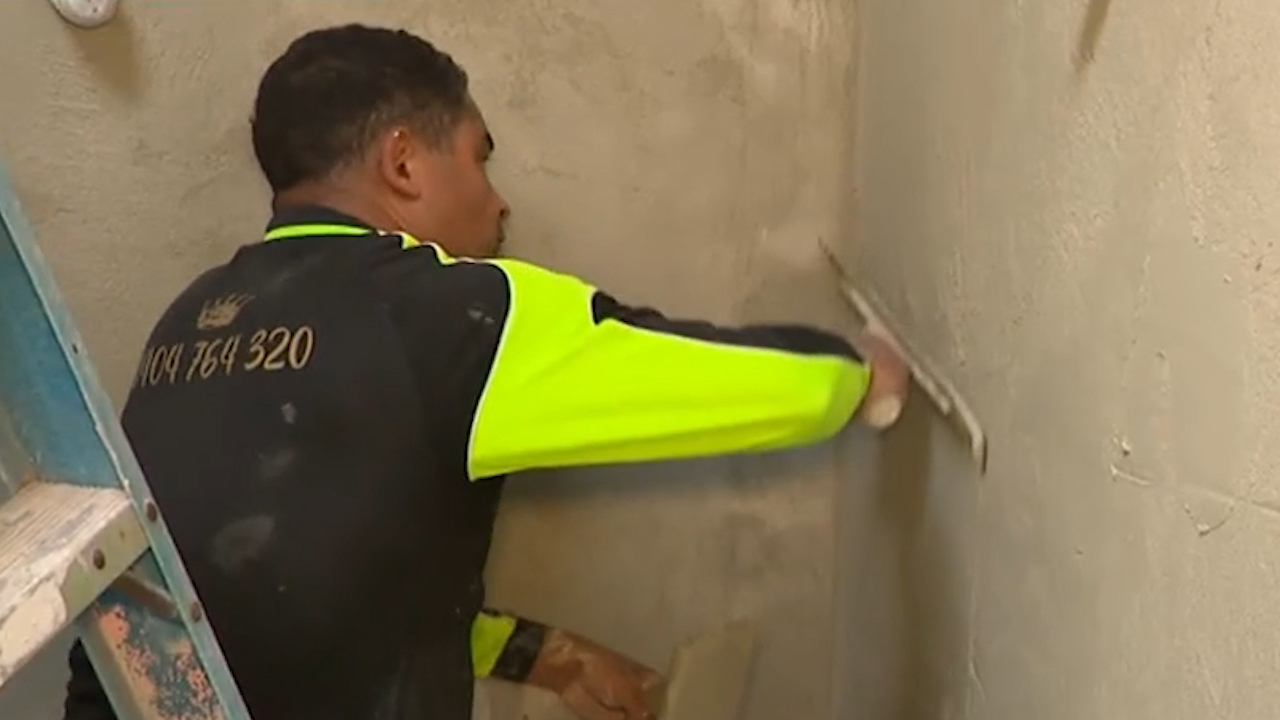
David Stableford and his wife bought their Balgowlah home, in Sydney's Northern Beaches, two years ago.

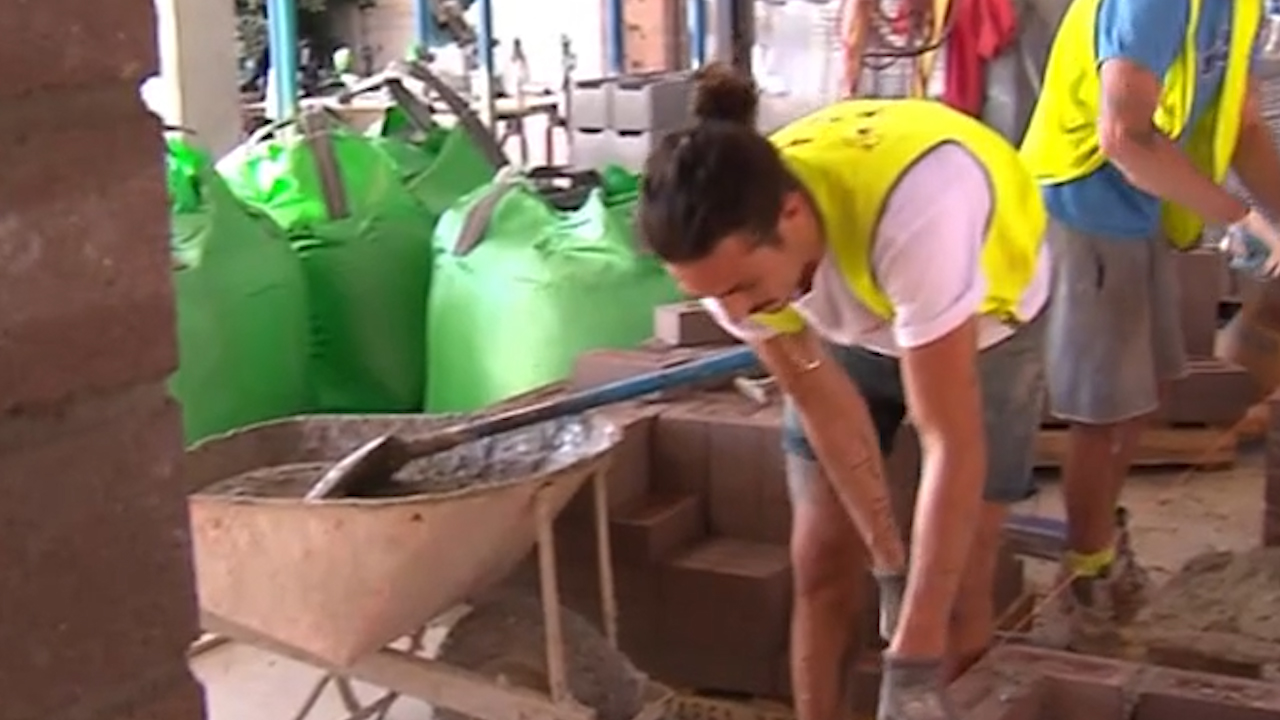
The pair has already finished one major renovation and now they're finishing off a new bathroom.

"Investing in our own property was the obvious thing to do. We bought the worst house on the best street so we were always going to renovate," Mr Stableford said.

James Algar, from Mortgage Choice, said many Australians are looking to renovate their homes.

"I'd probably say it's up by 100 per cent, the kind of clients that are looking to do renovations where they would have more traditionally looked at moving or upgrading rather than embark on a major project," Mr Algar said.

READ MORE: Disneyland Shanghai goes into snap COVID-19 lockdown

Sydneysiders are spending big on renovations.

Not only is there a renovation boom, but house prices have also increased meaning there is higher equity.

Higher equity combined with lower interest rates has made it easier than ever to fund renovations.

A home buyer who bought a median-priced property in September 2019 with a 20 per cent deposit, paying principal and interest, could potentially draw $330,000 while still retaining their 80 per cent loan to value ratio.

Sally Tindall, from RateCity, said if someone has owned their home for two years or more is likely to be sitting on a "growing mountain of equity."

"You might not realise just how much of your home you actually own now," she said.

READ MORE: Why is petrol so expensive right now?

Mr Stableford said he pulled out equity for the renovations but his payments had remained the same as his previous mortgage.

"So we pulled out a few hundred thousand in equity, so it was a no brainer," he said.

The information provided on this website is general in nature only and does not constitute personal financial advice. The information has been prepared without taking into account your personal objectives, financial situation or needs. Before acting on any information on this website you should consider the appropriateness of the information having regard to your objectives, financial situation and needs.

NSW marks 50 years of mandatory seatbelts

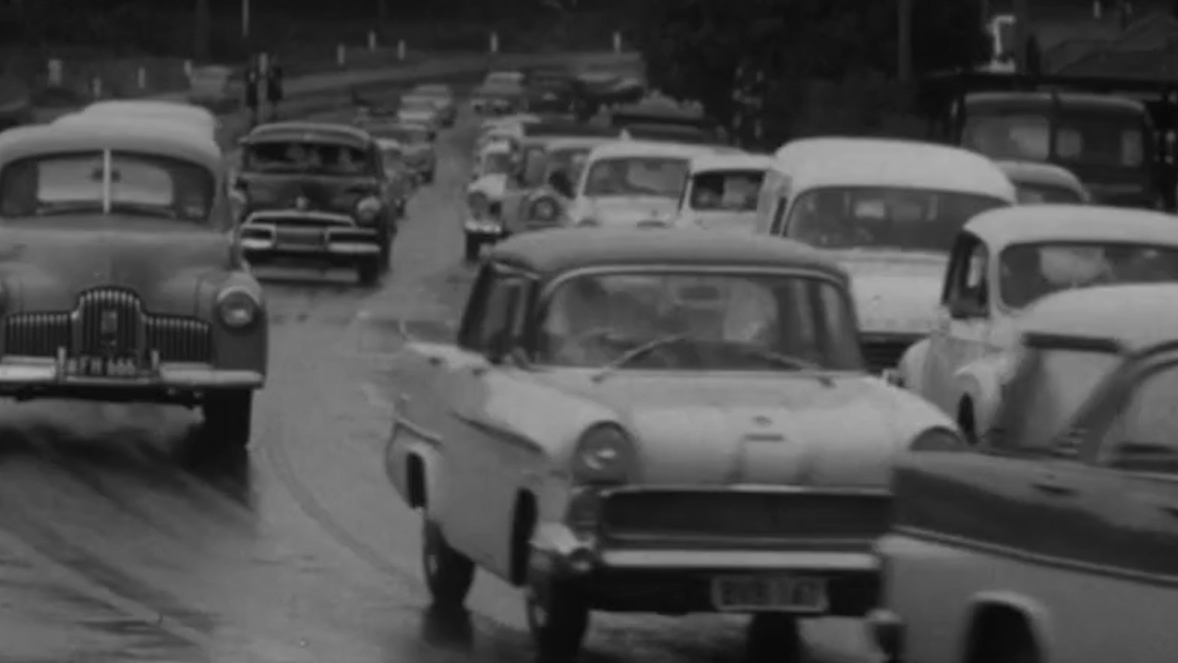
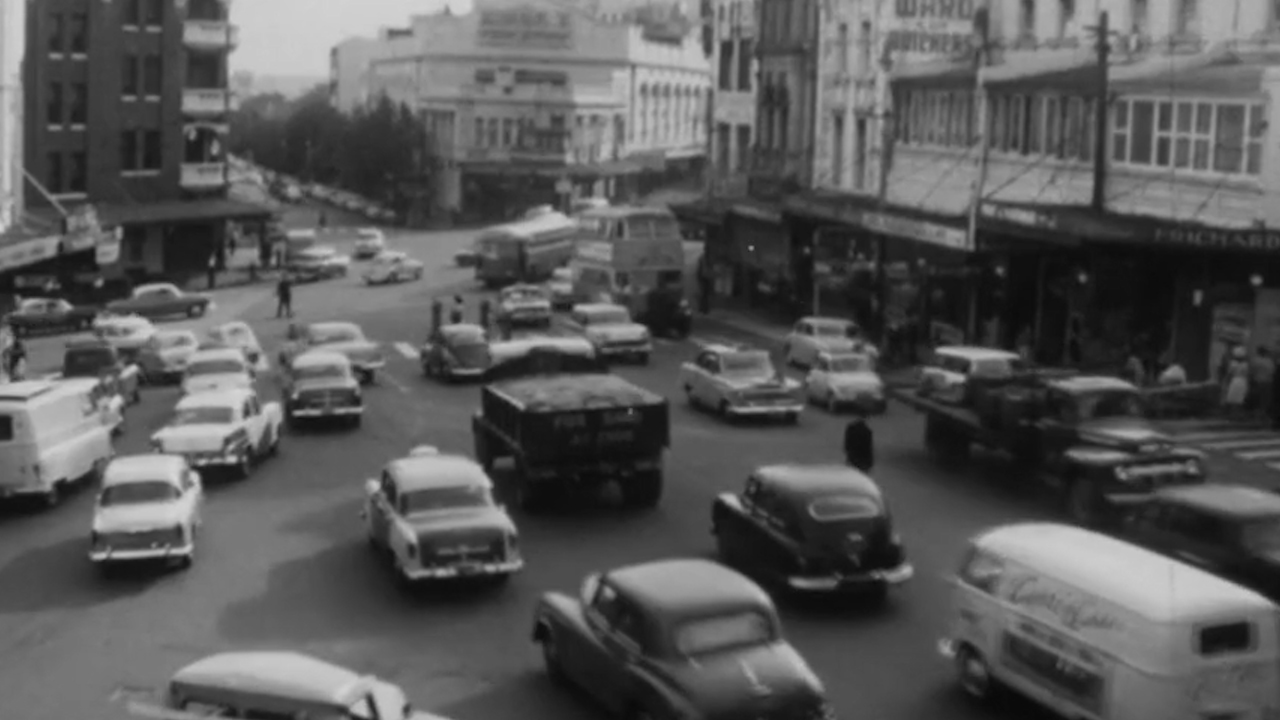
In the post-World War Two economy, when Australia rode into a vibrant and profitable world of export on the sheep's back, private car ownership came quickly to the reach of the country's baby booming middle class.

As the newsreel of the time noted, "at Tom Ugly's Bridge over Georges River, they squeeze through two lanes at a rate of 13,500 cars per lane per day."

With more cars, many more cars, would come a parallel rise in road deaths.

LIVE UPDATES: Verry Elleegant wins Melbourne Cup | Where every horse finished

NSW marks 50 years of mandatory seatbelts

"Exponentially, it was increasing at a rapid rate," says Head of Transport Safety at Transport NSW, Peter Dunphy.

"In the early 1970's, road fatalities had peaked at around 1300; it was increasing rapidly."

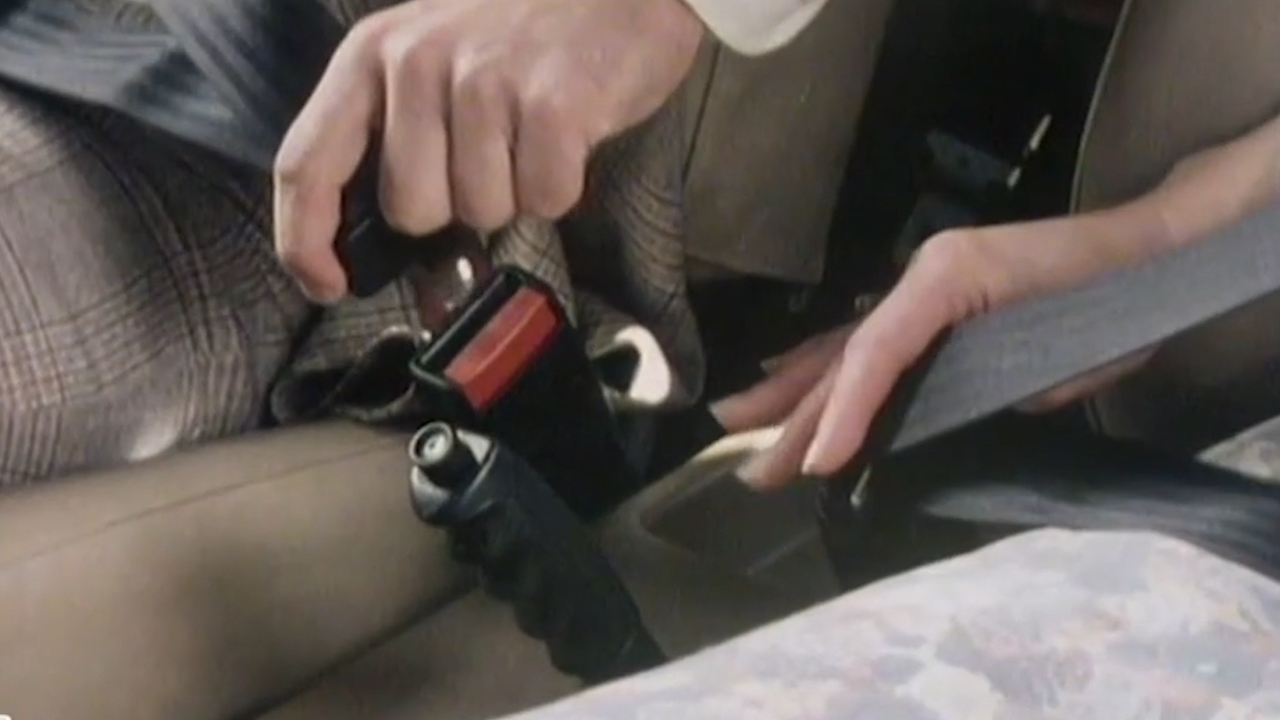
But in November 1971, NSW would be one of the first in the world to make it mandatory to wear a seat belt.

"If you look at last year, in comparison to 1970, 284 lives were lost on our roads; that's a reduction of 78 per cent," says Paul Toole, Deputy Premier and Regional Transport and Road Minister.

READ MORE: Leaked text message in spat between French PM and Morrison

NSW marks 50 years of mandatory seatbelts

Many older cars still didn't have seat belts, and it took time and education, to make wearing a belt a default setting.

One ad campaign would feature two eggs in two egg mobiles, as elucidated by the plum cheeked narrator, one with a seat belt, one without.

They take turns to drive into a wall.

It's no spoiler that beltless ol' mate doesn't fare so well.

But the new road safety policy drew instant results.

"After the first year, there was a 25 per cent reduction in fatalities in NSW," says Peter Dunphy.

"It was really revolutionary policy, and world leading at the time."

READ MORE: Disneyland Shanghai goes into snap COVID-19 lockdown

Apparently, the current stats say there's a 99 per cent uptake and compliance with seat belt wearing.

But it would take many years for the message to become habit.

NSW marks 50 years of mandatory seatbelts

And that has meant, for all the circles of families and friends affected by fatal car accidents, a better 2021 than 1971.

"The statistics clearly show," says the Deputy Premier, "put your seat belt on; you're crazy if you don't."