Tag Archives: oceania

The worst place to be lost in Australia

There's no denying Australia is home to landscapes that are beautiful, unique, and potentially very dangerous.

Memes and running jokes abound about our plethora of venomous snake and spider species, but it's more mundane dangers like thirst that pose the greatest threat to anybody lost in the Outback.

With borders – gradually – reopening, and interstate travel a looming prospect for millions of Australians planning summer holidays, it's worth a brush-up on what to do if you find yourself in a sticky spot on a grand adventure gone wrong.

LIVE UPDATES: No freedoms on the way for unvaccinated Victorians
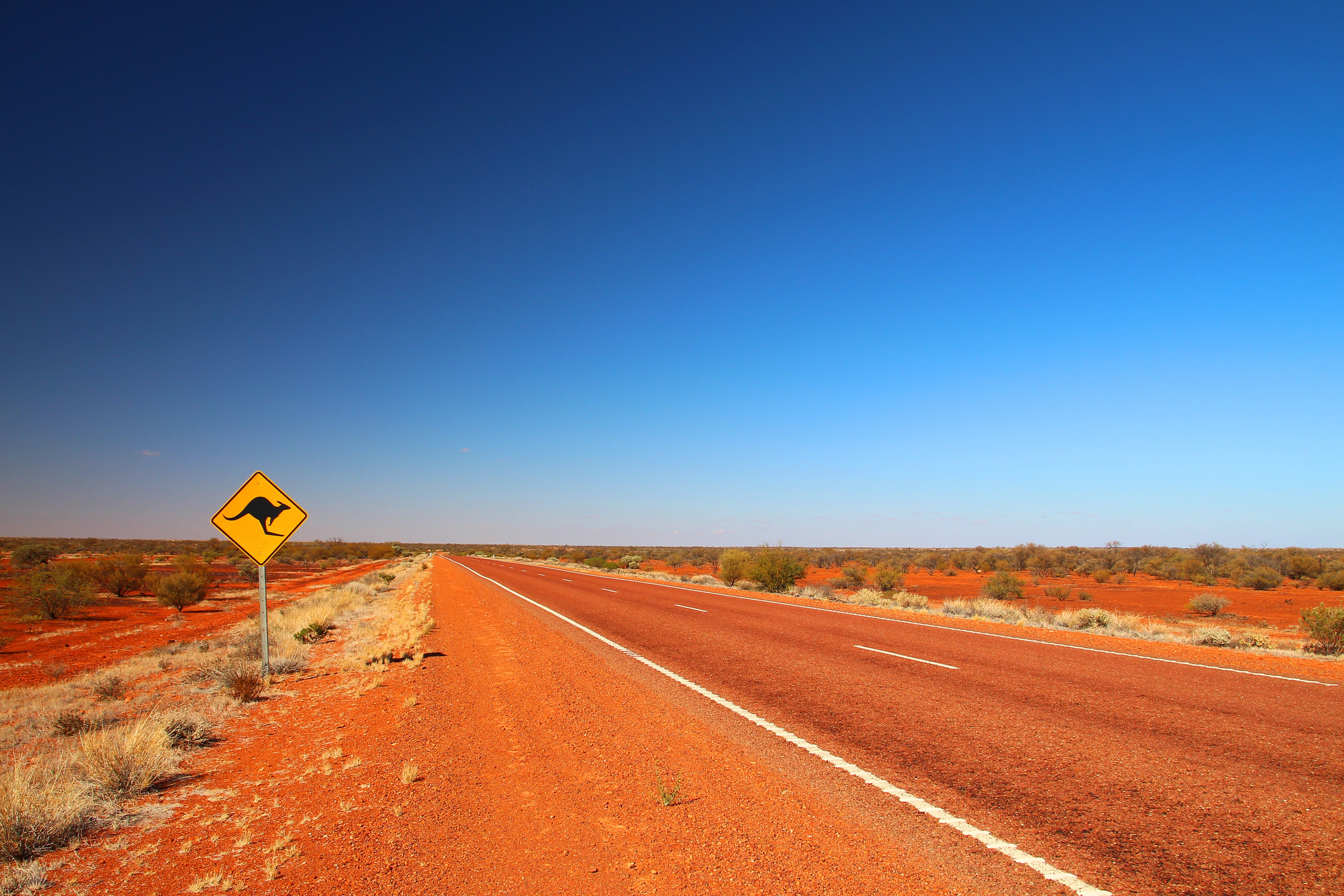
So, from the Daintree to the Tanami, where exactly in Australia would be the worst place to find yourself stranded?

Survival guru and wilderness expert Bob Cooper has a quick answer, and it might come as a surprise.

"The one place you don't want to get lost is in your own mind," Mr Cooper told nine.com.au.

Mr Cooper has been running bush survival courses for decades, and said one of the first questions he asked new participants was what they were most afraid of.

READ MORE: Bad weather halts search for missing four-year-old Cleo Smith
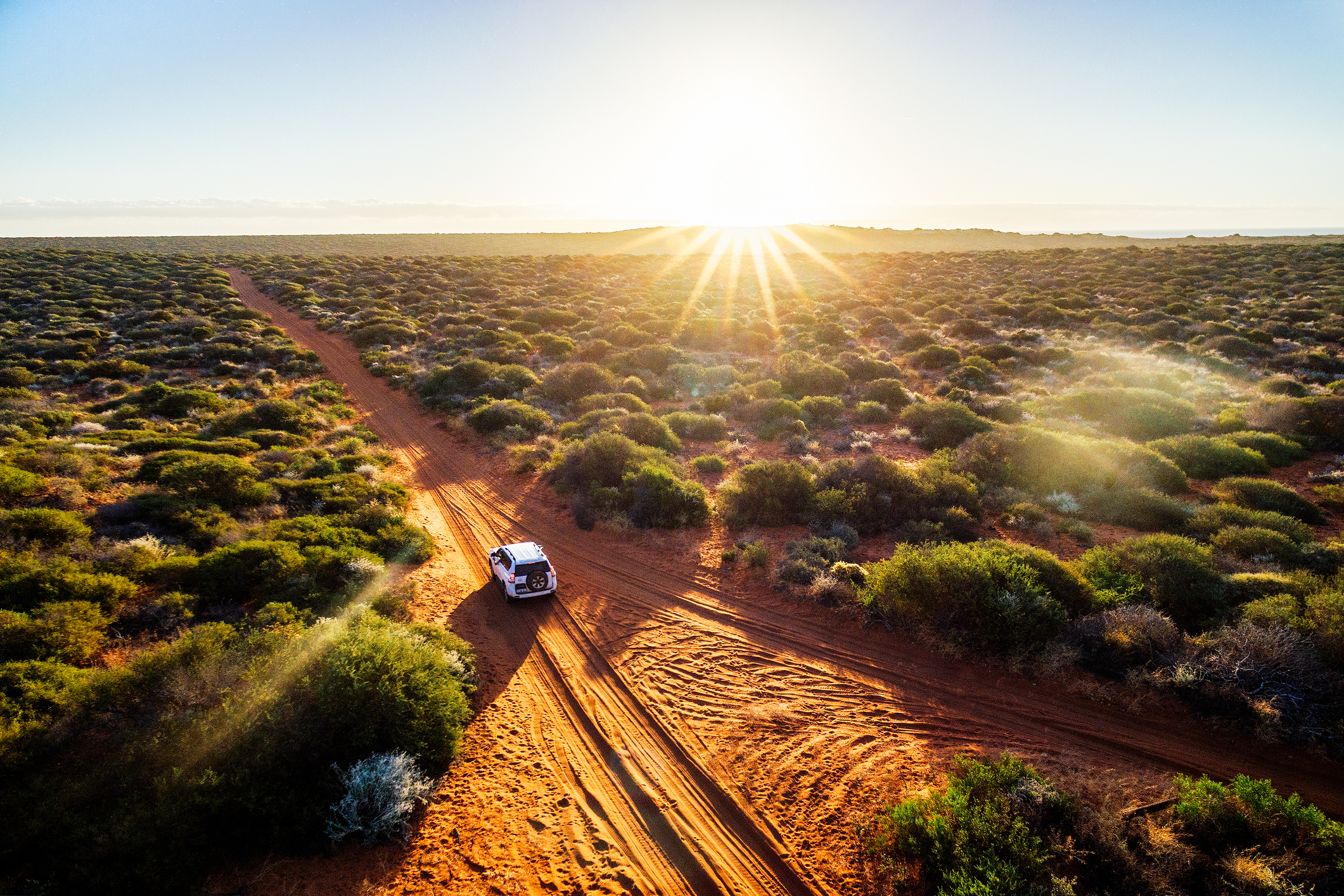
"If they have a fear of falling, or fear of the dark, or loud noises, or snakes, or being alone, then that's a situation that will trigger their fight or flight response," he said.

"People worry about what they don't have."

He said it was vital for people to keep calm and clear-headed, and avoid making decisions based on emotions.

"People will leave their water in their car and go off walking, you just don't know why," he said.

"You don't know what made them do that, but something did."

READ MORE: The private videos from two weeks before Berejiklian quit
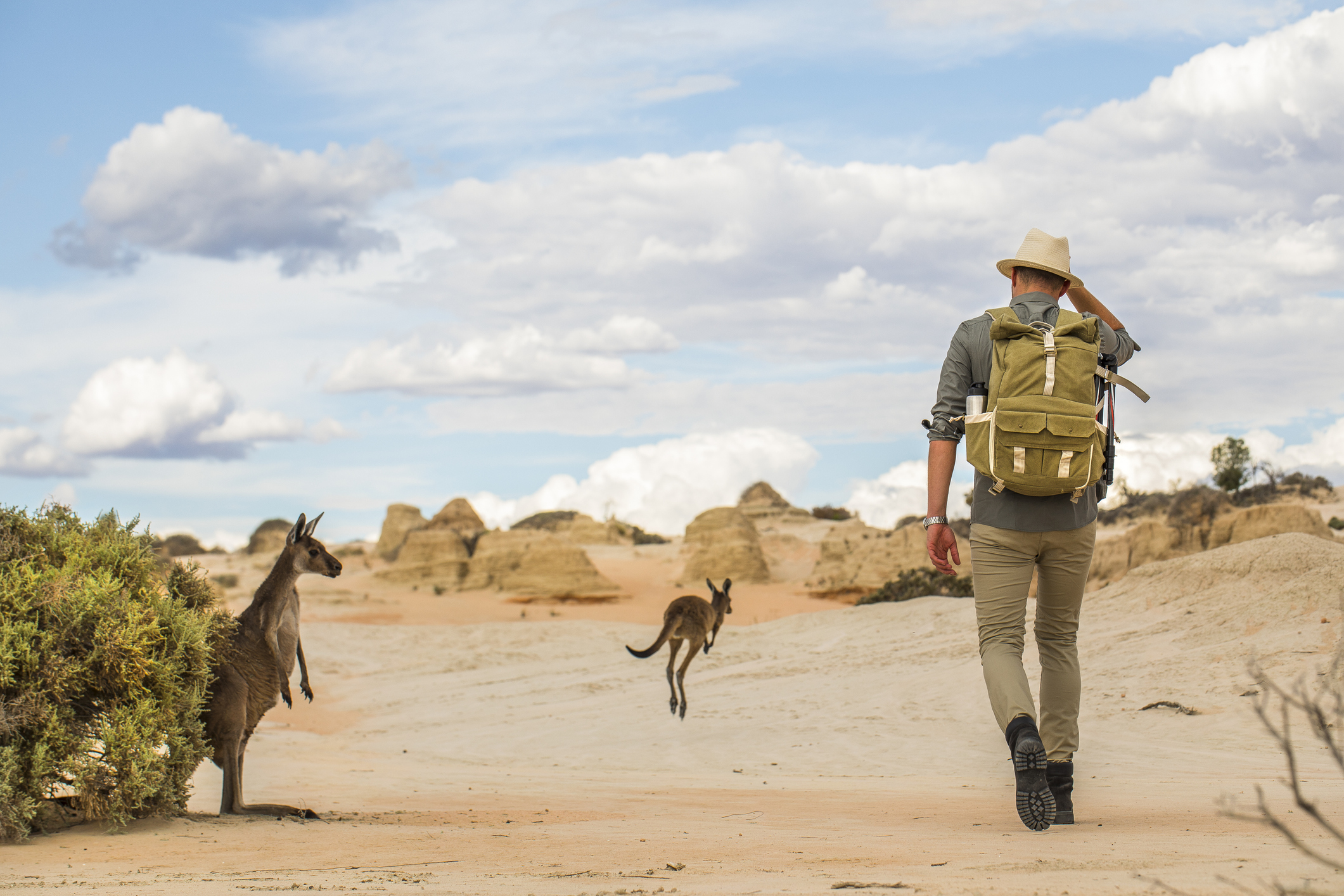
Speaking of water, Mr Cooper offered another useful tip – and this one applies not just to anybody stranded, but to people on hikes or camping trips, anywhere without an easily-refilled water supply.

"People sip water, they don't drink it. But you need to drink it properly," Mr Cooper said.

He said most people on his courses came in with the notion that sipping water in order to preserve it was necessary. But it's a belief that could prove fatal.

Mr Cooper said a person's digestion, kidneys and liver would take the water first in small portions and leave none for the brain, which would swiftly begin to be affected.

"You lose your ability to think clearly very quickly," he said.

READ MORE: Phone scammers find new ways to trick Aussies

Instead, people should drink one cup – or 250ml – of water at a time.

Water remains an issue of critical importance regardless, with a person needing one litre per every 25kg of their body weight, per day.

For this reason, if he had to pick a place to be stranded, Mr Cooper would opt for the tropics, noting you'd be far "better off" there, than in the desert.

"If you're looking for water, go downhill, and follow the animals," he said.

Of course, if you are in a tropical area, those water sources can be dangerous themselves – especially still, deep pools – as home to crocodiles.

Most people who go missing on a trip in Australia tend to get lost in national parks, on planned treks and hikes.

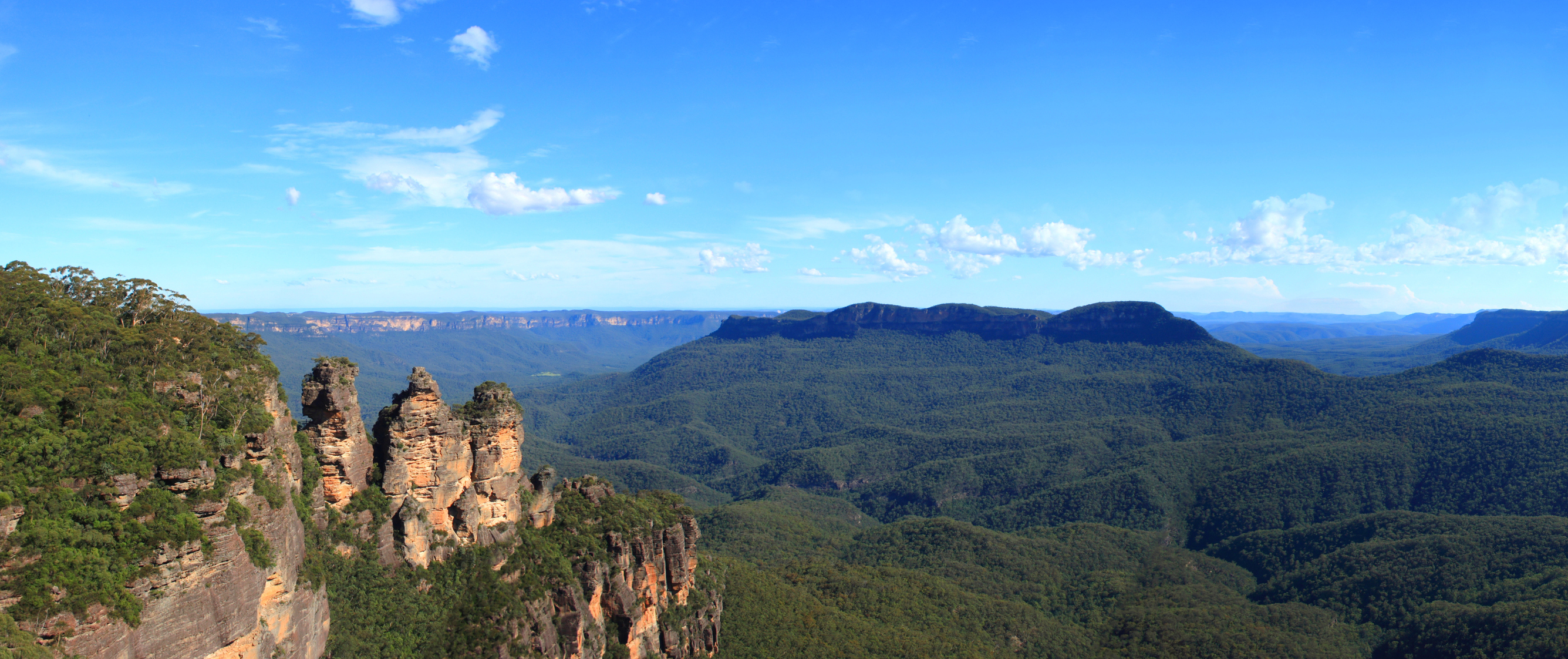
National Parks NSW said about 130 people became lost in the Blue Mountains National Park every year, with the majority of them found within 24 hours.

The service has its own "Think Before You Trek" initiative which includes basic recommendations about what supplies hikers should take, and how to prepare for potentially finding yourself lost.
Devices like satellite phones, personal locator beacons, and Emergency Position Indicating Radio Beacons (EPIRBs) can help people locate you.

Your family, friends or emergency contact should also be told where you're travelling and when you expect to be able to contact them next, so they know when to alert emergency services.

If you're lost or stranded while driving in remote areas, there's another golden rule – do not leave your car.

"Staying with your car also means you'll be visible to emergency services from the air," National Parks NSW said.

"To make sure they can see you, put up your car bonnet while you wait."
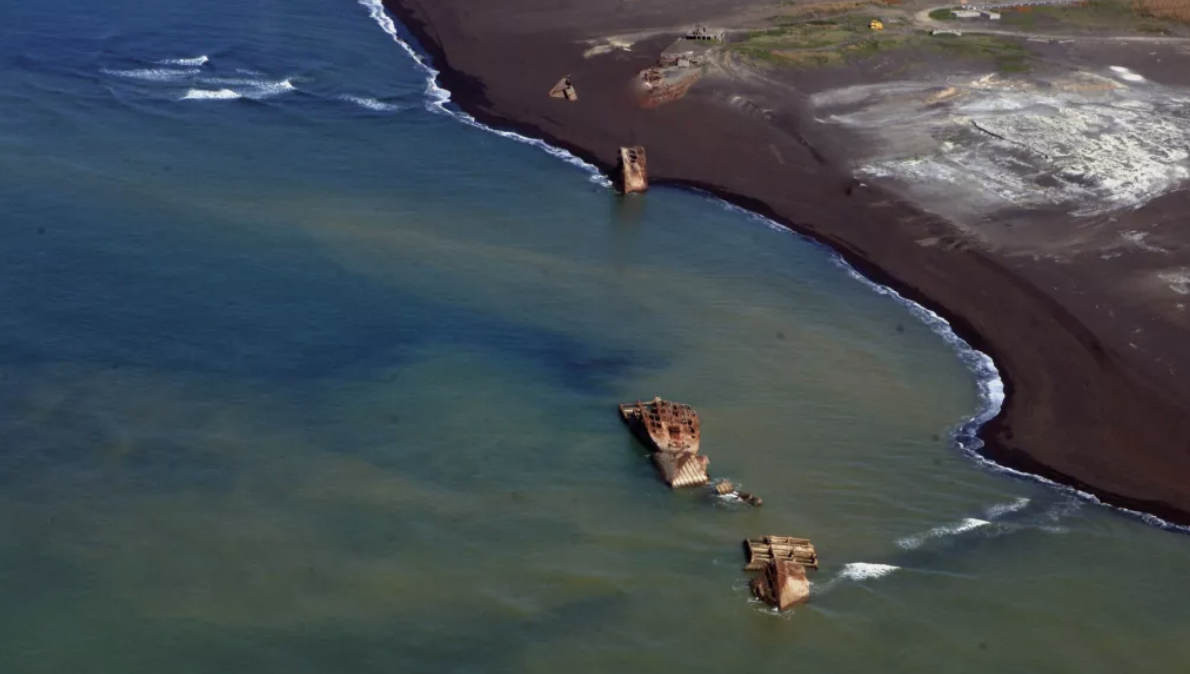
WWII 'ghost ships' appear in Japan after volcanic eruption

An underwater volcanic eruption has lifted dozens of WWII-era ships from their watery graves in Japan.

Seismic activity from the volcano Fukutoku-Okanoba lifted the sea bed. As it did it 24 battleships washed ashore on the western side of Iwo Jima.

The island lies roughly 1,200 kilometres south of Tokyo and was the site of one of the war's bloodiest and most famous battles.

READ MORE: Stunning vision as drone crashes into erupting volcano

The ships washed ashore on the western side of Iwo Jima.

The ships were originally sunk by US forces during the Battle of Iwo Jima in 1945.

The 36 day assault claimed 7,000 marine lives and saw nearly 20,000 wounded.

Nearly all Japanese soldiers, save for 216 captured alive, were killed.

Fukutoku-Okanoba has been erupting underwater since August.

Japan is one of the most seismically active countries on earth.

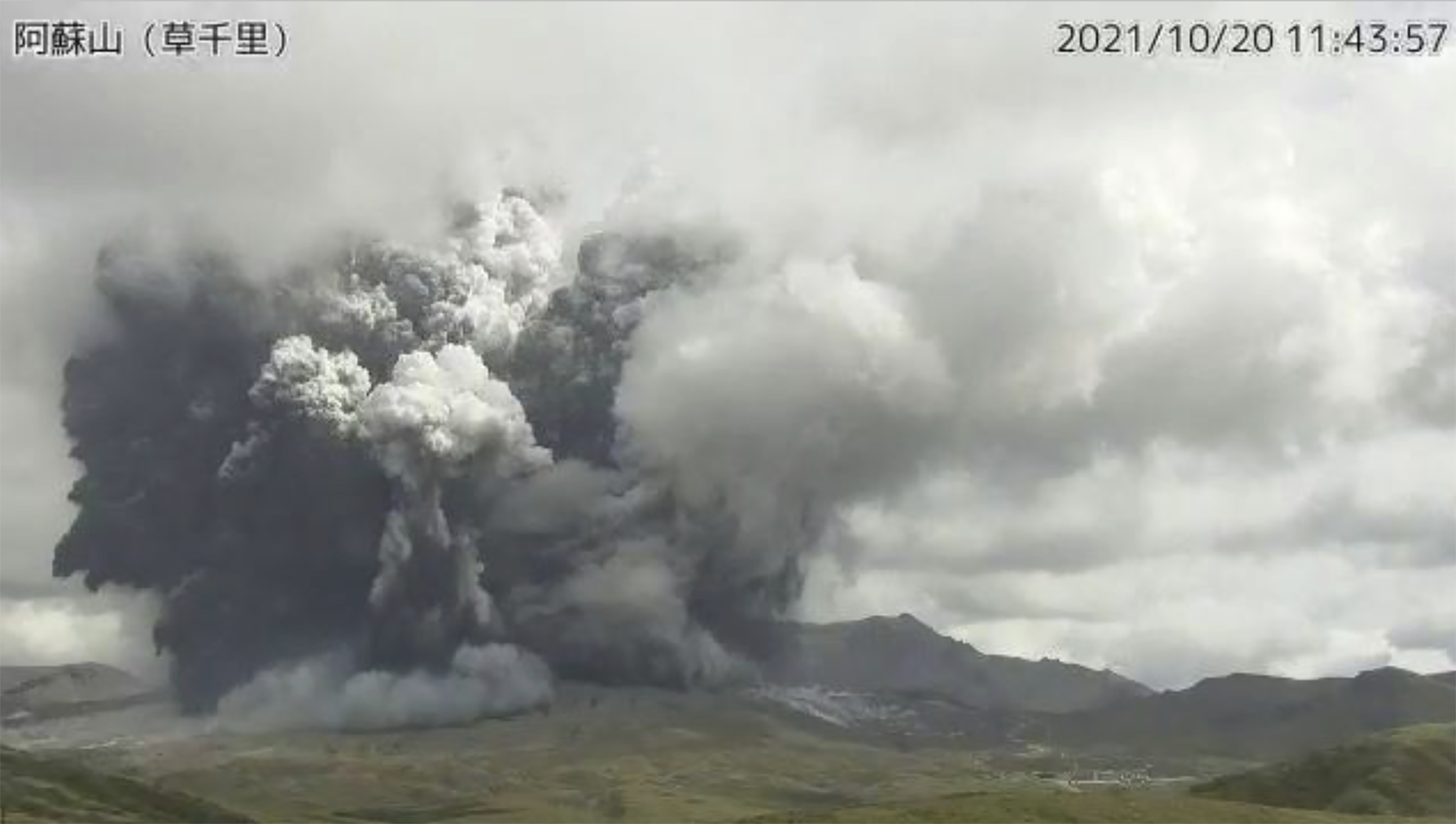
In this image taken by a surveillance camera released by Japan Meteorological Agency, smokes rise from the No. 1 Nakadake crater of Mr. Aso after its eruption, observed from Kusasenri, southwestern Japan, Wednesday, Oct. 20, 2021. The eruption occurred at 11:43 a.m., according to the agency. (Japan Meteorological Agency via AP)

Its islands are situated on the The Ring of Fire; a geographical area characterised by active volcanoes and frequent earthquakes.

Nearly two weeks ago Mount Aso, in southern Japan, erupted sending a massive column of grey smoke billowing into the sky.

Clean-up begins in South Australia after night of wild weather

Emergency workers in South Australia have been responding to about 1300 requests for help after a night of wild weather caused up to a $1 million worth of damage.

The state has been lashed with winds of more than 90km/h, hail and flash flooding.

A maximum wind gust of 96km/h was recorded at Adelaide Airport last night.

READ MORE: Monster storm to leave residents without power for three days

https://twitter.com/ollie_haig/status/1453826736060174339

Reporter Oliver Haig said early reports indicate about $100 million in damage was done, with damage widespread across metro Adelaide, Adelaide Hills, and Barossa Valley.

"(The storm) brought a significant amount of damage, particularly up in the north and our very iconic Barossa Valley where crops have been decimated.

"It's been a wild 24 hours."

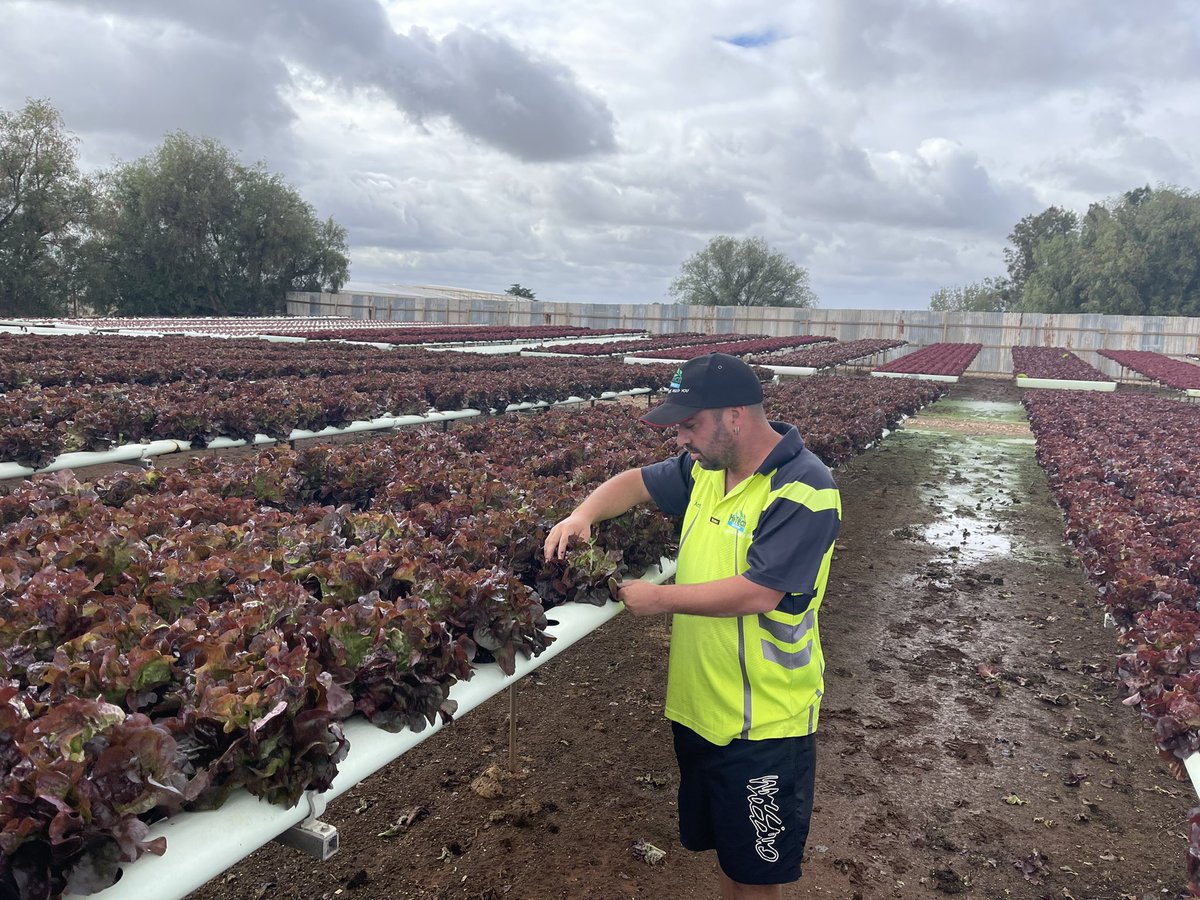
Producer Anthony Musolino has estimated the hail has caused $300,000 damage to his lettuce crops.

He's now trying to salvage what he can ahead of Christmas trading.

Fourth generation apple grower Michael Stafford told 9News he's inspecting damage to his Lenswood orchard and fears 70 per cent of his crop has been decimated.

Anthony Musolino estimates yesterday's hail storm caused around $300,000 worth of damage to his lettuce crop.

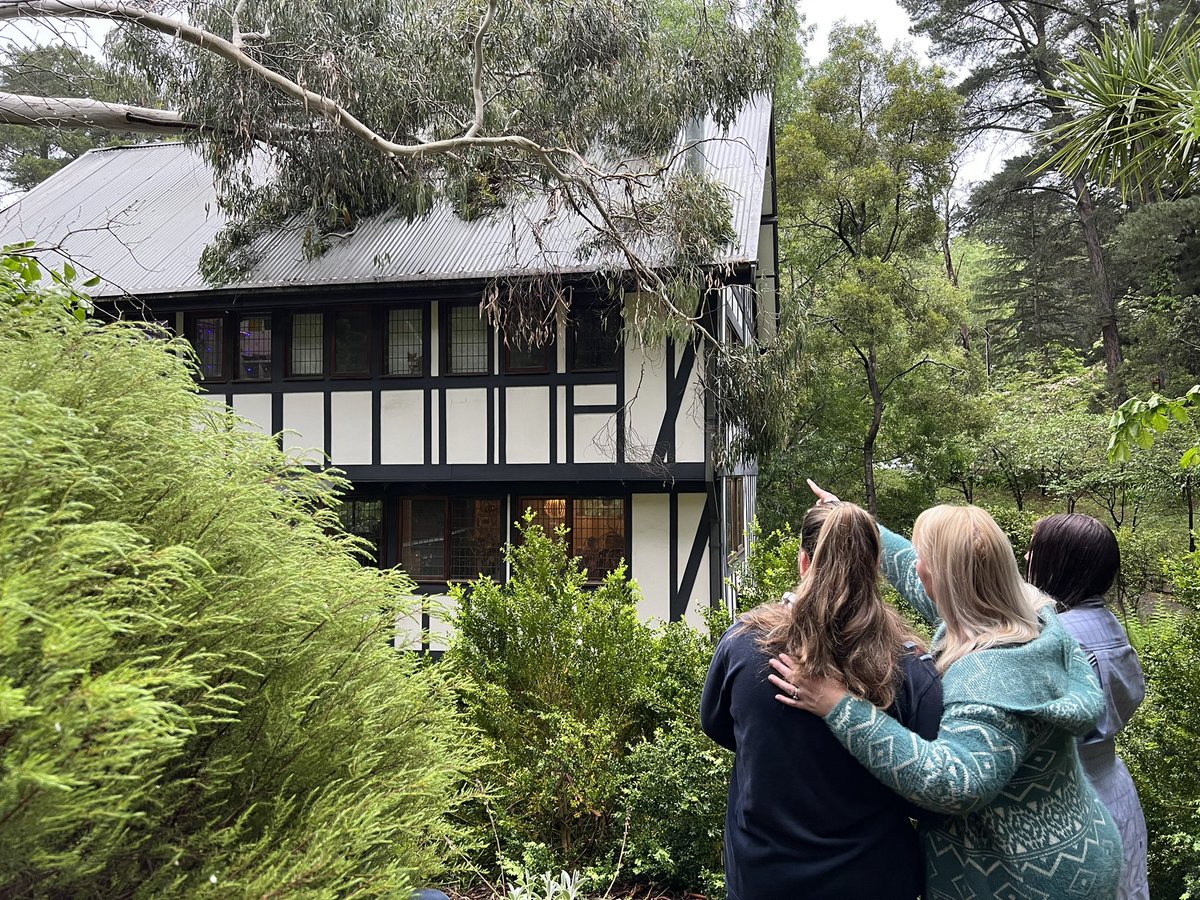
One family thought they had been hit by an earthquake when a tree fell through their Aldgate home.

Homeowner Kristin Doherty said she was awoken by an "almighty crack" around 6am.

Tree falls on Aldgate home in Adelaide during storm on 29th October

"I looked outside and saw the tree and just ran upstairs as fast as I could go, because the girls' bedrooms are there on the top floor," she told Haig.

"It was all ok, but got a big mess to clean up now.

"The CFS couldn't do anything and the emergency services said it was too big for them so I think we're going to have to get a crane in.

"Hopefully our insurance covers it."

https://twitter.com/ChrisBeattieSES/status/1453840720968568832

This morning the state's severe weather warning was cancelled but emergency crews are continuing with the clean up.

Residents are being advised to keep clear of fallen power lines, beware of fallen trees or debris on the road, not to go through floodwater and to keep clear of creeks and storm drains.

Buy one thing receive another: Christmas warning

Exclusive: Sydney woman Gill Cornforth admits she cannot resist a bargain.

So, when she saw a Facebook ad flouting a heavily-discounted but incredibly high-tech kitchen chopping board, she was all ears.

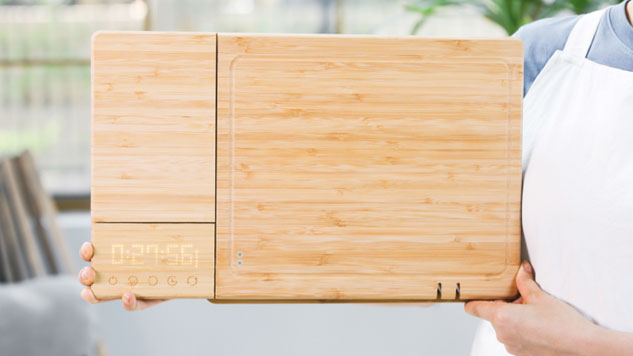
According to the video ad, the 100 per cent bamboo board features two inbuilt knife sharpeners, a digital timer, weighing scale and light.

At $34, reduced from $82, it was a steal. Ms Cornforth bought two.

READ MORE: Residents caught in David and Goliath fight over Bunnings plan

The high-tech bamboo chopping board bought by Gill Cornforth.

There was nothing to suggest the company she had ordered the product from was not above board, she said.

"Initially, I thought it was strange there was no confirmation of order, however, I did receive an email advising it was in transit."

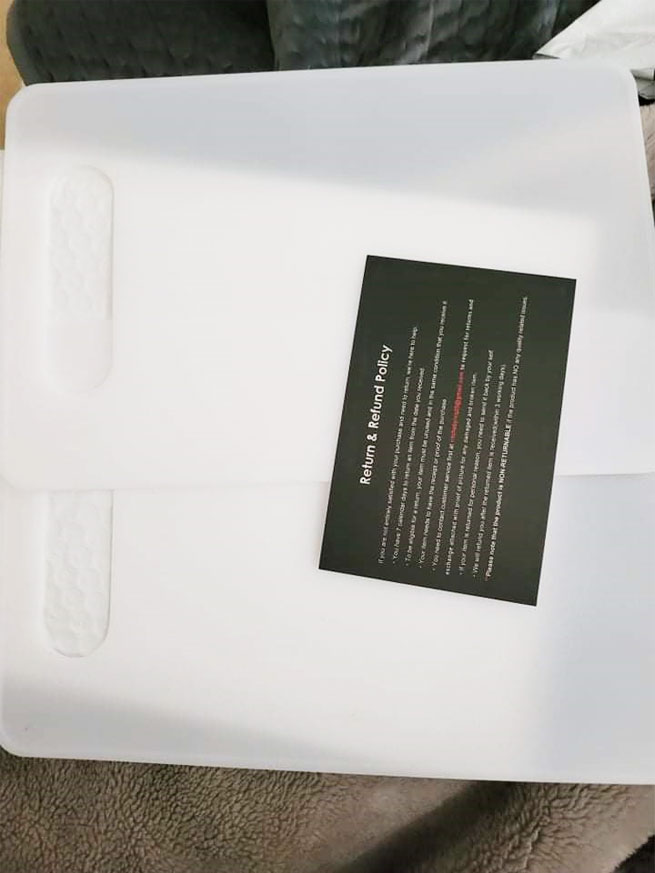
But when her package came in the mail, it was nothing like what she had ordered.

"What I actually received was two white, very thin, chopping boards," she said.

A photo of the plastic chopping boards which arrived.

They were the type of plastic chopping boards that you would buy in a supermarket or a discount shop for a few dollars, she said.

Have you bought an item from social media but received something completely different? Email us your pictures to on********@******om.au.

Marie Armitage had a similar experience when she snapped up a Christmas tree, also advertised on Facebook.

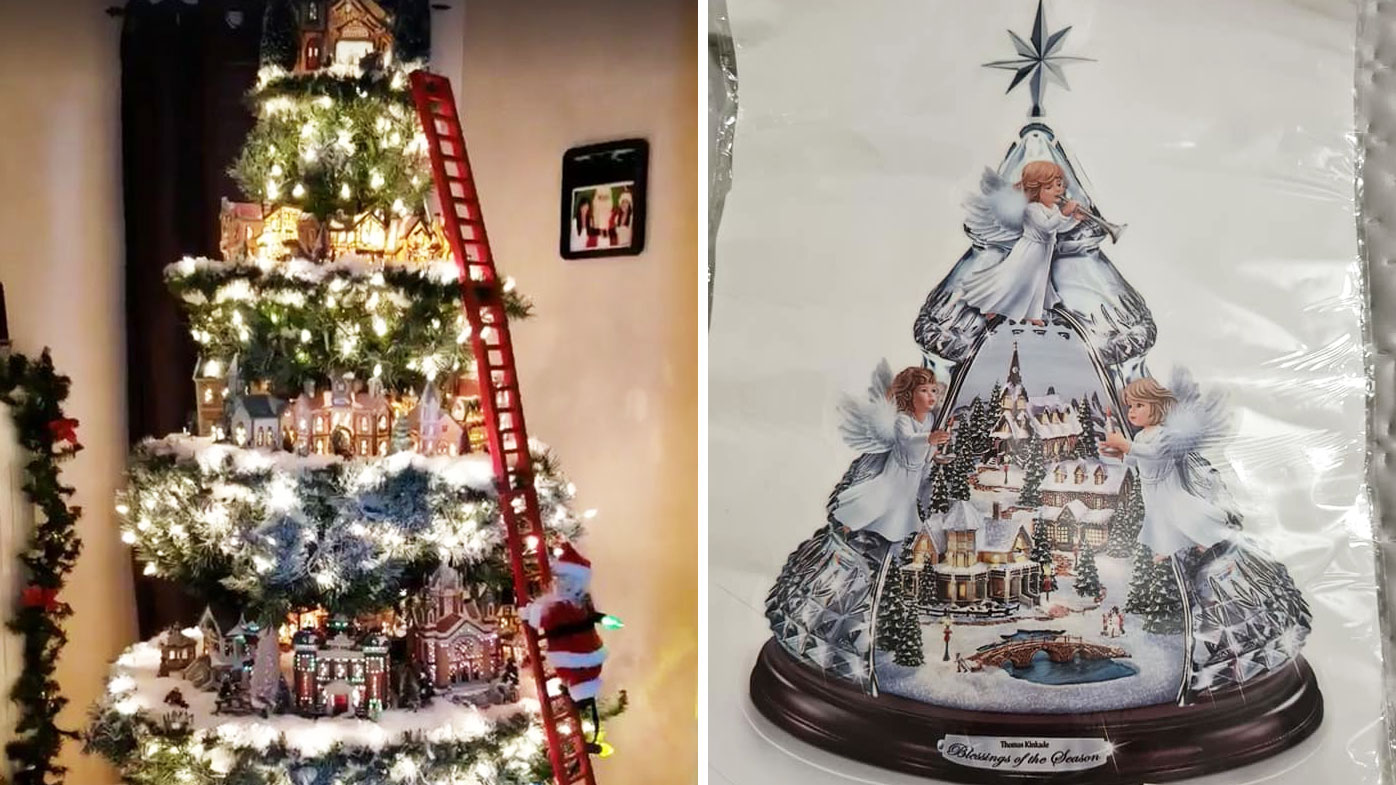
Touted as the "best gift for a family", the elaborate, snow-dusted tree features a train whizzing around one level and an electronic Santa clambering up the side on a ladder.

Ms Armitage spent $32 on the tree.

But again, what showed up on her doorstep on Tuesday was completely different.

There was no tree in sight, instead, Ms Armitage was sent a sticker of a Christmas tree.

"My reaction to the peel off, stick on picture of a tree that arrived was confusion, disbelief and then anger," she said.

"I tried to contact Facebook to report the company and ask for help but I couldn't find any way of getting in touch with them."

READ MORE: Australia Post Christmas delivery deadlines

Ms Cornforth said she had also had no luck getting a refund on her chopping boards.

After the company failed to reply to her emails, she tried her bank.

"I contacted my card provider who basically said I did receive an item so there was not much they could do, however, they would send me dispute forms," she said.

"I would need proof of purchase amount, order number and then I would need to get statutory declaration. Due to lockdown I said forget about it."

A Facebook spokesperson said the social media giant was investigating the cases highlighted by 9news.com.au.

"We do not allow scams on our services and we take swift action to remove them as soon as we become aware," the spokesperson said.

"We encourage people to report pages or profiles that violate these rules by promoting products, services, schemes or offers that are deceptive or misleading.

"We work to get ahead of scammers and that includes making investments in our enforcement and putting in place real world consequences, including taking legal action."

Bangkok, Thailand - February 15, 2021 : iPhone 7 showing its screen with popular social networking applications which are Clubhouse, Instagram and Facebook.

Ms Cornforth and Ms Armitage are far from alone in being scammed by Facebook sellers, and, as online shopping for Christmas surges, many more are expected to fall victim.

The Australian Competition and Consumer Commission's Scamwatch program received almost 1800 reports of online shopping scams originating on social media from the beginning of this year to October 24, with over $794,000 in losses.

During the same timeframe, it received 119 reports where customers tried to purchase a particular product and were sent completely different goods of a lesser value.

Some replacement items mentioned in the reports were "face masks" instead of kitchenware, a "notepad" instead of an iPad and "sunglasses" instead of shoes.

Customers falling victim to the scams often find they are unable to contact the seller after they receive the wrong item or they are asked to return it overseas at their own expense.

In a bid to fight back on the burgeoning trend, Facebook users have created popular groups to name and shame dodgy sellers, such as "Facebook Ad Scambusters!", which now has almost 8000 followers, and "Scam Alert Global".

Ms Cornforth said the experience had left her incredibly suspicious of social media ads.

"Now I have been bitten I am reluctant to purchase anything from Facebook," she said.

"I have noticed a pattern… you see amazing products often showing 80 per cent discounts.

"There are always reviews stating, 'Received mine it's amazing', at the top – obviously it's a total throw of a fishing line to hook us in."

How the scam works and tips to protect yourself

  • Online shopping scams involve scammers pretending to be legitimate online sellers with fake websites, fake ads on genuine retailer sites, or through the use of social media platforms by creating fake stores or posting ads on social media.
  • If a product is too good to be true, it probably is. Look out for sellers offering items at extremely low prices.
  • Be suspicious of sellers that insist on immediate payment, or payment via bank transfer.  Only pay for items using a secure payment service – look for a URL starting with "https" and a closed padlock symbol, or a payment provider such as PayPal.
  • If you've bought something online and there is a problem, you should try to contact the retailer as there may be a legitimate reason for the problem.
  • If you are not satisfied with the response and suspect you may have been scammed, you may be able to arrange a charge-back through your bank if you paid by credit card.
  • You can also report a scam to the ACCC through the Scamwatch website.
  • Tell your friends and family about the scam so you can help protect others.

Contact reporter Emily McPherson at em********@******om.au