Tag Archives: oceania

Everything you need to know about international travel

Fully vaccinated Australians will finally be free to leave the country from Monday when one of the strictest COVID-19 travel bans in the world ends after 18 months.

Aussies have been restricted from leaving and coming in for 586 days, since March 24, 2020.

Travellers will be allowed visit any country from November 1 but there are many rules in place depending on where you are going.

READ MORE: Qantas to bring forward restart of some international flights
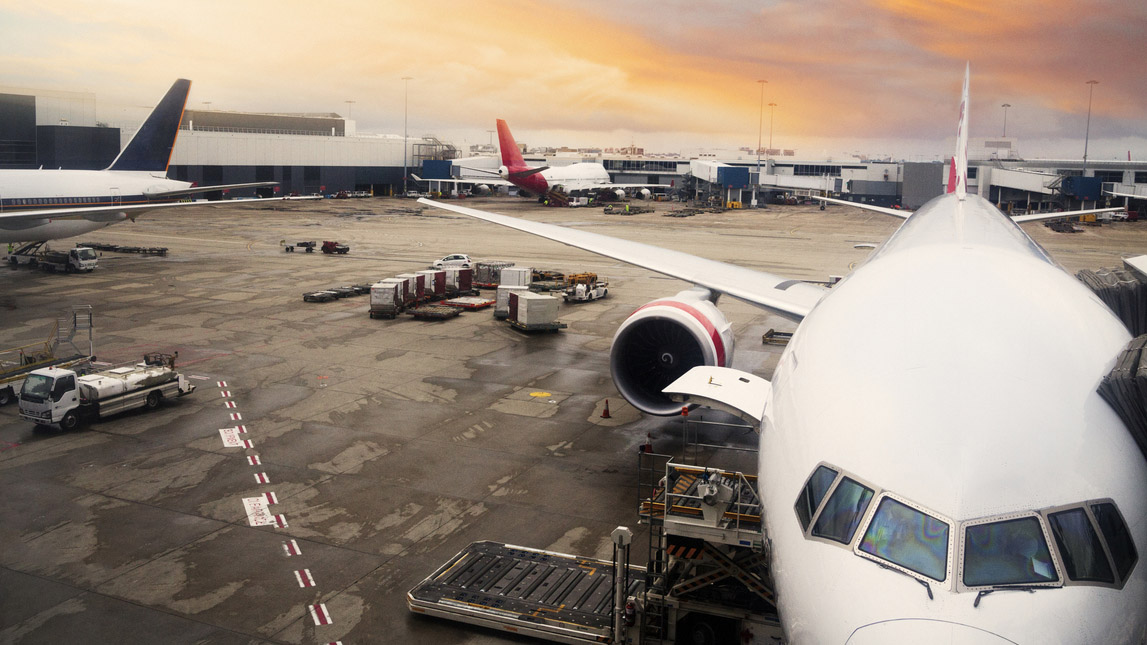
Sydney airport will be welcoming passengers again.

Some nations have mandatory quarantine periods, others require negative COVID-19 tests — which could add up to hundreds of dollars for a family — and of course having both jabs is a must.

NSW, Victoria and the ACT are removing quarantine for all, although getting into other states remains difficult, so their residents will largely remain stuck in Australia.

The end of the ban also means some Aussies who have been trying to get home for months — 46,800 are currently registered with authorities as trying to return — can finally fly into Sydney and Melbourne without the need to do mandatory hotel quarantine.

The first quarantine-free flight into Sydney will be QF12, which lands from Los Angeles at 6am on Monday, in a special milestone for the nation's pandemic response.

https://twitter.com/Smartraveller/status/1453473161580666883?ref_src=twsrc%5Etfw

What are the rules on travel?

Prime Minister Scott Morrison announced the end of the travel ban — in place since March 2020 — a few weeks ago, and made it official on Wednesday.

It means fully vaccinated Aussies and permanent residents from any part of the country are free to leave from November 1.

Previously, everybody needed an exemption if they wanted to leave, which could be hard to get and was only issued for compassionate reasons and later for travel over three months.

Returning was hard due to the flight caps imposed to limit numbers in hotel quarantine. For many states, and for unvaccinated Aussies, restrictions remain.

READ MORE: Travel ban officially ends on November 1
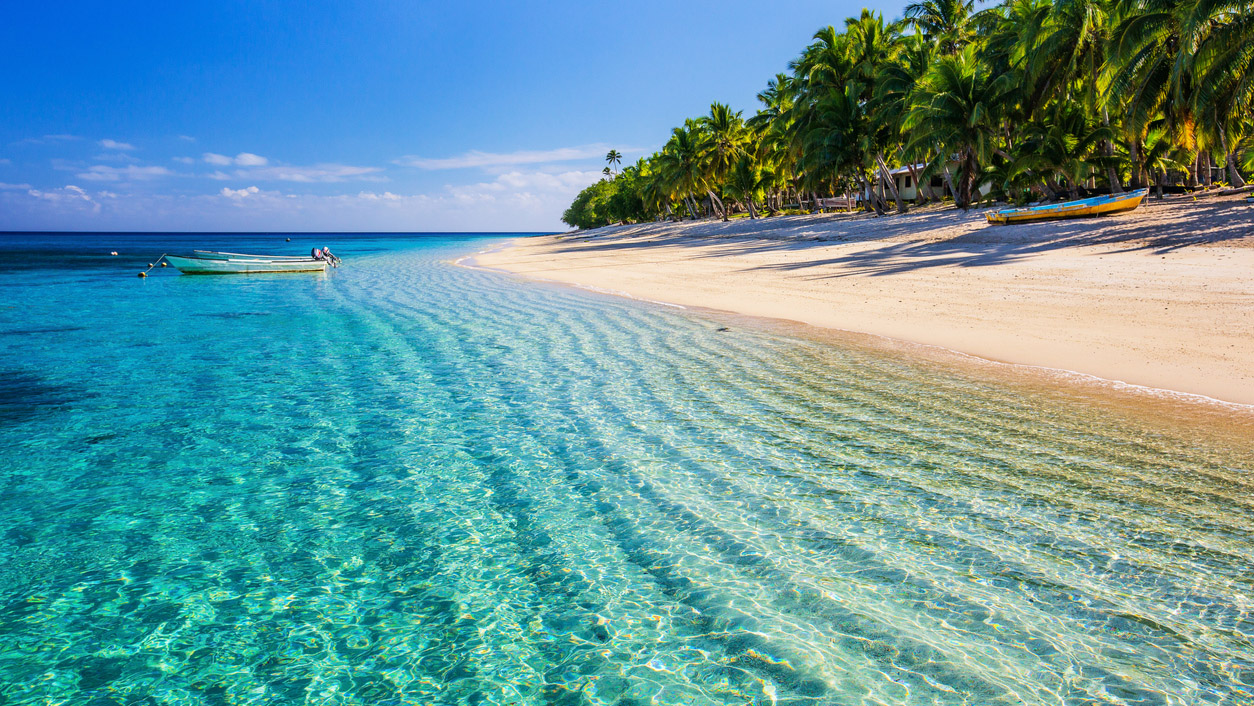
Fiji is opening to Aussies on December 1.

"From 1 November 2021, Australian citizens and permanent residents aged 12 and over who have received two doses of an approved or recognised vaccine will be able to leave Australia without needing an outwards travel exemption," the official rules say.

"Children under 12 and those who cannot be vaccinated for medical reasons will also be able to travel overseas without an exemption."

Each destination country has different rules in place for testing and quarantine, while each state and territory in Australia has different rules on returning.

For now, travel will only be easy from NSW, Victoria and the ACT.

READ MORE: Aussie actress who had stroke after COVID-19 jab still fiercely supports vaccination, says husband
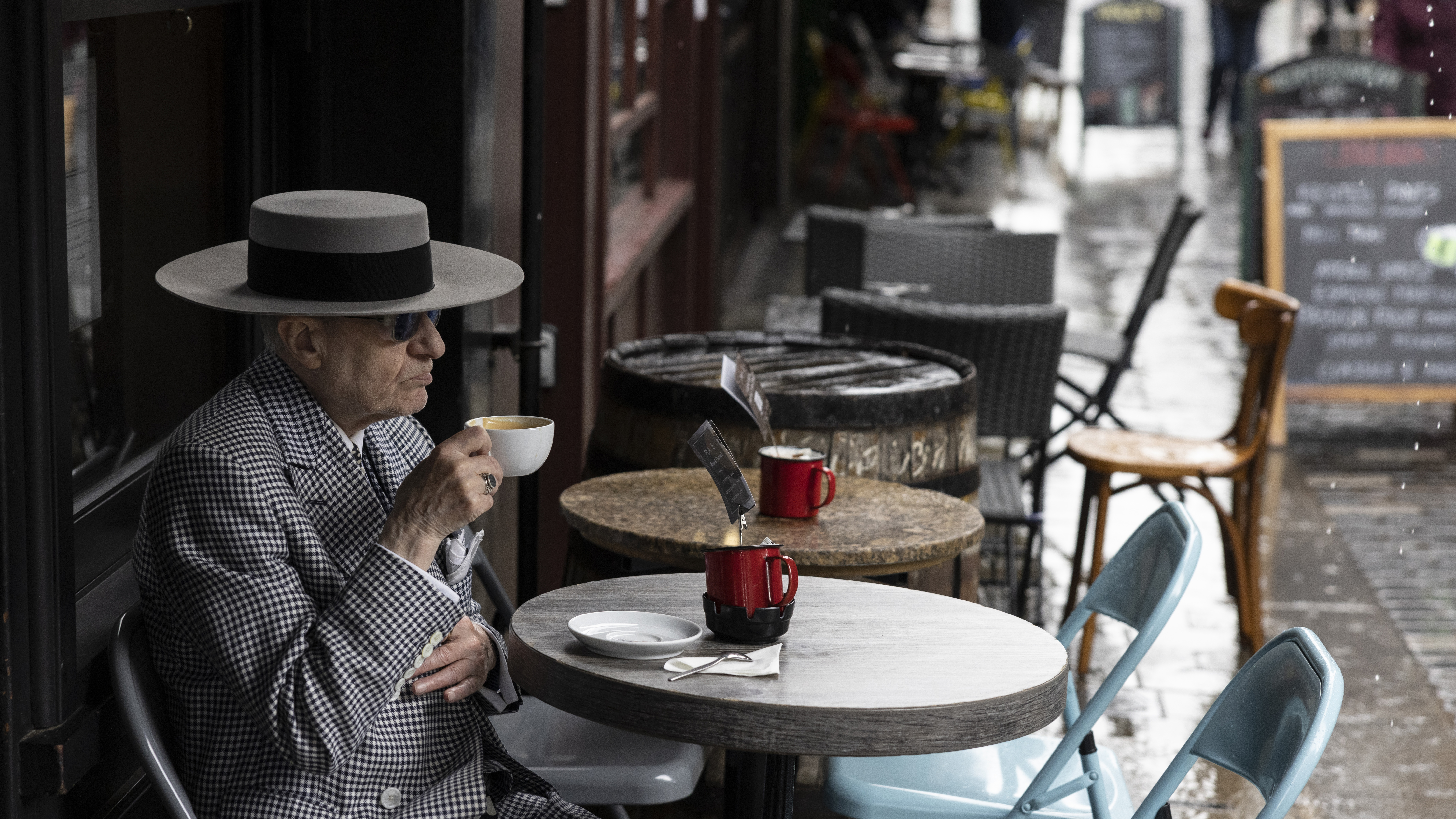
London UK

Leaving Australia

Do I need a COVID-19 test before flying out of Australia?

It depends on the country you are travelling to.

Special COVID-19 PCR tests for travel — costing around $150 each — are needed for many places.

These must be done at private clinics, rather than the free testing sites, so you can get a certificate with your details, rather than a text message.

READ MORE: NSW makes shock move to scrap hotel quarantine

There is no official government list, Home Affairs told 9News, but there is an official page with guidance.

Some airlines do have guides.

For example, Qantas lists an example of the tests accepted for New Zealand flights here, and Emirates has a list of labs doing tests for entry to Dubai.
Some of the private labs which test around Australia include Healius, Sonic Travel Testing and Safework.

If you've had COVID recently, you'll need a medical certificate from a doctor.

What about getting tested on arrival?

Some nations need more tests on arrival.

In the UK, for example, you don't need one before flying but you need a $40 rapid flow test two days after arriving, arranged through the UK government.

Bali in Indonesia, which is not yet open to Aussies but could be by the end of the year, demands a negative test before flying, even if vaccinated, according to the official website.

READ MORE: How to get your international travel vaccine passport

Fiji, which reopens to tourists on December 1, also wants a negative test before departing for your holiday, and is restricting tourists to an approved mainland resort hotel for the first three days.

After doing a rapid test, tourists can then leave to travel around the country.

New Zealand also requires a negative test before flying in, as does Thailand.

Check the official government website of the place you are heading for the latest details, or ask your travel agent.
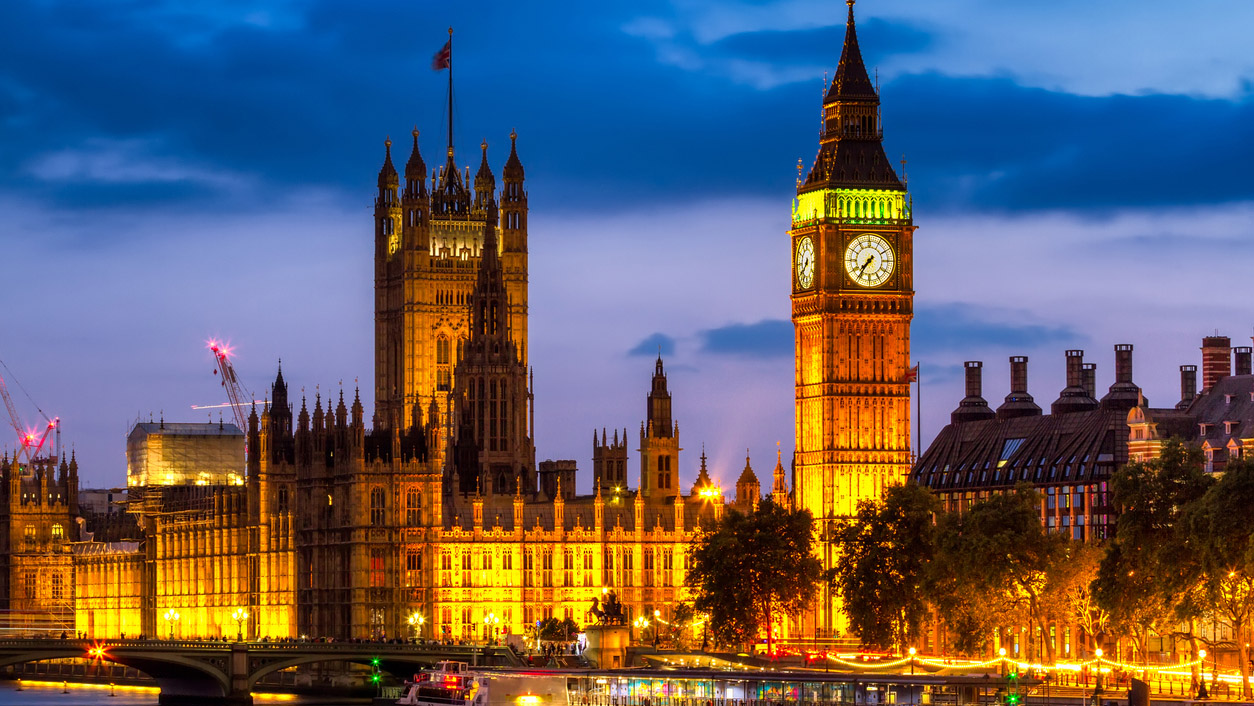
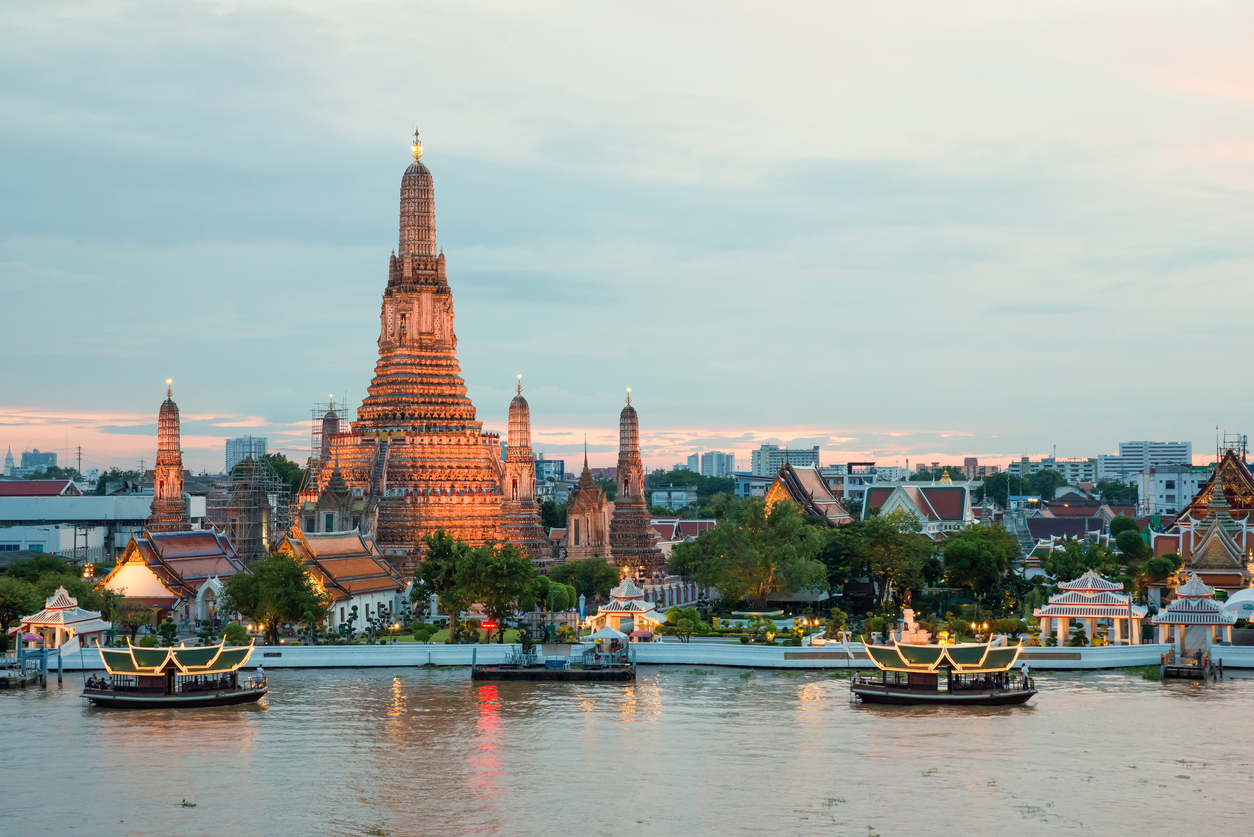
London will be open to Aussies from November 1

Do I need an exemption to leave Australia?

Not from November 1 if you are a citizen or permanent resident and you are fully vaccinated.

You'll need to provide evidence of your vaccination status when you check in at the airport.

If you're not fully vaccinated, you still need to apply for an exemption to leave Australia, unless you want to go to New Zealand.

People living in Australia on temporary visas, who have always been allowed to leave without permission, will still require permission to return so cannot yet travel freely.

What are Australia's approved vaccines?

TGA approved vaccines are Pfizer (Comirnaty), AstraZeneca, (Vaxzevria), Janssen-Cilag (COVID-19 Vaccine Janssen), Moderna (Spikevax), Coronavac (Sinovac) and Covishield (AstraZeneca/Serum Institute of India).

Australia says children over 12 need to be vaccinated.

If you were vaccinated overseas you can check how to get your jabs recognised here.

Where can I travel?

You can go anywhere. Unlike some nations, Australia is not classifying countries.

Do I need an international travel vaccine passport?

Yes, it's the best way to prove your vaccination status. You can find out how to get one here.

Do I have to quarantine outside of Australia?

It depends where you're travelling.

For example, Fiji is keeping tourists in their mainland resort hotel — although they can leave their room — but after doing a rapid test after three days they can then leave for other destinations such as the tropical islands.

You can find the details here.

Bali, which is not yet allowing Aussies but soon might, is sending tourists to a quarantine hotel for five days.

READ MORE: How to get your COVID-19 Vaccine Certificate

The UK has no quarantine for vaccinated arrivals.

The USA, which has never banned Aussies from travelling there unlike most other nations, has announced new travel rules.

There won't be quarantine, but people will need to prove vaccination as the nation reopens to the world on November 8.

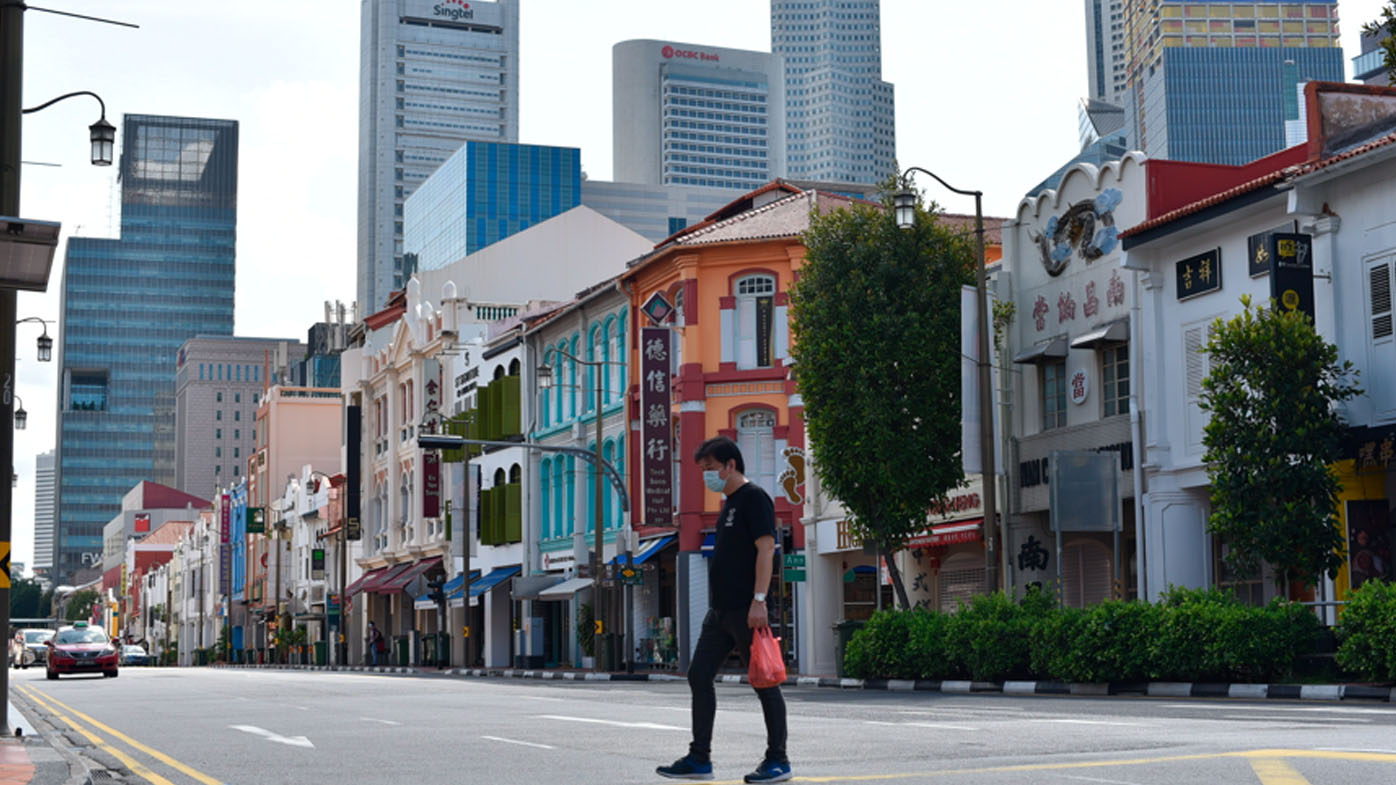
Singapore will allow quarantine-free travel for vaccinated Aussies from November 8.

From Monday, November 1, Thailand is allowing vaccinated travellers from Australia, but there are many rules.

Tourists must show proof of insurance that covers treatment for COVID-19 up to the cost of US$50,000, a 'Thailand pass', and a negative PCR test taken within three days of departure and another on arrival.

Other places with no quarantine include Italy, Greece, Germany, South Africa and Canada, but travellers should check government sites for the latest requirements.
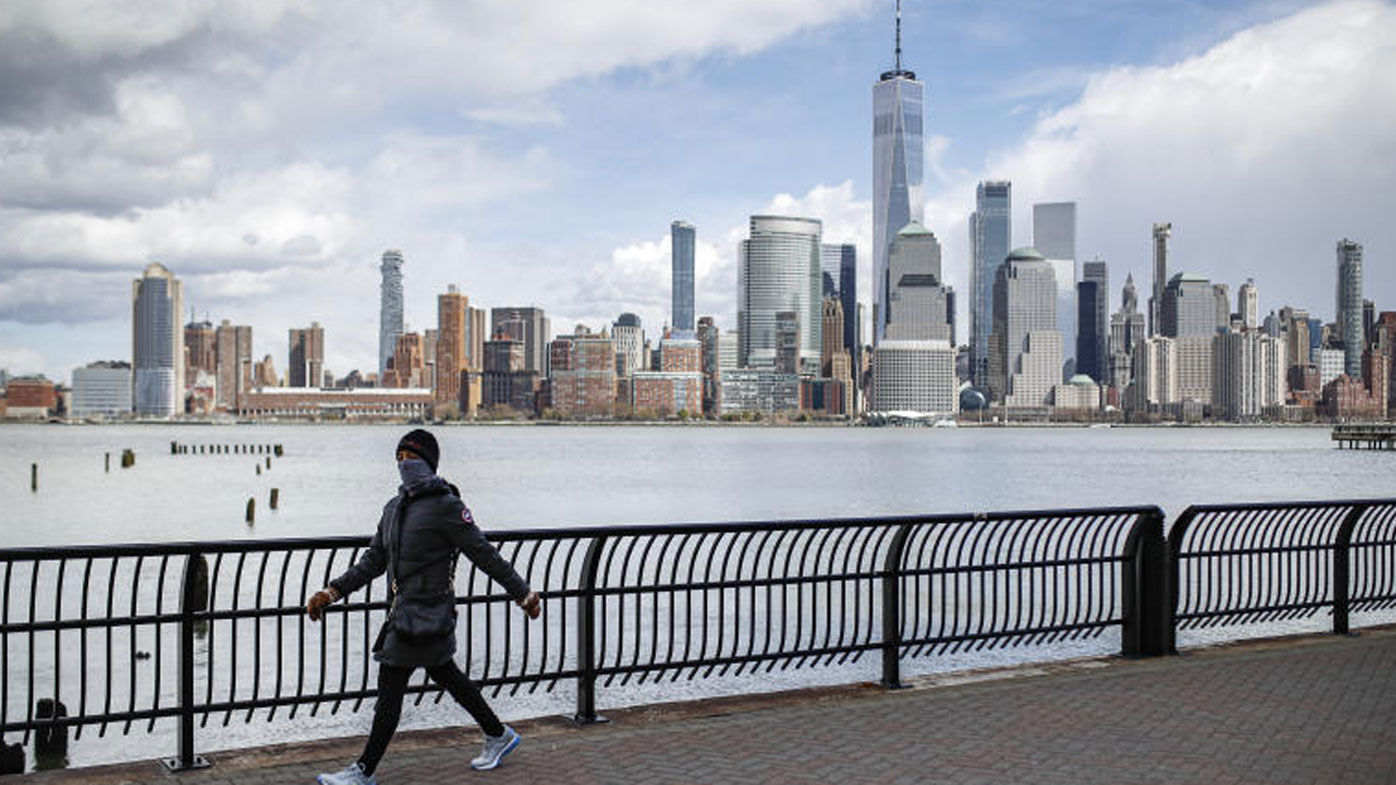
NYC, USA

Returning to Australia

Do I need a COVID-19 test before travelling back to Australia?

Yes. You won't be allowed on the plane home without a negative test from a lab which does PCR tests for travel.

It has to be done fewer than three days before your flight.

And you'll have to pay for it, from around $150 in the UK to over $200 in Fiji.

The Australian government says the test result can be digital, such as in an email, or on paper.

It must state your full name, date of birth or passport number, plus the result, testing method and date and time it was collected. It must also be in English or be a certified, translated copy.

Of course, travel insurance is a must, in case you do test positive, or become sick with COVID-19 or anything else.

You will also need to get a COVID-19 test when you arrive back in Australia.

READ MORE: Aussies could travel to Bali by Christmas, Qantas CEO says

Do I need to quarantine after arriving in Australia?

Not if you're vaccinated with a TGA-approved vaccine and landing in NSW, Victoria and the ACT.

You are considered fully vaccinated if you have had the second jab a week before travel.

NSW was the first to confirm the scrapping of all quarantine for vaccinated travellers in a landmark announcement a few weeks ago.

Victoria soon followed, and the ACT said it would replicate the rules in NSW.

Queensland, South Australia, Tasmania and the Northern Territory have recently revealed their reopening plans but currently either have quarantine requirements, or a hard border closure until vaccination rates increase.

This means travel into those states and territories will remain hard for months to come.

Visit SmartTraveller for the latest government guidance on travel.

READ MORE: NSW tourism ad offers the pandemic weary a chance to 'feel new'

Do I need to be vaccinated?

To return to Australia without quarantine for those states which allow it, you must be vaccinated.

Proof of vaccination must be shown in English via a "national or state/provincial-level authority or an accredited vaccination provider", Home Affairs says.

The easiest thing for Aussies to do is set up an international vaccine passport before leaving.

READ MORE: No way home for stranded Aussies with unrecognised vaccines

Passengers also need to fill out a declaration.

Quarantine rules for returning travellers remain up to individual states, with only NSW, Victoria and the ACT not requiring any quarantine for vaccinated people from Monday.

READ MORE: What international travel will look like once borders open
Who can visit Australia?

Currently, only citizens and permanent residents and their immediate family — which now includes parents — can come into Australia. Tourists, students and others are still barred.

Home Affairs Minister Karen Andrews has flagged easing restrictions on other visitors soon.

"Before the end of the year, we anticipate welcoming fully vaccinated skilled workers and international students," she said this week.
Australia's richest people aged under 40 revealed

Co-founders of graphic design business Canva Melanie Perkins and Cliff Obrecht are officially the richest Australians aged under 40, after topping the Financial Review's 2021 Young Rich List for the first time.

Perkins and Obrecht, aged 34 and 35 respectively, have an estimated net worth of $16.5 billion as more than 60 million people users join on to their user-friendly graphic design business.

The couple, who are also married, have seen an explosion in their wealth during the COVID-19 pandemic – last year their estimated net worth was almost 80 per cent lower at $3.43 billion.

LIVE UPDATES: Big spike in Victoria's COVID-19 death toll

Each year the Financial Review Young List compiles the estimated net worth of Australians aged under 40, with this year seeing a dramatic rise in cryptocurrency entrepreneurs and wellness influencers.

To qualify, every person on the list must not have inherited their wealth.

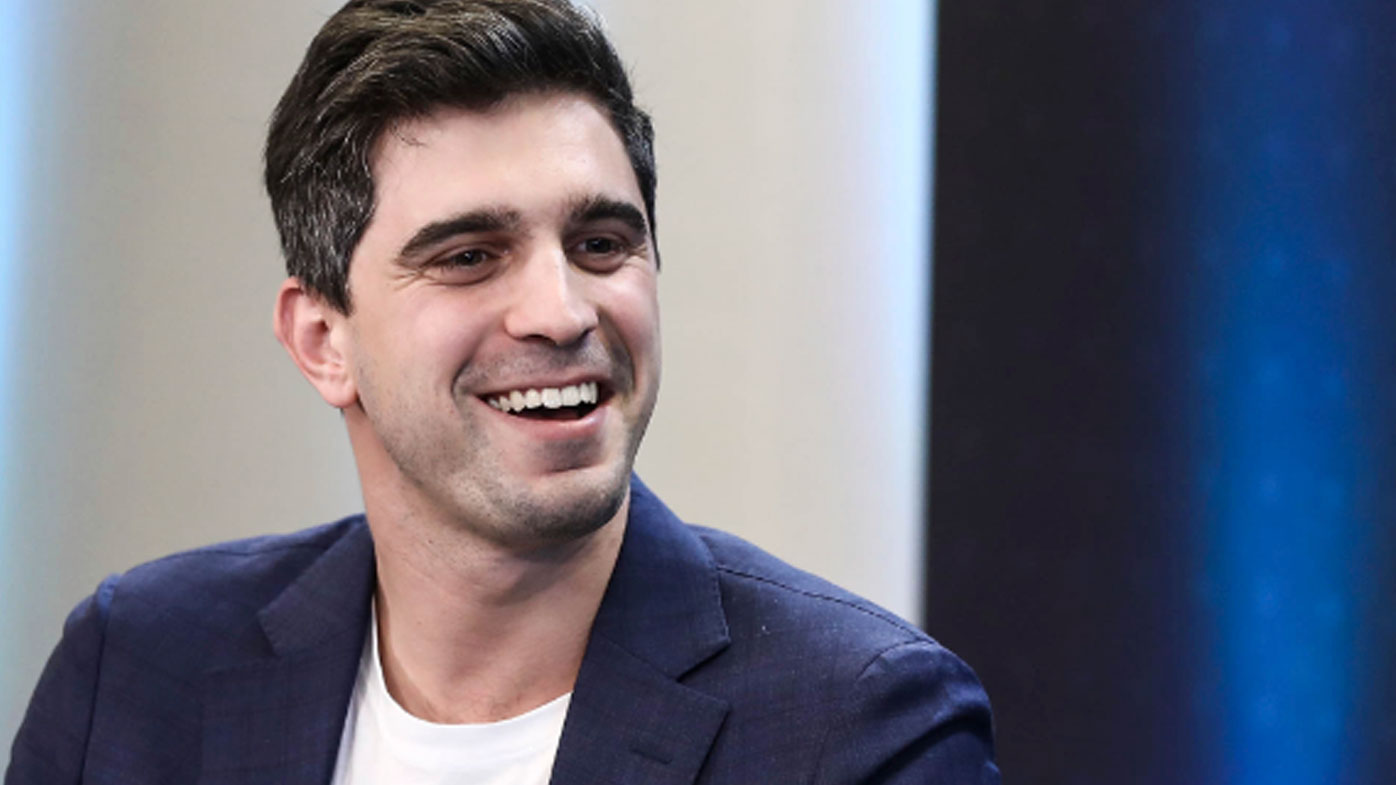
In third place was Afterpay mastermind and 31-year-old Nick Molnar, who boasts a net worth of $2.78 billion. He was followed by Virtual Gaming World's Laurence Escalante (age 40, $2.68 billion) and Sam Prince of Zambrero Mexican restaurant fame (age 38, $1.1 billion).

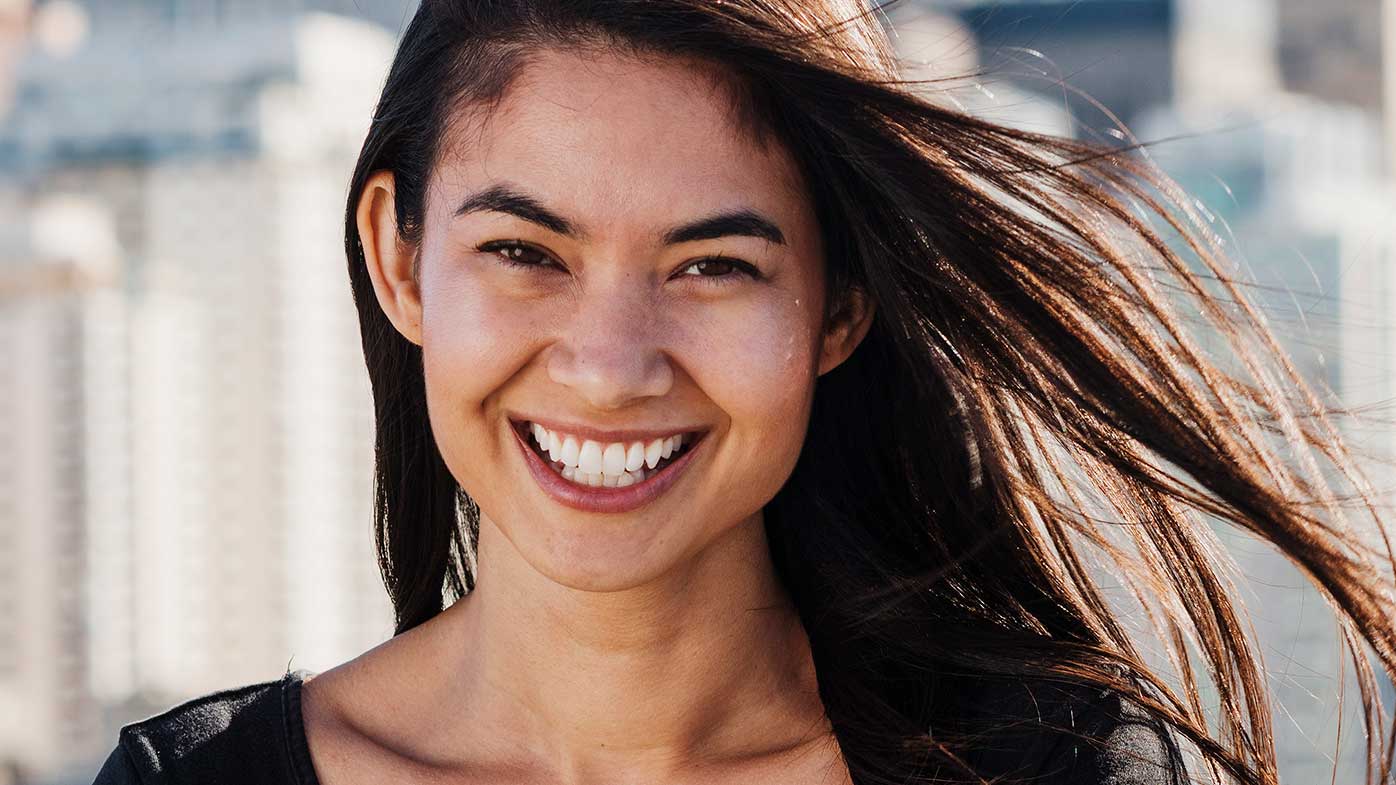
Canva co-founder Melanie Perkins.

Perhaps unsurprisingly, cryptocurrency became a major sector of note in this year's list, with seven Young Rich Listers making their fortune in digital gold to a collective tune of more than $2.5 billion.

READ MORE: Sydney's median house price nears $1.5 million as prices skyrocket during COVID-19

Afterpay founders Anthony Eisen and Nicholas Molnar (pictured) agree to sell 2.05 million shares, representing 10 per cent of their holdings.

One of these is list debutant and 40-year-old Kain Warwick, whose asset managing company Synthetix (which deals with cryptocurrency) has skyrocketed him into seventh place with a net worth of $879 million.

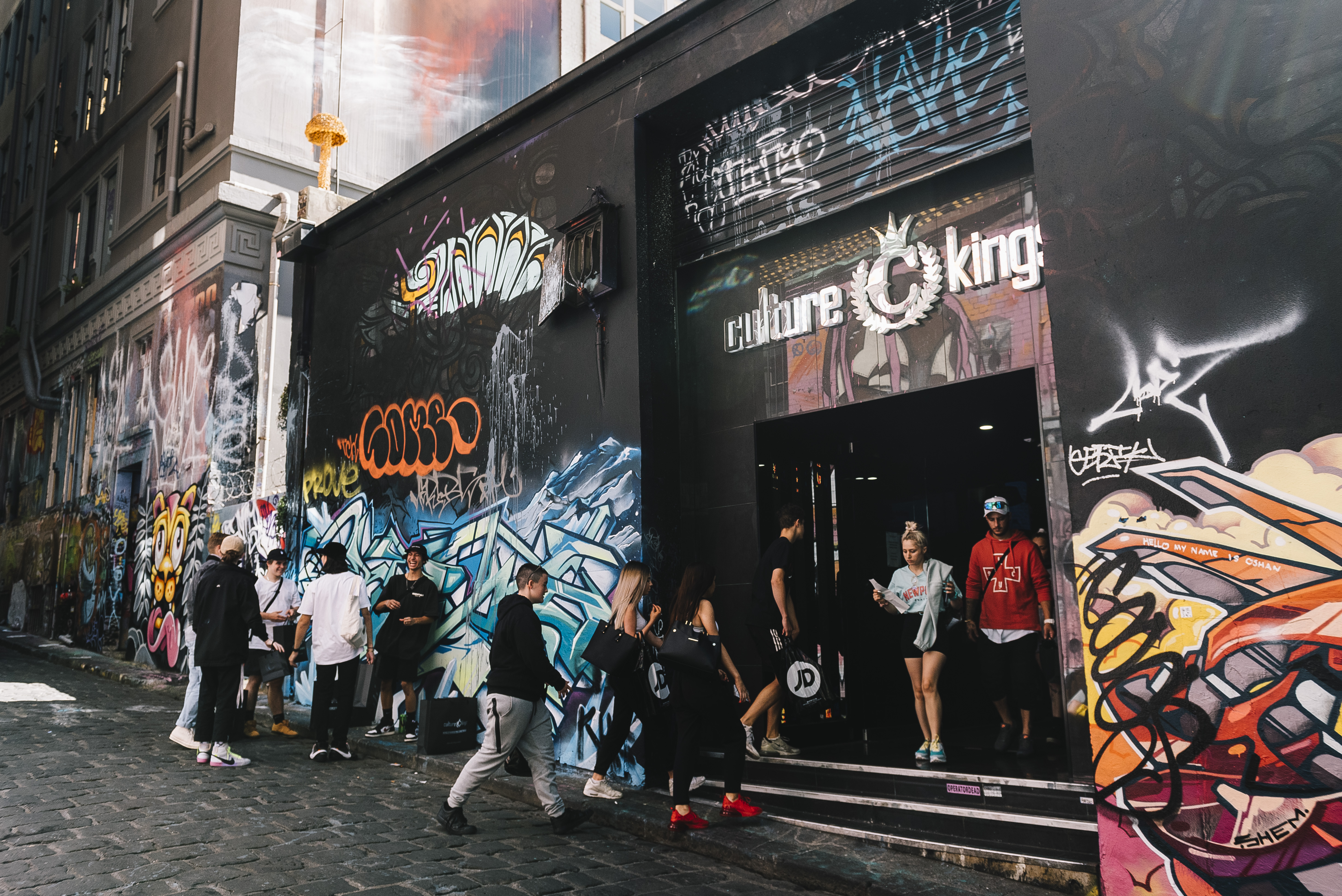
Rounding out the list is 33-year-old Tah-nee Beard and 37-year-old Simon Beard, whose millennial fashion juggernaut Culture Kings has grown their net worth to $626 million.

Rich List co-editor Julie-anne Sprague said it was encouraging to note a record 15 women were named on this year's list, up from 12 the year prior.

"There is a record number of women on this year's Young Rich List, with many of them carving our fortunes from a boom in health and wellness spending and our growing desire to look and feel good," said Rich List co-editor Julie-anne Sprague.

"We are seeing an increasing number of businesses being developed by women who are harnessing their strong social media following to create enviable launchpads for their business interests."

READ MORE: Residents caught in David and Goliath fight over Bunnings plan

Owen Kerr (Facebook)

Rich List co-editor Michael Bailey noted that the departure of Atlassian founders Scott Farquhar and Mike Cannon-Brookes due to age did not dent the cumulative amount of wealth amassed by Australia's youth.

"This year's list is the first since 2007 that doesn't include the significant wealth held by Atlassian co-founders Mike Cannon-Brookes and Scott Farquhar who are both too old to qualify for the Young Rich List. Given their absence, it was surprising the overall wealth came in at a record $41.3 billion," said Rich List co-editor Michael Bailey.

"It shows the depth of Australia's technology sector and the significant wealth being created by a growing number of young entrepreneurs."

The Financial Review Young Rich List 2021 Top 10

Rank:

Name:

Age:

Worth:

Business:

1 & 2

Melanie Perkins & Cliff Obrecht

34 & 35

$16.5 billion

Canva

3

Nicholas Molnar

31

$2.78 billion

Afterpay

4

Laurence Escalante

40

$2.68 billion

Virtual Gaming Worlds

5

Sam Prince

38

$1.1 billion

Zambrero Mexican

6

Fung Lam

40

$1.02 billion

Online retail

7

Kain Warwick

40

$879 million

Synthetix

8

Owen Kerr

37

$728 million

Pepperstone Financial

9

Cyan Ta'eed

40

$664 million

Envato

10 & 11

Tah-nee & Simon Beard

33 & 37

$626 million

Culture Kings

The Financial Review Young Rich List is available on www.afr.com from Friday, October 29. The Young Rich List also appears in a special edition of AFR Magazine, featuring profiles and analysis of the trends that are making the Young Rich even richer, which is inside this Friday's Financial Review newspaper.

Tiny number of Australians granted vaccine exemptions revealed

An extremely small number of Australians have been deemed as having a valid medical reason to not get vaccinated for COVID-19, the latest Federal Health Department figures reveal.

The news comes as general practitioners say anti-vaxxers are continuing to put them under undue pressure to grant medical exemptions which go against health guidelines.

As of October 17, 156 permanent contraindications were reported by doctors to the Australian Immunisation Register for a COVID-19 vaccine, health data provided to 9news.com.au shows.

LIVE UPDATES: Spike in Victoria's COVID-19 cases and deaths

A NSW Health spokesperson said an increased volume of vaccinations "sometimes leads to minor delays in updating details on the Australian Immunisation Record".

However, the real number of people granted a permanent exemption is likely to be – at the most – a third of that figure.

Contraindications are reported individually for all three registered vaccines in Australia.

To receive a permanent exemption to the COVID-19 vaccine, a person must have a contraindication for all three of the AstraZeneca, Pfizer and Moderna vaccines.

Currently, the only accepted reason for granting a permanent medical exemption is if a person has had a previous anaphylactic reaction to chemical compounds contained in the vaccines, such as polyethylene glycol or polysorbate.

However, the number of people this applied to was extremely small, the Royal Australian College of General Practitioners NSW and ACT Chair, Charlotte Hespe, said.

"It's an incredibly rare thing to be allergic to the vaccines and that's really the only medical exemption that's been given," she said.

"Generally, if you're allergic to the AstraZeneca, then you can have the Pfizer.

"Not wanting to get the vaccine is not a reason for a medical exemption."

READ MORE: Sydney's median house price nears $1.5 million

Data from the Australian Immunisation Register shows 1071 temporary contraindications were also recorded for a COVID-19 vaccine, as of October 17.

Australians can be given a temporary exemption if they are undergoing major surgery or are in hospital for a serious illness.

People who have contracted COVID-19 are also exempt from getting a vaccine for six months.

Associate Professor Hespe said one of the most common reasons patients had asked her for an exemption was because of anxiety or other mental health issues.

"What we're aware of is that there are actually a lot of people who have been seeking medical exemptions and these are the anti-vaxxers and they have been putting a lot of unfair pressure onto the GP population," she said.

"So we're trying to strongly advocate for an understanding that a medical exemption is a medical exemption and it is not for people who have made a conscious choice not to get vaccinated."

Vaccination for COVID-19 is not compulsory in Australia, however, it has been mandated for the aged care sector and by certain government agencies, such as NSW Police.

Some businesses, such as Woolworths, Coles, Aldi, Qantas, SPC and BHP have also announced mandatory vaccinations for staff.

In NSW, unvaccinated people have been shut out of non-essential retail stores and are not able to have a drink at the pub, visit the gym or get their haircut.

The rules will no longer apply from December 1.

The picture looks far bleaker for the unvaccinated in Victoria.

Although anyone who hasn't had the jab has been given a short "grace period" for the next few weeks, whereby they can enter retail stores, Premier Daniel Andrews has said the unvaccinated will be barred from accessing most services until 2023.

Contact reporter Emily McPherson at em********@******om.au.

'Medicane' storm tears through southern Italy, leaving two dead

Southern Italy is bracing for two more days of devastating rain and flash flooding, as a 'medicane' storm that has deluged streets and killed two people continues to barrel through the region.

Sicily's President Nello Musumeci confirmed the deaths and said a third person was missing late on Tuesday, while the mayor of the city Catania urged residents to stay home if possible.

"We have been through two very difficult days. We have lived through dramatic hours," mayor Salvo Pogliese said in a video posted to his Facebook page.

He said the weather was "definitely better" on Wednesday, but warned the forecast for Thursday and Friday remained "particularly worrying."

LIVE UPDATES: Victoria records 25 COVID-19 deaths

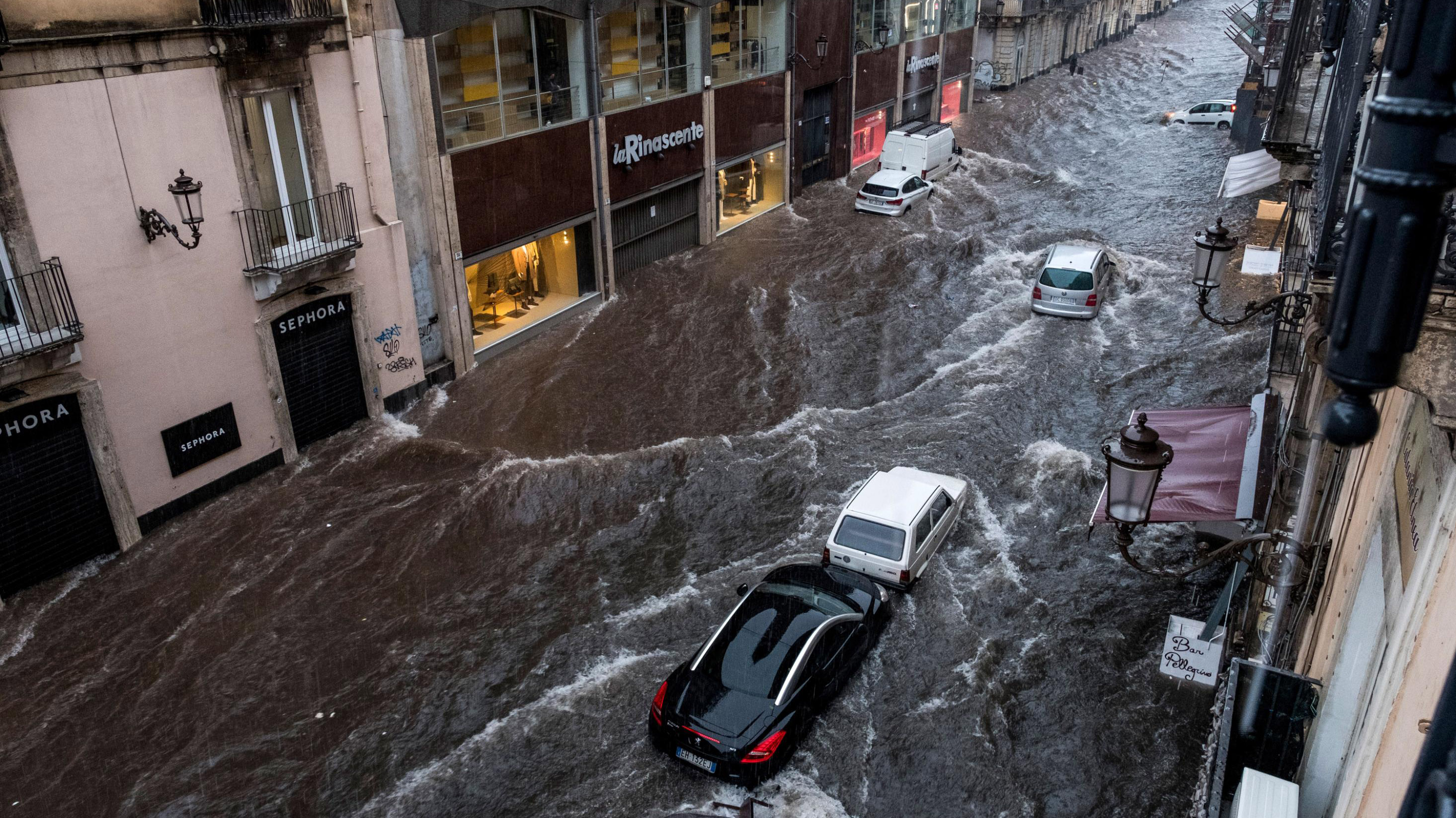
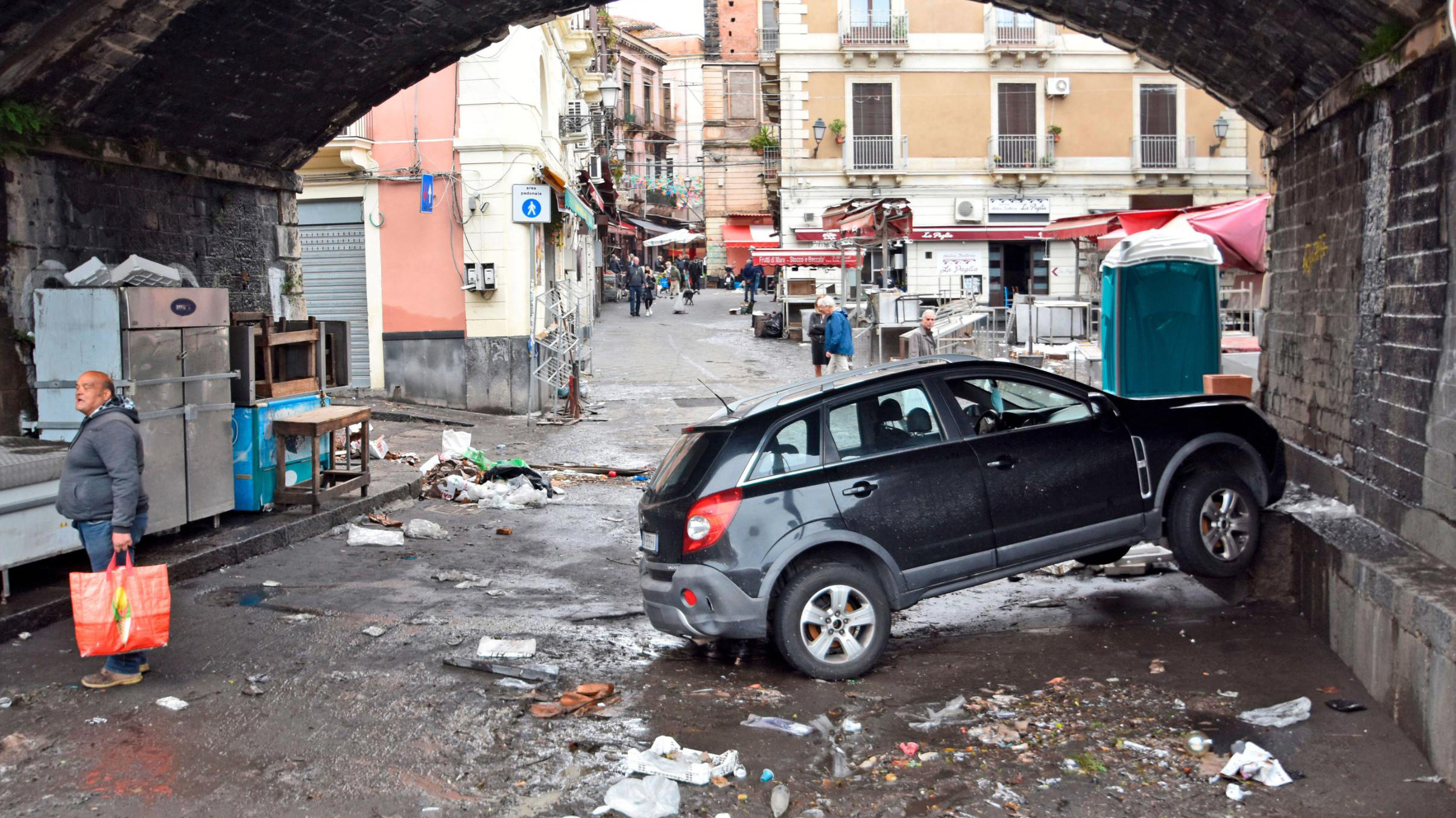
The Via Etnea turned into a river due to heavy rainfall in Catania, Italy.

Red warnings have been issued for Wednesday and Thursday on the island of Sicily and the region containing the city of Catania, which has already been pummelled by adverse weather throughout the week.

The storm comes as global leaders prepare to gather in Rome, Italy's capital, for a G20 summit.

Climate concerns are high on the agenda at the event, which will be immediately followed by a critical COP26 meeting in Scotland.

The medicane – a hurricane-like storm system that formed over the Mediterranean Sea – has dumped one year's worth of rain on the Linguaglossa region in the space of two days, according to climatological data in the nearby city of Catania.

READ MORE: Sydney's median house price nears $1.5 million as prices skyrocket

The storm is forecast to linger around the area until the weekend, with more rain expected.

Schools and non-essential shops and offices are ordered to stay closed until Friday in Catania.

Over 600 rescue operations have been carried out in Catania in the past day, the interior ministry said on Wednesday in a press release.

"The event is not over. Now there is a moment of attenuation, but our weather models tell us it will be back. Complicated hours await us in this area. We expect a significant worsening from Thursday to Friday," the head of civil protection Fabrizio Curcio said at a press conference in Catania.

Cars were strewn across streets on Wednesday, and the region is braced for more rain later in the week.

Regional governor Nello Mosumeci described the situation as "very critical" and described the scenes seen across Catania and its province as "atrocious."

"Roads have been turned into streams" and "countryside into lakes, entire isolated districts and hundreds of flooded houses, incalculable damage to buildings and crops," he said on Tuesday on his official Facebook page.

"Eastern Sicily is experiencing a phenomenon that we fear, unfortunately, will be less and less sporadic, with tragic scenarios destined to repeat itself."

READ MORE: Residents caught in David and Goliath fight over Bunnings plan

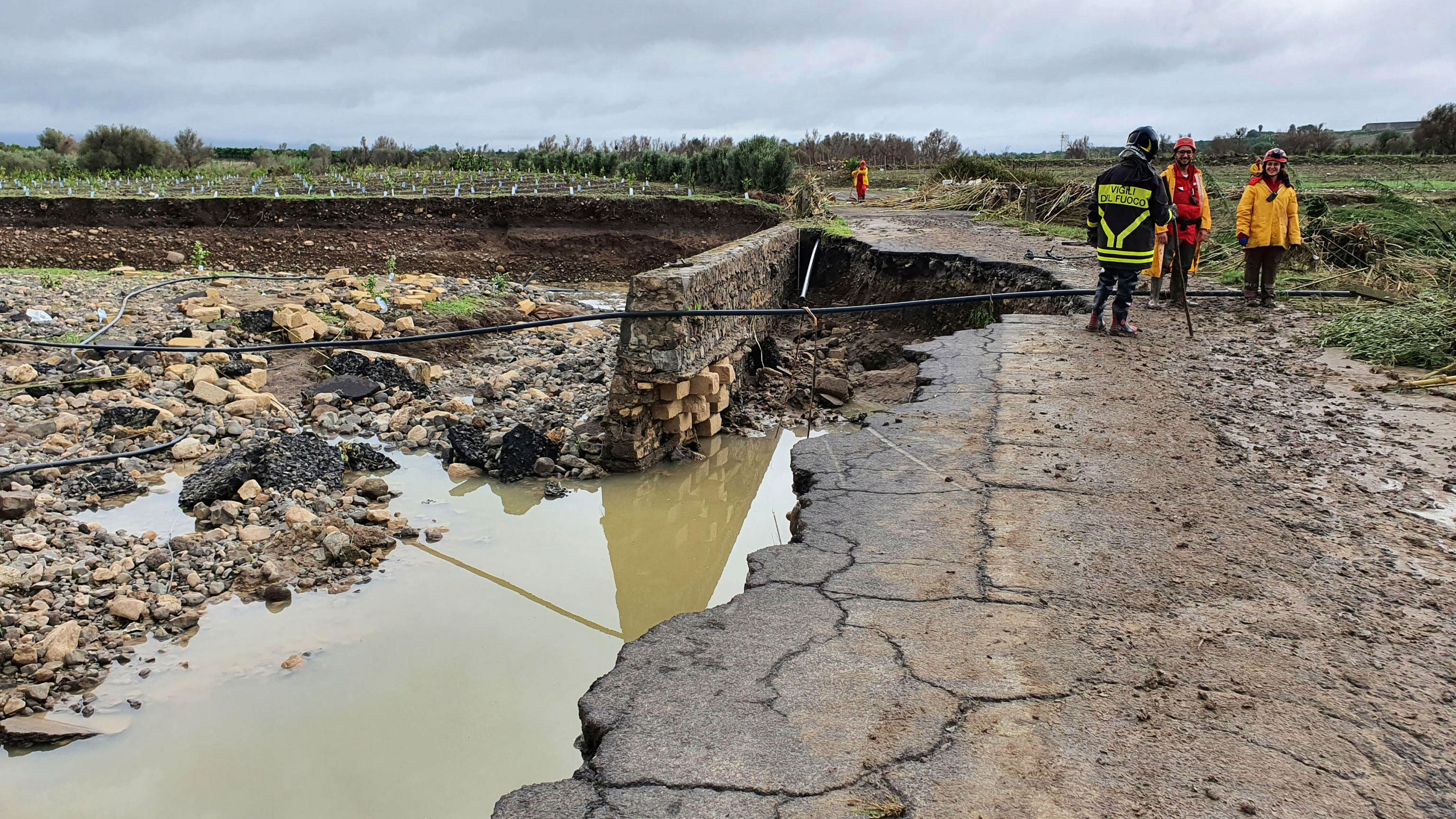
Damage caused by bad weather in Scordia, Sicily Island, southern Italy.

Medicanes occur around twice a year, usually between September and December.

This system is not expected to threaten the G20 talks in Rome, but adds further urgency to the ongoing effort of several countries to commit the world to tougher climate change targets.

Science shows that human-made climate change is making extreme weather events, including heavy rainfall, more frequent and intense. The climate crisis is also contributing to swings between drought and floods in many places, including parts of the United States, like California, as well as the Middle East and Africa.

READ MORE: Adelaide mum presumed murdered in Malaysia

As the Earth's atmosphere gets warmer, it can hold more moisture, which is why the world is experiencing heavier bursts of rain that it historically has. But the climate crisis is also creating longer dry spells, or drought, which leaves land and soil so dry that it can't absorb the rain as effectively as usual. This combination makes flooding more likely, and often more destructive.

'Like a galaxy': Sea glows blue at Sydney beaches

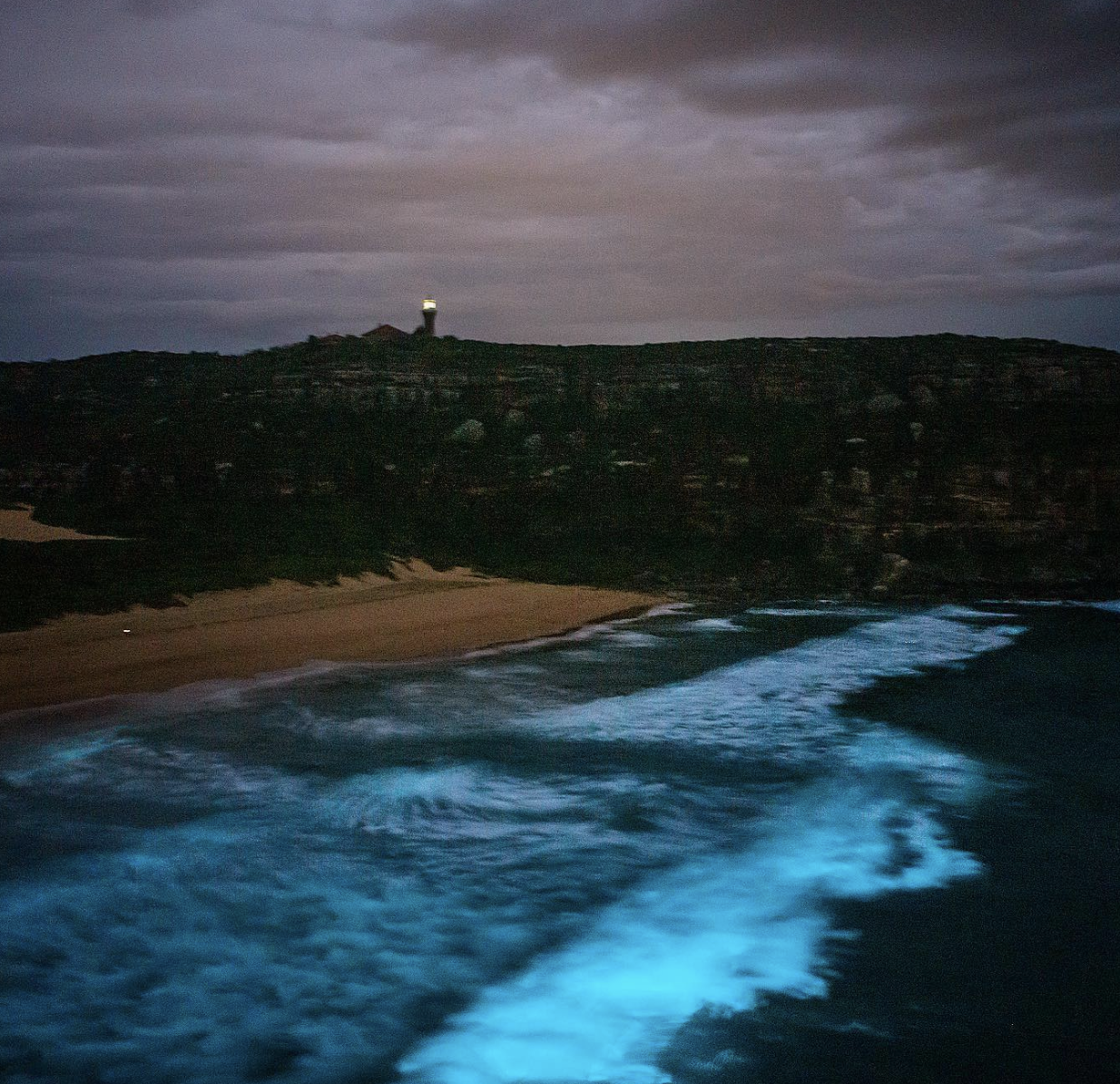
The beaches of northern Sydney lit up "like a galaxy" over the weekend due to a rare bioluminescence bloom.

Photographer Jamen Percy was on the scene as the waters of Palm Beach and Freshwater turned electric blue.

Mr Percy told 9news.com.au he's still pinching himself at the "rare event".

READ MORE: The real reason why great white sharks might bite humans

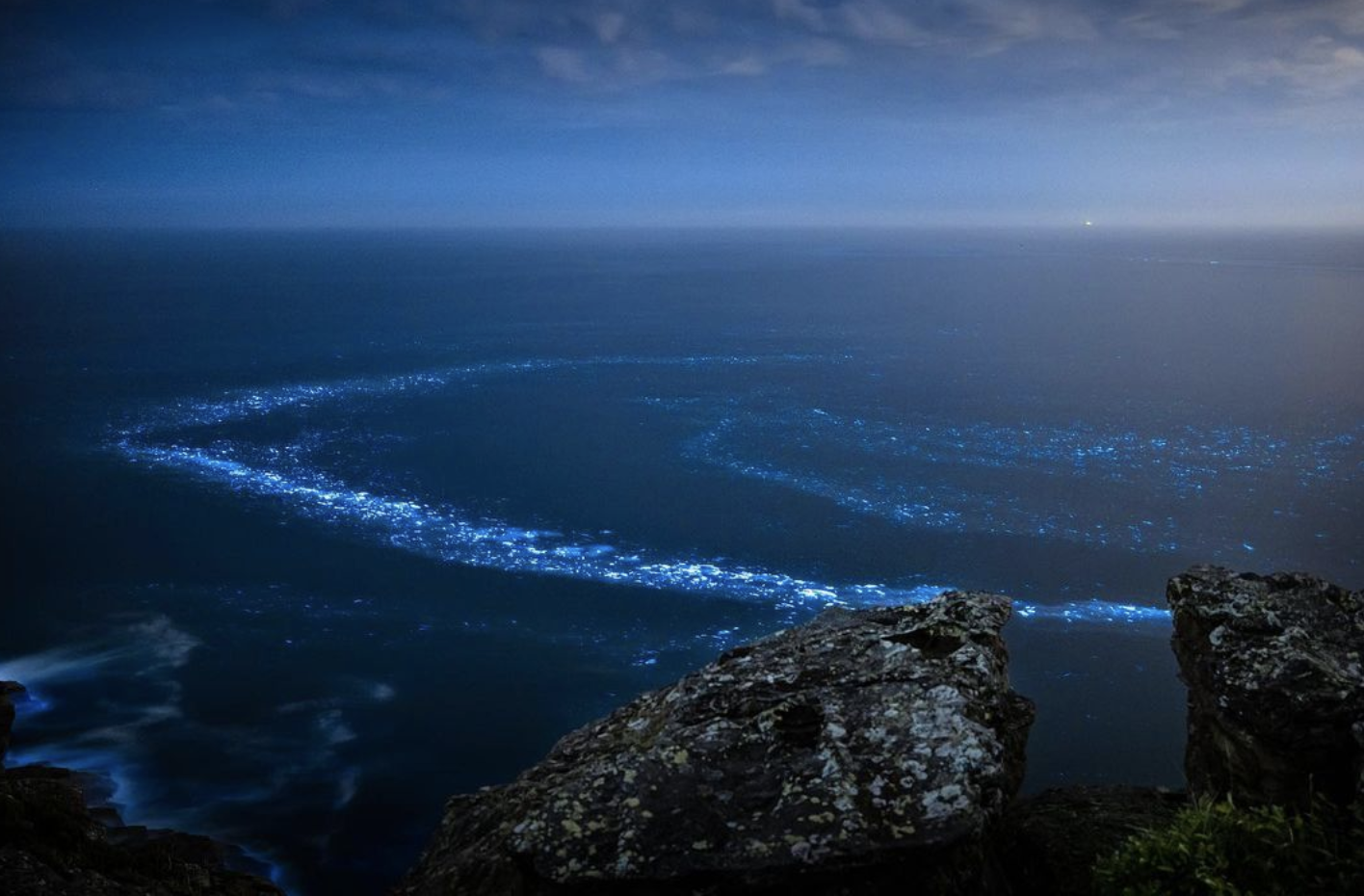
Jamen Percy saw a ring of  bioluminescence from Palm Beach Lighthouse.

"Stumbling across bioluminescence is surreal experience of wonder and fascination," he said.

"Is this actually happening here? Did that wave just glow blue? Wow, my hands are glowing!

"These are the thoughts going through your head. It's impossible not to feel like a child again playing with nature."

READ MORE: Endangered whale population sinks close to 20-year low

https://www.instagram.com/p/CVgS-N9hbSE/

Mr Percy said there are reports of more bioluminescence at Freshwater.

"Apparently some people saw a little more at Freshwater beach last night so it's still around," he wrote on Instagram today.

"I'm getting more details."

Bioluminescent blooms occur due to tiny, floating organisms called phytoplankton.

Jamen Percy said as soon as darkness fell he started to see "blue flashes in the waves" of Palm Beach.

They are so small that thousands of them can fit in a single drop of water.

Last year the shores of Jervis Bay on the NSW South Coast also lit up with a bioluminescent bloom.

The real reason why great white sharks might bite humans

There have long been theories that when great white sharks bite humans, it is a case of mistaken identity.

Now, new research simulating the way that a shark would view the world has shown that this may really be the case.

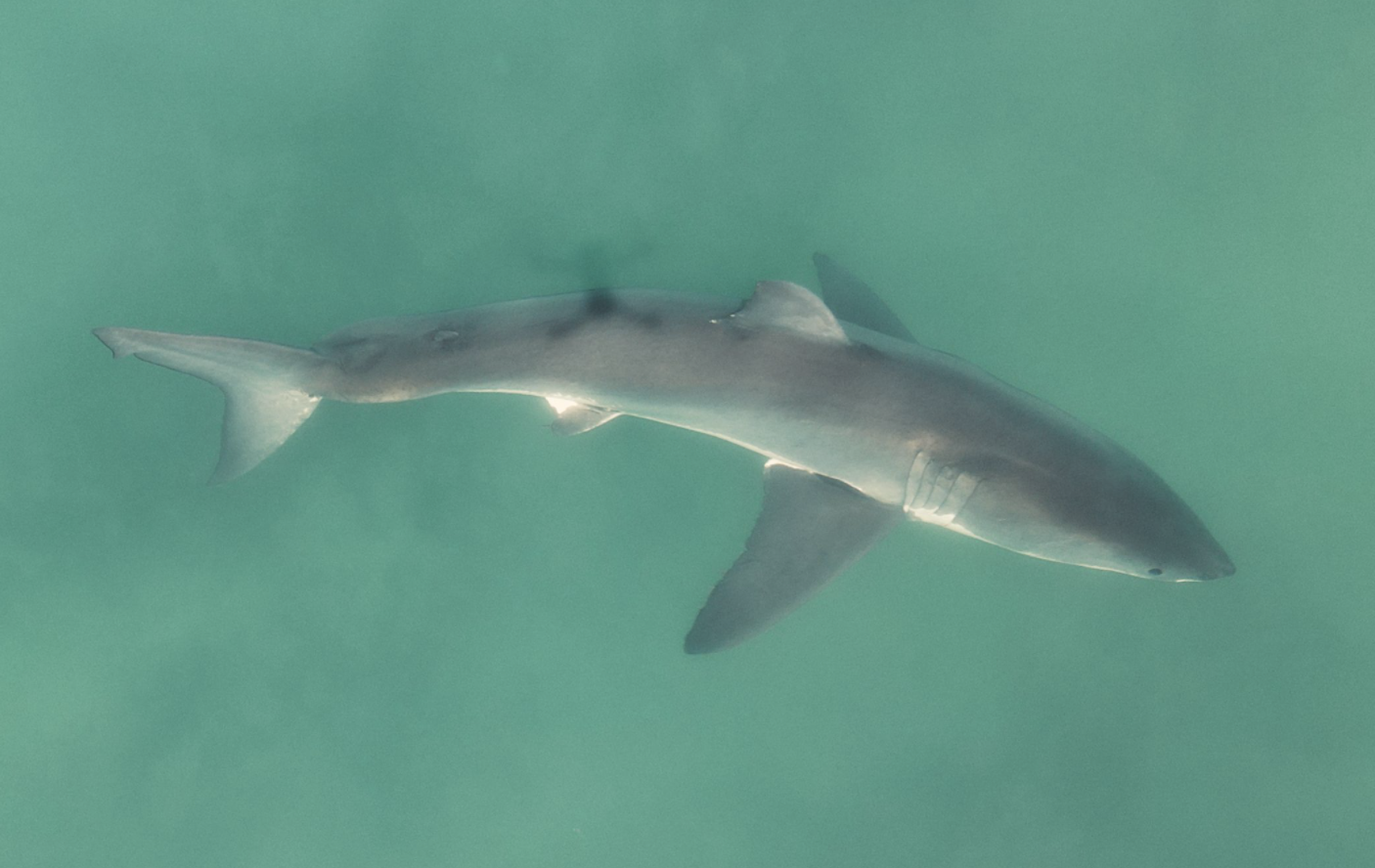
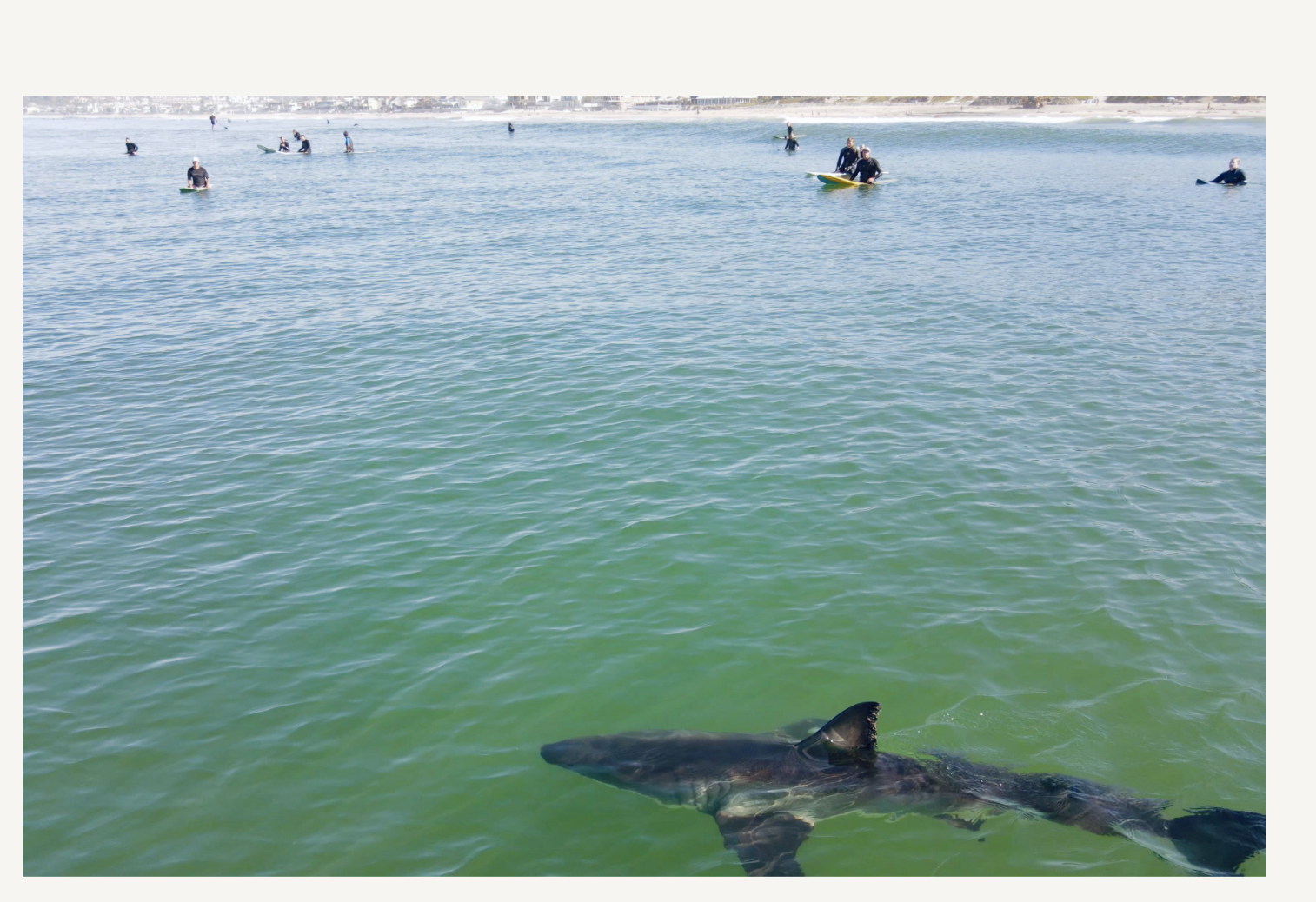
Researchers from Sydney's Macquarie University found that swimming or paddle boarding humans bear a strong likeness to seals and sea lions in the eyes of juvenile white sharks.

READ MORE: Why the great white shark population is booming in California

Great white sharks become a protected species in California in 1994.

Great white sharks, along with bull sharks and tiger sharks, account for the most bites on humans, researchers said in a press release Wednesday.

They are the world's largest predatory fish, according to the World Wildlife Fund (WWF), and are known to rip chunks out of their prey, which are swallowed whole.

Incidents of sharks biting humans are rare, but have risen "substantially" over the past 20 years, researchers from Macquarie University found in 2019.

But in spite of their fearsome reputation, great white sharks are a vulnerable species and their numbers are decreasing, according to WWF.

READ MORE: Shark warning after whale carcass washes up near popular NSW beach

Researchers studied and compared underwater videos of seals, sea lions and humans swimming in various ways, along with rectangular floats and humans paddling on different sized surfboards, using stationary and traveling cameras to capture the footage.

"We attached a GoPro to an underwater scooter, and set it to travel at a typical cruising speed for predatory sharks," lead author Laura Ryan, a post-doctoral researcher in animal sensory systems at Macquarie University's Neurobiology Lab, said in a statement.

Using a catalogue of shark neuroscience data, researchers then applied filters to the video footage and created modelling programs that would simulate the way in which a young white shark would see the movements and shapes of different objects.

Researchers confirmed that humans who swim and paddle surfboards bear a strong resemblance to seals and sea lions in the eyes of young white sharks, supporting the mistaken identity theory behind some bites.

A young great white shark is photographed cruising down a Californian beach.

Most sharks are colour blind, meaning that colours on surfboards and wetsuits make little difference when it comes to a shark's view of humans in the water, researchers said."

Understanding why shark bites occur can help us find ways to prevent them, while keeping both humans and sharks safer," Ryan added.

The research was published Wednesday in the Journal of the Royal Society Interface.

US 'has few good options if China seizes islands near Taiwan'

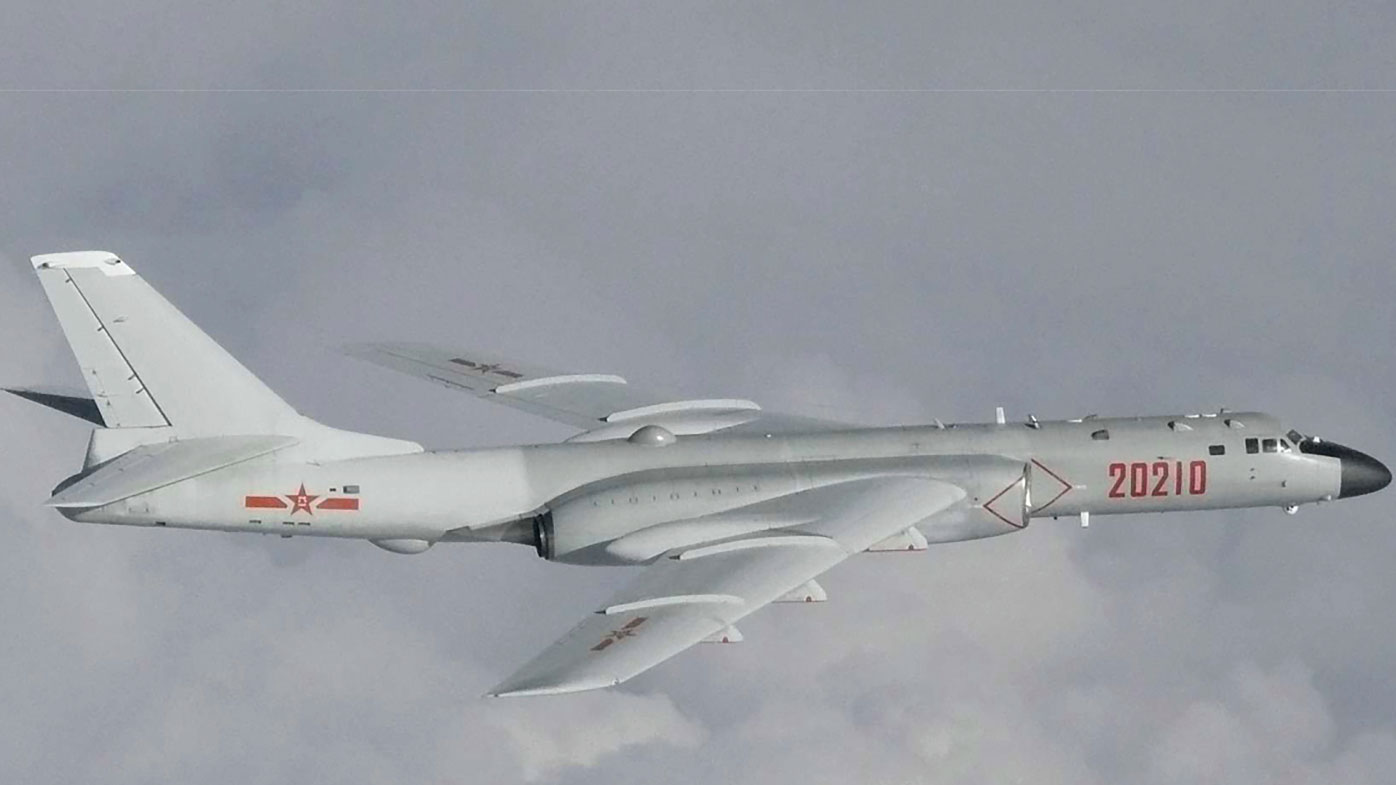
If China were to seize one of Taiwan's outlying islands, the US would have few good options to respond without risking a major escalation and a war between the superpowers, according to the conclusions from a recent war game conducted by foreign policy and defence experts.

The scenario, outlined in a report from the Centre for a New American Security, began with China using military force to take control of Dongsha, a tiny atoll in the South China Sea between Taiwan and Hong Kong, where approximately 500 Taiwanese troops are stationed.

This type of limited aggression could be a precursor to the seizure of other islands near Taiwan or an outright invasion of the democratically governed island as Beijing seeks to test and prod Washington's resolve to defend Taiwan.

READ MORE: Fresh lockdowns in China as local COVID-19 infections spread

But once China has established its own military footprint on Dongsha and removed the Taiwanese troops, the US had no credible way to compel China to return the island to the control of Taipei, the report states.

Economic sanctions took too long to produce effects and appeared too weak to influence China's decision-making, while any military action risked an escalation to war, which both the US and Taiwan want to avoid if possible.

Instead, the report stressed the need for a multilateral approach, suggesting the US, Taiwan, Japan and others work to deter China from seizing the island in the first place.

"The United States and Taiwan must begin coordinating today to build a credible deterrent against limited Chinese aggression or coercion toward Taiwan," the authors wrote. In every scenario, cooperation with Japan was critical to establishing an effective deterrent.

READ MORE: China flies record 56 warplanes toward self-ruled Taiwan

Tensions increasing

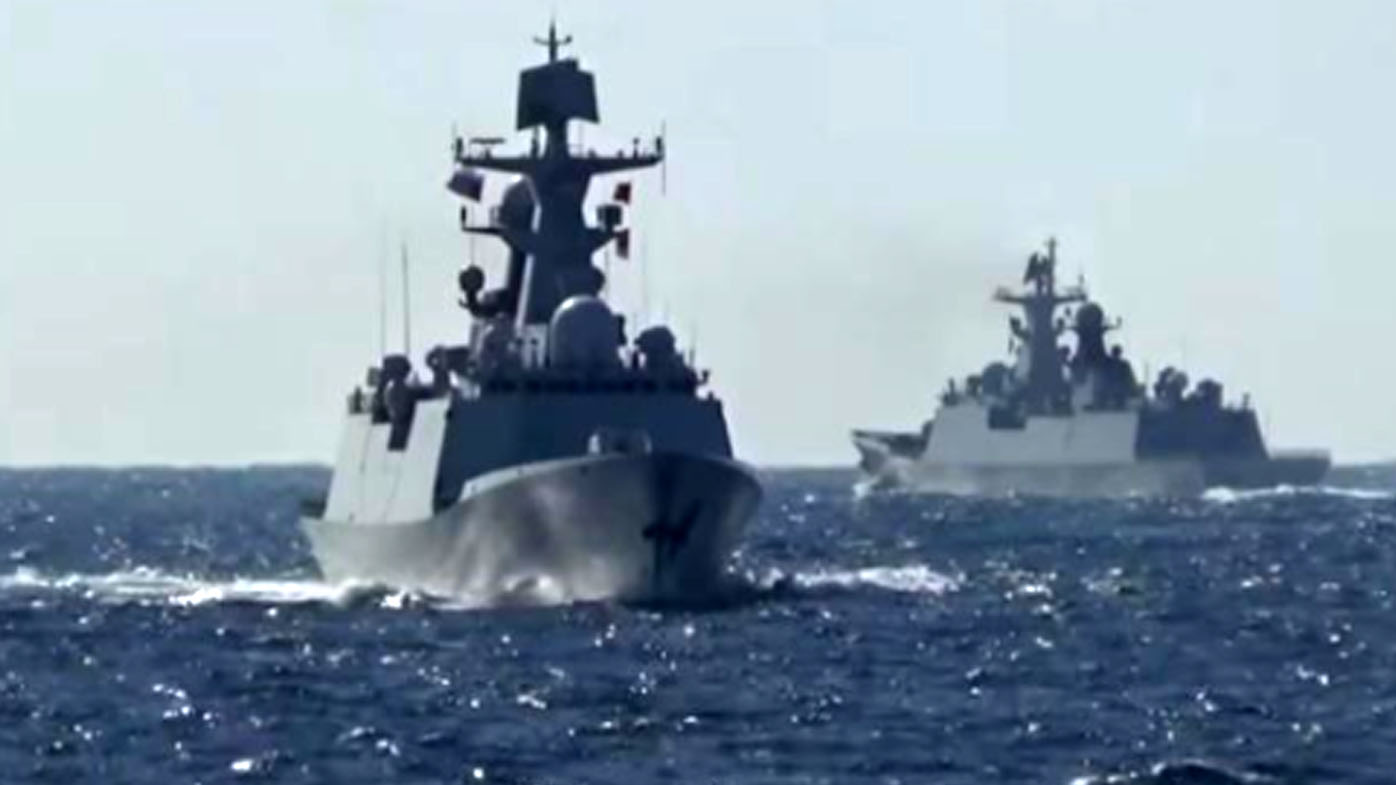
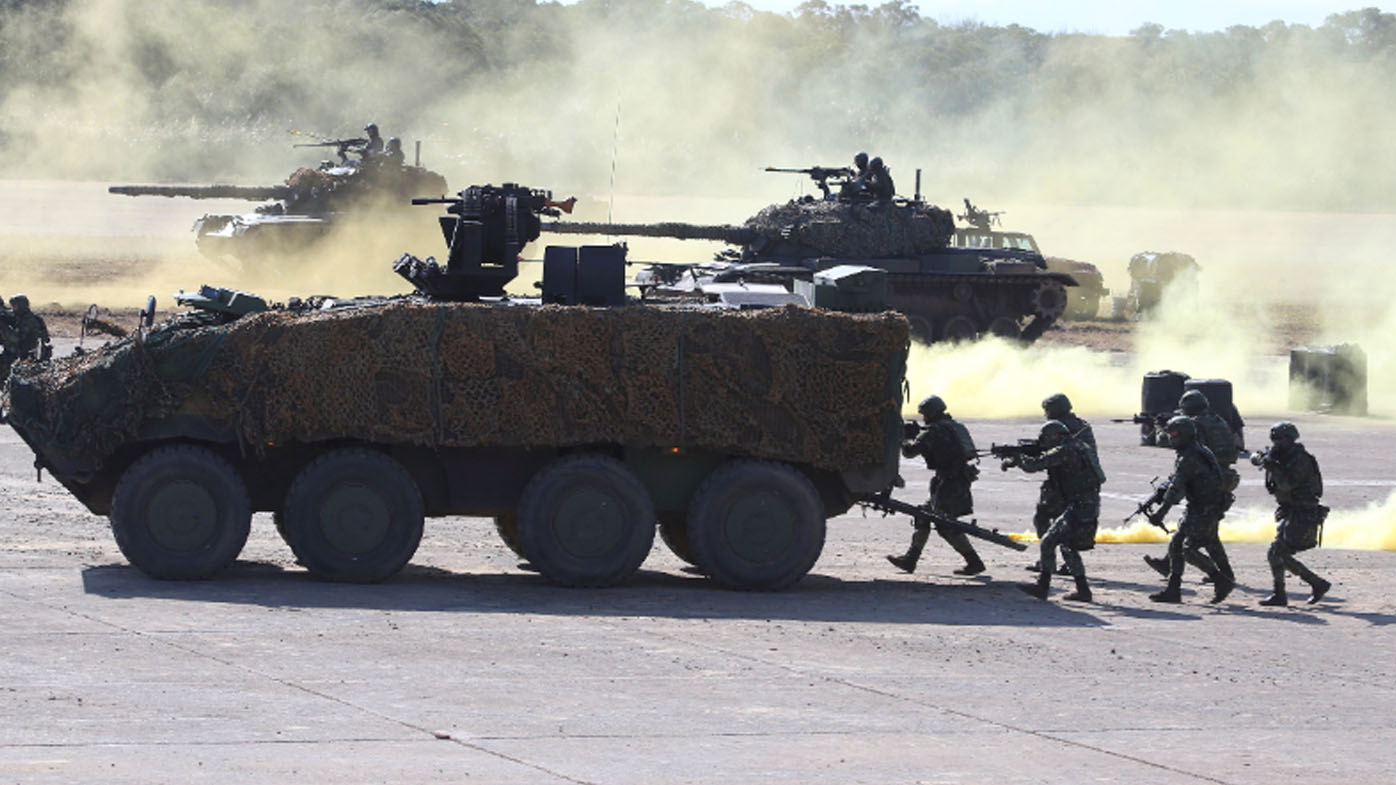
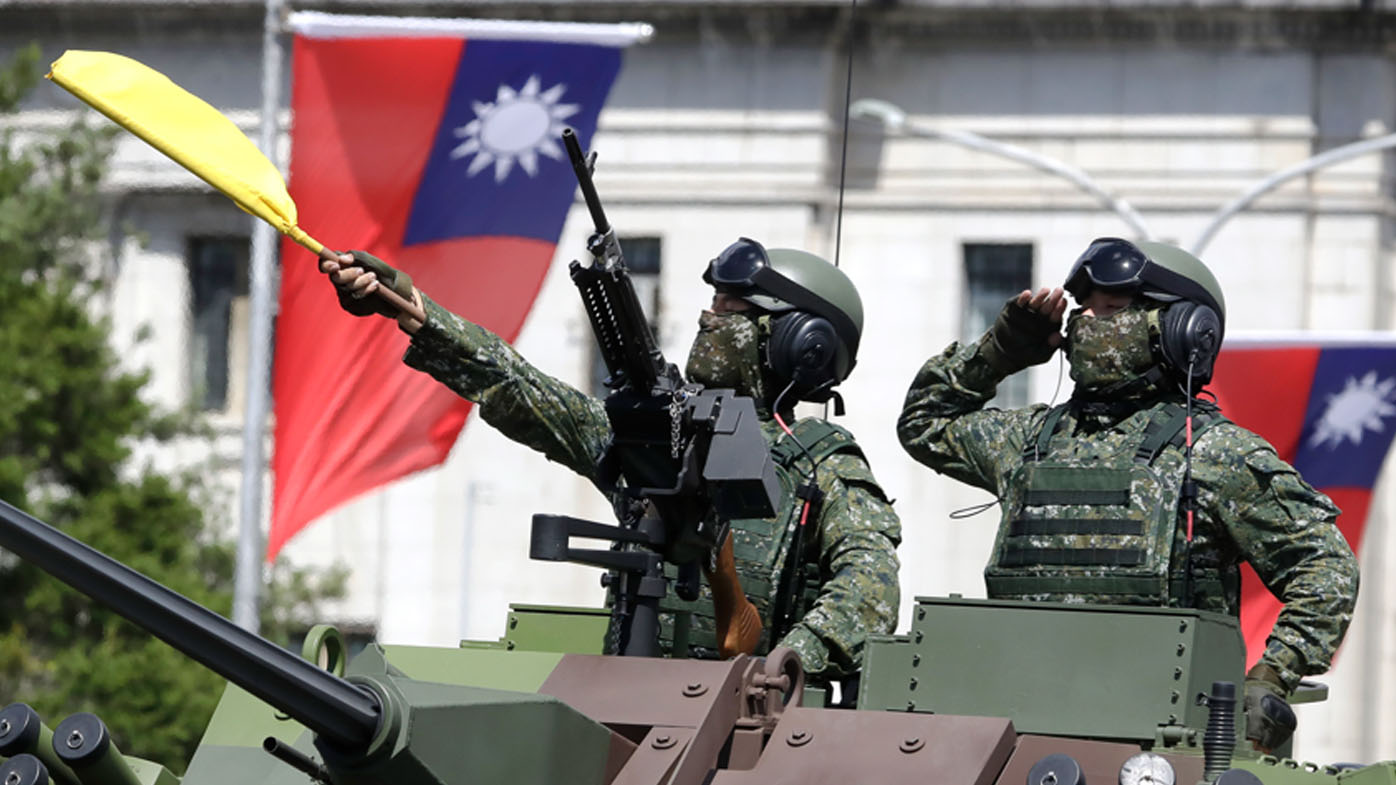
Beijing has ramped up military pressure on the island in recent weeks and Taiwan's defence minister earlier this month made a dire prediction: by 2025, China will be able to mount a "full-scale" invasion of Taiwan.

The war game focused on an invasion of Dongsha in 2025.

Last week, US President Joe Biden stated that the US was committed to coming to Taiwan's defence if it comes under attack from China – remarks that seemed in opposition to America's stated policy of "strategic ambiguity."

Asked twice during a CNN town hall event whether the US would protect Taiwan if China attacked, Mr Biden said it would.

"Yes, we have a commitment to do that," he said.

A White House official attempted to clarify Mr Biden's comments on Taiwan after the town hall, saying the President was "not announcing any change in our policy and there is no change in our policy" in his remarks about China and Taiwan.

The US provides Taiwan defensive weapons but has remained intentionally ambiguous on whether it would intervene militarily in the event of a Chinese attack. Under the "One China" Policy, the US acknowledges China's claim of sovereignty over Taiwan.

But the issue is a major focus for the administration and China's plans for Taiwan are among the "preeminent issues" for the CIA's new China Mission Centre, a newly-created body focused exclusively on gathering and analysing intelligence on Beijing, CIA Deputy Director David Cohen said at an intelligence conference this week.

Intelligence officials have not yet seen anything to suggest that China is preparing a military invasion, according to people familiar with the assessments.

Baldwin movie set showed 'some complacency' with weapons

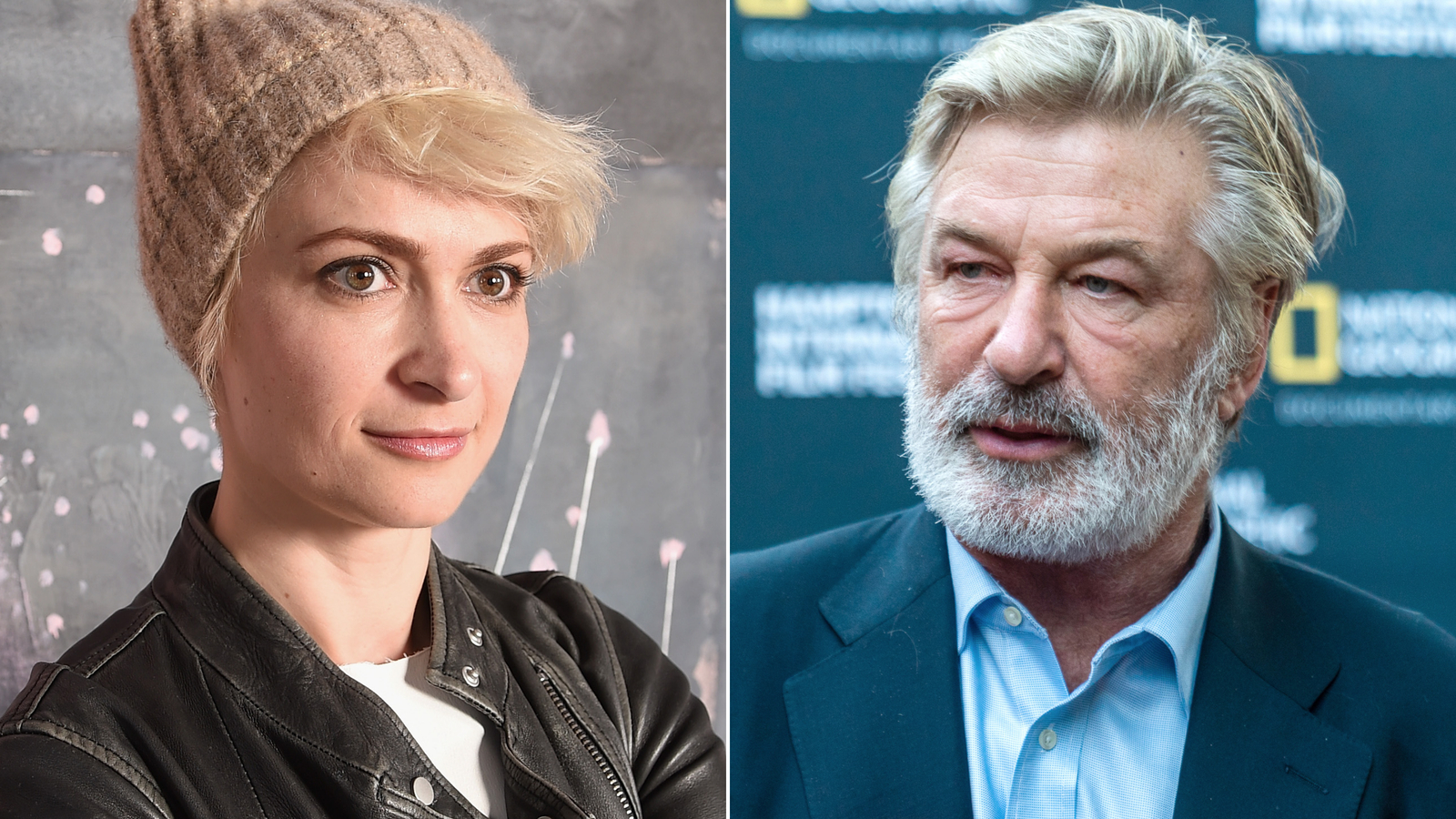
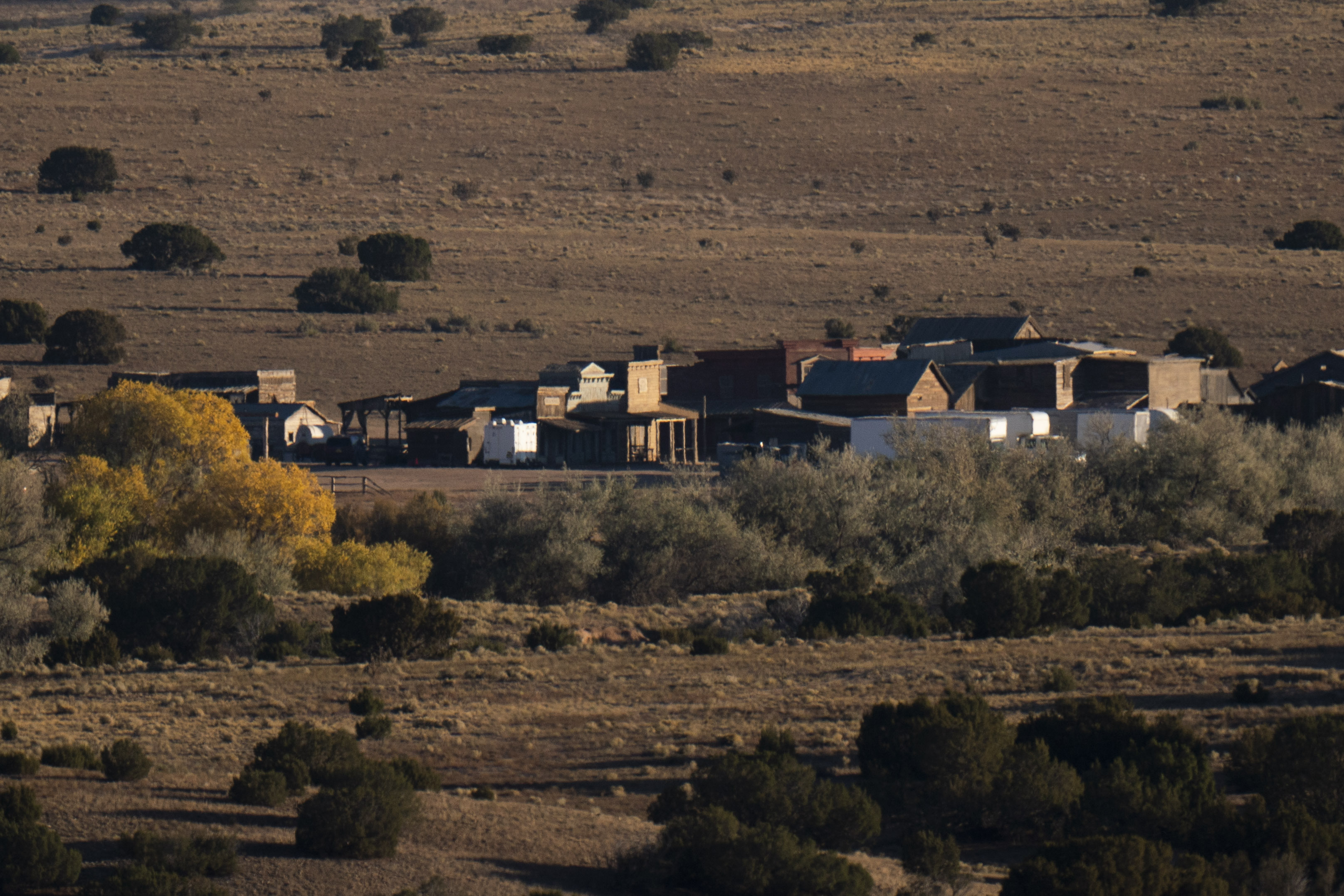
Investigators say there was "some complacency" in how weapons were handled on a movie set where Alec Baldwin accidentally shot and killed cinematographer Halyna Hutchins and injured director Joel Souza, but it's too soon to determine whether charges will be filed.

Santa Fe County Sheriff Adan Mendoza on Wednesday (3am Thursday AEDT) noted 500 rounds of ammunition — a mix of blanks, dummy rounds and live rounds — were found while searching the set of the Western Rust.

"Obviously I think the industry has had a record recently of being safe. I think there was some complacency on this set, and I think there are some safety issues that need to be addressed by the industry and possibly by the state of New Mexico," he told a news conference nearly a week after the shooting happened during rehearsal, killing cinematographer Halyna Hutchins and wounding director Joel Souza.

READ MORE: Rent prices skyrocket at fastest rate in 13 years

Halyna Hutchins and Alec Baldwin

Detectives have recovered a lead projectile they believe the actor fired last week.

Testing is being done to confirm whether the projectile taken from director Joel Souza's shoulder was fired from the same long Colt revolver used by Baldwin.

Two other guns seized include a single-action revolver that may have been modified and a plastic gun that was described as a revolver, officials said.

Investigators said they planned to follow up on reports of other incidents involving misfires with guns on the set.

District Attorney Mary Carmack-Altwies said investigators could not say whether it was negligence or by whom at this point.

The shooting has baffled Hollywood professionals and prompted calls to better regulate firearms on sets or even ban them in the age of seamless computer-generated imagery.

Court records say that an assistant director grabbed the gun from a cart and indicated the weapon was safe by yelling "cold gun".

READ MORE: Cleo Smith's parents make new plea as cops check home for clues

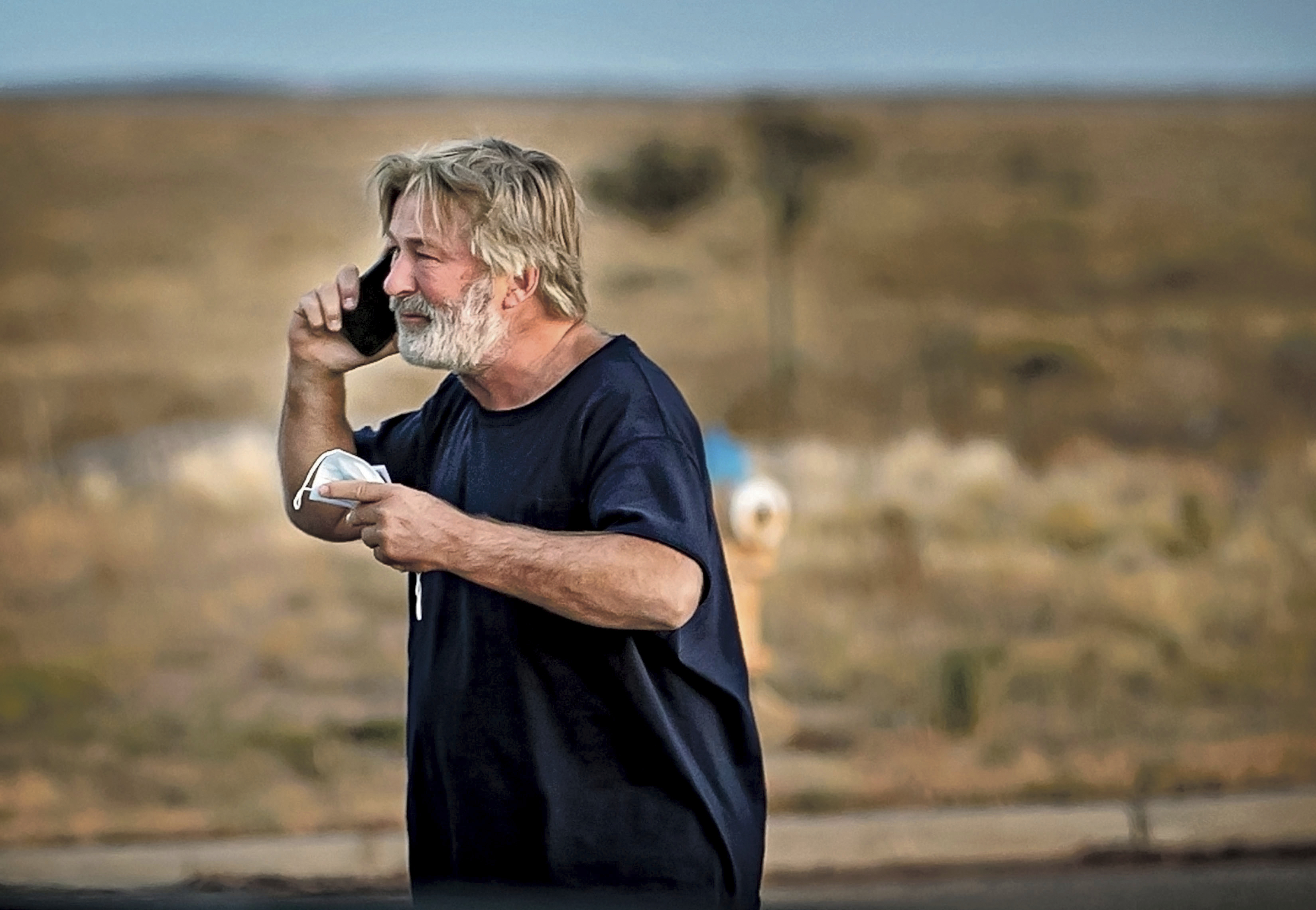
Alec Baldwin

READ MORE: International travel opens up for fully vaccinated Australians

The film's armourer, Hannah Gutierrez Reed, said she checked dummy bullets on the day of the shooting to ensure that none were "hot" rounds.

She also told a detective that while the guns used for filming were locked up during a crew lunch break, ammunition was left on a cart unsecured, according to a search warrant released Wednesday ahead of the press conference.

Gutierrez Reed told a detective no live ammo was ever kept on the set.

Assistant director David Halls, who handed the gun to Baldwin before the shooting, said Gutierrez Reed typically opened the hatch of the gun and spun the drum, though he couldn't recall if she did that before the shooting. He said he only remembered seeing three rounds in the gun, according to the warrant.

After the shooting, Halls took the gun to Gutierrez and said he saw five rounds in the gun, at least four of them were "dummy" rounds indicated by a hole on the side and a cap on the round. Halls said there was also a casing in the gun that did not have the cap and did not have the hole indicating it was a dummy, the warrant said.

"David advised the incident was not a deliberate act," according to the warrant, which was issued on Wednesday in order to search a truck that was used on the set.

READ MORE: International travel opens up for fully vaccinated Australians

Baldwin, 63, who is known for his roles in 30 Rock, The Departed and The Hunt for Red October, along with his impression of former President Donald Trump on Saturday Night Live, has described the killing as a "tragic accident."

Carmack-Altwies told The Associated Press prior to the news conference that the investigation was still in its early stages — far from any decisions about whether or not to file criminal charges.

She said those involved in the production were cooperating with law enforcement and that prosecutors won't fully review evidence until the completion of an initial investigation by the sheriff's office.

The gun Baldwin used was one of three that the armorer had placed on a cart outside the building where a scene was being rehearsed, according to court records.

Souza, who was standing behind Hutchins, told investigators there should never be live rounds present near the scene.

Cinematographer Halyna Hutchins, pictured here in 2019, was killed on the set of the movie "Rust"

Authorities have seized three black revolvers, gun belts with holsters, ammunition boxes, a bum bag with ammunition, several spent casings, articles of clothing and swabs of what was believed to be blood.

The production of Rust was beset by workplace disputes from the start in early October. Hours before the shooting, several camera crew members walked off the set amid discord over working conditions, including safety procedures.

Baldwin in his role as actor appeared unlikely to be held criminally or civilly liable for the tragedy. As a producer, however, he is among a long list of associates on the film who could face some sort of liability.

Concerns have been raised about Halls' safety record by colleagues on two previous productions. Halls has not returned phone calls and email messages seeking comment.

Rust Movie Productions, the production company, says it is cooperating with Santa Fe authorities in their investigation and conducting its own internal review of procedures with the production shut down.

Sydney's median house price nears $1.5 million

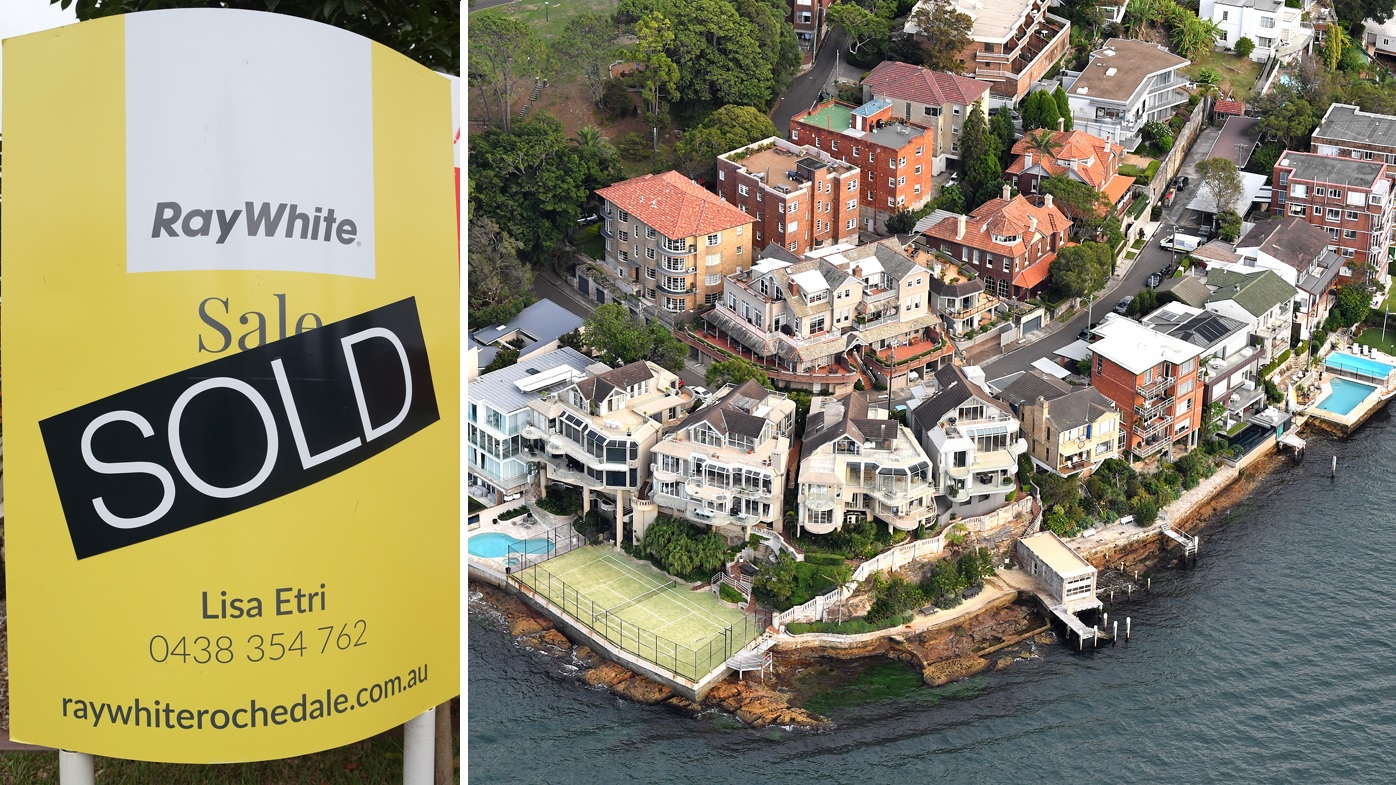
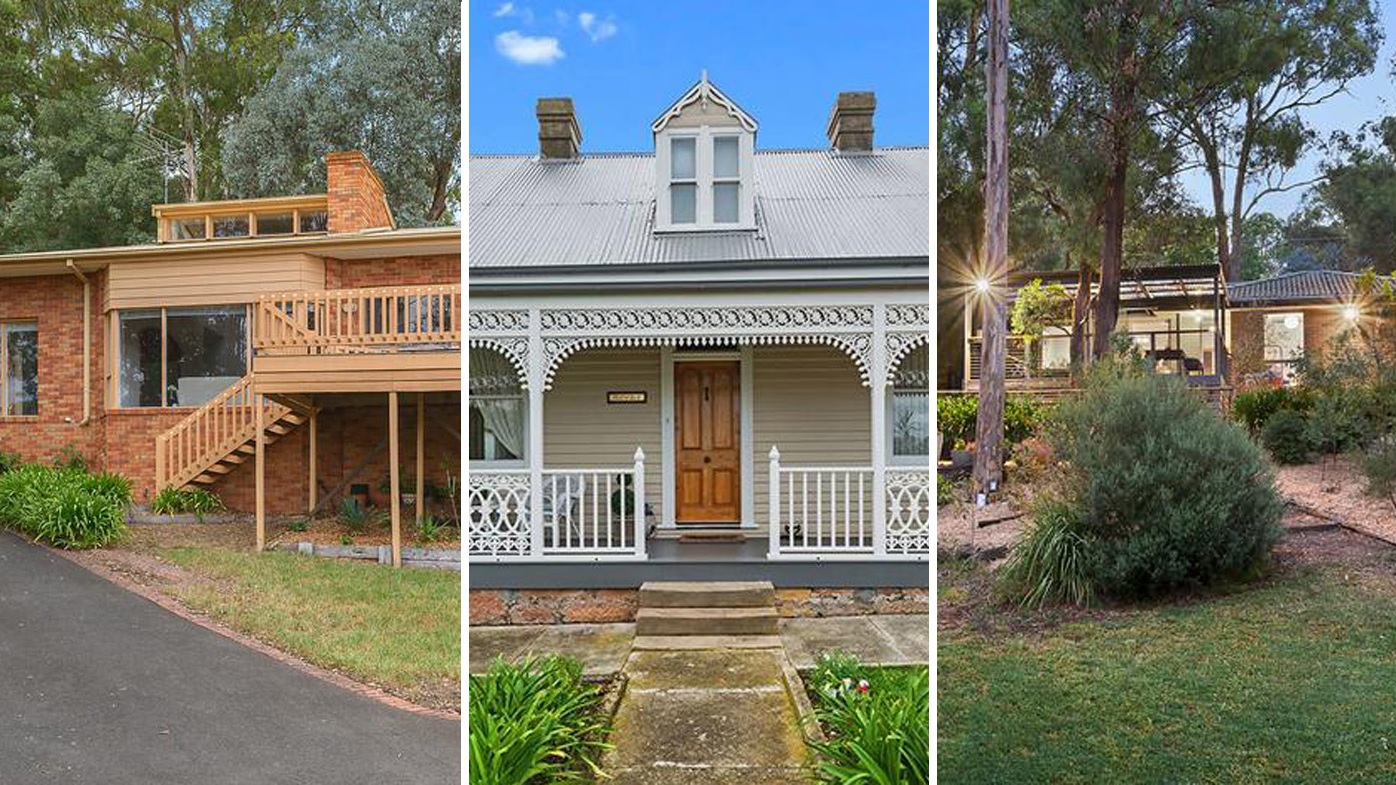
Sydney's median house price is now just an auction paddle away from a record-breaking $1.5 million as the nation's property market continues to boom during the COVID-19 pandemic.

Domain's September Quarter 2021 House Price Report has revealed that in the last twelve months, Sydney's house prices rose by an average of $6700 a week, or $957 a day.

More than $349,000 was added to the Harbour City's median price, which saw the fastest annual growth ever recorded at a wallet-squeezing 30.4 per cent.

READ MORE: Rent prices skyrocket at fastest rate in 13 years

Domain's Chief of Research and Economics, Dr Nicola Powell, told 9News.com.au that COVID-19 induced restrictions had prompted many Australians to think about the lifestyle their property provides.

"We have seen phenomenal levels of demand in the market, and we're seeing total stock for sale hit multi-year lows. I think what the pandemic has done is really put our homes into focus – we've spent more time in them, they've become our everything in and out of lockdown," Dr Powell said.

"Homeowners are putting spare cash normally spent on travel into their home. That's partly why we've seen this high level of demand for property over the past year as people fast track their decisions."

READ MORE: Cleo Smith's parents make new plea as cops check home for clues

Nationally, Australia's median house price has risen 21.9 per cent over the last twelve months to hit a new high of $994,579, marking the fastest annual growth on record.

Despite the doom and gloom headlines for first home buyers – or heaven-sent conditions for downsizers – Dr Powell said there are signs that the property market is cooling.

"I think we're past the peak rate of growth, but in terms of price, the price point of houses will continue to rise higher," Dr Powell said.

"We're seeing the property market begin to cool down with soaring house prices in the last year adding to ongoing affordability pressures affecting buyers' participation in the market.

"As COVID-19 lockdowns and restrictions come to an end and the sustained high prices appeal to vendors, sellers are beginning to re-engage with the market, increasing supply which in turn offer greater choices for buyers"

READ MORE: International travel opens up for fully vaccinated Australians

It wasn't just Sydney that saw house prices skyrocket due to a myriad of factors including high demand, low stock, historically low interest rates and drastically lower discretionary spending during COVID-19 lockdowns.

Melbourne's median house price rose to $1.038 million despite being in lockdown for most of last quarter. Canberra is now the second most expensive capital city to purchase a home and Hobart's house prices have almost doubled over the past five years.

The only capital city to experience negative house price growth in the past three months was Perth, which saw a 0.6 per cent decline to a median of $598,601.

"New listings will need to continue to be strong to appease rising prices," Dr Powell said.

"The number of Aussies relocating to Perth has reached its highest point in eight years – while there remains a positive inward flow into Perth, it looks to be easing but is being replaced with higher investment activity."

READ MORE: Where bank of mum and dad buyers are snapping up first homes

As house prices jackpot, so too do concerns that property in Australia is becoming unaffordable for those on normal wages and who do not have existing equity.

"The sheer affordability of keeping up with rapid house price gains is proving a barrier for many buyers, especially first home buyers facing spiralling deposit goals and poor interest accrued on savings," Dr Powell said.

"Upsizing is also becoming a financial leap despite the benefit of strong equity growth, and particularly challenging if sold prior to purchasing."

Australia's Median House Price Change by Capital City*

Capital City:

Annual change in price:

Median Price:

Sydney

+ 30.4 per cent

$1,499,126

Melbourne

+ 16.8 per cent

$1,037,923

Brisbane

+ 15.3 per cent

$702,455

Adelaide

+ 20.1 per cent

$667,888

Canberra

+ 32.4 per cent

$1,074,187

Perth

+ 9.8 per cent

$598,601

Hobart

+ 31.9 per cent

$698,212

Darwin

+ 33.2 per cent

$640,068

Combined Capitals

+ 21.9 per cent

$994,579

* Domain's September Quarter 2021 House Price Report

The information provided on this website is general in nature only and does not constitute personal financial advice. The information has been prepared without taking into account your personal objectives, financial situation or needs. Before acting on any information on this website you should consider the appropriateness of the information having regard to your objectives, financial situation and needs.