Tag Archives: oceania

What you need to know about home COVID-19 tests

Rapid antigen tests, hailed as a game-changer in the fight against COVID-19, will be available to buy in supermarkets as soon as next week.

The Chinese-manufactured Hough Pharma nasal tests, which have a turnaround time of about 15 minutes, will be available from a selected 700 Coles stores nationally next week.

EXPLAINER: TGA approves Pfizer booster shot
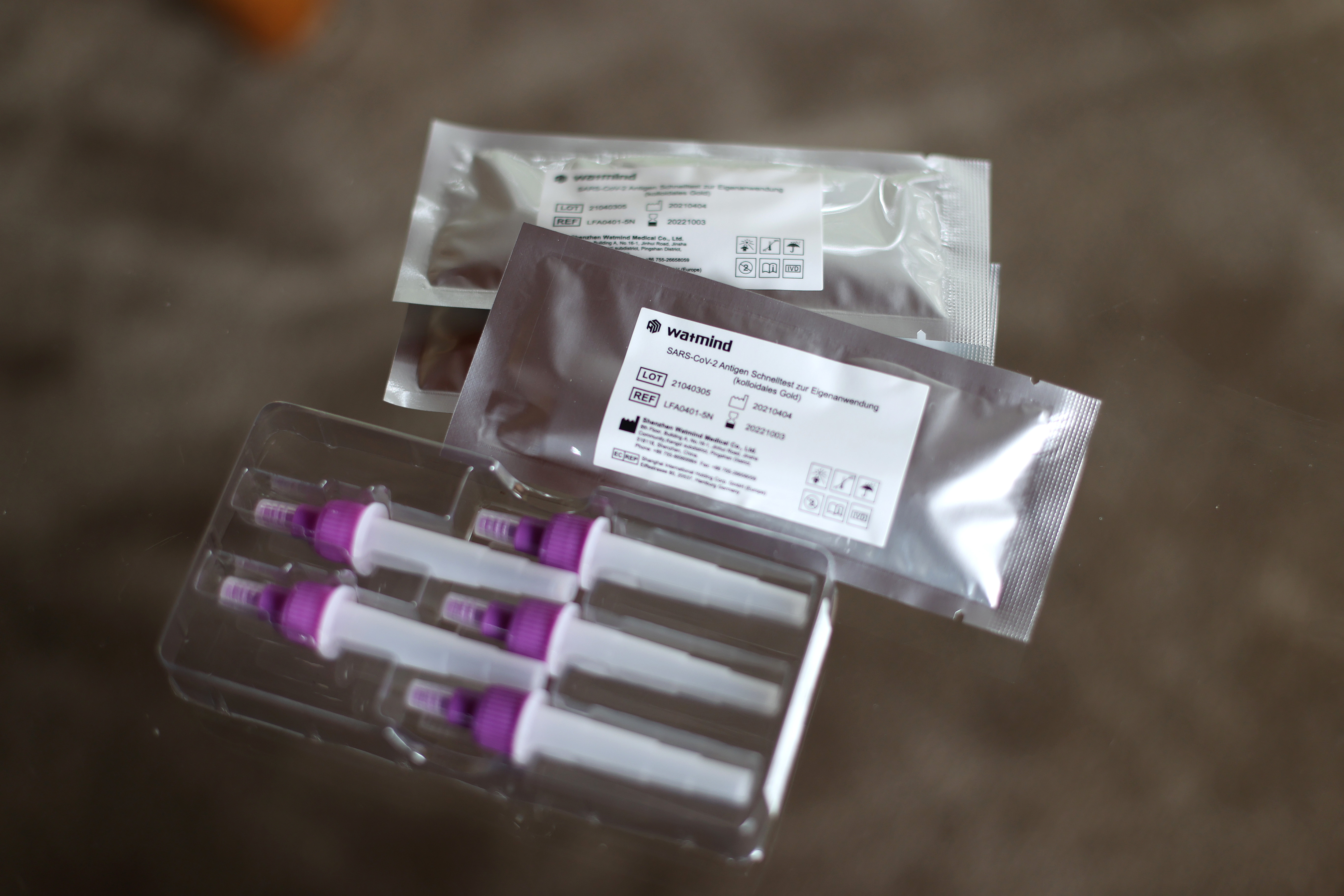
In this photo, an illustration of a COVID-19 rapid antigen test kit is pictured. Supermarkets around Australia will soon start to roll them out for sale.

It comes after Health Minister Greg Hunt announced the Therapeutic Good Administration (TGA) had approved the use of the home testing kits from November 1.

Offering fast results and simply administered in a non-medical setting, they offer advantages over other COVID-19 tests such as the standard polymerase chain reaction or PCR test.

Here is what you need to know.

What is a rapid antigen test?

Antigen tests are a quick and easy way to look for a specific antigen – a term for any foreign substance, such as a virus or bacteria.

Antigen tests for flu or strep throat, for example, can be done in a doctor's office without expensive equipment and give results in 10 to 15 minutes.

EXPLAINER: How to get your international COVID-19 vaccine passport

How do they work?

Think of it like an at-home pregnancy test.

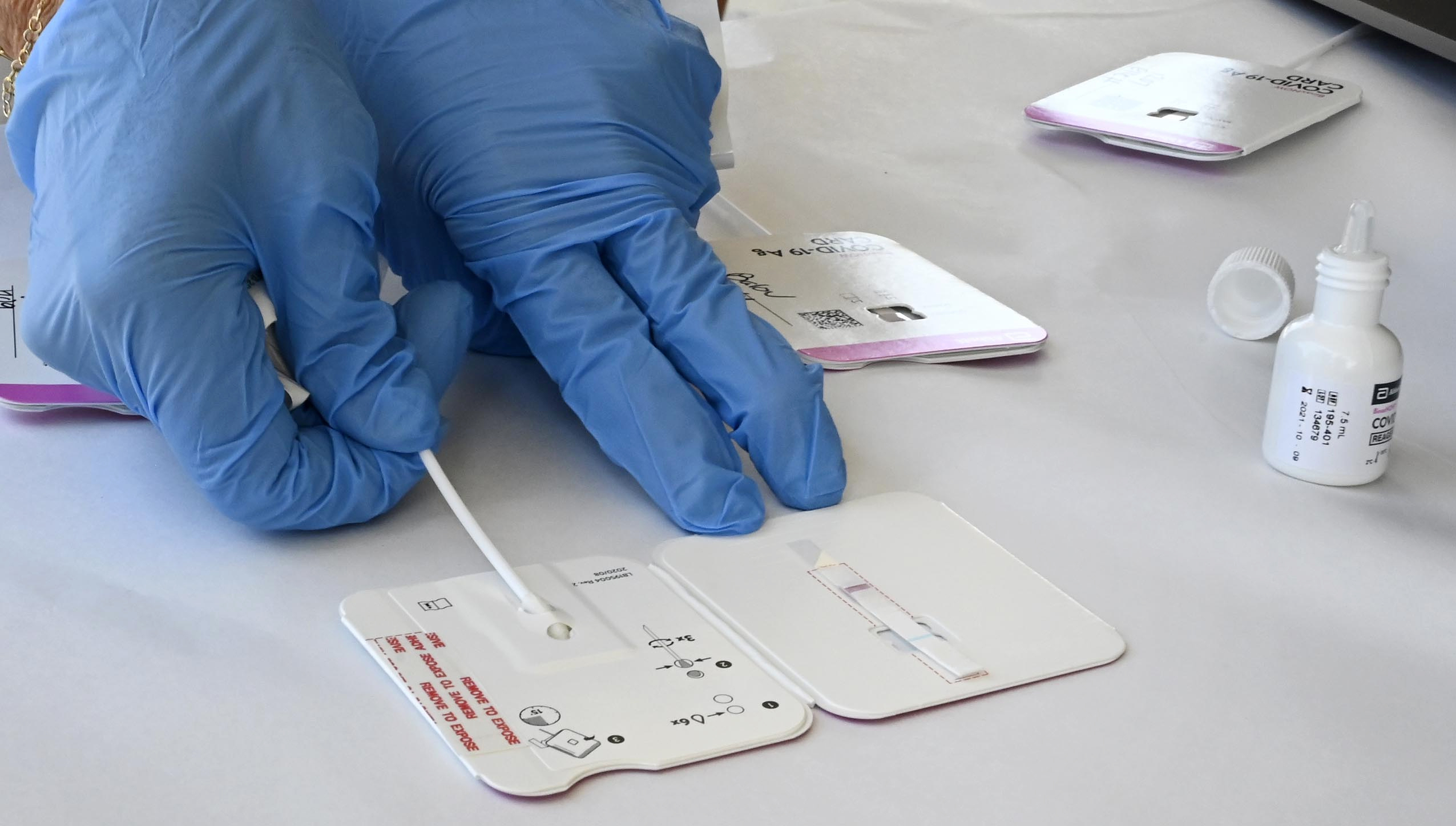
In a coronavirus antigen test, you put a bodily sample such as a throat swab onto a specially treated strip, which then uses a colour or marker to say whether the novel coronavirus is present.

The antigen test works by looking for a unique part of the novel coronavirus, such as a specific protein on one of its namesake "corona" spikes.

If that specific protein is present in detectable quantities, then the test returns a positive result.
How to purchase a rapid antigen test?

Rapid antigen tests will be available from supermarkets around the country, with 700 Coles outlets stocking the kits as early as next week.

A spokesperson for Woolworths said they were also looking to roll out rapid testing kits, first starting with states like New South Wales and Victoria, that are currently managing outbreaks.

How much is a rapid antigen test

It's believed kits will be available in packs of two or five in store and online.

Estimates have the price of the kits pegged at between $10 to $30.

Where can they be done?

Rapid-antigen tests are already being used in a number of settings across Australia, such as aged care homes and some quarantine facilities and workplaces.

The TGA has approved 33 rapid tests for use under supervision.

The kits available from next week are the first of eight rapid antigen tests approved for at-home use.

In a statement, the TGA said any rapid antigen tests approved for at-home use would come with simple-to-use instructions, fact sheets and a supporting phone helpline or explainer video.

Benefits of rapid antigen testing versus PCR

The TGA says rapid antigen tests can detect the virus in the acute phase of infection – especially in the week before symptoms are apparent, and the first week of symptoms being apparent.

And unlike results from PCR testing that take hours or days, rapid antigen tests can return them in 30 minutes or less.

READ MORE: NSW's roadmap out of lockdown explained

How accurate are rapid antigen tests?

Advisor to the World Health Organisation (WHO) and Professor of Epidemiology at University of NSW, Professor Mary Louise McLaws said some tests are "close to 100 per cent" accurate.

"They're relatively cheap and they do have very good accuracy, particularly when you use them a couple of times in a row," she said.

They are most accurate in settings with a high transmission rate of coronavirus.

"In the wider Australian community settings where there are low rates of COVID-19, the tests are less accurate as there is a higher risk of both false positive and false negative results," the TGA said.

The current TGA advice is a PCR test must be carried out to confirm rapid antigen test results.

"While a goal of no or very low community transmission is being pursued, conducting confirmatory testing by PCR is very important if someone gets a positive test from a rapid antigen test," the TGA says.

"It is not acceptable to just repeat the rapid antigen test in the hope of the second test being negative.

"Any positive result needs follow up with a PCR test."

READ MORE: Melbourne truckies plan traffic chaos in protest

What is the overseas experience like?

In the UK, rapid antigen tests have been used widely to complement PCR testing during the pandemic.

The tests have been offered free to millions of people in England, for use at home or at test centres, workplaces and schools.

They are widely used for school students in Britain who are close COVID-19 contacts.

They have proven a safe and accurate alternative to home isolation and enable children to remain in class.

Some countries also accept a negative rapid antigen test result from UK travellers as a condition of entry.

The Singapore government has also distributed millions of free kits to its citizens.
How the world reacted to Australia's net zero plan

Australian billionaire Mike Cannon-Brookes has ripped into the government's key climate document which plans to lead Australia to net zero carbon emissions by 2050, calling it "ridiculously embarrassing" and "just more bulls—".

Using less colourful language, the world's media were more restrained than the Atlassian founder in running the rule over Prime Minister Scott Morrison's plan – but not by much.

Headlines and stories from many of the world's most prestigious mastheads were critical of Australia's net zero 2050 plan, particularly the detail – or lack of it – on the pages.

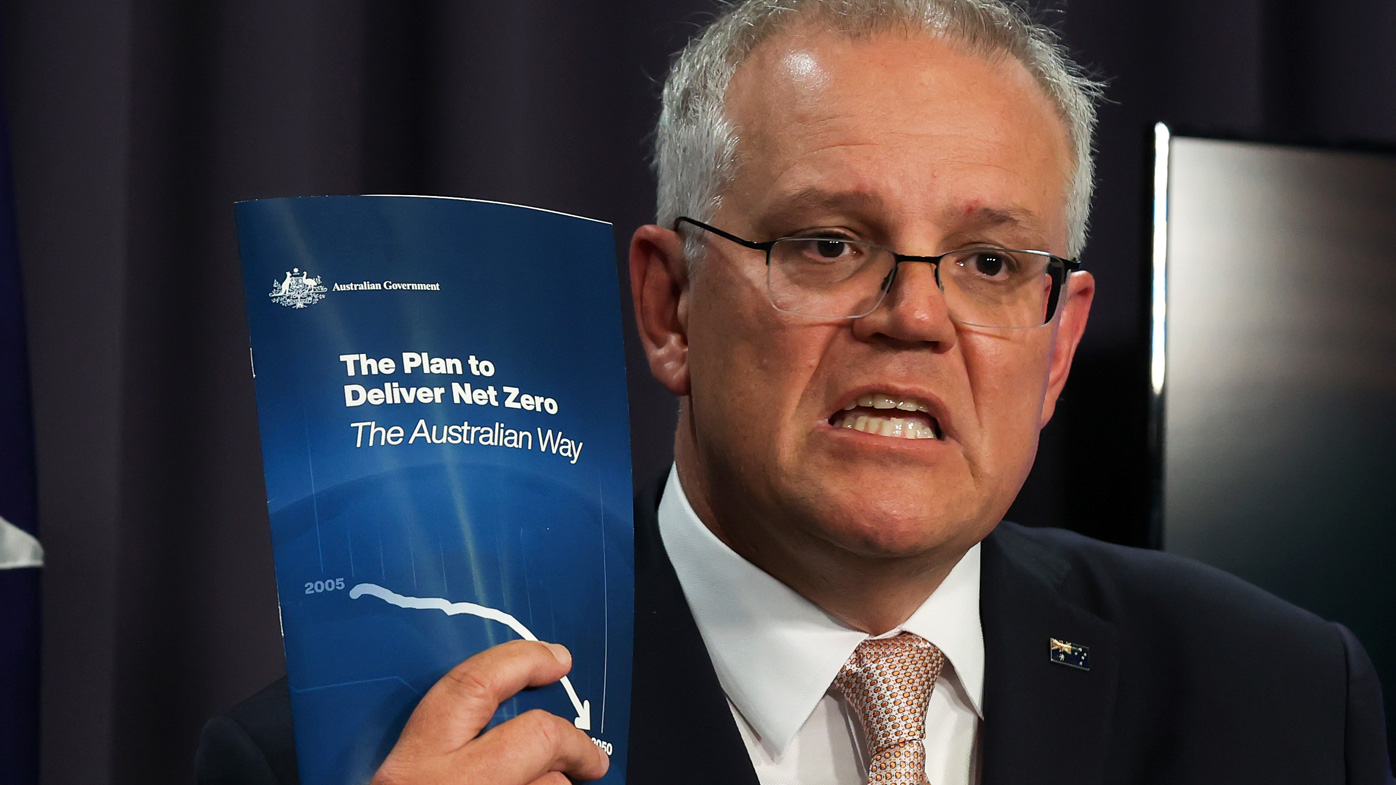
Prime Minister Scott Morrison hold the plan he claims will lead Australia to net zero by 2050.

READ MORE: Queen cancels COP26 appearance

Mr Cannon-Brookes tweeted late last night that he had read all 129 pages of the blue book Mr Morrison had held up yesterday, The Plan to Deliver Net Zero, The Australian Way – but he mocked the government document as nothing more than a "pamphlet".

"Its (sic) not worth the paper I didn't print it on," he wrote.

"I understand technology damn well."

Mr Cannon-Brookes, a longtime critic of Australia's lack of action on carbon reductions, claimed the plan did not contain a "technology driven approach", despite Mr Morrison repeatedly underlining yesterday how technology would be a core strategy for major reductions in Australia's carbon emissions and achieving net zero.

"It's inaction, misdirection & avoiding choices. I'm going to bed. This is just ridiculously embarrassing," he wrote.

https://twitter.com/mcannonbrookes/status/1452931530167242754?ref_src=twsrc%5Etfw

As Mr Cannon-Brookes and Australia slept, reporters and headline writers were busy in the northern hemisphere analysing Mr Morrison's announcement, just days ahead of the COP26 climate summit in Glasgow, Scotland.

CNN said that "Australia will be the rich world's weakest link at COP26 with hollow net-zero and emissions pledges".

The New York Times said Australia's ambition to hit net zero by 2050 was based on a plan that "makes that hard to believe".

It quoted Richie Merzian, climate and energy director at the Australian Institute, who appeared to back the views of Mr Cannon-Brookes, calling Australia's plan "an update on the marketing materials used by the federal government to claim it's doing something when it's really doing nothing new."

He added: "It's kind of ridiculous."

READ MORE: Fully vaccinated Australians will be able to leave the country without exemption

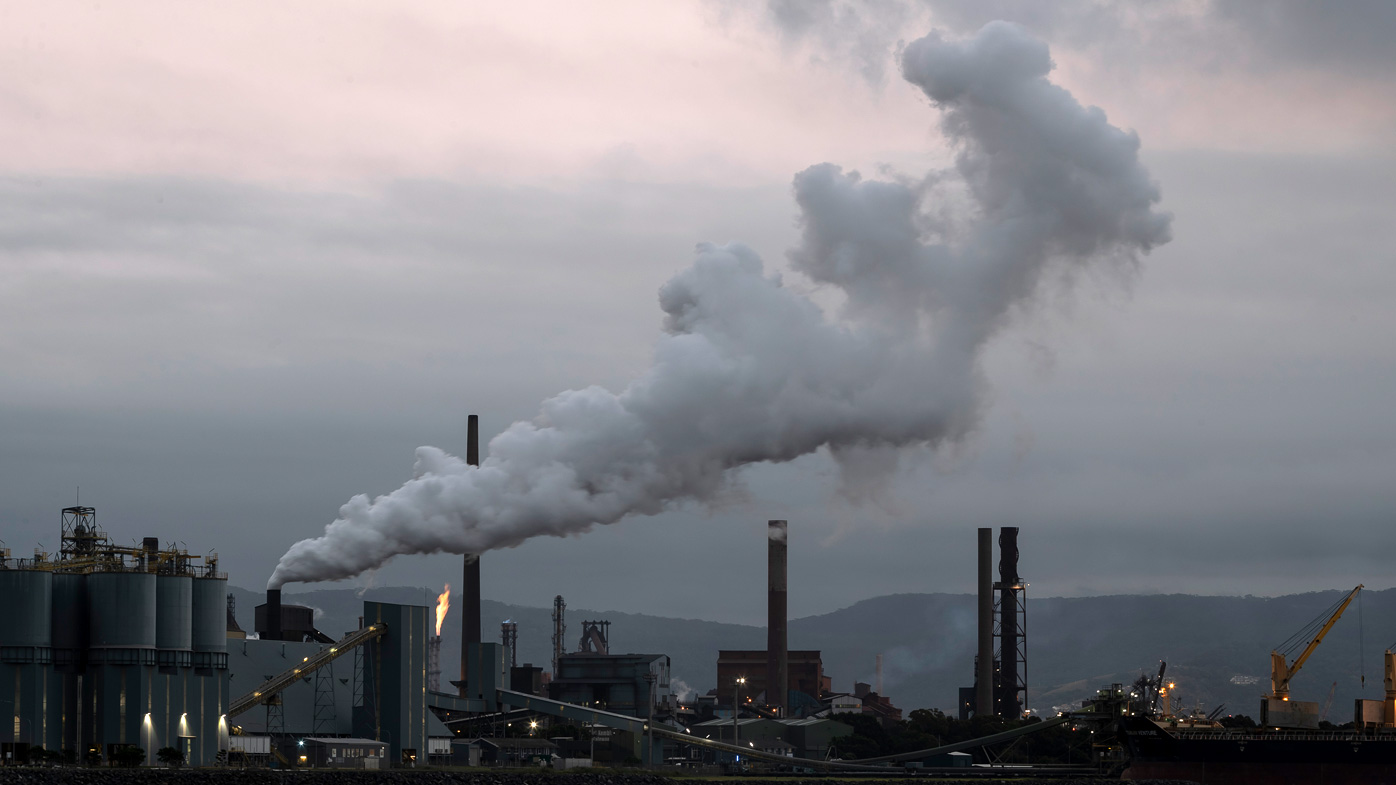
Smoke pours from the steelworks and coal loading facility in Port Kembla, NSW.

The Washington Post called out Mr Morrison over a refusal to "adopt a steeper 2030 commitment".

British newspaper The Financial Times said Australia remained "wedded to fossil fuels" much to the "dismay of green groups which say phasing them out is key to credible decarbonisation goals".

The venerable BBC said "Australia has long dragged its heels on climate action" and quoted Murdoch University fire ecology expert Joe Fontaine saying Mr Morrison's net zero plan had "all the strength of a wet paper bag".

The Irish Times spoke with Richard Black, senior associate at the Energy and Climate Change Intelligence Unit, who said Australia was "in the same camp very much as the Saudis" in presenting "an alternative vision of how you can get to net zero" while still burning fossil fuels.

The Independent detailed how Australia had promised to reach net zero carbon emissions by 2050, joining a host of developed countries, because scrutiny had increased on its "massive fossil fuel sector".

EXPLAINED: What does net zero by 2050 actually mean?

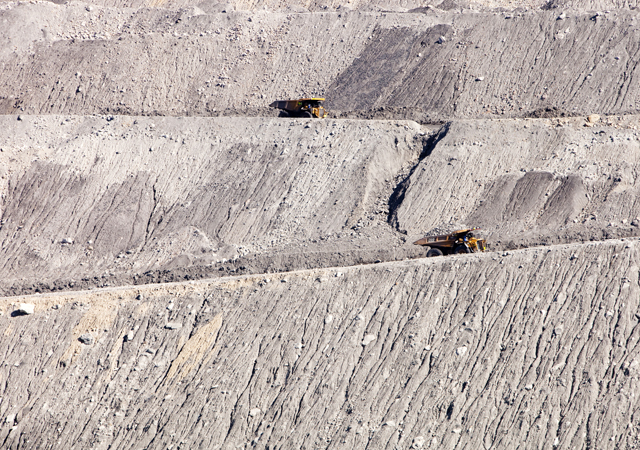
The Beltana number 1 mine, an open cast or drift coal mine managed by Xstrata coal in the Hunter Valley, New South Wales.

Reuters said Australia had been "long under fire as one of world's top producers of coal and gas", and pointed out Mr Morrison "will not legislate" the net zero goal and will "instead rely on consumers and companies to drive emission reductions".

Closer to home, Indonesia's Jakarta Post said Australia had "unveiled a much-delayed 2050 net zero emissions target, but shied away from setting more ambitious goals" ahead of COP26.

Climate protesters glue themselves to major Melbourne CBD road

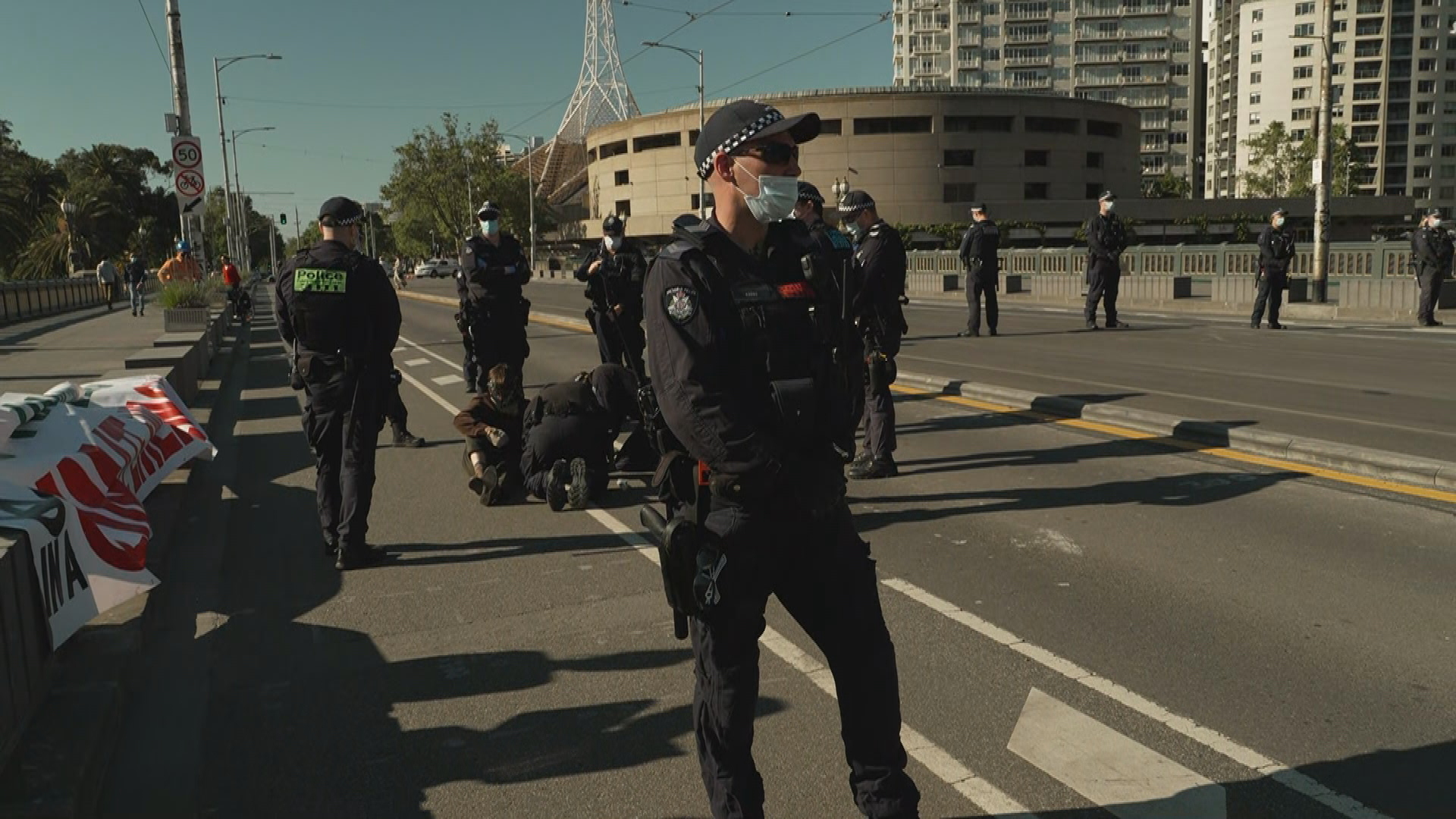
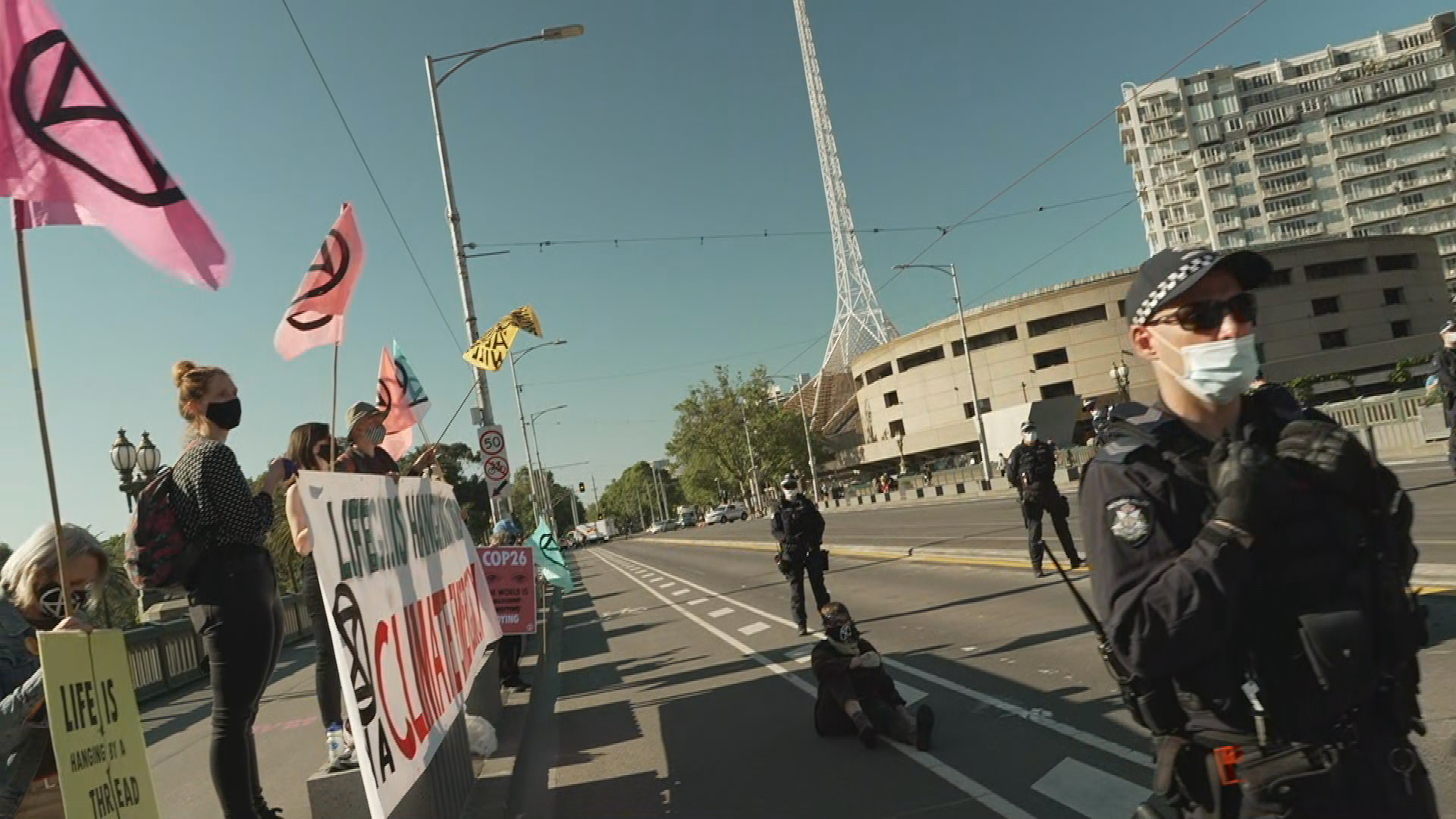
Climate protesters have stopped traffic on a major Melbourne CBD road this morning, sparking a heavy police presence in the city.

A small number of protesters glued themselves to St Kilda Road, with police working to remove them about 8.30am.

READ MORE: Victoria records 1534 new cases of COVID-19, another 13 deaths

A large police presence turned up to disperse protesters, with some demonstrators being handcuffed in the middle of the tram tracks.

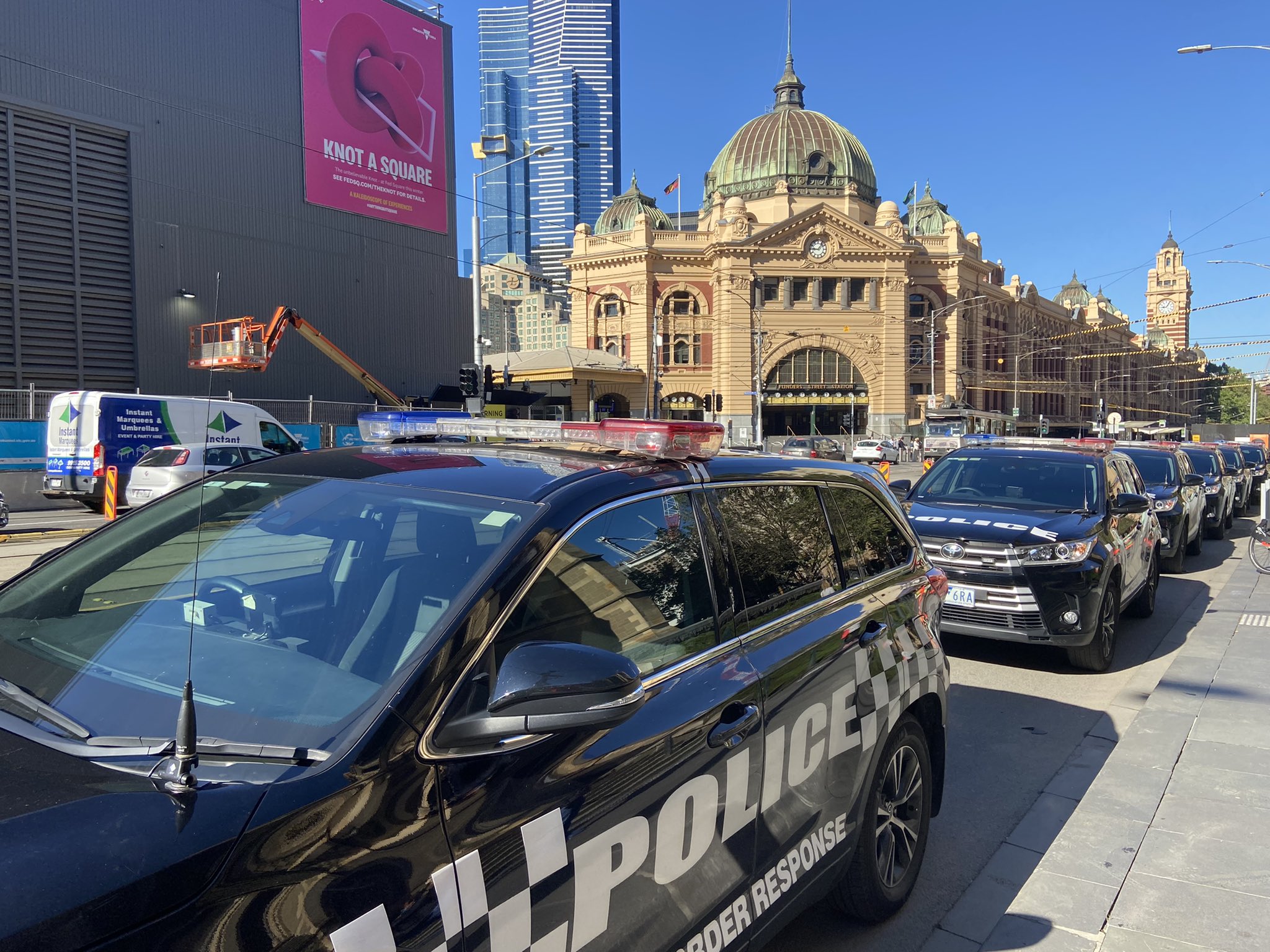
About a dozen riot police cars were spotted near Flinders Street Station.

The protesters are pushing for further action from the Federal Government ahead of the climate summit in Glasgow.

https://twitter.com/ChristineAhern/status/1453113674432876544

White prams were hung over a bridge as part of a demonstration used to symbolise 'life hanging by a thread", protesters told 9News.

The stunt has stopped traffic in both directions.

READ MORE: International travel opens up for fully vaccinated Australians

Prime Minister Scott Morrison today claimed the government's net zero plan was a "middle course" between climate debate extremes.

He told Today the plan would be based on new technologies that were already in development.

"It is green steel and hydrogen, it is low-cost solar, it is battery technology," he said.

"Australia has already reduced our emissions by 20 per cent."

https://omny.fm/shows/the-9news-lunch-podcast/oct-27-a-vaccine-booster-announcement-and-why-ther/embed?style=cover

Australia's rental prices skyrocket at fastest rate in 13 years

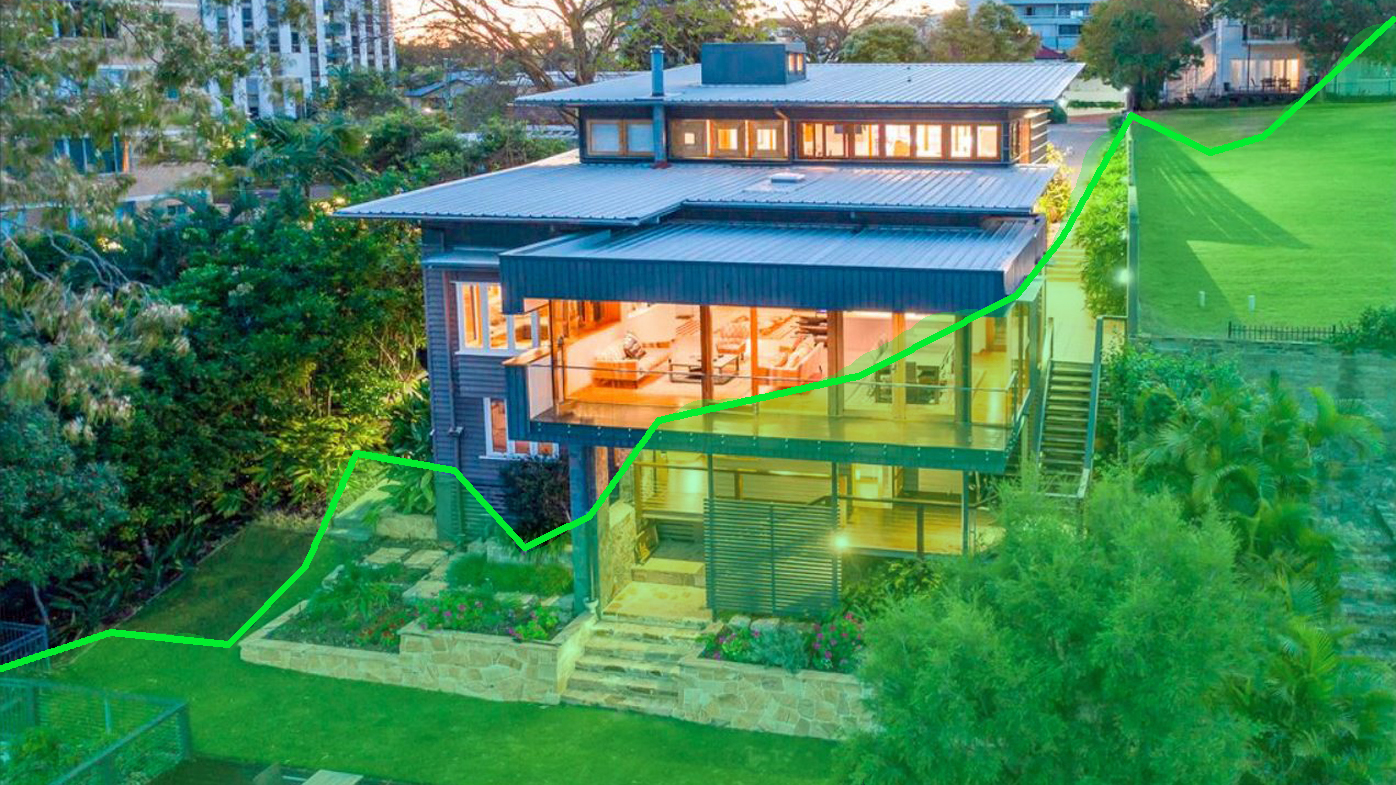
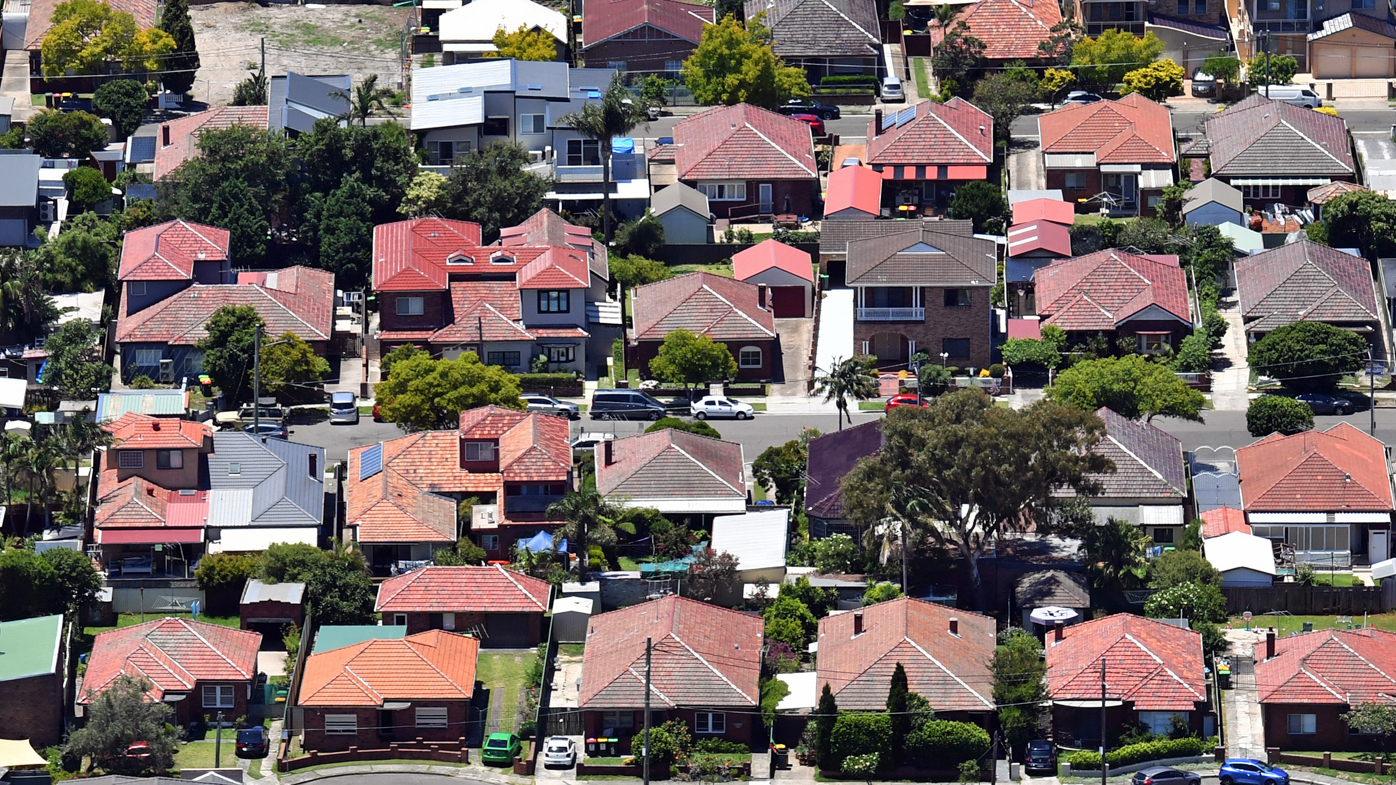
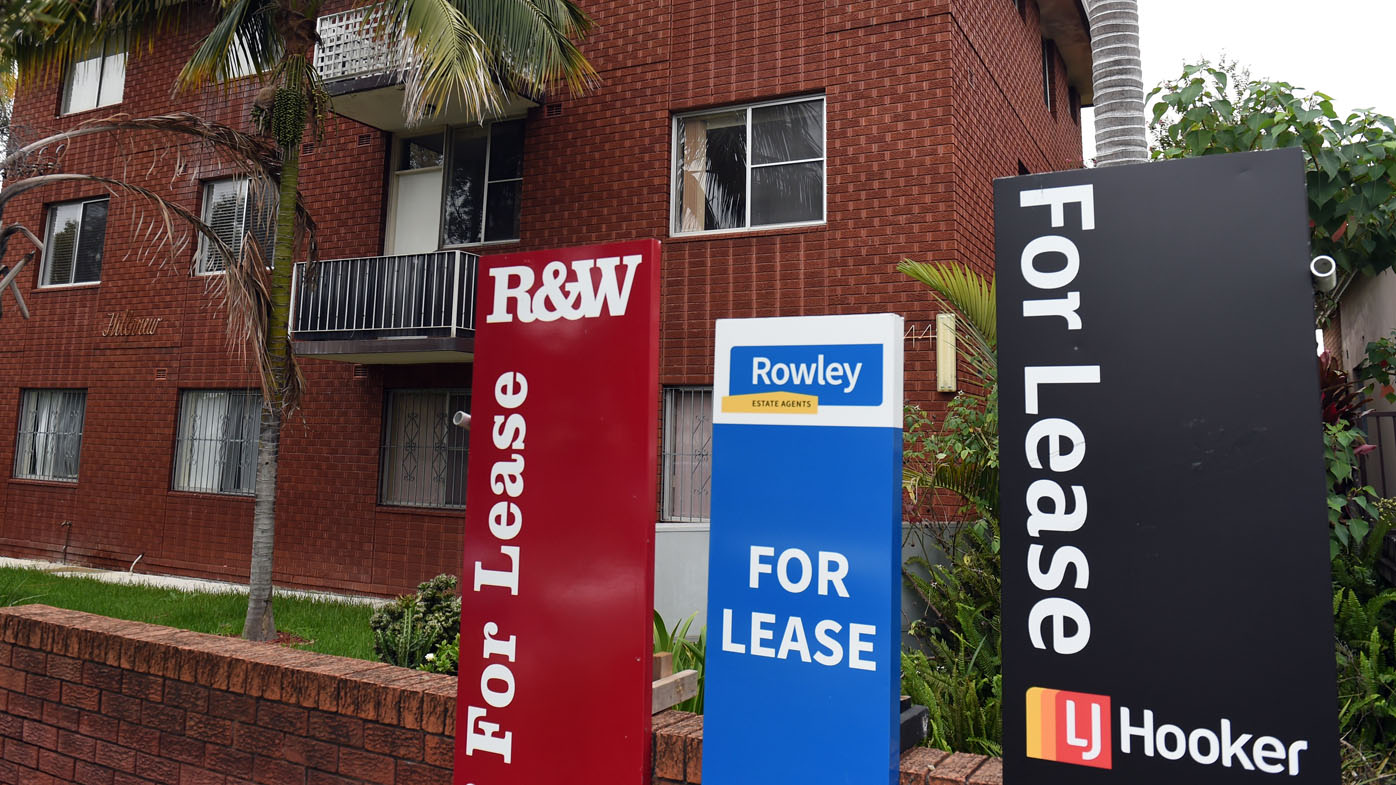
Australia's rental prices have dramatically shot up as a high demand of houses for employees working from home and a shortage of stock creates demand from tenants.

New data by property data firm CoreLogic reveals that year-on-year national rental rates are increasing by 8.9 per cent, the fastest annual rate since July 2008.

On a quarterly basis, the strongest growth in asking rent was in Brisbane (up 2.6 per cent), followed by Sydney (up 2.3 per cent) and Perth (up 0.3 per cent).

READ MORE: 'No end in sight' for high petrol prices

CoreLogic's research director Tim Lawless said the demand to lease houses could be a direct impact of COVID-19 flexible working policies.

"Renters are clearly looking for lower density housing options, with house rents rising at more than double the pace of units rents over the past year, however this trend is starting to narrow, with national house and unit rents rising at the same rate over the September quarter," Mr Lawless said.

"Another factor that may be contributing to rental demand is that more renters are working from home, which could be driving a trend towards smaller rental households as tenants look to maximise their space and working environment during COVID."

READ MORE: The 'calculator' that says if you will catch COVID-19

Adelaide remains Australia's cheapest capital city in which to rent, with typical dwelling rates of $440 per week. Canberra is the nation's most expensive city to rent in, with median asking prices around $633 per week.

When matched to average incomes, Melbourne presented the best option for budget-conscious tenants.

"Relative to household incomes, based on data to March, Melbourne was actually the most affordable capital city to rent, with households, on average, dedicating 26 per cent of their gross annual household income to rent a dwelling compared with the national average of 28.7 per cent," Mr Lawless said.

"With Melbourne showing the largest exposure to overseas migration, at least historically, once international borders open we could see a more substantial boost to rental demand than other cities.

"If this is the case, we could see Melbourne once again recording a faster rate of rental growth."

READ MORE: Giant WWII bomb found in Aussie back yard

Mr Lawless predicted that with wages growth remaining flat, many house renters will be lured back to apartments as covering rent becomes more expensive.

"Data to March shows renters were spending an average of 28.7 per cent of their household income on rental payments, which is slightly above the decade average of 28.1 per cent," he said.

"Rental affordability has deteriorated further from there, which is likely to see more renters looking towards higher density rental options where renting tends to be more affordable."