Tag Archives: oceania

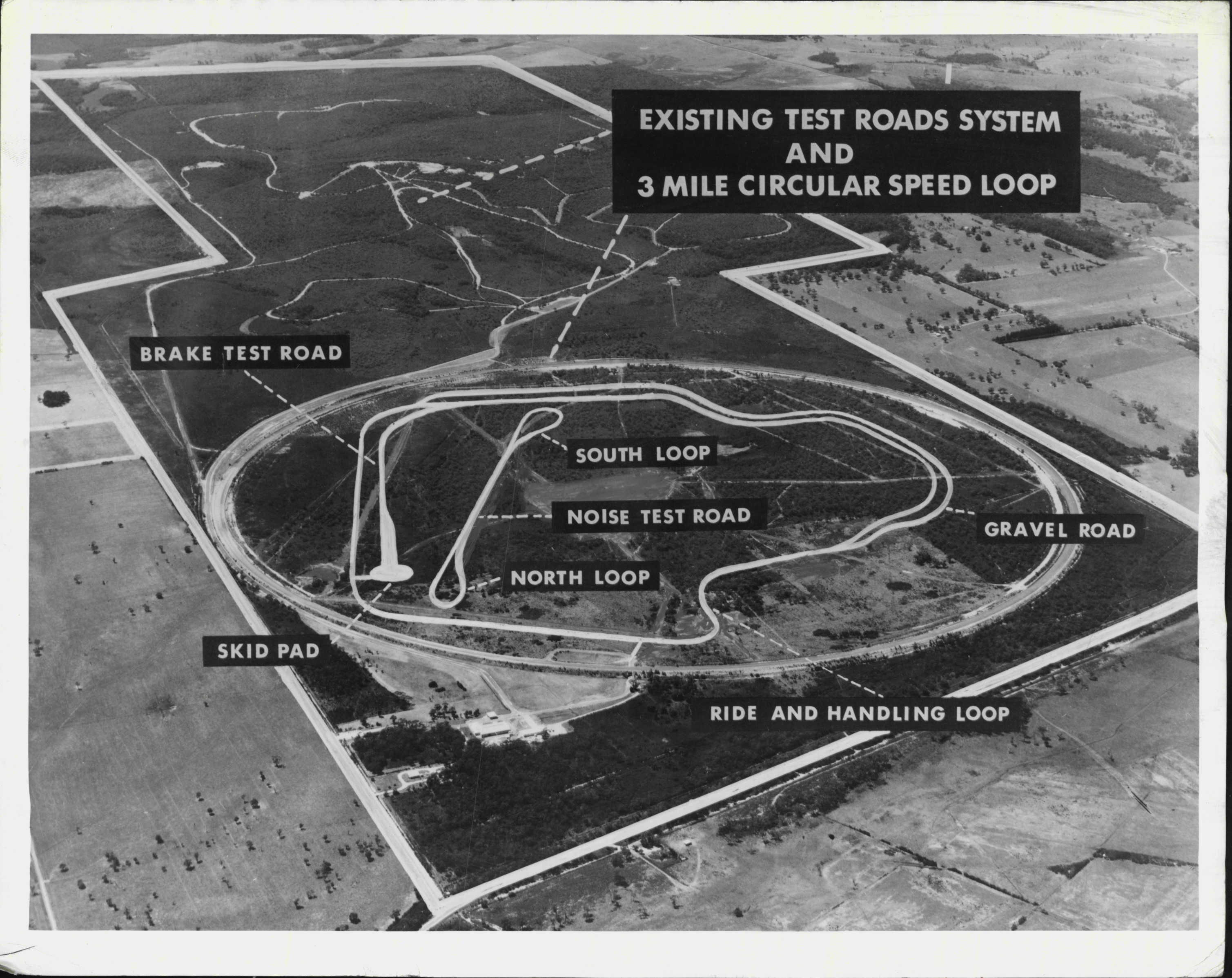
Holden's iconic Lang Lang proving ground up for sale

Holden's once iconic Lang Lang proving ground is back on the market just a year after it was bought by a Vietnamese automotive manufacturer.

VinFast purchased the car testing facility from General Motors in 2020 for more than $36 million, but has chosen to re-list the historic property in a strategic move to base more of its research and development out of Vietnam.

Encompassing 877 hectares, Lang Lang features 44 kilometres of test tracks including sealed and unsealed roads, a 4WD course and a banked NASCAR-like oval used to test a production vehicle's top speed and acceleration.

LIVE UPDATES: Morrison commits to climate change target despite internal opposition

The facility is located about an hour's drive from Melbourne's CBD between the towns of Lang Lang and Grantville.

Lang Lang played a key role in the development of more than 60 years of locally manufactured Holden models since 1958.

Every Commodore bar the last ZB derivative was tuned and tested by Holden engineers at Lang Lang.

Dean Hunt and Stephen Adgemis from commercial realtor CBRE say the property represents a world-class opportunity for auto makers.

READ MORE: Holden closing down: How your ancient Holden could now be worth a fortune

"The Lang Lang proving ground is one of the most-advanced facilities of its type in the world, with an expansive road network and improvements including a dedicated emissions-testing facility," Mr Adgemis said.

"It holds a unique place in Australian motoring history, and the fundamentals that made it so successful for General Motors and Holden, and attracted VinFast to the property, still ring true.

"As an expansive site within a high-density employment catchment area, it offers considerable potential."

The sale includes laboratories, emissions testing facilities and office blocks already on the site.

READ MORE: How a $350 Holden HR Premier is worth a house deposit now

In a statement VinFast said the COVID-19 pandemic has prompted the business to realign its strategy, including the sale of overseas assets such as Lang Lang.

"Due to unexpected situations brought about by COVID-19, we have to relocate our operation back to Vietnam to ensure product development progress," a representative from VinFast said.

"In the long-term future, VinFast still considers Australia as one of its strategic markets."

Holden was retired as a brand by General Motors this year. The last locally-produced Australian car rolled off the line at Elizabeth in South Australia in 2017.

PM unveils Australia's plan to reach net zero by 2050

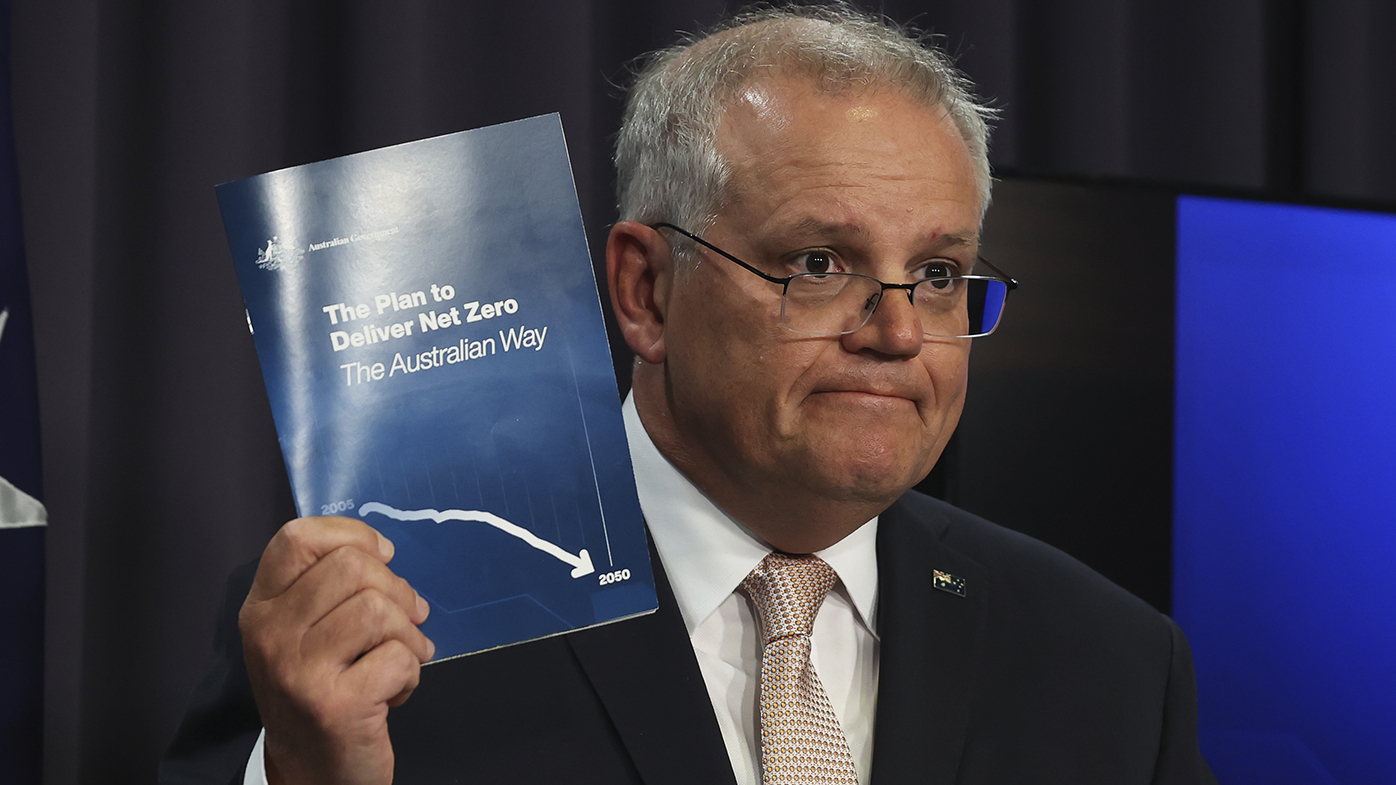
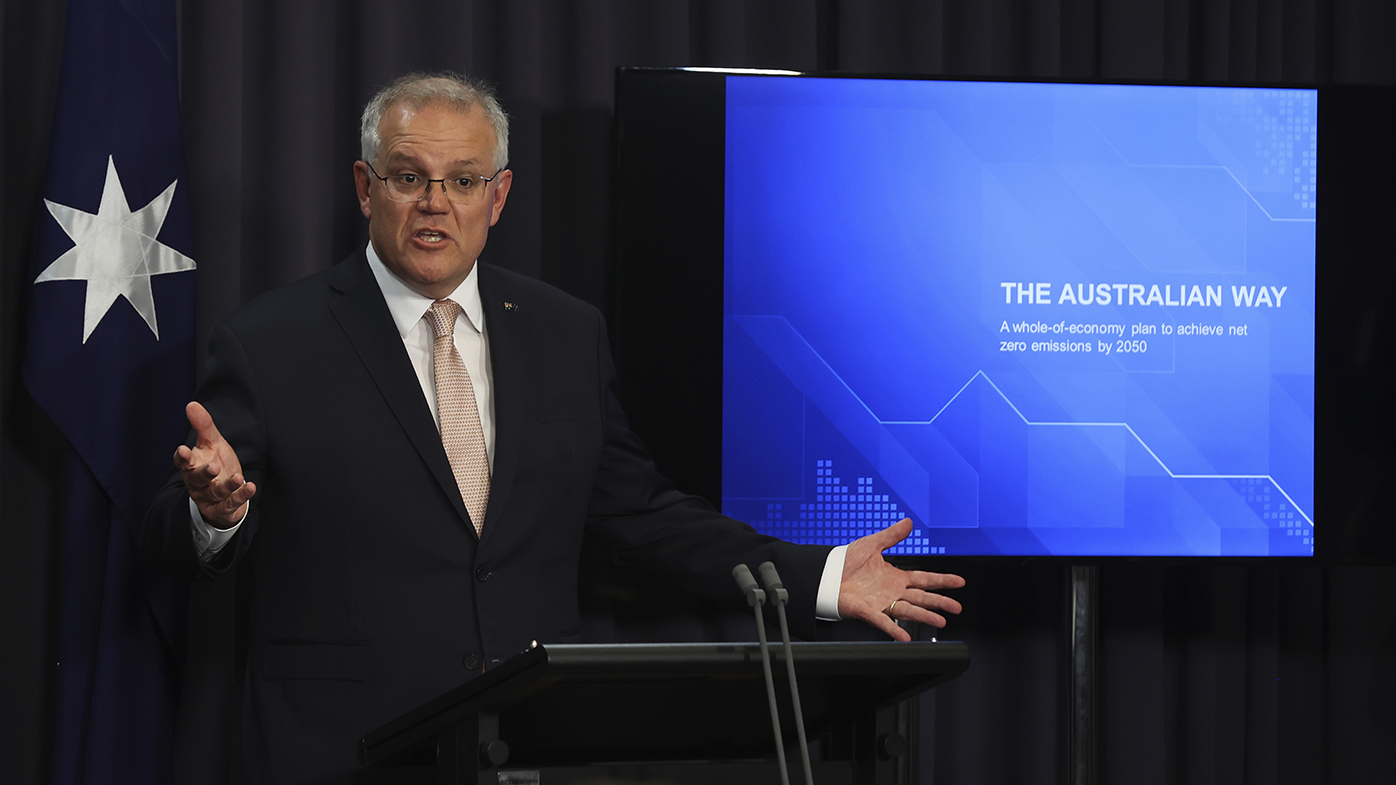
Prime Minister Scott Morrison has unveiled Australia's much-anticipated plan to reach net zero emissions by 2050 ahead of the COP26 climate conference in Glasgow.

He said the government "recognises the (climate) challenges" the world is facing and the plan "most importantly" backs Australians and the Australian way of life.

Mr Morrison explained the plan will focus on "technologies not taxes" and will include both Australians in cities and the regions.

READ MORE: Why the COP26 summit is so important

Prime Minister Scott Morrison said Australia was already on track to beat its 2030 targets.

It comes after a deal was struck with the Nationals at the weekend who agreed, in principle, to support the government's targets.

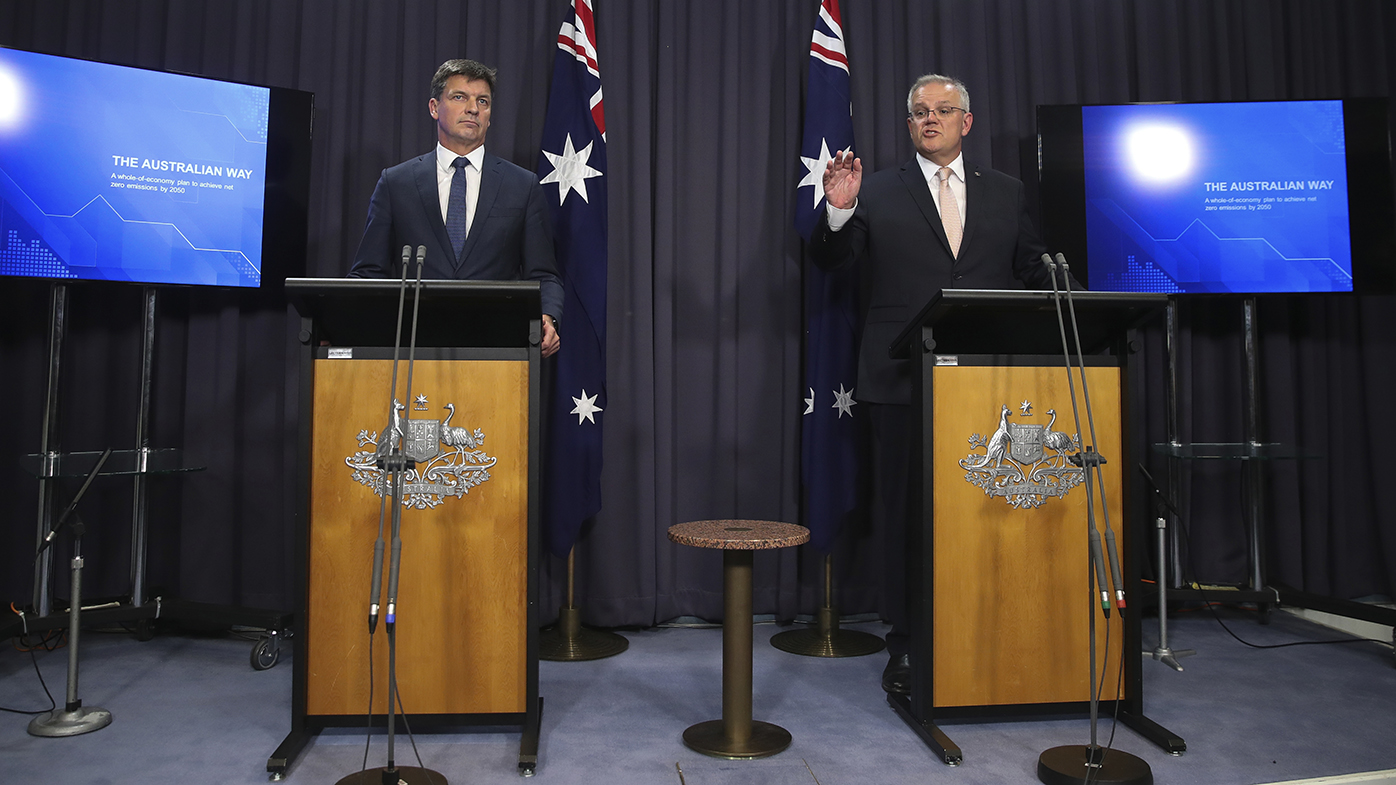
Minister for Industry, Energy and Emissions Angus Taylor claimed Australia's track record on climate is "a proud one".

Mr Taylor ran through a "portfolio of technologies" that can help reduce Australia's emissions.

Incentives, not penalties, will be used to help further lower emissions, he said.

Carbon offsets would also be "an important part" of the plan.

The goals of the plan include reducing the costs of hydrogen, "ultra-low-cost" solar and long-duration energy storage, in part funded by a $20 billion investment by the Federal Government.

When asked where the plan's carbon emissions modelling is, Mr Morrison said the data would be released over the coming days.

"Today is about the plan," he said.

Mr Taylor did point to some of the strategies Australia will use to hit net zero.

These include 90 million hectares of productive agricultural land to be better used as a carbon sink, carbon capture and storage, production of hydrogen, high-integrity credits and offsets, and low-emissions vehicles.

Minister for Industry, Energy and Emissions Reduction Angus Taylor and Prime Minister Scott Morrison said the climate plan would not harm Australia's farming and coal industries.

Australia on track to beat 2030 target

Mr Morrison said the Australian Government was on track to reduce greenhouse gas emissions to "up to 35 per cent" below 2005 levels by 2030.

The target was initially 26–28 per cent below 2005 levels by 2030.

"We said there's the mark, but we can meet it and beat it," he said.

"The world will be able to see us achieving that."

The prime minister said he will be taking Australia's plan to reach net zero by 2050 to COP26 – the upcoming climate summit in Glasgow.

"Our plan gets the balance right," Mr Morrison said.

Mr Morrison said Australia's commitment to reducing emissions was "credible".

"The actions of Australia speak louder than the words of others," he said.

"There will be lots of words in Glasgow but I will be able to point to the actions of Australia and the achievements of Australia."

READ MORE: Nationals agree to net zero emissions target by 2050

Prime Minister Scott Morrison has unveiled his net zero climate plan.

PM says plan '100 per cent' supported by Coalition

Mr Morrison said the plan he has presented today was "100 per cent supported" by both Liberals and Nationals.

"It's a Coalition government and the plan has the full support of our Coalition partners," he said.

Mr Morrison said the Nationals had walked a "difficult path" to reach this point, but that the two parties are "united".

Mr Morrison said the plan "will not shut down our coal or gas exports".

"It is focused on Australia's national interests and securing our strengths," he said.

The prime minister also assured Australians the net zero plan will not negatively impact farming and agriculture.

He called it a "careful evolution" and not a revolution.

"It will not be a set and forget plan," he said.

https://omny.fm/shows/the-9news-lunch-podcast/oct-26-australian-government-accused-of-climate-ka/embed?style=cover

Wreck of legendary ship that hunted Nazi spies found

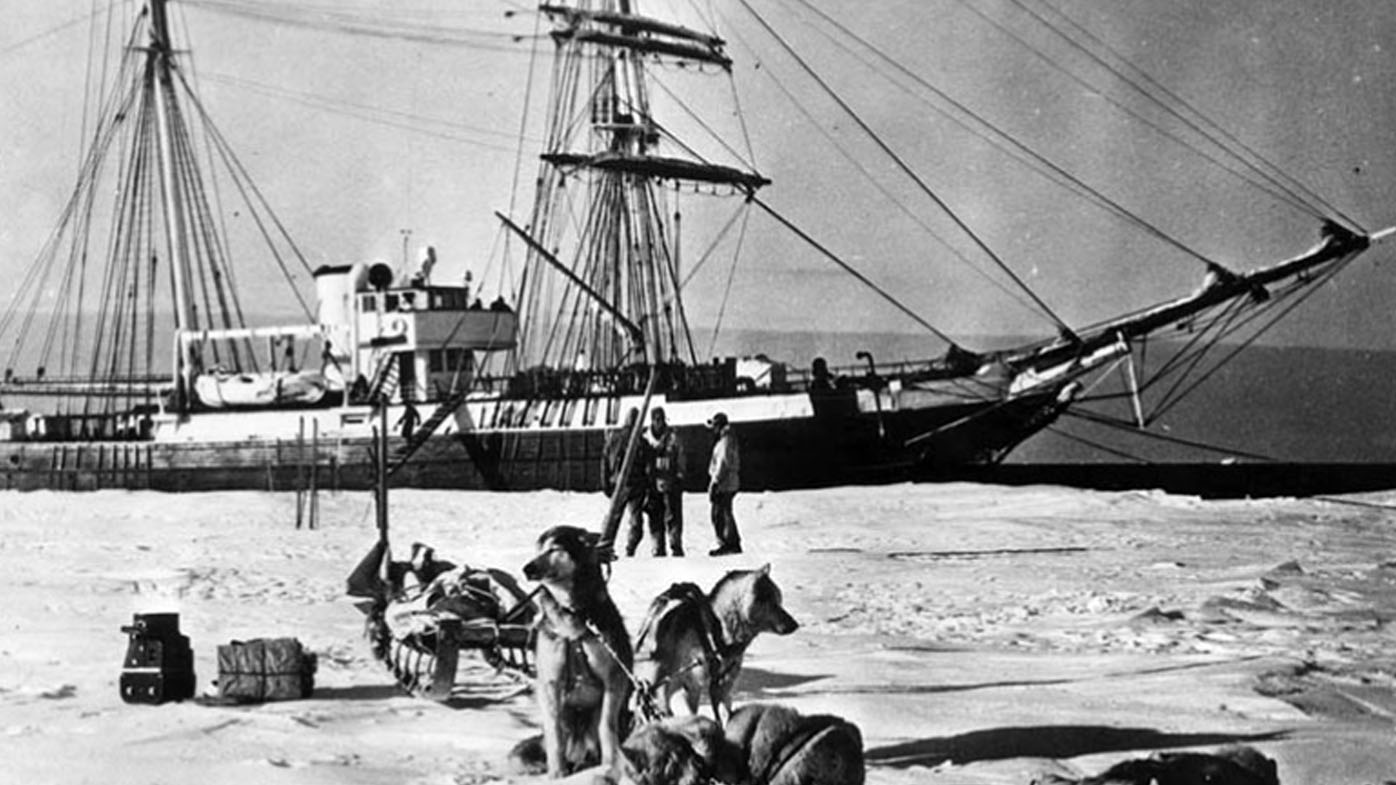
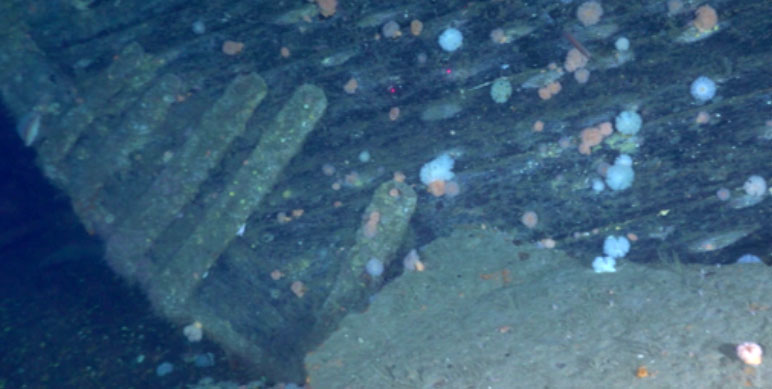
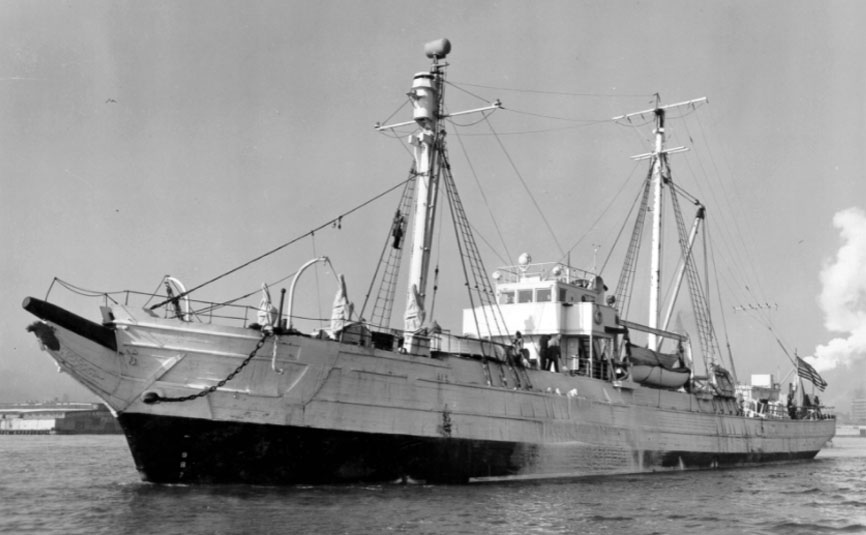
The wreck of a famous US naval ship that helped seize a Nazi spy vessel has been found.

American scientists discovered the ruins of the USS Revenue Bear in Canadian waters beneath the Atlantic Ocean, Live Science reports.

Purchased by the US government in the 1880s, the steam and sail-powered ship was used for rescue work in the Arctic.

READ MORE: Giant WWII bomb found in Aussie back yard

It also carried relief supplies during the Spanish flu pandemic of 1918-1919, and was a film set for a Hollywood movie.

During World War II, the Revenue Bear was upgraded by the US Coastguard for Arctic patrols.

In 1941 it helped capture the Nazi-controlled trawler Buskø, a Norwegian vessel used by German intelligence experts to gather weather reports.

The Revenue Bear was decommissioned in 1944 and tied up at a wharf in Nova Scotia. Then in 1963 after a storm, it sank somewhere south of Nova Scotia and east of Boston.

READ MORE: 'No end in sight' for high petrol prices

In 2019, scientists from the US National Oceanic and Atmospheric Administration (NOAA) started scanning the seafloor near the Revenue Bear's likely resting place.

Then last month, remote submersible vehicles equipped with videography equipment discovered the location of the wreck.

"The Bear has had such an incredible history, and it's so important in many ways in American and global maritime heritage because of its travels," Brad Barr, from the NOAA Maritime Heritage Program, said.

READ MORE: Russian cases surge as Kremlin orders workers to stay at home

The badly damaged wreck now lies at a depth of 60m in Canadian waters about 167km south of Nova Scotia's Cape Sable.

The precise location is being kept secret to deter divers from attempting to reach it, Mr Barr said.

Family of dancer who took life 'begged' for him to be kept in hospital

The family of a popular Brisbane performer who took his own life claim he was failed by Queensland's mental health system after being repeatedly discharged from hospital while appearing to be suicidal.

Jamie Wood, 31, was found dead in his Bowen Hills apartment on August 28 after a long battle with his mental health.

The family are now calling for a coronial inquiry into the care Mr Wood received in the months before his death.

TRIGGER WARNING: This article contains information relating to suicide and may be distressing to some readers.

A dancer who was well known in the LGBT community, Mr Wood had previously performed with pop singer Ricki-Lee and was working on cruise ships before the pandemic put him out of work.

Despite his struggles, Mr Wood's sister, Samantha Wood, said her brother always put on a brave face and was known as the "life of the party".

"On the outside he seemed to be the happiest person. No-one would have known that he was suffering so badly," she said.

"He was a very compassionate, kind and non-judgemental person. He would give you the shirt off his back, that is the type of person he was."

In a bid to forge a new career path, Mr Wood had recently taken on a hairdressing apprenticeship, which he seemed happy about, Ms Wood said.

"He called my mum at 6pm the night that he took his life. He was telling her how excited he was about his apprenticeship," she said.

"That is why it was such a shock that that same night he took his life."

READ MORE: 'Shadow' mental health pandemic spreading among children

Mr Wood, 31, had recently lost work due to the pandemic.

Despite the promising progress he made in the month before his death, Mr Wood's mental health problems were ever-present.

He had been diagnosed with borderline personality disorder (BPD) and was regularly being transported via police or ambulance to the emergency department at the Royal Brisbane and Women's Hospital.

A month before his death, on July 26, Mr Wood was admitted to the emergency department after attempting to self-harm, requiring surgery, Ms Wood said.

"He had sent my mum a suicide note which I passed on to the hospital," she said.

After being assessed in the emergency department, Mr Wood was sent home from hospital about six hours later and told to return for surgery to repair tendons in his arms in four days.

On three other occasions, between April and May this year, Mr Wood was taken to the same emergency department after he had made attempts on his life, his sister said.

He was never admitted as a mental health patient and usually discharged from the emergency department within hours, she said.

"We begged them to keep him in, but not once was he ever admitted as a mental health patient," she said. 

READ MORE: Tradie's R U OK? Day plea
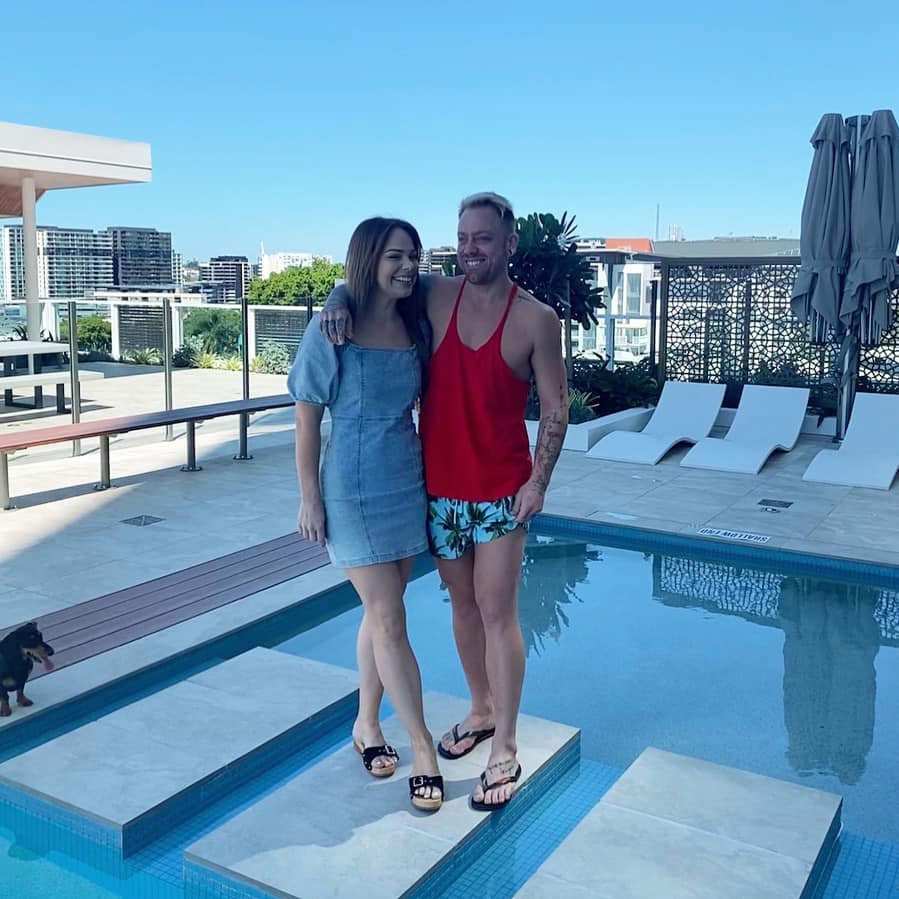
Jamie Wood, pictured with his sister Samantha, was admitted to the emergency department of the Royal Brisbane and Women's Hospital several times before being released.

Ms Wood said when her family requested for her brother to be admitted to the mental health unit they were told by hospital staff keeping someone with borderline personality disorder (BPD) against their will in hospital would be more damaging for their mental health.

"As a family we knew Jamie best and what he needed. We wanted him to be admitted so he could be assessed properly by a psychiatrist and perhaps get some intense therapy sessions," Ms Wood said.

"But it was almost like Jamie was put in the 'too hard basket'. They didn't know how to help him and so every single time they would just release him," she said.

The family has since written to the Queensland coroner to request an investigation into Mr Wood's death. The family has also made an official complaint to the hospital and last week met with senior staff.

Mr Wood often seemed like 'the happiest person in the room' his sister said.

Ms Wood said her family was told the hospital was conducting a "root cause analysis" investigation to try identify any gaps in her brother's care.

A spokesperson for Metro North Health service declined to comment on or confirm any details of the investigation to 9news.com.au.

"We are unable to provide any detail regarding his care due to patient confidentiality requirements, however we are currently working with the family to address their concerns and will cooperate with any formal requirements relating to his death," the spokesperson said.

"Metro North Health recognises the devastating and lasting impact suicide has on families and the broader community.

"We would like to offer our sincere condolences to the family and friends of Jamie Wood."

9News.com.au has also contacted Queensland Health Minister Yvette D'Ath for comment.

Patients with BPD 'falling through the cracks'

Ms Wood said she believed part of the problem with her brother's care stemmed from a lack of support for people with borderline personality disorder.

Unlike many mental illnesses, there is no medication which specifically targets BPD and treatment usually involves psychotherapies.

President of the BPD Foundation Rita Brown said BPD was perhaps the most stigmatised and misunderstood mental illness, particularly within the medical profession where a belief persisted the condition was untreatable.

"I have heard of people being triaged and basically sat in front of the nurses station covered in their own blood and waiting to be attended to," Ms Brown said.

"I have heard of one person have their self-inflicted wounds stitched without an anaesthetic because the doctor said you must like pain."

Ms Brown said Mr Wood's story was not uncommon and suicidal people were being turned away from emergency departments and other services.

A photo taken of Samantha and Jamie Wood when they were children.

A recent study of data from the Victorian Suicide Registry by Spectrum Personality Disorder Service showed that 10 percent of all suicides in Victoria were linked to a diagnosis of BPD.

A separate study by the same service also showed 99 percent of those people had contact with a mental health service in the year prior to their suicide and 88 percent in the six weeks before their death.

While busy and noisy emergency departments were not the ideal location for suicidal patients, hospitalisation did have its place, Ms Brown said.

"There is the belief that hospitalisation is not useful for people with BPD. However, short term admissions can be lifesaving."

The BPD Foundation is calling for is calling for a national 24/7 hotline dedicated to helping people with BPD, better support and training for carers, the upskilling of clinicians and more mental health funding that is specifically allocated to BPD services.

COVID-19 pandemic putting strain on EDs

Data from the Australian Bureau of Statistics shows 3,139 Australians took their life in 2020 — which is equivalent to 8.6 people each day.

Despite fears the pandemic would lead to an increase in suicides, the figures are the lowest they have been since 2016.

However, demanded for mental health services in hospitals has been higher than ever, the Queensland Alliance for Mental Health, a peak body for the community mental health sector, says.

"The evidence is compelling that the pandemic has had a negative impact on the mental health of all of us with some key groups such as young people, women and those already socially disadvantaged heavily impacted," the alliance's CEO, Jennifer Black, said. 

"What we are being told is that there is increased demand for mental health services at hospitals since the beginning of the pandemic."

While many patients with a mental illness ended up in emergency departments, they were not the most appropriate setting for people in distress, Ms Black said.

"We need more alternatives to hospital admission which assist people to stay well in their communities and are able to support people early in distress to prevent their mental health spiralling into crisis and emergency presentations," she said.

Readers needing help are advised to contact their usual supports or can call Lifeline on 13 11 14 or Beyond Blue on 1300 22 4636.

Warning China-Russia naval patrols risk raising Pacific tensions further

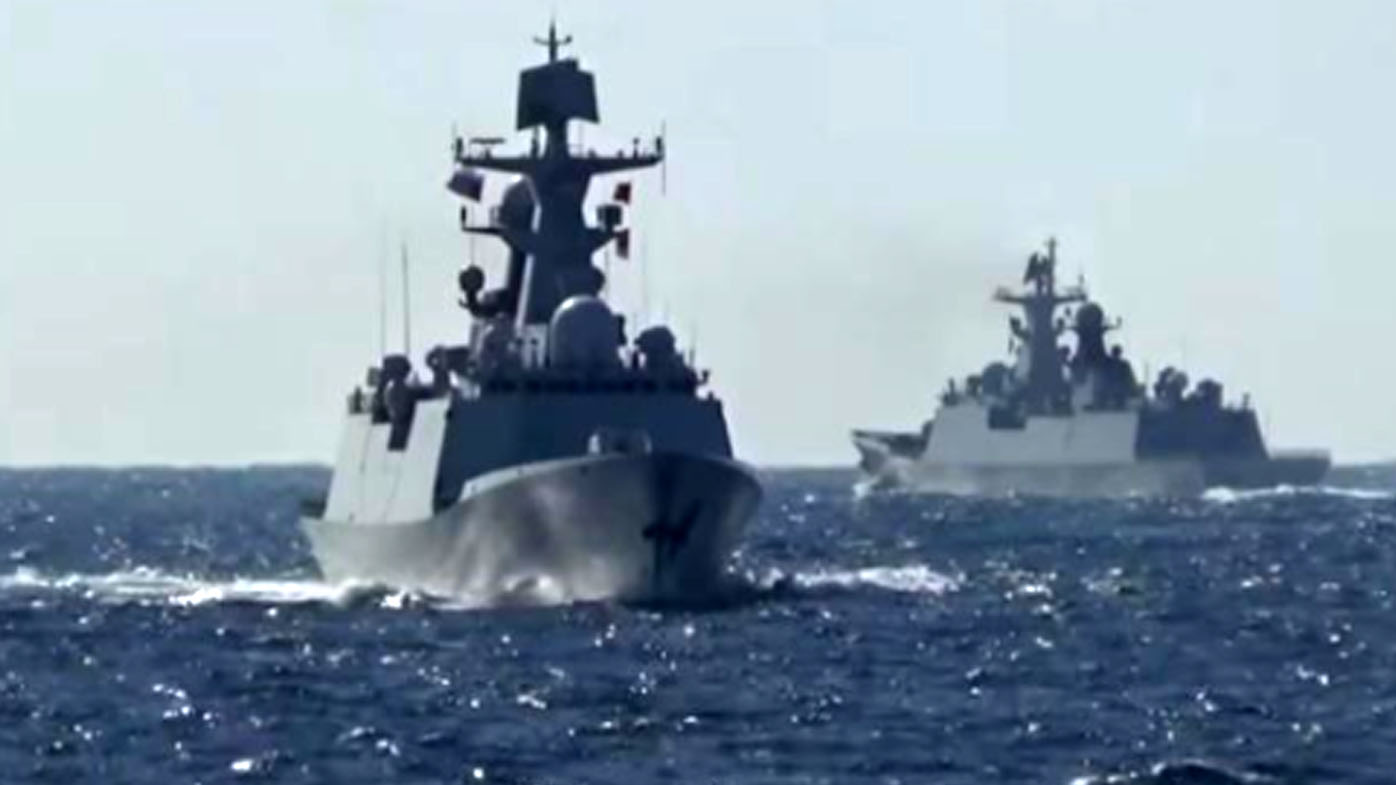
A joint Chinese and Russian naval exercise, in which a flotilla of 10 warships completed a near circle around Japan's main island, has been touted by the two countries as a means of ensuring stability in a volatile region.

But analysts say the drills are likely to have the opposite effect, potentially reigniting regional tensions and enhancing claims by the Japanese government that it needs to increase military spending to counter Chinese aggression.

The voyage, billed as the first joint China-Russia naval patrol in the western Pacific, saw the vessels sail through the Tsugaru Strait that separates Japan's main island and its northern island of Hokkaido, before heading down the nation's eastern coast and then back toward China through the Osumi Strait off the southern Japanese island of Kyushu.

READ MORE: 'No end in sight' for high petrol prices

Though foreign vessels are permitted to sail through the Osumi and Tsugaru straits, both of which are regarded as international waters, the manoeuvres were closely monitored in Japan.

"It will reinforce the conclusion that Japan has already drawn that China potentially presents a threat to Japan and therefore it has to increase its own defence spending and readiness to deal with it," said Drew Thompson, a former United States Defence Department official and a visiting senior research fellow at the Lee Kuan Yew School of Public Policy at the National University of Singapore.

In a statement Monday, the Japanese Defence Ministry described the exercises, which ran throughout last week, as "unusual."

The China-Russia flotilla consisted of five warships from each country, with a mix of destroyers, frigates, corvettes and support ships.

READ MORE: Giant WWII bomb found in Aussie back yard

May 21

The Chinese military said the two navies parted ways in the East China Sea on Saturday.

"The joint exercise and joint cruise have further developed the China-Russia comprehensive strategic partnership of coordination for the new era, and effectively improved both sides' capabilities of joint operations, which was conducive to jointly maintaining international and regional strategic stability," Rear Admiral Bai Yaoping of the People's Liberation Army's Northern Theatre Command and the deputy commander of the navy said in a statement.

Russia's Defence Ministry said the objective of the joint patrol was to "demonstrate the state flags of Russia and China, maintain peace and stability in the Asia-Pacific region and also protect facilities of both countries' maritime economic activity."

Japan's military build-up

Tensions between China and Japan have spiked in recent years, amid moves by Beijing to assert sovereignty over Japanese-controlled islands.

China has also been stepping up its military pressure on nearby Taiwan, sending dozens of warplanes near the island.

Japanese officials have previously tied the security situation in Taiwan to Japan, noting that 90 per cent of Japan's energy is imported through the areas around Taiwan.

READ MORE: Russian cases surge as Kremlin orders workers to stay at home

Though Japanese military spending pales in comparison with China, it has moved to significantly bolster its defences, adding state-of-the-art F-35 fighter jets and converting warships to aircraft carriers for them.

It's also in the process of adding high-tech destroyers and submarines – all of which can project its power far from Japanese shores.

The reach of Japan's Self-Defence Force was clear on Monday, as one the warships that will eventually be outfitted to carry F-35s – the helicopter destroyer JS Kaga – conducted bilateral exercises with a US Navy aircraft carrier strike group in the South China Sea, almost all of which China claims as its sovereign territory.

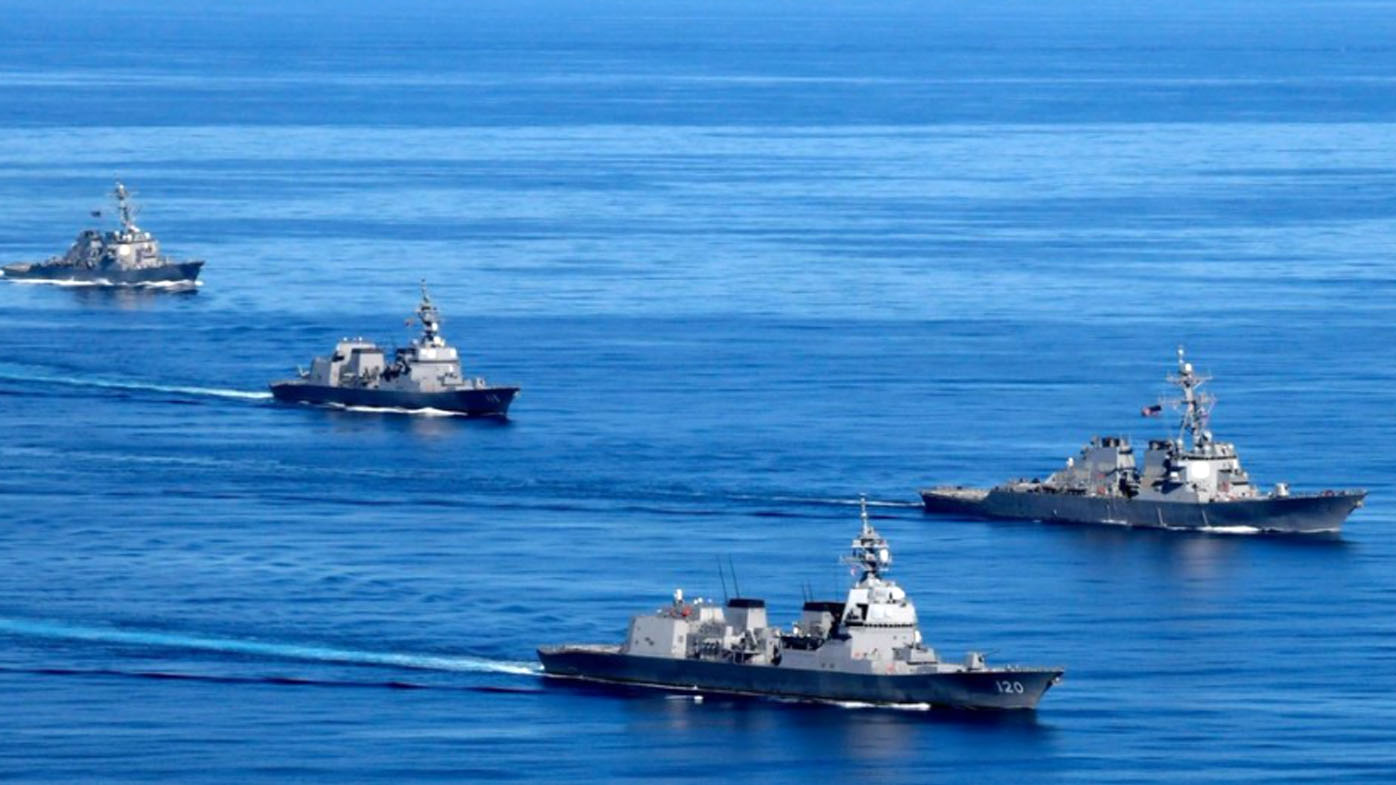
And over the northern summer, Japanese naval forces trained with their counterparts in the British Carrier Strike Group 21, led by the aircraft carrier HMS Queen Elizabeth, as well as with US Navy ships in the Pacific.

Beijing has kept a close eye on such events, and the joint Russian flotilla is a sign from China that it also has partners, said Alessio Patalano, professor of war and strategy at King's College in London.

https://twitter.com/JMSDF_SDF_ENG/status/1452540580219686913?ref_src=twsrc%5Etfw

"This summer, US and partner navies have considerably elevated the level of interoperability in the west Pacific," he said.

"This is something of a weakness for the Chinese, so the joint patrol seems a response to that."

Russia and China have an ongoing military partnership and have conducted a series of joint drills, the most high profile of which was 'Vostok 2018', a simulated battle in which a Russian-Chinese coalition fought a fictional enemy.

And in August, Russia and China joined forces once again to use a joint command and control system, with Russian troops integrated into Chinese formations, according to a statement by China's Defence Ministry at the time.

China's 'hypocrisy'

The route taken by the joint Chinese-Russian patrol, through the Osumi Strait at the end of their journey, as well as through the narrow Tsugaru Strait between the main islands of Honshu and Hokkaido earlier in the week, has also attracted a considerable amount of attention.

That's because when the US Navy or foreign navies transit the Taiwan Strait between Taiwan and the Chinese mainland, Beijing condemns them as destabilising.

For instance, after US and Canadian warships sailed through the Taiwan Strait earlier this month, the Chinese military's Eastern Theatre Command accused the two sides of colluding to "stir up trouble" and "seriously jeopardise peace and stability" in the strait.

And at 160 kilometres wide at its narrowest point, the Taiwan Strait is huge compared to the passages between the Japanese islands.

READ MORE: The 'calculator' that says if you will catch COVID-19

The Osumi Strait, for example, is just 27 kilometres wide at its narrowest point. While the Chinese and Russian warships weren't in violation of international law, a news segment broadcast on Chinese state TV showed just how close they came to Japanese territory.

A reporter seemingly aboard one of the Chinese ships is shown passing through the Tsugaru Strait as the Japanese coastline looms large behind her.

Later, after transiting the strait, the reporter says, "We are now in the western Pacific, and we can see the Japanese Maritime Self-Defence Force aircraft not far behind us.

They have been following us since the beginning of our patrol. In addition to the aircraft, they also sent multiple vessels to track our formation for intelligence gathering."

Mr Thompson said China can't espouse one thing then act in the opposite way.

"You either support norms or you support power politics," he said of the leadership in Beijing.

"This makes their virulent anti-foreign rhetoric extremely hypocritical."

So if it's good for China and Russia, it must be fine for the US, Canada and other navies that sail in the Taiwan Strait – or even the South China Sea.

"They're establishing that it is a very accepted international norm," Mr Thompson said.