Tag Archives: oceania

Victoria's 80 per cent freedoms explained: What you can and can't do from Friday

Victorian residents will officially enjoy more freedoms from Friday when the state is expected to reach the 80 per cent milestone.

The next stage of Victoria's roadmap to reopening is set to come into play from 6pm this Friday, October 29.

Here's a rundown of what will change in Victoria:

READ MORE: Victoria's 80 per cent freedoms to be unlocked this Friday as travel restrictions dropped
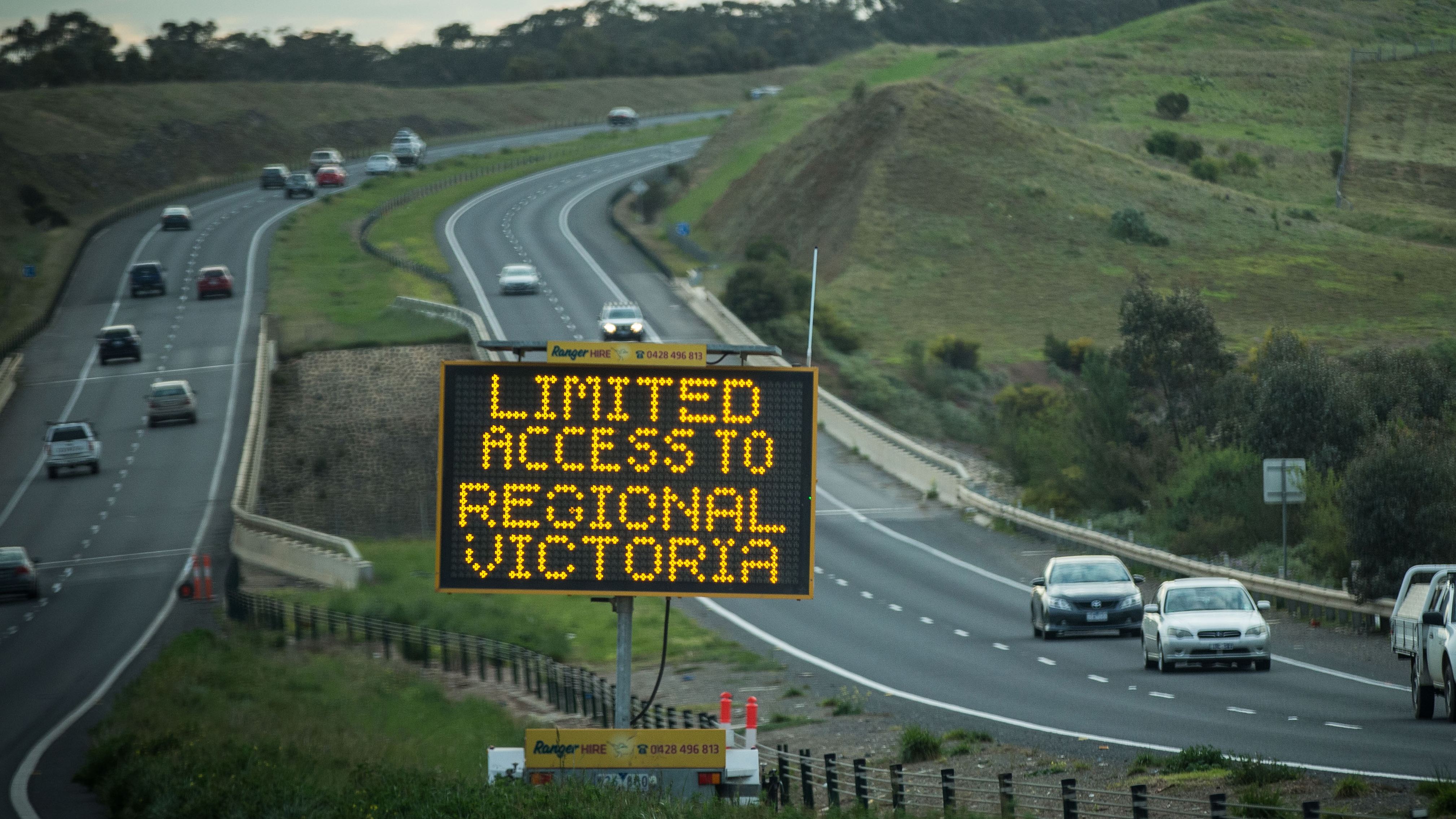
A traffic sign with restriction warnings stand on the Western Highway between Melbourne and Ballarat.

Will I be able to travel between Melbourne and regional Victoria?

Yes!

Regional Victoria and metropolitan Melbourne will unite and have the same restrictions from this Friday at 6pm.

This will mean people will be able to freely travel between Melbourne and regional Victoria.

Will shops open?

Yes!

All retail will open for the fully vaccinated.

But there will be restrictions on how many people can enter a shop, with a limit of one person for every four square metres.

What about gyms?

Yes!

Gyms will be able to open for the fully vaccinated, albeit with density limits of one person for every four square metres.

What about entertainment venues?

Yes!

Cinemas, theatres, nightclubs and karaoke venues will be able to reopen to fully vaccinated people in line with capacity limits.

Public events will be able to restart for up to 5000 people who are fully vaccinated.
Will more people be allowed at cafes, restaurants and beauty salons?

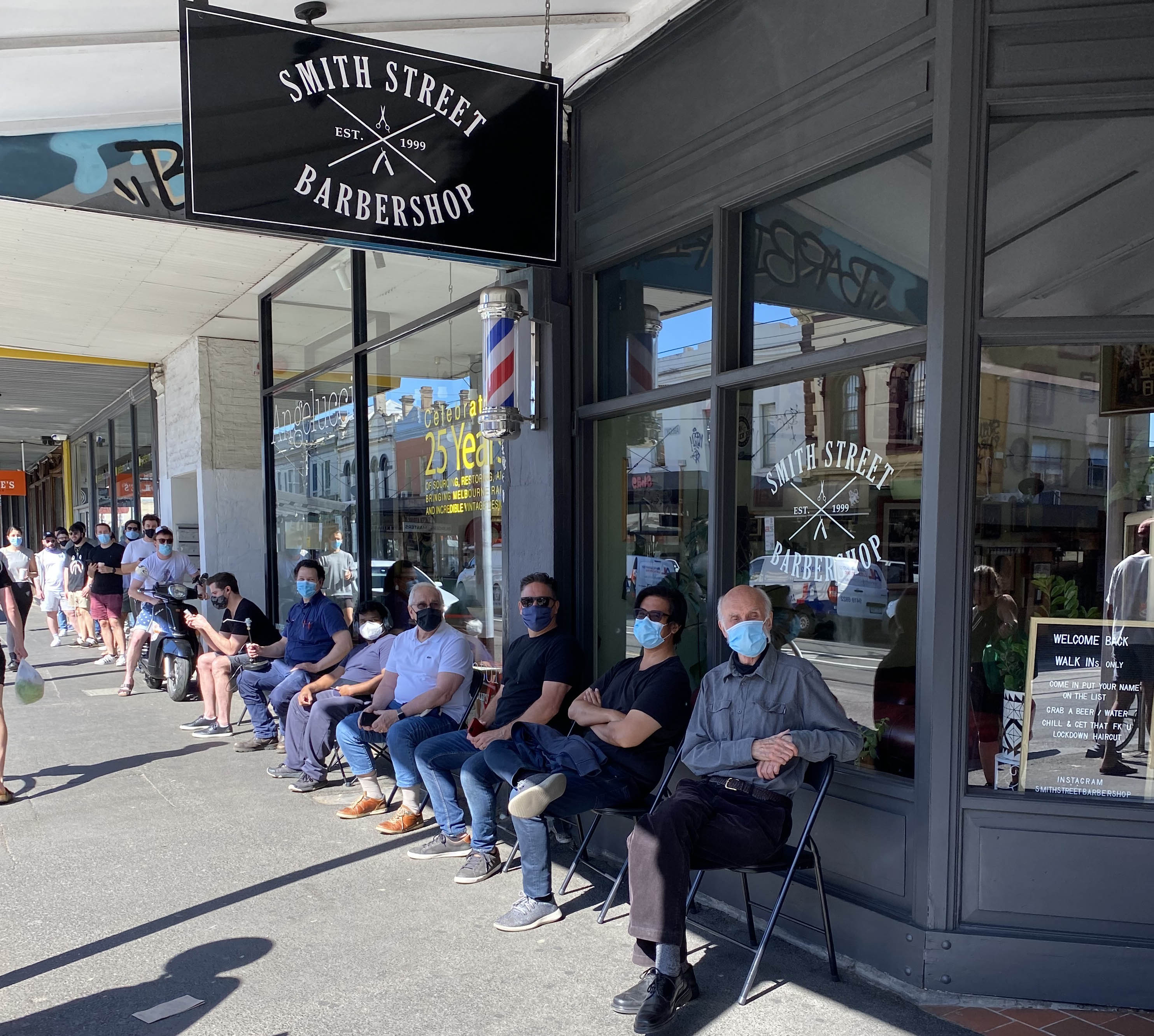
Hospitality venues and health and beauty service providers will be able to increase their capacity, with a limit of one person for every four square metres.

A maximum of 500 will be allowed outdoors at venues that are large enough.

Will I still have to wear a mask?

Only indoors.

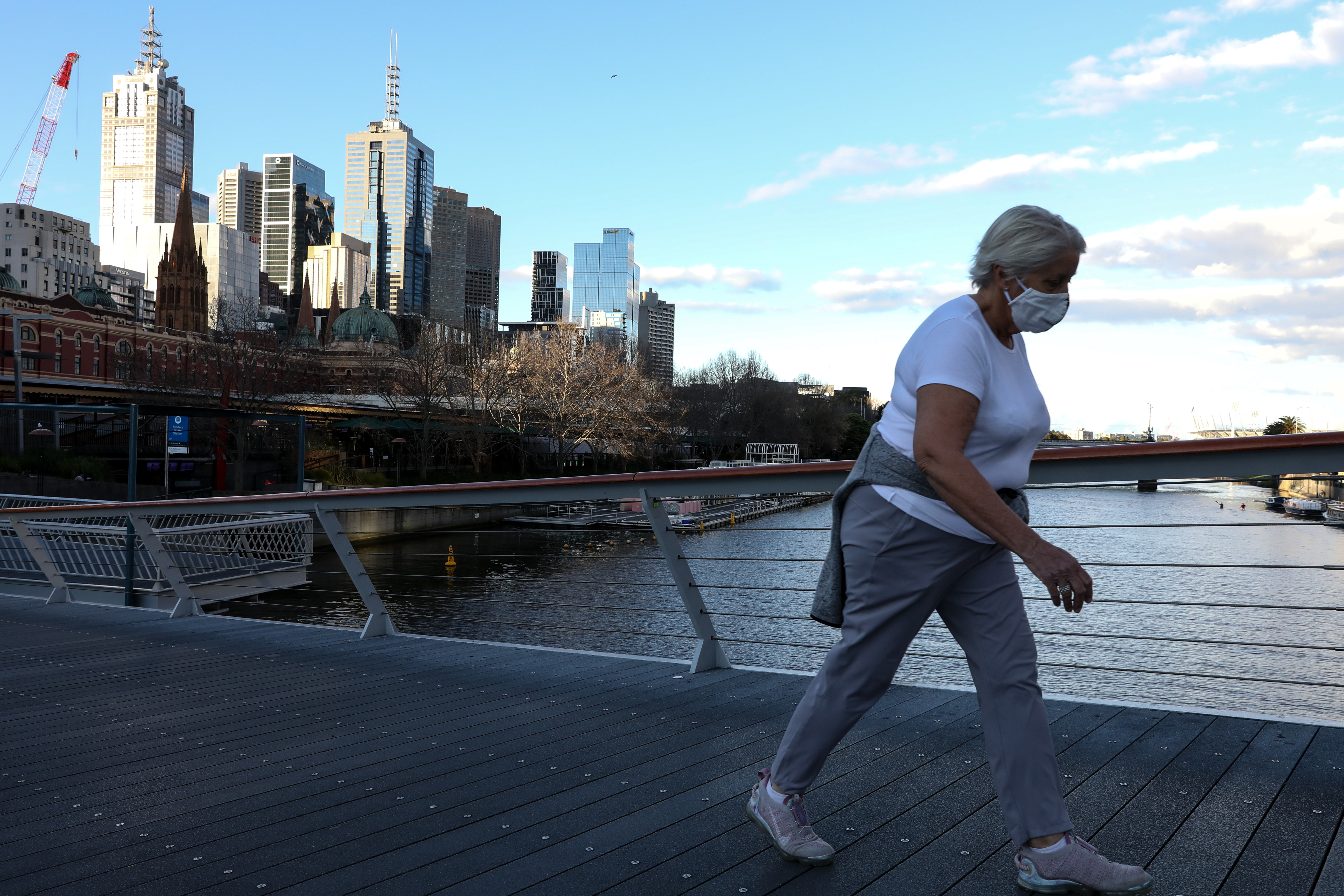
Masks will not be required outdoors, but will be recommended in outdoor settings when it is difficult to distance, such as markets.

Masks will still be required indoors.
Do I still have to work from home?

Victorians will still be advised to work from home if they can.

However, fully vaccinated people will be allowed to attend their workplace.

What will change with schools?

Students in metro Melbourne will be able to return to school fulltime, meaning all students across the state will be back at school.

Will I be able to have more people to my home?

No.

The limit of 10 visitors to a home per day will not change.

However, the number of people allowed to gather outside will increase from 15 people to 30.

When will restrictions relax further?

All density limits are set to disappear in Victoria on November 24 – when 90 per cent of the population are fully vaccinated.

Premier Daniel Andrews said the huge milestone would bring about the "massive change" that all capacity restrictions would disappear from the state.

"I want to see 80,000 plus people at the Boxing Day Test on day one. That's what I want to see. And we are determined to deliver that," he said.

"There will be no density quotients anywhere."

Mr Andrews said masks would still be needed for some inside settings including transport, prisons, hospitals aged care, while only fully vaccinated people would be allowed into venues.
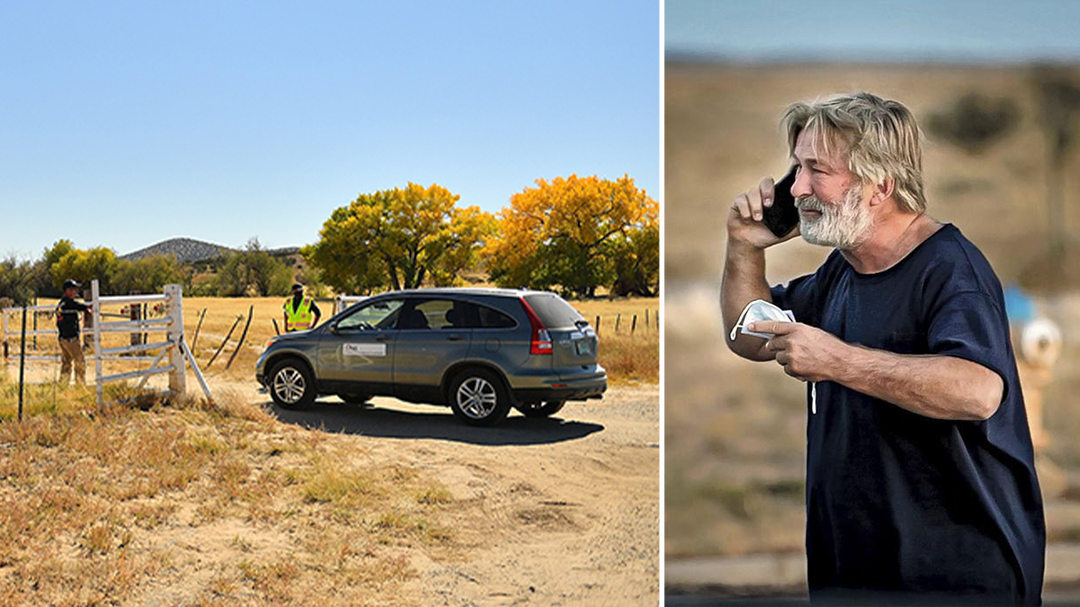
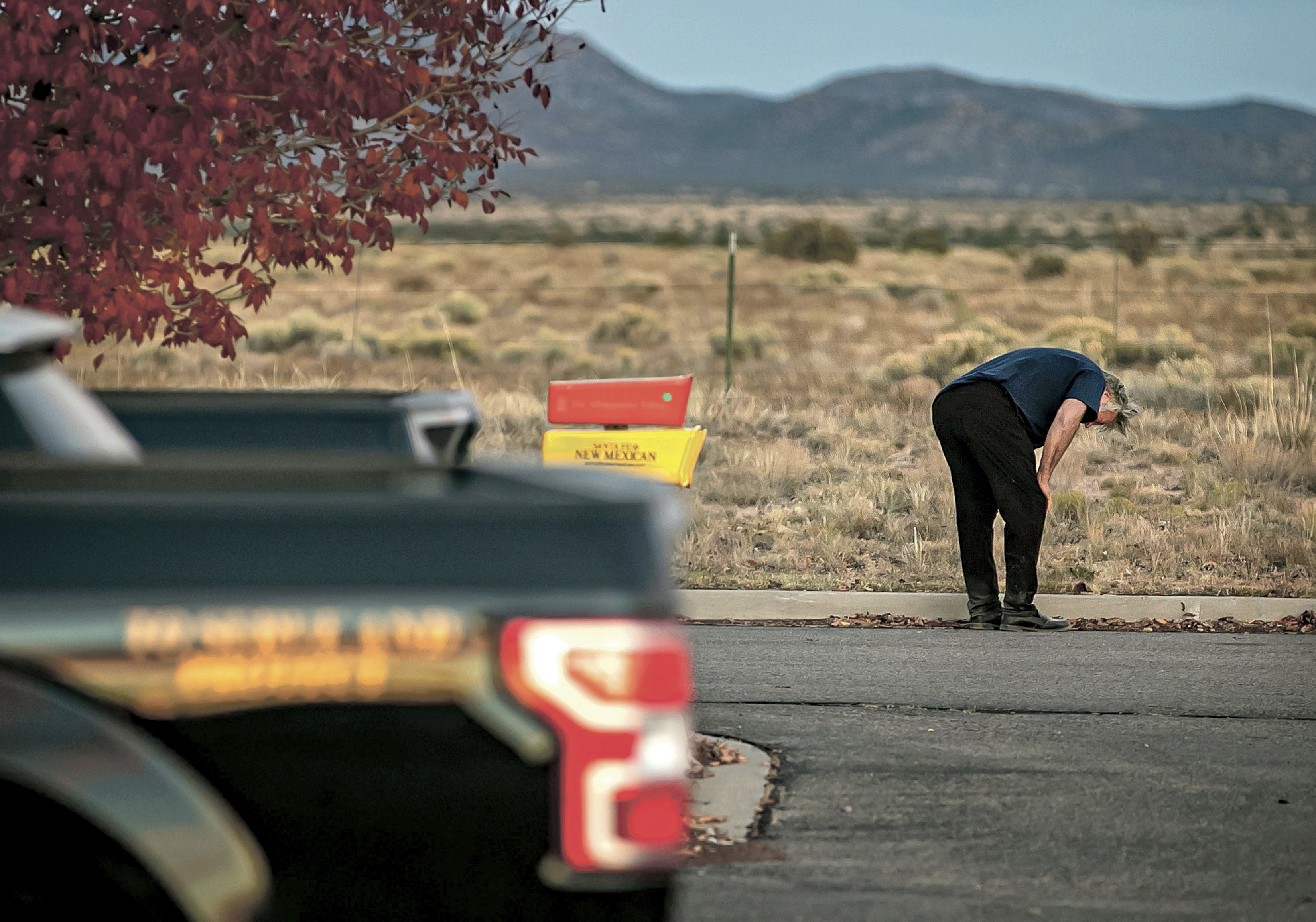
How are prop guns dangerous? Alec Baldwin incident raises concerns

Firearms experts say it is rare for someone to be killed from a prop gun while filming a movie or TV show as a weapons master or armourer is mandated to be on set to ensure everyone's safety, in addition to providing rigorous training and gun handling to actors beforehand.

New Mexico police said Wednesday that actor Alec Baldwin fired a prop gun on the set of Western film "Rust," killing cinematographer Halyna Hutchins and injuring director Joel Souza.

Charles Taylor, head armourer of Movie Armaments Group Canada, called the news "shocking."

READ MORE: Crew member yelled 'cold gun' as he handed Alec Baldwin prop weapon

"This is not something that you would expect for the amount of safety, and the protocols that we have with all master armours on movie sets," Taylor told CTV News Channel on Friday.

When filming in Canada, Taylor explained that movie crews have to follow "very stringent rules" when using a firearm.

"We have the Canadian Firearms Act that basically states that anybody that handles a firearm on a movie set requires a business firearms license and must be trained to do so," he said.

Taylor said that firearms safety specialists are required to be on set when filming using a gun and must train actors "days or weeks in advance" of filming on how to properly handle a firearm.

After training is complete, Taylor said it is up to the weapons master to decide whether a scene should go ahead.

READ MORE: Alec Baldwin didn't know weapon contained live round

Alec Baldwin

"It's ultimately our call… whether that actor or person is even capable of handling a firearm and if they're not, we just say, 'No, here's a prop,' and we're not doing any gunfire," he said.

Cameron K. Smith, a motion picture firearms coordinator and consultant based in B.C., said prop guns need to be treated as real firearms when being handled on movie sets.

If not, he says the actor can pose a real threat to themselves, as well as cast and crew.

Smith told CTVNews.ca in an email Friday that prop guns can "absolutely" be dangerous if the individual handling the firearm is "unfocused, uncertain, or potentially unhinged."

However, he says an injury or death from a prop gun is rare.

"In the hands of a trained and focused actor, working in conjunction with a certified motion picture firearms coordinator, the scenes normally function quite smoothly and very safely," Smith said.

Difference between prop guns and real firearms

Taylor noted that the majority of guns used in films are "real firearms" that have been converted to fire a blank, which is a bullet that has had the projectile removed.

He noted that "prop weapons" or non-functioning weapons are not typically used in TV and movies because they don't look authentic.

While it is unclear what type of gun Baldwin was using on the set of "Rust," Akwasi Owusu-Bempah, a sociology professor at the University of Toronto Mississauga, told CTVNews.ca on Friday that the term prop gun could refer to a range of items, from non-functioning weapons to real ones that fire caps or blanks.

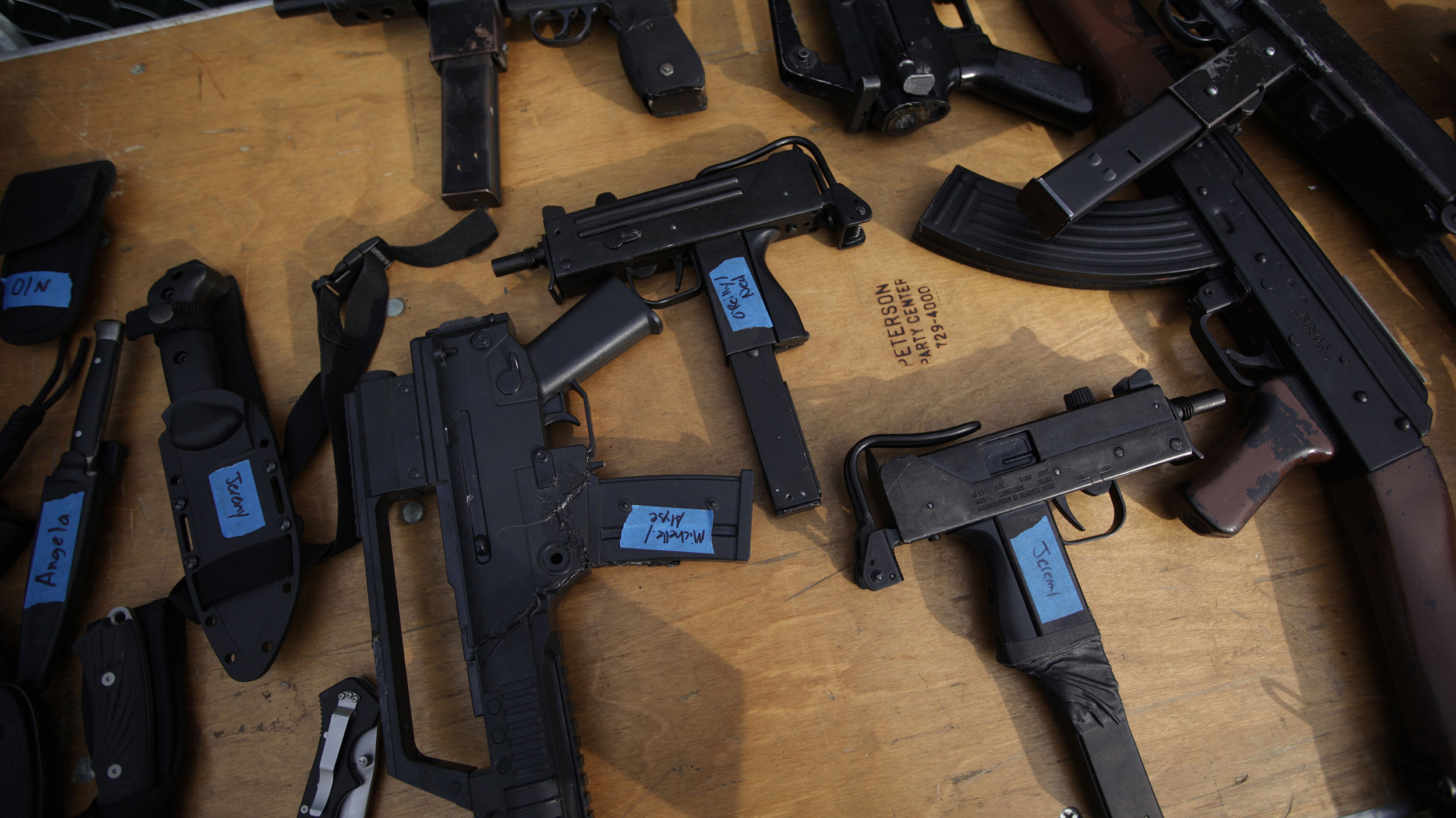
Gun props for a production of Coriolanus lie on a table backstage during rehearsal for the Commonwealth Shakespeare production of the play on Boston Common.

Owusu-Bempah said in a telephone interview that blanks are used to imitate live ammunition in film, as they will still provide a firing sound, a recoil and visible combustion from the shot.

He explained that the firing mechanism for blanks is the same as a live round of ammunition. Both cartridges are comprised of a casing that holds an explosive powder, such as gunpowder, however, the blank does not have a projectile on the end.

Instead, it may be sealed with a cap made out of paper or plastic, he said.

Given this, Owusu-Bempah noted that a blank can still be dangerous, especially at close range.

"This is not the first time that there has been an incident in which prop gun… has involved an injury," he said.

In 1993, Brandon Lee, son of martial arts star Bruce Lee, died after being shot by a prop gun on the set of the movie "The Crow."

The gun was supposed to have fired a blank, but an autopsy turned up a bullet lodged near his spine.

In another incident, actor Jon-Erik Hexum died in 1984 after shooting himself in the head with a blank from a prop gun after being frustrated by delays in filming and pretending to play Russian roulette on the set of the TV series "Cover Up."

However, Owusu-Bempah says the incident involving Baldwin may push the film industry to use more non-functioning weapons or special effects for gunfire rather than blanks.

"I think this does raise really good questions about why such weapons are being used on set at all, especially given our concerns around firearms at the moment," Owusu-Bempah said.

"There's really no need to be using real guns given just how far CGI has come."

New TV ad launched as some states lag behind in vaccine rollout

More than 73 per cent of Australia's eligible population is now fully vaccinated, as the Federal Government launches a new ad campaign to encourage residents to come forward to receive a vaccine.

Carrying the tag line of "Spread Freedom" the light-hearted television commercial is aimed at encouraging the remaining 15 percent of Australians aged 16 and up who haven't been vaccinated by reminding us all of what life was like before the pandemic.

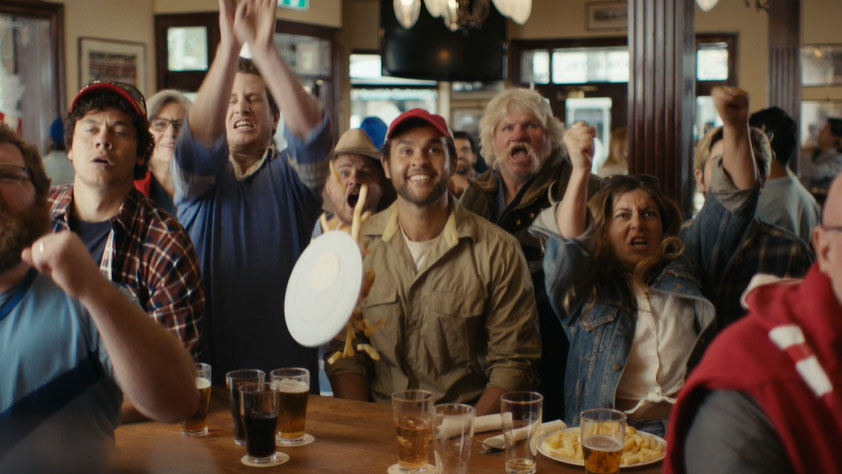
This campaign uses examples of going to the pub, night life, family gatherings and of travel to show the unvaccinated what they will be missing out on.

READ MORE: More changes tipped for Victoria's freedom roadmap

The TV ad hopes to convince the remaining 15 percent of eligible Australians to get vaccinated.

After a slow start to Australia's vaccine rollout, more than 73 percent of the nation's eligible population aged over 16 is now fully vaccinated.

Australia's single dose vaccination rate is now sitting at 86.1 percent. 

Queensland and Western Australia have the lowest rates of all jurisdictions.

In Queensland, vaccine hesitancy in rural areas has been blamed for its lower rate.

A total of 71.4 per cent of Queenslanders have had one COVID-19 vaccine and nearly 60 per cent a double dose.

In Western Australia, 75.7 per cent have had their first jab and 58.9 per cent are fully vaccinated.

READ MORE: Thousands of NSW teachers yet to be vaccinated

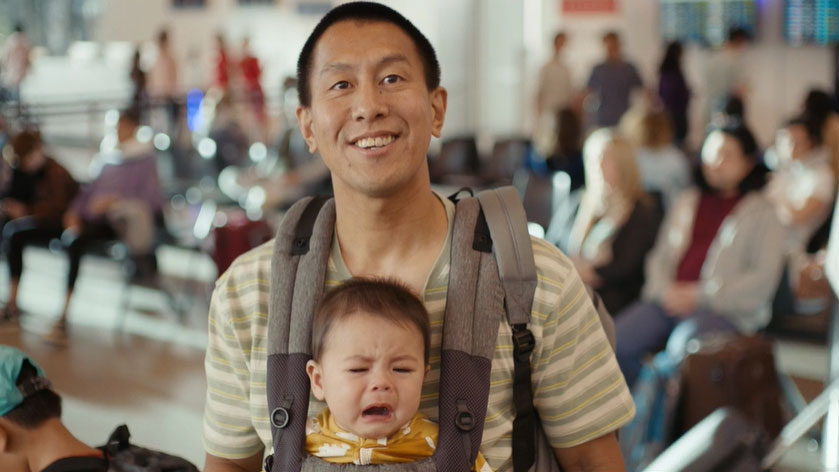
The new advertising campaign aims to show the unvaccinated what they will be missing out on, including travel.

The Spread Freedom campaign will begin appearing on screens tonight.

In a bid to further encourage people in Aboriginal and Torres Strait islander communities to get vaccinated against COVID-19, the Government is also launching a new project entitled "For all of us'.

The project features a number of high profile Aboriginal and Torres Strait Islander Australians who have come together to encourage their mob to get vaccinated.

Model Samantha Harris, musician Baker Boy, chef Nornie Bero, street artist Tori-Jay Mordey and renowned didgeridoo player and vocalist William Barton all encourage further vaccination uptake and seek to combat vaccine hesitancy.

The project conveys the simple message 'For our past, for our future, for all of us. Get vaccinated for COVID-19'.

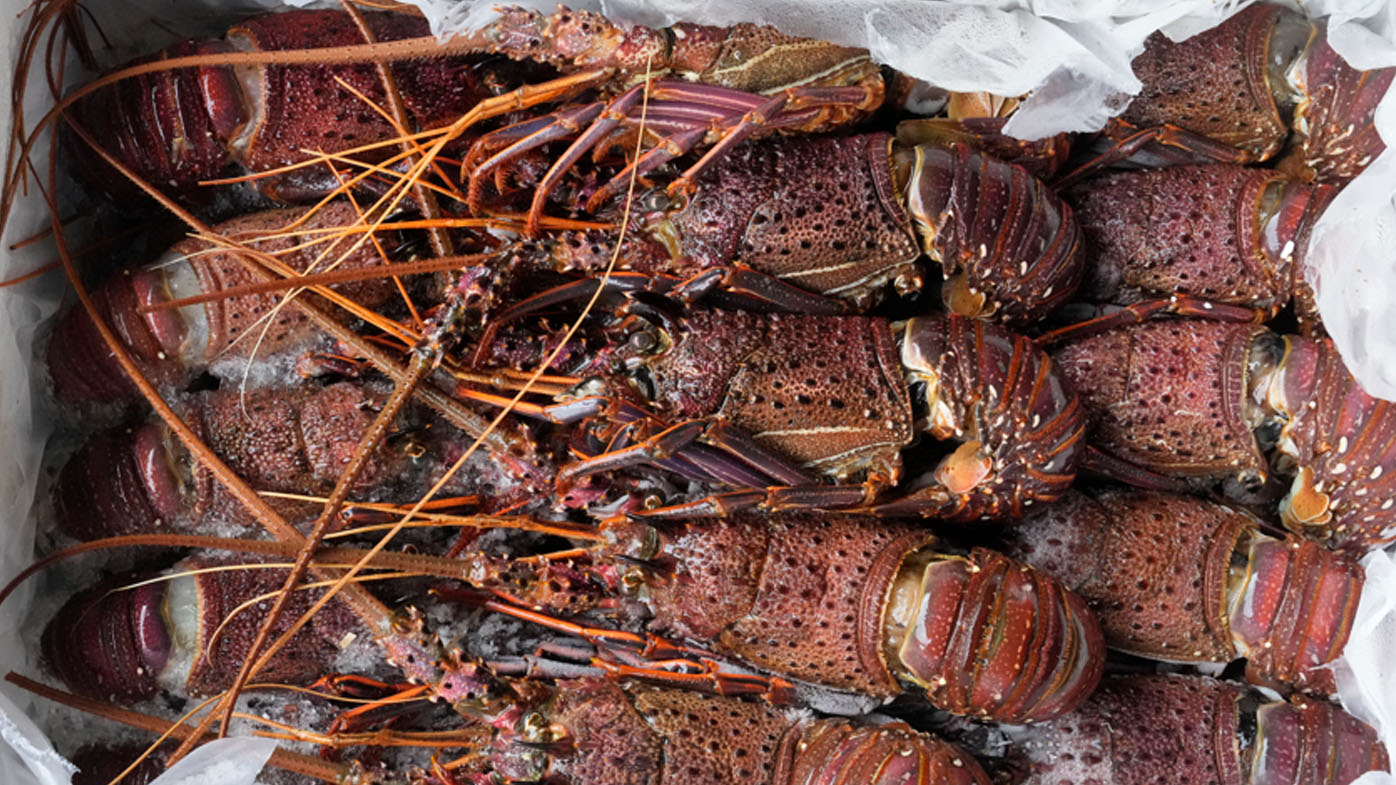
Australian lobster smuggling 'threatens China's national security'

Australian rock lobsters smuggled into mainland China pose a national security threat for the rising superpower, Hong Kong's new Customs chief official has declared.

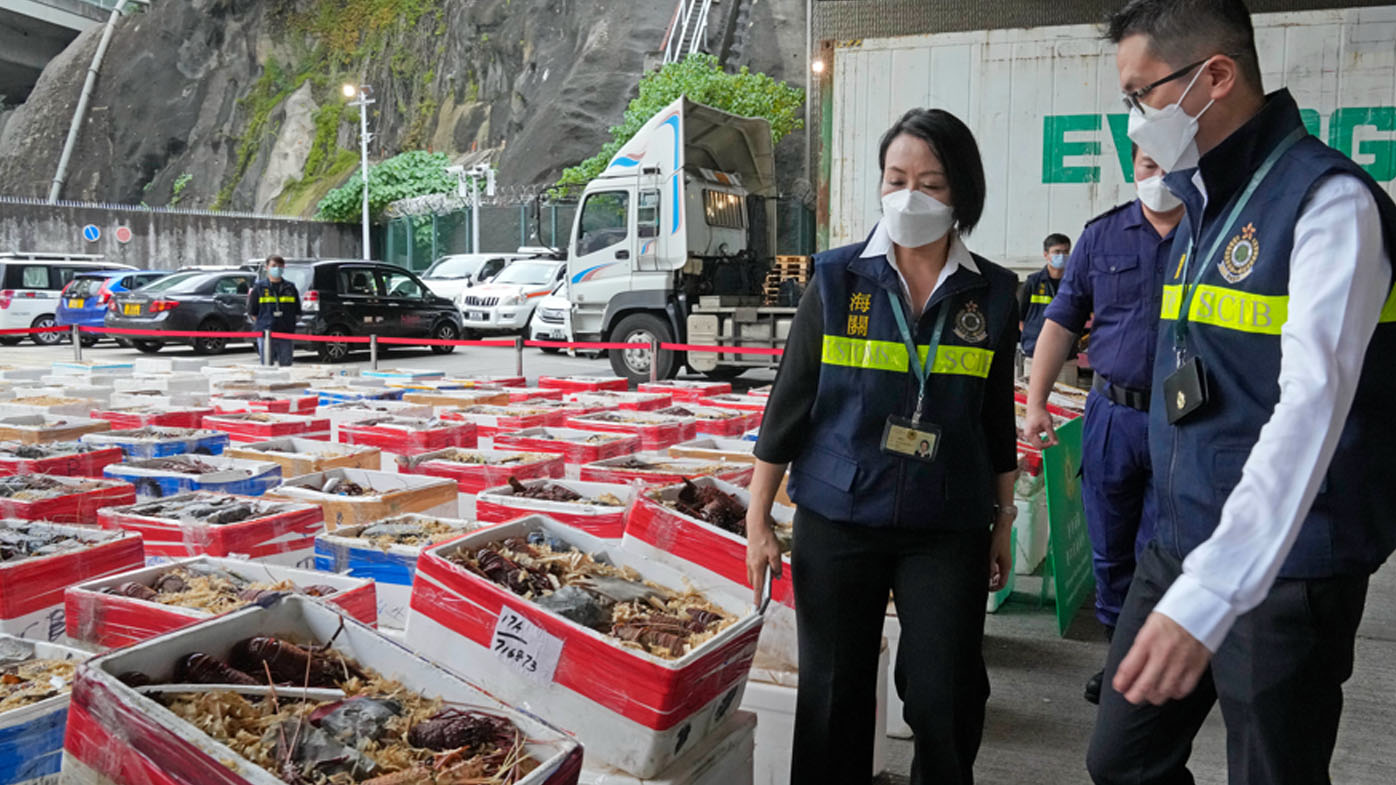
Louise Ho, the territory's new Customs commissioner, has pledged to crack down on the smuggling of the crustaceans, reports news agency AFP.

Australian lobster exports have been targeted by Chinese trade sanctions for the past year amid icy relations between Canberra and Beijing.

READ MORE: Qantas to restart international flights earlier than expected

But they remain a prized seafood delicacy among many Chinese people.

Recently Hong Kong has imported record numbers of Australian rock lobsters amid reports they are being smuggled to mainland China.

Ms Ho, after taking her new post on Thursday, said combating the smuggling was essential for maintaining China's security.

"On the surface, it is a simple matter of smuggling lobsters, but these activities undermine our country's trade restrictions against Australia," Ms Ho said.

"Stopping lobster smuggling is a very important part of protecting national security, so we will pursue it diligently."

Hong Kong authorities say triad gangs have been smuggling the Australian rock lobsters in speed boats to mainland China.

READ MORE: Australia slams Chinese trade sanctions as 'politically motivated'

In one incident in May, customs agents intercepted 569kg worth of live lobsters, valued at $25,000.

For years Australian live rock lobster exporters have been dependent on the China market, accounted for 95 per cent of rock lobster exports that were flown live from Australia.

But last November Beijing imposed a live export ban as relations with Canberra plummeted.

Rock lobster exports, along with Australian beef, barley, coal and wine producers, were targeted by Chinese trade sanctions after Canberra and Beijing clashed over the coronavirus, Hong Kong and foreign interference.