The Government needs to get out of the way and let Māori fix lagging Covid-19 vaccination rates, says Māori Party co-leader Debbie Ngarewa-Packer.The call came as Taranaki District Health Board was in the firing line at…
Tag Archives: oceania
North Korea fires ballistic missile into sea in latest test
North Korea today fired at least one ballistic missile into the sea in what South Korea's military described as a weapon likely designed for submarine-based launches.
It marks one of the most significant demonstrations of the North's military might since President Joe Biden took office.
The launch came hours after the US reaffirmed its offer to resume diplomacy on North Korea's nuclear weapons program. It underscored how the North continues to expand its military capabilities amid a pause in diplomacy.
READ MORE: Kim Jong Un vows to build 'invincible' military while slamming US
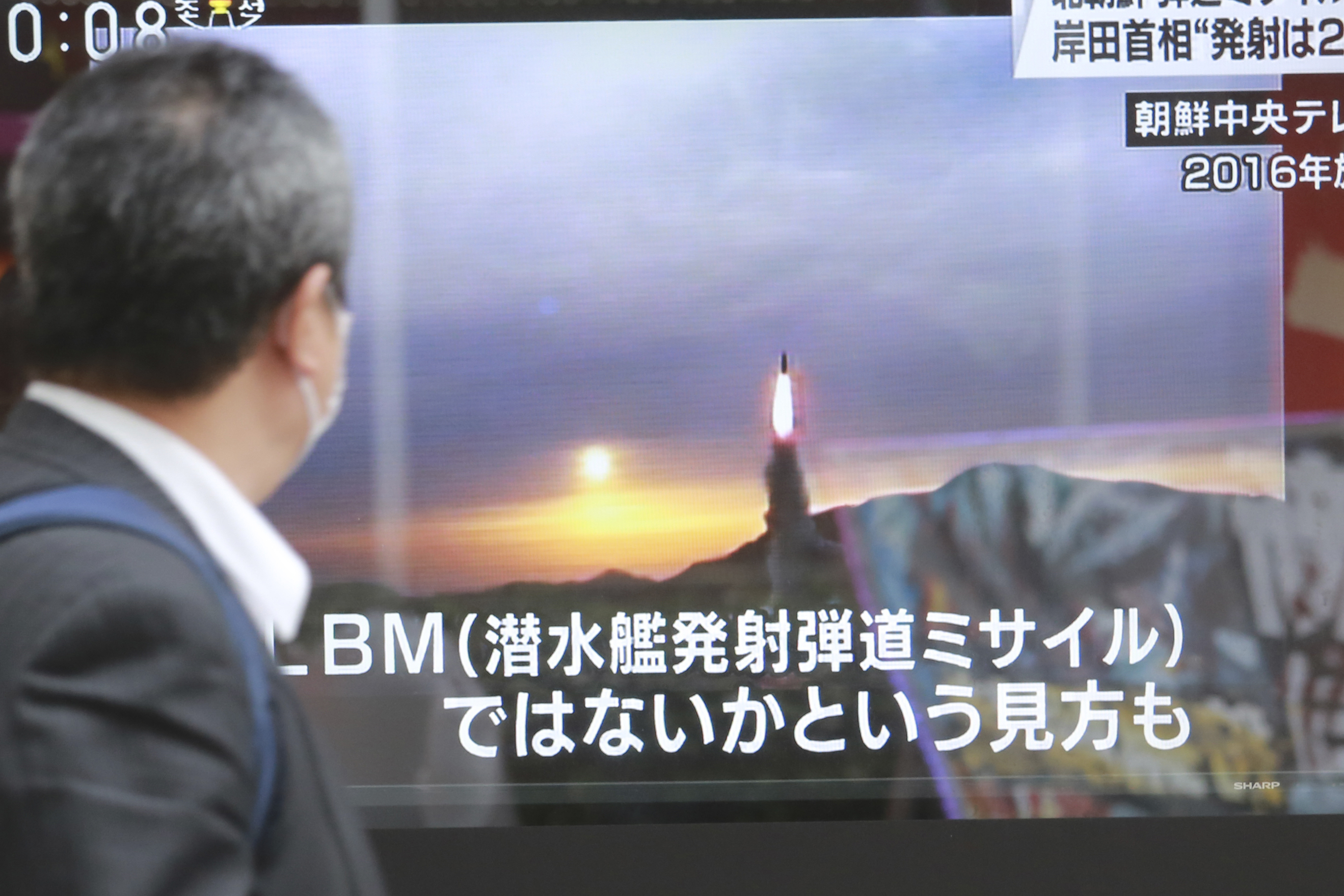
The South's Joint Chiefs of Staff said it detected the North firing one short-range ballistic missile it presumed as an SLBM from waters near the eastern port of Sinpo, and that the South Korean and US militaries were closely analysing the launch.
The South Korean military said the launch was made at sea, but it didn't elaborate whether it was fired from a vessel submerged underwater or another launch platform above the sea's surface.
But Japanese Defence Minister Nobuo Kishi said his country's initial analysis suggested that the North fired two ballistic missiles.
Japan's coast guard issued a maritime safety advisory to ships but didn't immediately know where the alleged missiles landed.
The shipyard in Sinpo is a major defence industry hub where North Korea focuses its submarine production.
In recent years, the North has also used Sinpo to develop ballistic weapons systems designed to be fired from submarines.
North Korea had last tested an SLBM in October 2019.
Analysts had expected the North to resume tests of such weapons after it rolled out at least two new SLBMs during military parades in 2020 and 2021.
There have also been signs that the North is trying to build a larger submarine that would be capable of carrying and firing more than one missile at a time.
South Korean officials held a national security council meeting and expressed "deep regret" over the launch that came despite efforts to revive diplomacy.
A strong South Korean response could anger North Korea, which has been accusing Seoul of hypocrisy for criticising the North's weapons tests while expanding its own conventional military capabilities.
Japan's Deputy Chief Cabinet Secretary Yoshihiko Isozaki said Tokyo has lodged a "strong protest" to North Korea through the "usual channels," meaning their embassies in Beijing.
Japan and North Korea have no diplomatic ties.
Ending a months-long lull in September, North Korea has been ramping up its weapons tests while making conditional peace offers to Seoul, reviving a pattern of pressuring South Korea to try to get what it wants from the United States.
North Korean leader Kim Jong-un is "developing submarine-launched ballistic missiles because it wants a more survivable nuclear deterrent able to blackmail its neighbours and the United States," Leif-Eric Easley, a professor of international studies at Ewha Womans University in Seoul, said.
Mr Easley added that North Korea "cannot politically afford appearing to fall behind in a regional arms race" with its southern neighbour.
"North Korea's SLBM is probably far from being operationally deployed with a nuclear warhead," he added.
North Korea has been pushing hard for years to acquire an ability to fire nuclear-armed missiles from submarines, the next key piece in Mr Kim's nuclear arsenal that includes a broad range of road mobile missiles and ICBMs with potential range to reach the American homeland.
Still, experts say it would take years, resources and technological improvements for the heavily sanctioned nation to build a fleet of at least several submarines that could travel quietly in seas and reliably execute strikes.
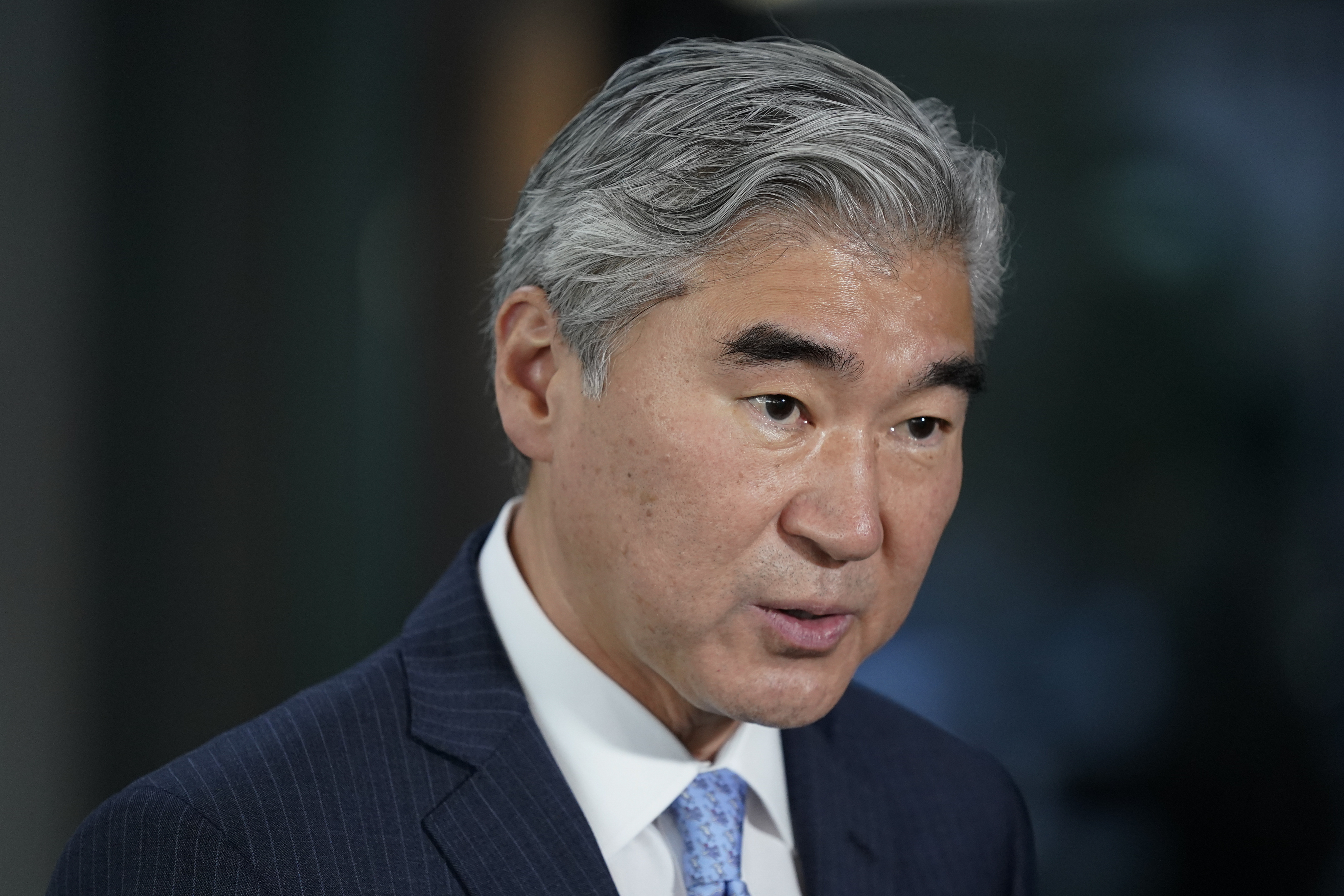
Within days, Mr Biden's special envoy for North Korea, Sung Kim, is scheduled to meet with US allies in Seoul over the prospects of reviving talks with North Korea.
Nuclear negotiations between Washington and Pyongyang have stalled for more than two years over disagreements in exchanging the release of crippling US-led sanctions against North Korea and the North's denuclearisation steps.
But while North Korea is apparently trying to use South Korea's desire for inter-Korean engagement to extract concessions from Washington, analysts say Seoul has little wiggle room as the Biden administration is intent on keeping sanctions in place until the North makes concrete steps toward denuclearisation.
"The US continues to reach out to Pyongyang to restart dialogue. Our intent remains the same. We harbour no hostile intent toward the DPRK and we are open to meeting without preconditions," Mr Kim told reporters, referring to the North's official name, the Democratic People's Republic of Korea.
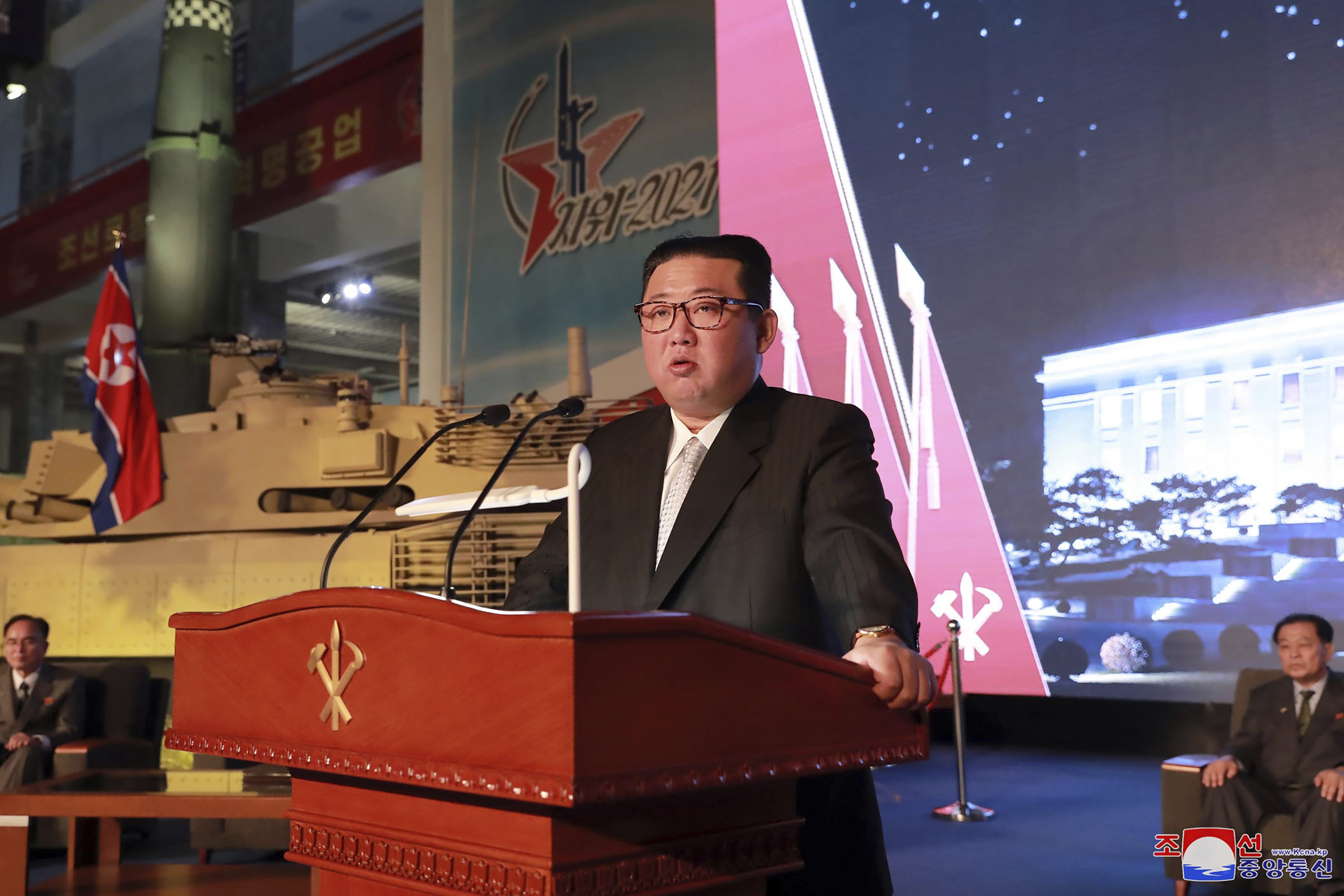
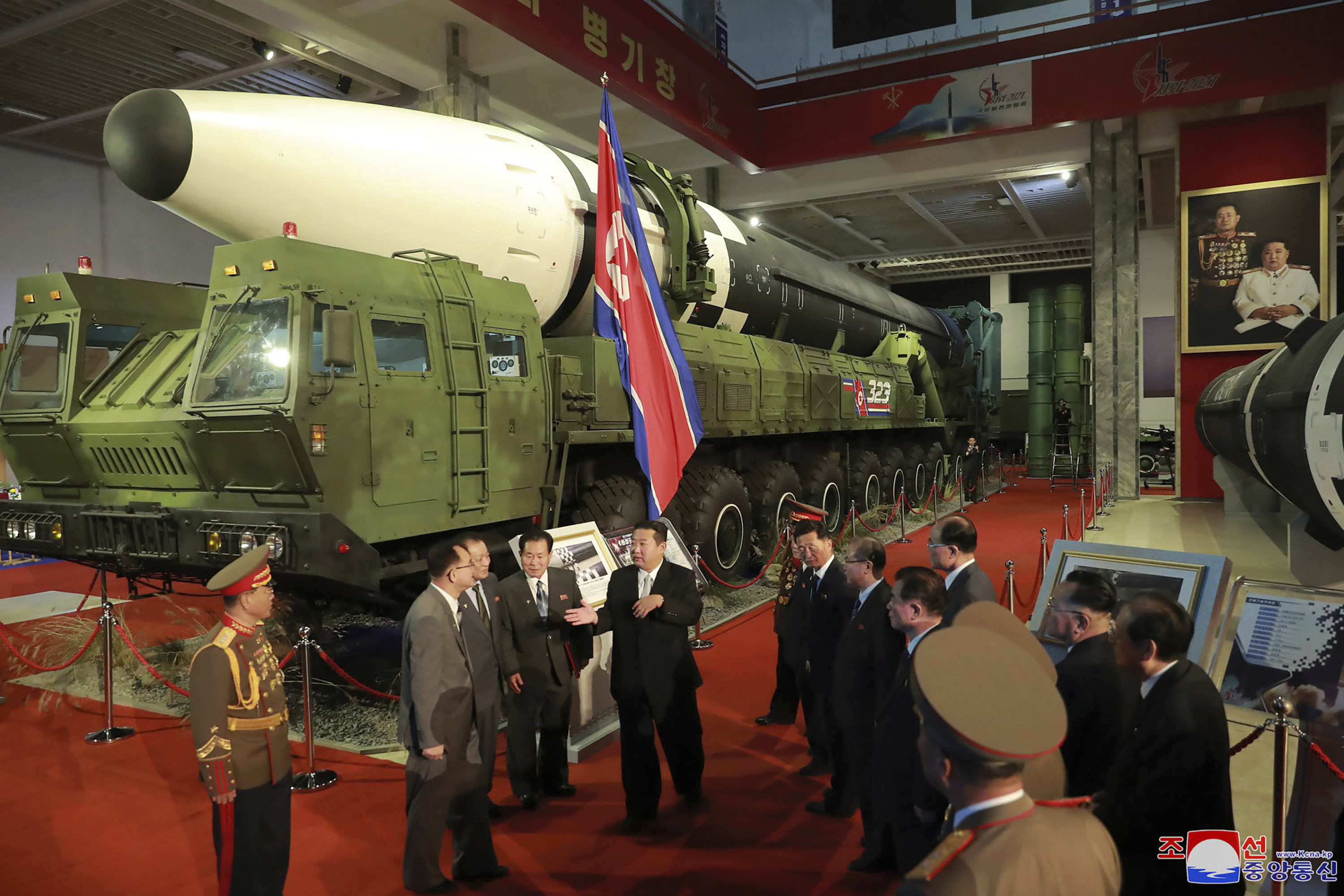
Last week, Kim Jong-un reviewed powerful missiles designed to launch nuclear strikes on the US mainland during a military exhibition and vowed to build an "invincible" military to cope with what he called persistent US hostility.
Earlier, he had dismissed US offers for resuming talks without preconditions as a "cunning" attempt to conceal its hostile policy on the North.
The country has tested various weapons over the past month, including a new cruise missile that could potentially carry nuclear warheads, a rail-launched ballistic system, a developmental hypersonic missile and a new anti-aircraft missile.
The test of the hypersonic missile on September 28 came shortly before North Korean Ambassador Kim Song called for the Biden administration to permanently end joint military exercises with South Korea and the deployment of strategic military assets to the region in his speech to the UN General Assembly.
Elon Musk is now wealthier than Bill Gates and Warren Buffett combined
Elon Musk is once again the richest person on Earth as stock in his electric automotive company Tesla approaches a fresh all-time high.
According to the Bloomberg Billionaires Index, Mr Musk is now worth an eye-watering US$243 billion ($325.63 billion), having increased his wealth by US$73.1 billion ($97.96 billion) in the last twelve months.
He is now almost US$50 billion ($67 billion) richer than the second-placed Amazon founder Jeff Bezos, who boasts a total net worth of US$199 billion ($266 billion).
READ MORE: Search moves to coastal shacks as fears grow four-year-old WA girl was abducted
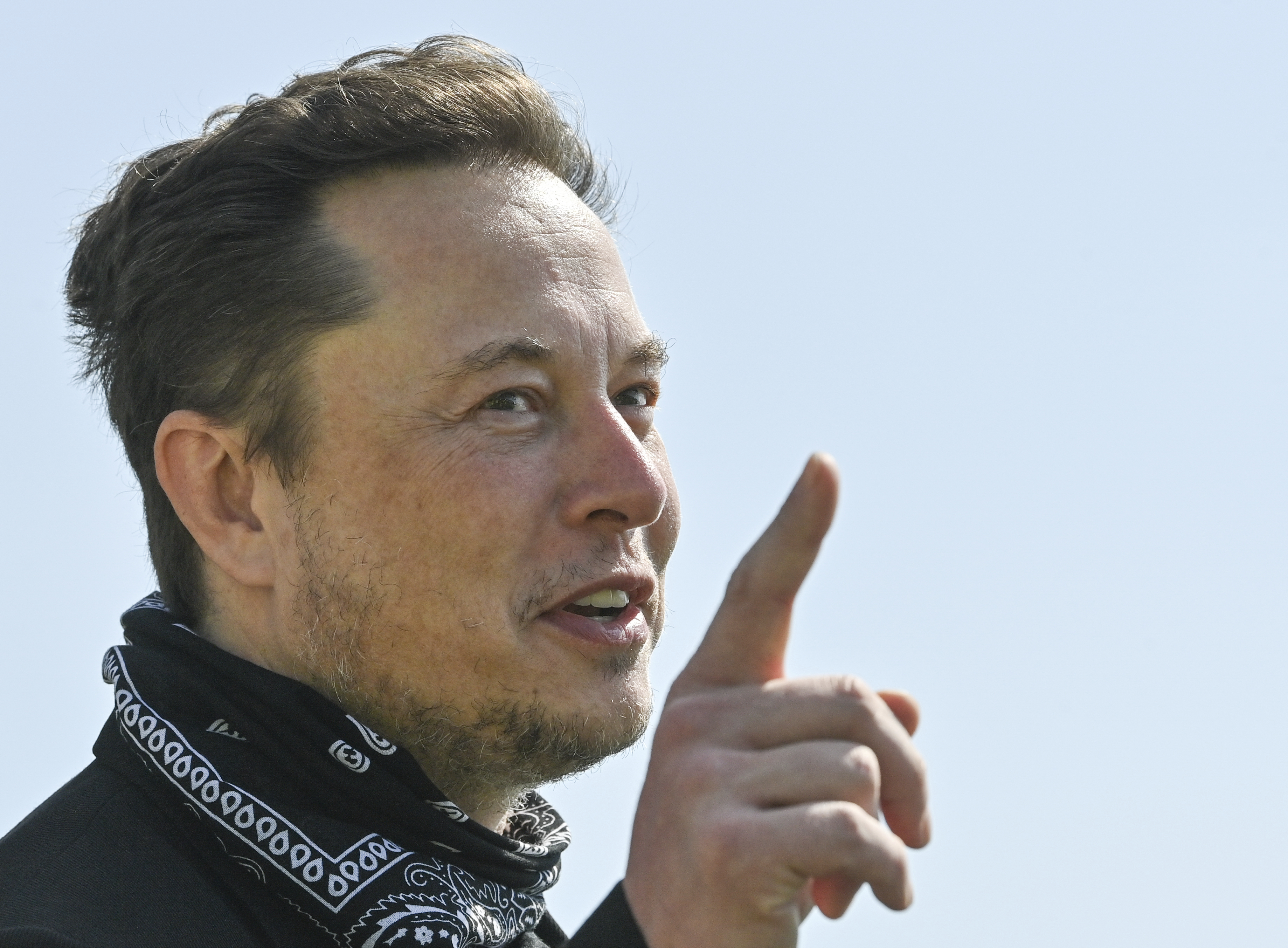
To put Mr Musk's worth into context, if he was able to liquidise his net worth he would be able to purchase more than 350,000 standard Australian homes priced at the national median of $955,000 each.
His wealth is so great that his total net worth is now more than the GDP – or entire economic output – of Egypt, Vietnam, New Zealand and Portugal.
Mr Musk is now worth more than Microsoft founder Bill Gates and Wall Street "Oracle" Warren Buffett – combined.
Much of his wealth is built into the stock price of Tesla, the groundbreaking electric automotive company he co-founded in 2004 that he owns around 20 per cent of.
READ MORE: The private videos from two weeks before Berejiklian quit

Tesla's stock is currently worth US$870, having skyrocketed in recent days as investors attempt to purchase Tesla stock before it reports its earnings later this week.
If you bought $1000 worth of Tesla stock 10 years ago – when it was worth just US$6 – your investment today would be worth a staggering $150,000.
Analysts have already given bullish forecasts for Tesla, anticipating the automotive manufacturer to announce record-breaking revenue and more vehicle deliveries than ever before.
Covid 19 Delta outbreak: People at a West Auckland park on Friday night being asked to isolate and test immediately
The Ministry of Health has released eight new Auckland locations of interest this evening, including a West Auckland park.Anyone who was at Shadbolt Park in New Lynn during the specified time must self-isolate for 14 days after…
Commuters told to avoid Sydney trains ahead of driver strike
People who travel by train in Sydney are being urged to stay home tomorrow ahead of a snap strike by rail drivers.
The NSW Rail, Tram and Bus Union is refusing to staff any privately built trains on the network in protest of further privatisation of services.
They are also asking for a 3.5 per cent pay rise.
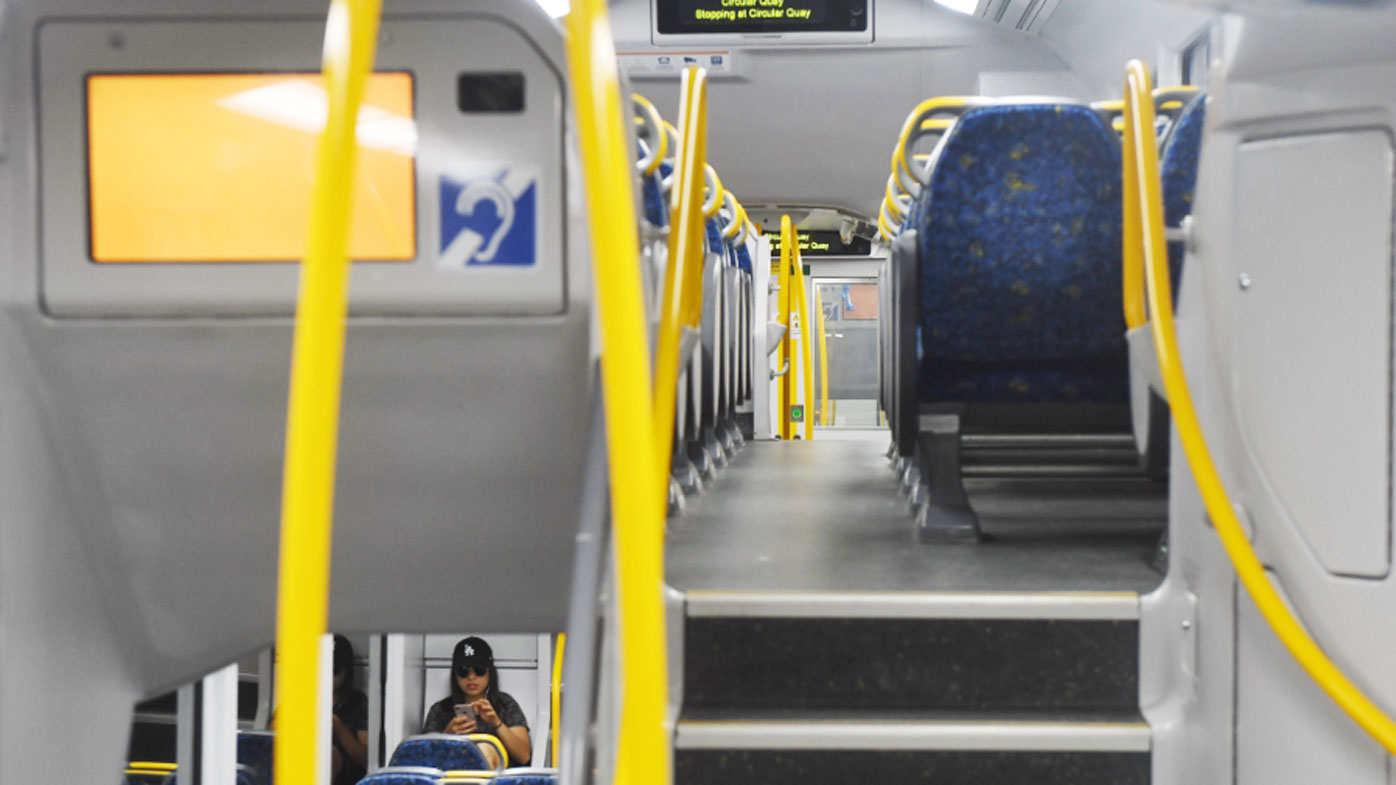
The industrial action will shut down 70 per cent of the city's trains, impacting workers but also students who have just returned to school.
"My advice is if you don't have to travel tomorrow please stay away from public transport," Howard Collins from Transport for NSW warned today.
"There will be delays – we've got a few extra buses on board, but you need thousands of buses to replace train services."
The strike is expected to cause significant delays and commuters are being asked to only use the network if it is essential.
The trains that are available will offer a basic level of service, with some running on a Sunday timetable.
Rotorua tops the list for most noise complaints about single premises
Rotorua has topped the list for the most noise complaints about a single premises in New Zealand.Official information responses from all 67 district and city councils in New Zealand revealed Rotorua Lakes Council and Upper Hutt…
Labour and National's latest housing fix will only make a small dent in the number of new houses, says Auckland councillor
The Government’s radical new housing policy announced today has been panned by a senior Auckland councillor, who says it will make only a small dent in the number of housing consents.Planning committee chairman Chris Darby said…
Waikato property forfeited after long-running meth investigation
Police in Waikato have permanently seized a rural property associated with methamphetamine manufacturing in the region. The latest forfeiture order – granted last week but not announced by police until today – brings the total value…
Covid 19 Delta outbreak: Professor Nick Wilson not surprised with rise in daily case numbers
One Covid-19 expert says he is not surprised by the rise in cases and believes it is now a race between the Delta outbreak and vaccination rates.On Tuesday New Zealand recorded the largest number of new cases reported in one day…
Covid 19 Delta outbreak: Positive Waiheke Island case travelled by ferry, isolating at their home
A Waiheke Island official is questioning why a person who allegedly tested positive for Covid-19 in Auckland was able to travel to the island by ferry is now allowed to isolate at their home. It follows confirmation today that the…