Dunedin is still the most Covid-protected district in the country with Wellington slowly moving up the ranks.The latest data from the Ministry of Health shows, as of this morning, 76.9 per cent of eligible people in Dunedin are…
Tag Archives: oceania
The changes to COVID-19 close contact rules in NSW explained
The definition of a COVID-19 close contact has changed slightly in NSW as the majority of the population is now vaccinated.
Previously anyone who came into contact with someone with the virus had to self-isolate for 14 days from exposure.
However, some fully vaccinated adults will now only need to quarantine for one week.
Going forward, the main definition of a close contact is if someone in your house has the virus.
Below we break down the new guidelines, but NSW Health has warned: "Self-isolation periods and testing requirements differ for close contacts based on their exposure and vaccination status."
READ MORE: How to get your International COVID Vaccination Passport
What if I am exposed and fully vaccinated?
If you've had two doses of a COVID-19 vaccine at least 14 days before you last had contact with a COVID-19 case, your isolation period will be seven days from exposure.
This only applies if everyone in your household is also fully vaccinated.
If someone in your house has the virus, you need to quarantine for a week from the date the last COVID-19 positive person in your household received a positive result.
This means you can't leave the house for any reason, unless it is a medical emergency.
You need to get tested immediately after exposure, on day six, and 12 days after you were exposed.
If you return a negative test on day six, and you have no symptoms, you are free on day seven – sort of.
For the next week you need to work from home, and avoid going to bars, restaurants and cafes.
READ MORE: When Queensland will open its borders
You're also banned from what NSW Health deems "high-risk settings". These are: healthcare, aged care, disability care, early childhood centres, primary school and correctional facilities.
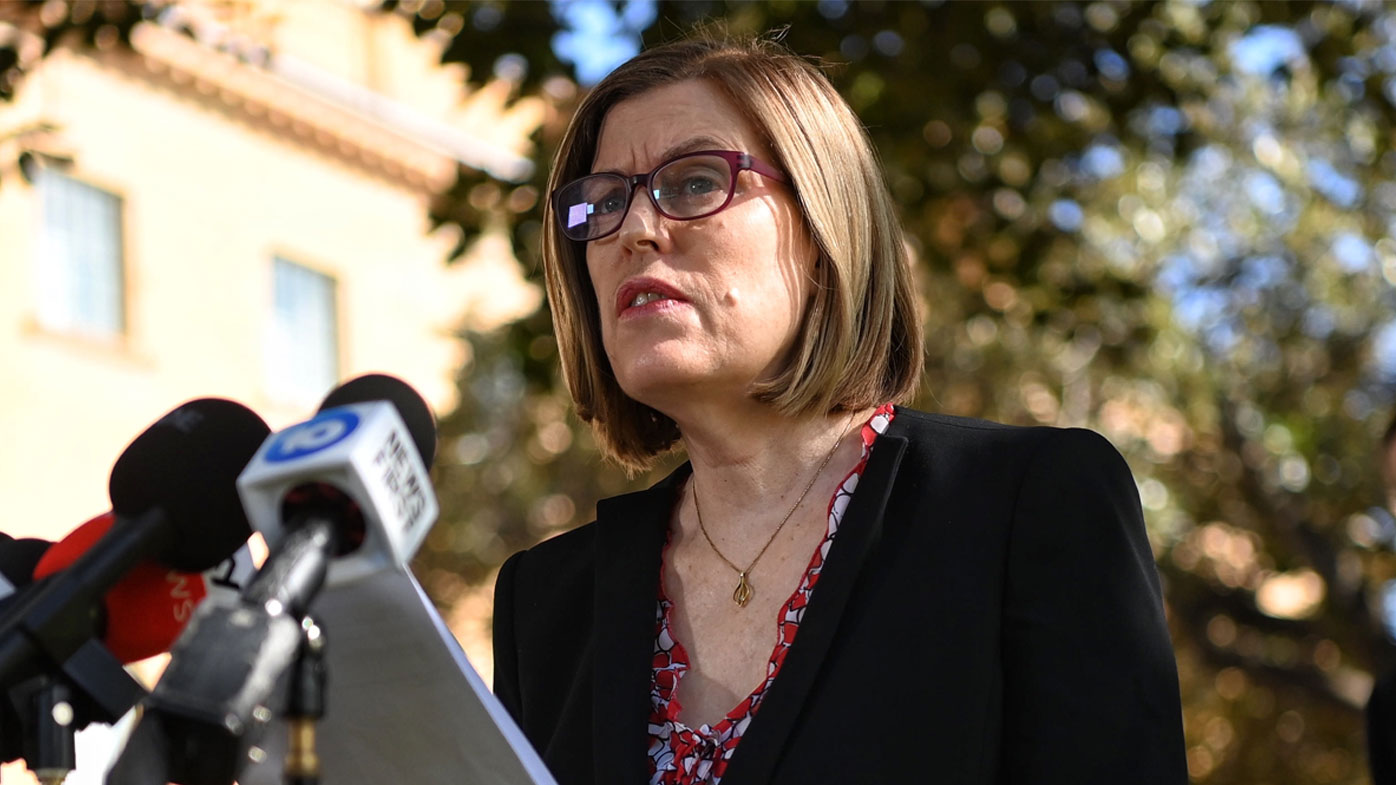
NSW Chief Health Officer Dr Kerry Chant said the main reason someone would be deemed a close contact now is if someone in your house gets the virus.
But she did not rule out workplaces being a close contact exposure site.
Dr Chant said contact tracers would assess a case's social circle, then look at their workplace.
"If everybody is practising COVID-safe behaviour in the office, then you're unlikely to be a close contact," she said.
But she acknowledged workmates might let down their guard, or socialise outside of work.
"It's not to say that none of your workplace colleagues will ever be close contacts," she said.
READ MORE: Domestic and international cruises could restart this summer
What if I have had one dose of a vaccine?
If you've had one dose of a COVID-19 vaccine and you're exposed to the virus, you still need to isolate for two weeks.
This 14-day period applies from the date you had contact with the COVID-positive person.
You have to get tested immediately, and again on day 12.
You can only leave self-isolation after 14 days if you receive a negative result from the test on day 12 and have no COVID-19 symptoms.
This applies if someone in your household has COVID-19, or if you are exposed in another setting.
What if I am unvaccinated?
The same rules apply as if you've had one dose – 14 days of isolation from exposure.
What if I only just had my second dose?
If you had your second dose of a vaccine less than two weeks before being exposed to COVID-19, unfortunately you still need to isolate for 14 days.
NOTE: NSW Health said some cases will be assessed individually, and these restrictions may differ. A full breakdown is available on its website.
Why the Glasgow Climate Conference, COP26, is so important
Australia is less than two weeks from the most important climate change conference the world has seen in a long time, COP26.
The Federal Government has pledged to cut our emissions by 26-28 per cent compared to 2005 levels by 2030, but there is global pressure for Australia to be more ambitious and do more.
Here's everything you need to know about COP26, the key climate targets, the background, and the most important things to watch for.
READ MORE: PM Scott Morrison confirms he will attend COP26
What's all this talk of climate and zero emissions I'm seeing lately?
That'll be because of COP26, the upcoming United Nations global climate summit attended by almost every country on earth. Starting October 31, COP26 will be hosted in Glasgow, Scotland.
So COP26 is important?
Yes, it's a big one because each country will reveal their updated plans over how they will reduce their carbon emissions.
The importance of COP26 goes back to something called the Paris Agreement, which was signed at COP21 in Paris, in 2015.
READ MORE: Climate change report a 'code red for humanity', UN warns
Tell me more about the Paris Agreement
The Paris Agreement is an international accord on climate change.
Adopted by 196 nations at COP 21, its goal is to limit global warming to well below 2 degrees Celcius, preferably to 1.5 degrees, compared to pre-industrial levels.
Sounds good. So what's the problem?
The agreement isn't completely legally binding — it contains a mixture of binding and non-binding elements — which means nations are allowed to set their own emissions goals.
What happens to the world if we don't hit the Paris targets?
You might remember the authoritative IPCC report which made world headlines in August, a release the UN called a "code red for humanity".
The 3000-plus-page report predicts accelerating sea level rises, shrinking ice and worsening extremes such as heatwaves, droughts, fires, floods and storms if the rise in global temperatures is not limited.
But don't despair, all is not lost.
"It is still possible to forestall many of the most dire impacts," IPCC Vice Chair Ko Barrett said.
And how is Australia doing?
Depends who you ask.
The Federal Government insists Australia is doing well and is on target to meet our obligations, while some scientists warn that Australia can and must do much more. Carbon emissions is a delicate political issue.
READ MORE: Landmark climate change study paints grim future for Australia
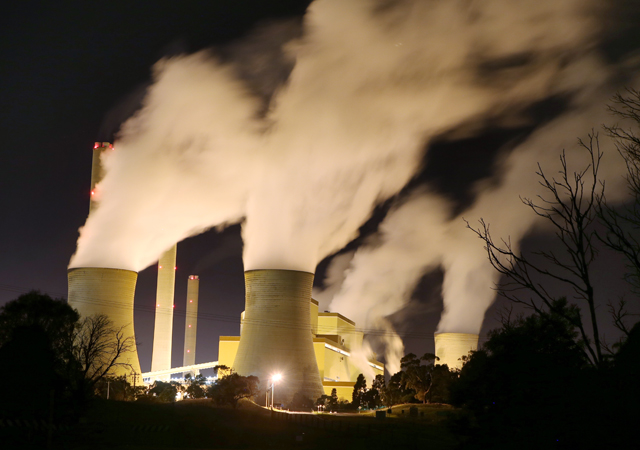
Do we emit a lot of carbon?
Australia is viewed as one of the top-20 worst greenhouse gas emitters, although we total just one per cent of world emissions.
Why is Australia a big emitter?
Although Australia's one per cent at first glance might not seem like much, it's good to put it into perspective.
Think about it like this: not counting the top-20 worst carbon emitters in the world (of which Australia is one), the entire rest of the world accounts for just 21 per cent of the planet's CO2 emissions.
At one per cent, Australia emits roughly the same CO2 as do Brazil, the UK, France, Turkey and Mexico.
With no nuclear power and limited hydroelectricity, Australia burns a lot of fossil fuel. Around 60 per cent of electricity comes from coal-fired power stations and 15 per cent from gas.
What about the big players? How are the US and China doing?
Well, when he was president, Donald Trump pulled the US out of the Paris Agreement, much to the horror of many world leaders. But in February Joe Biden signed the US back in.
According to the Union of Concerned Scientists, a US nonprofit with links to the prestigious Massachusetts Institute of Technology, China is the biggest emitter of carbon dioxide (CO2) in the world, with 28 per cent, and the US second on 15 per cent.
India is third with seven per cent, Russia fourth with five per cent and Japan fifth on three per cent.
Back to COP26, what's going to happen there?
As we said, all countries, including Australia, will lay out their updated plan to hit those 1.5 degrees Celsius targets in the Paris Agreement.
The general feeling is that the commitments laid out in Paris did not come close to limiting global warming to 1.5 degrees, and the window for achieving this is closing.
COP26 is viewed as important because it will set the strategy for closing out the 2020-2030 decade.
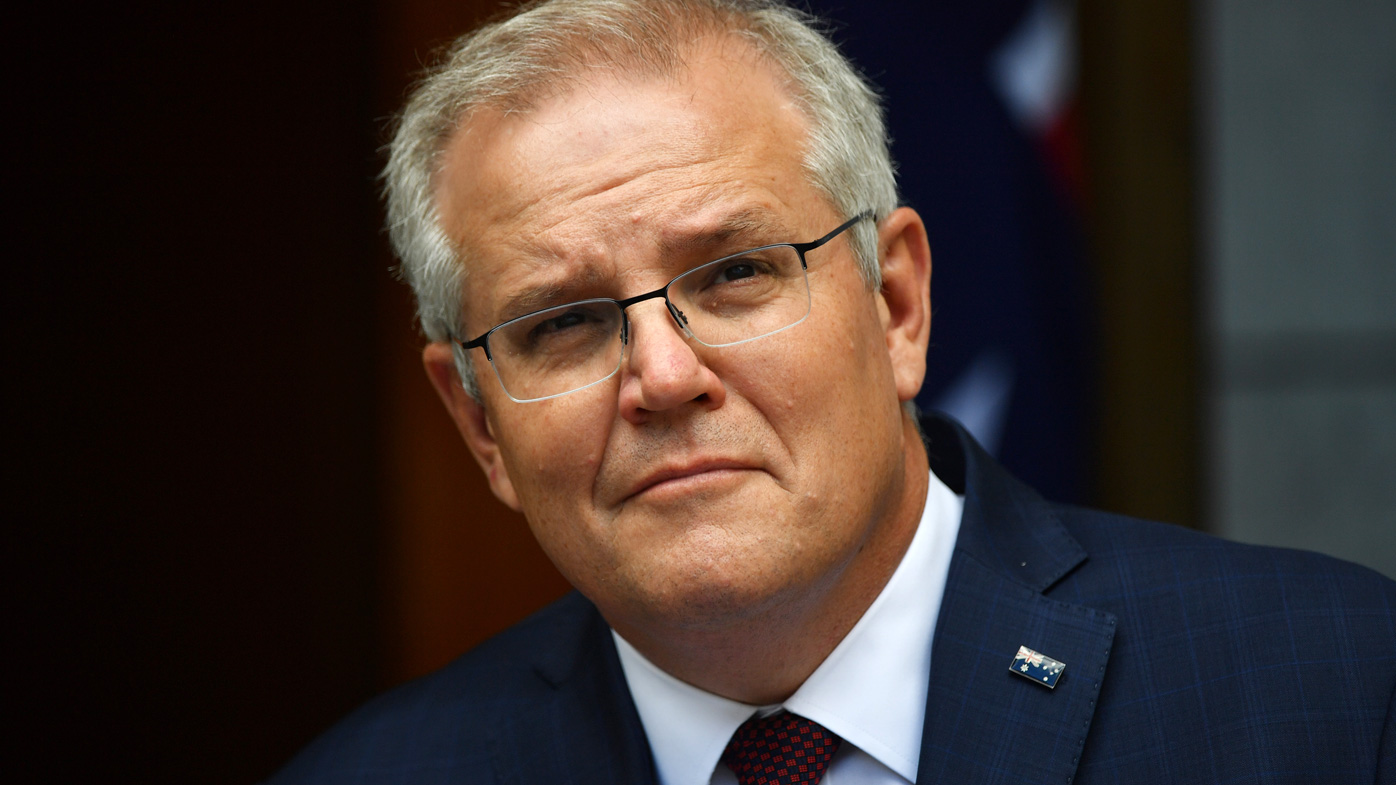
Do we know anything about Australia's plans?
No. In fact, until last week, it was not certain that Scott Morrison was even going to attend Glasgow.
At present, Australia might be planning to take the same – or a slightly upgraded – 2030 target it took to Paris six years ago – a 26-28 per cent cut from 2005 levels by 2030.
Labor ran (and lost) the last national election with a goal of reducing Australia's emissions by 45 per cent. The Business Council of Australia has called on Mr Morrison to slash 2030 emissions by 46-50 per cent.
What are the goals at COP26?
President of the COP26 summit Alok Sharma, a British MP, has stated the following goals:
- Keeping the goal of "1.5 alive" – a catchphrase referencing the ambition to limit the increase in global temperature to 1.5 Celsius above pre-industrial levels.
- Putting an end date on the use of "unabated" coal.
- Providing $100 billion of annual climate financing to help developing countries reduce fossil fuel emissions.
- Making all new car sales zero emissions within 14-19 years.
- Ending deforestation by the end of the decade.
- Reducing emissions from methane.
Tell me more about 'keep 1.5 alive'
It goes back to the Paris Agreement, where 190 countries signed up to limit the increase in global temperatures to well below 2 degrees Celsius above pre-industrial levels, but preferably to 1.5 degrees.
Half a degree may not sound like much, but scientists warn any additional warming past 1.5 degrees will trigger more intense and frequent climate extremes.
And unabated coal?
Unabated coal refers to coal burned in power stations where no action is taken to reduce greenhouse gases emitted by its use.
Okay, and what about net zero emissions?
Net zero emissions is about removing as much greenhouse gas from the atmosphere as what's emitted, so the net amount added is zero.
How can this be achieved?
Countries and companies will rely on natural methods – like planting trees or restoring grasslands – to soak up CO2, which is the most abundant greenhouse gas humans emit. Technology can also be used to "capture" the gas and store it where it won't escape into the atmosphere.
Is net zero even possible?
Scientists think so, but many argue for commitments to be legally binding, rather than voluntary. Mr Morrison has so far favoured only voluntary commitments.
Legally binding you say?
Yes, a number of countries have drawn up legally binding goals of hitting zero emissions by 2050, including the United Kingdom, France, New Zealand, Denmark and Sweden.
In April, the EU announced new laws to cut the bloc's carbon emissions by at least 55 per cent by 2030, compared with 1990 levels.
And how long does COP26 run?
Until November 12. There'll be plenty of headlines coming out of Glasgow. Watch this space.
China expanding military air bases near Taiwan, satellite images show
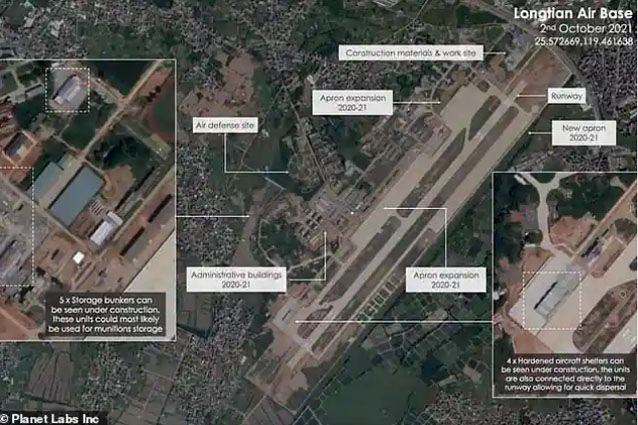
Satellite images have been released showing upgraded Chinese military air bases near Taiwan amid rising regional tensions.
Three sites in Fujian province, southern China, have been refurbished or fortified and will provide air combat support to the superpower's air force, reports The South China Post.
The images were published after the People's Liberation Army air force flew 149 flights into Taiwan's air defence identification zone (ADIZ) over four days earlier this month, a record figure.
READ MORE: Search moves to coastal shacks as fears grow four-year-old WA girl was abducted
Taipei says it will respond to any incursions.
Beijing has cast waves of aggression toward the island ever since the former nationalist government fled there at the end of the Chinese civil war in 1949.
Although Taiwan and China have been separately governed for more than 70 years, Beijing views the democratic island of 24 million people as part of its territory and has regularly stated its aim of "reunification", despite the fact Taiwan has never been ruled by the Chinese Communist Party.
The images, obtained by Planet Labs and published by US website The Drive, show that new building work on the air bases began last year and continued through the pandemic.
READ MORE: The private videos from two weeks before Berejiklian quit
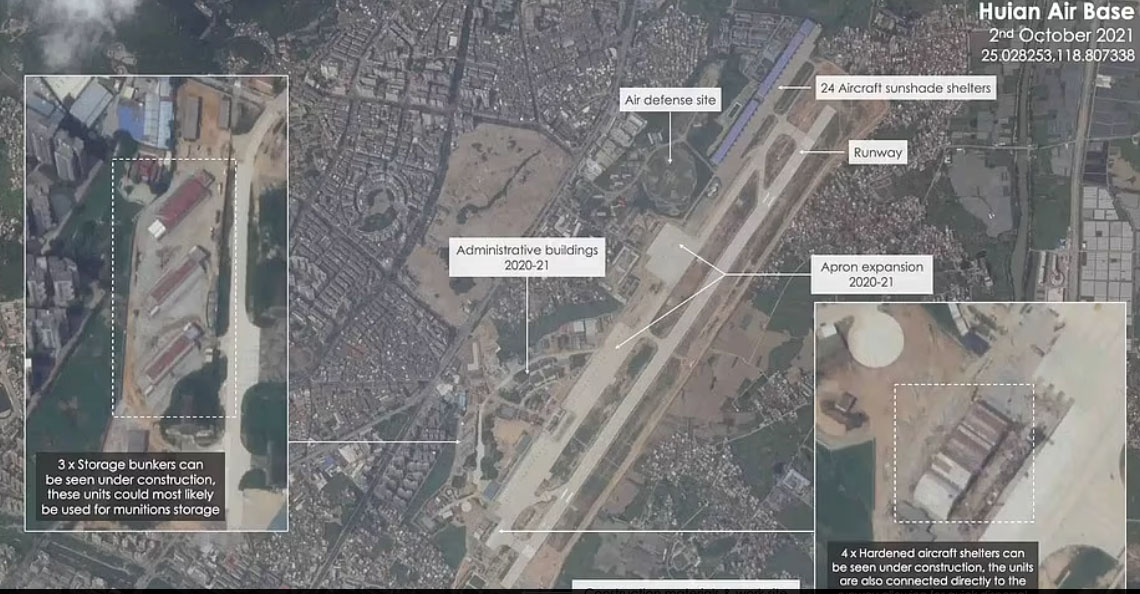
One of the airbases has been enlarged equipped with air defence installations.
At least five storage bunkers are also being constructed.
Earlier this month, Taiwan's defence minister said China could be ready to mount a "full scale" invasion of the island by 2025.
Chiu Kuo-cheng told Taiwan's parliament cross-strait military tensions are "the most serious" in more than 40 years since he joined the military, Taiwan's official Central News Agency (CNA) reported.
READ MORE: Phone scammers find new ways to trick Aussies
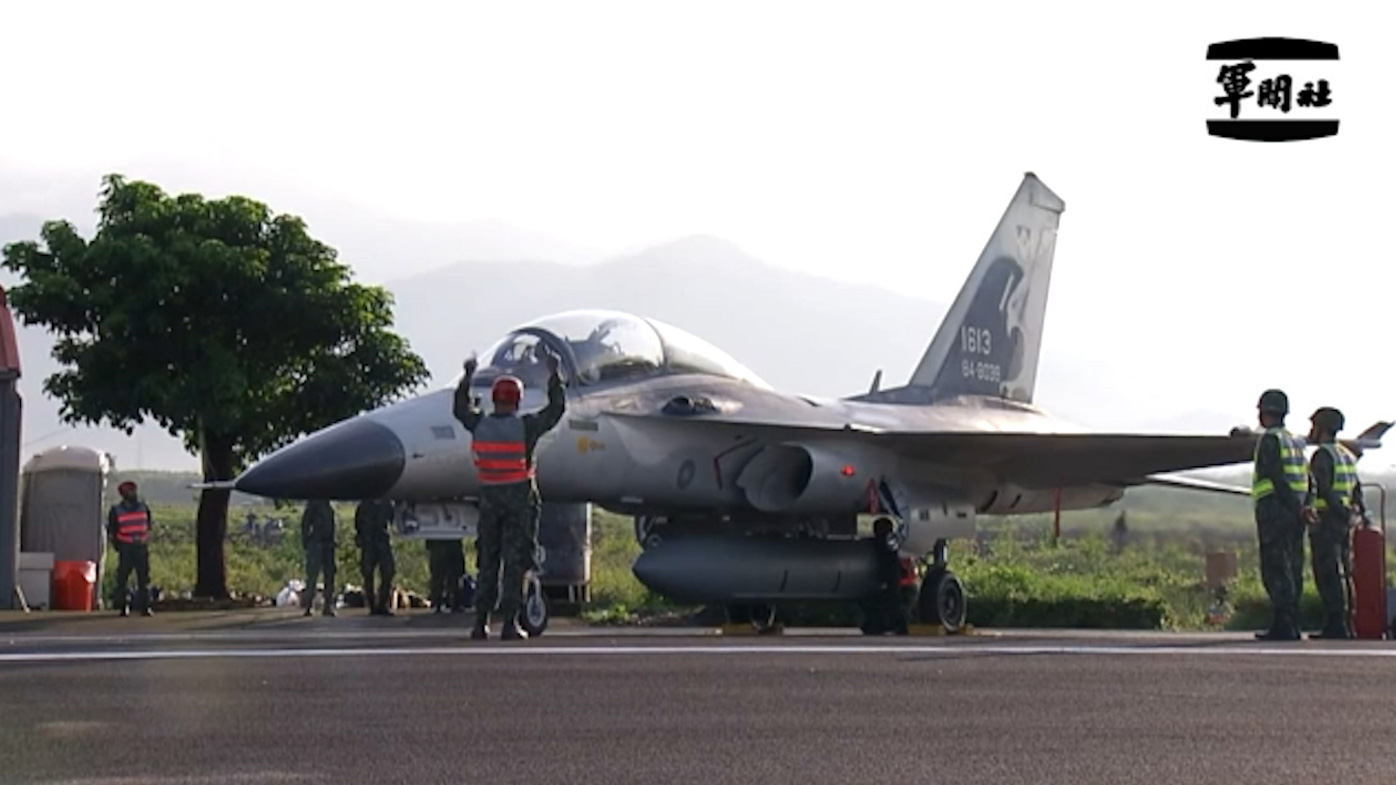
And just days later, visiting former prime minister Tony Abbott described China's President Xi Jinping as "the new red emperor" in a speech delivered to a security forum.
He said despite China's increasing antagonism, Taiwan's allies were ready to defend it.
"As things stand, how could Taiwanese people ever want to exchange their current lives for an alternative that's poorer and less free?" Mr Abbott said.
– With CNN
China denies testing a nuclear-capable hypersonic missile
China has denied a report that it tested a nuclear-capable hypersonic missile in August, saying that the test was instead a "routine spacecraft experiment."
The Financial Times reported on Sunday that "China tested a nuclear-capable hypersonic missile in August that circled the globe before speeding towards its target, demonstrating an advanced space capability that caught US intelligence by surprise." The report cited unnamed sources "briefed on the intelligence."
When asked about the report at a regular press briefing on Monday, China's Ministry of Foreign Affairs spokesperson Zhao Lijian said the August test was "a spacecraft, not a missile".
READ MORE: Australian exports to China defy trade sanctions
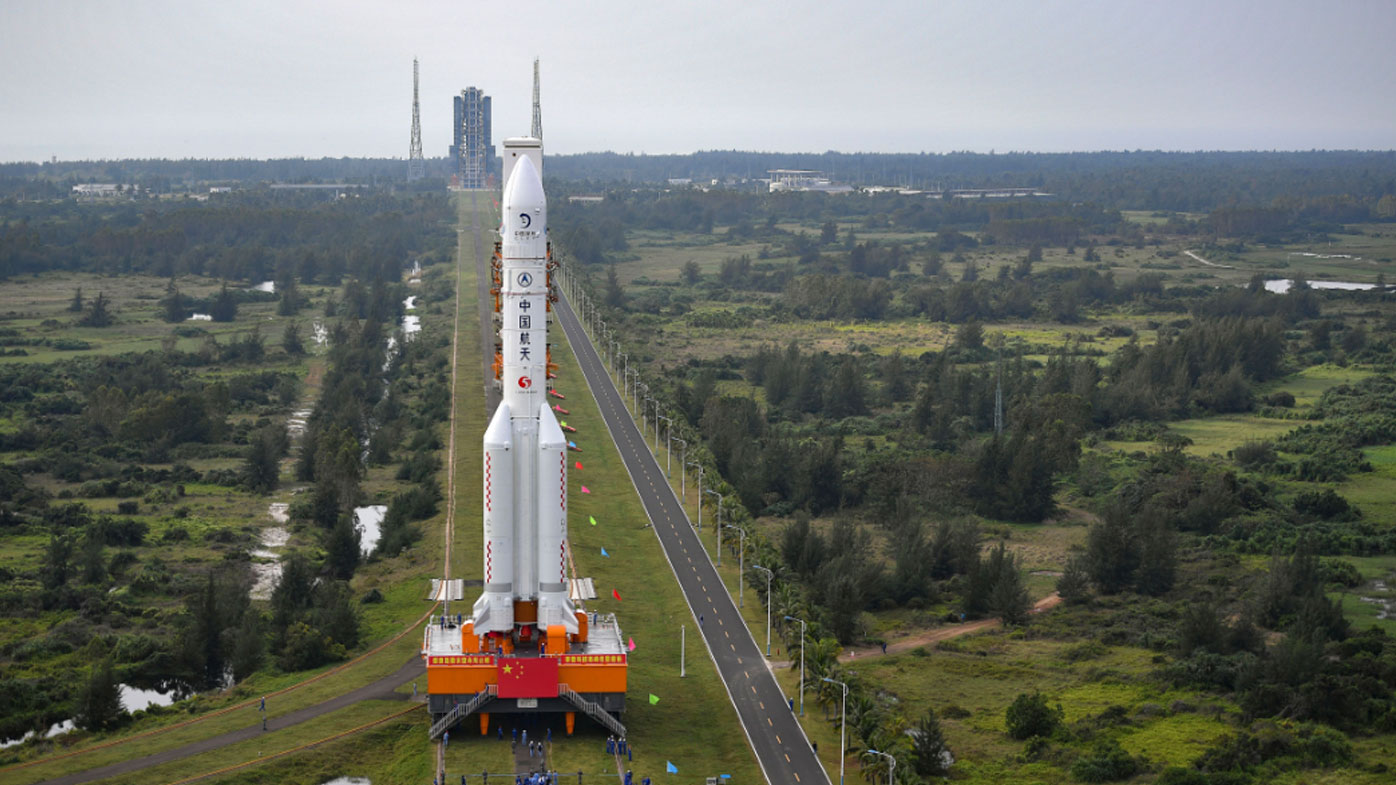
China has denied it tested a hypersonic weapon and insisted the launch was a routine space experiment.
"This test was a routine spacecraft experiment to verify the reusable technology of spacecraft, which is of great significance for reducing the cost of spacecraft use.
"It can provide a convenient and cheap way for humans to use space peacefully. Many companies in the world have carried out similar experiments," Mr Zhao said.
He said that "what separated from the spacecraft before returning was the supporting equipment of the spacecraft, which was burned and disintegrated in the process of falling into the atmosphere and landed on the high seas."
READ MORE: The private videos from two weeks before Berejiklian quit
"China will work together with other countries in the world to benefit mankind in the peaceful use of space," he said.
Responding to the FT's report, Mike Gallagher, a Republican member of the US House Armed Services Committee, said the alleged hypersonic missile test should "serve as a call to action."
How to get your International COVID Vaccination Passport
A return to international travel is a reality with International COVID-19 Vaccination Certificates now available to fully vaccinated Australians.
Launched this morning, the certificates are available from the Medicare website or Express Plus Medicare App.
To obtain a certificate, you must first have your Medicare account linked to your MyGov account, this is already done for those using the digital Vaccination Certificates locally here in Australia on your smartphone.
READ MORE: ICAC hears Berejiklian 'in shock' when forced to sack boyfriend
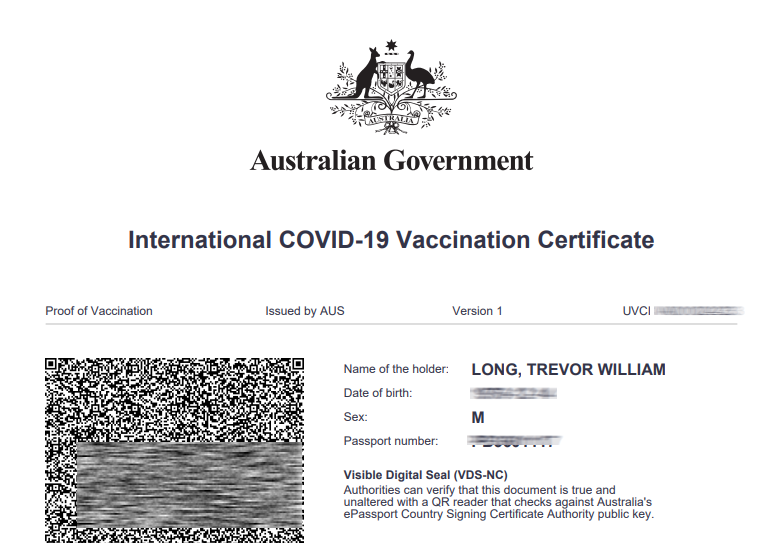
On the "Proof of Vaccinations" page, you now have the option to "Request a Certificate" for International validation of your COVID-19 Jabs.
A four step process of checking your Vaccination data and then adding in valid Australian Passport information is all that is required, after which the system will validate your data and passport, and produce a certificate you can print out for your next international trip.
While it may seem rather simplistic, the detailed QR code on the certificate is able to be validated at any major International Airport using the VDS-NC standard for cross-border COVID-19 certificates.
READ MORE: When Queensland will open its borders
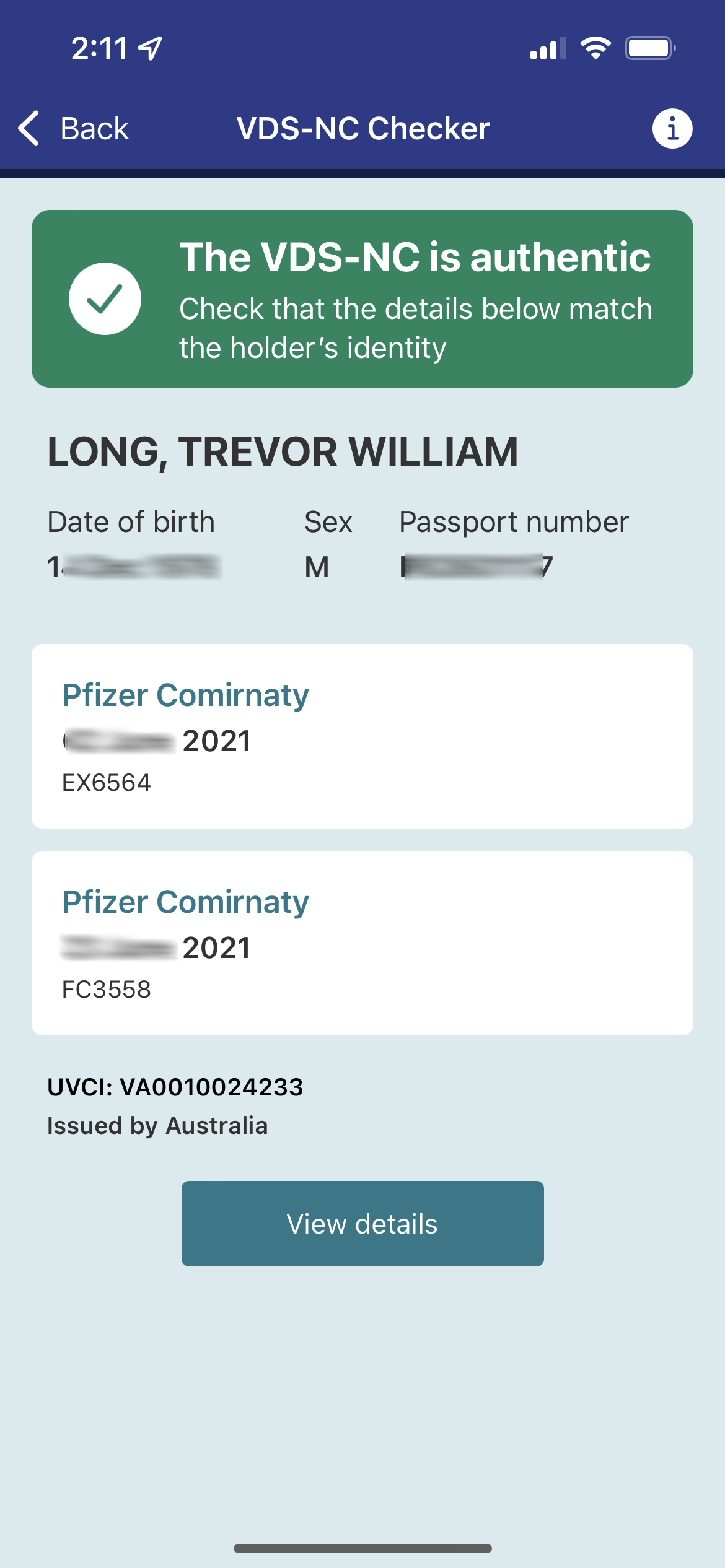
The QR code is protected by the same encryption as ePassports are, and there are simple Apps being used by Authorities to scan the codes and validate your certificate.
This would be done in concert with your normal identity checks, whereby an official would check the Vaccination Certificate details, such as your name and passport number, with your physical passport on arrival.
READ MORE: Domestic and international cruises could restart this summer
Fully Vaccinated Australians will soon be allowed to travel internationally without an exception required and this certificate will be as important as your actual passport when it comes to getting into other countries and returning to Australia.
New Apple MacBook Pro laptops bring back lost features
Apple is calling them "game-changing" but they're also being seen as a mea culpa in the tech industry, with the new MacBook pro laptops bringing back features which the tech giant once dropped from their devices.
The new 14 inch and 16 inch MacBook Pro laptops feature some of the most impressive performance and efficiency gains of any laptop on the market, offering a long battery life with high levels of performance – an often difficult balancing act.
But they also feature a MagSafe power adaptor, HDMI port and SD card reader – three things Apple dropped from their Pro laptops in years past.
READ MORE: US statesman Colin Powell dies after COVID-19 infection

The features are the kind which video editors, photographers and other core members of their buying market want and need on a daily basis, but were replaced by the use of add-on "dongles" attached to the newer models.
Apple didn't address this backtracking in their announcement, instead they focused on the outright performance of these pro devices.
"We set out to create the world's best pro notebook, and today we're excited to introduce the all-new MacBook Pro with M1 Pro and M1 Max — a game-changing combination of phenomenal performance, unrivalled battery life and ground-breaking features," said Greg Joswiak, Apple's senior vice president of worldwide marketing.
READ MORE: WA Police call off marine search for missing girl
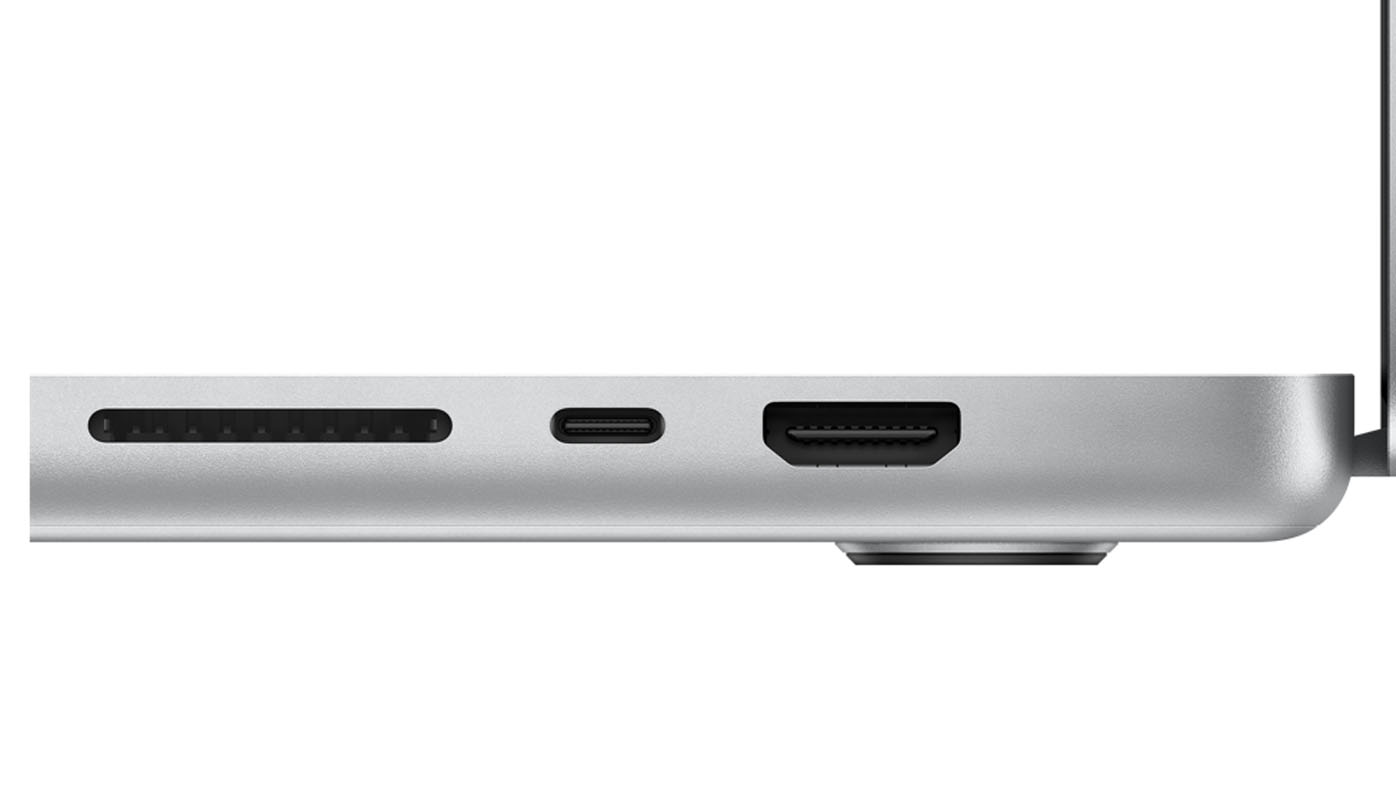
"The all-new MacBook Pro adds a breathtaking XDR display, more ports like MagSafe 3, an advanced 1080p camera and a sensational six-speaker sound system, all in a stunning new design. The new MacBook Pro simply has no equal and is by far the best pro notebook we've ever built."
With prices starting at $2999 these are not your back-to-school laptops, they are designed for the professional user looking for the ultimate in performance and features, and on that front Apple does not miss a beat.
Under the hood are new Apple Silicon, following on from the M1 Apple chip which replaced the Intel Core processors last year, new M1 Pro and M1 Max processors combine graphics, CPU and memory onto one chip and offer a remarkable level of speed for designers, developers and editors.

In the age of Zoom, Apple has updated the camera to 1080p while also expanding the screen toward the edges of the device for a sleeker look, with a "notch" at the top for the camera to sit – not unlike the Apple iPhone.
Apple suggest the 14-inch model will deliver 17 hours of video playback, while the 16 inch model offers 21 hours of playback – the longest ever on a Mac laptop.
First Black US secretary of state dies of COVID-19 complications
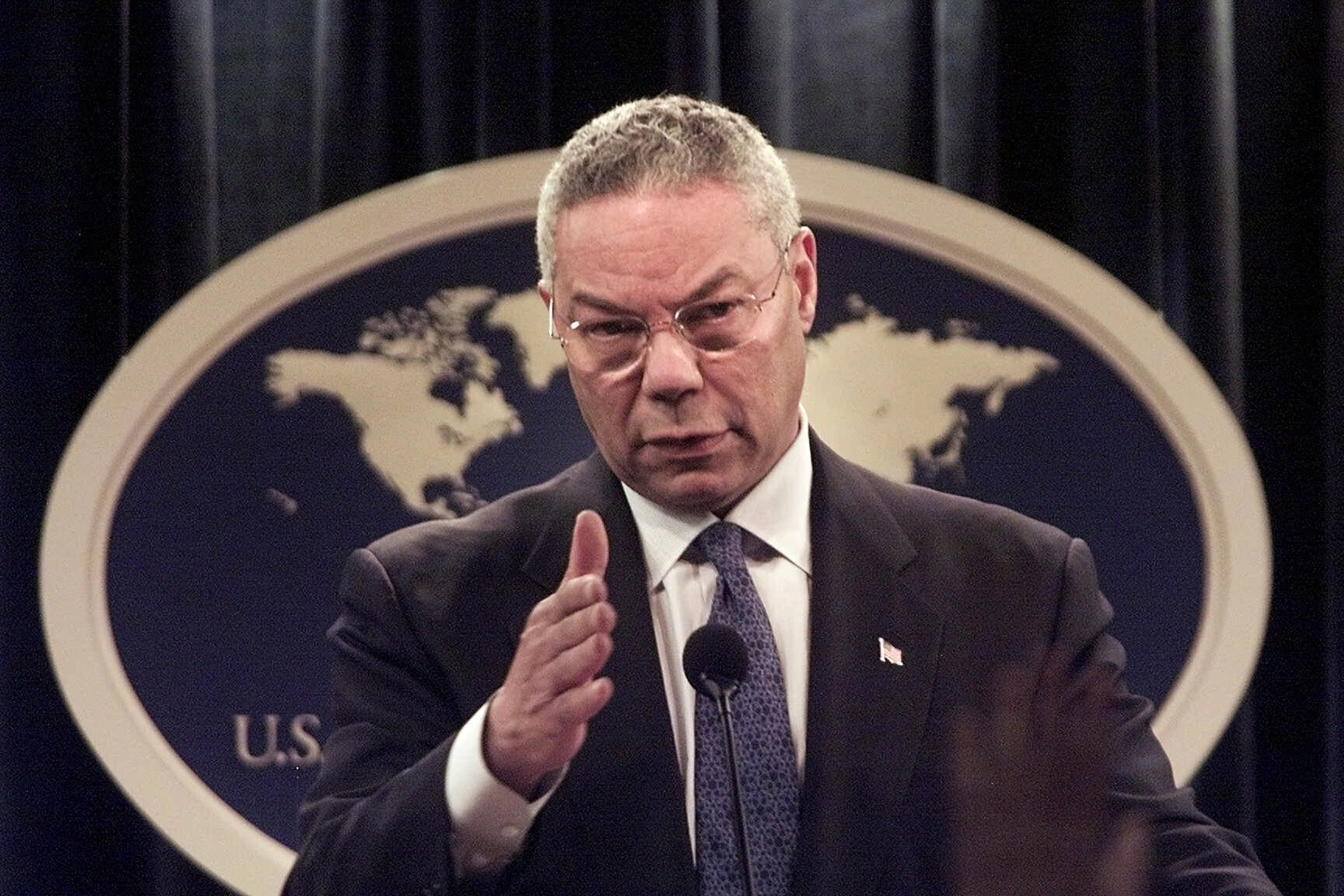
Colin Powell, the first Black US secretary of state whose leadership in several Republican administrations helped shape American foreign policy in the last years of the 20th century and the early years of the 21st, has died from complications from COVID-19, his family said on Facebook. He was 84.
"We have lost a remarkable and loving husband, father, grandfather and a great American," the family said, noting he was fully vaccinated.
Powell was a distinguished and trailblazing professional soldier whose career took him from combat duty in Vietnam to becoming the first Black national security adviser during the end of Ronald Reagan's presidency and the youngest and first African American chairman of the Joint Chiefs of Staff under President George HW Bush.
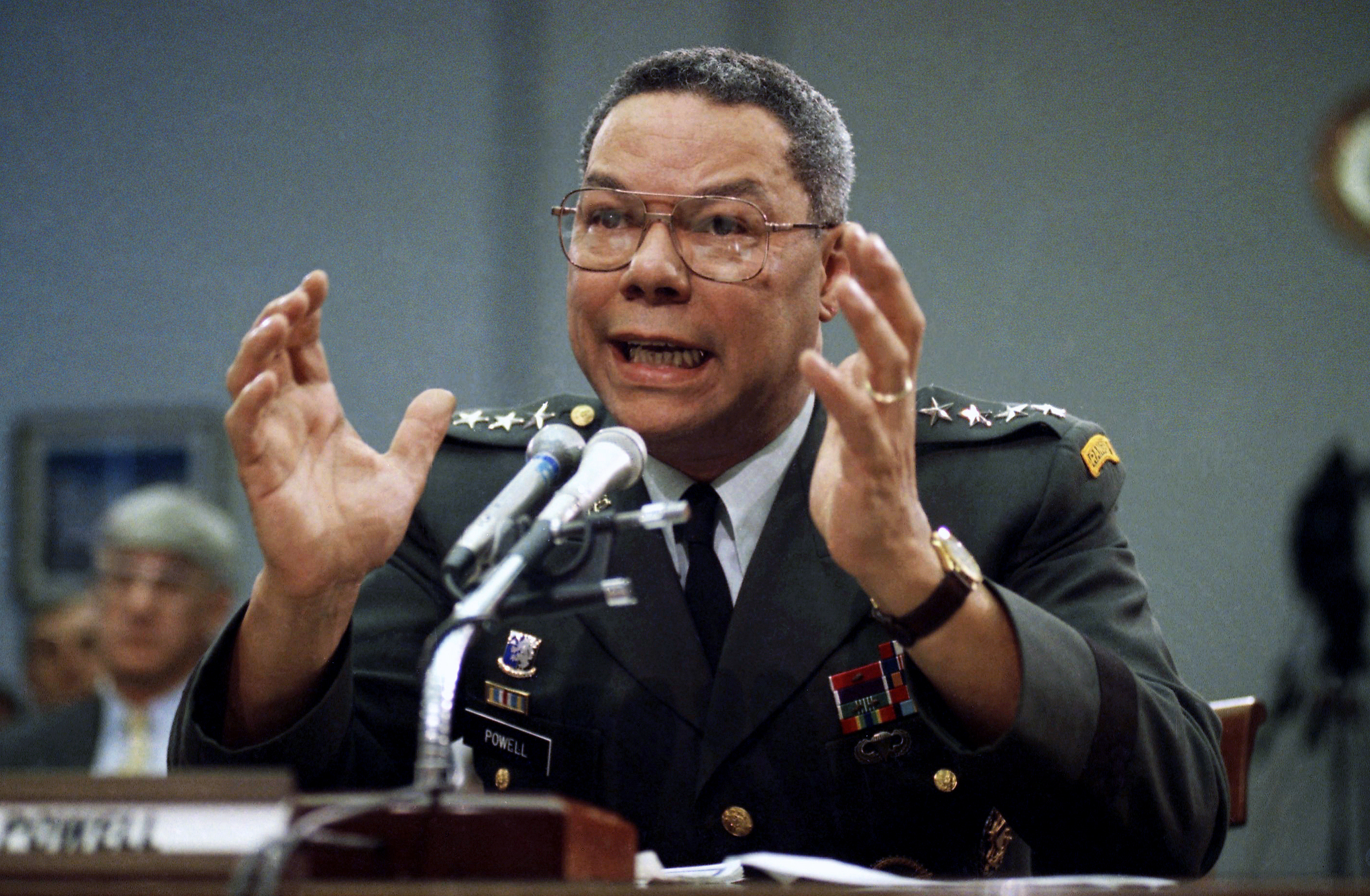
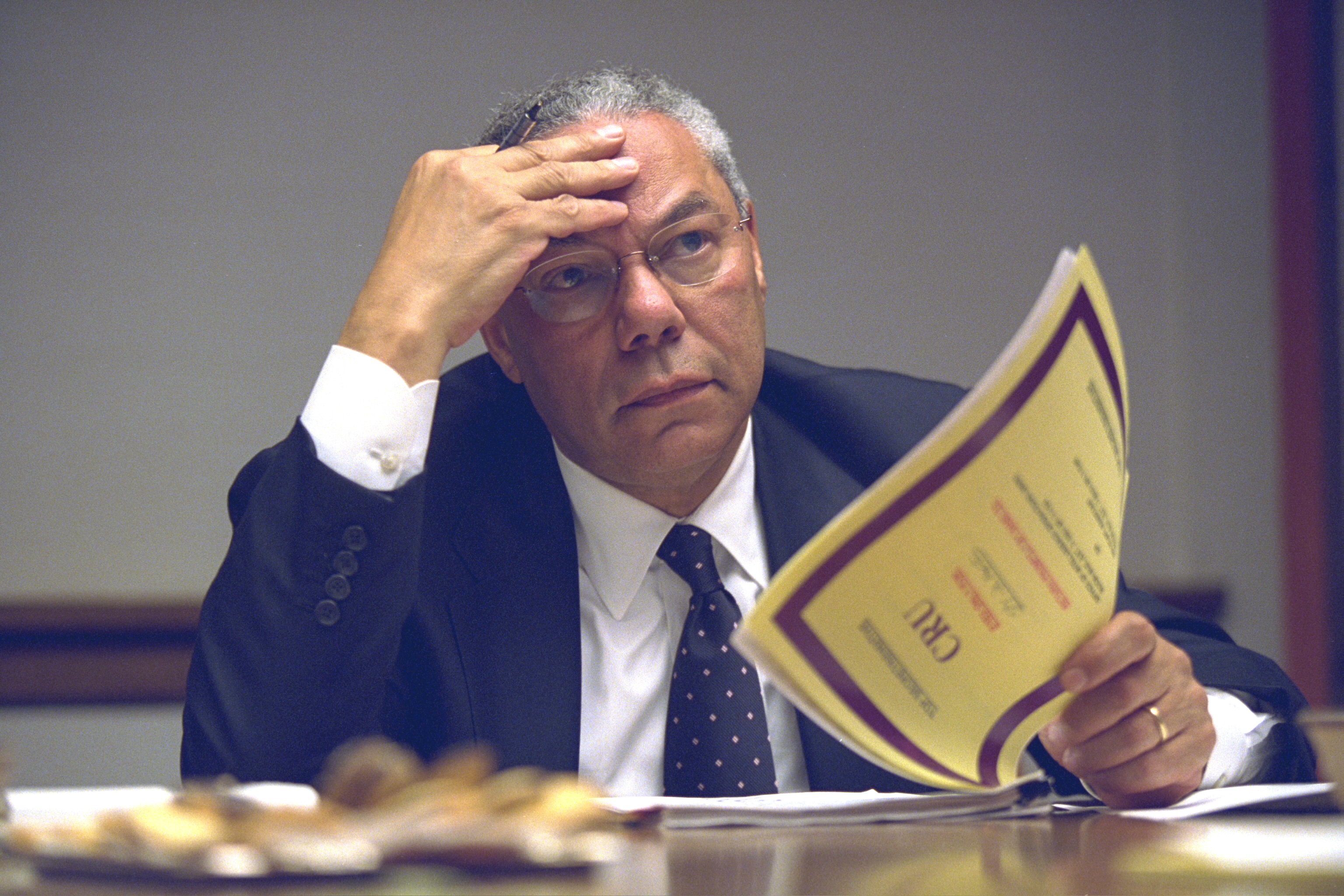
His national popularity soared in the aftermath of the US-led coalition victory during the Gulf War, and for a time in the mid-90s, he was considered a leading contender to become the first Black President of the United States.
But his reputation would be forever stained when, as George W Bush's first secretary of state, he pushed faulty intelligence before the United Nations to advocate for the Iraq War, which he would later call a "blot" on his record.
George W Bush paid tribute after Powell's death, saying he and former first lady Laura Bush were "deeply saddened".
"He was a great public servant" and "widely respected at home and abroad," Bush said. "And most important, Colin was a family man and a friend. Laura and I send Alma and their children our sincere condolences as they remember the life of a great man."
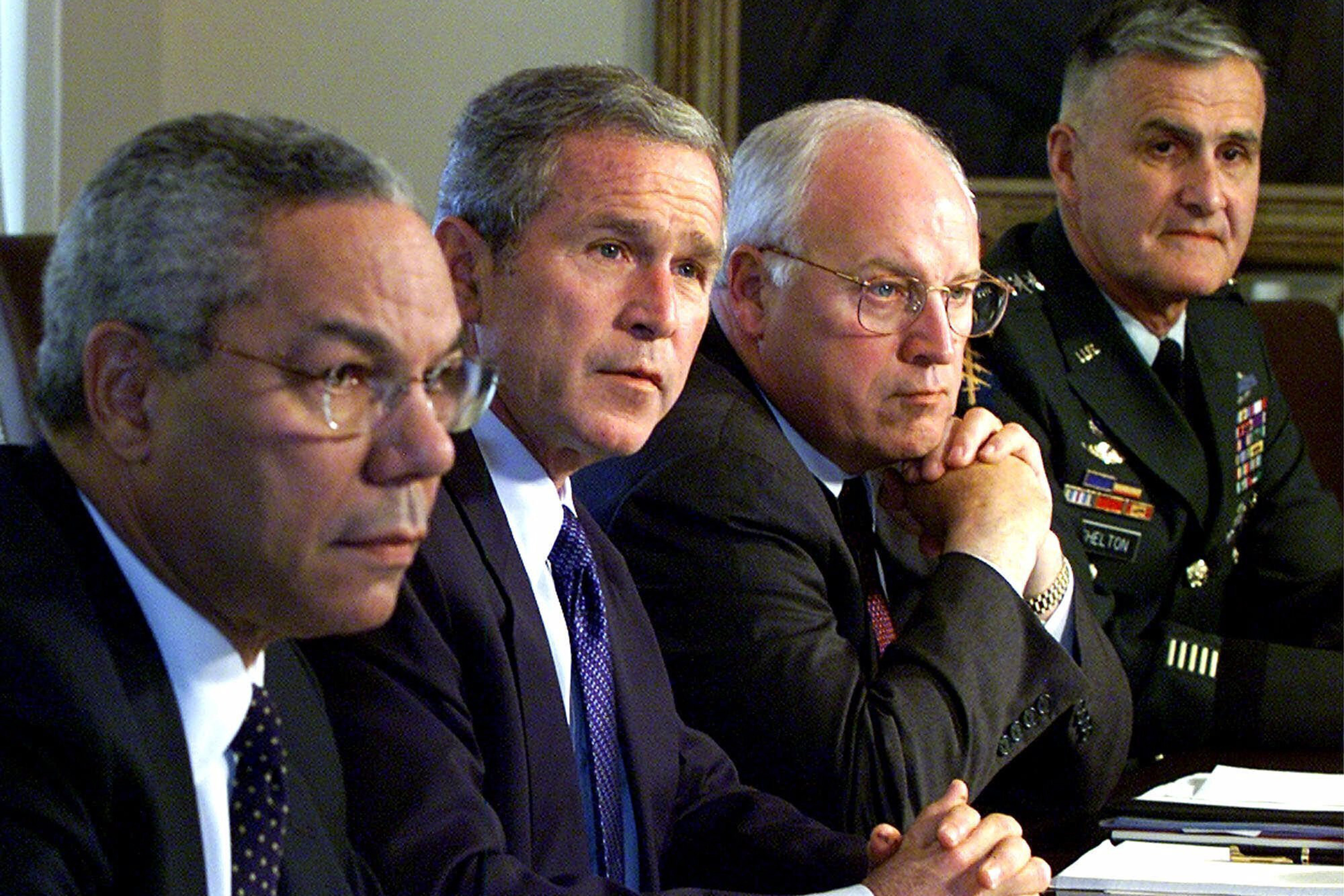
Though he never mounted a White House bid, when Powell was sworn in as Bush's secretary of state in 2001, he became the highest-ranking Black public official to date in the country, standing fourth in the presidential line of succession.
"I think it shows to the world what is possible in this country," Powell said of his history-making nomination during his Senate confirmation hearing. "It shows to the world that: Follow our model, and over a period of time from our beginning, if you believe in the values that espouse, you can see things as miraculous as me sitting before you to receive your approval."
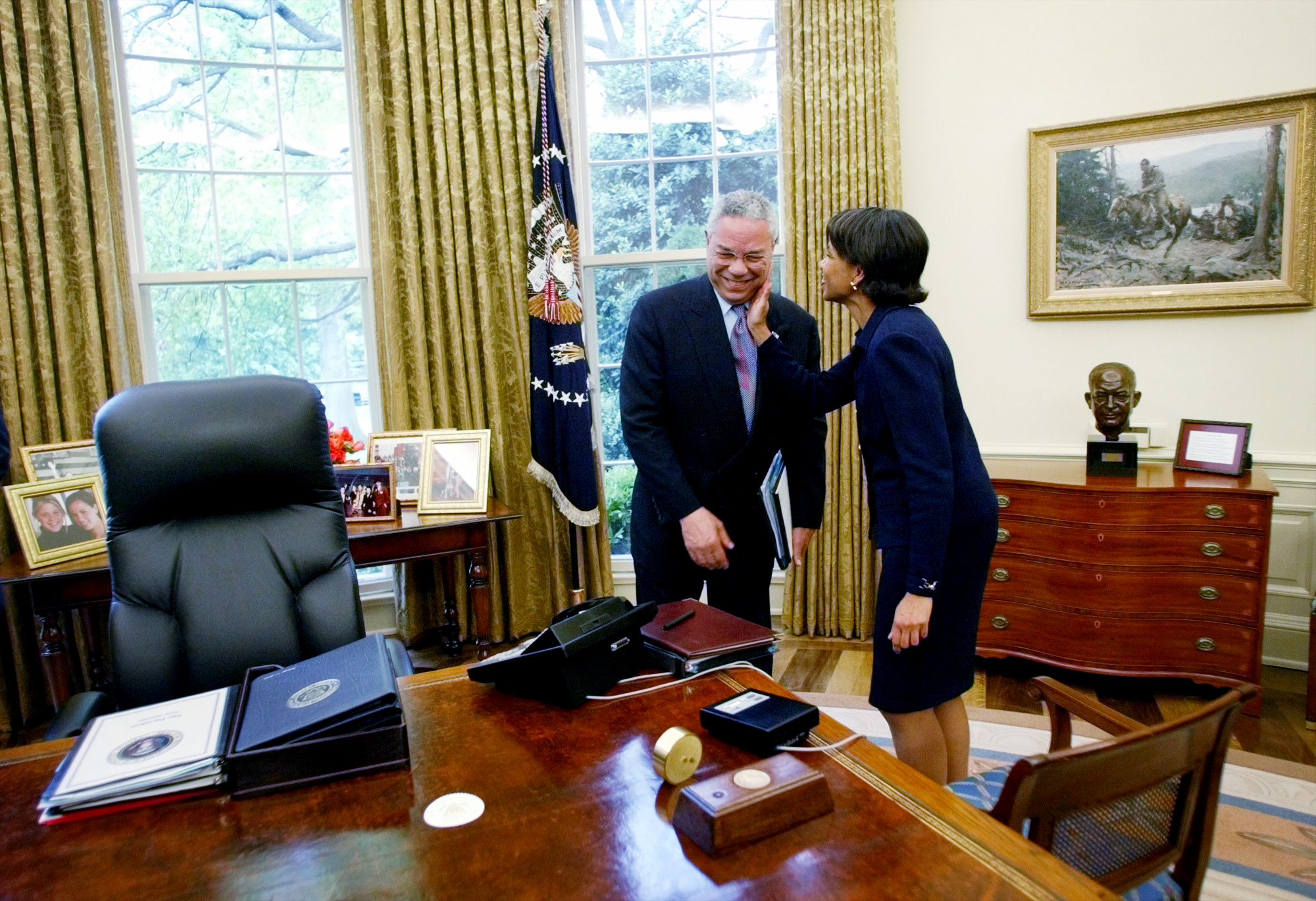
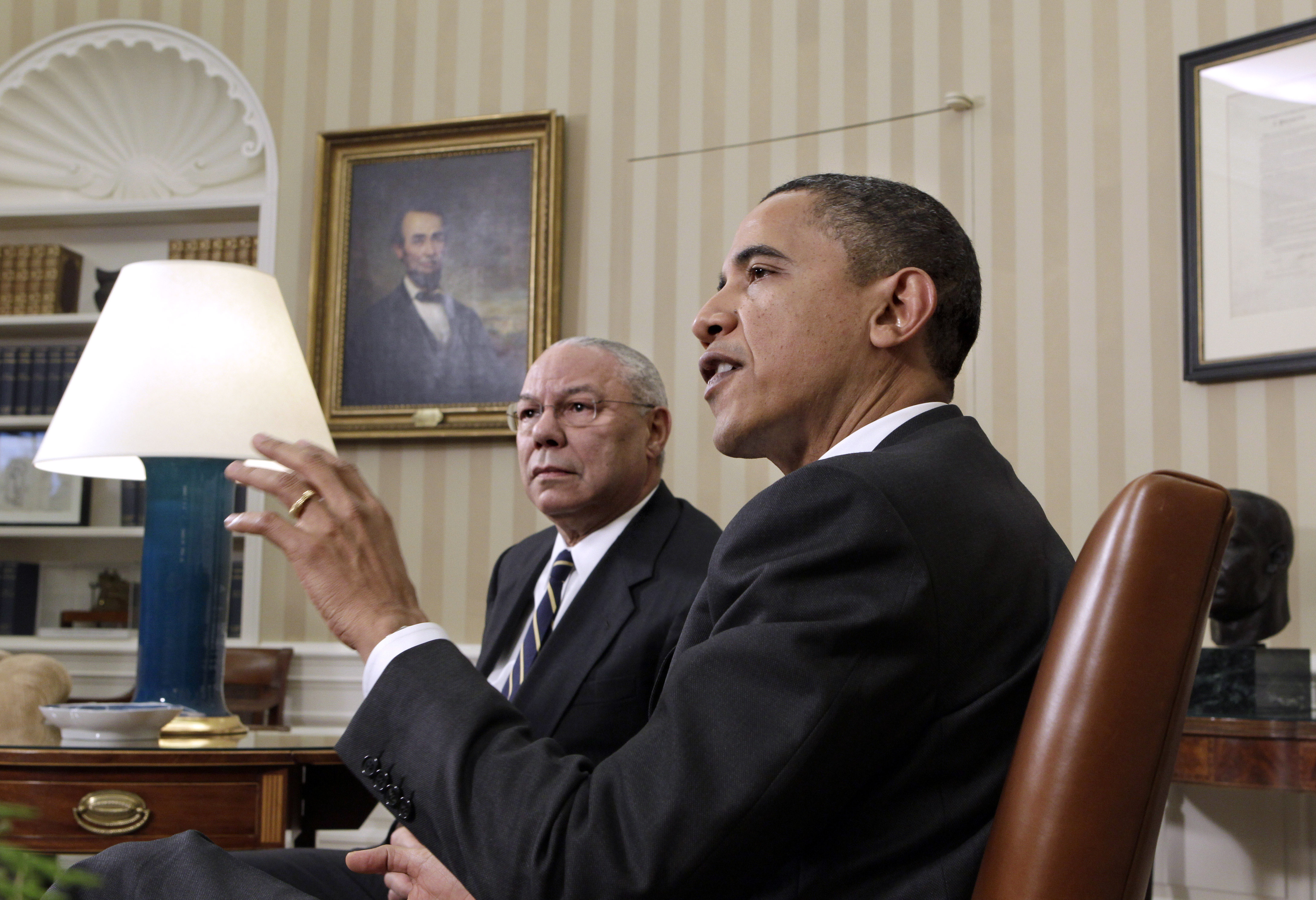
Later in his public life, he would grow disillusioned with the Republican Party's rightward lurch and would use his political capital to help elect Democrats to the White House, most notably Barack Obama, the first Black president whom Powell endorsed in the final weeks of the 2008 campaign.
The announcement was seen as a significant boost for Obama's candidacy due to Powell's widespread popular appeal and stature as one of the most prominent and successful Black Americans in public life.
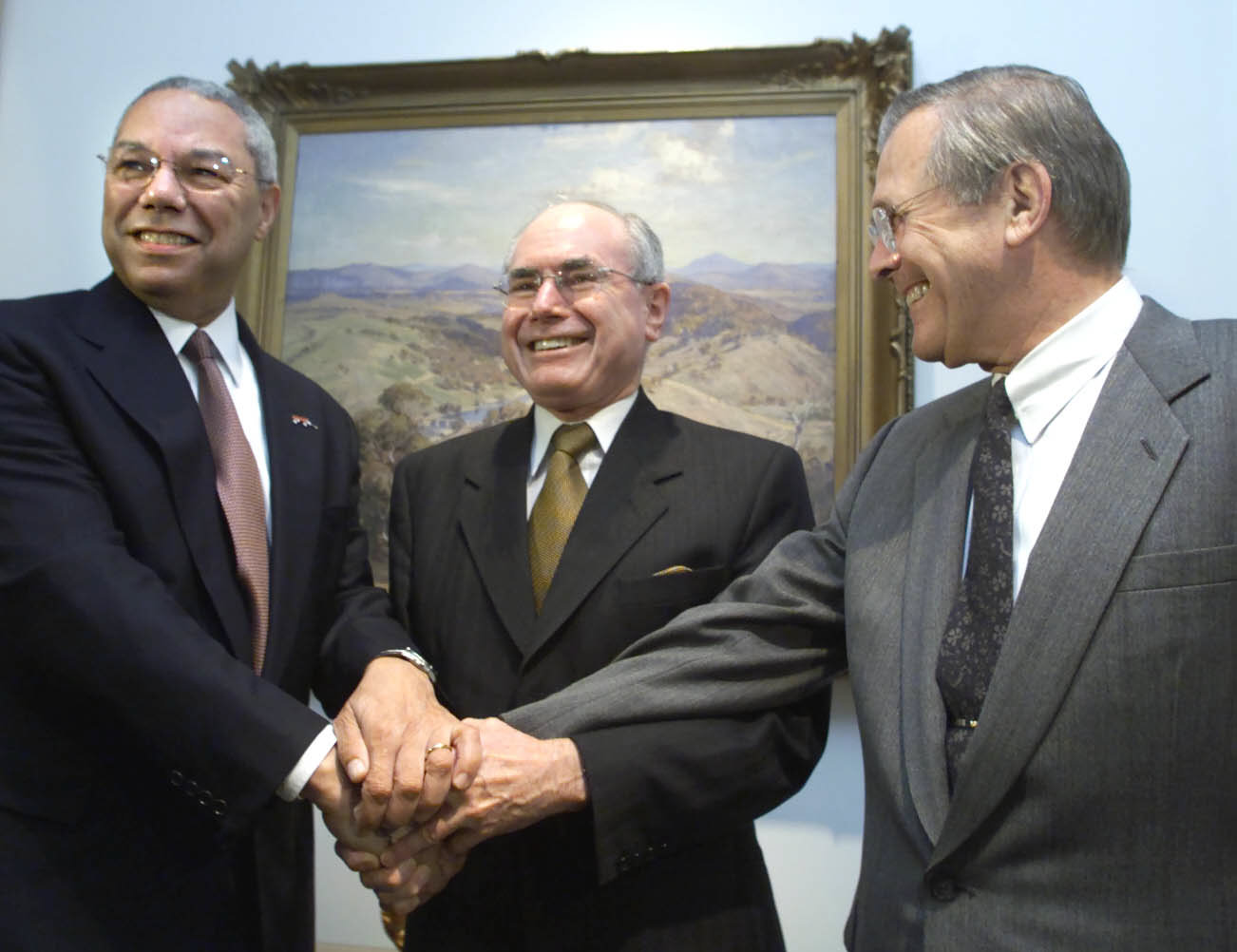
Powell is survived by his wife, Alma Vivian (Johnson) Powell, whom he married in 1962, as well as three children.
Professional soldier
Colin Luther Powell was born April 5, 1937, in Harlem, New York, to Jamaican immigrants. After growing up in the South Bronx, Powell attended school at the City College of New York, where he participated in ROTC, leading the precision drill team and attaining the top rank offered by the corps, cadet colonel.
"I liked the structure and the discipline of the military," Powell said, according to a CNN profile of him in the early 2000s. "I felt somewhat distinctive wearing a uniform. I hadn't been distinctive in much else."
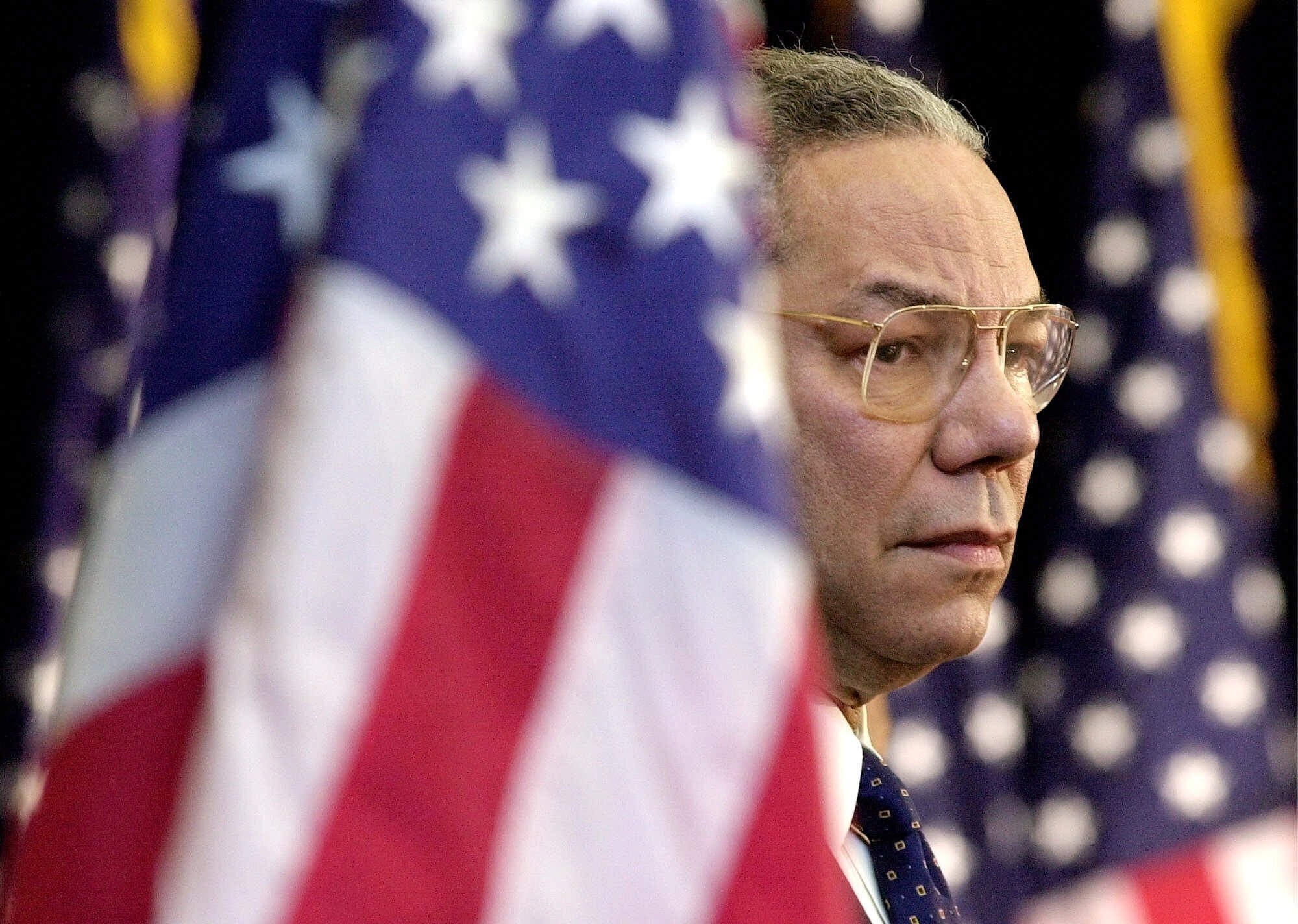
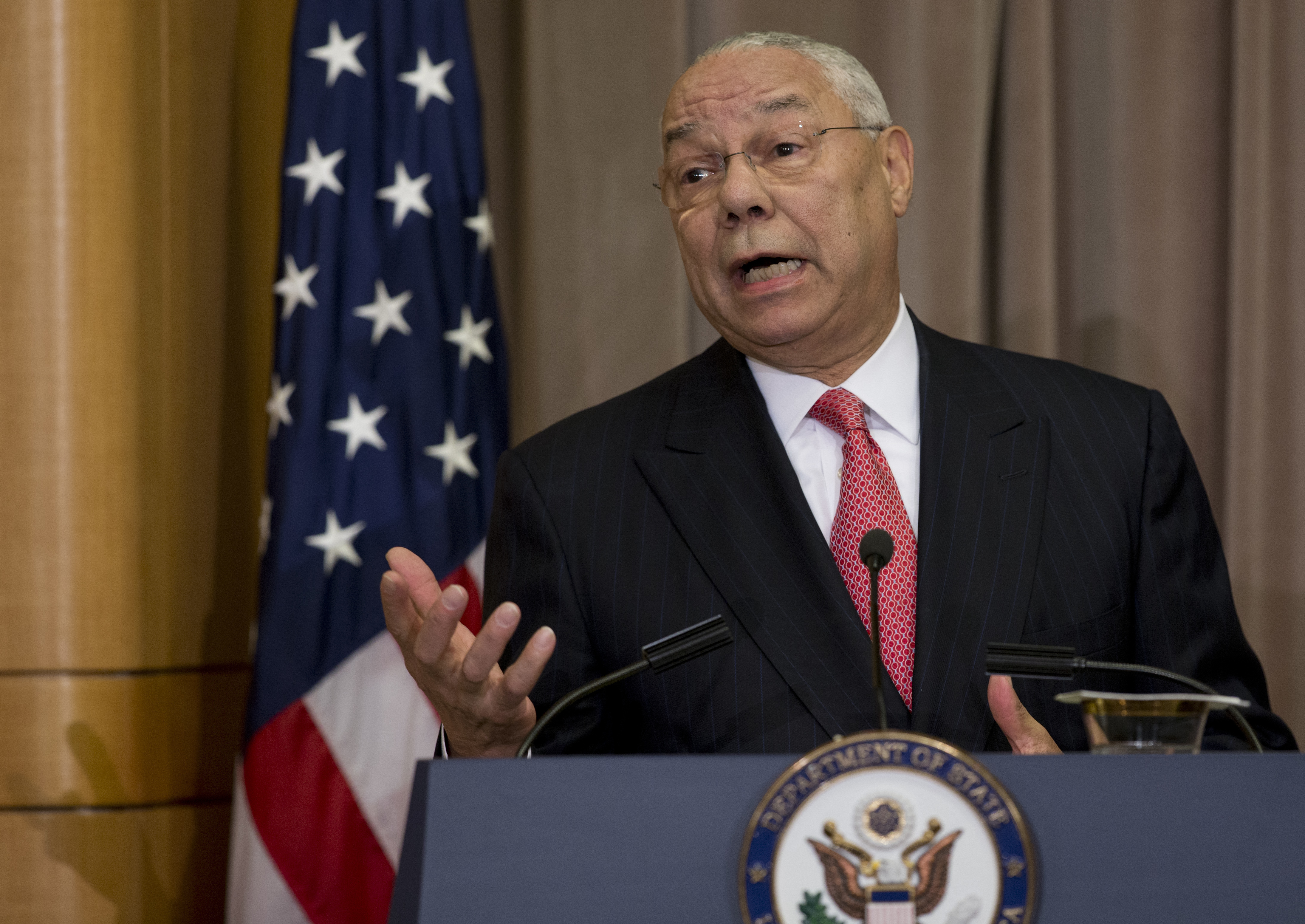
He entered the US Army after graduating in 1958, and later served two tours in South Vietnam during the 1960s, where he was wounded twice, including during a helicopter crash in which he rescued two soldiers.
He stayed in the Army after returning home, attending the National War College and rising in leadership.
He was promoted to brigadier general in 1979, appointed as Reagan's final national security adviser in 1987 and was tapped by the elder Bush in 1989 to head the Joint Chiefs of Staff.
https://twitter.com/CAFinUS/status/1450072046336188419
Powell's tenure in the elder Bush's administration was marked by his involvement in some of the most notable American military actions of the late 20th century, including the 1989 Panama operation, the 1991 Gulf War and the US humanitarian intervention in Somalia, though he retired from the Army days before the disastrous Battle of Mogadishu.
Although Powell was initially reluctant to commit US troops when Iraq invaded Kuwait in 1990, he became one of the administration's most trusted spokesmen when the assault on Saddam Hussein's army finally came.
"First we're going to cut it off. Then we're going to kill it," Powell famously said at a news conference at the time, referring to the Iraqi army.
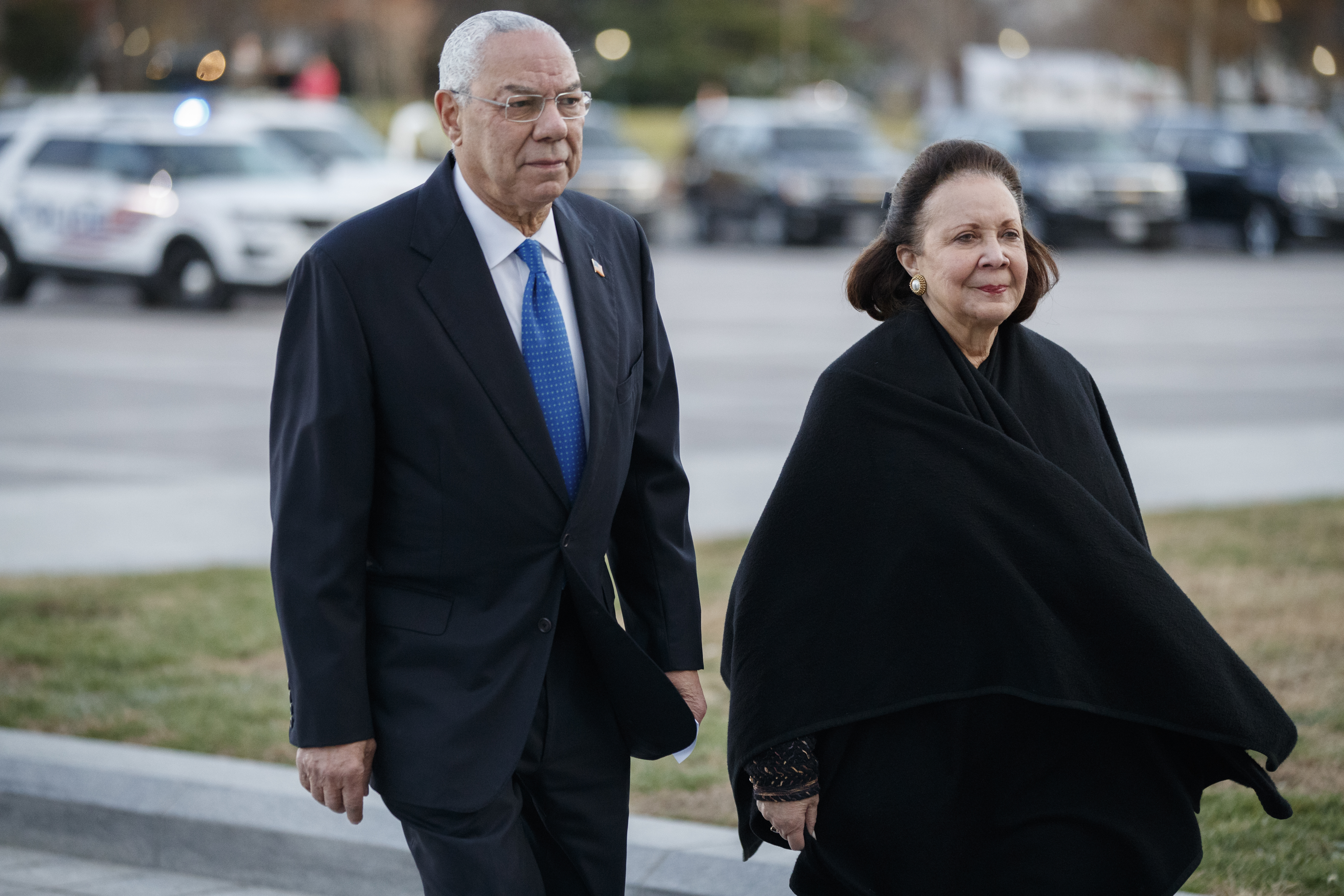
Following the assault, Powell became something of a national hero, enjoying a 71% favorability rating in the first few year years after the war. His efforts during the war also earned him two prominent awards: a Congressional Gold Medal in March 1991 "in recognition of his exemplary performance in planning and coordinating" the US response to Iraq's invasion, and a Presidential Medal of Freedom.
As the elder Bush presented Powell with the award at a White House ceremony in 1991, he said the general's "deep compassion for every one of the thousands of men and women under (his) command will always be remembered."
During Powell's time in the military, which lasted until 1993, he also received a number of other notable awards, including the Bronze Star and two Purple Hearts. He received his fourth star in 1989, becoming the second African American to rise to that rank.
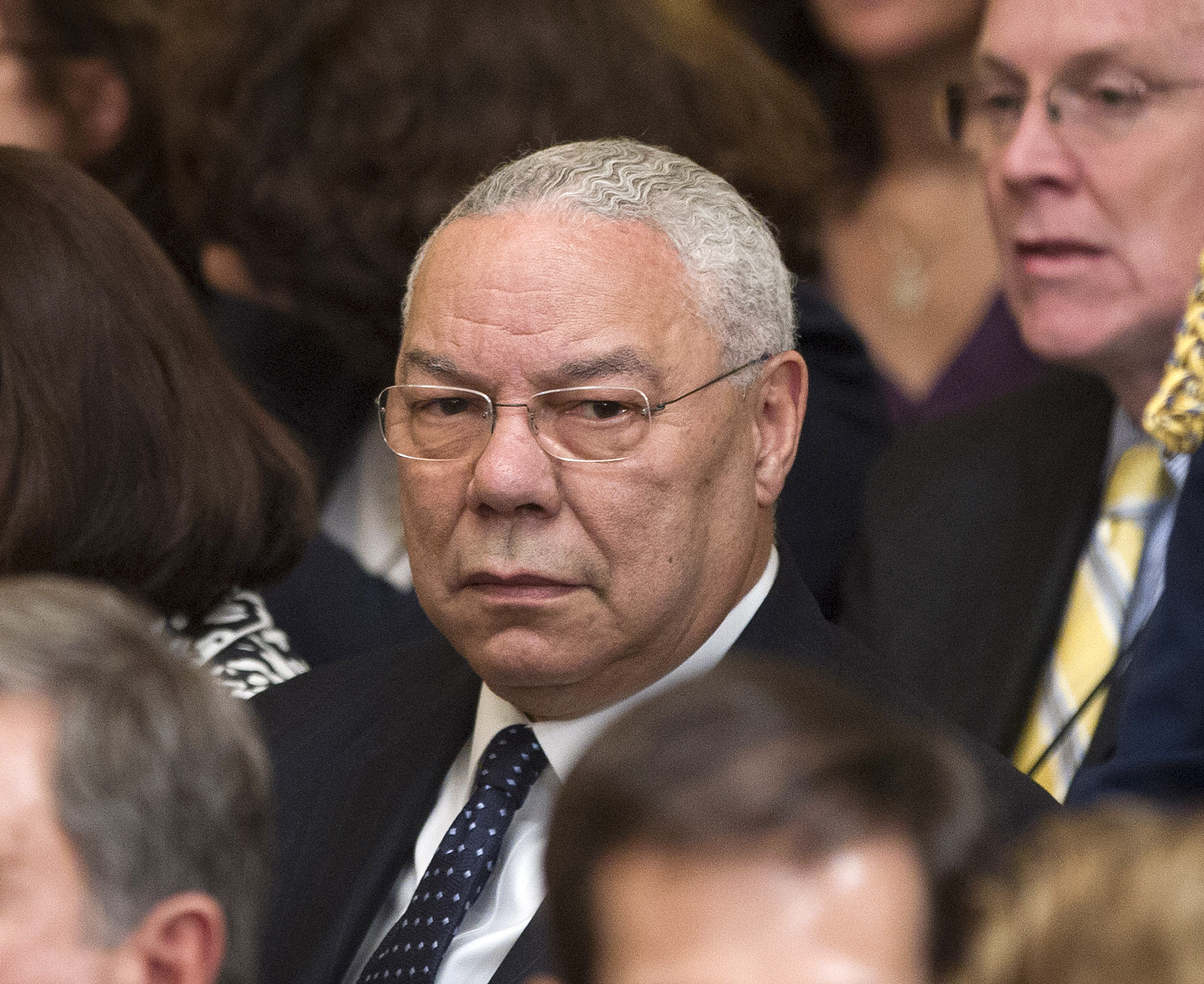
In addition to the military awards, Powell also received the President's Citizens Medal, the Secretary of State Distinguished Service Medal, and the Secretary of Energy Distinguished Service Medal, as well as a second Presidential Medal of Freedom, awarded with distinction, from President Bill Clinton.
Top diplomat during turbulent time
With a prominent national profile, Powell was floated as a potential presidential candidate in the 1996 election. But in a highly anticipated decision, he declined to participate in the race, citing a lack of "passion" for electoral politics.
"Such a life requires a calling that I do not yet hear," he told reporters in 1995. "And for me to pretend otherwise would not be honest to myself, it would not be honest to the American people."
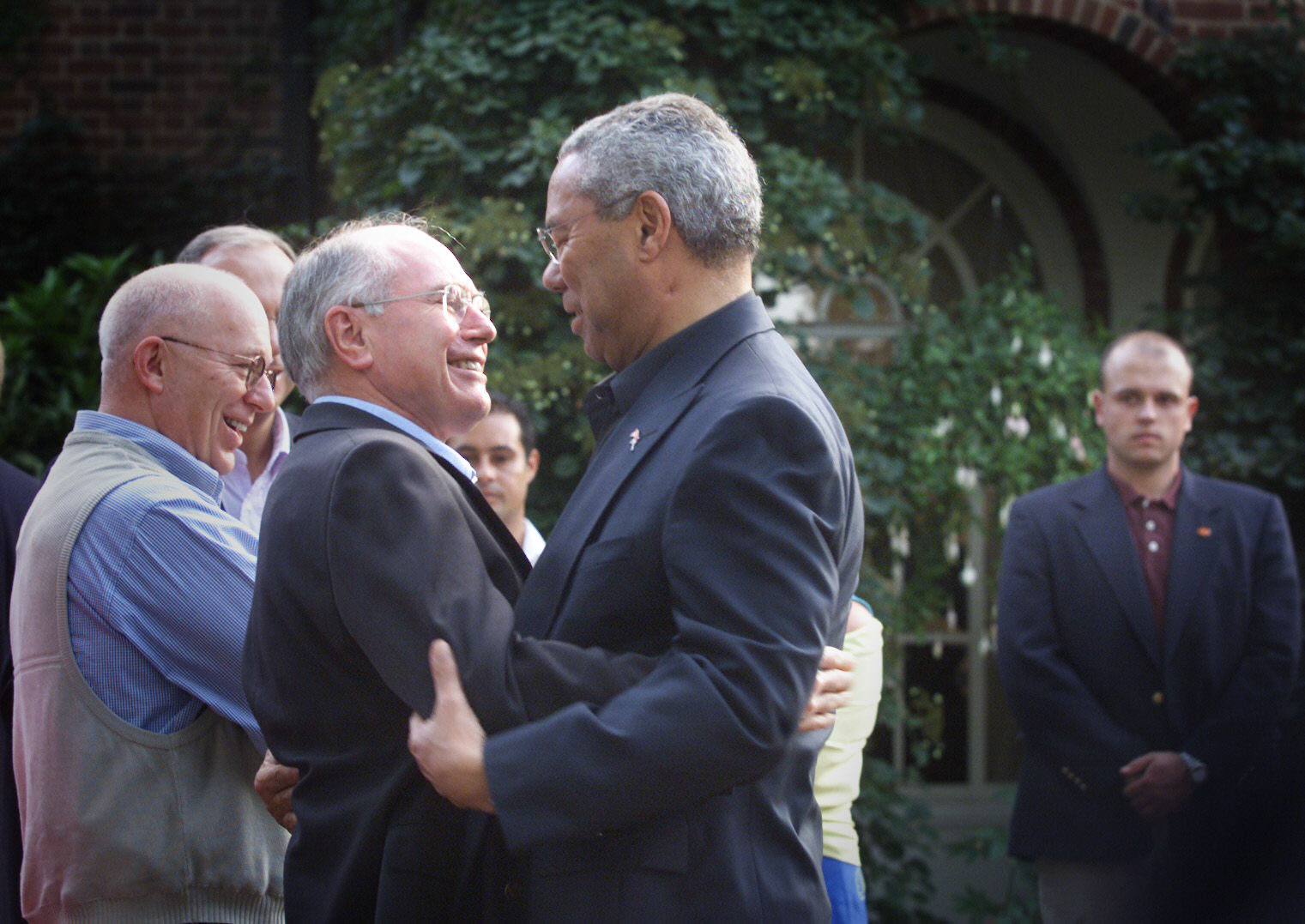
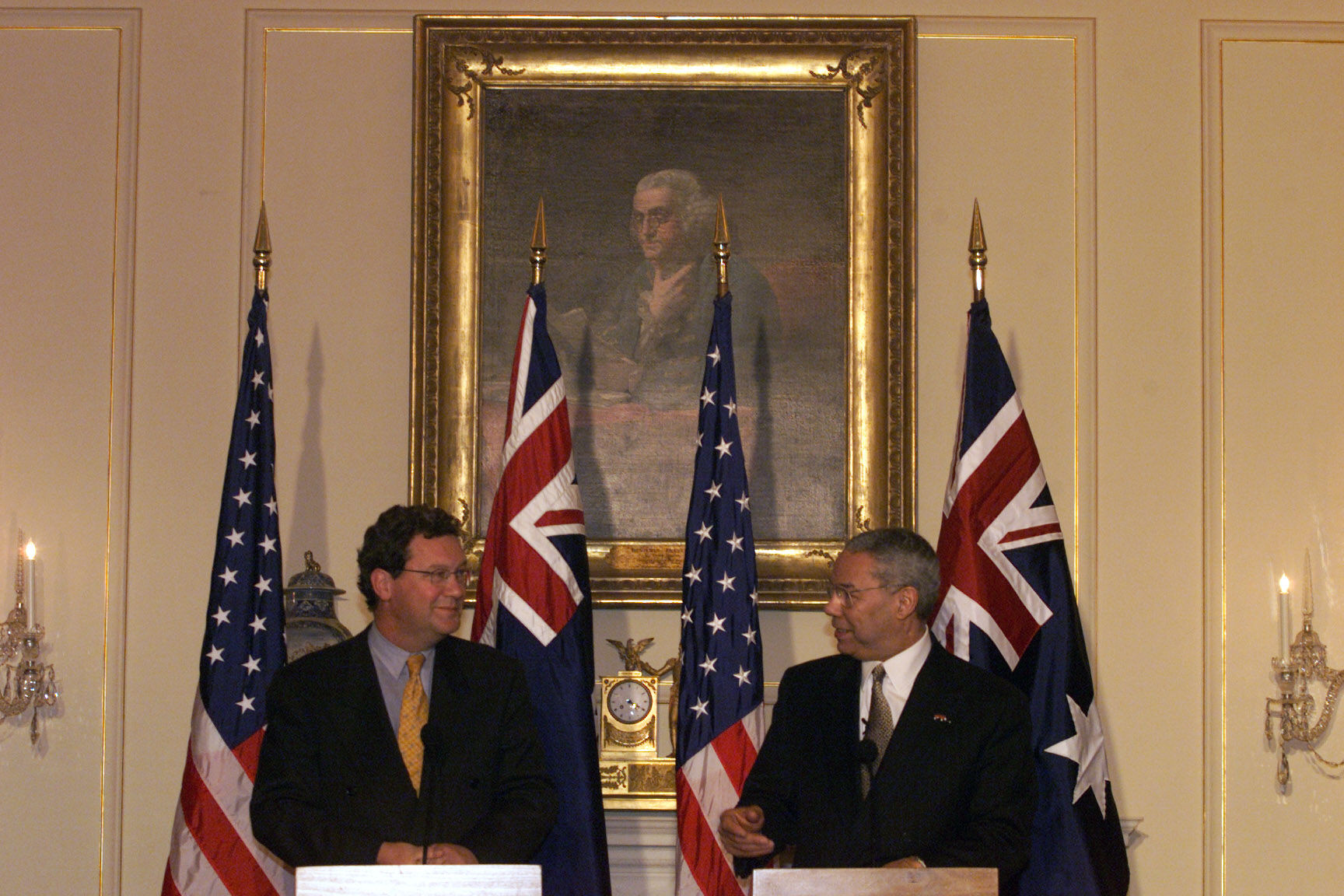
Powell was again encouraged to run in the 2000 presidential election, but rebuffed calls for him to mount a bid. He instead endorsed George W. Bush, delivering a speech at the Republican National Convention in which he argued that the then-governor of Texas would "help bridge our racial divides."
He was Bush's first Cabinet selection when he was announced as the 43rd President's nomination for secretary of state, and with his expertise in foreign policy and widespread popularity, he was unanimously confirmed by the Senate.
He shared Bush's reluctance to project military strength across the globe, a view that was quickly displaced by the terrorist attacks of September 11, 2001. As Bush's top diplomat, he was tasked with building international support for the War on Terror, including the Afghanistan War, but it was his involvement in the administration's push for intervention in Iraq, over the concerns of many of America's longtime allies, for which his tenure at State would become best known.
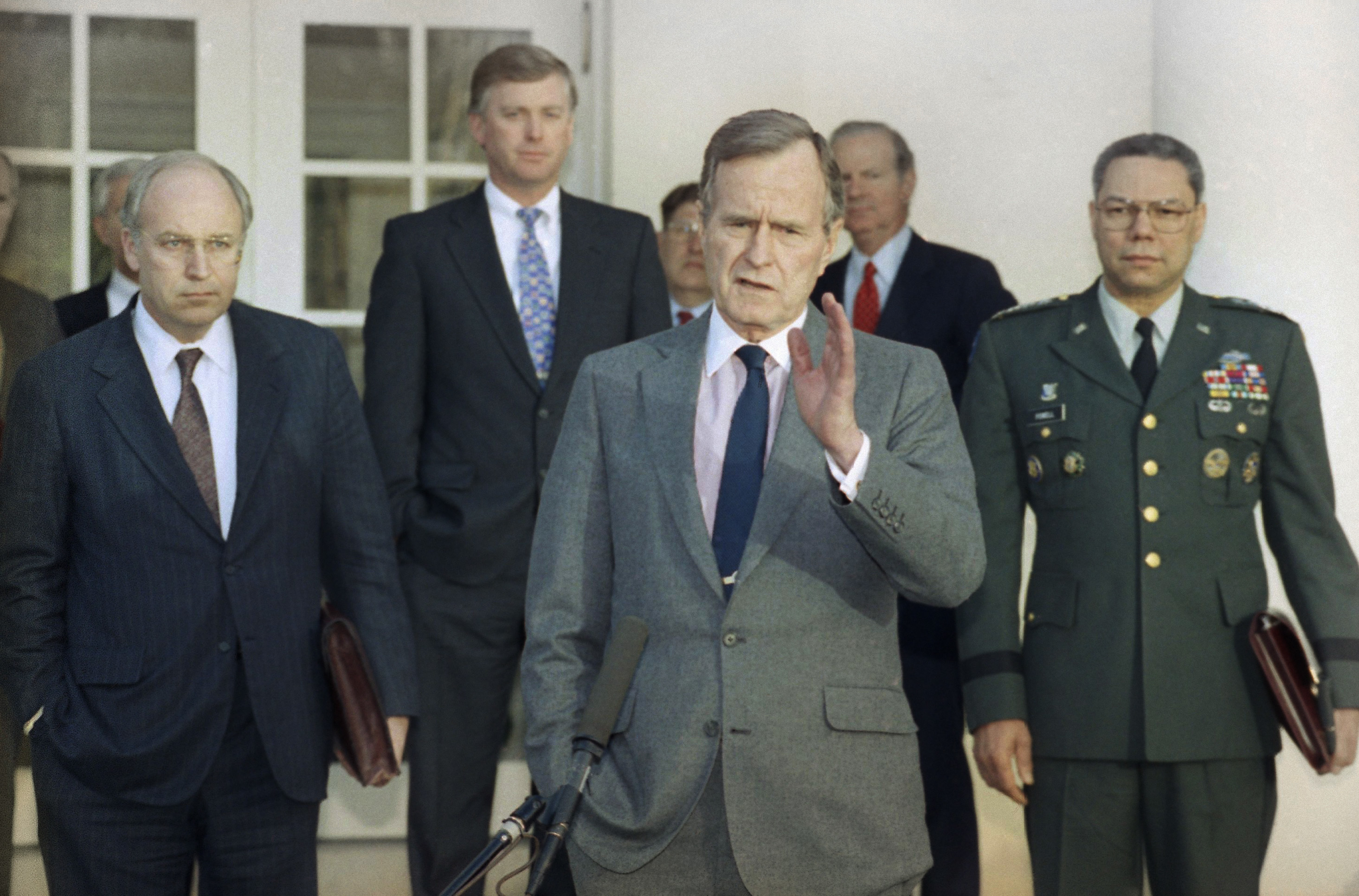
In February 2003, Powell delivered a speech before the United Nations in which he presented evidence that the US intelligence community said proved Iraq had misled inspectors and hid weapons of mass destruction.
"There can be no doubt," Powell warned, "that Saddam Hussein has biological weapons and the capability to rapidly produce more, many more."
Inspectors, however, later found no such weaponry in Iraq, and two years after Powell's UN speech, a government report said the intelligence community was "dead wrong" in its assessments of Iraq's weapons of mass destruction capabilities before the US invasion.
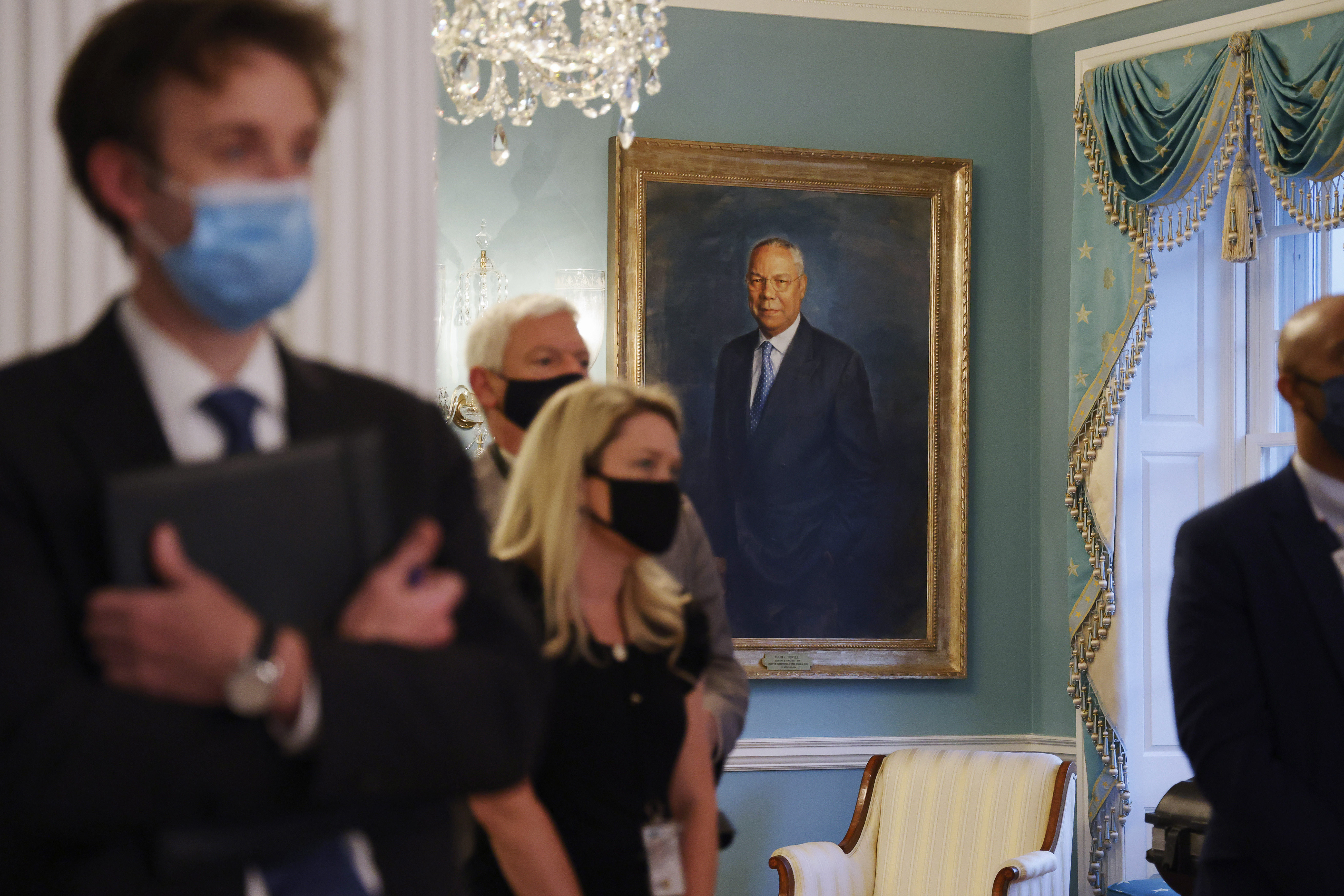
But the damage was already done — to both Iraq, which the US went to war with just six weeks after Powell's speech, and to the reputation of the once highly popular statesman, who was reportedly told by then-Vice President Dick Cheney before the UN speech: "You've got high poll ratings; you can afford to lose a few points."
Powell, who left the State Department in early 2005 after submitting his resignation to Bush the previous year, later called his UN speech a "blot" that will forever be on his record.
"I regret it now because the information was wrong — of course I do," he told CNN's Larry King in 2010. "But I will always be seen as the one who made the case before the international community."
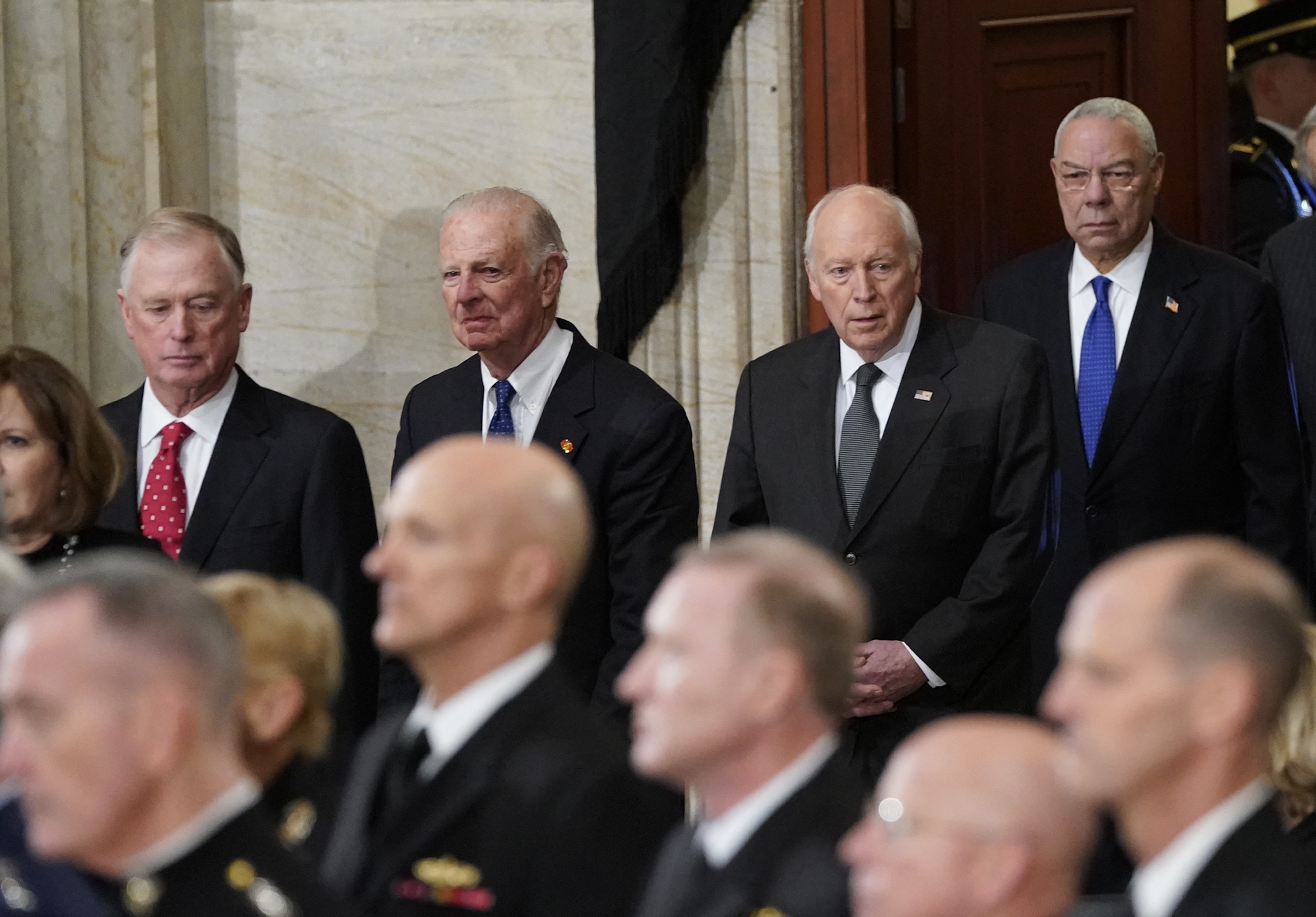
"I swayed public opinion, there's no question about it," he added, referring to how influential his speech was on public support for the invasion.
In his 2012 memoir, It Worked for Me, Powell again acknowledged the speech, writing that his account of it in the book would likely be the last he publicly made.
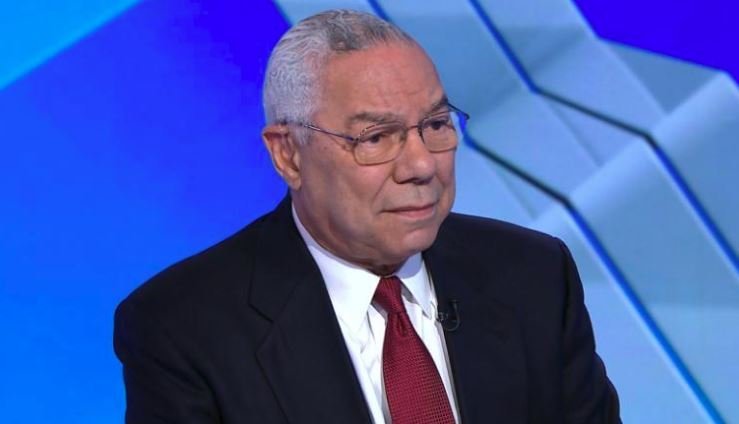
"I am mad mostly at myself for not having smelled the problem. My instincts failed me," he wrote, referring to the report he used that contained faulty evidence of supposed Iraqi WMDs. "It was by no means my first, but it was one of my most momentous failures, the one with the widest-ranging impact."
"The event will earn a prominent paragraph in my obituary," Powell wrote.
Shifting politics
After leaving the Bush administration, Powell returned to private life. He joined the renowned venture capital firm Kleiner Perkins in 2005, where he worked as a strategic adviser until his death. For a time, he gave speeches at "Get Motivated!" business seminars, and he authored the 2012 memoir.
Though the large majority of Powell's time as a public servant was spent in Republican administrations, the later years of his life saw him supporting Democratic presidential candidates and harshly criticising top Republican leaders.
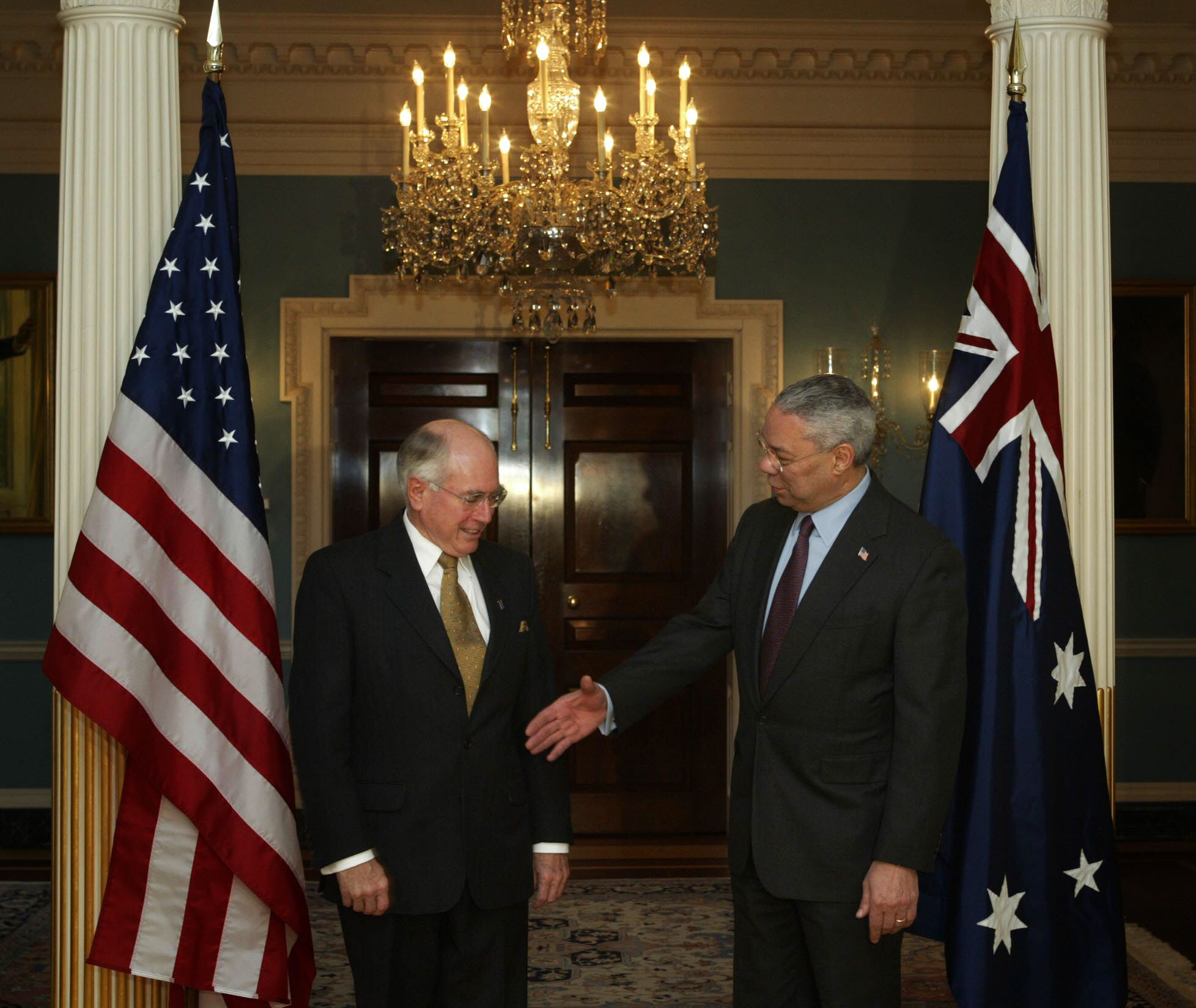
By 2008, the longtime Republican's coveted presidential endorsement went to another party when he announced his support for Obama's White House bid. At the time, he touted Obama's "ability to inspire" and the "inclusive nature of his campaign," while criticising attacks on the Illinois senator by Republican presidential nominee John McCain's campaign as "inappropriate." He was later named an honorary co-chair of Obama's inauguration and endorsed him again in 2012.
Powell went on to vote for Hillary Clinton in 2016 over Donald Trump, whom he had strongly condemned as a "national disgrace and an international pariah."
In an extraordinary move that year, three presidential electors in Washington state cast votes for Powell rather than Clinton, resulting in state fines that were later upheld by the Supreme Court.
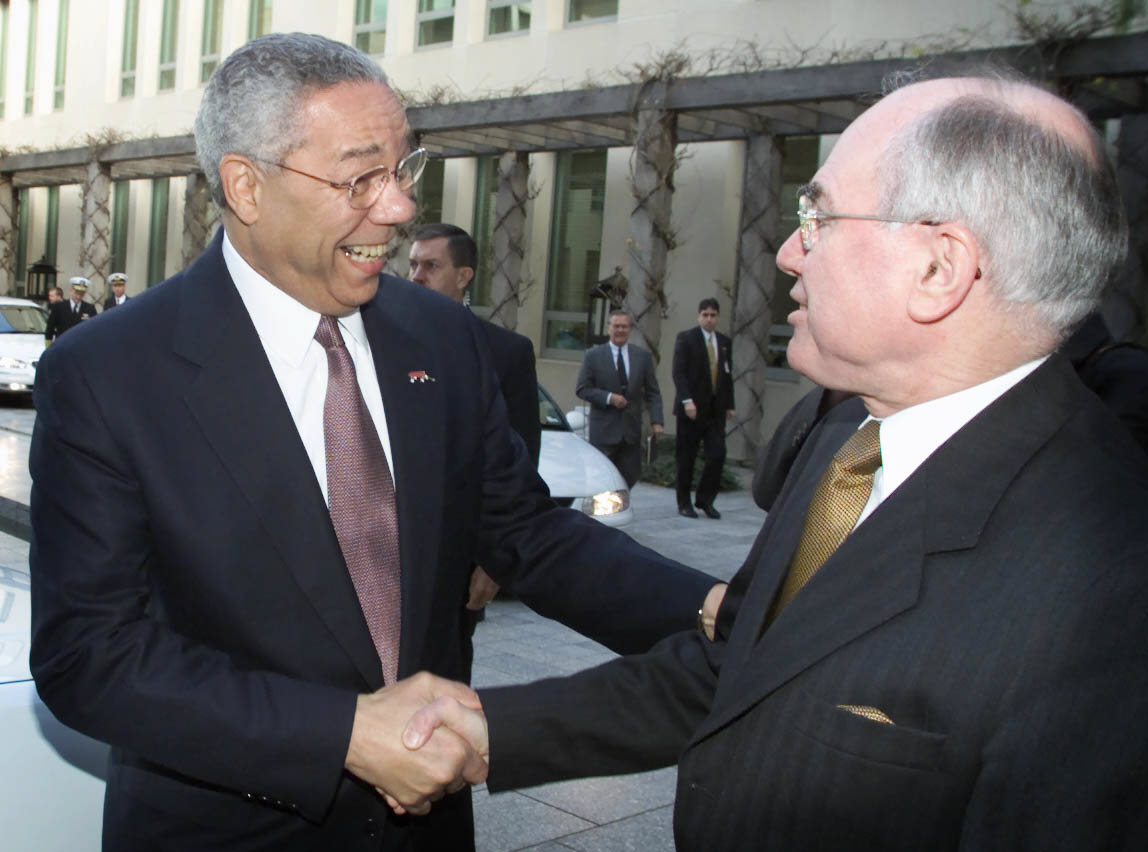
He again snubbed Trump in 2020 during the President's second campaign, announcing his support for Joe Biden in June of that year while blasting Trump's presidency.
"We have a Constitution. And we have to follow that Constitution. And the President has drifted away from it," he told CNN, adding that he "certainly cannot in any way support President Trump this year." The retired general later delivered an address in support of Biden during the Democratic National Convention.
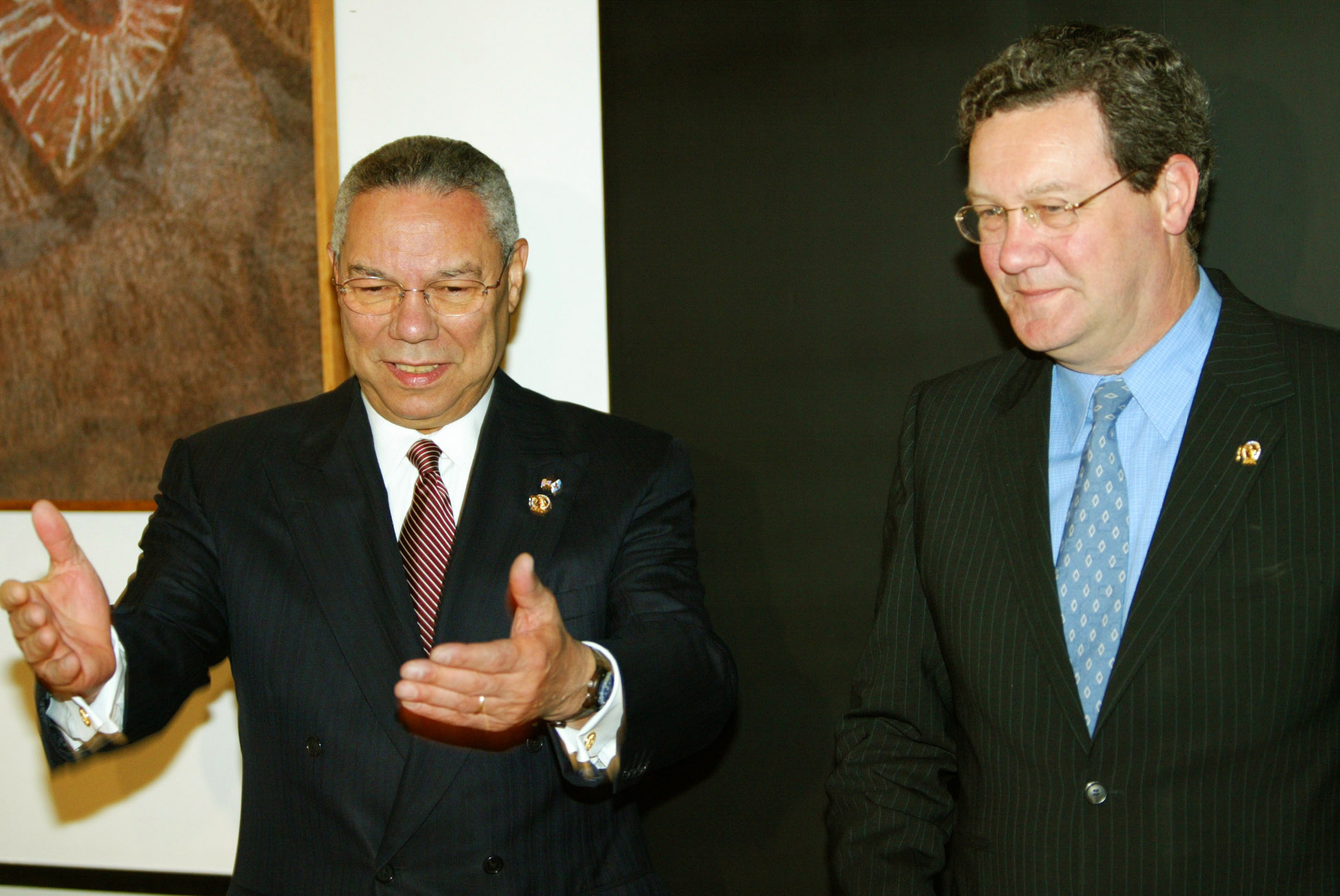
And after Trump incited a deadly insurrection at the US Capitol in early January 2021, Powell told CNN that he no longer considered himself a Republican, with the longtime grandee of the GOP saying he was now simply watching events unfold in a country he long served.
"I can no longer call myself a fellow Republican. I'm not a fellow of anything right now," he told CNN's Fareed Zakaria on "GPS." "I'm just a citizen who has voted Republican, voted Democrat throughout my entire career. And right now, I'm just watching my country and not concerned with parties."
Neighbours in Western Sydney win over $3m together in the lotto
Neighbours in Western Sydney have won more than $3 million together in the lottery.
The two friends entered the Saturday Night Lotto that was drawn on October 16 and became one of the six division one winners.
One of the winners told The Lott that he was still in disbelief.
READ MORE: International travel 'vaccine passports' to be available this week
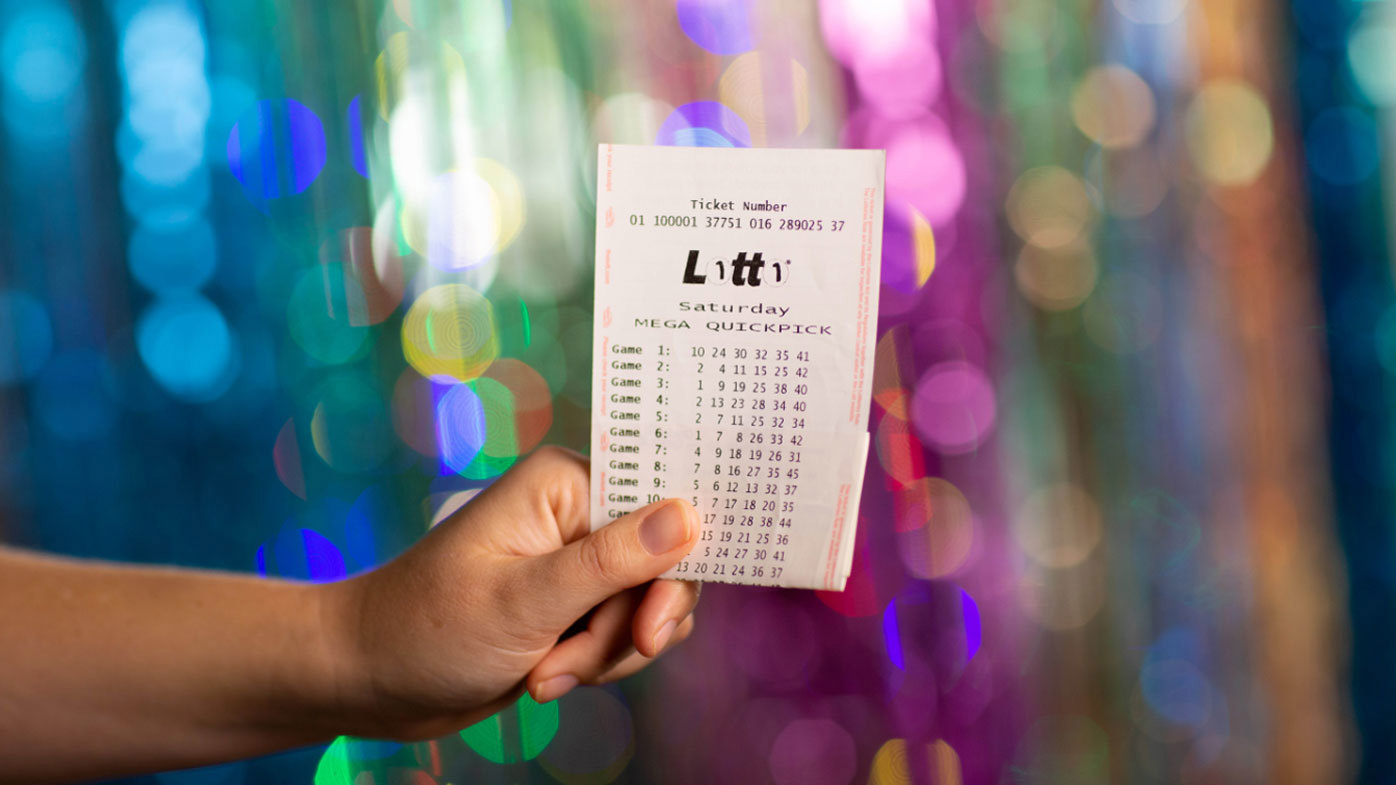
"We both had knots in our stomachs when we checked the ticket on Saturday night," he said.
"We just kept checking it over and over again and really thought this could not happen to us."
The two have been playing together for almost two years – and it has now paid off.
By splitting the winnings, the pair will receive around $1.6 million each.
One of the winners said they both planned on using the money to buy new homes.
"We won't have a mortgage, and I will be able to retire a lot earlier," he said.
"It will be incredible to know that my salary will not be going to a mortgage.
"I am so happy with my life and what I have, but this will just make things so much easier and it will be the same for my neighbour as well."
ICAC hears Gladys Berejiklian 'in shock' when forced to sack boyfriend
The opening day of a corruption inquiry into Gladys Berejiklian has been played private evidence of the then-premier saying she was "in shock" when she was forced to sack her then-boyfriend Daryl Maguire.
The video evidence, recorded a month ago, shows Ms Berejiklian being grilled by ICAC Counsel Assisting Scott Robertson, over what she knew about Mr Maguire's allegedly corrupt dealings when she asked him to resign as Parliamentary Secretary in 2018.
"Did you suspect Mr Maguire was engaged in corrupt conduct?" Mr Robertson asked, via video link.
READ MORE: 'I have been given no option': NSW Premier Gladys Berejiklian resigns
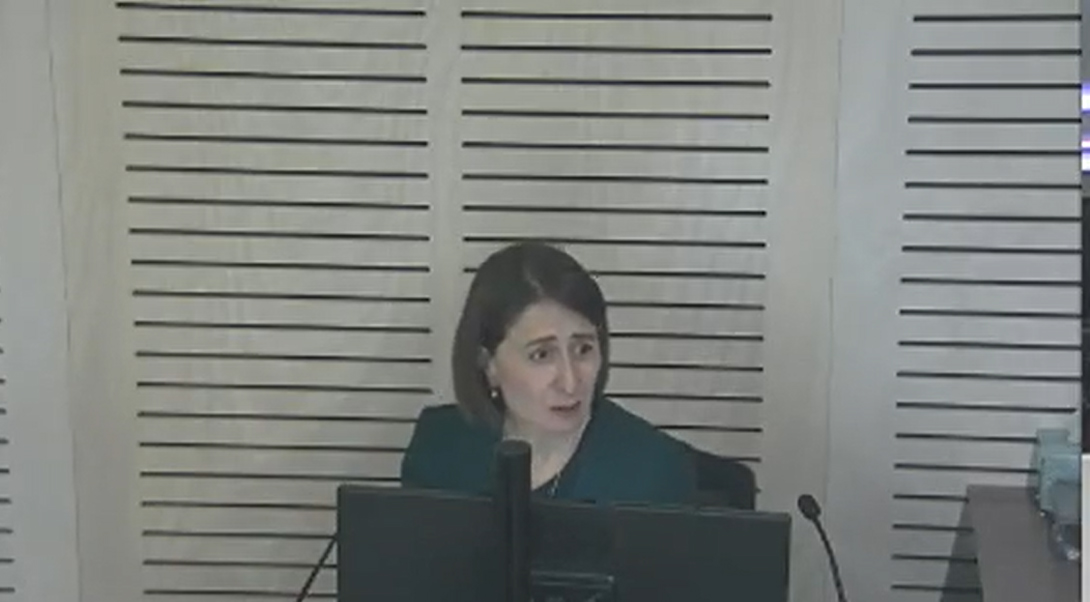
"I couldn't make any assumption at that stage, he was professing his innocence," Ms Berejiklian answered.
She was repeatedly pressed on her suspicions, eventually answering "no".
Mr Robertson then told the Commission there was a question about whether that evidence should be accepted.
Lying or making deliberately misleading ICAC is an offence and can attract a six-month jail term.
The commission is looking at whether Ms Berejiklian breached her own ministerial standards by not disclosing the secret relationship, either to Mike Baird when she was his Treasurer or her own cabinet when she took the top job.
"There will be evidence to the effect that a number of public officials would have acted differently if they knew about Ms Berejiklian's relationship with Mr Maguire," Mr Robertson said in his opening address.
READ MORE: The road to resignation: How Gladys Berejiklian came to this point
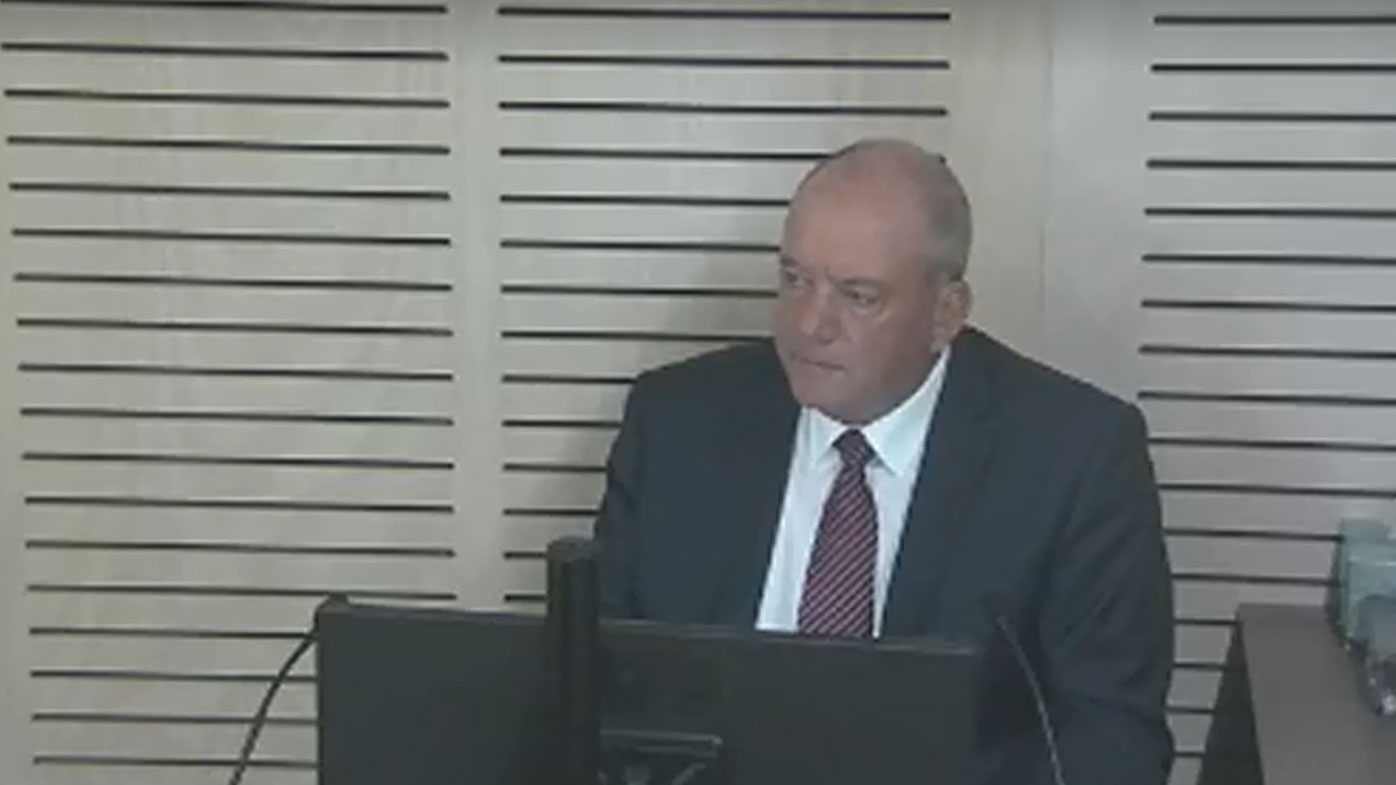
Ms Berejiklain had previously disclosed conflicts of interests around board appointments, and the employment of her cousins as public servants, but "never gave a disclosure to the NSW ministerial code of conduct about Mr Maguire".
The inquiry is looking at Ms Berejiklian conduct in relation to the approval of two grants for Mr Maguire's electorate; $30 million for the Riverina Conservatorium of Music and $5.5 million to the Australian Clay Target Association in Wagga Wagga.
The latter was a project rubbished today by a top bureaucrat, Michael Toohey from the Office of Sport.
"There wasn't any real design work… it didn't stack up," Mr Toohey told ICAC.

Mr Maguire publicly touted the project, saying if the money was spent on the range, it could become a venue for the 2018 Sydney Invictus Games.
"Invictus Games doesn't have shooting events," Mr Toohey said.
An email shown at ICAC suggested the then-Treasurer's office had requested the funding submission be put on the agenda for approval.
Ms Berejiklian has repeatedly denied any wrongdoing.
The inquiry is ongoing.
Mr Baird will give evidence on Wednesday, then-Sports Minister Stuart Ayres on Friday, and former Deputy Premier John Barilaro next week, along with the former premier herself.