Tag Archives: oceania

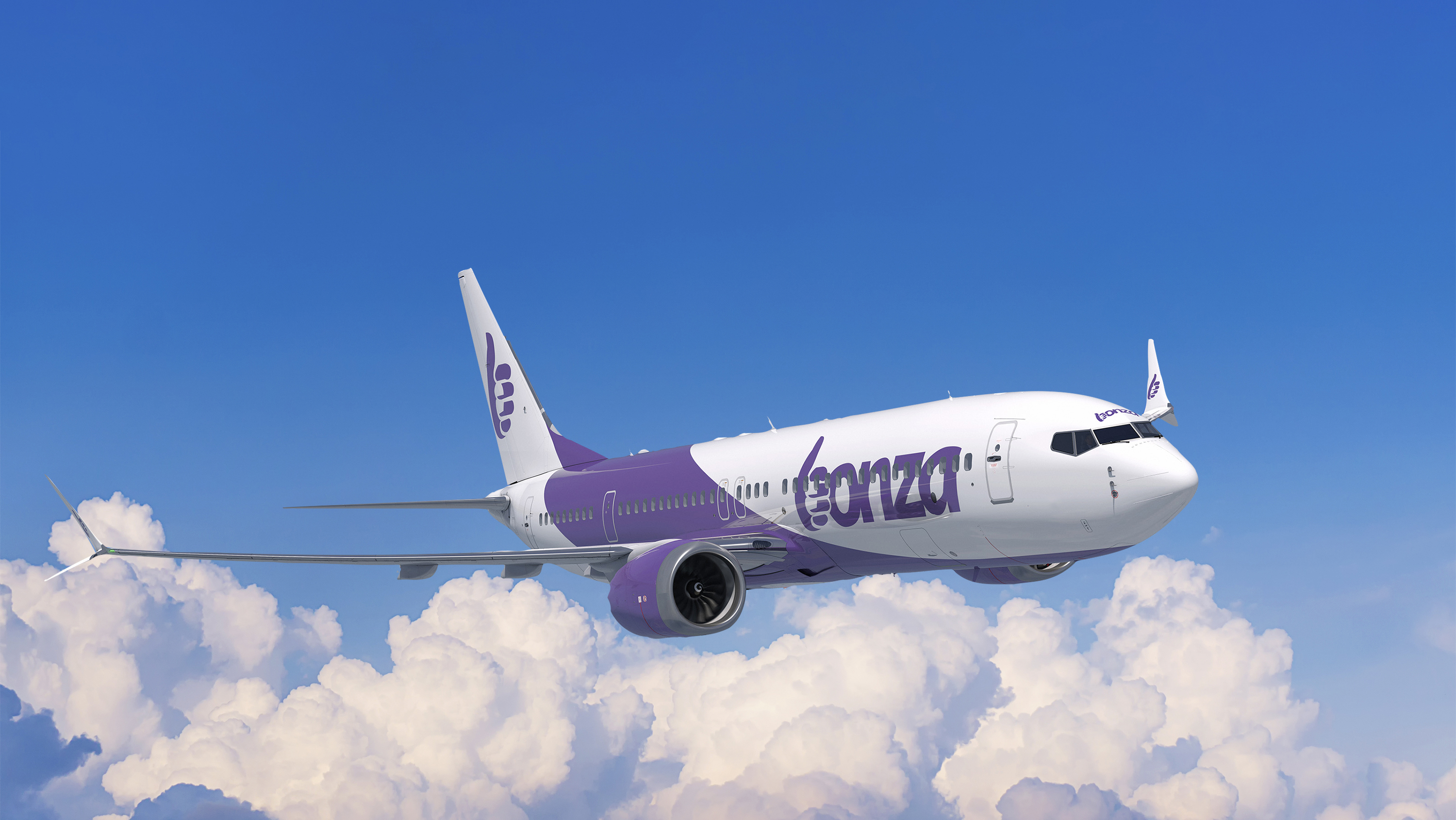
Why Australia may be too small for Bonza airline

Bonza promises to be the independent low-cost airline many Australian consumers have prayed for, but some are questioning whether the market is big enough to host another player.

Funded by US private investment firm 777 Partners, Bonza said it would begin flying from as early as next year using Boeing 737-8 aircraft.

Its strategy, according to CEO Tim Jordan, would be to provide routes into leisure destinations where travel is normally limited by connections via major cities.

But cracking Australia's duopoly airline market is a task easier said than done.

READ MORE: Gabby Petito was strangled weeks before she was found in US national park
Neil Hansford is chairman of Strategic Aviation Solutions. He has over 40 years providing business plan assessments to airlines, and says the focus on purely flying holidaymakers is not sustainable.

"The thing is, nobody will survive in Australia on flying just the leisure market. You need an element of the business market to get sufficient yield from your passengers," Mr Hansford said to 9News.com.au.

"You can't just fill planes with 90 per cent of cheap seats."

According to Hansford, Bonza's headline strategy of providing unique routes to regional communities has one major hurdle: the physical size of the runways they intend to land at.

"The amount of airports that will be able to take the 737-800 in regional areas is low. It's a whole different requirement for airports to take this aircraft compared to a Dash 8-400," Mr Hansford said.

"You need a 30-metre runway. Once you're on the coast, you're fine – we've upgraded the airports up and down the east coast. But Bonza is talking about operating to regional centres and certainly Rex is not going to give them any starts on home routes like Armidale, Tamworth and Wagga.

"So Qantaslink and Rex are likely to hold onto passengers on those routes pretty well."

READ MORE: Why this summer could be cooler and wetter than usual
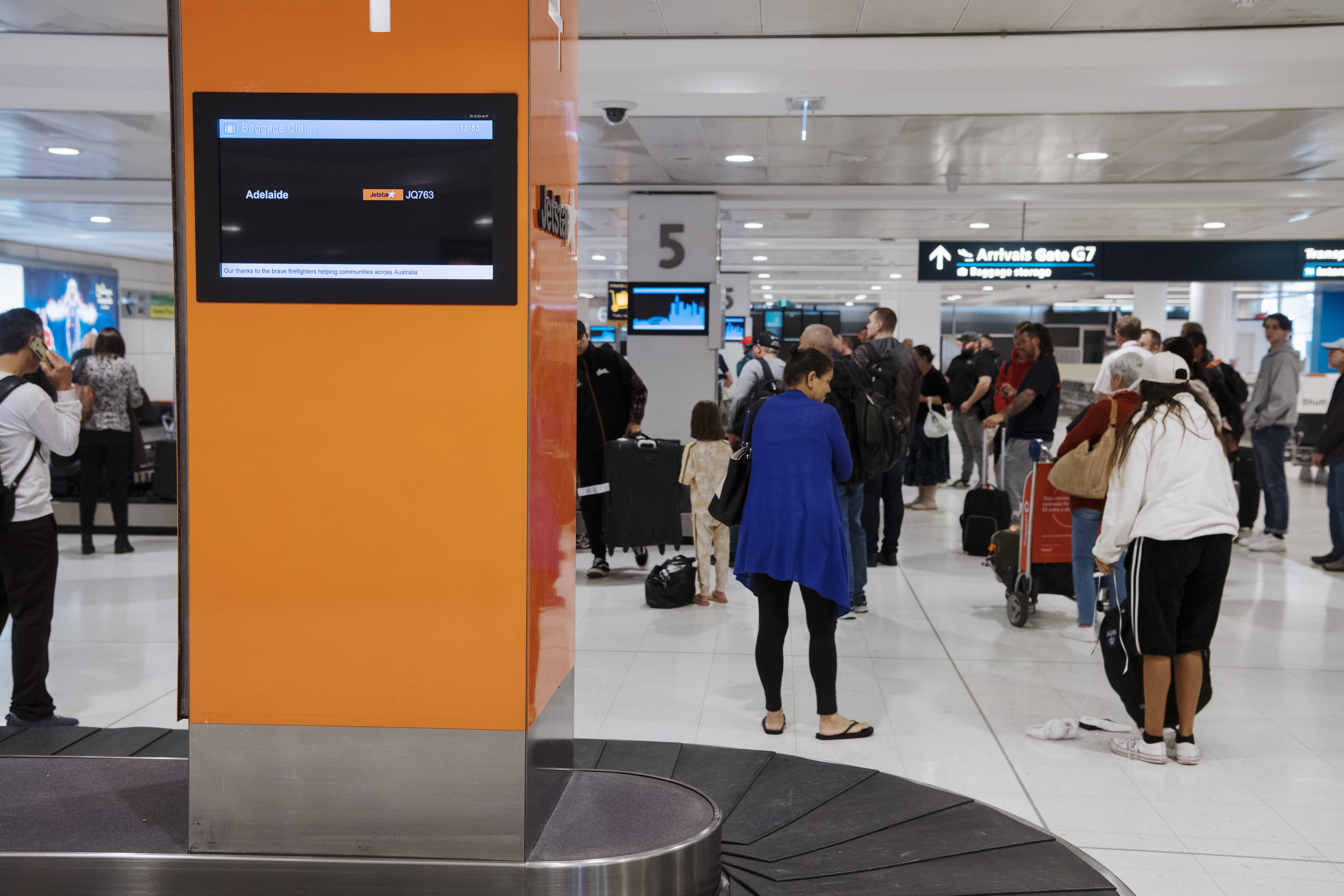
Baggage carousel for a  Jetstar flight from Adelaide to Sydney Airport. Tuesday 19th May 2020. Photograph by James Brickwood. AFR 200519

But Bonza's CEO is confident that the Australian market is primed for a new competitor.

"Bonza's mission is to encourage more travel by providing more choices and ultra-low fares, particularly into leisure destinations where travel is now often limited to connections via major cities," Mr Jordan said at the airline's launch.

"Bonza will deliver enormous benefits to all Australians, but particularly to regional communities by providing new routes and greater travel opportunities.

"Bonza will also play a leading role in Australia's post-pandemic economic recovery – creating jobs, stimulating travel and consumer spending and helping regional communities, especially those that rely on tourism, get back on their feet."

READ MORE: Anti-vaxxer's attack on Sydney café backfires
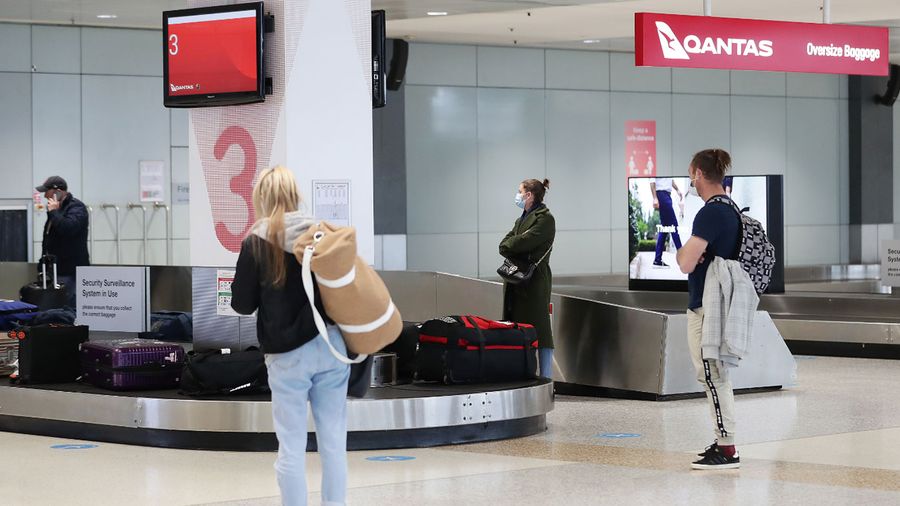
Sydney airport

Mr Hansford said strategically, Bonza may take an interest in routes to the Whitsundays or picturesque coastal areas in Western Australia, but only time will tell whether the passenger demand is high enough to support a separate carrier.

"Australia is a very hard market to crack because we've only got 26 million people on the fifth-largest continent. And basically 70 per cent of us live on the eastern seaboard. That's why it's difficult," Mr Hansford said.

"If you asked me for some odds of whether it'll get off the ground – meaning a five or six aircraft fleet – I would give you odds of no greater than five per cent."
Sydney petrol prices heading towards most expensive on record

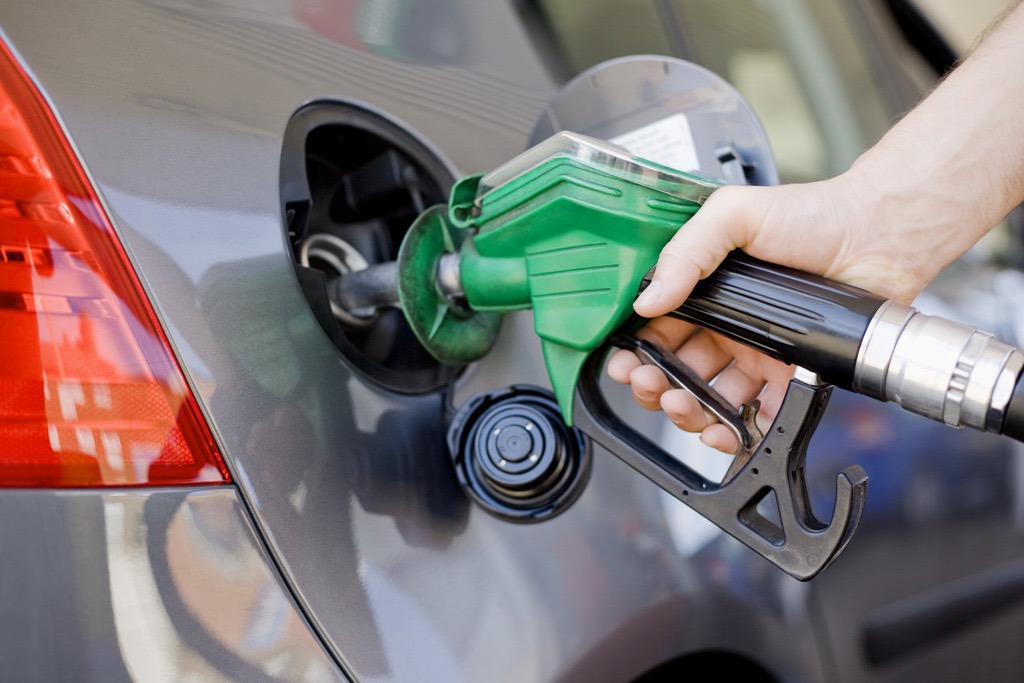
The amount of petrol sold in Sydney plummeted 45 per cent during lockdown but that hasn't stopped the oil companies reaping bumper profits at the expense of drivers.

Big oil had a profit margin of 11 cents a litre in 2019 but as the lockdown of last year took its toll, profit margins rose to 17 cents and are sitting at 16.6 cents a litre so far this year, data compiled by the NRMA exclusively for 9News shows.

The profit margin in the last price cycle was 18.1 cents a litre, according to the NRMA, and was as high as 18.4 cents a litre through a 53-day price cycle from March 20 this year to 11 May.

READ MORE: Fears Australian petrol prices to hit record highs as crude oil price peaks

The discount price cycle also appears to have vanished. The cycle that ended on August 24 lasted 55 days – almost eight weeks.

Prices can jump 20 cents a litre overnight but fall abysmally slowly.

The figures are in stark contrast to pre-pandemic 2019 when price cycles lasted as little as 19 days.

So far this year, Sydney, Melbourne and Brisbane have had the most expensive petrol.

The yearly average for regular unleaded so far this year is 145.1 cents a litre, compared to 122.9 cents a litre last year and 126.2 cents a litre in in 2017.

While some of the price hikes can be blamed on higher global oil prices, profit margins are higher than they should be as companies try to claw back lost revenue from reduced driving.

READ MORE: Why this summer could be cooler and wetter than usual

NRMA spokesman Peter Khoury told 9News Sydney is heading towards the worst prices on record.

"Prices are so high now that we're starting to be concerned not just about what sort of impact that's going to have on the family budget but also the economy," Mr Khoury said.

The average price in Sydney is expected to hit $1.70 a litre this week.

Global oil demand is on the rise as economies open up and that is pushing prices higher.

Crude oil prices are at their highest level in four years but the higher margins are also contributing to the pain at the bowser.

"The price cycles are overwhelmingly being manipulated by the oil companies to benefit the margins and to ensure motorists are exposed to higher prices for longer," Mr Khoury said.

The Australian Competition and Consumer Commission (ACCC) monitors petrol prices and said they were largely driven by global factors but excused retailers for trying to claw back lost revenue.

"Lower demand for petrol during the COVID-19 pandemic is likely to be a factor influencing the high gross retail margins as retailers may have increased their prices to offset the lower sales volumes," the ACCC said in a statement to 9News.

READ MORE: Anti-vaxxer's attack on Sydney café backfires

"Petrol retailing is a high-volume low-margin business with many fixed costs. This means that when sales volumes decline, the cost per unit of petrol increases. To generate revenue to partially cover their fixed costs, some retailers may have been setting retail prices higher than they otherwise would."

The industry argued their margins aren't all profit but also cover fixed costs such as rent, labour and utilities.

"We've seen a 50 per cent decline on average in the two biggest states of NSW and Victoria but our costs have stayed the same. So our revenue has halved from fuel but our costs have stayed the same," Mark McKenzie of the Petroleum Marketers' Association said.

Across any capital city, the spread of prices can be upwards of 50c a litre, just as we head out of lockdown and regional travel is back on the cards.

Mr Khoury said the NRMA wanted families to spend their money on domestic and regional tourism.

"We want to see those dollars spent in regional communities, not at the bowser. We want families to spend their money on Christmas not on (high) petrol prices," he said.

It's never been more critical to do your research before filling up – get online, download the apps and check where is cheapest.

Third COVID-19 vaccine doses already being given out in Victoria

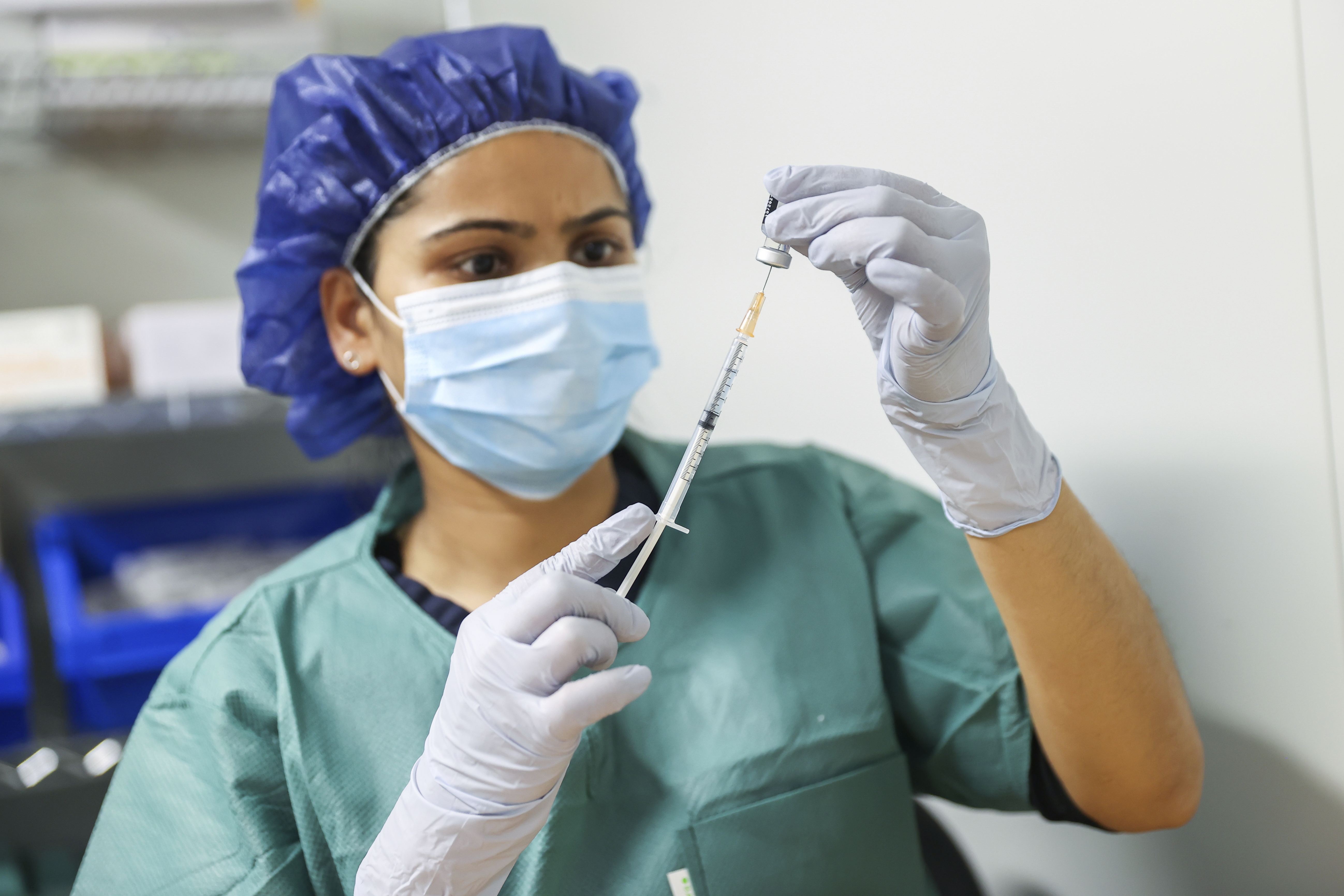
Third shots of COVID-19 vaccines are already being given to Victorians with weakened immune systems, with a broader booster vaccination program is expected to be rolled out in coming weeks.

Some medications reduce the COVID-19 vaccine's efficacy, meaning a third dose is needed to bring the person's level of immunity closer to the levels of the average fully vaccinated person.

Two doses is not enough to protect Mount Martha's Skye Mazalin, who has beaten cancer twice and is on medications that affect the potency of the vaccine.

READ MORE: Explained: When lockdown restrictions will ease in Victoria

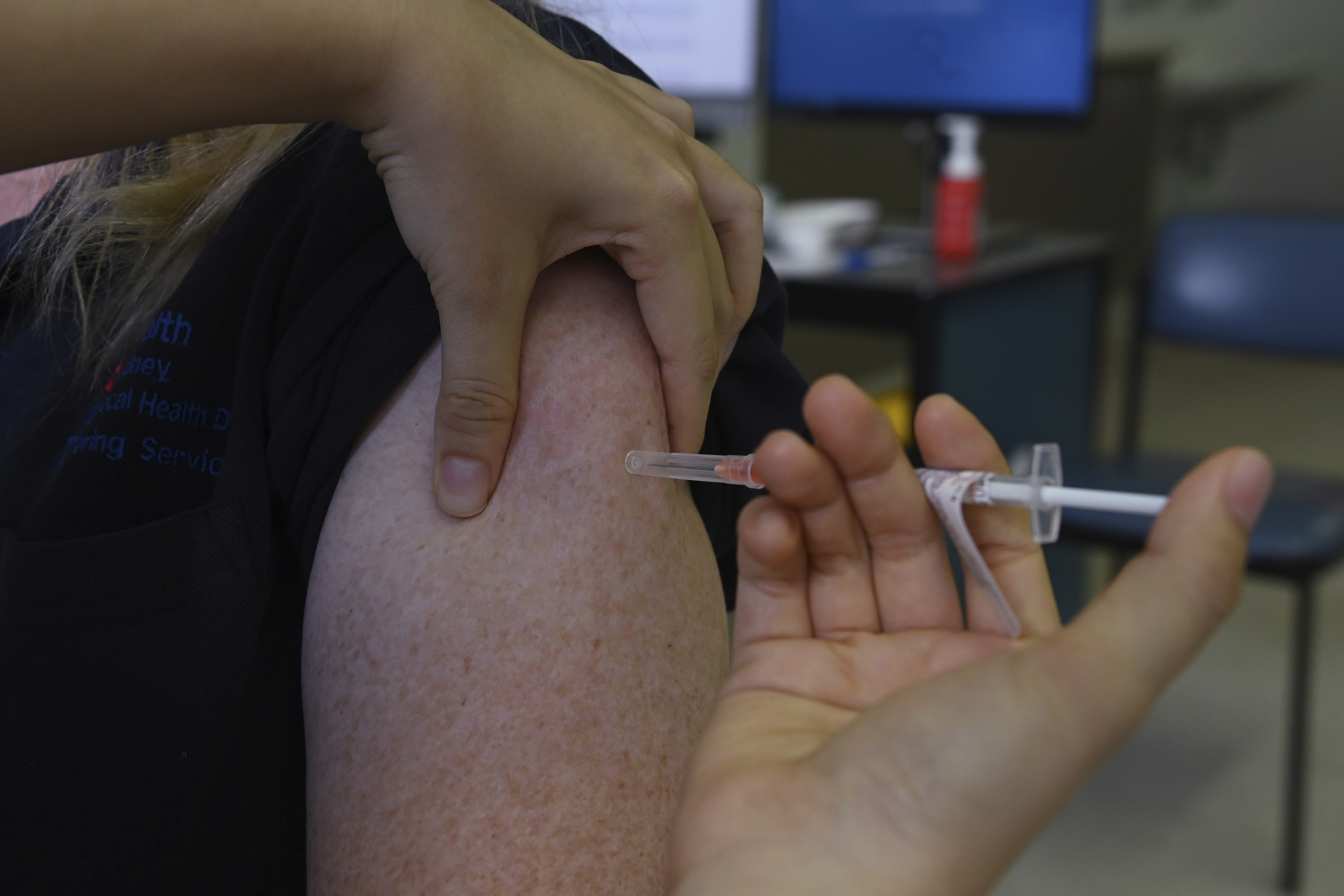
Today, the 24-year-old received a third dose of Pfizer to take her level of immune response closer to the general population's.

University of Queensland virologist Dr Kirsty Short, who is closely studying the effectiveness of coronavirus vaccines, said that as time went on, vaccinations were not as effective at stopping individuals catching the virus.

"Over time the vaccine induced immunity is still providing great protection against people going to hospital and still providing great protection against people dying but it is losing its efficacy in terms of preventing you from getting infected," she said.

Dr Short said hoped the issuing of booster doses would stop the spread of the virus, as well as stopping people being hospitalised from it.

"What I'm really hoping with boosters is that they will have a really significant impact on these viruses to stop transmission," she said.

Dr Short said the concept of a booster vaccine was not new or specific to the COVID-19 vaccines.

"We know that for tetanus we need a booster every 10 years."

Overseas, countries are giving booster shots to the most at risk including healthcare workers, those with underlying medical conditions and older people.

The UK offering is offering booster shot to over 50s six months after their second dose, while the US is offering them to over 65s.

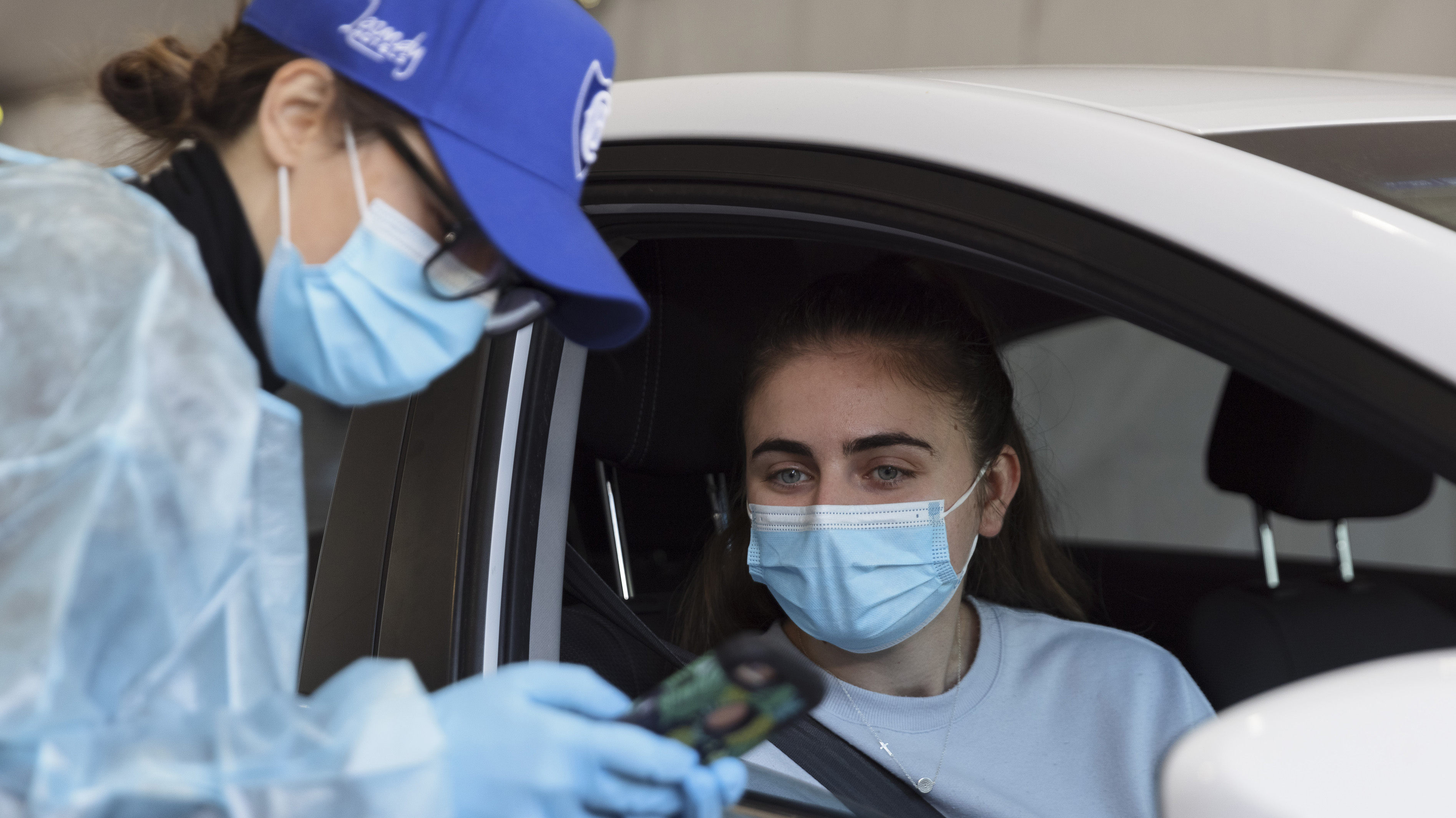
A patient arrives to receive a COVID-19 vaccine at a new drive-through vaccination clinic  in Sydney.

In Israel, booster shots are already available to the entire population.

In Australia, the Pfizer and Moderna vaccines will be used initially – even if a person was initially vaccinated with Astrazeneca.

An announcement on exactly when the broader booster program will start is expected in the coming weeks.

Bikies told to use 'makeup' to cover up as WA legislation introduced

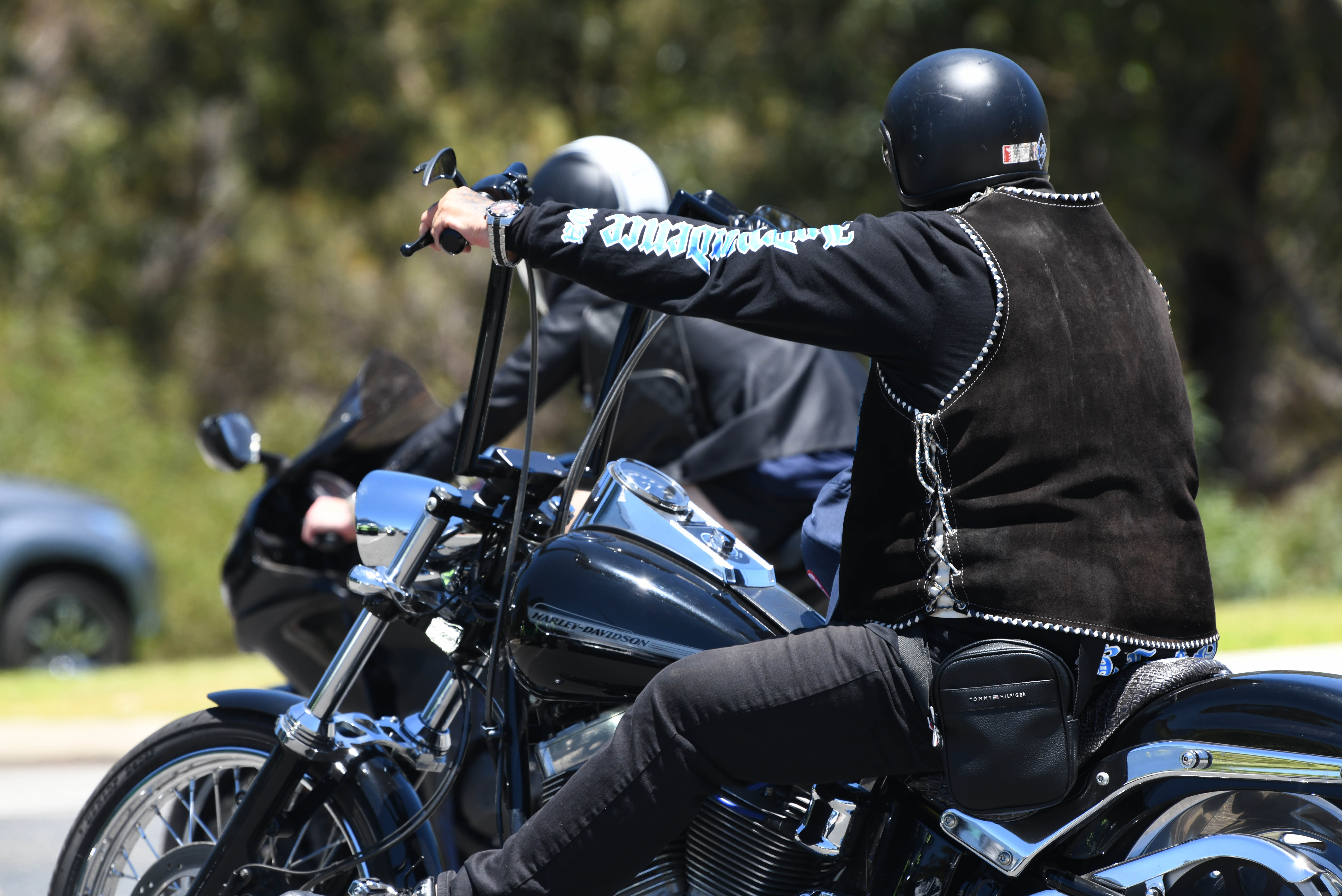
Western Australia is set to ban outlaw motorcycle gang members from wearing their patches and associating with one another in public.

The Criminal Law (Unlawful Consorting and Prohibited Insignia) Bill 2021 will be introduced into state parliament next week.

It names 46 bikie organisations from across the country.

READ MORE: Gabby Petito was strangled weeks before she was found in US national park

Bikie members will be banned from displaying their insignia in public in WA.

Attorney-General John Quigley said the laws "demonstrate the McGowan Government's unwavering commitment to stopping the expansion of serious organised crime and criminal groups in WA once and for all".

Once passed, the laws will give police officers in the state unprecedented powers to disrupt and limit serious and organised crime.

Police officers will be allowed to disperse gang members that gather together in public.

Mr Quigley said any club insignia, including tattoos, would need to be covered up in public.

"If they're on parts of their body which clothing apparel will not cover then they'll have to find some other way to cover it," Mr Quigley said.

"Either … makeup (or) foundation."

READ MORE: Anti-vaxxer's attack on Sydney café backfires

If caught showing gang colours in public, bikie members can face 12 months in jail and fines between $12,000 to $60,000.

Police Minister Paul Papalia said the laws aim to improve safety in the state.

"We are determined to make WA a safe place, without the fear of bikies pursuing their own vendettas at the expense of law-abiding citizens," Mr Papalia said.

Explained: When lockdown restrictions will ease in Victoria

As Victoria marks 70 days into lockdown number six, Victorians are desperate to when they will get freedoms back.

'Freedom day' is set for when 70 per cent of the eligible population aged over 16 are fully vaccinated.

Here's a rundown of all that we know.

READ MORE: Restrictions could be eased in Victoria sooner than planned after state records drop in cases

When will Victoria hit the 70 per cent fully vaccinated mark?

It's likely to be at the end of next week.

The state was initially forecast to reach its 70 per cent double dose COVID-19 vaccine milestone on October 26, but data shows it is possible the target may be hit as early as October 21.

The state is currently sitting at 61.5 per cent of the eligible population being double- dosed.

Today Premier Daniel Andrews said he would provide "greater clarity" at the end of the week about what next week looks like as the state remains on track to reach its vaccine target ahead of schedule.

But even when Victoria hits the target, many restrictions will still remain in place.

What changes for Victorians at the 70 per cent fully vaccinated mark?

Premier Daniel Andrews has said the lockdown will officially end when the rate of double-dosed Victorians aged 16 and over will hit 70 per cent, saying the milestone will bring about "freedom day".

However, many restrictions will stay in place, meaning Victorians will still not be able to visit homes or go shopping, while Melburnians will not be able to sit inside at a venue.

In Metropolitan Melbourne the milestone will mean:

  • Ten fully vaccinated people will be able to gather outdoors
  • Pubs, clubs and entertainment venues will be able to host up to 50 fully vaccinated people outdoors only
  • School students will attend school at least part time
  • Hairdressing and personal care will be able to open to five fully vaccinated people
  • Weddings and funerals will be allowed to have 50 fully vaccinated people outdoors and funerals will be allowed to have 20 people indoors
  • Retail will stay closed
  • Visitors will still not be allowed to homes
  • People will not be allowed to eat or drink inside at venues

In regional Victoria it will mean:

  • Community sport returns indoors with number restrictions
  • Pubs, clubs and entertainment venues will be able to host 30 fully vaccinated people indoors
  • School students will attend school at least part time
  • Funerals and weddings will be allowed for 30 fully vaccinated people indoors and 100 fully vaccinated outdoors.
  • Retail will stay closed

Visitors will still not be allowed to homes

When will Victoria get to the 80 per cent mark?

Victoria is expected to reach the 80 per cent mark about 10 days after it reaches the 70 per cent mark.

The government originally predicted Victoria would reach 80 per cent around November 5, but the milestone could be reached as early as November 2 with current vaccination rates.

What changes then?

When Victoria reaches the 80 per cent fully vaccinated milestone, restrictions will remain in place across the state, but there will be more freedoms.

All of the state will live under the same rules.

Changes will include:

  • Ten visitors will be allowed to homes
  • 30 people will be allowed to gather outside
  • Retail will open
  • Pubs, restaurants and cafes will be able to open for 150 fully vaccinated people – for seated service only, and for 500 outdoors
  • Indoor community sport will be allowed with number restrictions
  • Masks will be only be required indoors
  • People will be encouraged to work from home but will be allowed to go to work if they are fully vaccinated
  • All schools and childcare will return fulltime
  • On-site adult education will be allowed for the full vaccinated
  • Hairdressing, beauty and personal care will not be restricted
  • Weddings, funerals and religious ceremonies will be allowed to have 150 fully vaccinated people indoors and 500 outdoors

When will Victoria open its borders?

It is unclear when Victoria will open its borders to all other Australians.

It is hoped the day will be before Christmas, but an announcement is yet to be made.

With Victoria having been in lockdown for months, the issue will also be when other states will open their borders to Victorians.