Hundreds of people have gathered in Porirua ahead of the tangi of an 18-year-old killed in a motorcycle crash. Stuff reports dozens of those present are wearing gang insignia. Rikki Enoka was killed in Johnsonville last week,…
Tag Archives: oceania
Covid 19 Delta outbreak: Why we must not allow virus to become endemic in New Zealand – experts
OPINION: As New Zealand switches from elimination to suppression, those who argue that Covid-19 will become endemic and part of our lives either do not understand or ignore what this would actually mean. Elimination has always…
What international travel will look like once borders open
Expect turbulence after take-off.
That's the warning from aviation experts once Australians start flying overseas again, 18 long months after our international borders snapped shut.
Travellers will need to arrange a Visible Digital Seal (VDS) before they depart, to prove they've been fully vaccinated, including any coronavirus booster shots, and there will be longer, patience-sapping queues at passport control booths – at least initially.
READ MORE: Simple idea turns Gold Coast schoolboy into millionaire
"There's going to be confusion and chaos," David Chadwick, director for identity and biometrics for Unisys in Asia Pacific, told 9News.com.au, explaining how Australia and other countries are now rushing to update and synchronise their coronavirus border technology.
"My gut feel is at least six months," Mr Chadwick said, drawing on "insider knowledge" based on his time as Australian lead for biometric passports with United Nations agency the International Civil Aviation Organisation (ICAO).
"And within six months I think the major countries will settle down.
"If you're traveling to more out-of-the-way places, I think that confusion is going to reign for probably most of next year.
"But I think that first six months, seven months, I think it's going to be utter confusion."
READ MORE: German prosecutor 'confident' he has found Madeleine McCann's killer
Aviation analyst and associate professor at RMIT Chrystal Zhang agreed, warning Australians are in for a "bumpy start" when international travel resumes.
"Australians should still dream and plan their overseas holidays," Ms Zhang said, "but we need to expect some ups and downs until everything settles down."
These are the key issues highlighted by our experts when we asked what international travel will look like once the borders open.
You'll need a Visible Digital Seal
Applied for before travelling, the VDS is a 2D barcode that could be a sticker in your passport, printed out on paper or stored on your phone, Mr Chadwick said. Issued at a federal level, the VDS will contain your coronavirus vaccine status, and all countries, including Australia, will be able to trust that verifiable information.
And that's where longer waits could arise
Issuing the VDS is easy. The problems will arise because not every country can or will move at the same time with the VDS initiative, Mr Chadwick said. Countries that don't have the tech to read the VDS will result in longer processing times at customs. Similarly, travellers coming to Australia from countries without a VDS will cause log jams at our international airports. "The key word is trust," Mr Chadwick said. The VDS needs to be trusted in the same way e-passports store authenticated traveller information.
What countries will Australia sync up with most easily?
The likes of the US, UK, Singapore, Canada and New Zealand, Mr Chadwick said. "I know Europe have got their own sort of standard but I think they'll very quickly move to accept the VDS as well as expect reciprocity for their standard."
Returning Aussies a good test run
Mr Chadwick said the trickle of stranded Australians able to return home and Australian outbound travellers making early trips abroad will help bed in the system, before mass volumes return.
Masks on flights, less service
No surprises here, but you can expect to wear a mask while on a plane except when eating. Food and drink services will be dialled right back, particularly in economy.
One week quarantine in Australia could deter foreign visitors
Some tourists will see the one-week home quarantine in Australia as "a hurdle" they are unwilling to jump, Ms Zhang said, while others – such as international students – will of course be happy to take the hit. Fiji today announced it was opening to international visitors in December, with fully vaccinated tourists from a "green list" of 15 countries, which includes Australia, not required to quarantine.
Qantas ready, but other carriers slower to return
Qantas planes and routes are being primed for takeoff. But the sight of other carriers in Australian skies will take longer, Ms Zhang said. She expected the other big carriers from the US, China, Asia and Europe to begin ramping up flights from March-April next year.
2022 a challenging time for airlines
Airlines have been hemorrhaging billions of dollars during the pandemic, and there will be difficult times ahead. Fluctuations in route demand will make it hard for airlines to plan. Oil prices have risen sharply in recent months, and many airlines had laid off thousands of skilled pilots, aircrew and workers, some who will never return to the industry.
READ MORE: What you can do on 'Freedom Day' if you are fully vaccinated
Covid 19 Delta outbreak: Auckland rules to stay for another week; Northland, Waikato at level 3 until Friday
COVID LATEST* 35 cases today – all in Auckland; 21 are unlinked * Mandatory vaccinations for healthcare, education workers * PM labels Northland traveller ‘irresponsible and dangerous’ * ‘Nowhere near brave enough’ – expert…
Covid 19 Delta outbreak: PM says health and police are 'pulling out all stops' to locate missing Northland traveller
The Prime Ministers message to the missing Northland traveller is to come forward as the region remains in level 3 for a further three day.The Northland woman who tested positive for Covid remains in an Auckland quarantine facility….
Herald afternoon quiz: October 11
Test your brains with the Herald’s afternoon quiz. Be sure to check back on nzherald.co.nz for the morning quiz tomorrow. To challenge yourself with more quizzes, CLICK HERE.
Hawke's Bay's free bowel screening test kits detect 73 cancers in three years
Hawke’s Bay resident Jacob Dehar says taking a free national bowel screening programme test kit which arrived in his letterbox was the best decision he ever made.Dehar, from Omahu, discovered two precancerous polyps which needed…
'The Chinese are advancing their capabilities at a remarkable clip'
A top Pentagon official has given a stark warning about China's military build-up and the threat it poses to Australia, and US bases in the Pacific.
The US Government has "real reasons for concern" over China's expanding size and range of its military capabilities in the region, deputy defence secretary Kathleen Hicks said.
But Ms Hicks stressed the US and its allies in the Pacific were aiming to reduce tensions and were not embarking on an arms race.
Beijing's growing military threat presents major challenges for Australia as well as to the US territories of Guam and Hawaii.
READ MORE: Taiwan rejects China's 'path' amid show of military force
Ms Hicks expressed her concerns during a US Centre for Strategic and International Studies online forum last week.
She said China's President Xi Jinping's rhetoric is making "clear their intentions" to be a global military power.
"The Chinese are advancing their capabilities at a remarkable clip. Those capabilities include, of course, undersea capabilities," Ms Hicks said.
"But even beyond what they're doing in the undersea, it's a very clear pattern of expanding out the geographic capability, the range of their capability to deny other interested parties, whether that's around Japan, whether that's around, in the case of the United States, Guam or even Hawaii.
READ MORE: What you can do on 'Freedom Day' if you are fully vaccinated
"And if you're Australia, it includes, of course, spanning out now, getting closer to Australia, the ability to threaten their interests."
But Ms Hicks stressed the US and its allies in the Pacific were aiming to reduce tensions and were not embarking on an arms race.
"Our goal is not to have any conflict, armed conflict, with China. It is to reduce tension and demonstrate a credible deterrent so they are not tempted with this rhetoric and this capability to overreach," she said.
Ms Hicks' comments came after Australia joined the US and UK in the new AUKUS defence pact. Under the agreement, Australia will acquire nuclear-powered submarines in response to the changing security environment of the Indo-Pacific.
READ MORE: Simple idea turns Gold Coast schoolboy into millionaire
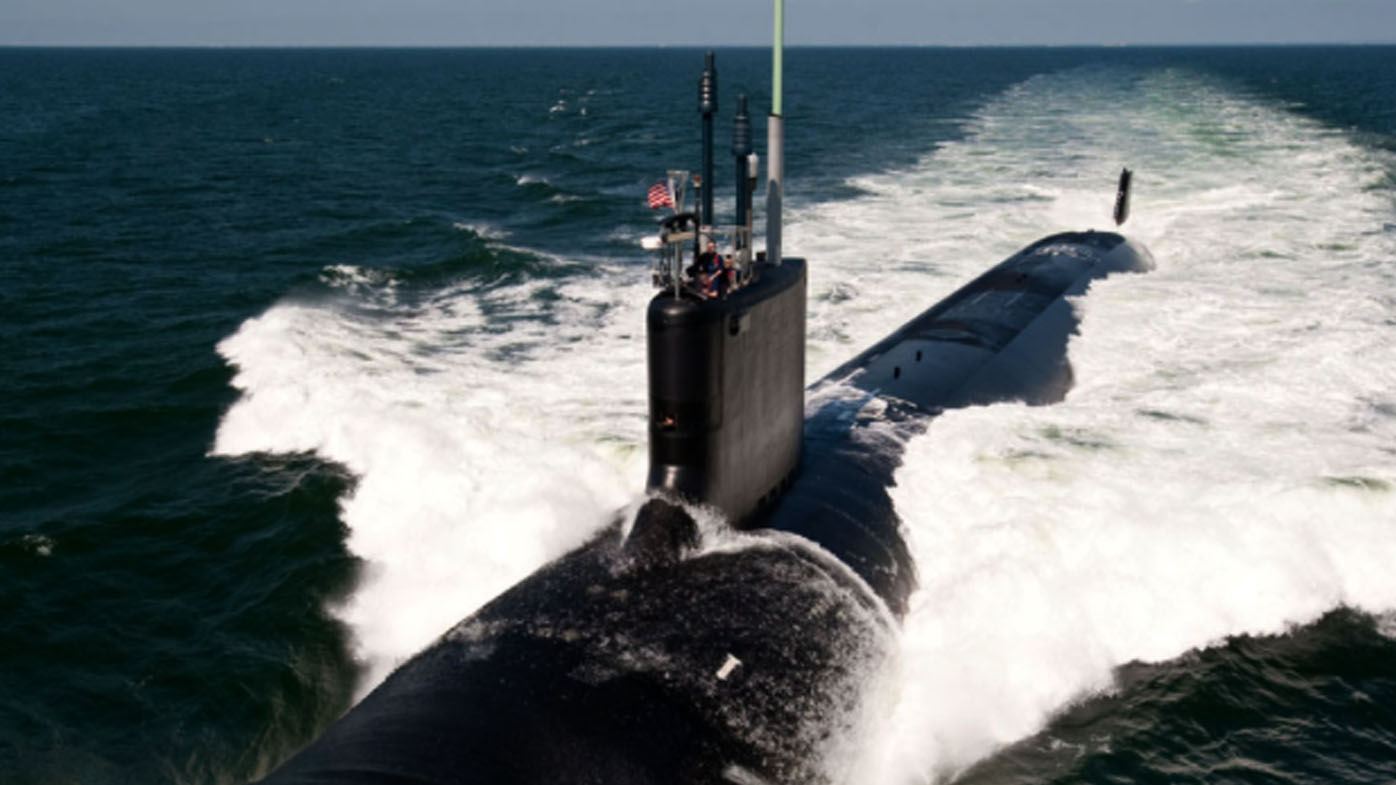
Earlier this year, a Sydney think tank warned Australia's geographic isolation – which has been a major strategic advantage for decades – would not be a future deterrent for the Asian superpower in the event of an Indo-Pacific power play.
The Lowy Institute report said China's missile arsenal and its long-range bomber force are the most concerning elements of the country's recent arms build-up.
Death toll from Russian alcohol bootlegging operation rises to 34
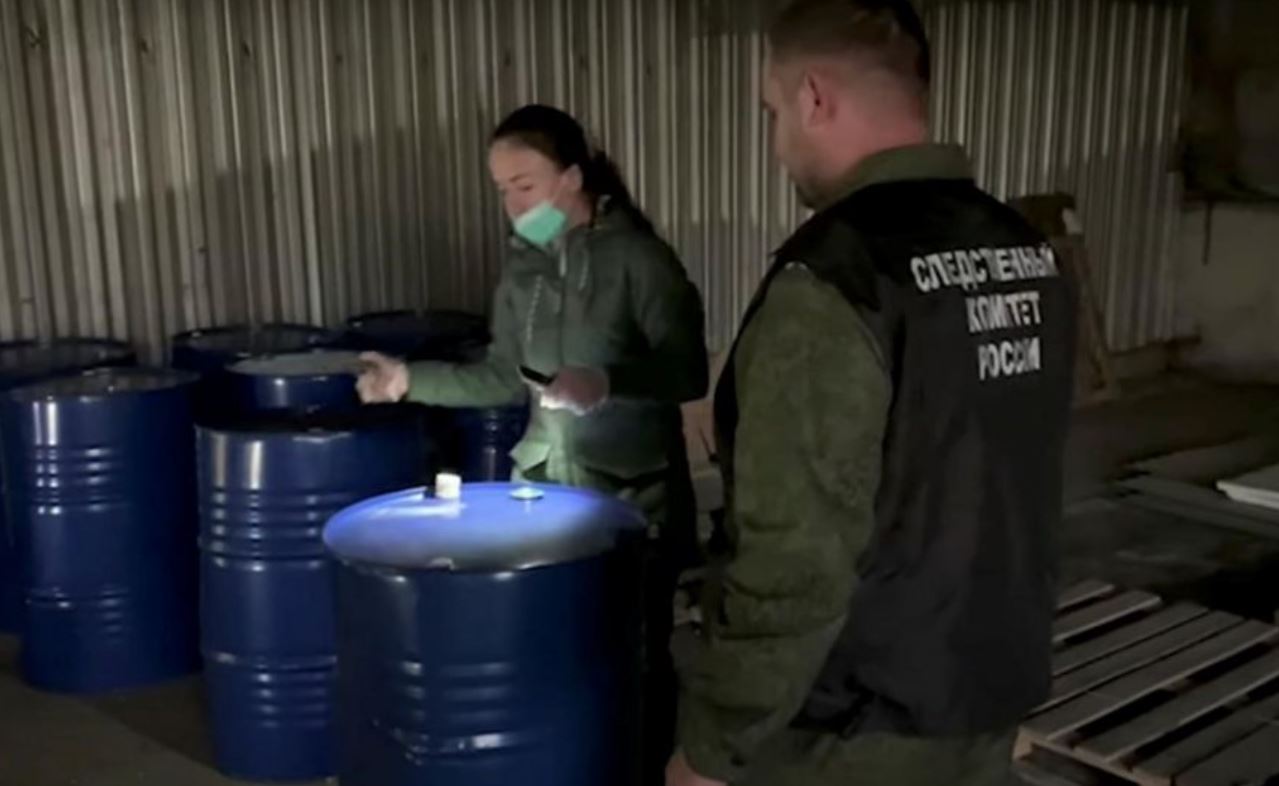
Russian authorities say 34 people have died from alcohol poisoning connected to a mass bootlegging operation near the Kazakhstan border.
The Interior Ministry said a criminal investigation was underway and more than 2000 containers had been seized from warehouses in the Orenburg region, about 1500 kilometres south-east of Moscow.
"There are 67 known victims of alcohol poisoning in the region, 34 of whom have died," the Interfax news agency quoted Orenburg's local government as saying yesterday.
LIVE UPDATES: Victoria's case numbers on track for reopening
READ MORE: What you can do on 'Freedom Day'
Most of the containers seized had the toxic substance methanol inside them, Reuters reports.
On Saturday, the ministry said 54 cases of alcohol poisoning had been reported, about half of which were fatal.
Investigators have arrested 10 people believed to be involved in the operation.
Local media say 24 people are still being treated in hospital, with seven in a serious condition and four on ventilators.
DNA tool that caught Golden State Killer could soon track Australian criminals
NSW Police and the Australian Federal Police may soon be using the game-changing DNA tool that led US law enforcement to the door of the evil Golden State Killer.
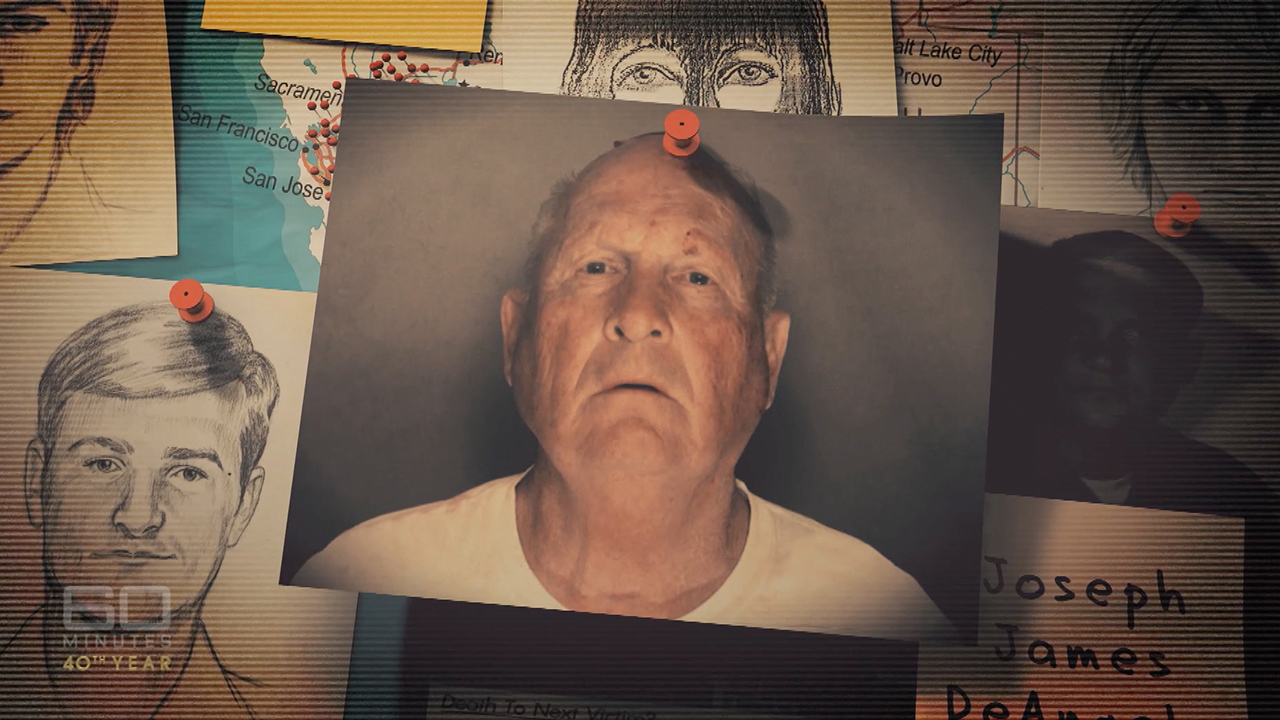
More than three decades after his trail went cold, Joseph James DeAngelo, one of California's most prolific serial killers and rapists, was caught by using online genealogical sites to find a DNA match.
US investigators compared the DNA collected from a crime scene of the Golden State Killer to online genetic profiles and found a match: a relative of the man police identified as DeAngelo, now 75, who was arrested at his Sacramento home in 2018.
READ MORE: How discarded DNA and a surprise arrest led to capturing a notorious serial killer
Specialists from NSW Police and the AFP, along with collaborators from other Australian jurisdictions, have been assessing Forensic Genetic Genealogy (FGG) as an investigative tool after recently becoming certified to use the technology.
FGG – also known as long-range familial DNA searching – would be used to identify suspects and missing people when no match is found on current criminal DNA databases.
The method uses a wider set of genetic markers than the current technology available to Australian law enforcement.
It would allow investigators to identify familial matches up to third and fourth cousins.
Current familial searching on Australia's National Criminal Investigation DNA Database can only identify close family matches.

DNA could blow cold cases wide open
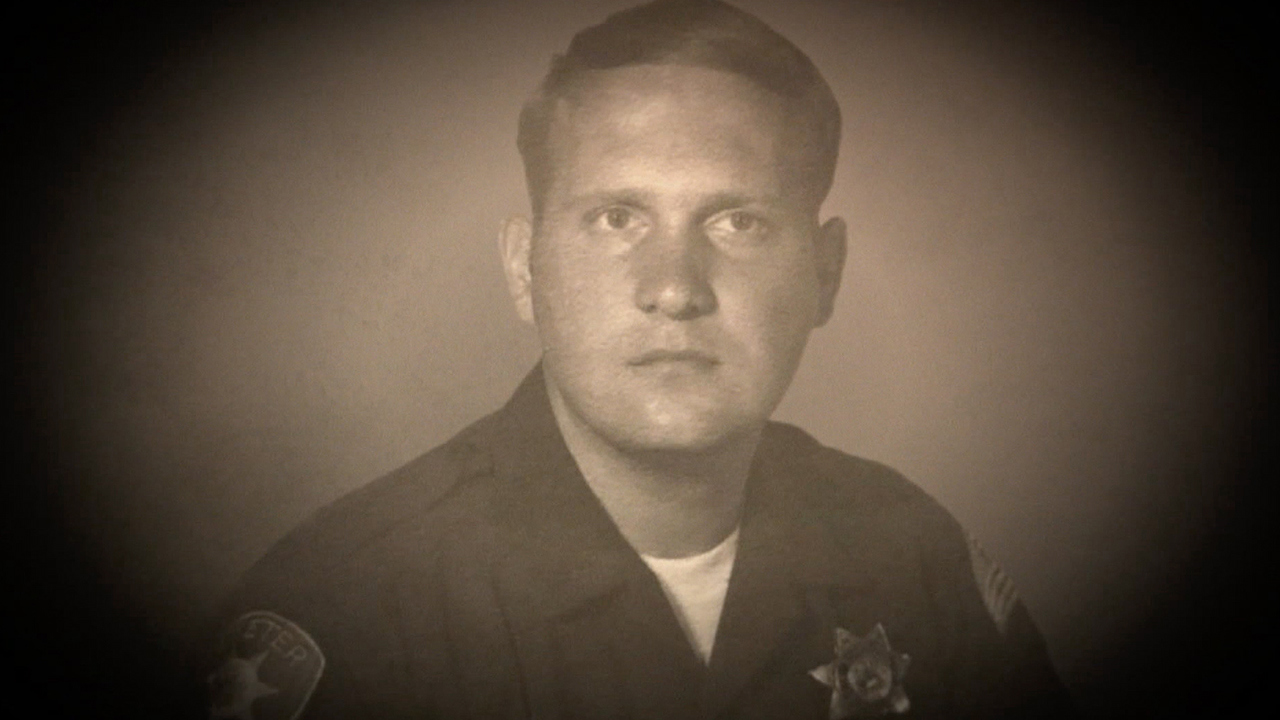
US investigators who used a genealogical website to find DeAngelo, an ex-policeman, called the technique ground-breaking.
No one who knew DeAngelo over the decades connected him with the string of at least a dozen murders, 50 rapes and dozens of burglaries from 1976 to 1986 throughout the state.
DeAngelo pleaded guilty last year to 13 murders and 13 rape-related charges that spanned much of California between 1975 and 1986.
The plea deal spared him the death penalty.
READ MORE: Golden State Killer 'should've been arrested decades ago'

Dr Nathan Scudder, coordinator of research and innovation at the AFP, said police in Australia were constantly evaluating new and innovative techniques to solve cases.
"Serious and violent offenders shouldn't think that because they have never given a DNA sample it means they got away with their crimes," he said.
"A family connection may lead police straight to their door."
READ MORE: Californian serial killer caught by using genealogical websites
Associate Professor Claire Glynn, a director of the FGG certification course, said she was excited about the DNA tool's potential use in Australian jurisdictions.
"The global use of this investigatory tool is increasing and is being adopted by several countries as its potential to solve violent crimes and bring justice to victims is realised," she said.
Since the capture of the Golden State Killer, an estimated 200 cases have been resolved in the US, from giving a name to unknown remains, to identifying suspects in cold case homicide and sexual assault investigations.
If introduced in Australia, NSW Police said the method will be subject to legal and security reviews and would be governed by strict policy and procedures.