One person has died following a serious crash on State Highway 30 at Lake Rotoma in Rotorua, police say.Emergency services were notified of the crash, involving a milk tanker and a car, at around 5.10pm.The sole occupant of the…
Tag Archives: oceania
Covid 19 Delta outbreak: Vaccination by area – Rural Kiwis lagging behind
Large swathes of New Zealand’s rural populations are less protected from the virus than their urban counterparts, according to new vaccination data. The Ministry of Health today released national first and second dose data, broken…
Two men charged with murder following Ōtorohanga homicide
Two men have been charged with murder following the death of “hard working father” Anthony Takrouna Bell.The two Hamilton men aged 30 and 38, are due to appear in Hamilton District Court tomorrow.Detective Inspector Graham Pitkethley…
Australia on 'home stretch' in COVID-19 recovery, Morrison says
Prime Minister Scott Morrison has declared Australia is on the "home stretch" in overcoming COVID-19 after New South Wales reached its 70 per cent full vaccination target.
"I particularly want to say to all those doctors and pharmacists, in NSW, and indeed, right across the country, that 70 per cent double vaccination rate would not have been achieved without their fine work," Mr Morrison said.
Earlier today, NSW Premier Dominic Perrottet announced a raft of further freedoms for the state after it achieved the 70 per cent vaccination target.
READ MORE: What you can and can't do once NSW hits 70, 80 and 90 per cent fully vaccinated
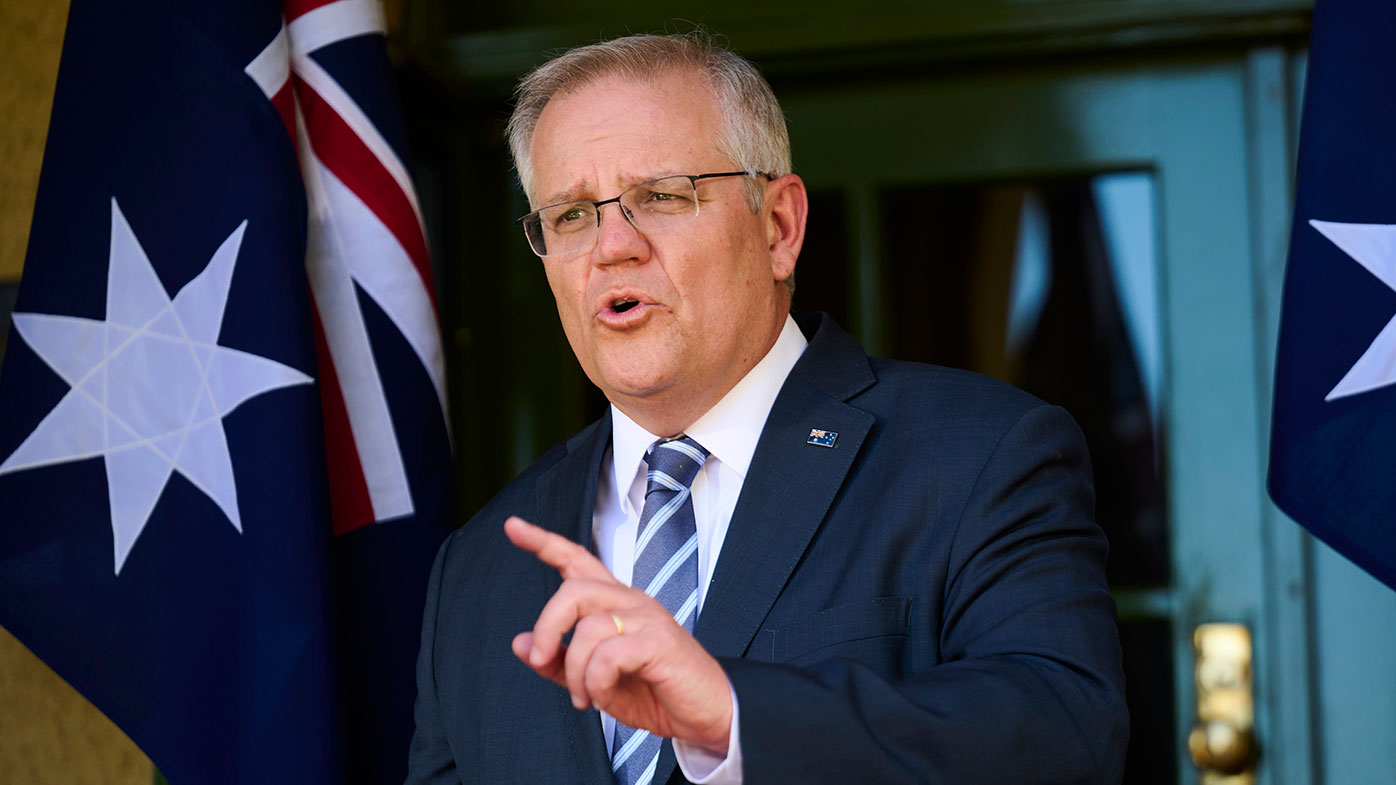
The Prime Minister highlighted the role of the Federal Government in helping NSW raise vaccination rates.
"Two-thirds of the vaccinations that have been delivered in NSW have been delivered under that program, by the Commonwealth, through the pharmacists and through GPs," Mr Morrison said.
He also said NSW offered hope to other states and territories.
"I want this to be a sign of hope to the rest of the country, particularly those in Victoria, who I'm mindful of today, and here in ACT, where the lockdowns continue."
With Australia on track to reach 30 million vaccinations this week, Mr Morrison said Australians would soon "get their lives back" with an easing of more restrictions.
"We'll hit 30 million doses of the vaccine administered this week. And we'll do that now in what is essentially the first week of October. What that shows is the problems and challenges that we've had, we've addressed. We have fixed. And we have turn it around, and we're in the home stretch, and we're moving towards that line," Mr Morrison said.
While the Prime Minister praised reopening plans by NSW and Victoria, he also said other states that have not endured long lockdowns should not have to if vaccination rates keep going up.
"Many states around the country they are not living under the harsh and strict conditions that we've seen in NSW and Victoria and the ACT. But they can avoid those outcomes because COVID will certainly come. There's no avoiding that. And everyone understands that."
READ MORE: Where NSW is rushing to holiday after 'Freedom Day'
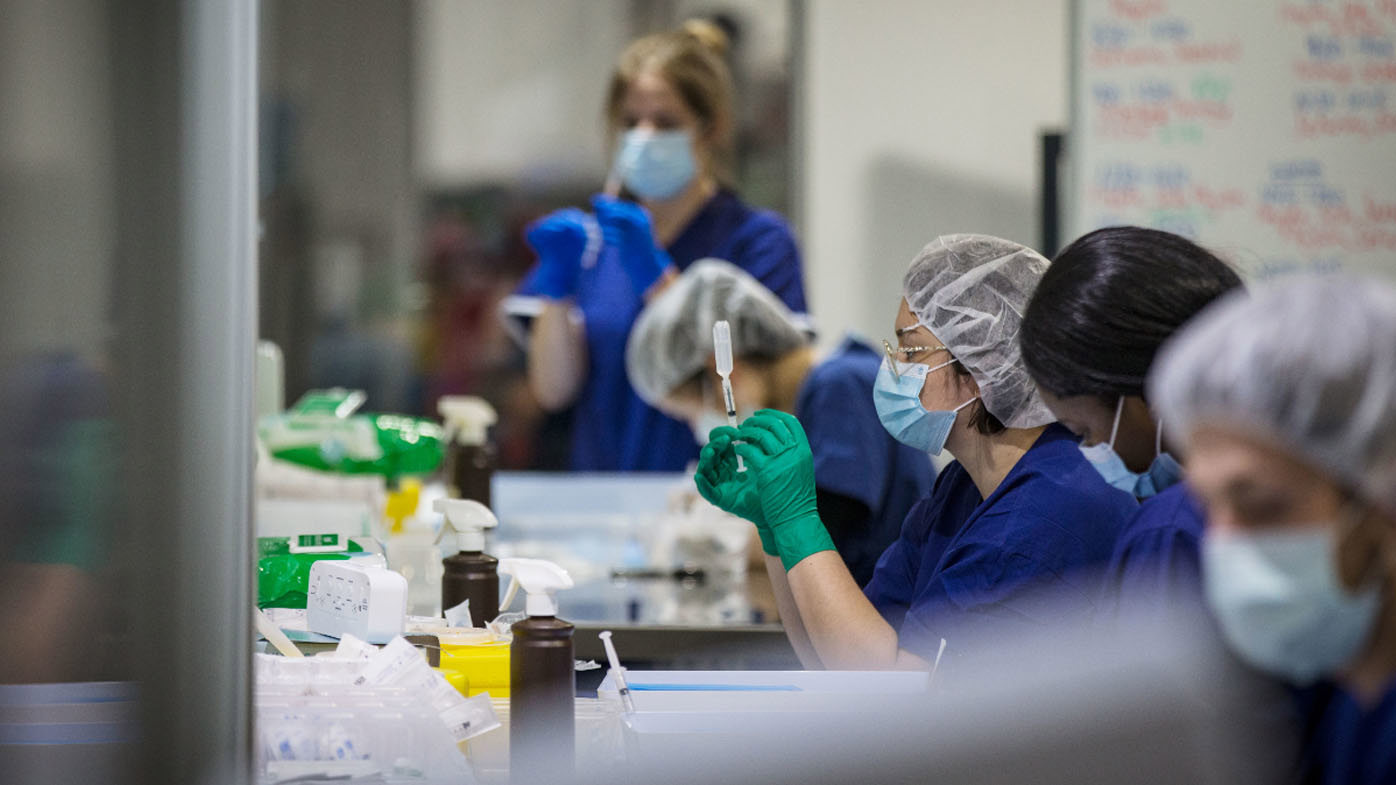
Mr Morrison also said state health systems were well placed to deal with an expected surge in COVID-19 cases after reopening.
"This is about management of hospital systems. States must run their hospital systems well, they must prepare for them. I want to commend the way that NSW and Victoria, and to be fair, the ACT, has been working through those challenges and ensuring they can prepare for what is happening," he said.
Mr Morrison insisted states and territories were receiving adequate health funding from the Federal Government.
ANZ customers unable to make payments
ANZ has suffered an online outage, leaving customers unable to make payments or do internet banking.
The company announced the issue on social media after 2pm, but customers said the outage has been impacting them for hours.
"We're aware of an issue impacting the ability to make Pay ID payments via Internet Banking and the ANZ App," the company shared on Twitter and Facebook.
READ MORE: Push to vaccinate people living with a disability

"We have a team looking into this right now and will be back with an update as soon as possible. Thank you for your patience."
Frustrated customers have responded that the issue is "not good enough", sharing their difficulties caused by the outage.
One woman wrote she was unable to pay for her supermarket shopping this morning and another customer had to pay for her groceries.
Covid 19 Delta outbreak: Two positive cases found on Auckland's North Shore
Two people have tested positive for Covid-19 on Auckland’s North Shore, according to a letter from Auckland Regional Public Health Service. A letter, dated for today, was sent to residents, notifying them that two people in Kāinga…
Biden administration reveals number of nuclear weapons in US stockpile
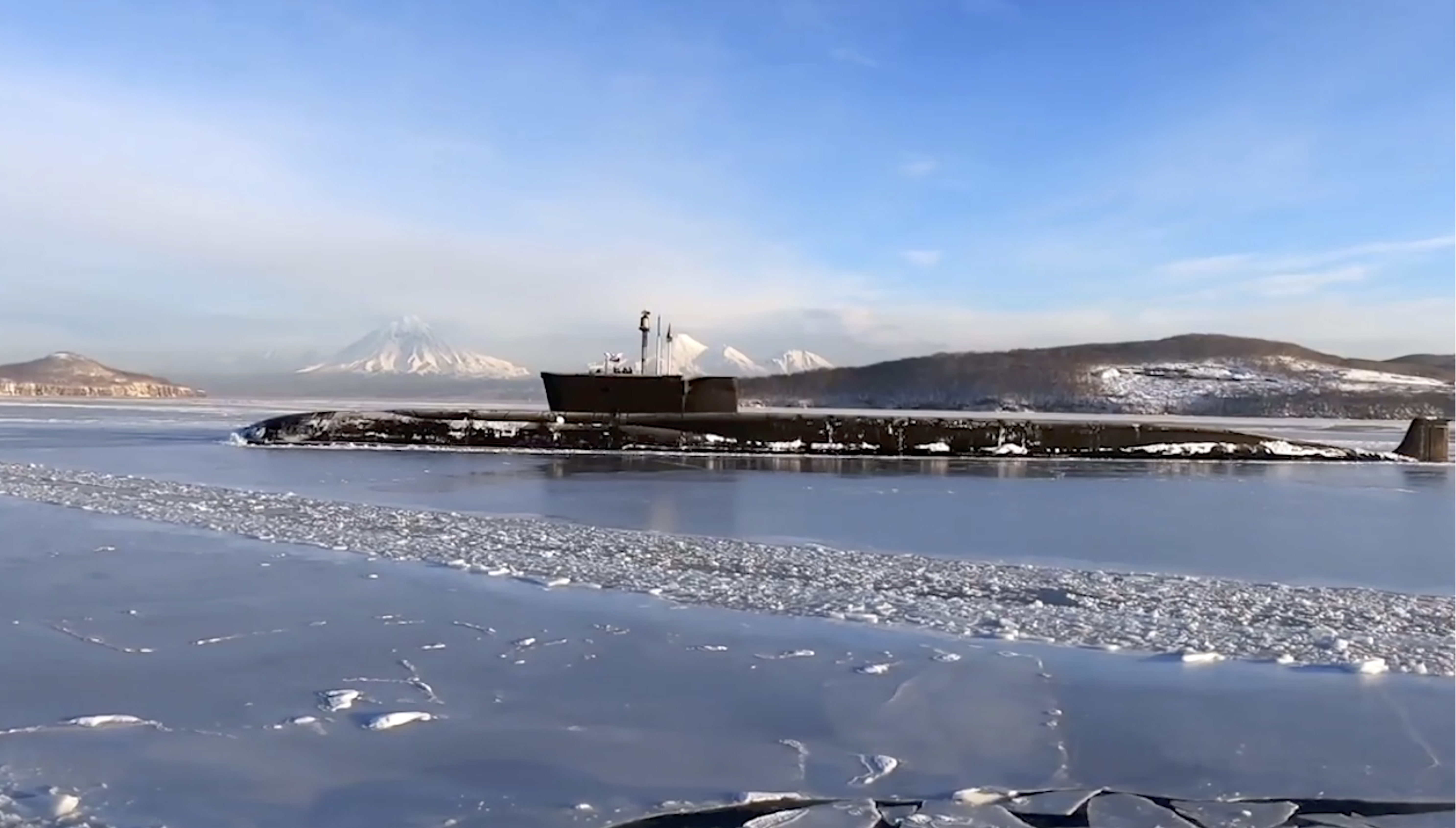
In a reversal from the Trump administration, the US State Department revealed the number of nuclear weapons in the US stockpile for the first time in four years on Tuesday.
The US has 3750 nuclear warheads in its stockpile and 2000 are waiting to be dismantled, according to a release from the State Department, which emphasised the importance of transparency.
The release of the "Transparency in the U.S. Nuclear Weapons Stockpile" fact sheet comes as the Biden administration is conducting a review of its nuclear weapons policy and capabilities ahead of a 2022 meeting of the Nuclear Non-Proliferation Treaty conference.
READ MORE: The 'Oddball' $1 trillion coin which help US pay off debt
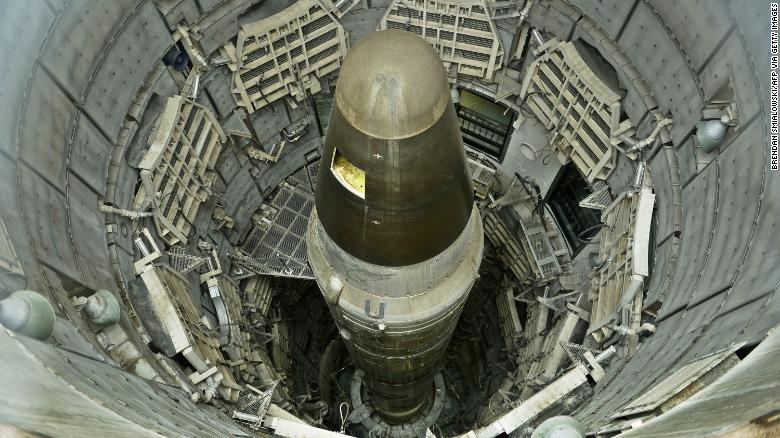
The conference is where the US and other nuclear powers who are party to the Treaty will review each signatory's disarmament commitments.
"Increasing the transparency of states' nuclear stockpiles is important to nonproliferation and disarmament efforts, including commitments under the Nuclear Non-Proliferation Treaty, and efforts to address all types of nuclear weapons, including deployed and non-deployed, and strategic and non-strategic," the State Department said.
Pressure
Arms control experts welcomed the announcement.
"The Biden administration's decision to declassify updated information on the number of nuclear warheads in the U.S. nuclear weapons arsenal is a welcome step that reverses an unwise decision by the Trump administration to classify this information," the Arms Control Association (ACA) said in a statement.
READ MORE: Team of investigators claim to have identified Zodiac killer
"It also puts pressure on other nuclear armed states that maintain excessive secrecy about their arsenals."
The ACA noted that "progress toward serious nuclear weapons stockpile reductions have stalled in recent years, and some states, particularly China and Russia, appear to be increasing the size and/or diversity of their arsenals."
Daryl Kimball, the ACA's executive director, told CNN that Wednesday's announcement could put pressure on Russia and China to be more forthcoming about their stockpiles.
The Biden administration hopes to pursue further talks with Moscow to reach new agreements that supersede the New Strategic Arms Reduction Treaty, or START.
"To do that we need the Russians to be a little bit more transparent than they are," Mr Kimball said.
The Chinese also "need to provide some basic information, which they have as a matter of their own policies through the decades, not provided."
READ MORE: Gabby Petito family believe Brian Laundrie is hiding from police
'Strong, credible deterrent'
"So what the Biden administration is trying to do here is lead by example," Mr Kimball said, "put some pressure on the other major nuclear armed countries to be more forthcoming about the nuclear weapons they have."
During the 2020 presidential campaign, then-candidate Joe Biden said that the US doesn't need new nuclear weapons and that his "administration will work to maintain a strong, credible deterrent while reducing our reliance and excessive expenditure on nuclear weapons."
After President Biden's first budget request, however, critics rapped the him for proposing to continue all parts of the spending plans left by the Trump administration.
READ MORE: Minneapolis cop who killed Australian woman to be resentenced
This included "the controversial additions made by President Trump to the Obama-era program, such as additional, more usable lower-yield nuclear capabilities," the ACA said.
The ACA called Mr Biden's budget request inconsistent with his "stated desire to reduce the role of nuclear weapons in U.S. policy and seek new risk reduction and arms control arrangements with Russia and perhaps China.
"In Tuesday's release, the State Department said there are 3750 nuclear warheads in the US nuclear stockpile as of September 2020, an 88 percent decrease from its maximum number of 31,255 in 1967, according to the department.
The US also dismantled 11,683 nuclear warheads from 1994 to 2020, including 711 nuclear warheads since September 30, 2017.
Two thousand nuclear warheads are retired and waiting to be dismantled, the department also said.
In 2010, the Obama administration revealed the US had 5,113 nuclear warheads in the stockpile as of September 30, 2009.
According to data released in 2015, the US had 4,717 nuclear warheads in the stockpile as of September 2014.
The 90% Project: Jacinda Ardern hopes to solve Covid vaccination reluctance, visits Rotorua
Young Māori and others nervous or reluctant about getting vaccinated have been the focus of Prime Minister Jacinda Ardern’s visit to Rotorua as part of New Zealand’s “game-changer” response to Covid-19.Meeting with local iwi…
What is COP26 and why does it matter?
World leaders, high-level officials, activists and industry groups will soon gather in Glasgow for the COP26 climate conference.
COPs happen every year (except 2020) but this one is seen as critical for a number of reasons.
Crucially, the longer the world waits to act, the harder it is going to be to limit the warming and climate change that threaten to radically alter our way of life.
READ MORE: The world is on 'code red' and the pressure is on leaders for COP26
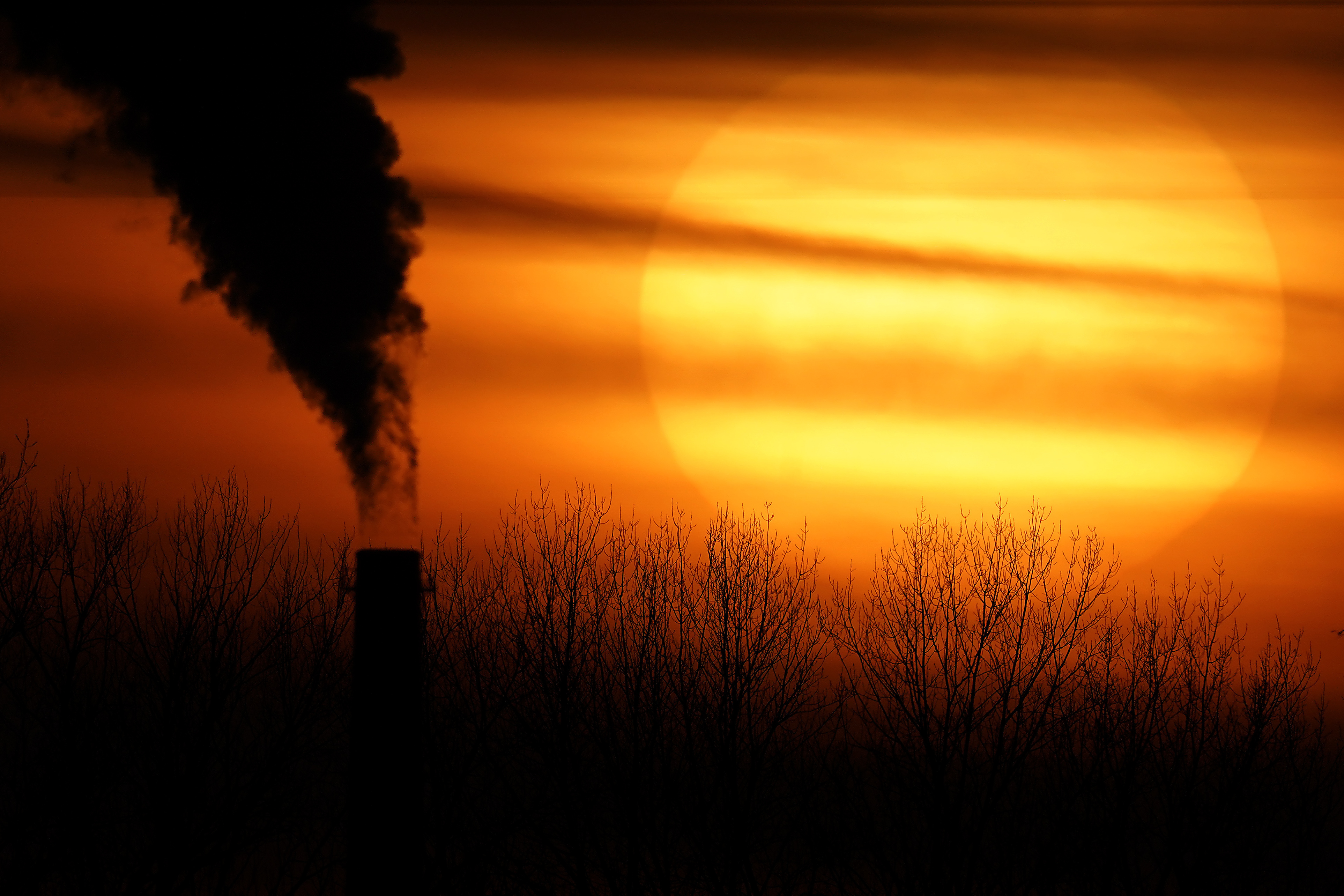
You might remember the latest massive climate change report being described as "code red for humanity".
That's bad.
It's also the first Conference of the Parties – that's what the COP in COP26 stands for – since the pandemic hit and since the US rejoined the Paris Agreement, making ambitious new climate commitments along the way.
And finally, this year is the first meeting since a key Paris Agreement deadline binding countries to ramp up their emission reduction targets.
That agreement, by the way, was struck at a previous meeting, COP21.
Other key moments in COP history you might remember include the 1997 signing of the Kyoto Protocol and youth climate activist Greta Thunberg's 2019 speech blasting global leaders for inaction.
Why should I care?
Climate change is already having a massive effect on many parts of the world.
At this stage, we can expect worse heat waves, droughts and flood-inducing downpours, sometimes one after another.
At this point, experts say, the world needs extreme and quick emission cuts — much more than what has been pledged — just to keep warming to 1.5 degrees.
That's a real challenge because the world is already about 1.1 degrees hotter than pre-industrial levels.
A recent UN state-of-the-science climate report found Australia is already experiencing more heat extremes and higher sea level rises than the global average because of climate change.
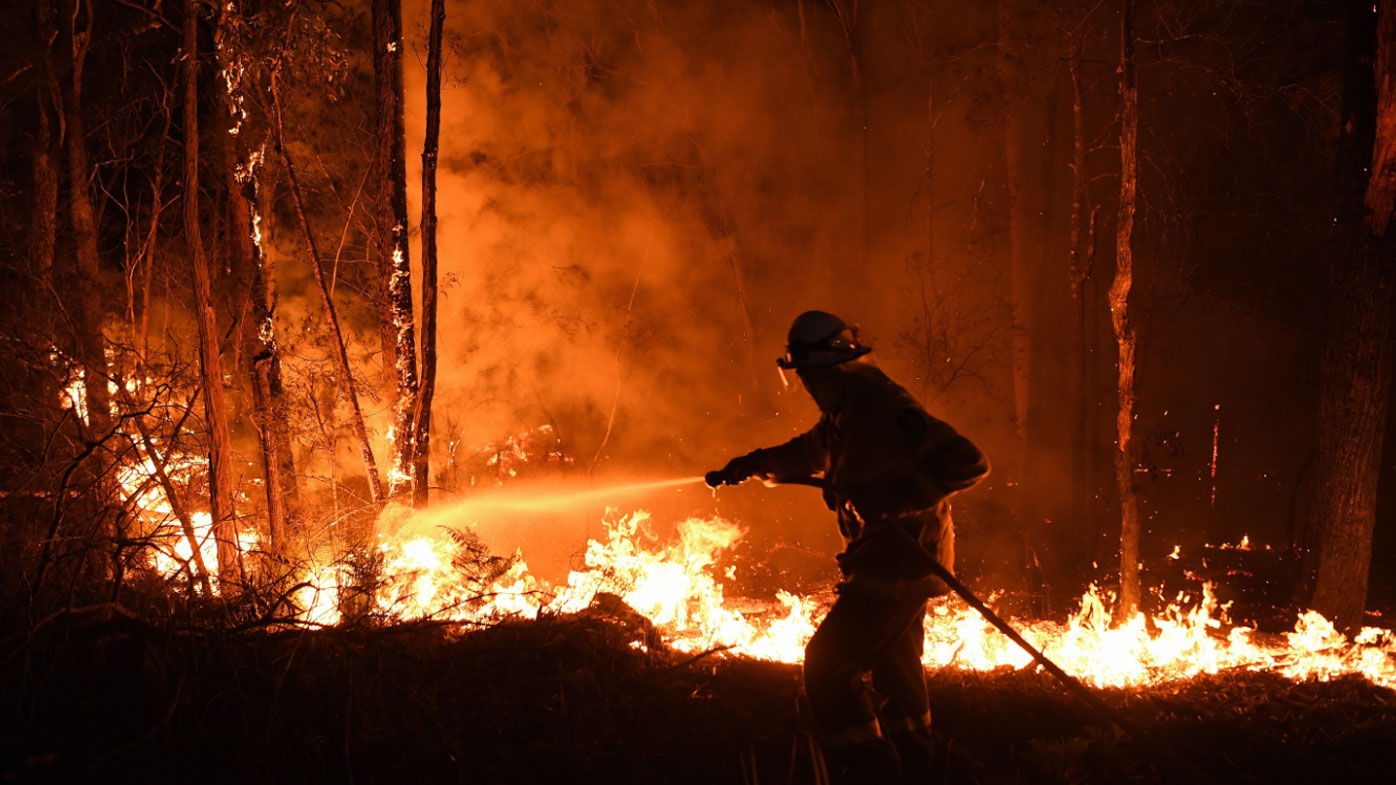
Heat, sea level rise and drought are all projected to increase in Australia the more the Earth warms, and annual bushfires are already often devastating to communities, the environment and public health.
READ MORE: Key takeaways from the UN report on the climate crisis
You sure talk a lot about the Paris agreement…
This international treaty binds almost 200 countries to keep global warming well below 2 degrees, preferably to 1.5 degrees, compared to pre-industrial levels.
That includes net-zero by the second half of the century.
The details get quite complicated but it essentially forces countries to ratchet up their emissions reduction efforts every five years.
It also urges richer countries to jointly give at least US$100 billion ($138 billion) a year to help developing countries with adaptation and cutting emissions.
So, how are things going?
Simply put, not great.
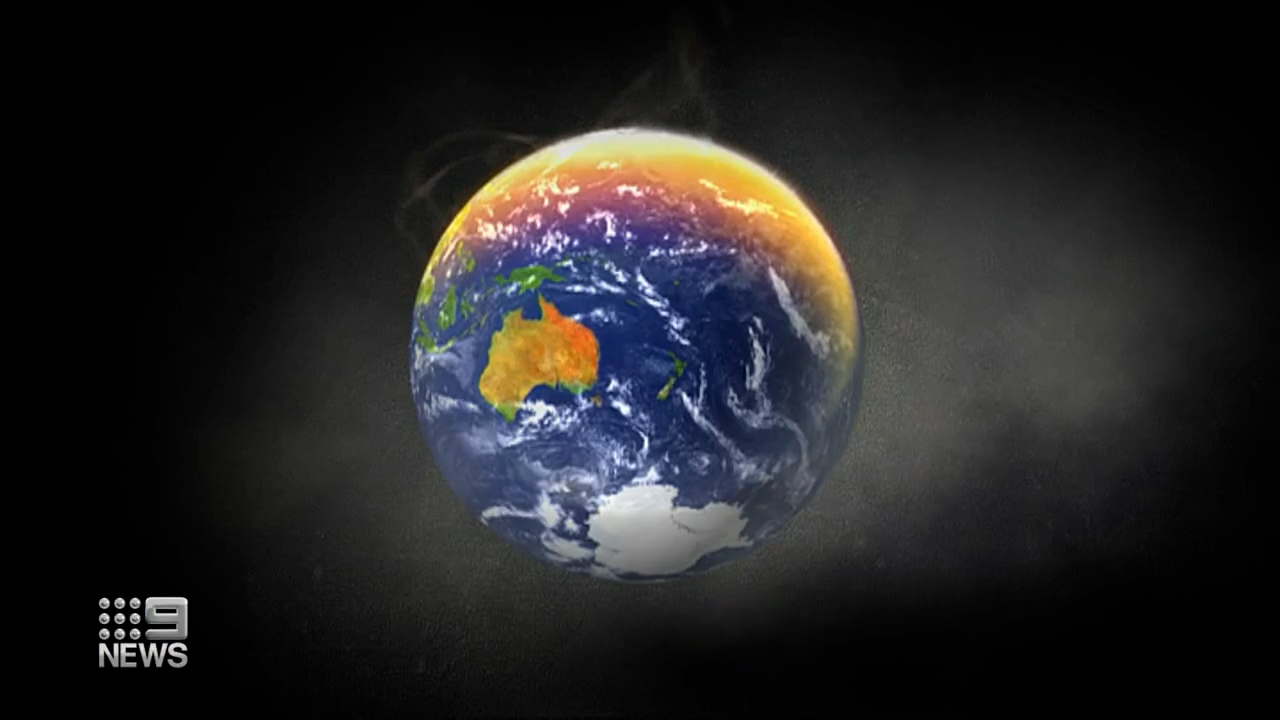
The targets announced in Paris would result in warming "well above" 3 degrees by 2100, according to the COP26 presidency.
Already at 1.1 degrees above pre-industrial levels, the world is heading for average global temperatures of 1.5 degrees faster than scientists thought, the IPCC's "code red" report said.
That threshold will likely be crossed in the mid-2030s, even if greenhouse gas is reduced sharply starting today.
Climate Action Tracker predicts 2.9 degrees of warming by 2100 based on policies in place earlier this year, or as much as half a degree less if unconditional pledges and targets are fulfilled.
That figure would jump above 3 degrees if all countries adopted Australia's policies.
"If we continue as we are, temperatures will carry on rising, bringing even more catastrophic flooding, bush fires, extreme weather and destruction of species," the COP26 presidency notes.
The good news is we can keep warming to 1.5 and avoid hitting 2 degrees with "immediate, rapid and large scale" cuts, according to the IPCC.
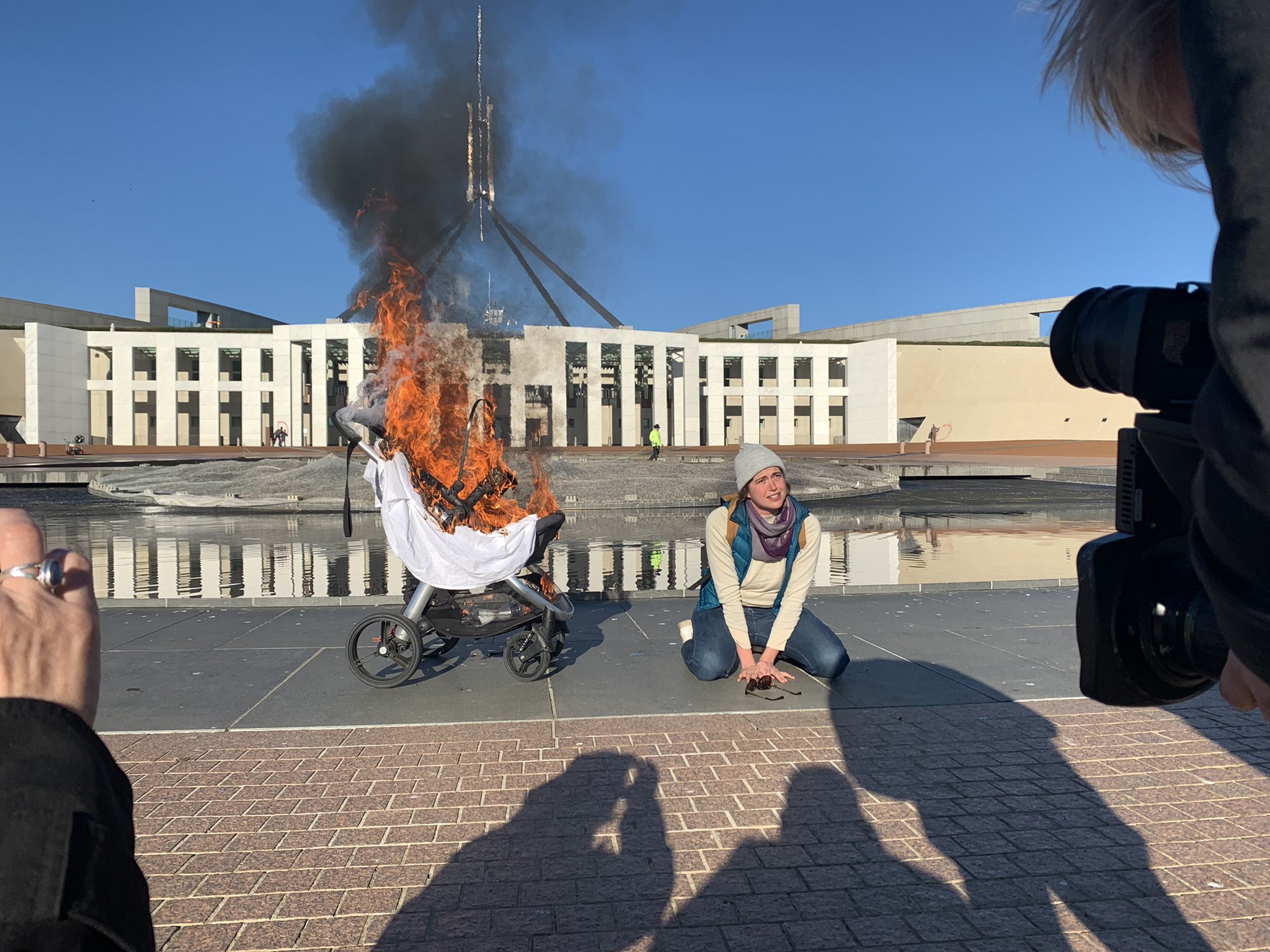
What's the point of this latest meeting?
Very generally, COP26 has three main goals: get everyone to increase their emissions reduction pledges, make the Paris promise to give $138 billion a year in climate finance a reality and improve measures to adapt to climate change's devastating effects.
Countries are expected to come to COP26 with ambitious new 2030 climate targets.
You're going to hear a lot of talk about "keep 1.5 alive", a reference to the critical warming limit beyond which things start to get really hairy.
The nitty-gritty of it will come down to who pledges what by when.
A lot of people are saying Australia's under pressure. Why?
This is where the ambitious new targets come in.
Simply put, Australia hasn't made any.
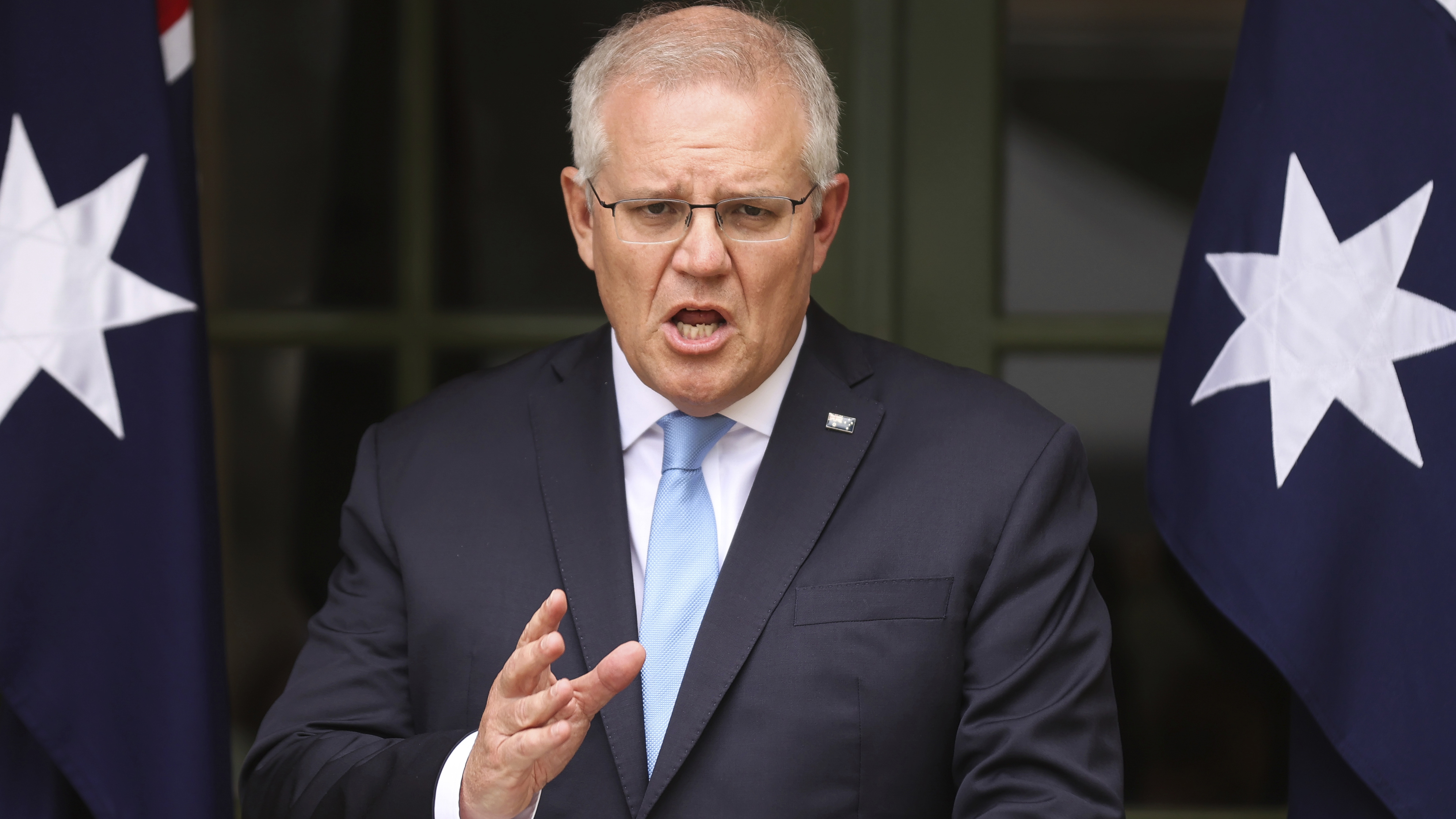
Prime Minister Scott Morrison is yet to commit to net-zero emissions by 2050, something the UK, US, European Union and every state and territory in Australia — acting individually — have done.
The government insists it will "meet and beat" its goal of a 26 to 28 per cent cut by 2030, based on 2005 levels.
That's just slightly more than half of what the US is pledging and well below the UK and the European Union.
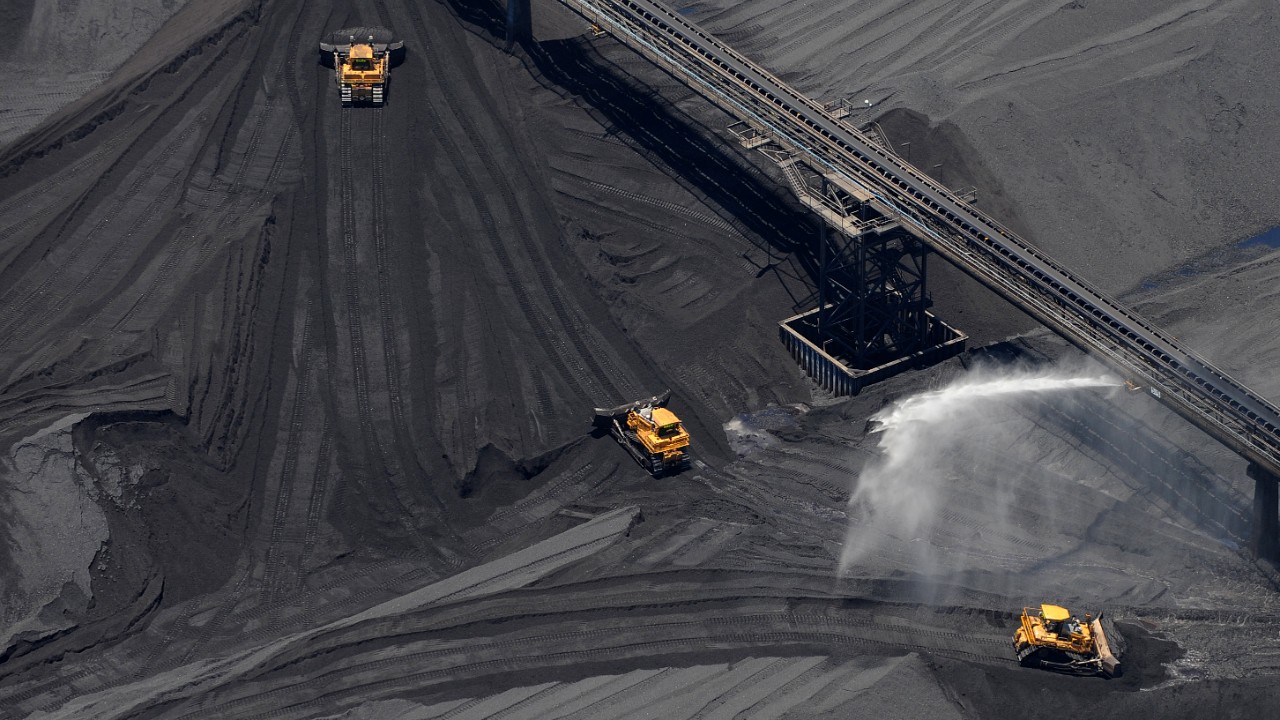
Australia is also the world's second-biggest exporter of coal and has said it will continue to mine and sell the fossil fuel overseas well beyond 2030.
COP26 President Alok Sharma is looking for an agreement for developed countries to stop using coal by the end of this decade at Glasgow.
Gareth Redmond-King from the UK's not-for-profit Energy and Climate Intelligence Unit said Australia could expect to feel pressure from its UK hosts, the US and the EU.
"If other G7 nations are to live up to the commitments they've made 1.5 degrees, they need Australia to step up," he told 9news.com.au.
"And if wealthy countries are going to deliver on the $100 billion a year that they've promised to developing nations for climate action and adaptation, then they need Australia to step up as well."
So what is the Australian government saying?
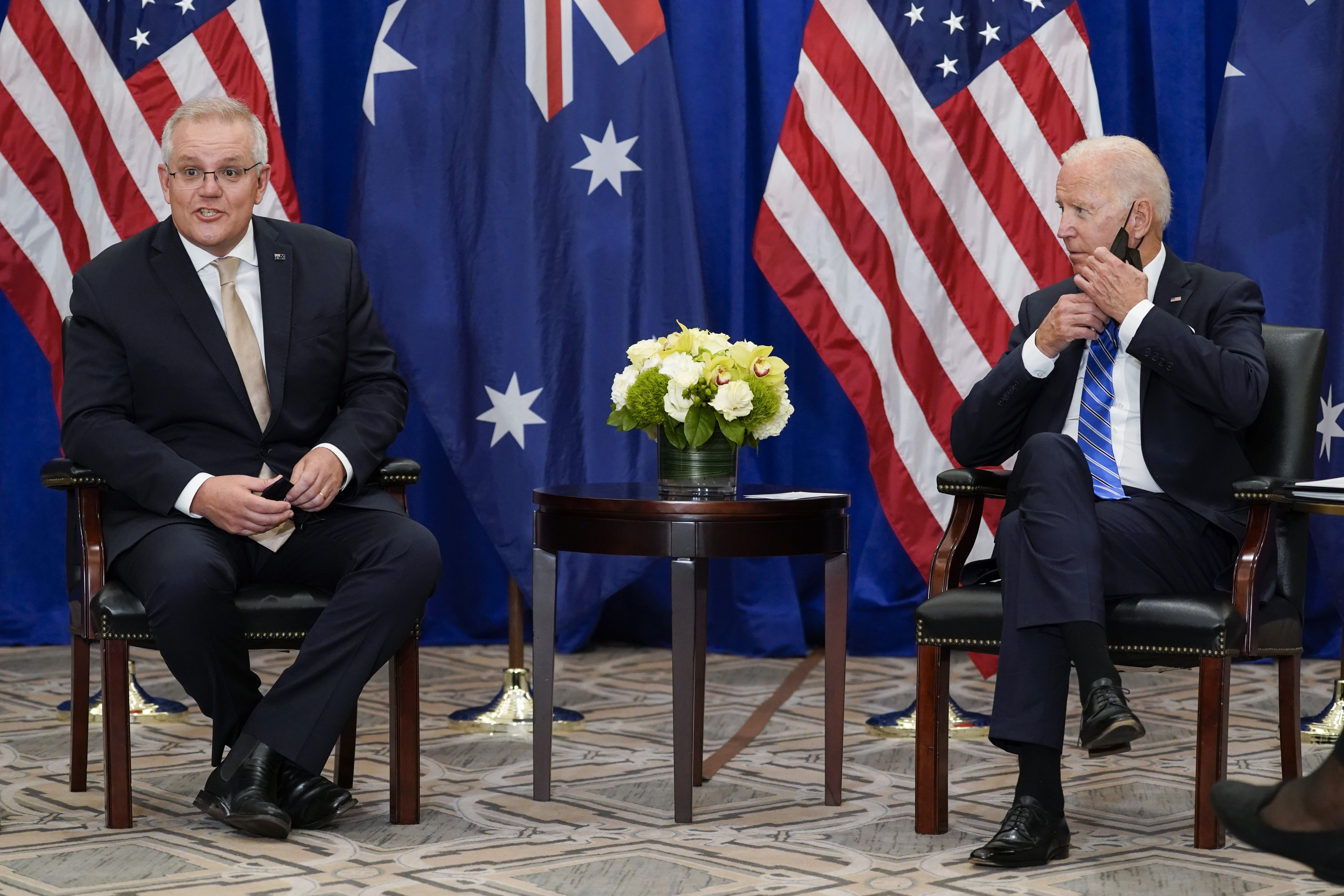
The Morrison government has said it will release a new plan on climate ahead of COP26, but its focus has been on "technology not taxes".
Mr Morrison says he "wants to achieve net zero as soon as possible and preferably by 2050", in a stance that has been softly evolving over the course of this year.
But with the Nationals still refusing to commit to net zero, Mr Morrison is yet to announce any increased commitments.
He has even left the door open to skipping the conference entirely — highlighting the key stage in Melbourne and Sydney's reopening and his considerable stints in quarantine already this year — instead leaving Energy and Emissions Reduction Minister Angus Taylor to handle things on the world stage.
Attendance isn't mandatory but leaders have tended to show up to the major COPs, such Kevin Rudd in Bali 2007 and Copenhagen 2009 and Malcolm Turnbull at Paris in 2015.
And other leaders?
Other countries and bodies have been increasingly ready to openly criticise Australia's climate stance this year.
The UN's top climate envoy, Selwin Hart, in September said the global phase-out of coal was not happening fast enough "to avert a global climate catastrophe" and warned failing to scrap the fossil fuel would "wreak havoc" on Australia's economy.
The US position has been less clear cut.
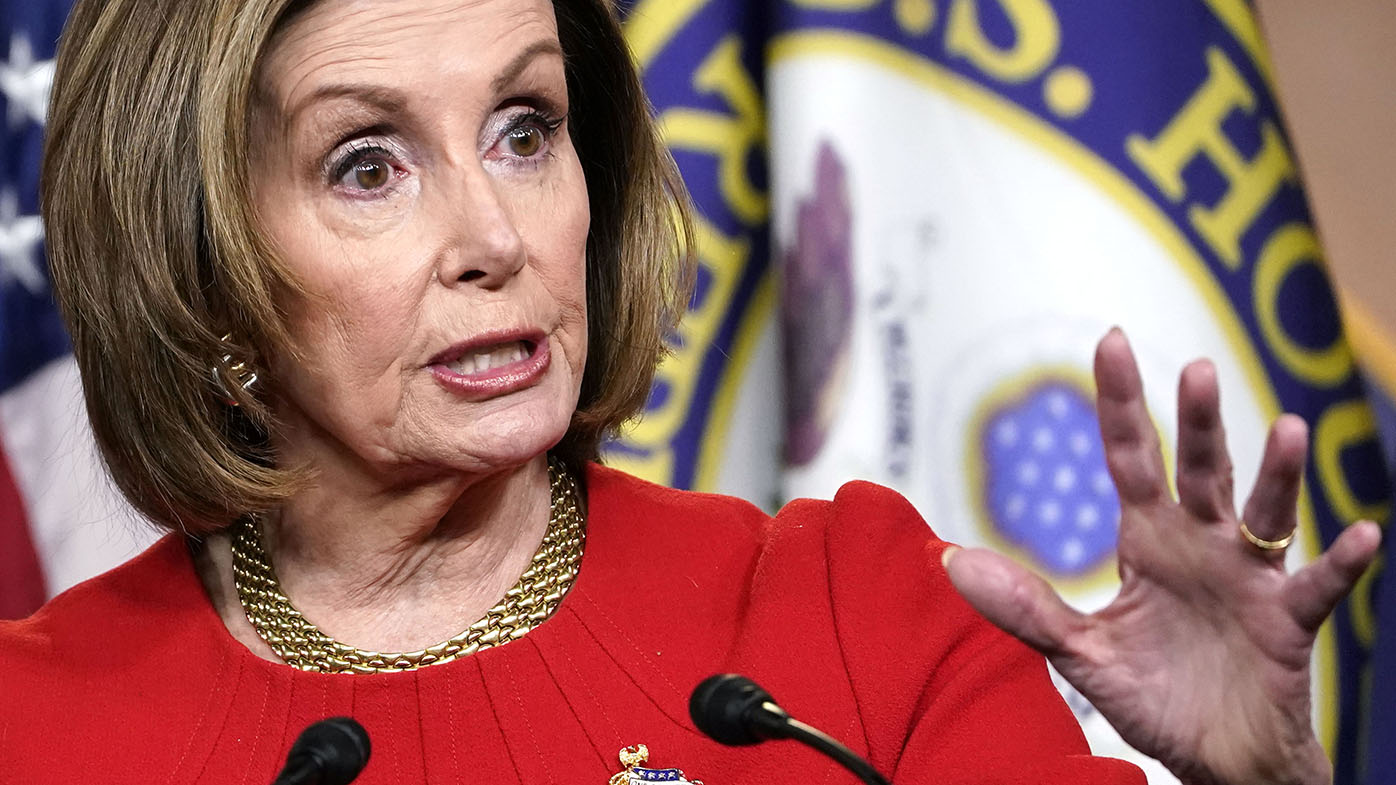
In April, a Biden administration official said Australia's policies were "insufficient" but in late September House Speaker Nancy Pelosi said we were "leading the way" on climate.
UK High Commissioner to Australia Victoria Treadell said her country would be "very disappointed" if Mr Morrison didn't attend the talks and that a more ambitious emissions target would be needed regardless of who showed up.
German ambassador to Australia Thomas Fitschen has also reportedly called on Australia to commit to stronger targets.
What are the other key things to watch for?
The elephant in the room is China.
As the world's biggest polluter, any increased commitment from Beijing would have an outsize effect.
Mr Redmond-King said even the best possible result out of Glasgow would be unlikely to put the world on a path to keeping warming below 1.5 degrees but it was about "closing the gaps".
"The further those gaps are closed, the more chance there is a) that COP26 can keep 1.5 degrees alive within reach, but also b) that it can do some really serious business on sectoral deals, real economy deals, to work together to cut emissions," he said.
Setting credible rules for global carbon trading, something Mr Redmond-King said Australia worked hard to delay at COP25 in Madrid, is also on the agenda.
COP26 dates, location and agenda
The UK is hosting this year's event, in Glasgow, Scotland, from October 31 to November 12.
The meeting was meant to take place last year but COP26 was postponed because of the coronavirus pandemic.
There are basically two separate agendas.
The presidency program takes in the world leaders summit and sessions on finance, energy, youth empowerment and more, while the green zone program outlines a wide variety of local events.
– with CNN
Local Focus: First live art auction this weekend at Whanganui's Heritage Art Auctions
It’s the circle of life for Henry Newrick, returning to Whanganui and starting Heritage Art Auctions.He grew up in Aramoho, and his grandfather was the director of the Sarjeant Gallery for 25 years, and says his love of art most…