Tag Archives: oceania

What you need to know about the next NSW Premier

Dominic Perrottet has won the race to become the next Premier of New South Wales, so what does this mean for the state?

The 39-year-old is the first leader from the conservative wing of the NSW Liberal Party since the Coalition took power in 2011, with predecessors Gladys Berejiklian, Mike Baird and Barry O'Farrell all emerging from the traditionally dominant moderate faction.

Mr Perrottet entered the NSW Parliament in 2011 and now, 10 years later, has completed his rise to the top – the youngest ever to hold the state's reins.

LIVE UPDATES: PM hits out at Queensland's plea for cash
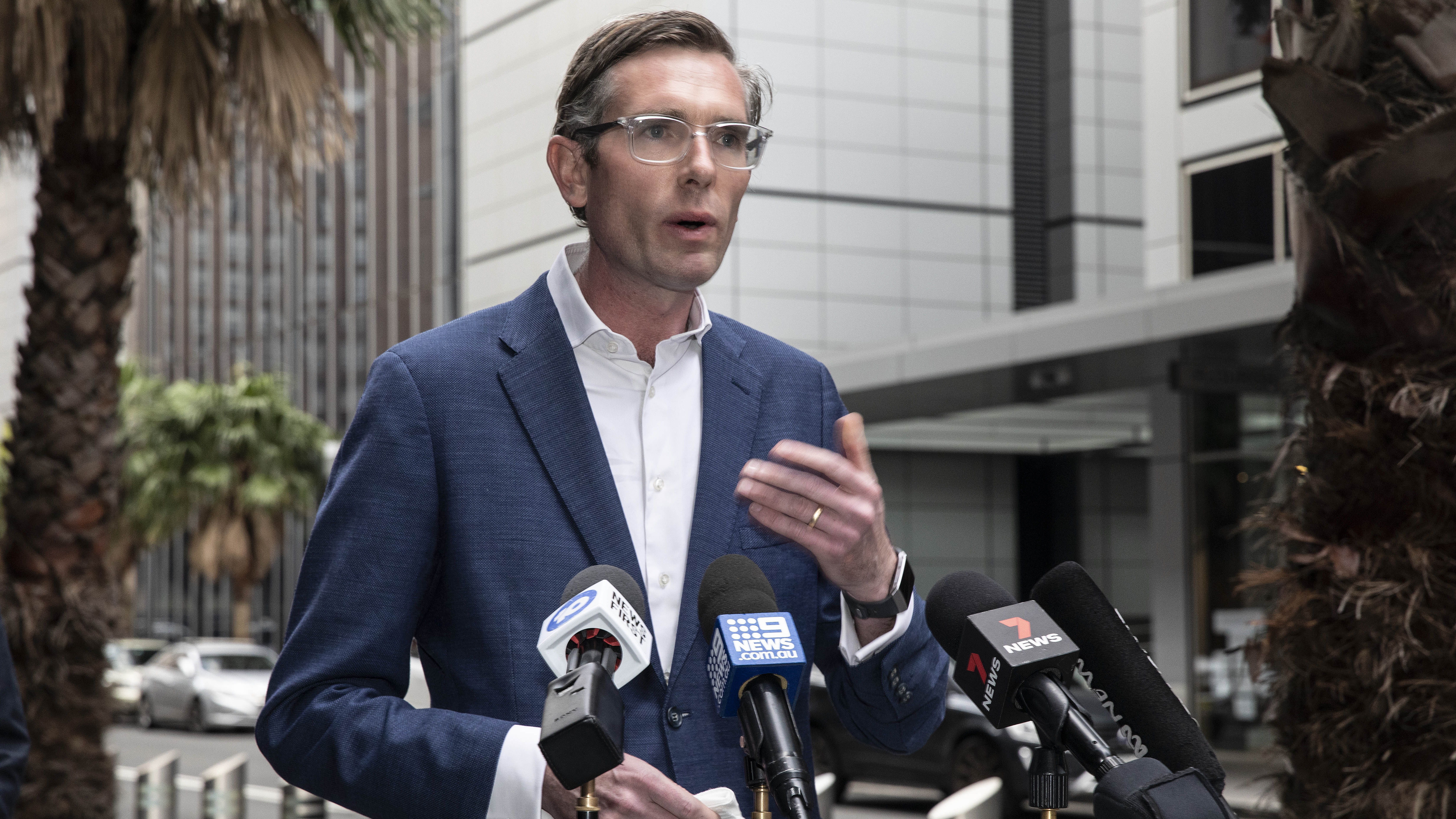
NSW Treasurer Dominic Perrottet.

Who is Dominic Perrottet?

The new Premier, a University of Sydney graduate, was elected MP for the north-western Sydney seat Castle Hill during the Coalition's record-smashing 2011 electoral victory.

But the Sydney-raised father of six was active in politics for some years before, serving on the Liberal Party's NSW State Executive before his election.

Following redrawn electorate boundaries, Mr Perrottet traded seats and was elected MP for Hawkesbury, on Sydney's outskirts.
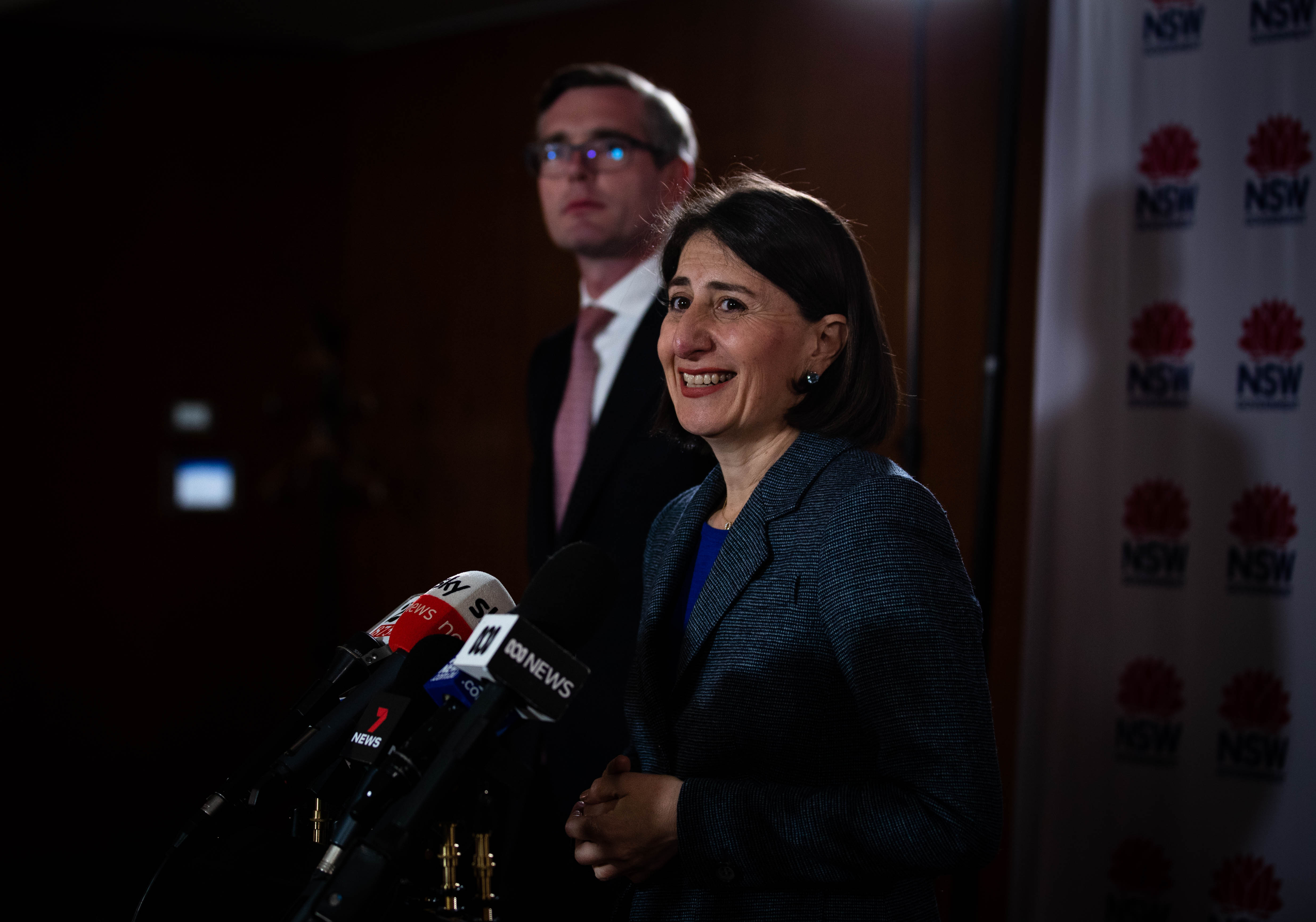
In 2017 he was appointed as NSW Treasurer and elected as the Liberal deputy leader, beneath Ms Berejiklian, following the resignation of then-premier Mike Baird.

In 2019, Mr Perrottet switched seats yet again and was elected as the MP for Epping.
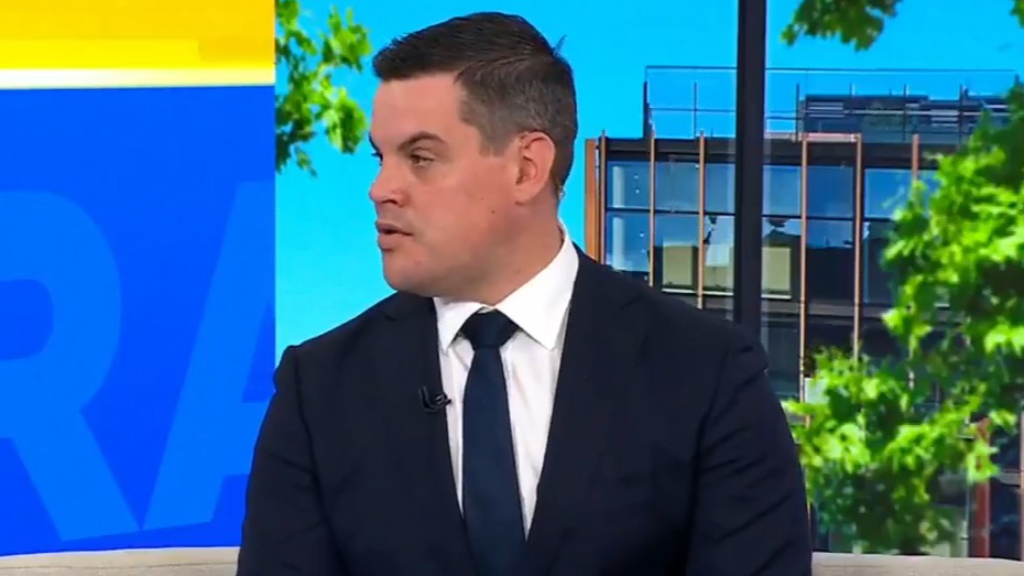
What happens now Perrottet has won party room vote

What does the new premier mean for the COVID-19 pandemic?

Despite assurances from all angles of government that the resignation of Coalition leaders Ms Berejiklian and John Barilaro will not interrupt the "continuity" of the state's COVID-19 response, there is already word changes could be afoot.

9News reporter Chris O'Keefe said health officials would find Mr Perrottet to be a less "cautious" leader than Ms Berejiklian.

"The information I have is he will seriously consider bringing forward freedom day to NSW to this Friday," he said. 

READ MORE: Barilaro announces resignation, rules out federal tilt
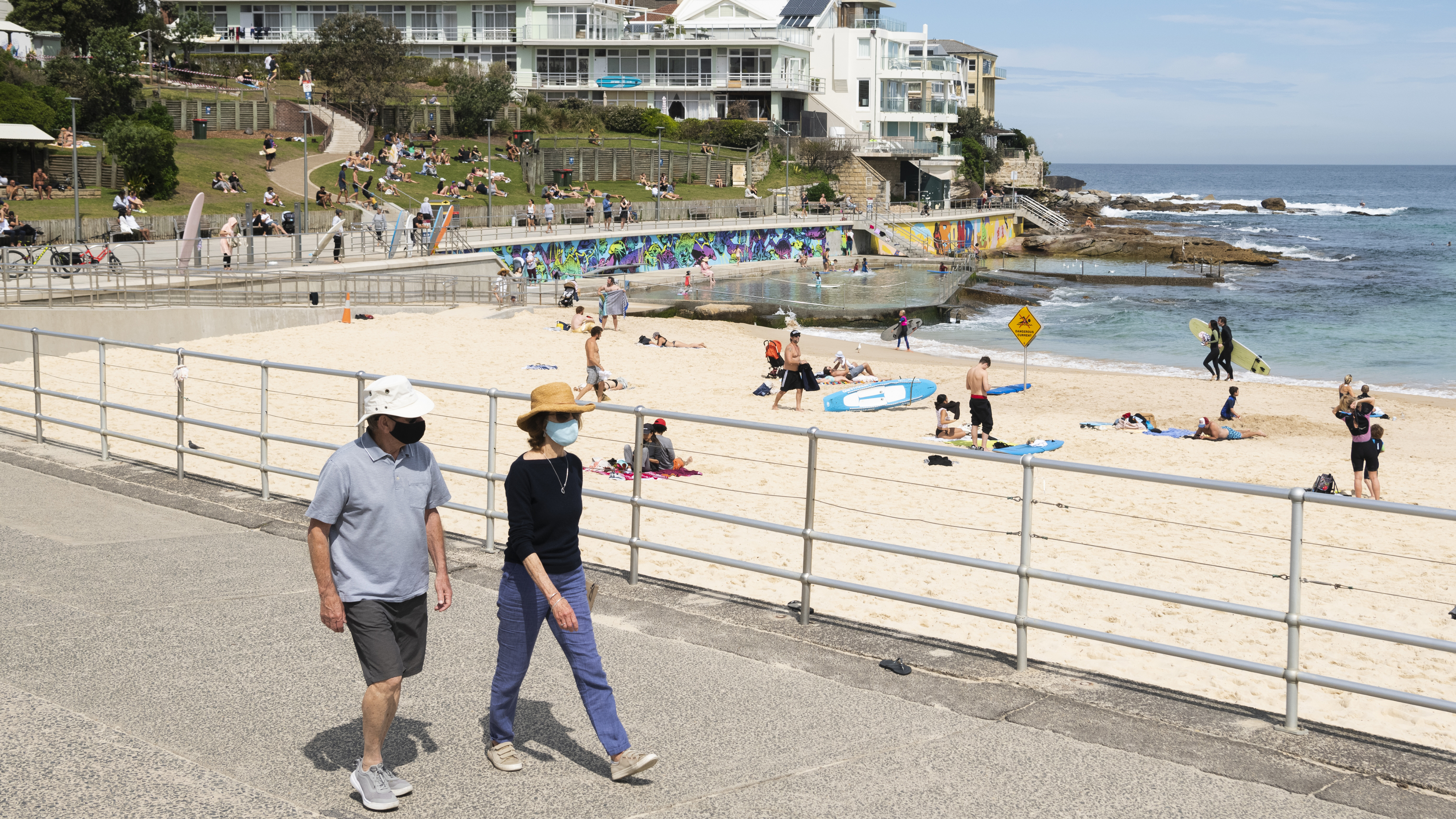
Bondi Beach during Sydney's COVID-19 lockdown.

"Pubs will open, you will be allowed to have people around to your home this Friday. He will sit down with the health official sometime this week to formalise that, but it could be the first order of business."

O'Keefe said Mr Perrottet had been in the background, "pushing to open" the state for some time.

Political views

Mr Perrottet is a staunch conservative and a committed Catholic, who in his maiden speech to Parliament applauded the role that "faith" had played in Australian society.

"I believe that true social justice is one that is built on the foundation that respects the dignity of every human being without distinction of race, gender or colour, whether they are born or unborn, infant or frail aged, whether they are sick or healthy," he said.

In the same speech, he took a stand against "social engineering" and said the Liberal Party was at its best when it embraced both traditionalism and libertarianism.

While Donald Trump is unpopular among most Americans, he has a loyal following among Republicans.

However, in July this year, he called for the Federal Government to bring back JobKeeper to help struggling workers and businesses in New South Wales.

Mr Perrottet voted against decriminalising abortion in NSW in 2019, and has also spoken out against same-sex marriage.

In 2016, on his official Facebook page, he praised the election of Donald Trump to the US presidency, claiming it was a victory for "people who have been taken for granted by elites".

His election to the premier's chair has been supported by former Prime Minister John Howard.
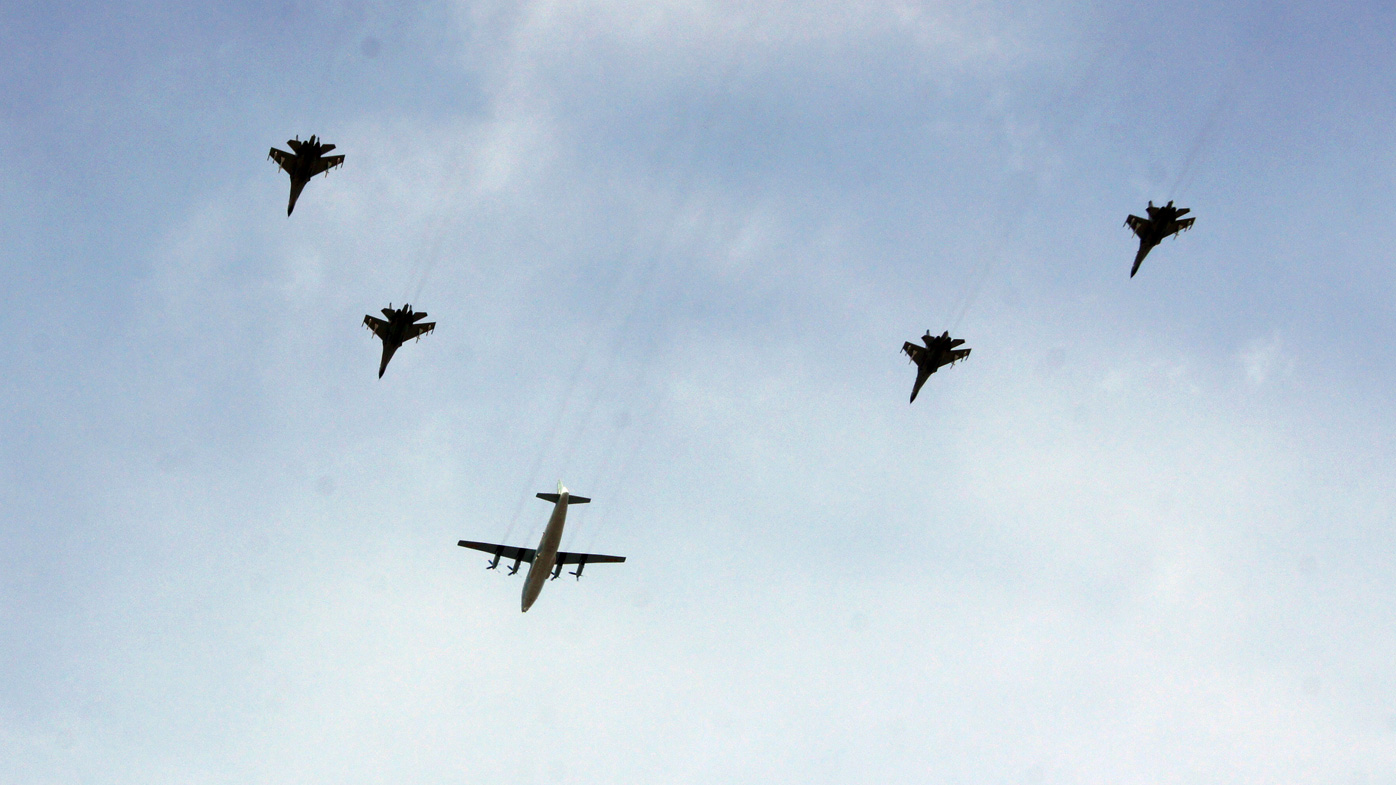
China flies record 56 warplanes toward self-ruled Taiwan

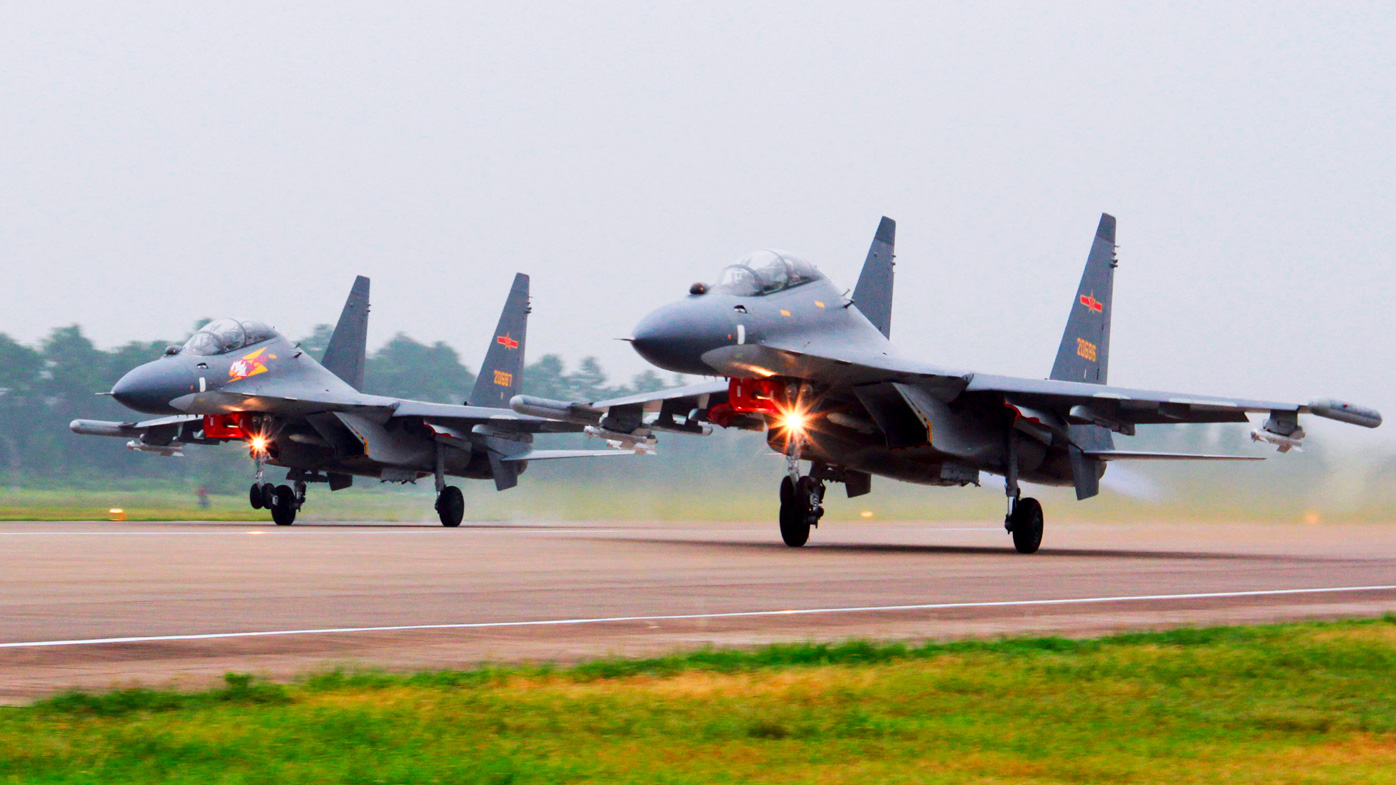
China flew 56 fighter planes toward Taiwan on Monday in the largest show of force on record, continuing the three days of sustained military harassment against the self-ruled island.

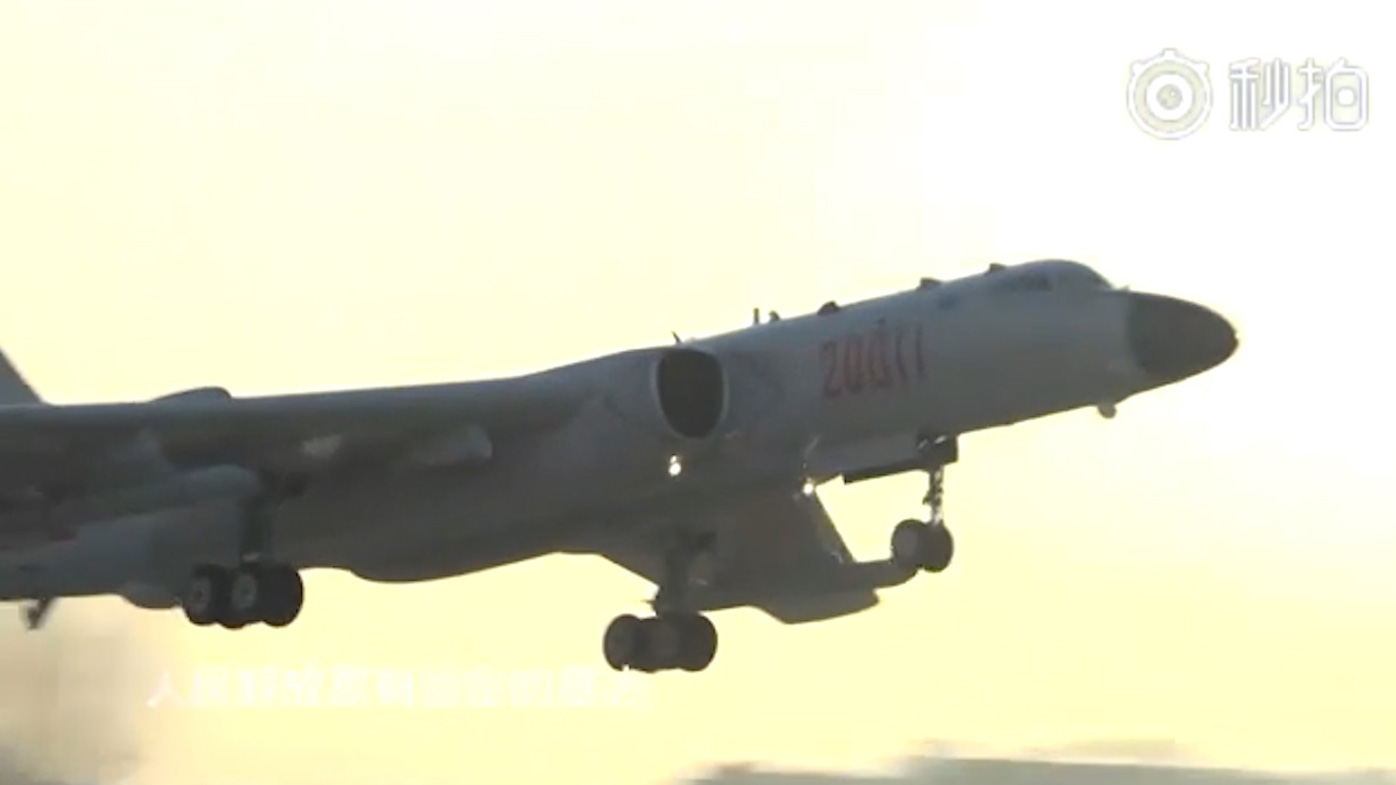
The first sortie of 52 planes included 34 J-16 fighter jets and 12 H-6 bombers, among other aircraft, according to Taiwan's Ministry of National Defence.

Later, four more Chinese J-16s flew toward the southwestern part of Taiwan's air defence identification zone — a buffer outside a country’s airspace.

READ MORE: Facebook, Instagram, WhatsApp back for some after major outage

Chinese military jets fly over Beijing during a rehearsal.

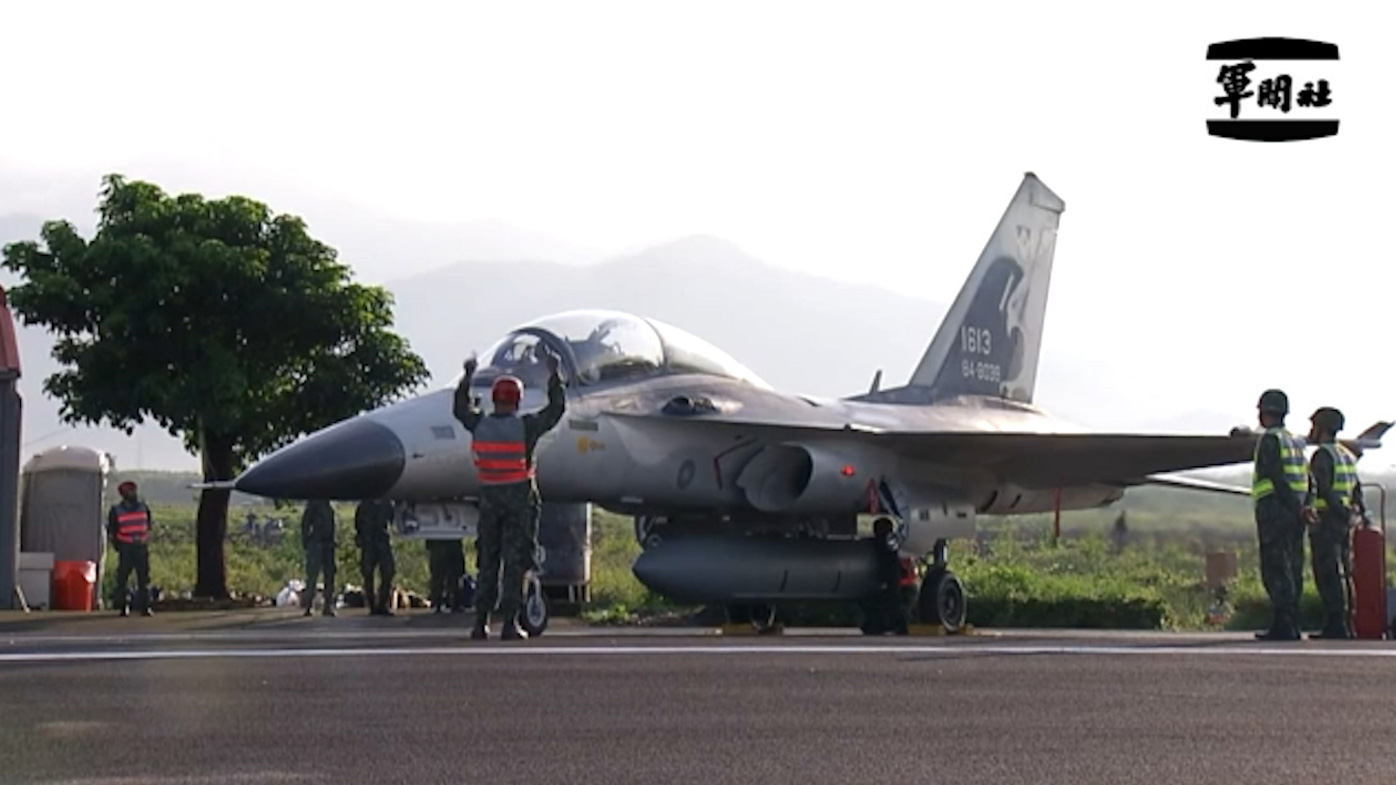
The Taiwanese air force scrambled its fighter planes and monitored the movement of the Chinese warplanes on its air defence system, the ministry said.

China claims democratically ruled Taiwan as its own territory, to be brought under its control by force if necessary.

It refuses to recognise the island’s government and has increasingly sought to isolate the independence-leaning administration of President Tsai Ing-wen.

Experts have called the flights and other military manoeuvres by Beijing grey zone warfare, or any type of military action short of direct combat.

Many say they do not believe the display of force and aggressive rhetoric, much of which is repetitive, will lead to war.

READ MORE: Russia test-fires new hypersonic missile from submarine

According to Taiwan's defence ministry, 16 Chinese military aircraft entered Taiwan's air defence identification zone on Sunday, including 12 fighters.

Taiwan and China split during a civil war in 1949, and Beijing opposes Taiwan’s involvement in international organisations.

Taiwan announced on September 23 that it had applied to join the Comprehensive and Progressive Agreement for Trans-Pacific Partnership, a week after China submitted its own application to join the trade pact.

Starting last Friday, on China's National Day, the People's Liberation Army sent 38 warplanes into the area and 39 aircraft on Saturday, previously the most in a single day since Taiwan began releasing reports on the flights in September 2020.

China sent an additional 16 planes on Sunday.

Chinese aircraft which flew towards Taiwain included 34 J-16 fighter jets, 12 H-6 bombers, two SU-30 fighters, two Y-8 anti/submarine warfare planes and two KJ-500 airborne early warning and control planes.

The latest manoeuvres by the Chinese air force bring the total to 814 flights.

“We remain concerned by the People’s Republic of China’s provocative military activity near Taiwan, which is destabilising, risks miscalculations and undermines regional peace and stability," White House Press Secretary Jen Psaki said yesterday.

"We urge Beijing to cease its military, diplomatic and economic pressure and coercion against Taiwan."

In response to a similar statement over the weekend from the US State Department, China's Ministry of Foreign Affairs had said that the US selling weapons to Taiwan as well as ships navigating the Taiwan Strait were “provocative action that harmed US-China relations.”

“China will take all necessary countermeasures and resolutely crush any ‘Taiwan independence’ plot,” Foreign Ministry spokesperson Hua Chunying said in a statement last night.

Since the beginning of October, Taiwan has reported 145 incursions by Chinese warplanes into the air defence identification zone.

The latest flights have come in separate groups with daytime and nighttime incursions.

The nighttime flights are of note, analysts say, because they're more challenging due to reduced visibility.

“They have the kind of confidence to operate at night,” Chen-Yi Tu, a researcher at the Institute for National Defence and Security Research in Taiwan, said.

With Associated Press

Russia test-fires new hypersonic missile from submarine

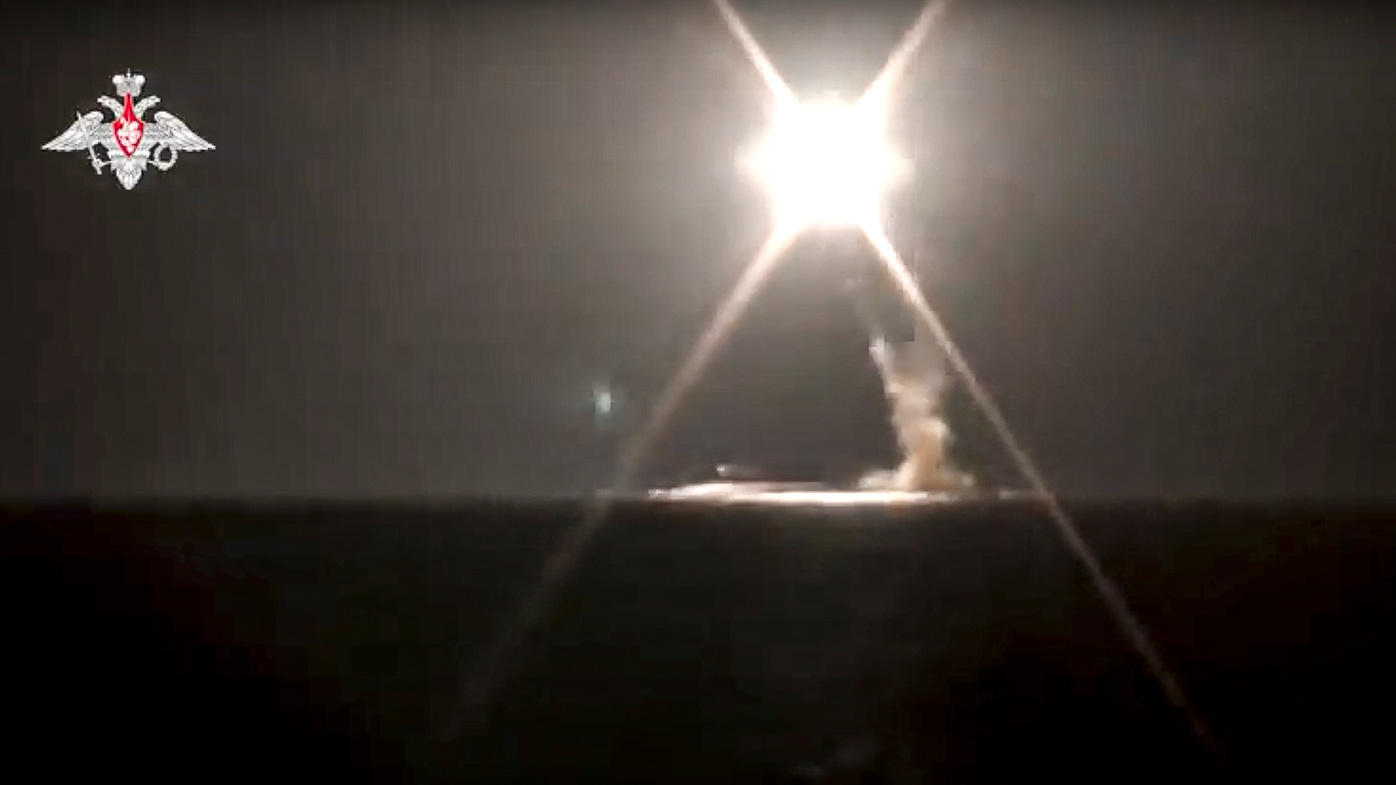
A prospective Russian hypersonic missile has been successfully test-fired from a nuclear submarine for the first time, the military said today.

The Russian Defence Ministry said that the Severodvinsk submarine performed two launches of the Zircon cruise missile at mock targets in the Barents Sea.

It first test-fired Zircon from the surface, and then launched another missile from a submerged position in the White Sea.

A new Zircon hypersonic cruise missile is launched by a submarine of the Russian navy from the Barents Sea

The launch marked Zircon's first launch from a submarine.

It previously has been repeatedly test-fired from a navy frigate, most recently in July.

Russian President Vladimir Putin has said Zircon would be capable of flying at nine times the speed of sound and have a range of 1000 kilometres.

Mr Putin has emphasised that its deployment will significantly boost Russian military capability.

Officials said Zircon's tests are to be completed later this year and it will be commissioned by the Russian Navy in 2022.

Zircon is intended to arm Russian cruisers, frigates and submarines.

It is one of several hypersonic missiles under development in Russia.

The Kremlin has made modernising the country’s arsenals a top priority amid the tensions with the West that followed Russia’s 2014 annexation of Ukraine’s Crimean Peninsula.

Bali to reopen to some international tourists next week

Indonesia plans to reopen the airport in the resort island of Bali for international flights on October 14, after closing it for more than a year because of the COVID-19 pandemic.

Coordinating Maritime Affairs and Investment Minister Luhut Binsar Pandjaitan said on Monday the airport will open to international flights as long as it fulfils requirements for quarantine and testing.

International arrivals must show proof of hotel bookings for a mandatory eight-day quarantine.

READ MORE: New Zealand admits it can no longer get rid of coronavirus

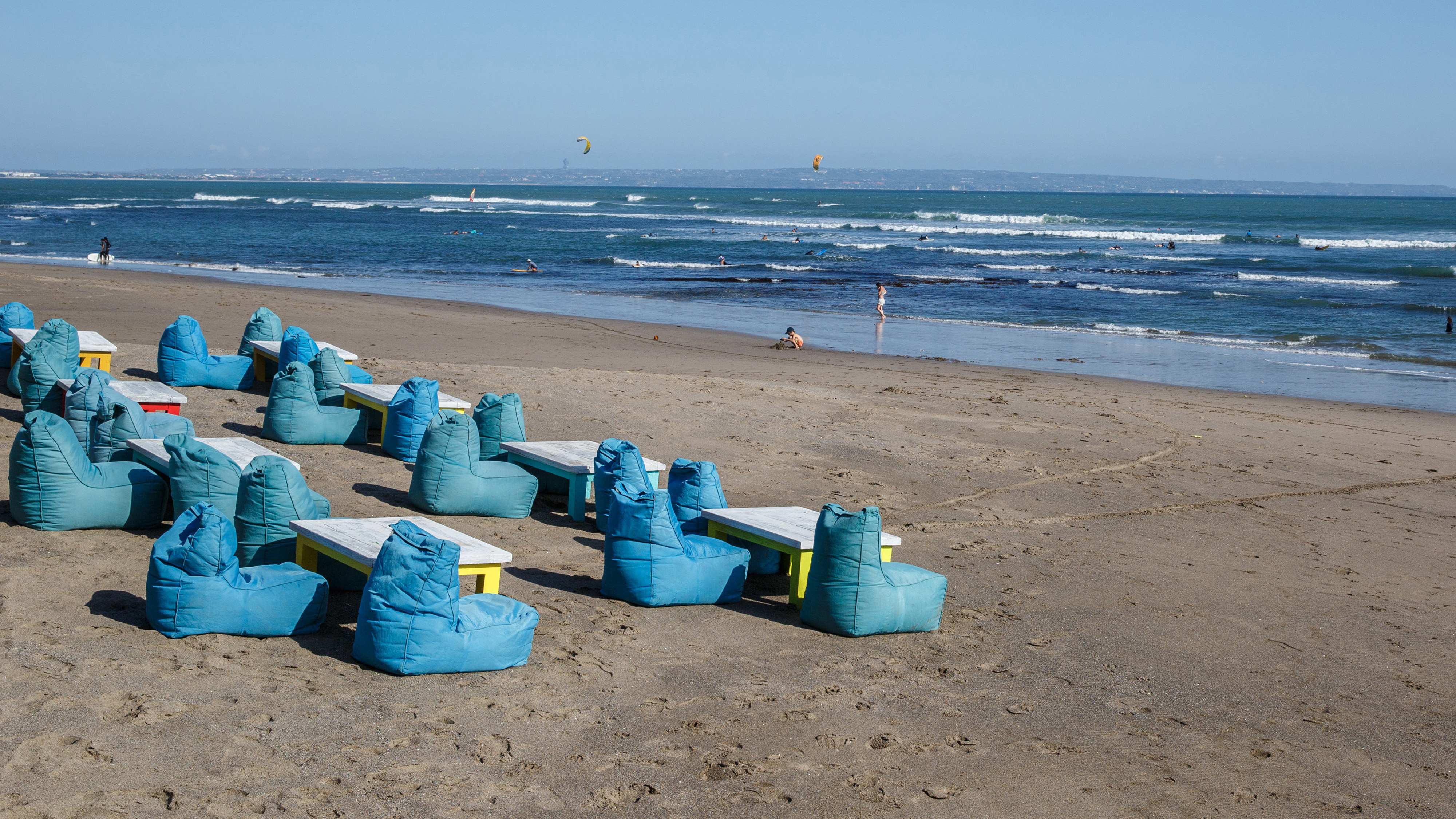
Bali

“We are open to several countries, including South Korea, China, Japan, United Arab Emirates and New Zealand,” Mr Pandjaitan said.

Indonesia, the world’s fourth-most populous country, has recorded more than 4.2 million COVID-19 cases with 142,261 deaths, but infections have decreased in the last few weeks after peaking in mid-July.

Tourism and Economy Minister Sandiaga Uno said Bali's reopening will focus on travellers and returning expatriates who used to live in Bali.

The government is still finalising some steps including lists of countries with direct flights to Bali.

READ MORE: Facebook, Instagram, Whatsapp experience global outage

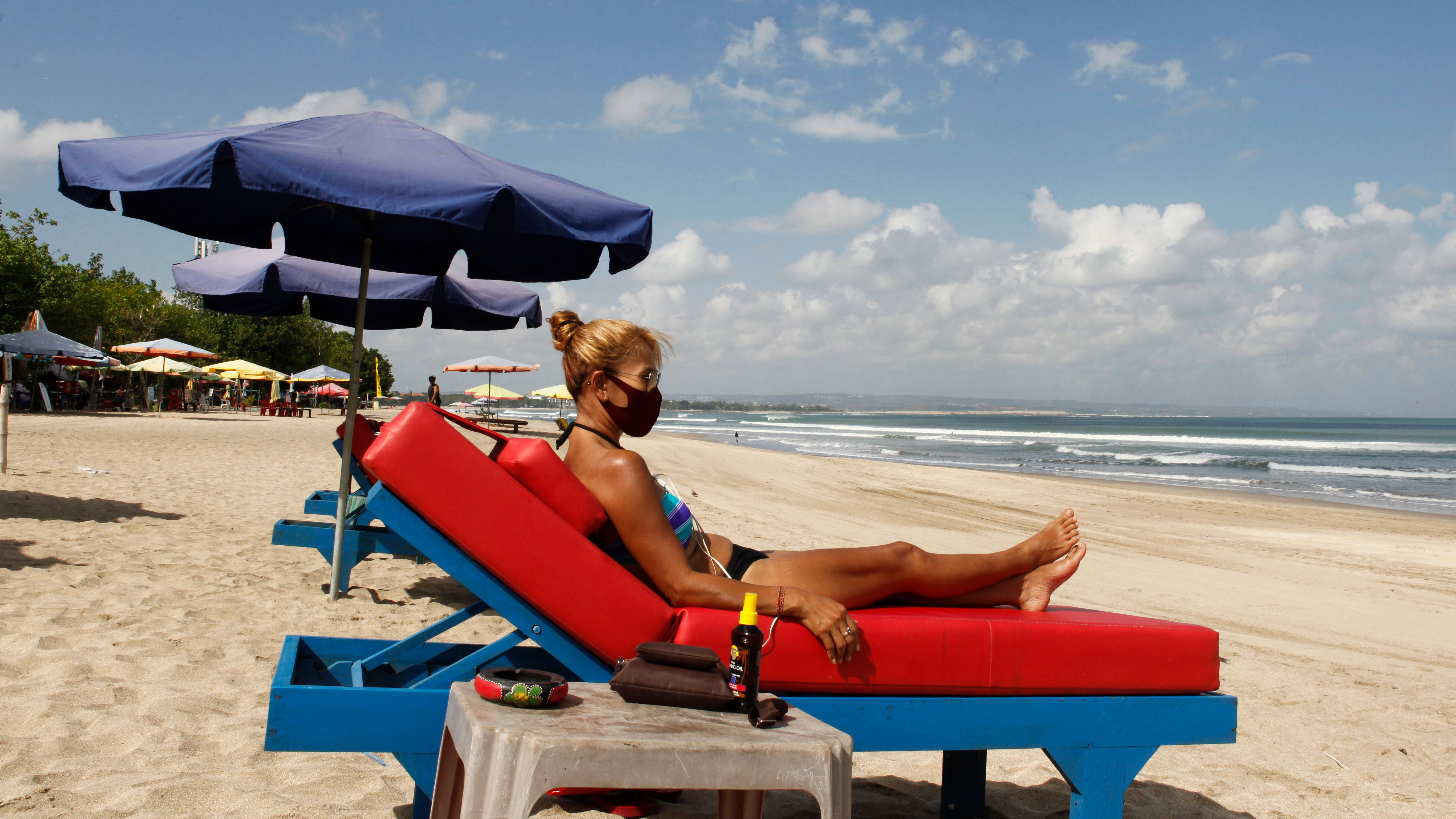
Bali will reopen to some international tourists from next week.

“The most important priority is the safety of the Indonesian people in terms of health and being protected from the potential spike in new cases of COVID-19," Mr Uno said.

Last Friday, Australian Prime Minister Scott Morrison announced international borders would reopen next month for states with 80 per cent vaccination rates.

International travellers will need to quarantine for seven days when they return to Australia.

Qantas is now accepting bookings on services to London, Vancouver and Singapore from December 18.

Flights to destinations with lower vaccination rates – including Bali, Jakarta, Manila and Johannesburg – are expected to restart in March or April next year, Qantas said.

READ MORE: What you need to know about international travel resuming in Australia

How chess changed the fortunes of an 11-year-old prodigy and his family

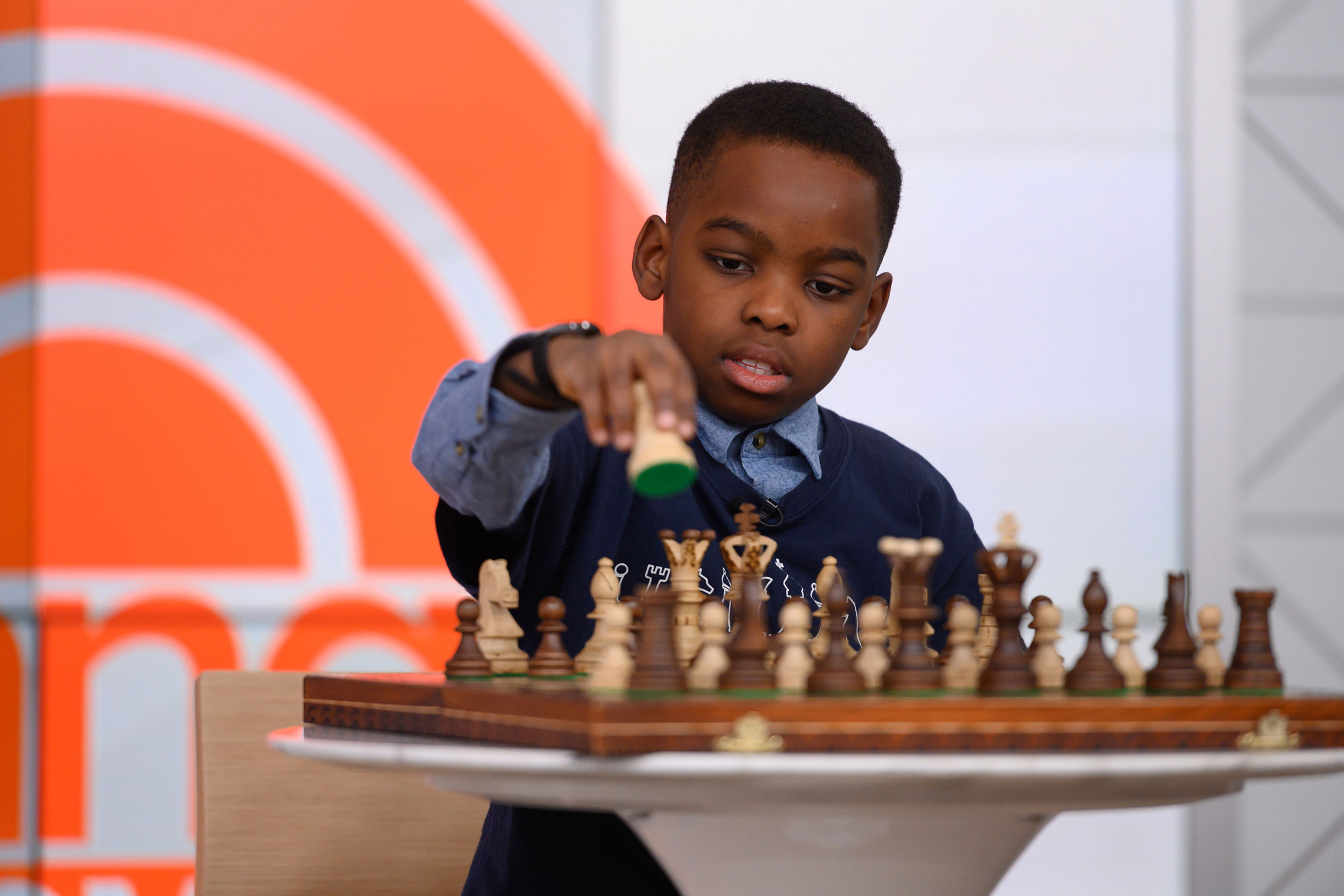
When Tanitoluwa "Tani" Adewumi mulls his next move on a chessboard, his instinct is to pile pressure on his opponent.

"I'm aggressive, I like to attack," he tells CNN Sport of his playing style.

"It's just the way I think in general: I want to checkmate my opponent as fast as I can."

READ MORE: Vaccinated Aussies given the chance to win $1 million

Tani, who turned 11 in September, is taking the same approach with his chess career.

Having become a national master earlier this year — the 28th youngest person to achieve that title — he now wants to become the game's youngest ever grandmaster.

That record currently belongs to 12-year-old Abhimanyu Mishra, but Tani is putting in the hours to try to get there faster.

READ MORE: Australian chess champ made grown men cry at age 10

He attends school in New York, then practices for seven hours when he gets home; when he doesn't have school, he can practice for eight, nine, or sometimes even 10 hours a day.

His success in chess has so far yielded a growing collection of trophies, the most treasured of which is the title he won at the New York State chess championship in 2019 — not necessarily because of the way he played, but because it changed his family's life forever.

"That's the one that really boosted us up to become where we are today, and also me and my chess," says Tani.

In June 2017, nearly two years before he won the state championship title, Tani and his family fled northern Nigeria, worried about attacks by extremist group Boko Haram.

READ MORE: Riot squad called to streets of Penrith as fans celebrate Grand Final win

They lived in a homeless shelter in Manhattan after moving to the United States, and shortly afterward Tani joined the chess club at his school, PS 116 in New York, on the agreement that the registration fee could be waived.

When word spread of Tani's state championship title, an outpouring of financial support for his family followed.

"One family, they paid for a year's rent in Manhattan, one family gave us in 2019 a brand-new Honda, and the Saint Louis Chess Club in Missouri invited the family and the coaches to come and pay a visit," Tani's father, Kayode Adewumi, who works as a real estate agent, tells CNN Sport.

"A lot of people really helped us, a lot of people gave us financial (support) and money … they donated money for us to get out from the shelter."

READ MORE Melbourne is now the most locked-down city in the world

The family set up a GoFundMe page, which provided the housing, legal and educational funds needed to find their feet in the US.

Further donations are being channelled into the Tanitoluwa Adewumi Foundation, which supports underprivileged children around the world.

"We need to give back to the needy, because we know what it takes —we've tasted everything," adds Mr Adewumi.

"When we were in the shelter, some people are still there. We need to help the needy, especially the chess community and the people that need help.

That's why we put the money into the foundation, to help people."

The family feels indebted to the sport of chess — so much so that, through the foundation, they have contributed money to a chess organisation in Africa encouraging more people to take up the game.

Tani's story bears similarities to Netflix series The Queen's Gambit — a fictional story about an orphaned Kentucky girl in the 1960s who becomes a chess champion in her teens.

He has watched the series and says he "definitely did" see himself in it.

"Chess is everything to me, it's my life," says Tani.

"That's how we came to where we are today."

But his early competitive experiences weren't easy; when he played his first chess tournament, Tani lost all of his games.

"It did take me time, of course," he says.

"I believe it takes everybody time."

Today, much of Tani's training involves watching the world's best players — the likes of reigning world champion Magnus Carlsen and grandmasters Hikaru Nakamura, Levon Aronian and Ian Nepomniachtchi.

He studies how they think and how they plot each move.

According to Mr Carlsen, there are few secrets to how he became the world's best player.

"It's been about putting in the time," he tells CNN Sport.

"For me, I don't think I could have ever gotten far in chess without a great love of the game, that's what's been driving it for me all of these years.

"What I do remember from my childhood is that I would go to school; after school I would play soccer with my friends, and when I got home, I would sit down at my own little board where had my chessboard and chess books.

"I would usually eat there. If I didn't have to, I preferred not to eat with my family because then I could not study chess … it must have been a lot of hours, but it was always because I loved it."

To follow in Mr Carlsen's footsteps and reach the status of grandmaster — the highest title in chess — Tani will have to achieve three grandmaster norms — an award given for a high level of performance in a chess — as well as earning an FIDE (Federation Internationale des Echecs) rating of 2500.

Wherever his chess career takes him, Tani can be sure that his family's support will never be far away.

His mother accompanies him to his tournaments, and more recently, his father has been able to attend when he can fit it in around his work schedule

As he watches his son emerge from his games, Mr Adewumi waits for a signal: thumbs up for a win, a horizontal thumb for a draw, and thumbs down for defeat. But whatever the result, his father's reaction is always the same.

"When I'm watching him playing, it's just like your chest wants to burst out until it can be free," says Mr Adewumi.

"When he comes out … we just grab him and are celebrating with him … when he's lost the game, I embrace him, I encourage him.

"He has a philosophy that when you lose, you try again to work out what made you lose and encourage yourself to get better."

That philosophy has reaped rewards so far, and it might yet help Tani Adewumi achieve the status of chess grandmaster.

New Zealand admits it can no longer get rid of coronavirus

New Zealand's government acknowledged on Monday what most other countries did long ago: It can no longer completely get rid of the coronavirus.

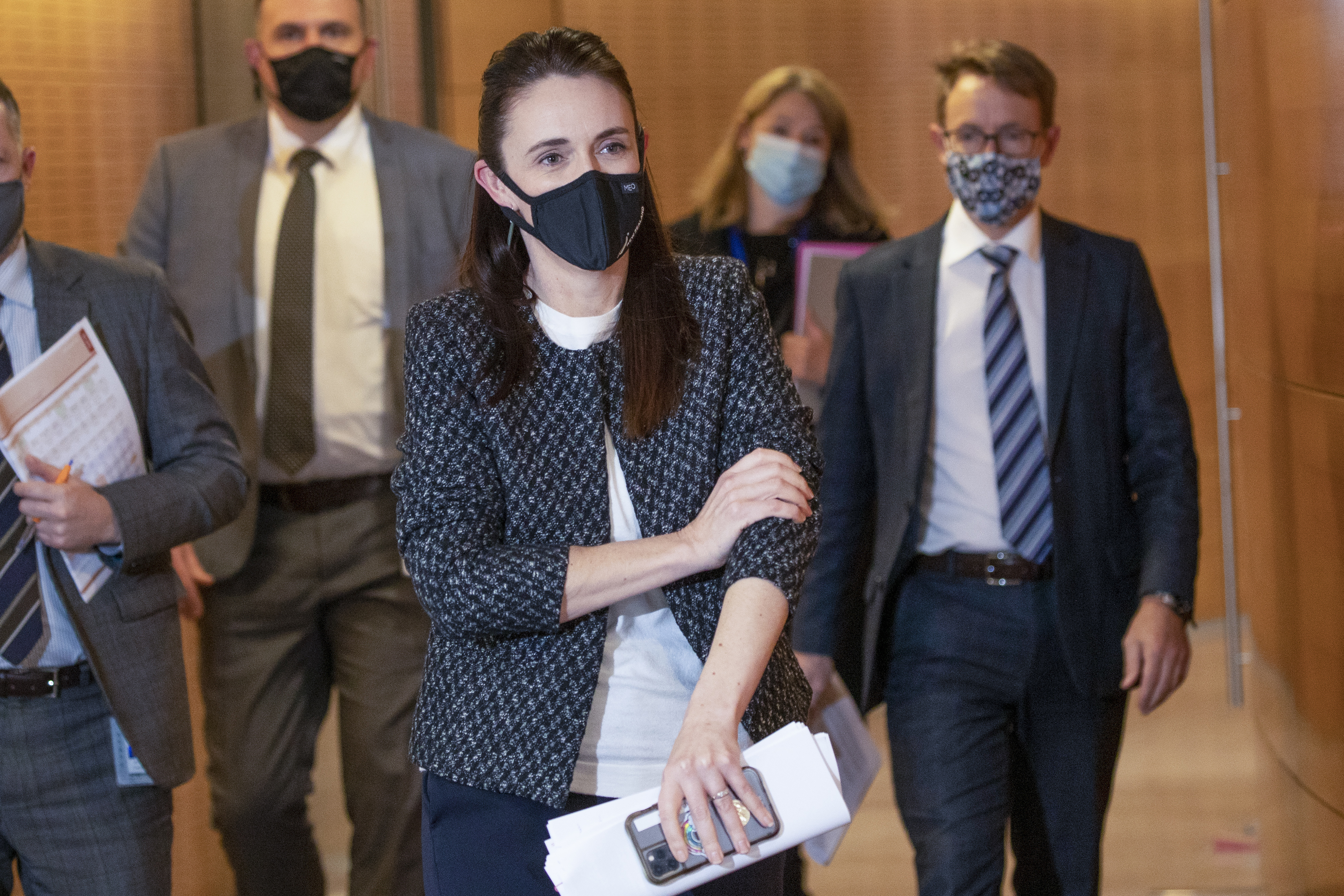
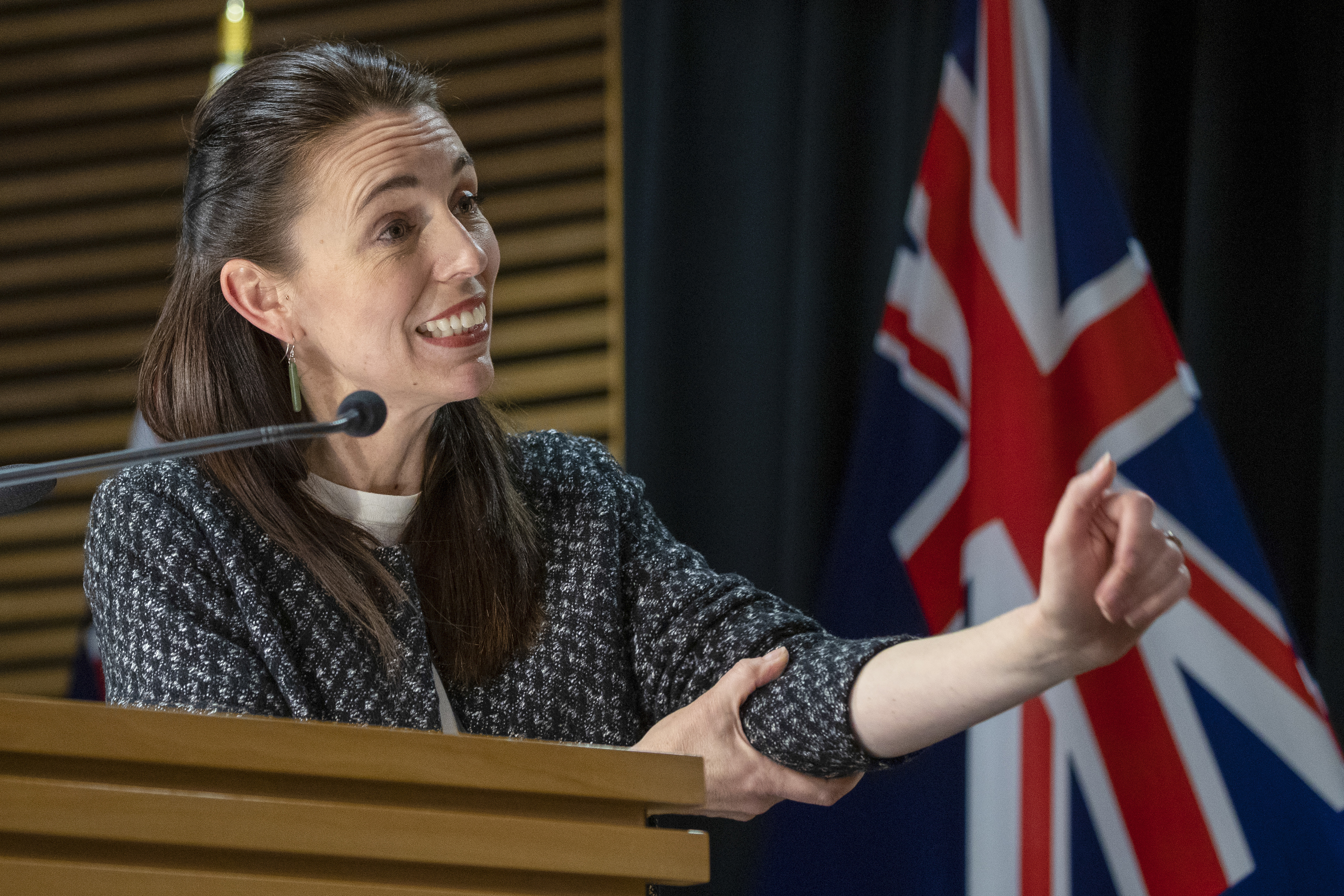
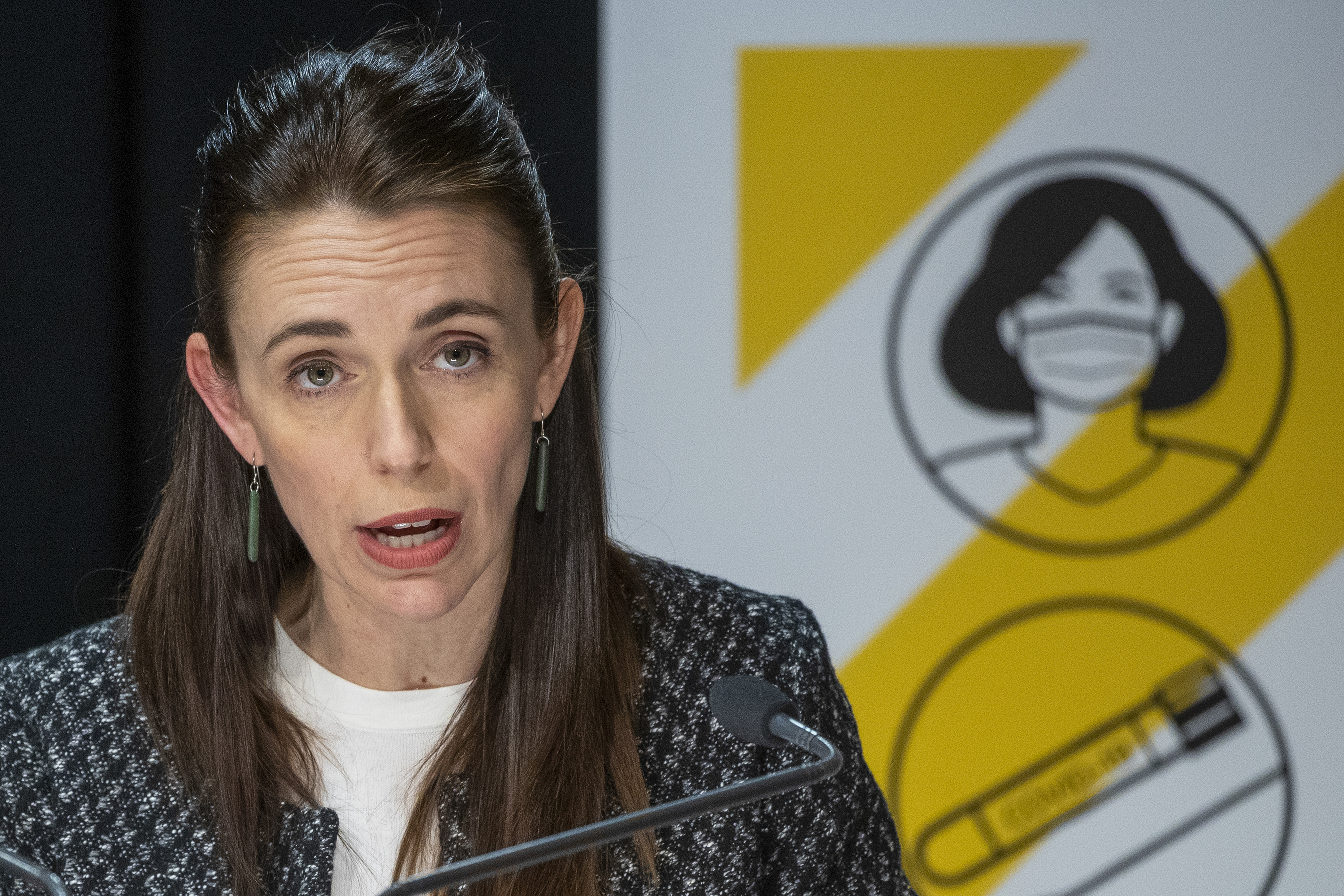
Prime Minister Jacinda Ardern announced a cautious plan to ease lockdown restrictions in Auckland, despite an outbreak there that continues to simmer.

Since early in the pandemic, New Zealand had pursued an unusual zero-tolerance approach to the virus through strict lockdowns and aggressive contact tracing.

READ MORE: Brisbane woman's battle to return from New Zealand to bury father

Until recently, that elimination strategy had worked remarkably well for the country of 5 million, which has reported just 27 virus deaths.

While other nations faced rising death tolls and disrupted lives, New Zealanders went back to workplaces, school yards and sports stadiums safe from any community spread.

But that all changed when the more contagious Delta variant somehow escaped from a quarantine facility in August after it was brought into the country from a traveler returning from Australia.

Despite New Zealand going into the strictest form of lockdown after just a single local case was detected, it ultimately wasn't enough to crush the outbreak entirely.

One factor may have been that the disease spread among some groups that are typically more wary of authorities, including gang members and homeless people living in transitional housing.

The outbreak has grown to more than 1300 cases, with 29 more detected on Monday. A few cases have been found outside of Auckland.

Ardern said that seven weeks of lockdown restrictions in Auckland had helped keep the outbreak under control.

READ MORE: Gang members charged after mass funeral procession on Auckland streets

"For this outbreak, it's clear that long periods of heavy restrictions has not got us to zero cases," Ardern said. "But that is OK. Elimination was important because we didn't have vaccines. Now we do, so we can begin to change the way we do things."

New Zealand began its vaccination campaign slowly compared to most other developed nations. Rates rocketed in August after the outbreak began but have dropped off significantly again since then.

About 65 per cent of New Zealanders have had at least one dose and 40 per cent are fully vaccinated. Among people age 12 and older, about 79 per cent have had at least a single jab.

Under Ardern's plan that starts Tuesday, Aucklanders will be able to meet outdoors with loved ones from one other household, early childhood centres will reopen and people will be able to go to the beach.

The dates for a phased reopening of retail stores and later bars and restaurants have yet to be decided.

Ardern said the elimination strategy had served the country incredibly well but the government always intended to eventually transition to the protection of vaccines, a change hastened by the Delta variant "game changer."

The government's elimination approach had been broadly supported by New Zealanders but was facing increasing criticism. Over the weekend, hundreds of people turned out to rallies protesting the lockdown.

READ MORE: Greta takes fresh swipe at Ardern's response to climate change

Opposition lawmaker Chris Bishop said the government had no clear strategy to deal with the outbreak other than total surrender.

But Ardern said that most measures would remain in place to keep the outbreak under control, including exhaustive contact tracing and isolating those who got infected.

"There's good cause for us to feel optimistic about the future," Ardern said. "But we cannot rush."

Deliveries delayed with Australia Post inundated during lockdown

As Victorians do more online shopping in lockdown than usual and COVID-19 restrictions impact the delivery process, Australia Post has been inundated with work.

A photo taken inside Australia Post's Sunshine distribution warehouse on Sunday morning has revealed the huge number of deliveries the post service is dealing with.

Australia Post General Manager of Corporate Affairs, Michelle Skehan admitted on 3AW today that the picture looked "a little bit terrifying".

READ MORE: Victoria records 1377 new cases of COVID-19, dozens of students test positive

"It is very orderly and they are massive facilities, but look, it's not a great situation we've found ourselves in," she told 3AW.

Ms Skehan said online shopping was "booming" in Victoria – up by an estimated 30 per cent – while it was harder for Australia Post to cope with the pandemic this time than it was during earlier lockdowns.

"Even last year when we had workforce restrictions in our facilities … we could send things up to Sydney," she said.

"Because we've got Sydney, the ACT and Victoria all in lockdown it's an enormous logistical problem."

READ MORE: Melbourne becomes world's most locked-down city

Australia Post has paused eCommerce pick ups in Melbourne until Wednesday, however deliveries are still happening.

The delivery backlog is being worsened by 200 Australia Post workers being in isolation due to COVID-19 exposure fears.

Truck driver strikes across the country have also impacted deliveries.

The Victorian government's decision to mandate COVID-19 vaccination for all essential workers is also expected to slow down the process.

Infamous murderer behind terrifying armed hold up at Melbourne tavern

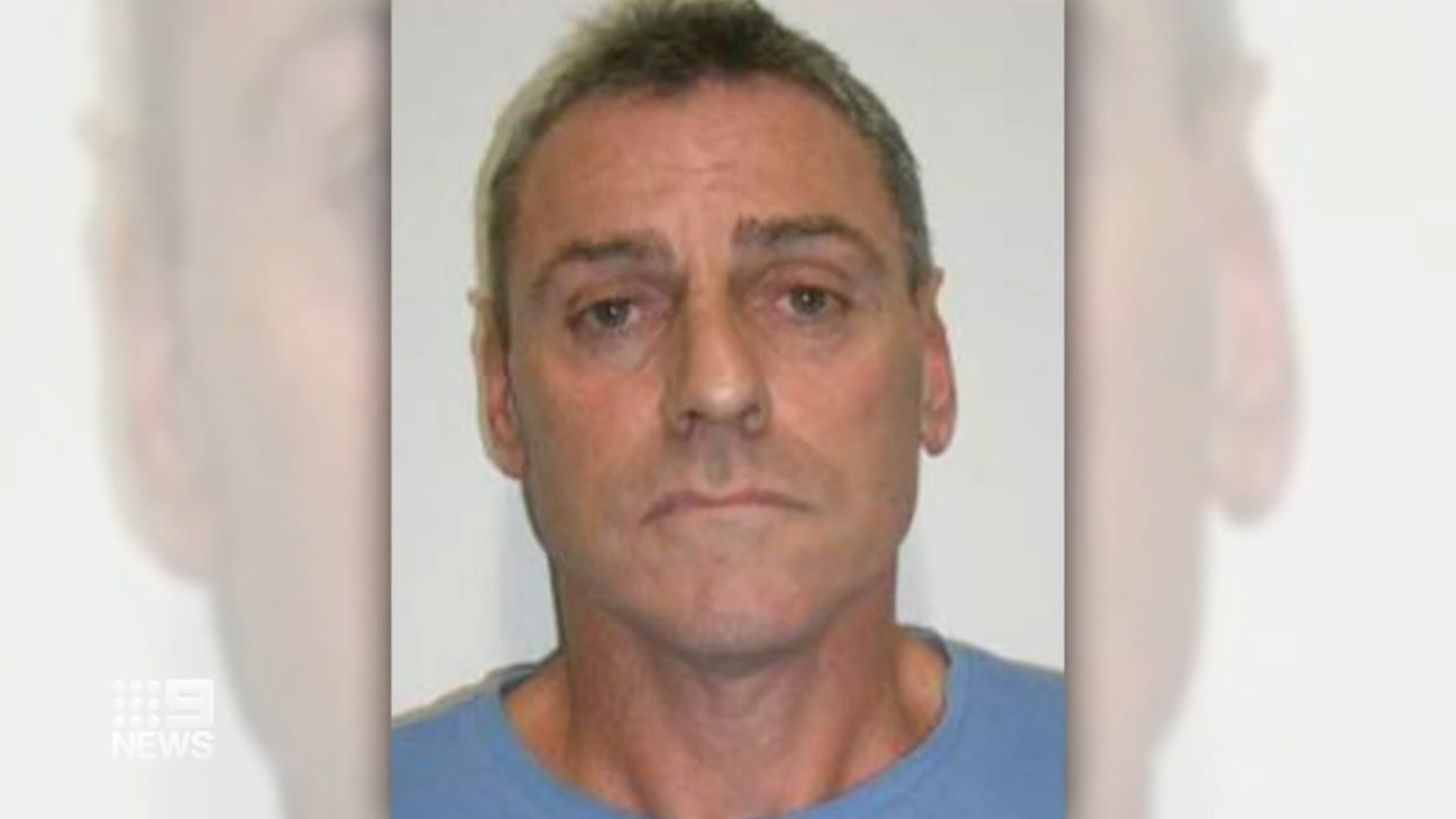
An infamous murderer and a mystery accomplice broke into a Melbourne tavern and held an employee at gunpoint while they plundered cash, a court has heard.

John Lindrea, 59, has been sentenced to 11 years and six months' jail before the County Court today, after he pleaded guilty to charges including armed robbery and false imprisonment.

Dressed in balaclavas and gloves, and armed with loaded shotguns, Lindrea and another man were dropped outside Westmeadows Tavern in Melbourne's north west about 3am on March 2 last year.

READ MORE: Man arrested after woman pushing pram allegedly sexually assaulted

The pair climbed onto the venue's roof and broke through the corrugated iron and then a plaster ceiling to get into the tavern's kitchen without sounding the alarm.

They waited inside until the tavern's assistant manager arrived to work about 4.45am, when they screamed at her to "get on the ground".

The court heard they both pointed their guns in her face and stole her Apple watch, before they forced her to open various safes, ATMs and tills around the tavern.

They then locked the woman in a metal cupboard and she heard one radioing and asking for someone to pick them up.

A cleaner arrived at the venue after 5am and saw the thieves, calling police.

Police arrived but Lindrea hid in a wall cavity, and managed to escape after police left the scene, thinking he'd already fled.

However, Lindrea left an Adidas shoe behind in the roof and a bag in the tavern and was arrested a month later.

Most of the men's actions inside the tavern were also caught on CCTV, yet Lindrea's accomplice has never been found.

The court heard Lindrea was jailed for a maximum of 25 years in 1993 after he shot three people at a Kinglake party he gatecrashed in 1992 while drunk, killing two and seriously injuring someone else.

It was also heard the Westmeadows Tavern robbery wasn't his first armed robbery and that Lindrea had a history of institutionalisation after being raised in the "most unfortunate circumstances".

The court heard Lindrea had cancer and a range of psychological issues.

Judge Daniel Holding noted the robbery following "significant premeditation and planning" before sentencing Lindrea to a non-parole period of eight years and nine months' jail.

Lindrea had already served 551 days behind bars.