For the second time in days, the Royal New Zealand Navy has seized millions of dollars’ worth of drugs from a vessel in the Indian Ocean authorities say would have been sold to “fund terrorism”.On Monday, a Kiwi-led task force confiscated…
Tag Archives: oceania
Businesswoman flew from Auckland to Blenheim for property appraisal
A businesswoman who flew from Auckland to the Marlborough Sounds for a property appraisal has been charged for breaching Covid-19 restrictions. Police have summonsed the 53-year-old woman to the Blenheim District Court on October…
Covid 19 Delta outbreak: 19 new cases; Deputy PM Grant Robertson on infected patient who walked out of hospital
There are 19 new cases of Covid-19 today, all in Auckland. Of today’s cases, only one is yet to be linked to another case. There have been nine unlinked cases over the past 14 days, director of public health Dr Caroline McElnay…
Auckland police shooting: Man under police guard in hospital, co-accused to appear in court
A man shot by police after he pointed a firearm at officers and members of the public during an extensive pursuit across Auckland is recovering in hospital under police guard, while a second man is expected to appear in court today….
Workers injured in three separate morning incidents in Hawke's Bay
Three people have been flown to Hawke’s Bay Hospital with moderate to serious injuries following three separate workplace incidents across the region.Lowe Corporation Rescue Helicopter general manager Ian Wilmot said the crew was…
Covid 19 Delta outbreak: How the Government response can help marginalised communities
One of the country’s top epidemiologists and community agencies are calling for a refreshed Covid-19 strategy that better supports marginalised communities in Auckland, where the Delta outbreak is continuing to linger. It has been…
Hawke's Bay DHB internal communication network outage resolved, cause being investigated
Breakdowns in Hawke’s Bay District Health Board’s internal communication system led to an outage of its external and internal phone lines.The outage on Friday morning impacted phone lines as well as the DHB’s computer network.A…
The building of one of Australia's most recognised icons
Deep-dive into history with these photos showing what our capital city streetscapes used to look like.
Murderer's chilling actions before and after Sarah Everard's murder
After weeks of planning, a former London police officer was "hunting a lone young female to kidnap and rape".
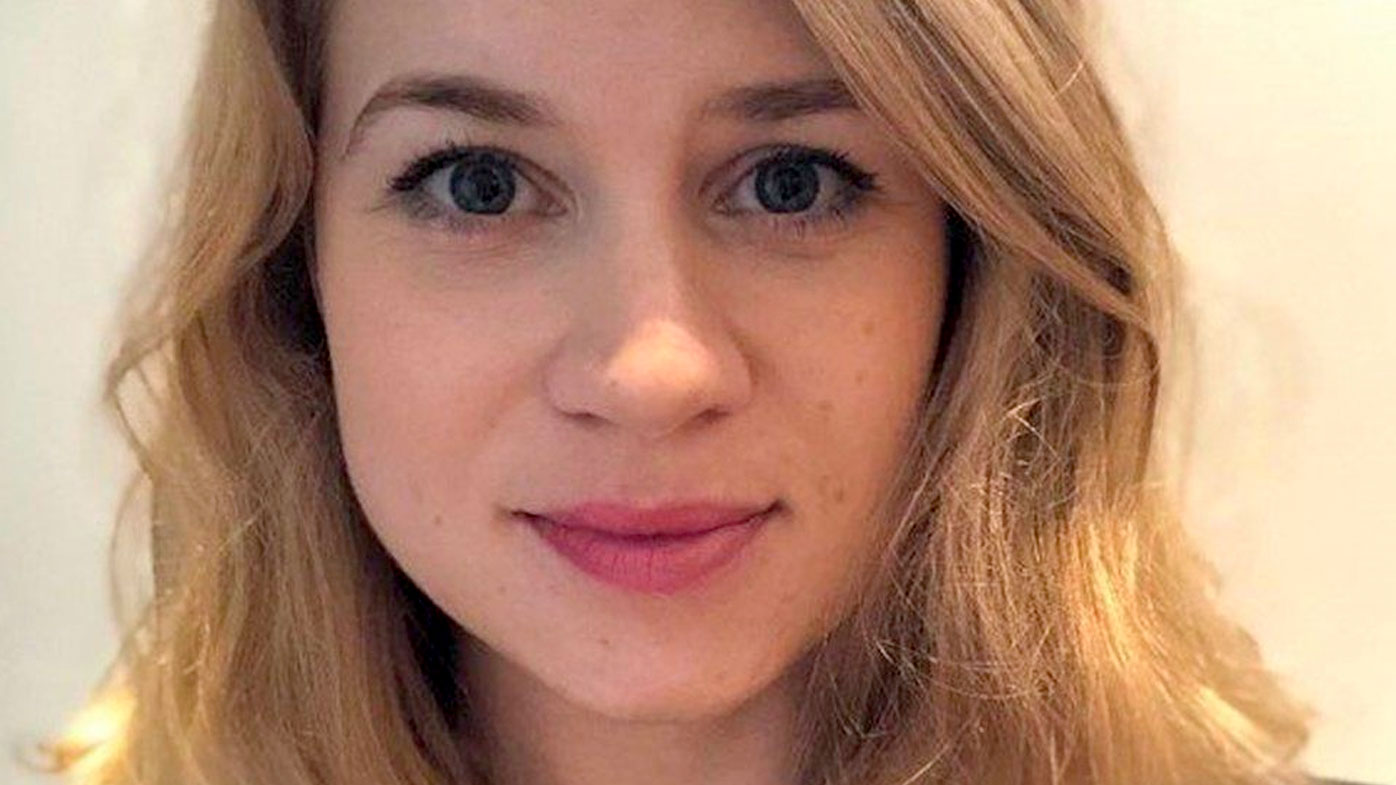
By 9.30pm on March 3, all that was missing was his victim: Sarah Everard, 33, intelligent, compassionate and loved by so many, a "blameless victim" of an abuse of police power so grave it has shaken faith in the force and been equated with ideological, religious or racist killings.
The sickening details of a crime deemed so serious the 48-year-old murderer Wayne Couzens will never be released — one of only a few dozen currently consigned to such a fate in the UK — are laid out in Lord Justice Fulford's sentencing remarks delivered on Thursday.
READ MORE: Victoria records staggering 1438 new COVID-19 cases

They describe the research trips to London starting a month out from the murder and the way he calmly "attended to the inconsequential details of family life whilst grimly covering" his tracks in the aftermath.
Ms Everard, walking home from visiting a friend during the pandemic, was a "blameless victim of a "devastating, tragic and wholly brutal" crime.
Using his privileged status, Couzens handcuffed the marketing executive and coerced her into a car hired for this exact purpose, most likely misusing the COVID-19 lockdown as false justification.
Prosecutor Tom Little Little said Couzens wore his police belt with handcuffs and used his police warrant card when he detained Ms Everard "by fraud."
CCTV footage — just seconds of 1800 hours collected in what the judge called the "most impressive police investigation" she had seen — shows the moment the killer stops his victim on the street.
But a passing passenger thought they were witnessing exactly what Couzens appeared to have designed the kidnapping to look like: an undercover police officer making an arrest.
By this point he'd made at least three unexplained visits to the capital to research his crime, dating back to January.
READ MORE: The futuristic nuclear mega yacht designed to save the world
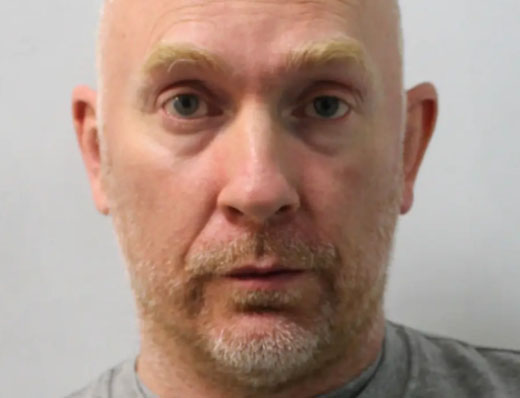
Then there was the purchase of a police standard issue handcuff key from Amazon on February 10, self-adhesive carpet protector film ordered on February 28, and 14 hair bands bought just 90 minutes before Ms Everard was taken from Poynders Road in Clapham, south London.
What happens next is less clear but it's known the killer's phone pinged a cell tower some 100km away in England's south and he changed from the hire car to his own SEAT vehicle in Dover.
The victim's mother, Susan, said her daughter "spent the last hours on this earth with the very worst of humanity."
"She lost her life because Wayne Couzens wanted to satisfy his perverted desires. He treated my daughter as if she was nothing and disposed of her as if she was rubbish," she said.
"I am haunted by the horror of it."
It's believed Ms Everard was raped sometime after midnight and "highly likely" she was dead by 2.34am, when Couzens bought some soft drinks at a BP in Dover South.
At 8.14am, he bought hot chocolate and a Bakewell tart.
In the following days he acted normally at home, even making dental appointments for his children, while trying to cover his tracks.
A March 5 call to make a vet appointment for the family dog in which he sounded "controlled and normal" took place on the same day he bought a plastic container of petrol and burnt Ms Everard's body in Hoads Wood in Kent.
READ MORE: Ancient treasure discovered by freedivers off Spanish coast
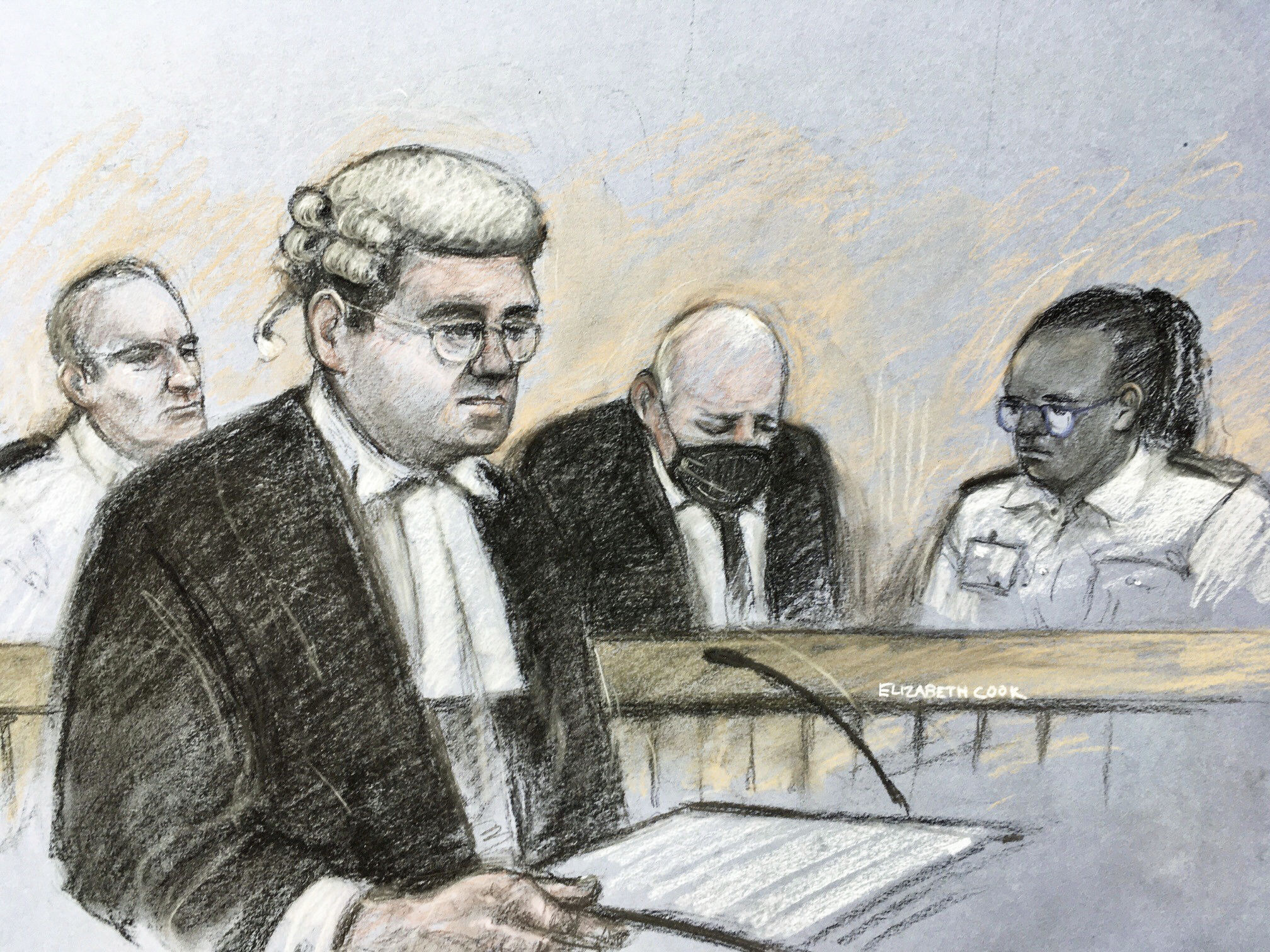
"Within three days of the murder the defendant took his family on a trip to the woods, close by to where he had deposited, burnt, moved and hid the body of Sarah Everard, allowing his children to play in that area," the judge noted.
"In due course he cleaned the exterior of his Seat motorcar."
Lord Justice Fulford said the crime was of "equal seriousness as a murder carried out for the purpose of advancing a political, religious, racial or ideological cause."
Hence why it deserved the UK's harshest penalty, a whole-life order with no prospect of release.
"During the period before your arrest, there was never a moment when you gave the slightest indication of regret, following perhaps the realisation of the enormity of the dreadful crimes you had committed," the judge said.
"Instead, you simultaneously attended to the inconsequential details of family life whilst grimly covering your tracks, with all the appearance of a man acting with quiet and unconcerned determination.
"The substantial CCTV footage and similar material does not give the slightest hint of someone in trauma, who has started to have second thoughts in the cold light of day about what they have done."
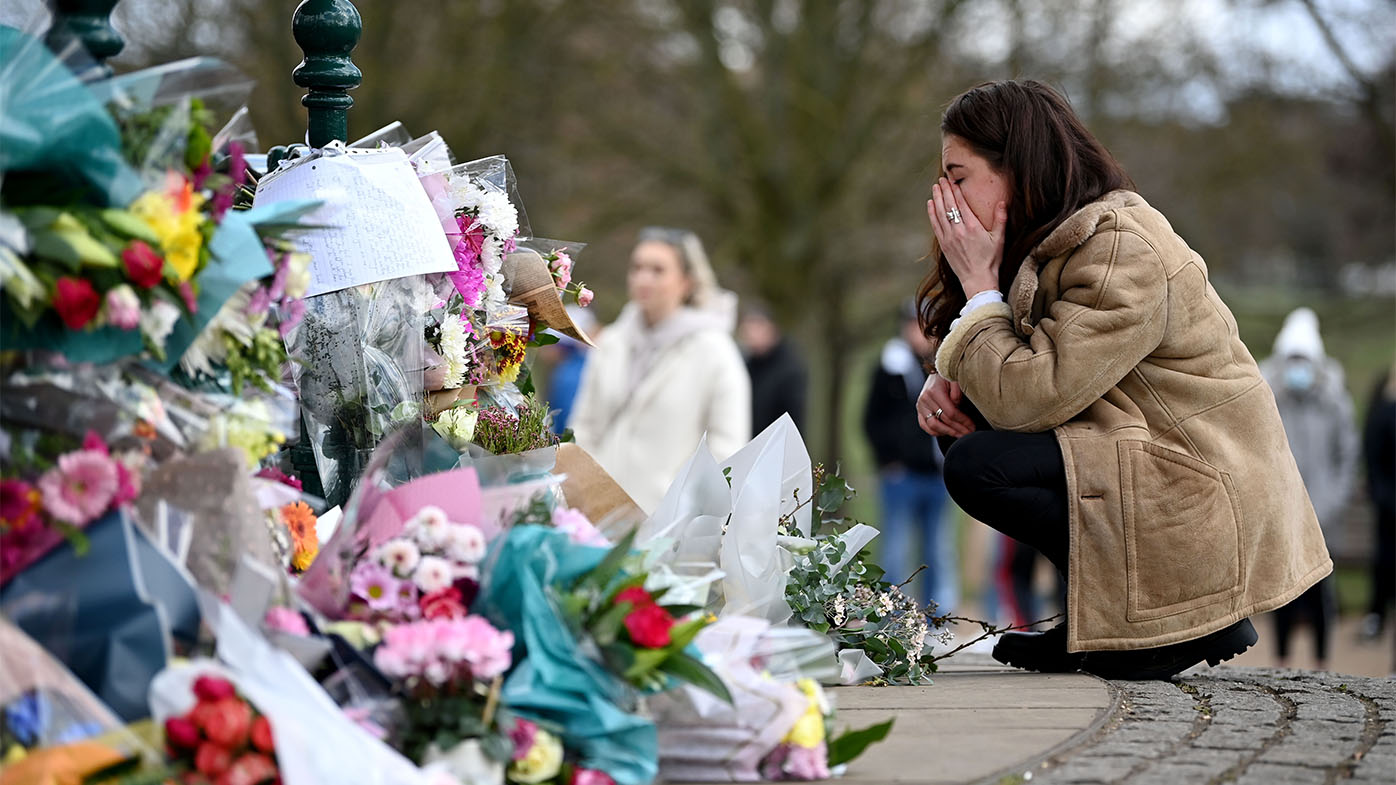
Ms Everard's disappearance prompted an outpouring of grief and rage across social media from women sharing their own experiences of sexual assault, while also shining a light on the epidemic of violence against women and girls in the UK.
"You have very considerably added to the sense of insecurity that many have living in our cities, perhaps particularly women, when traveling by themselves and especially at night," Lord Justice Fulford told Couzens during the sentencing.
One woman is killed by a man on average every three days in the UK, according to data from the Femicide Census, an organisation that tracks violence against women and girls. The group argues that the government's new strategy to curb such violence "shamefully ignores" victims of femicide.
The government promised to take action to tackle violence against women and girls, but activists and the opposition say the steps it proposed were not adequate.
London's Metropolitan Police force has also faced a barrage of criticism for their actions in the days after Everard's disappearance.
Women were reportedly warned by police officers not to venture out alone as they made door-to-door inquiries on the case, prompting some to comment that this approach only fuelled the culture of victim blaming.
https://twitter.com/metpoliceuk/status/1443134247221481476?ref_src=twsrc%5Etfw
Meanwhile, the police regulator, the Independent Office for Police Conduct (IOPC), is investigating whether the Met responded appropriately to a report that Couzens indecently exposed himself at a South London fast food restaurant in February.

The IOPC is also investigating alleged failures by Kent Police to investigate another indecent exposure incident linked to Couzens from 2015.
Speaking outside the court on Thursday, the Met Police Commissioner Cressida Dick said Couzens had brought shame on the police.
"There are no words that can fully express the fury… and sadness that we all feel about what happened to Sarah. I am so sorry," she said.
PM no longer Australia's most powerful person
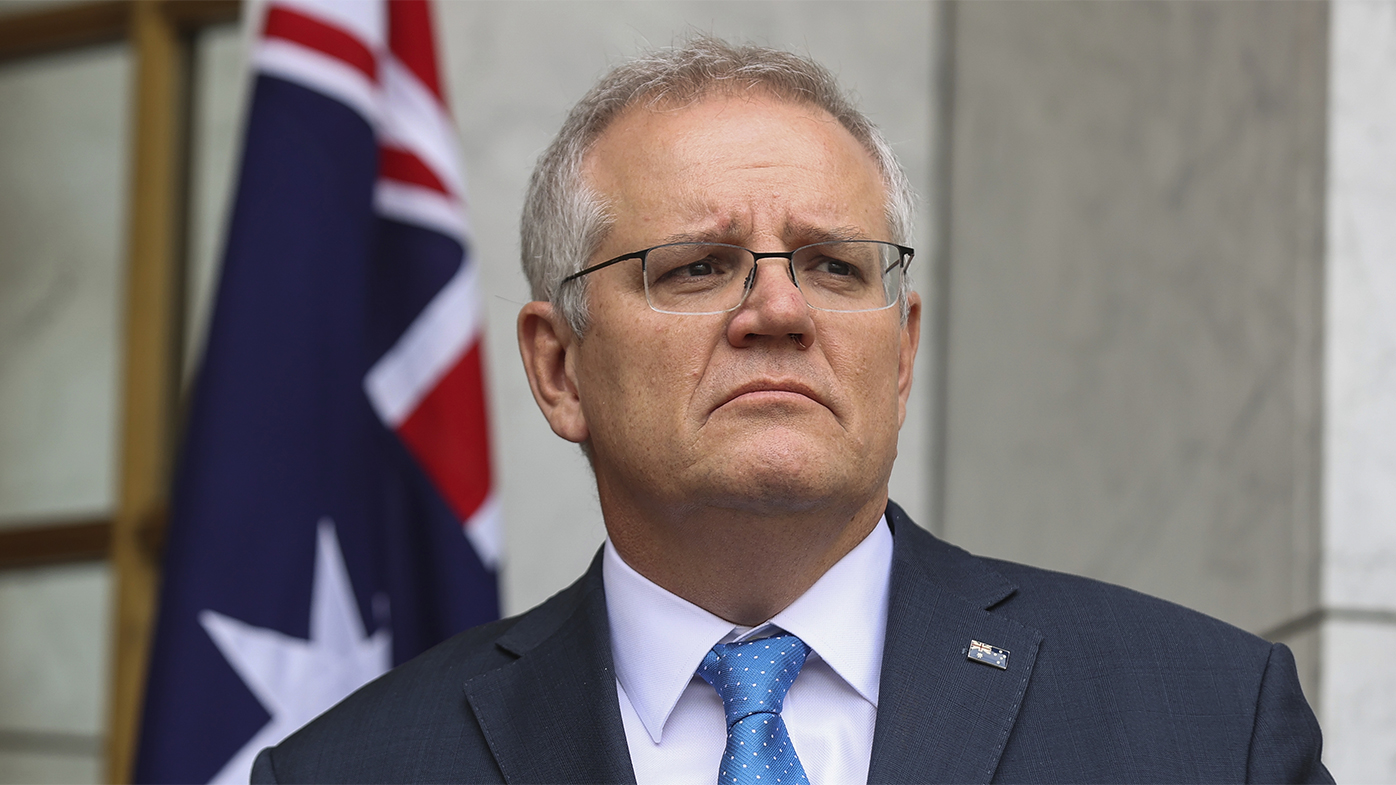
Prime Minister Scott Morrison is no longer considered the most powerful person in the country, according to the Australian Financial Review Magazine.
The magazine today releases its annual Power Issue, in which a panel of experts select the Australians who wield the most power to shape our everyday lives.
Traditionally the Prime Minister sits at number one on the list — and in October 2020 Mr Morrison claimed top billing thanks in part to the successful JobKeeper program.
READ MORE: 'Triple threat' storm system barrels towards Australia's east
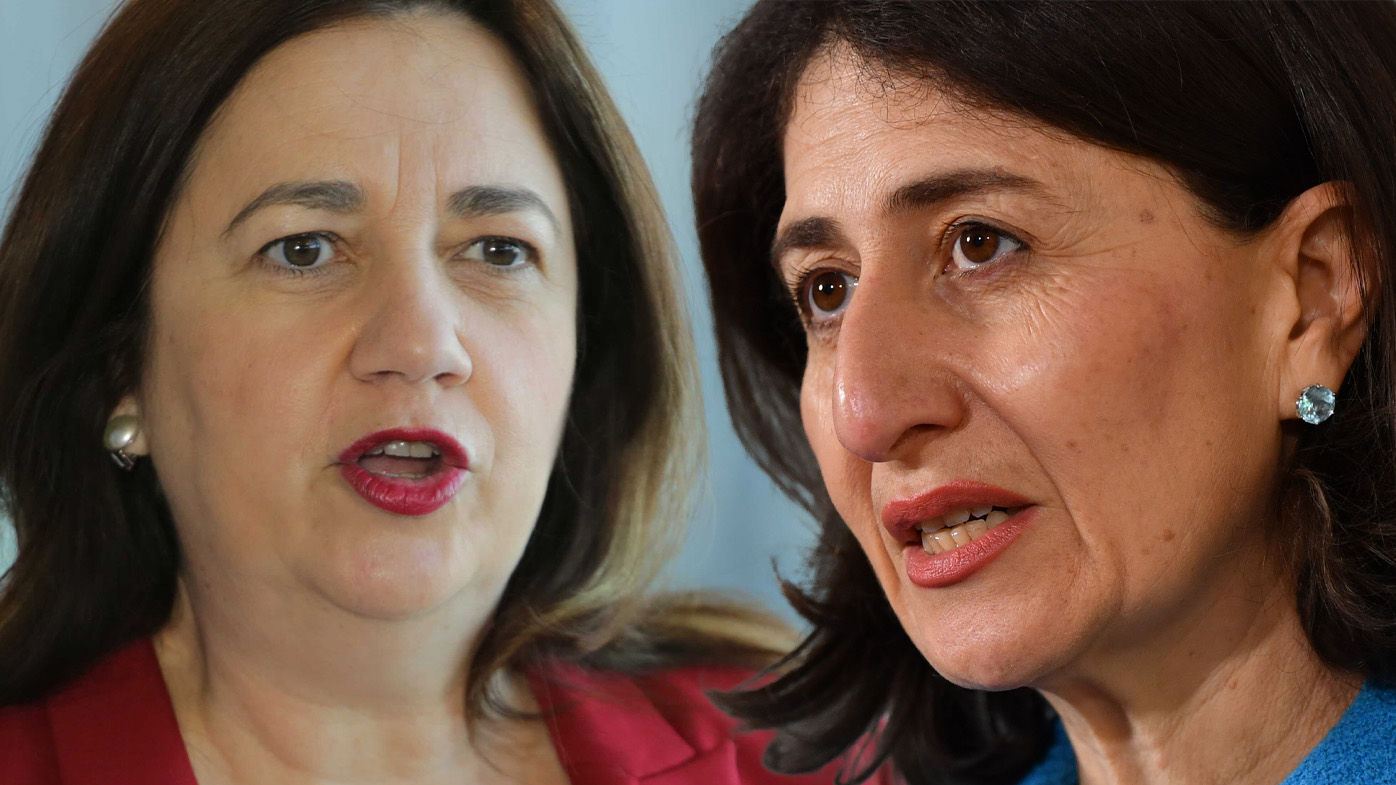
But this year the AFR Magazine panel elected to combine four state premiers in Gladys Berejiklian (NSW), Daniel Andrews (Victoria), Annastacia Palaszczuk (Queensland) and Mark McGowan (Western Australia) for an equal first place.
It's the first time since the power list began in 2000 that the Prime Minister has not been perceived as the country's most powerful person.
A full list of the top 10 most overtly powerful Australians can be seen below.
Financial Review editor-in-chief Michael Stutchbury said the COVID-19 pandemic has revealed the true power structures as governed by Australia's constitution.
READ MORE: Victoria records staggering 1438 new COVID-19 cases
"The pandemic has resulted in a real shift in how power is exercised within the federation," Stutchbury said.
"That's based on the extreme risk aversion within the population, which the premiers have responded to."
Despite losing top spot, Mr Morrison was named in second place with Treasurer Josh Frydenberg elected as the third most overtly powerful Australian.
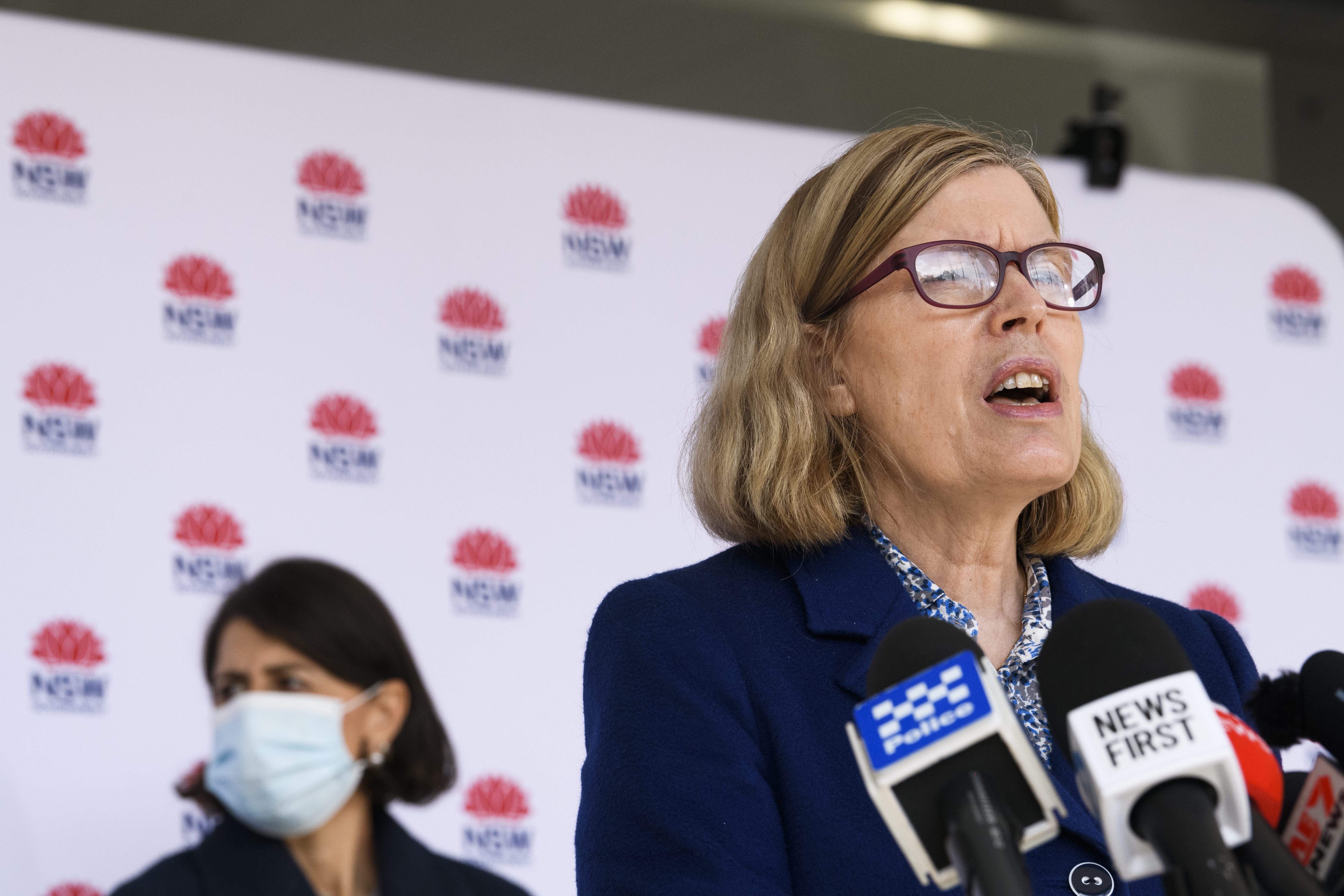
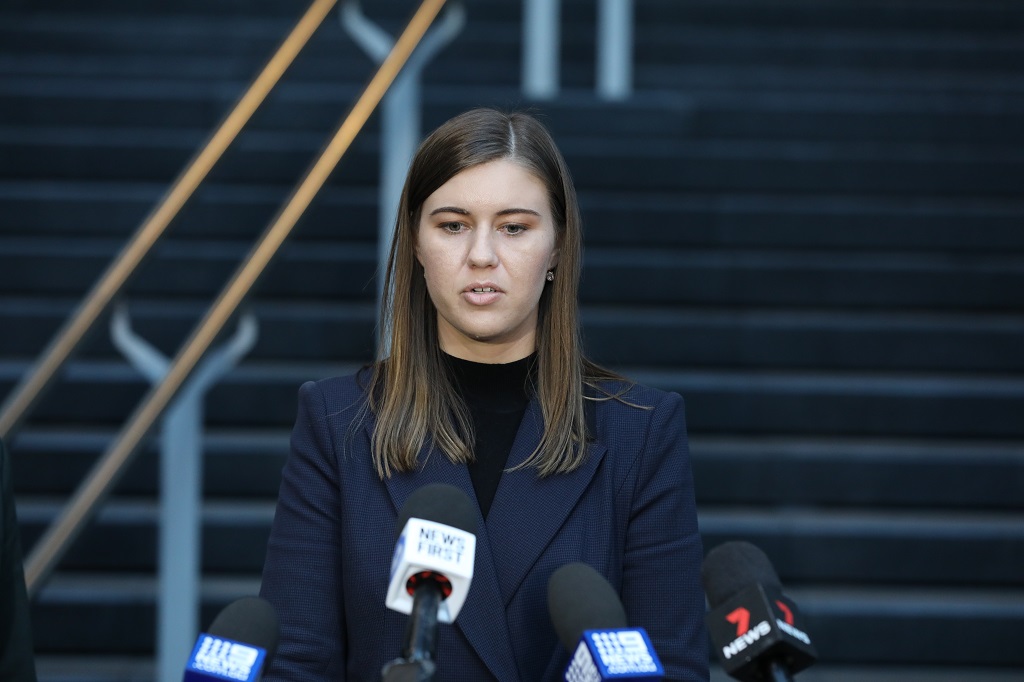
In fourth place were the combined Chief Health Officers of the states and territories, followed by RBA Governor Philip Lowe in fifth and Brittany Higgins in sixth.
The list is created by panels of decision makers who debate at length the extent of a person's power and how public the exercising of their power is in the country.
READ MORE: Ancient treasure discovered by freedivers off Spanish coast
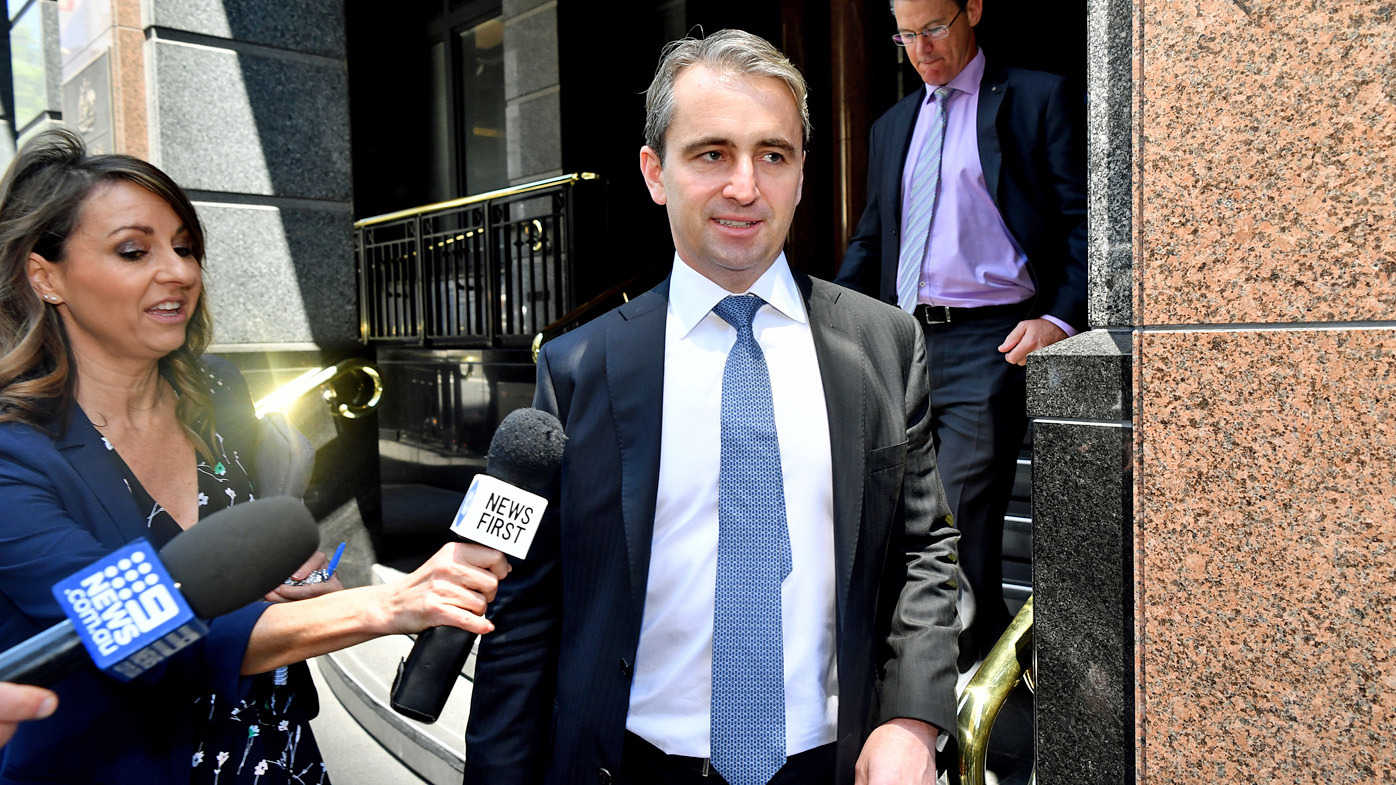
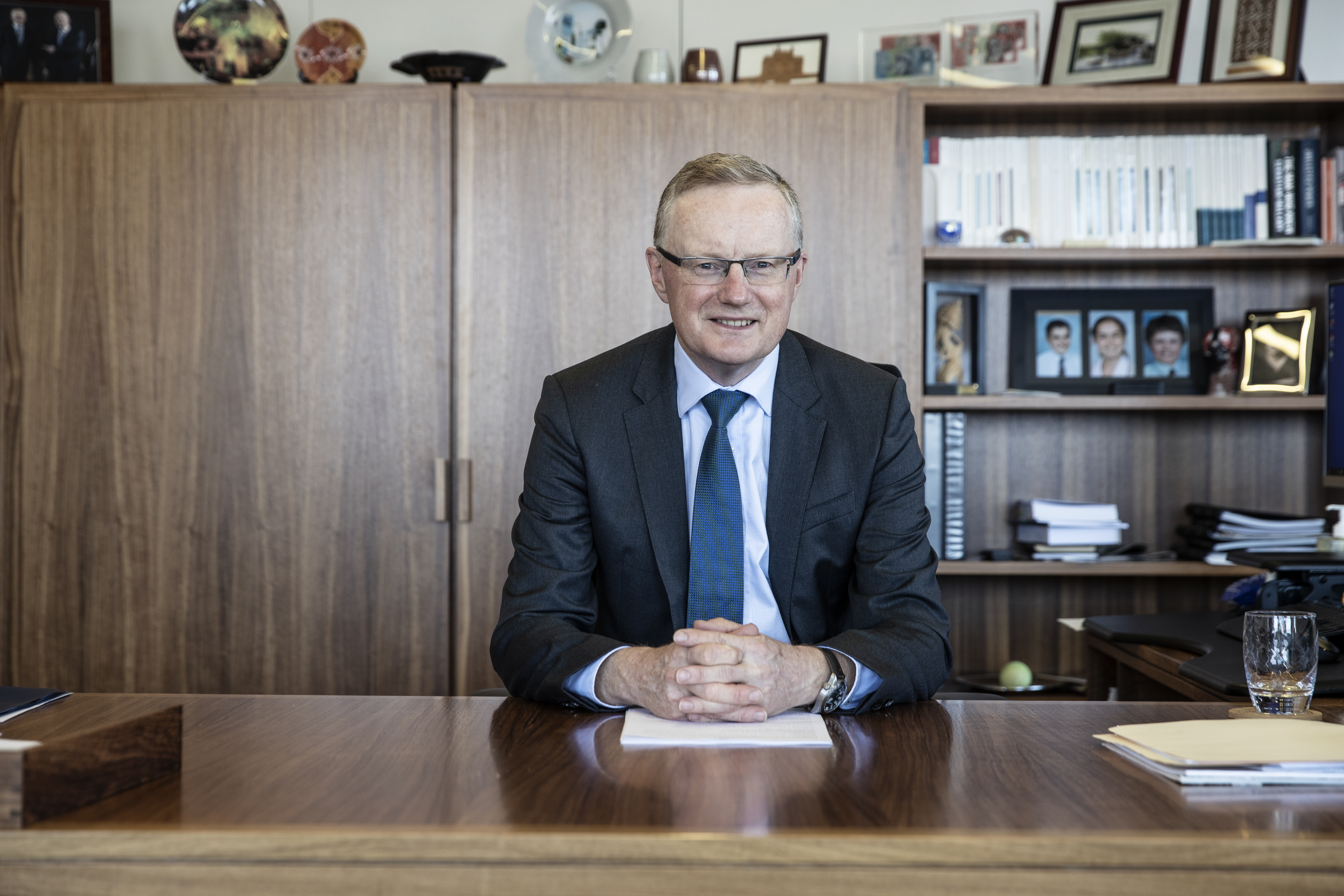
Australia's top 10 most overtly powerful people
1. (Combined) State Premiers Gladys Berejiklian, Daniel Andrews, Annastacia Palaszczuk and Mark McGowan
2. Prime Minister Scott Morrison
3. Treasurer Josh Frydenberg
4. (Combined) State Chief Health Officers
5. RBA Governor Philip Lowe
6. Brittany Higgins
7. Deputy PM Barnaby Joyce
8. Commonwealth Bank CEO Matt Comyn
9. Opposition Leader Anthony Albanese
10. Defence Minister Peter Dutton