A Chinese ride-hailing company has hit back against allegations about the quality of its data protection rules, which could impact the company’s ability to operate in New Zealand. Didi, often compared to a Chinese Uber (in fact,…
Tag Archives: oceania
Covid 19 Delta outbreak: $3.1 million payout after lawmaker error sees March lockdown jobless short-changed
More than $3 million dollars is being paid out to Kiwis who lost their jobs during last year’s national lockdown after an emergency law change blunder led to thousands of unemployment benefits being miscalculated. The Ministry…
Britney Spears' father suspended as conservator
Britney Spears scored a legal victory Wednesday in her fight to regain control of her life.
A Los Angeles judge has suspended Jamie Spears, the singer's father, as conservator of her estate and designated a temporary replacement selected by the singer and her attorney to oversee her finances.
Mathew Rosengart, attorney for Britney Spears, described the elder Spears as a "cruel, toxic and abusive man," adding his client wants him out "today."
READ MORE: Britney Spears' father files to end court conservatorship

"Britney deserves to wake up tomorrow without her father as her conservator," Rosengart said.
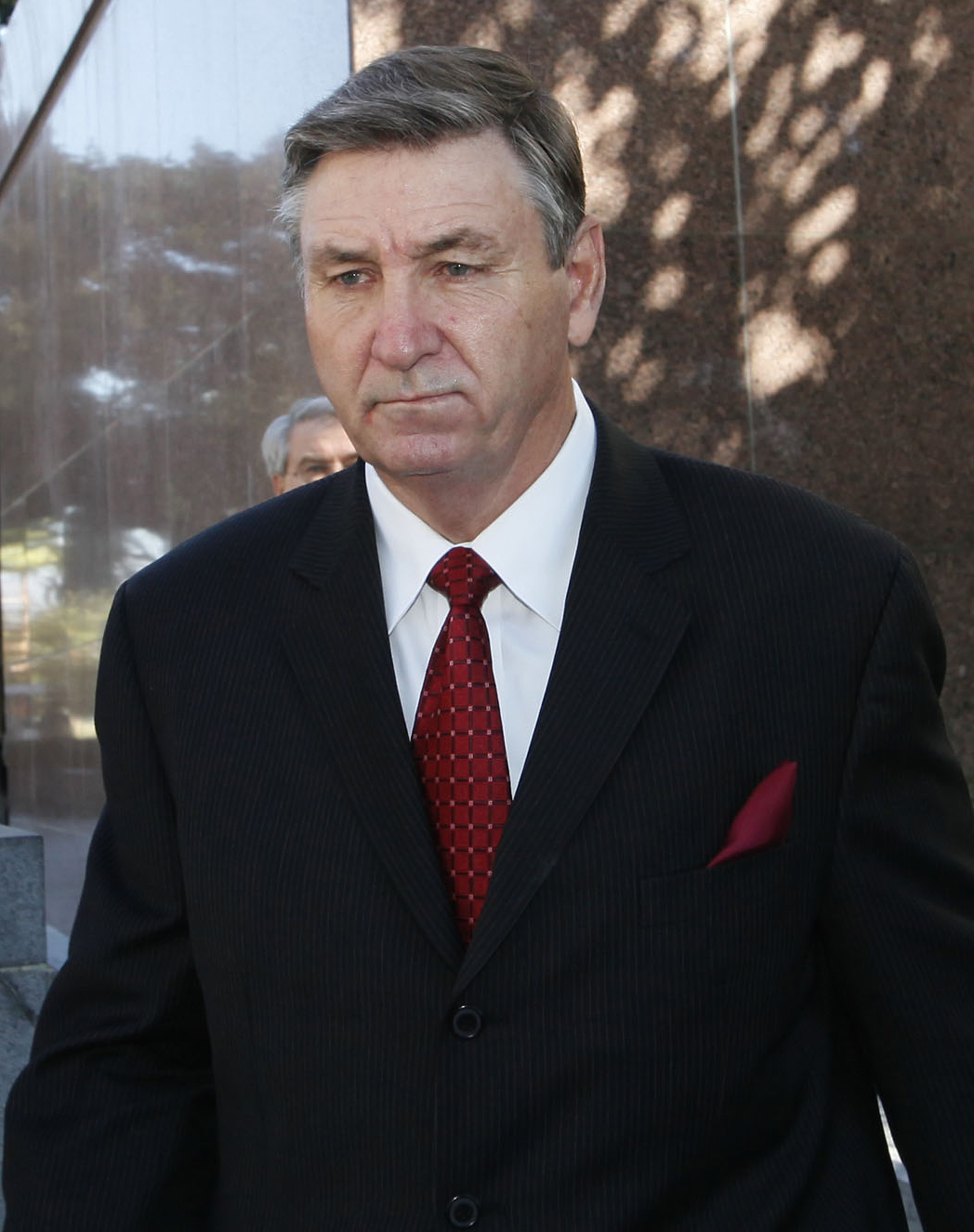
Britney Spears made powerful plea in June to end her 13-year conservatorship, detailing numerous personal restrictions she has lived with and describing the court-ordered arrangement as "f—ing cruelty."
"I just want my life back," Spears said in June.
Jamie Spears has served has conservator of his daughter's estate since its inception.
He was also the conservator of her person, overseeing her health and medical issues until he stepped aside in 2019.
That's when Jodi Montgomery was appointed conservator of Spears' person, a position she still holds.
Gone forever: This beautiful bird and 22 others like it are now extinct
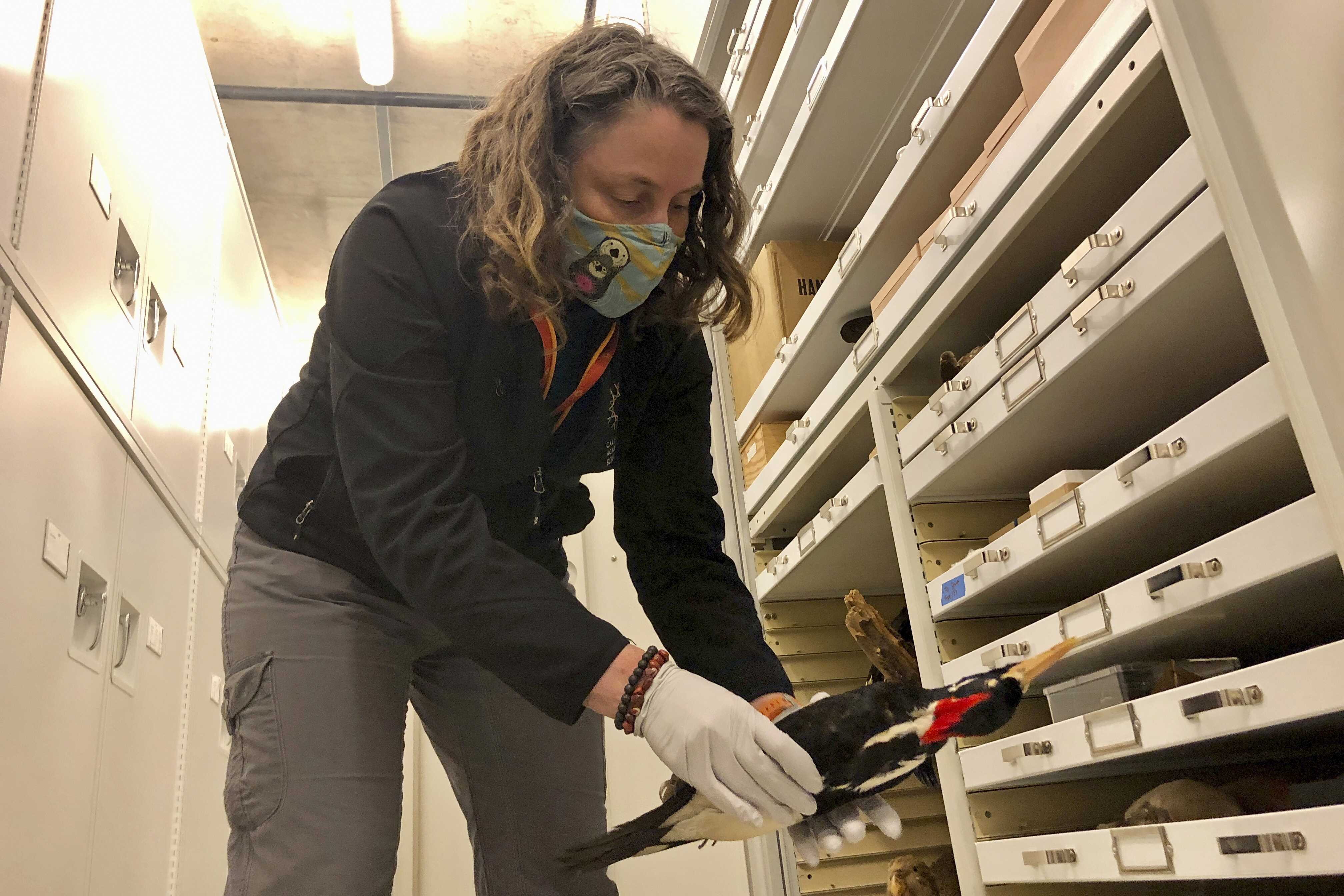
Death's come knocking for the last time for the splendid ivory-billed woodpecker and 22 more birds, fish and other species: The US government on Wednesday declared them extinct.
It's a rare move for wildlife officials to give up hope on a plant or animal, but government scientists say they've exhausted efforts to find these 23.
They warn climate change, on top of other pressures, could make such disappearances more common as a warming planet adds to the dangers facing imperilled plants and wildlife.
READ MORE: Ambulances forced to queue outside Melbourne hospitals
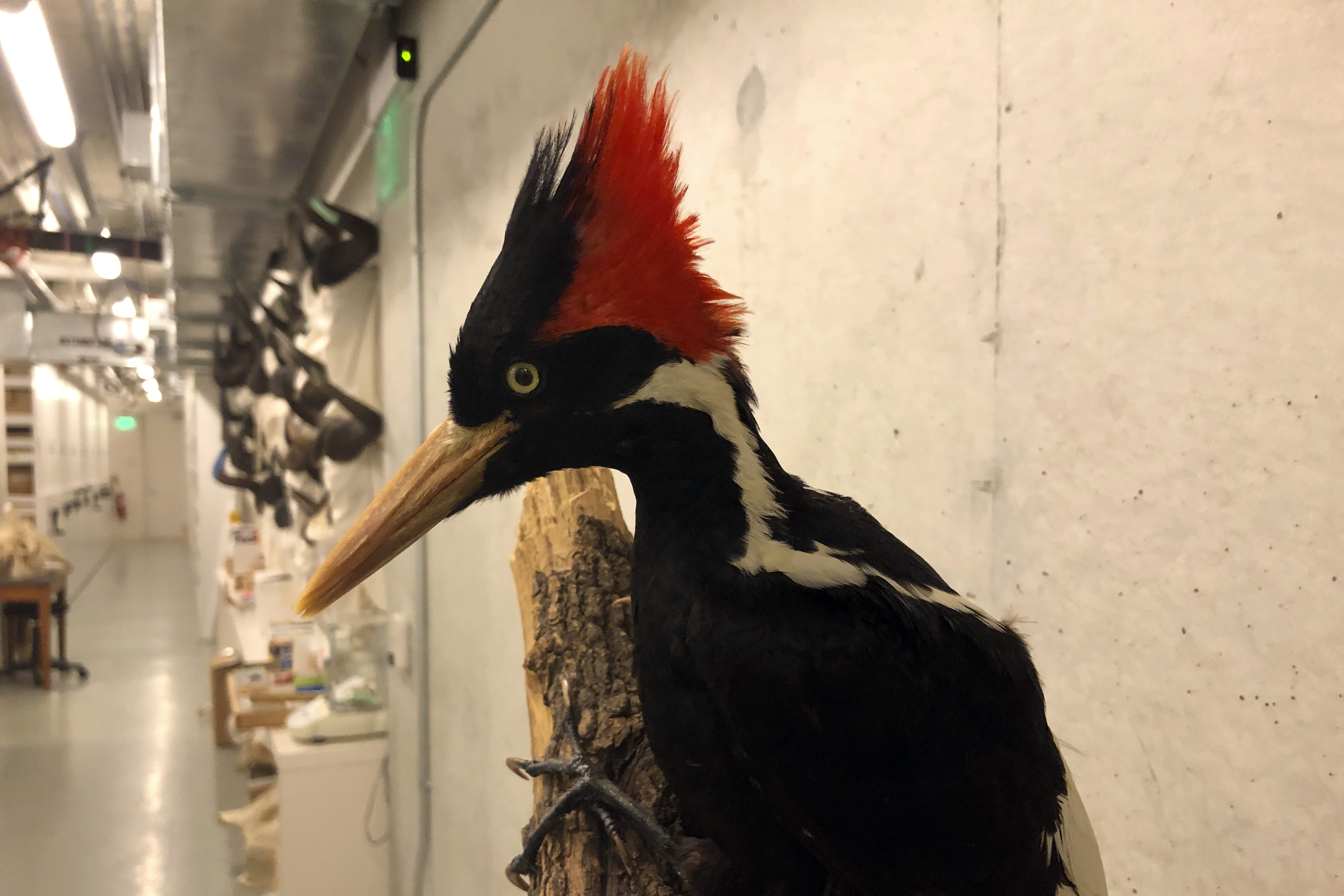
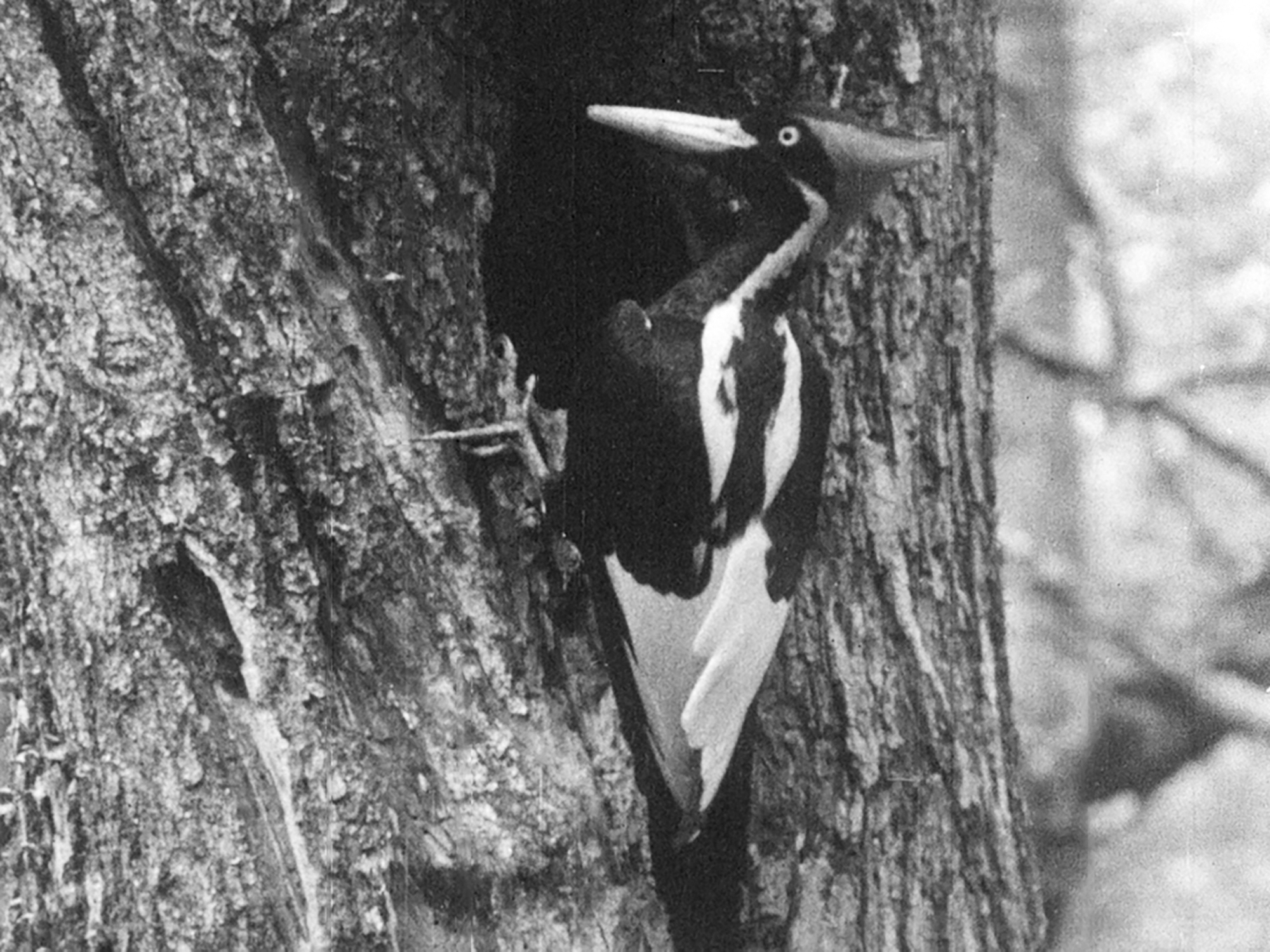
The ivory-billed woodpecker was perhaps the best known species the US Fish and Wildlife Service declared extinct. The woodpecker went out stubbornly and with fanfare, making unconfirmed appearances in recent decades that ignited a frenzy of ultimately fruitless searches in the swamps of Arkansas, Louisiana, Mississippi and Florida.
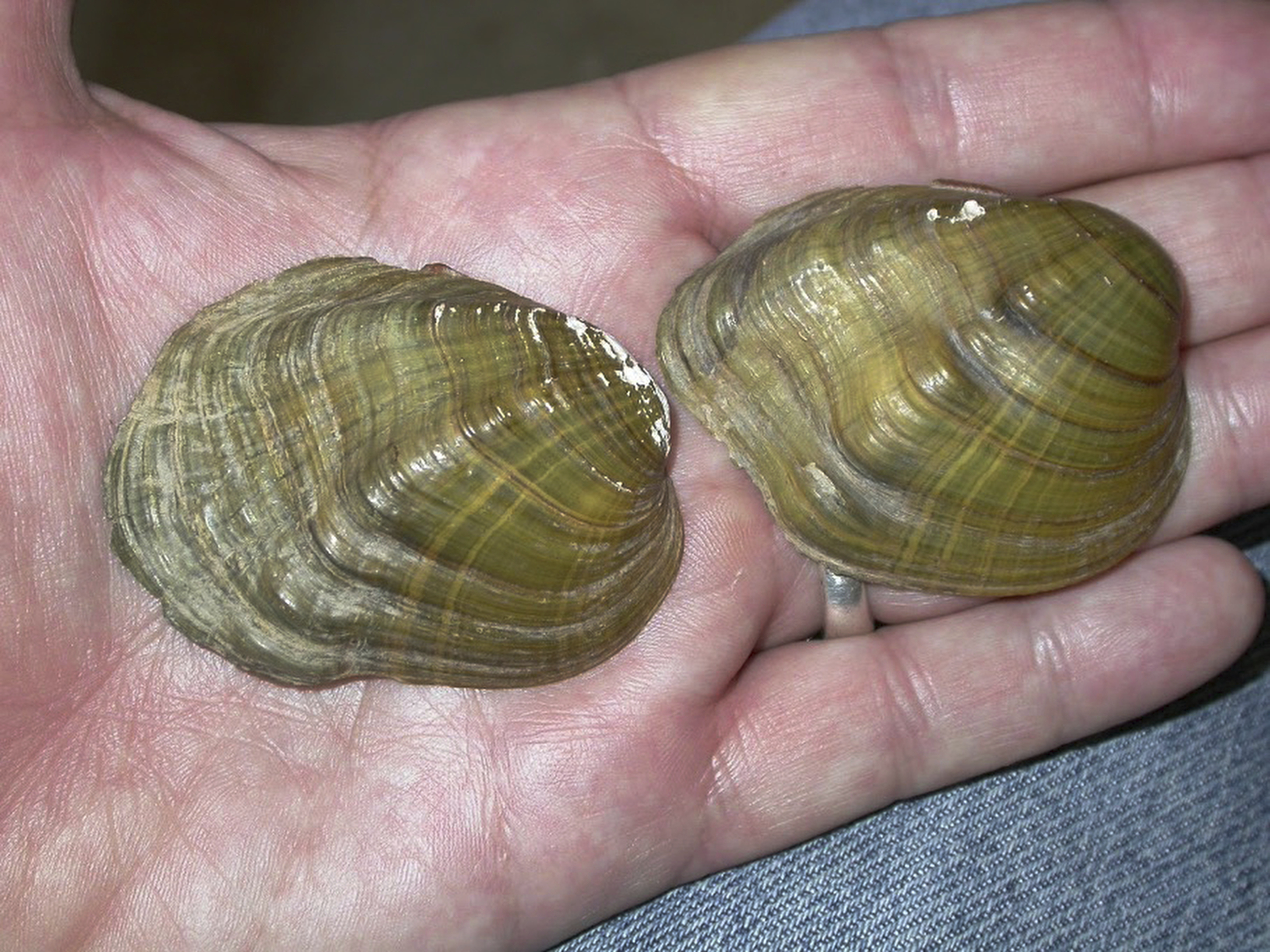
Others such as the flat pigtoe, a freshwater mussel in the southeastern US, were identified in the wild only a few times and never seen again, meaning by the time they got a name they were fading from existence.
READ MORE: Rome faces invasion of wild boars
"When I see one of those really rare ones, it's always in the back of my mind that I might be the last one to see this animal again," said Anthony "Andy" Ford, a US Fish and Wildlife Service biologist in Tennessee who specialises in freshwater mussels.
The factors behind the disappearances vary — too much development, water pollution, logging, competition from invasive species, birds killed for feathers and animals captured by private collectors.
In each case, humans were the ultimate cause.
Another thing they share: All 23 were thought to have at least a slim chance of survival when added to the endangered species list beginning in the 1960s. Only 11 species previously have been removed due to extinction in the almost half-century since the Endangered Species Act was signed into law.
READ MORE: Queensland outbreak has 'hallmarks of something very significant'
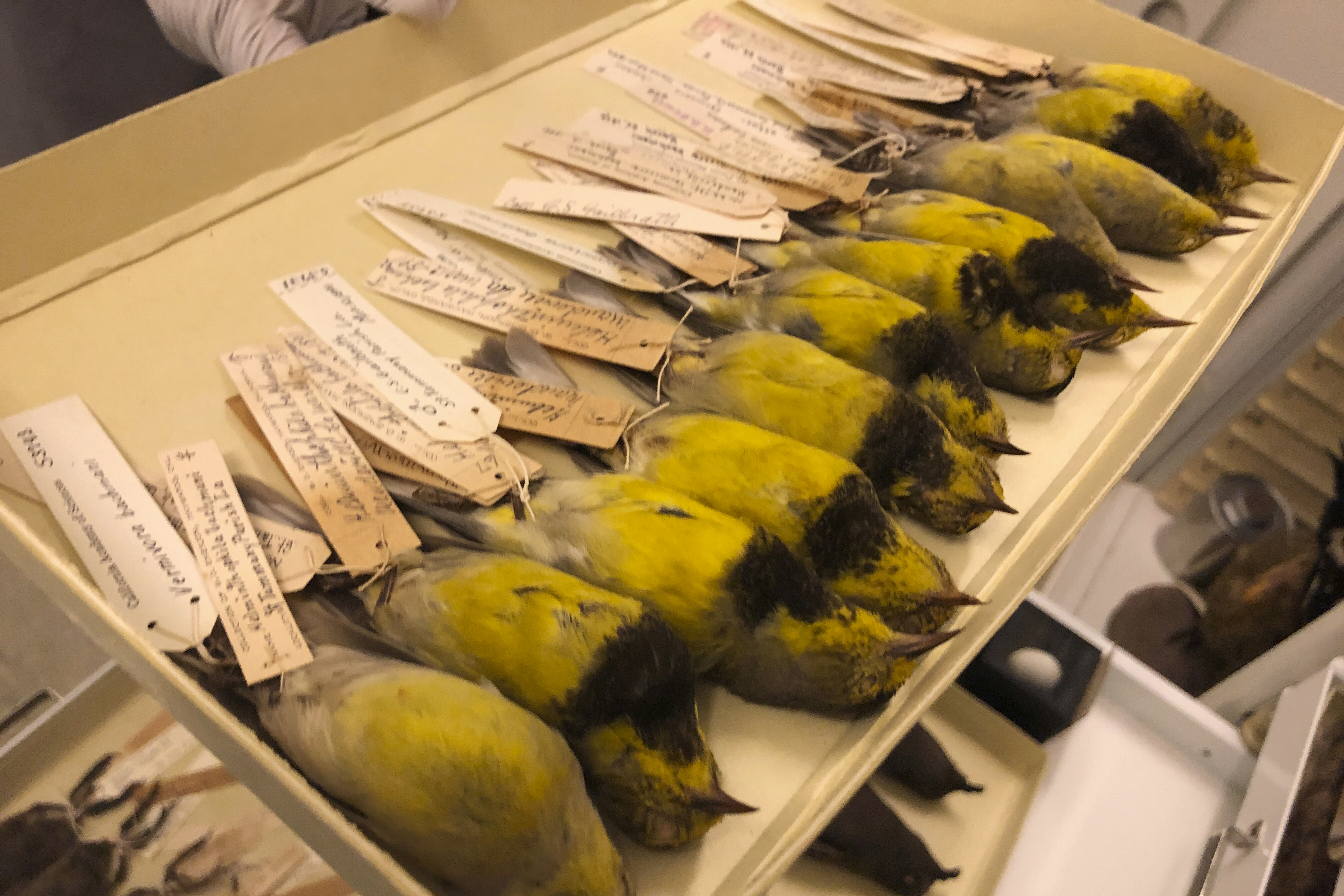
The announcement kicks off a three-month comment period before the species' status changes become final.
Around the globe, some 902 species have been documented as extinct.
The actual number is thought to be much higher because some are never formally identified, and many scientists warn the earth is in an "extinction crisis" with flora and fauna now disappearing at 1000 times the historical rate.
It's possible one or more of the 23 species named on Wednesday could reappear, several scientists said.
A leading figure in the hunt for the ivory-billed woodpecker said it was premature to call off the effort, after millions of dollars spent on searches and habitat preservation efforts.
READ MORE: Hunt for spear fisherman after famous seal found dead
"Little is gained and much is lost" with an extinction declaration, said Cornell University bird biologist John Fitzpatrick, lead author of a 2005 study that claimed the woodpecker had been rediscovered in eastern Arkansas.
"A bird this iconic, and this representative of the major old-growth forests of the southeast, keeping it on the list of endangered species keeps attention on it, keeps states thinking about managing habitat on the off chance it still exists," he said.
The International Union for Conservation of Nature, a Switzerland-based group that tracks extinctions globally, is not putting the ivory-billed woodpecker into its extinction column because it's possible the birds still exist in Cuba, said the group's Craig Hilton-Taylor.
Mr Hilton-Taylor said there can be unintended but damaging consequences if extinction is declared prematurely.
"Suddenly the (conservation) money is no longer there, and then suddenly you do drive it to extinction because you stop investing in it," he said.
But wildlife officials said in an analysis released on Wednesday that there have been no definitive sightings of the woodpecker since 1944 and "there is no objective evidence" of its continued existence.
They said the 23 extinction declarations were driven by a desire to clear a backlog of recommended status changes for species that had not been acted upon for years. They said it would free up resources for on-the-ground conservation efforts for species that still have a chance for recovery.
What's lost when those efforts fail are creatures often uniquely adapted to their environments.
Freshwater mussel species like the ones the government says have gone extinct reproduce by attracting fish with a lure-like appendage, then sending out a cloud of larvae that attach to gills of fish until they've grown enough to drop off and live on their own.
The odds are slim against any freshwater mussel surviving into adulthood — a one in a million chance, according to Mr Ford of the wildlife service — but those that do can live a century or longer.
Hawaii has the most species on the list — eight woodland birds and one plant. That's in part because the islands have so many plants and animals that many have extremely small ranges and can blink out quickly.
The most recent to go extinct was the teeny po'ouli, a type of bird known as a honeycreeper discovered in 1973.
By the late 1990s just three remained — a male and two females. After failures to mate them in the wild, the male was captured for potential breeding and died in 2004. The two females were never seen again.
The fate of Hawaii's birds helped push Duke University extinction expert Stuart Pimm into his field. Despite the grim nature of the government's proposal to move more species into the extinct column, Professor Pimm said the toll would probably have been much higher without the Endangered Species Act.
"It's a shame we didn't get to those species in time, but when we do, we are usually able to save species," he said.
Since 1975, 54 species have left the endangered list after recovering, including the bald eagle, brown pelican and most humpback whales.
READ MORE: Island's Tasmanian devils wipe out thousands of penguins
Climate change is making species recovery harder, bringing drought, floods, wildfires and temperature swings that compound the threats species already faced.
How they are saved also is changing. No longer is the focus on individual species, let alone individual birds. Officials say the broader goal now is to preserve their habitat, which boosts species of all types that live there.
"I hope we're up to the challenge," said biologist Michelle Bogardus with the wildlife service in Hawaii.
"We don't have the resources to prevent extinctions unilaterally. We have to think proactively about ecosystem health and how do we maintain it, given all these threats."
How COVID-19 has impacted cancer diagnosis, treatment
Thousands of Aussies may have suffered a delay in cancer diagnosis or treatment with new figures showing an eight per cent drop in the number of tests carried out in 2020 because of the COVID-19 pandemic.
Cancer Australia has released figures which shows that in 2020 there were 163,595 fewer diagnostic procedures, such as scans or biopsies, carried out for 14 common cancers.
That includes tests for breast, colorectal, lung, prostate, melanoma, stomach, kidney, pancreatic, liver, uterine, ovarian, cervical, vaginal, and vulval cancer.
READ MORE: Flight attendant's 'jet lag' turned out to be deadly disease

And while not all those being tested would actually have cancer, delays for those who do can mean a difference between a treatable cancer and a terminal one.
Cancer Australia, as well as charities, have been sounding alarm bells for months over lower than expected pandemic cancer diagnoses due to people putting off seeing their GP and reductions in services due to lockdowns — and the new figures reveal the extent of the issue.
READ MORE: NSW's roadmap out of lockdown explained
One of the biggest areas patients are 'missing' is when it comes to colorectal cancer tests such as for bowel cancer.
There were around 87,000 fewer tests such as colonoscopies carried out in 2020, Cancer Australia found. Usually there are almost 700,000 done annually.
'I can understand people are afraid to go to the hospital or GP — people obviously associated those places with COVID-19. Health is all we have we should be doing everything we can to protect it'
The figures also show the numbers of cancer treatments being carried out have dropped too, by around 9 per cent. However for some cancers treatment procedures are combined with testing.
Professor Dorothy Keefe CEO of Cancer Australia, said delays in diagnosis can lead to "poorer outcomes" for patients, meaning doctors could be unable to save their lives.
"It's an important reminder that cancer won't wait, and we do encourage anyone with a symptom or new change in their body not to delay seeing their doctor to have it checked out," she said.
READ MORE: Sign of cancer dismissed because of colour of woman's work uniform
Sydney writer Natalie Fornaiser, 27, has stage 4 metastatic melanoma, and has become an advocate for cancer sufferers since she was diagnosed seven years ago.
Her skin cancer has progressed from a mole on her toe to being what she calls "spot fires" all over her body.
Last year there were 11,245 fewer surgical removals for melanoma skin cancers done, Cancer Australia said — down 14 per cent on the previous year.
She said she is 'concerned' about that number and urged people to seek help if they had any symptoms or unusual skin changes.

"In a couple of months or years those numbers are going to result in late stage diagnoses which could have been prevented," she said.
"I can understand people are afraid to go to the hospital or GP — people obviously associated those places with COVID-19. Health is all we have we should be doing everything we can to protect it."
READ MORE: Young dad dies after testicular cancer battle
Ms Fornaiser's melanoma wasn't caused by the sun, though many are, and she first noticed the mole she'd always had looked different while putting her sandals on during a holiday overseas.
She got it checked as soon as she got home and was given the shock diagnosis.

After multiple treatments and surgeries she is now undergoing immunotherapy and radiation.
"I've just got to hope one drug works and works permanently," she said.
A campaign, New normal, same cancer is urging people not to put off tests or check-ups due to the pandemic.
Cancer Australia has also launched an interactive body map to guide people though cancer symptoms.
Contact journalist Sarah Swain: Ss****@******om.au
Damaging hail covers the road in potential 'one-in-100-year event'
Parts of South Australia have been drenched by heavy rain and damaging hail, as a series of sudden storm surges beared down today.
Flash flooding and heavy hail left residents from the Barossa to Balhannah counting the costs, with damage to homes and businesses.
About 50mm of rain fell between 1pm to 2pm at Mount Lofty, 15 kilometres east of the Adelaide city centre.
LIVE UPDATES: Another NSW town plunged into lockdown
The Bureau of Meteorology South Australia has told 9News this could potentially be more than a one in 100-year event.
"We saw 60mm at Mount Lofty, about 75mm so far this afternoon at Crafers West," Jon Fischer from the Bureau of Meteorology said.
"We saw around 50mm of those millimetres in just one hour (in Crafers), around 1pm to 2pm his afternoon."
READ MORE: Queensland outbreak has 'hallmarks of something very significant'
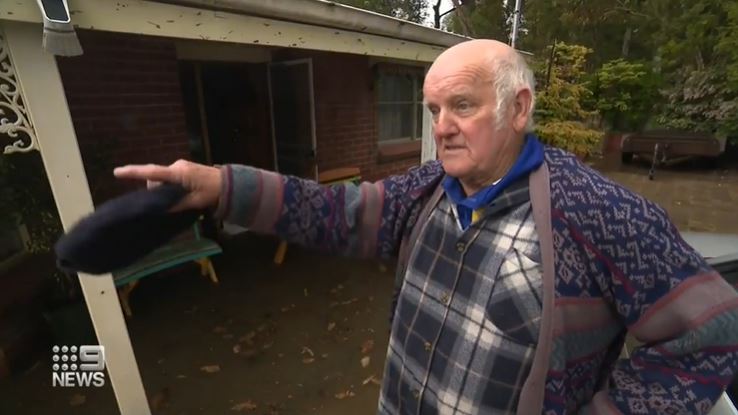
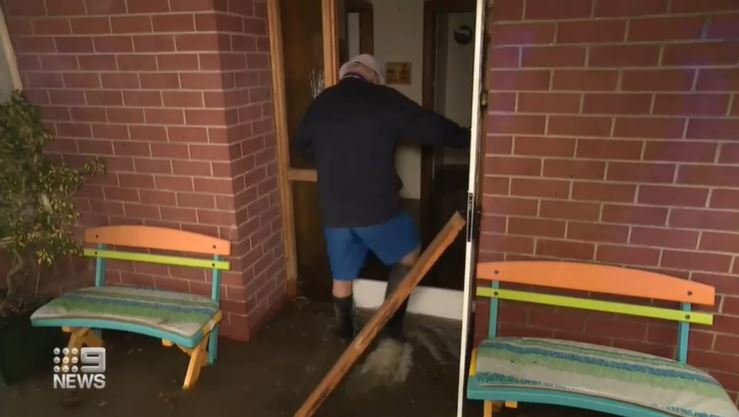
Heavy hail and rain made for dangerous driving conditions, as stunned motorists were provided with a front-row seat to a sudden storm surge.
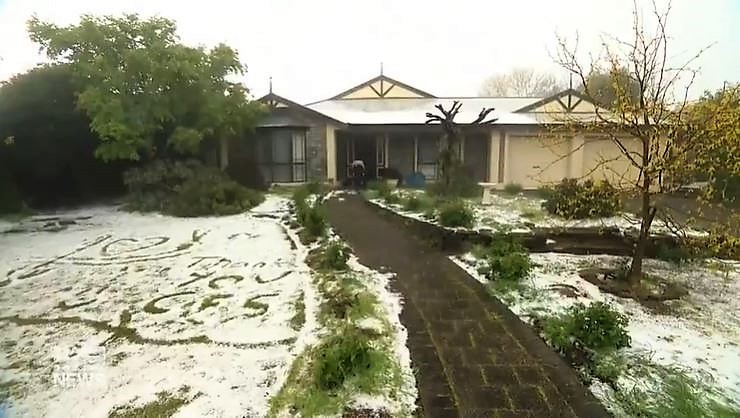
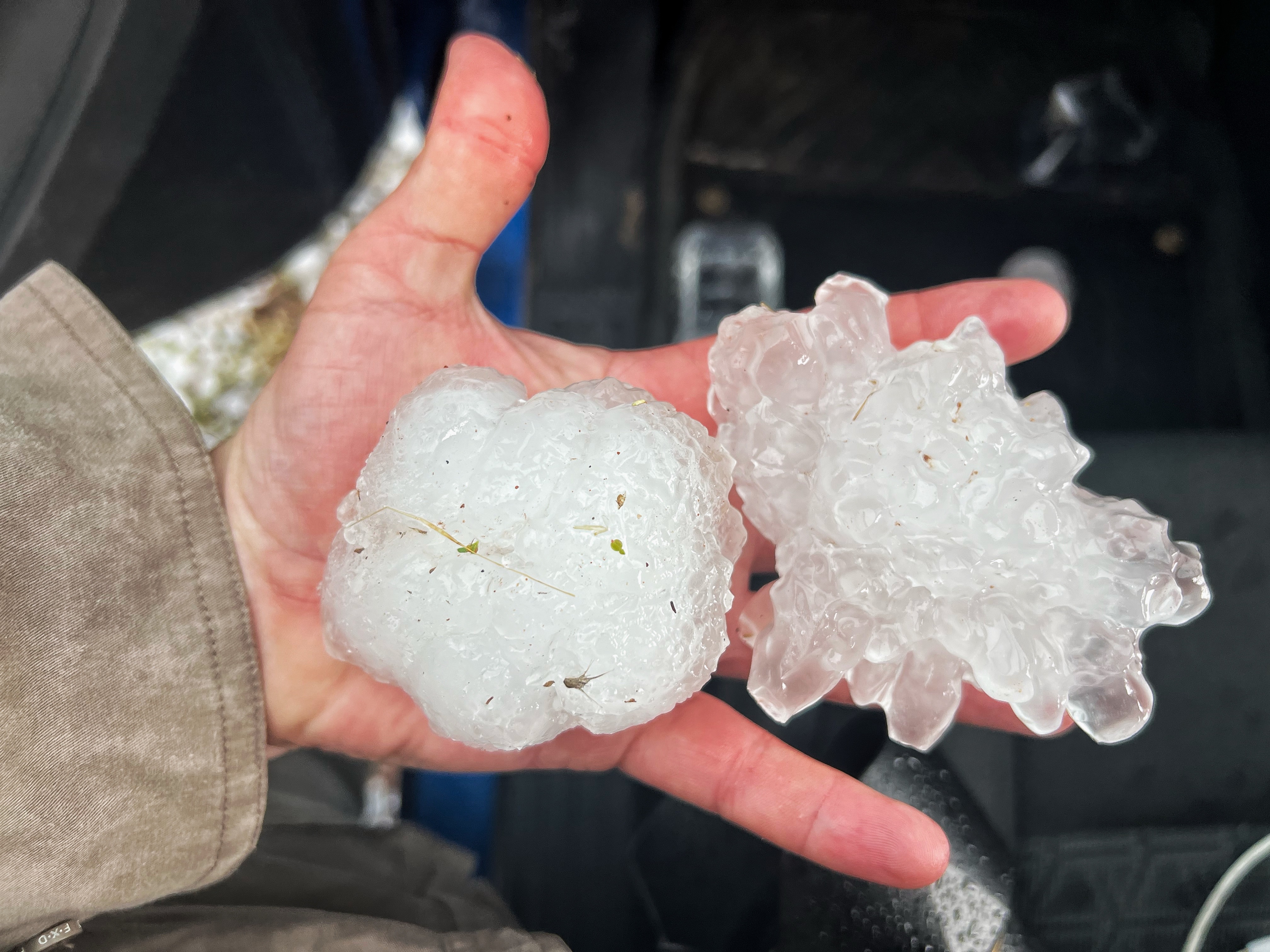
Roads in the northern suburbs resembled snowfields, with sizeable hailstones also stopping traffic at Gawler.
The State Emergency Service was called to almost 60 jobs across the state, with most in the Adelaide Hills.
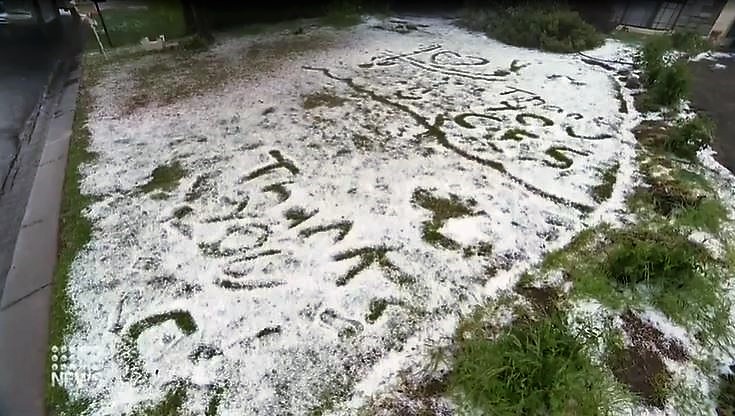
Residents thanked emergency workers for their hard work, with one family spelling out "thank you" in the hail.
Mick Hollow's home in the town of Balhannah in the Adelaide Hills quickly became fell victim to flooding.
"It's about half a foot through the home, well and truly flooded, and next door," Mr Hollow said.
However Mr Hollow said he could see the funny side.
https://twitter.com/G_Westgarth/status/1443112323426652161
"Just a little bit of water," he joked.
At nearby Hahndorf, business operators on the main street were left with a clean-up, while there was some flash flooding up the road at an Oakbank childcare centre.
Mr Fischer said the BoM did see reports of flash flooding in several areas.
"Certainly around the Barossa area and around Willaston," he said.
"We saw some reports of cars slightly underwater."
Severe thunderstorms are likely to produce heavy rainfall that may lead to flash flooding over the next several hours in several areas.
The SES has the following advice for people in the area:
- Don't drive, ride or walk through floodwater.
- Keep clear of creeks and storm drains.
- Stay indoors, away from windows, while storms are nearby.
Visit the Bureau of Meteorology website for the latest weather warnings.
Amateur divers discover ancient coins in the Mediterranean
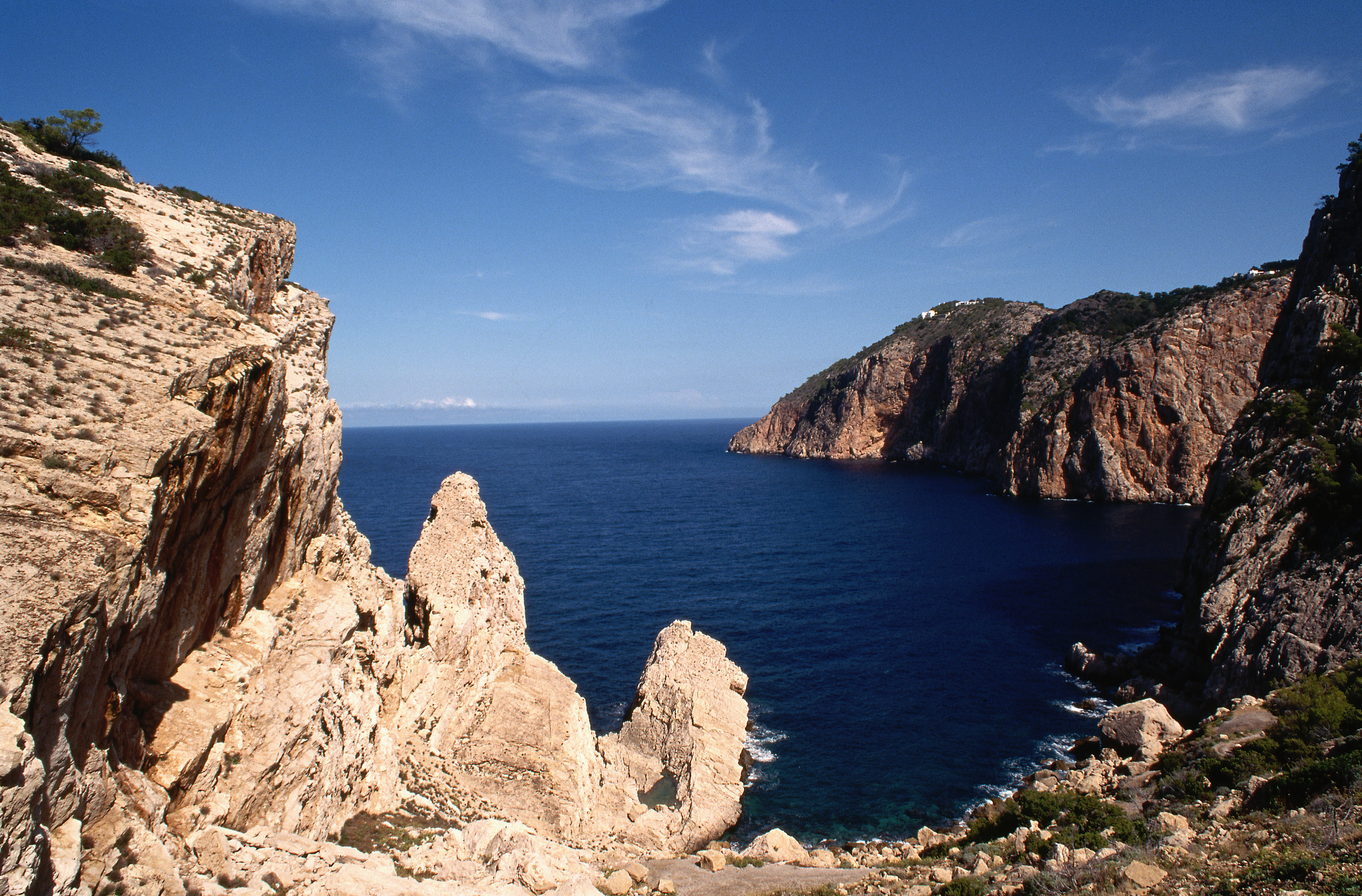
Along the cost of Spain, two beginner free divers found a large pile of ancient coins believed to be from the Roman Empire.
Brothers-in-law Luis Lens Pardo and César Gimeno Alcalá found the gold stash while on holidays with the families in the coastal Mediterranean town of Xàbia.
The two had set out to go free diving with the intention of cleaning up ocean rubbish.
READ MORE: Lava from La Palma volcano headed for Atlantic Ocean
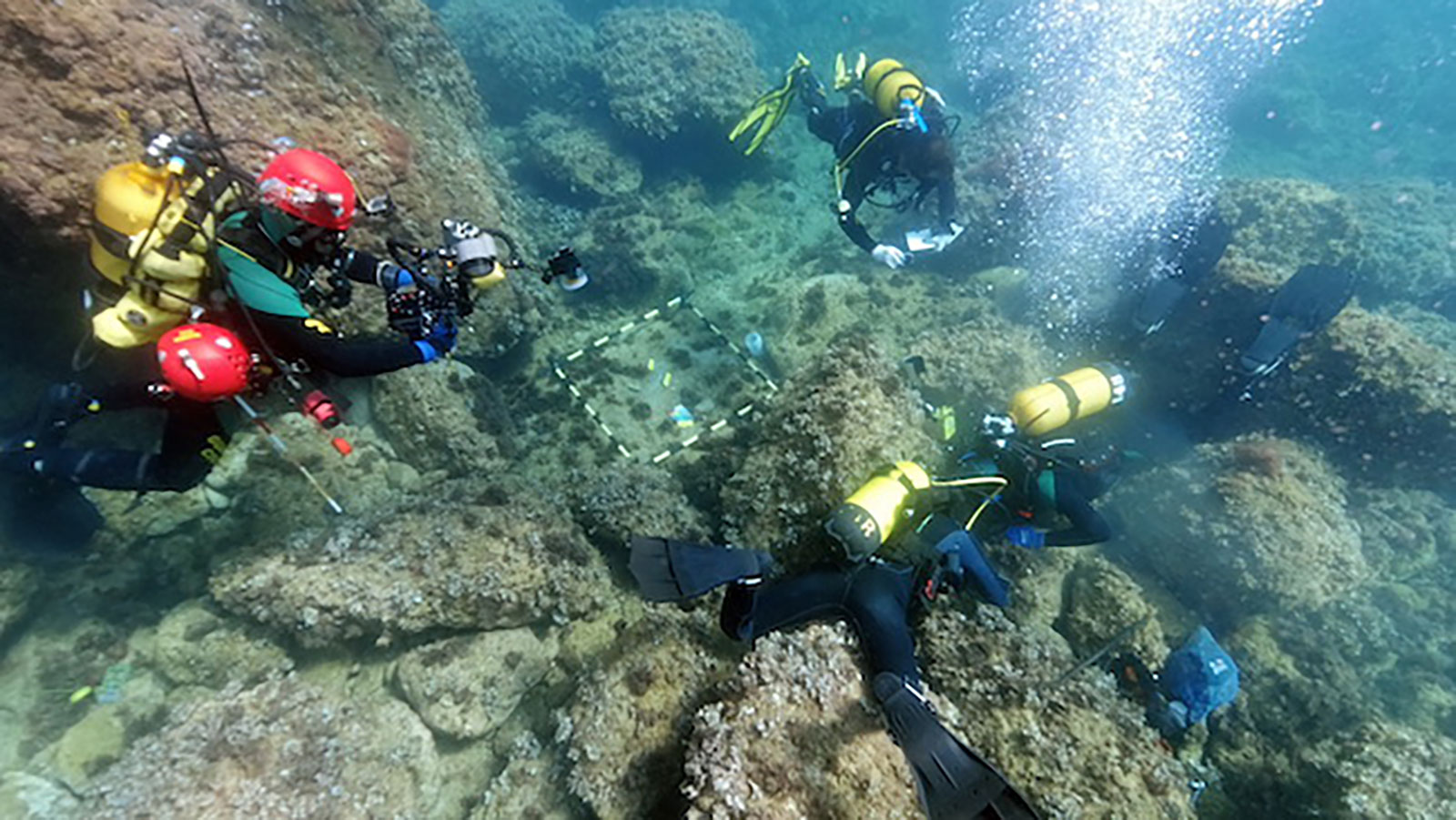
Instead the pair discovered the coins at the bottom of Portitxol Bay.
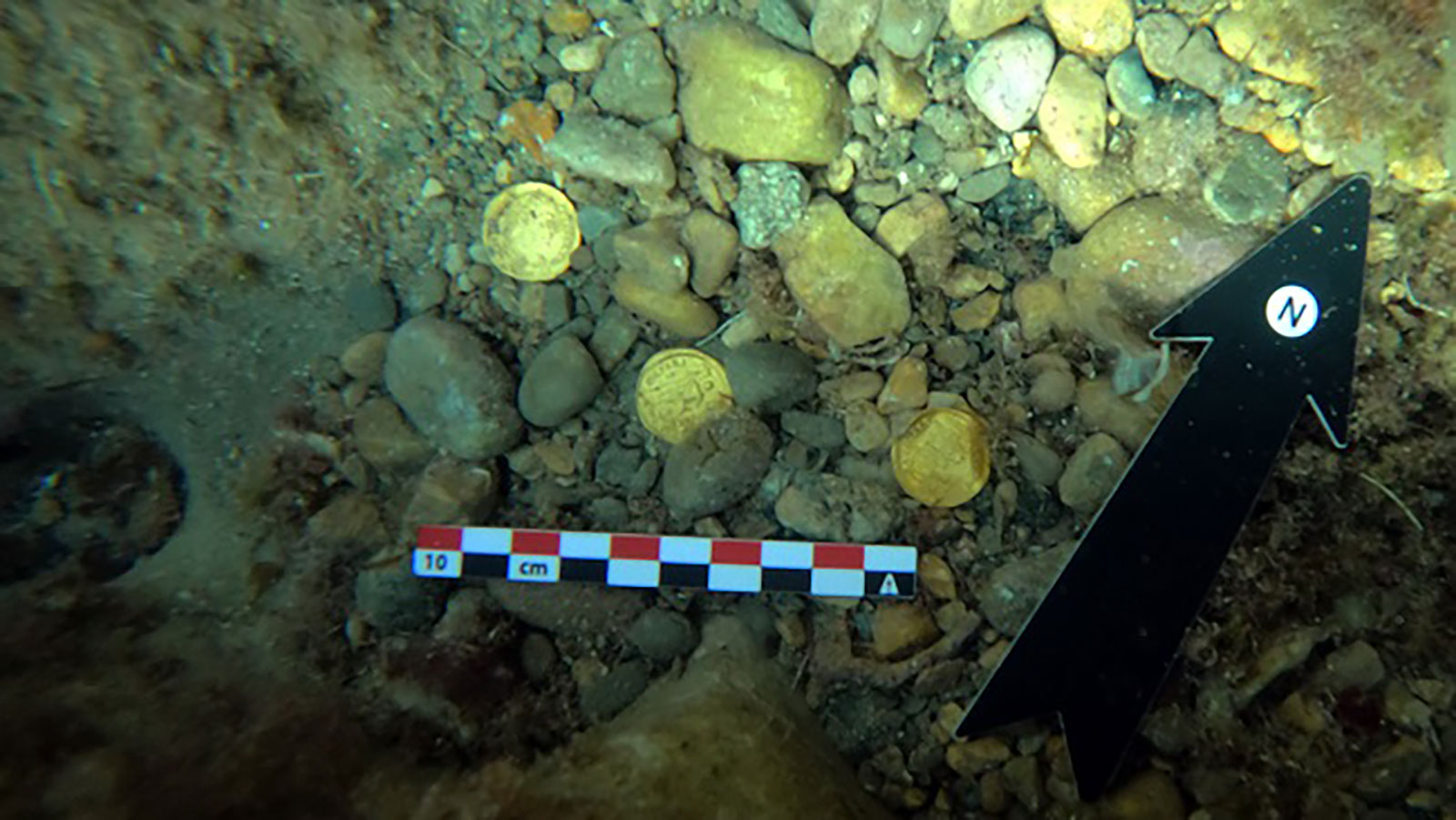
The duo then returned to the hole with a Swiss Army knife and used it to dig up eight more coins.
Mr Pardo told the El País newspaper that after cleaning one coin he saw "an ancient image, like a Greek or Roman face".
Mr Pardo and Mr Alcalá reported their finding to the authorities.
READ MORE: Lava swallows up church as flights remain halted on Spanish island
Archaeologists from the University of Alicante, the Soler Blasco Archaeological and Ethnological Museum and the Spanish Civil Guard Special Underwater Brigade along with the Town Council of Xàbia united to excavate and examine the treasure.
With the assistance of the archaeologists at least 53 coins were found.
They have been dated between AD 364 and 408 during the downfall of the Western Roman Empire.
Each coin weighed approximately 4.5 grams.
READ MORE: Toxic gas and new rivers of molten lava endanger Spanish island
Archaeologists were able to read inscriptions and identify the Roman emperors etched on the coins.
Some of the emperors on the coins included Valentinian I, Valentinian II, Arcadius and Honorius, according to the University of Alicante.
In addition to the coins nails and lead remains of a possible sea chest were found.
Professor Jaime Molina Vidal from the University of Alicante said the collection is one of the largest in Europe and can provide information on the last stages of the Western Roman Empire.
Archaeologists said the coins may have been hidden during violent power struggles in the final moments of the Western Roman Empire.
Professor Vidal added that the "the find speaks to us of a context of fear, of a world that is ending — that of the Roman Empire."
Man run down in alleged road rage attack in Sydney's west
A man has been taken to hospital after an alleged road rage incident in Sydney.
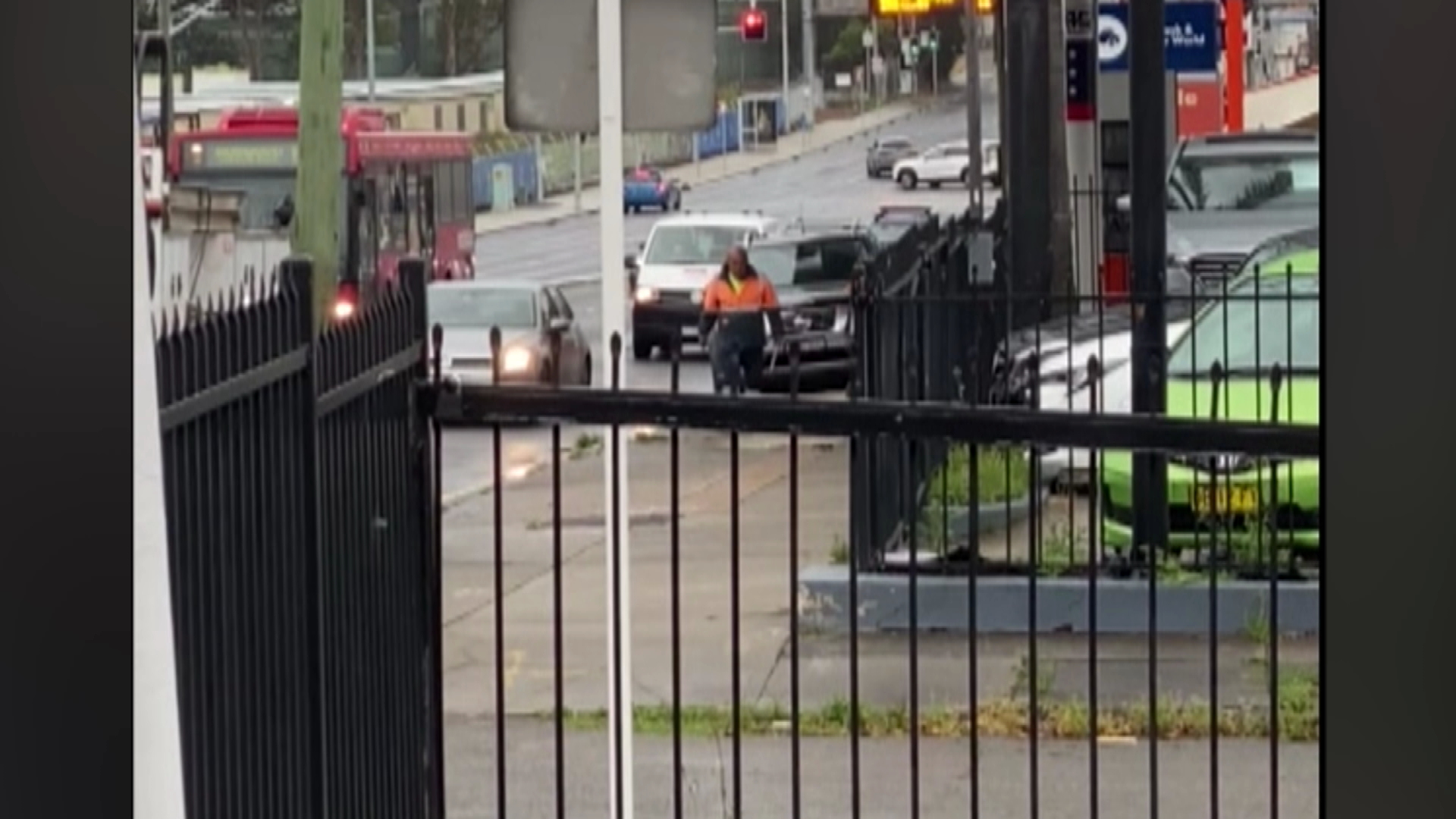
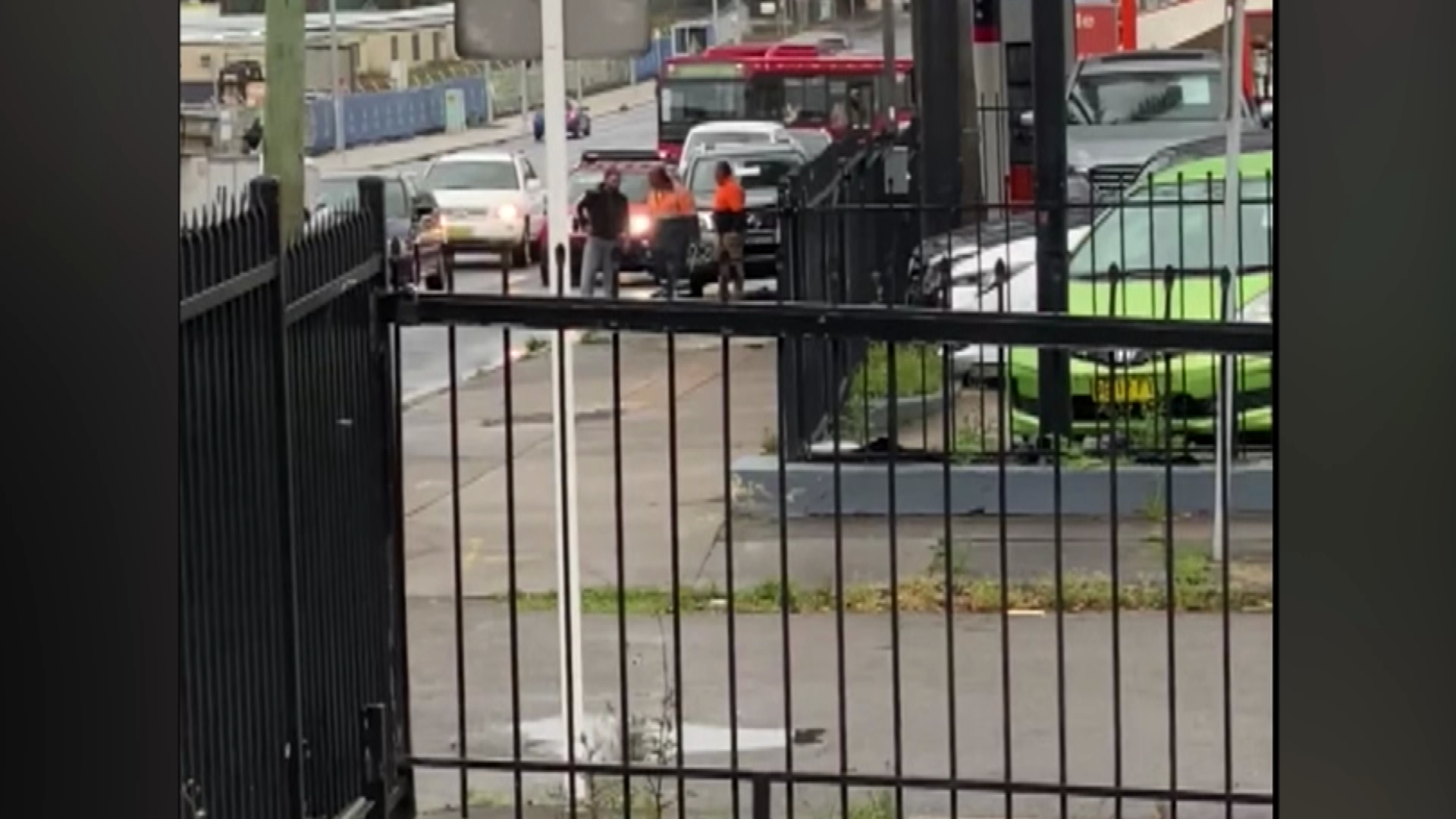
Two men were filmed on Parramatta Road in Burwood at about 4.30pm.
One man was seen getting back in his car as the other started walking away.
READ MORE: Man 'dragged out of petrol tanker and assaulted' in Sydney road rage incident
The second man, aged 55, was then allegedly struck by the other's car from behind.
The alleged victim was taken to hospital in a serious but stable condition, with head and hip injuries.
Police told 9News the incident followed a minor crash, after which one of the people involved allegedly took a nail gun out of his car and appeared to be firing it.
READ MORE: Most passive and aggressive drivers on Australian roads revealed
That man was allegedly the driver who returned to his car and ran down the other.
Police said they were aware who the alleged perpetrator was and were about to make an arrest.
Return to school date in NSW brought forward by a week
Face-to-face learning in NSW schools is set to return a week earlier than expected.
Kindergarten, year 1 and year 12 will now go back on October 18, a week after Greater Sydney's lockdown is due to end, 9News Political Reporter Chris O'Keefe has confirmed.
Year 2, 6 and 11 students will return on October 25, while the remaining grades will begin classroom learning on November 1.
READ MORE: NSW records 863 new local COVID-19 cases, 15 deaths
https://twitter.com/cokeefe9/status/1443123273919725570
All teachers must be vaccinated before going back to work.
NSW Premier Gladys Berejiklian foreshadowed this decision this morning, saying they are working to get kids back into classrooms as early as possible.
NSW recorded 863 new local cases of COVID-19 in the past 24 hours, and fifteen people died with the disease.
Melbourne supermarkets struggling to run as staff are forced into isolation
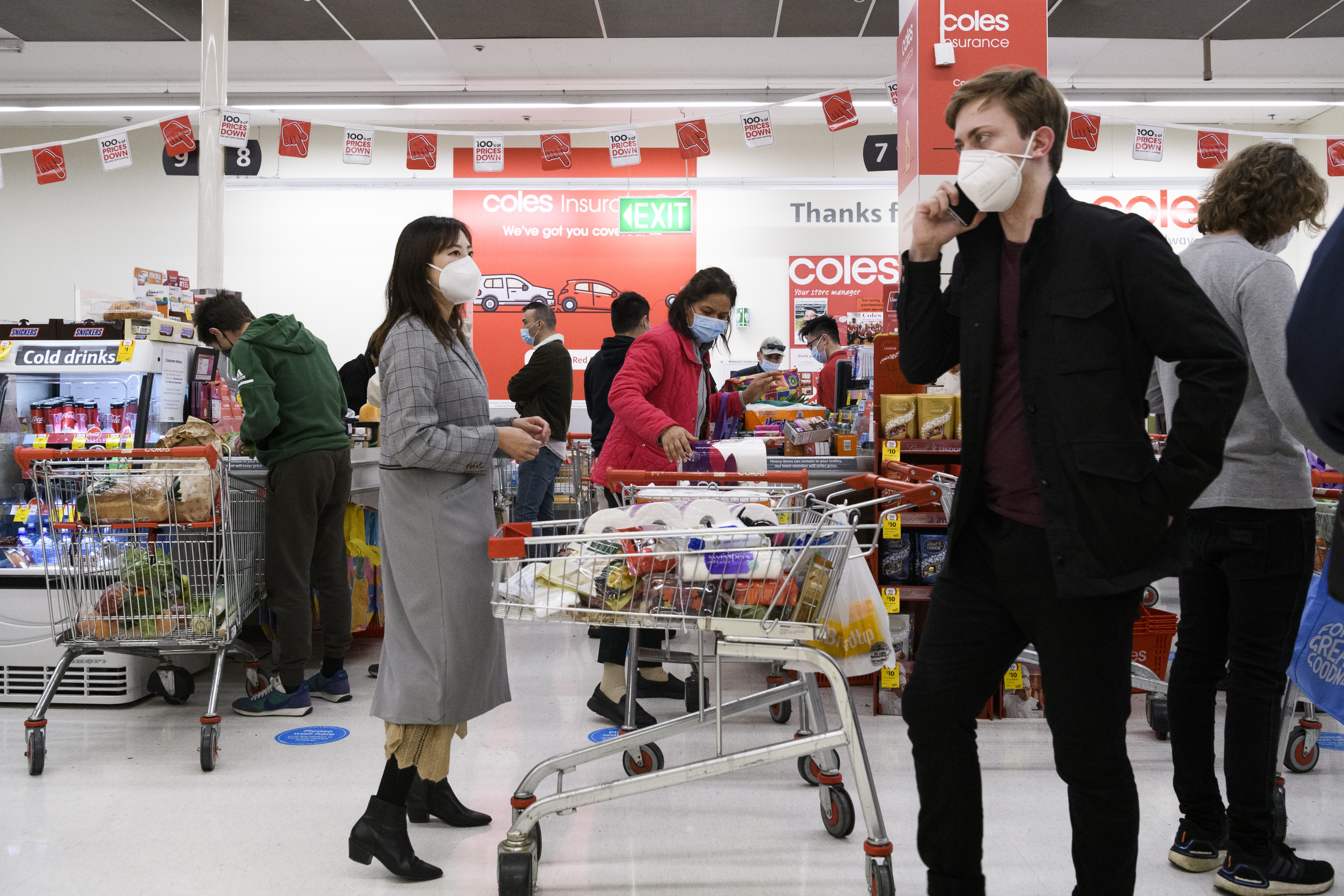
Melbourne supermarkets are grappling with significant staff shortages as thousands of workers are being forced to isolate because of COVID-19.
Thousands of workers are serving mandatory isolation periods, leading to supermarkets having to cut opening hours and delays in stores fulfilling click-and-collect and delivery orders.
Coles Chief Operating Officer Matt Swindells said the current two-week isolation period required after a person was exposed to the virus was posing "a significant issue at a local level".
READ MORE: Victoria marks highest ever COVID-19 tally with 950 new cases
"We're working towards living with COVID… but we're applying eliminating COVID rules," he said.
Mr Swindells is calling on the state government to urgently change the rules.
"We've got high levels of disruption through our workforce… the actual risk is very very low," he said.
"If we look at the current government modelling, by mid-December, we would have to isolate almost a third of our entire Victorian workforce if we continue to follow those elimination protocols."
In the past three months, 30,000 Coles employees have been forced to isolate for a fortnight, with the company saying none have tested positive.
READ MORE: Victoria's health care system working at slowest rate ever because of COVID-19

Most supermarkets in Craigieburn have been recent exposure sites, leaving them struggling to fill orders for people stuck at home.
"I know people who have waited like three or four days… sometimes the order gets cancelled as well," supermarket worker Lexi said.
"So they're just left in the lurch really… how do they get their food?"
Lexi is one of the 1000 Woolworths staff currently isolating after a COVID-19 positive case entered her Craigieburn supermarket.
Her two weeks in quarantine is supposed to be about to end and she said she had not heard anything from the Health Department.
Today the state government flagged two weeks in quarantine may not be required in future for those who are fully vaccinated.
However, there are no further details as yet.