Test your brains with the Herald’s afternoon quiz. Be sure to check back on nzherald.co.nz for the morning quiz tomorrow. To challenge yourself with more quizzes, CLICK HERE.
Tag Archives: oceania
Thousands of native plants improve Burgess Stream
Over half of the 4500 native plants for a biodiversity project at Burgess Stream near Eyreton are in the ground, with planting expected to be completed by November.The initiative is a joint project between Waimakariri Irrigation…
NASA's newest satellite launches into space
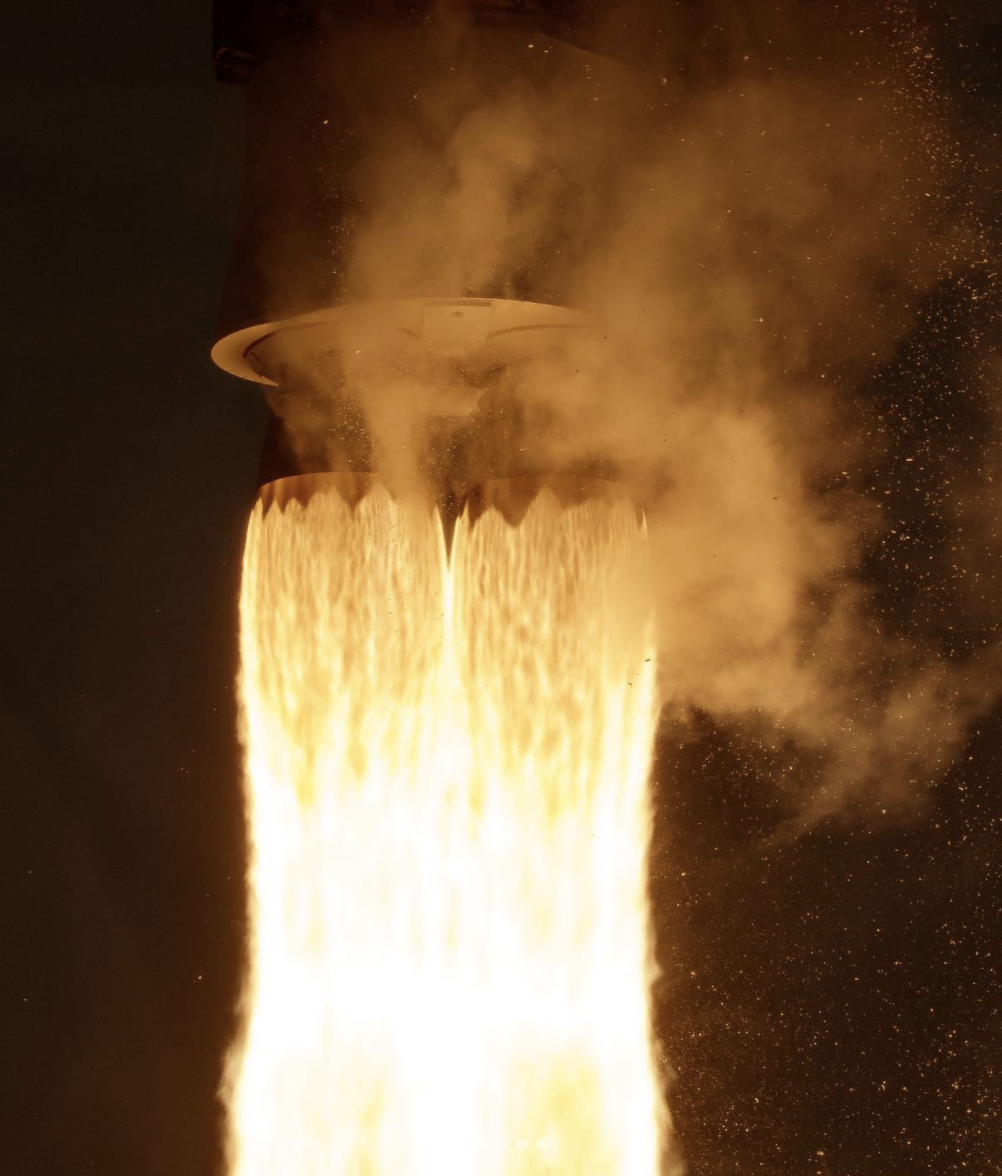
NASA has launched a new earth-observing satellite into space from the coast of California.
The satellite, dubbed Landsat 9, took off from Vandenberg Space Force Base in California on Monday 27 September at 2.12 pm local time.
It will orbit the Earth at an altitude of about 705 kilometres.
READ MORE: Australians could soon test for COVID-19 at home
The satellite will work together with Landsat 8 to collect images spanning the entire planet every eight days.
The mission is part of a joint NASA and US Geological Survey to observe Earth. It began with the launching of the first Landsat almost 50 years ago in 1972.
To honour the work done by the Landsat program so far, NASA shared a series of photos to its Instagram.
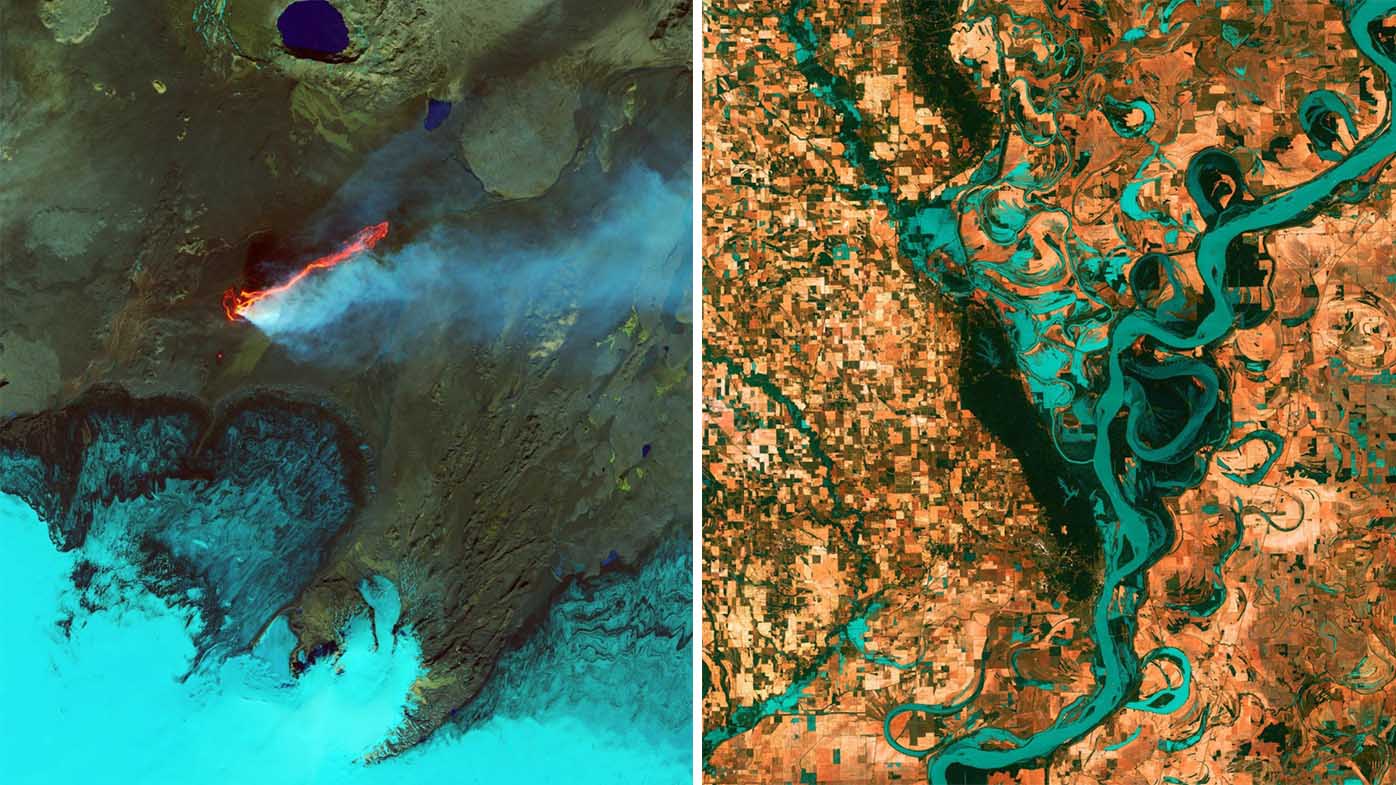
"Success! Earth has a new eye in the sky with #Landsat 9," it wrote.
"(It) will continue the program's critical role in monitoring the health of Earth and helping people manage essential resources, including crops, irrigation water, and forests."
READ MORE: Russia may be preparing to test nuclear 'Skyfall' missile
Data collected by the satellites will help scientists continue monitor the footprint of human activities and their impact.
The data therefore will lead to advice for the better management of essential resources, including crops, irrigation water and forests.
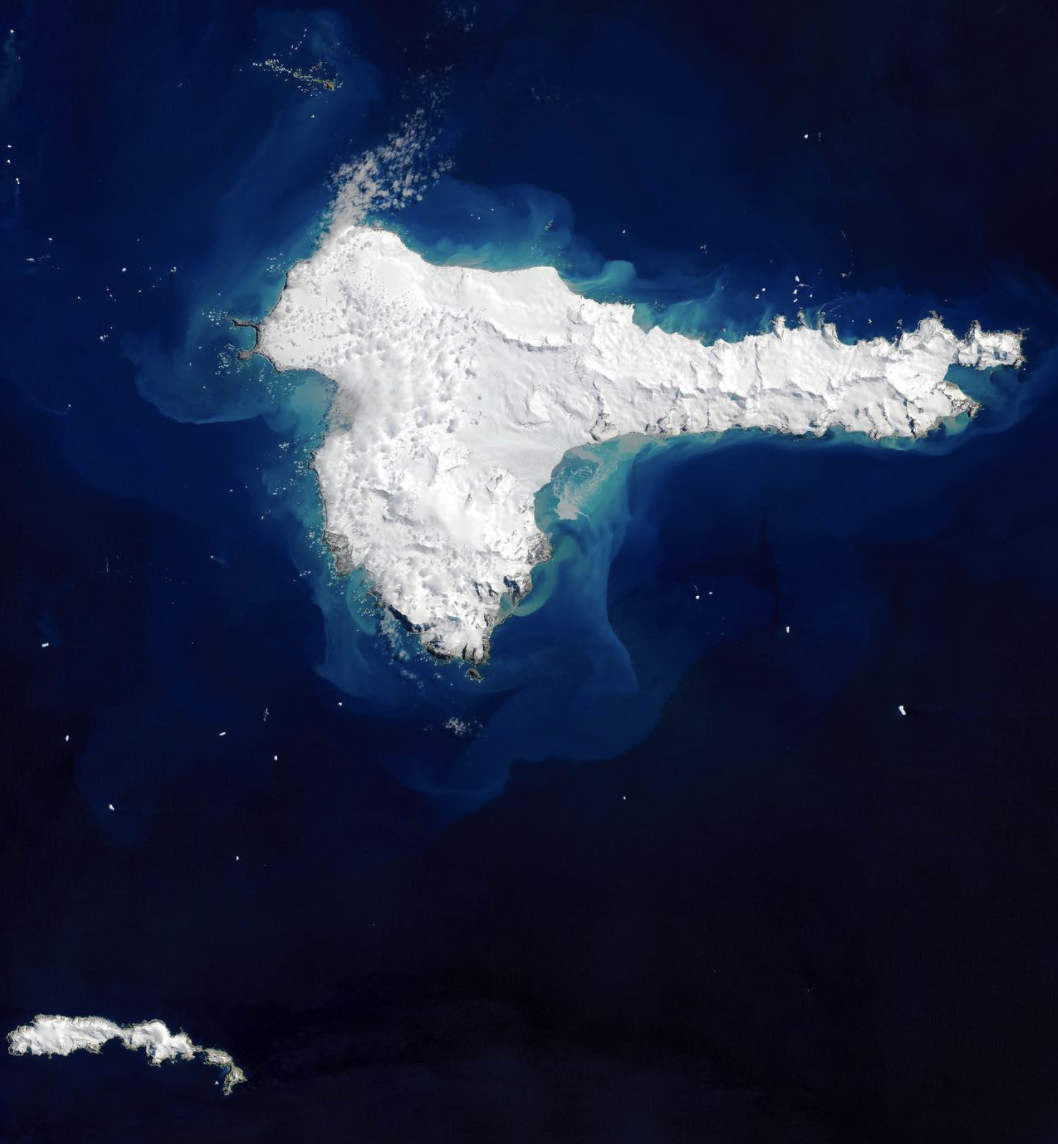
The images collected by Landsat 9 will be added to nearly 50 years of free and publicly available data from the mission, which is the longest data record of Earth's landscapes taken from space.
NASA livestreamed the launch on NASA Television.
Lava from La Palma volcano headed for Atlantic Ocean
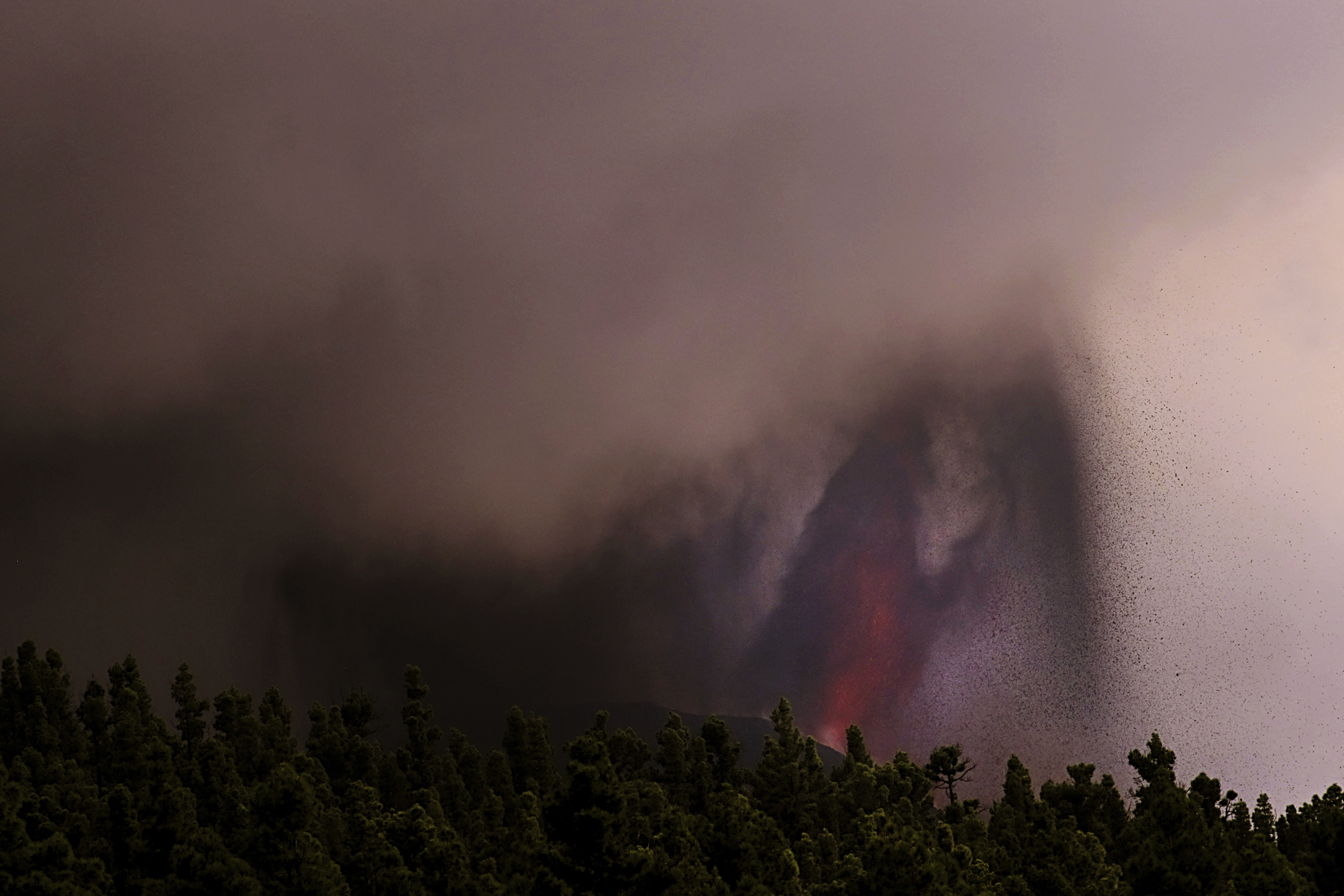
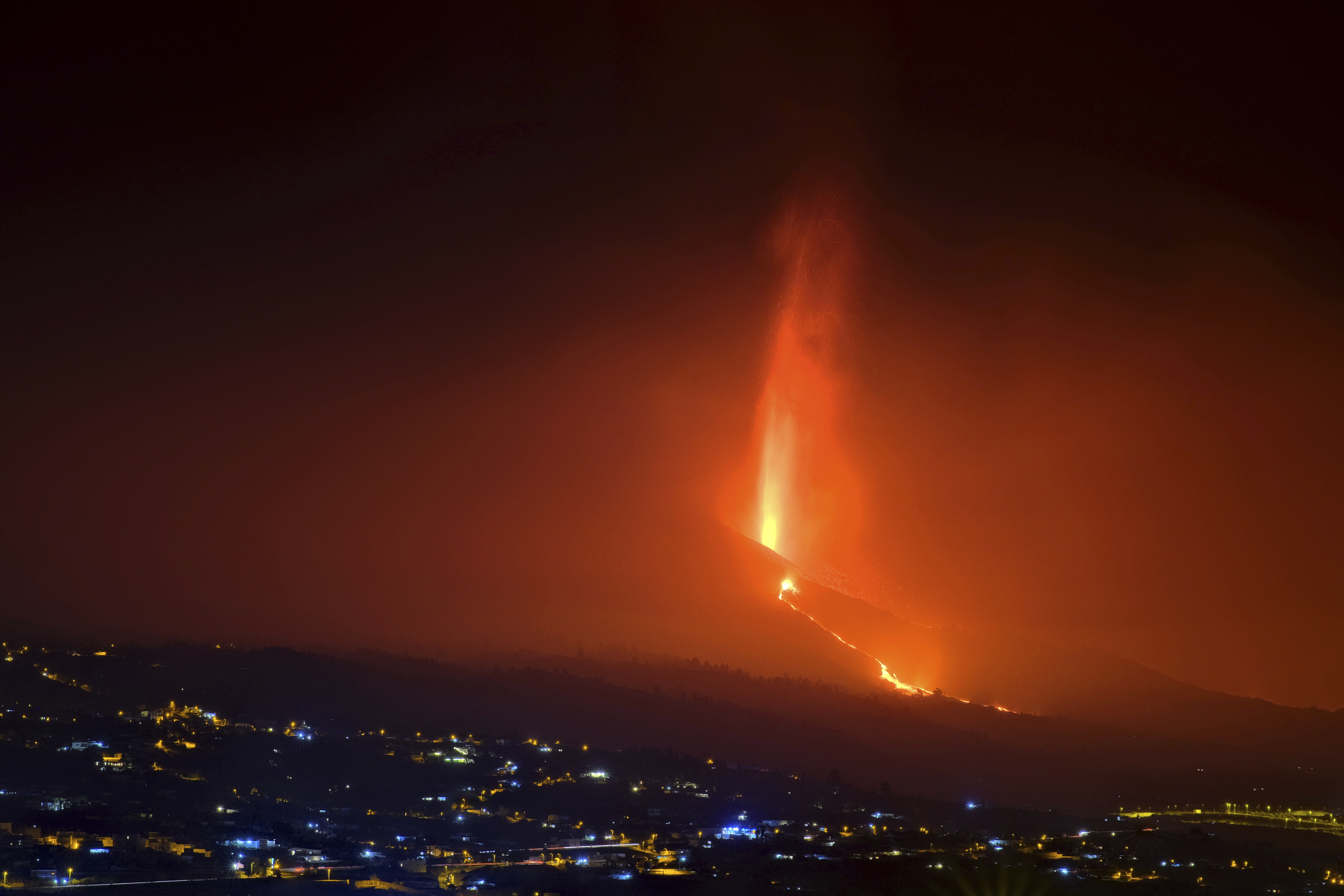
Residents along the eastern shore of Spain's La Palma island were ordered into lockdown yesterday as lava flowing from the Cumbre Vieja volcano nears the sea.
The 1250 degrees Celsius lava may touch the Atlantic Ocean today, likely causing explosions and sending clouds of toxic gases over the island, Canary Islands emergency services warned overnight.
"Given the possibility the lava will reach the sea in the coming hours on the coastal area of Tazacorte, and in anticipation of possible emissions of gas harmful to health, the Canary Islands volcano emergency committee orders the lockdown of San Borondon, Marina Alta, Marina Baja and La Condesa," they tweeted.
LIVE UPDATES: Home quarantine app trial to go ahead in Victoria
"The population should follow instructions of the authorities and remain at home, with doors and windows closed, until the situation can be evaluated in the morning," they added.
Yesterday, the lava travelled past the southwestern town of Todoque which was evacuated a few days ago and was just 1.6 kilometres from La Palma's coast, according to emergency services.
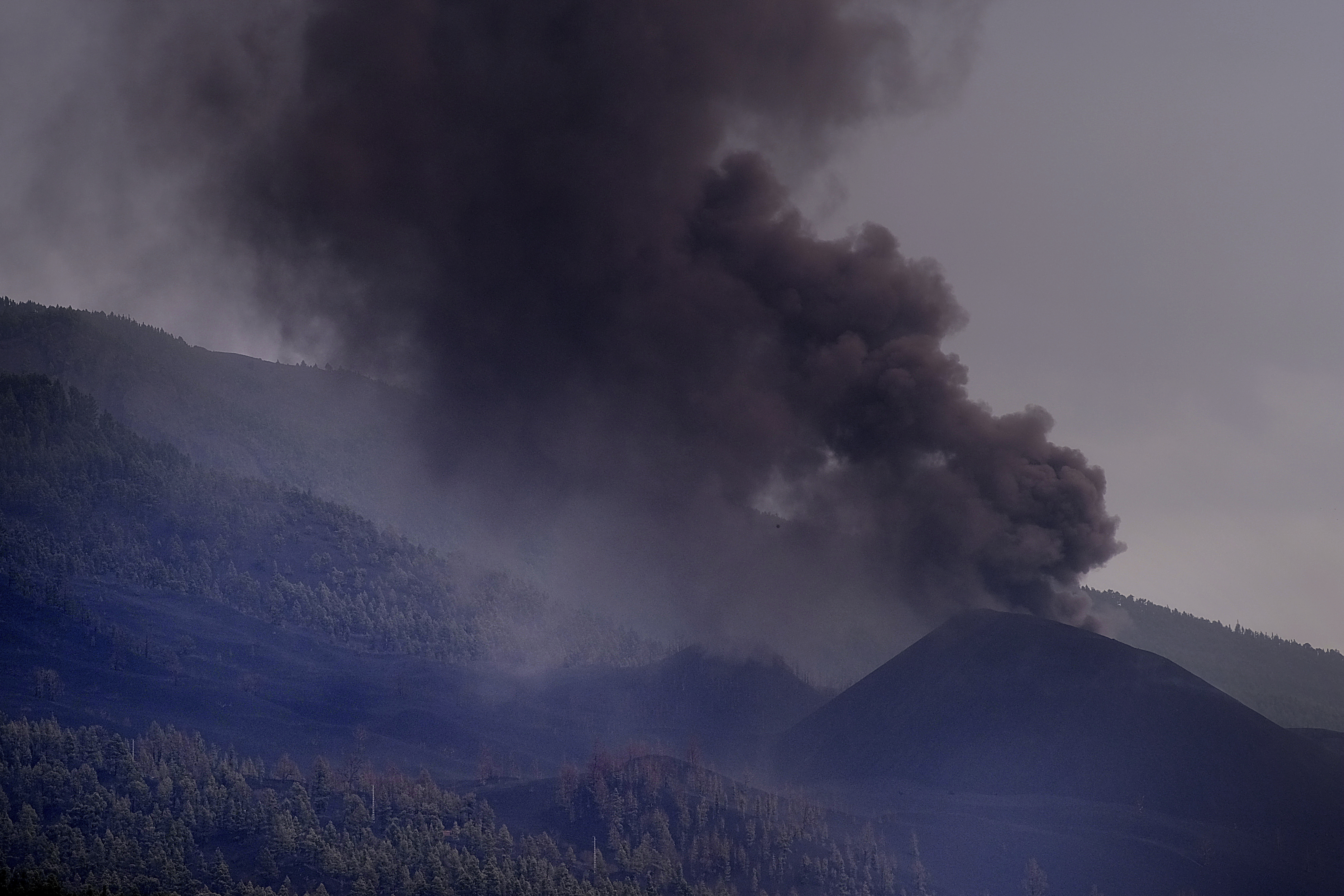
Authorities have also called on residents within a five-kilometre radius of the volcano to put in place further precautions, due to the possibility of new explosive eruptions which could cause glass to shatter.
The main airline for the Canary Islands, Binter Canarias, confirmed yesterday that it will continue to suspend flights to and from La Palma airport while it monitors the situation.
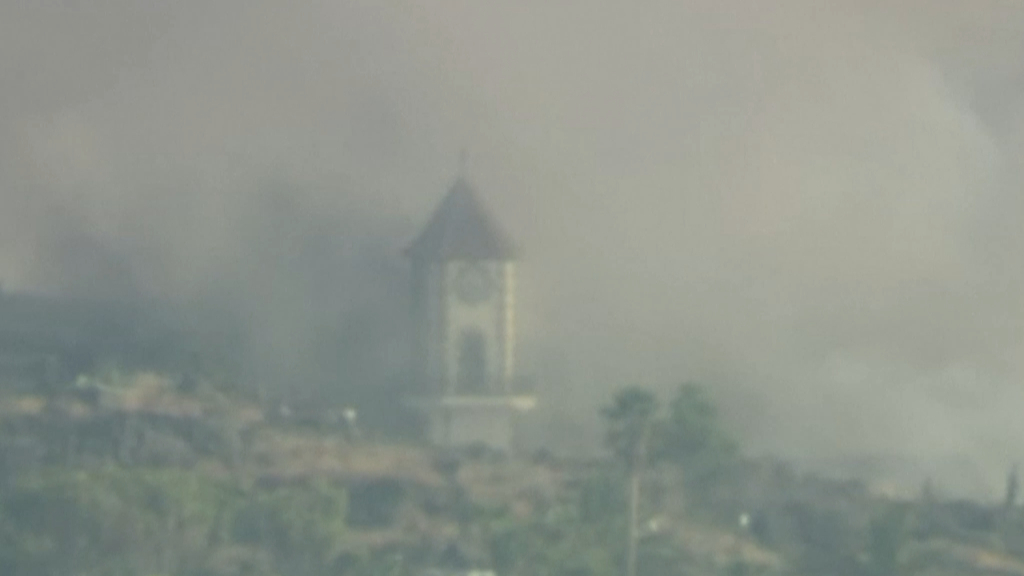
READ MORE: Church swallowed by La Palma lava
All other air traffic at the airport was also cancelled yesterday morning, according to Spain's airport operator, AENA.
Yesterday was the ninth consecutive day of eruptions from the volcano, which has so far forced the evacuation of nearly 6000 people, destroyed hundreds of homes and ravaged the island's economically crucial banana plantations.
Reuters drone footage showed a rapid river of red hot lava flowing down the slopes of the crater, passing close to homes, and swathes of land and buildings engulfed by a black mass of slower-moving, older lava.
The flow of lava has engulfed more than 230 hectares, the European Union satellite monitoring service Copernicus said, swallowing hundreds of houses as well as roads, schools and churches, and forcing thousands to evacuate.
No fatalities or serious injuries have been reported since the volcano's eruption, but about 15 per cent of the island's banana crop could be at risk, jeopardizing thousands of jobs.
Pilates and meditation added in Apple Fitness+ update
Apple Fitness+ is the only thing that kept me motivated to move during this pandemic.
I can walk the creek trail near my house with my eyes closed after 240 days (and counting) in lockdown and with gyms shut and a five-kilometre travel limit, variety has been hard to come by.
After my three-month free trial expired, I happily paid $119 to commit to Apple Fitness+ for a full year rather than spend $15 a month. My fiancée and I haven't looked back.
READ MORE: Far Cry 6: Narrative director Navid Khavari on dreaming up a great villain

Since arriving in December 2020, its library has built up to more than 1,200 workouts and starting this week, Pilates and Meditation have been added into the mix.
Four new trainers have arrived as well, in line with Apple's much-praised diverse line-up.
In my initial review, I noted that the likability and variety of these trainers is what set Apple Fitness+ apart (#teamBakari).
That hasn't changed with the addition of former pro-footballer Darryl Whiting's take on pilates or the wealth of experience JoAnna Hardy brings to the new line-up of guided meditations.
I booted up my first pilates workout with a sense of dread as core work has never been my forte. While – like everyone – I dream of a six pack one day, the thought of countless sit-ups is enough to make me down a pack of Tim Tams.
Starting small, my fiancée and I booted up a 10 minute pilates workout with Darryl when it launched on Monday.
READ MORE: The gadget that can help you learn a language
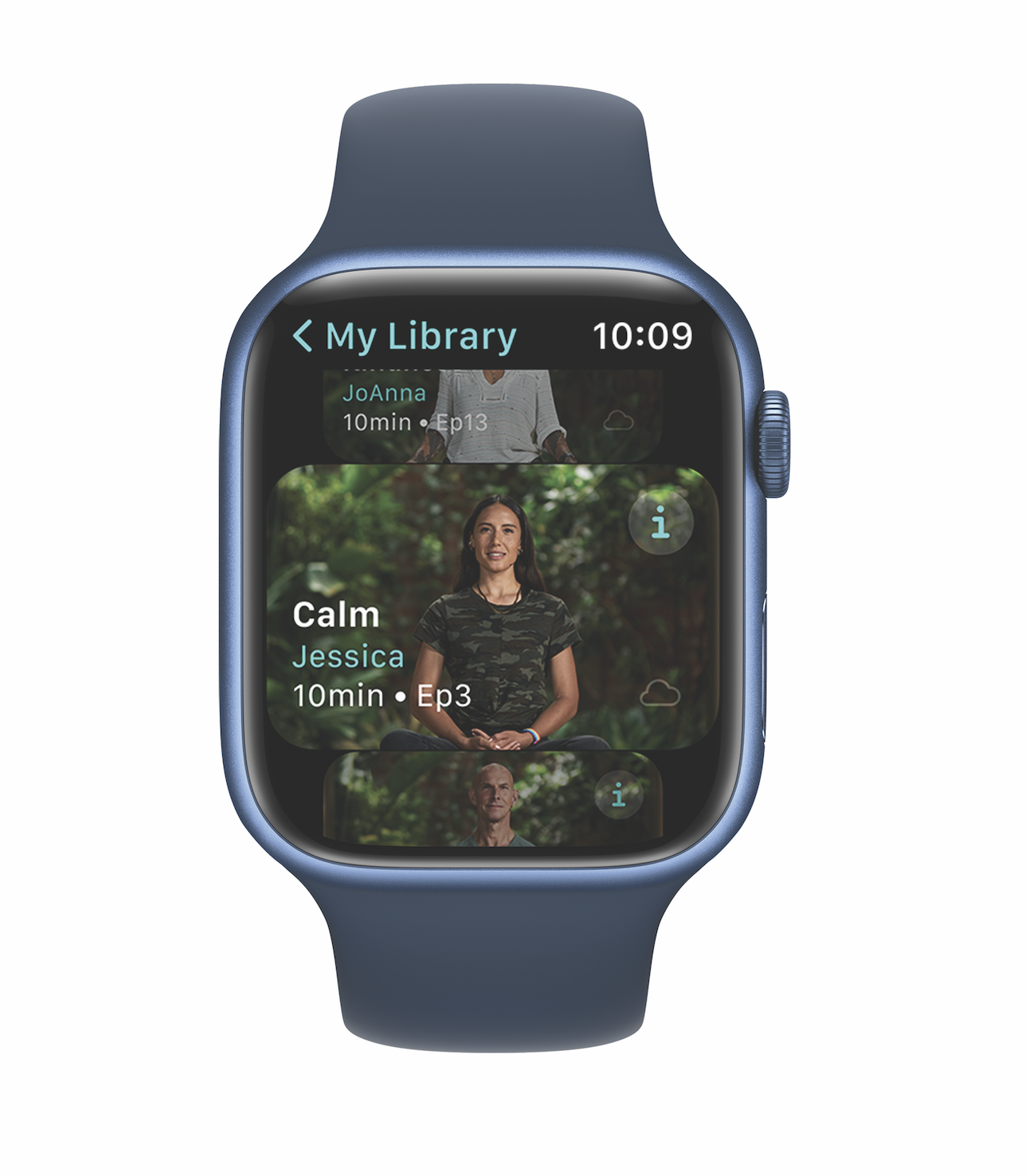
Some pilates workouts require a resistance band which we didn't own, so we made sure to select one without it.
Make no mistake, this first pilates workout was hard. There were several moves I couldn't do, which only made me more thankful to have a secondary trainer on screen to guide us through easier, 'modifications'.
Something I hope not to need with practice over time.
Afterward, we tried our first guided meditation. Similarly, this was only available via the Fitness+ iPhone and iPad apps at the time of writing; not on Apple TV.
READ MORE: Apple Watch Series 7 – Bigger screen for larger buttons and full keyboard in major update
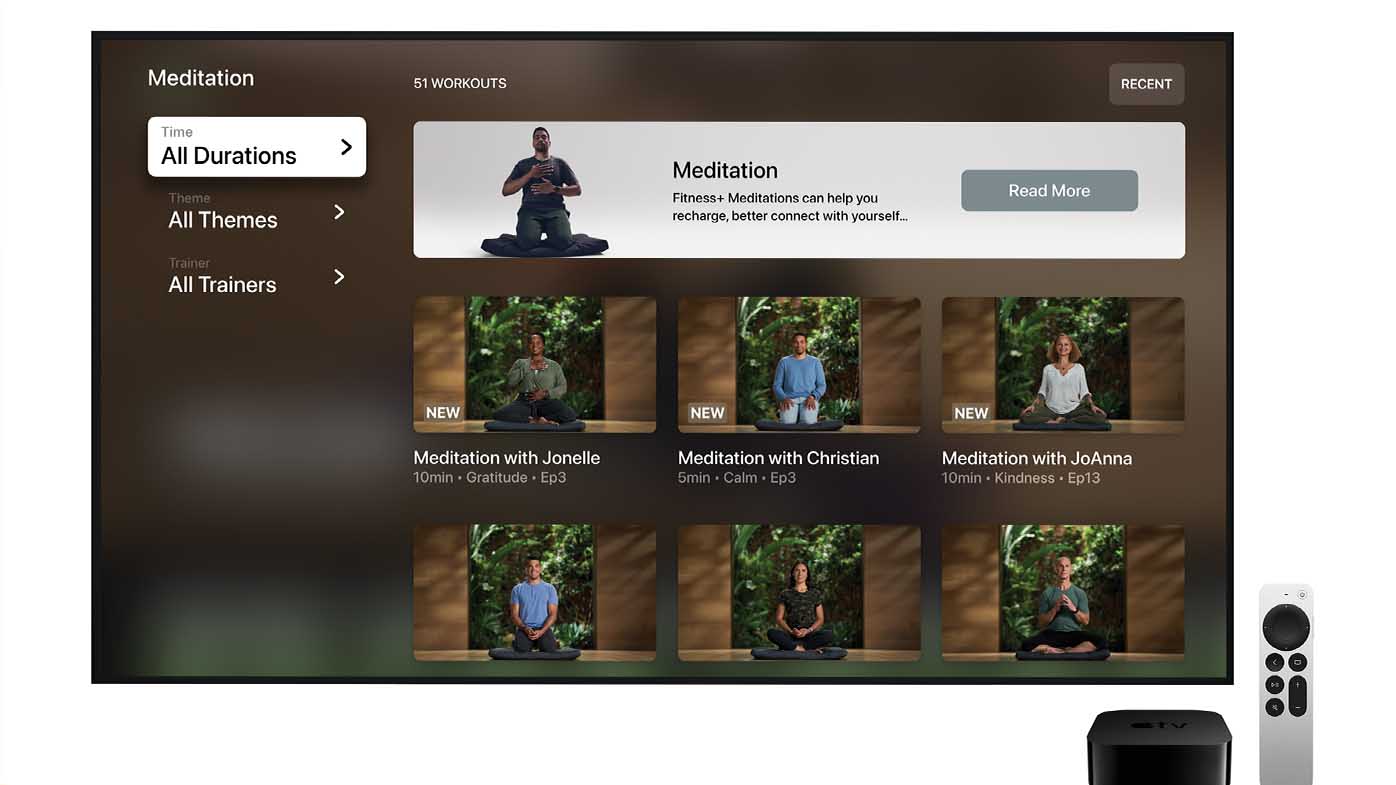
There were more than 50 meditations, ranging from five to 20 minutes, available at launch.
All of these are beautifully shot in 4K if you'd like to watch your trainer but there are audio only options available straight from the Apple Watch via the mindfulness app; including moving meditations if you'd like to listen while you walk.
Each fits into one of nine categories: gratitude, kindness, purpose, awareness, creativity, wisdom, calm, focus and resilience. These are intentionally positive themes.
I've never been a big meditator, but my fiancée has pushed me to stream meditations on YouTube from time to time and I much preferred having themes to choose from that would better resonate with how we were feeling.
We really enjoyed the "purpose" and "gratitude" options we've tried so far; the latter we did while walking our puppy just this morning.
For those new to meditation, there's a getting started video to help familiarise yourself with the trainers and narrow your focus. All feature ambient music in the background.
Accessibility has also improved. Closed captions for those that speak languages like French, Italian and Spanish will arrive later this year, as will group workouts.
Up to 32 people will be able to join via Share Play once group workouts are up and running but disappointingly, there's still no plans for those working out together on the same device.
My fiancée and I prefer to have our workouts up on the big screen but there's still no option for both of our metrics to be displayed, as recorded by our Apple Watches.
This is still a service exclusive for those with Apple Watches.
If you own an iPhone, iPad or Apple TV you won't be able to sign up, without an Apple Watch.
The Apple ecosystem is a double edged sword: premium compatibility, exclusively with Apple products.
Never-the-less, Apple Fitness+ is a great motivator to buy an Apple Watch in the first place and continues to set its smartwatch apart from its fitness focused competition.
Why iron ore price has plummeted and what it means for Aussie miners
The price of iron ore has dropped off a cliff since July, when China began to turn off the export tap from Australia.
In response to unacceptable emissions, orders from Beijing to cap steel output across China has affected three major Australian companies, with their share prices dipping in unison with the collapse in iron ore price.
We look at what has happened in an export market which was last year worth a whopping $125 billion to the national economy, and if the price will continue slipping into 2022.
READ MORE: World's largest star sapphire cluster found in backyard
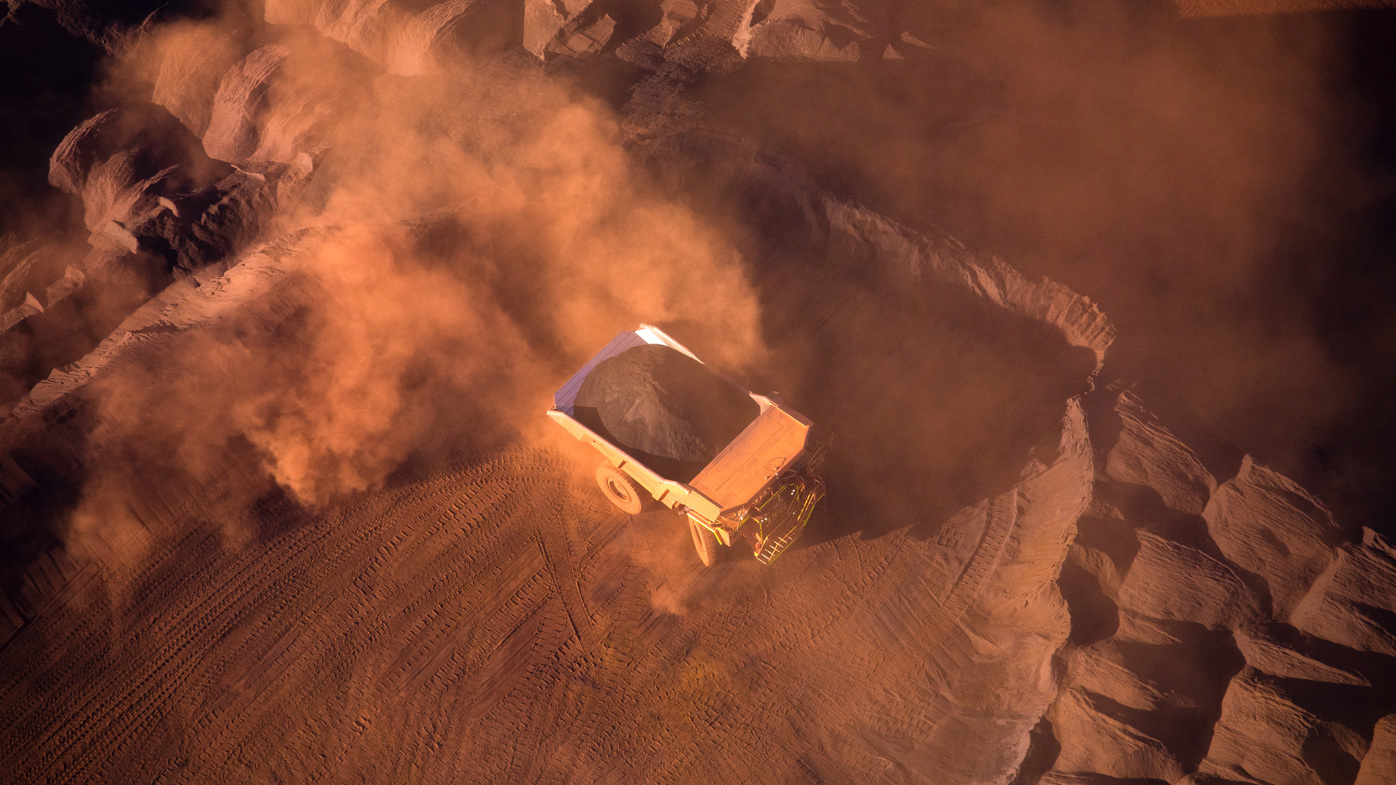
How hard has the price of iron ore fallen?
Prices peaked at record highs of $233 on May 12, but since then the price has dropped roughly more than half, to $110 last Friday. Yesterday it dropped under $100, slumping to $94, before rebounding to $120 today.
Why did it happen?
The main driver of the price reduction has been weaker iron ore demand from China, according to Commonwealth Bank commodities analyst Vivek Dhar.
READ MORE: Diamond found in Botswana could be world's third largest
Is there a reason demand in China fell away so sharply?
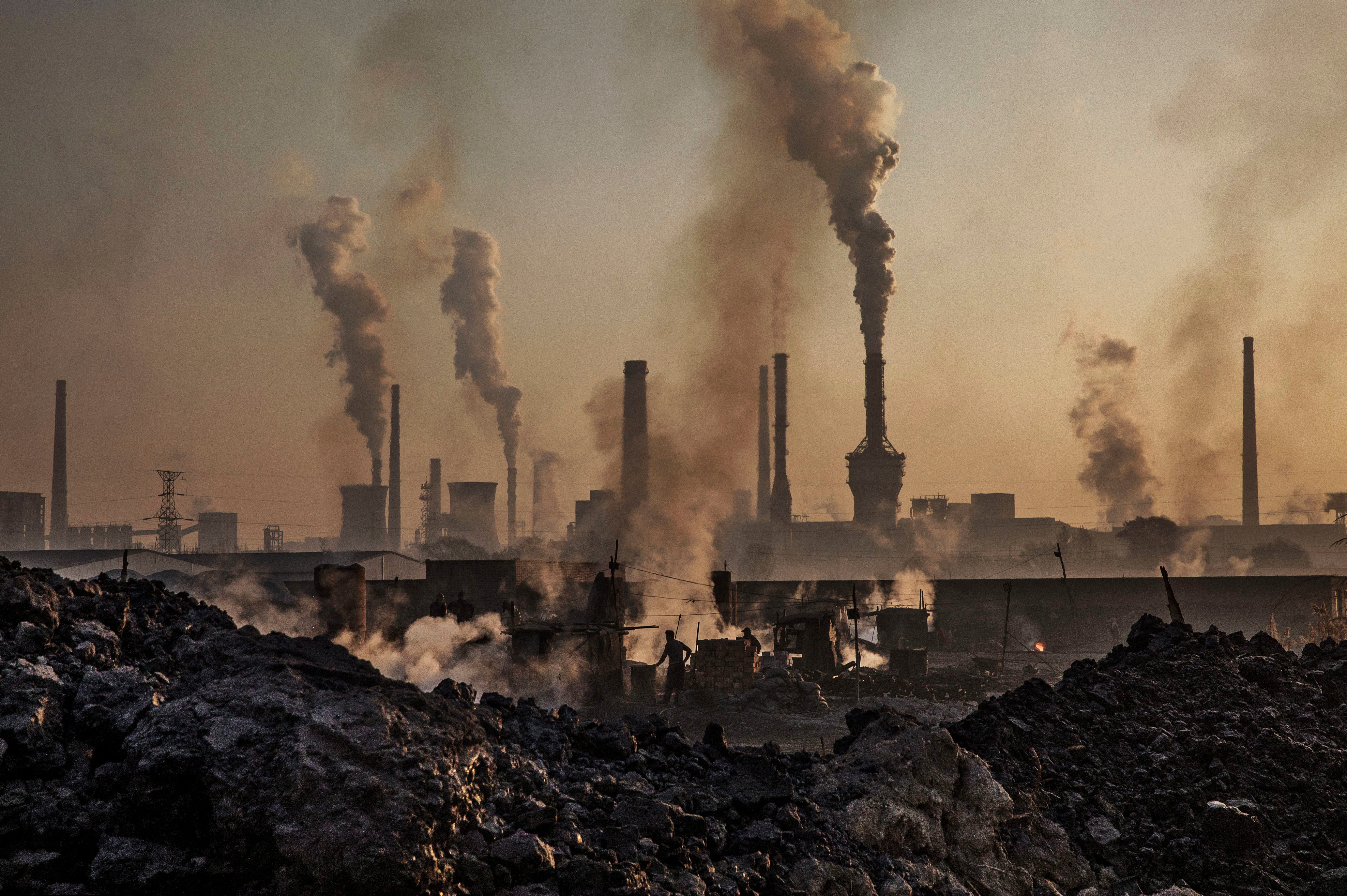
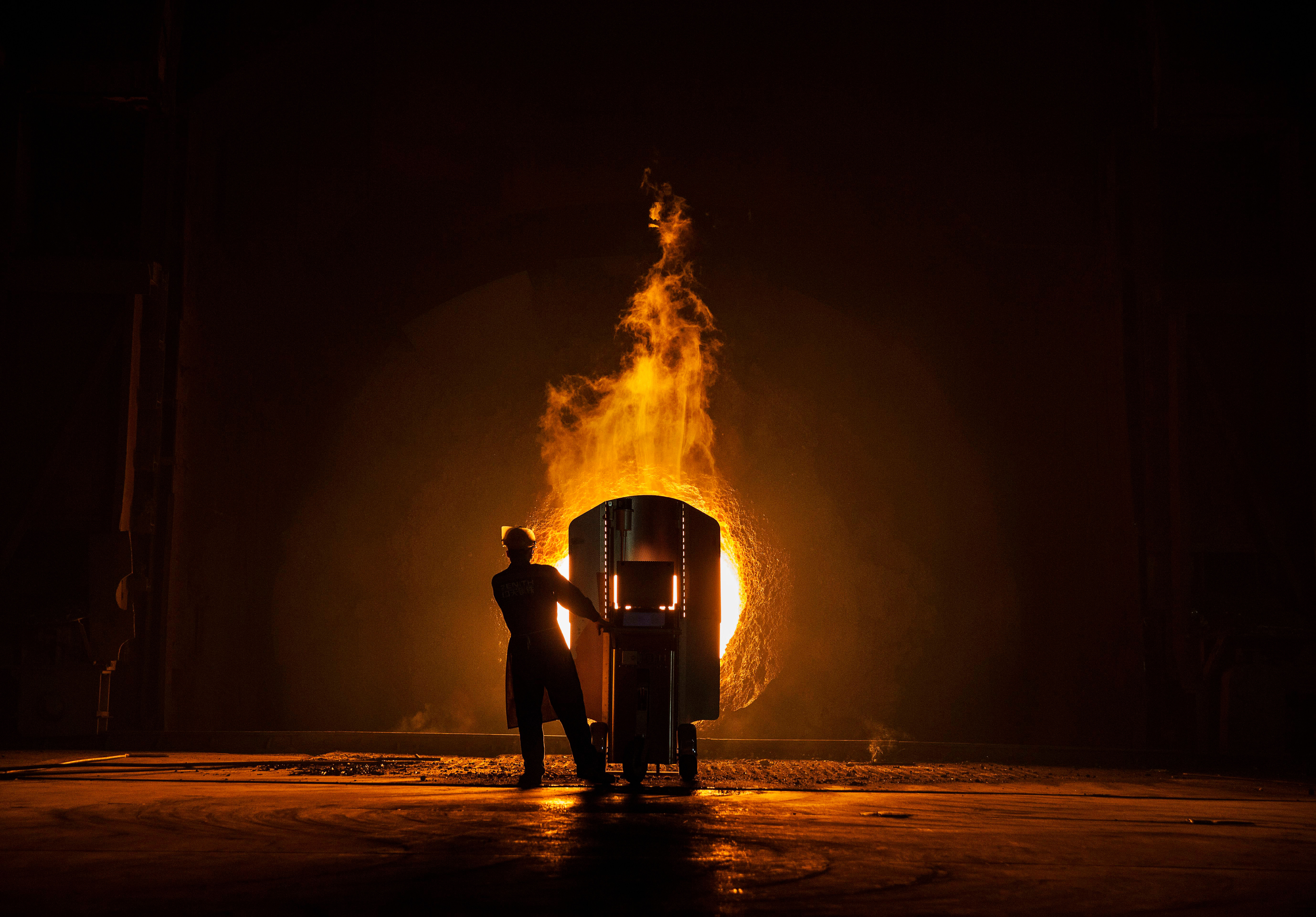
Sure is. Beijing wants to clean up its carbon footprint, and that involves cutting back on steel production, which in turn is inextricably linked to Australian iron ore exports.
China's steel sector accounts for about 15 per cent of the world's most populous nation's emissions.
Beijing is trying to cap steel output in 2021 at 2020 levels in order to reduce those emissions.
"And China is serious about it," Mr Dhar said.
CBA data showed China steel output fell 8.4 per cent in July and 13.2 per cent in August.
Those big cuts in the past two months were needed because China's steel output rose above cap limits during the first half of the year.
READ MORE: US man mines his own diamond for engagement ring
Why does China matter so much?
"China is critical to the story when we talk about iron ore because they import about 70-75 per cent of the world's iron ore," Mr Dhar said.
"They have an outsized impact."
China's huge demand for steel, which iron ore is a vital ingredient, means it must import about 85 per cent of its total iron ore needs, 60 per cent of which comes from Australia.
What does this mean for Australian iron ore producers?
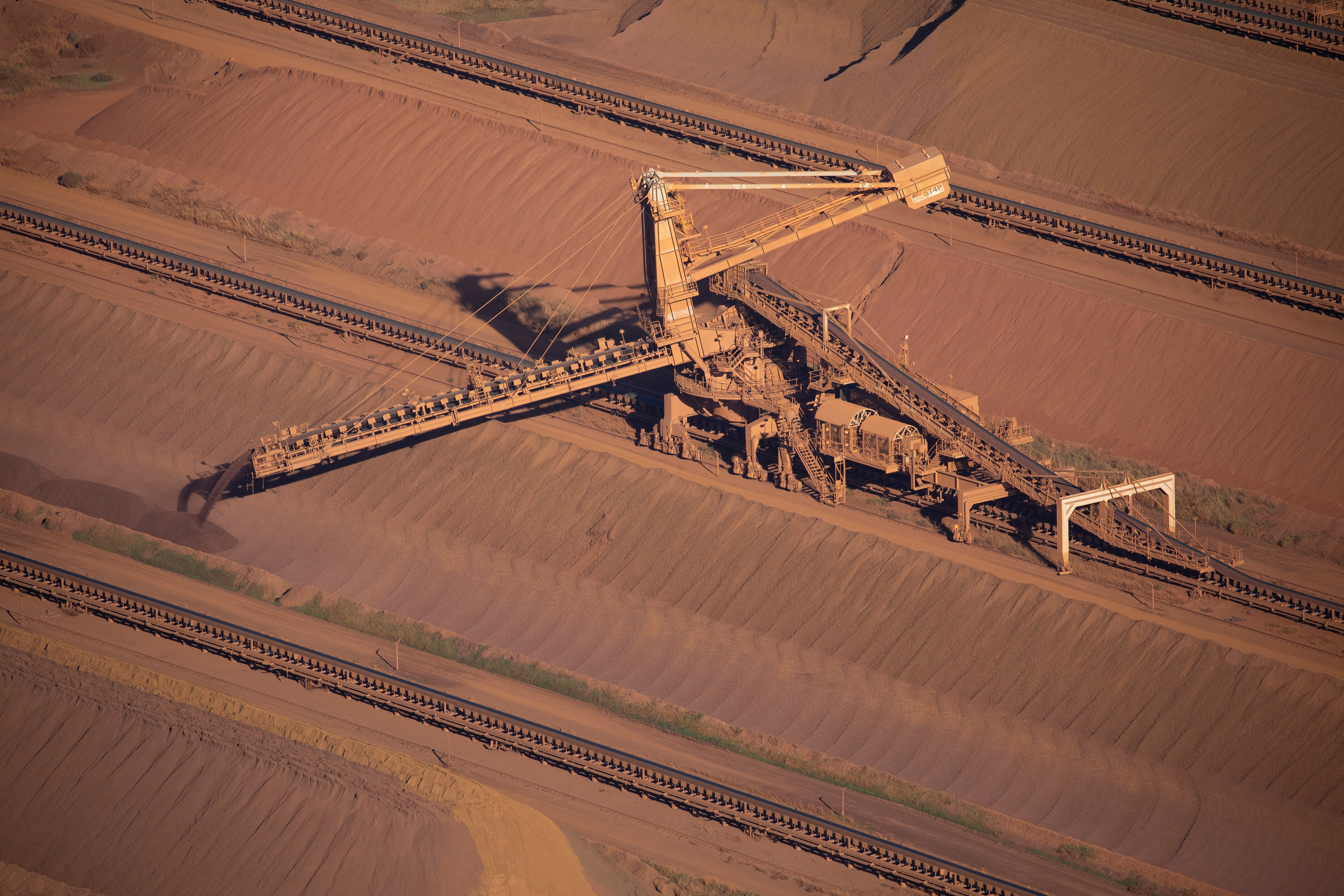
China buys about 70 per cent of the iron ore Australia exports, so any cuts and collapses in price will have an immediate effect.
Which Australian companies will be hit hardest?
Three big iron ore producers, BHP, Rio Tinto and Fortescue Metals Group, which are all ASX-listed companies.
The share price of all three have suffered notable falls.
Is there a political element to any of this?
China has punished Australia in the last year with bans and tariffs on a variety of goods and commodities, as relations between Beijing and Canberra have sunk to frosty lows.
But Mr Dhar does not believe a Beijing powerplay is in motion when it comes to the iron ore market.
"With iron ore, it's a little different to other commodities."
China is too dependent on Australian iron ore to turn off the tap, Mr Dhar said. China's other big supplier is Brazil, which makes up around 20 per cent of its total imports.
READ MORE: Rio Tinto chairman to stand down after cave blast disaster
Will China continue its steel output policy into 2022?
That is the "big unknown".
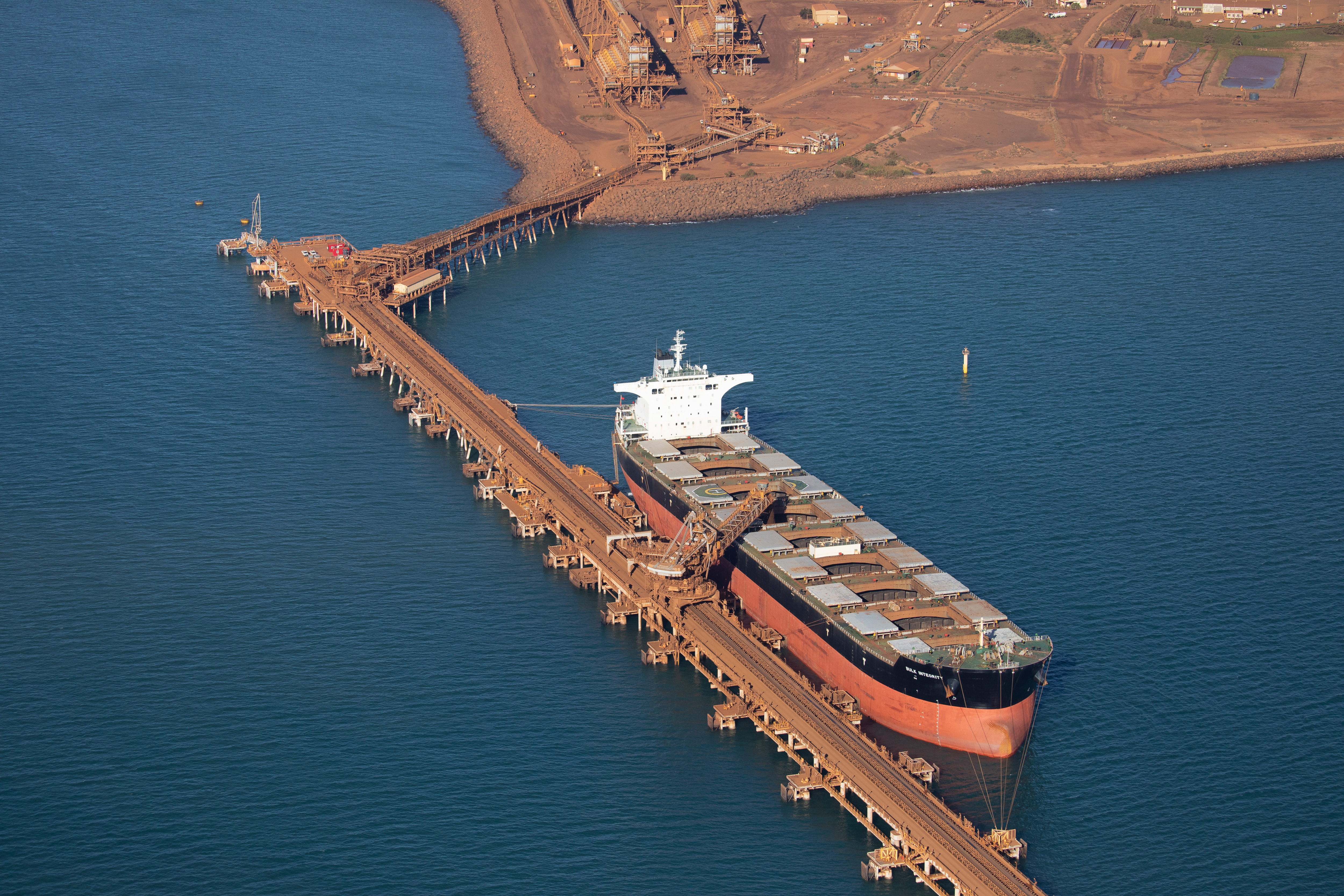
"We know that emissions reduction is such a big priority for the Chinese government," Mr Dhar said, "so we could very well see the steel sector restrictions still be in place next year."
But he said the level of restrictions – which had created "enormous pressure" – may not be as stringent as the market is experiencing the past few months.
"It is very much in the hands of Chinese policymakers."
Thailand cuts quarantine time as part of living with COVID-19 strategy
The tourist hotspot of Thailand will halve mandatory quarantine to seven days for vaccinated visitors and scrap it altogether in some places, as part of a "living with COVID" strategy.
Stuff and Bloomberg report the nation will remove any isolation period for travellers in 10 provinces including capital Bangkok in November, to help revive the economy, which usually welcomes 40m visitors a year generating $82b.
LIVE UPDATES: New Queensland mystery case sparks concern
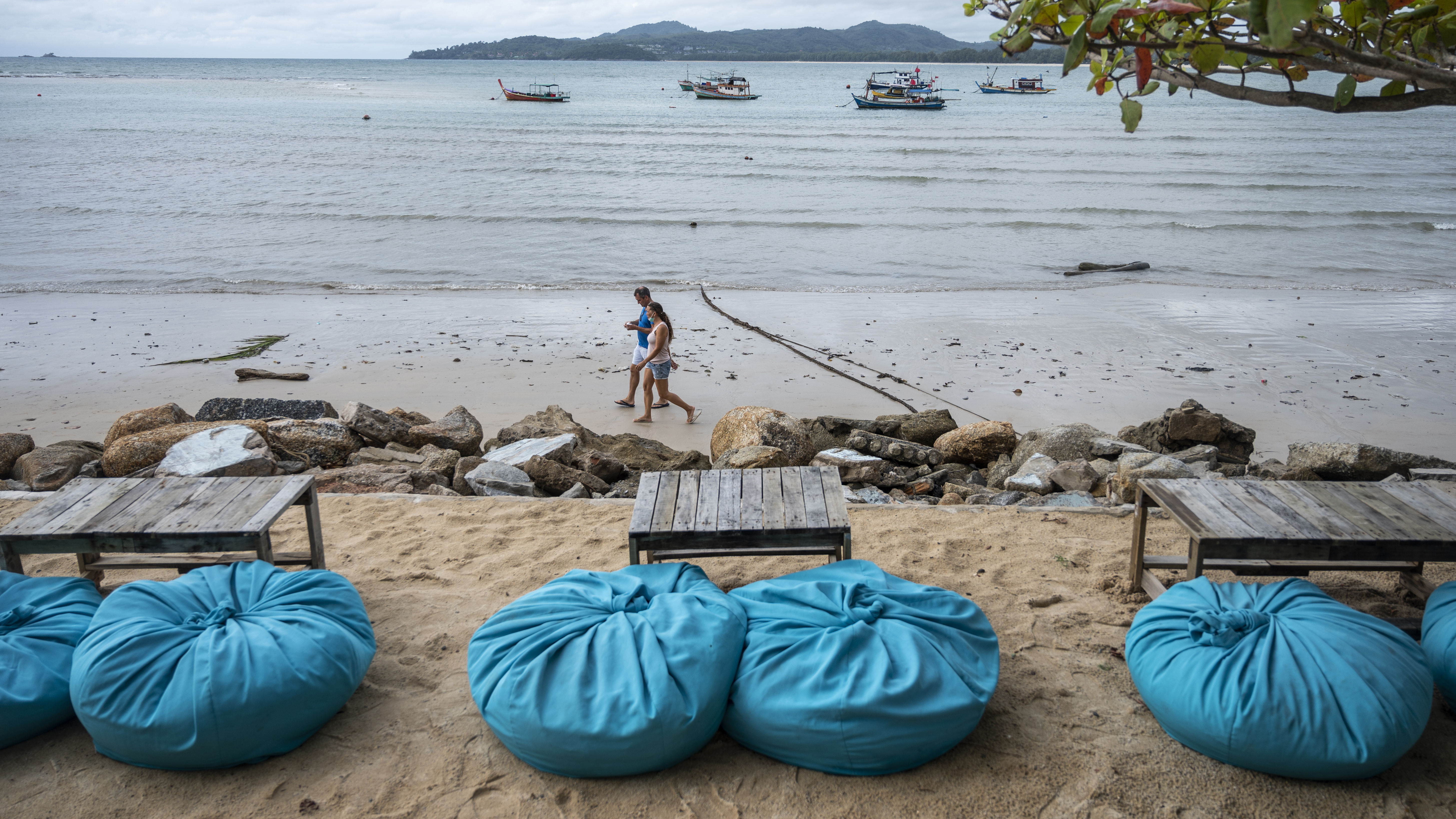
However a curfew will remain in place from 10pm to 4am.
The country will reopen theatres, sports venues and salons next month.
READ MORE: Melbourne truckies plan traffic chaos in protest
The nation is vaccinating as many as one million people a day, Stuff reports.
It has delayed the reopening of tourism several times.
The latest decisions by the virus panel, chaired by Prime Minister Prayuth Chan-Ocha, are part of its "living with COVID" strategy to restart the economy, while aiming to keep infections low.
READ MORE: NSW's roadmap out of lockdown explained
Australian scientists drill for million-year-old Antarctic ice
Australia's ambitious scientific mission to retrieve an Antarctic ice core dating back more than a million years is a step closer, with the unveiling of a new 400-kilogram drill capable of pulling samples from almost three-kilometres under the ice cap.
The drill, which can operate at temperatures 55 degrees below zero, will be used to retrieve the world's oldest continuous ice core, in what is viewed by the Federal Government as an important climate science project.
One million years ago the rhythm of ice ages changed dramatically and the million-year ice core program is about finding out why.
READ MORE: NASA's newest satellite about to launch into space
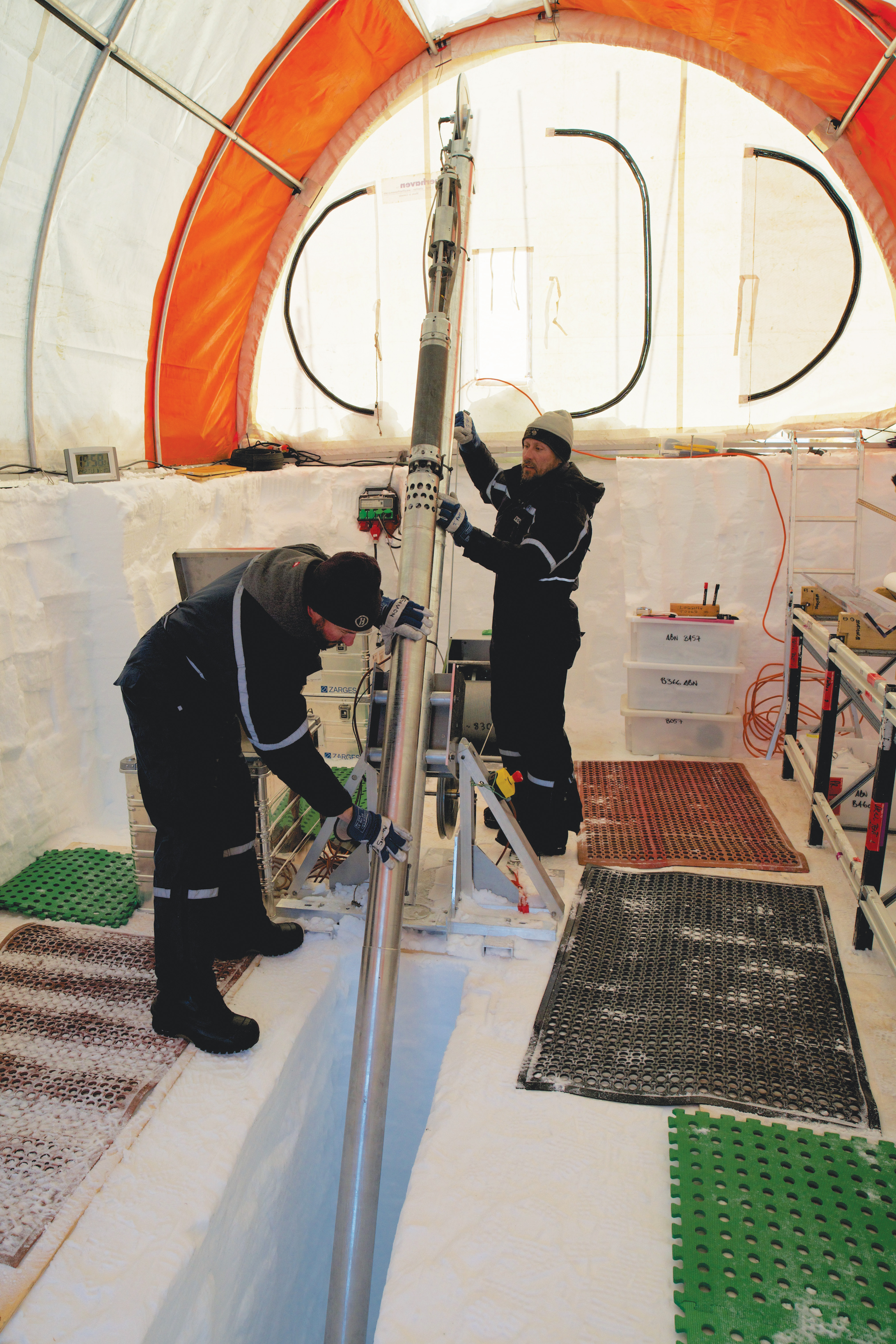
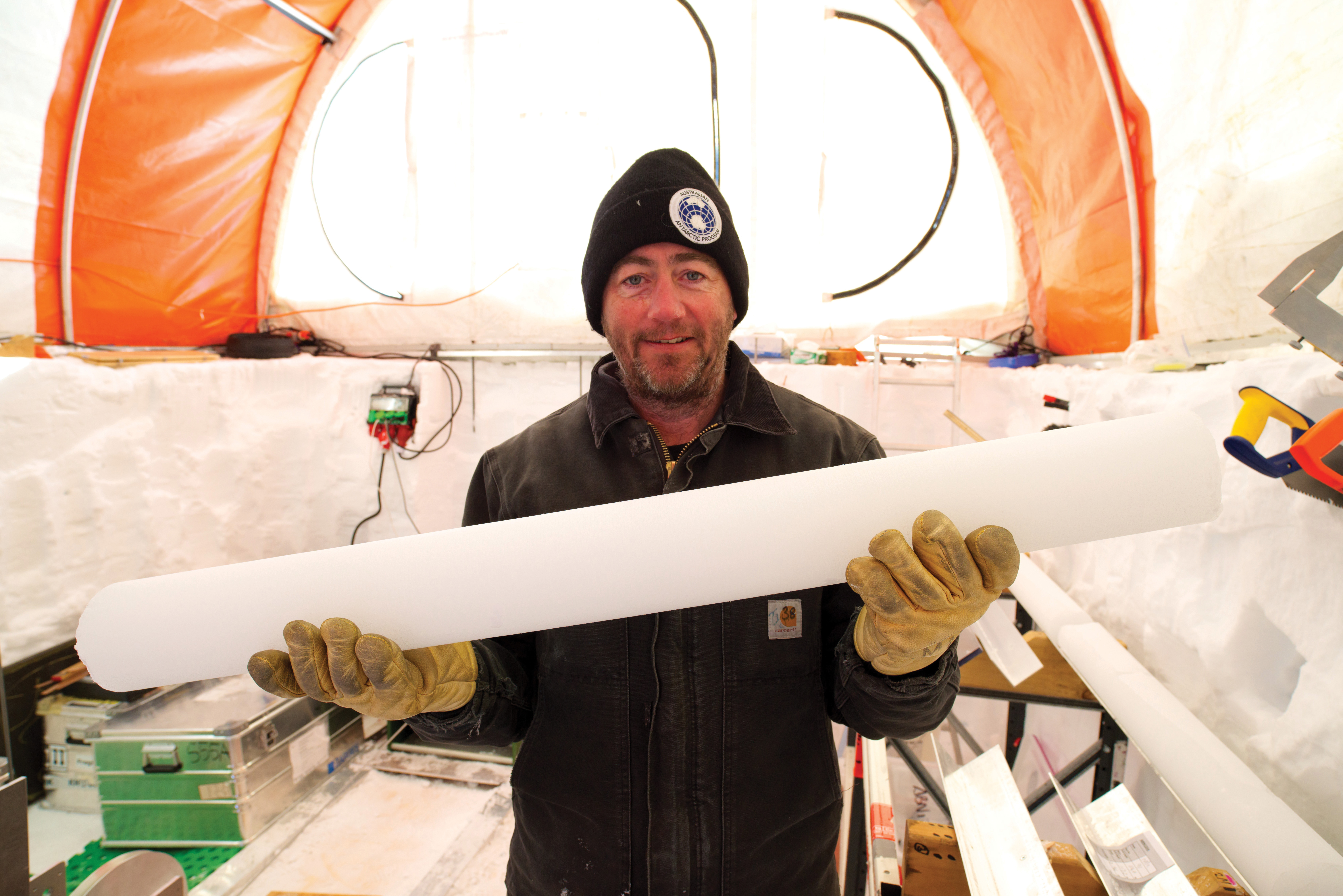
The ice cores which the drill hopes to recover contain tiny bubbles of air from around a million years ago, which will give Australian scientists a snapshot of the atmosphere from that period of time.
The 10-metre-long stainless-steel drill head was designed and built by Australian Antarctic Division engineers in Tasmania over the last two years.
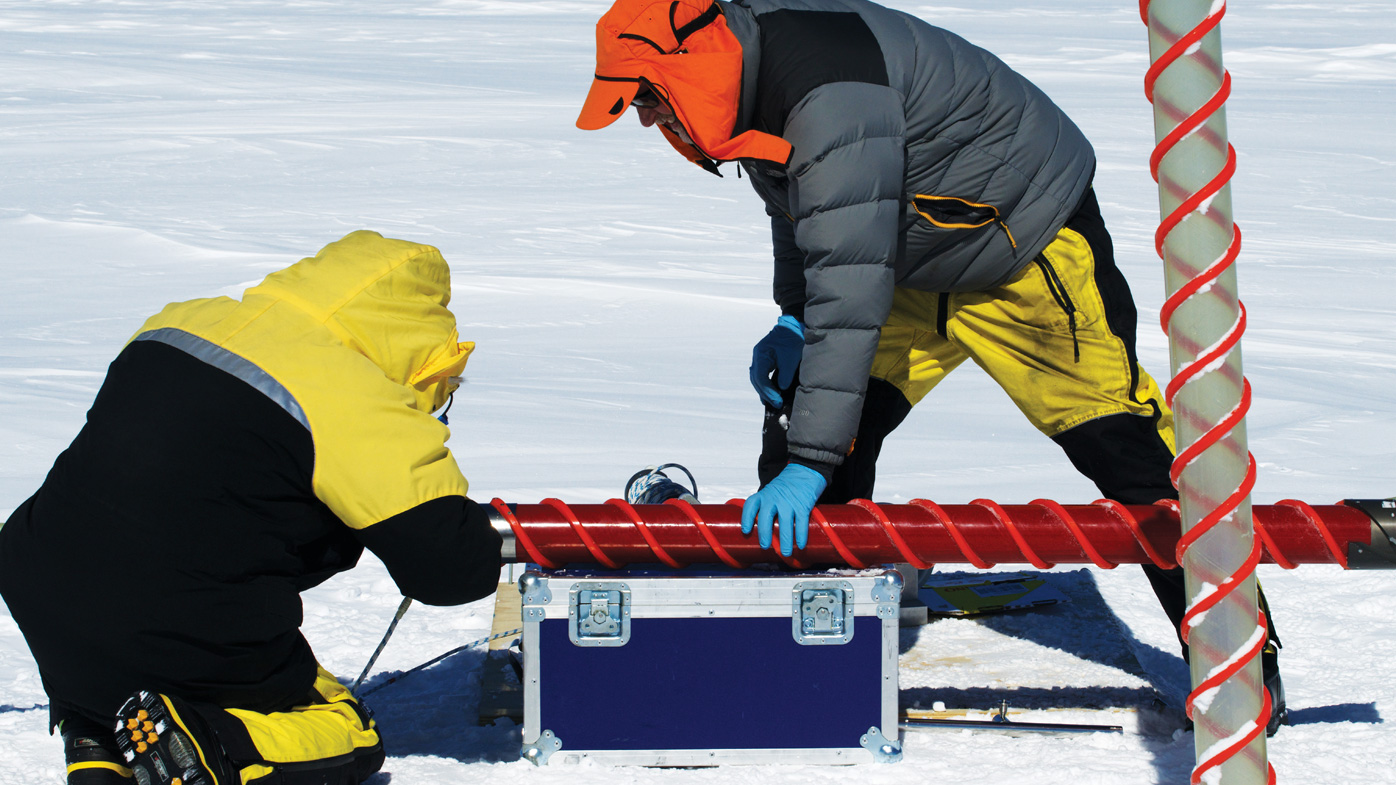
Engineers prepared massive blocks of ice over two months, adding small amounts of water every day to make the half tonne necessary to replicate the icy Antarctic conditions required to properly test the drill for the first time outside the workshop today.
Minister for the Environment Sussan Ley said the unveiling of the drill today was a "huge milestone".
"Australia's role in global climate research is incredibly significant and this project is at the absolute cutting edge," Ms Ley said.
"We hope this information will help us understand more about climate changes of the past and long-term climate impacts."
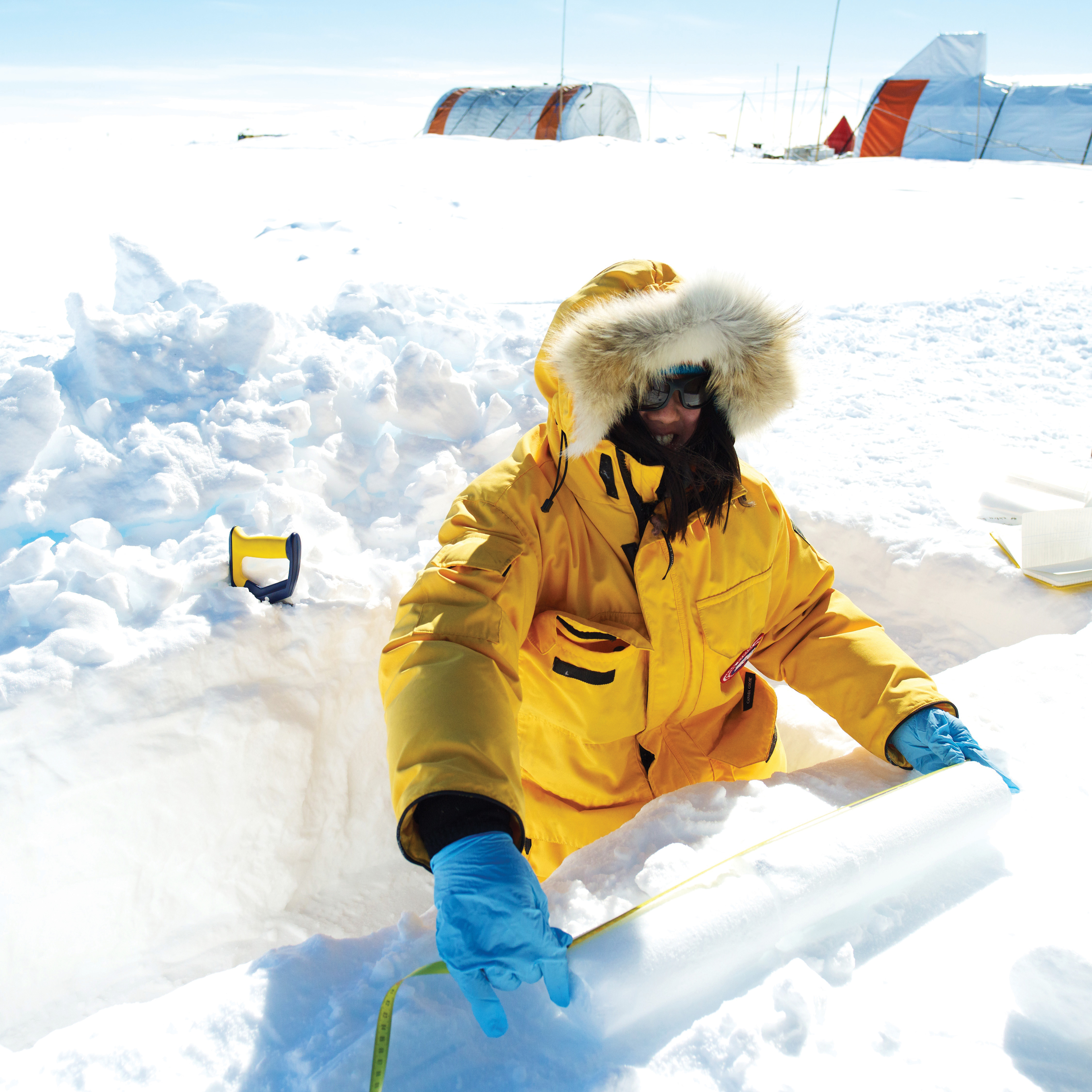
To deliver the world's oldest ice core, teams will traverse 1300 kilometres of the Antarctic to the site at 'Little Dome C' and then drill for several summer seasons through 2800 metres of ice in some of the most inhospitable terrain on earth.
"This is a modern-day Antarctic adventure," Ms Ley said.
UK petrol panic-buying so bad the Army's on standby to help
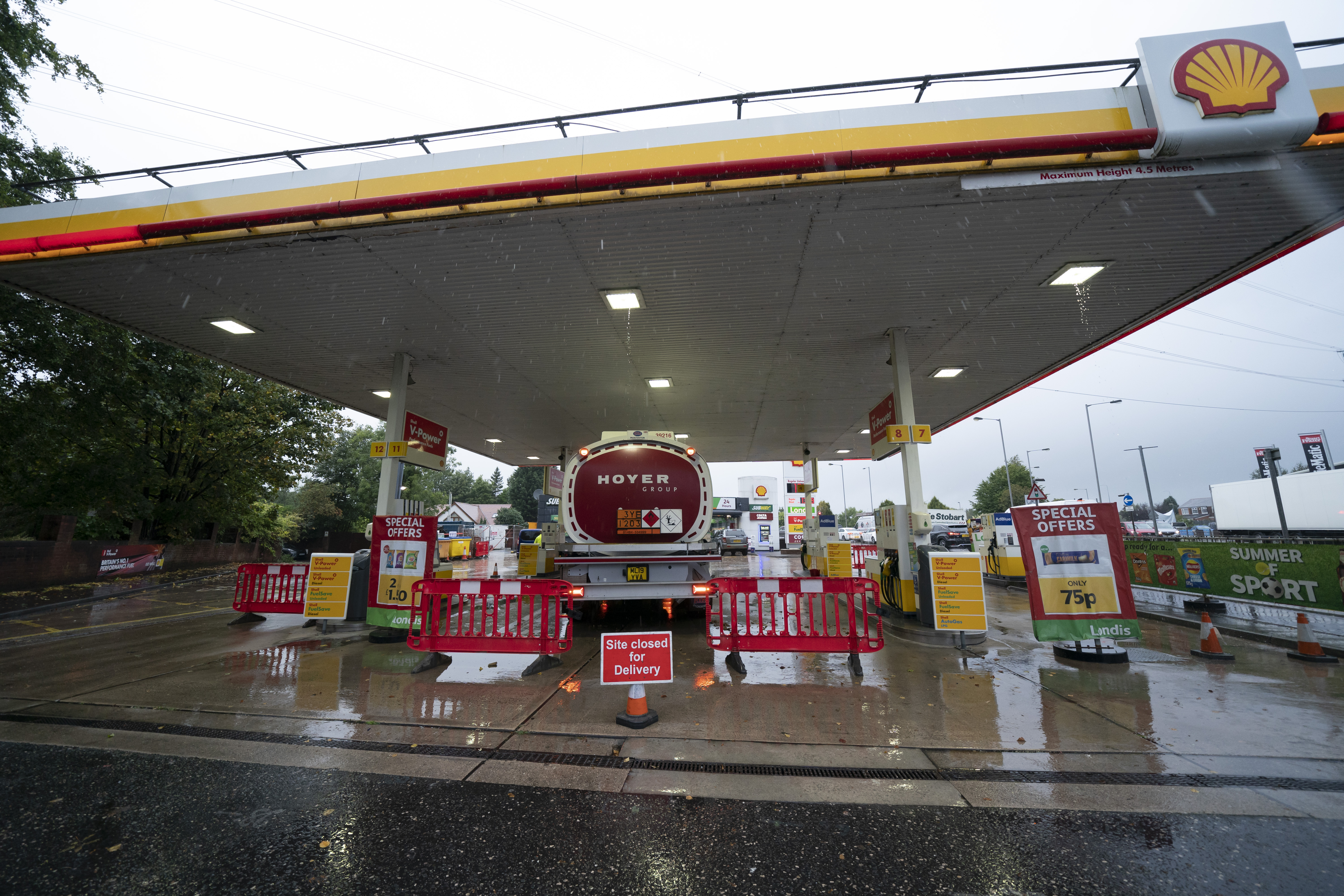
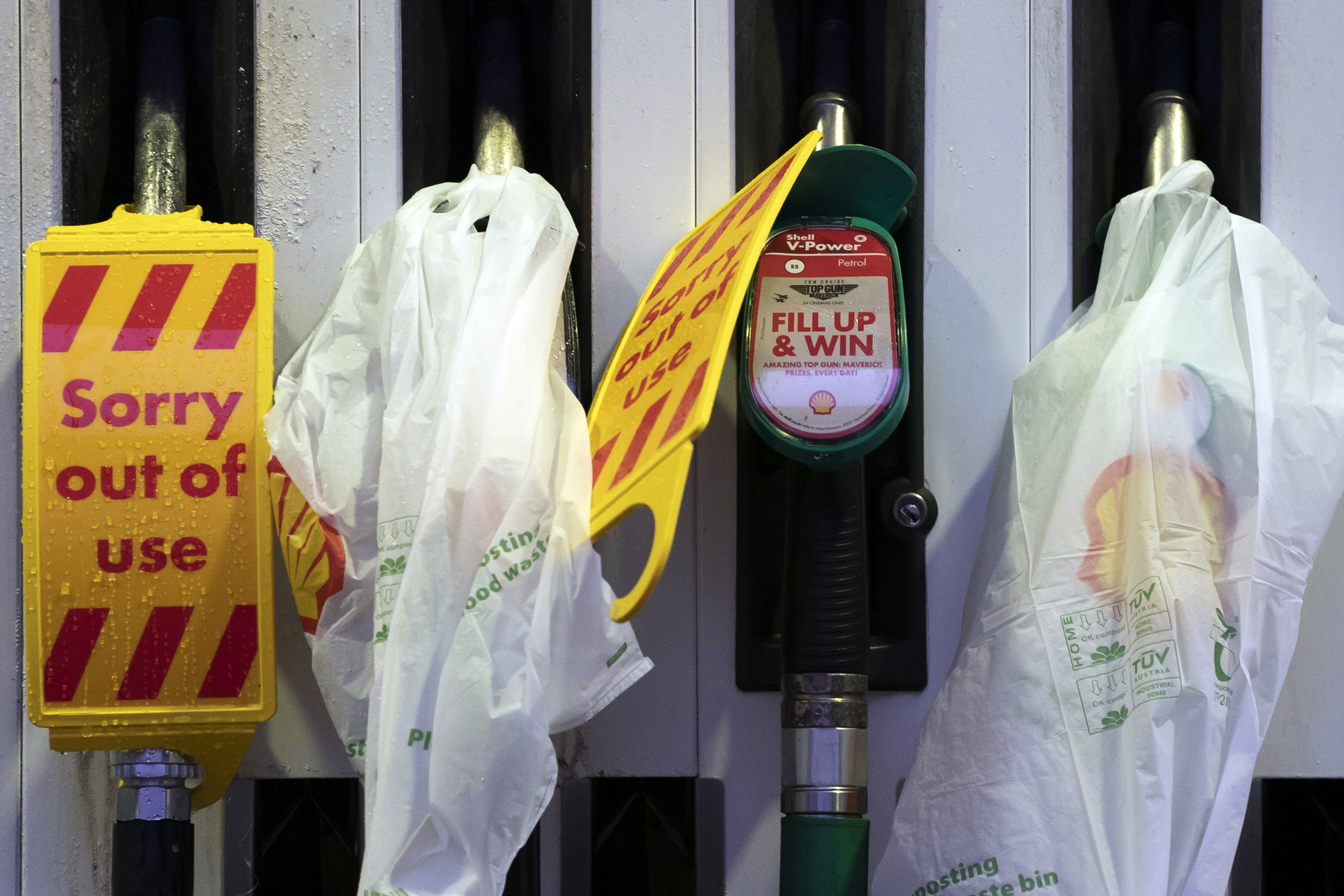
Lines of cars have formed at some British petrol stations for a fourth day, as the government mulls sending in the army to help ease supply disruption triggered by a shortage of truck drivers.
As the British Medical Association called for emergency workers to be given priority for fuel supplies, Petrol Retailers Association chairman Brian Madderson said training had been taking place "in the background" for military personnel to drive tankers.
The government on Monday said it had "no plans at the moment" to deploy troops, but was making preparations just in case.
READ MORE: Chinese business tycoon blowing the whistle on Beijing's secrets
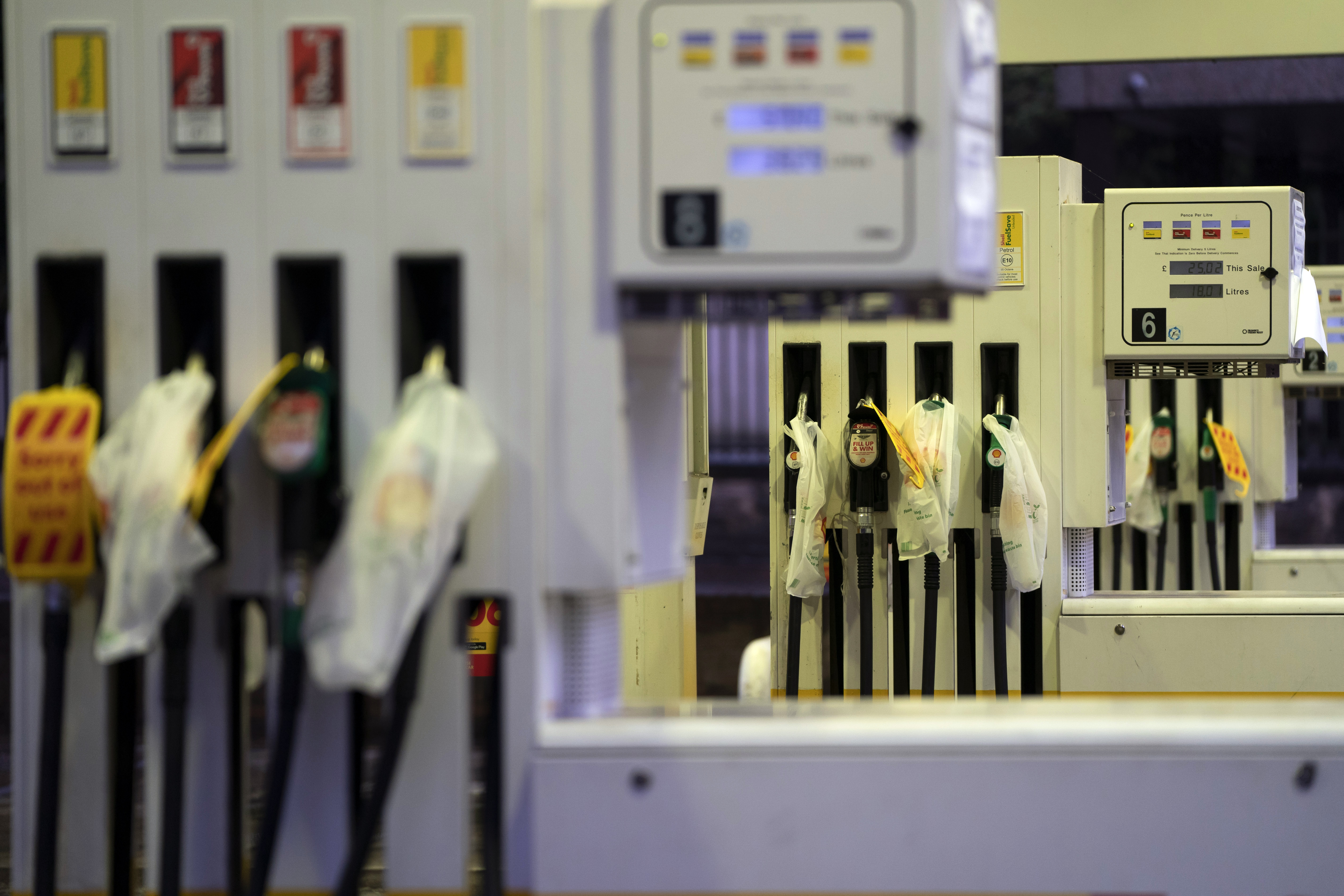
The Petrol Retailers Association, which represents almost 5500 independent outlets, said Sunday that about two-thirds of its members were reporting they had run out of fuel, as the driver shortage set off a round of petrol panic-buying.
The government insisted the UK had "ample fuel stocks," and blamed the problems on consumer behaviour.
"The only reason we don't have petrol on the forecourts is that people are buying petrol they don't need," said Environment Secretary George Eustice.
Dr Chaand Nagpaul, chair of council at the British Medical Association, said health care workers and other essential services staff should be "given priority access to fuel so they can continue their crucial work and guarantee care to patients."
Roland McKibbin, a self-employed electrician in London, said he had had to cancel jobs because he couldn't get petrol.
READ MORE: Top doctor says cancelling Christmas travel is 'a step backwards'
"I rely on fuel to travel to jobs, no fuel means I can't drive, which means I can't get to jobs with my tools," he said.
"So, basically, the panic-buying idiots have lost me income, and directly taken food off the table for my wife and five-year-old son, because I can't wire people's houses from home, unfortunately."
The haulage industry says the UK is short as many as 100,000 truckers, due to a perfect storm of factors including the coronavirus pandemic, an ageing workforce and an exodus of foreign workers following Britain's departure from the European Union last year.
Post-Brexit immigration rules mean EU citizens can no longer live and work visa-free in Britain, as they could when the UK was a member of the bloc.
Several countries, including the United States and Germany, also are experiencing a shortage of truck drivers. But the problem has been especially visible in Britain, where it has contributed to empty supermarket shelves and shuttered petrol pumps.
In an effort to ease the petrol crunch, the government said it was temporarily suspending competition laws so fuel firms could share information and target areas where supply was running low.
It is also bringing in military driving examiners to help clear a backlog of new truckers awaiting tests, though Mr Eustice said "we've no plans at the moment to bring in the army to actually do the driving."
READ MORE: Why NSW will scrap double demerits
"But we always have a civil contingencies section within the army on standby," he added.
And, after weeks of mounting pressure over shortages, the UK's Conservative government announced on Saturday that it would issue thousands of emergency visas to foreign truck drivers to help prevent a Christmas without turkey or toys for many British families.
The government said it would issue 5000 three-month visas for truck drivers starting in October, and another 5500 for poultry workers.
But that falls far short of the number needed. Ruby McGregor-Smith, president of the Confederation of British Industry, said the announcement was "the equivalent of throwing a thimble of water on a bonfire".
Representatives of European truckers were skeptical that many would want to come to the UK for such a short time. The visas are due to expire on December 24.
Edwin Atema from the Dutch FNV union, which represents drivers across the Europe, said the visa plan was "a dead end".
"I think the EU workers we speak to will not go to the UK for a short-term visa to help UK out of the (mess) they created themselves," he told the BBC.
Olaf Scholz, leader of Germany's Social Democrats, the party that came first in the country's election on Sunday, also linked Britain's worker shortages to Brexit.
"The free movement of labour is part of the European Union, and we worked very hard to convince the British to not leave the union," he said.
"Now they decided different, and I hope they will manage the problems coming from that."
'Severe' and 'damaging' thunderstorms to hit east coast
Nearly all of Australia's capital cities are in for a drenching this week as days of rain and thunderstorms are forecast, with the east and south eastern coast bearing the brunt.
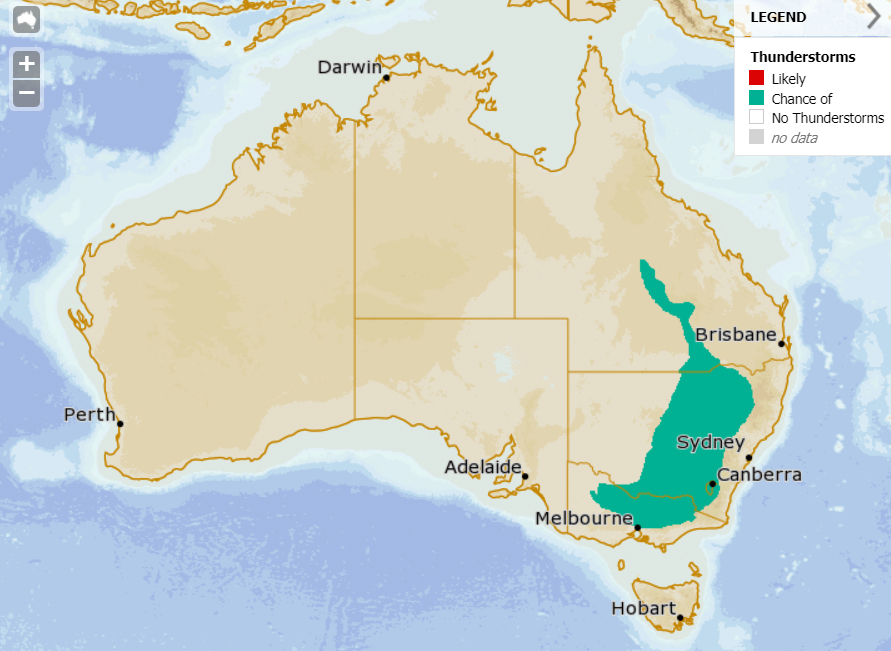
The first major storm of the season is likely and residents in the firing line are being warned to be prepared. They include Sydney, Brisbane, Adelaide, Melbourne, Canberra, Hobart and Perth.
From tomorrow a series of cold fronts will bring rain, storms and blustery winds to southwestern Australia lasting until at least Friday.
LIVE UPDATES: New Queensland mystery case sparks concern before NRL grand final
Miriam Bradley from the Bureau of Meteorology said the storms have the potential to be "severe".
"Over the next few days, developing tonight but then intensifying tomorrow and Thursday, we are going to see pretty significant areas of heavy rainfall and this is going to be even enhanced by thunderstorms," Ms Bradley told Today.
"Areas which are going to be hardest hit – basically anywhere along the great dividing range from South East Queensland all the way through New South Wales, down to north-east Victoria and then about the western slopes of those rains as well.
"Those thunderstorms have the potential to be severe both tomorrow and Thursday."
READ MORE: R. Kelly found guilty of sex trafficking, racketeering

Ms Bradley said the storms could "produce damaging wind gusts, heavy rainfall that could lead to flash flooding or large hail".
"All of those are quite significant risks. The damaging winds can bring down powerlines and trees and cause other damage.
"The heavy rainfall can lead to flash flooding and make hazardous driving conditions and even just conditions for being outdoors.
"It is definitely very important to stay aware of the risks and the forecast for your area."
In the Northern Territory, humid easterly winds will increase the likelihood of showers and thunderstorms over the western Top End later in the week.
Models suggest that Darwin could be in with a chance of picking up some rain late in the week, most likely around Friday or Saturday.