Tag Archives: oceania

Germany's Social Democratic Party wins most seats, early polls show

Germany's left-leaning Social Democratic Party (SPD) has won the most seats in Germany's federal election, preliminary results show.

The SPD claimed a narrow victory over the Christian Democratic Union (CDU), the centrist-right, conservative party of Chancellor Angela Merkel, according to the "Federal Returning Officer" (Der Bundeswahlleiter) responsible for overseeing Federal elections.

However, her successor won't be decided until a coalition deal is negotiated.

READ MORE: NSW Police scrap double demerit points

Franziska Giffey, left, top candidate of the Berlin SPD for the office of Governing Mayor, and Raed Saleh, co-party leader of the Berlin SPD take the stage at the election party of the Berlin SPD in Kreuzberg, Berlin on Sunday.

The Federal Returning Officer website said the SPD won 25.7 per cent of the vote, followed by the CDU/CSU bloc which garnered 24.1 per cent, and the Green Party with 14.8 per cent of votes, after a count of all 299 of Germany's "constituencies" or electoral districts.

The final official results are expected to take weeks longer.

During this time the SPD will begin coalition negotiations to form the new government.

Ms Merkel will step down after 16 years in the top job when a clear successor has emerged.

Chancellor Merkel has been a symbol of stability in Europe since she took on the role in 2005.

Ms Merkel has provided a steady hand domestically and abroad, but Germans must now decide on her successor.

READ MORE: Top doctor says cancelling Christmas travel is 'a step backwards'

The chemist-turned-political mainstay has withstood a wave of populism, a financial crisis, a pandemic and Brexit to carve out an impressive legacy as the world's most successful female leader.

The SPD will now begin negotiations to form the new government, a process that could take weeks or even months.

After Ms Merkel's election win in September 2017, it took more than five months for a government to be formed.

Though the preliminary count gives the SPD a small lead over its closest rivals, the results mark a significant improvement for the party that took 20.5 per cent of the vote in the last election in 2017.
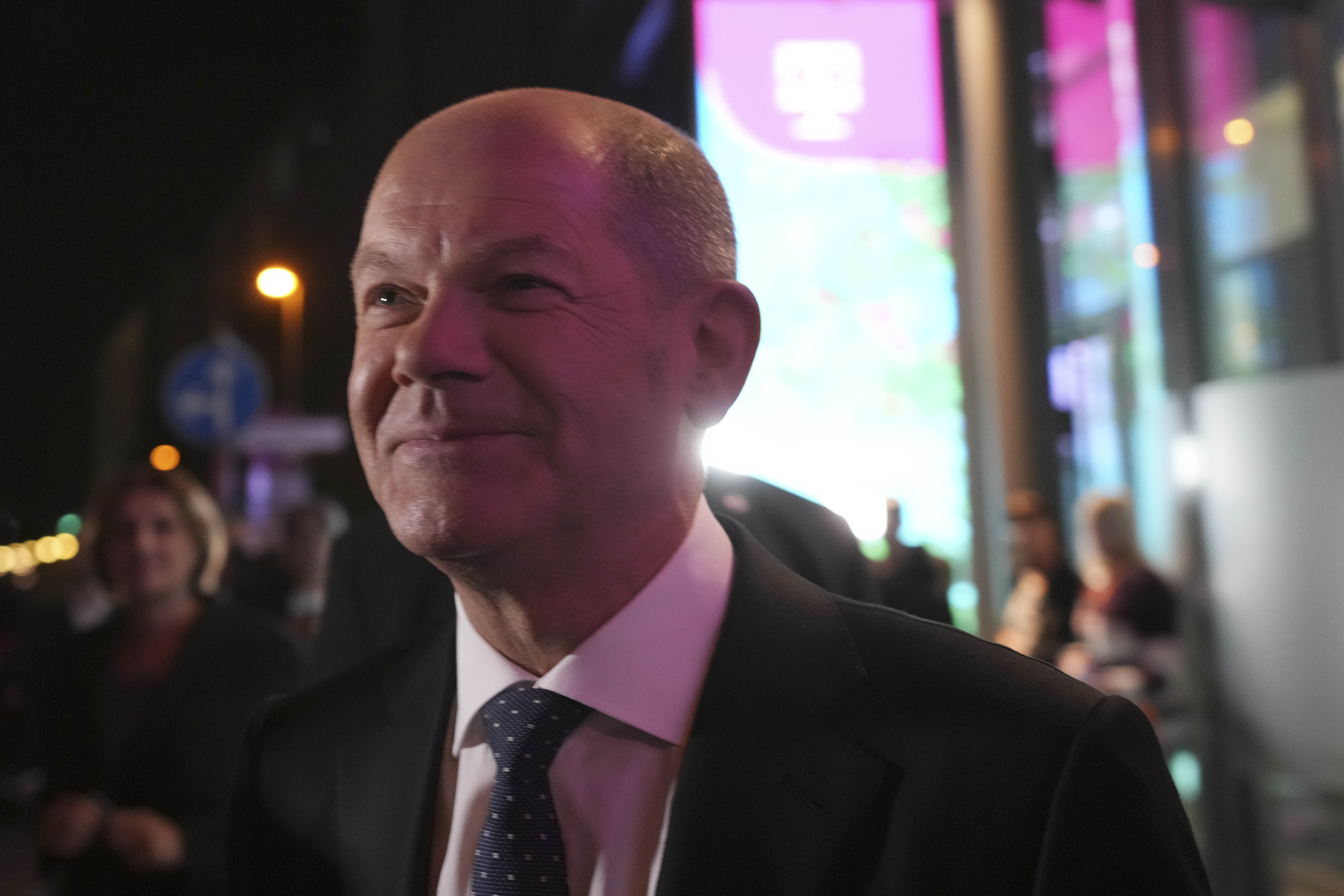
Olaf Scholz, Finance Minister and SPD candidate for Chancellor, leaves after attending a TV broadcast on the parliamentary elections in Berlin on Sunday.

READ MORE: Angela Merkel pecked by Australian lorikeets on the campaign trail in Germany

As votes were counted, party leader Olaf Scholz called the outcome a "great success."

"Many citizens have put their crosses next to the SPD because they want there to be a change in government and also because they want the next chancellor of this country to be called Olaf Scholz".

The 63-year-old politician has served as the vice-chancellor and German finance minister in Ms Merkel's grand coalition government since 2018, earning him increased visibility as he navigated Germany's economic response to the pandemic.
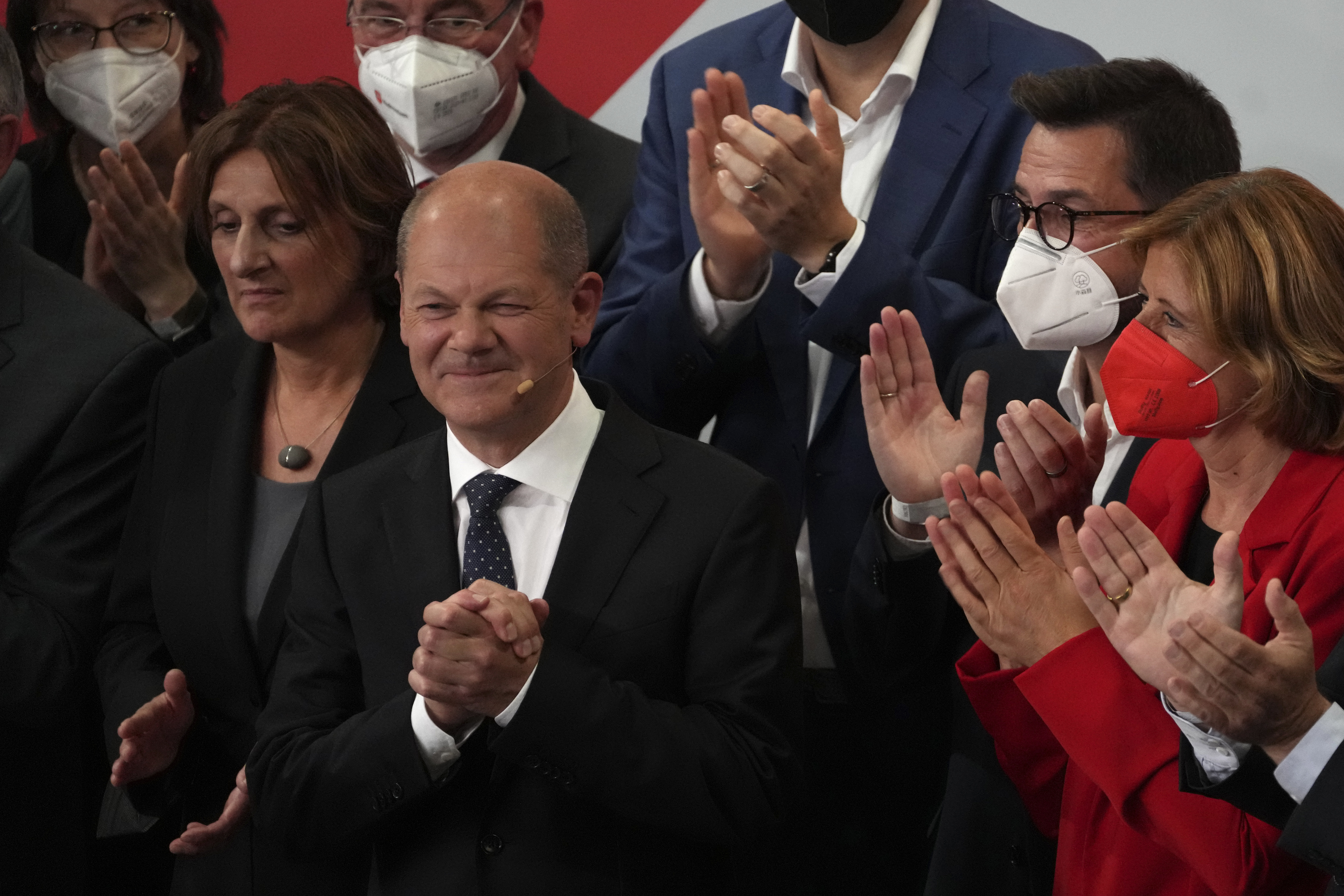
Olaf Scholz addressed his supporters after German parliament election at the Social Democratic Party, SPD, headquarters in Berlin on Sunday.

READ MORE: German election marks the end of an era for the 'most powerful woman in the world'

"Now we will await the final result, but then we will get to work. Thank you!" Mr Scholz said.

Loud applause and cheering from jubilant party supporters interrupted him as he spoke.

Robin Fugmann, 20, an ardent supporter of Mr Scholz, told CNN he was delighted by the results.

"It is really an amazing result, people believe in Olaf Scholz, people believe that Armin Laschet really cannot lead this country," he said.

"So we really have the mandate to lead a new government — I hope we will do so. And first of all we are going to celebrate because this is a really amazing result."
Rome faces invasion of wild boars

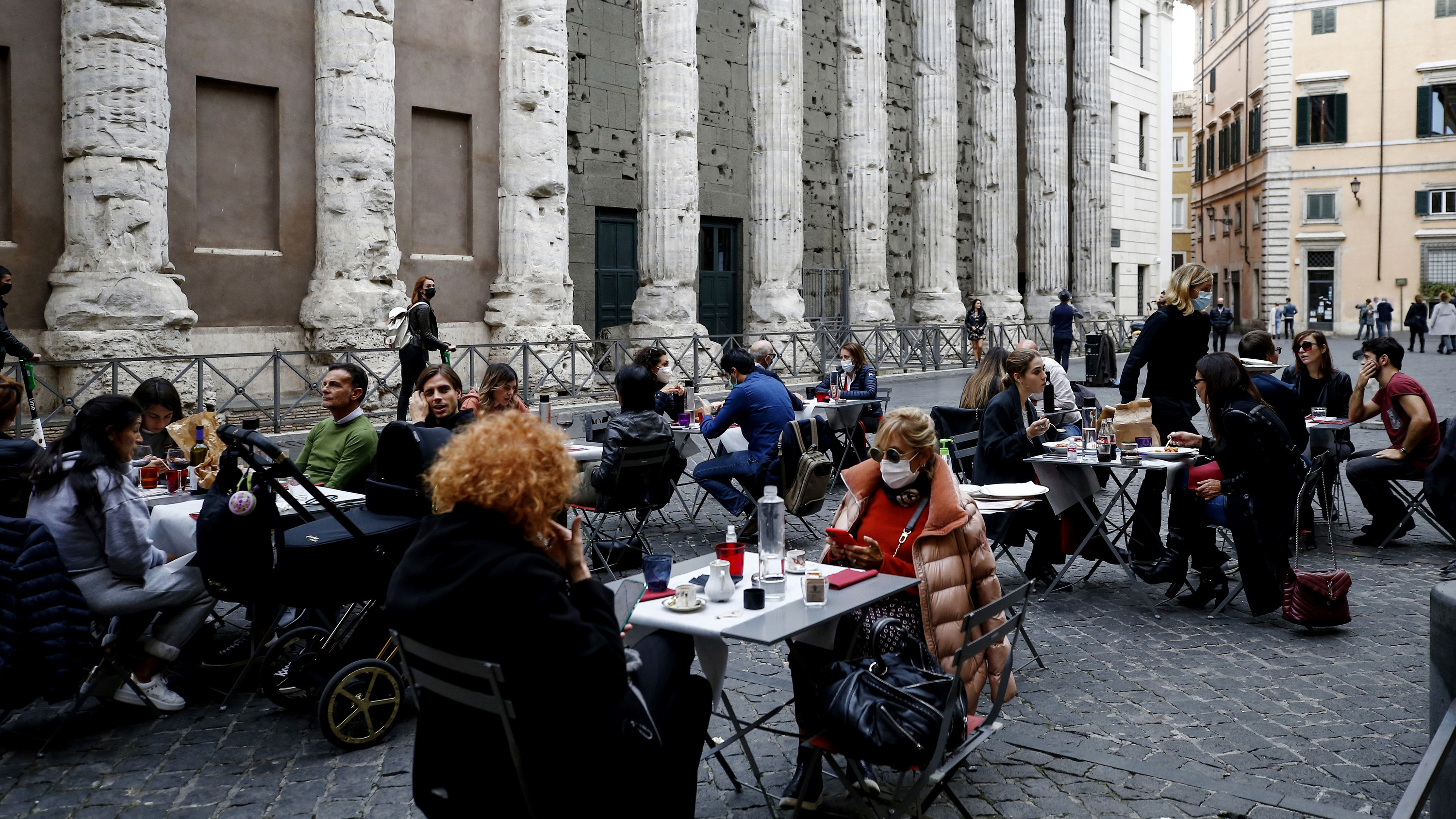
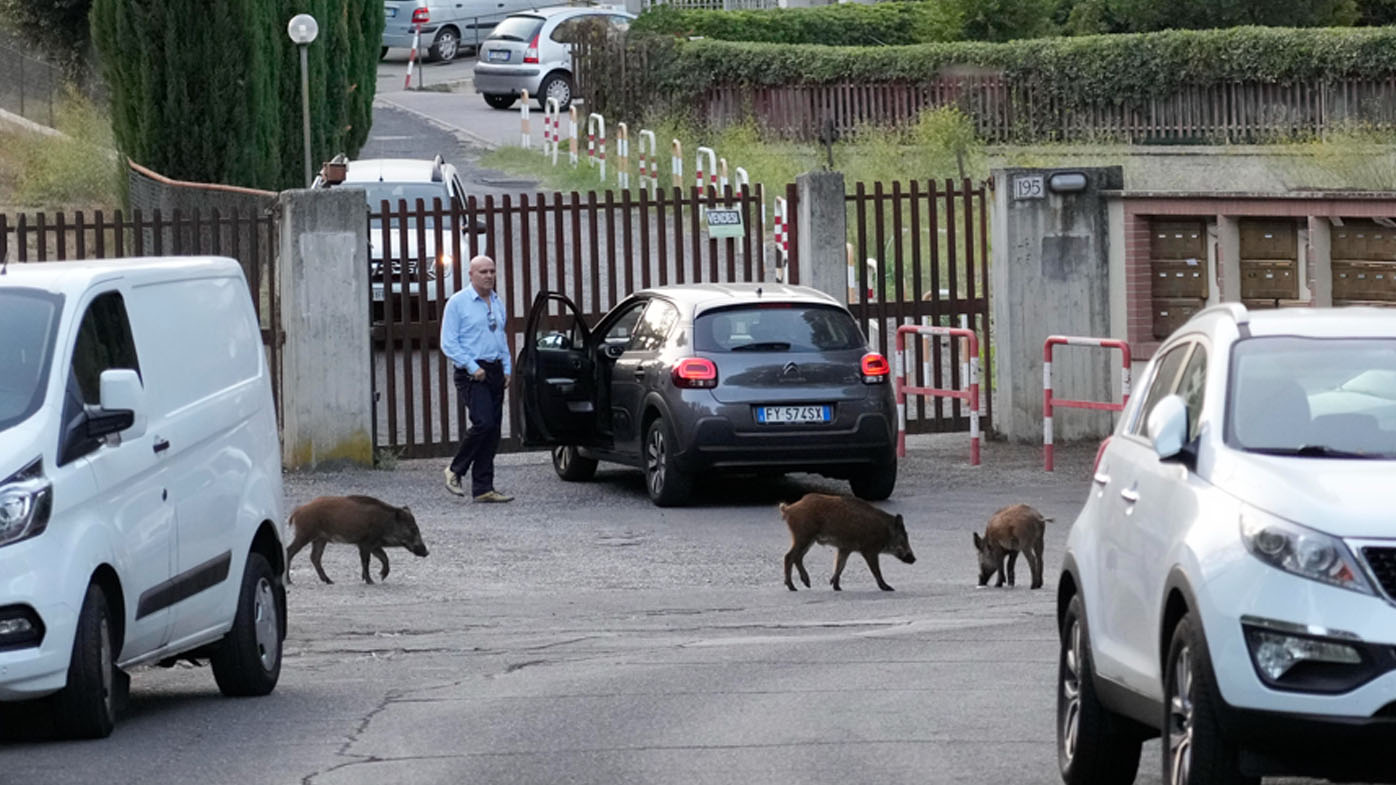
Rome has been invaded by Gauls, Visigoths and vandals over the centuries, but the Eternal City is now grappling with a rampaging force of an entirely different sort: rubbish-seeking wild boars.

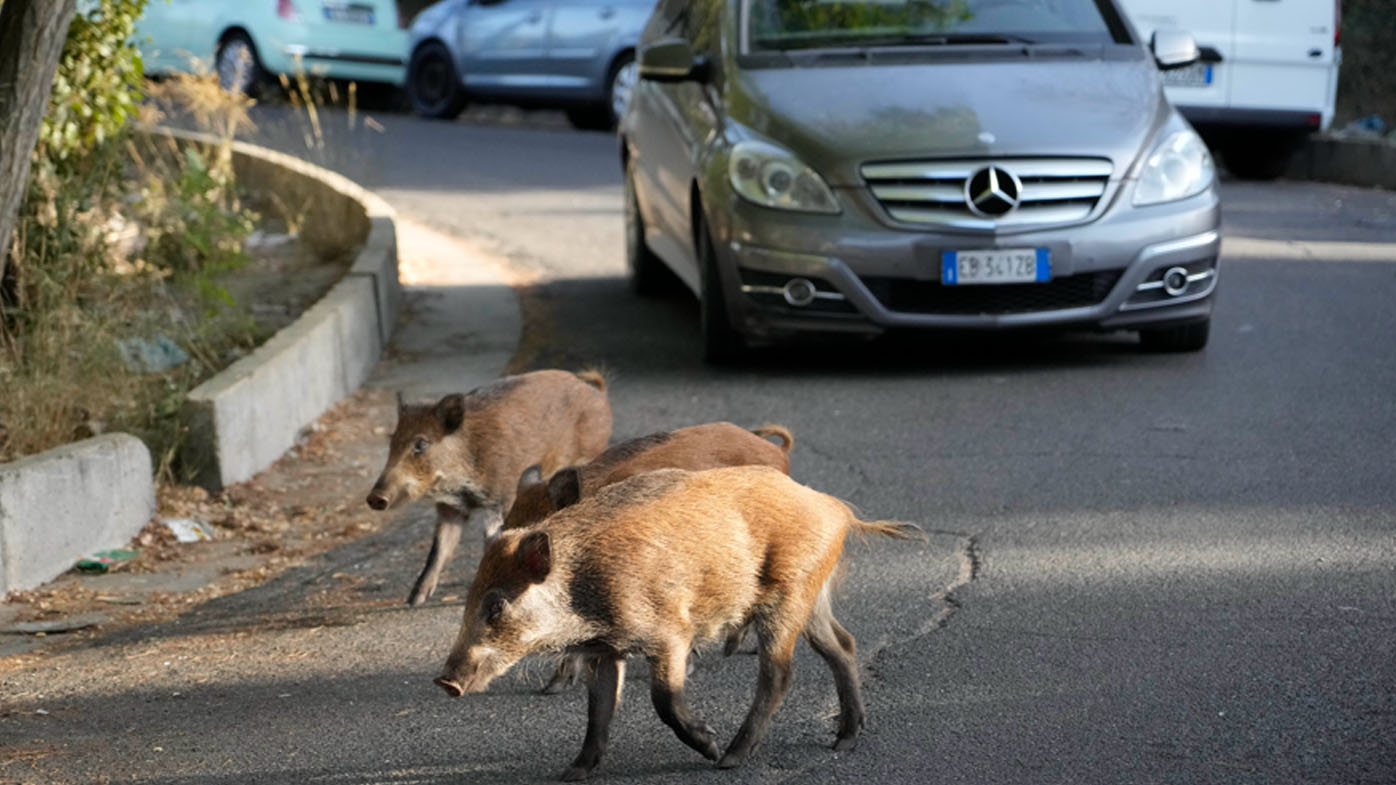
Entire families of wild boars have become a daily sight in Rome, as groups of 10 to 30 beasts young and old emerge from the vast parks surrounding the Italian city to trot down traffic-clogged streets in search of food in Rome's notoriously overflowing rubbish bins.

Posting wild boar videos on social media has become something of a sport as exasperated Romans capture the scavengers marching past their stores, strollers or playgrounds.

READ MORE: Why NSW will scrap double demerits

As Rome gears up for a local election next weekend, the wild boar invasion has been used as a political weapon to attack Mayor Virginia Raggi over the city's formidable garbage collection problems. But experts say the issue is more complicated and tied at least in part to a booming boar population.

Italy's main agriculture lobby, Coldiretti, estimates there are more than two million wild boars in Italy. The region of Lazio surrounding Rome estimates there are 5000 to 6000 of them in city parks, a few hundred of which regularly abandon the trees and green for urban asphalt and trash bins.

To combat their growing numbers, Lazio launched a program in 2019 to capture the beasts in park cages for slaughter, and last month approved a new decree to allow selective hunting of boars in some parks, which until now had been strictly forbidden.

Maurizio Giubbiotti, in charge of Lazio's parks, says the region needs to increase the boar cull from 700 over two years to at least 1000 annually to get the situation under control.

READ MORE: Top doctor says cancelling Christmas travel is 'a step backwards'

In Italy's rural areas, hunting wild boar is a popular sport and most Italians can offer a long list of their favourite wild boar dishes, including pappardelle pasta with boar sauce and wild boar stew. But animal rights groups have been adamantly opposed to mass culling.

Those beliefs are not shared by some urban residents.

"I am afraid of walking on the sidewalk, because on one side there are the dumpsters for the rubbish and they (the boars) jump on me," said Grazia, a 79-year-old grandmother waiting outside a school to pick up her grandchildren. She did not give her last name.

Just down the street, a family of wild boars was snorting through the trash.

Her concerns are not misplaced: Wild boars can weigh up to 100kg, reach 80cm in height and measure 1.5m long, a not-insignificant threat especially to the elderly and young children.

READ MORE: Chinese business tycoon blowing the whistle on Beijing's secrets

"We have been invaded here," lamented Pino Consolati, who runs a restaurant on a busy street corner in Rome's Monte Mario neighbourhood. He said families of wild boars routinely wander through his outdoor eating area looking for food. One day this week, he said, his sister found 30 boars outside her shoe store when she left at 8pm.

"It is not a pleasant situation," he said, shrugging his shoulders.

Lava swallows up church as flights remain halted on Spanish island

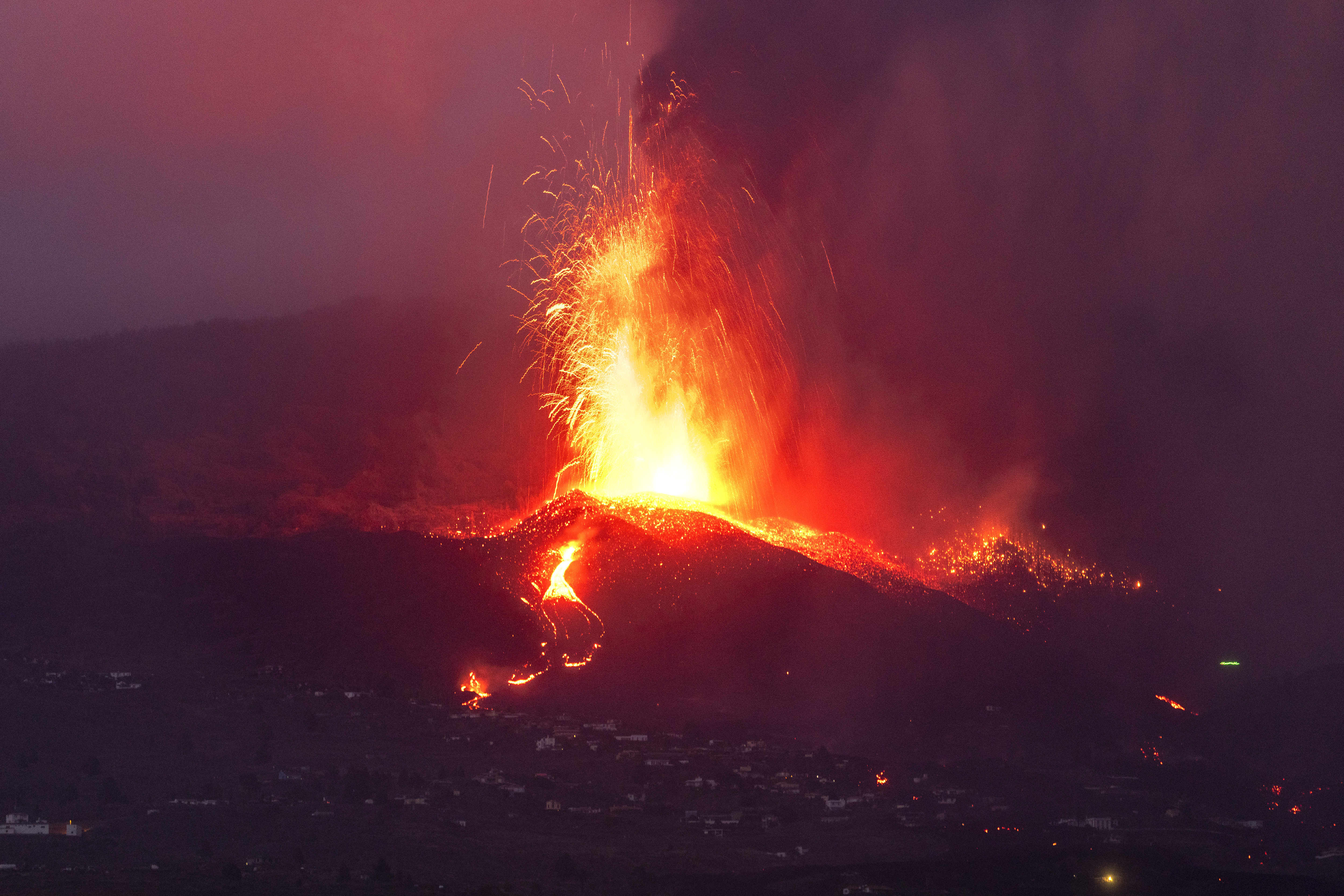
A church has been swallowed up by molten lava from a volcano which is continuing to erupt on the Spanish island of La Palma.

Footage captured by TV Canaria showed the church collapsing amid a dense plume of smoke.

The same church was almost destroyed a week earlier but the lava stopped just short of the church.

READ MORE: Toxic gas and new rivers of molten lava endanger Spanish island

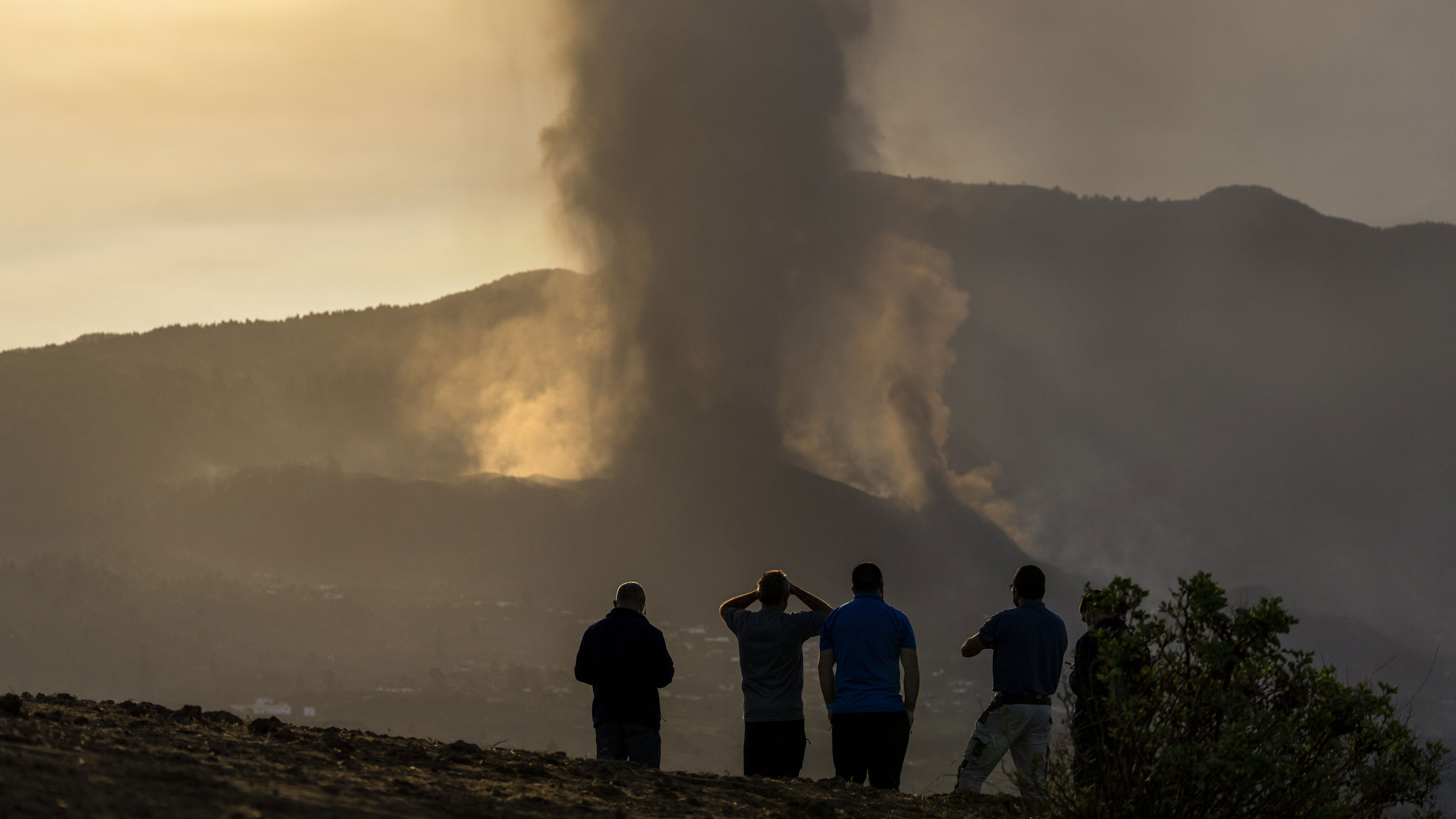
Residents watch from a hill as lava continues to flow from an erupted volcano, on the island of La Palma in the Canaries, Spain.

Meanwhile, a massive cloud of ash is still preventing flights in and out of La Palma as molten rock is flung high into the air.

No flights arrived or departed, despite emergency workers clearing the ash from the airport runway.

Islanders faced a mixed picture of good and bad news with some evacuees allowed to return to their homes amid low seismic activity while authorities took stock of the damage caused.

Around 430 buildings have so far been destroyed in the countryside.

The volcano on La Palma, which is part of the volcanic Canary Islands off northwest Africa and is home to about 85,000 people, erupted on September 19.

The prompt evacuations of more than 6,000 people helped avoid casualties.

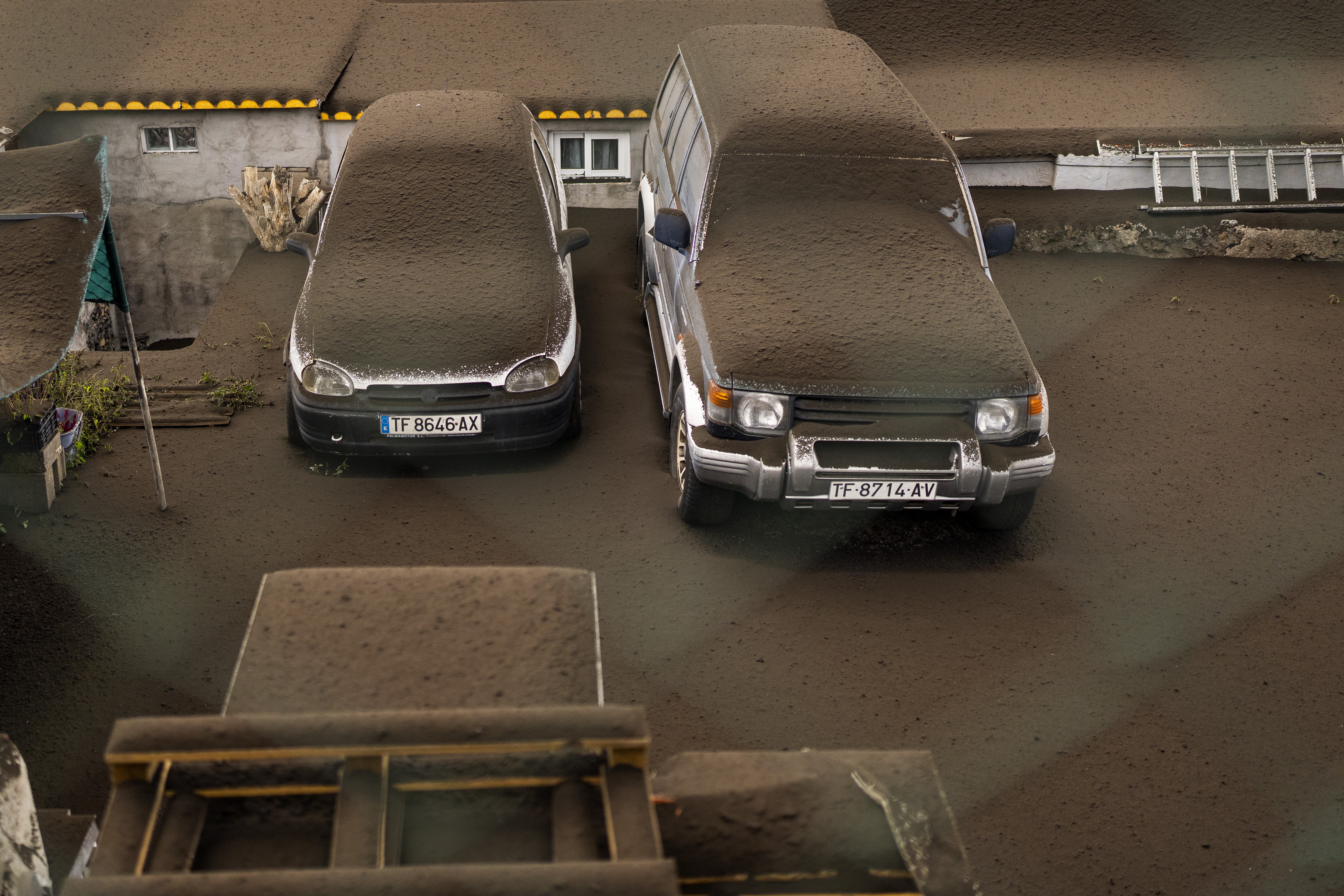
Vehicles are covered by ashes from a volcano eruption in La Palma

Life on the rest of La Palma, which is roughly 35 kilometres long and 20 kilometres wide at its broadest point, has been largely unaffected.

“We’re not in a state of total alarm,” the technical director of the volcano emergency response unit, Miguel Ángel Morcuende, told a news conference.

“Life on the island is continuing, though those close to the eruption are facing difficulties.”

The volcano mouth was still ejecting fiery molten rock and belching black smoke.

Its roar could be heard kilometres away.

Scientists say the eruption could last for up to three months.

The sound of the volcanic explosions can break glass in the surrounding area, Mr Morcuende said, urging people living within 5 kilometres to stay away from their windows.

Officials said the falling volcanic ash isn’t a threat to public health, but cleaning it up can be hazardous for people's lungs and eyes.

They urged people to wear a face mask, gloves and eye protection, as well as trousers and long-sleeve shirts, when removing ash.

Lava from a volcano eruption flowed on the island of La Palma in the Canaries, Spain.

Some 25,000 metric tons of sulfur dioxide are being emitted from the crater every day but don't pose a health threat, officials said.

Despite Spanish airport authority Aena tweeting that La Palma airport was operational again on Sunday, no aircraft were expected to land or take off.

Five airlines had already cancelled their day’s flights to La Palma because of the ash cloud.

Volcanic ash is hazardous for aircraft engines.

Long lines formed at the island’s port to catch ferries off the island.

Authorities allowed 160 evacuees to go back home, and permitted some other evacuated residents to collect belongings from their houses, as lava flows remained slow.

The lava is 2 kilometres from the coast, Mr Morcuende said.

Two rivers of lava are slithering down hillsides: one is further north, where molten rock from a new fissure is spreading over an area where lava spread and hardened last week, and another one south of it which is advancing at 30 metres per hour.

The temperature of the lava is around 1250 degrees Celsius.

Pope Francis said on Sunday that he was praying for all those affected by the volcano, dedicating a prayer to them at the end of his weekly noon blessing in St Peter’s Square.

“I think especially of those who have been forced to leave their homes,” the pontiff said.

This month’s eruption is the first on La Palma since 1971.

NSW's Freedom Day 'last nail in coffin' of national plan

New freedoms set to be given to unvaccinated people in NSW on December 1 are the final nail in the coffin of the federal National Plan, a health expert has warned.

Grattan Institute health economist and former health bureaucrat Stephen Duckett said he was "surprised" by the NSW decision to make public a plan to lift restrictions for unvaccinated people on December 1.

He called it a "very risky" venture that would leave unvaccinated people exposed to the dangers of the Delta virus and place a potential heavy burden on the health system.

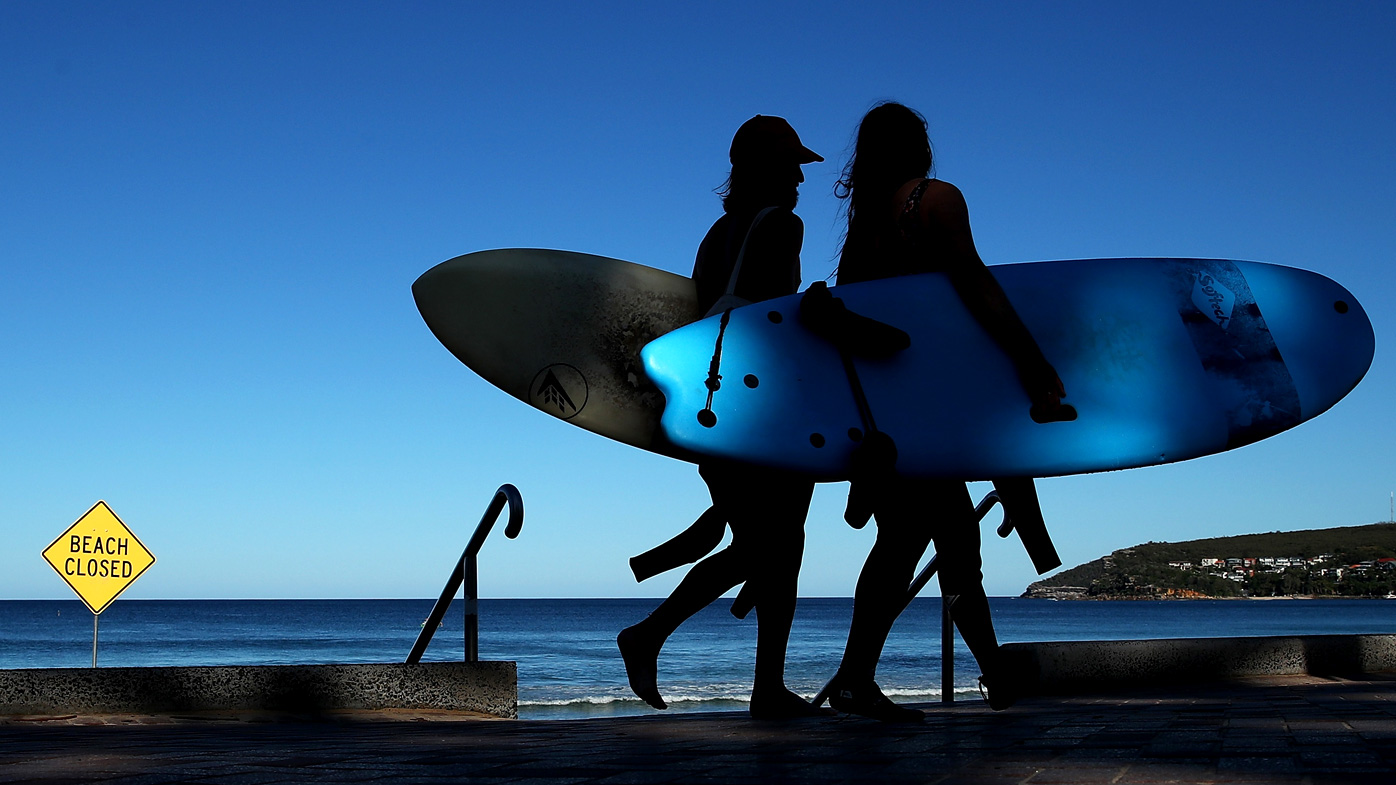
Surfers walk past a 'Beach Closed' sign at Manly Beach in Sydney.

EXPLAINER: NSW's three-stage roadmap to freedom

He said the national plan, already the source of division and discontent among the federation, was now in tatters.

"The national plan did not contemplate these sort of lifting of restrictions in advance of every other state and in this type of environment in NSW," Mr Duckett said.

He accused Premier Gladys Berejiklian of "tearing up the national plan and using it as confetti", and claimed the December 1 date for unvaccinated freedoms was a sign of pressure from "anti-lockdowners" inside the Berejiklian cabinet.

"To date (the NSW Government) have only been talking about opening up to the vaccinated population," he said, explaining why today's announcement had caught him unawares.

Ms Berejiklian this morning detailed a NSW roadmap out of lockdown when a vaccination target of 80 per cent was hit, which is expected to happen on October 25.

When the 80 per cent target is reached, fully vaccinated people will enjoy a return to many freedoms, although safety protocols will still be in effect.

But Mr Duckett cautioned that the 80 per cent milestone only covered those aged 16 and over, which actually left one-third of NSW residents unvaccinated.

"About half of that number are children," he said.

Unvaccinated people had a "very high chance" of getting infected with COVID-19, Mr Duckett said.

"If you're an unvaccinated person in NSW, you've got to weigh up how you think the health system is going to cope.

"You've got to think about the risks to you personally when the virus is going to be spreading more widely."

Chief Health Officer Dr Kerry Chant today estimated NSW would eventually reach 92 per cent of residents aged 16 and over fully vaccinated.

Dr Chant hoped 12-15 year olds would get to "a similar level" and said she was not sensing "a lot of hesitancy in the community" at present.

Mr Duckett warned coronavirus was now beginning to divide communities across Australian towns and cities, with household income a key factor.

"Essentially what we are seeing is COVID is becoming a disease of poor people, their families and communities," he said.

Mr Duckett feared NSW Health could come under growing pressure in the final months of the year, when restrictions are lifted and school kids in Greater Sydney return to class in the first week of November.

Demand for the vaccine was still outstripping supply in NSW, he added, which was leaving some people unvaccinated through no fault of their own.