Tag Archives: oceania

'Never felt so hopeless': Tattoo salons say rules will cripple them

Every day, Kellie Fielding has been watching the business she has successfully run for decades fall deeper and deeper into the red.

Ms Fielding – who owns the Wicked Ink Tattoo and Body Piercing studios in Penrith, Campbelltown, and Goulburn – has been kept occupied during the last three months of lockdown with the grim business of putting out financial fires left, right and centre.

"When your expenses are upwards of $10,000 a week whether you are open or closed it's beyond hard," she said.

"I now owe money everywhere. I've never felt so hopeless in the 22 years of having my business."

READ MORE: Everything you need to know about ending lockdown
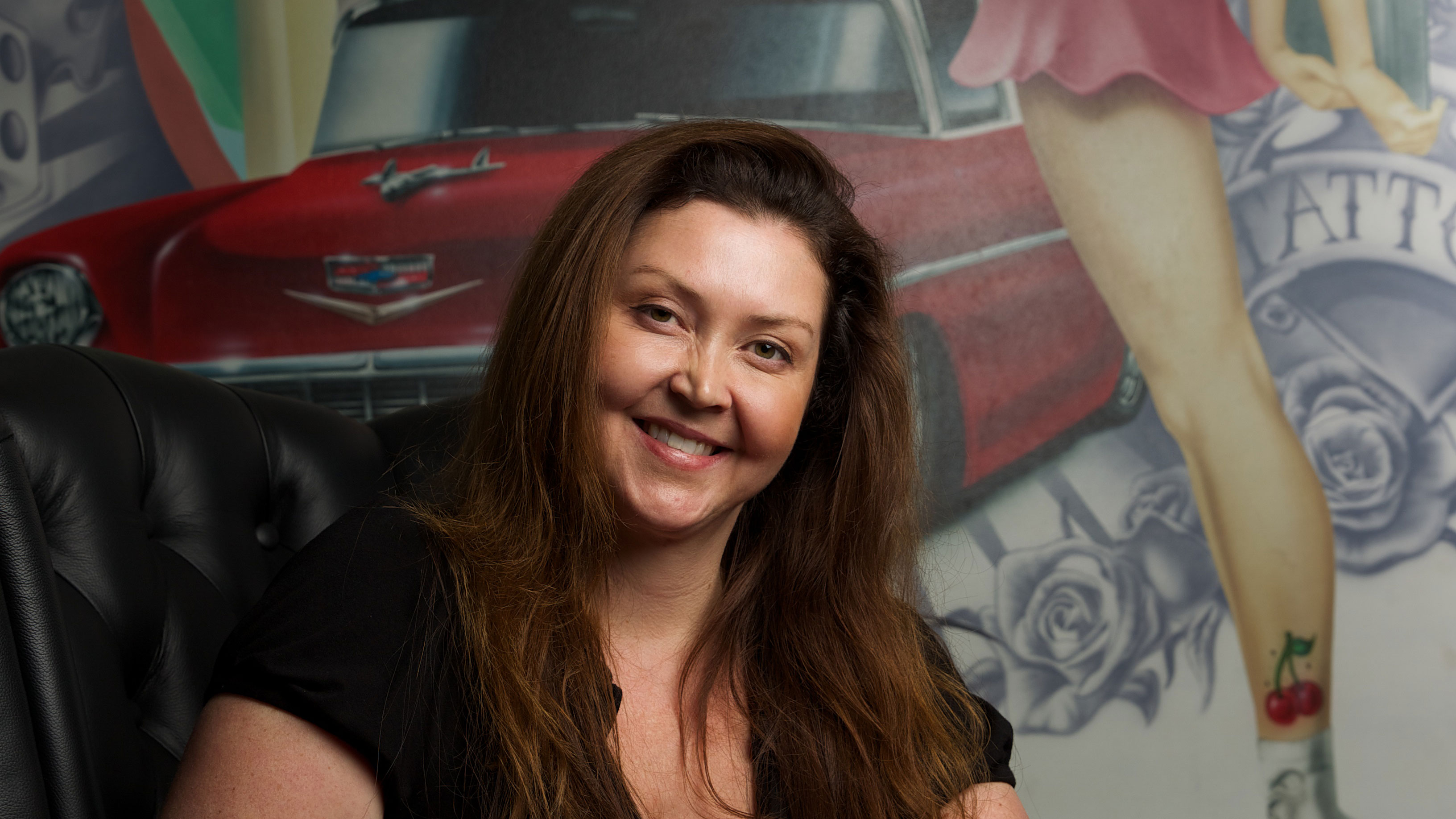
Kellie Fielding says the five client limit on tattoo studios needs to be scrapped.

Last week, she was hit with a disconnection notice from an electrical company, before being forced to spend hours begging for the phone lines to her studios not to be cut off.

While Ms Fielding said she had received some assistance from the government in the form of a $15,000 business grant and JobSaver payments for staff, it was no way near enough to keep her afloat.

She estimates she will soon be almost $100,000 in debt.

But perhaps the hardest part of all is that there is no relief in sight, Ms Fielding said.

Although the NSW government's roadmap out of lockdown allows for tattoo and body piercing studios to reopen when the state's target of 70 per cent double-dose vaccinations is achieved in October, this hinges on several stipulations.

All studios must abide by the one person per four square metre rule; they can also only see five double-vaxxed clients at a time.

It is this five-client cap which Ms Fielding says would lead to her business losing money when she reopens.

READ MORE: Hairdressers call for client cap to be scrapped
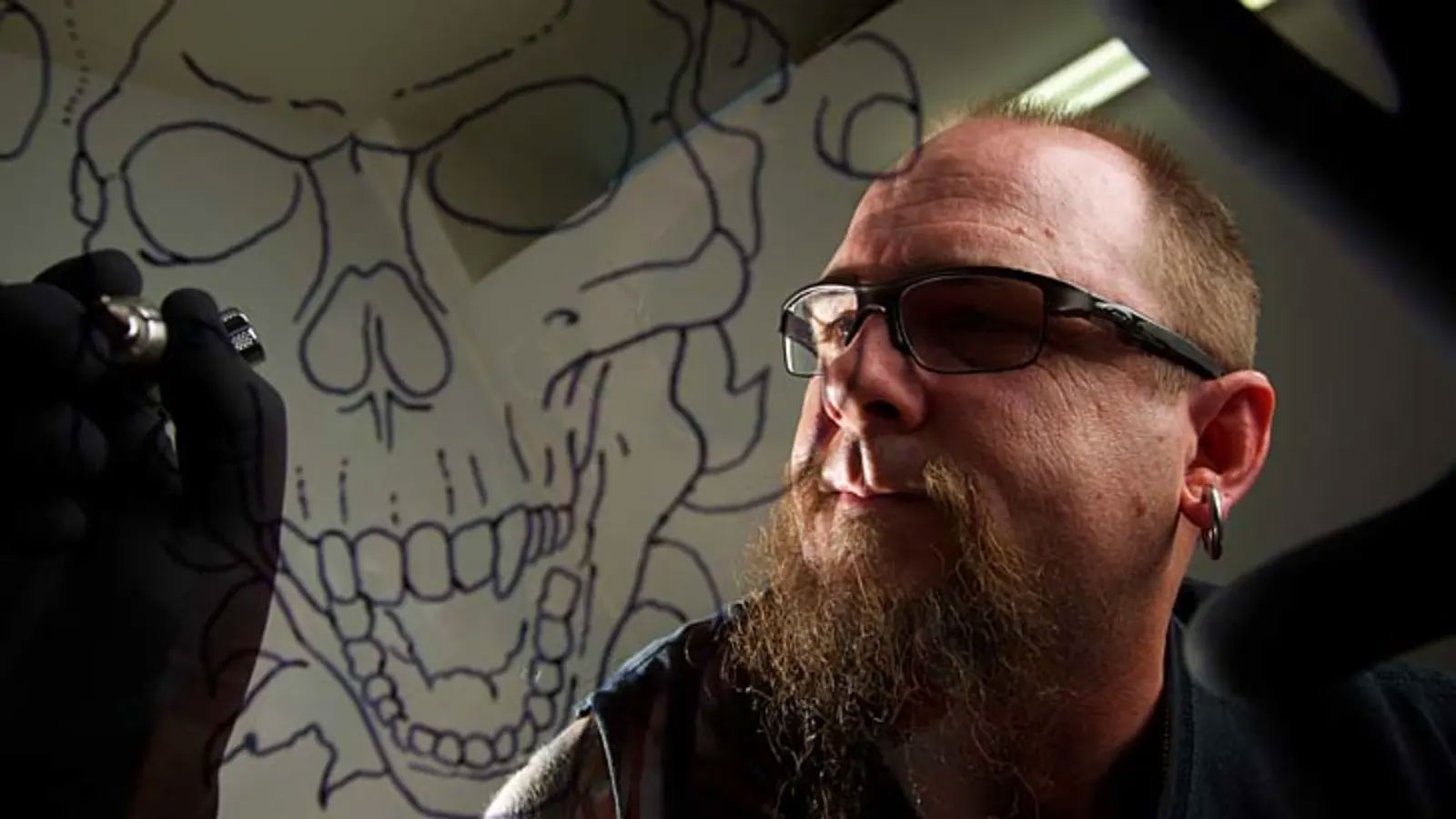
Artist Zach Tait, works on a tattoo at the Wicked Ink Tattoo and Body Piercing studio in Penrith.

The same five-client limit also applies to hair and beauty salons, with key leaders from those industries also criticising the cap as impractical and calling for it to be scrapped.

So far, the Australian Hair Council, the Aesthetic & Beauty Industry Council, the Hair and Beauty Association and the Australian Tattooists Guild have all written letters to the NSW Government objecting to the cap.

An online petition started by salon owner Amy Campbell, who runs The Bridal Bar in Sydney's south – protesting the five-client limit – has attracted more than 16,000 signatures.

Ms Fielding said she felt the client limit was unfair, considering a cap of 20 members had been placed on gym classes, a cap of 50 people at weddings and no limits on customer numbers for restaurants or retail other than the one person per four square metre rule.

"It doesn't make any sense and I do feel like we've been targeted," she said.

Ms Fielding said she, like most business owners, was happy to stick to the required density limits.

"Our largest studio is 220sqm, another is 120sqm and 80sqm this should equate to 20 to 55 people on our premises according to the one person per four square metre rule," she said.
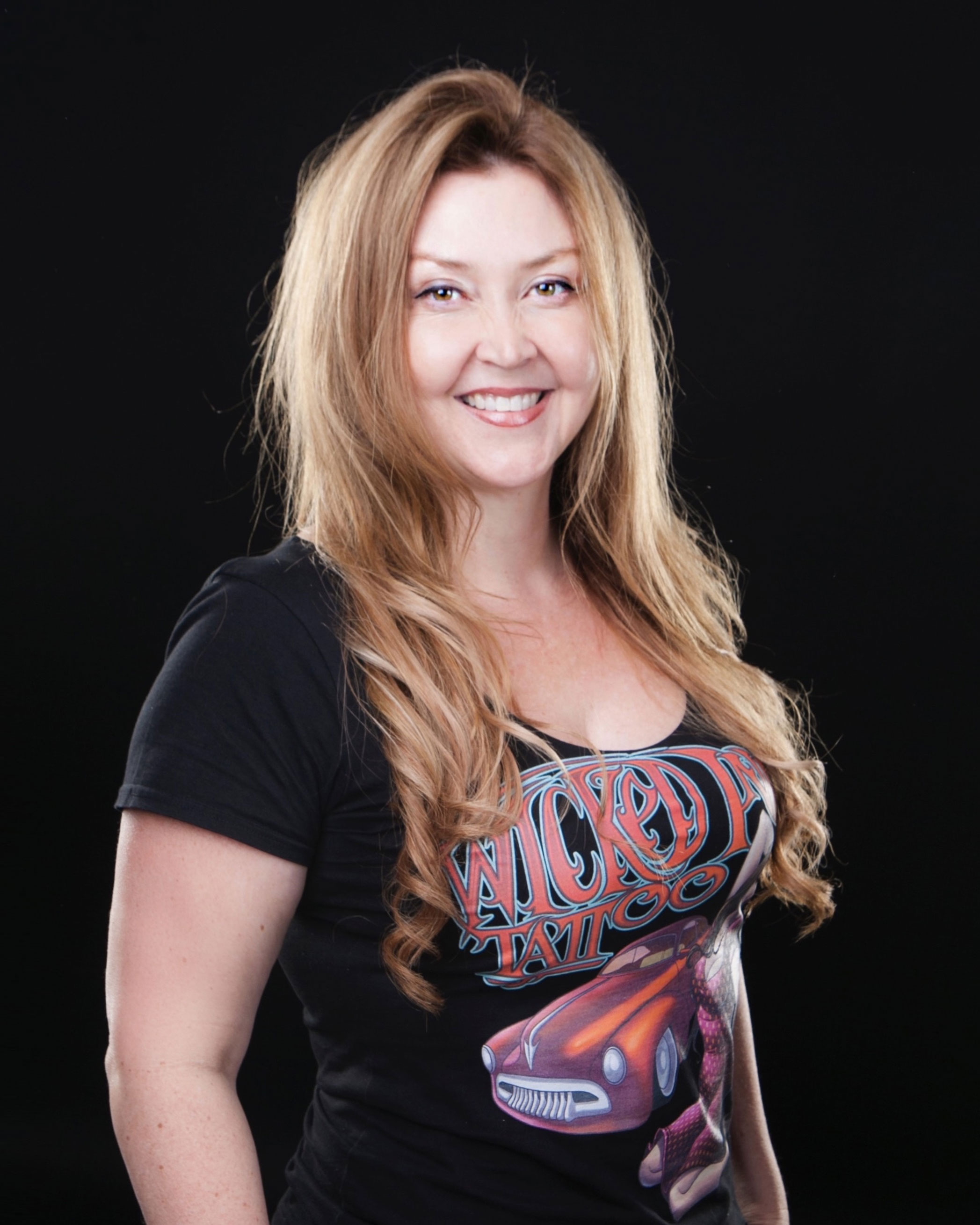
Kellie Fielding has been in the industry for 22 years but now faces a crippling level of debt because of COVID-19 lockdowns.

When questioned about how larger salons would be able to operate under the five-client limit at a press conference earlier this month, Health Minister Brad Hazzard sympathised with the difficulties they would have and indicated the cap could be reviewed.

"The limit of five in a hairdressers, some of them are very large premises, and it may well be that we can, as we move forward and get more people vaccinated, actually make that a much more flexible arrangement," Mr Hazzard said.

"I'm very sympathetic to that. I'd like to be able to convince our chief health officer and other senior epidemiologists that that's where we can get to."

A spokesperson for Mr Hazzard told 9news.com.au the specific details of the roadmap were still being worked through.

"More information will be provided as we get closer to our vaccination targets."

Hair and Beauty Association President Maureen Harding said she was surprised Mr Hazzard and the NSW Government had not yet removed the cap considering the overwhelming feedback coming from the industry.

"This must be overturned, it's absolutely vital," Ms Harding said.

"This is a huge concern. Salons cannot operate properly under these limits. It will even lead to some staff not being able to work," she said.

"Large premises can adhere very safely to the four square metre rule as well as mask-wearing but to have just five people does not make sense."

Jan Gawel, the Hair and Beauty Association's CEO, said the NSW Government indicated the amount of time customers usually spent in salons was the determining factor in deciding to place a cap on client numbers.

"It defies logic," he said.

"A 30-minute gym class is going to produce more sweat droplets and heavy breathing than sitting peacefully in a chair with a mask on."

Contact reporter Emily McPherson at em********@******om.au.
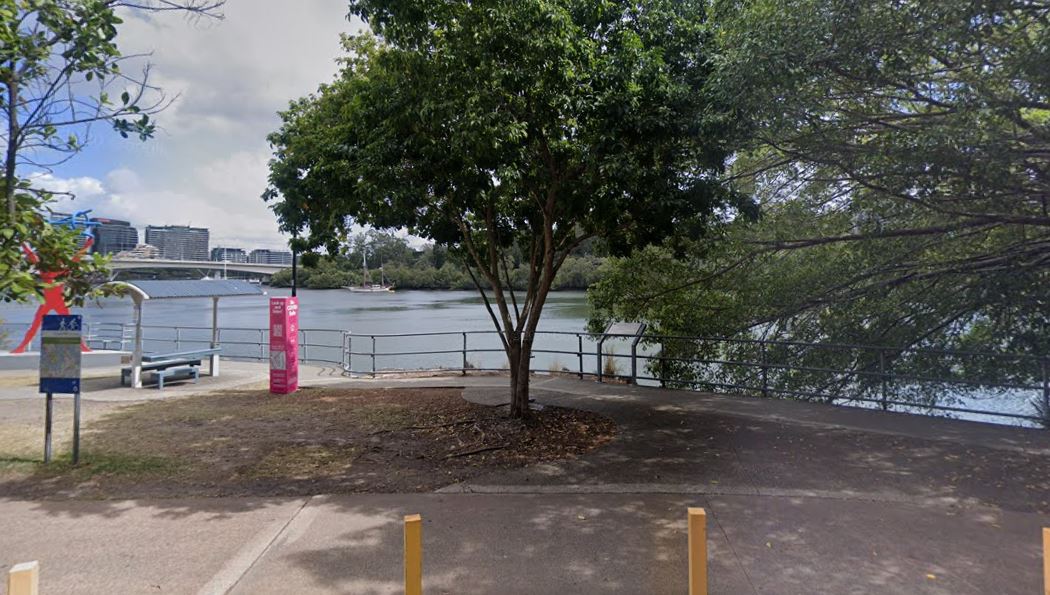
Man's body found in Brisbane river

Police are encouraging people to check in on friends and family they haven't heard from recently after a man's body was found in the Brisbane River yesterday morning.

The man was found in the river at Kangaroo Point in inner-Brisbane.

He is described as Caucasian, approximately in his late 40s or early 50s, 175cm tall, proportionately built, with short dark hair tinged with grey.

LIVE UPDATES: Health minister asks vaccine maker to apply for approval for 5-12 year-olds

READ MORE: Violent construction protest infiltrated with 'neo-Nazis', fake tradies

He was clean-shaven and does not have tattoos or jewellery.

As yet, police have been unable to determine the man's identity and he does not match any missing person reports.

Detectives are confident someone will know the man and are asking for everyone to check in with friends, neighbours or relatives who may match the above description.

Anyone who believes they may be able to help is urged to contact CrimeStoppers on 131 444 and quote reference number QP2101768549.

Snow could spread to Australia's north-east overnight

After a welcome warm spell yesterday morning, parts of the NSW east coast and Victorian highlands have seen heavy snowfall and storms overnight, brought on by a trough, cold front and pool of cold air in the country's east.

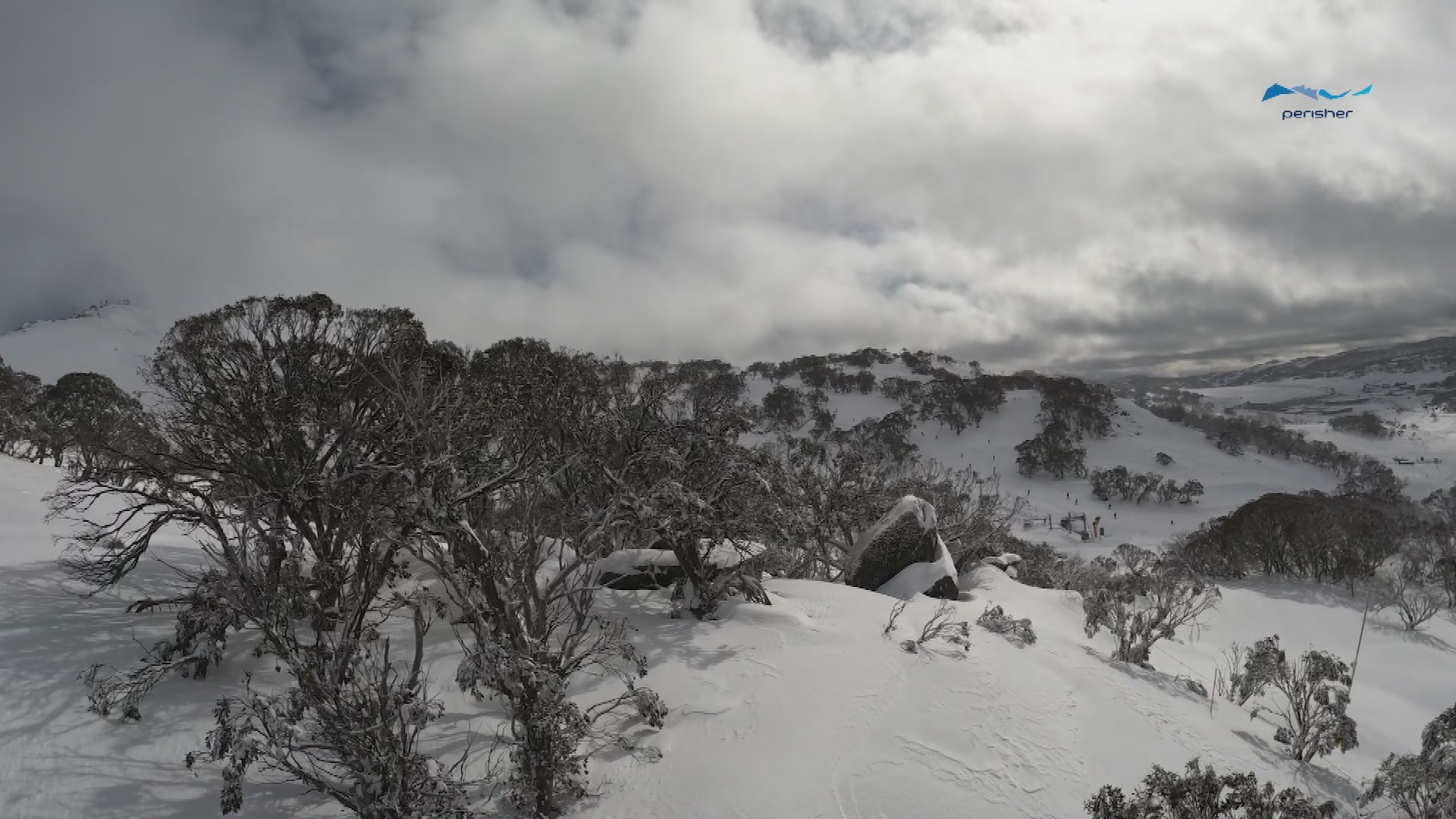
While the spring cold front delivered a decent late-season dump to snowfields with 15-20 centimetres falling at major resorts, regions outside of the mountains also felt the chill in the air.

Sydney and Melbourne residents woke to an icy morning, with wind gusts remaining fresh well past midday as well.

LIVE UPDATES: Health minister asks vaccine maker to apply for approval for 5-12 year-olds

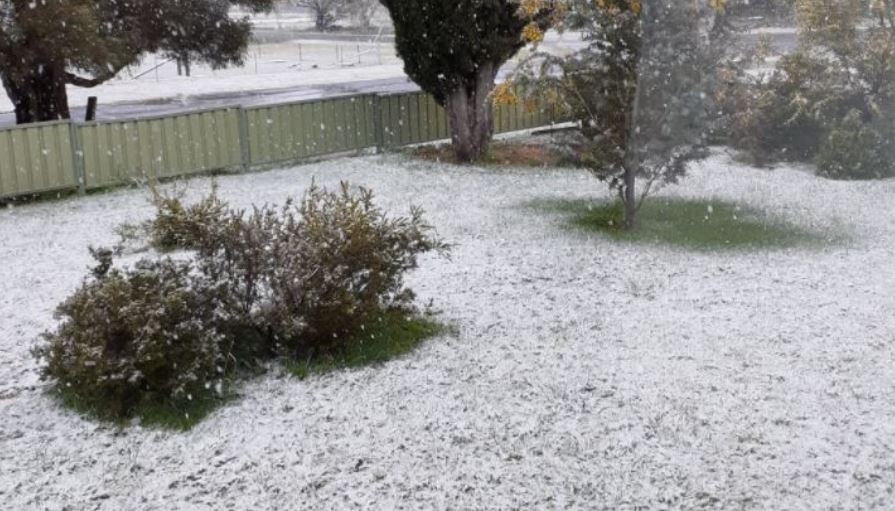
Snow in Orange, NSWSnow in Orange, NSW

Residents in Marysville, Victoria, woke to their yards under a blanket of powder while snow was also recorded in southern NSW, well below the mountains there.

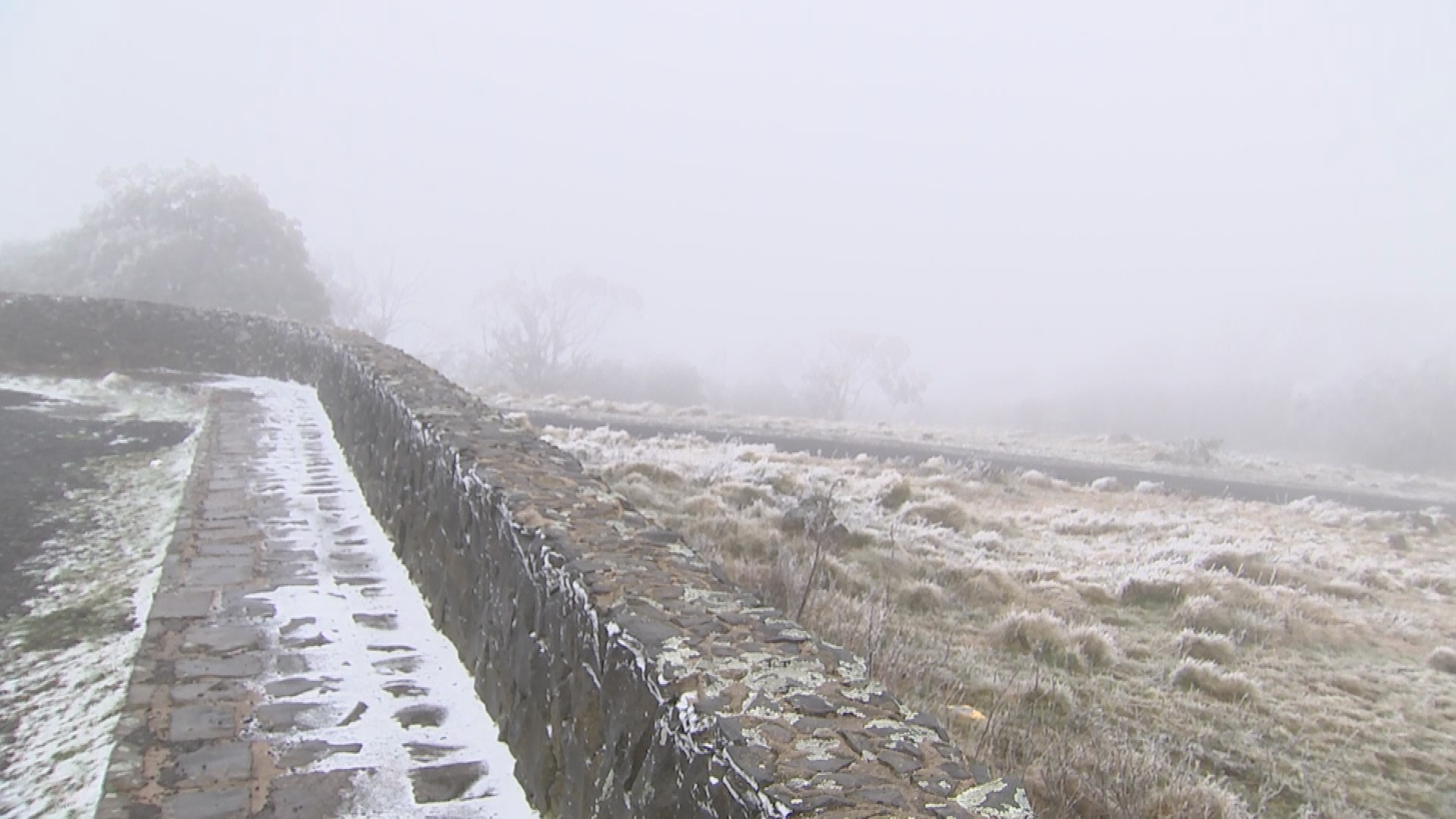
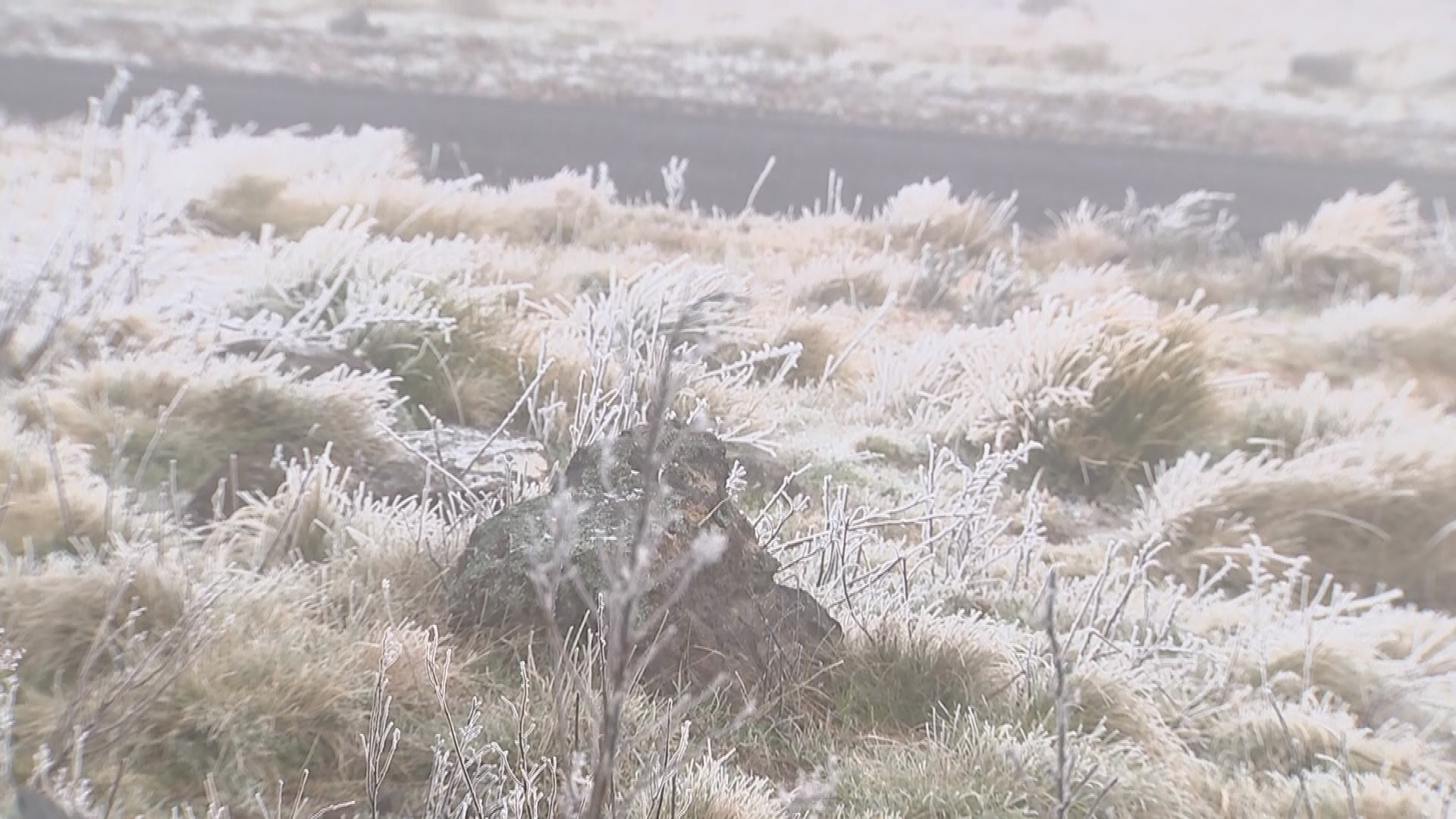
Mount Hotham recorded 13 centimetres overnight, but the cold system is now expected top make its way north towards the NSW Northern Tablelands later this afternoon, where more snow could potentially fall.

READ MORE: Violent construction protest infiltrated with 'neo-Nazis', fake tradies

Snow in Perisher, NSW

READ MORE: FBI agents investigating Gabby Petito's death search missing boyfriend's home

The icy conditions are expected to remain along the east coast for the rest of the week, while Tasmania and South Australia could also feel the chill continue.

Elsewhere, a broad high is keeping other parts of the country dry, but gusty winds brought on with the high could raise fire danger over northern Australia.

Global shipping mess, supply chain delays to 'last until 2023'

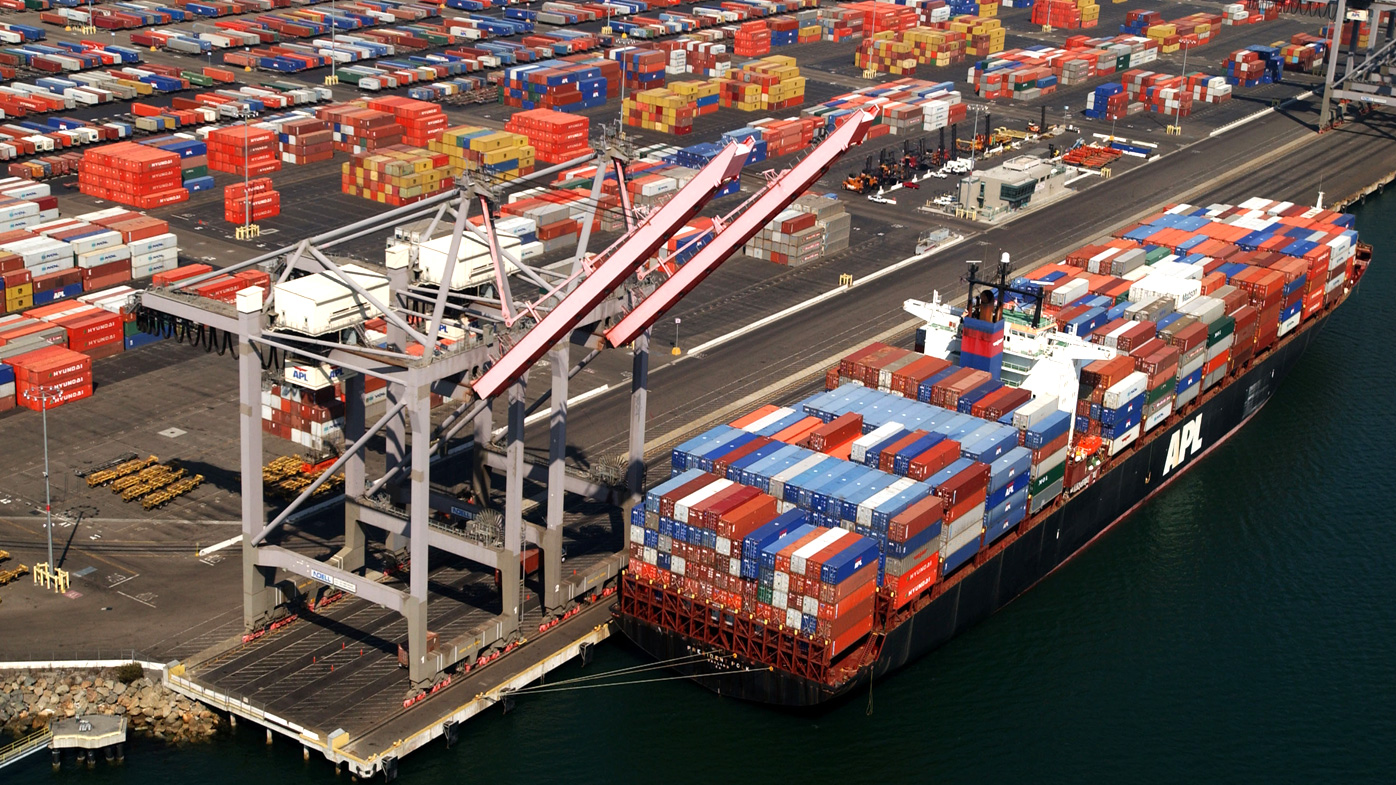
Australian shoppers eyeing certain Christmas presents have already missed their chance to get them under the tree, a freight expert has cautioned, because of the global shipping crisis and an unprecedented, punishing backlog at ports.

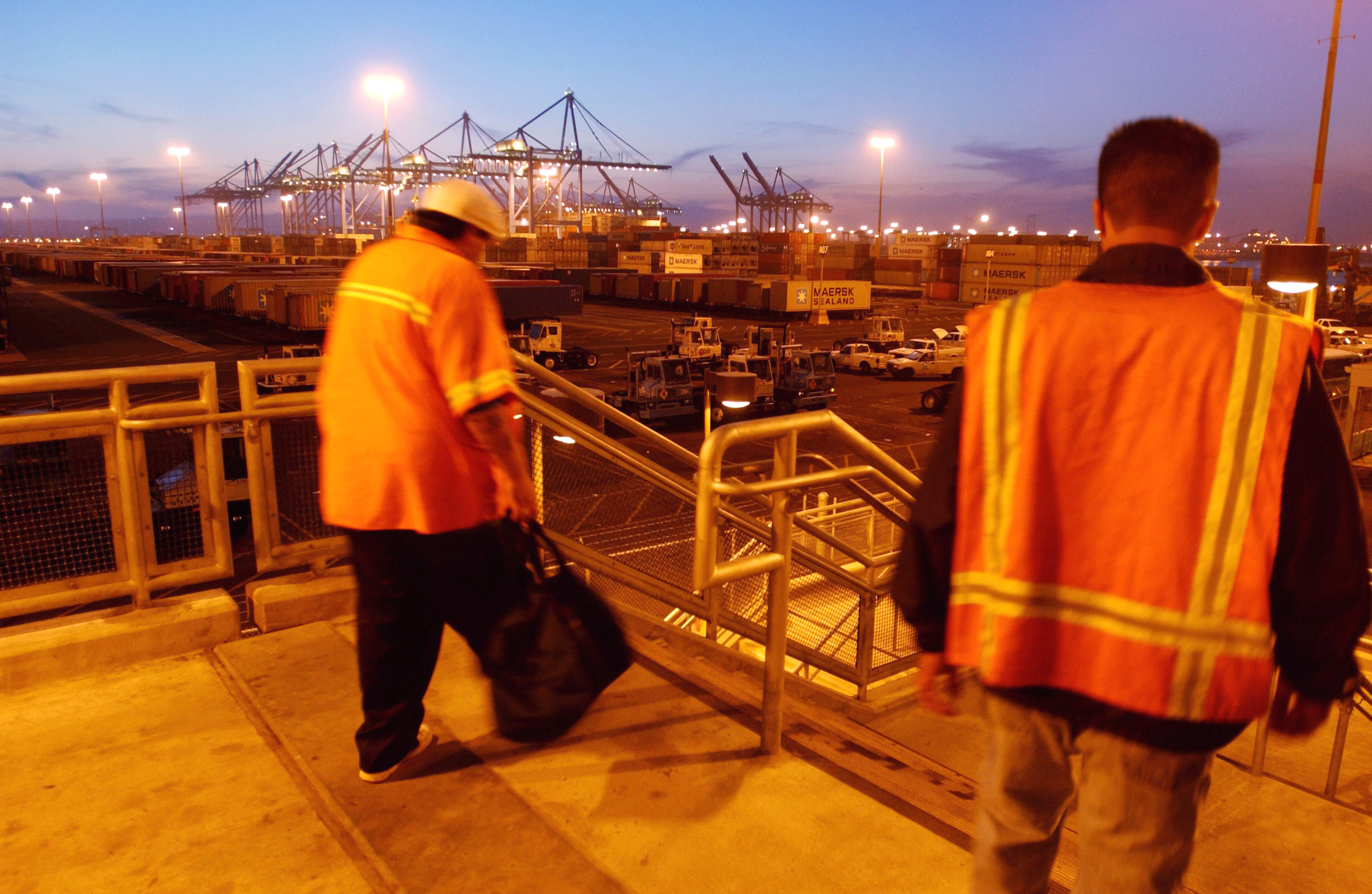
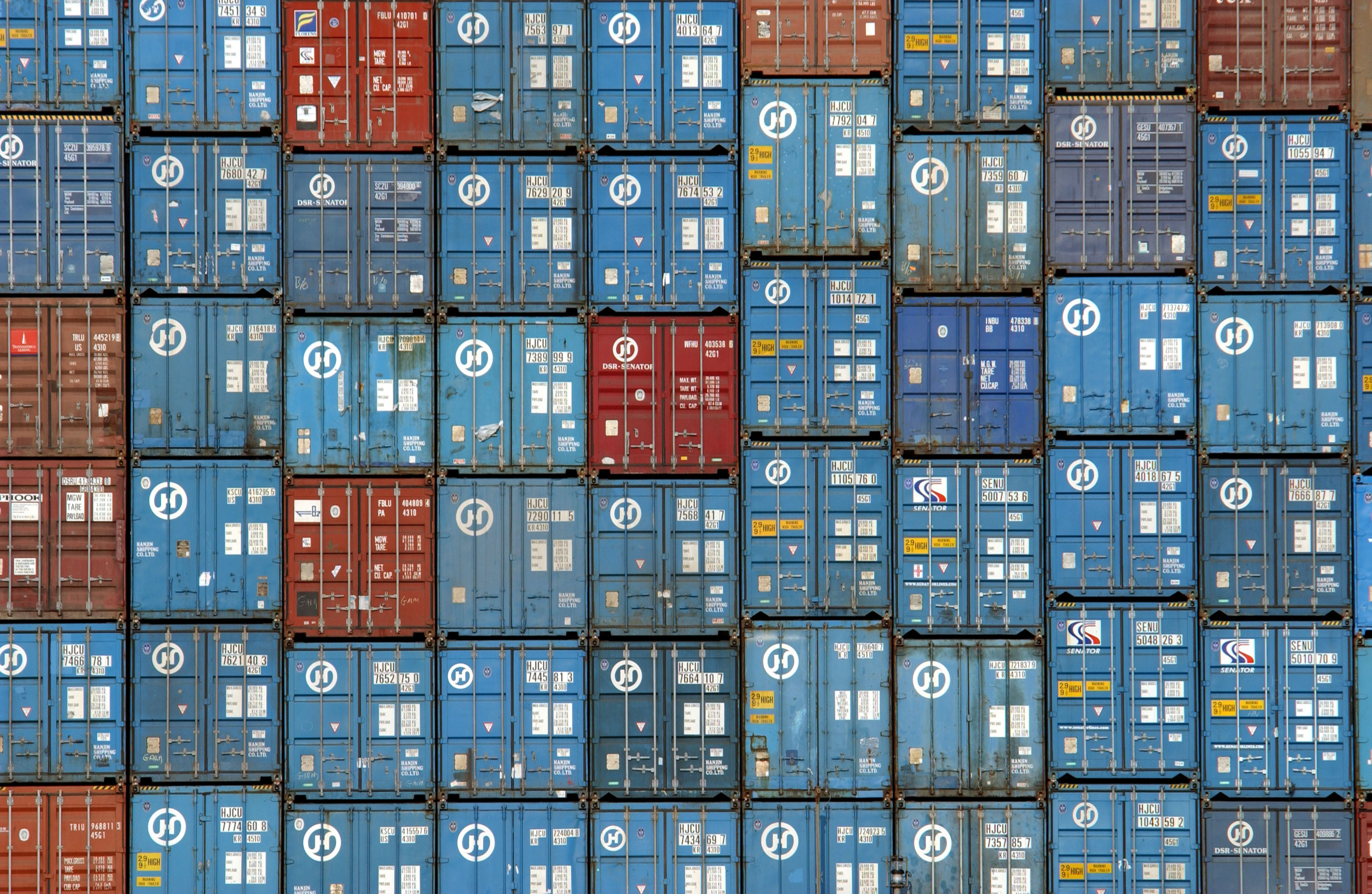
Supply chain delays and soaring consumer demand have led to shipping containers backing up at Australian and global ports, meaning inordinately long wait times for consumers and making it much more expensive for companies to ship their goods.

That cost trickle-down will hit a variety of products, including food, furniture and clothing, Jackson Meyer, chief executive of Victorian-based freight forwarding firm Verus Global, said.

Months and months of shipping disruptions resulting in part from pandemic-triggered overseas factory shutdowns, port congestion and shipping container and labour shortages have caused delays for products ranging from laptops to sofa sets.

READ MORE: Worsening shipping crisis set to impact Christmas shopping

Over the coming months, prices on some goods could move "substantially" because of the shipping gridlock, which was now so dire that Mr Meyer predicted it would likely last until early 2023.

The problems began when the coronavirus pandemic first hit China in 2020, and worsened when the giant container ship, Ever Given, blocked the Suez Canal in Egypt for nearly a week earlier this year.

"There's a massive backlog already and there's a huge demand continuing to rise. This is a huge issue," Mr Meyer said.

Months and months of shipping disruptions resulting in part from pandemic-triggered overseas factory shutdowns, port congestion and shipping container and labour shortages have caused delays for all kinds of products.

A series of important forthcoming national holidays and festivals in China will only serve to deepen the crisis, Mr Meyer said.

More than 80 per cent of global trade by volume is moved by sea, and the disruptions are adding billions of dollars to supply chain costs.

Some retailers were being "hammered" by the spiralling cost of shipping, he said, and those spikes would inevitably be passed on to consumers.

Mr Meyer said some of his clients had simply stopped shipping altogether.

"This is a first as far as I what know," he said, "and what that means for the Australian consumer is they're not getting their stuff."

Asked what it meant for people set to start their annual Christmas shopping, Mr Meyer said: "I'd say it's probably too late to be honest, particularly with the likes of furniture, beds, TVs, anything that is not kept in Australia and that has to be imported in."

Anyone chasing those items in time for Christmas was now "pushing a very, very fine line".

Some retailers are increasing their prices and are blaming unduly high shipping costs tied to the ongoing global supply chain mess.

READ MORE: Violent construction protest infiltrated with 'neo-Nazis', fake tradies

Last week three of China's busiest ports were temporarily shut down because of Typhoon Chanthu.

Those closures were yet another setback.

Before Typhoon Chanthu hit, Ningbo's busy Meishan terminal had resumed operations for just 18 days following a two-week lockdown after a vaccinated port worker tested positive to COVID-19. 

Mr Meyer said Chinese factories which could not shift product and were now bursting at the seams.

Container ships bound for Australia are also encountering problems at ports in Sydney and Melbourne, which have suffered temporary closures because of workers testing positive to coronavirus.

A French-operated vessel recently skipped its booked Sydney berth because of big delays at Port Botany, and instead sailed straight on to Melbourne, Mr Meyer said.

"They don't want to get hampered by continuous delays," he said.

"These things, even though they may not affect the price of goods right now, they will."

Parcels and post to Australia is also being affected by the coronavirus pandemic.

Last week the US Postal Service temporarily suspended some of its mail services to Australia, citing "carrier issues related to the COVID-19 pandemic".

READ MORE: FBI agents investigating Gabby Petito's death search missing boyfriend's home

Four famous giant trees unharmed by California wildfire

Four famous giant sequoias were not harmed by a wildfire that reached the edge of Giant Forest in California’s Sequoia National Park.

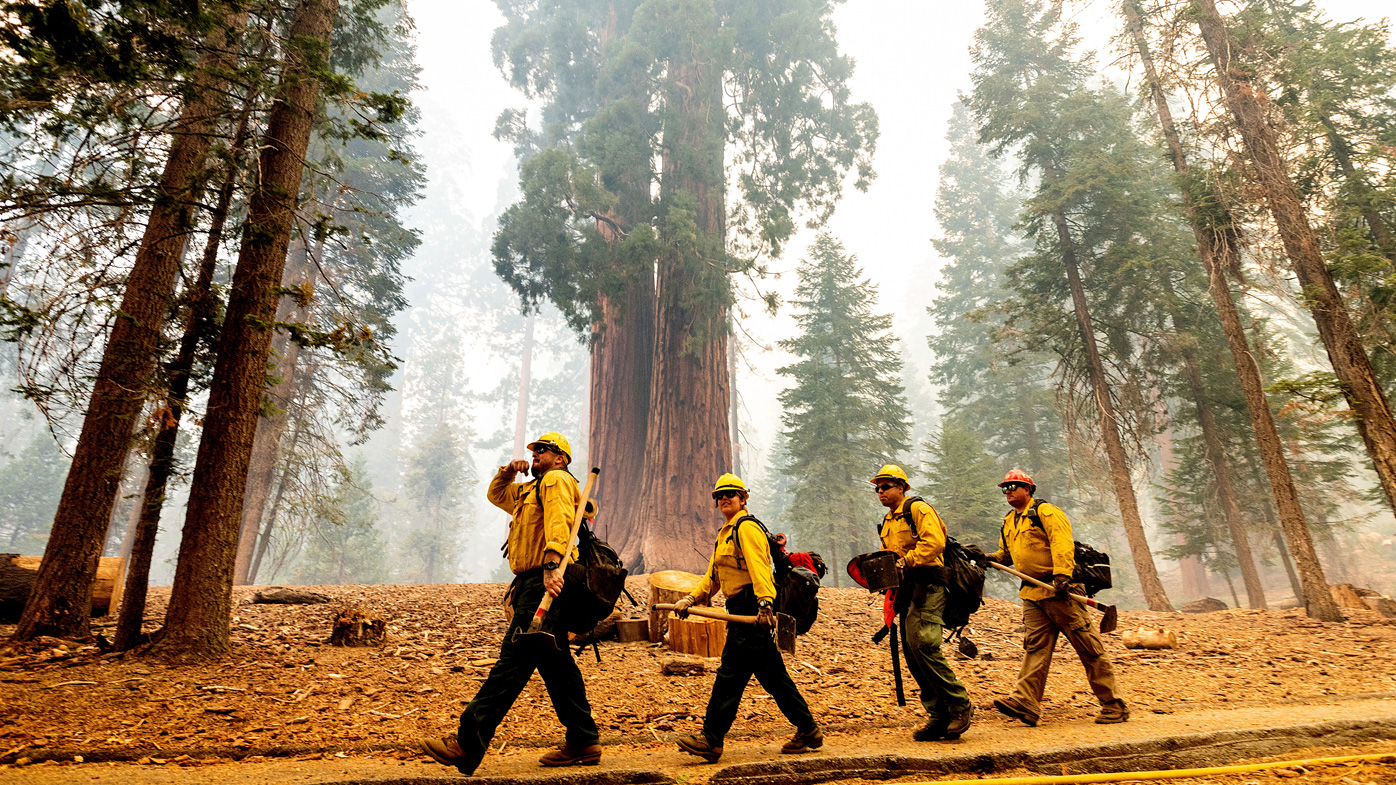
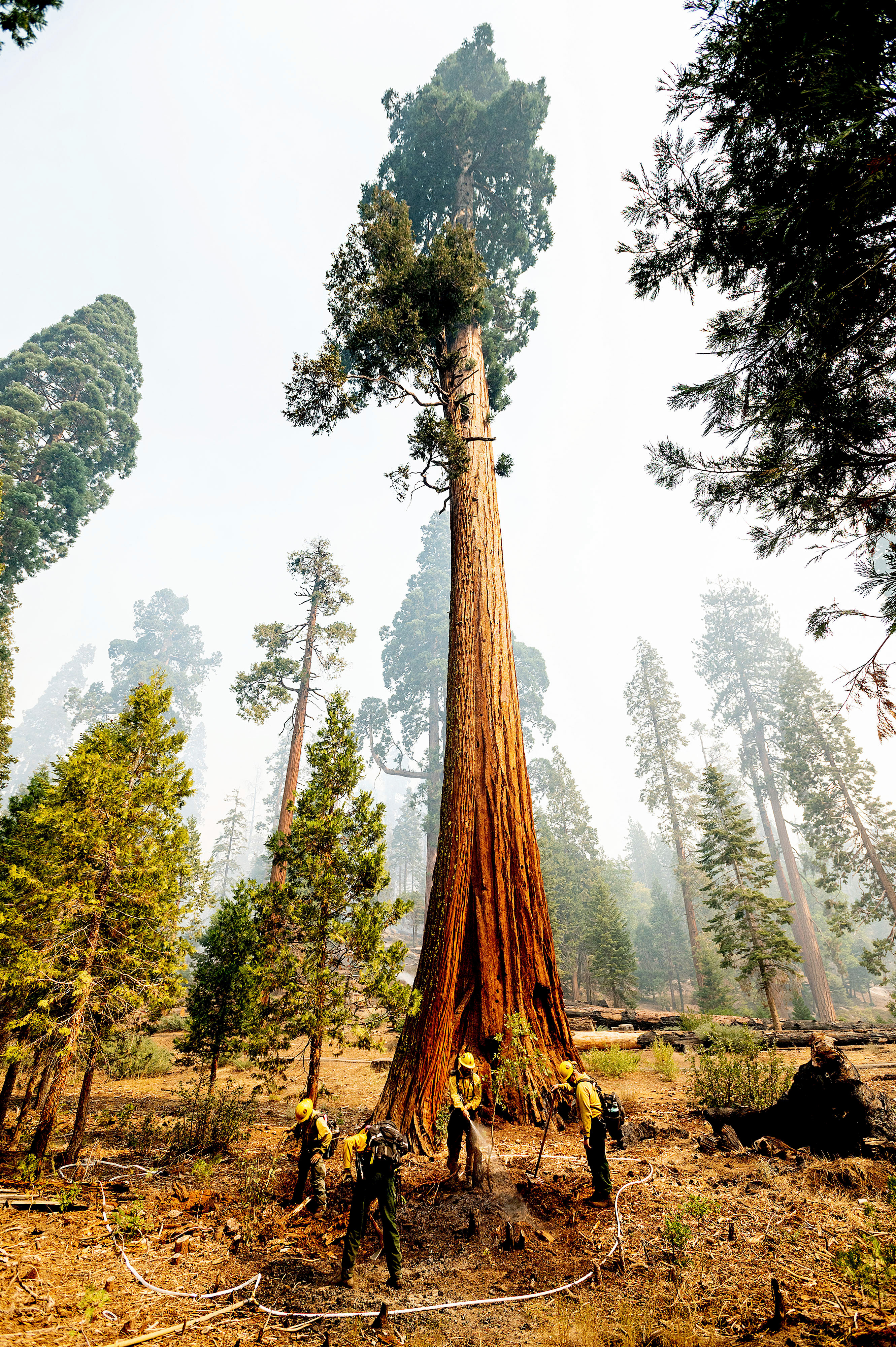
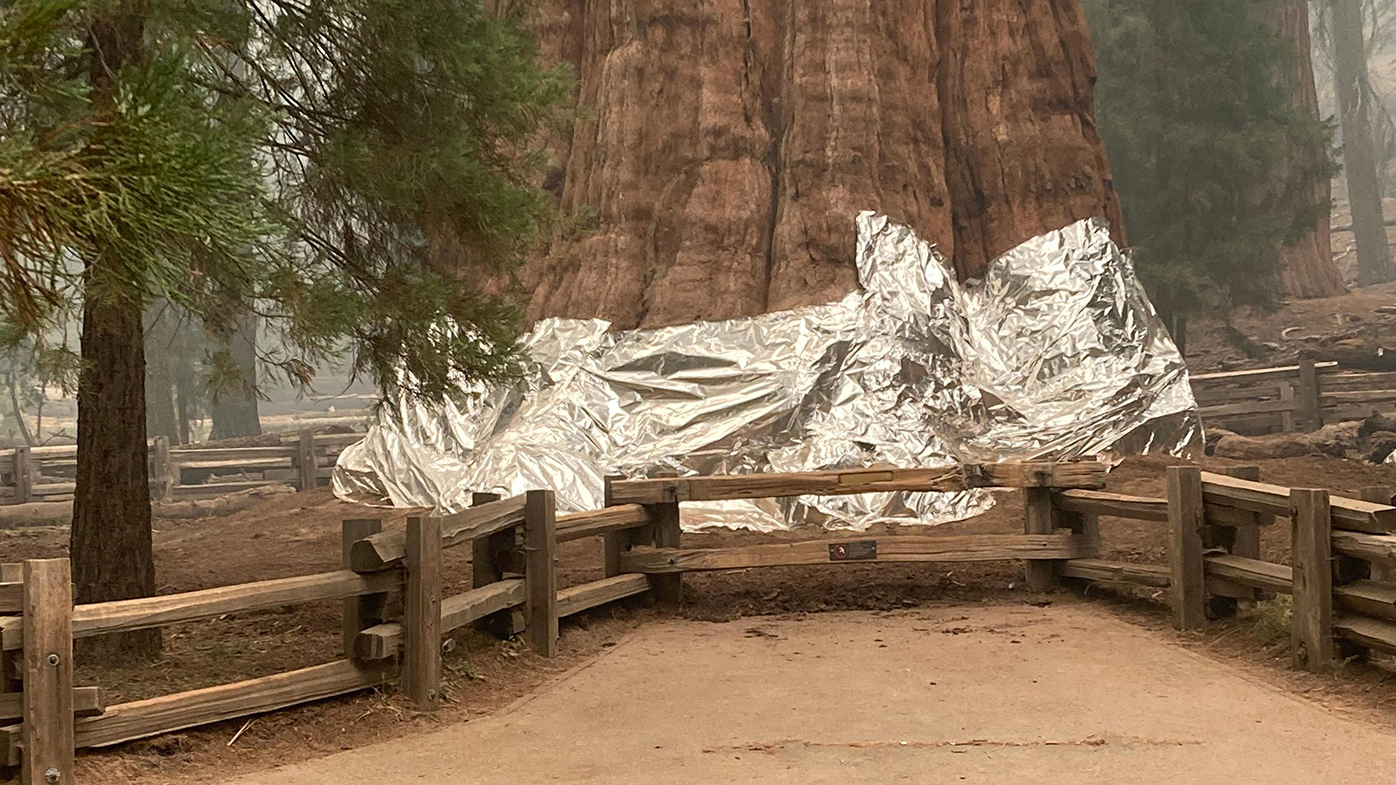
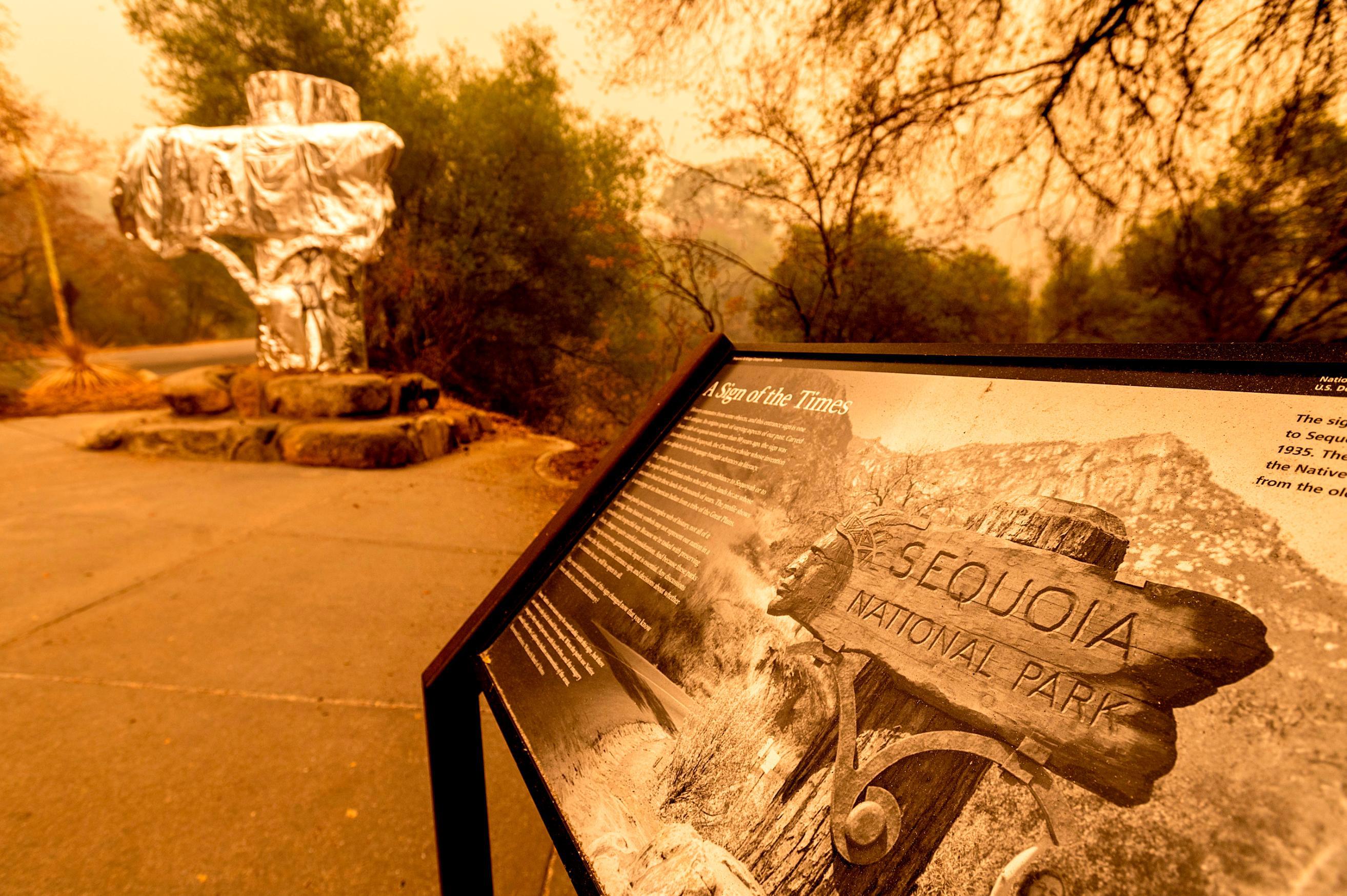
The Four Guardsmen, a group of trees that form a natural entryway on the road to the forest, were successfully protected from the KNP Complex fire by the removal of nearby vegetation and by wrapping fire-resistant material around the bases of the trees, the firefighting management team said in a statement on Sunday.

The KNP Complex began as two lightning-sparked fires that eventually merged and has scorched more than 96 square kilometres in the heart of sequoia country on the western slope of the Sierra Nevada.

READ MORE: World's tallest tree wrapped in foil as wildfires threaten ancient species

Historic drought tied to climate change is making wildfires harder to fight. It has killed millions of trees in California alone.

There was no immediate word, however, on the full extent of damage in several other sequoia groves reached by a separate blaze, the Windy Fire, in the Giant Sequoia National Monument area of Sequoia National Forest and the Tule River Indian Reservation.

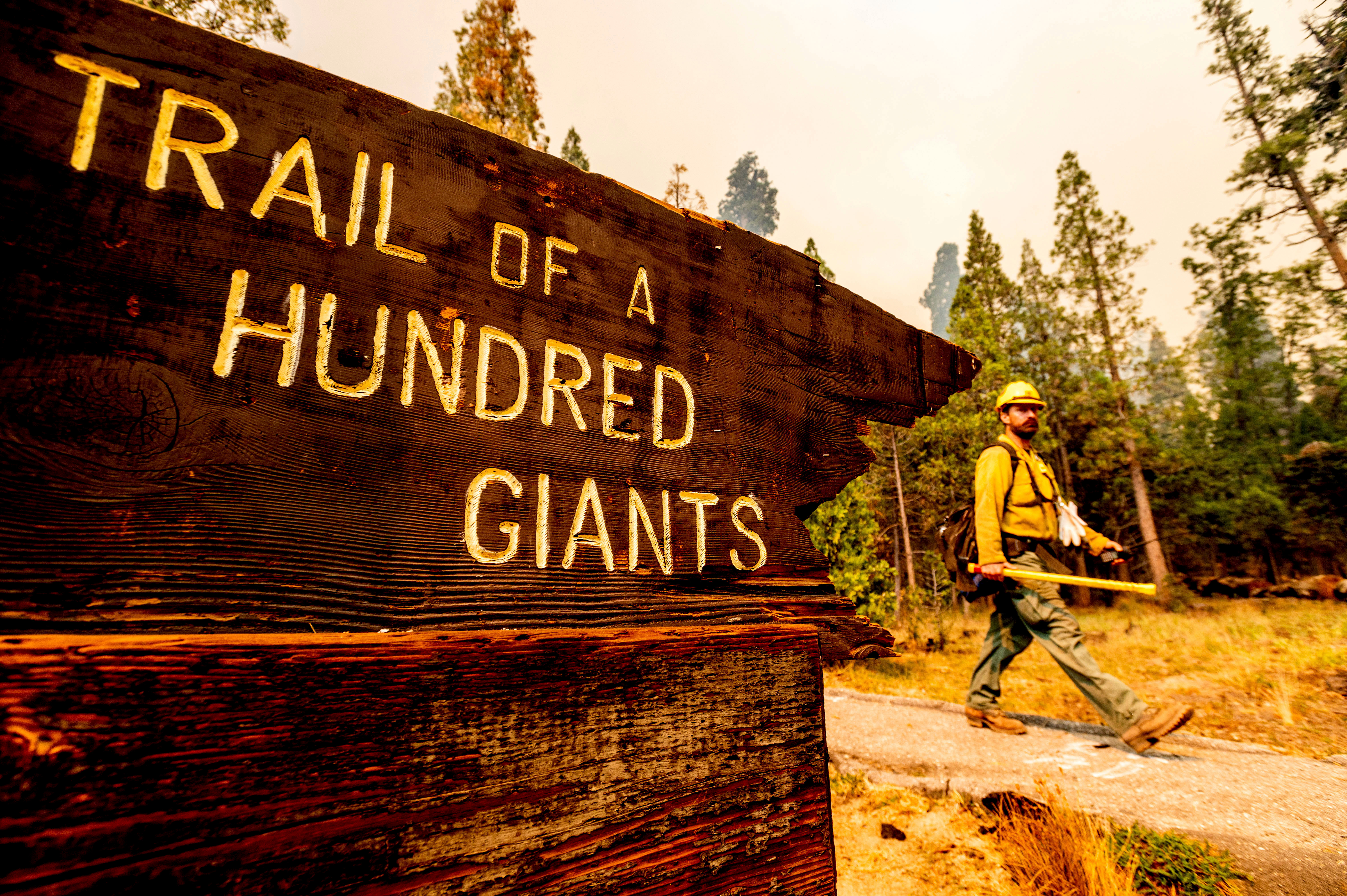
The Windy Fire has burned through the Peyrone and Red Hill groves, as well as a portion of the Long Meadow Grove along the Trail of 100 Giants.

A portion of one giant sequoia along the trail was confirmed to have burned, said Thanh Nguyen, a spokesman for the fire command.

Fire crews with hoses and water-dropping helicopters were working to limit damage to the giant sequoias in the groves, where there are also other types of trees.

Sequoias have adapted to fire and can benefit if the flames are low intensity.

The Windy Fire has scorched more than 101 square kilometres and was just four per cent contained.

READ MORE: Giant sequoia still smouldering from 2020 California wildfire

Giant sequoias are adapted to fire, which can help them thrive by releasing seeds from their cones and creating clearings that allow young sequoias to grow. But the extraordinary intensity of fires — fuelled by climate change — can overwhelm the trees

The KNP Complex forced the evacuation of Sequoia National Park last week, and on Sunday much of the adjacent Kings Canyon National Park was closed.

Visitors to areas that were still open were warned of hazardous air quality due to smoke.

A large area of Northern California was under a red flag warning for extreme fire danger on Monday (local time) due to dry offshore winds that can raise fire danger.

The warning did not extend into Southern California, but forecasters said there would be weak Santa Ana winds and significant warming — elevating the risk of wildfires.

Historic drought tied to climate change is making wildfires harder to fight.

It has killed millions of trees in California alone.

READ MORE: How tiny beetles are killing California's giant sequoia trees

The fires already have burned into several groves containing trees as tall as 61 metres and 2000 years old.

Scientists say climate change has made the West much warmer and drier in the past 30 years and will continue to make weather more extreme and wildfires more frequent and destructive.

More than 7000 wildfires in California this year have damaged or destroyed more than 3000 homes and other buildings and torched well over 7770 square kilometres of land, according to the California Department of Forestry and Fire Protection.

– Reported with Associated Press