Tag Archives: oceania

The Aussie entrepreneur taking on Netflix with interactive games

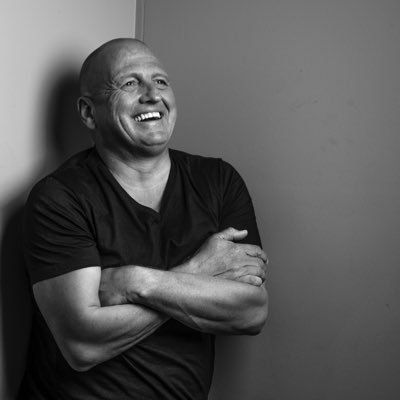
Shane Yeend describes himself as "just some bloke from Adelaide with a whiteboard" – but what's written on that whiteboard could earn this Aussie entrepreneur millions.

Yeend is the chief executive of Gamestar, an interactive games company that is on the precipice of delivering a Netflix-style experience for family game night.

The way it works is devilishly simple in its concept but technologically tricky – using a screen-based subscription service, Gamestar customers will be given access to potentially hundreds of well known and loved games, from Family Feud to Twister.

READ MORE: Cryptocurrency no longer a millennial game as older Aussies invest
Much like choosing a show on Netflix, you select which game you want to play and the interactivity provided by Gamestar's engine provides an almost studio experience of playing the game in your lounge room.

As Yeend tells 9News.com.au, a key component to Gamestar is that instead of spending $20 on a family set of scrabble, a far cheaper monthly subscription could offer users thousands of games.

"We take the experience of playing a board game, and we stream it and digitise it and add the magic of Hollywood to it in a package that's as easy and accessible as Netflix," he says.

"So instead of buying a Family Feud board game – of which we ship $15 million worth a year – in which I read the cards out to you, Steve Harvey is there reading the questions to your family in your own lounge room."

EXPLAINED: Should I buy the new iPhone 13?

The business is currently raising funds for the concept, which Yeend says is "weeks away" from having a product in market in time for Christmas.

Already the concept has raised more than $2.7 million on wefunder, a crowdfunding platform for investors.

Cash raising efforts are boosted in no small part by US comedian and Family Feud host Steve Harvey, who is one of the shareholders of Gamestar and key spokesperson for the business.

Yeend says the concept is not just using new technology, but creating an entirely new category of entertainment known as streaming-games-on-demand, or SGOD.

READ MORE: Fake Walmart press release sends crypto soaring

"We're at the junction of something really new. DVDs went to Netflix, music went to Spotify, books went to Audible and no-one has gone into this game category," Yeend says.

"I think we've king hit this one, and now we just have to deliver."

He is aware of detractors who say the business will only add to humanity's current obsession with screen time, arguing that Gamestar does the exact opposite of what most shows and games do.

"It's completely different to your kid being glued to his Playstation 5. Because in that scenario, it's just him against a screen. But Gamestar is simply the television directing the interaction between humans," Yeend says.

"It's about using the device for exactly the opposite of what people are using it for now. And that's making people communicate."

READ MORE: Meet the man behind The Oodie: How this 26-year-old Aussie created a multi-million dollar business
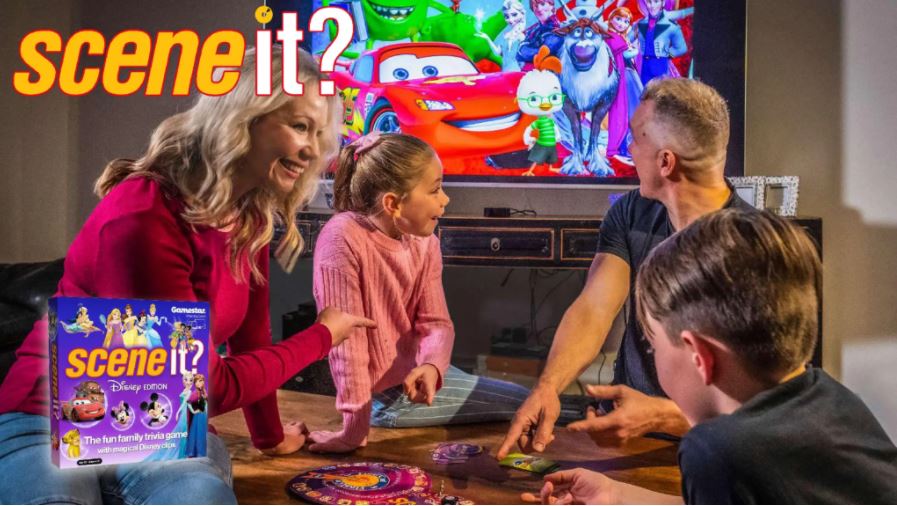
While Yeend is cautiously optimistic about forecasting success, the scale of the premise is potentially huge.

Netflix currently boasts a ballpark figure of 209 million paid memberships. Amazon Prime also has 200 million, Disney+ has 116 million subscribers and Spotify has 144 million subscribers.

Harness just a fraction of those users to play interactive games, and you're sitting on a billion-dollar-plus business.

"If just two or three percent of Netflix's 200 million people bought our service for $3 extra to have their own game night – whether its playing Paw Patrol with the kids or hosting an adult game night with the boys playing beer pong – it's an enormous business," Yeend says.

READ MORE: The new scam text message luring Australians
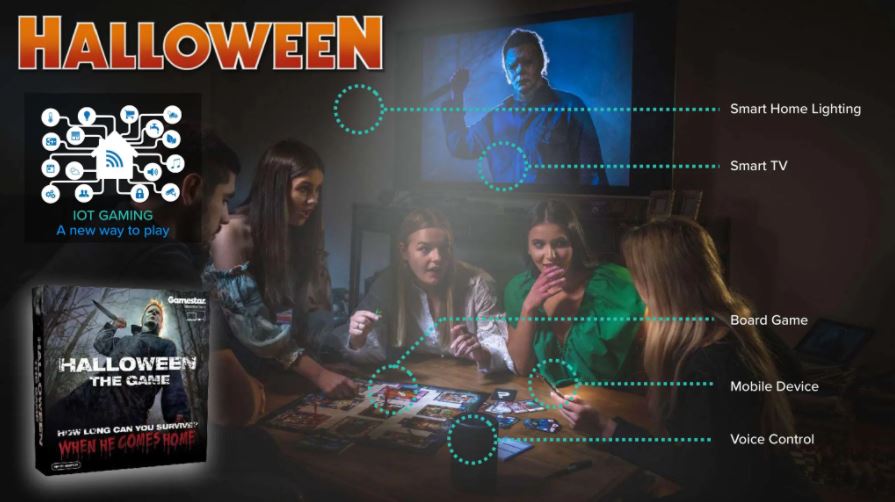
Yeend says in a perfect world Gamestar would have been ready and in market prior to the COVID-19 pandemic to capitalise on the dramatic rise in hours spent at home.

But despite this, he believes social games are not going away – they're simply changing devices.

"Board games were on fire even before COVID, recording growth of 17 per cent year-on-year. And it is driven for the dire need for social interaction," Yeend says.

"They say you can invite people over to dinner but you can't make 'em talk. Board games bring people together in a unique way. Games aren't going away."
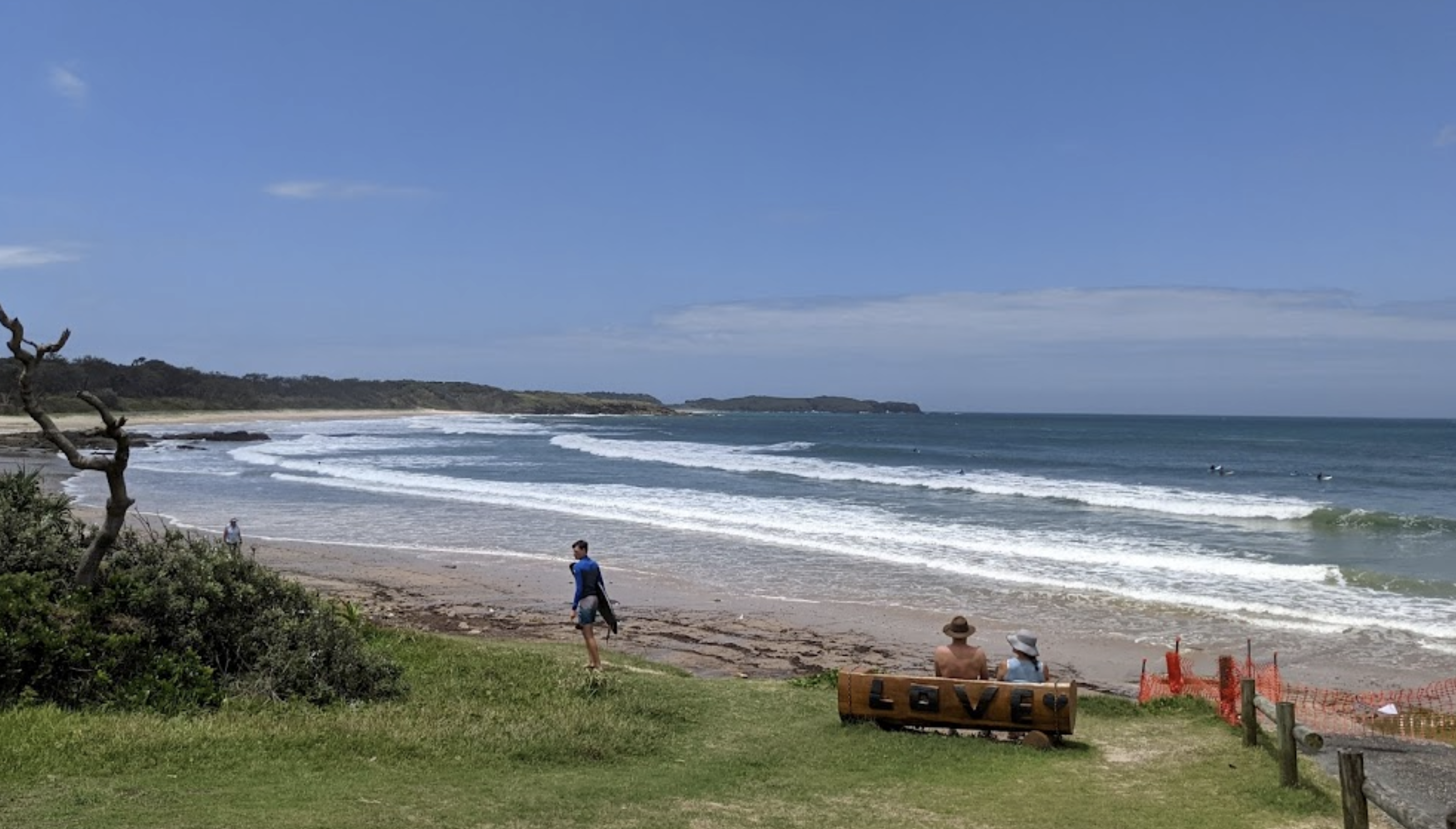
Drones to be deployed across NSW beaches to spot sharks

The world's largest shark management program will rolled out along New South Wales' beaches this summer, including a fleet of new shark-spotting drones.

The program, which is designed to minimise the impact on marine life by using "non-invasive technologies", will use the world's largest domestic fleet of drones as well as 100 SMART (shark management alert in real time) drumlines to detect sharks at beaches and keep people safe.

Deputy Premier and Minister for Regional NSW John Barilaro said the scheme will start rolling out within the coming weeks.

READ MORE: Surfer mauled to death by shark leaves behind pregnant wife

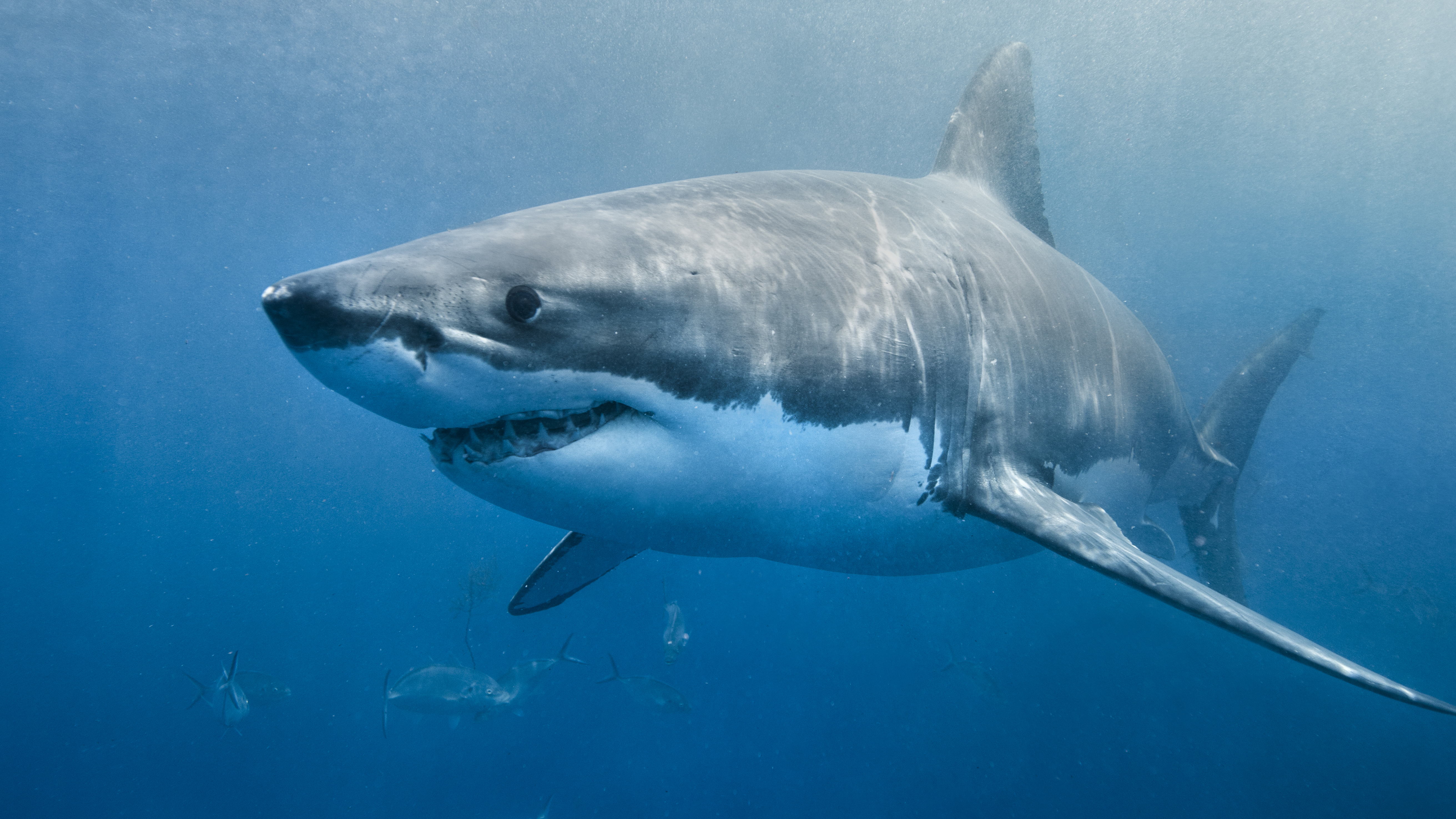
Mr Johnson said the shark was a Great White.

"The NSW Government has done the research and invested in new technologies to bring added protection to our beaches including SMART drumlines, VR4G listening stations and shark-spotting drones," he said.

"Over the coming weeks we will continue to work with coastal councils from Tweed to Bega Valley and everywhere in between to deliver the world's largest shark management program to increase beachgoer safety.

"There is no other jurisdiction in Australia or across the globe which has done as much testing and trialling of technology and approaches to mitigate shark interactions."

The state government has recently tripled its funding on shark management across NSW, now equating to more than $21 million.

READ MORE: 'He just swallowed my whole spear': Diver's great white encounter

Minister for Agriculture Adam Marshall said the new drones — worth more than $3 million — will be deployed across 50 of the state's beaches.

"We have always said there is no silver bullet when it comes to protecting beachgoers from sharks in NSW," Mr Marshall said.

"But the NSW Government will now be operating the world's largest shark management program aiming to get the balance right, between keeping swimmers and surfers safe, and protecting our marine life.

"In partnership with Surf Life Saving NSW, we will deploying the world's largest domestic fleet of drones to the state's beaches thanks to an extra $3 million to scale up operations. This will mean more than 50 beaches will have a shark-spotting eye in the sky."

Mr Marshall said over 100 SMART drumlines will be rolled out in "nearly every coastal council" area starting with Kingscliff, Tuncurry and Coffs Harbour next month.

"We will also continue the deployment of shark nets as part of the Shark Meshing Program in the Greater Sydney Region while we measure the success of the expanded technology-led solutions," he said.

"Finally, we will be blanketing our coast with 37 VR4G shark listening stations to make sure that when a tagged shark comes close to the coast, everyone using our SharkSmart app will know about it instantaneously, including SLS NSW and council lifeguards."

Earlier this month, a surfer was mauled to death by a shark on the NSW Mid-North Coast.

Tim Thompson died on the sand at Shelley Beach, just north of Coffs Harbour at the weekend, despite the best efforts of fellow surfers to save him.

Mr Thompson left behind his pregnant wife Katie and their first baby is due in January.

The CIA warned the military that children were present seconds before a US missile killed 10

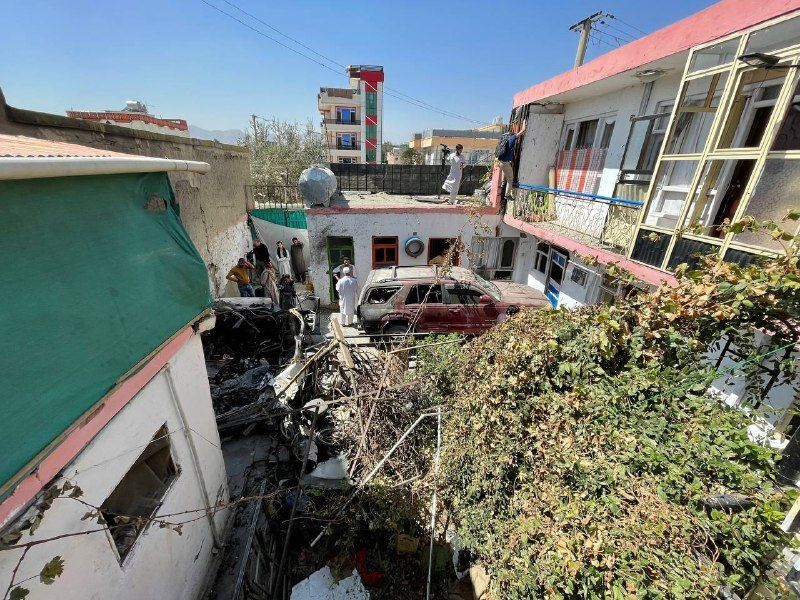
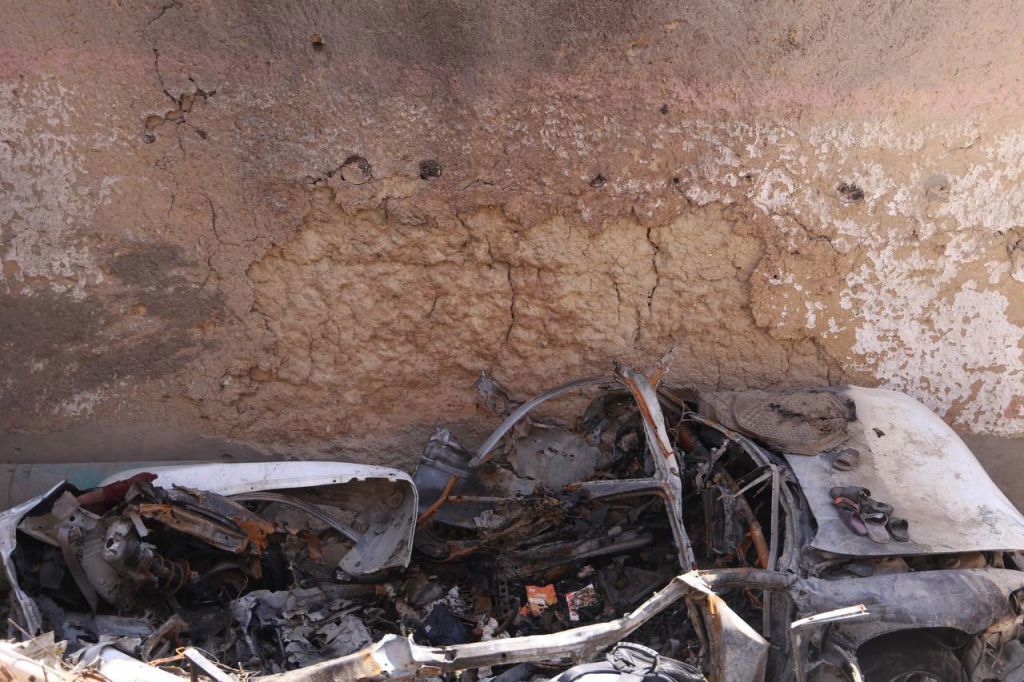
Just after the US military launched a Hellfire missile to stop a white Toyota Corolla it believed to be an imminent threat to US troops leading the evacuation at the Kabul airport, the CIA issued an urgent warning: Civilians were likely in the area, including possibly children inside the vehicle, according to three sources familiar with the situation.

It was too late.

The warning on August 29 came seconds before the missile hit the car, killing 10 civilians, including seven children.

In the weeks following, the military insisted that it had been a justified strike on a confirmed terrorist target, acknowledging that some civilians might have been killed.

READ MORE: Dispatches from Afghanistan: Should we have known back then, what we know now?

But on Friday, after weeks of media coverage casting doubt on the legitimacy of the strike, the military acknowledged no one in the car was affiliated with ISIS-K as originally believed. "It was a mistake," General Frank McKenzie, the top general of US Central Command, said bluntly at the Pentagon.

It's not clear whether the military informed the intelligence community that it had decided to pull the trigger — if for no other reason than that the situation was rapidly evolving. The military calls such strikes, which commanders in the field were authorised to take without consulting up the chain of command, "dynamic."

READ MORE: US apologises for fatal drone strike mistake

In some cases, the military might ask the intelligence community to "task" its surveillance drones and other assets to watch a particular car or a particular location.

The intelligence community would share data on the targets with the Defence Department in real time, but it is ultimately the military ground force commander's decision to take the strike.

Some sources say the miscommunication highlights a now-pressing decision for the Biden administration as it weighs how to conduct future strikes in Afghanistan without US troops on the ground there: Will the Defence Department or CIA own the mission?

The CIA declined to comment for this story. A spokesman for US Central Command did not respond to CNN's request for comment.

French aren't the only ones furious with Australia's new defence pact

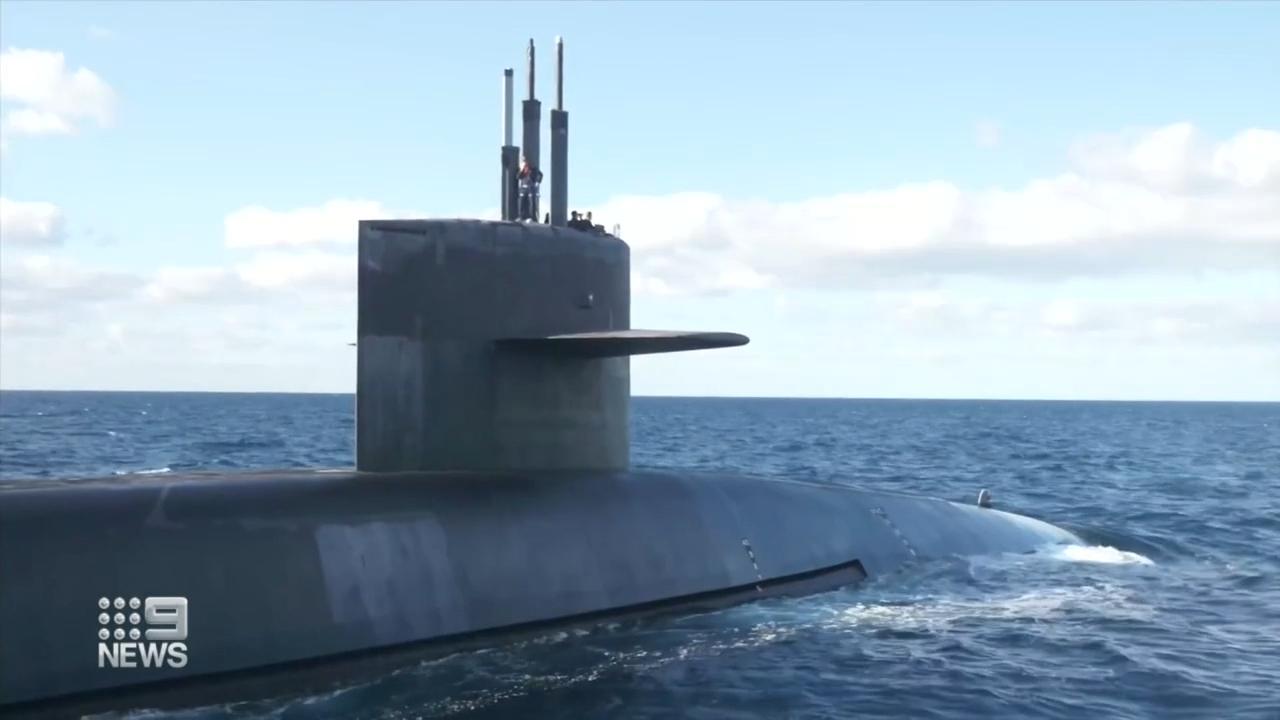
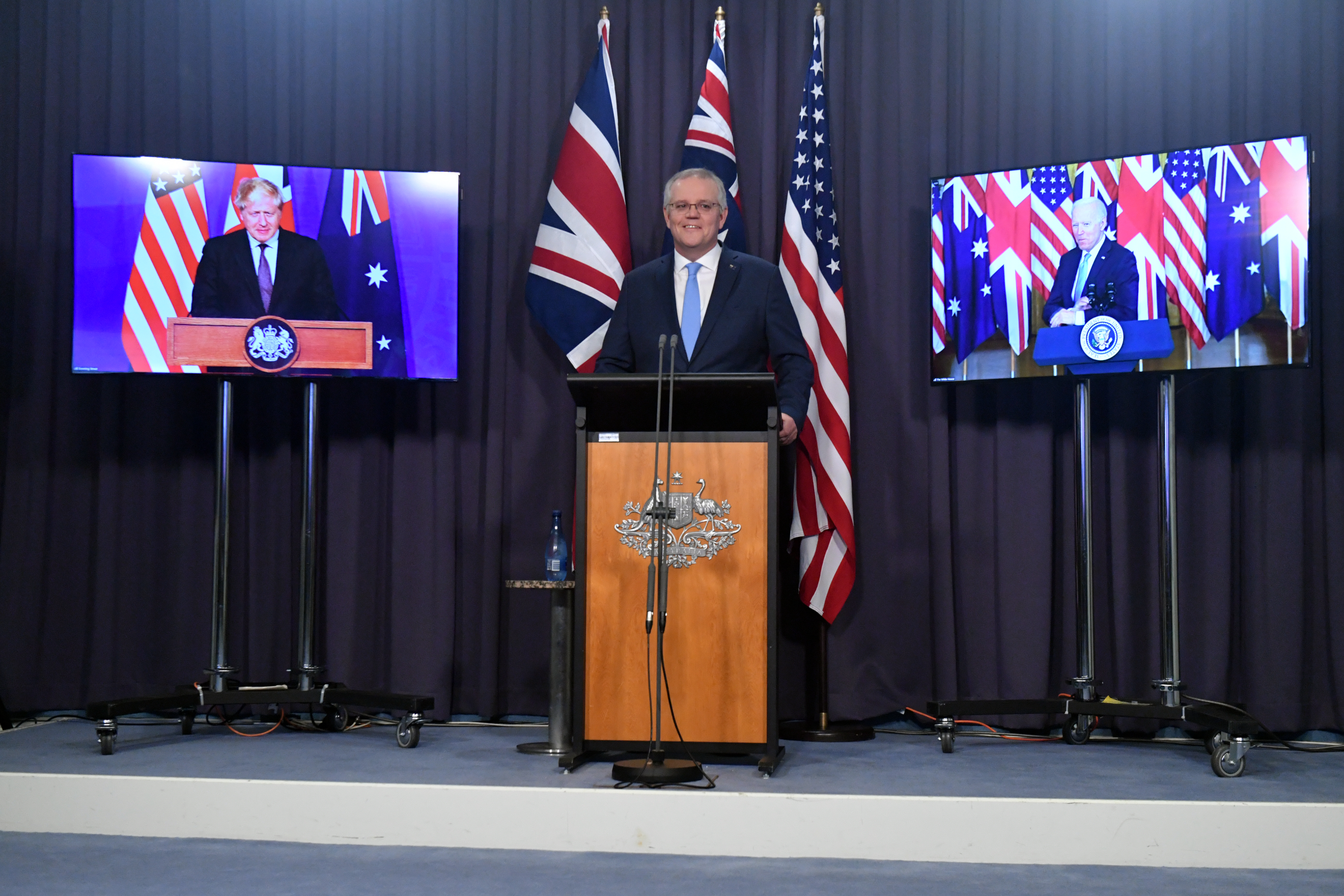
The US and UK will be sharing technology and expertise with Australia to help it build nuclear-powered submarines as part of a newly-announced defence pact between the three countries. The move has sparked fury in France, which has lost a long-standing agreement to supply Australia with diesel-powered subs.

But it's not only the French who are furious.

Anti-nuclear groups in Australia, and many citizens, are expressing anger over the deal, worried it may be a Trojan Horse for a nuclear power industry, which the nation has resisted for decades.

New Zealand Prime Minister Jacinda Ardern spoke personally to her Australian counterpart, Scott Morrison, to tell him the vessels would not be welcome in the waters of her country, which has been a no-nuclear zone since 1984.

READ MORE: France's ambassador to Australia calls submarine contract cancellation 'huge mistake' as he leaves Canberra after recall to Paris

Six countries — the UK, US, China, Russia, India and France — already have nuclear-powered subs in their fleet, and many major developed economies, including the US and UK, use nuclear in their energy mix. In France, 70 per cent of the country's electricity is nuclear.

So what's all the fuss about? Here's why some Aussies are bothered by this deal.

How is nuclear power made?

Nuclear power is the world's second-largest contributor of low-carbon electricity after hydropower, according to the International Energy Agency. It accounts for around 10 percent of the world's electricity, generated by just over 440 power reactors. The power comes from a process known as nuclear fission, which involves the splitting of uranium atoms in a reactor that heats water to produce steam. This steam is used to spin turbines, which in turn produce electricity.

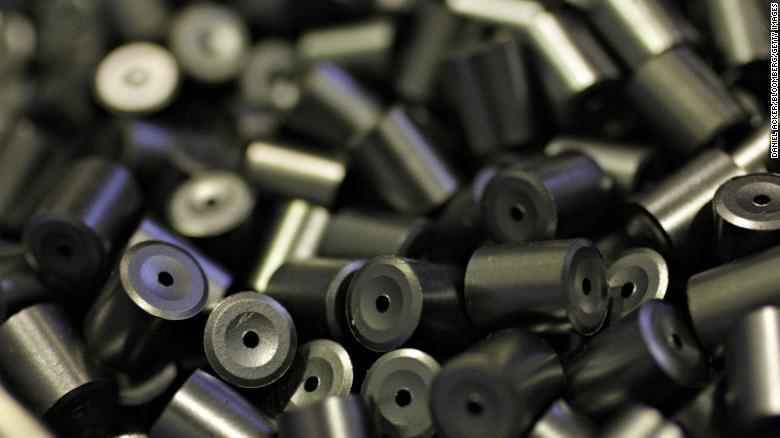
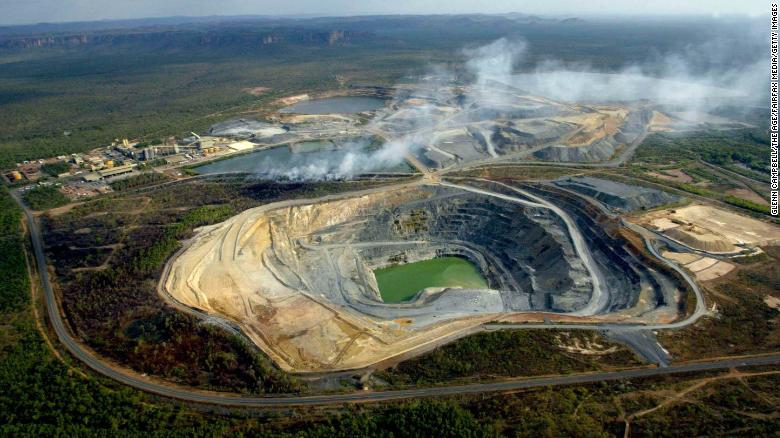
Uranium is a heavy metal found in rocks and seabeds, and it's a powerful element. One pellet of enriched uranium — about the size of an eraser on the end of pencil — contains the same energy as a ton of coal or three barrels of oil, according to GE Hitachi Nuclear Energy.

While the process itself generates no emissions, greenhouse gases are generally emitted during the mining of uranium, and the enrichment process can be carbon intensive.

South Australia secures major defence contract

Is nuclear renewable?

The simple answer is "no."

The energy produced by nuclear power plants is in itself renewable, and the steam produced in nuclear reactors can be recycled and turned back into water to be used again in the nuclear fission process. The materials used in its production, however, are not renewable — the metal is technically finite. But there is an argument that it can be used sustainably; the uranium resources across the world are so large that energy experts don't foresee it running out.

READ MORE: Australia tries to calm diplomatic bust-up with France over submarine deal

Many groups that oppose nuclear power, however, do so because of the environmental destruction caused by uranium mining. Governments in many parts of the world are relying on nuclear energy to help decarbonise their economies.

It is widely regarded as an efficient way of producing electricity, and depending on the energy used to mine and enrich the uranium, it could potentially be a zero-emissions power source.

Beyond its low-carbon credentials, nuclear power is considered to have the highest capacity factor of any energy source, which means nuclear plants run at maximum power for more of the time than other types.

In the US, they run at high capacity 92.5 percent of the time, government data shows. For coal, it's around 40 percent, and wind is around 35 percent. Nuclear power can prevent millions of tons of emissions from entering the atmosphere each year, compared to fossil fuels.

So why are so many Australians against it?

It's not just Australia.

Several countries have put the brakes on further development of the nuclear power industry since the 2011 Fukushima disaster in Japan.

The Fukushima Daiichi nuclear plant lost power in an earthquake and tsunami, which meant the cooling systems failed, leading to nuclear meltdowns and hydrogen explosions, sending harmful radiation into the atmosphere. Parts of the city remain off limits.

It was the worst nuclear disaster since Chernobyl in 1986, when a test that went wrong triggered an explosion and fire, releasing devastating amounts of radioactive material into the air.

Thirty-one people were killed in the accident itself, while many more died from the effects of radiation exposure in the following years, with some estimates in the tens of thousands.

READ MORE: China and France react angrily to Australia's AUKUS nuclear submarine deal with the US and UK

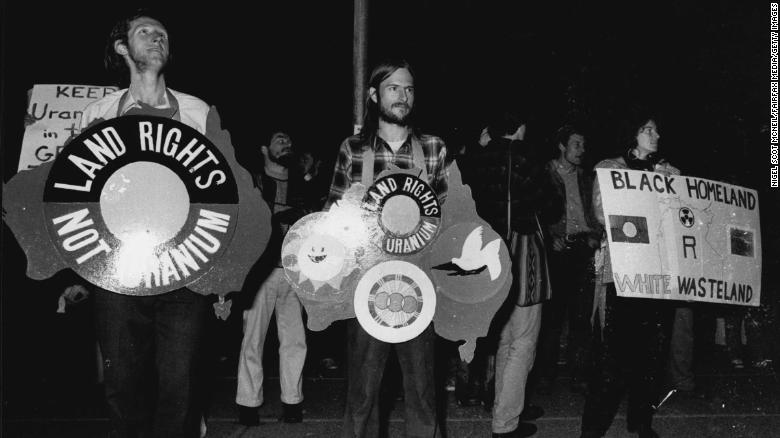
But Australia's anti-nuclear movement goes further back than that, to a strong protest movement in the 1970s. This emerged largely because of concerns around the environmental impacts of mining uranium — which Australia has huge reserves of — but also due to worries around risks to public health, particularly among communities living near proposed facilities.

There are also concerns around how to safely store nuclear waste. Explosions or leaks of stored waste can impact human health too, though such disasters are far less common than they once were.

In 1977, the Movement Against Uranium Mining in Australia collected 250,000 signatures for a moratorium on extracting the metal, even though nuclear power wasn't being used in the country.

But Australia still mines the metal today and exports it to generate nuclear power in other parts of the world. There is growing political pressure in Australia coming from leaders of the Liberals — which is Australia's conservative party — to start using nuclear power. Without it, some argue, reaching net zero by 2030 will be impossible.

It has resisted nuclear largely because it has had plentiful coal and gas reserves, but Australia is under pressure to wind down its use of fossil fuels.

When announcing the new deal, Mr Morrison said Australia was not seeking to develop "civil nuclear capability," which would include nuclear power plants.

But Greens Party leader Adam Bandt criticised the agreement in a tweet as putting "floating Chernobyls in the heart of Australia's cities," saying it "makes Australia less safe. "Bob Brown, a former Greens leader who campaigned against nuclear warships coming into Tasmania in the 1980s, told the Australian Financial Review on Thursday the deal put the country closer to developing a nuclear energy industry and warned of a backlash.

"I think it's very cowardly what the government's done," Mr Brown said. "It's made a decision without reference to the public, knowing the public would oppose it."

France's ambassador to Australia returns to Paris after recall

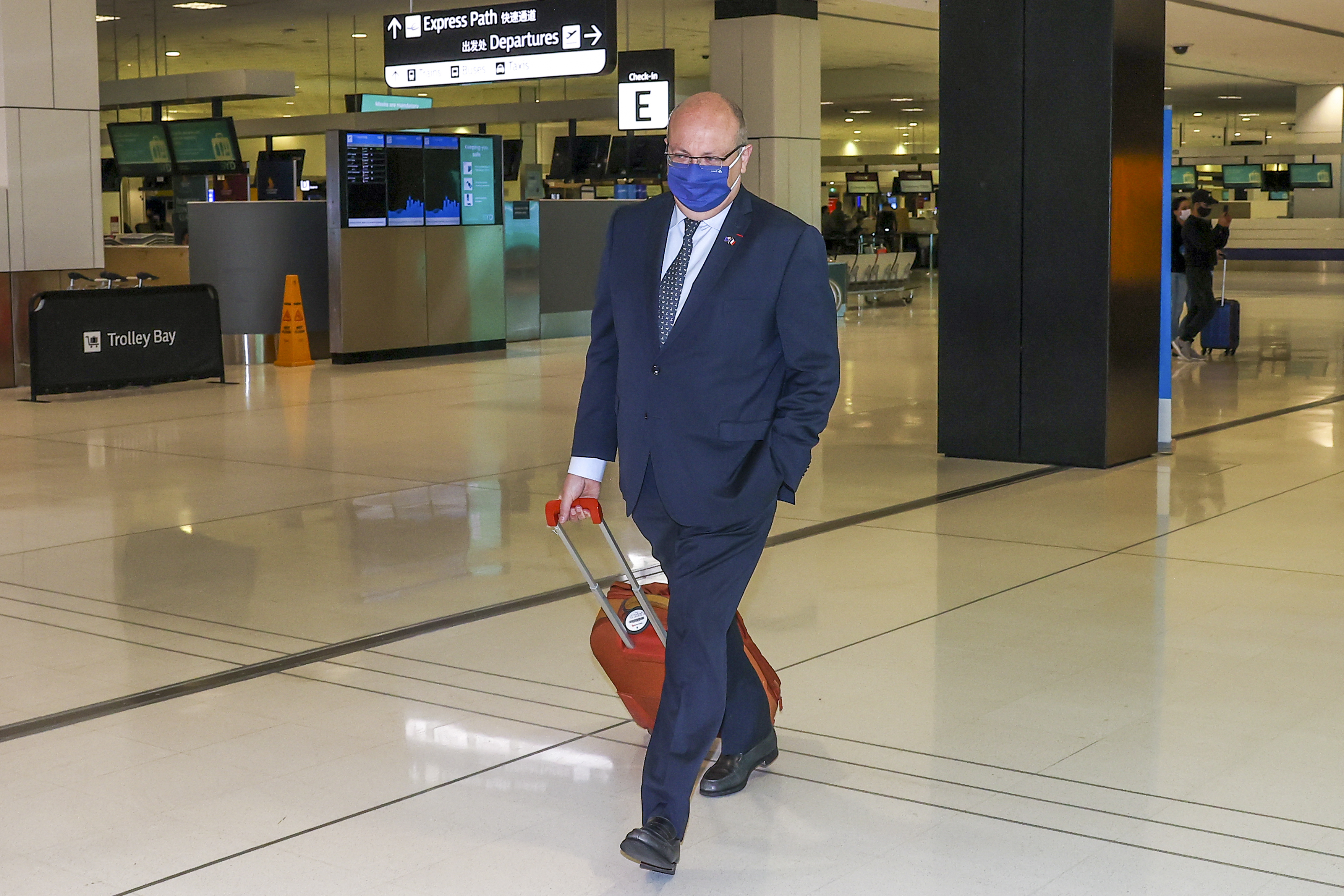
France's ambassador to Australia described Saturday as a "huge mistake" Australia's surprise cancellation of a major submarine contract in favour of a US deal, delivering a final protest as the envoy was recalled from the country in an unprecedented show of anger among the allies.

Jean-Pierre Thebault delivered his comments as he left his residence in the pandemic locked down capital of Canberra.

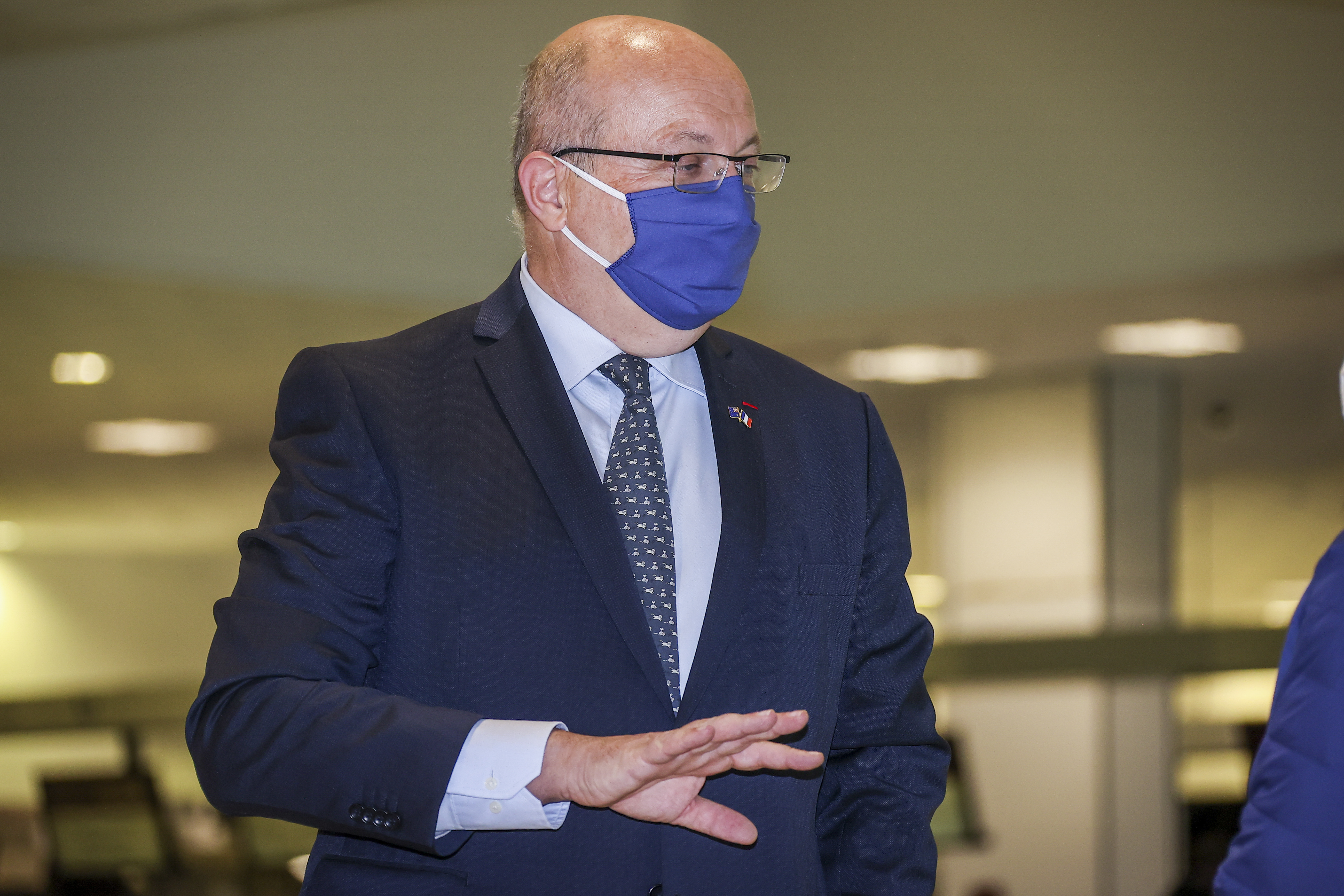
"This has been a huge mistake, a very, very bad handling of the partnership," Thebault said, explaining that the arms agreement between Paris and Canberra was supposed to be based "on trust, mutual understanding and sincerity."

READ MORE: Australia tries to calm bust-up with France over submarine deal

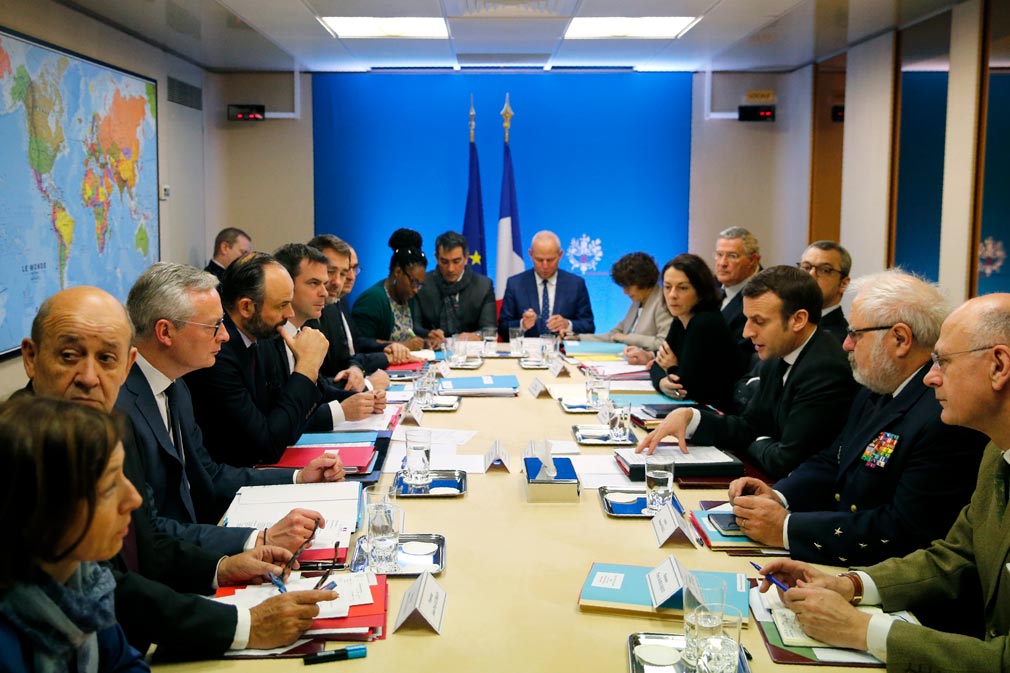
Paris recalled its ambassadors to Australia and the United States on Friday to protest a deal among the United States, Australia and Britain to supply Australia with a fleet of at least eight nuclear-power submarines.

Thebault flew out of Australia on a flight to Doha, Qatar, around 17 hours after the announcement from Paris.

RELATED: 'A stab in the back': France furious about major nuclear submarine deal

The US deal scraps a $90 billion-dollar contract with French majority state-owned Naval Group, signed in 2016, to build 12 conventional diesel-electric submarines.

"I would like to be able to run into a time machine and be in a situation where we don't end up in such an incredible, clumsy, inadequate, un-Australian situation," the French ambassador added.

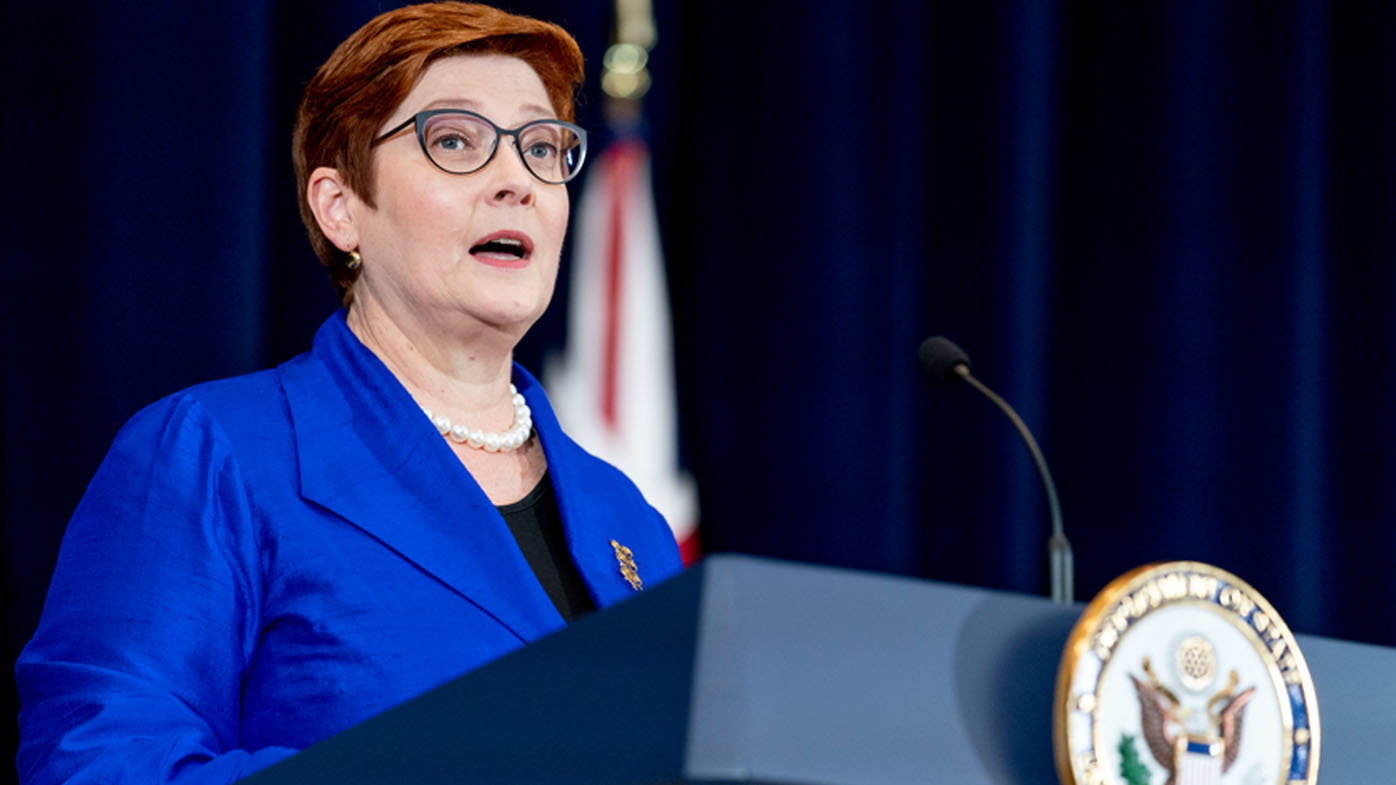
Australian Foreign Minister Marise Payne's office earlier had issued a statement responding to the diplomat's recall and noting Canberra's "regret" over its ally's withdrawal of its representative.

"Australia understands France's deep disappointment with our decision, which was taken in accordance with our clear and communicated national security interests," the statement said. It added that Australia values its relationship with France and looked forward to future engagements together.

Payne and Defence Minister Peter Dutton are currently in the United States for annual talks with their US counterparts and their first with President Joe Biden's administration.

Before he was recalled, French envoy Thebault said on Friday he found out about the US submarine deal: "Like everybody, thanks to the Australian press."

"We never were informed about any substantial changes," Thebault said. "There were many opportunities and many channels. Never was such a change mentioned."

After the US deal was made public this week, Prime Minister Scott Morrison said he told French President Emanuel Macron in June that there were "very real issues about whether a conventional submarine capability" would address Australia's strategic security needs in the Indo-Pacific.

Morrison has not specifically referred to China's massive military buildup which had gained pace in recent years.

Morrison was in Paris on his way home from a Group of Seven nations summit in Britain where he had talks with soon-to-be-alliance partners Biden and British Prime Minister Boris Johnson. Thebault said he had also been at the meeting with Macron and Morrison.

Morrison mentioned "there were changes in the regional situation," but gave no indication that Australia was considering changing to nuclear propulsion, Thebault said.

"Everything was supposed to be done in full transparency between the two partners," he added.

Thebault said difficulties the project had encountered were normal for its scale and large transfers of technologies.

French Foreign Minister Jean-Yves Le Drian said in a statement on Friday that recalling the two ambassadors, on request from Macron, "is justified by the exceptional seriousness of the announcements" made by Australia and the United States.

Le Drian said Australia's decision to scrap the submarine purchase in favour of nuclear subs built with US technology is "unacceptable behaviour between allies and partners."

Senior opposition lawmaker Mark Dreyfus called on the Australian government to fix its relationship with France.

"The impact on our relationship with France is a concern, particularly as a country with important interests in our region," Dreyfus said.

"The French were blindsided by this decision and Mr. Morrison should have done much more to protect the relationship," he added.

Uber driver praises good Samaritan: 'I owe you my life'

"I owe you my life".

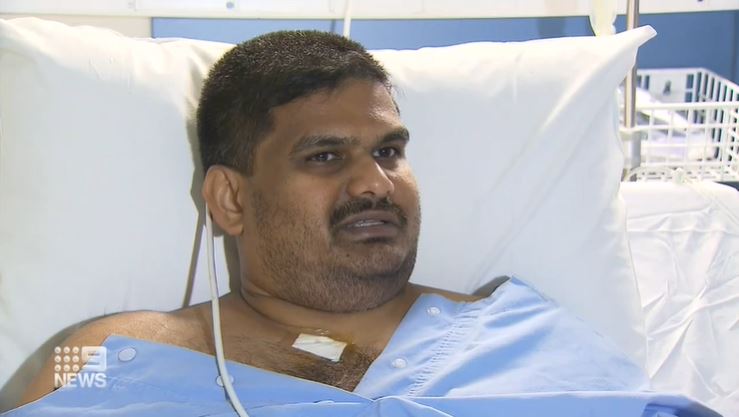
That's the message from Uber driver Kumar Subramaniam to a good samaritan who helped him – after a stabbing frenzy in the Western Australian suburb Forrestfield.

An alleged would-be carjacker got away with nothing and left the driver in a pool of blood on the pavement.

"I owe you my life".That's the message from an Uber driver to a mystery good samaritan who helped him - after a stabbing frenzy in the Western Australian suburb Forrestfield.

The 40-year-old is now searching for the mystery person, who called an ambulance and stayed with him till paramedics arrived, wanting to thank them in person.

Watch the full story in the video above.