By RNZ The mother of the LynnMall attacker says he was brainwashed by neighbours from the Middle East.Ahamed Aathill Mohamed Samsudeen, a 32-year-old refugee originally from Sri Lanka, was shot dead by undercover police after…
Tag Archives: oceania
Hundreds of thousands remain without power after Hurricane Ida
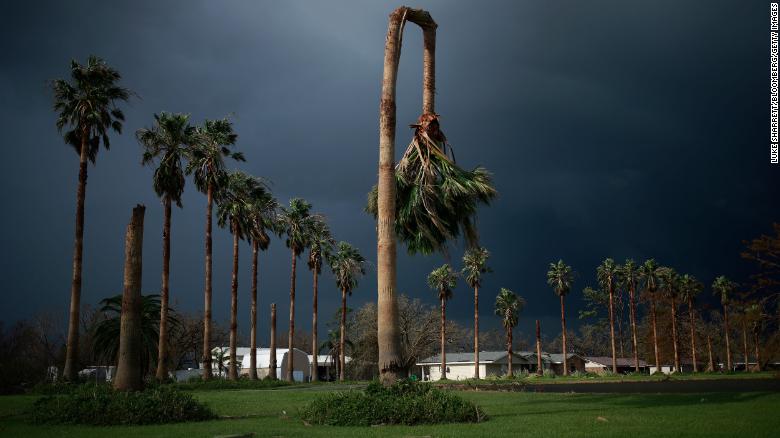
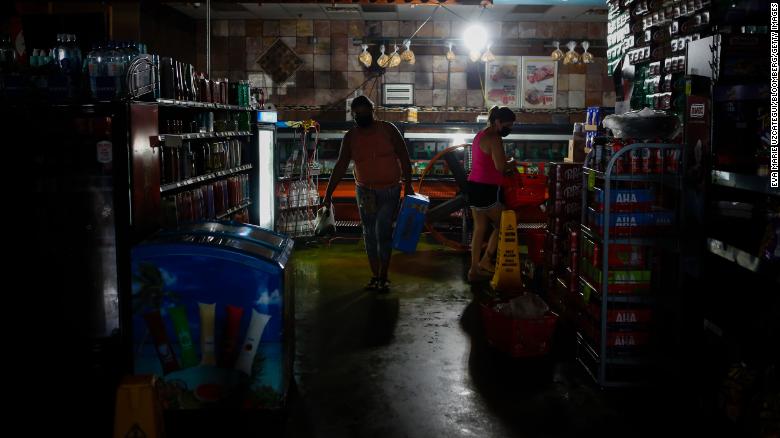
As hundreds of thousands of Louisiana residents struggle in sweltering conditions and without power six days after deadly Hurricane Ida struck, some are trying their luck elsewhere.
New Orleans on Saturday started a shuttle program for electricity-deprived residents wanting to leave, sending them by charter bus from the city convention centre to powered shelters in northern Louisiana and Texas.
"I had enough," a New Orleans resident who gave his name only as Kerry told CNN on Saturday before boarding one of the buses.
READ MORE: Death toll tops 40 as Ida remnants smash New York and New Jersey
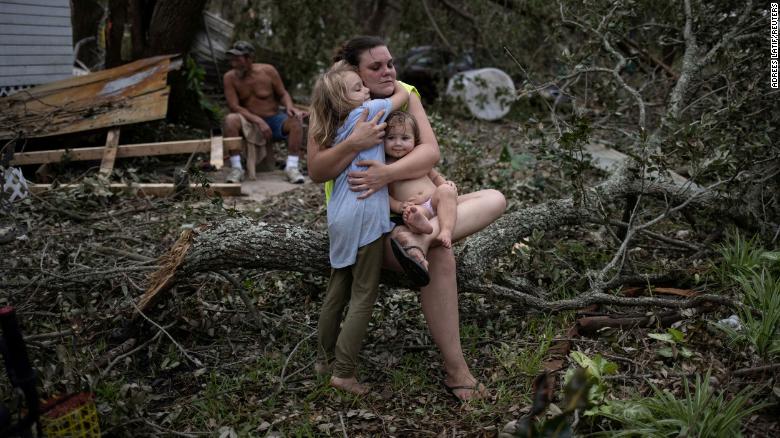
His multi-story apartment building in New Orleans, like much of the city, has been without power since the storm hit. Elevator service is out, and arthritis in his leg makes navigating the stairs difficult.
"(I'm looking forward to) just a clean bath, and to be cool. You know? It's too hot," Kerry told CNN's Nadia Romero.
Around 700,000 homes and businesses in Louisiana were without power as of early Thursday afternoon, according to PowerOutage. US — and people who are sticking around are enduring long lines outside gas stations and aid distribution sites in a battle to stay cool and mobile.
In the wind-damaged city of Kenner near New Orleans, the mayor was blunt on Saturday when asked what his city needed most.
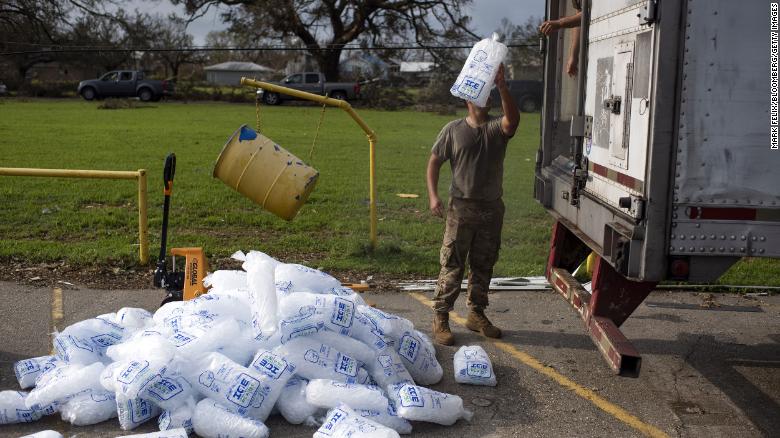
"Power," Mayor Ben Zahn told CNN. "We suffered a lot. … When you don't have power, you need ice. So we have been trying to give as much ice out as we can, because people need to keep things as cold as possible."
High temperatures will be in the high 80s or low 90s in southeast Louisiana and southern Mississippi on Saturday, with the heat index — what the temperature feels like with humidity and other factors — generally in the mid-90s, the forecasters said.
Entergy Louisiana, which provides electric service to more than one million customers, has estimated that power will be restored to the vast majority of its customers by Wednesday.
READ MORE: Meteorologist explains how Ida reversed the flow of Mississippi River
Many gas stations are inoperable or don't have fuel — and those that do have people waiting outside them for hours. Many want gas to fuel their vehicles — some to drive out of the region, and some just to use their cars as air-conditioned places to rest. Others want to fuel their at-home generators to keep electricity going.
In once instance, frayed nerves turned deadly.
In Metairie outside New Orleans, a man waiting for gas was shot and killed Friday, apparently after he confronted a man who cut the line, Jefferson Parish Sheriff Joseph Lopinto said.
A suspect turned himself in Friday night and claimed self-defence, "which doesn't match up any of the witness testimony," Mr Lopinto told reporters Saturday.
The sheriff urged patience at the pumps.
"(We don't) have enough policemen out there on the street to … sit in every single gas station to play babysitter," he said. "We … need people to act like adults."
As for people wanting to leave New Orleans: The city is shuttling people from 12 pickup sites to the convention centre, where they will be registered. From there, buses will take them to the shelters elsewhere.
'I'm just wondering where the help is'
Outside an uptown New Orleans gas station Saturday morning, motorists waited in massive, serpentine lines even several hours before the facility was due to open.
A day earlier, Eric Mertz drove 20 miles from his home in neighbouring St. Charles Parish to wait for gas outside a New Orleans gas station, where he believed the lines were shorter than they were near his home.
He still waited hours.
"I'm just wondering where the help is," Mertz said Friday. "I don't have air conditioning. No lights. I had COVID last year. I was in the ICU for 14 days, and I'm on oxygen (treatments now). And I don't have no electricity — it's rough."
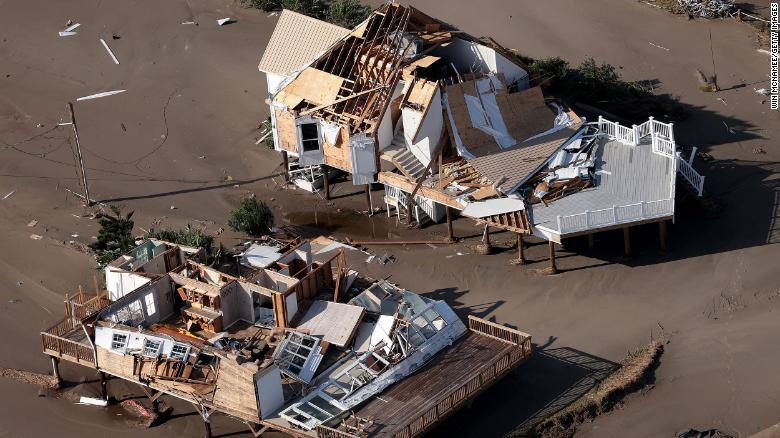
The storm made landfall August 29 as a Category 4 hurricane, leading to the deaths of at least 13 people in Louisiana and Mississippi and devastating infrastructure there. Remnants of the storm then pummelled the East Coast on Wednesday, triggering flash floods and tornadoes and killing dozens more.
As of Saturday morning, the majority of gas stations in Baton Rouge (74.3 per cent) and New Orleans (65.6 per cent) were without gas, according to outages compiled by GasBuddy. More than half of the gas stations in Lafayette similarly didn't have gas.
Those outages are being driven by a combination of spiking demand and complications supplying the fuel caused by power outages, analysts said.
Nursing home deaths under investigation
As Louisiana tries to recover, the state attorney general announced on Friday an investigation into the deaths of some nursing home residents who were being sheltered in a warehouse ahead of the storm.
Four residents had died by the time the investigation was announced, though a fifth died after being removed from the shelter, officials said Friday.
More than 800 residents of seven nursing homes had been brought to the warehouse in the town of Independence ahead of the storm, and all were removed by Thursday over concerns about conditions there, officials said.
The town's police chief said it appeared the operators were struggling to meet patient needs and the facility struggled to maintain power, and the attorney general has said the investigation will focus on who sent patients to the "apparently unsafe and potentially inappropriate facility."
Biden visits Louisiana: 'I promise to have your backs'
President Joe Biden visited Louisiana on Friday to survey damage from Hurricane Ida, acknowledged people's frustration at the pace of power restoration, and promised federal help.
"We're not going to leave any community behind, rural, city, coastal, and I promise to have your backs until this gets done," Biden said.
Thursday afternoon, the Biden administration announced it would be releasing 1.5 million barrels of crude oil from America's emergency stockpile, hoping to eventually help ease gas shortages.
In severely flooded St. John the Baptist Parish west of New Orleans, some water service is being restored, but much of the area still is without necessities, parish President Jaclyn Hotard said.
"There is no power anywhere in the parish, and we're still struggling with communications," Ms Hotard told CNN's Bianna Golodryga on Friday.
"When we were in neighbourhoods today just assessing needs on the ground, many people don't know of all of the places we have available for pod sites, with ice and water and MREs and other food distribution, because they don't have any communications and/or they don't have any electricity to charge up the communications they do have," Ms Hotard said.
Grandmother spreads joy with hilarious AFL attempts
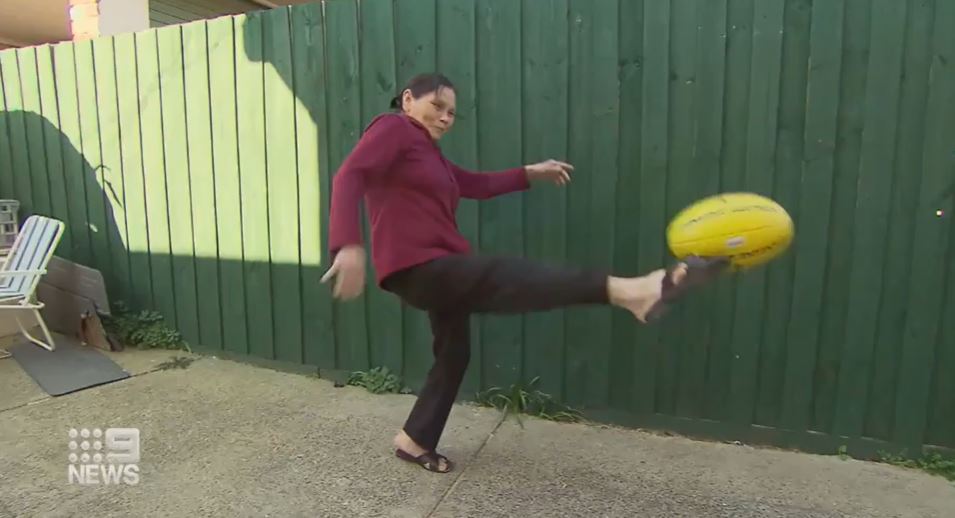
A pint-sized grandma in Melbourne's north has become a social media sensation after using her time in lockdown to brush up on her footy skills.
Judy's great-niece Angelena Roan, an AFL multi-cultural diversity ambassador, decided it was time the 79-year-old got serious about her love for the game, training her up in the family's Preston driveway.
"For me it was a normal post because we do this all the time, but for the world it seemed like it was this special moment," Ms Roan said.
READ MORE: Search for missing boy enters second night
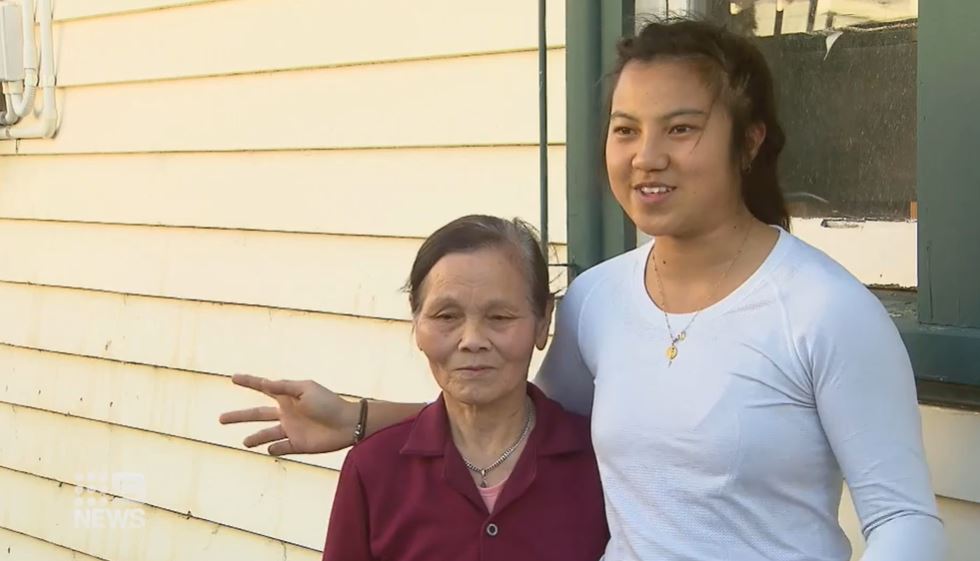
Judy left Vietnam 18 months ago and has been stuck in Melbourne due to ongoing coronavirus lockdowns.
Like many others trying to find ways to keep busy while stuck at home, Ms Roan and her great-aunt decided to post their family fun on social media, much to viewers' delight.
The video which received a resounding applause was posted online a week ago, showing Aunt Judy's first attempt at kicking a football, as well as a hilarious efforts at bouncing the ball.
Ms Roan said her great-aunt is secretly loving the attention.
"Our family's very much living in this fame, they're really loving it," Ms Roan told 9News.
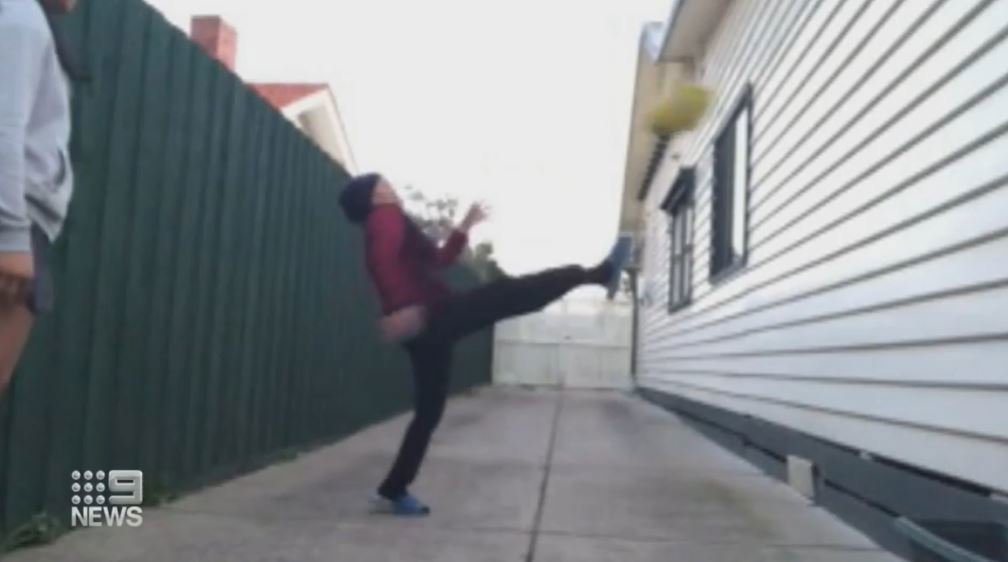
"The fact it is putting smiles on people's faces is all she really cares about."
Not content with leaving her sporting efforts at AFL, Judy decided it was also time to have a crack at cricket, belting the ball down the driveway for 9News.
Ms Roan's work with the AFL community aims to encourage people of all backgrounds, ages and sizes to play the sport and she says the example her great-aunt is setting is exactly what her work is about.
READ MORE: With no tourist handouts, hungry Bali monkeys raid homes
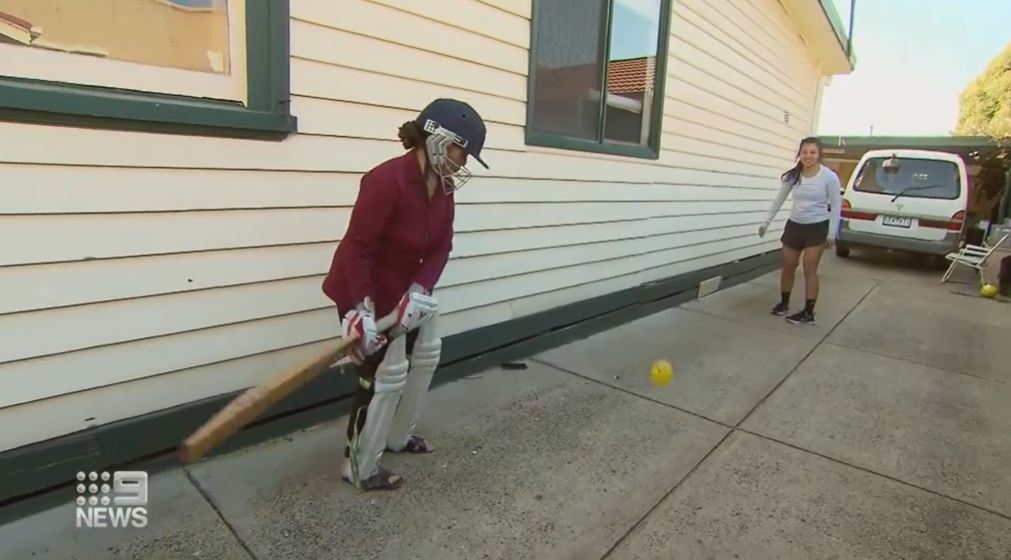
While Ms Roan and Judy hint this may not be the last time you see the happy lady on social media, her main motive is to spread joy.
"To any little kids out there, go out and play – it doesn't matter if you are a girl or a boy, or don't identify as either, you could be on the big stage one day – don't let anything else stop you," Ms Roan says.
Queensland mum trapped at border after attending son's NSW funeral
A grieving mother who attended her son's funeral in NSW is desperate to get back to her Queensland home, despite tough border restrictions keeping her trapped at the border.
The only reason Jo Harradine travelled to NSW was because her youngest son Nathan had vanished in July.
"He rang me the day he went missing and he said: 'mum there's something wrong with the car', so I said take it to your uncle's place," Ms Harradine told 9News.
READ MORE: Desperate search for missing three-year-old enters second night
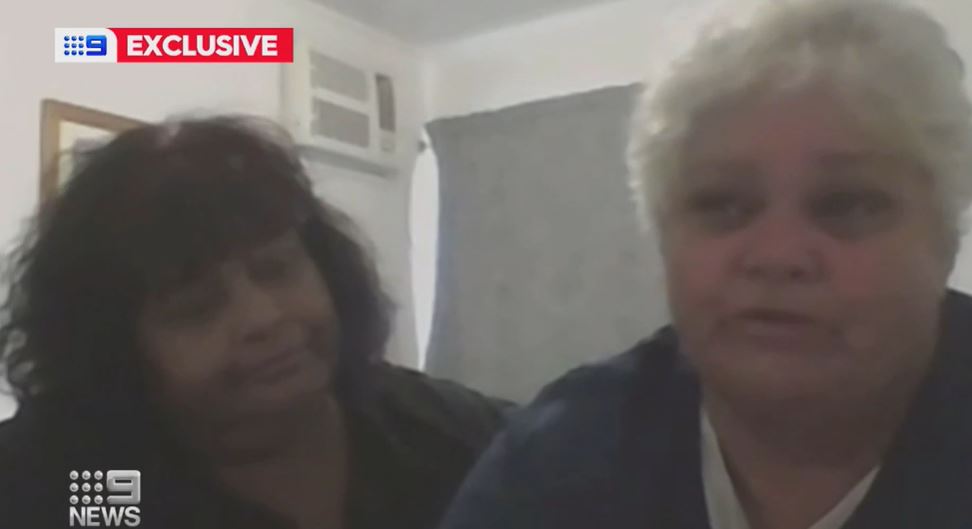
"He wanted me to come and get him and I was one day too late."
The 31-year-old's body was discovered in a river on July 31 and now the mother-of-four is still stuck in NSW, just minutes from a border checkpoint, and a two-hour drive from her remote property in Queensland's south-west.
After her son's death, Ms Harradine's husband took Nathan's car back to Queensland and she stayed in NSW for the funeral.
"We had his funeral in Gunnedah with 10 people, including two of his children and we cremated him so I could take him home," she said.
The 62-year-old went through the appropriate exemption process, telling authorities she had a medical condition and ongoing mental health issues and would quarantine at home.
But with her applications continuing to be rejected, Ms Harradine was desperate to return home and after she was turned away at the border, she copped a $4000 fine trying to cross at another border checkpoint.
"I assumed once I got the fine I could go home and quarantine, but they said no and told me I had to go back to NSW," she said.
READ MORE: Queensland won't go into lockdown over four-year-old with coronavirus
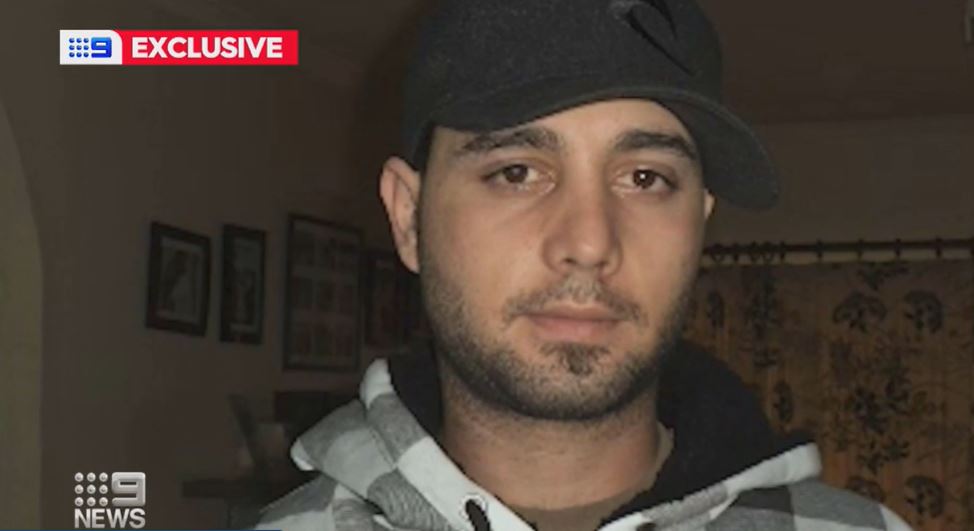
While Ms Harradine was refused entry to Queensland, NSW Police allowed her to hand them Nathan's ashes so they could return him to her husband at their Queensland property.
Ms Harradine originally didn't want to share the circumstances around her story, hoping she could return home to grieve in private.
"I am fighting to get across the border and I am scared to go home and see my son in a box in his room – I've got to deal with that when I get home."
Despite being minutes from the border, Queensland Health told Ms Harradine she needs to travel to Sydney and fly to Brisbane to quarantine in a hotel for 14 days before she can go back to her home, just two hours from where she is currently holed-up.
While Queensland Health say they know border restrictions are inconvenient, factors must be balanced against "the serious health risk to more than five million Queenslanders".
READ MORE: New terror laws in New Zealand after Auckland attack
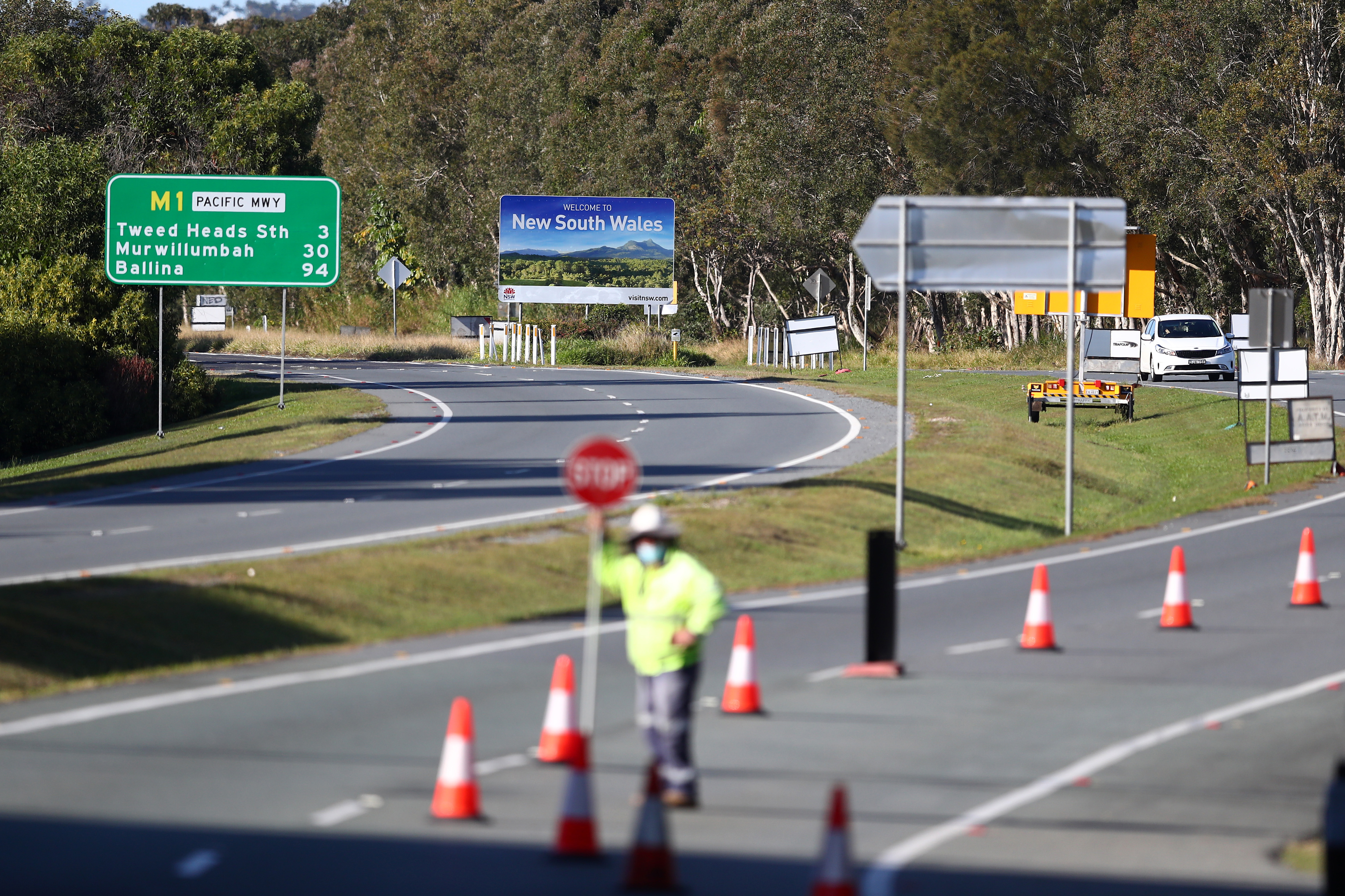
"I have seen a number of cases reported today of people coming forward and telling their stories of wanting to come to Queensland – we understand and we will reach out and work with people about their applications for exemptions," Queensland Health Minister Yvette D'ath said when questioned about Ms Harradine's specific situation.
"I can't talk about particular circumstances of individuals and their cases."
Since speaking with 9News, Ms Harradine says she has had a call from Queensland Health who are reviewing her exemption application.
Platypus return to Royal National Park after decades
Platypus are returning to the Royal National Park in New South Wales after over half a century.
"Once thriving" platypus have not been sighted in the national park, south of Sydney since the 1970s but Environment Minister Matt Kean announced today that 10 would be reintroduced to the area in the first half of 2022.
"We are returning one of Australia's most iconic species to Australia's first and most iconic National Parks," Mr Kean said.
READ MORE: Taronga Zoo lyrebird sounds exactly like a screaming baby
"The platypus is seen nowhere else on the planet and like so many of our other important native species, it's future is uncertain.
"Unfortunately, we have some of the worst extinctions rates anywhere in the world and we have to make sure the platypus never makes that list."
The conservation initiative has been planned with the University of New South Wales (UNSW), the World Wild Fund for Nature-Australia (WWF), Taronga Conservation Society Australia and National Parks.
The group of 10 will include both male and female platypus, with specialist boardwalks and viewing platforms designed to have minimal impact on their habitat being built.
READ MORE: 'Naughty' koala found stuck on top of roof in Sydney's south-west
Professor Richard Kingsford from UNSW's Centre for Ecosystem Science said protection of platypus freshwater habitats must be preserved in the future to ensure their survival.
"While platypus are resilient animals, we want to make sure future generations can see them in the rivers of the Royal and all the way down the east coast of Australia," said Professor Kingsford.
"Platypus are hard to see and mainly nocturnal animals, so we will survey and assess the condition of all the rivers and creeks in the park and checking which part of the rivers are suitable for reintroducing new individuals."
Platypus numbers have been in decline due to river mismanagement, habitat destruction, predation by invasive species, and an increased frequency and severity of droughts and fires due to climate change.
WWF-Australia's Rewilding Program Manager Rob Brewster said conservation efforts had to be taken seriously. the platypus is to our rivers as koalas are to our forests.
"Platypus are to our rivers what koalas are to our forests, but there's a risk they will disappear if we don't talk bold steps to reverse their decline," said Mr Brewster.
New terror laws in New Zealand after Auckland attack
The New Zealand Government will now overhaul terrorism laws by the end of the month, in the wake of a knife attack committed by a terrorist who was under police surveillance.
Prime Minister Jacinda Ardern fronted media on Saturday afternoon with further details about the man behind the attack, including the efforts taken by police to keep him in custody or GPS monitored in the community, as concern about the risk he posed grew.
She also said the Government had sought to hurry changes to the terrorism laws in the months after the man was released into the community. The justice minister made a phone call to make this happen the day the attack happened.
READ MORE: NSW records 1533 new local COVID-19 cases, four deaths
"We must be willing to make the changes that we know may not necessarily have changed history, but could change the future," she said.
The 32-year-old man, who cannot be named due to court suppressions, entered a Countdown supermarket in New Lynn, Auckland on Friday afternoon and stabbed seven people, leaving three in a critical condition, with a knife picked up from the store's shelf.
The man had been under 24/7 surveillance by police, and officers within minutes shot the man dead. He was a supporter of the extremist ideology of the Islamic State of Iraq and Syria (Isis), a designated terror group.
"When you have a highly motivated lone actor, like this individual, it is incredibly tough," Ms Ardern said.
How the terrorist was handled
Ms Ardern on Saturday gave more details about the terrorist's criminal history, having been liberated from a court suppression that Crown lawyers sought to remove late on Friday evening.
But particular details about the man's immigration status remained suppressed, with the courts allowing his family 24 hours to contest information being released.
The man's name continued to be suppressed.
"This is not something I had intended to share regardless," Ms Ardern said.
Ms Ardern said the man came to New Zealand in 2011 as a 22-year-old, travelling on a student visa. Whether he held extremist views at the time was unknown.
He first came to the attention of the police in 2016 after posting extremist material and reposting videos on Facebook. The videos were about war and violence, including a terror bombing in Europe. He was spoken to twice by police that year, in April and May.
He was then arrested at Auckland International Airport in May 2017, as police believed he was travelling to Syria to join Isis.
A search of his home found a hunting knife and "restricted publications". He was charged with possession, pled guilty to knowingly distributing restricted publications, fraud, and failing to assist police with a search and was released on bail.
After two days on bail, he bought another knife. He was arrested again, more extremist, objectionable material was found, and he was placed in custody.
READ MORE: 'Extremist' shot dead after stabbing six people in Auckland terror attack
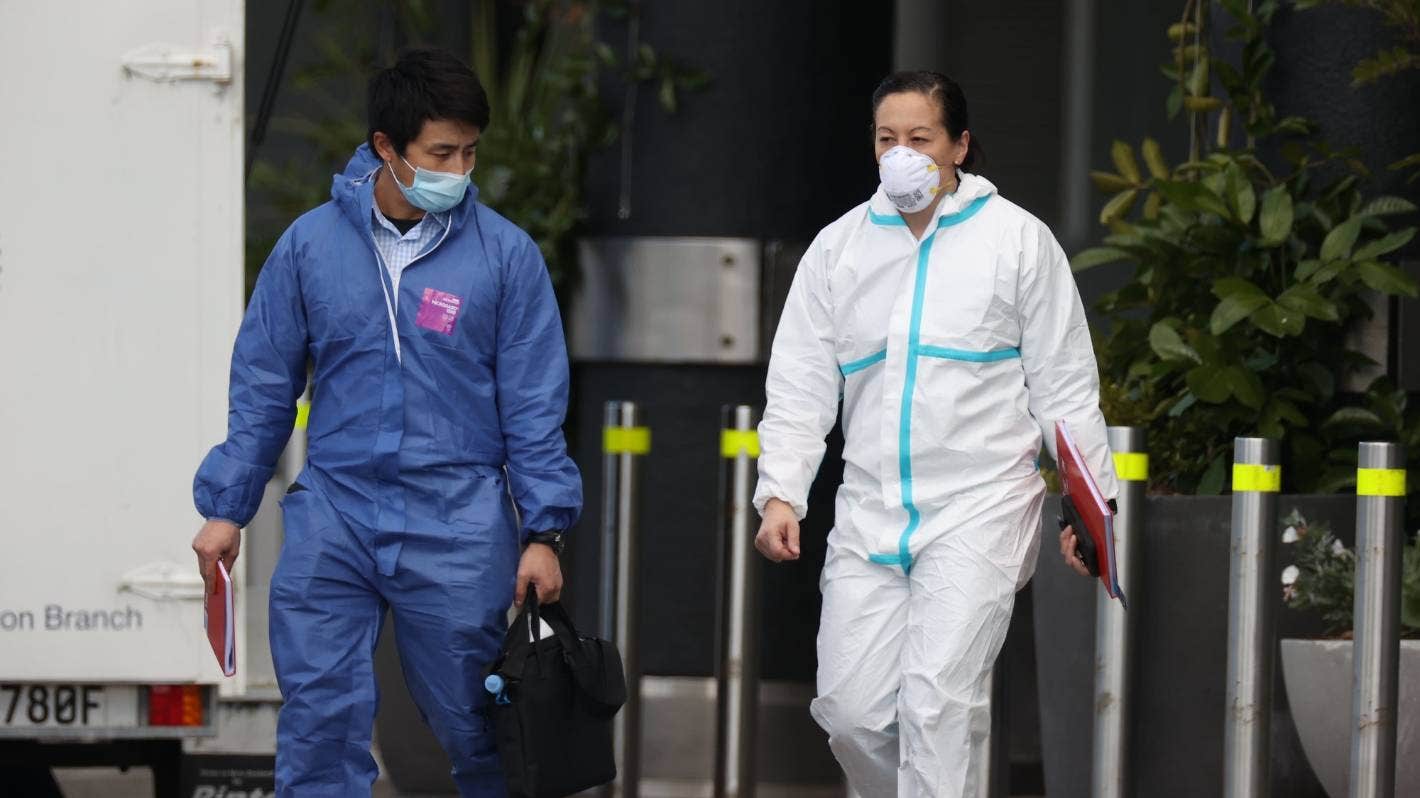
He was in custody for years while facing these charges. And attempt to prosecute him under the Terrorism Suppression Act, in July 2020, failed.
He remained in custody awaiting sentencing for other charges, and during this time he assaulted corrections officers – leading to further charges.
He was convicted of charged of possession of objectionable material in May 2021, and on July 6, having spent three years in custody, he was sentenced to 12 months supervision.
"GPS monitoring was sought by the Crown, but this was not imposed by the courts … given all legal avenues to continue his detention had been exhausted, officials prepared for his release," Ms Ardern said.
Surveillance began immediately, Ms Ardern said, and at times there were up to 30 police officers working on monitoring the man.
Ms Ardern repeatedly said that government agencies had exhausted every legal avenue to kept the man out of the community.
She, at one point, took advice on whether it was possible to have him sectioned as a mental health patient. But the man had refused to take psychological assessments.
"When it was no longer possible to legally have this person detained, that is when the police came in with that constant monitoring."
Insights into the attack
Police Commissioner Andrew Coster, also at the press conference, provided a revised account of how quickly police acted. He had said on Friday that it took 60 seconds for police to shoot the man, after hearing the commotion of the attack.
However, CCTV footage showed the first stabbing occurred 60 to 90 seconds prior to police realising an attack was underway.
Mr Coster said the police surveillance officers were not able to be nearer to the man, in the supermarket, as there were fewer people present in the store due to COVID-19 lockdown restrictions.
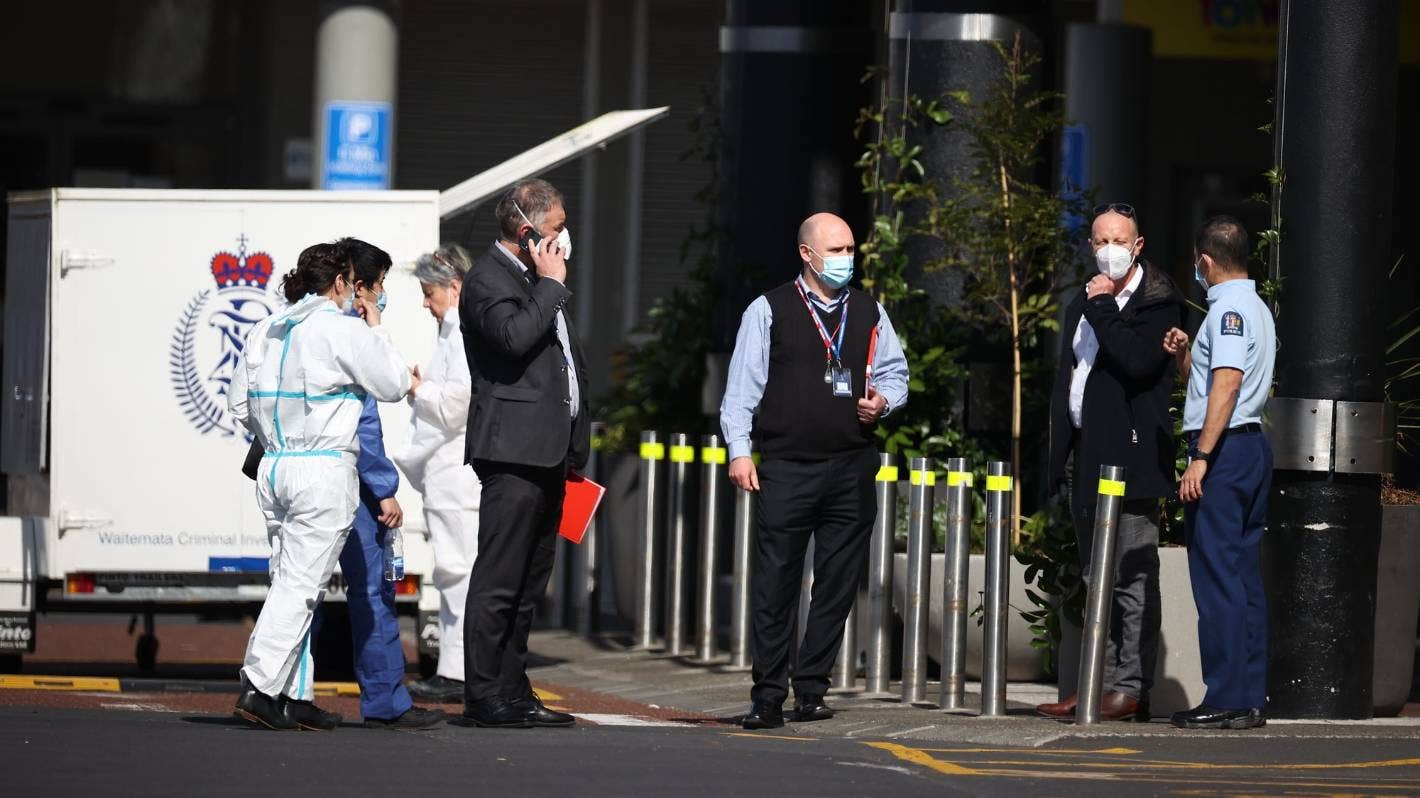
"The risk of compromise is greatly increased."
The terrorist had been highly paranoid that he was being monitored. Mr Coster said the man had previously accused other people, not police officers, of surveilling him.
He had been under 24/7 surveillance for 53 days.
"I remain of the view that our police staff acted exactly the way we would have expected them to," Mr Coster said.
CCTV footage also showed the terrorist removing a kitchen knife from the supermarket shelves, before the attack. A similar knife was found next to his body after he was shot, indicating no other weapons were used.
"Nothing suggests to me anything other than the knife was taken from the store."
The man spent ten minutes shopping at the store prior to the attack. Ms Ardern said the man, earlier in the day, had done "bits and pieces" which suggested he intended to be around in the following weeks.
Mr Coster said it may never be known whether he planned to carry out the attack at the supermarket, or it was "opportunistic".
A seventh victim had been located overnight, Mr Coster said. This victim had been injured by the knife but was not stabbed, and cared for the injury at their home.
New terrorism laws
After nearly a decade of warnings from officials the terror laws might not be sufficient, the Royal Commission into the March 15 terror attack in December recommended the Government provide the police and intelligence agencies "with the means to disrupt planning and preparation terrorist attacks".
Such a provision does not exist in the Terror Suppression Act 2002, and attempts by police to prosecute possible terror planning – including the actions of the supermarket terrorist – had failed.
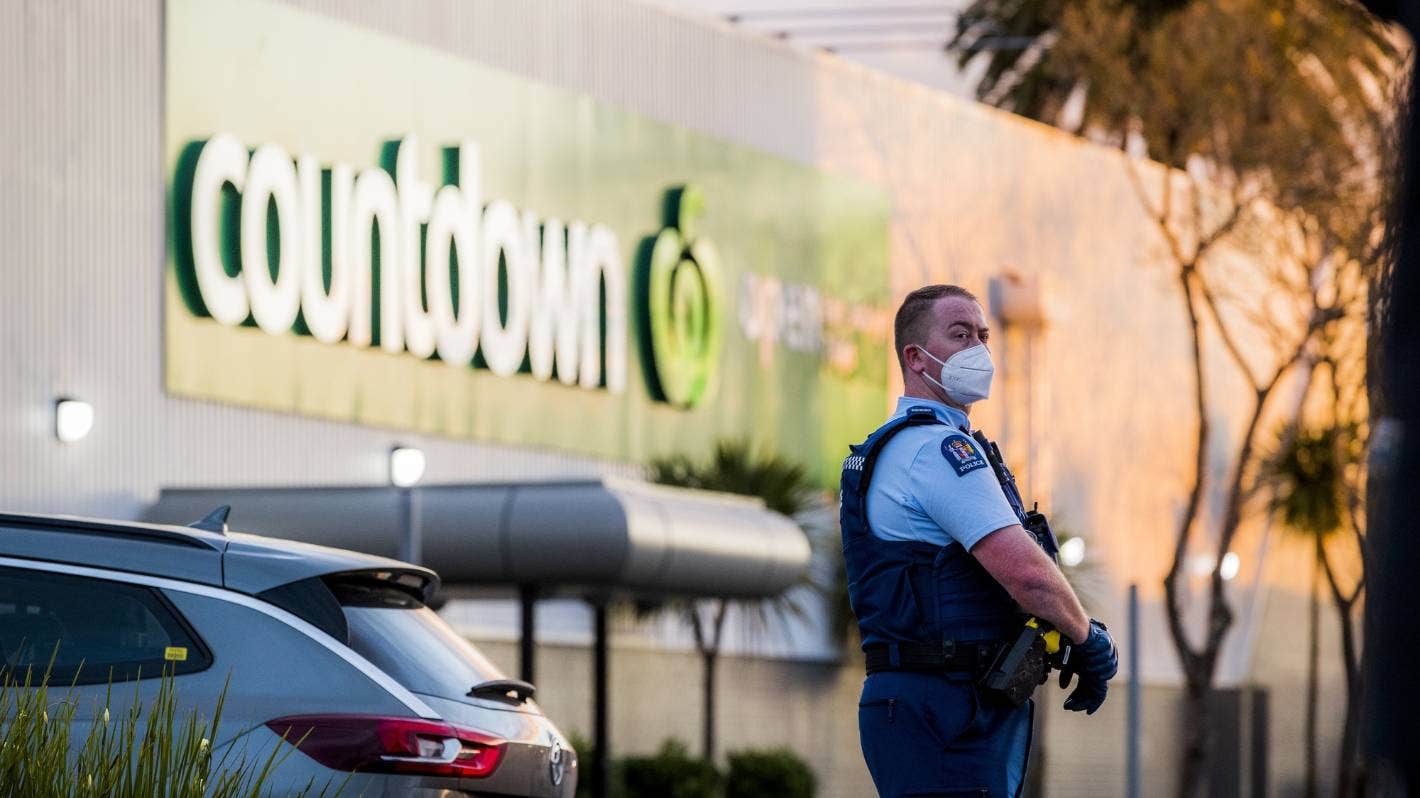
Ms Ardern on Saturday mapped out the Government's work to reform the law, which she said began in September 2018, and carried on throughout 2019.
The Government in April 2021 released details of its proposed law changes, which would broaden the scope of what has been considered terrorist activity, allowing law enforcement agencies to consider the planning or training for an attack as a terrorist activity, and provide warrantless search and entry powers to do so.
The bill had been in the select committee process in recent months, and a group of MPs had been hearing public submissions on how it should be written.
After receiving a written update on the man's case in July, Ms Ardern said she met with officials on August 9 to discuss what more could be done to mitigate the risk posed by the man.
Earlier this week, Mr Coster suggested expediting the proposed law changes. Within 48 hours of this discussion, Ms Ardern said, Justice Minister Kris Faafoi called the chair of the justice select committee to hurry it along.
"That was yesterday, the same day the attack happened," Ms Ardern said.
"The public have had their say, and now Parliament must act."
But the bill has raised concerns for how it may damage civil liberties. The privacy commissioner, who supported the intent of the law change, does not support control orders and said the warrantless search powers pose a "grave" risk to the public's privacy rights.
The Islamic Women's Council has opposed the law changes. Last month, the council's national co-ordinator Aliya Danzeisen told the select committee scrutinising the bill the organisation feared how the laws might be used on her community.
"We have lived the life of counter-terrorism laws for 20 years. We have been the focus of those laws for the last two decades," she said.
"The proposed legislation as drafted is going to erode fundamental human rights."
National Party leader Judith Collins has already offered to support the urgent passing of the counter-terror laws.
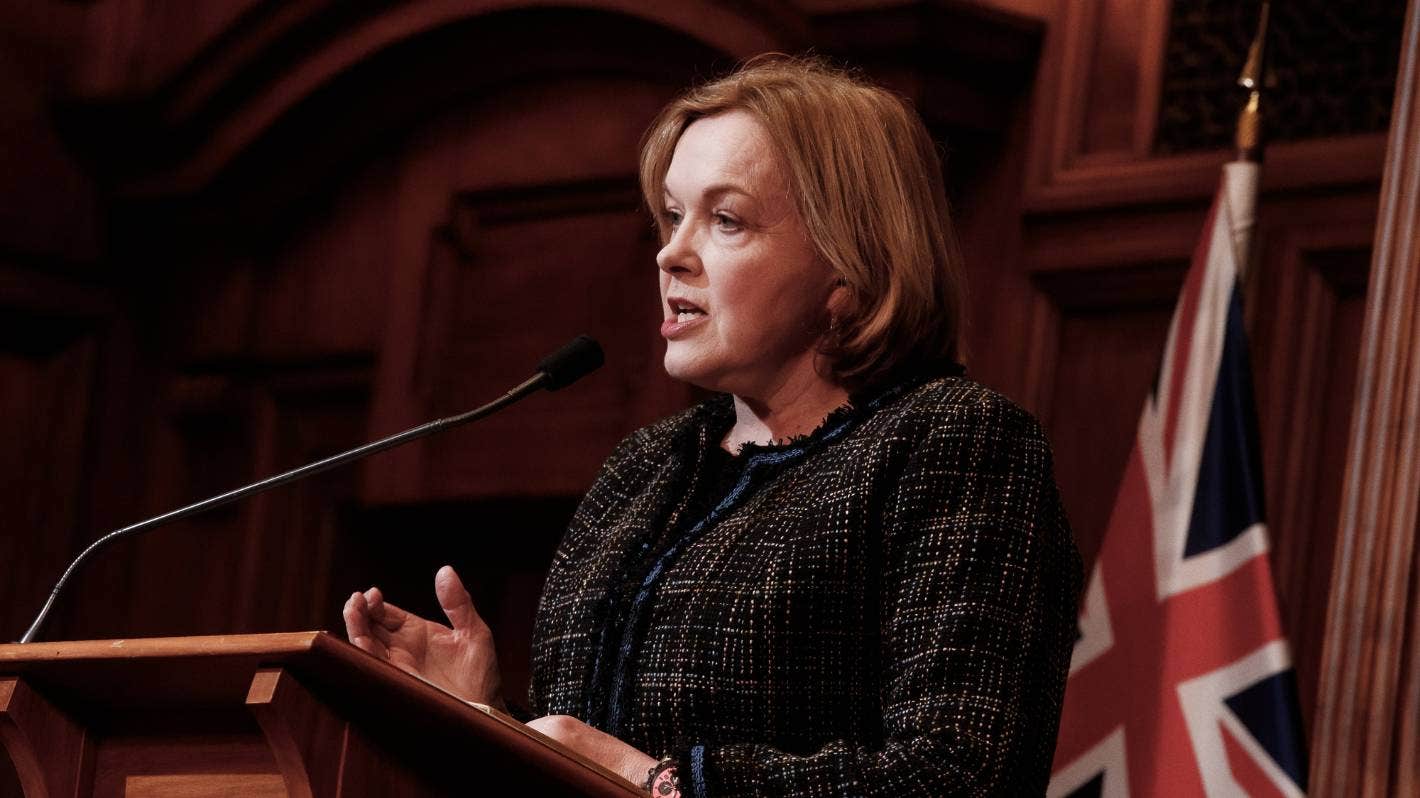
Ms Collins said she sent a text message to Ms Ardern on Friday evening, offering the National Party's support if the Government wanted to pursue its changes to terrorism laws with urgency.
"It seems to us that is a very good thing to move faster on … Obviously she can push things through anyway, but it's obviously more helpful to her if she has the Opposition agreeing with her," she said.
Ms Collins herself had made a decision to remove a review of the Terrorism Suppression Act from the Law Commission's work programme, when she was justice minister in 2013. At the time, she said there did "not appear to be any substantial or urgent concerns arising from the operation of the Act".
"You can't expect me to remember exactly every decision from eight years ago without any documentation. But it's also really important to consider that the threat situation was entirely different eight years ago to what it is now," she said on Saturday.
Ms Collins said she also wanted the Government to consider harsher, Australian-style immigration laws that would create powers to deport dual citizens and permanent residents for committing violent crimes.
It was not clear that such laws would have assisted the authorities in the case of the supermarket terrorist.
"Legislation by itself doesn't necessarily stop someone doing something that they want to do, if it did than nobody would ever be murdered," Ms Collins said.
"It helps to eventually make the country safer, but at the same time, it recognises that the vast majority of people who come to choose to New Zealand to be their home … should not be unduly punished by other people's behaviours."
This article originally appeared on Stuff and has been reproduced with permission.
Auckland mall terrorist attack: John Battersby – NZ is no better prepared for extremism now than on March 15
OPINION: The recent tragic events in Auckland should jolt New Zealand out of its complacency about the risk extremism presents, which we appear to have drifted back into since March 15, 2019. Over two and a half years have passed…
Police investigate possible foul play in search for missing boy
The search for missing three-year-old Anthony "AJ" Elfalak has continued this afternoon, so far returning no trace despite exhaustive efforts.
A major search involving more than 130 emergency volunteers is currently underway in New South Wales' Hunter Valley, with police saying that they are investigating foul play as line of enquiry.
"We're looking into everything," a spokesman for NSW Police told 9News.
READ MORE: Sydney woman granted permission to enter WA to see dying mother

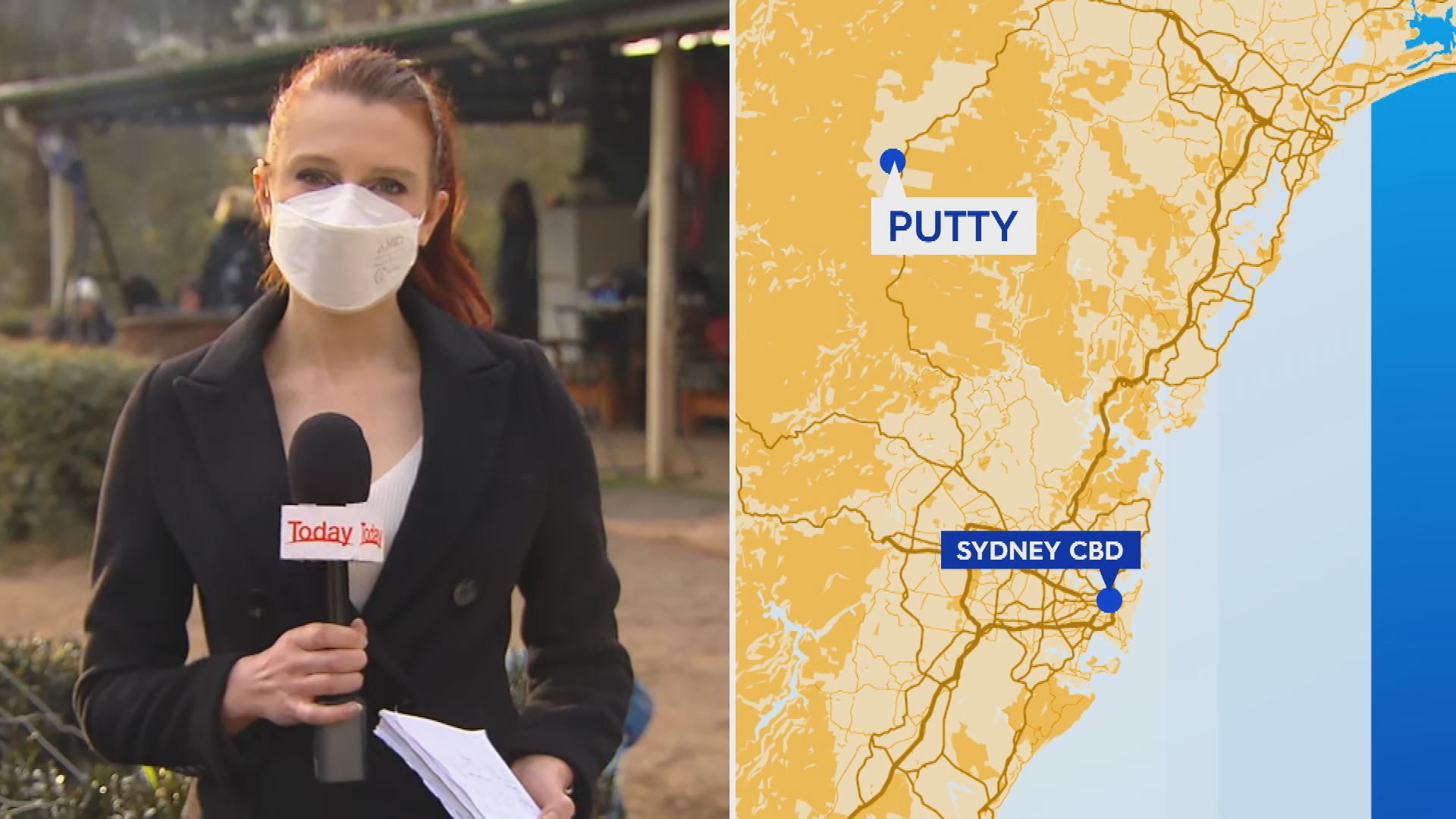
Anthony, who lives with autism, was last seen at a home on a rural property on Yengo Drive, Putty, south of Singleton, about 11.45am yesterday.
He has not been seen since, sparking a widespread search throughout the night and into Saturday afternoon.
Searchers are currently wading through "very difficult terrain", which is expected to become more treacherous as afternoon rainfall sweeps across the area.
"Obviously, the terrain is very difficult. We're in a rural setting, there are various levels of elevations," Superintendent Tracy Chapman said.
"We have been searching some of the dams and waterways, every minute is important so our priority is to find AJ as quick as we can."
https://twitter.com/WesternWilson9/status/1434018317375709184
Superintendent Chapman said dams in the area had been emptied and police divers deployed, but have so far returned no trace.
She said that officers are currently assessing the requirement for an Amber Alert.
There are grave concerns for the boy's wellbeing as he lives with autism and is non-verbal.
The rural town of Putty is located about two hours north-west of Sydney and is surrounded by bushland.
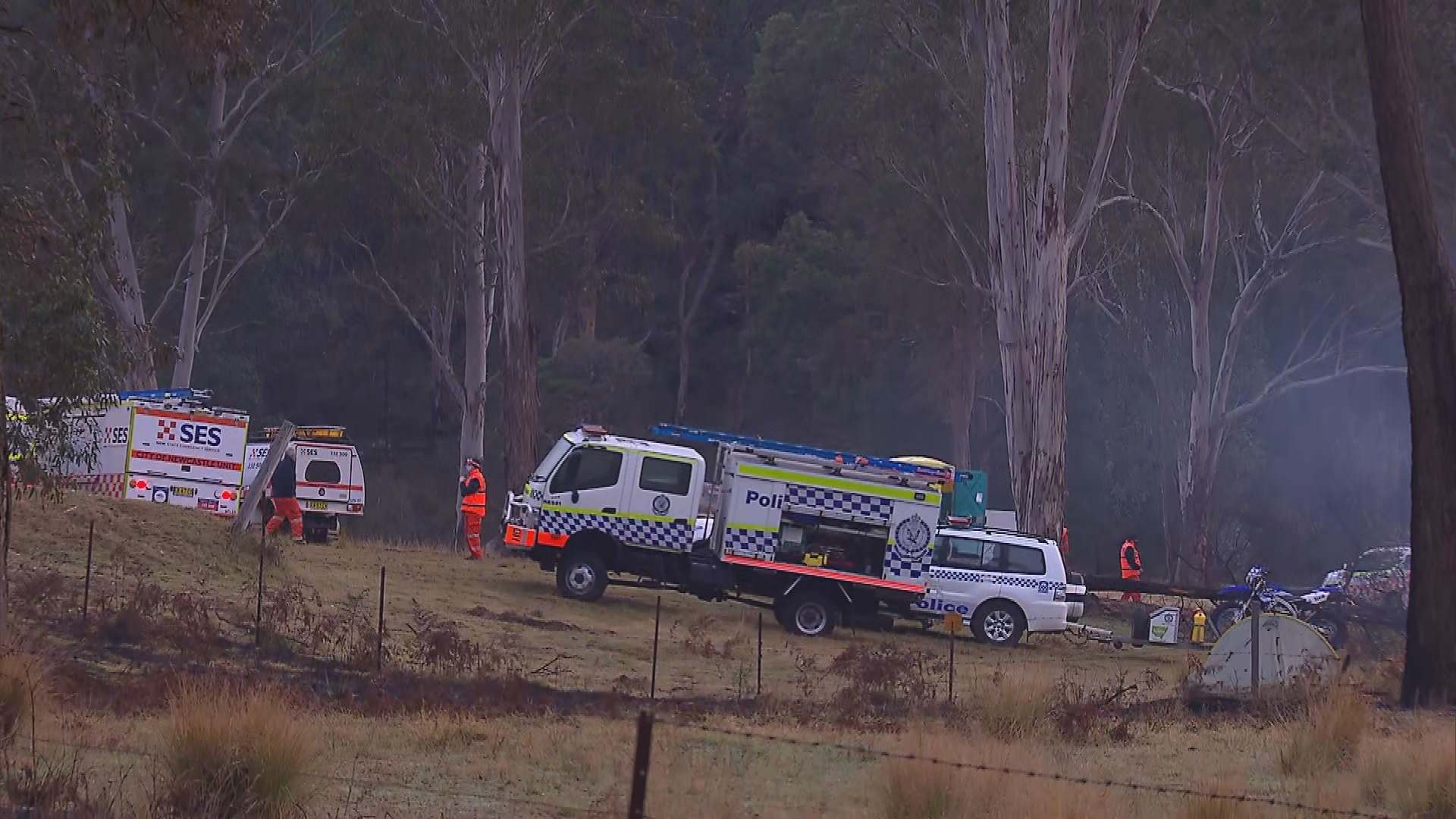
Police are using trail bikes, police helicopters and divers, and the Dog Unit to urgently try and track down the boy.
Emergency crews are scouring the remote area with the State Emergency Service (SES), Rural Fire Service.
A command post has been set up down the road from the property where about 30 cars of concerned friends have gathered.
NSW Police issued a statement insisting assistance from the public was currently not required, reminding people of the COVID-19 restrictions in place.
"There are sufficient emergency services on scene and public assistance is not required at this time," NSW Police said in a statement.
"This area is deemed regional NSW and travel restrictions under the Public Health Order apply."
The boy is described as Mediterranean/Middle Eastern in appearance and has short dark hair. He is believed to be wearing a grey jumper and pants, and sneakers.
Anyone with information about this incident is urged to contact Crime Stoppers on 1800 333 000.
'Massive jolt and shaking': 4.9 earthquake in Hawke's Bay this afternoon
A strong shake has been felt across Hawke’s Bay this afternoon. A 4.9 magnitude earthquake struck 5km north of Waipukurau in Central Hawke’s Bay.The quake was described as moderate by Geonet. It occurred at 4.54pm at a depth…
Biden moves to declassify documents about September 11 attacks
US President Joe Biden has directed the declassification of certain documents related to the September 11, 2001, terrorist attacks, a supportive gesture to victims' families who have long sought the records in hopes of implicating the Saudi government.
The order, coming little more than a week before the 20th anniversary of the attacks, is a significant moment in a years long tussle between the government and the families over what classified information about the run-up to the attacks could be made public.
That conflict was on display last month when many relatives, survivors and first responders came out against Mr Biden's participation in 9/11 memorial events if the documents remained classified.
READ MORE: Spike Lee cuts '9/11 truthers' from documentary

Mr Biden said on Friday that he was making good on a campaign commitment by ordering the declassification review and pledged that his administration “will continue to engage respectfully with members of this community.”
“The significant events in question occurred two decades ago or longer, and they concern a tragic moment that continues to resonate in American history and in the lives of so many Americans,” the executive order states.
“It is therefore critical to ensure that the United States Government maximises transparency, relying on classification only when narrowly tailored and necessary."
The order directs the Justice Department and other executive branch agencies to begin a declassification review, and requires that declassified documents be released over the next six months.
Brett Eagleson, whose father, Bruce, was among the World Trade Centre victims and who is an advocate for other victims' relatives, commended the action as a “critical first step.” He said the families would be closely watching the process to make sure that the Justice Department follows through and acts "in good faith.”
“The first test will be on 9/11, and the world will be watching. We look forward to thanking President Biden in person next week as he joins us at Ground Zero to honour those who died or were injured 20 years ago,” Mr Eagleson said.
Still, the practical impact of the executive order and any new documents it might yield was not immediately clear. Public documents released in the last two decades, including by the 9/11 Commission, have detailed numerous Saudi entanglements but have not proved government complicity.
A long-running lawsuit in federal court in New York aims to hold the Saudi government accountable and alleges that Saudi officials provided significant support to some of the hijackers before the attacks. The lawsuit took a major step forward this year with the questioning under oath of former Saudi officials, and family members have long regarded the disclosure of declassified documents as an important step in making their case.
READ MORE: Terrorists behind 9/11 attacks 'stronger than ever' despite multi-trillion war on terror

The Saudi government has denied any connection to the attacks.
Fifteen of the hijackers were Saudi, as was Osama bin Laden, whose al-Qaida network was behind the attacks. Particular scrutiny has centred on the support offered to the first two hijackers to arrive in the US, Nawaf al-Hazmi and Khalid al-Mihdhar, including from a Saudi national with ties to the Saudi government who helped the men find and lease an apartment in San Diego and who had earlier attracted FBI scrutiny.
Though many documents examining potential Saudi ties have been released, US officials have long regarded other records as too sensitive for disclosure. On Thursday, victims' families and survivors urged the Justice Department's inspector general to investigate the FBI's apparent inability to locate key pieces of evidence they've been seeking.
The Justice Department revealed last month that the FBI had recently completed an investigation examining certain 9/11 hijackers and potential co-conspirators, and that it was working toward providing more information.
Under the terms of the executive order, the FBI must complete by September 11 its declassification review of documents from that probe, which it has referred to as the "Subfile Investigation.” Additional documents, including any phone and bank records and reports with investigative findings, are to be reviewed with an eye for disclosure over the course of the next six months.