Tag Archives: oceania

'I think I have given mum COVID': Confession rocks paramedic crew

In a cautionary tale about the need for young people to get vaccinated, a New South Wales paramedic has described visiting a western Sydney home where a distraught teenage boy feared he was responsible for giving his critically ill mother the Delta variant.

Intensive care paramedic Joe Ibrahim said he was called to a home in Sydney's west, the epicentre of the Delta outbreak, to back up an ambulance crew who were desperately trying to help a "deteriorating" single mother.

While the paramedics were giving the mother-of-two "critical treatment", Mr Ibrahim said her son admitted something which had crushed the emergency crew.

READ MORE: NSW records 1290 local COVID-19 cases, four deaths

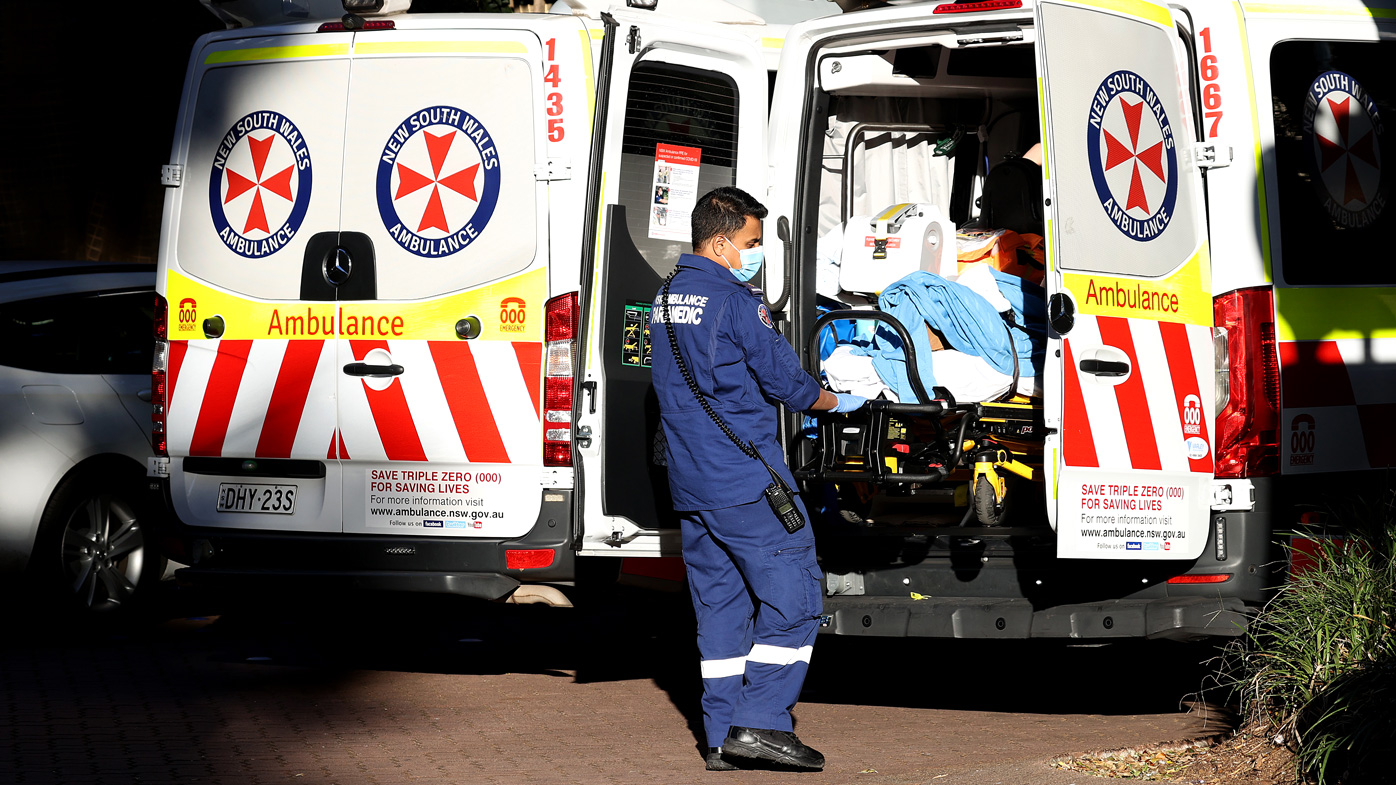
A NSW ambulance paramedic helps a patient into a Sydney hospital.

"That comment was, 'I think this is my fault. I think I have given mum COVID,'" Mr Ibrahim recalled.

"That stopped me in my tracks… and absolutely broke our hearts."

Mr Ibrahim said "unfortunately" the incident of a young person transmitting the virus to an older family member was not isolated.

Speaking alongside Premier Gladys Berejiklian at the state's daily coronavirus briefing, Mr Ibrahim also outlined other major challenges facing ambulance crews working on the Delta frontlines.

He described how paramedics were now performing CPR in full PPE, including gowns, gloves and goggles, and then going home to their own families to potentially expose them to the deadly virus.

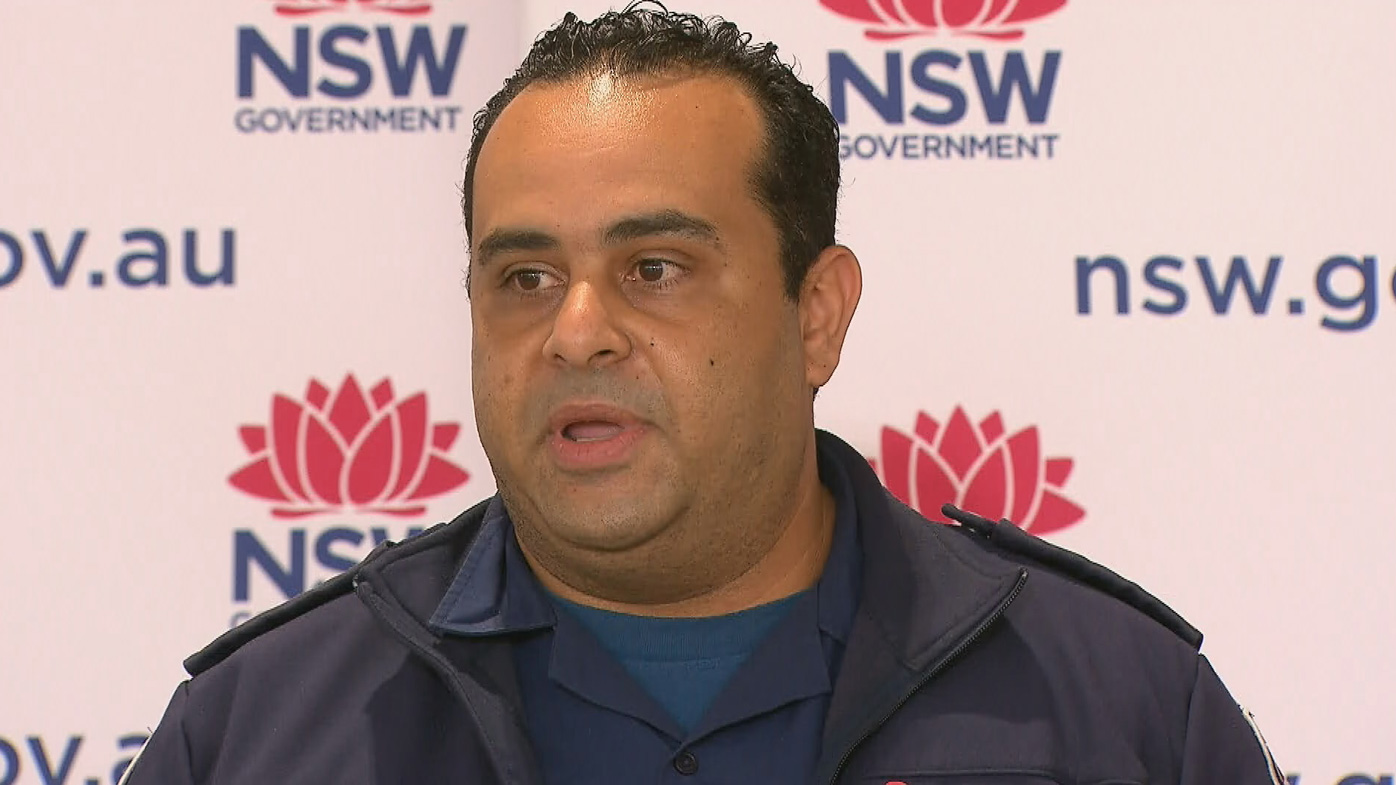
NSW Ambulance Inspector Joe Ibrahim said paramedics are regularly visting homes where young people have transmitted the virus to older members of the family.

"(The PPE) is to ensure that the virus is not getting into our lungs," he said.

"We wear this for the majority of our 12-hour shift and it takes its toll."

He said paramedics took on the physical and mental burden "to not only protect us and protect our family (but) to protect the broader community and your family".

He urged people to get vaccinated and follow health orders to restrict their movement.

NSW today recorded 1290 new coronavirus cases, with the majority in south-western and western Sydney.

A further four people have died.

READ MORE: 'Operation Furious' nabs suspended BMW driver '90km/h over limit'

NSW records 1290 local COVID-19 cases, four deaths

New South Wales has recorded a new daily high of 1290 local cases of COVID-19 and four more deaths.

Premier Gladys Berejiklian said more than 80 per cent of the new cases live in western and south-western Sydney.

"While every day we read out the statistics, we know that behind every death there is a family and those who are mourning," Ms Berejiklian said.

READ MORE: Exposure sites balloon as Victoria records 73 new COVID-19 cases

So far across the state, more than 6.8 million vaccines had been administered.

More than 157,000 tests were conducted in the 24 hours.

NSW Chief Health Officer Dr Kerry Chant said of the new deaths, one was a man in his 50s from Dubbo who died at Dubbo Hospital, another a man in his 70s from western Sydney who died at Westmead Hospital.

One was a man in his 70s from Sydney's inner west, who died at Concord Hospital, acquired the infection at the Meredith House Aged Care facility.

And the fourth was a woman in her 60s from western Sydney who died at Westmead Hospital after contracting the virus from Cumberland Hospital.

There have been 93 COVID-19 related deaths in NSW since June 16, and 149 in total since the start of the pandemic.

October will be 'the worst month'

Ms Berejiklian has predicted that the number of people requiring hospitalisation in NSW will soon get worse.

"We anticipate that the worst month, the worst time for our intensive care unit, will be in October," she said.

"We also know from the information we have, the accumulation of cases and the number unvaccinated, that October is likely to be our worst month in terms of pressure on the system and that is why we have gearing up for that and we have been nearly two years.

Ms Berejiklian said that the number of cases in the intensive care unit will depend on the state's vaccination rate.

"Our hospital system is under pressure. Will we need to do things differently? Of course, we will," she said.
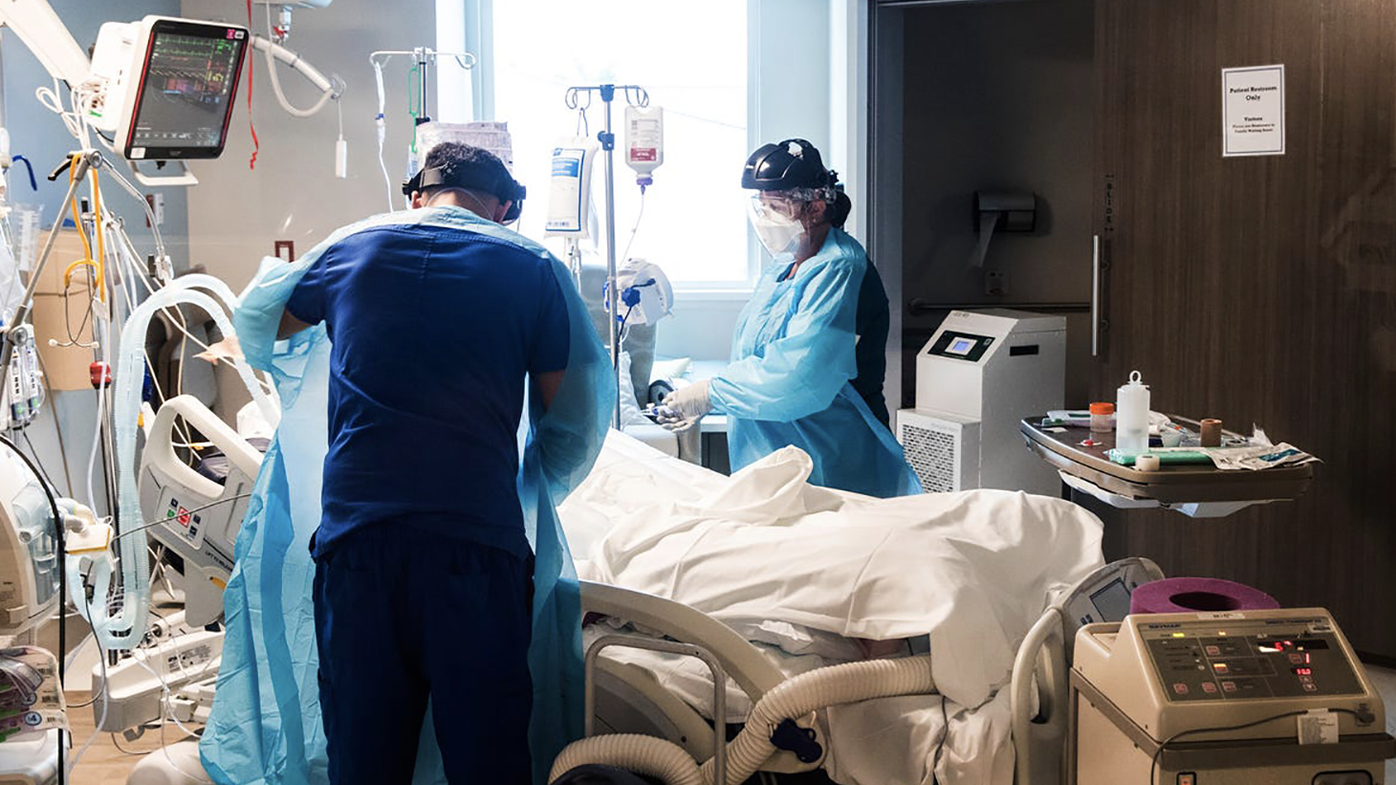
A respiratory therapist treats a COVID-19 patient in a NCH Healthcare System's ICU on August 9 in Naples, Florida. (Andrew West/Fort Meyers News-Press/USA Today Network)

Freedom roadmap being looked at for vaccinated population

A roadmap is being worked on to determine what restrictions will be lifted for those who have received double doses of the vaccine, or when the state reaches 70 per cent of the population fully vaccinated.

"We also have to appreciate next few weeks are critical, they will give us good guidance as to what level of freedom we will have but my strongest message is, if you are not vaccinated, do not expect to have freedoms," Ms Berejiklian said.

"We want to lift the burden of our citizens, not increase it. High vaccination rates give us that.

"If we know a lot of you have had your first and second dose, that gives us greater flexibility in increasing your freedoms."
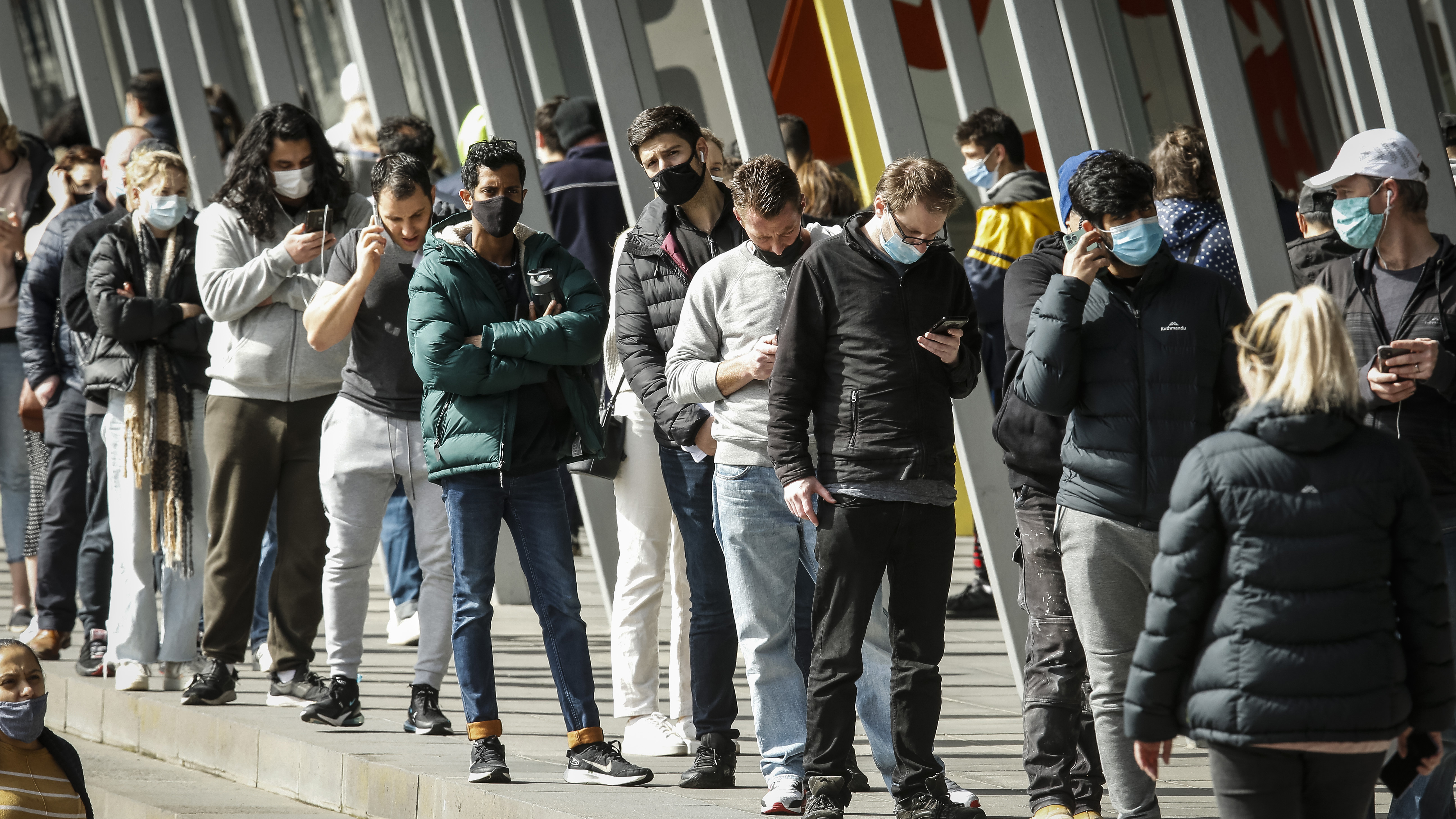
People lining up outside the Melbourne Exhibition Centre Vaccine Hub

Regional NSW on 'alert' after death of Dubbo man

Following the death of a man in Dubbo, NSW Deputy Premier John Barilaro has urged all regional communities to be "alert".

Nine of today's new cases are from the Far West, including seven in Wilcannia and two in Broken Hill.

The Central Coast recorded six new cases, five are from Illawarra-Shoalhaven and three are from Hunter New England district.

Mr Barilaro has pleaded with regional communities to come forward to get tested and vaccinated.

"So, again to those communities be alert of what is occurring and please come out and get tested," he said.
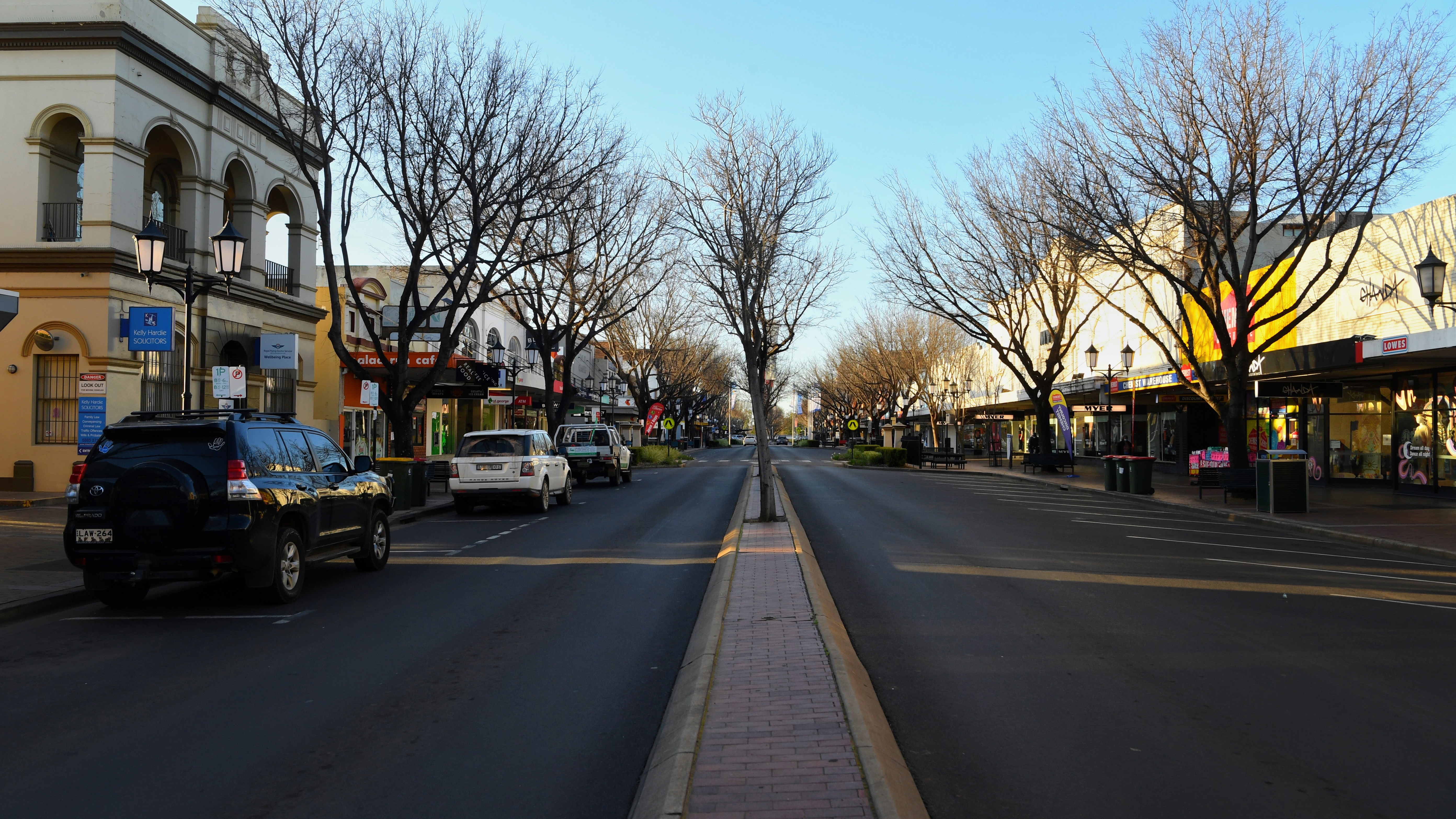
Macquarie street in the Dubbo centre.

Eastern suburbs not being given priority Pfizer doses

Reports priority doses of the Pfizer vaccine will be given to some areas in the eastern suburbs over Sydney's hotspot areas in the south-west and west are "not entirely accurate", Health Minister Brad Hazzard said.

It follows concerns Randwick and the Bayside local government areas would soon see a spike in cases after an illegal party in Maroubra.

"The South Eastern Sydney Local Health District put out a tweet yesterday letting people know that they had some available vaccine because there were a number of no-shows," Mr Hazzard said.

"They were making sure, as all of these do, that the vaccine would be offered and taken up."

The Pfizer vaccine is now available to all Australians aged 16-39.

AstraZeneca vaccine still abundant in supply

Mr Hazzard also urged people to get the AstraZeneca, which is in greater supply than Pfizer.

"AstraZeneca is in abundant supplies but Pfizer is not," he said.

"For those who have a preference for a number of reasons, for Pfizer, they will have to wait.

"Our advice is don't wait."

By waiting for a Pfizer jab, people could expose themselves to the virus, becoming "the next person in intensive care", Mr Hazzard added.

"You could be the person who is exposing our health team to the virus and you could be the person who dies," he said.

"Go and get whatever vaccine is available."
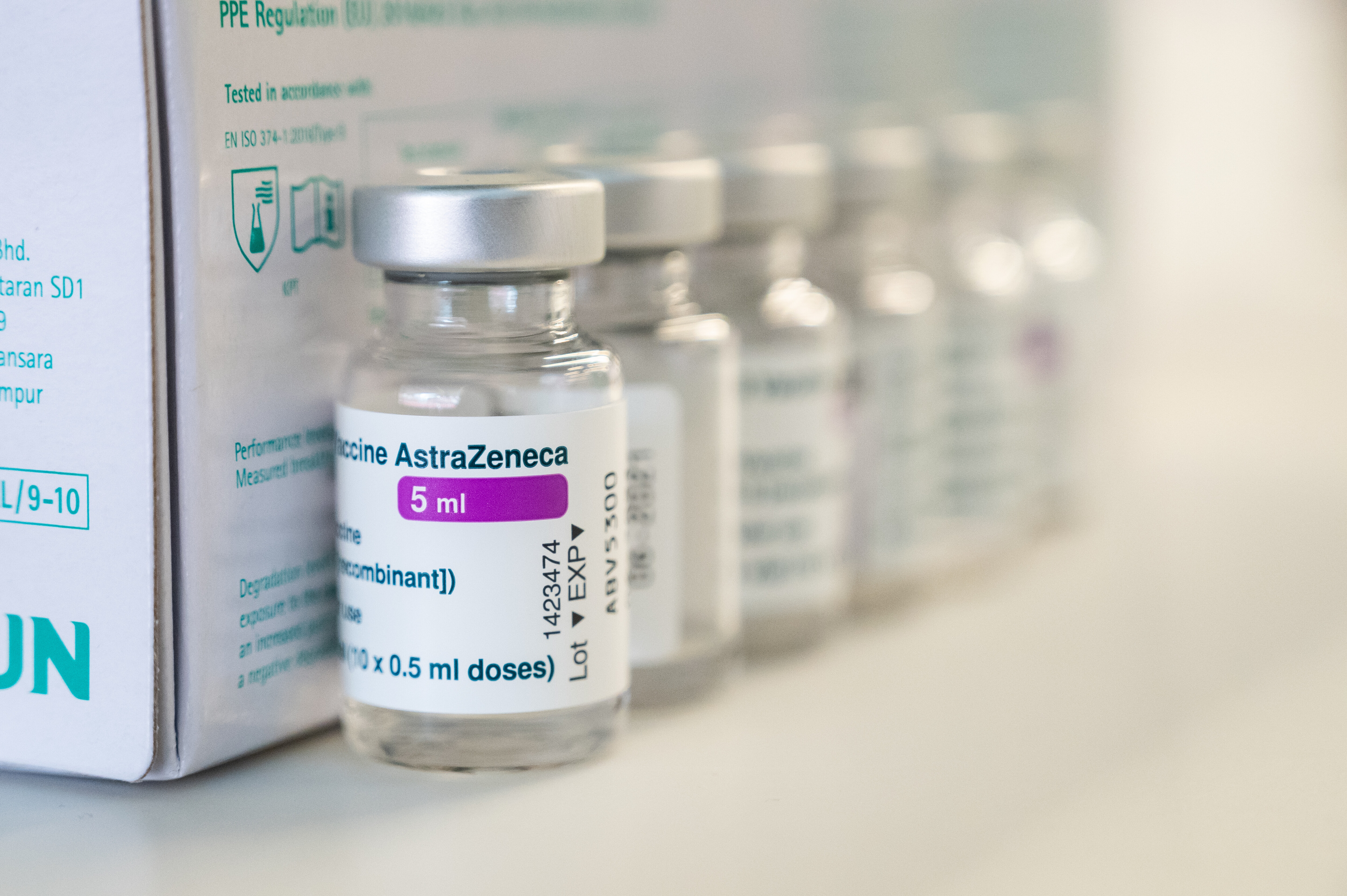
Vials of AstraZeneca vaccine against coronavirus (COVID-19)

Virus taking heavy toll on frontline workers

A paramedic working on the frontline in NSW hotspots has described his work as "physically and mentally demanding".

Joe Ibrahim, an intensive care paramedic for NSW Ambulancewho is based in Western Sydney, has pleaded with people to come forward to get vaccinated.

"When I joined this profession, years ago now, I knew that it came with a level of risk to serve our community," he said.

"For the very first time though, I am bringing this risk – due to this contagious virus – home to my wife and my beautiful boys.

"I know and take comfort in the fact that vaccinations break the chain of transmission and I am grateful to be vaccinated.

"This truly does give me comfort and this is another reason why I stand here today asking you to go and get vaccinated."

He says having to perform CPR wearing full PPE – including a plastic gown, mask, gloves and glasses – was the "most physically demanding" part of the job but it was necessary so the "virus does not get into our lungs".

Travelling workers put on notice

Dr Chant has put several communities on notice amid fears workers are bringing the virus into new areas.

"We are also seeing some spillover into adjacent local government areas and that is usually from workers going into those local government areas of concern and bringing them back and affecting the families," she said.

The communities include Ryde, Meadowbank and Marrickville.

Of the suburbs that are still seeing the majority of cases, Dr Chant called out Guildford, Merrylands, Auburn, Punchbowl and surrounding suburbs.
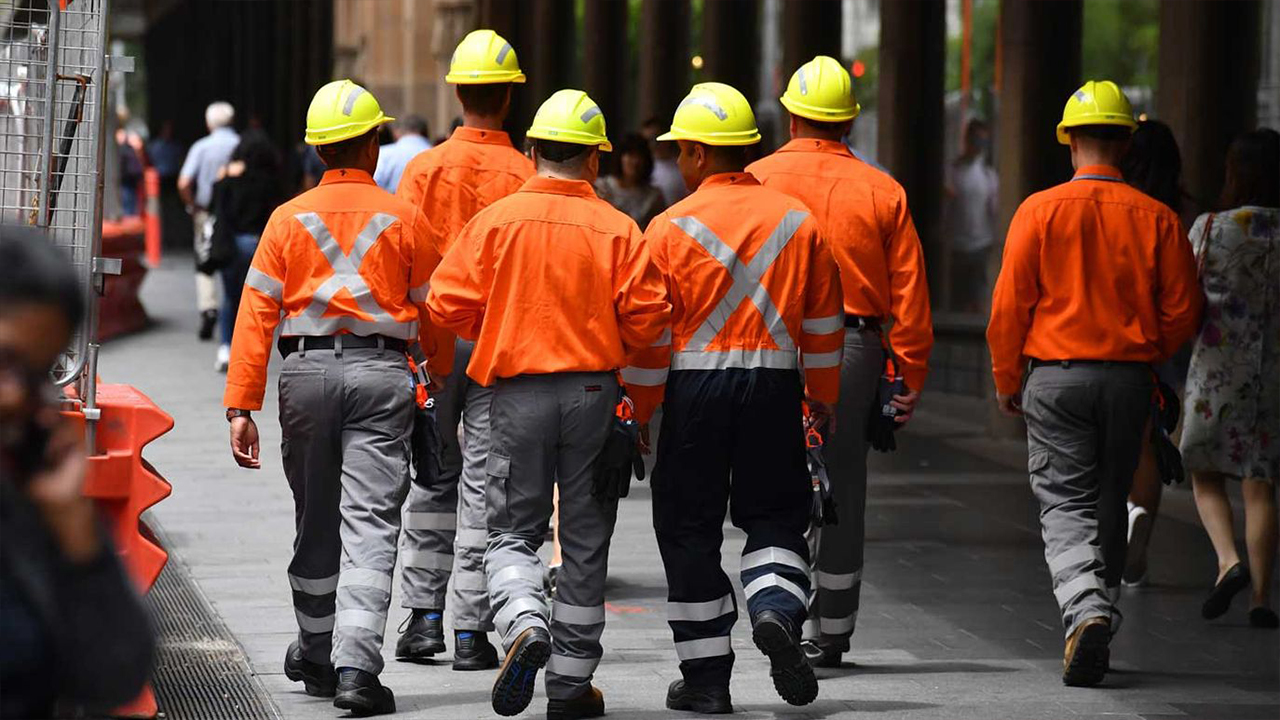
Tradies walking.

NSW-Queensland border changes under consideration

NSW officials will finally meet with their Queensland counterparts tomorrow to work out a definitive solution to the cross-border arrangement, Mr Barilaro has said.

A number of changes had been discussed today, with talks to continue tomorrow between the relevant health authorities and governments.

A number of new changes were being considered, he said.

"These are the issues that are hampering workforce flow across that border, families reunited, what are the authorised workers, those communities are interconnected and work closely and service delivery for goods and services is important in the Tweed," Mr Barilaro said.

"We are working towards an outcome for the Tweed community."

Pfizer rollout expanded

Earlier today, getting the Pfizer vaccine became easier for all Australians with the eligibility expanded to include everyone aged 16-39 from today.

In NSW, Pfizer had been restricted to those in that age group from hotspot local government areas only.

But that changes from this morning, however, as priority doses of the vaccine will be given to those living in Sydney's eastern suburbs.

READ MORE: New campaign launched by NSW Government to encourage vaccinations
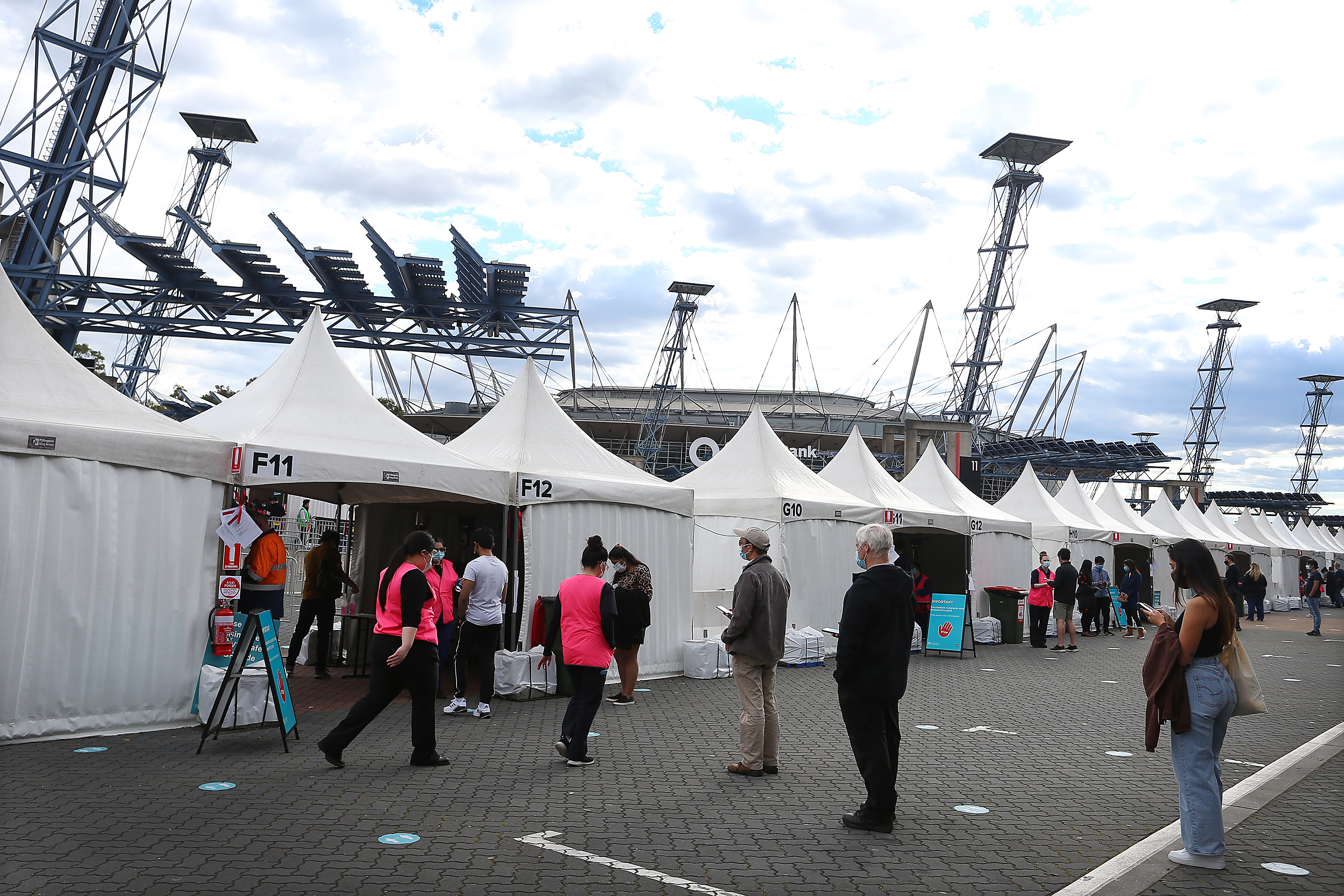
Health authorities are growing increasingly concerned about the Randwick and Bayside areas following a recent party in Maroubra, fearing a spike in cases as a result.

The majority of new infections remains centred within the city's south-west and western suburbs.

READ MORE: Sydney dad's fear as COVID-19 sweeps through family

Yesterday, NSW recorded 1218 new cases and six deaths, the worst day for the state and Australia as a whole since the start of the pandemic.

Another aged care home has been affected by the spread of the Delta strain with four residents and a cleaner at United's Edinglassie Lodge in Penrith testing positive.

In a statement to 9News, United said "90 per cent of residents and employees at the home have now received COVID-19 vaccinations."
Flames consume high-rise in Milan

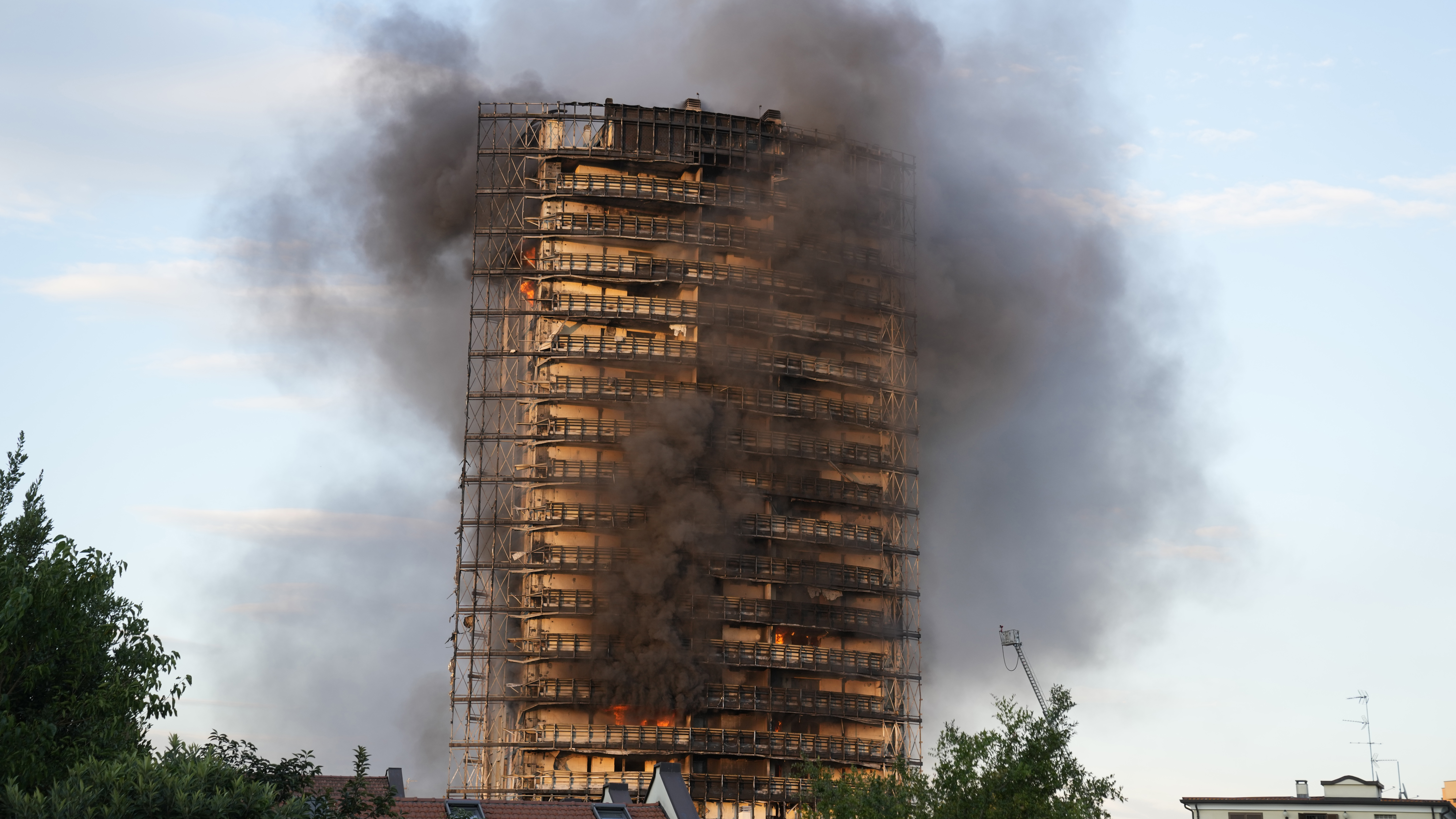
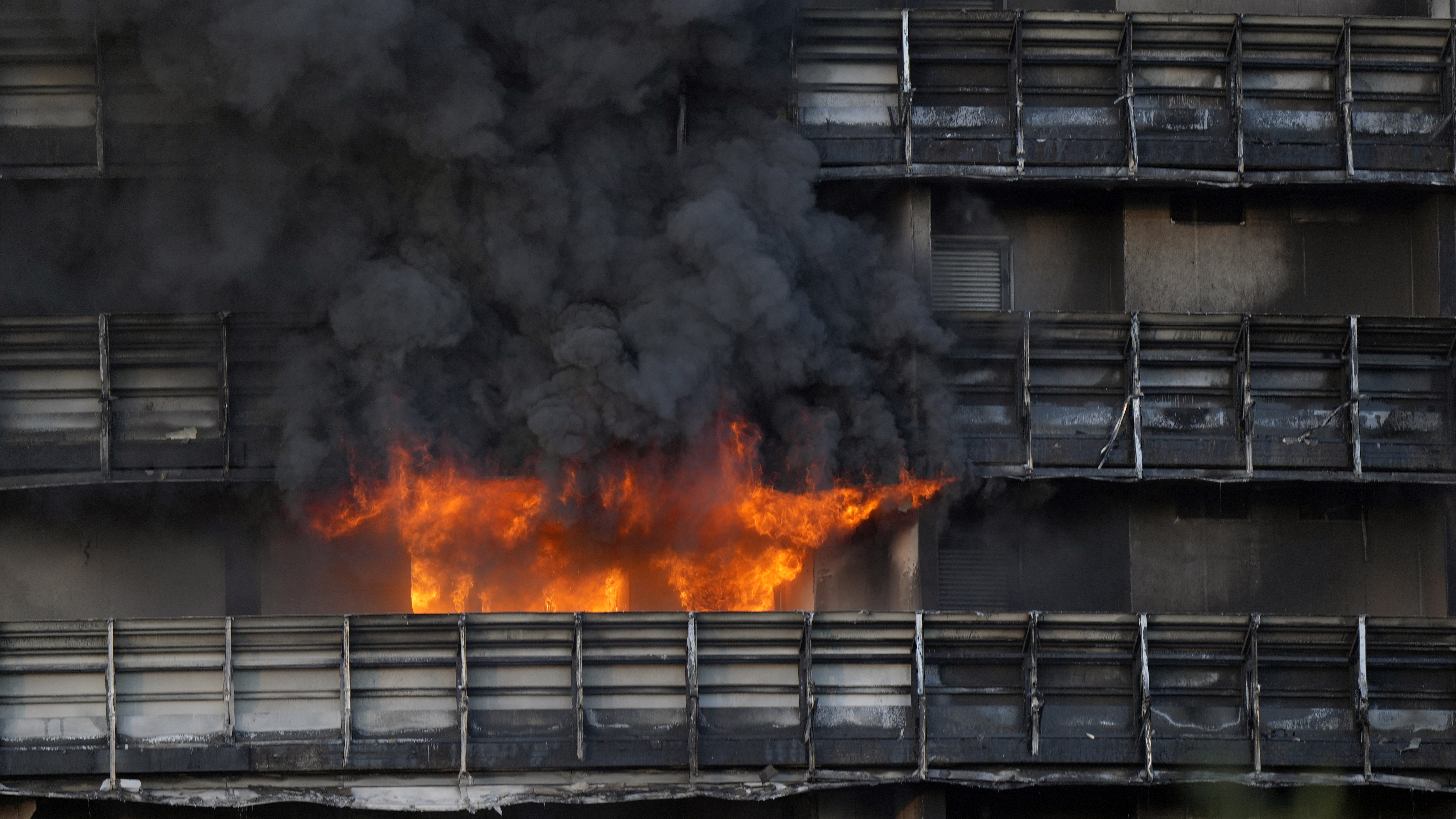
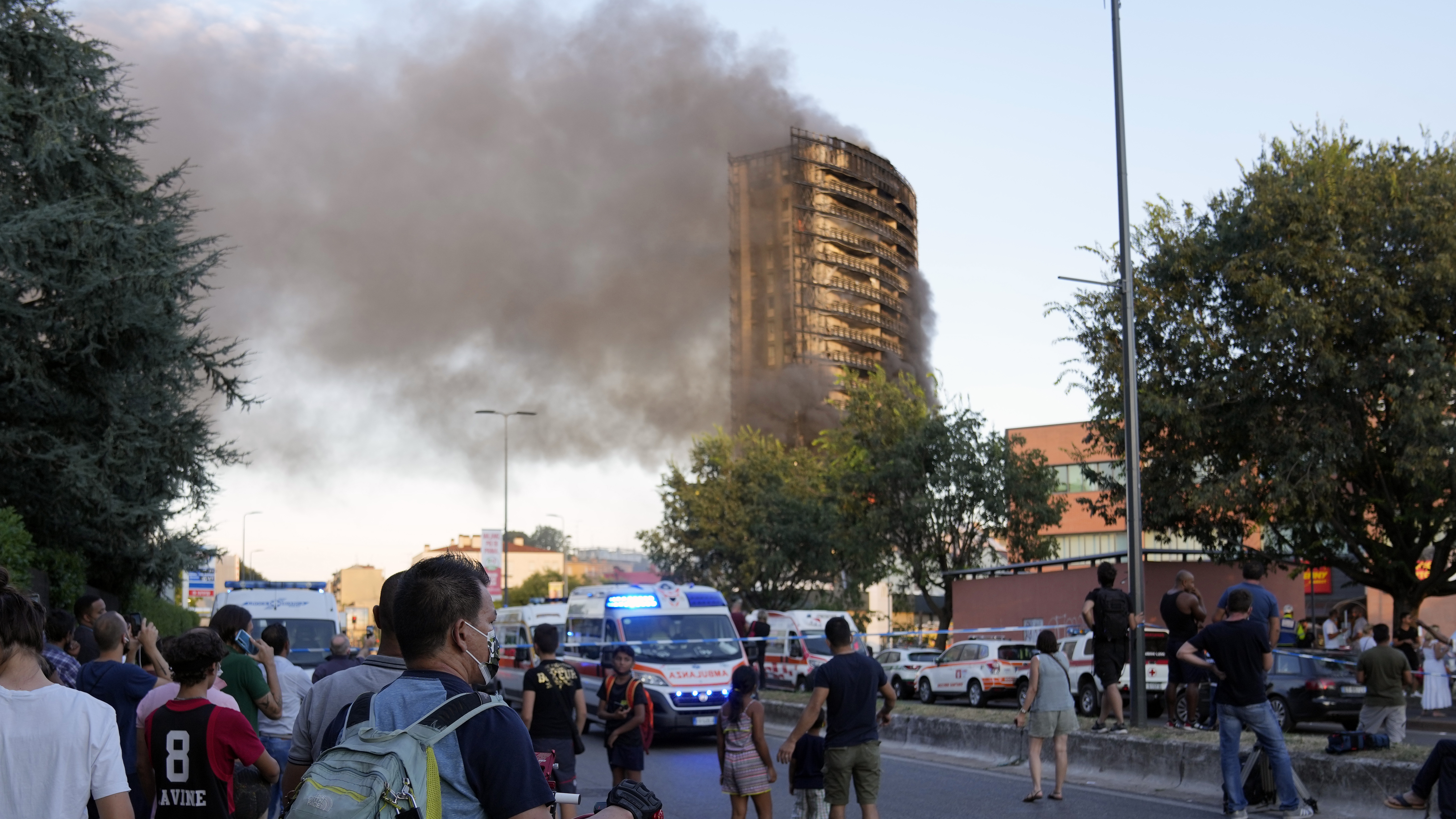
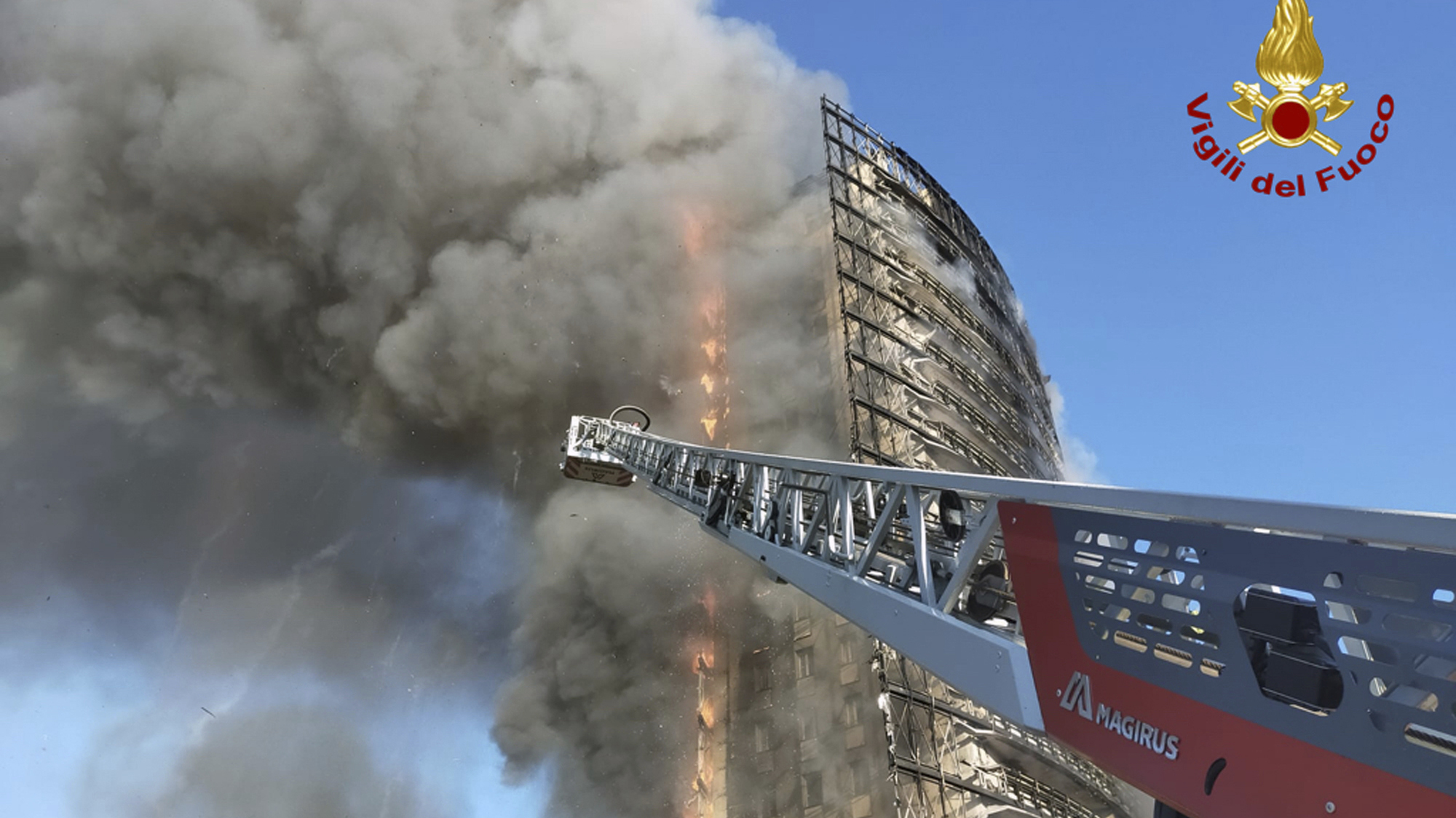
Italian firefighters have battled a high-rise blaze in Milan that spread rapidly through a 20-story residential building and poured black smoke into the air.

Residents were hurriedly evacuated.

Mayor Giuseppe Sala said there were no reports of injuries or deaths, but that firefighters were kicking down doors, apartment by apartment, to make sure there were no victims.

READ MORE: Wind, storm surge from Hurricane Ida lash Louisiana

Smoke billows from a building in Milan. Firefighters were battling a blaze on Sunday that spread rapidly through a recently restructured 60-meter-high, 16-story residential building in Milan.

"We are sure that there was time to get out, but until the controls are finished, we cannot be entirely sure," Mr Sala told reporters at the scene.

He said about 20 people were evacuated without incident.

The 60-metre tall building, part of a recent development project, was designed to look like the keel of a ship and included an aluminium sail on its roof, which burned and fell to the street in pieces.

Firefighters were battling a blaze on Sunday that spread rapidly through a recently restructured 60-meter-high, 16-story residential building in Milan.

A huge plume of black smoke rose from the reinforced concrete building named the Torre dei Moro and was visible for kilometres.

Flames continued to burn inside nearly three hours after a dozen fire trucks and ambulances responded to the alarm.

One firefighter told the Corriere della Sera newspaper that the blaze was still limited when they arrived and firefighters were able to get residents out.

Smoke billows from a building in Milan, Italy.

READ MORE: Spain clocks temperature record of 47.2 degrees as Europe swelters

Within an hour, the flames had spread from the 15th floor, where the fire appears to have started, quickly devouring the entire facade of the building.

Unidentified residents told Corriere that the panels on the facade were supposed to have been fire-resistant.

There were no immediate reports of injuries or deaths in the fire.

READ MORE: Ancient fast food restaurant set to open to the public

Firefighters say the fire involved a 20-story building.

Plans for the project say it has 16 residential floors plus two underground.

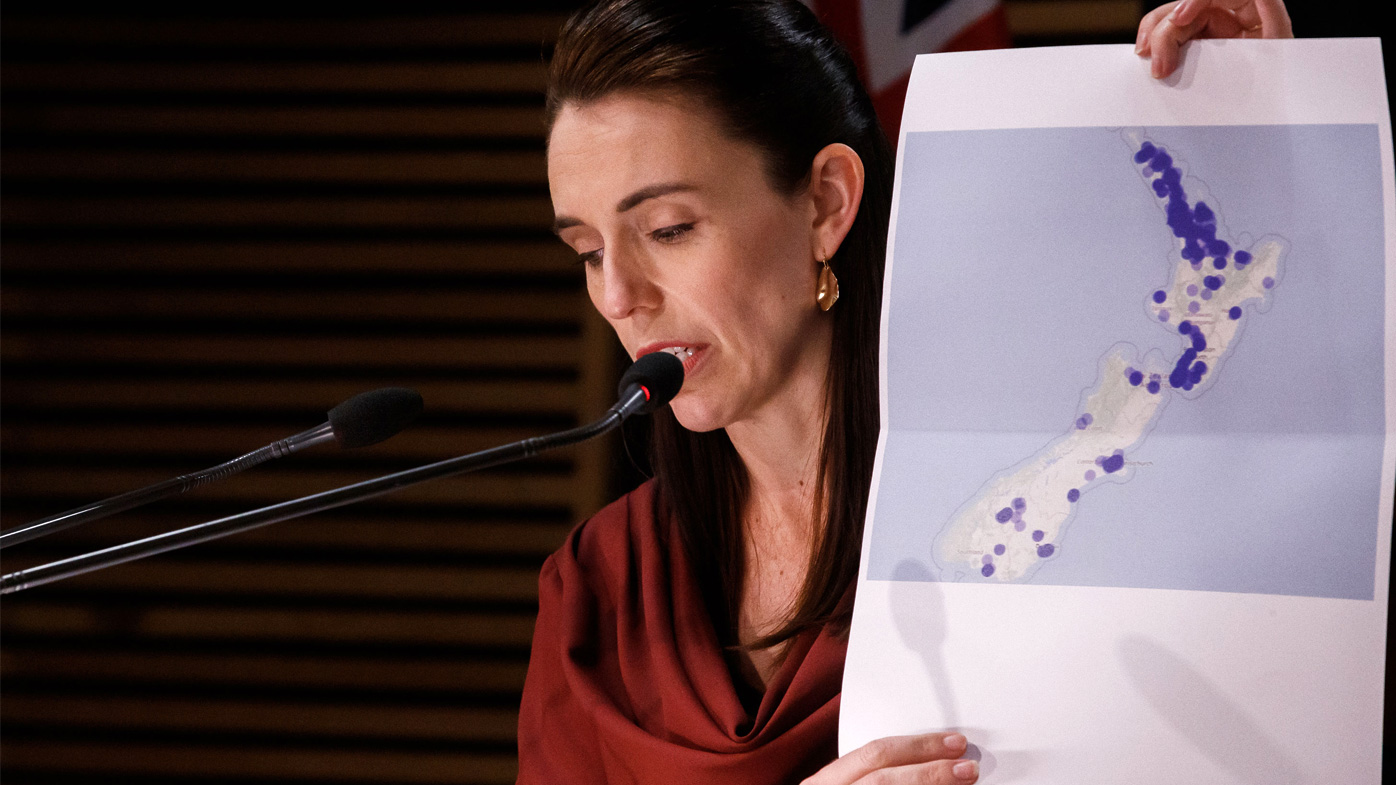
Critics mock New Zealand's risk-averse approach to COVID-19

When New Zealand went into lockdown last week over a single Delta case, critics were quick to mock the country's risk-averse approach.

British newspapers didn't hold back.

The Times called New Zealand a "mysterious socialist hermit nation" where the public "languish in a COVID prison," while The Telegraph slammed a once-welcoming country that had turned into an "isolated dystopia."

READ MORE: Auckland woman charged for allegedly forging mask exemption document

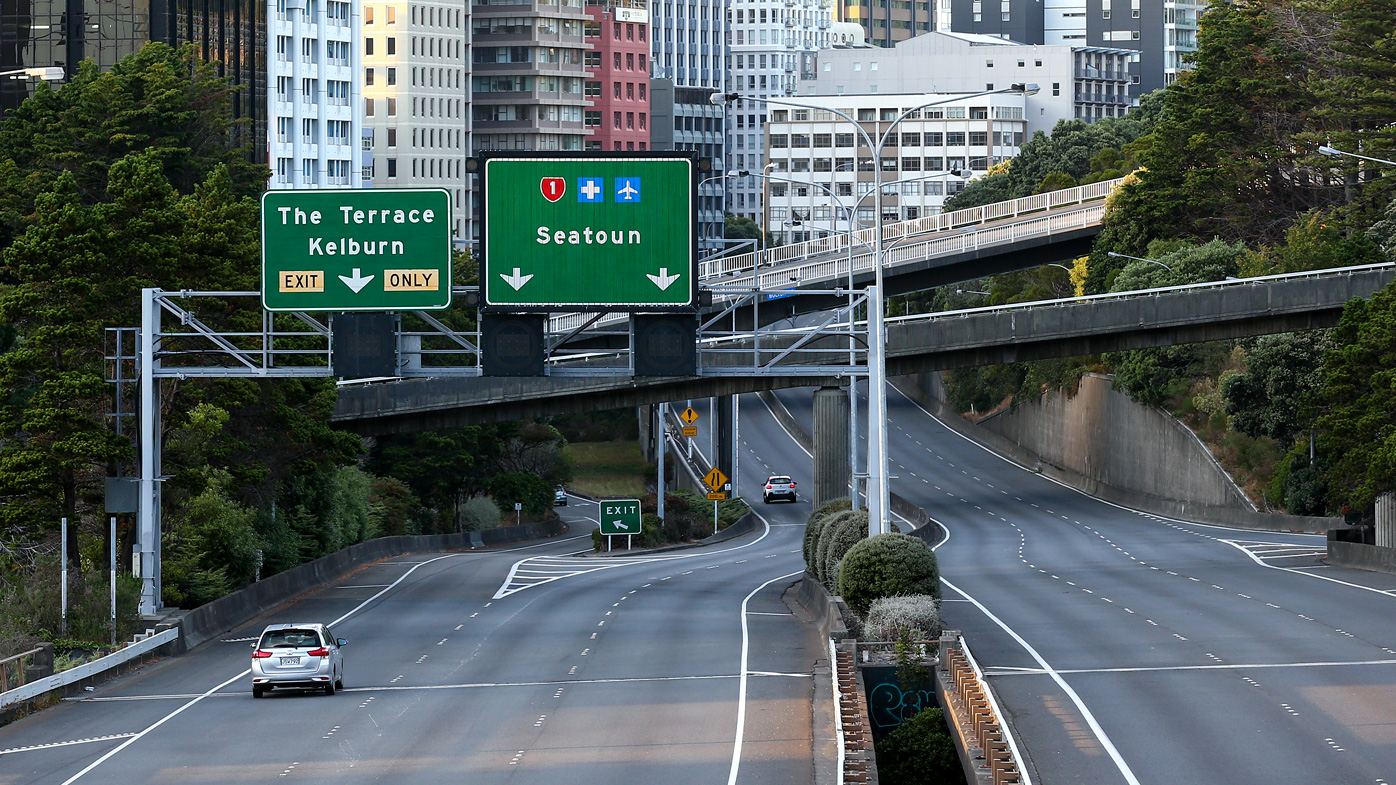
"Fortress New Zealand" has some of the strictest border rules in the world.

The reaction to New Zealand's approach speaks to a divide on how countries across the world are handling COVID.

More than 18 months into the pandemic, some countries, including the United Kingdom, have accepted they may never eliminate the virus – so instead, they're learning to live with it.

New Zealand, by contrast, is one of the few countries still committed to stamping COVID out.

Hours after confirming the country's first Delta case in the community, Prime Minister Jacinda Ardern ordered the entire nation into lockdown, with the backing of a broad consensus across the political spectrum.

Ten days later, the outbreak had spread to 347 cases, with one person in intensive care, as of Friday.

"Fortress New Zealand" – with some of the strictest border rules in the world – has been breached.

That's prompted questions over whether attempting to eradicate community transmission – known as the zero COVID strategy – still makes sense in a world swamped with the highly contagious Delta variant.

For now, Ms Ardern is doubling down on the strategy, even as neighbouring Australia edges away from the approach.

And for now, it seems the public remain on board – even if it means being a "hermit nation."

But New Zealand's own COVID-19 response minister has indicated the approach might not last forever.

The big question for New Zealand will be what its new strategy might look like.

READ MORE: First, surges in COVID-19 infections led to shortages of hospital beds and staff. Now it's oxygen

After struggling to get supply, New Zealand has one of the lowest COVID-19 vaccination rates in the OECD, with just over 20 per cent of the population fully immunised.

No urgency to reconnect

Until Delta arrived, New Zealand's tough border rules had protected it from the turmoil seen in most other countries.

For most of the pandemic, the country has essentially operated as normal – sports games, music festivals, public gatherings and dining have all gone ahead in much the same way they would have before the pandemic.

So far, New Zealand has recorded just over 3000 cases and 26 deaths.

But the comparatively low death toll has come at a cost.

An estimated 1 million New Zealanders live overseas, with nearly 600,000 in Australia, and many of New Zealand's 5 million residents likely have at least one friend or relative living overseas.

Some haven't seen their loved ones in over a year.

In March 2020, New Zealand closed its borders to almost all foreigners, and later required almost all returning visitors to spend two weeks in a managed isolation facility – at their own cost.

Spaces are limited to around 4000 rooms a fortnight, and just over 167,000 people have passed through managed isolation facilities since March 2020.

The fortified borders have also contributed to another major casualty: tourism.

Once the country's largest export industry, overseas visitor arrivals slipped by more than 98 per cent in January 2021 compared with a year before.

Despite that, New Zealand doesn't seem to be in any rush to reconnect with the world.

There's even an us-versus-them mentality among some social media users who criticize overseas New Zealanders desperate to get home for not returning sooner.

That's because many still believe the upsides are worth it.

A recent poll by public polling company Stickybeak found 84 per cent of people surveyed supported the decision to move into lockdown last week.

A separate Stickybeak poll showed only one in four wanted the travel bubble with Australia – which had allowed for quarantine free travel – to be reopened this year.

Charlotte Guigou, 28, a teacher in the capital Wellington, said going into lockdown was annoying, and it had taken a toll not being able to see her family in France.

But she still thought the zero COVID approach was the right one.

"This lockdown was really tough, but before that we were just living life like normal, and it was all good, it was really chill," she said.

"It does seem like the pain of not having the borders open, for what we get in return, for the lifestyle we get in return, is still worth it."

Anna Robinson, 32, spent much of the pandemic in Europe before moving back to New Zealand in April.

Like Guigou, the strict border rules come at the cost of missing out on loved ones' important moments, such as births and weddings.

But she thinks New Zealand's rules mean that vulnerable people or people with underlying health conditions are not being cast aside.

"Lockdown feels like a very small price to pay for the amount of freedom and safety for the community that will come after," she said.cnn

Sydney dad's fear as COVID-19 sweeps through family

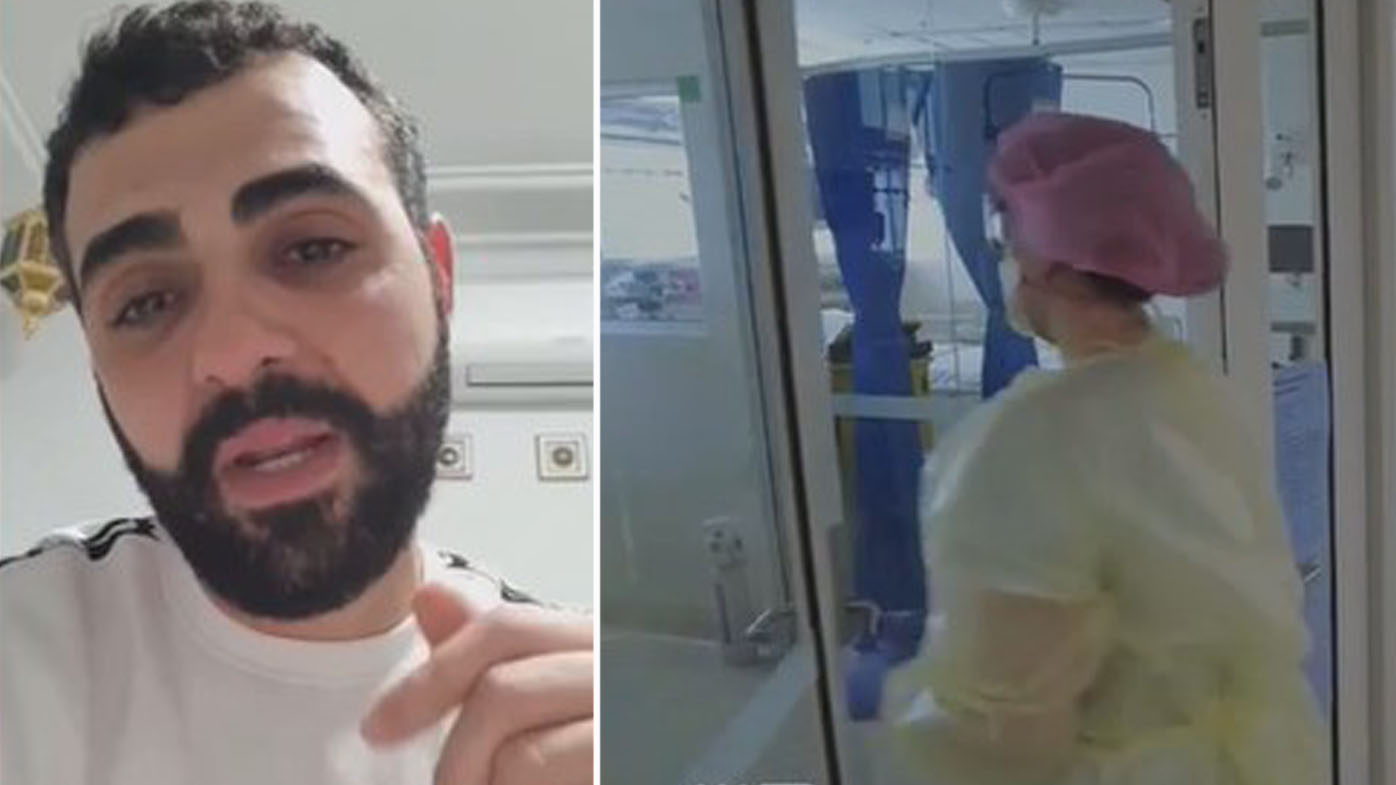
A father from Sydney's south west has described fearing he was close to death "many times" while battling COVID-19, an illness both his young family have also contracted.

Hussein Taha has COVID-19, as does his wife and their toddler son.

"I reached death many times," Mr Taha said in a video message from his home where he is looking after his young son while his wife is battling the virus in hospital.

"She is struggling to breath and my three-and-a-half (year-old) has a temperature… it's not easy."

READ MORE: NSW records 1218 COVID-19 cases, six further deaths

Hussein Taha (pictured left) has COVID-19, as does his wife and their toddler son. His wife is in ICU.

His sister is in intensive care with COVID-19 and her husband and son have it.

"I don't want to see my wife struggle, my sister… I don't want to see my son struggle," he said.

He claims he knows the couple he caught it from.

"They were infectious four to five days… didn't reveal it because they don't believe in corona," he said.

Mr Taha is furious. So is Michelle Rosentreter, a senior ICU nurse at a major Sydney hospital.

"The complacency of the community and those who say it's not real. It's just so disrespectful," Ms Rosentreter said.

She said ICUs across Sydney were understaffed before COVID-19 and now are under enormous pressure.

"It will take six people to turn somebody from their back to their stomach. And it will take the same amount of people to turn them back on to their back," she said.

NSW has recorded 1218 new COVID-19 cases overnight and six further deaths.

Premier Gladys Berejiklian said the majority of the cases were in Sydney's south-west and west.

Yesterday NSW recorded 1035 new locally acquired cases but today's figures are the highest since the pandemic began.

The deaths included three people in their 80s and three people in their 70s.

Ms Berejiklian said four of them were unvaccinated and two of them had had one dose of the COVID-19 vaccine.