Children at Papatoetoe West School are “absolutely devastated” after their four beloved hens were stolen and likely killed by lockdown thieves this morning. The South Auckland school community is reeling after being targeted by…
Tag Archives: oceania
Covid 19 Delta outbreak: Prime Minister Jacinda Ardern's New York UN trip likely canned
Prime Minister Jacinda Ardern will likely not go to New York for the United Nations General Assembly, as previously hoped. Ardern’s team had tentatively pencilled in an appearance at the event, particularly its leaders week, which…
Fall of Afghanistan: Inside the extraordinary New Zealand Defence Force evacuation mission to Kabul
Coded messages, satellite images, desperate hordes, a rising terror threat, and rapidly closing evacuation window. Herald senior journalist Kurt Bayer reveals the extraordinary inner-workings of New Zealand’s mercy mission to Kabul,…
Covid 19 coronavirus Delta outbreak: Epsom vaccination centre closed, more than 100 people booked not told
More than 100 people showed up at the Epsom Vaccination Centre in Auckland this morning, only to find out the clinic was shut. Mariette Dodd was one of them and arrived early for her appointment, which was scheduled at 8am. A…
The Tampa affair 20 years on
Twenty years ago, the seizure of the Tampa freighter on the high seas by elite Australian soldiers dramatically changed the country's immigration policies.
And the effects of the Tampa affair, as it became known, continue to be felt today, according to a former military commander in the Special Air Service who was tasked with boarding the Norwegian cargo ship that carried 438 asylum seekers.
In August 2001, Peter Tinley was second-in-command of the SAS counter-terrorism troops deployed to Christmas Island by the government of then prime minister John Howard to keep the Tampa away.
READ MORE: Australians on RAAF flights leave 'punishing' Kabul behind
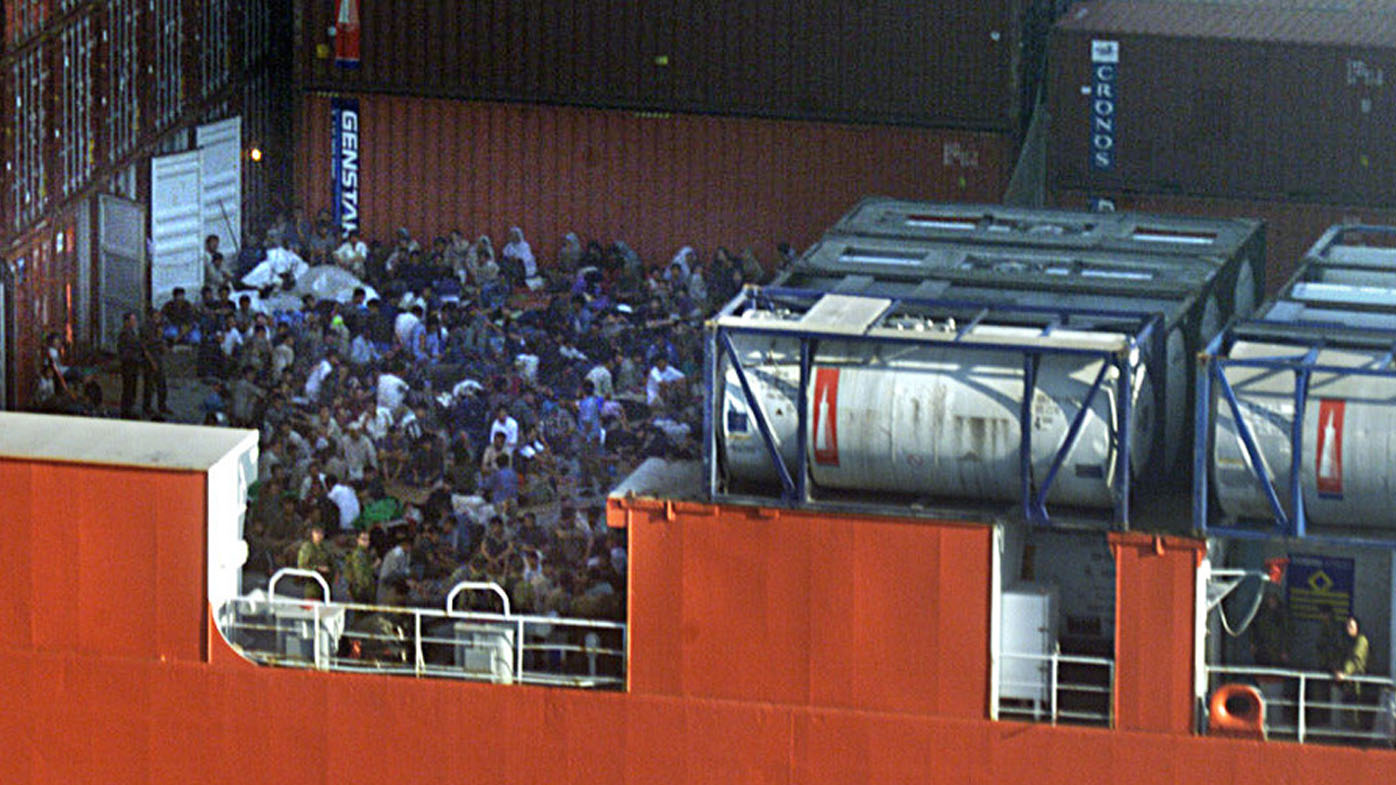
He oversaw the military operation that involved 45 heavily armed soldiers boarding the vessel on August 29, 2001, after the ship's unauthorised entry into Australian waters.
'Political situation'
But Mr Tinley, who is today a Labor MP in Western Australia and former state minister, told nine.com.au the political dimensions of the Tampa affair are his strongest memories.
"Once we got there, I began to realise that this was a political situation, as opposed to a strict military tactical situation. And we had to play our role and serve the government of the day in whatever wishes it gave us direction to do," he said.
"We arrived on the basis that we had to consider all the possible options – the threat profiles, as we called them – that we might be confronted (by) going onto the Tampa."
READ MORE: Almost 1000 refugees in Australian detention resettled in the US
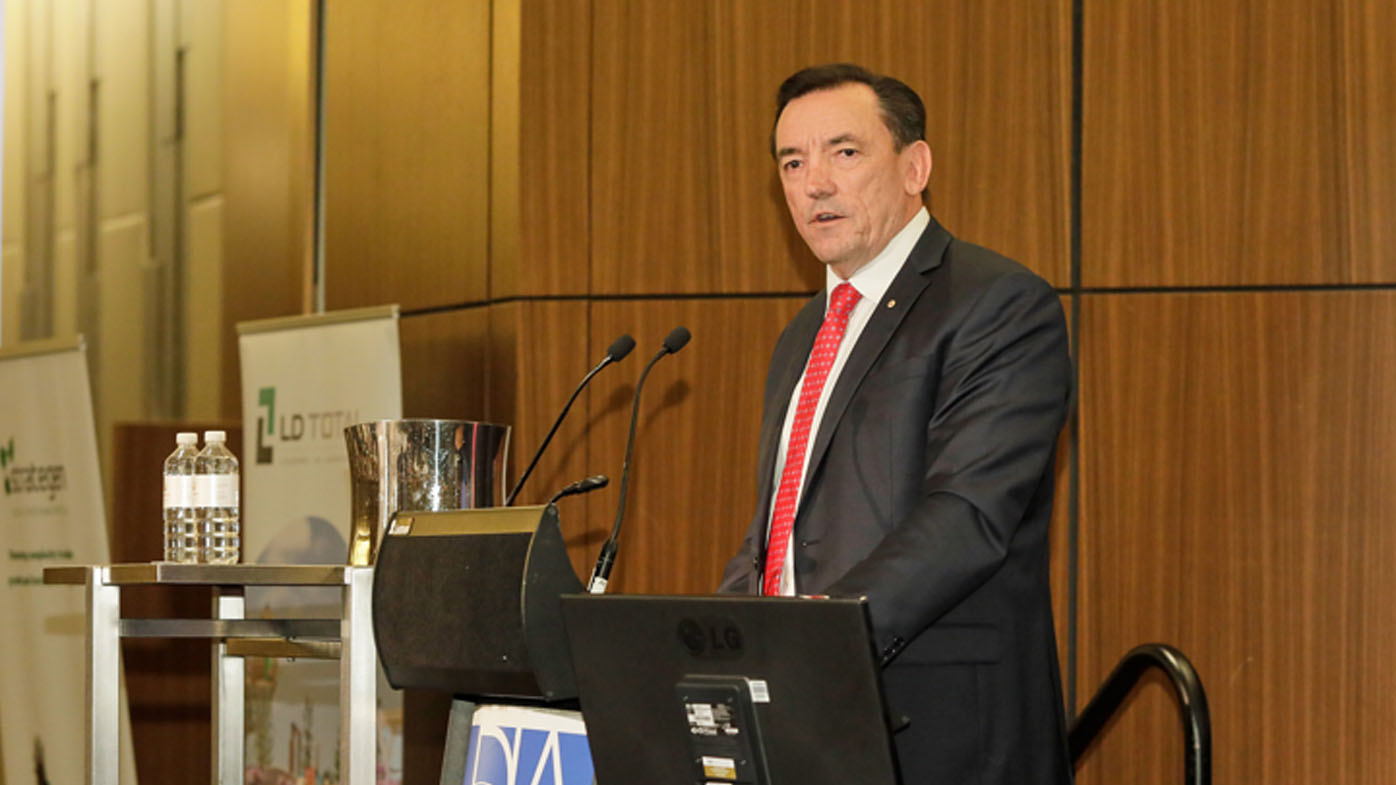
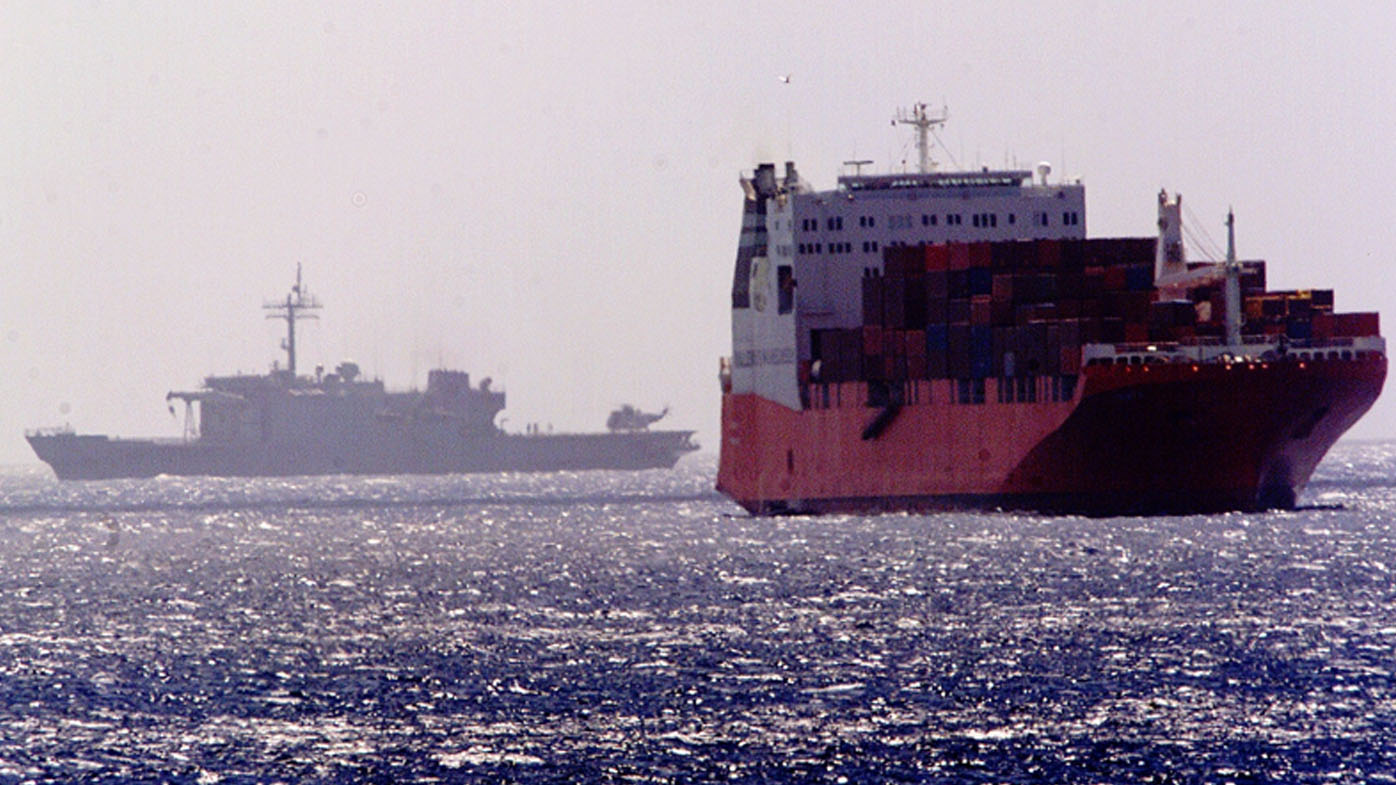
Mr Tinley said the SAS unit that seized the Tampa was heavily armed and prepared for a possible violent opposition.
"What, in fact, the guys found when they got on board was 400-plus ordinary refugees, very hungry, some who needed some medical attention, very scared and uncertain about what was happening, a particularly concerned sea captain who just wanted to offload his human cargo and discharge his duty according to international law."
Mr Tinley has long maintained that deploying the SAS was an overreaction by the Howard government.
"I can't help but feel the PM John Howard viewed the SAS as something that would resonate politically to the message of border security," he said.
But Mr Howard insisted his government's response in the Tampa affair was necessary to deter people attempting to reach Australia by boat, and save lives.
READ MORE: John Howard says US withdrawal from Afghanistan 'too hasty', defends sending Australian troops
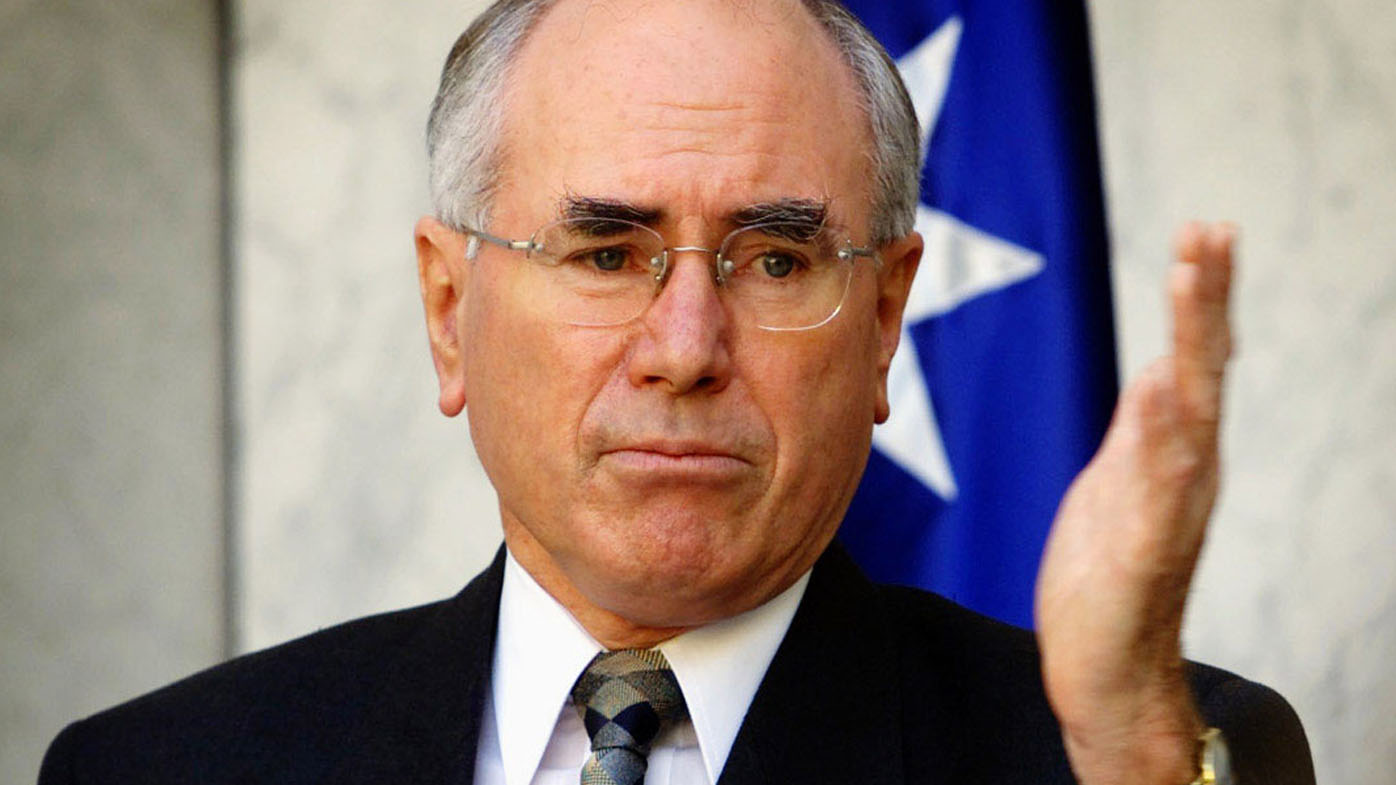
He told nine.com.au this week that while Australians support immigration, they expect the government to control it.
"It was decisive action which defined the determination of my government to maintain the integrity of our immigration policy," Mr Howard said in a statement.
"The Australian people will always support a large immigration program if it believes that the government will properly control the flow of immigrants."
'Fortress Australia'
Mr Tinley says the Howard government's response to the Tampa incident was one example of the "Fortress Australia" policy that has been repeated by his successors.
"That policy proves popular with the public – and plays on a sense of jingoism dating back to World War II," he said.
Mr Tinley pointed to how the current Federal Government wheeled out a similar response during the COVID-19 pandemic.
He admits the Morrison Government's swift move to close international borders does have some merits.
"It has been politically convenient for the prime minister to resurrect Fortress Australia. And many people supported the move."
Below are the key events of the Tampa affair and an explanation of how it changed Australia's policy to asylum seekers.
Distress call
On August 26, 2001, the MV Tampa rescued 433 people, many of them Afghans, from a damaged fishing boat, Palapa 1, in the Indian Ocean.
The Palapa had been at sea for three days, having set out from Java in an attempt to reach Christmas Island where passengers planned to apply for asylum.
Australian authorities had sent out the call for the boat to be rescued.
Urgent request to dock
The Tampa's captain Arne Rinnan intended to take the rescued people to an Indonesian port but after desperate requests by some asylum seekers, he changed his plans and headed to Christmas Island.
As the ship prepared to enter Australian territory, Captain Rinnan requested permission to dock at Christmas Island, saying several of the asylum seekers were seriously ill.
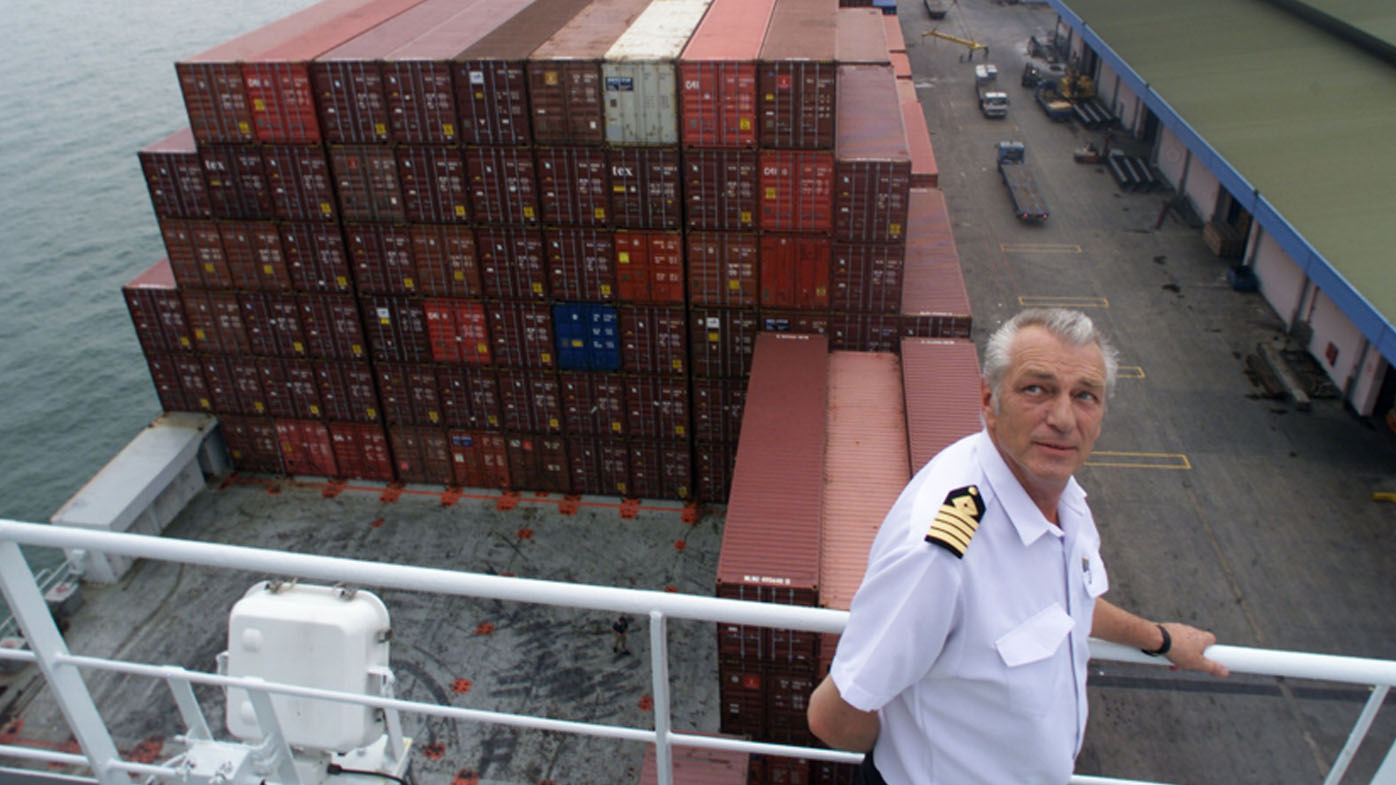
While the federal government provided food and medical supplies, it insisted the Tampa could not dock at Christmas Island. Then prime minister John Howard pledged that none of the asylum seekers would be allowed to set foot on Australian soil.
Frustrated by Australian officials, Captain Rinnan declared an emergency and entered Australian waters without permission.
The Federal Government responded by ordering the SAS to board and seize the vessel.
What happened to the asylum seekers on the Tampa?
After the SAS soldiers boarded the vessel, the asylum seekers were held on an Australian navy ship.
Meanwhile, the Federal Government passed a series of legislation known as the Pacific Solution.
The laws meant asylum seekers arriving by boat could be processed offshore.
Within a few days and after diplomatic lobbying, New Zealand and Nauru agreed to take the asylum seekers and process their claims for refugee status.
While 150 were moved to New Zealand, the others stayed on Nauru, some for up to three years.
READ MORE: 'How politics is played in Australia': The history of scare campaigns
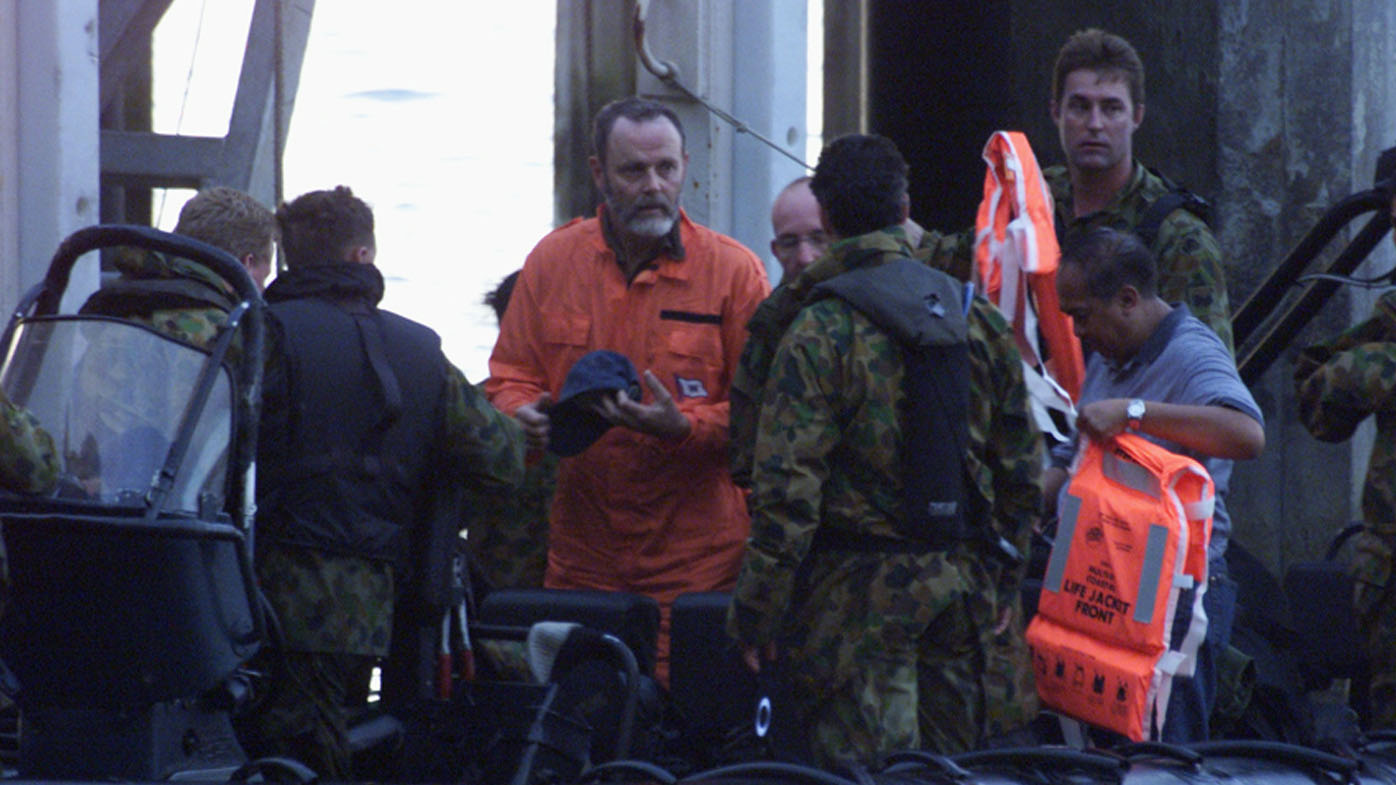
Some whose applications for refugee status succeeded eventually settled in Australia.
The Tampa affair and the September 11, 2001, terrorist attacks in the US made immigration and national security a major policy feature of that year's Australian federal election.
In November 2001, Mr Howard's Coalition government was reelected.
The Pacific Solution policy of processing asylum seekers offshore has been a bedrock of Australian government policy since 2001.
Covid 19 Delta outbreak: Woman injured in accident, 50 mountain bikers on Queenstown trails
Close to 50 mountain bikers were seen on a Queenstown trail yesterday with one woman now facing the prospect of being hit with a fine after she crashed and was airlifted to hospital.Police Commissioner Andrew Coster said his team…
At least 50 Australians stuck in Kabul after rescue mission ends
At least 50 Australians are stranded in Kabul as details emerged of the frantic attempts to find a mother and her young child before the final RAAF evacuation flight left.
The federal government announced yesterday the Australian rescue mission had ended following the deadly terrorist attacks outside the airport that killed more than 170 people. Thirteen US troops also lost their lives in the attack.
The number of Australians still in Kabul is still unclear but there are at least 50, 9News reports.
READ MORE: 'I was 50 steps from the blast:' Witness describes carnage of Kabul airport attack
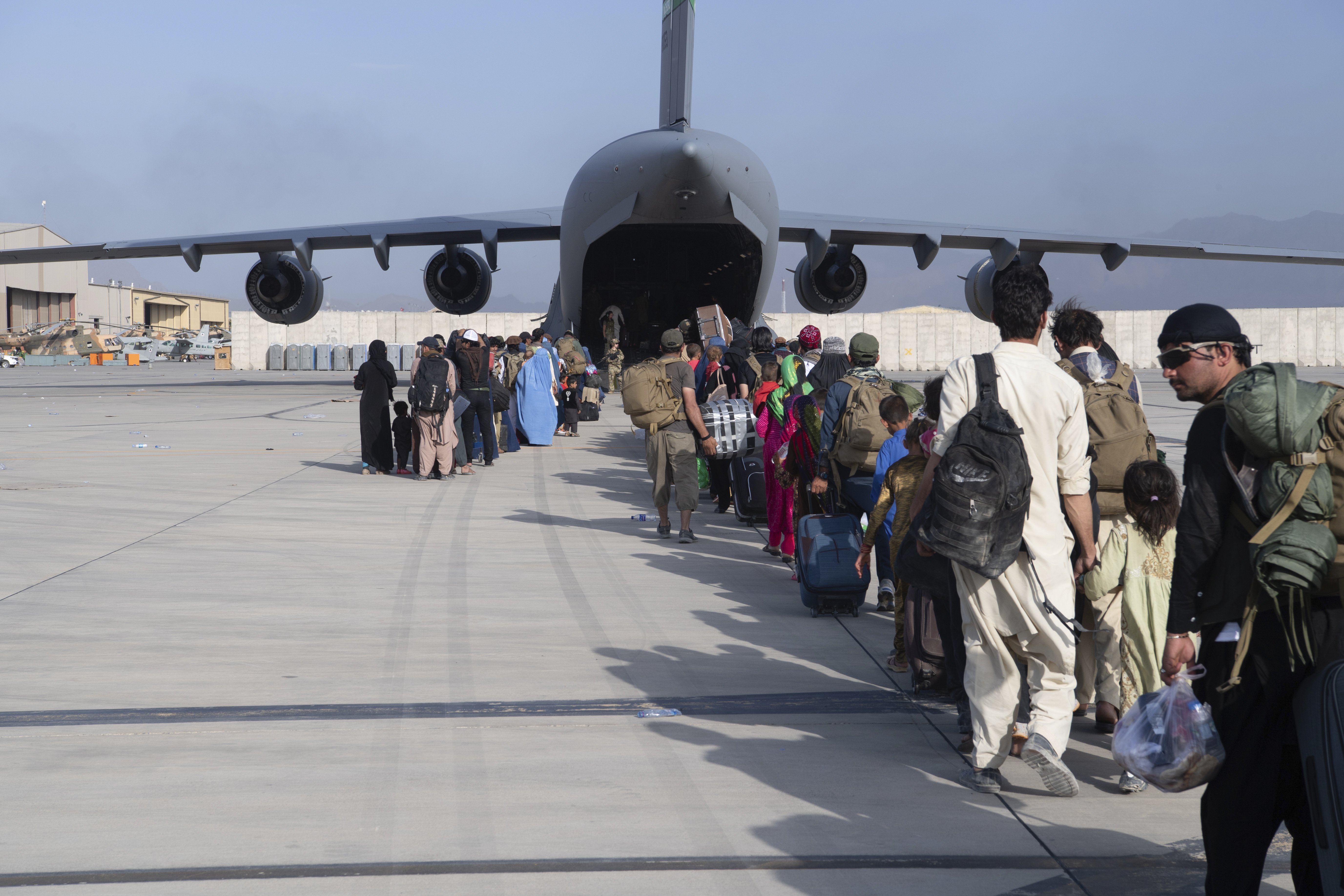
They have been instructed not to travel to the airport because the federal government has withdrawn its diplomatic staff and Australian Defence Force troops.
The US military is continuing evacuation fights but Prime Minister Scott Morrison has warned it will be incredibly difficult for Australians to board one of them.
Before the terrorist bombings in Kabul on Thursday, Australian troops at Kabul airport held a desperate search for a mother and her three-year-old child just minutes before the final RAAF flight left.
https://twitter.com/jekearsley/status/1431183591493423104?ref_src=twsrc%5Etfw
They were found along with an Australian passport holder just before Mr Morrison gave clearance for that final plane to leave.
Those three people are now safe in Dubai, along with other Australians plucked from the suburbs of Kabul in the days before the blast.
Mr Morrison said yesterday Australia had evacuated some 4100 people out of Afghanistan over the past nine days, calling it "one of the most dangerous places on Earth".
READ MORE: Taliban to block Afghans leaving country and any evacuation extension
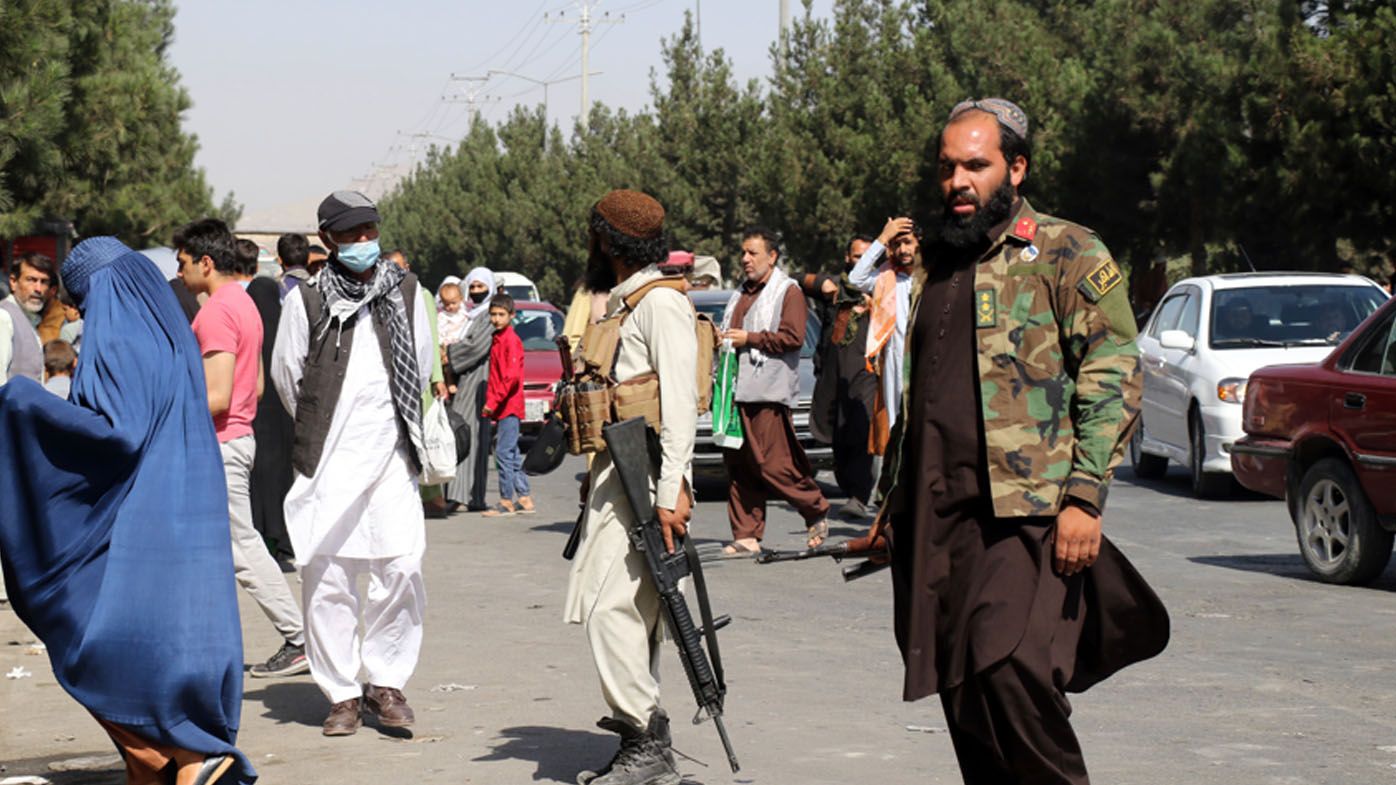
Foreign Minister Marise Payne reiterated the government warnings that Australian visa holders still in Afghanistan should not travel to the Kabul international airport.
"The new travel advice says Australian evacuation flights from Kabul have ceased," she said.
"There is an ongoing and high threat of terrorist attacks, explosions have occurred in the vicinity of Kabul Hamid Karzai International Airport. Do not travel to the airport."
Senator Payne said remaining Australians should move to a safe location.
Herald afternoon quiz: August 28
Test your brains with the Herald’s afternoon quiz. Be sure to check back on nzherald.co.nz for the morning quiz tomorrow. To challenge yourself with more quizzes, CLICK HERE.
Covid 19 Delta outbreak: Govt may need to tighten alert level 4 restrictions if Delta numbers don't plateau soon – Shaun Hendy
University of Auckland Covid-19 modeller Shaun Hendy says the Government may need to look at tightening alert level 4 restrictions if the Delta outbreak does not plateau soon.There were 82 new Covid community cases announced today…
NSW and Queensland governments discussing moving the border south
The NSW and Queensland governments are in talks about moving the interstate border south.
NSW Health Minister Brad Hazzard said the hard border restrictions enacted by Queensland was causing frustrations and logistical problems for key services.
"There were quite a few discussions about that and discussions continue," Mr Hazzard said.
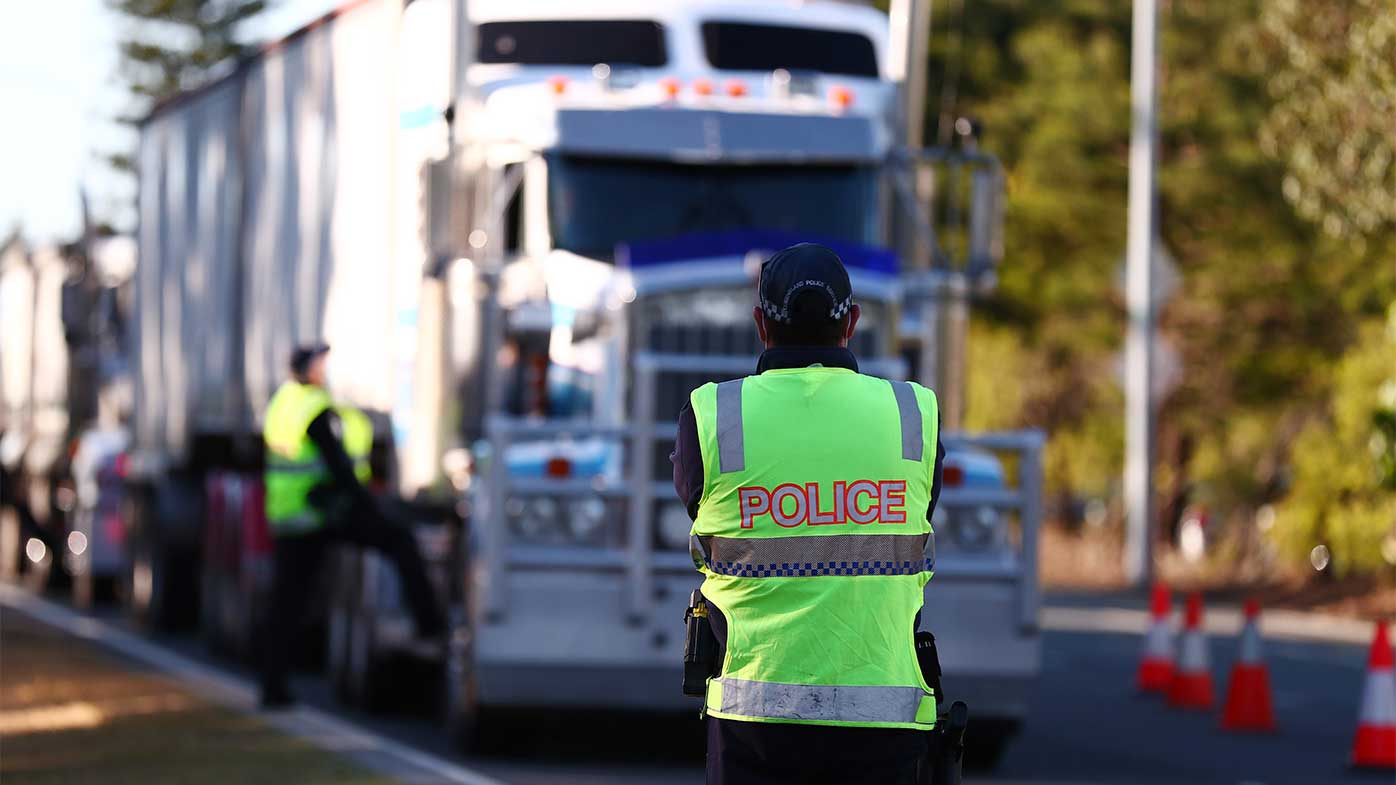
"It's very frustrating, I must say, for residents in the northern part of New South Wales to be effectively locked out by Queensland, and it's presenting some real challenges.
"There are medical staff who are on the side of the border who work at the Gold Coast hospital. And vice-versa. And it's certainly problematic."
The Queensland border is currently closed to all people from NSW, save for a small handful of essential workers, creating chaos for families and businesses in the towns of Tweed and Coolangatta.
Some residents were given as little as two hours notice to get across the border when the initial lockdown announcement was made, with many now forced to take up residences at temporary accommodation facilities such as caravan parks.
Queensland today reported no new local COVID-19 cases and four in hotel quarantine.
READ MORE: Restrictions ease across Queensland after no new COVID-19 cases
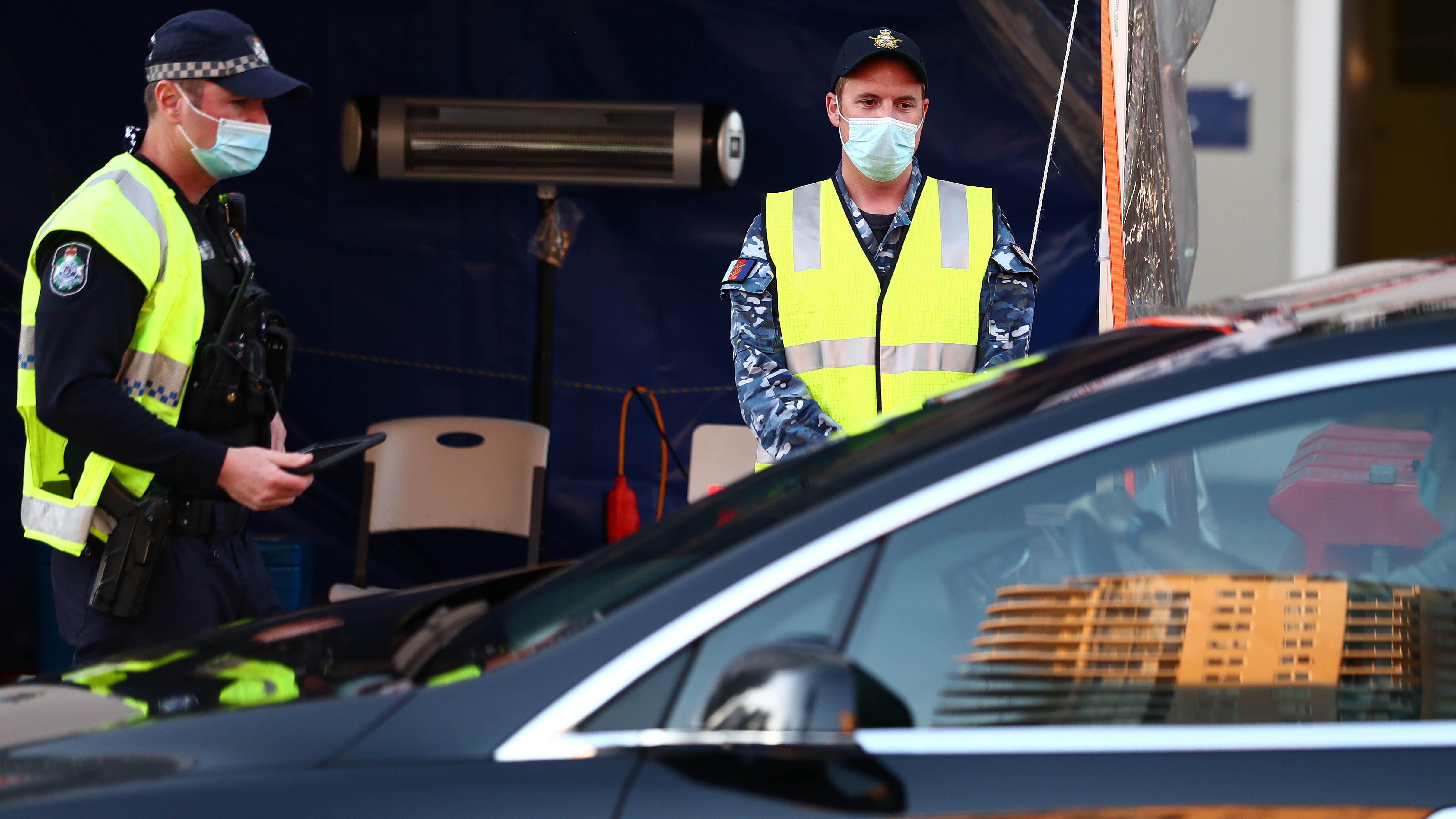
Amid the emergence of talks about more protests at the border, Queensland Premier Annastacia Palaszczuk said extra police had been stationed to ensure that safety measures are complied with.
She said an extra 22 defence force personnel had been allocated and extra police deployed to deal with any repeat of last weekend's protests.
"We are fully supportive of peaceful protests and I ask that that happens again," Ms Palaszczuk said.
https://twitter.com/AnnastaciaMP/status/1431391137487458308?ref_src=twsrc%5Etfw
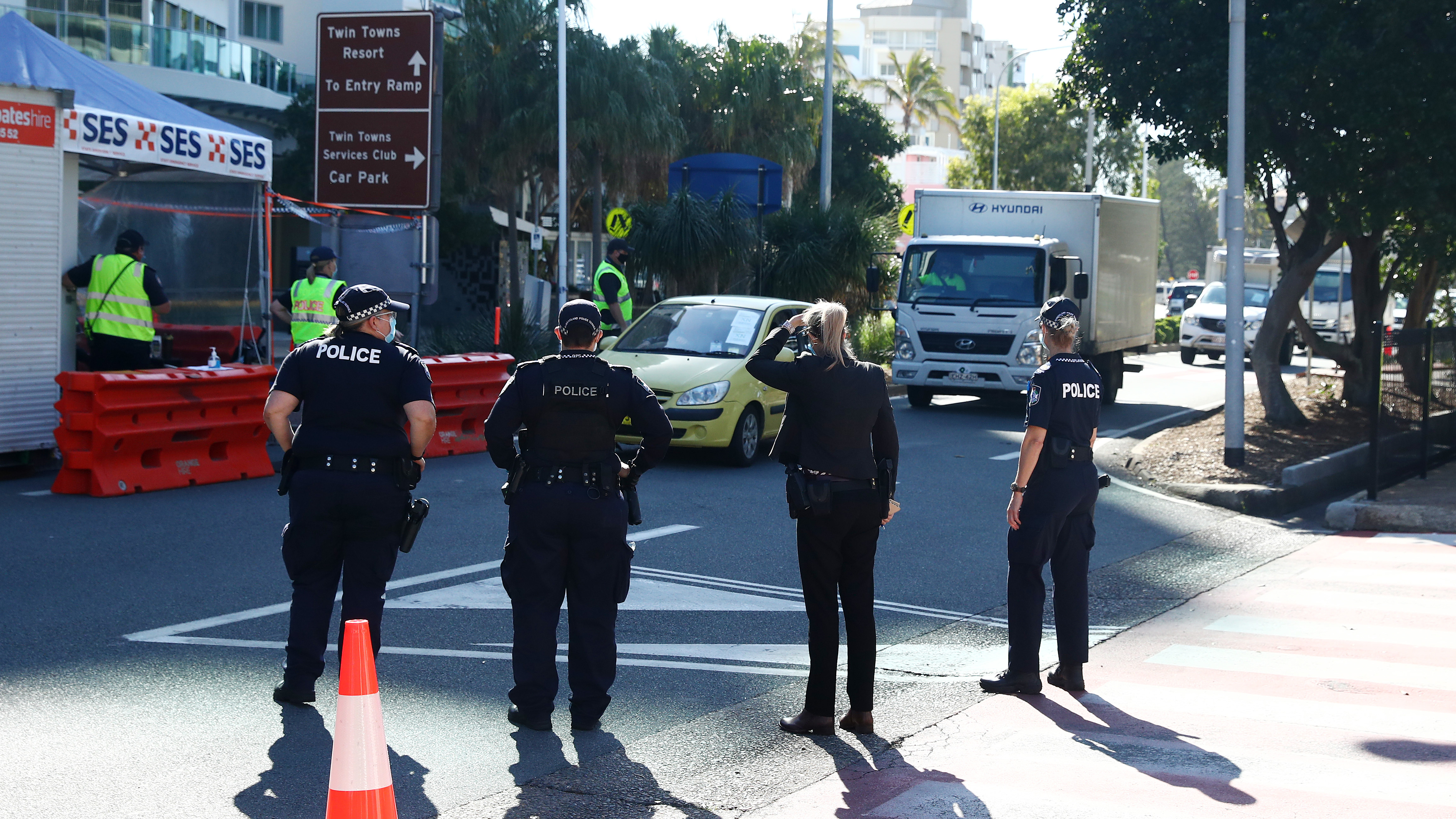
"Certainly from my perspective and from NSW Police, there will be high visibility of officers at the border this weekend."
A Facebook group entitled "Homeless outside QLD due to Border Restrictions" has attracted almost 600 members, with dozens sharing their stories about being trapped on the wrong side of the border.
READ MORE: Hundreds protest lockdowns on New South Wales-Queensland border
One woman, 62-year-old Kylie Curtis, described feeling "frightened" and "vulnerable" at the ongoing uncertainty.
"I am stuck here in Grafton… I will be homeless as my home has now sold and I have bought up in Brisbane, but it will be empty until I can get a pass to come over with my pets, all 3 of them, and my car," she said.
"I also could not afford hotel quarantine or leaving my pets behind or my car, I just don't have enough money after buying a new place.
"I am on my own, 62, and feeling so frightened and vulnerable."
Another woman said she had already paid four weeks rent in advance but was unable to move into the property.
"I've already paid 4 weeks rent on my new house in Tweed but I'm unable to move in as I won't be able to get to work in QLD," Victoria Jayne Andrews said.
A family will risk becoming homeless as they are unable to move all their belongings on a flight.
"So stressed over the border closures. We move in two weeks and have a seven-year- old with a spinal cord injury in a wheelchair," Ashlee Lyn said.
READ MORE: Queensland set for COVID-19 vaccine blitz over fears virus will breach state's border
"She needs use of standing frame daily, bowel and bladder assistance so boxes of supplies, special toilet seat designed for her and air mattress to avoid pressure sores.
"All this stuff is being moved to our new house in Queensland which we're moving so she can attend intensive therapy to hopefully even walk one day. We have had to cancel her therapy for next week and possibly be homeless because we cant take everything on an Airflite. We have applied for exemption and written to local MPs and they have supported us but still no answer! Where is the assistance and compassionate grounds!"