Police say they will be exhausting all possible avenues to find the mother of a newborn baby found dead at a recycling plant before any decisions will be made on funeral arrangements. It has been more than a week since the baby…
Tag Archives: oceania
Green light for Wellington's $350m walking, cycling, public transport plan
Wellington city councillors were warned not to pick things apart before giving the green light for further work on $350 million worth of walking, cycling, and public transport improvements. The council’s Planning and Environment…
Herald afternoon quiz: August 25
Test your brains with the Herald’s afternoon quiz. Be sure to check back on nzherald.co.nz for the morning quiz tomorrow. To challenge yourself with more quizzes, CLICK HERE.
Key COVID-19 symptoms to watch out for – and when to dial 000
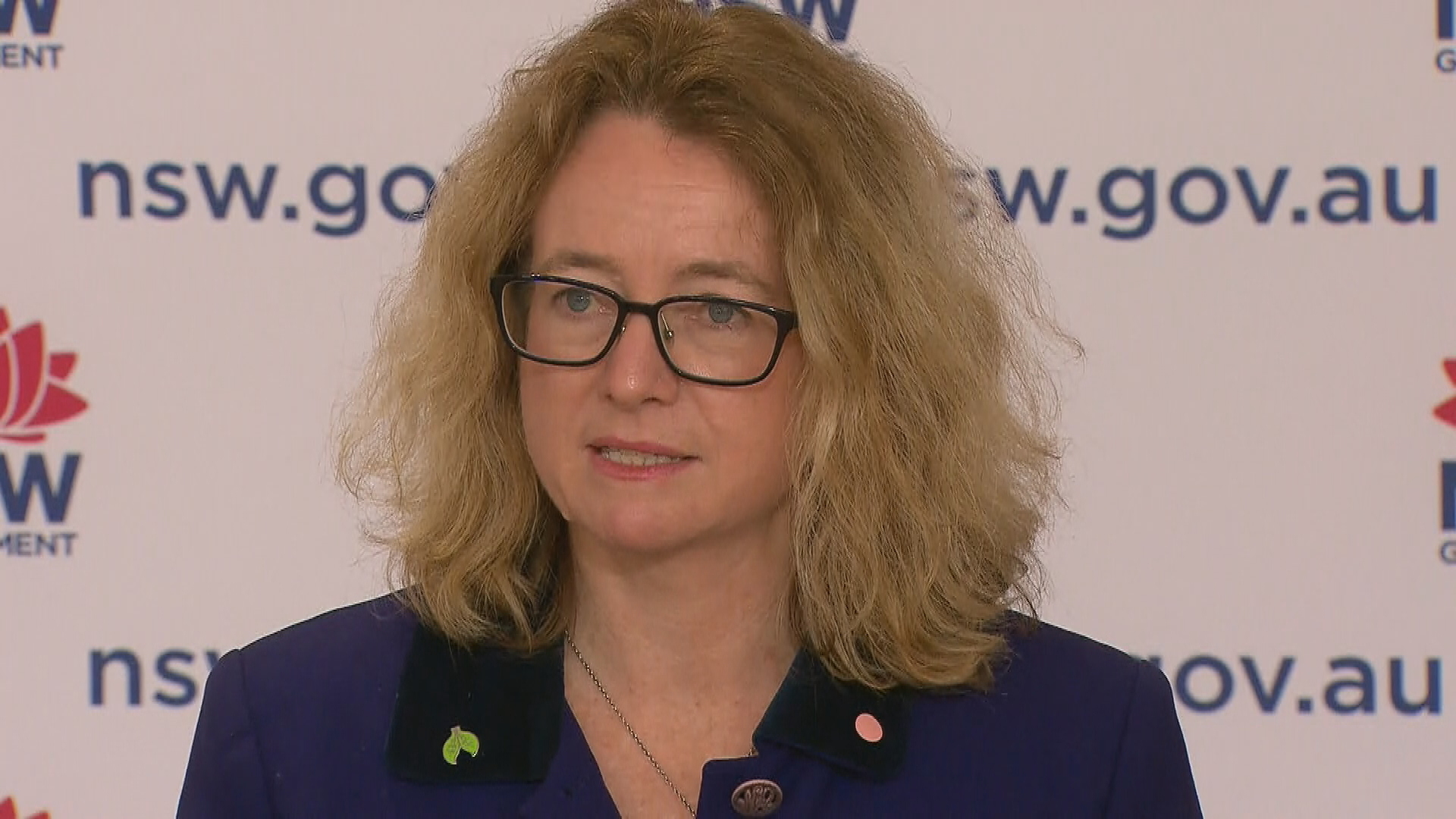
In a departure today during the daily NSW COVID-19 update, Premier Gladys Berejiklian invited lung specialist Dr Lucy Morgan to talk about what it is like to fall ill with COVID-19 and what symptoms to watch out for.
Dr Morgan is a Sydney lung specialist and works as a part of the team looking after patients with COVID-19 in Sydney's west.
We have published the full transcript of her media conference below, or you can watch that specific segment from the press conference at the top of the page.
READ MORE: NSW records 919 new COVID-19 cases, two deaths
I know that some people are still worried about getting vaccinated, so I wanted to share some stories with you about what it's like and how it feels to fall ill with COVID-19.
LIVE UPDATES: Almost a third of people in NSW fully vaccinated
And my hope is when we can understand a little bit more about how it feels to get sick with COVID-19, we might transfer some of our anxieties about the vaccine to feeling a bit more anxious about the illness and what we can do constructively to reduce our chances of falling ill with this.
The big message from me today is get vaccinated. It's not too late to get vaccinated. Think about getting vaccinated today. The Delta strain of COVID-19 is incredibly infectious and that's one of the problems for all of us.
The tiny particles of the virus get into our bodies with the tiniest of contact. And this is why social distancing and staying at home really helps to contain the virus and contain the infection.
It also explains why once the virus has infected one member of a household, it spreads so incredibly quickly within that household.
So getting vaccinated protects you against catching that virus and it also definitely reduces the chances that if you get infected, that you get sick enough to end up in hospital.
READ MORE: 'An odd thing to say': WA Premier hits back at PM's Croods comparison
It also reduces the chances that you will pass on that virus to other people in your household.
So vaccination avoids the risk of serious illness and definitely reduces infectivity.
Symptoms to watch out for
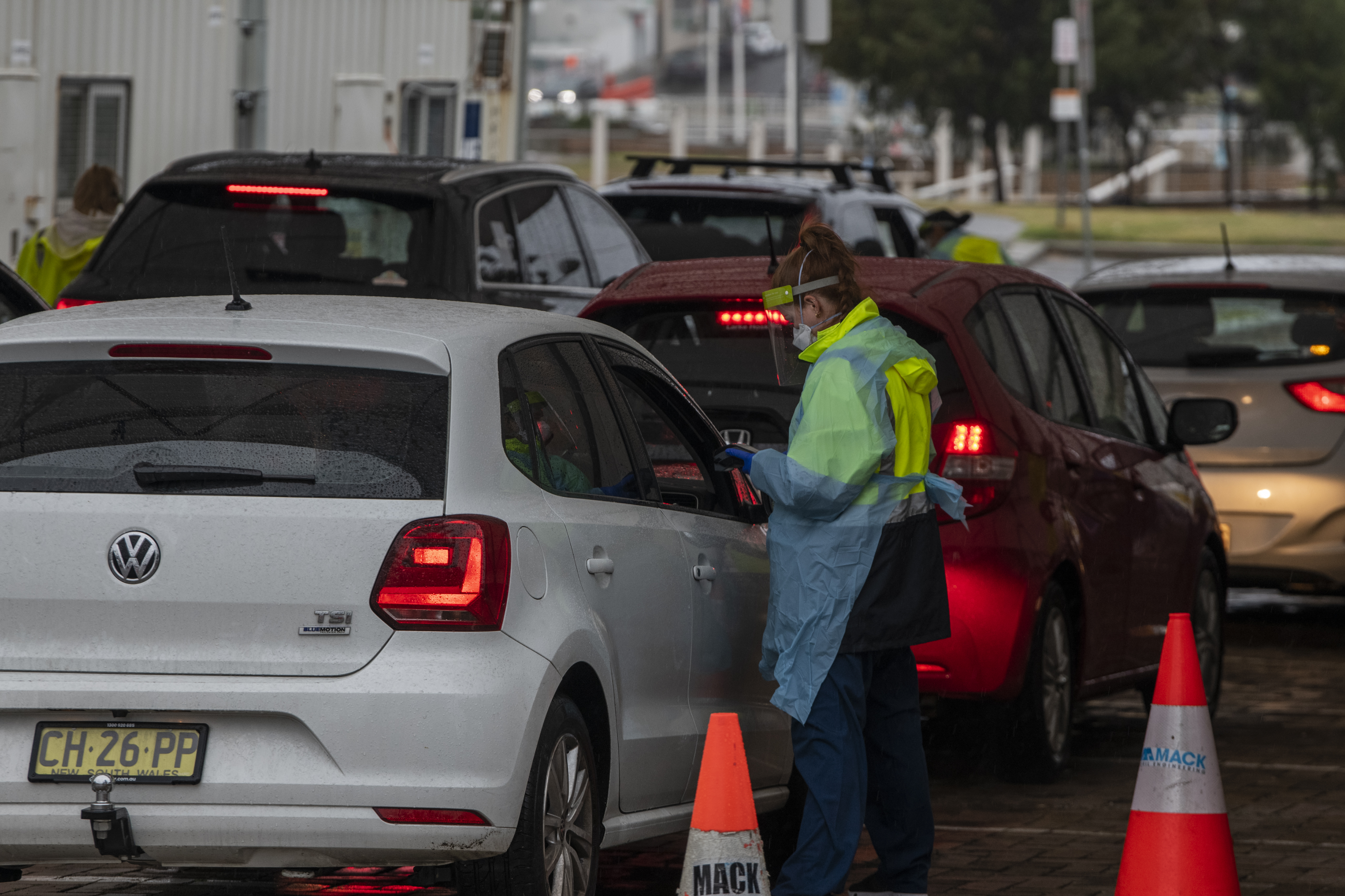
Once you're exposed to this virus, most of us have very, very few symptoms in the early days. Unfortunately, you've already caught the virus and you are already passing that virus on.
The first symptoms of COVID-19 virus are very much like any other cold or flu illness.
They're often very mild, so mild as to be not really noticeable but they'll be the ordinary cold and flu symptoms – a headache, a bit of a sore throat, maybe a little bit of a cough.
Some people have muscle aches and some people have fever in those early days.
READ MORE: Queensland pauses arrivals from interstate hotspots
But some people become breathless and dizzy. And these are the sorts of symptoms that need urgent medical assistance.
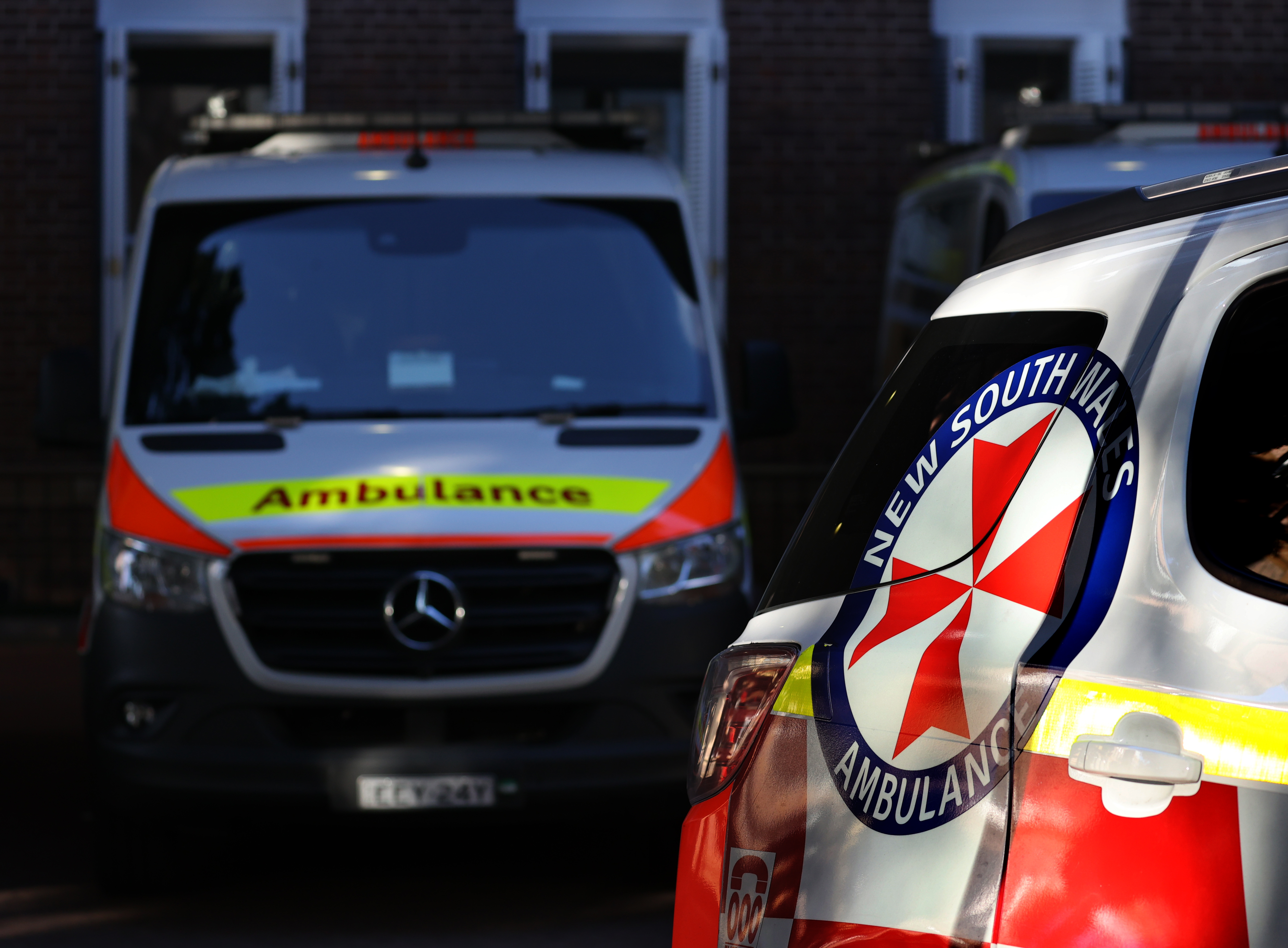
If you have COVID-19 and you feel breathless, you have trouble breathing or you are feeling dizzy, you need to call an ambulance.
An ambulance is free*, your medical care will be free and there'll be people who can care for you even if English is not your first language.
The symptoms of COVID-19 that are affecting many of the patients I've been caring for in the last few weeks include a really severe headache, not just a little bit of a headache but a really severe migraine-like headache that makes you sensitive to light, has a stiff neck and that takes more than just Panadol to relieve it. It's really awful.
Many of my patients have a terrible cough, the sort of cough that leaves you breathless and they can't move or speak or walk without the cough becoming really, really terrible.
Lots of patients have diarrhea, lots of patients have nausea – they just can't eat anything or drink anything and people feel so overwhelmingly fatigued, all they can do is lie on the bed.
READ MORE: Majority of crew on Fremantle cargo ship test positive to COVID-19
Some of these patients become increasingly breathless.
Initially, just breathless walking quickly or making the bed but as time goes by, they become breathless walking or even talking.
If anybody is at home with symptoms this severe, they need to call an ambulance.
Don't ring up and make a GP appointment, call an ambulance.
Because these are the sorts of symptoms and signs that tell me that the COVID-19 illness is progressing and progressing quickly.
As people become increasingly breathless, the oxygen in their blood starts to drop and they need increasing levels of extra support to keep their oxygen levels up.
That might be oxygen via little nasal prongs that go into the nose but as things progress and as people get sicker, they may need a machine to do the breathing for them.
And that's the point at which someone who is in a hospital having care for COVID-19 may require intensive care therapy, the sorts of treatments that Dr Nguyen talked about on Monday.
A machine to do the breathing for you, a machine to possibly support your blood pressure and do the work of organs in your body.
READ MORE: US fully approves Pfizer vaccine, now branded Comirnaty
So anything that we can do to reduce the severity of the illness and reduce the need into intensive care is very, very important.
And getting vaccinated is clearly something that we can do to reduce this severe illness.
https://twitter.com/NSWHealth/status/1430334358351536130
One of the things that I noticed in my most recent days in the hospital was the heartbreaking stories of patients who were very, very young.
I've been looking after patients in their 20s, in their 30s and in their 40s.
Many of whom have very young children, many of whom have partners who are in hospital in other hospitals, dislocating their families.
Many of these patients have children who have needed to be admitted to other hospitals so that there's someone who can care for them safely.
READ MORE: Woman in her 30s with COVID-19 dies in Sydney home
All of them have extended families who have been impacted in many, many ways by the impact of the COVID-19 illness.
Not one person that I was caring for with severe respiratory illness over the last few days was fully vaccinated.
But the good news in all of this is that this does not have to be you.
You could get a vaccine today and reduce your risk of getting severe respiratory illness from COVID-19 and reduce your chances of ending up in hospital.
Two doses of the COVID-19 vaccination will be your suit of armour.
It will protect you from getting sick from COVID-19, from needing admission to hospital, and from ending up in ICU.
Book your vaccine today and protect your loved ones and protect yourself.
* NSW Health confirmed to Nine.com.au patients with COVID-19 will not be charged for an ambulance. If there is a bill received, NSW Ambulance will waive the fee for those patients.
Fastest orbiting asteroid found in our solar system
A newly discovered asteroid is sticking close to our sun – much closer than our own planet Earth.
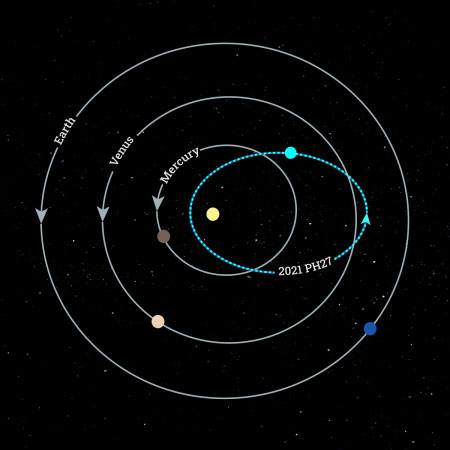
The asteroid, called 2021 PH27, completes an orbit around the sun every 113 days and comes within 20 million kilometres of our star.
That gives this space rock the distinction of having the shortest known orbital period for an asteroid – and only the second shortest orbit around the sun after Mercury, which takes 88 days to complete its orbital journey around our star.
READ MORE: Earth safe from 'God of chaos' asteroid for another century

Scott Sheppard, an astronomer at the Carnegie Institution for Science, discovered the asteroid in twilight observations made by Brown University astronomers Ian Dell'Antonio and Shenming Fu on August 13. Dell'Antonio, a professor of physics, and Mr Fu, a doctoral student, took the images using the Dark Energy Camera mounted on the Víctor M. Blanco 4m Telescope at Cerro Tololo Inter-American Observatory in Chile.
Multiple aspects of the asteroid surprised Dr Sheppard.
The asteroid is 1km in size and "very few asteroids this size in the inner solar system likely exist that are unknown," he said.
"2021 PH27 gets so close to the Sun that its surface can reach temperatures of 900 degrees Fahrenheit (482 degrees Celsius), hot enough to melt lead," said Dr Sheppard via email.
"Because of these extreme temperatures, it is unlikely 2021 PH27 is composed of any volatile material, and it is most likely made up of rock with maybe some metal like iron."
READ MORE: Interstellar object is cookie-shaped planet shard, new report claims

It has an unstable orbit that crosses the orbits of Mercury and Venus as they make their way around the sun.
Within a few million years, the asteroid's orbit will likely cause its doom.
The rocky fragment could collide with Mercury or Venus, or the sun itself, or be knocked out of its current position in the solar system.
The asteroid is so near the sun's massive gravitational field of the sun that it experiences effects on its orbit, Dr Sheppard said.
The newfound asteroid is only one of about 20 Atira asteroids, which are those asteroids that are completely interior to Earth's orbit of the sun.
While there are a few known asteroids that come nearly as close to the sun as 2021 PH27, they have much longer orbits.
"Some of these asteroids have been seen to have dust in their orbits, suggesting the asteroids are slowly fragmenting or cracking apart from the extreme thermal stresses on these objects," Dr Sheppard said.
One notable example of this is Phaethon, the comet-like asteroid that creates the Geminid meteor showers that occur in our skies every December.
READ MORE: Scientists 'speechless' by samples from asteroid 300 million km away
Tracking down an asteroid
But where did this space rock come from?
That's one of the questions Dr Sheppard wants to investigate next, but he has some ideas based on the preliminary observations.
It's likely that the asteroid became dislodged from the main asteroid belt located between Mars and Jupiter, but Dr Sheppard hasn't ruled out the possibility that 2021 PH27 is actually an extinct comet.
"It could be an extinct comet as comets are known to come from the outer Solar System on elongated, long period orbits and gravitationally interact with the inner planets to get more circular shorter period orbits that keep them in the inner solar system for long periods of time," Dr Sheppard explained.
The inner planets include Mercury, Venus, Earth and Mars.
When this happens, some of the comet's elements will evaporate until it no longer looks like a comet.
Instead, it's just the leftover remnants.
Dr Sheppard typically searches for incredibly distant objects in the solar system and beyond.
However, it's also crucial to understand the population of asteroids close to Earth's orbit.
Near-Earth asteroids have a chance of impacting Earth in the future, but some of them are incredibly difficult to observe because they approach our planet during the daytime.
READ MORE: NASA provides photos of rare metal asteroid worth more than entire world's economy
"The space interior to Earth's orbit has been relatively unexplored to date," Dr Sheppard said.
"It is hard to observe the region towards the Sun because of the Sun's extreme glare."
But the Dark Energy Camera has a large field of view, making it a powerful tool to search for otherwise elusive objects like 2021 PH27 — especially during the twilight hours as the sun sets and just before it rises.
After Dr Sheppard's discovery, astronomer David Tholen at the University of Hawai'i measured the asteroid's position and predicted where it could be observed the next night.
This enabled multiple telescopes to observe the asteroid from Chile and South Africa on August 14 and 15.
These astronomers postponed observations for their own research to assist with learning more about the asteroid.
"Although telescope time is very precious, the international nature and love of the unknown makes astronomers very willing to override their own science and observations to follow up new interesting discoveries like this," Dr Sheppard said.
"We are so grateful for all of our collaborators who enabled us to act quickly on this discovery."
Soon, the asteroid will pass behind the sun and won't be observable until early 2022.
Dr Sheppard is eager to learn more about the asteroid's composition and its origin.
"Where are these inner asteroids coming from? Some are recently dislodged Main Belt Asteroids, other might be extinct comets, but there could be another source population, such as the Vulcanoids, which are a hypothetical population of asteroids," Dr Sheppard said.
NSW battered by wild weather
More wild weather is on the way for much of the NSW coast after a battering overnight.
Winds of up to 130km/h were recorded with the SES receiving almost 900 calls for help.
A many as 18,000 people were left without power on the NSW South Coast overnight.
A huge 52mm of rain fell at Sydney Airport over the past 24 hours.
READ MORE: NSW hit with snow, storms damaging winds
https://twitter.com/BOM_NSW/status/1430072185234890754?ref_src=twsrc%5Etfw
According to Ausgrid, there are around 2000 people still without power across the state this morning, mostly on the NSW Central Coast and Hunter regions.
The South Coast and Illawarra was another badly hit area, with Sydney's north shore also suffering a battering.
Damage included roofs being swept from houses and trees down.
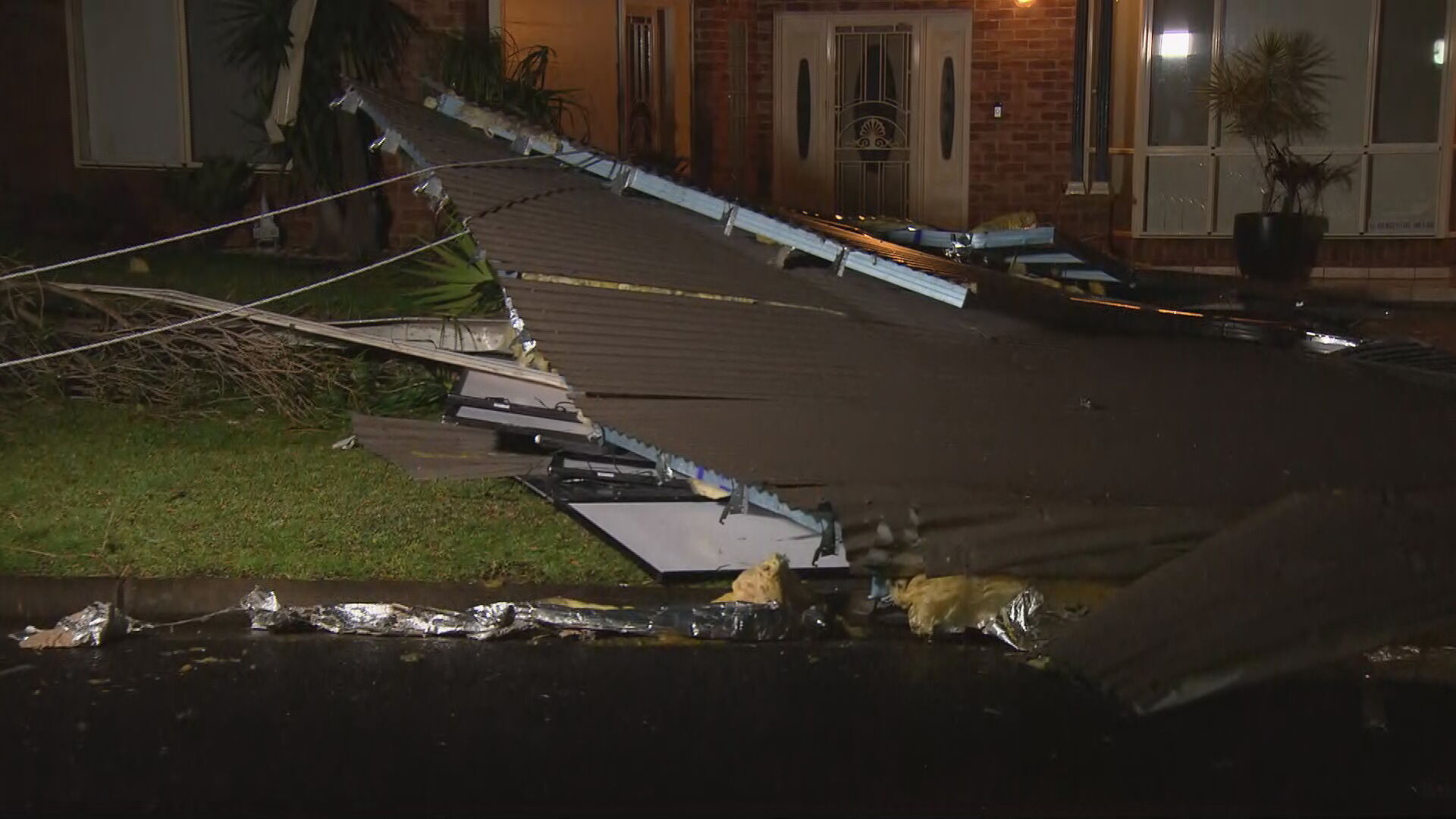
One man in Flinders, in the Illawarra, said the entire roof had been swept off his home and dumped in a neighbour's garden.
He said he initially thought from the noise his car's sunroof had been damaged – only to find it was his house.
"It was like a tornado or something lifted it," he told Today.

The town of Orange also saw multiple calls for help after the wild storm left a trail of destruction, tearing roofs off and smashing car windscreens.
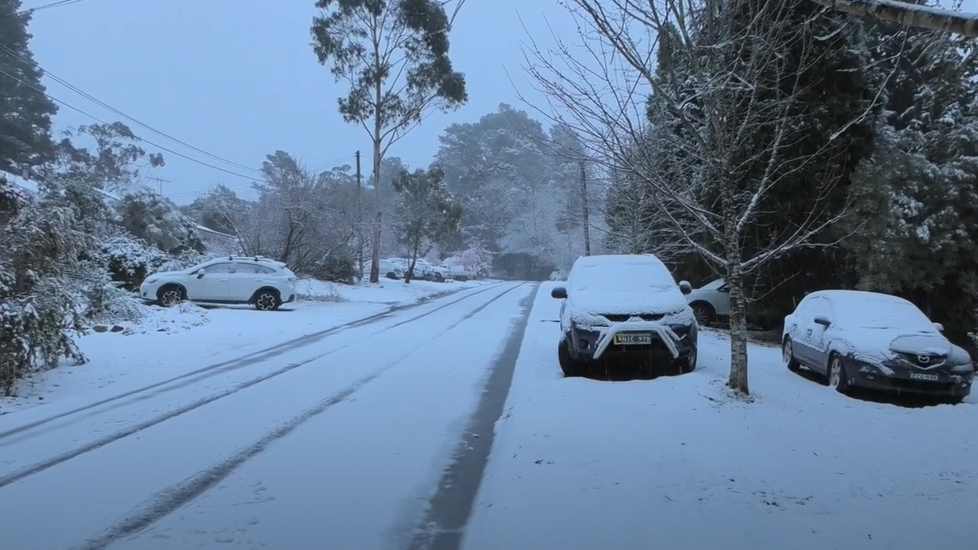
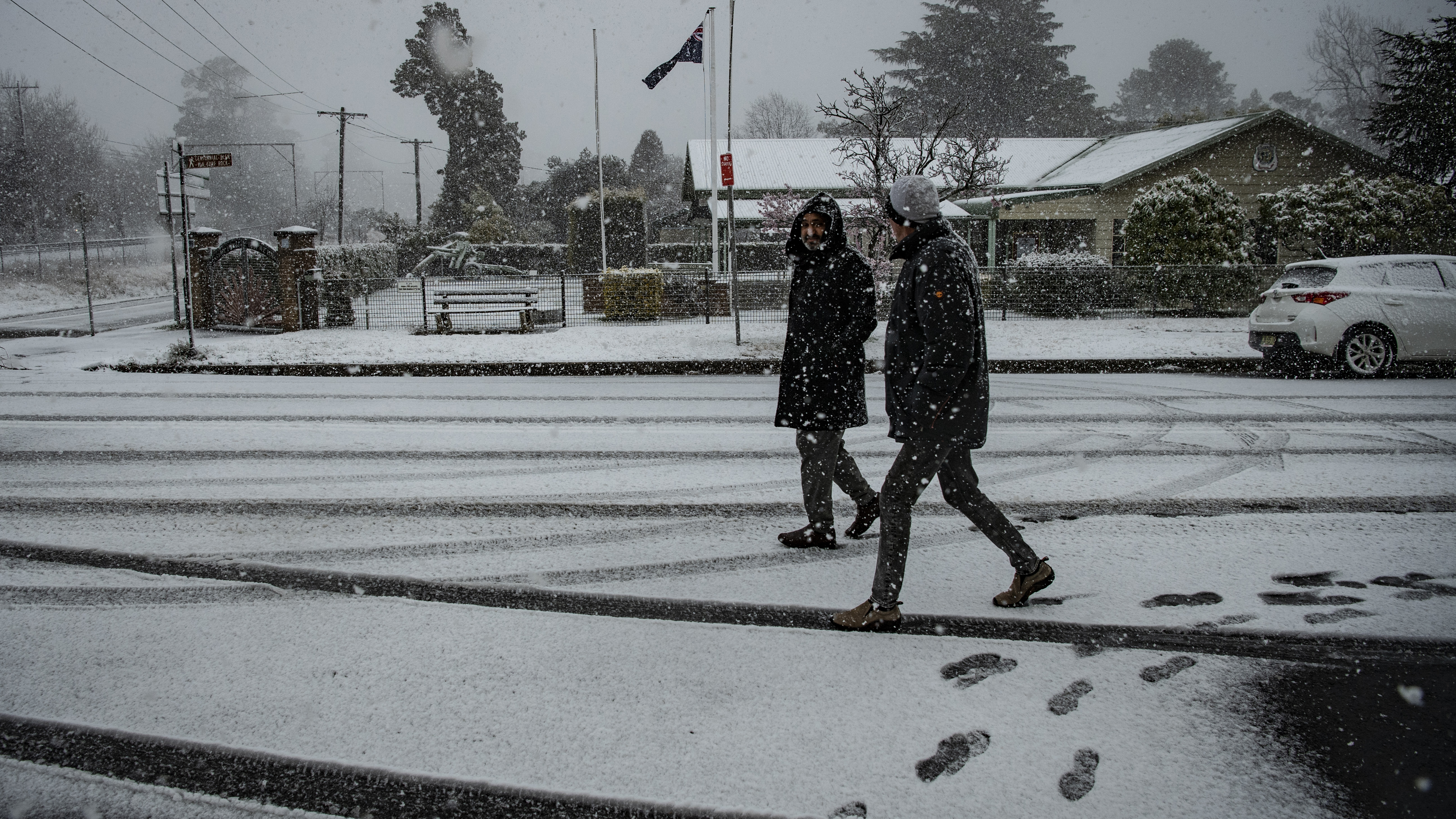
Parts of the NSW Blue Mountains even saw snow flurries.
Locals in Blackheath rugged up to walk in the snowy streets.
A renewed weather warning has been issued this morning warning of wind gusts to 90km/h for Sydney, Wollongong, The Entrance, Woy Woy, Bulli, Port Kembla, Kiama, Huskisson, Ulladulla, Batemans Bay and Eden.

Weatherzone has forecast another cold and wet day for Sydney, with a forecast maximum of 16C.
Dangerous surf also continues to batter the coast.
The stormy weather will also now move towards the ACT and Victoria.
https://twitter.com/BOM_NSW/status/1430077297818800128?ref_src=twsrc%5Etfw
Rolling Stones drummer Charlie Watts dies aged 80
Charlie Watts, the self-effacing and unshakeable Rolling Stones drummer who helped anchor one of rock's greatest rhythms sections and used his "day job" to support his enduring love of jazz, has died, according to his publicist. He was 80.
Bernard Doherty said on Tuesday that Watts "passed away peacefully in a London hospital earlier today surrounded by his family."
"Charlie was a cherished husband, father and grandfather and also as a member of The Rolling Stones one of the greatest drummers of his generation," Mr Doherty said.
READ MORE: Incredible Paralympic stories, from the 'armless archer' to the 'blade jumper'
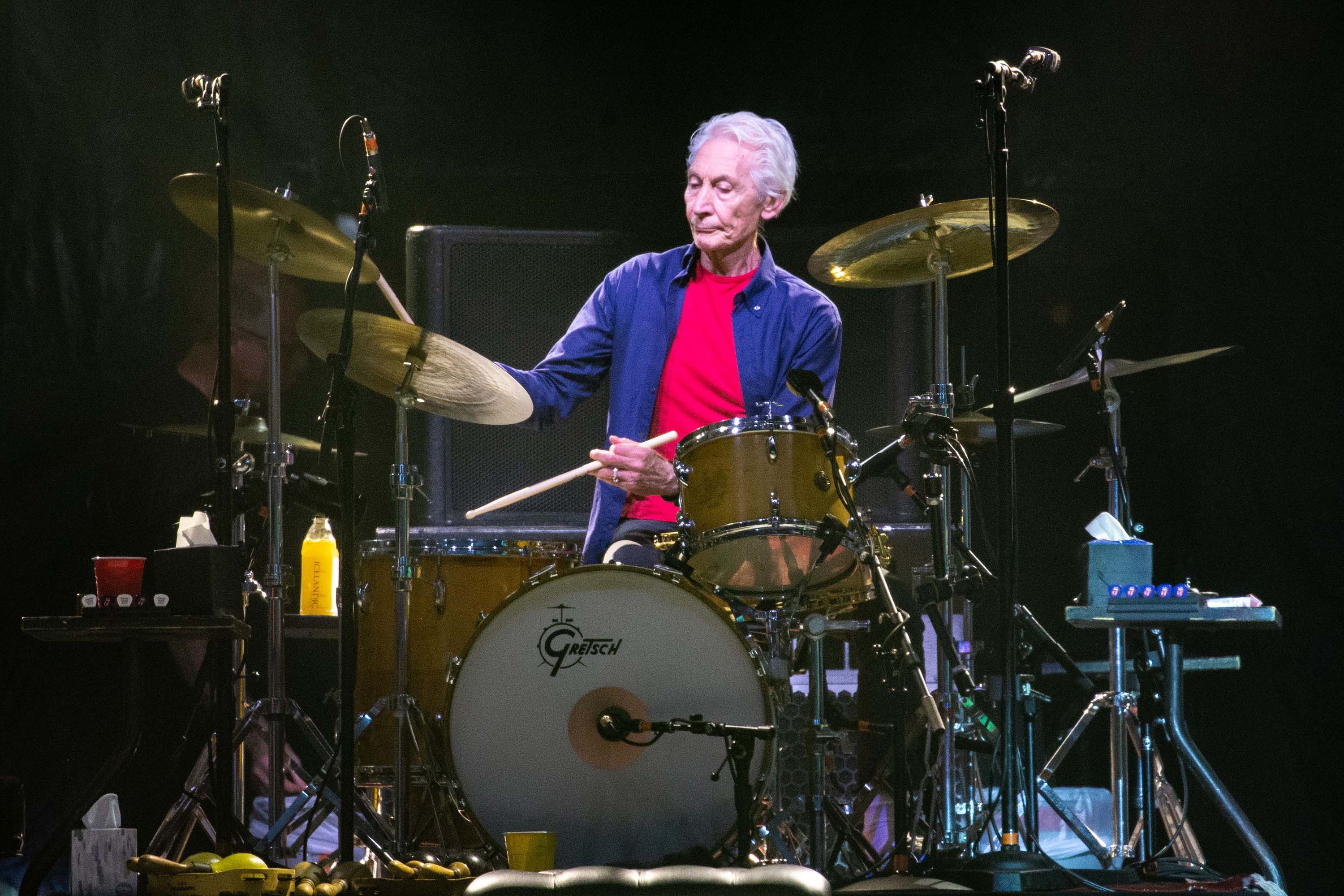
Watts had announced he would not tour with the Stones in 2021 because of an undefined health issue.
Sir Paul McCartney was one of the first to pay tribute to him, posting a video saying: "Love you Charlie. I always loved you. Beautiful man.
"And great condolences and sympathies to his family."
Elton John shared of photo of the pair together.
He wrote: "A very sad day. Charlie Watts was the ultimate drummer. The most stylish of men, and such brilliant company. My deepest condolences to Shirley, Seraphina and Charlotte. And of course, The Rolling Stones."
The quiet, elegantly dressed Watts was often ranked with Keith Moon, Ginger Baker and a handful of others as a premier rock drummer, respected worldwide for his muscular, swinging style as the Stones rose from their scruffy beginnings to international superstardom.
He joined the band early in 1963 and remained over the next 60 years, ranked just behind Mick Jagger and Keith Richards as the group's longest lasting and most essential member.
READ MORE: Famous London bridge stuck open for almost 12 hours

Watts stayed on, and largely held himself apart, through the drug abuse, creative clashes and ego wars that helped kill founding member Brian Jones, drove bassist Bill Wyman and Jones' replacement Mick Taylor to quit and otherwise made being in the Stones the most exhausting of jobs.
A classic Stones song like "Brown Sugar" and "Start Me Up" often began with a hard guitar riff from Richards, with Watts following closely behind, and Wyman, as the bassist liked to say, "fattening the sound."
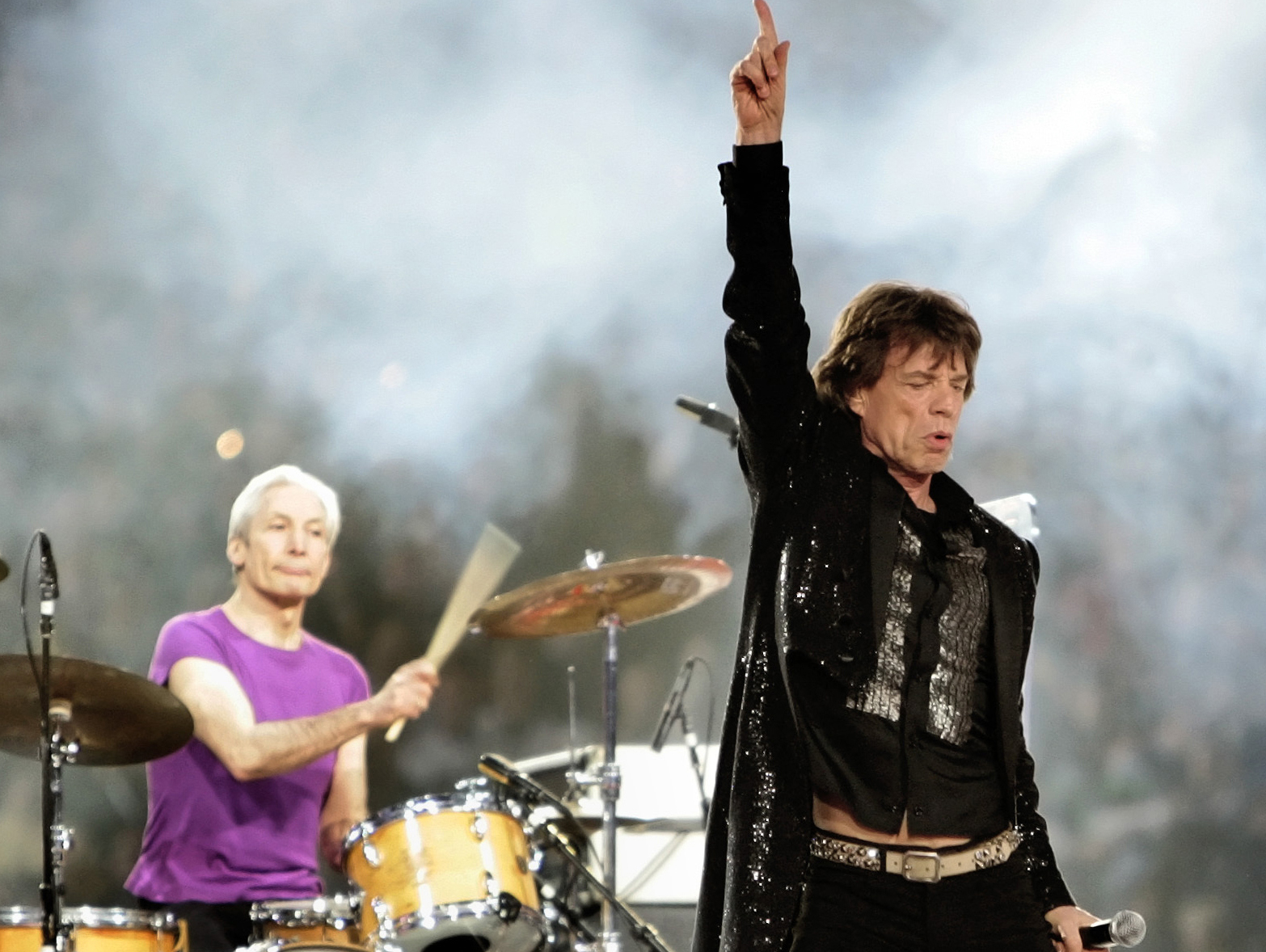
Watts' speed, power and time keeping were never better showcased than during the concert documentary, "Shine a Light," when director Martin Scorsese filmed "Jumpin' Jack Flash" from where he drummed toward the back of the stage.
The Stones began, Watts said, "as white blokes from England playing Black American music" but quickly evolved their own distinctive sound.
Watts was a jazz drummer in his early years and never lost his affinity for the music he first loved, heading his own jazz band and taking on numerous other side projects.
He had his eccentricities — Watts liked to collect cars even though he didn't drive and would simply sit in them in his garage.
But he was a steadying influence on stage and off as the Stones defied all expectations by rocking well into their 70s, decades longer than their old rivals the Beatles.
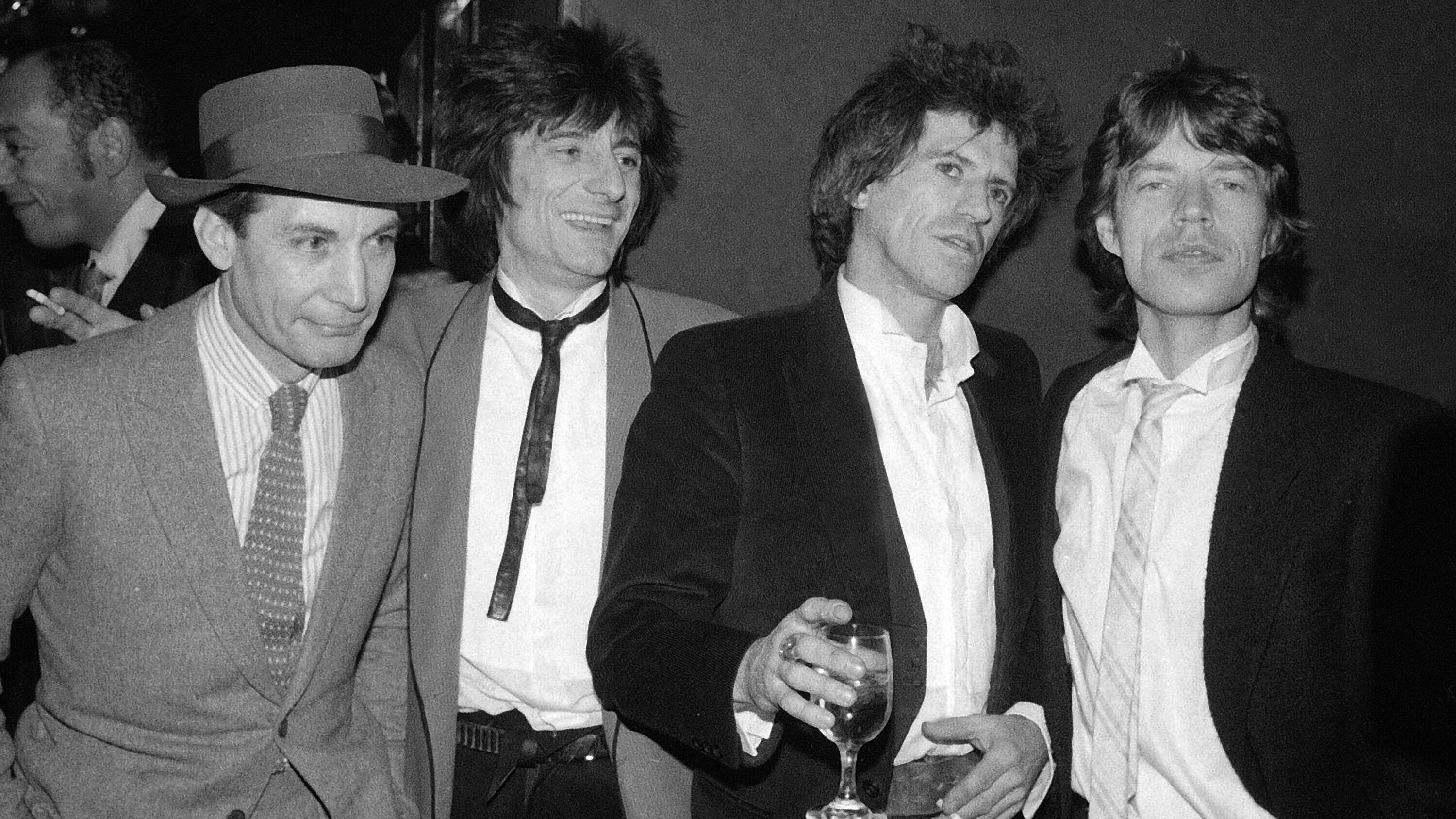
Watts didn't care for flashy solos or attention of any kind, but with Wyman and Richards forged some of rock's deepest grooves on "Honky Tonk Women," "Brown Sugar" and other songs.
The drummer adapted well to everything from the disco of "Miss You" to the jazzy "Can't You Hear Me Knocking" and the dreamy ballad "Moonlight Mile."
READ MORE: TV and film icon John 'Strop' Cornell dies aged 80
Jagger and Richards at times seemed to agree on little else besides their admiration of Watts, both as a man and a musician.
Richards called Watts "the key" and often joked that their affinity was so strong that on stage he'd sometimes try to rattle Watts by suddenly changing the beat — only to have Watts change it right back.
He also had an impact on the Rolling Stones that extended beyond drumming.
He worked with Jagger on the ever more spectacular stage designs for the group's tours.
He also provided illustrations for the back cover of the acclaimed 1967 album "Between the Buttons" and inadvertently gave the record its title.
When he asked Stones manager Andrew Oldham what the album would be called, Oldham responded "Between the buttons," meaning undecided.
Watts thought that "Between the Buttons" was the actual name and included it in his artwork.
To the world, he was a rock star.
But Watts often said that the actual experience was draining and unpleasant, and even frightening.
"Girls chasing you down the street, screaming…horrible!… I hated it," he told The Guardian newspaper in an interview.
In another interview, he described the drumming life as a "cross between being an athlete and a total nervous wreck."
Watts found refuge from the rock life, marrying Shirley Ann Shepherd in 1964 and having a daughter, Seraphina, soon after.
While other famous rock marriages crumbled, theirs held. Jagger and Richards could only envy their bandmate's indifference to stardom and relative contentment in his private life, which included happily tending horses on a rural estate in Devon, England.

Author Philip Norman, who has written extensively about the Rolling Stones, said Watts lived "in constant hope of being allowed to catch the next plane home."
On tour, he made a point of drawing each hotel room he stayed in, a way of marking time until he could return to his family.
READ MORE: 'We're heartbroken': Byron Bay Bluesfest cancelled
He said little about playing the same songs for more than 40 years as the Stones recycled their classics.
But he did branch out far beyond "Satisfaction" and "Jumpin' Jack Flash" by assembling and performing with jazz bands in the second half of his career.
Born the son of a truck driver
Charles Robert Watts, son of a truck driver and a housewife, was born in Neasden, London, on June 2, 1941.
From childhood, he was passionate about music — jazz in particular.
He fell in love with the drums after hearing Chico Hamilton and taught himself to play by listening to records by Johnny Dodds, Charlie Parker, Duke Ellington and other jazz giants.
He worked for a London advertising firm after he attended Harrow Art College and played drums in his spare time.
London was home to a blues and jazz revival in the early 1960s, with Jagger, Richards and Eric Clapton among the future superstars getting their start.
Watts' career took off after he played with Alexis Korner's Blues Incorporated, for whom Jagger also performed, and was encouraged by Korner to join the Stones.
Watts wasn't a rock music fan at first and remembered being guided by Richards and Brian Jones as he absorbed blues and rock records, notably the music of bluesman Jimmy Reed.
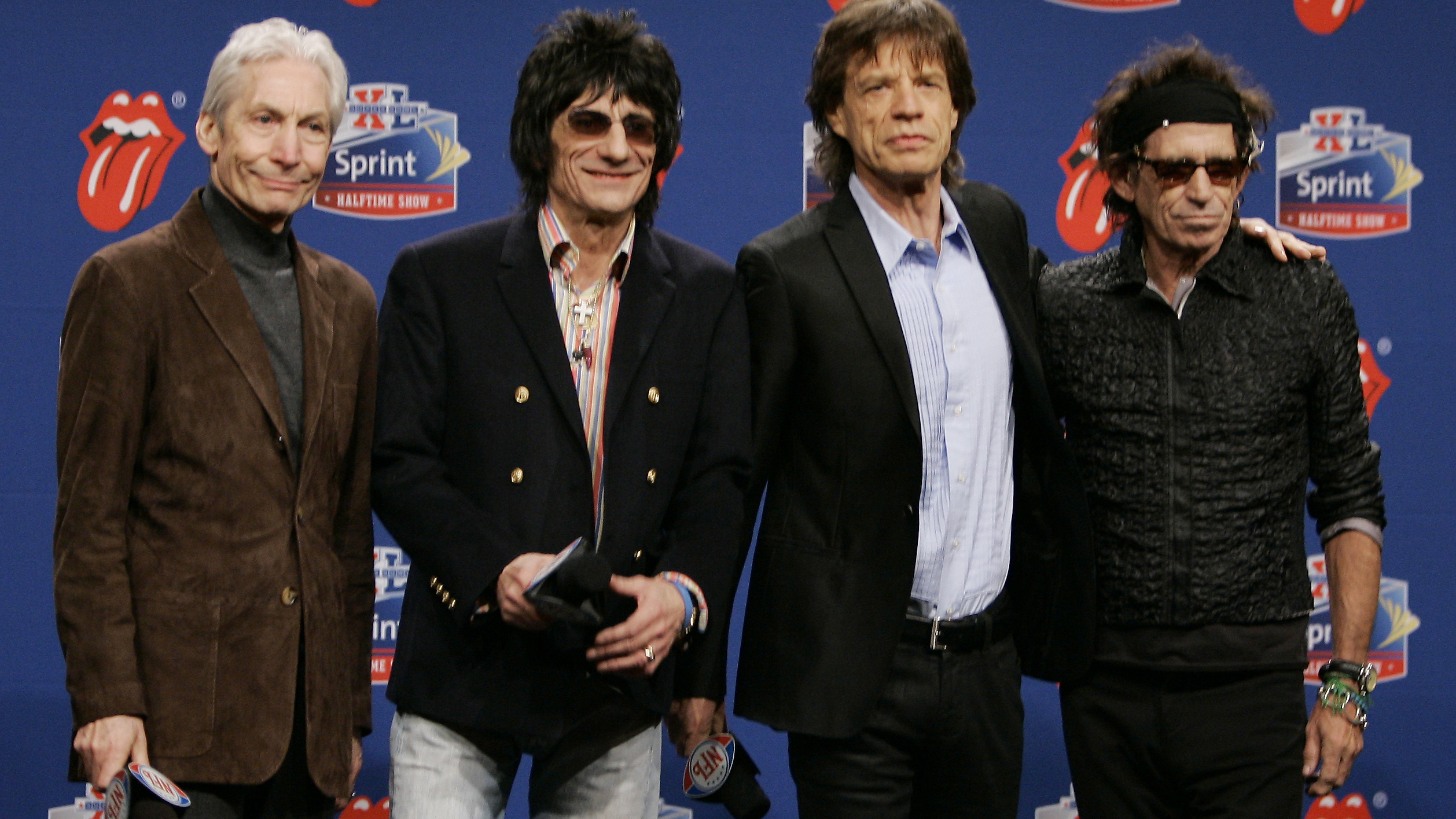
He said the band could trace its roots to a brief period when he had lost his job and shared an apartment with Jagger and Richards because he could live there rent-free.
"Keith Richards taught me rock and roll," Watts said.
"We'd have nothing to do all day and we'd play these records over and over again. I learned to love Muddy Waters.
"Keith turned me on to how good Elvis Presley was, and I'd always hated Elvis up 'til then."
Watts was the final man to join the Stones; the band had searched for months to find a permanent drummer and feared Watts was too accomplished for them.
Richards recalled the band wanting him so badly to join that members cut down on expenses so they could afford to pay Watts a proper salary.
Watts said he believed at first the band would be lucky to last a year.
"Every band I'd ever been in had lasted a week," he said. "I always thought the Stones would last a week, then a fortnight, and then suddenly, it's 30 years."
For much of his career, Watts resisted the excesses of his bandmates, but he fell into heroin addiction in the mid-1980s.
He would credit his stable relationship with his wife for getting him off drugs.
"I was warring with myself at that time," he told Rolling Stone magazine.
With his financial future secure because of the Stones' status as one of the world's most popular live bands, Watts was able to indulge his passion for jazz by putting together some of the most talented musicians in Britain for a series of recordings and performances.
They typically played during the long breaks between Stones tours.
His first jazz record, the 1986 "Live at Fulham Town Hall," was recorded by the Charlie Watts Orchestra.
Others by the Charlie Watts Quintet followed, and he expanded that group into the Charlie Watts and the Tentet.
Watts was an acclaimed jazz bandleader when he was stricken with throat cancer in 2004.
He received extensive treatment and made a full recovery.
His return to health allowed him to resume touring with both the Stones and his jazz band.
By then, the young man who had worn his brown hair down to his shoulders in the late 1960s had evolved into a craggy, white-haired, impeccably dressed senior statesman of rock.
Getting Watts to talk about his place in rock history was almost impossible, but he seemed to enjoy talking about fashion.
It was not unusual to see him attired in a custom-made suit and polka dot tie while his bandmates wore jeans and T-shirts.
In the tumultuous, extremely competitive world of rock and roll, Watts seemed to make few enemies.
"It all seems to boil down to a certain quality which is as rare as hen's teeth in the music business, but which Charlie Watts is perceived to have in abundance. In a word, decency," columnist Barbara Ellen wrote after interviewing Watts in 2000.
"You've got to hand it to a…man who's played with the world's most influential rock 'n' roll band…and stayed happily married to his wife, Shirley….A man who, moreover, remains resolutely determined not to take his elevated position too seriously."
Incredible Paralympic stories, from the 'armless archer' to 'blade jumper'
The Paralympics began on Tuesday in the same empty National Stadium — during the same pandemic — as the opening and closing ceremonies of the recently completed Tokyo Olympics.
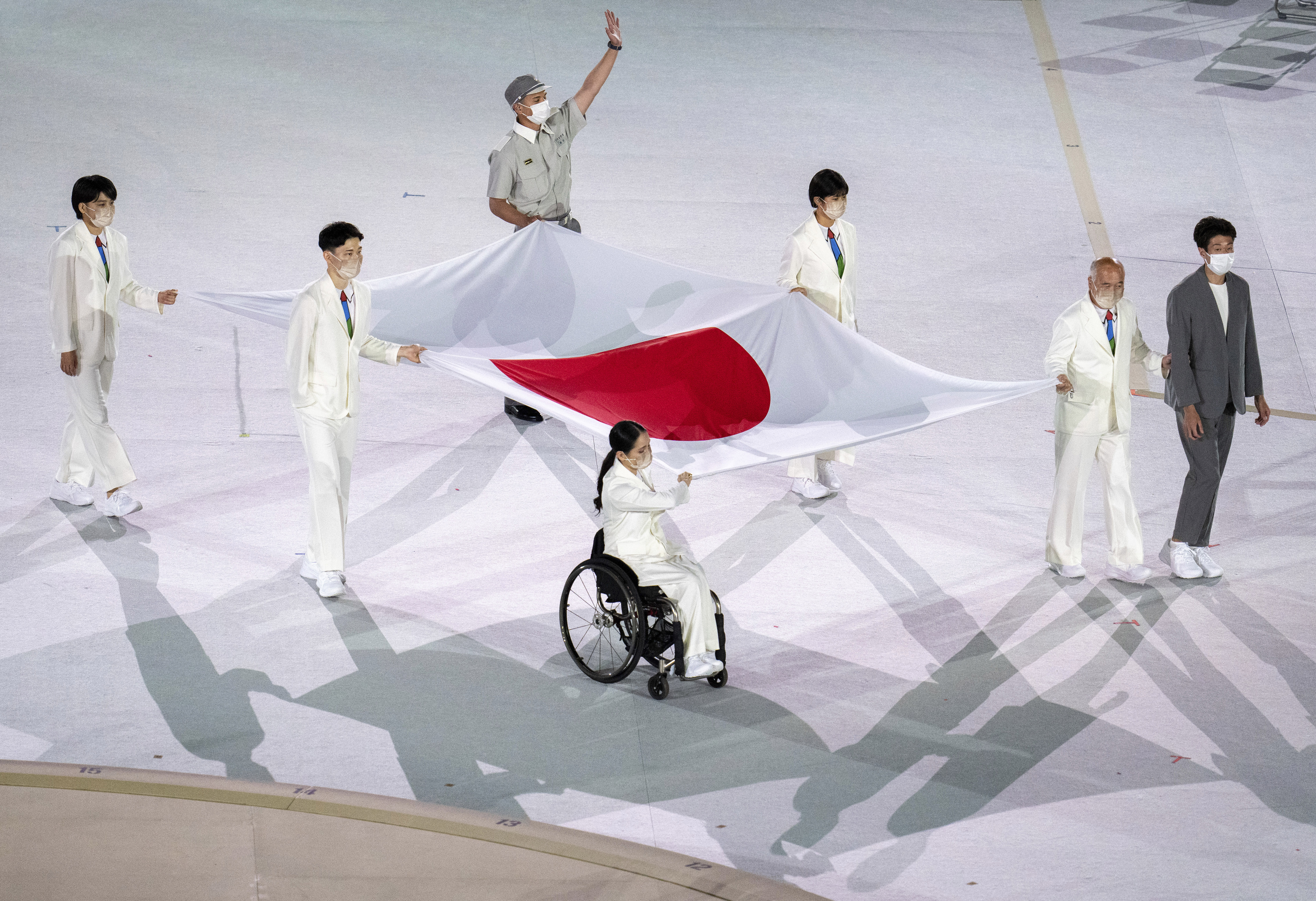
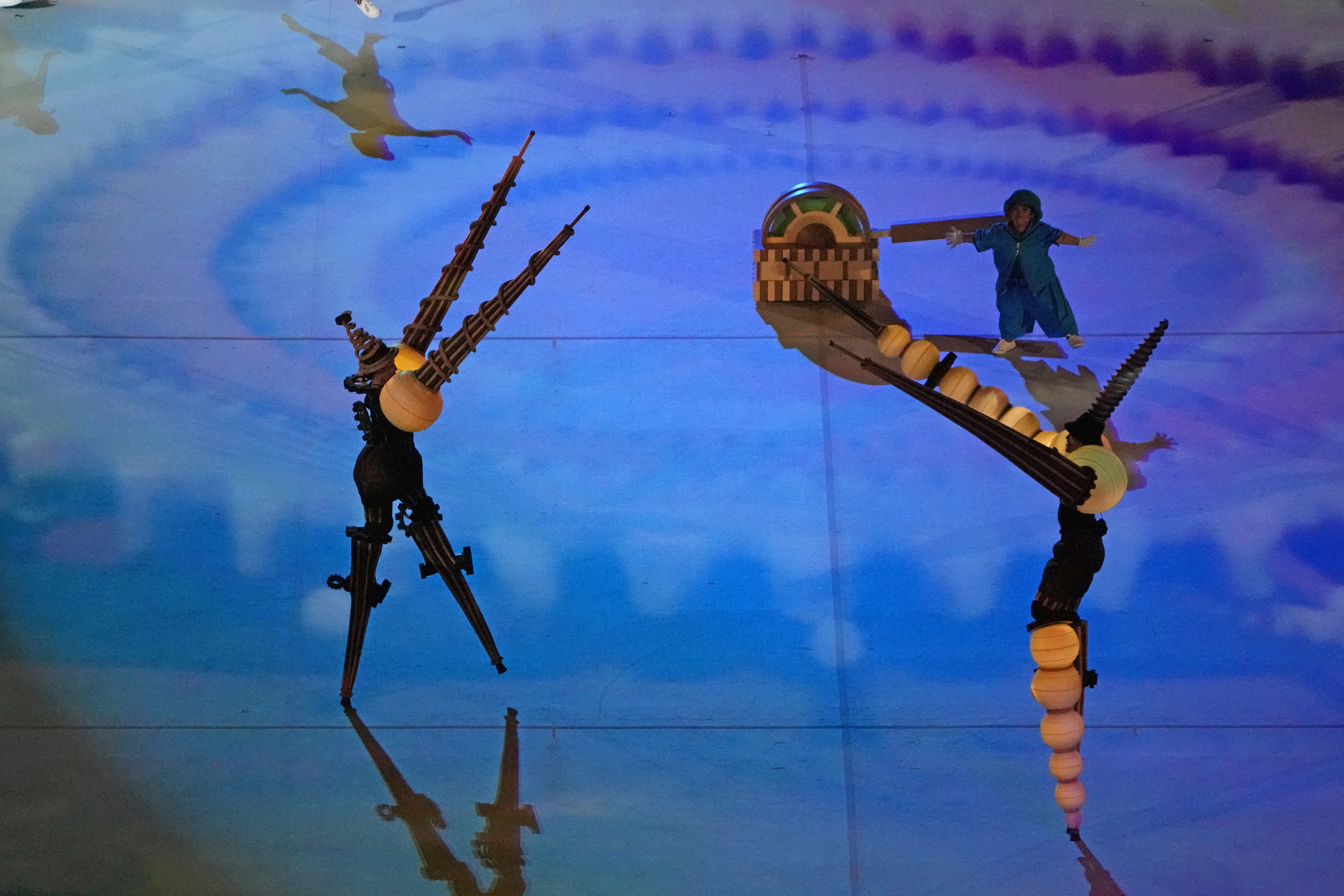
Japanese Emperor Naruhito got it all started again, this time under the theme "We Have Wings." Among the few on hand were Douglas Emhoff, husband of US Vice President Kamala Harris, International Paralympic Committee President Andrew Parsons and International Olympic President Thomas Bach.
It was a circus-like opening with acrobats, clowns, vibrant music and fireworks atop the stadium to mark the the start of the long parade of athletes.
READ MORE: Everything you need to know about the Tokyo Paralympics
"I cannot believe we are finally here," Parsons said in his opening remarks.
"Many doubted this day would happen. Many thought it impossible. But thanks to the efforts many, the most transformative sport event on earth is about to begin."
The opening ceremony featured the national flags of the 162 delegations represented, which included the refugee team. In addition, the flag of Afghanistan was carried by a volunteer despite the delegation not being on hand in Tokyo.
Comparisons to the Olympics stop with the colourful jamboree, save for the logistical and medical barriers during the pandemic, and the hollowing out of almost everything else.
Tokyo and Paralympic organisers are under pressure from soaring new infections in the capital.
About 40 per cent of the Japanese population is fully vaccinated but daily new cases in Tokyo have increased four to five times since the Olympics opened on July 23. Tokyo is under a state of emergency until September 12, with the Paralympics ending September 5.
Organisers on Tuesday also announced the first positive test for an athlete living in the Paralympic Village. They gave no name or details and said the athlete had been isolated.
READ MORE: Meet the stars of Australia's Paralympic team

The Paralympics are being held without fans, although organisers are planning to let some school children attend, going against the advice of much of the medical community.
Parsons and Seiko Hashimoto, the president of the Tokyo organising committee, say the Paralympics can be held safely. Both have tried to distance the Paralympics and Olympics from Tokyo's rising infection rate.
"For the moment we don't see the correlation between having the Paralympics in Tokyo with the rising number of cases in Tokyo and Japan," Parsons told The Associated Press.
Some medical experts say even if there is no direct link, the presence of the Olympics and Paralympics promoted a false sense of security and prompted people to let down their guard, which may have helped spread the virus.
The Paralympics are about athletic prowess. The origin of the word is from "parallel" — an event running alongside the Olympics.
Markus Rehm — known as the "Blade Jumper" — lost his right leg below the knee when he was 14 in a wakeboarding accident, but earlier this year he jumped 8.62m, a distance that would have won the last seven Olympics, including the Tokyo Games. Tokyo's winning long jump was 8.41m.
READ MORE: Vaccines mandatory for entire Australian Tokyo 2021 Paralympics team
"The stigma attached to disability changes when you watch the sport," said Craig Spence, a spokesman for the International Paralympic Committee.
"These games will change your attitude toward disability.
Spence noted that it was rare to see people with disabilities on the street in Japan.
"We've got to go from protecting people to empowering people and creating opportunities for people to flourish in society," he said.
Archer Matt Stutzman was born with no arms, just stumps at the shoulders.
He holds a world record — for any archer, disabled or otherwise — for the longest, most accurate shot, hitting a target at 283.5m.
Wheelchair fencer Bebe Vivo contracted meningitis as a child and to save her life, doctors amputated both her forearms and both her legs at the knees.
"So many people told me that it was impossible to do fencing without any hands," Vivo said in a recent interview.
"So it was so important to me to demonstrate and show people that it doesn't matter if you don't have hands, or you don't have legs or whatever. If you have a dream and you really want to achieve it, just go and take it."

Stutzman and Vivo are both set to compete in Tokyo and have already won medals in previous games, superstars who told their stories last year in the Netflix documentary about the Paralympics called Rising Phoenix.
The rest of the 4403 Paralympic athletes in Tokyo — a record number for any Paralympics — will be telling their stories until the closing ceremony.
"I feel like I'm meeting movie stars," said 14-year-old Ugandan swimmer Husnah Kukundakwe, who is competing for the first time.
She acknowledged being a self-conscious adolescent, even more so because of a congenital impairment that left her with no lower right arm, and her left hand slightly misshapen.
"Since it's the Paralympics and everybody else is disabled, I feel really comfortable with myself," she said.
"In Uganda, there are very few people who have disabilities who want to come out and be themselves."
Paralympic organisers played a part last week in launching "WeThe15," a human rights campaign aimed at 1.2 billion people — 15 per cent of the global population — with disabilities. They've also produced a 90-second video to promote the cause of social inclusion.
READ MORE: Surprising tactics behind 'crazy' Paralympic sport

"Difference is a strength, it is not a weakness," Parsons said, speaking in the largely empty stadium.
"And as we build back better in the post-pandemic world, it must feature societies where opportunities exist for all."
Shingo Katori, a member of boy band SMAP that had its roots in the 1980s, now works with Paralympic organisers.
He acknowledged his early fears of working with people with disabilities.
"Frankly speaking, people in wheelchairs or people with artificial legs — I hadn't had an opportunity to meet these people and I didn't know how to communicate with them," he said.
"But through Paralympic sports, such hesitation faded away."
Stutzman, known as the "Armless Archer," has a disarming sense of humour — pardon the pun. He jokes about growing up wanting the be like former NBA star Michael Jordan.
"I gave it up," he deadpans.
"I wasn't tall enough."
Footballer could face criminal charges over alleged assault
An amateur footballer from Adelaide's northern suburbs is now being criminally investigated after allegedly punching a volunteer at a weekend game.
South Australia Police confirmed they are considering whether to charge the player over the incident at a Division Seven game on Saturday.
Video from the game allegedly shows Central United Football Club player Nick Kershaw punch a volunteer runner from the Adelaide Lutheran Football Club in the face before the other man falls to the ground.
READ MORE: Father claims son 'rounded up by wolves' in football fight
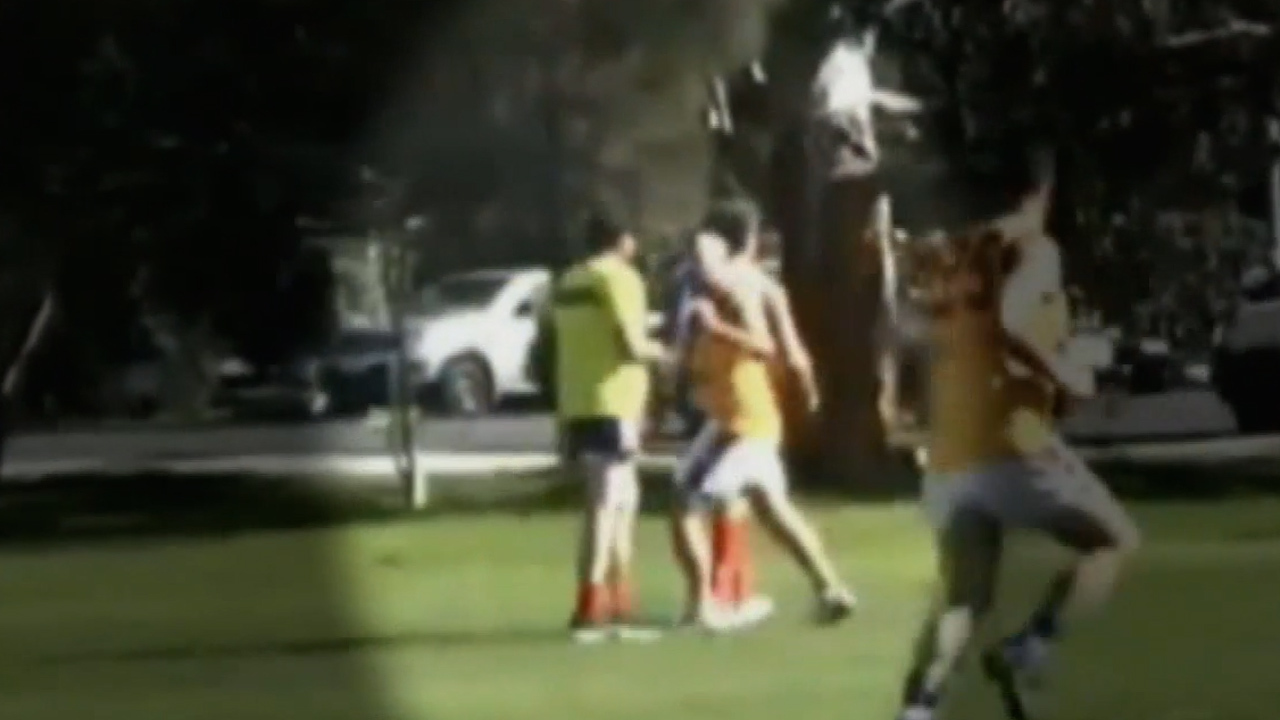
Mr Kershaw has since been deregistered and banned for 10 games with his club releasing a statement saying he has apologised to the volunteer.
"The player has also sincerely apologised to the Adelaide Lutheran Football Club and the Adelaide Football League and is deeply remorseful for his uncharacteristic behaviour," Central United Football Club President Nathan Fenwick said.
Police now say they are looking at the circumstances surrounding the alleged incident and whether criminal charges are warranted.

READ MORE: Man charged with assaulting teenage boy at a football game
"(It's) completely unacceptable. I take a dim view of people who use competitive sport as a reason to become violent whether they are players involved in that sort of behaviour or spectators and officials as well -there's no room for it in amateur sport," SA Police Commissioner Grant Stevens said.
Police are calling for anyone with further information or footage of the alleged incident to come forward.
New shopping site uses cutting edge feature to guarantee lowest prices
A new Australian retail website has arrived to shakeup the market, allowing shoppers to see an item's pricing history at major retailers before they pull the trigger.
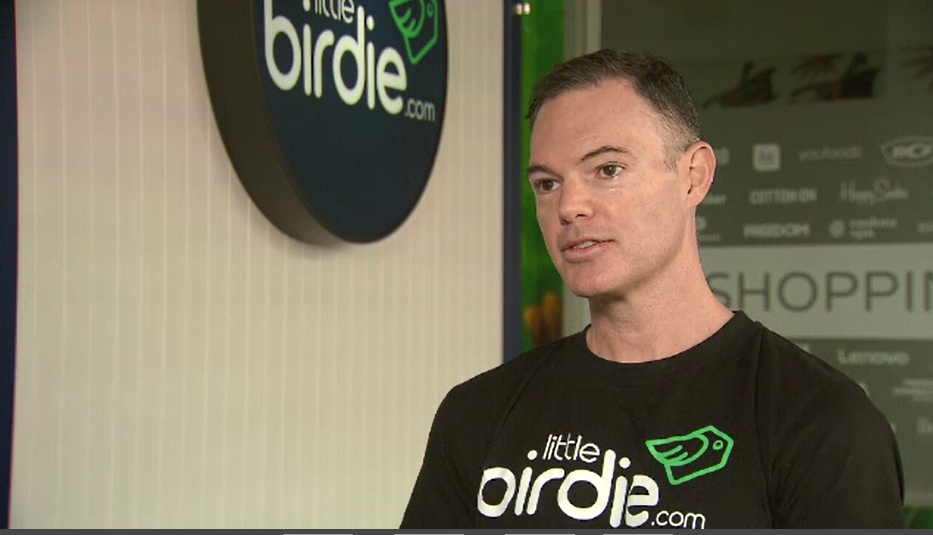
Little Birdie, which launched online today, guarantees customers the lowest prices by providing detailed data on how an item has been priced at different stores.
CEO Jon Beros said the new feature something the online market had been missing.
READ MORE: Victoria to offer Pfizer vaccine to young people

"We get bombarded by different products, different brands, and we really need the confidence to know that when we make a purchase we are getting that best price," he said.
The website reveals all discounts and price hikes an item has previously been subject to at major retails.
READ MORE: Seal spotted swimming through Melbourne's Yarra River
It will also give customers price alerts to let them know price drops are only for a limited time.
Mr Beros said its function was to let customers in on "amazing offers" that retailers didn't always advertise widely.

The website, which holds pricing data for about 70 million products, has been launched by the creators of Catch, formerly known as Catch of the Day.
Catch was sold to Wesfarmers for $230 million two years ago.
Little Birdie has been backed by a $30 million input from Commonwealth Bank.