A homicide investigation is under way after a man was fatally shot in Ōtahuhu last night.Today police revealed the man was in his 70s and died at the scene. DO YOU KNOW MORE? EMAIL US A scene guard has been at the Princes…
Tag Archives: oceania
Covid 19 coronavirus Delta outbreak: NZ's lockdown continues until at least midnight Friday; Auckland's for longer
COVID LATEST* More locations of interest revealed – KFC restaurants, supermarkets * Worst-case scenario: Can economy cope if we can’t eliminate Delta? * Lockdown Hero: Local butcher works for competitor’s store to keep shelves…
Covid 19 coronavirus Delta outbreak: Parliament's return delayed by a week
Speaker Trevor Mallard has delayed the return of Parliamentary sitting by one week at the request of the Prime Minister Jacinda Ardern, while the Government battles the Delta variant of the coronavirus. Ardern has been in touch…
Sydney girl's skin blisters and tears at the slightest touch
It's been called the worst disease you've never heard of, and the unrelenting pain it brings upon sufferers is unimaginable, like being covered in third-degree burns.
Epidermolysis Bullosa (EB) is a rare disease affecting just 1000 Australians. It's a genetic condition which causes the skin to blister and peel, often at the slightest touch.
When Lylah, 4, from western Sydney was born, she was missing large patches of skin on her feet and hands.
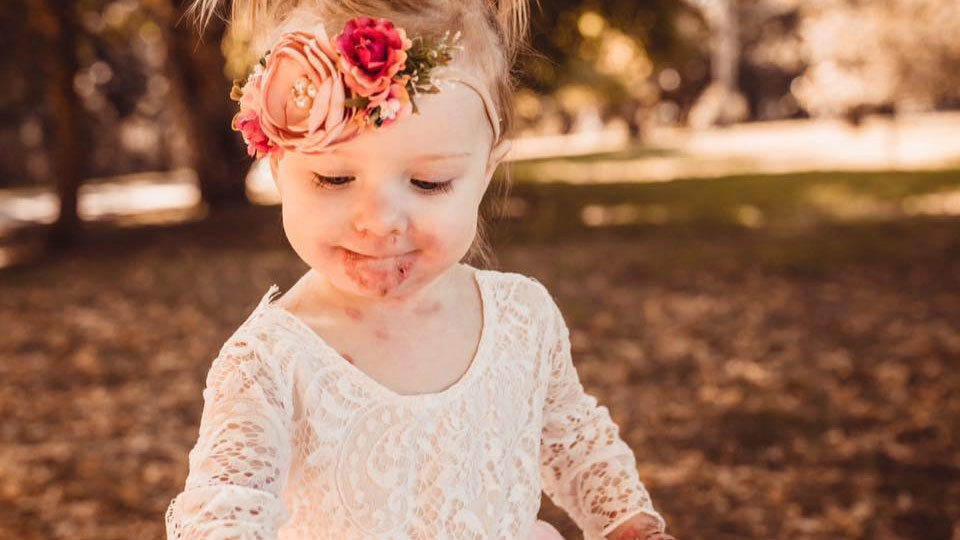
Lylah's father, grandfather and uncle all have the same condition, although in a far milder form.
While her mother, Lara Scott, was aware there was a 50 percent chance of Lylah being born with EB, she told nine.com.au she was still unprepared for the severity of her condition.
"Lylah was born with no skin on either of her feet or her hands up to her wrists. When I saw her, I was in shock," she said.
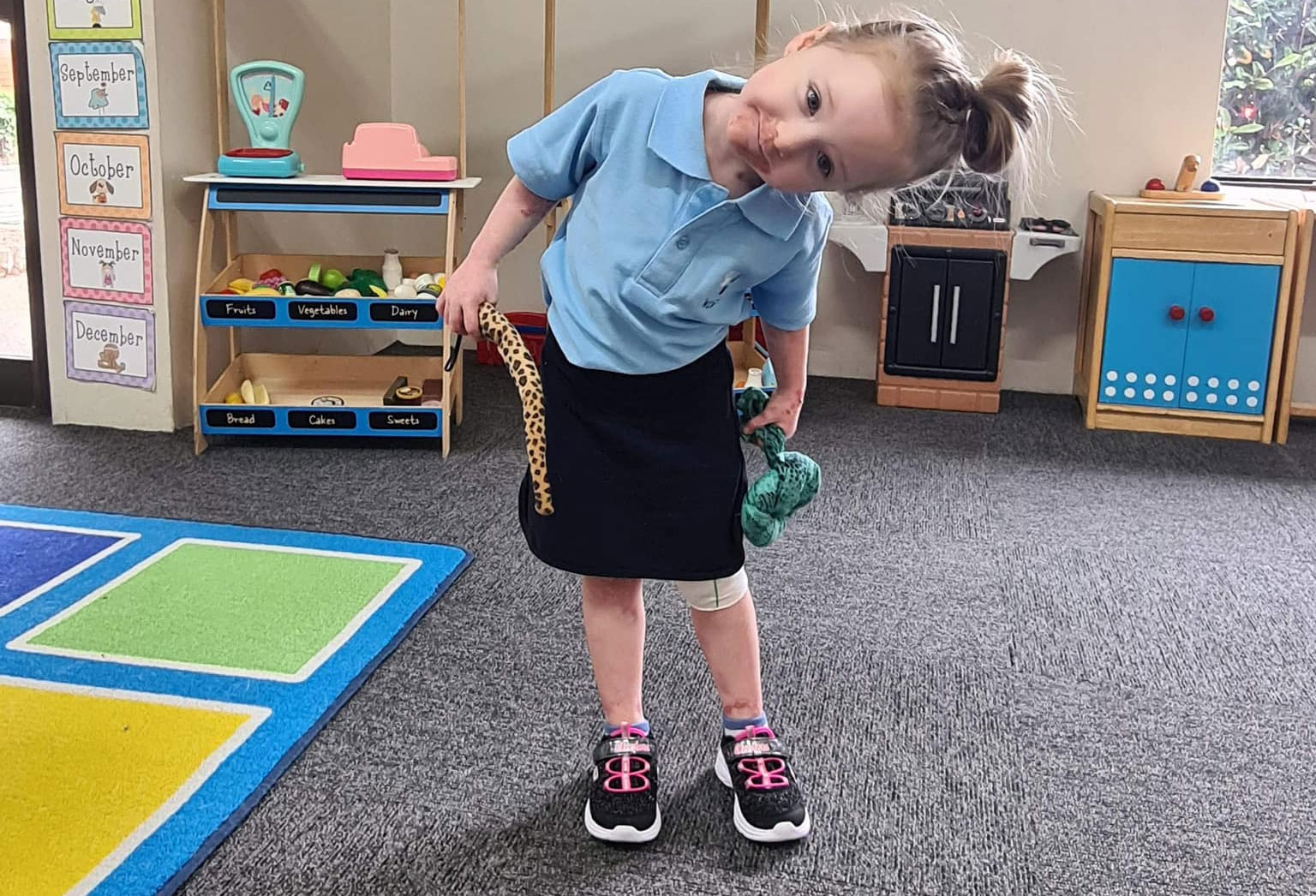
Lylah was transferred within hours to Westmead Hospital where a specialist team showed the new parents what would become their punishing daily routine, hours of wrapping wounds with dressings.
Every day, Ms Scott spends around one-and-a-half to two hours lancing Lylah's blisters and bandaging them. Lylah also needs weekly bleach baths to ward off the ever-present danger of infection.
Sometimes an act as simple as putting on a jumper can cause the skin on little Lylah's wrists to bubble with blisters and tear.
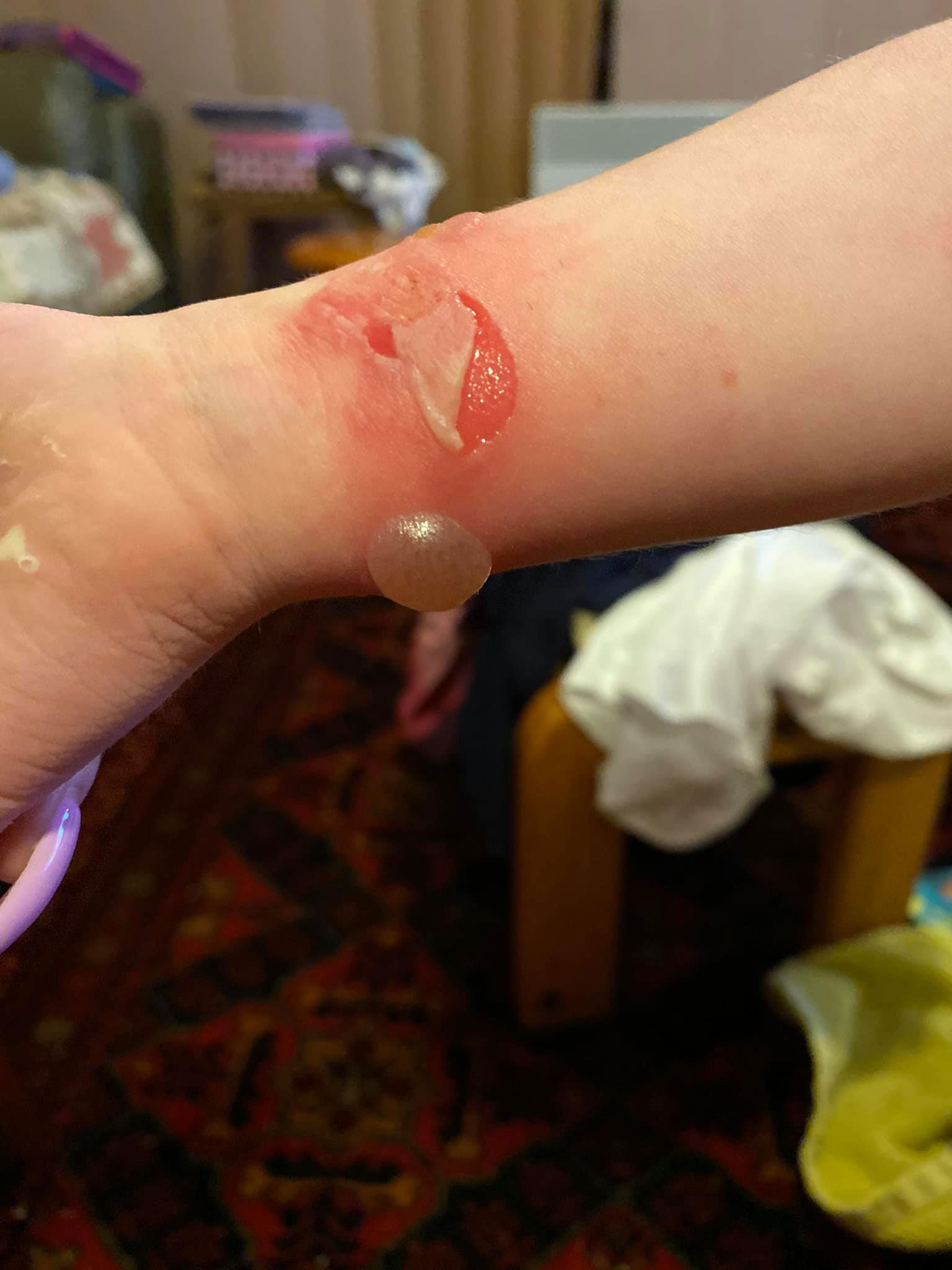
"It's so hard, we just have to be really careful," Ms Scott said.
"She can't wear jeans or denim, or anything with tight elastic in it. We try and avoid those sorts of clothes altogether, it's just not worth the risk.
"When she was a baby, we used to have to turn her clothes inside out because of the seams."
Ms Scott said her daughter is sassy, feisty and resilient, but to watch her suffer was devastating.
"I can't imagine the pain the she goes through every day. It's really heartbreaking," she said.
"She has started prep now and she actually said to her class the other day, 'When I grow up I don't want to have these blisters anymore.'"
There are three main types of EB. The form Lylah's takes does allow for some hope that she will eventually grow out of the disease.
"I can't tell her when it's going to get better, or if it will, but other people I've spoken to who have the same type say the symptoms start to lessen at around 14 to 15-years-old," Ms Scott said.
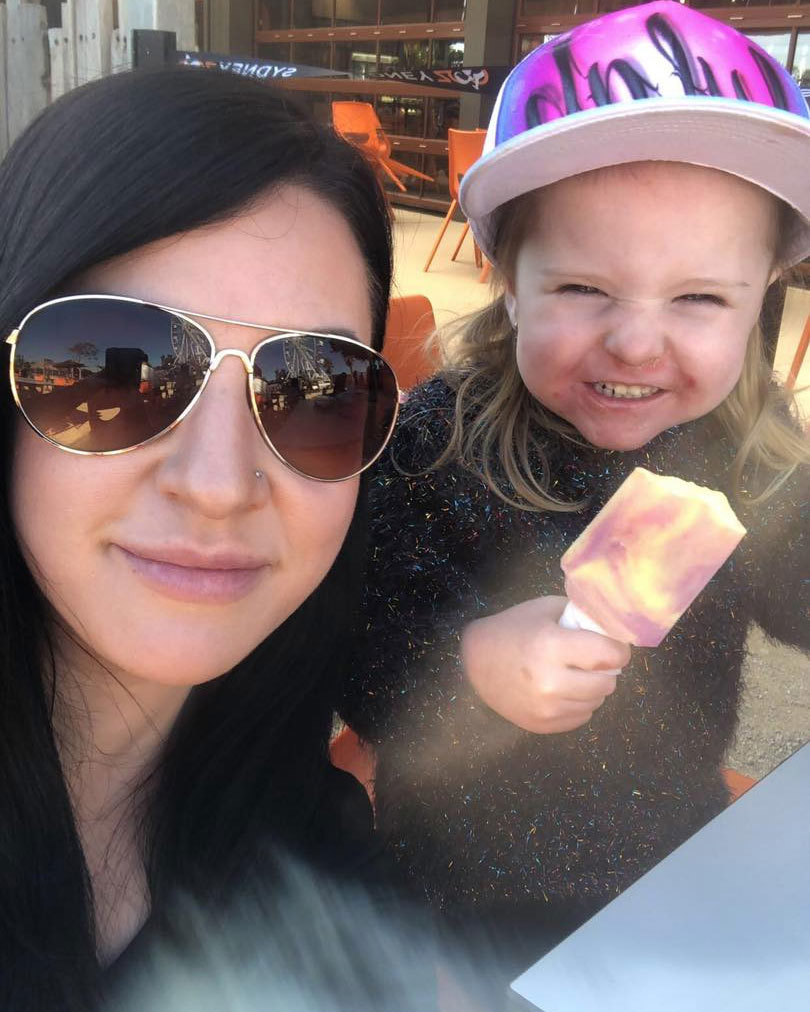
Ms Scott is sharing her daughter's story as part of Wound Awareness Week, which starts today, and also to help educate the public about EB.
One of the family's biggest challenges recently was having to explain to Lylah why people were staring at her.
"People stare – they think it's contagious and they don't want to come near her or touch her," she said.
"It never bothered me as much before, I could always shake it off, but now Lylah is starting to notice."
Ms Scott said her message was simple.
"We are happy to answer questions. If you want to ask a question, just ask.
"She is the same as everyone else and not contagious."
'She was never free of pain'
Simone Baird is the spokesperson for DEBRA Australia – a national, charity-run support group which helps around 200 families living with EB.
Ms Baird said the lives of families touched by the little-known disease, especially the severe cases, were extremely difficult.
"It's relentless, it's 24/7 and every single day feels like Groundhog Day," she said.
As well as the hours spent every day on wound care and dressings, many sufferers needed to be fed with tubes through their stomach, she added.
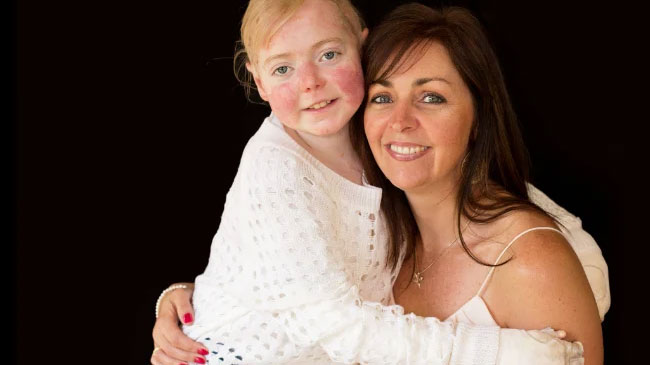
"Their oesophagus lining is torn and blistered, they get strictures in their throat – it's just endless," Ms Baird said.
"To say that it's a skin condition it's really just the tip of the iceberg."
Ms Baird knows the cruel suffering people with EB are forced to endure, and the difficulties families face, all too well.
Her daughter Eliza was born with an extremely severe form of EB and tragically died just six weeks short of her 18th birthday in 2017.
"She was never free of pain. She never lived one day without it," Ms Baird said.
"It's a shocking disease, I wouldn't wish it on anybody."
Ms Baird said because of its rarity, it was hard to attract funding for research in EB, but more knowledge about the condition was desperately needed.
"We do need more research into it because it an awful existence, it's painful, it's debilitating and those with it suffer terribly," she said.
"We don't have the answers, we don't have a cure at the moment, is just management of the condition.
"We're keen for more so research to be carried out that could go on to, hopefully, to one day find a cure."
Contact reporter Emily McPherson at em********@******om.au.
Covid 19 coronavirus Delta outbreak: Auckland's Green Bay High School now linked to outbreak
Green Bay High School in West Auckland is the eighth school to be linked to the current Delta outbreak, which has now grown to more than 100 cases. The West Auckland school confirmed the positive case via its Facebook page. “We…
Violent Melbourne anti-lockdown protest leaves 21 police officers injured
More than 20 police officers were injured in Melbourne's "disgraceful" violent anti-lockdown protests, Victoria Police's Chief Commissioner has revealed.
Chief Commissioner Shane Patton said the total number of police injured in Saturday's protest in the CBD had reached 21, while speaking on 3AW this morning.
Commissioner Patton said further reports of what would be considered "minor injuries" had come in on Sunday following previous reports nine police had been injured.
READ MORE: Victoria records 65 new local cases, including 16 reported yesterday
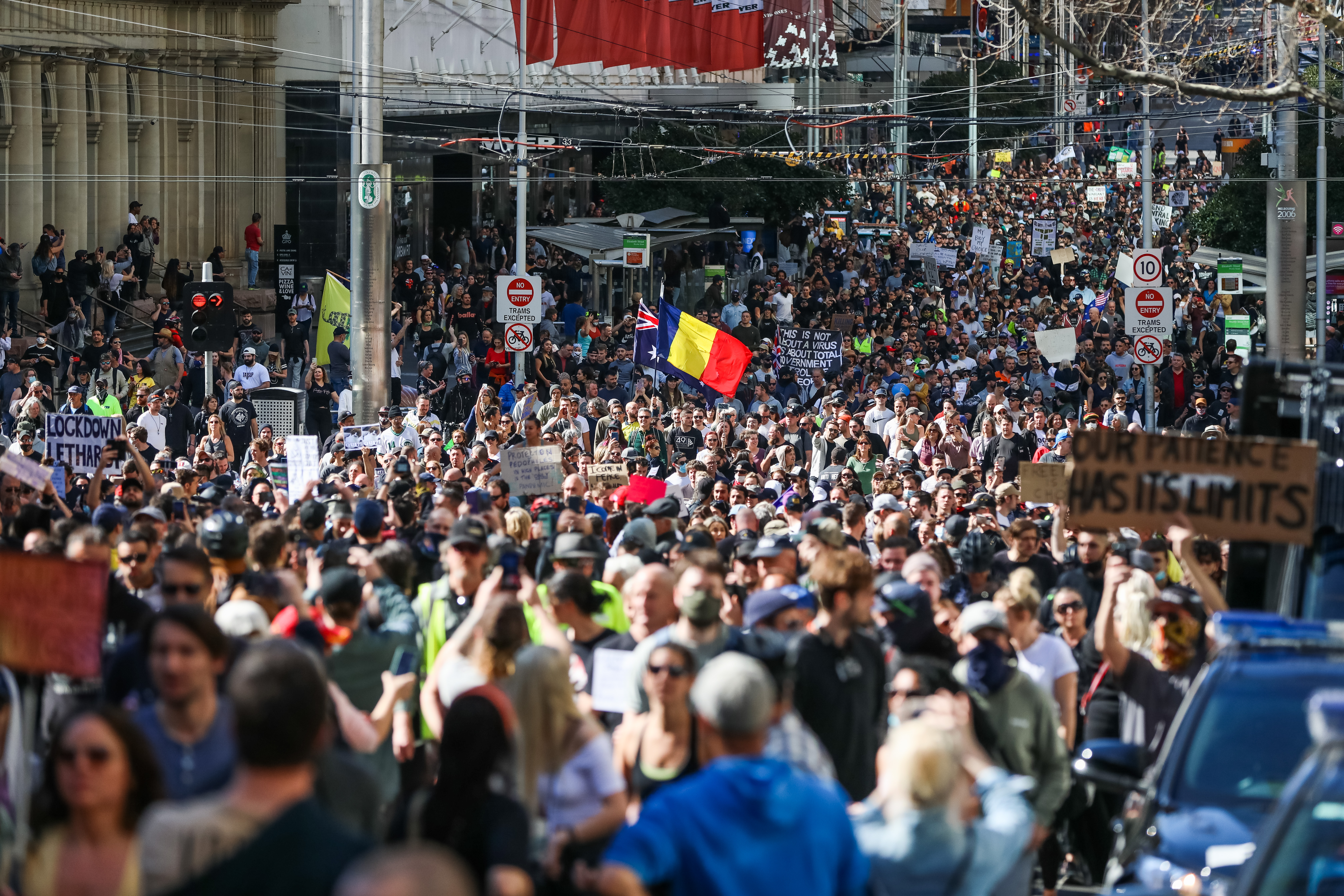
Nine officers were assessed in hospital following the wild rally, two of those had suspected broken noses and one with a thumb broken in multiple places.
Commissioner Patton said one officer was still in hospital and being assessed for potential leg surgery.
He said a lot of officers were left with bruises and cuts, while some received minor burns from flares.
The Commissioner said two protesters repeatedly punched one officer, who was on the ground after being kicked and pushed against a wall.
"That's just disgraceful," he said.
LIVE UPDATES: Sydney could hit 1000 daily cases this week
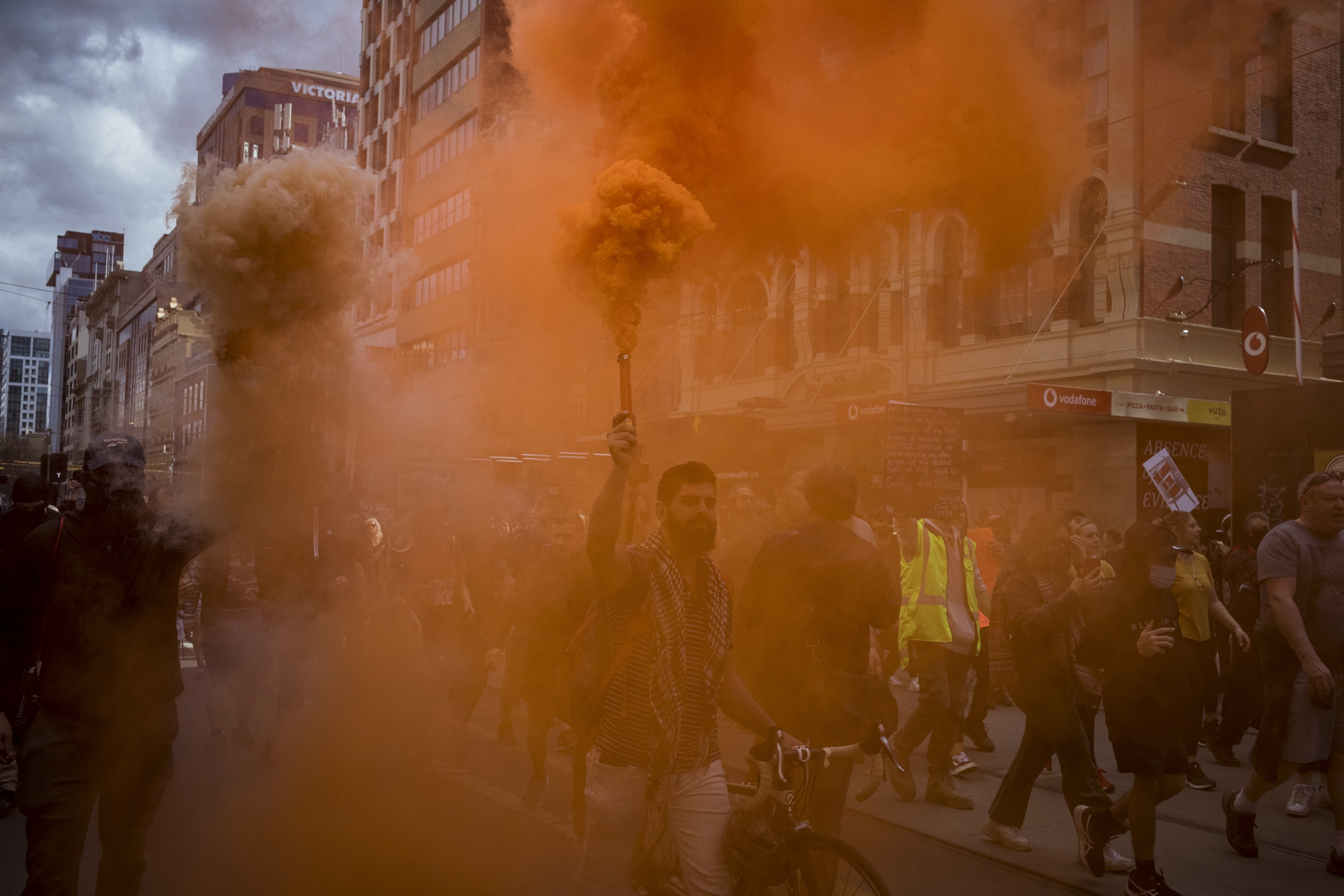
He said lit flares as well as glass bottles of water, stubbies and marbles were thrown at police during the unrest.
"The escalation of violence from the protesters involved was absolutely disgraceful," he said.
"Many of them came looking for a fight and were confrontational."
"A lot of these people were angry men who were just set upon confronting police and attacking police."
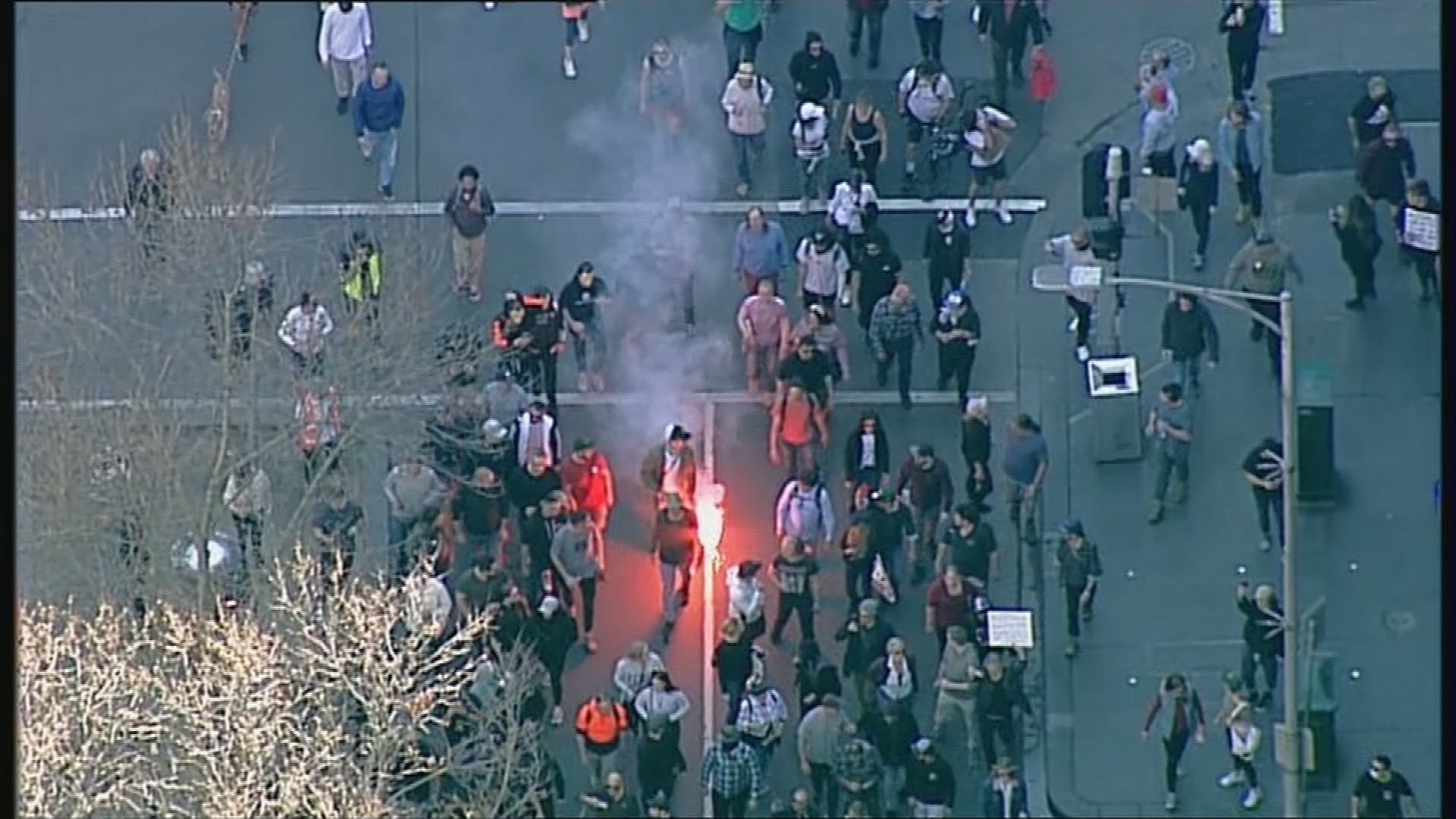
Commissioner Patton said the people who broke lockdown to simply peacefully protest "were very much in the minority".
Yesterday he said the protest was among the most violent he had seen in two decades.
Premier Daniel Andrews today said the protest involved "terrible, ugly scenes" and had done nothing to help the outbreak.
"Today is Monday and the virus is still here because protests, however agitated and appalling, do not work on this."
Covid-19 coronavirus Delta outbreak: Cancer experts on extended lockdown
Cancer services are experiencing a “huge demand” during lockdown but unlike last year hospitals are far more prepared to combat the added pressure, experts say. It comes as Prime Minister Jacinda Ardern announced this afternoon…
Herald afternoon quiz: August 23
Test your brains with the Herald’s afternoon quiz. Be sure to check back on nzherald.co.nz for the morning quiz tomorrow. To challenge yourself with more quizzes, CLICK HERE.
Australians on RAAF flights leave 'punishing' Kabul behind
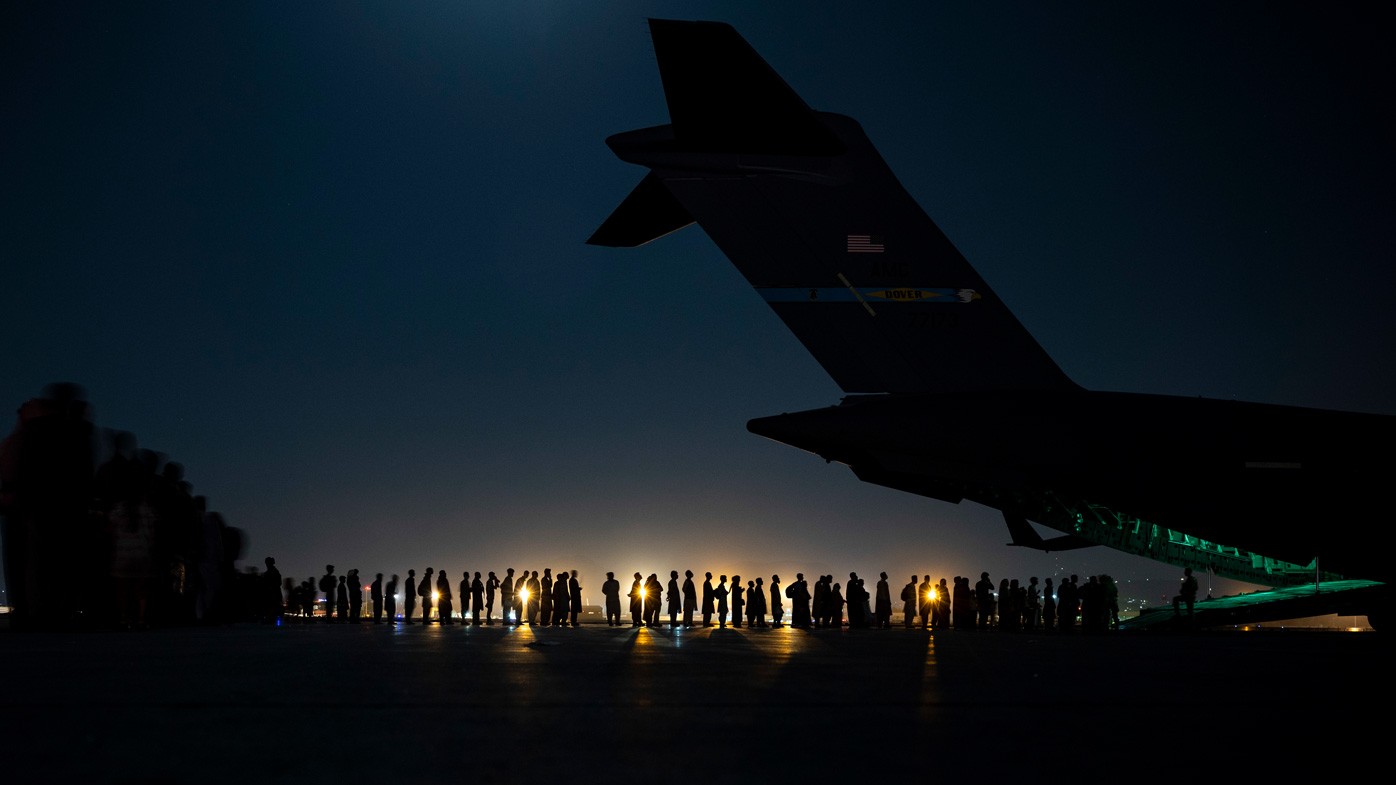
Australians and New Zealanders were aboard four Royal Australian Air Force flights that escaped "punishing" scenes around the international airport in Kabul overnight.
Amid reports an Islamic State-affiliated terror group, ISIS-K, now poses an elevated terror threat to evacuations from the Afghan capital, Foreign Minister Marise Payne said Australian Defence Force troops would stay in Kabul longer if the US government extended a fast looming deadline to help others get out of Afghanistan.
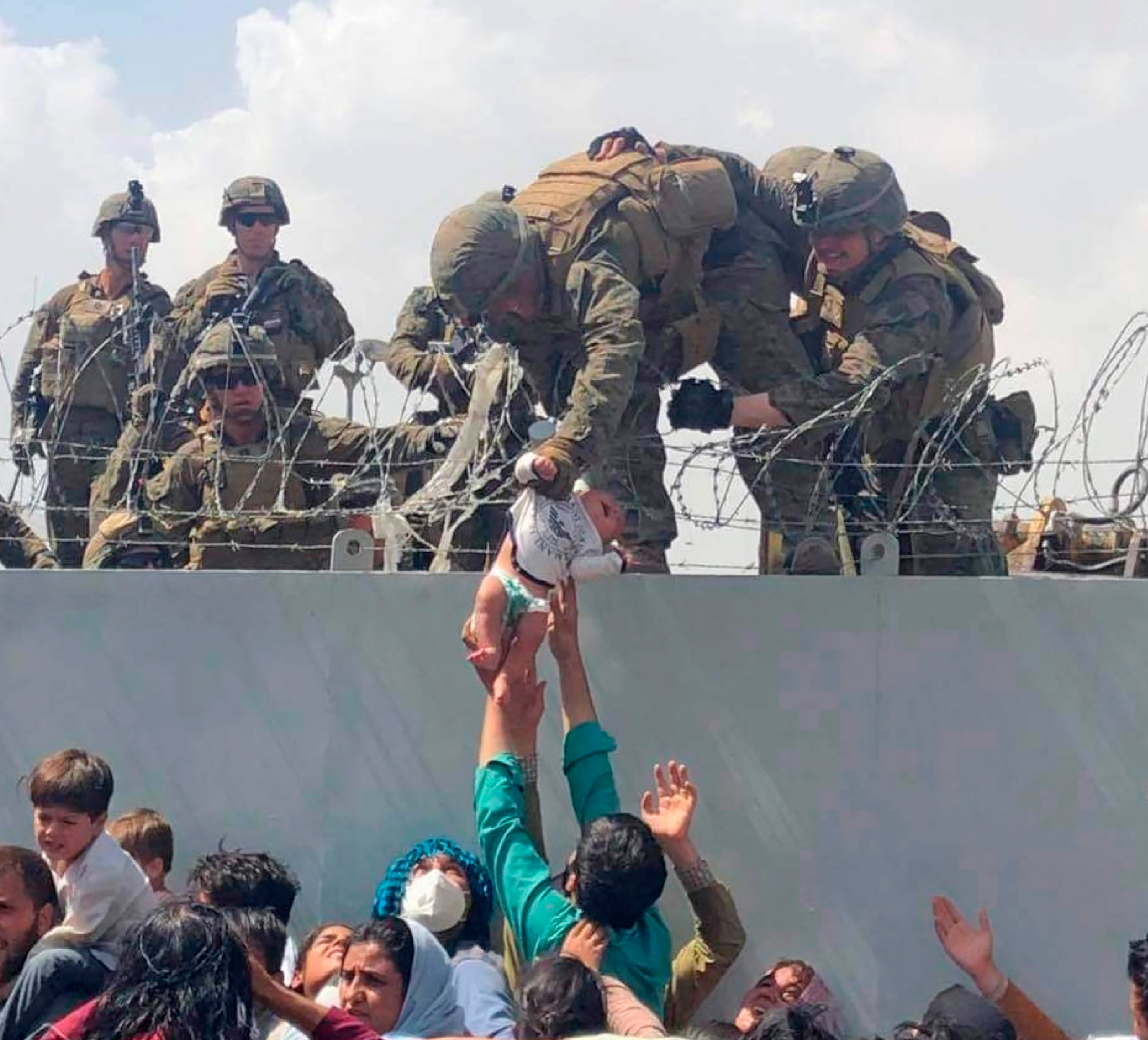
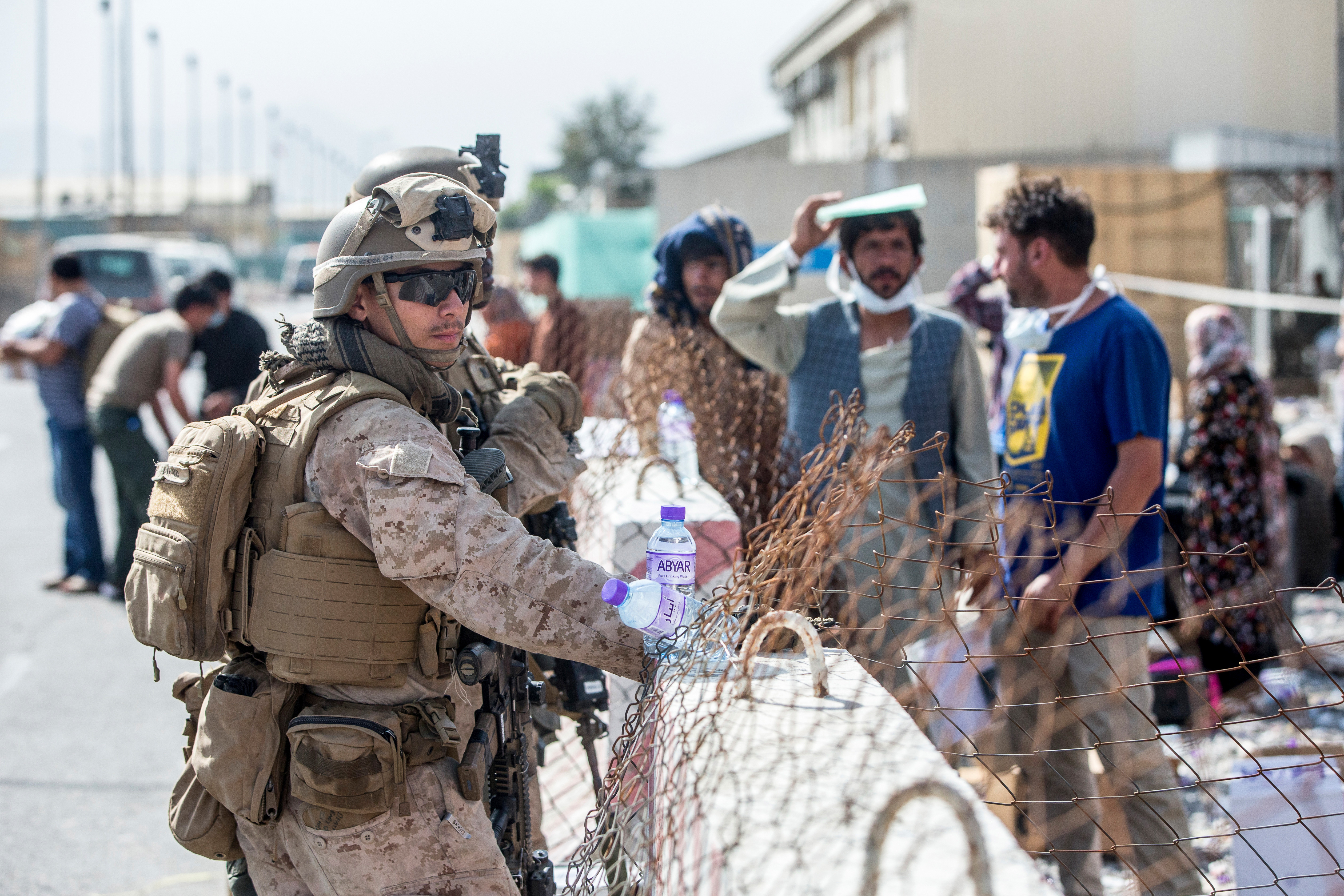
Ms Payne said the "most significant challenge" right now in Kabul was access to Hamid Karzai International Airport, with the general area and key entry points and roads around the site deemed "extremely volatile and very dangerous".
READ MORE: ISIS-K threat hangs over Kabul airport evacuations
"It is certainly an absolutely punishing environment and complex environment for those trying to get to Hamid Karzai International Airport," she said.
The Australian government and ADF is in close contact with US and NATO counterparts.
"Our continued focus is on bringing out every Australian and Australian visa holder that we possibly can and supporting those vulnerable Afghanis as well," Ms Payne said.
Ms Payne said ADF personnel were "absolutely ready" to support a continuing operation at Hamid Karzai International Airport if the Americans extended their August 31 deadline.
More than 470 people were evacuated from Kabul last night on four RAAF flights, including Australian and New Zealand citizens.
READ MORE: Seven Afghans killed in crush as chaos continues at Kabul airport
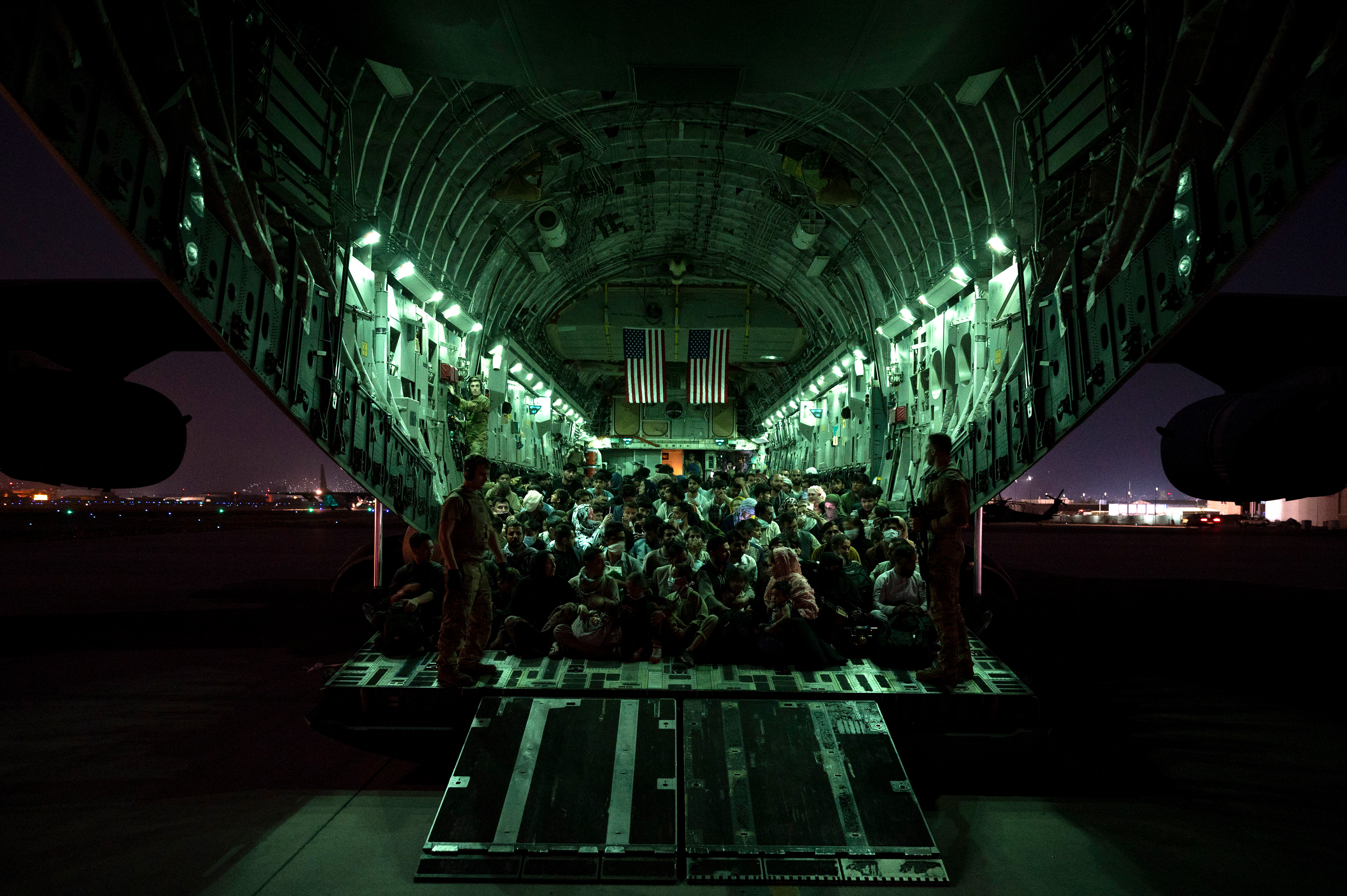
In the last five days, the ADF has successfully evacuated more than 1000 people.
Ms Payne said Australia was working with its Five Eyes partners – the US, UK, Canada and New Zealand – to ensure proper security vetting of Afghans getting onboard flights.
More RAAF flights are planned over coming days, but the fast-changing security situation will dictate what happens next.
https://twitter.com/ElizaEdNews/status/1429575246756007936
READ MORE: What life will be like under the Taliban in Afghanistan
ISIS-K threat hangs over Kabul airport evacuations
The US military is establishing "alternative routes" to the Kabul airport in Afghanistan because of a threat the terror group ISIS-K, a self-proclaimed branch of the Islamic State, poses to the airport and its surroundings.
ISIS-K is a branch of the terror group that first emerged in Syria and Iraq.
While the affiliates share an ideology and tactics, the depth of their relationship with regards to organisation and command and control has never been entirely established.
READ MORE: Biden says US-led evacuation from Kabul is accelerating
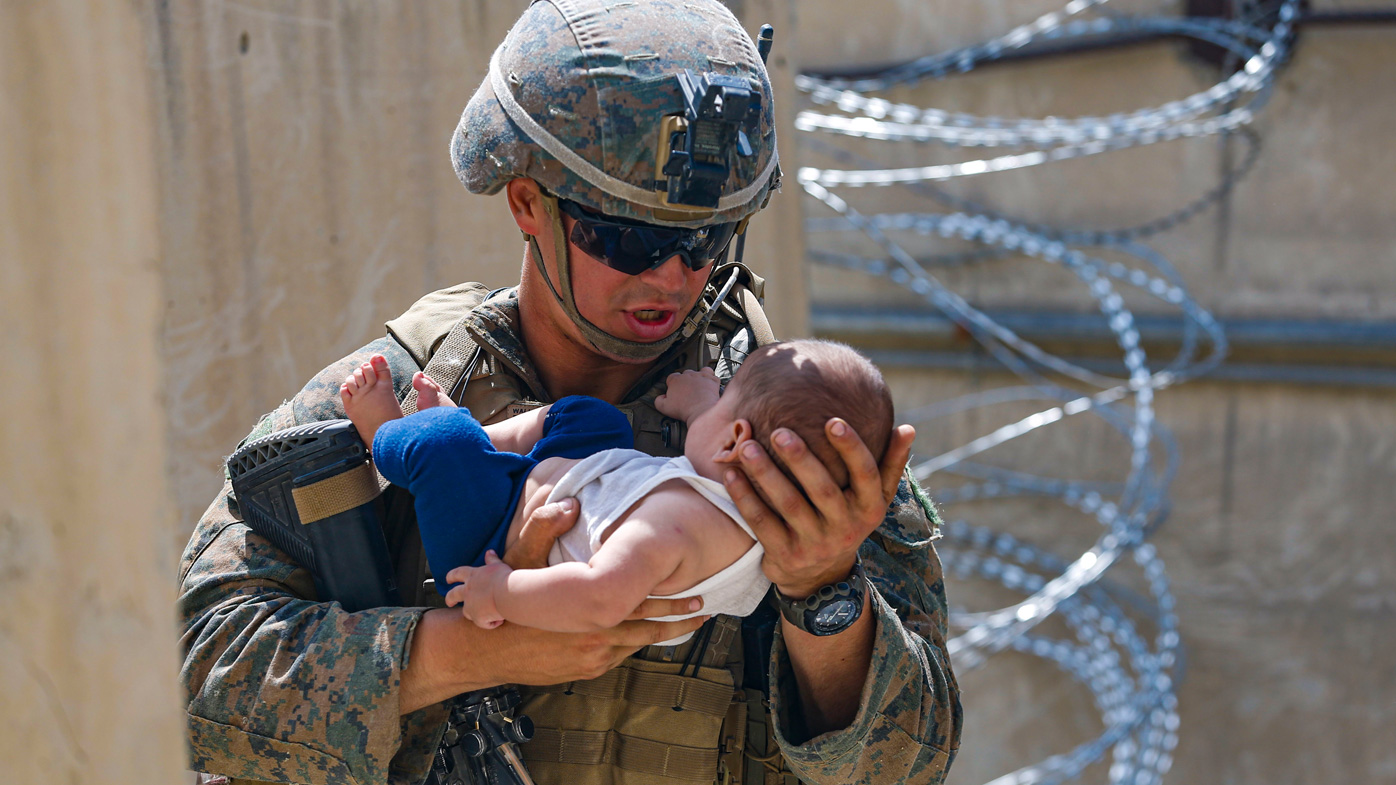
National security adviser Jake Sullivan said US commanders on the ground "have a wide variety of capabilities they're using to defend the airfield against a potential terrorist attack" and the US is working with the intelligence community to determine where a potential attack might originate.
"It is something that we are placing paramount priority on stopping or disrupting, and we'll do everything we can as long as we're on the ground to keep that from happening, but we are taking it absolutely deadly seriously," he said.
US President Joe Biden received an update today from his national security team on Afghanistan before addressing the evolving situation, although he declined to get into the details of the operation on the ground.
"We are working diligently to make sure we've increased the ability to get them out," Mr Biden said.
Gate operations were changed, for example, along with "a whole range of things."
"That's why we've been able to significantly increase the number of people who are getting out," he explained.
READ MORE: Seven Afghans killed in crush as chaos continues at Kabul airport
He said the Taliban had been helpful in "extending some of the perimeter."
Mr Biden also spoke about negotiations between the US and the Taliban, and said he still does not trust the group, even as the US relies on them for help evacuating Americans.
Mr Biden also acknowledged that the Taliban and ISIS-K are enemies.
"The Taliban has to make a fundamental decision," Mr Biden said.
"Is the Taliban going to attempt to be able to unite and provide for the well-being of the people of Afghanistan?"
READ MORE: What life will be like under the Taliban
"If it does, it's going to need everything from additional help in terms of economic assistance, trade, a whole range of things. The Taliban has said… they are seeking legitimacy," he said, adding, "We'll see whether or not what they say turns out to be true."
Asked later if he would support sanctions against the Taliban, Mr Biden replied: "Yes. It depends on the conduct."
With CNN