Experts say it is a right and prudent move to keep New Zealand in lockdown.Prime Minister Jacinda Ardern announced this afternoon the country’s level 4 lockdown has been extended until 11.59pm on Tuesday after confirmation the Covid-19…
Tag Archives: oceania
TGA gives provisional approval for COVID-19 treatment
Australia's Therapeutic Drugs Administration (TGA) has provisionally approved a treatment for COVID-19.
Sotrovimab, currently approved for interim and emergency use in the US, Canada, Singapore and Europe, is a monoclonal antibody treatment that can protect people at risk of developing severe COVID-19 and can be used to manage future outbreaks, according to the Royal Australian College of General Practitioners (RACGP).
Monoclonal antibodies are based on the natural antibodies made by the human body.
They bind to the virus, stop it entering host cells and help fight off infected cells.
READ MORE: Sydney lockdown extended, 644 new local cases of COVID-19

The treatment is currently under review by the TGA, which has granted provisional approval for adults and children aged 12 and over.
Australia is the first OECD country to issue a formal regulatory approval for the treatment. The government has bought 7700 doses.
The RACGP said sotrovimab has been shown to reduce hospitalisation or death by 79 per cent in adults with mild-to-moderate COVID-19 who are at high risk of progression to severe disease.
Dr Krystal Evans, from drug manufacturer GSK Australia, said the treatment could play a role in the longer-term management of the pandemic in Australia.
"If we can treat people at the time of diagnosis, then we may be able to prevent the disease from getting more serious and help keep people out of hospital," she said.
The only other COVID-19 treatment approved for use in Australia is remdesivir, which is used in adults and adolescent patients with severe COVID-19 symptoms who have been hospitalised.
Covid 19 coronavirus Delta outbreak: Weekend's here, keep safe, stay home – police
It’s the first weekend on alert level 4, and police are urging people to keep safe by staying home.Police Commissioner Andrew Coster has issued a reminder to Kiwis that under current restrictions, non-essential travel and activity…
Some COVID-19 measures part of our future: PM
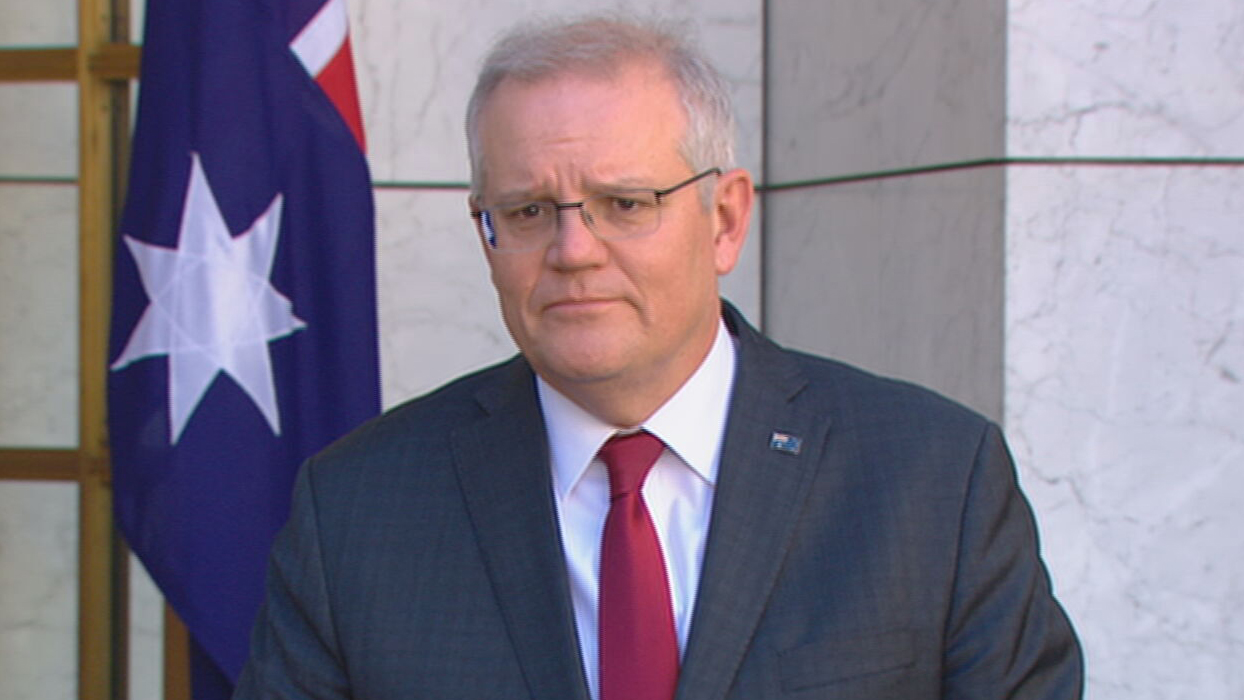
Prime Minister Scott Morrison has revealed some COVID-19 measures will likely remain in place even when the country's vaccination targets are met.
The Federal Government has reported over 51 per cent of Australians have now received their first COVID-19 vaccine.
The milestone, which also saw 5.6 million Australians vaccinated within the past 28 days, was stressed as bringing the country closer to "critical benchmarks" set in the Federal Government's four-stage COVID-19 recovery plan.
READ MORE: 'This will get away from us': Victorian Premier's warning as state records 55 new COVID-19 cases
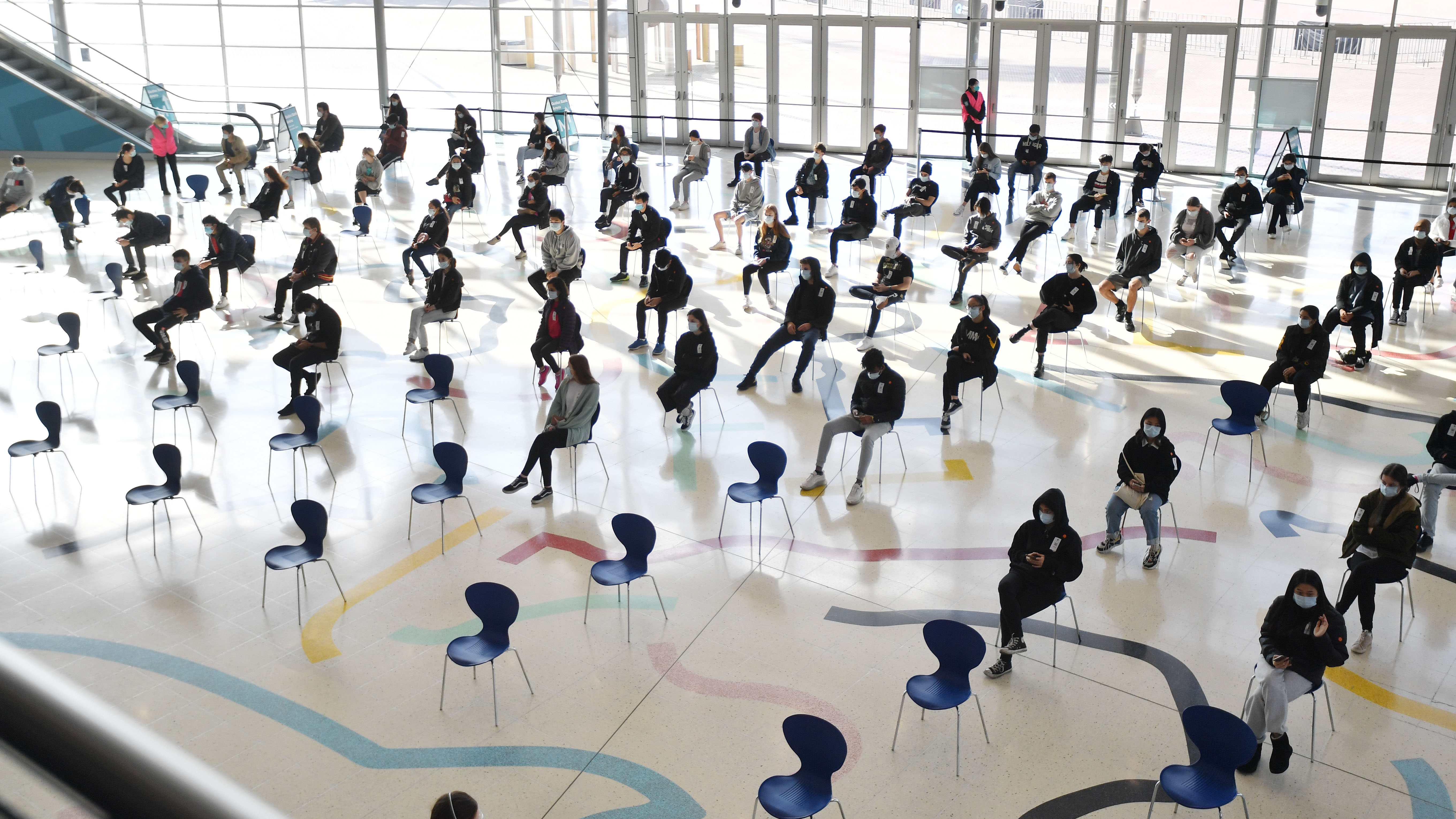
Discussions around the Federal and State Government's approach to 12-to-15-year-olds being vaccinated will take place at this afternoon's national cabinet meeting.
Mr Morrison said interim advice from ATAGI surrounding the young age group vaccination was "imminent".
"We'll be talking through the programs that will need to be in place at a state and commonwealth level to support the vaccination of 12-to-15-year old's," Mr Morrison said.
However, even if Australians meet the critical benchmarks laid out in the Federal Government's four-stage plan, Mr Morrison said some measures introduced to fight COVID-19 would remain in place.
"Contact tracing and isolating will still be a part of our future," Mr Morrison said.
"Those who are unvaccinated still remain highly vulnerable, so if they have been somewhere where there has been a case or several cases, we need to know."
READ MORE: New lockdown restrictions announced for NSW and Greater Sydney
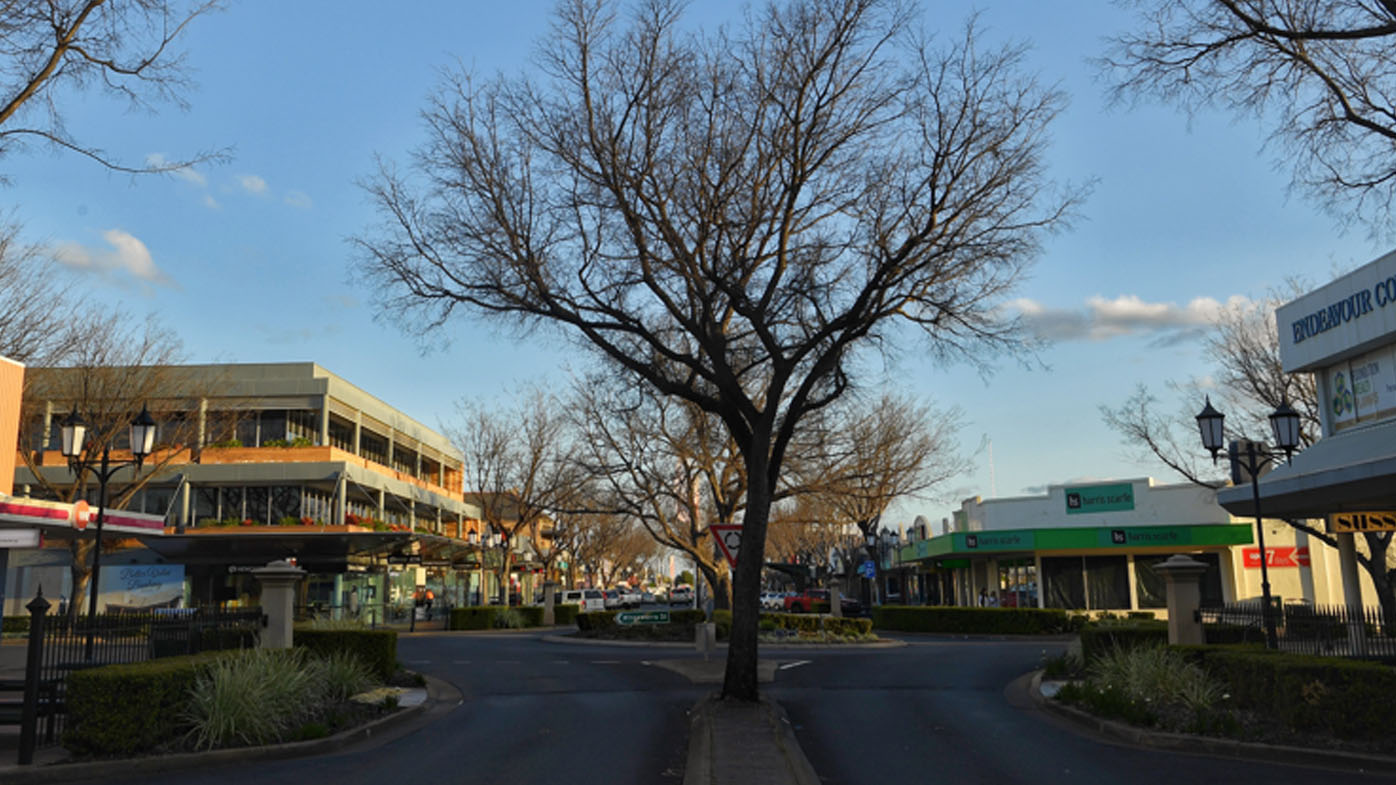
Mr Morrison said the country would soon have to stop counting cases and instead turn to health impacts like hospitalisations.
"We have to get to a point where we stop focusing on the cases … that's the plan," Mr Morrison said.
Federal Health Minister Greg Hunt touted the expansion of the country's vaccination rollout, with over 300,000 vaccines administered yesterday, on top of another 300,000 administered on Wednesday.
"In the past two days, that's the equivalent of Newcastle and Bendigo being vaccinated," Dr Hunt said.
Dr Hunt also noted that the first Australian Defence Force teams had arrived to assist in regional New South Wales with about 50 personnel on the ground.
"The help is there, whether you're in one part of the country or any part of the country," Dr Hunt said.
Electra finalists: Event hire business Handmaid helps us celebrate better and reduce waste
Life is too short not to celebrate.This was the inspiration for Charlotte Lee Butler to start Handmaid, an event hire business that enables the customer to hire quality items to decorate or accessorise their event without impacting…
Covid 19 coronavirus Delta outbreak: Iwi mull checkpoints as Mahia police turn back holidaymakers
A coastal cop in Mahia has been sending holidaymakers home as an iwi trust considers road checkpoints. People have been arriving at the coastal settlement between Gisborne and Hawke’s Bay in vehicles decked out with surfboards,…
Herald afternoon quiz: August 20
Test your brains with the Herald’s afternoon quiz. Be sure to check back on nzherald.co.nz for the morning quiz tomorrow. To challenge yourself with more quizzes, CLICK HERE.
Morrison warns Kabul is 'chaotic' as first Afghan evacuees arrive home
The Prime Minister has confirmed more Australians and Afghan visa holders have been evacuated from Kabul today but warned the Taliban-controlled city remained "chaotic".
Scott Morrison gave an update on the evacuation effort from the Afghan capital after the first Australian mercy flight arrived in Perth earlier today.
He confirmed 60 Australians and Afghan visa holders were evacuated on a second flight from Kabul to Al Minhad, Dubai, last night.
READ MORE: Afghanistan veteran insists Australia must do more for the region
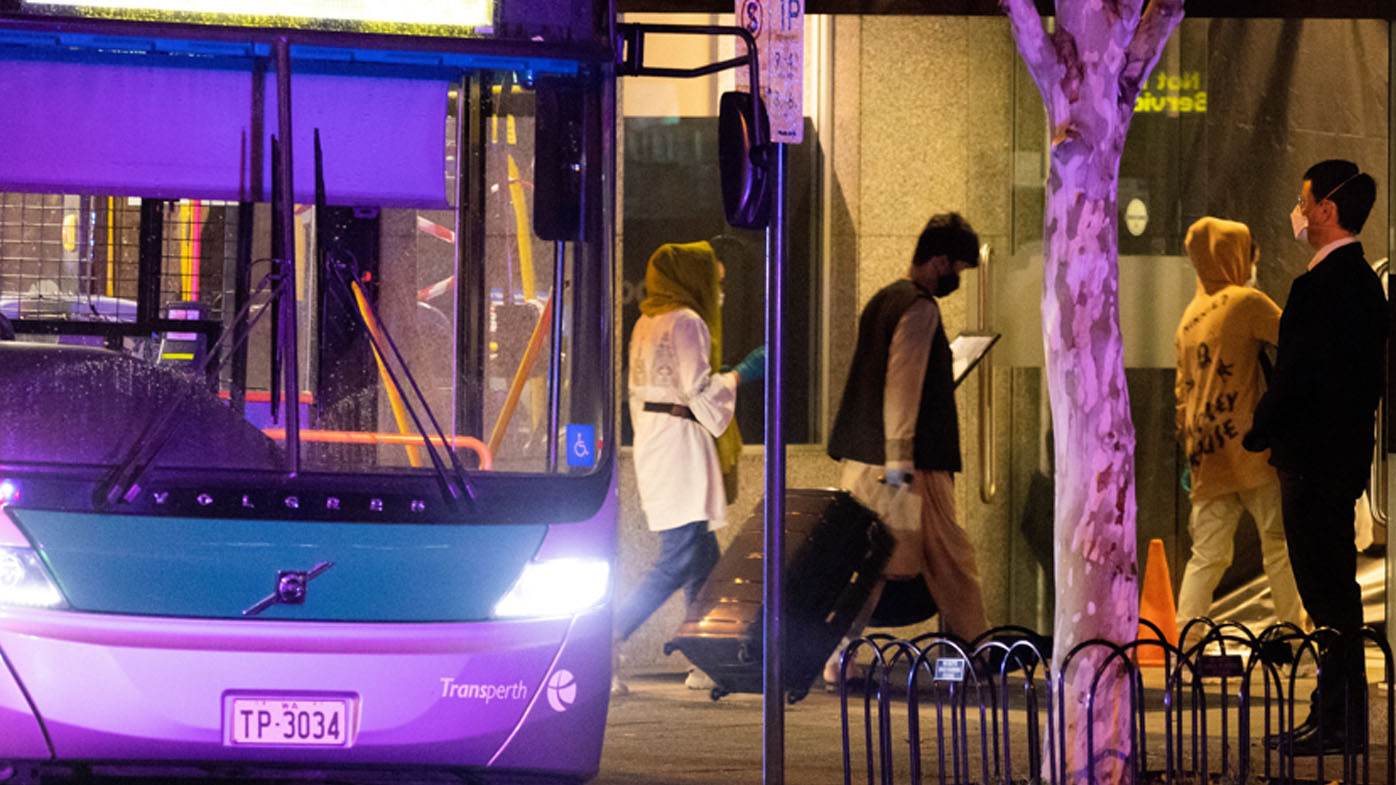
Earlier today a UK flight brought some Australians out of Afghanistan.
A total of 162 people have now been evacuated through various flights.
They include 94 people who flew from Dubai to Perth overnight, where they have now entered quarantine.
But the Federal Government also said some people travelling to the airport for Australian evacuation flights had been injured.
Mr Morrison said more flights were planned in the following days.
READ MORE: Afghans protest Taliban in emerging challenge to their rule
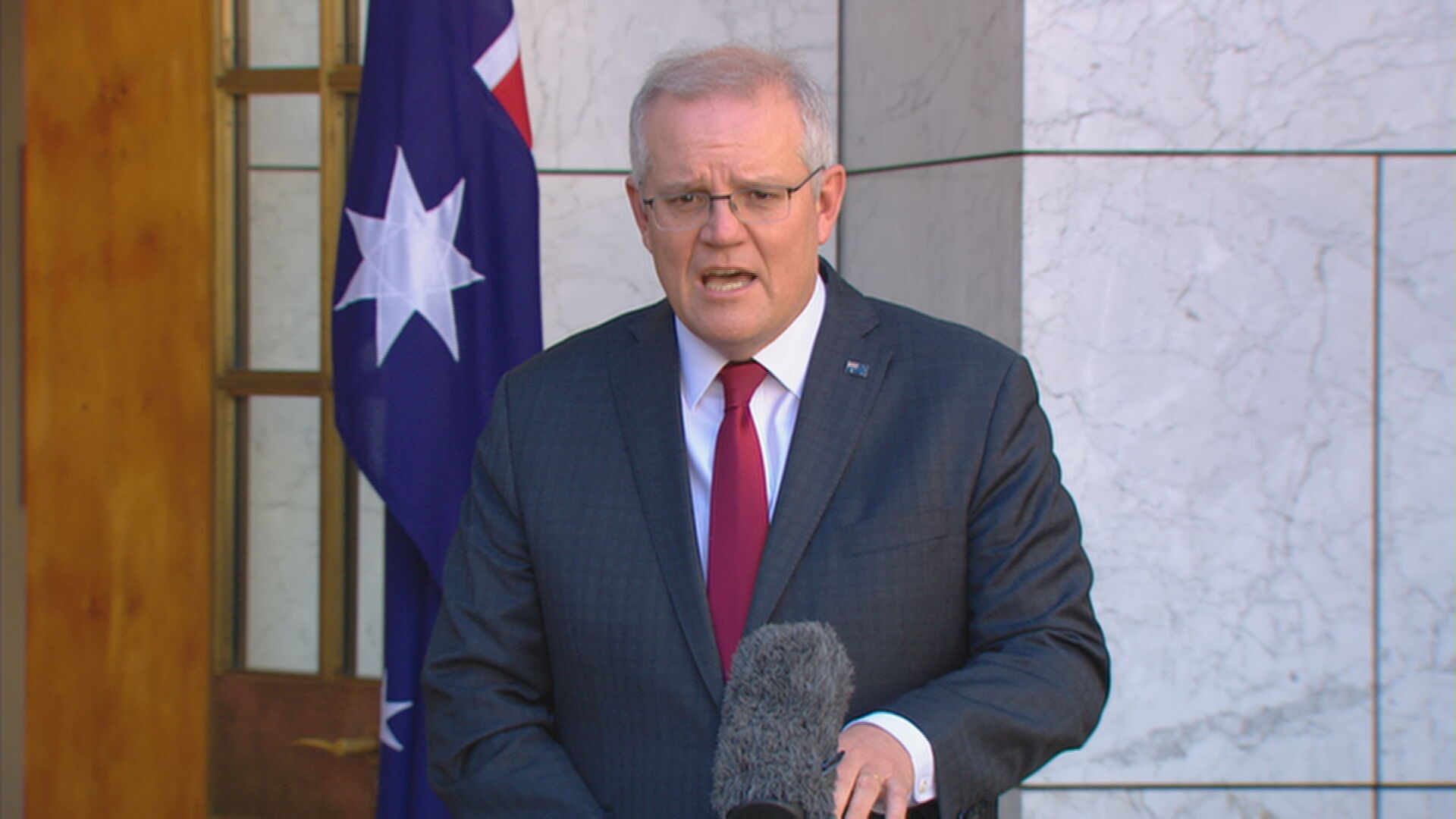
"You have to move fast and the situation on the ground is difficult," Mr Morrison said.
"We will continue to work with other nations, other partners in ensuring the airlift of Australians, Afghan nationals who were seeking to support, indeed other foreign officials who are seeking to be evacuated out of Kabul.
"The situation in Kabul does remain chaotic."
Mr Morrison said the Australian Defence Force evacuation operations depended on securing flight spots at Kabul airport and weather conditions.
READ MORE: 'Horror': ADF interpreter warns Taliban will be brutal in takeover
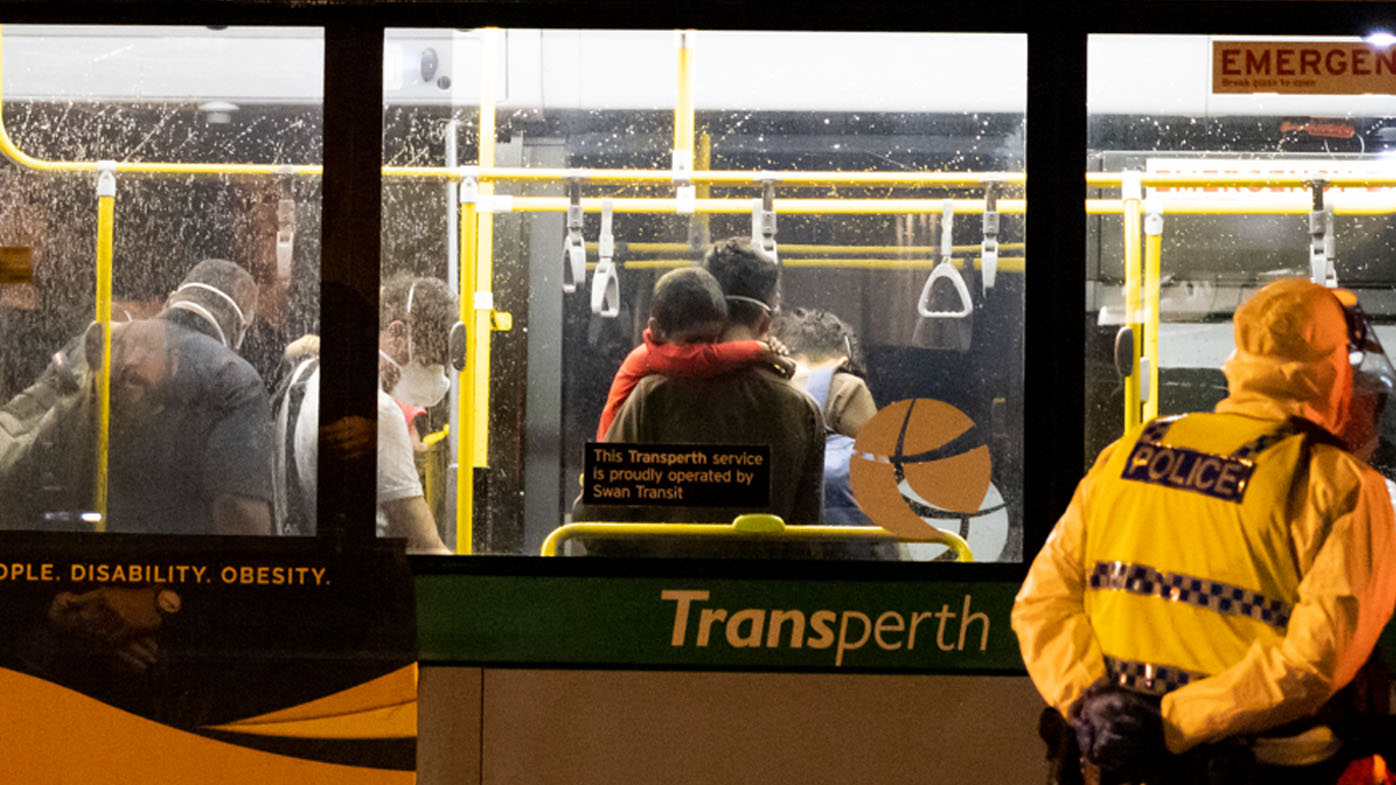
"It's a quick operation. It takes about 30 minutes. You've got to move very fast and the situation on the ground is difficult. We will continue to work with other nations," Mr Morrison said.
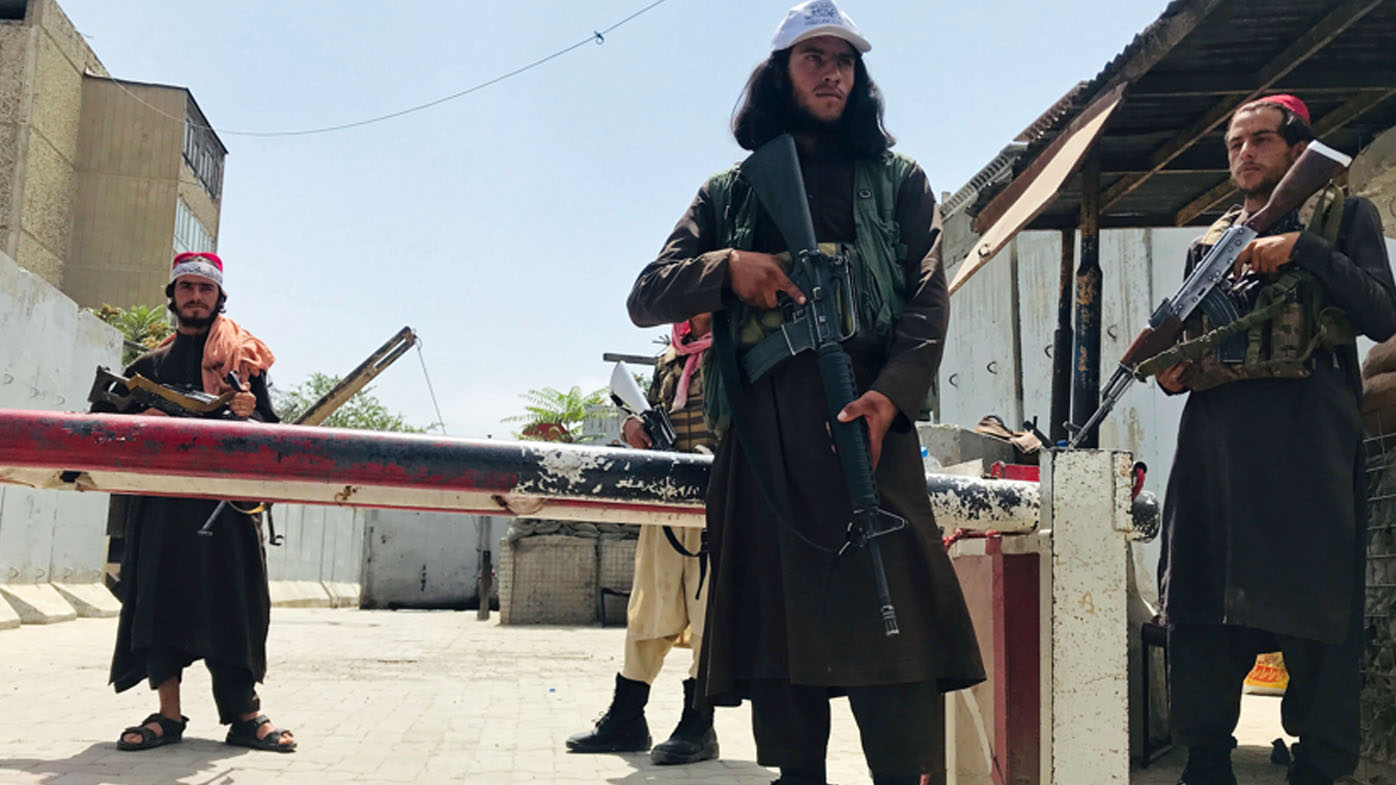
The prime minister said the UK and US militaries were providing overall security at Kabul airport but people travelling there faced Taliban checkpoints.
"Our biggest challenge is for people to be able to get to that airport," he said.
"We have large numbers now, we're advised, who are starting to come into Kabul through multiple checkpoints that are in place.
"The Taliban leadership is moving into the city."
Mr Morrison ruled out Australian troops providing escorts for people to the airport.
Foreign Minister Marise Payne said some people trying to reach the airport had been injured.
"There are people in their thousands, as you've seen, crowding around the entrances to the airport, and there have been unfortunately injuries as well and we have had to address some of those amongst our passenger cohorts, too," Ms Payne said.
READ MORE: Biden eyes 'greater' threats than a Taliban-controlled Afghanistan
"It is dangerous – in the last day there have been incidents, there have been warnings of potential incidents, it is very complex and it is very uncertain."
US troops are struggling to bring order to the continuing chaos at Kabul's international airport, where Australian citizens, permanent residents and visa holders stranded in Afghanistan have been told to access and await evacuation.
The Department of Foreign Affairs on Thursday told those eligible for evacuation to head to Hamid Karzai International Airport – if it was safe – "to wait for a planned evacuation flight".
"Take all extra precautions for your safety," the department said in an update to its Smart Traveller website.
"Large and potentially volatile crowds may gather.
"Review your personal security plans and be aware of your surroundings."
US Military evacuation flights are continuing and three Australian military aircraft are in the area to help with evacuations expected to continue throughout this week and into the next but access to the airport remains difficult.
Another 40 Australian troops have also been deployed into Kabul as Australian authorities work with allies to hone lists of potential passengers.
READ MORE: Afghans protest Taliban in emerging challenge to their rule

Both Ms Payne and Mr Morrison spoke to their UK counterparts about the situation on Thursday night.
Mr Morrison and UK Prime Minister Boris Johnson agreed the immediate priority was to evacuate "nationals and former employees", according to a readout of the call released by 10 Downing Street.
Mr Johnson "stressed the need for a concerted international effort to prevent a humanitarian crisis in Afghanistan, including through increasing aid to the region and the resettlement of refugees."
Rain fell at the snowy summit of Greenland for the first time
For the first time on record, precipitation on Saturday at the summit of Greenland — roughly three kilometres above sea level — fell as rain and not snow.
Temperatures at the Greenland summit over the weekend rose above freezing for the third time in less than a decade. The warm air fuelled an extreme rain event that dumped seven billion tons of water on the ice sheet, enough to fill the Reflecting Pool at the National Mall in Washington, DC, nearly 250,000 times.
It was the heaviest rainfall on the ice sheet since record keeping began in 1950, according to the National Snow and Ice Data Centre, and the amount of ice mass lost on Sunday was seven times higher than the daily average for this time of year.
READ MORE: Spain clocks temperature record of 47.2 degrees as Europe swelters
Ted Scambos, a senior research scientist at the National Snow and Ice Data Centre at the University of Colorado, said this is evidence Greenland is warming rapidly.
"What is going on is not simply a warm decade or two in a wandering climate pattern," Mr Scambos told CNN.
"This is unprecedented."
The National Science Foundation's Summit Station is located at the highest point on the Greenland ice sheet, where scientists can observe Arctic weather and changes in the ice.
The station has been staffed year-round to observe extreme changes since 1989.
The majority of the weekend's rain fell from the southeast coast of Greenland up to the Summit Station.
Jennifer Mercer, program officer for the Office of Polar Programs at the National Science Foundation, said because of the significant rain event, operations at the Summit Station would need to change.
"It means that we need to consider weather events that we have not had to deal with before in the history of our operations there," she told CNN.
"Increasing weather events including melting, high winds, and now rain, over the last 10 years have occurred outside the range of what is considered normal," Ms Mercer said.
"And these seem to be occurring more and more."
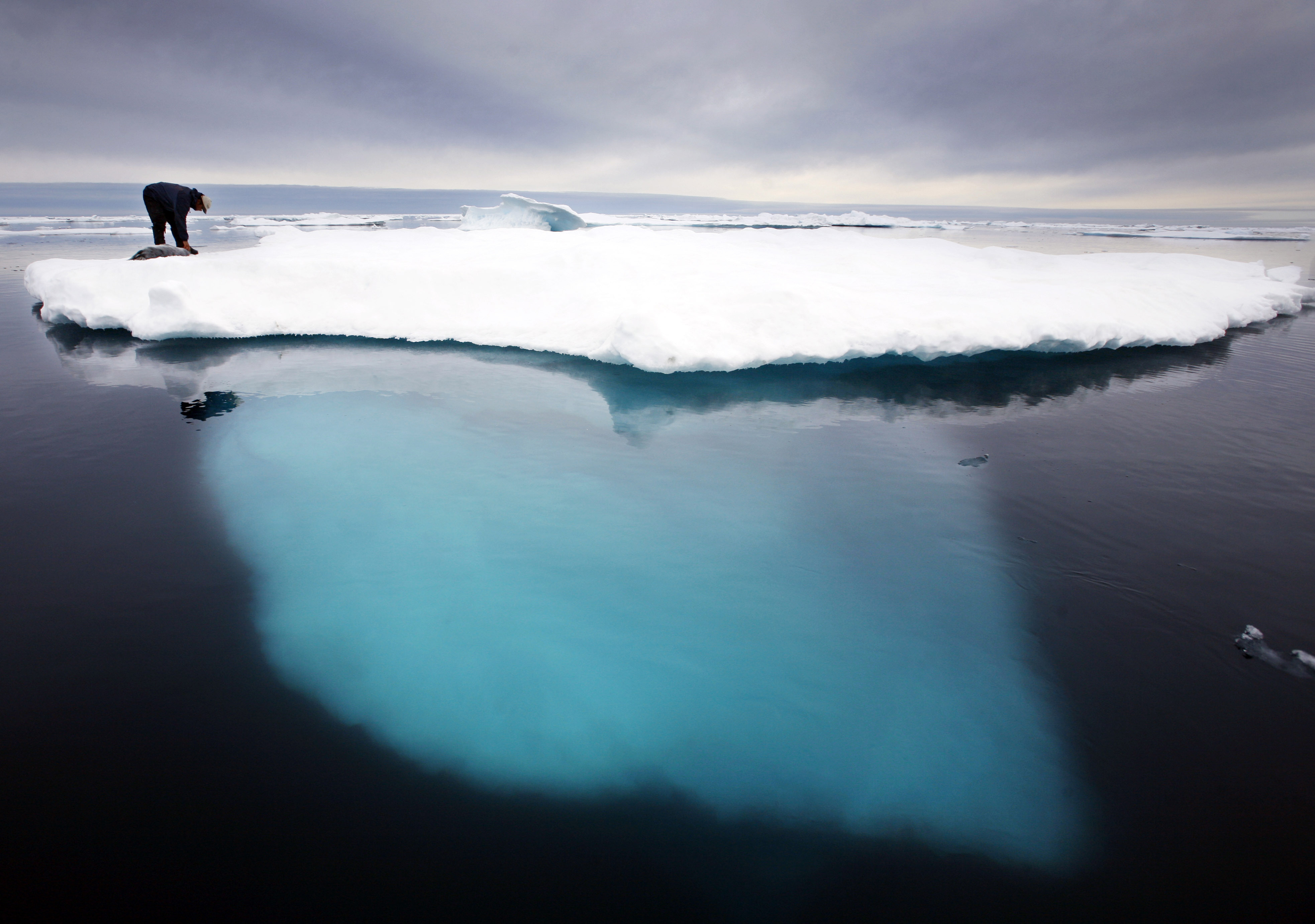
As human-caused climate change warms the planet, ice loss has rapidly increased. A major UN climate report released this month concluded that the burning of fossil fuels led to Greenland melting over the past two decades.
A recent study published in the journal Cryosphere found Earth has lost a staggering 28 trillion tonnes of ice since the mid-1990s, a large portion of which was from the Arctic, including the Greenland ice sheet.
In July, the Greenland ice sheet experienced one of the most significant melting events in the past decade, losing more than seven and a half billion tonnes of surface mass in a single day, which was enough to submerge Florida in two inches of water.
It was the third instance of extreme melting in the past decade, during which time the melting has stretched farther inland than the entire satellite era, which began in the 1970s.
In 2019, Greenland shed roughly 482 billion tonnes of ice into the sea. During that year, an unexpectedly hot spring and a July heat wave caused almost the entire ice sheet's surface to begin melting. Global sea level rose permanently by 1.5 millimetres as a result.
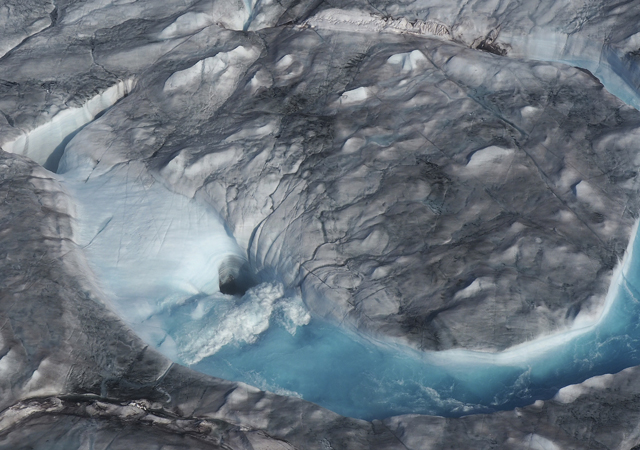
"We are crossing thresholds not seen in millennia, and frankly this is not going to change until we adjust what we're doing to the air," said Mr Scambos.
Other unusual events have become more frequent, too, Ms Mercer said.
Two years ago, a polar bear made it to the Summit Station, which was unusual since polar bears live in coastal regions where they can easily find food. The bear had trekked several hundred kilometres inland across the ice sheet. In the last five years, Mercer said three polar bears have been sighted high on Greenland's ice sheet.
According to Ms Mercer, the rain will have a lasting effect on the properties of the snow, leaving a crust of ice behind that will absorb more energy from the sun, until it gets buried by snow.
Mr Scambos said this crusty layer will also be a barrier that prevents the downward draining of melt water, which will then flood the surface of the ice sheet and initiate run off at higher elevations.
Because of the layer of ice it created, the weekend's rainfall event "will be visible in ice core records in the future," Ms Mercer said.
Covid 19 coronavirus Delta outbreak: Christchurch 14-year-old with father turned away from vaccination site
A Christchurch father is frustrated his 14-year-old daughter was turned away for a vaccination jab after Prime Minister Jacinda Ardern said teens could join their parents.The announcement was made at the Government’s 1pm press conference…