Tag Archives: oceania

Police search for human remains linked to missing teens cold case

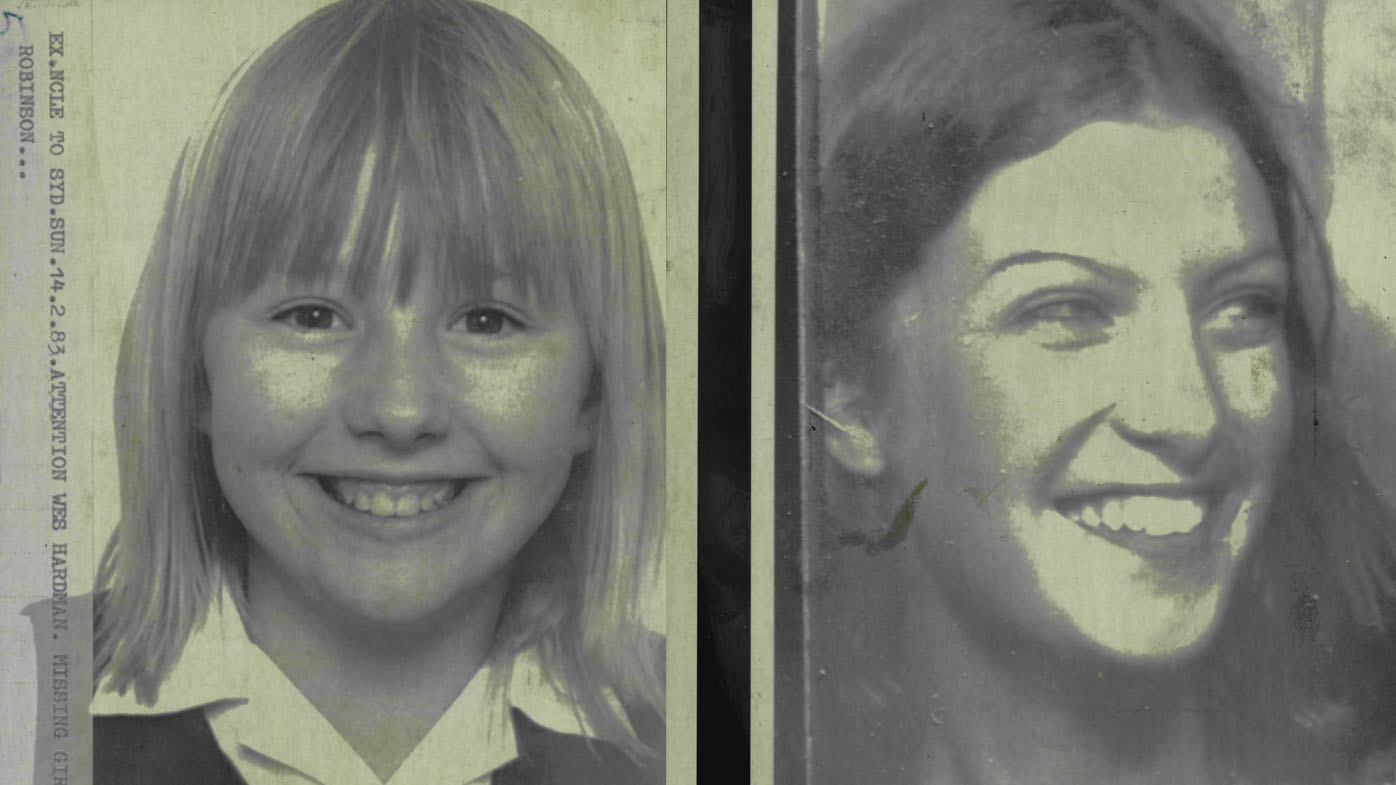
A police operation is underway on the New South Wales Central Coast as investigators search for possible human remains linked to the disappearance of two teenage girls more than 40 years ago.

It comes just two days after NSW Police announced a $1 million reward for information into the unsolved disappearances and suspected murder of Robyn Hickie and Amanda Robinson.

The girls disappeared two weeks apart in 1979 in the Lake Macquarie region of NSW.

READ MORE: Million-dollar reward announced for information into unsolved disappearance of NSW teenagers in 1979

Ms Hickie, then aged 18, left her home about 7.15pm on Saturday April 1, 1979, and was last seen standing at a bus stop on the Pacific Highway, Belmont North.

A fortnight later, Ms Robinson, aged 14, was spotted walking along Lake Road in Swansea, on a Saturday night, after attending a dance at her high school in Gateshead.

Despite extensive investigations at the time, and over the years, neither of the girls have been located.

https://twitter.com/janegoldnbn/status/1427748517166997507?ref_src=twsrc%5Etfw

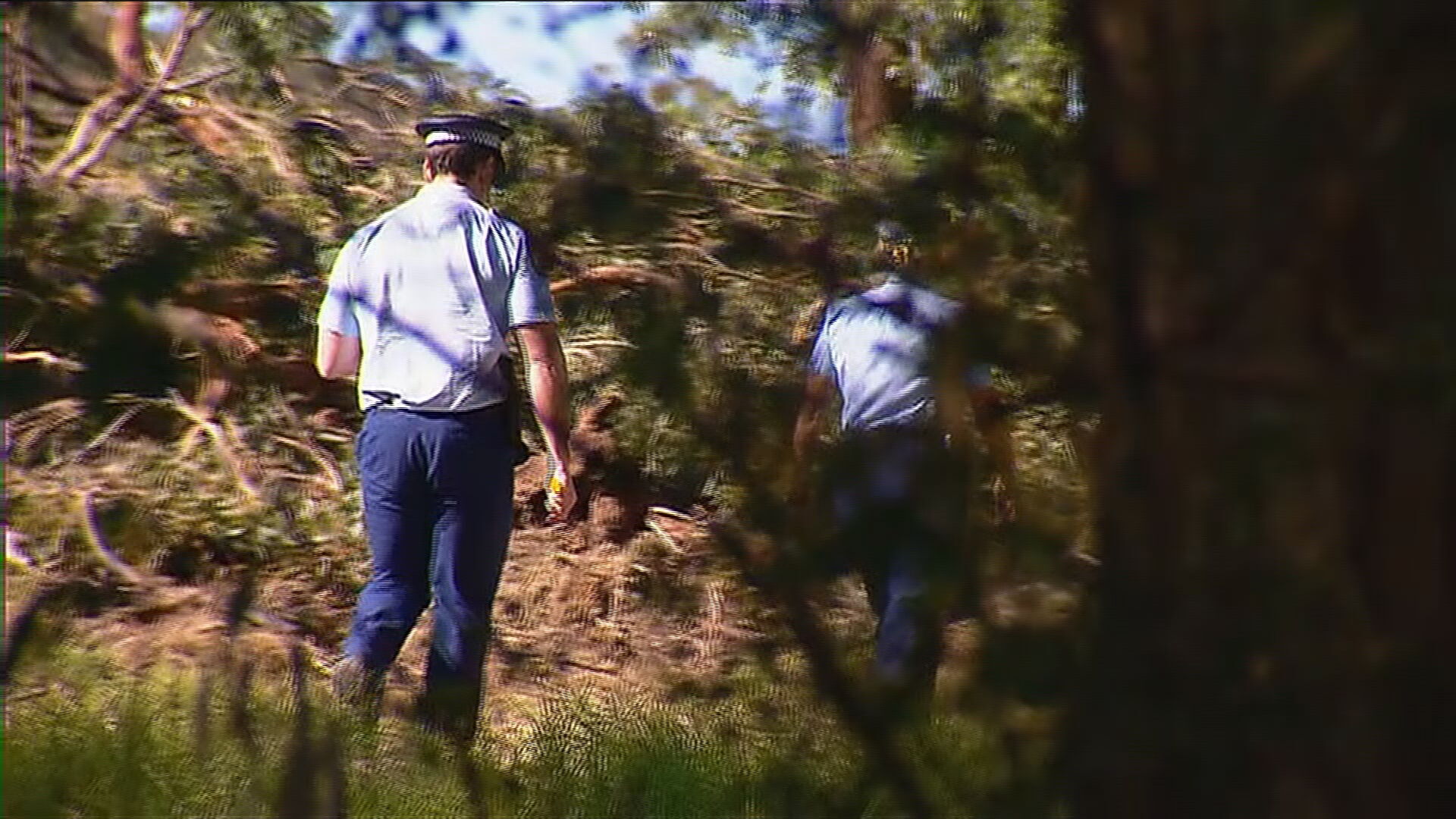
But in a possible fresh development today, detectives attached to Strike Force Arapaima are searching a former Scout Camp at Nords Wharf, south of Swansea.

Officers dug with heavy machinery today and will also use ground-penetrating radar tomorrow, as part of the new search.

A former scout told NBN News of a possible link between the camp and a person of interest in the police investigation.

"We would from time to time go on camps at Camp Kanangra at Nords Wharf, I know a person of interest who attended there with us … yeah people who may be critical to what is taking place."

Robyn's 91-year-old father Jim spoke on Monday, after police announced two $1-million rewards for information.

"Well if we're going to get answers, it has to be soon doesn't it, I won't last forever."

On the same day, NSW Police Minister David Elliot said investigators would not stop looking for Ms Hickie and Ms Robinson.

"Even though the two girls when missing two weeks apart, police are treating them as a single investigation," Mr Elliott said.

Officers would "leave no stone unturned".

"The dissemblance of two teenager girls is a tragedy."

Police are appealing to the community to come forward with any information that may assist detectives with their inquiries.

Death toll from Haiti's earthquake rises to 1,941

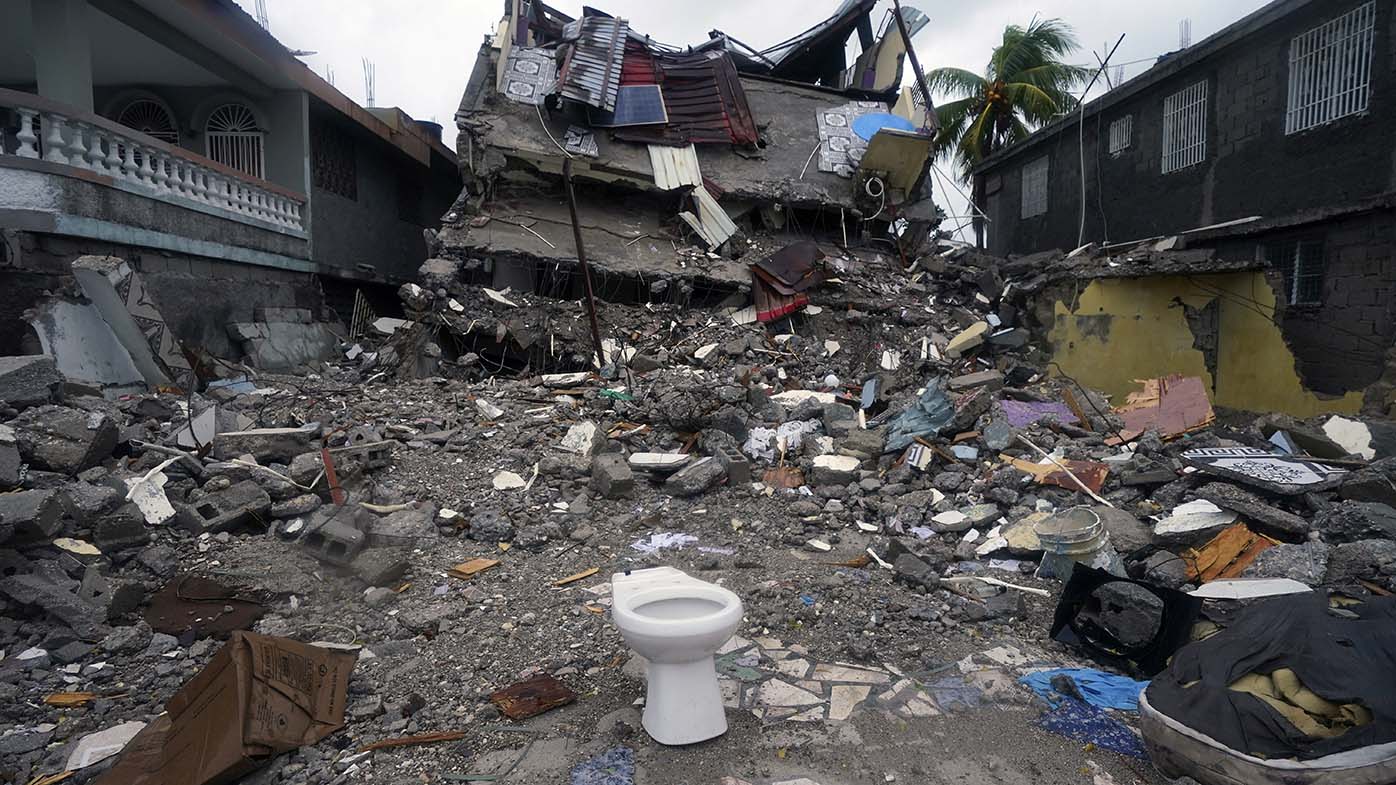
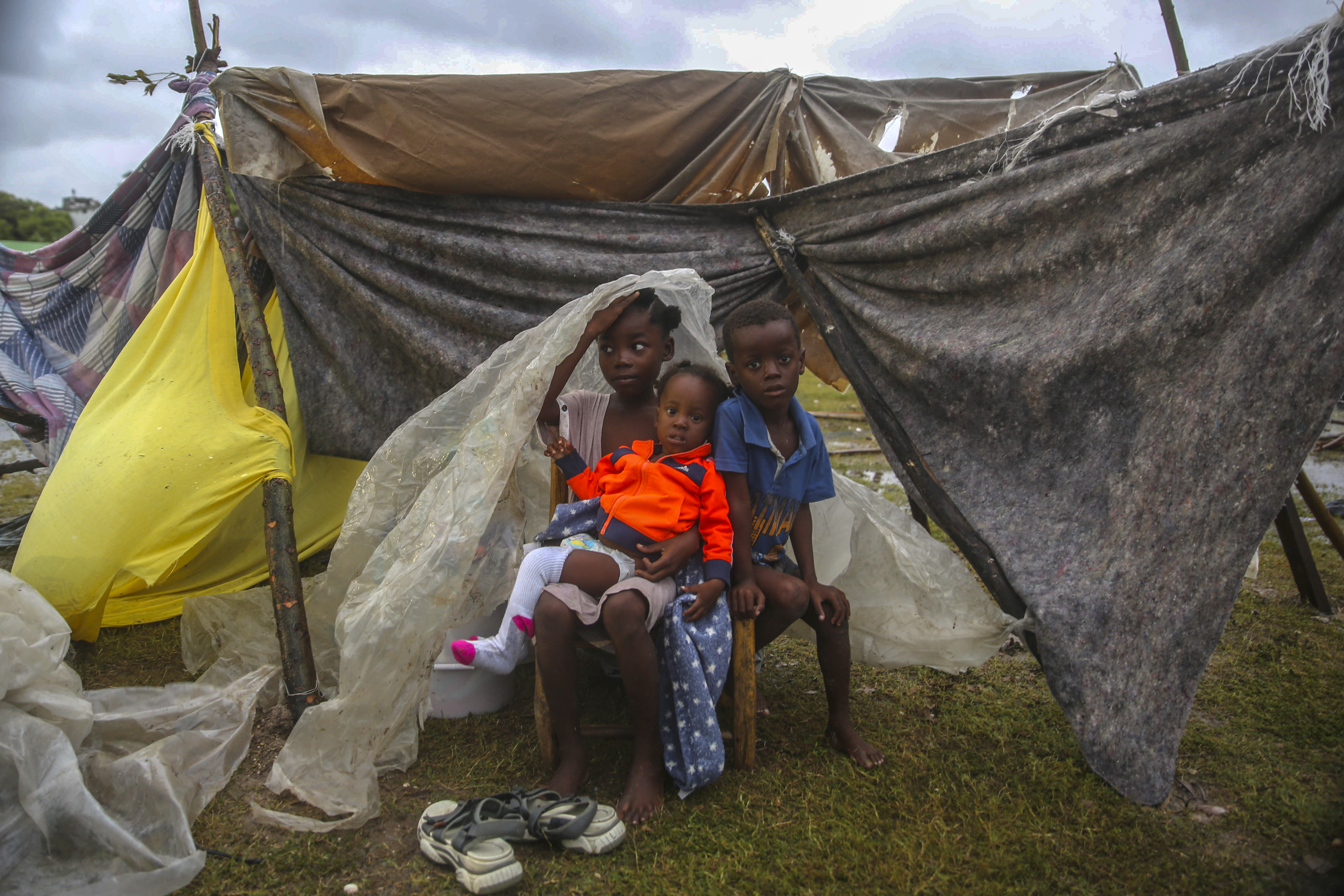
Haitian officials have raised the death toll from a deadly weekend earthquake by more than 500 on Tuesday after Tropical Storm Grace forced a temporary halt to search and rescue efforts, a delay that fed growing anger and frustration among thousands who were left homeless.

Grace battered southwestern Haiti, which was hit hardest by Saturday's quake, and officials warned some areas could get 38 centimetres of rain before the storm moved on. Intermittent rain fell in the earthquake-damaged city of Les Cayes and in the capital of Port-au-Prince.

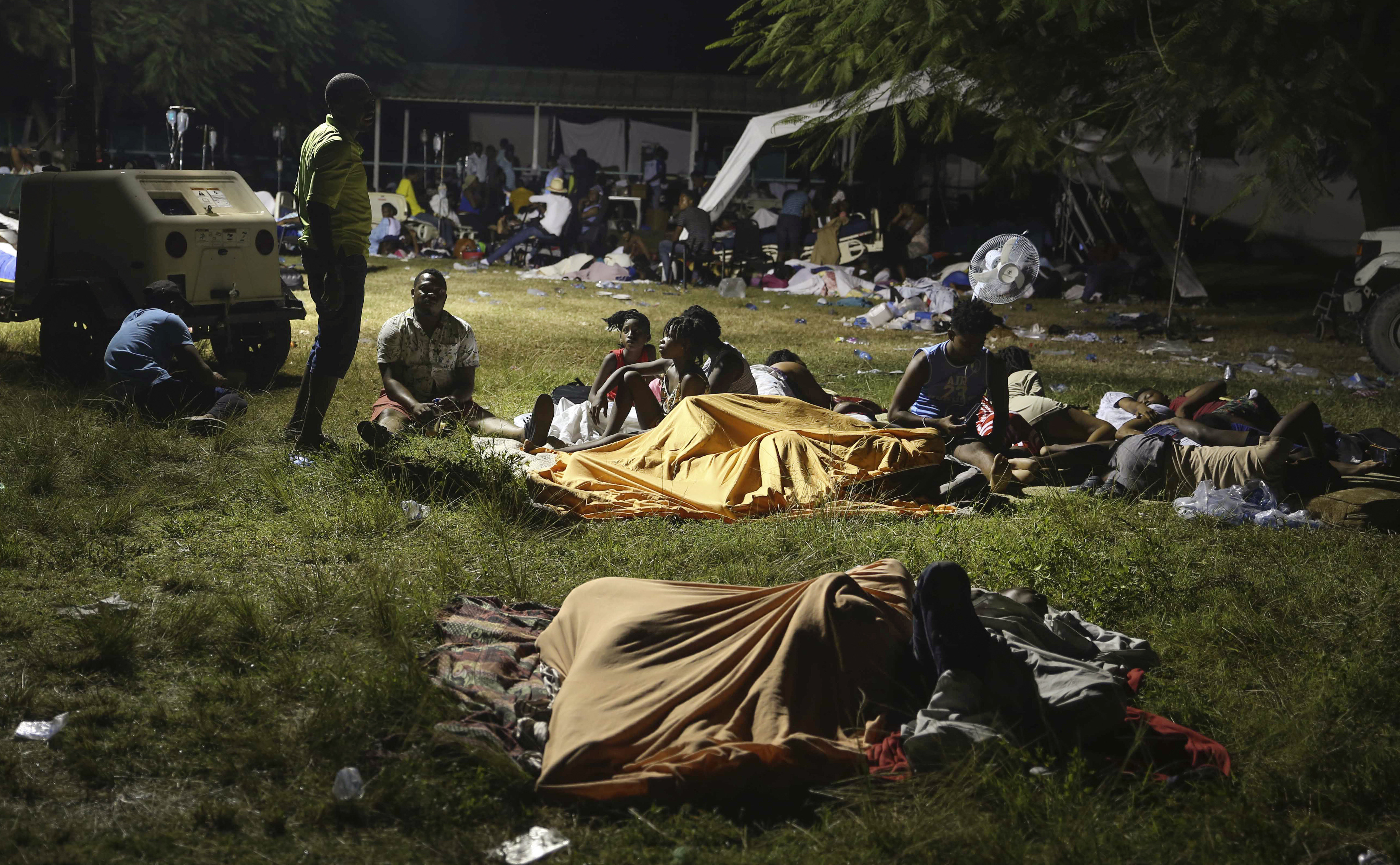
Late on Tuesday afternoon, the Civil Protection Agency raised the death toll to 1,941 and the number of injured to 9,900, many of whom have had to wait for medical help lying outside in wilting heat.

READ MORE: Death toll from powerful earthquake climbs

The devastation is centred in the country's southwestern area, where health care has reached capacity and people have lost homes and loved ones.

Patience was running out in the Western Hemisphere's poorest nation. Haitians already were struggling with the coronavirus, gang violence, worsening poverty and the July 7 assassination of President Jovenel Moïse when the quake hit.

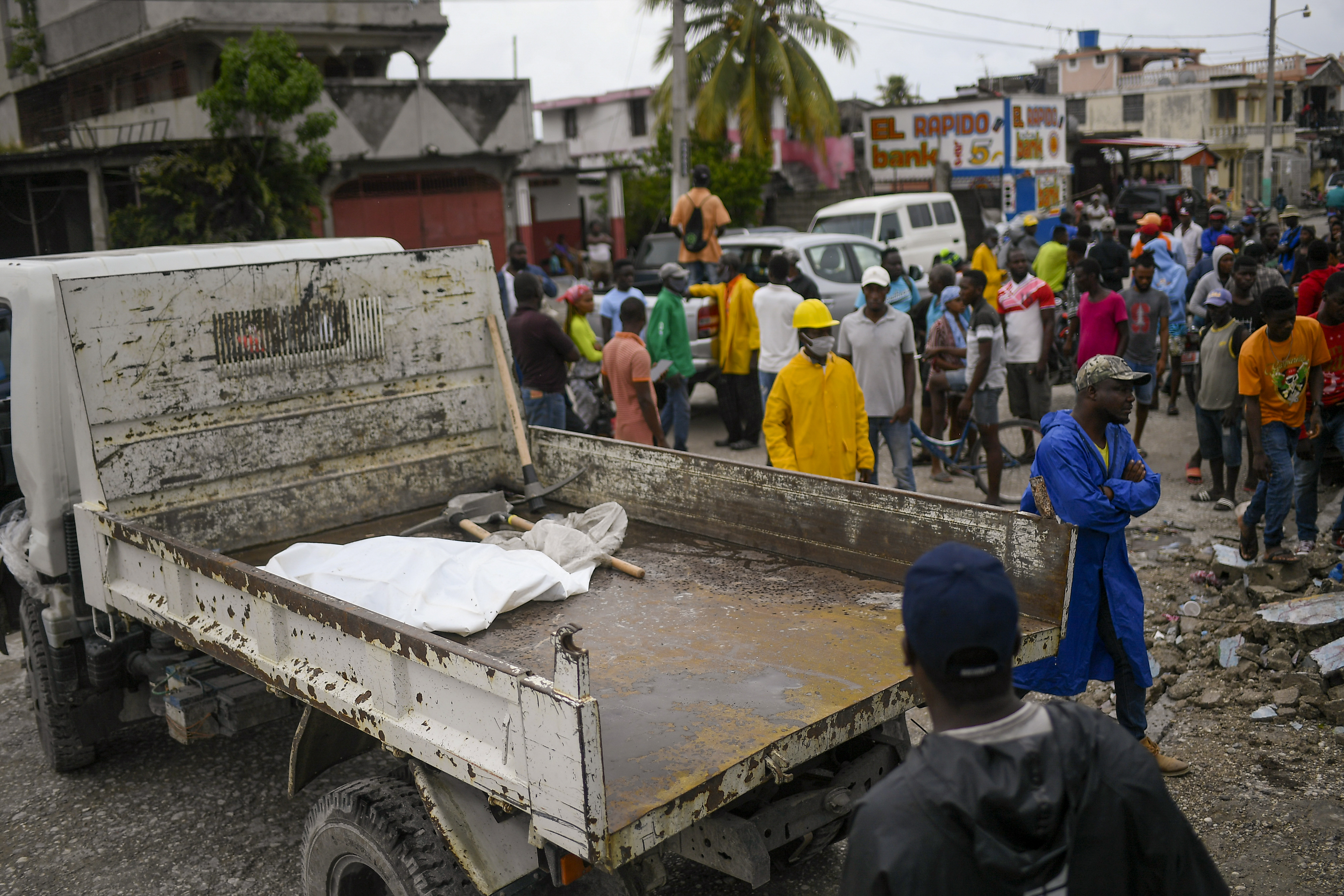
Bodies continued to be pulled from the rubble, and the smell of death hung heavily over a pancaked, three-story apartment building. A simple bed sheet covered the body of a three-year-old girl that firefighters had found an hour earlier.

Neighbour Joseph Boyer, 53, said he knew the girl's family.

"The mother and father are in the hospital, but all three kids died," he said. The bodies of the other two siblings were found earlier.

Illustrating the lack of government presence, volunteer firefighters from the nearby city of Cap-Hatien had left the body out in the rain because police have to be present before a body can be taken away.

READ MORE: Magnitude 7.2 earthquake hits Haiti

Another neighbour, James Luxama, 24, repeated a popular rumour at many disaster scenes, saying that someone was sending text messages for help from inside the rubble. But Mr Luxama had not personally seen or received such a message.

A throng of angry, shouting men gathered in front of the collapsed building, a sign that patience was running out for people who have waited days for help from the government.

"The photographers come through, the press, but we have no tarps for our roofs," said one man, who refused to give his name.

The head of Haiti's office of civil protection, Jerry Chandler, acknowledged the situation. Earthquake assessments had to be paused because of the heavy rain, "and people are getting aggressive," Mr Chandler said on Tuesday.

Some children were orphaned in the quake and some youngsters were starting to go hungry, Carl-Henry Petit-Frère, a field manager for Save the Children, said which added in a statement that it was distributing what it could to people living on the streets without protection from the wind and rain.

READ MORE: Doctor accused of plotting Haiti President assassination

"I see children crying on the street, people asking us for food, but we are low on food ourselves as well," Mr Petit-Frère said, adding that children were warned not to go into houses because they could collapse.

"The organisations that are here are doing what they can, but we need more supplies. Food, clean water and shelter are needed most, and we need them fast."

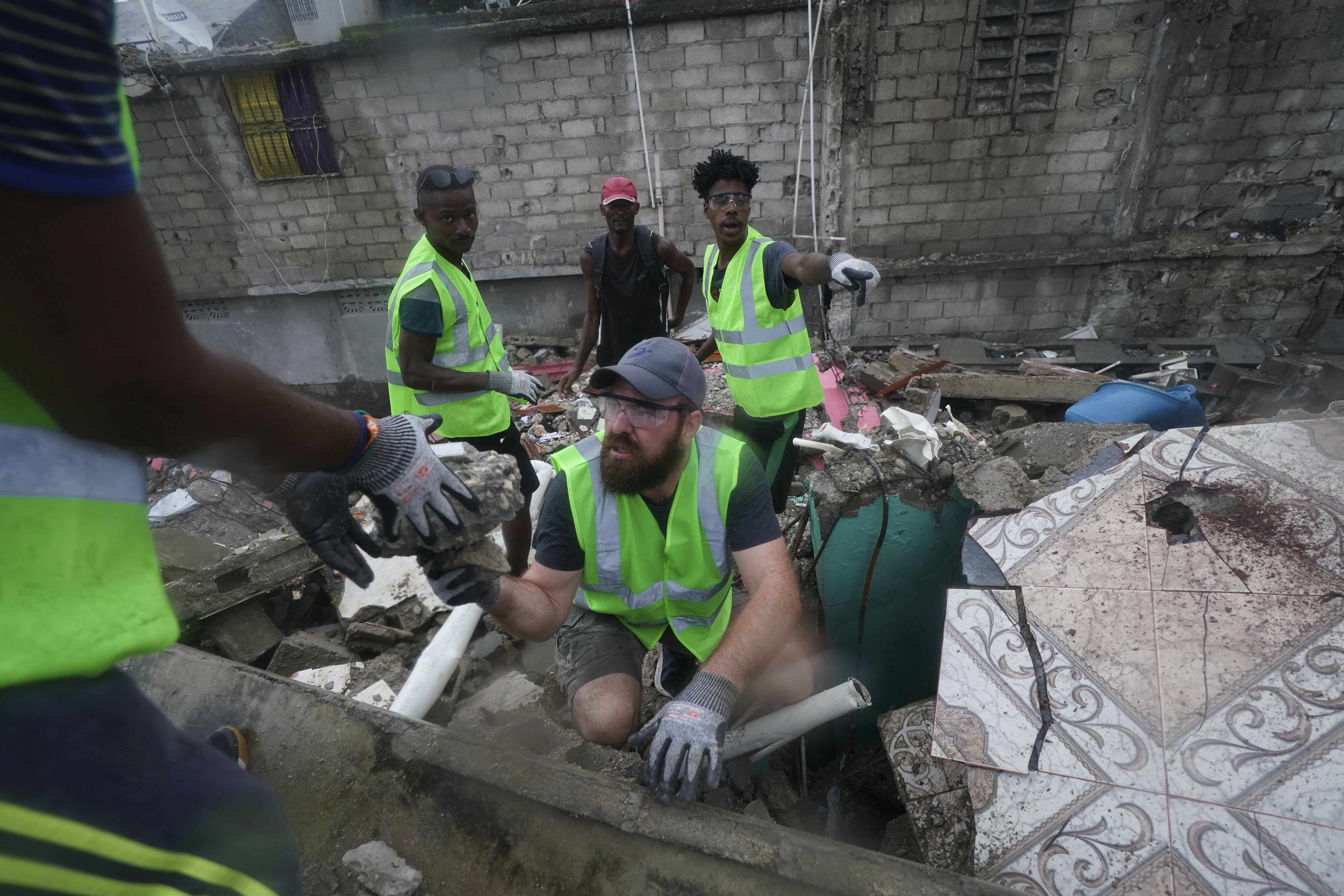
About 20 soldiers finally showed up to help rescuers at the collapsed apartment building.

Prior to that, the only help that arrived was from poorly equipped volunteers.

"All we have are sledgehammers and hands. That's the plan," Canadian volunteer Randy Lodder, director of the Adoration Christian School in Haiti, said.

Sarah Charles, assistant administrator for the US Agency for International Development's Bureau for Humanitarian Assistance, said its disaster response teams were forced to suspend operations as the storm arrived on Monday, but members were back from Tuesday to assess its impact and continue helping.

"We do not anticipate that the death toll related to this earthquake will be anywhere near the 2010 earthquake, where more than 200,000 people were killed," Ms Charles told reporters.

READ MORE: Pollution 'killing more people' than smoking, war, disaster and hunger

The scale of the damage also was not as severe as that earthquake, she said, adding: "That's not what we're seeing on the ground right now."

In a statement, the US military's Southern Command said it was moving eight helicopters from Honduras to Haiti and that seven U.S. Coast Guard cutters were en route to support the USAID team. Two cutters already are there along with two Coast Guard helicopters and US Navy P-8 Poseidon aircraft that are taking aerial images of earthquake devastated areas, the statement said.

The effort was being mounted "to provide the kind of emergency response that is necessary in a human tragedy and catastrophe like this," US national security adviser Jake Sullivan told reporters at the White House.

John Morrison, public information officer for the Fairfax Co. (Virginia) Urban Search and Rescue, said its team was still trying to find survivors. Two US Coast Guard helicopters had ferried searchers to six stricken communities on Monday.

"The team reports that food, health care services, safe drinking water, hygiene and sanitation and shelter are all priority needs," Mr Morrison said. He added that the team had not seen any signs of people trapped alive in buildings.

The rain and wind raised the threat of mudslides and flash flooding as Grace slowly passed over southwestern Haiti's Tiburon Peninsula before heading toward Jamaica and south-eastern Cuba.

Forecasters said it could become a hurricane before hitting Mexico's Yucatan Peninsula.

Death toll of powerful earthquake in Haiti soars to 1297

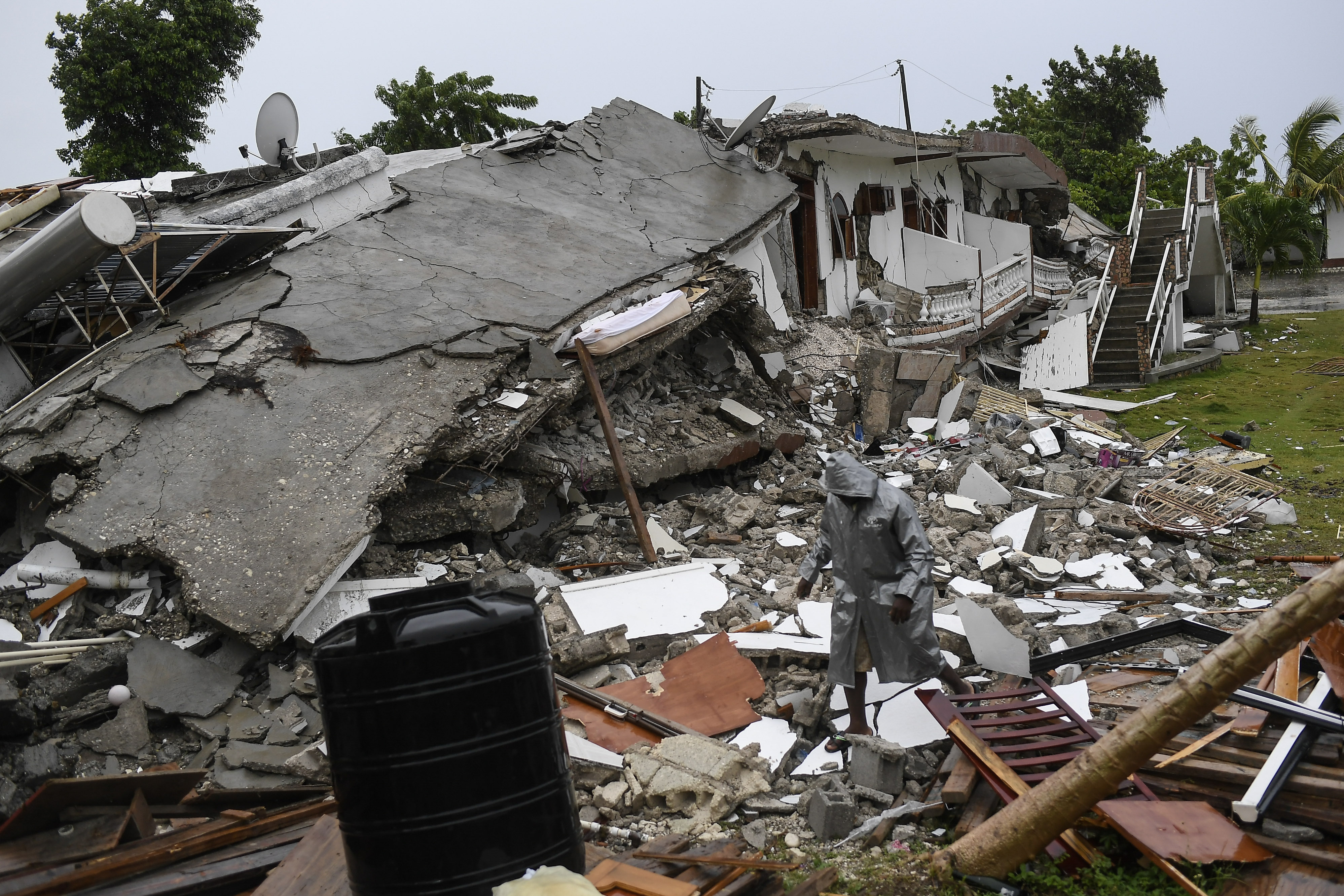
Officials said the magnitude 7.2 earthquake destroyed more than 7,000 homes and damaged nearly 5,000, leaving about 30,000 families homeless. Hospitals, schools, offices and churches also were demolished or badly damaged.

In the village of Bonne Fin, a one-hour drive from from Les Cayes on dirt roads, the mountaintop Hospital Lumiere illustrated the anguish and complexity of Haiti's medical crisis and dire need for outside help.

No one died or was injured at the hospital when the quake hit, but the operating rooms partially collapsed.

Through cracks in a wall, Dr Frantz Codio could see three glistening anaesthesia machines he needed to perform orthopaedic operations on broken bones. But he could not get to them because the building's cement floor was leaning at a crazy angle — in some places just 0.9 meters to 1.2 metres above where it used to be.

Despite warnings not to go inside the structure, Dr Codio did so on Sunday and pulled one of the machines out.

Haiti earthquake

"People said, 'Don't go in there, it's too dangerous,' but I had God with me," Dr Codio said.

Etzer Emile, a Haitian economist and professor at Quisqueya University, a private institution in Port-au-Prince, said the earthquake will almost certainly result in more long-term poverty for Haiti's struggling southwestern region.

Political instability and gang criminality along the southern roads into the region have particularly hobbled economic activity in recent years.

"The earthquake has just given a fatal blow to a regional economy already on its knees for about two and a half years," Mr Emile said.

Wet spring predicted for parts of Australia

With spring just over a fortnight away, meteorologists are predicting a wet season for eastern parts of Australia.

From September to November, rainfall for spring is likely to be above median for the Northern Territory, South Australia, Queensland, New South Wales, Victoria and eastern Tasmania.

Meanwhile, the Bureau of Meteorology predicts western WA and western Tasmania are likely to have below-median rainfall.

LIVE UPDATES: Additional troops to arrive in western NSW to boost vaccine rollout as cases soar

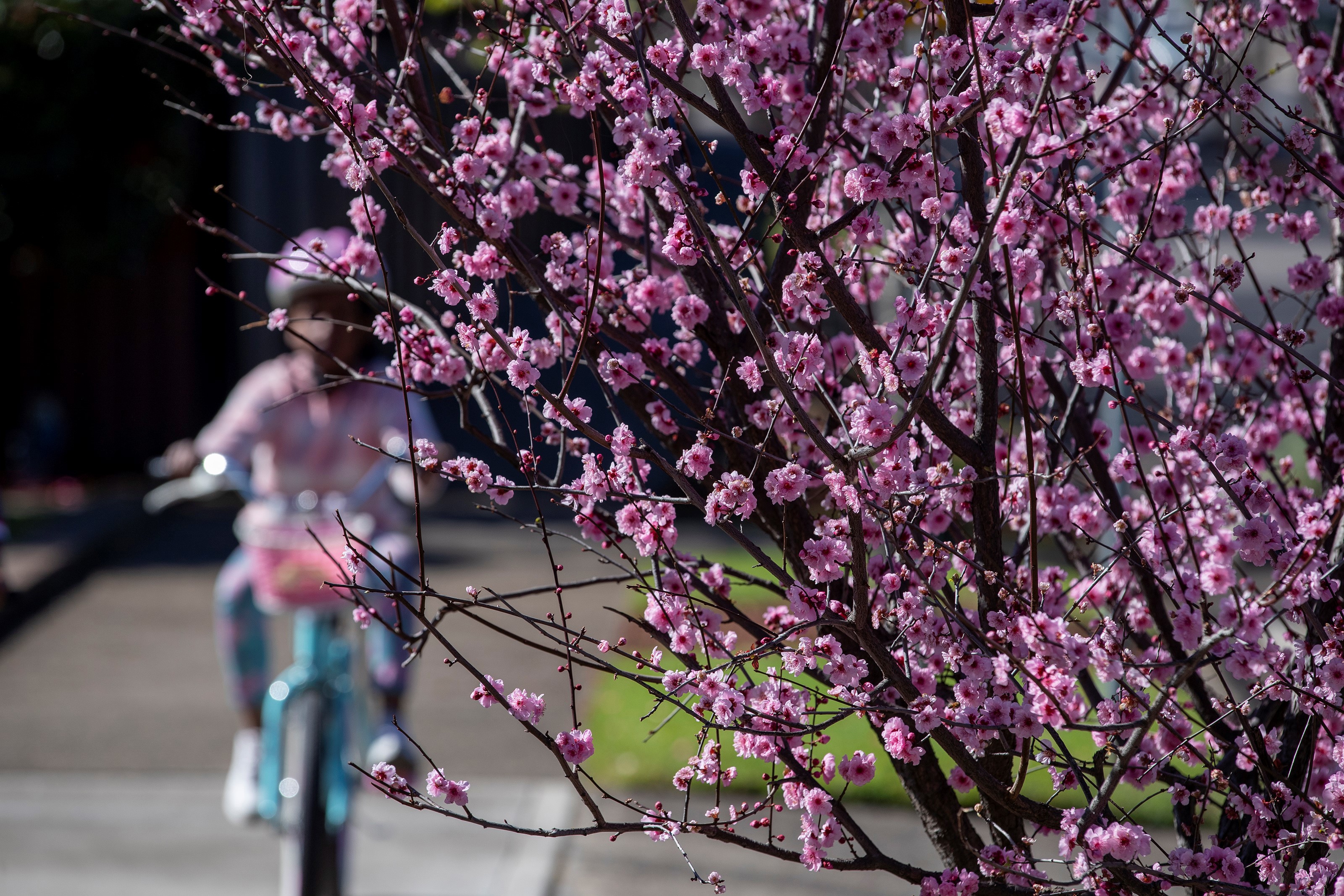
A girl rides past a cherry tree in Sydney, Australia, on Aug. 16, 2021. Australia's state of New South Wales NSW recorded a new record high of 478 new locally acquired COVID-19 cases and eight deaths on Monday. (Photo by Bai Xuefei/Xinhua via Getty Images)

A negative Indian Ocean dipole, the state of sea surface temperatures across the tropical Indian Ocean, will underpin the predicted wet spring.

According to Weatherzone, there are also signs a weak La Niña-like pattern may further enhance rainfall across Australia in spring.

READ MORE: ACT Senator Katy Gallagher in isolation after daughter diagnosed with COVID-19

However, meteorologists predict a full-blown La Niña is unlikely at this stage.

Some parts of Australia will get an early taste of spring, with rainfall predicted in parts of the country today.

New South Wales

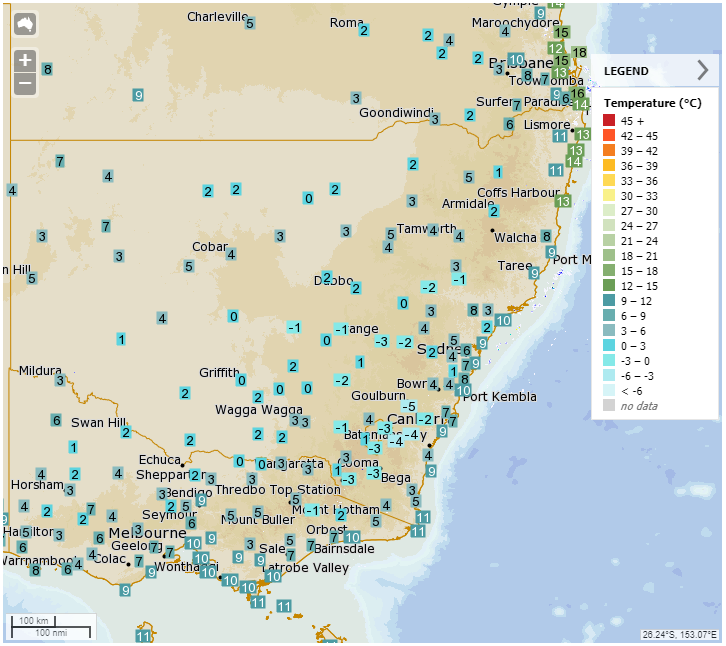
Parts of New South Wales will experience chilly temperatures this morning however, temperatures will become warmer as the day progresses.

Morning frost and fog are expected along the state's ranges and slopes.

There is the chance of a shower on the state's far north coast, while it is predicted to be dry and mostly sunny elsewhere.

Sydney can expect a mostly sunny day with light winds.

Parts of New South Wales will experience chilly temperatures this morning however, temperatures will become warmer as the day progresses.

Victoria

Victorians can expect cloudy conditions throughout most of the state today.

Melbourne will be partly cloudy, with areas of morning fog and a top of 16 degrees.

North-to-north-westerly winds of 15 to 20 kilometres an hour are expected in the city in the middle of the day, before becoming light in the late evening.

It will be mostly cloudy and cold in the southwest of the state, while it will be mostly sunny, cool-to-cold in the southeast.

A mostly cloudy, cool-to-cold is predicted in the northwest and sunny and cold for residents in the northeast.

Queensland

There will be sunny conditions for most of Queensland, thanks to a high-pressure system that is brining stable conditions.

Meanwhile, residents in Far North Queensland can expect a partly cloudy day.

Brisbane will be partly cloudy, with a slight chance of a shower.

South Australia

South Australia will experience showers and cold temperatures in the southeast.

The central part of the state will experience a mostly sunny day, with cool-to-cold temperatures in the central part of the state.

The west and north of the state will experience sunny conditions, with cool-to-mild temperatures.

Adelaide is expected to have be partly cloudy with light winds.

Western Australia

Most of Western Australia will experience cool-to-mild temperatures, while it will be sunny and warm in the north-east of the state.

Perth will be partly cloudy, with the chance of fog early this morning, mainly about the hills.

There will be a medium chance of showers in the city in the morning and early afternoon.

Northern Territory

It will be mostly sunny, very warm in the north-west Top End.

There will be a late shower, mild-to-warm in Arnhem.

Meanwhile, there will be windy, mild conditions over the state's interior and sunny, cool-to-mild temperatures in the south.

It will be a humid, mostly sunny day for Darwin, with a top of 33 degrees.

Tasmania

In Tasmania, Launceston will see early fog and frost this morning.

There will be showers, cold in the southwest and windy conditions on the highlands.

It will be mostly cloudy, cold in the southeast and mostly sunny, cold in the northwest.

The north-east part of the state is expected to experience mostly cloudy, cold conditions.

Taliban knocked on her door three times. The fourth, they killed her

Najia was at home with her three young sons and daughter in a small village in northern Afghanistan when Taliban fighters knocked on their door.

Najia's daughter Manizha, 25, knew they were coming — her mother had told her they'd done the same thing the previous three days, demanding that she cook food for up to 15 fighters.

"My mother told them, 'I am poor, how can I cook for you?'" Manizha said. 

"(The Taliban) started beating her. My mother collapsed and they hit her with their guns — AK47s."

READ MORE: Taliban urge women to join government as thousands seek to flee
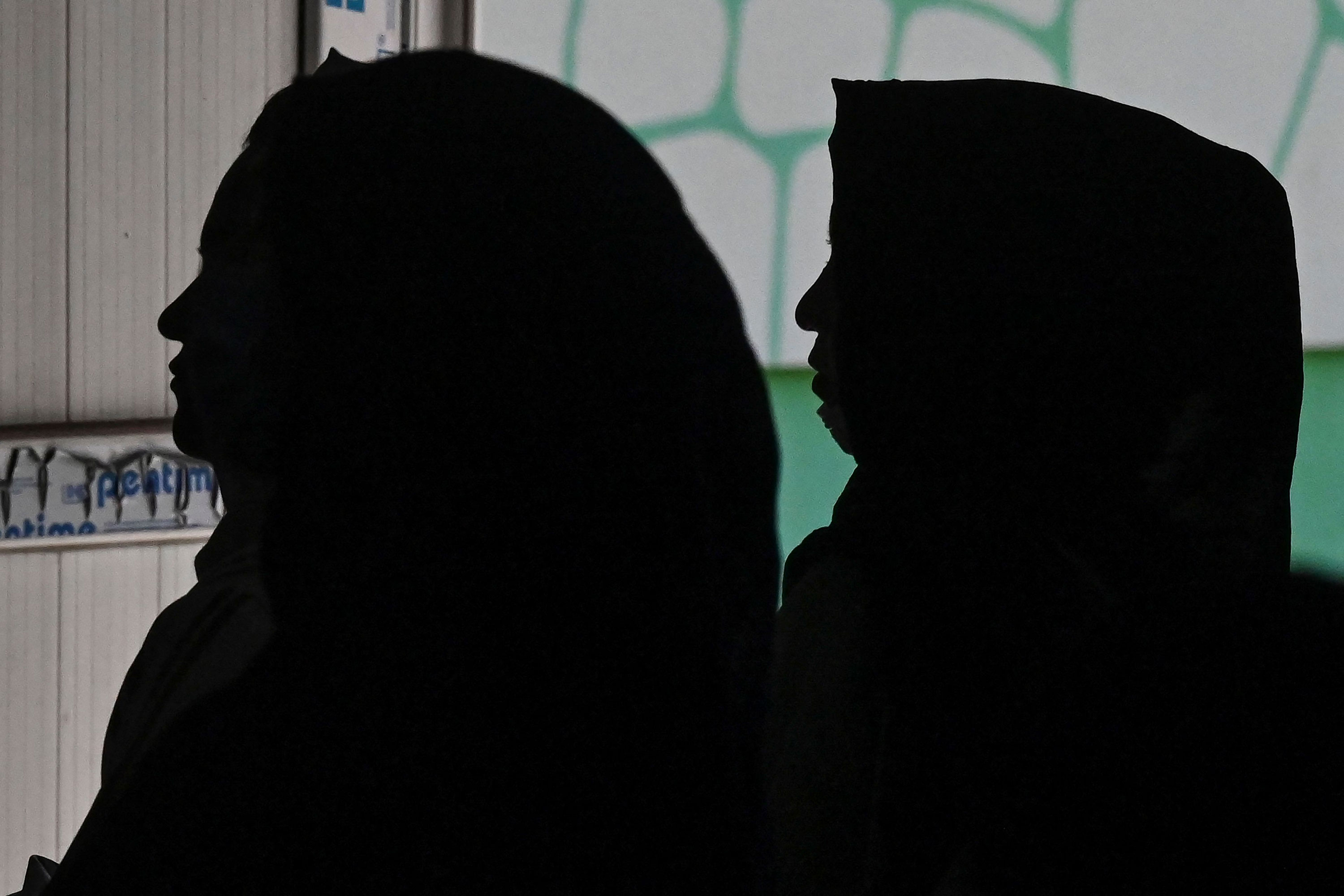
Manizha said she yelled at the fighters to stop. They paused for a moment before throwing a grenade into the next room and fleeing as the flames spread, she said. The mother-of-four died from the beating.

The deadly July 12 attack on Najia's home in Faryab province was a chilling preview of the threat now facing women across Afghanistan after the Taliban's takeover of the capital Kabul. 

CNN is using aliases for Najia and Manizha to protect their identity for safety reasons.

In 10 days, Taliban militants captured dozens of provincial capitals left vulnerable by the withdrawal of US and allied troops.

The speed of the militants' advance caught locals off guard.

Some women said they had no time to buy a burqa to comply with Taliban rules that women should be covered up and accompanied by a male relative when they leave the house.

To Afghanistan's women, the flowing cloth represents the sudden and devastating loss of rights gained over 20 years — the right to work, study, move and even live in peace — that they fear will never be regained.

EXPLAINER: Who are the Taliban and how did they take control of Afghanistan

Deep mistrust

When the Taliban last ruled Afghanistan between 1996 and 2001, they closed girls' schools and banned women from working.

After the US invaded in 2001, restrictions on women eased, and even as the war raged, a local commitment to improving women's rights, supported by international groups and donors, led to the creation of new legal protections.

In 2009, the Elimination of Violence Against Women law criminalised rape, battery and forced marriage and made it illegal to stop women or girls from working or studying.

This time, the Taliban is promising to form an "Afghan inclusive Islamic government," although it's not clear what form that will take and if the new leadership will include women.

Farzana Kochai, who was serving as a member of the Afghan parliament, says she doesn't know what comes next. 

"There has been no clear announcement about the form of the government in the future — do we have a parliament in the future government or not?" she said.

https://twitter.com/Farzanakochai/status/1427565231606226952

She's also concerned about her future freedoms as a woman. 

"This is something that concerns me more," she said. 

"Every woman is thinking about this. We are just trying to have a clue … would women be allowed to work and to occupy a job or not?"

Taliban spokesman Suhail Shaheen said on Monday that under the Taliban girls would be allowed to study. 

"Schools will be open and the girls and the women, they will be going to schools, as teachers, as students," he said.

But stories from locals on the ground paint a different picture — and there's a deep mistrust of militants who caused such misery under their last rule.

In July, the Afghanistan Independent Human Rights Commission said in areas controlled by the Taliban, women had been ordered not to attend health services without a male guardian. TV was banned, and teachers and students were instructed to wear turbans and grow beards.

Religious scholars, government officials, journalists, human rights defenders and women had become victims of targeted killings, the commission said. 

One of them was Mina Khairi, a 23-year-old killed in a car bombing in June. Her father, Mohammad Harif Khairi, who also lost his wife and another daughter in the blast, said the young broadcaster had been receiving death threats for months.

When the Taliban last controlled Afghanistan, women who disobeyed orders were beaten.

The Taliban denied killing Najia, the mother in Faryab province, but their words are contradicted by witnesses and local officials who confirmed the death of a 45-year-old woman whose home was set alight.

A neighbour who yelled at the men to stop said many women in Najia's village are the widows of Afghan soldiers. They earn a living selling milk, but the Taliban "won't allow that," she said. 

"We don't have men in our house, what shall we do? We want schools, clinics and freedom like other women, men — other people," she said.

READ MORE: US military plane rescues 640 Afghans escaping Taliban
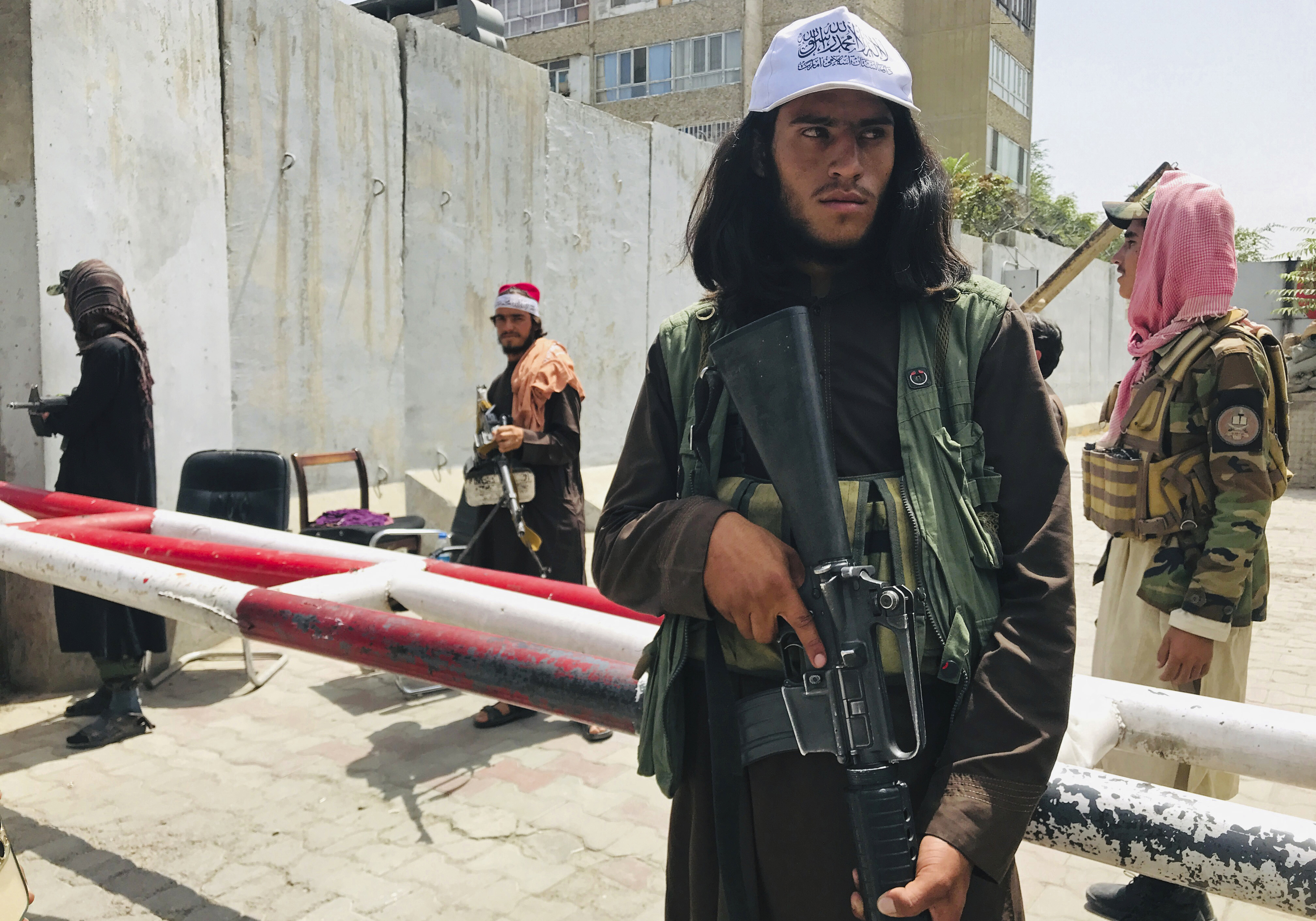
Burqa prices surge

The Taliban's takeover of the country was so quick that some women found themselves without the requisite female uniform for Taliban rule.

One woman, who is not being named for security reasons, said her household had just one to two burqas to share between her, her sister and their mother. 

"If the worse comes to worse and we don't have burqa, we have to get a bedsheet or something to make it a bigger scarf," she said.

Burqa prices surged as much as tenfold in Kabul as women raced to beat the militants ahead of their advance, according to another woman in the city, who is also not being named for security reasons. Some didn't make it to the markets before they closed on Sunday, as store owners rushed to get home.

She said she'd spent hours at a bank on Sunday trying to withdraw as much money as possible to see the family through the coming days of uncertainty.

"It was so unexpected, no one expected this to happen this soon. Even people would be like, 'Oh, Kabul can defend itself for a year or so,' but morale is lost," she said.

"The army is just handing it over to the Taliban."

The woman fears for her life, but also the collapse of a government people fought so hard to build and the end of freedoms for Afghan women.

"As a woman, they just keep us inside," she said. 

"We fought for years to get out, do we need to fight again for the same things? To get the permission to work, to get the permission to go to hospital alone?"
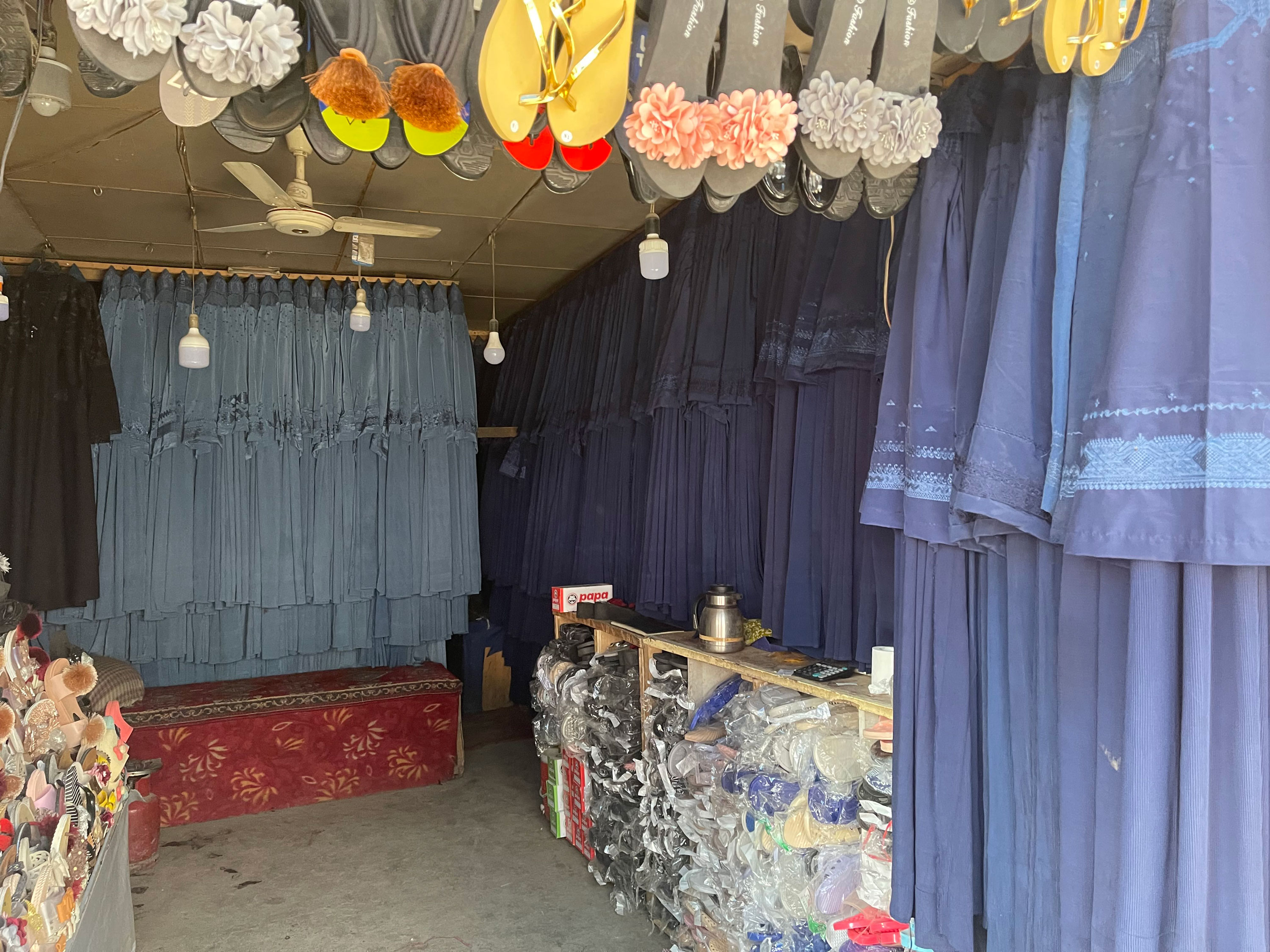
'All for nothing'

Over the last 10 days, a succession of Taliban victories over dozens of provincial capitals took Afghan women closer to a past they desperately wanted to leave behind.

Pashtana Durrani, the founder and executive director of Learn, a non-profit focused on education and women's rights, said she had run out of tears for her country.

"I have cried so much there are no more tears left in my eyes to mourn," she said. 

"We have been in mourning (for) the fall of Afghanistan for now quite some time. 

"So I'm not feeling very well. On the contrary, I'm feeling very hopeless."

Ms Durrani said she'd received text messages from boys as well as girls, who despaired that years of study were "all for nothing."

She said the Taliban kept talking about girls' education, but they hadn't defined what that meant. 

Islamic studies are assumed, but "what about gender education? What about professional education?" she asked. 

"If you think about it, it makes you hopeless because there's no answer for it," she said.

In a tweet, United Nations Secretary-General Antonio Guterres called for an end to all abuses. 

"International humanitarian law and human rights, especially the hard-won gains of women and girls, must be preserved," he said.

https://twitter.com/antonioguterres/status/1427529125074333705

In chaotic scenes at Kabul airport on Monday, desperate Afghans scaled an air bridge in an attempt to board planes out of the country. But for many millions of people, there is no escape.

The woman in Kabul who spent hours at the bank Sunday said even if she could find a flight, without a visa she has nowhere to go. The only other option was to stay inside and hope to avoid attracting attention.

"Going out or doing anything else can risk our life," she said.

As the US and allies evacuated staff members, Patricia Gossman, associate Asia director at Human Rights Watch, urged international donors not to abandon Afghanistan.

"Many, many cannot get out and will be in great need both for urgent humanitarian assistance and for other essential services like education," she said. 

"It's the wrong time now for donors to be saying, 'Oh, we're done now in Afghanistan'."

Women across the country live in fear of the same knock at the door Najia heard last month. Her daughter, Manizha, said she hasn't returned to the house since her mother's death. She doesn't go outside much at all.

"Taliban don't let any women out without a male relative. Men are the only ones allowed out. They can go to work," she said.

"If I need something, how I am I supposed to get it? It's a punishment. It's not Islam. They call themselves Muslim. It's not right for them to punish women."
Dog snatched from front yard just after a bath

A beloved pet dog has been snatched from outside its home in broad daylight, leaving the owners devastated.

Atlas, a five-year-old Japanese Spitz, had just had a bath and so wasn't wearing a collar.

Security video shows a woman driving slowly along a street in Fairfield on Sunday afternoon.

Atlas the Japanese Spitzer (white dog in left image) was stolen from outside a Fairfield home (right).

READ MORE: Gold Coast woman reunited with missing dog

She pulls up, opens the door, and crouches to the ground, as the friendly dog approaches her.

"Everyone is a friend to her and she'd just go to anyone," her owner Elise Pham told 9News.

She is a big, fat, friendly ball of fur."

Ms Pham said the family will not ask any questions if Atlas is returned safely.

"I just want my baby back. That is all. I don't know what to say, we don't know the lady we don't what her intentions are," she said.

The abduction has been reported to police, and vets and shelters in the area.

If anyone spots Atlas, the woman in the video or her car, they should contact Crimestoppers.

NSW records 452 cases of COVID-19

New South Wales has recorded another death and 452 new cases of COVID-19, with at least 50 of those infectious in the community.

Premier Gladys Berejiklian said said 75 per cent of the state's active cases are in people aged under 40 and has urged young people to come forward to be vaccinated, especially if they live in a local government area of concern.

"Those extra jabs we receive from the Commonwealth will be put straight into the arms of 16 to 39-year-olds in the local government areas of concern," Ms Berejiklian said.

READ MORE: Melbourne wakes to toughest lockdown restrictions in Australia

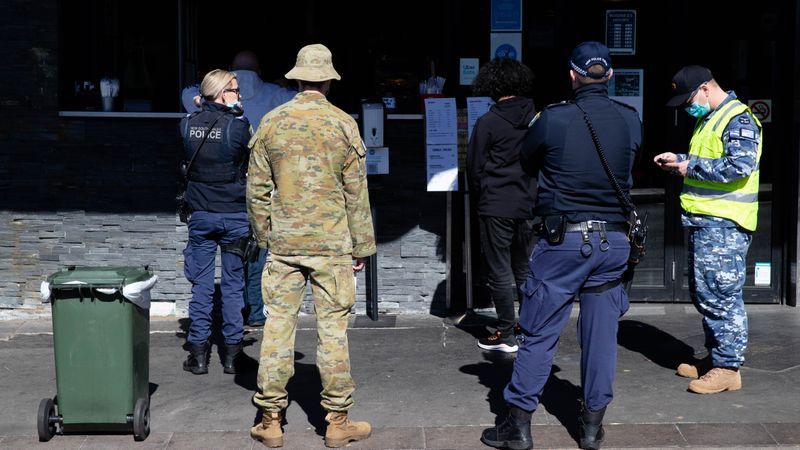
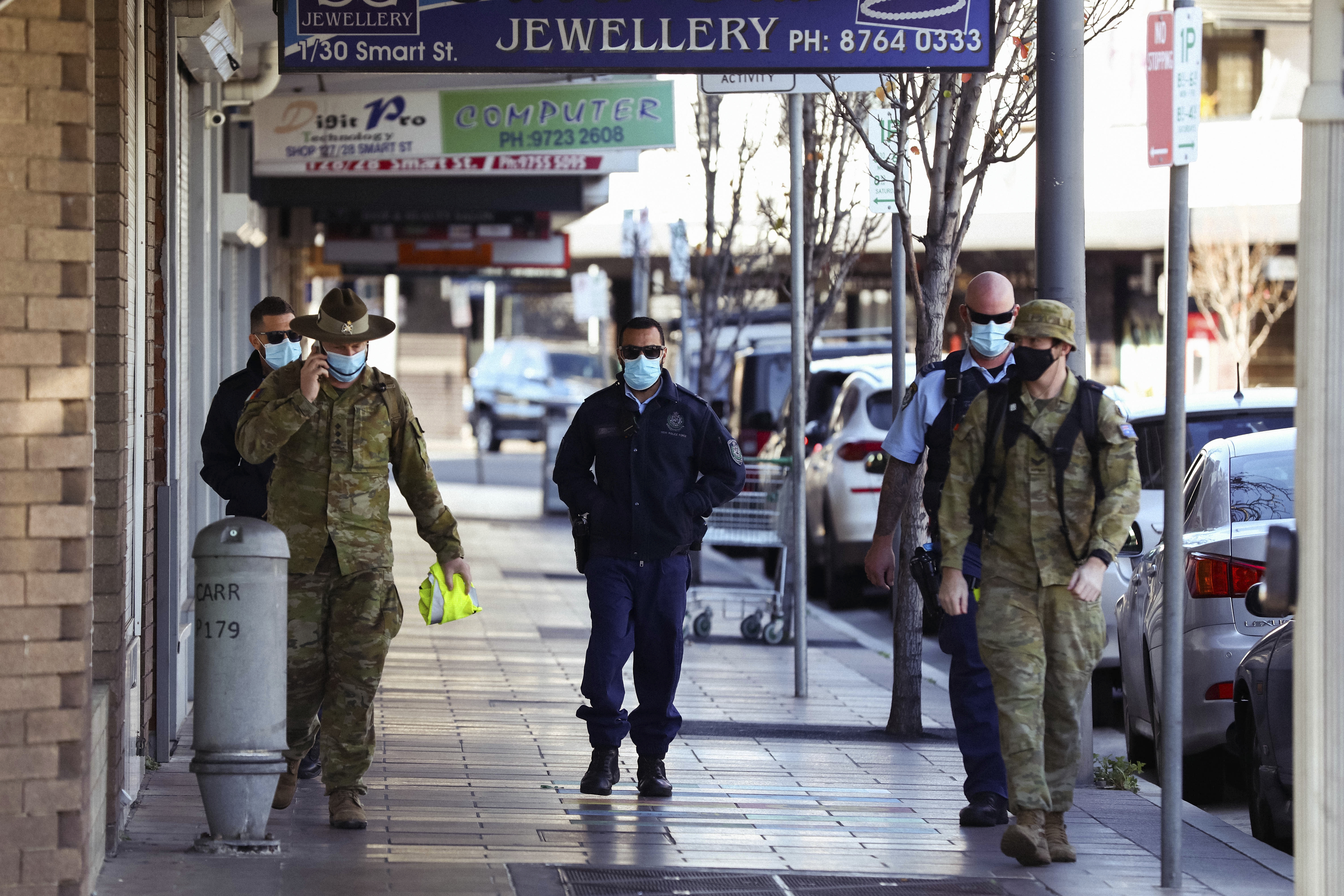
Additional ADF police will hit the streets from Monday to help ensure compliance. (Janie Barrett)

"That will protect them and their loved ones and also anyone coming into contact with them in a workplace."

Ms Berejiklian said there had been 151,000 tests undertaken in the last 24 hours.

The state's latest death was a woman in her 70s, from Western Sydney, who died at Westmead Hospital yesterday.

She was diagnosed with the virus on July 29 and had not received any doses of a COVID-19 vaccine.

NSW's total death toll since the beginning of the pandemic is 113.

State on track to hit vaccine target

NSW Premier Gladys Berejiklian.

Ms Berejiklian warned locked down residents would not enjoy greater freedoms until vaccination targets were achieved.

She said NSW is on target to have 70 per cent of its eligible population fully vaccinated with two doses by the end of October.

That number will rise to 80 per cent by mid-November.

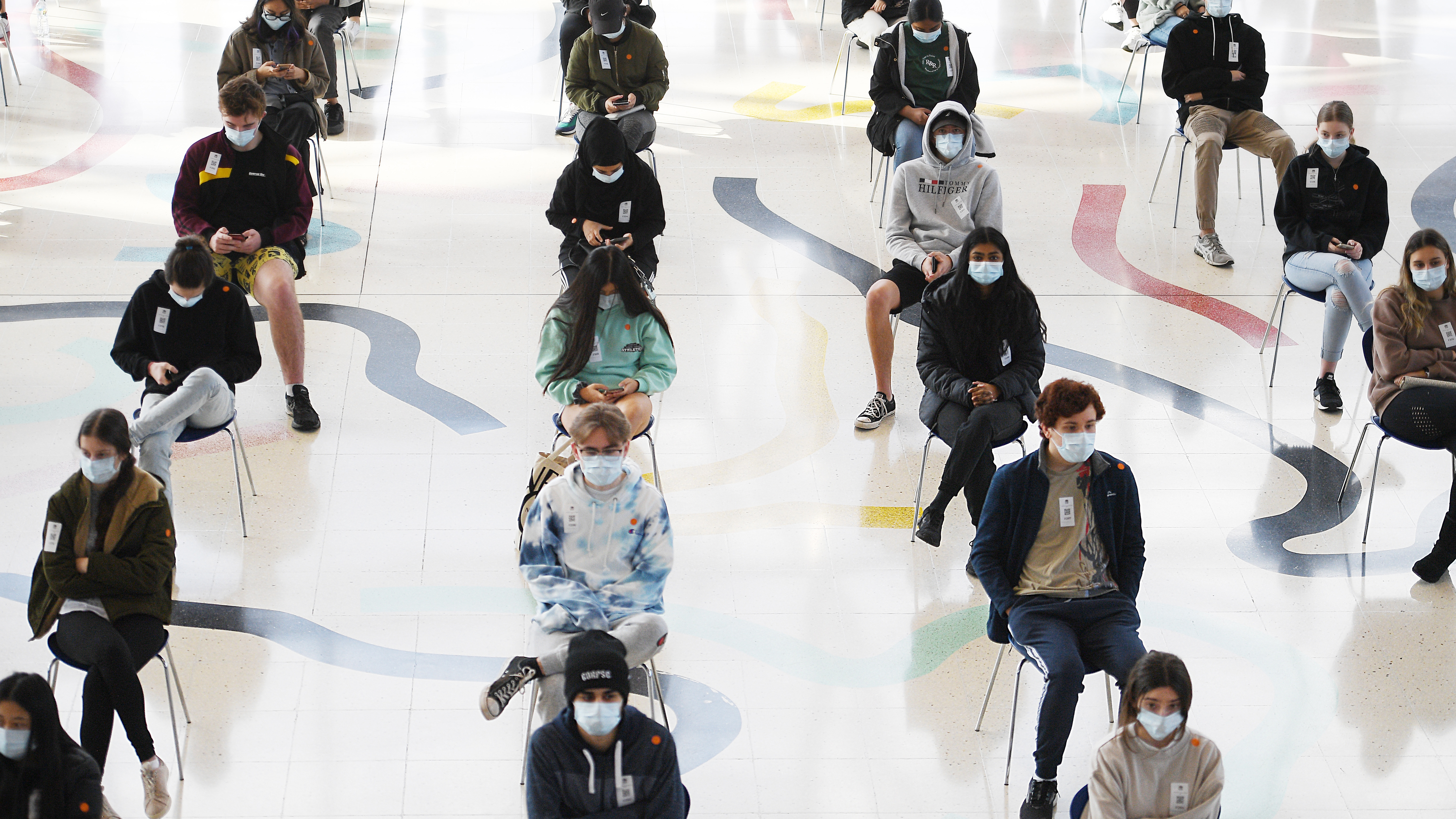
Students wait to receive the Pfizer vaccine for Covid-19 at Judos Arena, Sydney.

"Life will be much freer than what it is today once we get to 70 per cent and 80 per cent," Ms Berejiklian said.

"It doesn't mean we'll be completely free.

"It doesn't mean that we will let's let the virus be rampant in the community no matter our number of cases, but it will be freer than it is today."

NSW Deputy Premier John Barilaro has urged residents of NSW – particularly those in the state's West – to receive whatever vaccine is readily at hand.

Mr Barilaro said he does not want to see regional communities fall behind metropolitan areas in the vaccination data as a cluster grows in NSW's Central West.

"Don't or caught up in the AstraZeneca versus Pfizer debate," Mr Barilaro said.

"The reality is we don't have that debate when it comes to flu shots each and every year. We get the shot. We're not sure of the brand, we just get on with it."

Canterbury Hospital closed

Dr Jeremy McAnulty from NSW Health has confirmed that a ward at Canterbury Hospital has been closed following a confirmed transmission of COVID-19.

Dr McAnulty also confirmed that four inpatients and two staff members have tested positive for the virus at St George Hospital.

Health Minister Brad Hazzard said there is "no question" that NSW's hospital system "is under enormous pressure".

Hundreds of fines issued amid compliance crack down

Today's figures come as police ramp up their response to those flouting the rules with close to 600 fines issues in the past 24 hours.

In one case a man from Fairfield in the city's hotspot south-west, who was COVID-19 positive, was not home when police conducted a compliance check yesterday.

He was one of 579 issued with an infringement notice for breaching stay-at-home orders.

READ MORE: Queensland records one new COVID-19 case

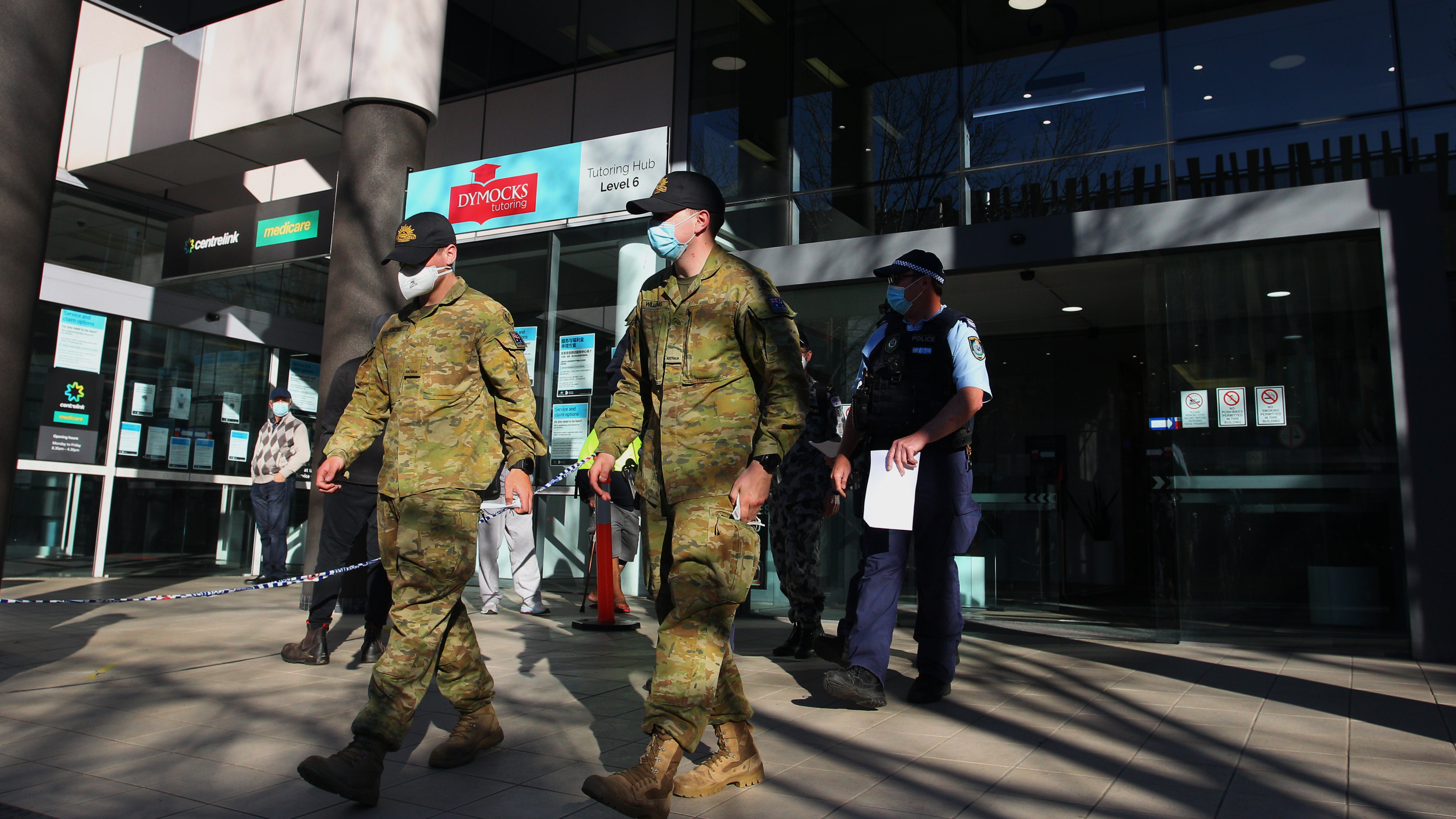
Australian Defence Force personnel and NSW police are seen being deployed from Bankstown Police Station in Sydney.

"He turned up about 20 minutes later and was unable to provide a reasonable excuse why he was out," NSW Police Deputy Commissioner Mal Lanyon told Today.

"It's impossible to overstate the seriously and the potential risk of the rest of the community of that person being out and about.

"I think the explanation yesterday was (he) needed to do some exercise or get fresh air.

"Clearly the self-isolation orders are put in place for a particular it reason, the person is infectious and is COVID positive and the person represents a great risk to the rest of the community."

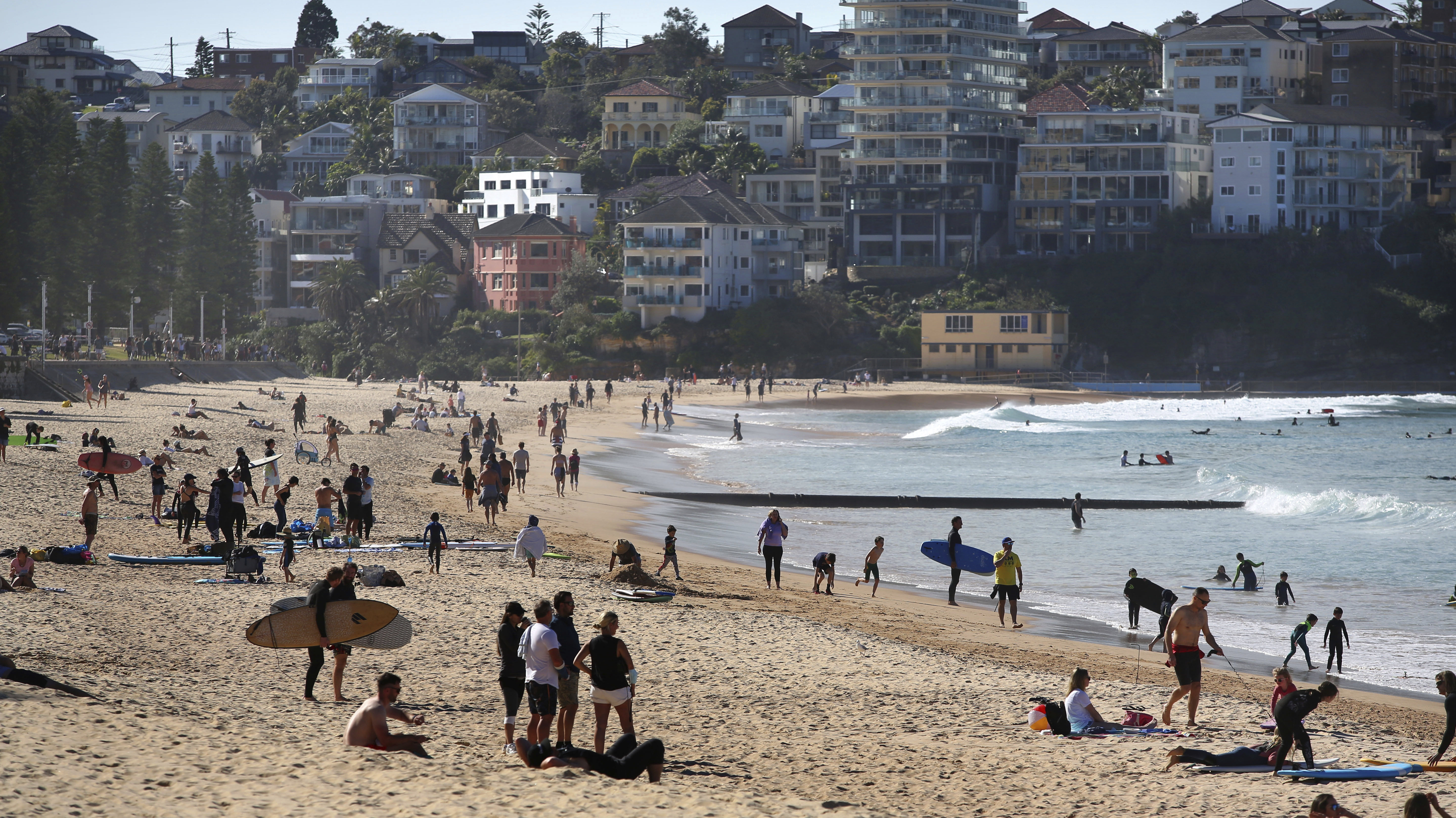
People at Manly Beach, Sydney.

READ MORE: Polish Pfizer vaccines approved for Australia

Thirty-four people across the state were issued with court attendance notices yesterday, he said.

"By and large the majority of the community are doing the right thing, but we see a repeated number of people who continually do the wrong thing. The fact that we had to issue 579 infringement notices only vindicates that."

Operation Stay at Home is now in force, with hundreds of additional police officers out ensuring people are complying with public health orders.

At least 1400 officers attached to Traffic and Highway Patrol Command are now focusing on compliance operations on the state's roads.

A further 500 Australian Defence Force troops, in addition to the 300 already deployed, are assisting with compliance checks and patrols, particularly within hotspot suburbs.

Yesterday NSW recorded its highest daily rise in cases with 478 new infections.

Infectious diseases expert Peter Collignon dismissed suggestions to bring in a curfew, like the one now in place across Melbourne to curb the spread.

"I'm not convinced a curfew makes all that much difference," Professor Collingnon told Today.

"If you look at the people breaking the rules, I'm not sure having police on the road at 2am would have made a lot of difference for that.

"Most of the people moving around at two in the morning are essential workers or (who have a) legitimate excuse. I haven't heard material to the contrary.

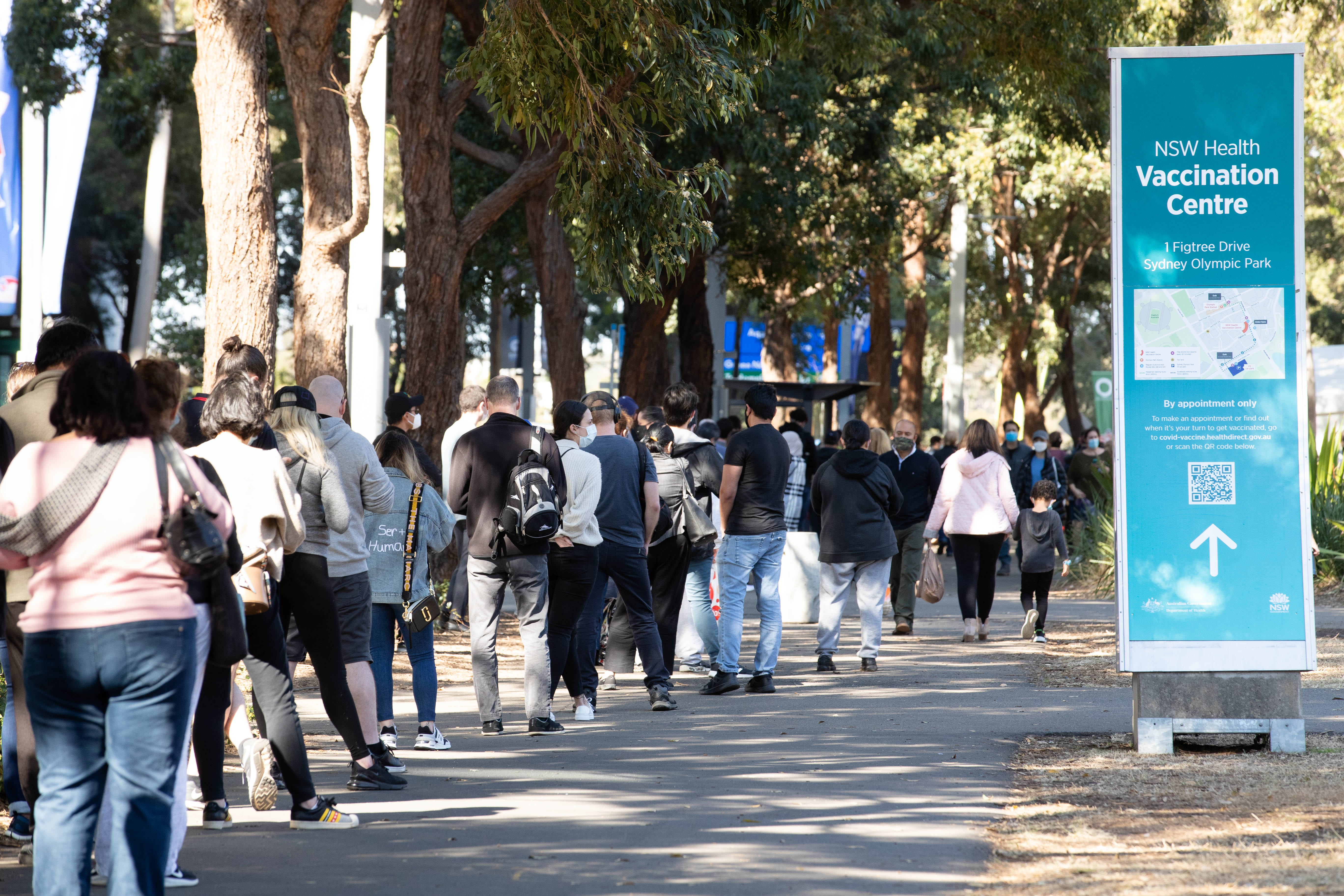
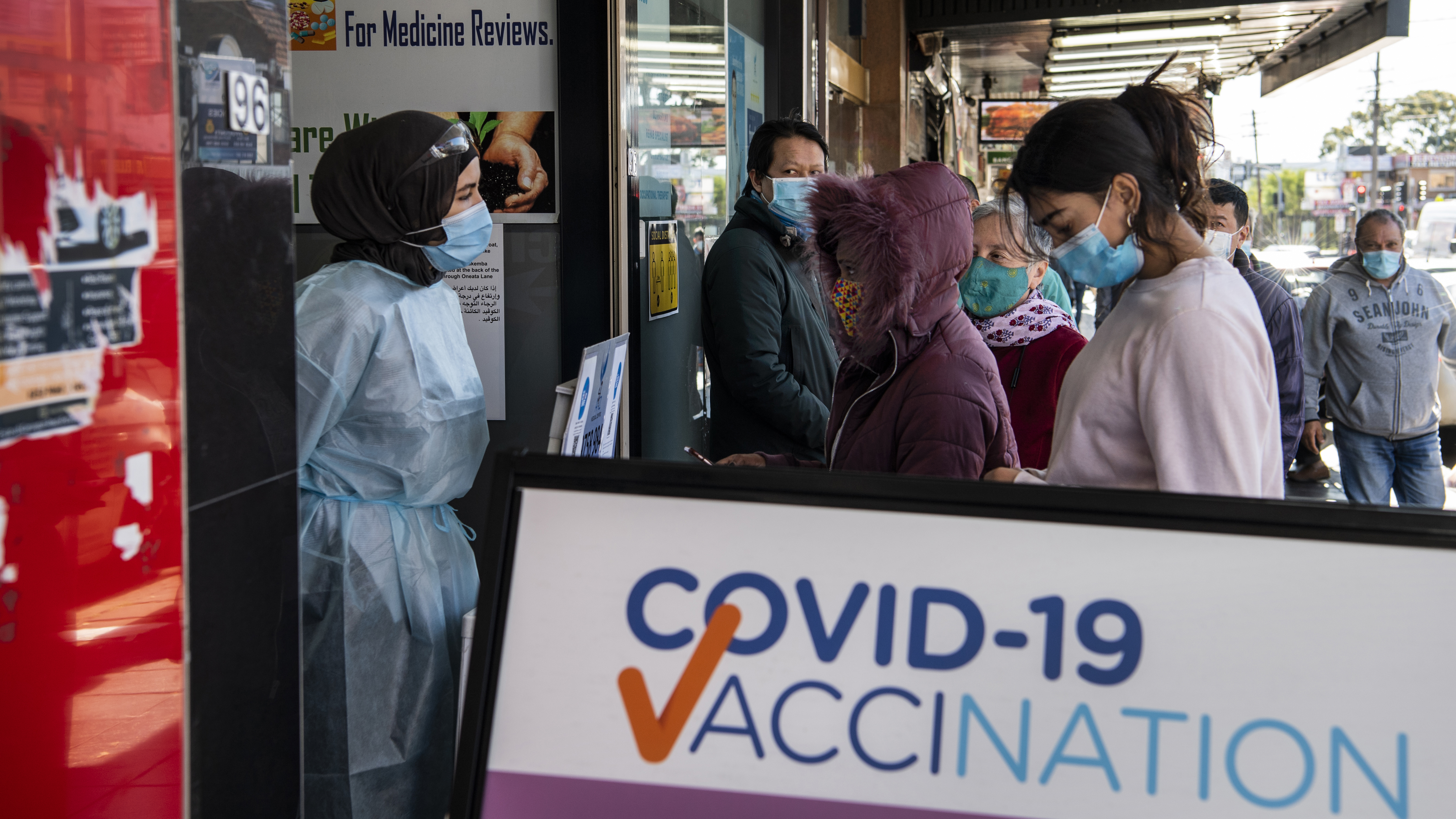
Queues for COVID-19 vaccination, AZ Medical Centre, Lakemba, Sydney.

"A lot of extra resources, I think, for not a lot of extra benefits. I think protecting eyes (by wearing face shields or glasses), if we make a bigger effort on that we'll have a much bigger decrease in transmission than a night curfew."

READ MORE: 'Disturbingly high': NSW records 478 infections and seven deaths

Lite N Easy cancels deliveries in NSW and ACT after COVID scare

Food delivery company Lite N Easy has cancelled its deliveries in New South Wales and the ACT for the next two days after a "potential COVID incident" at a Sydney facility.

Deliveries in NSW for today will still be delivered, but there could be a delay of several hours, the company said on its website.

"Unfortunately, though, we will have to cancel all deliveries schedules for Wednesday and Thursday in NSW/ACT," the statement read.

1. Lite n' Easy

READ MORE: 'Be kind to yourself': Sydney beach walk's uplifting lockdown messages

"For those customers affected, we are currently processing a refund for any payments already made.

"We sincerely apologise and want to assure you we are working as hard as possible to return to full operations."

Customers in Queensland, South Australia, Victoria, Tasmania, and Western Australia, will not be affected.

READ MORE: Why NSW Health is no longer listing every COVID-19 exposure site

"The health and safety of our team members and customers is always our highest priority, which is why the COVID workplace safety measures we have implemented since the start of the pandemic exceed the best practices advised by the Health Department," the statement read.

"Because of this, we are very confident that our Sydney facility will be operational again in the next couple of days."

In an automatic statement on the company's hotline, it is said the Lite N Easy facility is set to resume operations on Thursday morning, for Friday deliveries.

Any affected customers are encouraged to contact *@***********om.au.” title=”the company” target=”_blank” rel=”noopener”>the company.

Gladys Berejiklian sets sights on October for end of lockdown

NSW Premier Gladys Berejiklian has hinted at an October end to lockdown, saying that by then she expects more than 70 per cent of the state will have received both doses of a COVID-19 vaccine.

Ms Berejiklian avoided speculation on future case numbers, stating that modelling predicts they will continue to rise.

However, she has said that by mid to late October "life will be much freer".

"I do want to stress that once we get to six million (vaccines administered in NSW), it does give us options as to what we can consider in the months of September and October," Ms Berejiklian said.

READ MORE: NSW records 452 cases of COVID-19 and one death

NSW Premier Gladys Berejiklian.

"And obviously by the end of October, we will get to 70 per cent of double doses, which gives us more options about what we can do.

"Whilst there will not be complete freedom at 70 per cent, or even 80 per cent, depending on the case numbers, life will be much freer than what it is today and that's the point I want to make."

The premier said that although protocols like using QR codes, wearing masks and social distancing are likely to stick around for some time yet, "harsh restrictions" will no longer be necessary.

READ MORE: Delta variant continues its spread through NSW regions, making its mark as far as Broken Hill

"Even countries around the world with 80 per cent double-dose vaccinations still rely on QR codes and mask-wearing in certain settings," she said.

"We know that whilst the Delta variant in particular is very active around the world, there will always be a level of protection we need to have.

"But life will be much freer than what it is today and that is the key point. We won't have to live with the harsh restrictions that we're living with today. But that is why today and in the last few weeks, we've done a call-out not just to people in those areas of concern to get vaccinated, but especially our older citizens."

READ MORE: Australia administering 200 vaccines a minute

Broken Hill

In NSW today there were 452 new local cases of the virus detected, down from yesterday's 478 but still "disturbing high".

Of today's cases, more than 50 have been confirmed as being active in the community while infectious, while dozens remain under investigation.

Health authorities have also issued warnings for residents living in the state's regions, as the Delta variant continues to spread further and further from the outbreak's epicentre.

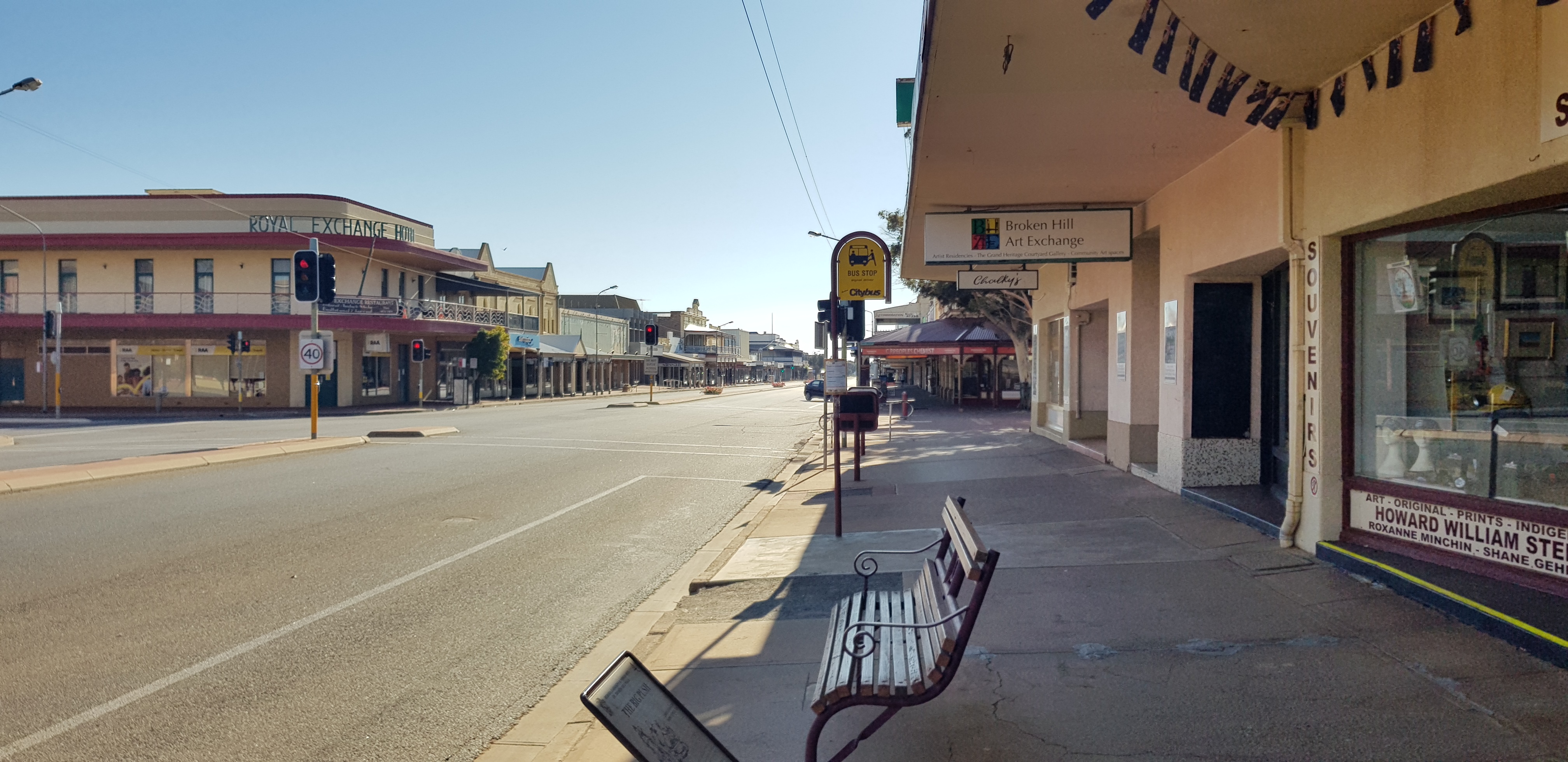
Fragments of COVID-19 have also been detected in sewage treatment plants as far as Ballina and Lennox Head, while in Broken Hill – almost 1,200 kilometres away from Sydney – a local case has been uncovered.

'Shadow' mental health pandemic spreading among Victorian children

Warning – this story may be distressing for some readers

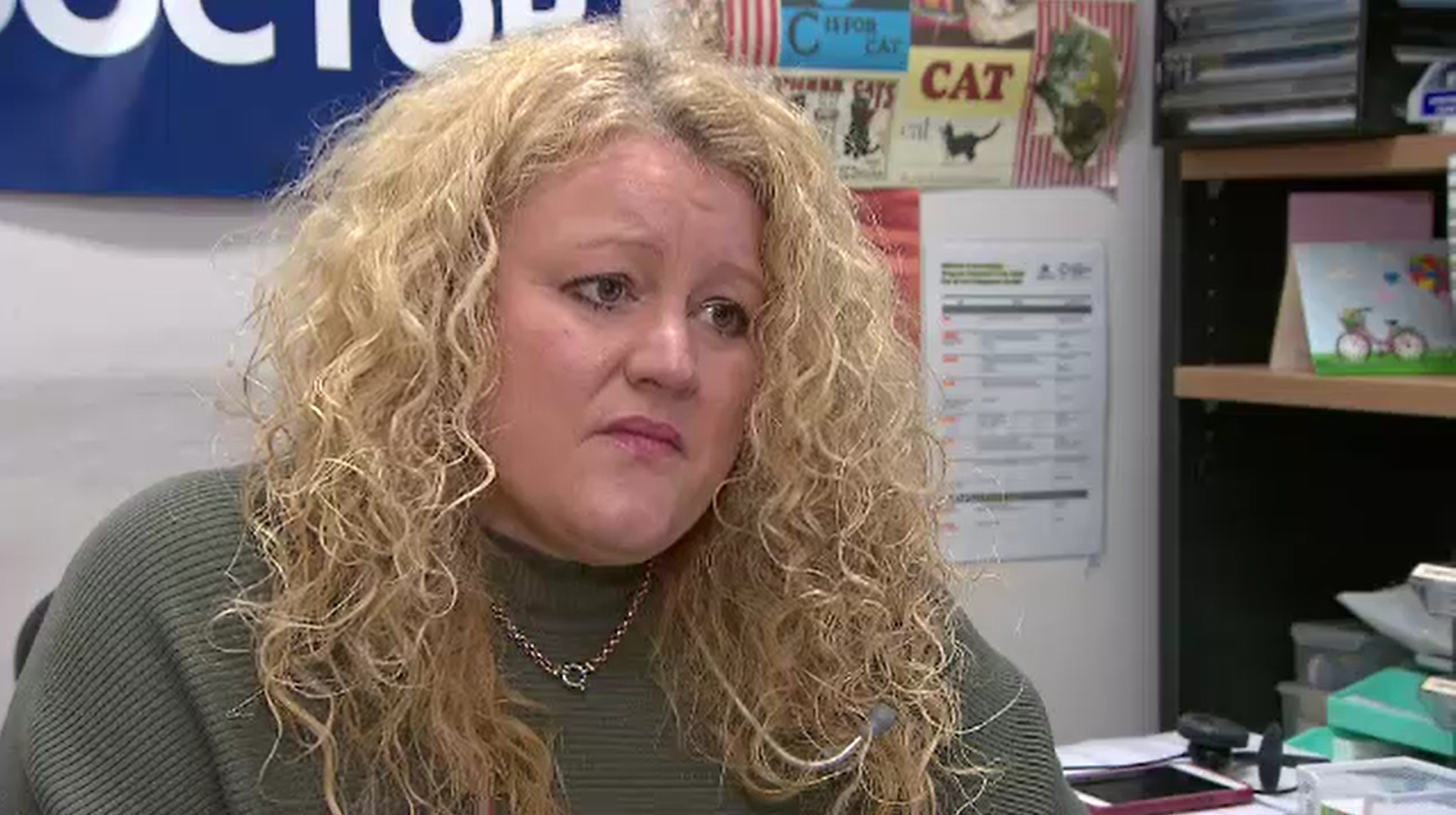
As a GP and a mother, Dr Stacey Harris understands the strain lockdown has on Victorians of all ages.

But she is witnessing first-hand a collective mental breakdown amongst children due to the almost perpetual state of lockdown in Victoria.

"It is close to four out of five young patients coming in because of mental health problems, from ages 10 through to 18," Dr Harris told 9news.com.au.

READ MORE: Victoria records 24 new cases of COVID-19

"These kids are crying out for help and all we are doing is band-aiding and giving them anti-depressants."

Dr Harris understands the need to put restrictions in place to reduce the spread of the virus.

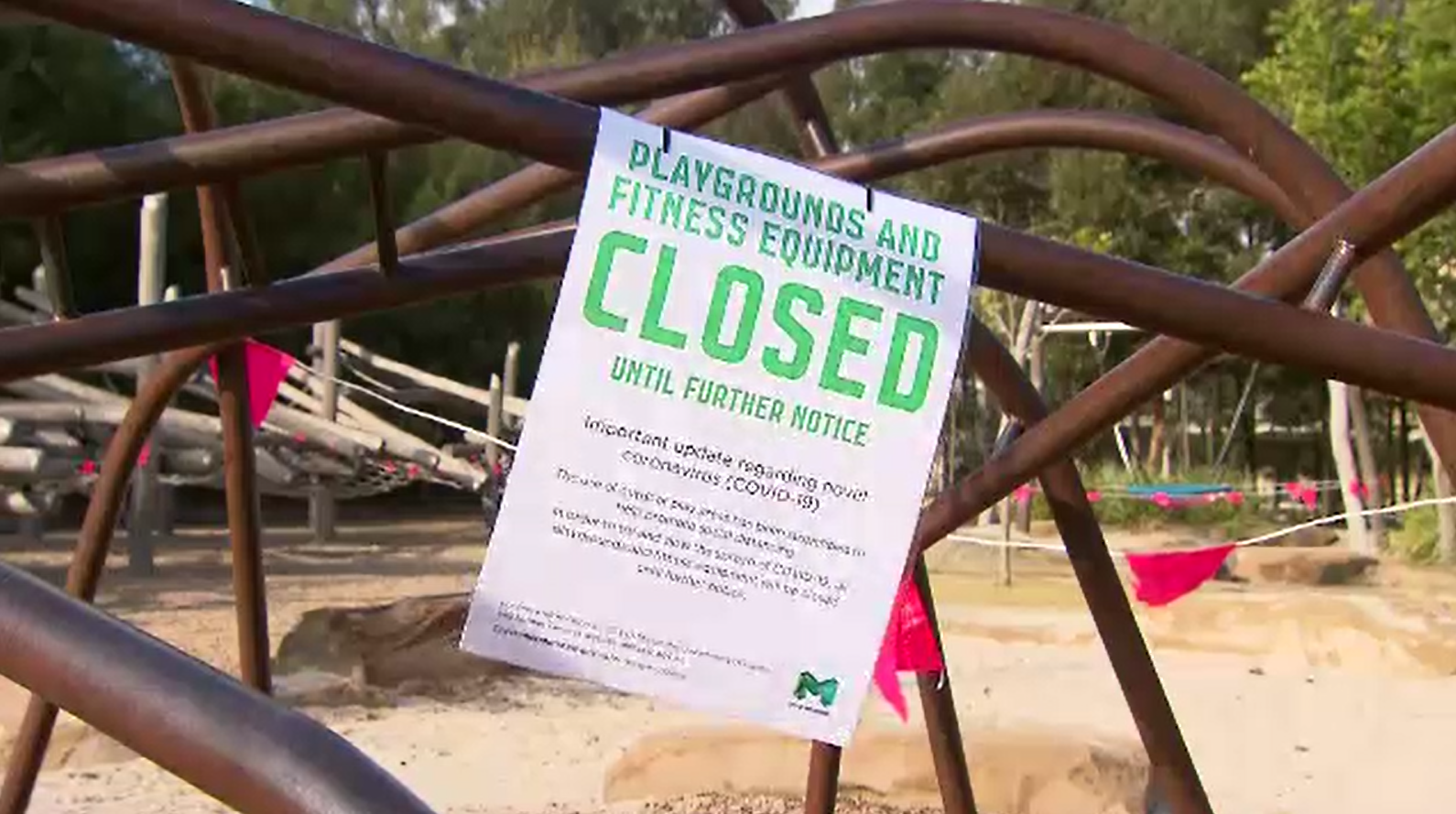
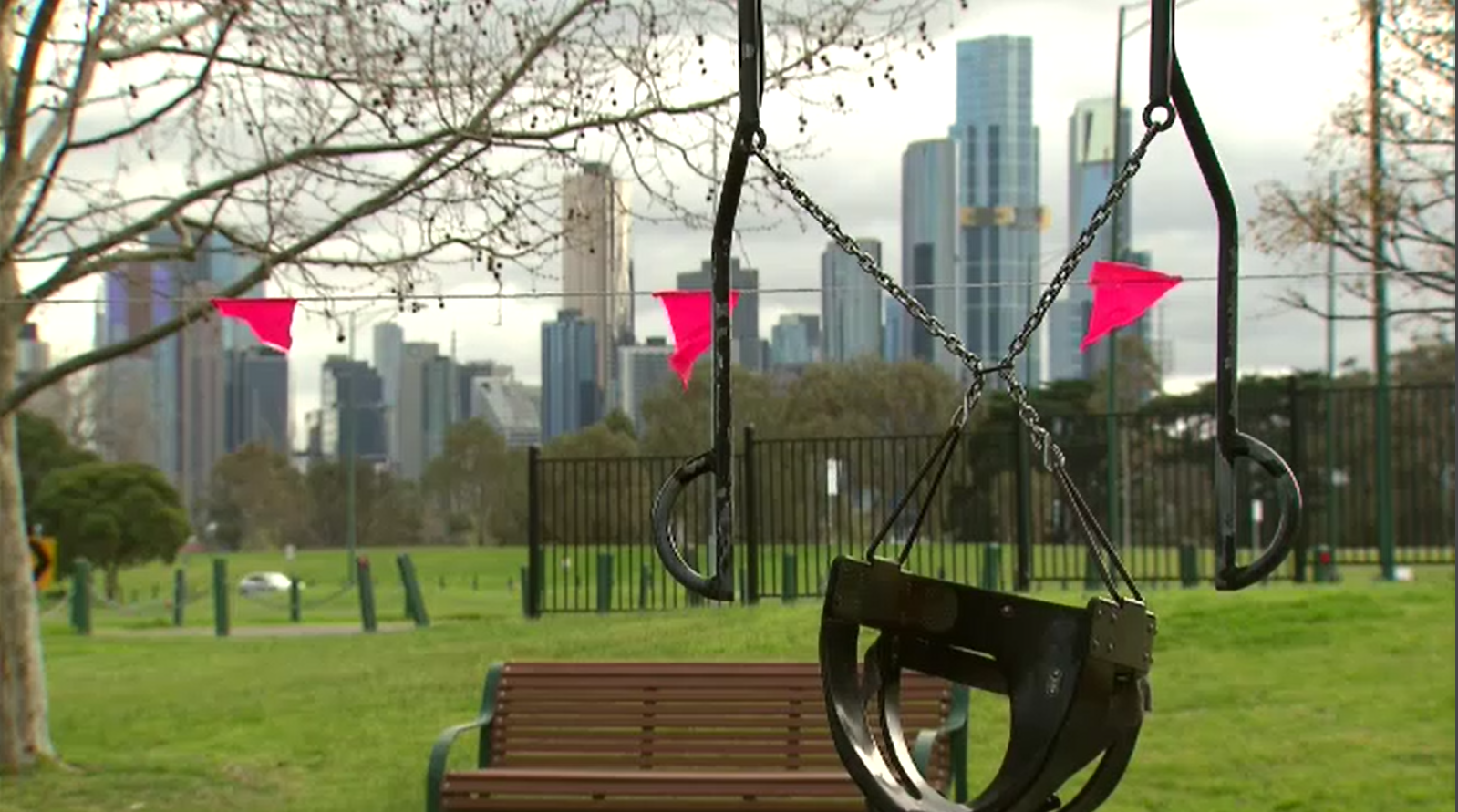
But she says extended school shutdowns and now this week's closure of all playgrounds are exacerbating serious mental health problems.

"I am not talking about seeing sad kids, I am talking about majorly depressed kids … kids talking about suicide."

READ MORE: Lockdown rulebreakers fined as tighter restrictions take effect

According to the latest Victorian Coroner's Court data, eight girls under 18-years-of-age died by suicide between January and July this year.

That is compared to just one death in the first seven months of 2020, and three in the same period in 2019.

Another busy GP Melanie Hemsely from the Melbourne suburb of Bundoora, says avenues for mental health support are at capacity.

"Many child and adolescent psychologists across the state have closed their books and not taking any more patients such is their demand for services," Dr Hemsely told 9news.com.au.

"There are children on wait lists for months and months and months."

Executive director of youth mental health organisation Orygen, Professor Patrick McGorry says he warned last year of an impending shadow pandemic stemming from mental health issues in younger Australians.

"Mental health (issues), especially in young people, is the shadow pandemic and we need to be reporting these numbers on a daily basis alongside the virus," Professor McGorry told 9news.com.au.

READ MORE: Childcare centre among Victoria's more than 500 exposure sites

Victoria's Chief Health Officer Brett Sutton says he does understand the hurt lockdowns cause children.

But for now, there is no alternative.

"If there was an easy path here, we would choose it … the awful consequences of lockdown are apparent to everyone, myself maybe more than most," Professor Sutton said.

"All I can say is my heart breaks, so many people's hearts break."

Professor McGorry says once vaccination rates are up to 70-80 per cent Australia must open up and not return to snap lockdowns.

And state and federal leaders must stick to that plan, to give our children – and everyone – a sense of hope amid the despair.

"Hope is the lifeline here and it is the only way we're going to get through this."

If you need help, you can contact:

LIFELINE:
131114

CORONAVIRUS MENTAL WELLBEING SUPPORT SERVICE: 1800 512 348

KIDS HELPLINE: 1800 55 1800