KEY POINTS • Auckland and Coromandel will go into level 4 lockdown for seven days – and the rest of the country for three days – from 11.59pm tonight• A 58-year-old Devonport man tested positive today after visiting a…
Tag Archives: oceania
Pfizer submits data to FDA showing a booster dose works well
Pfizer and BioNTech have submitted initial data to the US Food and Drug Administration to support the use of a booster dose of COVID-19 vaccine.
The booster dose elicited a significantly higher antibody response against the initial strain of coronavirus and the Delta and Beta variants, compared to what was seen among people who got two doses.
The booster dose seemed to be equally protective against the Delta and Beta variants as against the original coronavirus.
READ MORE: TGA approves million Polish Pfizer vaccine doses
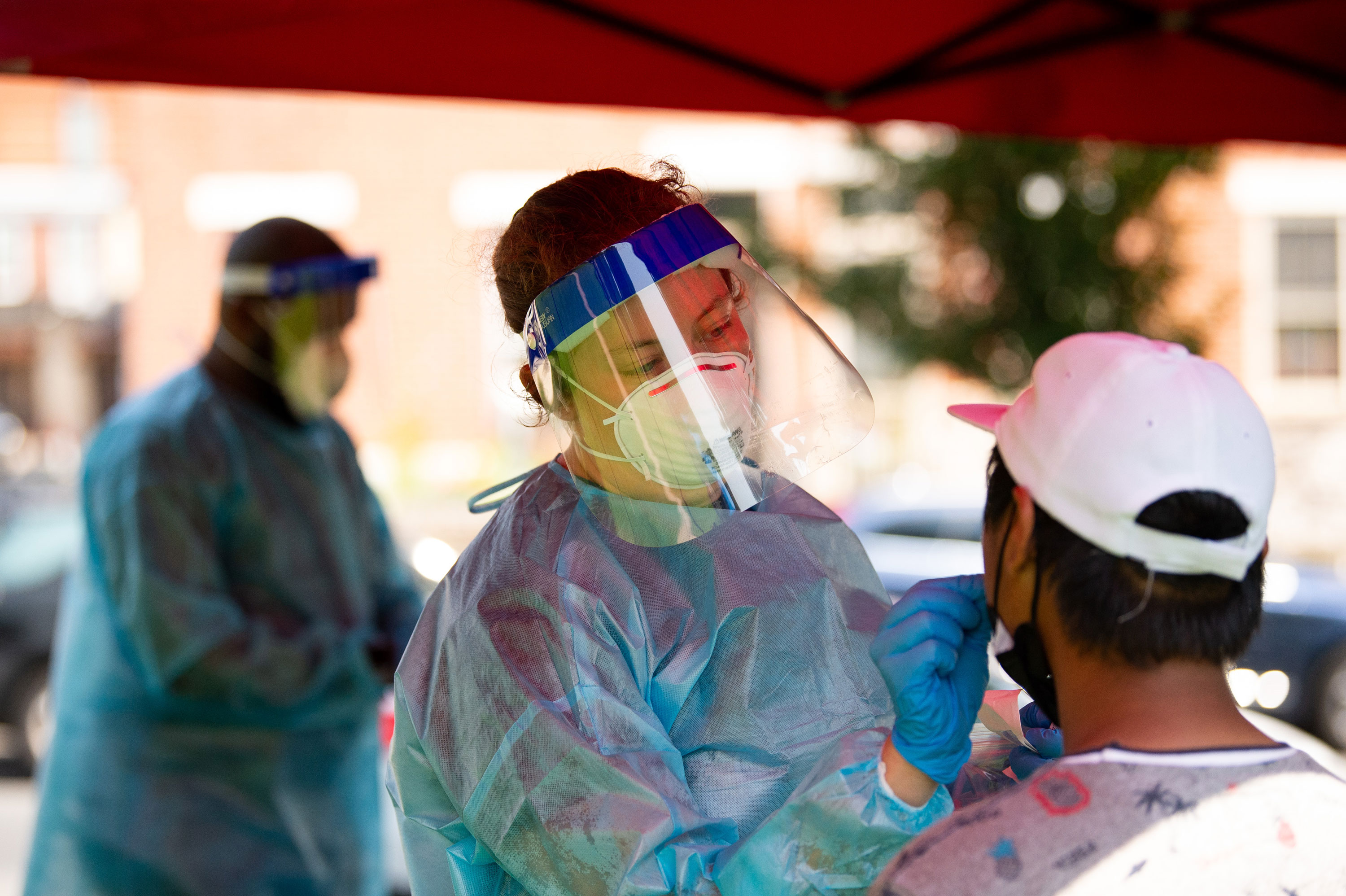
"Given the high levels of immune responses observed, a booster dose given within six to 12 months after the primary vaccination schedule may help maintain a high level of protection against COVID-19," the company said in a statement.
"This initial data indicate that we may preserve and even exceed the high levels of protection against the wild-type virus and relevant variants using a third dose of our vaccine," added Dr Ugur Sahin, CEO and co-founder of BioNTech.
"A booster vaccine could help reduce infection and disease rates in people who have previously been vaccinated and better control the spread of virus variants during the coming season."
The data on booster shots comes as COVID-19 cases and hospitalisations have surged in recent weeks, particularly among unvaccinated people in the South.
Pfizer executives say they believe a booster dose will be needed soon, but US health officials say they have seen no indication one is needed yet.
READ MORE: Western Australian teens now eligible for Pfizer jab

Last week, the FDA and Centres for Disease Control and Prevention authorised and recommended a third dose of vaccine for some immunocompromised people who likely had little or no response to the first two shots.
Still, health officials have focused on persuading unvaccinated people to get protected.
As of Monday (local time), 50.7 per cent of the US population was fully vaccinated, including 59.3 per cent of those eligible, according to data from the CDC.
Cases are surging in 40 states, according to data from Johns Hopkins University.
Soon, the US could be reporting more than 200,000 new cases a day, the director of the National Institutes of Health predicted on Sunday (local time).
READ MORE: First of 'a million doses of hope' touch down in Sydney
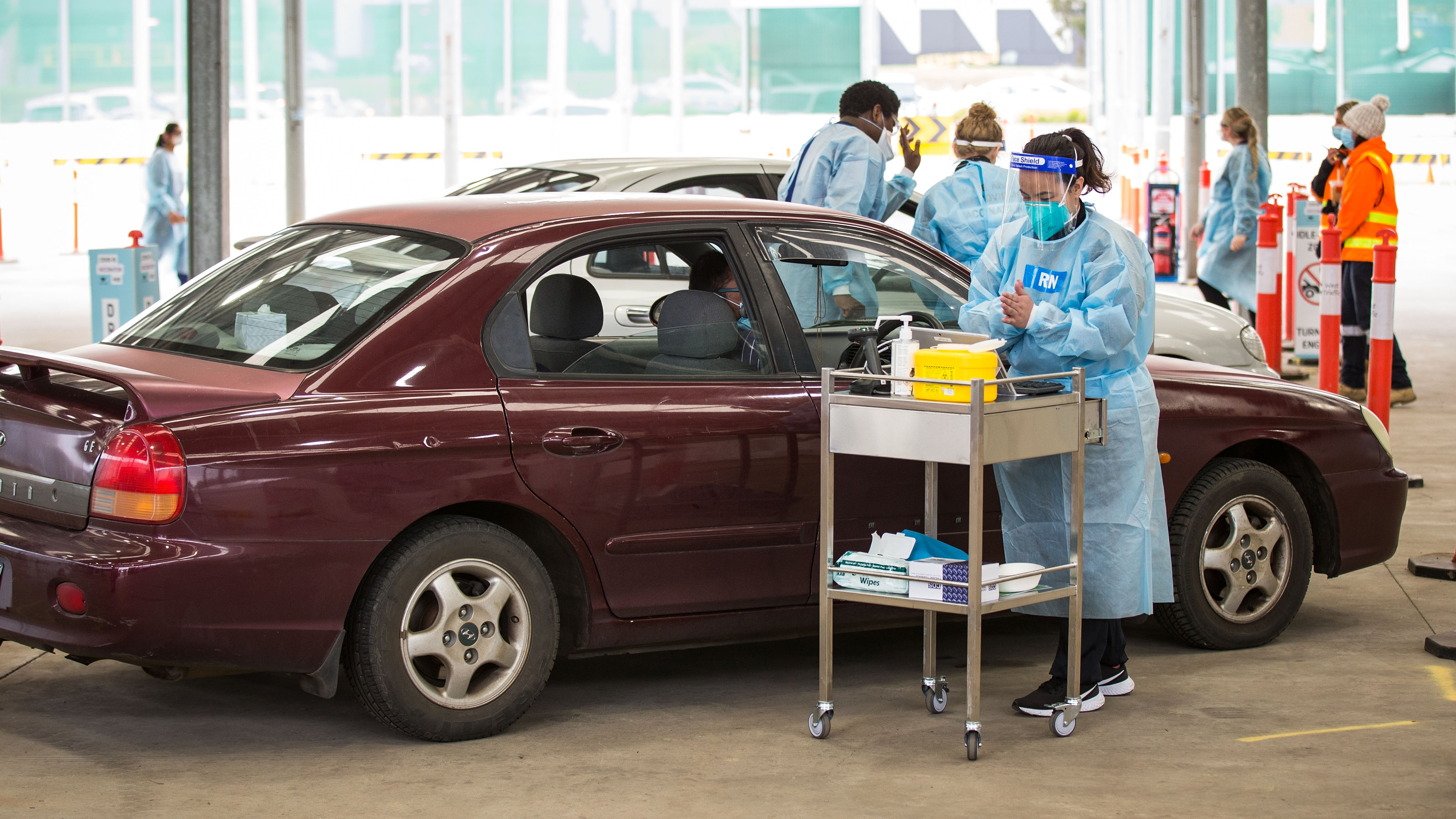
That's a rate not seen since before vaccines became widely available.
"That's heartbreaking considering we never thought we would be back in that space again," Dr Francis Collins said on Fox News.
Pfizer and BioNTech said they expect results from the trial to evaluate a booster dose "shortly" and the companies plan to submit the data to the FDA and other regulatory authorities.
The companies plan to submit this early data to the European Medicines Agency and other regulatory authorities in the coming weeks.
Pfizer and BioNTech said after FDA grants approval for their vaccine in the US, they would then seek approval of a booster dose through a supplement to their license application.
The companies said they would seek approval for this booster dose for people 16 or older.
Currently, the Pfizer COVID-19 vaccine is authorised for people 12 and older.
Texas tops US in number of COVID-19 pediatric hospitalisations
Texas leads the nation in the number of current confirmed COVID-19 pediatric hospitalisations, the latest data from US Health and Human Services shows.
Texas, with 239 children hospitalised with COVID-19, has surpassed Florida, which has 170 children with coronavirus in hospital care.
Texas has the second-highest state population in the United States, behind California.
Florida, which is third, has the country's highest total number of adults and children newly admitted into the hospital with cases of COVID-19.
The latest HHS data shows 2061 adults and 59 children were admitted with COVID-19 in Florida hospitals since the previous day.
As for total adult COVID-19 hospitalisations, Florida has the most with 15,486 patients, followed by Texas with 11,083, according to the latest HHS data.
Surgeon General wary of fading precautions
On Sunday (local time), the surgeon general said many of those who have followed precautions may soon grow complacent due to fatigue.
"I do think that many of those who did make that right decision to get vaccinated, are thinking, 'Gosh, I did the right thing but here we are, still in the middle of this pandemic 18 months later,'" Surgeon General Dr Vivek Murthy told CNN's Brian Stelter.
"We get through this pandemic when a critical majority of us get vaccinated, and we haven't hit that critical number yet," Dr Murthy said.
Dr Murthy said he is especially worried about parents who have been working hard to protect their children as the nation grapples with the pandemic.
That fear is especially pressing as more children are being hospitalised with the virus, such as Kyle Butrum's one-year-old son, Carter, in Arkansas.
READ MORE: Victoria's bold vaccine plan to get 'a million jabs into a million arms'

Mr Butrum urged people to get vaccinated so other families don't have to watch their child struggle in the hospital.
"The only thing you can do to prevent someone else from doing this is to get your vaccine, so that another child doesn't have to do this, and another family doesn't have to send their kid away. So another father doesn't have to stand at the back of the ambulance and wonder if that's the last time you're going to see your son," Mr Butrum told CNN.
With the rise of Delta variant and the start of the new school year, CNN medical analyst Dr Leana Wen said this is the most dangerous time in the pandemic for children.
Experts have shared the best practices to keep families safe, but "we as a society have failed our children," Dr Wen said, citing the swathes of people navigating communities unmasked and unvaccinated and politicians disregarding the guidance.
"As a result, we have made it harder for schools to stay open, we have made it more likely for children to be infected," Dr Wen said.
"This is a really sad reflection that children are having to pay the price for irresponsible adults and reckless politicians."
Officials at odds over masking
Many health experts have pointed to mask mandates as a necessary step to getting the pandemic under control as officials work to boost vaccination rates, but some local leaders are increasingly at odds over such mandates.
Texas Attorney General Ken Paxton took the fight against mask mandates in his state to the Texas Supreme Court after various defeats in lower courts.
The state Supreme Court ruled Sunday in favor of Paxton and Texas Governor Greg Abbott, temporarily blocking local mask mandates, but officials in Dallas and San Antonio said they would continue to enforce school mask mandates, despite the court ruling.
Mr Abbott and Florida Governor Ron DeSantis were the recipients of letters from the Department of Education in which Education Secretary Miguel Cardona said he is "deeply concerned" over mask mandate restrictions.
"The Department recognises that several school districts in your state have already moved to adopt such policies in line with guidance from the CDC for the reopening and operation of school facilities despite the state-level prohibitions."
READ MORE: South Australia offer Pfizer and AstraZeneca vaccines to over 16s
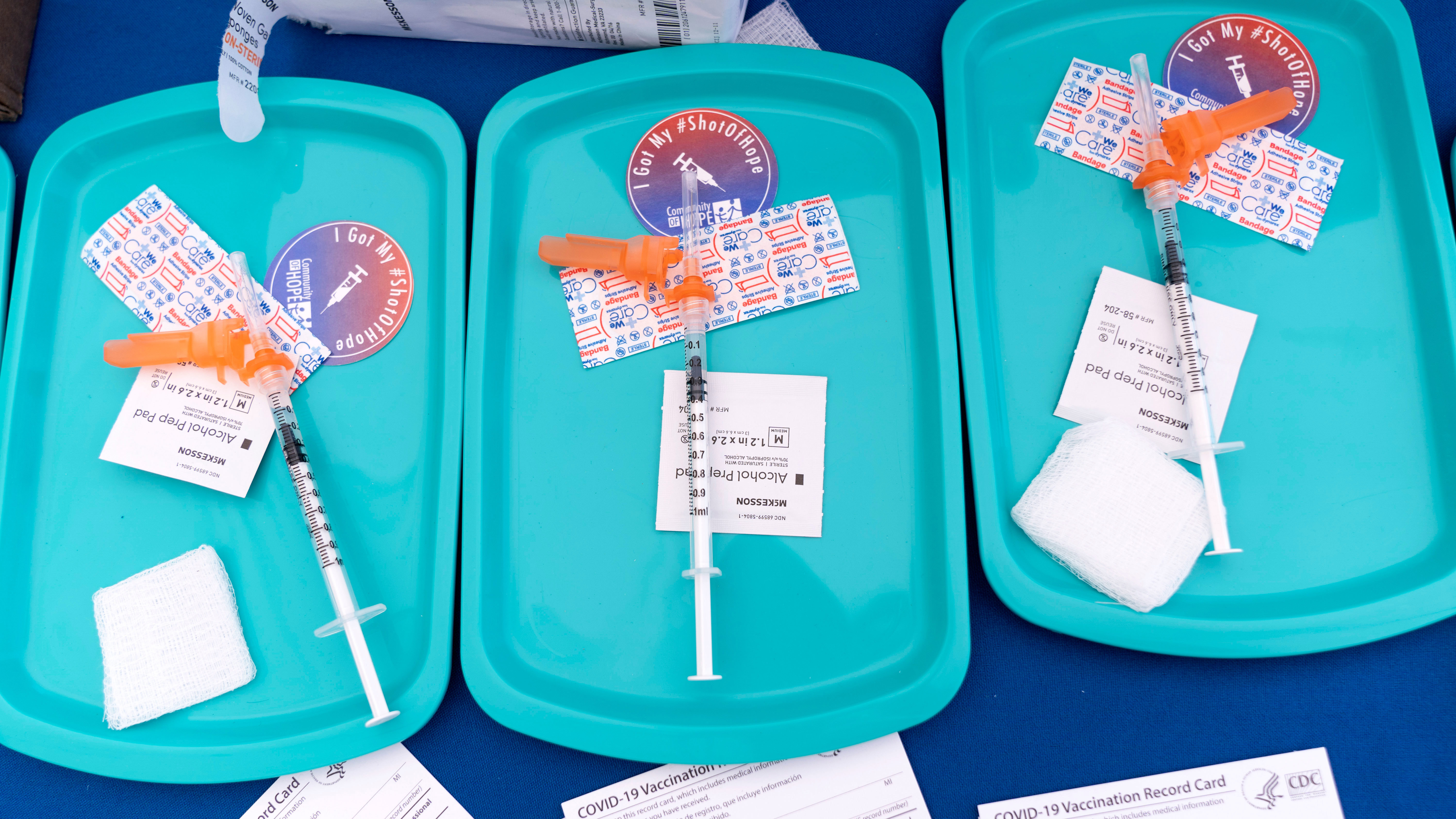
The Department stands with these dedicated educators who are working to safely reopen schools and maintain safe in-person instruction," Mr Cardona wrote in the letter to DeSantis, which was also addressed to Florida Education Commissioner Richard Corcoran.
In May, Mr DeSantis issued two executive orders limiting the COVID-19 restrictions counties and cities could impose, including mask mandates, and has since threatened punitive measures should a county or city defy them.
In an email to CNN on Sunday, a spokesperson for Mr DeSantis reiterated the governor's position that his ban on school mask mandates is about empowering parents to make the best choice for their child and family.
The Broward County School Board chair criticised Mr DeSantis on Sunday over his position on school mask mandates.
"We believe we have a constitutional obligation to protect the lives of our students and staff. And we've received threats from our governor, and it's been really, really dramatic and horrible to be put in this position," Dr Rosalind Osgood said on CBS' "Face the Nation" on Sunday.
'Beautiful' teen remembered after deadly crash
A teenage boy has been remembered as a "beautiful soul" after being killed in a crash in Melbourne's south-east at the weekend.
Mentone Grammar Year 10 student Lachlan McLaren, 16, was killed on Sunday evening when a driver allegedly lost control of his ute in Mentone.
READ MORE: Driver dies in Melbourne freeway crash
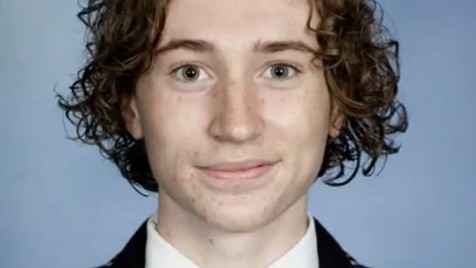
The driver, a 31-year-old Dandenong man, has since been charged with culpable driving.
Mentone Grammar in a tribute on Facebook said the loss of the 16-year-old would be deeply felt by the school community.
"The Mentone Grammar Community mourns the passing of Lachlan," the school posted on Facebook.
"A beautiful soul has been taken from us far too young and our thoughts and prayers go out to his family and friends at this most challenging of times."
A second pedestrian, a 16-year-old Parkdale girl, was also struck and treated for minor injuries.
The driver has been remanded to appear before the court in December.
Anyone who witnessed the crash or with dashcam footage is urged to contact Crime Stoppers on 1800 333 000.
State Highway 1 at Paekākāriki reopens after large slip
State Highway 1 at Paekākāriki, north of Wellington is now fully open to traffic, after a slip this morning blocked the southbound lane. Motorists have faced significant delays all day with queues backed up on the road…
Billions spent in Afghanistan ultimately went to Taliban
Built and trained at a two-decade cost of $AUD 113.57 billion, Afghan security forces collapsed so quickly and completely — in some cases without a shot fired — that the ultimate beneficiary of the American investment turned out to be the Taliban.
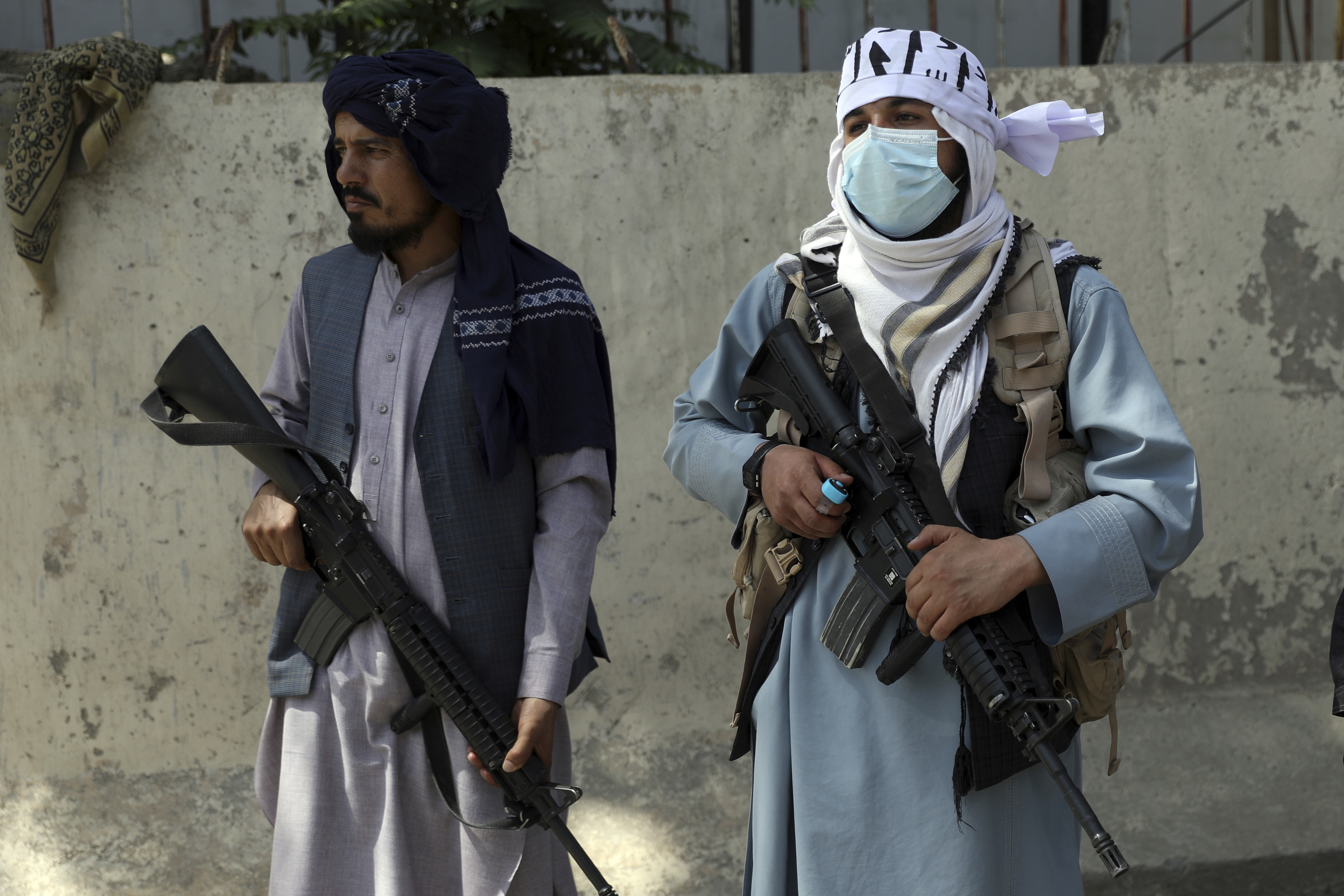
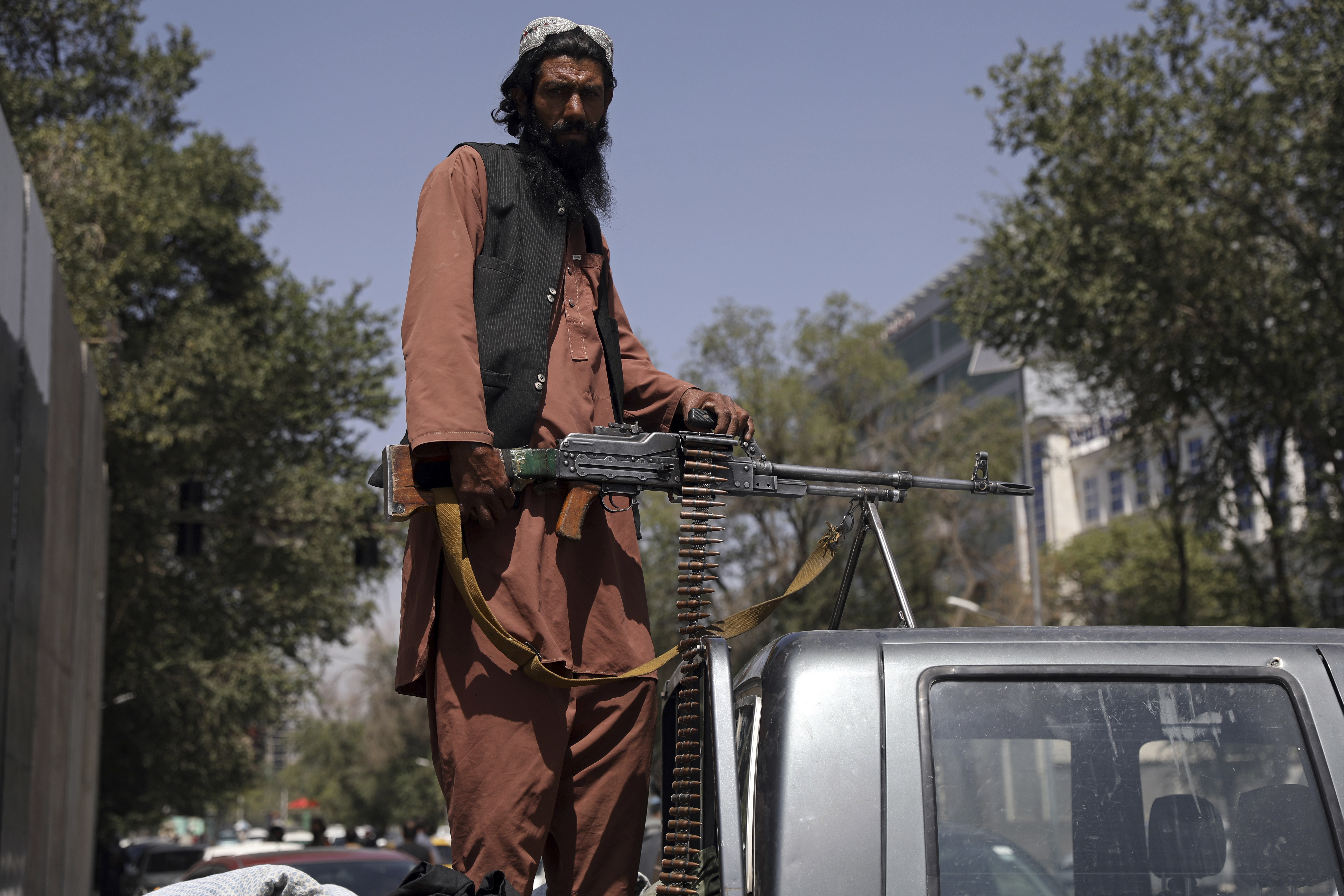
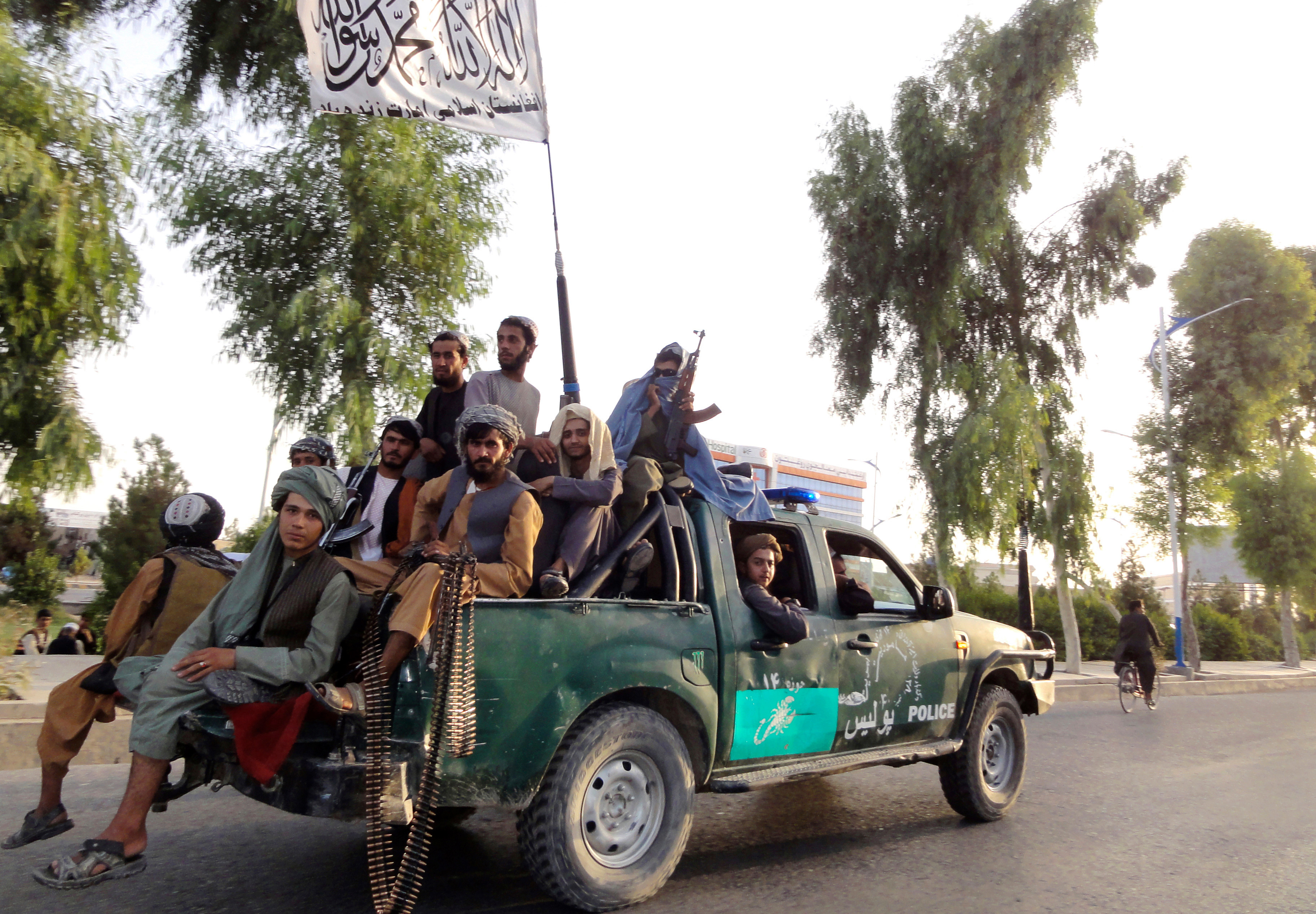
They grabbed not only political power but also US-supplied firepower — guns, ammunition, helicopters and more.
The Taliban captured an array of modern military equipment when they overran Afghan forces who failed to defend district centers. Bigger gains followed, including combat aircraft, when the Taliban rolled up provincial capitals and military bases with stunning speed, topped by capturing the biggest prize, Kabul, over the weekend.
READ MORE: US military plane rescues 640 Afghans escaping Taliban
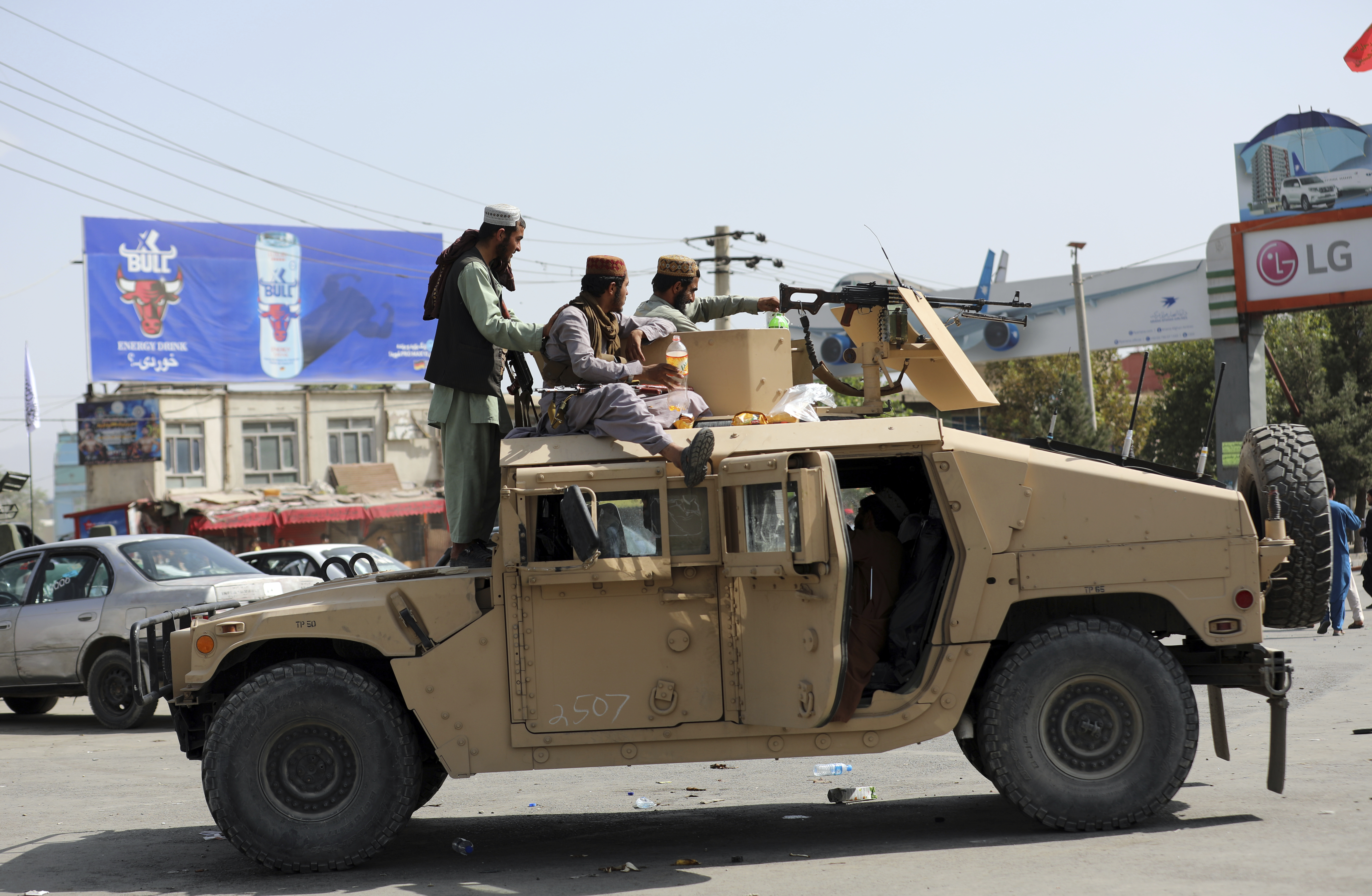
A US defence official on Monday confirmed the Taliban's sudden accumulation of US-supplied Afghan equipment is enormous. The official was not authorised to discuss the matter publicly and so spoke on condition of anonymity.
The reversal is an embarrassing consequence of misjudging the viability of Afghan government forces — by the US military as well as intelligence agencies — which in some cases chose to surrender their vehicles and weapons rather than fight.
The US failure to produce a sustainable Afghan army and police force, and the reasons for their collapse, will be studied for years by military analysts. The basic dimensions, however, are clear and are not unlike what happened in Iraq.
The forces turned out to be hollow, equipped with superior arms but largely missing the crucial ingredient of combat motivation.
"Money can't buy will. You cannot purchase leadership," John Kirby, chief spokesman for Defense Secretary Lloyd Austin, said Monday.
EXPLAINER: Who are the Taliban and how did they take control of Afghanistan so swiftly?
Doug Lute, a retired Army lieutenant general who help direct Afghan war strategy during the George W. Bush and Barack Obama administrations, said that what the Afghans received intangible resources they lacked in the more important intangibles.
"The principle of war stands — moral factors dominate material factors," he said. "Morale, discipline, leadership, unit cohesion are more decisive than numbers of forces and equipment. As outsiders in Afghanistan, we can provide material, but only Afghans can provide the intangible moral factors."
By contrast, Afghanistan's Taliban insurgents, with smaller numbers, less sophisticated weaponry and no air power, proved a superior force. US intelligence agencies largely underestimated the scope of that superiority, and even after President Joe Biden announced in April he was withdrawing all US troops, the intelligence agencies did not foresee a Taliban final offensive that would succeed so spectacularly.
"If we wouldn't have used hope as a course of action, … we would have realised the rapid drawdown of US forces sent a signal to the Afghan national forces that they were being abandoned," said Chris Miller, who saw combat in Afghanistan in 2001 and was acting secretary of defense at the end of President Donald Trump's term.
READ MORE: Australian BBC presenter gets call from Taliban live on air
Stephen Biddle, a professor of international and public affairs at Columbia University and a former adviser to US commanders in Afghanistan, said Biden's announcement set the final collapse in motion.
"The problem of the US withdrawal is that it sent a nationwide signal that the jig is up — a sudden, nationwide signal that everyone read the same way," Biddle said.
Before April, the Afghan government troops were slowly but steadily losing the war, he said. When they learned that their American partners were going home, an impulse to give up without a fight "spread like wildfire."
The failures, however, go back much further and run much deeper. The United States tried to develop a credible Afghan defense establishment on the fly, even as it was fighting the Taliban, attempting to widen the political foundations of the government in Kabul and seeking to establish democracy in a country rife with corruption and cronyism.
Year after year, US military leaders downplayed the problems and insisted success was coming. Others saw the handwriting on the wall.
READ MORE: Secure Kabul airport vital to success for Australian rescue mission
In 2015 a professor at the Army War College's Strategic Studies Institute wrote about the military's failure to learn lessons from past wars; he subtitled his book, "Why the Afghan National Security Forces Will Not Hold."
"Regarding the future of Afghanistan, in blunt terms, the United States has been down this road at the strategic level twice before, in Vietnam and Iraq, and there is no viable rationale for why the results will be any different in Afghanistan," Chris Mason wrote.
He added, presciently: "Slow decay is inevitable, and state failure is a matter of time."
Some elements of the Afghan army did fight hard, including commandos whose heroic efforts are yet to be fully documented.
But as a whole the security forces created by the United States and its NATO allies amounted to a "house of cards" whose collapse was driven as much by failures of US civilian leaders as their military partners, according to Anthony Cordesman, a longtime Afghanistan war analyst at the Center for Strategic and International Studies.
The Afghan force-building exercise was so completely dependent on American largesse that the Pentagon even paid the Afghan troops' salaries.
READ MORE: Biden defiant amid Kabul chaos
Too often that money, and untold amounts of fuel, were siphoned off by corrupt officers and government overseers who cooked the books, creating "ghost soldiers" to keep the misspent dollars coming.
Of the approximately $198 billion the US government spent trying to rebuild Afghanistan, about $113.57 billion went to developing and sustaining its army and police forces, according to the Office of the Special Inspector General for Afghanistan Reconstruction, a congressionally created watchdog that has tracked the war since 2008. The $198.41 billion is in addition to $1.1 trillion the United States spent fighting the war, which began with an invasion in October 2001.
The $113.57 billion invested in Afghan forces over 20 years is nearly double last year's budget for the entire US Marine Corps and is slightly more than what Washington budgeted last year for food stamp assistance for about 40 million Americans.
In his book, "The Afghanistan Papers," journalist Craig Whitlock wrote that US trainers tried to force Western ways on Afghan recruits and gave scant thought to whether U.S. taxpayers dollars were investing in a truly viable army.
"Given that the US war strategy depended on the Afghan army's performance, however, the Pentagon paid surprisingly little attention to the question of whether Afghans were willing to die for their government," he wrote.
Covid-19 coronavirus: The nail-biting wait for news, downtown Auckland businesses on edge
Only a few hours will pass between two crucial events.At 2.29pm, news emerged of a Covid-19 community case. And at 6pm, or very soon after, an announcement is expected from the Prime Minister.Those hours and minutes can make a…
Covid-19 coronavirus community case: Vaccinations suspended for 48hrs
Prime Minister Jacinda Ardern has announced Covid vaccinations will be suspended for 48 hours due to a nationwide lockdown. “We want to ensure vaccinations can still take place in a safe environment… we will be providing a further…
Covid-19 coronavirus: New Zealand going into lockdown – what you can and can't do under level 4
New Zealand will move to the highest Covid-19 alert level from 11.59pm tonight after a Covid-19 community case was detected in Auckland. The case is a 58-year-old Devonport man who travelled to the Coromandel over the weekend with…
Coronavirus Covid-19: Why the Auckland community case could trigger a swift move to lockdown
Last week Covid-19 Response Minister Chris Hipkins told us to expect an alert level 4 lockdown if any Delta cases pop up in the community.Now we have a community case in Auckland with no link to the border yet, which has triggered…
Incredible footage of world's tallest waterfall
Standing deep in the jungle of Venezuela, Ellis van Jason was surrounded by insects. "These ants went into my ear, into my nose, like even inside the goggles," he tells CNN.
But Mr van Jason couldn't move; he had to stay focused. He was in the middle of flying his first-person view (FPV) drone, capturing nature from a different perspective.
Mr Van Jason is a cinematic FPV drone pilot and videographer. While drones for filming have been around for years, FPV has opened up new possibilities for videographers and content creators.
READ MORE: 'World first' camera footage reveals secret life of Fraser Island dingoes
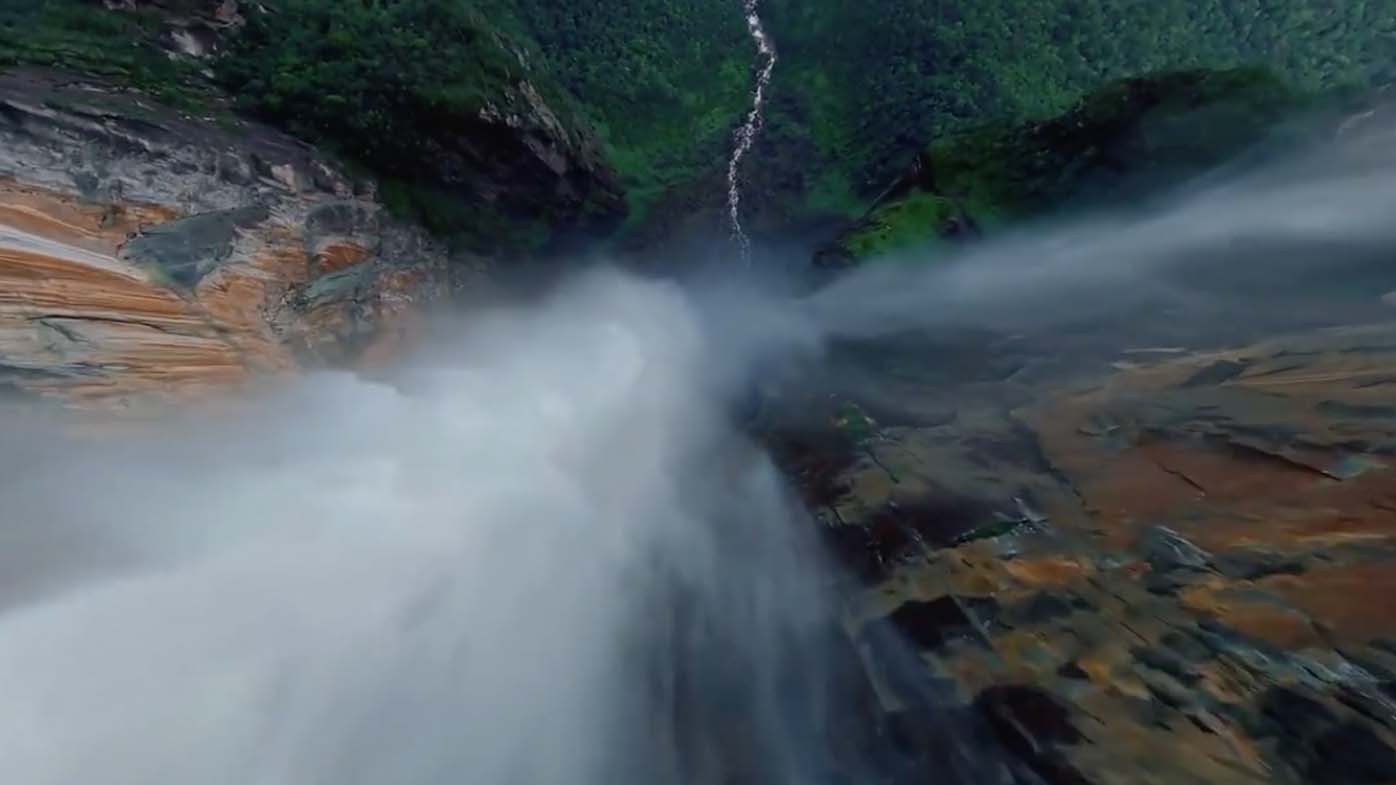
Pilots "see" from the drone's point of view, wearing a pair of goggles to watch the live transmission. These drones allow them to record a vast array of shots, while also flying at extremely high speeds — in turn, creating more dynamic and fast-paced videos.
"It's like you're a bird," he explains. "You can fly wherever you want."
Mr Van Jason's aim is to reveal the world's natural wonders in all its magnificent glory. On the trip to Venezuela, he captured his dream FPV shot: diving down Angel Falls, the world's tallest waterfall.
The Swiss-based pilot also runs a virtual class on FPV cinematography. Julio Carvajal from Costa Rica — once his student — recently took his skills to Guatemala, where he captured the erupting Pacaya Volcano. Taking viewers on a "visual ride" over the rivers of red-hot lava, Mr Carvajal only had one thing on his mind during the flight:
"I hope I don't lose this drone because the footage is insane," Mr Carvajal says.
From the peaks of Italy's Dolomite mountains to the clear blue waters of Jamaica, Mr van Jason and Mr Carvajal use FPV to tell stories. After thousands of hours of research, studying and practice, both say they have plans to explore new parts of the world with their FPV drones.
In Mr van Jason's case, it's all about creating an authentic experience for the audience as well as himself. Those insects in Venezuela, for example, "make it feel 100 per cent real and that stays ten times more in your memory."
Watch the video above to see van Jason and Carvajal's mesmerizing FPV drone footage.