One person has been airlifted to Christchurch Hospital in a critical condition after a vehicle rolled down a bank north of Hokitika.Emergency services were alerted to the single-vehicle crash on State Highway 6 about 3.10pm today.Hokitika…
Tag Archives: oceania
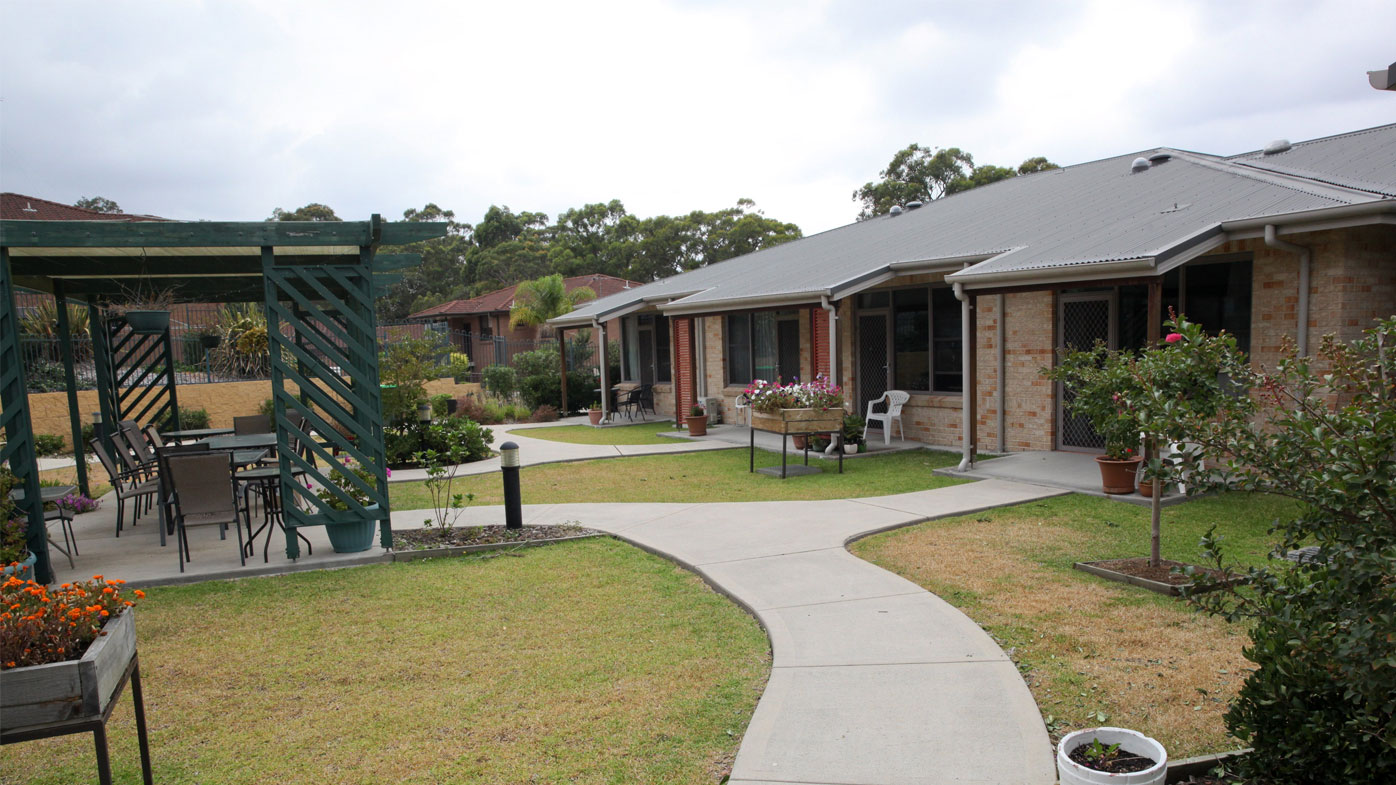
Major outbreak at Newcastle nursing home
Eleven residents and three staff at an aged care facility in Newcastle, in the NSW Hunter region, have tested positive to coronavirus.
A staff member who worked at RFBI Hawkins Masonic Village last Wednesday is thought to have unknowingly brought the virus into the facility while infectious.
The employee started showing symptoms on Friday and was tested on Sunday.
By Monday morning, four residents had cold-like symptoms and had already been tested before the staff member notified the aged care home they had the virus.
"This morning RFBI was informed that all four of these residents have tested positive to COVID-19," a statement from the nursing home said.
"All are fully vaccinated and are doing well."
Today seven more residents and two more staff members tested positive for coronavirus, taking the total number of cases at the home to 14.
"All residents who have tested positive reside in Acacia House and all bar one of the residents are fully vaccinated," the spokesperson said.
"I am pleased to confirm that all residents are doing well, however as a precaution all residents who have tested positive are being transferred to John Hunter Hospital.
"Our staff who have tested positive are also doing well and self-isolation. We are checking in with them daily.
"These staff members have been working regularly in the Village until 9 August when they entered self-isolation and, sadly, we are expecting to see further staff and residents infected."
Separately – one of the facility's "Care at Home" workers and two residents at the RFBI Hawkins Masonic Retirement Village – a separate home – have been identified as close contacts of other community cases and are self-isolating.
Newcastle and the Hunter region went into a week-long lockdown last week under the same stay-at-home orders as Greater Sydney.
However, NSW Premier Gladys Berejiklian warned today that it was likely the lockdown would be extended beyond the initial seven days.
$2.25m for Whanganui iwi trades and training scheme
The three-year Tūpoho Workforce Development scheme will receive $2.25 million in Government funding announced today by Social Development and Employment Minister Carmel Sepuloni.The scheme will be run by Tūpoho Investments…
Mongrel Mob member sentenced for threatening to kill National MP Simeon Brown
A patched mongrel mob member has been sentenced to community detention and supervision for threatening to kill National MP Simeon Brown. 25-year-old Chase Jayden Kimura appeared today in the Hutt Valley District Court, on charges…
Midwives strike: Six DHBs cancel non-urgent caesarean births
By RNZ Six district health boards (DHBs) have cancelled non-urgent caesarean births and other surgical procedures today during an eight-hour strike by midwives.About 1500 hospital midwives are holding rolling eight-hour strikes…
Afghan military release video of air strike against Taliban
A US peace envoy has warned the Taliban that any government that comes to power through force in Afghanistan won't be recognised internationally after a series of cities fell to the insurgent group in stunningly quick succession.
Zalmay Khalilzad, the US envoy, traveled to Doha, Qatar, where the Taliban maintain a political office, to tell the group that there was no point in pursuing victory on the battlefield because a military takeover of the capital of Kabul would guarantee they would be global pariahs.
He and others hope to persuade Taliban leaders to return to peace talks with the Afghan government as American and NATO forces finish their pullout from the country.
READ MORE: First major Afghan city falls in vacuum left by US troop withdrawal
The insurgents have captured six out of 34 provincial capitals in the country in less than a week, including Kunduz in Kunduz province — one of the country's largest cities. On Sunday, they planted their flag in the main square, but government forces still controlled the strategic airport and an army base on the city's outskirts.
The Taliban are now battling the Western-backed government for control of several others. Late on Tuesday, Taliban forces entered Farah and were seen in front of the provincial governor's office.
Taliban spokesman Zabihullah Mujahed tweeted the insurgents had taken the city, which is the capital of a province with the same name. But Abdul Naser Farahi — a lawmaker from the area who is in Kabul — said the government still retained control of the intelligence department and a military base.
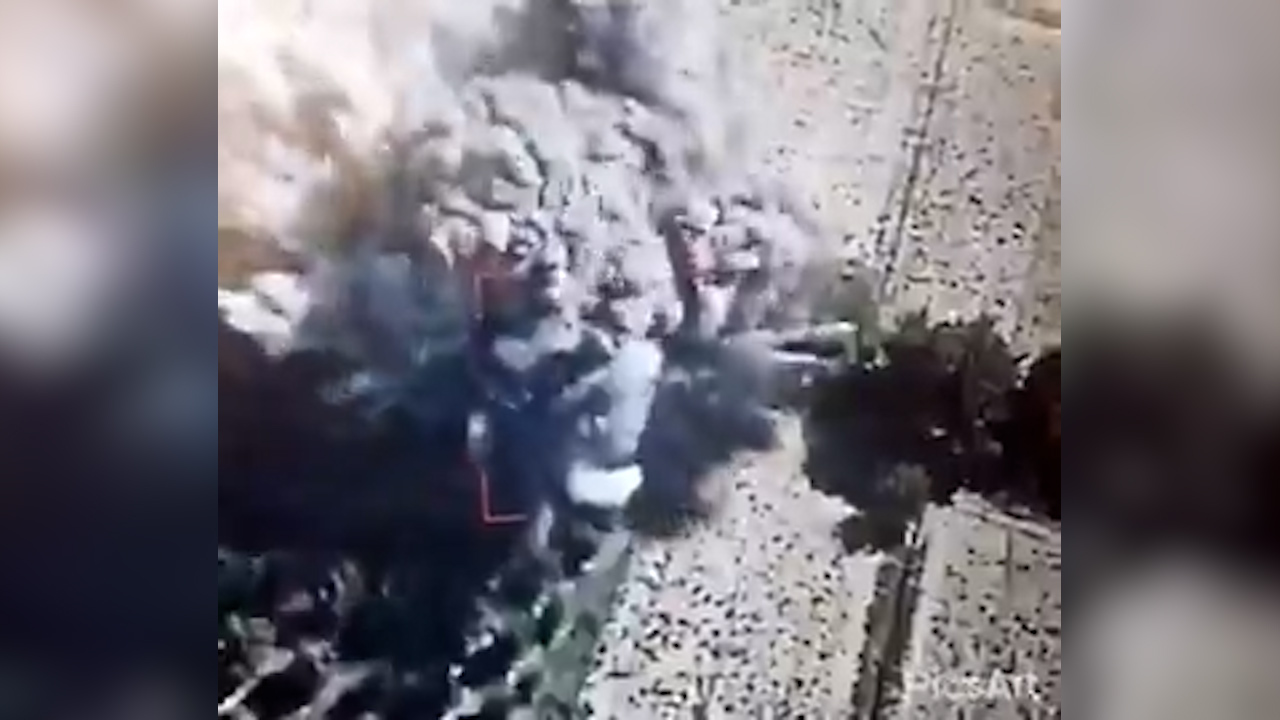
The Afghanistan Ministry of Defence also released video of an airstrike which it said had killed some militants and destroyed a mortar.
READ MORE: Afghan woman who fled Taliban for Australia warns on growing violence
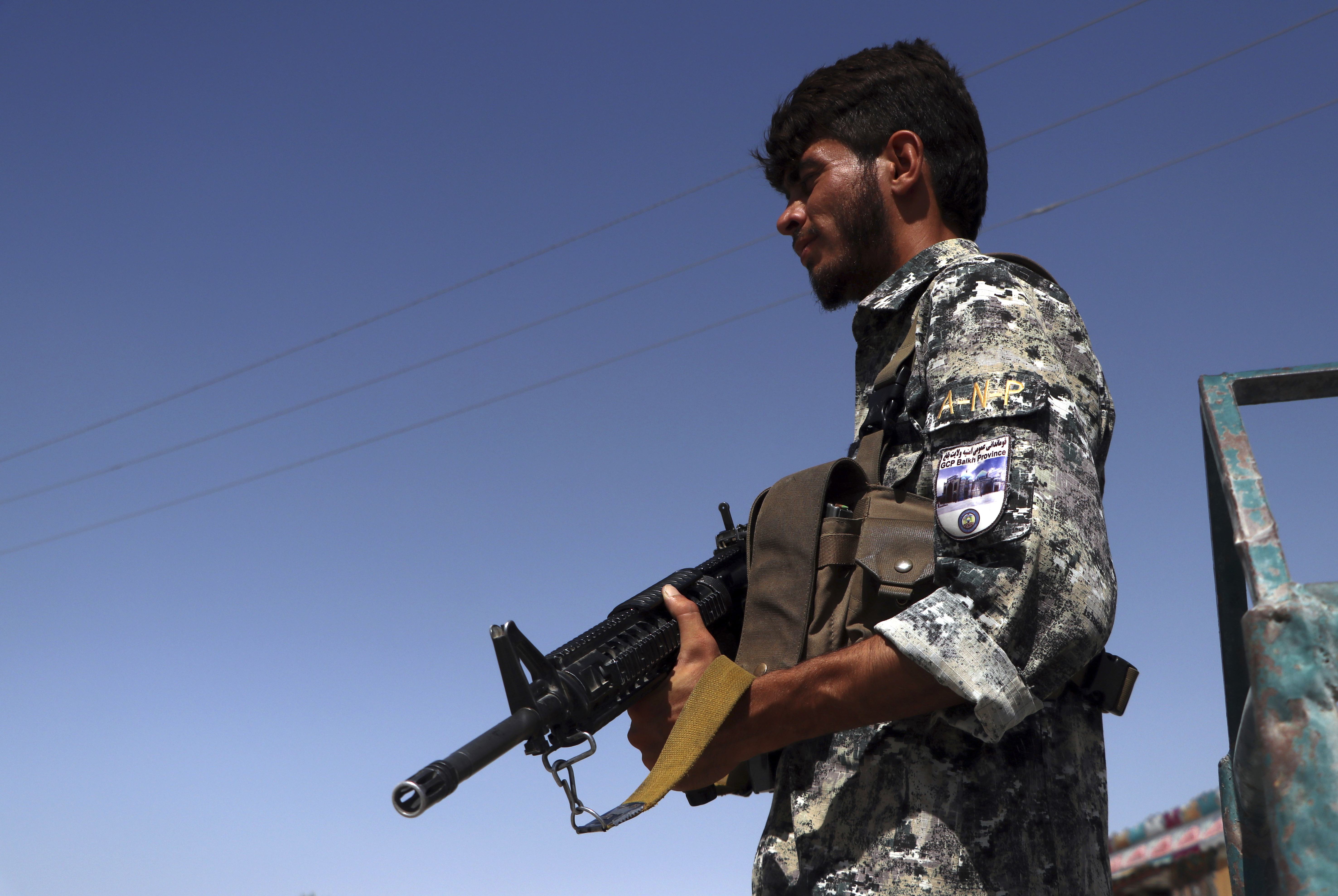
After a 20-year Western military mission and billions of dollars spent training and shoring up Afghan forces, many are at odds to explain why the regular forces have collapsed, fleeing the battle sometimes by the hundreds. The fighting has fallen largely to small groups of elite forces and the Afghan air force.
The success of the Taliban blitz has added urgency to the need to restart the long-stalled talks that could end the fighting and move Afghanistan toward an inclusive interim administration. The insurgents have so far refused to return to the negotiating table.
Khalilzad's mission in Qatar is to "help formulate a joint international response to the rapidly deteriorating situation in Afghanistan," according to the US State Department.
He plans to "press the Taliban to stop their military offensive and to negotiate a political settlement, which is the only path to stability and development in Afghanistan," the State Department said.
READ MORE: Taliban have 'strategic momentum' in Afghanistan: US General
Meanwhile, the Taliban military chief released an audio message to his fighters on Tuesday, ordering them not to harm Afghan forces and government officials in territories they conquer. The recording was shared on Twitter by the Taliban spokesman in Doha, Mohammad Naim.
In the nearly five-minute audio, Mohammad Yaqoob, the son of late Taliban leader Mullah Mohammad Omar, also told the insurgents to stay out of abandoned homes of government and security officials who have fled, leave marketplaces open and protect places of business, including banks.
It was not immediately clear if Taliban fighters on the ground would heed Yaqoob's instructions. Some civilians who have fled Taliban advances have said that the insurgents imposed repressive restrictions on women and burned down schools.
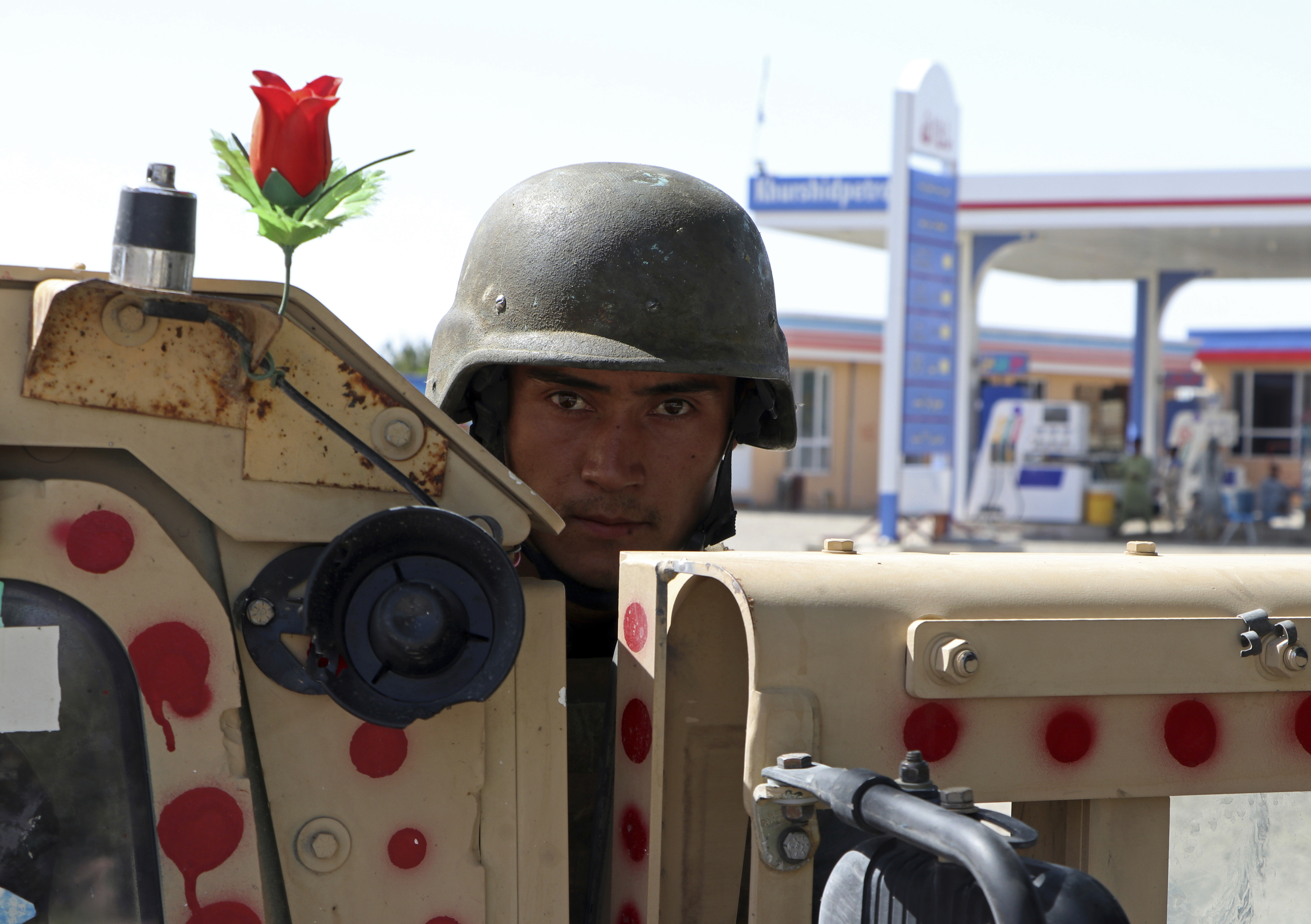
The office of the UN human rights chief said it has received reports of summary executions and military use and destruction of homes, schools and clinics in captured areas.
There have also been reports of revenge killings. The insurgents have claimed responsibility for killing a comedian in southern Kandahar, assassinating the government's media chief in Kabul and a bombing that targeted acting Defense Minister Bismillah Khan Mohammadi, killing eight and wounding more. The minister was not harmed.
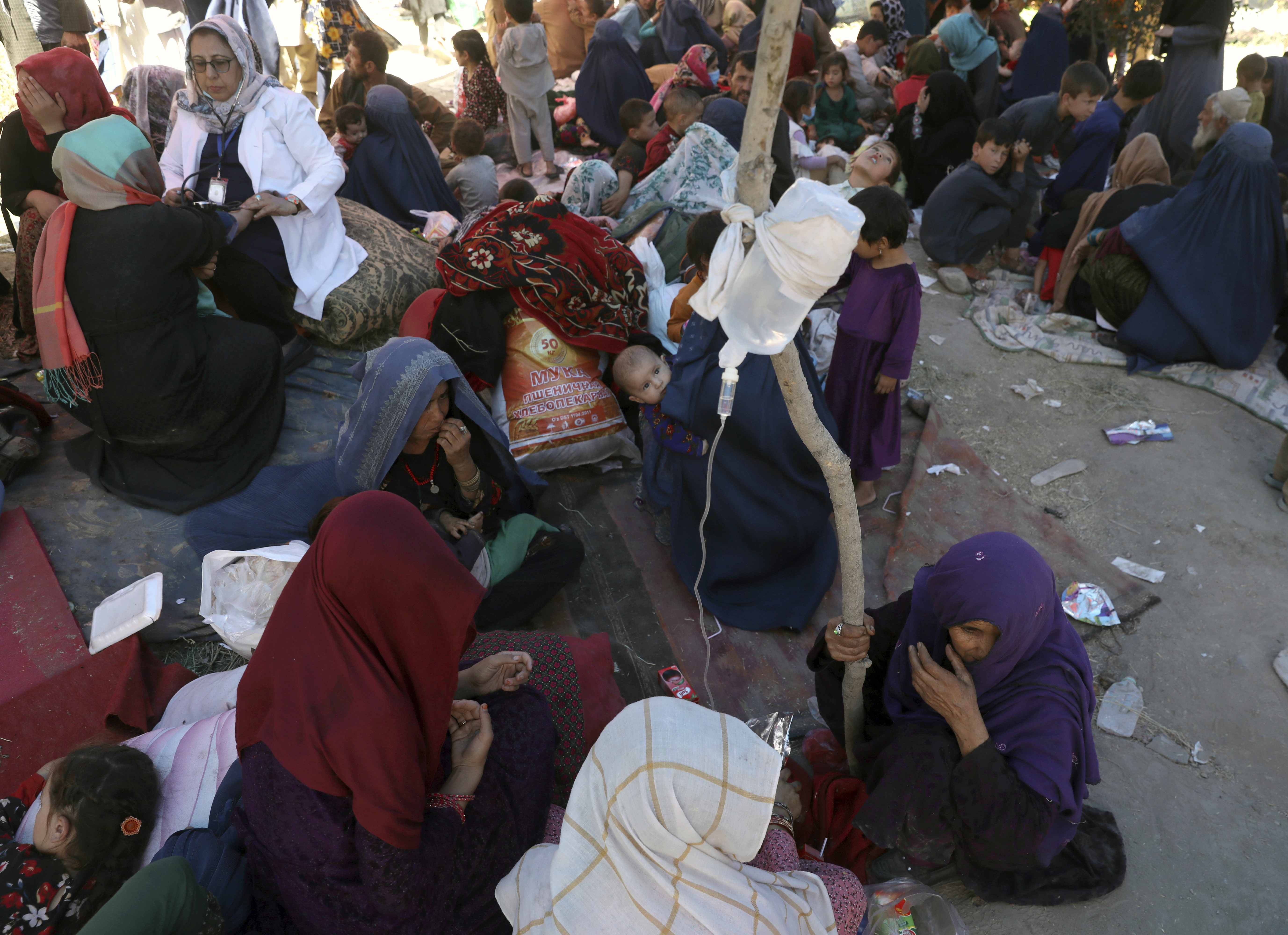
The intensifying war has driven thousands of people to Kabul, where many are living in parks. The fighting has also increased the number of civilian casualties.
The UN human rights chief, Michelle Bachelet, said Tuesday that her office had counted at least 183 deaths and hundreds of injuries among civilians in a handful of cities in recent weeks – but cautioned that "the real figures will be much higher."
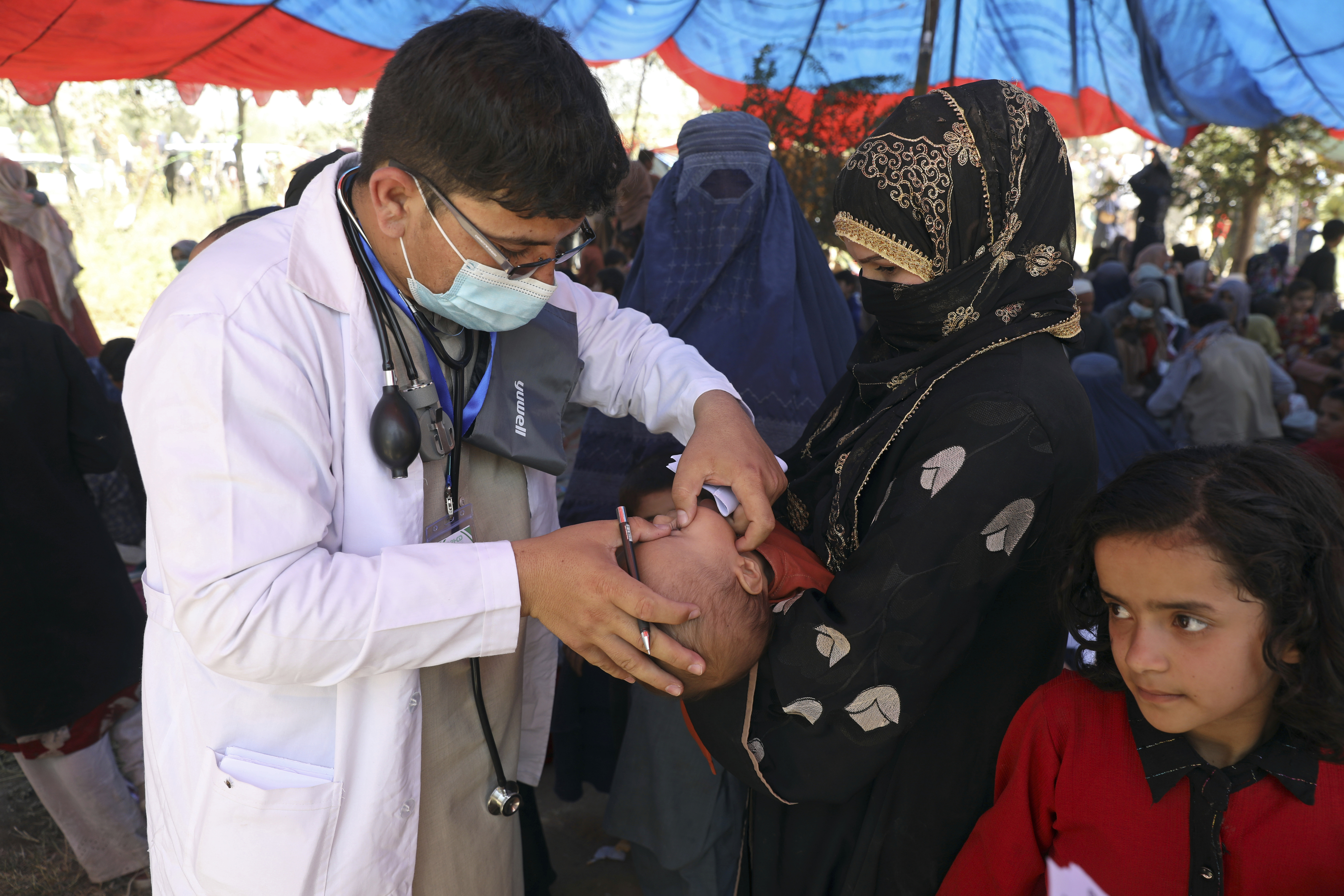
The International Committee of the Red Cross said that its staff has treated more than 4000 Afghans this month in their 15 facilities across the country, including in Helmand and Kandahar, where Afghan and US airstrikes are trying to rein in the Taliban onslaught.
"We are seeing homes destroyed, medical staff and patients put at tremendous risk, and hospitals, electricity and water infrastructure damaged," Eloi Fillion, ICRC's head of delegation in Afghanistan, said in a statement.
"The use of explosive weaponry in cities is having an indiscriminate impact on the population."
The surge in Taliban attacks began in April, when the US and NATO announced they would end their military presence and bring the last of their troops home. The final date of the withdrawal is August 31, but the US Central Command has said the pullout is already 95 percent complete.
On Monday, the US emphasised that the Biden administration now sees the fight as one for Afghan political and military leaders to win or lose — and showed no sign of stepping up airstrikes despite the Taliban gains.
Khalilzad, the architect of the peace deal the Trump administration brokered with the Taliban, was expected to hold talks with key regional players and will likely seek a commitment from Afghanistan's neighbors and other counties in the region not to recognize a Taliban government that comes to power by force. When the Taliban last ran Afghanistan, three countries recognized their rule: Pakistan, Saudi Arabia and the United Arab Emirates.
Senior Afghan officials have also travelled to Doha, including Abdullah Abdullah, who heads the government's reconciliation council. Pakistan's national security adviser, Moeed Yusuf, on Monday called for "reinvigorated" efforts to get all sides in the conflict back to talks, describing a protracted war in Afghanistan as a "nightmare scenario" for Pakistan.
Yusuf refused to definitively say whether Pakistan, which holds considerable sway over the Taliban, would recognize a Taliban government installed by force, saying instead that Pakistan wants to see an "inclusive" government in Kabul.
Covid 19 coronavirus: Squeeze on MIQ spaces as Government increases its own allocation
By Gill Bonnett of RNZ Returning New Zealanders are competing with foreign sportspeople and Antarctic staff for coveted places in managed isolation.New documents show that while desperate travellers fear bots are stealing their…
Whenuapai homicide: Crumpet tossed at friend, room smashed up in night of fights
In a wild night of fights and meltdowns ending in a fatal stabbing, a man left his best friend on the brink of tears after throwing a crumpet at him.The late Coubin Tamatoa’s friends outlined his final hours to the jury in the…
Herald afternoon quiz: August 11
Test your brains with the Herald’s afternoon quiz. Be sure to check back on nzherald.co.nz for the morning quiz tomorrow. To challenge yourself with more quizzes, CLICK HERE.
Timaru car crash: Community invited to service for five teens killed before funerals held
A service will be held tomorrow to honour the five teenagers killed in a horror crash in Timaru last weekend. The service is open to the community, and anyone wanting to pay their respects to the boys before funerals are held is…