Tag Archives: oceania

Kim Jong-un's sister rips South Korea for military exercises with US

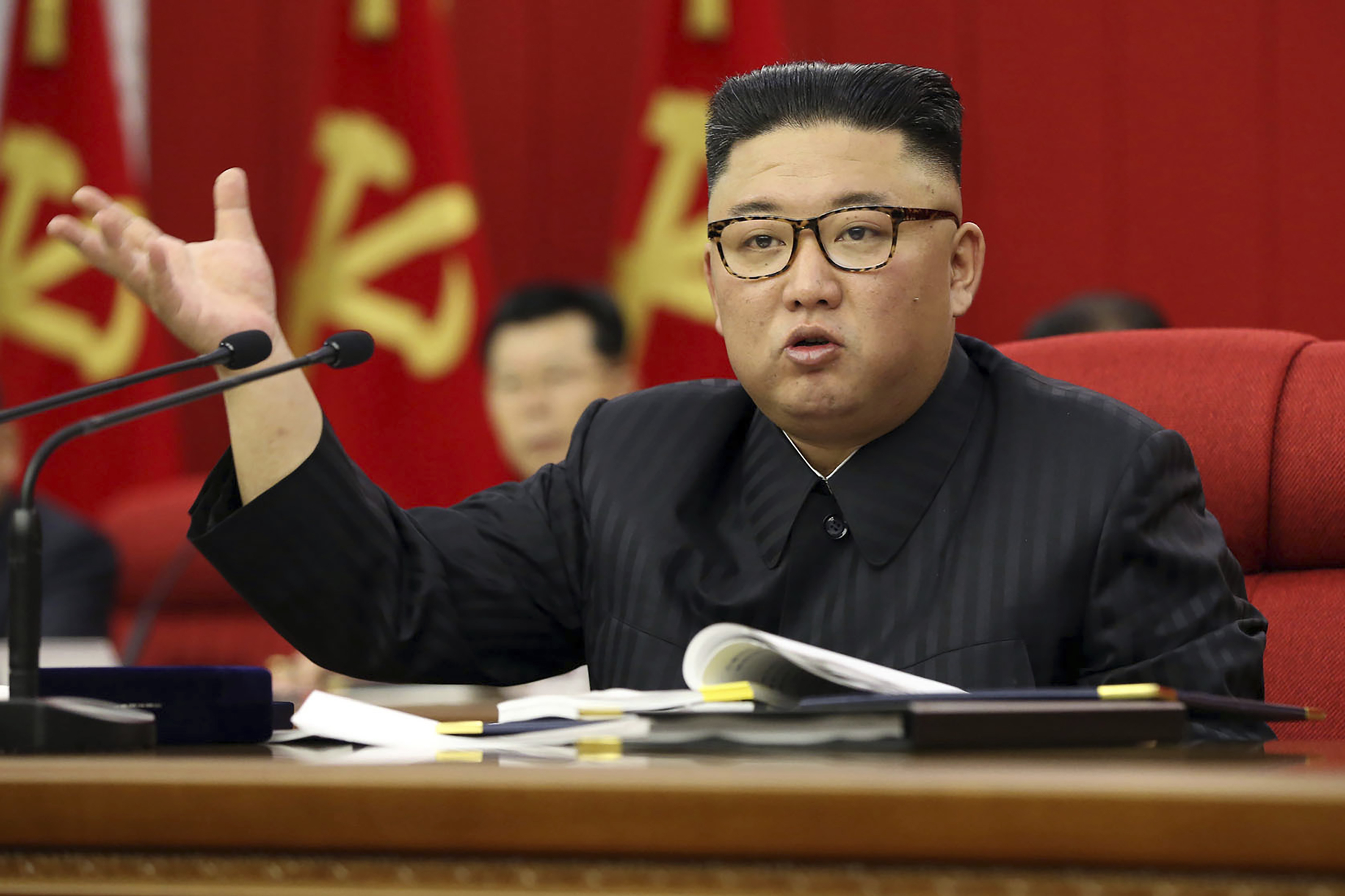
The powerful sister of North Korean leader Kim Jong-un ripped South Korea for proceeding with military exercises with the United States that she said are an invasion rehearsal and warned that the North will work faster to strengthen its preemptive strike capabilities.

Kim yo-Jong's statement came after South Korean media reported that the allied militaries will begin four days of preliminary training on Tuesday before holding computer-simulated drills on August 16 to 26.

Kim said she was given authority to release the statement, implying the message came directly from her brother.

READ MORE: North Korea urges young people to stop using South Korean slang

Hours after her comments were published on state media, South Korea's defence and unification ministries said North Korean officials hadn't responded to their calls Tuesday afternoon over inter-Korean hotlines, which had been disconnected for a year before North Korea agreed to reopen them in late July.

The Koreas then described the move as a conciliatory gesture.

South Korean officials said they were closely monitoring the development, but that it wasn't immediately clear whether North Korea had cut the communication channels again.

Kim yo-Jong described South Korea's decision to hold joint exercises despite earlier warnings by the North as "perfidious behavior" that will push the allies into facing a "more serious security threat."

She said continuing the drills exposed the hypocrisy of the Biden administration's offers to resume dialogue over North Korea's nuclear weapons program.

She said a stable peace won't be achieved on the Korean Peninsula unless the United States withdraws its troops and weapons from the South.

Kim said North Korea will "put more spur to further increasing the deterrent of absolute capacity to cope with the ever-growing military threats from the US, " including its capabilities for national defence and "powerful" preemptive strikes for "rapidly countering any military actions against us."

"(The drills) are the most vivid expression of the US hostile policy towards (North Korea), designed to stifle our state by force, and an unwelcoming act of self-destruction for which a dear price should be paid as they threaten the safety of our people and further imperil the situation on the Korean Peninsula," Kim said.

"For peace to settle on the peninsula, it is imperative for the US to withdraw its aggression troops and war hardware deployed in (South) Korea. As long as the US forces stay in (South) Korea, the root cause for the periodic aggravation of the situation on the Korean Peninsula will never vanish."

READ MORE: Kim Jong-un fires senior officials over 'grave' coronavirus incident
It wasn't immediately clear whether North Korea's threat to advance its preemptive strike capabilities signaled a resumption of testing activity.

North Korea ended a yearlong pause in ballistic tests in March by firing two short-range missiles into the sea, continuing a tradition of testing new US administrations with weapons demonstrations and other provocations apparently aimed at measuring Washington's response and wresting concessions.

But North Korea hasn't conducted any known test launches since then as Kim Jong Un focused national efforts on fending off the coronavirus and salvaging a broken economy damaged further by pandemic border closures.

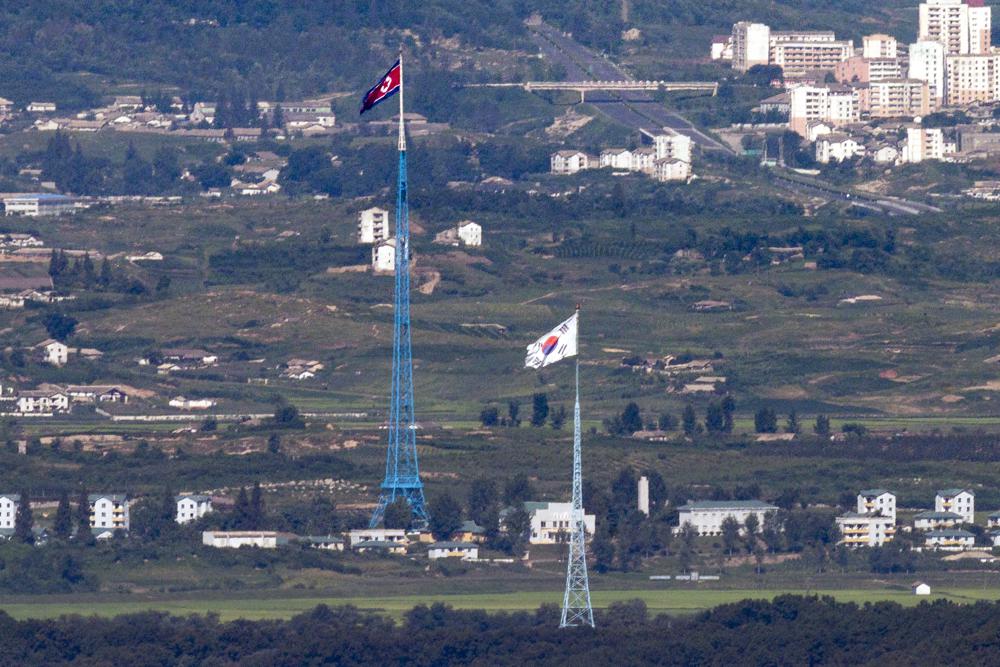
North Korea's angry reaction to the drills further diminishes South Korean hopes for improving bilateral ties, which rose after the North agreed to reopen long-stalled communication channels with the South.

But just days after the lines were restored, Kim yo-Jong warned that the planned military drills between South Korea and the United States will undermine prospects for better inter-Korean ties.

Some analysts say North Korea's decision to restore the communication lines was mainly aimed at pushing Seoul to convince Washington to make concessions while nuclear diplomacy remains deadlocked.

READ MORE: Leaders of North Korea, China vow to strengthen ties
"Kim yo-Jong's threatening statement demonstrates that North Korea will use even restrained US-South Korea defence exercises as an excuse not to implement inter-Korean cooperation agreements and to justify its next military provocation," said Leif-Eric Easley, a professor of international studies at Ewha Woman's University in Seoul.

Kim Jong-un has pledged to bolster his country's nuclear deterrent while urging his people to stay resilient in a struggle for economic self-dependence in the face of US-led pressure.

His government has so far rejected the Biden administration's overture for talks, demanding that Washington abandon its "hostile" policies first.

The United States keeps about 28,000 troops in South Korea to help deter potential aggression from North Korea, in a legacy of the 1950-53 Korean War.

The allies have yet to officially announce the details of this month's drills.

Boo Seung-Chan, spokesperson of South Korea's Defence Ministry, said in a briefing that the allies were discussing the "timing, scale and methods" of the summertime drills.

North Korea has long bristled at joint military exercises between South Korea and the United States, which the allies describe as defensive in nature, and often responds to them with its own weapons tests.

In the past few years, however, South Korea and the United States have canceled or downsized some of their training to support now-dormant diplomacy aimed at ending the North Korean nuclear crisis or because of the COVID-19 pandemic.

North Korea has suspended its nuclear and long-range missile tests since 2018, when leader Kim Jong-un initiated diplomacy with South Korea and then-President Donald Trump while attempting to leverage his nuclear weapons for badly needed sanctions relief.

After the talks fell through in 2019, North Korea ramped up tests of new short-range, solid-fuel weapons to improve its ability to deliver nuclear strikes and overwhelm missile defence systems in South Korea and Japan.

Inter-Korean ties flourished during the diplomacy of 2018, during which Kim and South Korean President Moon Jae-in met three times and vowed to resume inter-Korean economic cooperation when possible, expressing optimism that the sanctions would end and allow such projects.

But North Korea later cut off ties with South Korea following the collapse of the second summit between Kim and Trump in 2019 when the Americans rejected North Korea's demand for major sanctions relief in exchange for a partial surrender of its nuclear capabilities.


The moment Sydney lost control of Delta

A super-spreading birthday party in Sydney's western suburbs in June got out of control before contact tracers could get on top of it, an inquiry has heard.

NSW Chief Health Officer Dr Kerry Chant and Health Minister Brad Hazzard faced questions today from MPs who asked how the current Delta outbreak spread so quickly, leading to Sydney's longest lockdown.

The first COVID-19 case in what was then known as the Eastern Suburbs cluster was a limo driver on June 16. The virus spread through the community and an infected person went to a birthday party in West Hoxton on June 19.

READ MORE: NSW Premier confirms they're looking at increasing penalties

Crowd at party

From there cases spread like wildfire. Thirty guests got sick, they passed it on to 21 more people.

It should be noted the people at the party were not doing anything wrong under the restrictions at the time.

"It was thought that we got there very early, that we got to people before they'd become very infectious in the community, but that turned out to be not the case," Dr Chant said at the inquiry today.

Within a week Sydney's eastern suburbs were locked down.

And 24 hours later all Greater Sydney was ordered to stay at home.

By then the Delta strain of coronavirus had spread throughout the suburbs in the south-west.

"Clearly the delta variant behaved very differently to the other variants," Dr Chant said.

Greens MP David Shoebridge challenged the Chief Health Officer on this, saying: "this was not new information".

"We'd had that experience and that information from the UK, in particular, from India … surely that should have fed into the decision making on the 17th of June, the 18th of June," he said.

Ninety minutes into what was supposed to be an hour inquiry, Mr Hazzard grew agitated.

Chant Hazzard inquiry

"If you're challenging Dr Chant's advice, that's not appropriate," he said.

He then accused the inquiry of "wasting her time" before interjecting: "I'm the Minister, and I'll answer it".

Dr Chant was not able to provide any concrete answers on when the lockdown can end, or when restrictions can ease.

The inquiry was told she wants to see 70 per cent vaccination rates before any decisions are made.

"I have not provided any advice as to what restrictions I would be prepared to ease, it is premature."

'Code red' report amps up pressure on leaders to address climate crisis

Scientists have warned for decades that we were changing the climate in a way that would have devastating impacts on the planet and our lives. A landmark report on Monday showed that's already happening, and faster than we expected.

The findings, by the UN Intergovernmental Panel on Climate Change (IPCC), serve as a stern wake-up call for politicians, business leaders and policy makers, who in just 12 weeks will meet for the COP26 climate talks in Glasgow to address the biggest existential challenge in human history.

For decades, global policy has lagged behind the science, but leaders and big business are now being forced to play catch-up as their constituents and clients battle heat waves, wildfires and floods that are proving costly and deadly.

READ MORE: Key takeaways from the UN report on the climate crisis

"You've got the politicians being squeezed by the science, which is confirming a sense of alarm and fear, you've got the science now in the public mind," said Tom Burke, co-founder of E3G, a European climate think tank.

"You've got capital markets saying this is beginning to really threaten the future value of our investments. So you've got enormous pressure building up on the politicians."

Amid the growing pressure, climate-minded policymakers are likely to face hurdles in making a success of November's COP26 conference, which is often measured by how far the most conservative leaders are willing to go. Recent multilateral meetings on climate between far fewer nations have ended with disappointing results, sometimes even in division.

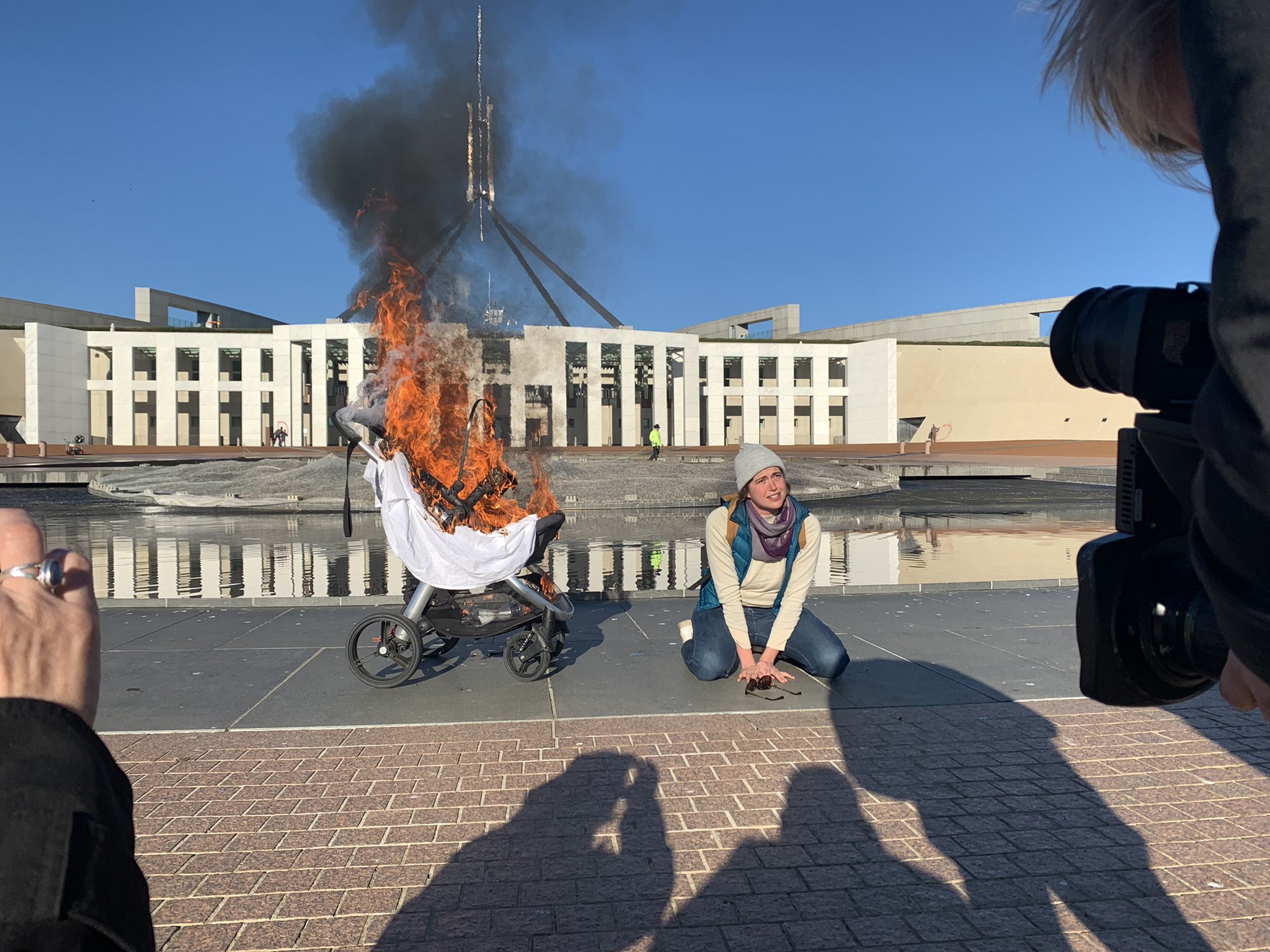
READ MORE: Eight arrested following climate change protests, vandalism at Parliament House

Keeping 1.5 alive

Alok Sharma — president of COP26 — has said he wants the conference to reach agreement on a number of key targets, including putting an end date on the use of coal, a commitment to make all new car sales zero emissions within the next 14 to 19 years, stopping deforestation by the end of the decade and greater reductions of methane emissions.

But his main message is to "keep 1.5 alive".

Under the 2015 Paris Agreement, more than 190 countries signed on to limiting the increase in global temperatures to well below 2 degrees, but preferably 1.5 degrees, beyond which scientists say the world will experience more intense and frequent climate extremes. 

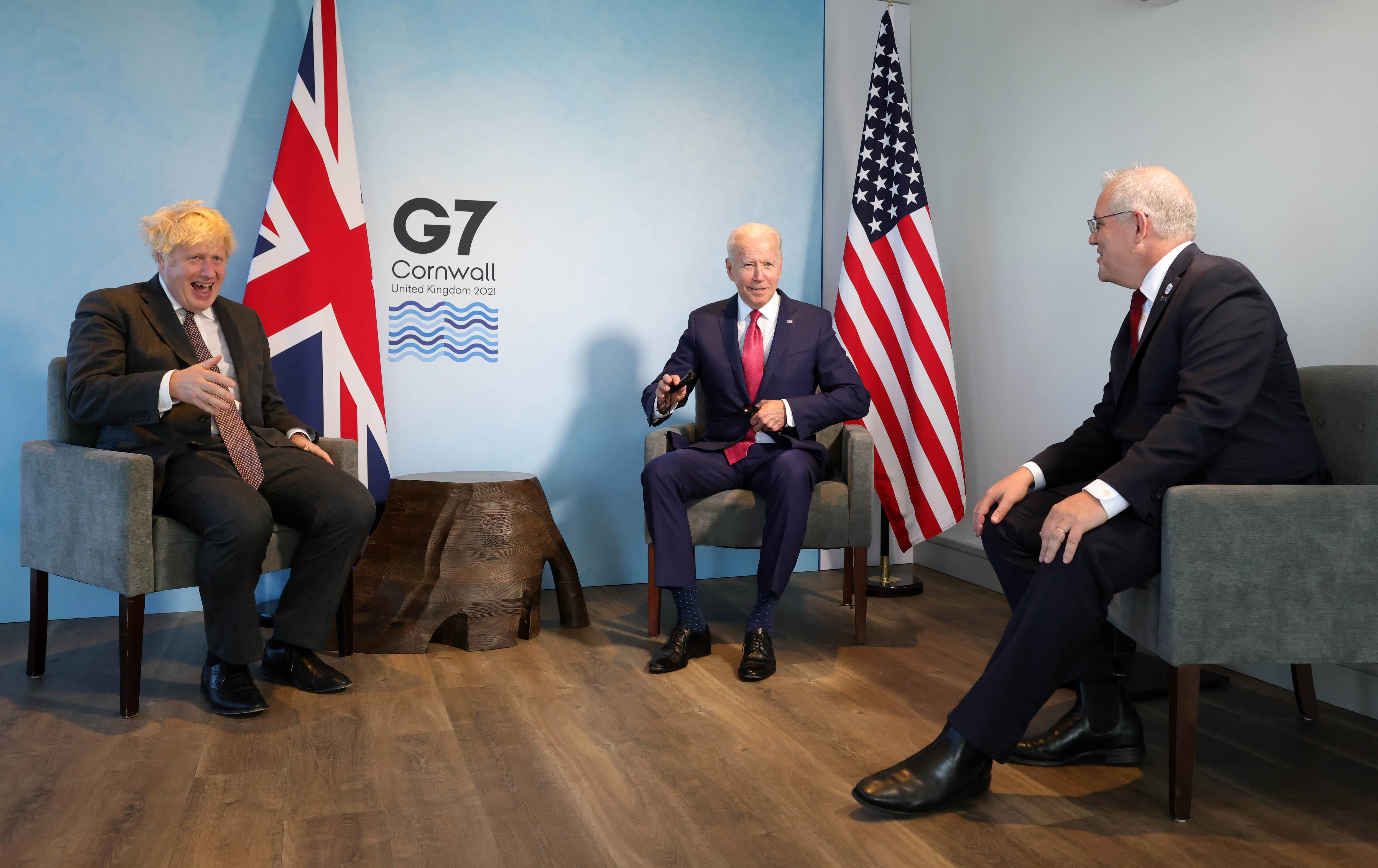
But the G7 leaders' meeting in June and a G20 ministers' meeting last month left some on the global stage disappointed and unsure of what could be accomplished in November.

The G20 communiqué was delivered more than a day later than expected, as some countries opposed language on the issues of when to phase out coal and around the commitment to 1.5 degrees, according to Roberto Cingolani, Italy's ecological transition minister, who chaired the meeting.

Cingolani told reporters after the conference India and China were holding out on the issue of coal.

A source familiar with the talks at the time told CNN that the significant resistance was coming from fossil-fuel-producing countries, including some developing economies.

READ MORE: Scott Morrison criticises 'developing world' for carbon emissions

At a press conference on Monday, Mr Sharma denied that the 1.5-degree threshold was still divisive, and pointed to the communiqué G20 ministers ultimately agreed to, in which counties said they would "continue efforts" to limit it to 1.5 above pre-industrial levels.

"Based on all the conversations that I've had, I can tell you that there is a clear desire amongst governments to keep that 1.5 degrees within reach," Mr Sharma said.

Yet China's top climate negotiator Xie Zhenhua last week accused some countries of trying to shift the goal posts from 2 degrees, which countries agreed to in the Paris Accord, to 1.5 degrees.

"Some countries are pushing to rewrite the Paris Agreement," Mr Xie said, according to the AFP news agency.

"That is, they want to strive to change the target of control for the rise of temperature from two degrees Celsius to 1.5 degrees Celsius."

He added, "We have to understand the different situations in different countries, and strive to reach a consensus."

And while the G20 ministers eventually agreed to language around 1.5 degrees, some did so begrudgingly. India published its own statement alongside the communiqué defending developing nations' need to grow, urging richer countries to bring their emissions down faster.

READ MORE: Landmark climate change study paints grim future for Australia

climate change

Consigning coal to history

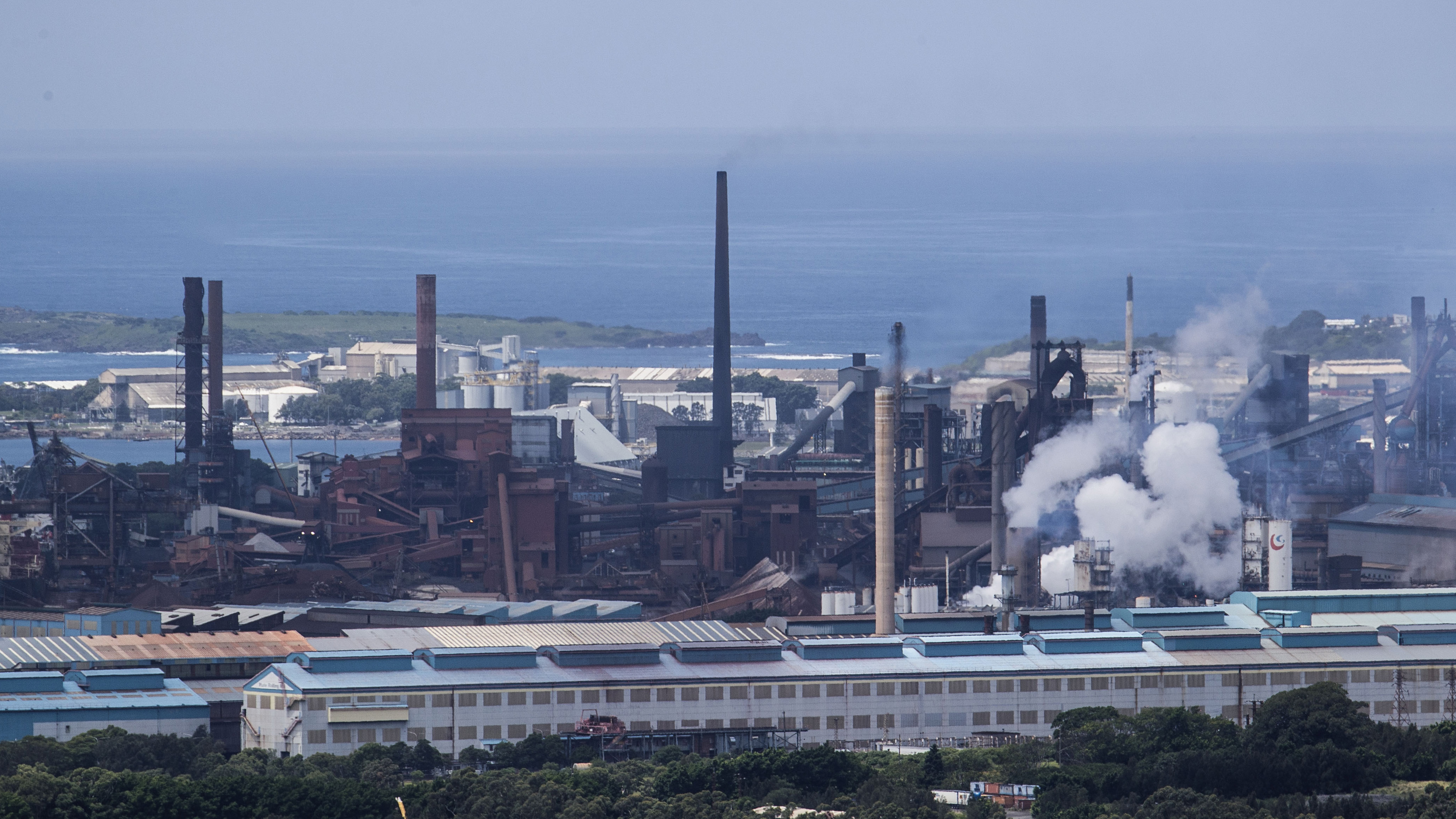
The G7 and G20 often try to show leadership in global policy areas — together, they represent 80 per cent of the world's emissions and about 85 per cent of the global economy. But the G20 meeting also failed to reach a concrete agreement on coal phaseout and the scrapping of fossil fuel subsidies.

Only 13 members of the G20 had committed to net zero, Mr Sharma pointed out Monday, and only eight had submitted new pledges that go beyond their previous ones. All signatories to the Paris Agreement were supposed to submit a second, more ambitious pledge by July this year.

Mr Sharma said the failure to reach an agreement on coal was "disappointing" and admitted securing one ahead of the COP26 conference would be tricky. He wants the world's richest countries to scrap coal by 2030 and the rest of the world by 2040.

Coal will be on the docket again at the next G20, which comes just before the COP26 summit.

$136 billion a year for the developing world

Another sticking point for developing nations is that they haven't received the money they were promised to adapt to climate change.

The developed world in 2009 agreed to transfer US$100 billion ($136 billion) every year to the developing world by 2020. That commitment was reaffirmed in the 2015 Paris Agreement but the goal was never met. Old divisions and distrust have resurfaced as a result.

A net zero economy powered on renewable energy involves overhauling infrastructure, employing new technologies, transitioning to electric vehicles and rethinking jobs and entire industries. Developing nations argue that many of the world's richest countries became wealthy because they were free to exploit the very fossil fuels they now want the rest of the world to phase out.

Withholding promised funds could mean that some countries are less likely to budge on scrapping coal and committing to 1.5 degrees.

What's at stake?

Already at 1.1 degrees above pre-industrial levels, the world is heading for average global temperatures of 1.5 degrees faster than scientists thought, the IPCC report said.

That threshold will likely be crossed in the mid-2030s, even if greenhouse gas is reduced sharply starting today.

The good news is we can keep it to 1.5 and avoid hitting 2 degrees, after which the impacts of climate change will become even more severe, according to the report.

"The key thing to focus on is that every degree of warming, that every tenth of a degree of warming, matters," Tamsin Edwards, a climate scientist at King's College London and one of the authors of the new IPCC report, told CNN. 

"It's getting harder and harder every year to limit warming to 1.5 degrees because it means we have to cut emissions faster to get to net zero.

"The reductions in emissions have to be immediate, rapid and large scale."

A climate protest has ramped up outside Parliament House following a climate change report.

If by the 2050s the world achieves net zero — where the net addition and removal of greenhouse gas is zero — it can contain temperature rises to 1.5 degrees.

The other good news is that the science shows that climate systems would respond well to carbon removal. Planting more trees, expanding carbon sinks and possibly using technology that is still being developed will limit the warming and its catastrophic consequences.

But so much has already been lost. Many of the effects of climate change are now "baked in" and impossible to reverse in the short term, like ice sheet and glacier melt that will cause sea level rises.

The question now is whether leaders will meet the moment and prevent the level of warming that will lead to catastrophe. It's also a question of whether politicians will learn from mistakes of the past.

"You've been telling us for over three decades of the dangers of allowing the planet to warm," UN Environment Program Executive Director Inger Andersen said to scientists on Monday, after the IPCC report launched.

"The world listened, but it didn't hear. The world listened, but it didn't act strongly enough. 

"As a result, climate change is a problem that is here, now. Nobody's safe, and it's getting worse faster."

'We fought a great battle': Greece defends wildfire response

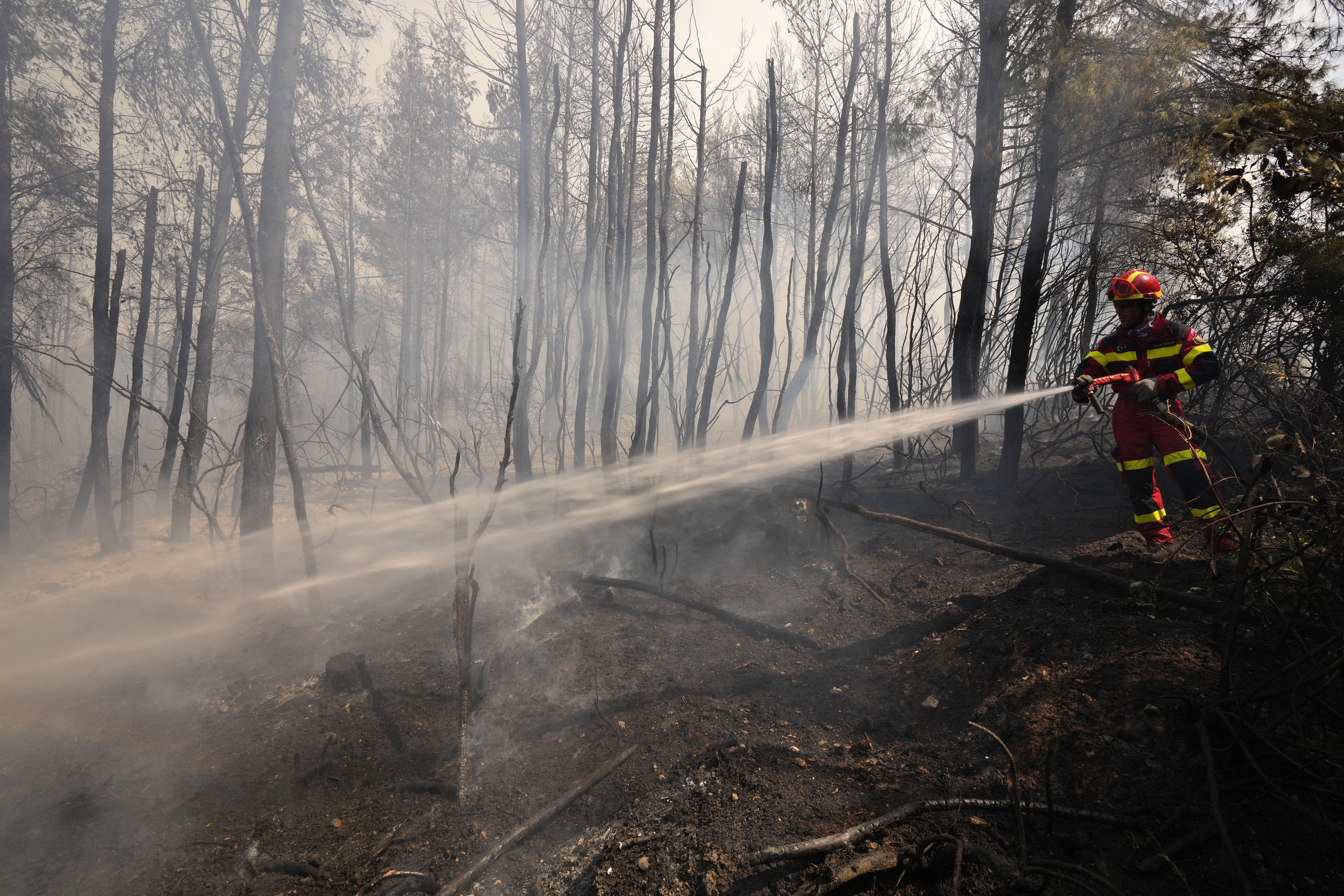
As Greece's massive wildfires were being tamed Tuesday, the country's civil protection chief strongly defended the country's firefighting efforts, saying every resource was thrown into the fight against what he described as the fire service's worst challenge ever.

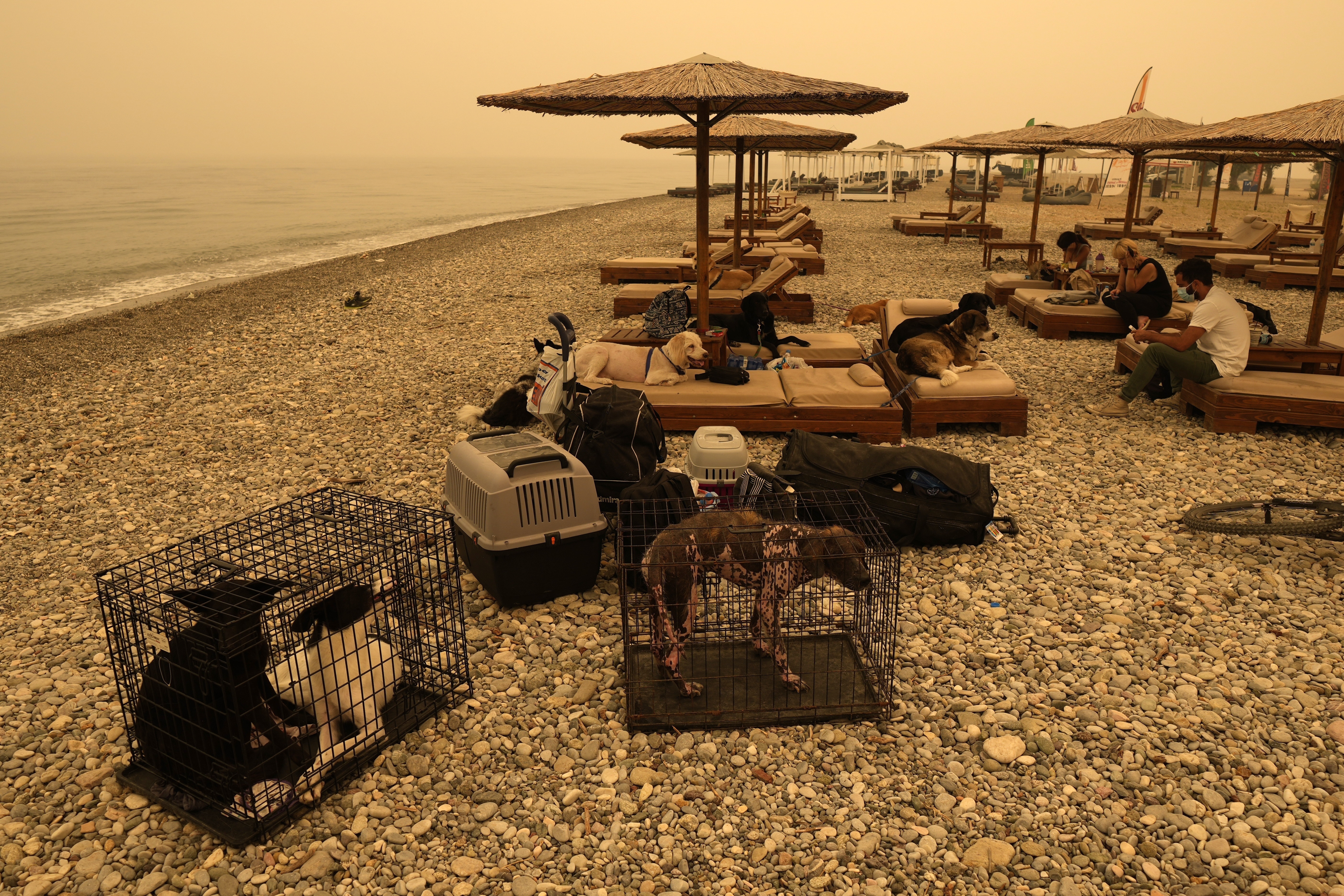
Nikos Hardalias said authorities "truly did what was humanly possible" against blazes that destroyed tens of thousands of hectares of forest and hundreds of homes, cost a volunteer firefighter his life and forced over 60,000 people to flee. Two other firefighters were in intensive care with severe burns.

"We handled an operationally unique situation, with 586 fires in eight days during the worst weather conditions we've seen in 40 years," Hardalias told a press conference. "Never was there such a combination of adverse factors in the history of the fire service."

READ MORE: 'Unprecedented': Massive forest fire ravages Greek island

Climate scientists say there is little doubt that climate change from the burning of coal, oil and natural gas is driving extreme events, such as heat waves, droughts, wildfires, floods and storms. Researchers can directly link a single event to climate change only through intensive data analysis, but they say such calamities are expected to happen more frequently.

Greece had just experienced its worst heat wave since 1987, which left its forests tinder-dry, and other nearby nations like Turkey and Italy also faced the same searing temperatures and quickly spreading fires.

Worsening drought and heat – both linked to climate change – are also driving wildfires this summer in the US West and in Siberia in northern Russia.

READ MORE: Thousands flee as fire devours Greek island's forests

In Greece, the worst blaze still burning Tuesday was in the northern section of Evia, the country's second-largest island, which is linked by a bridge to the mainland north of Athens and is a favourite holiday destination for the Greek capital's residents.

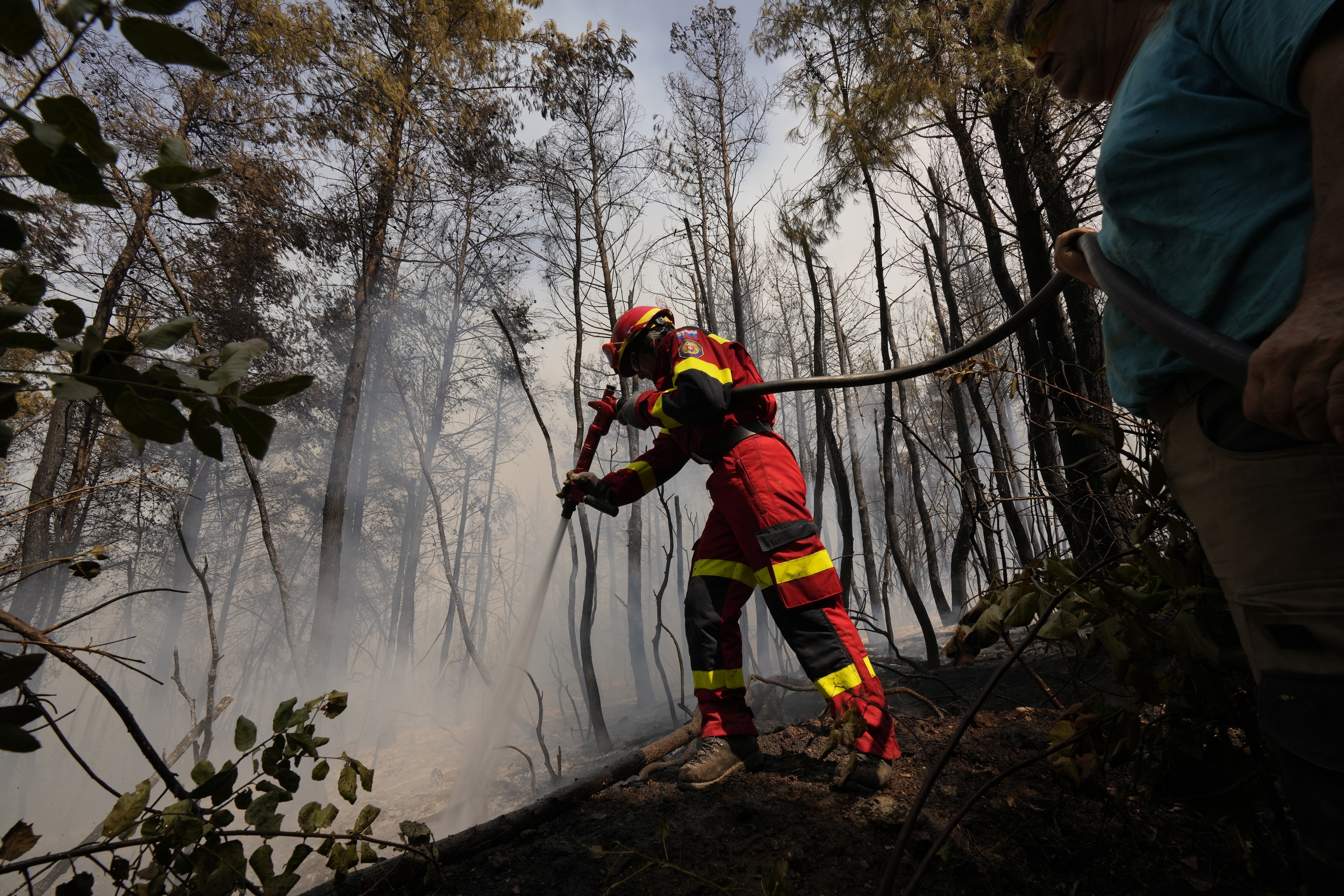
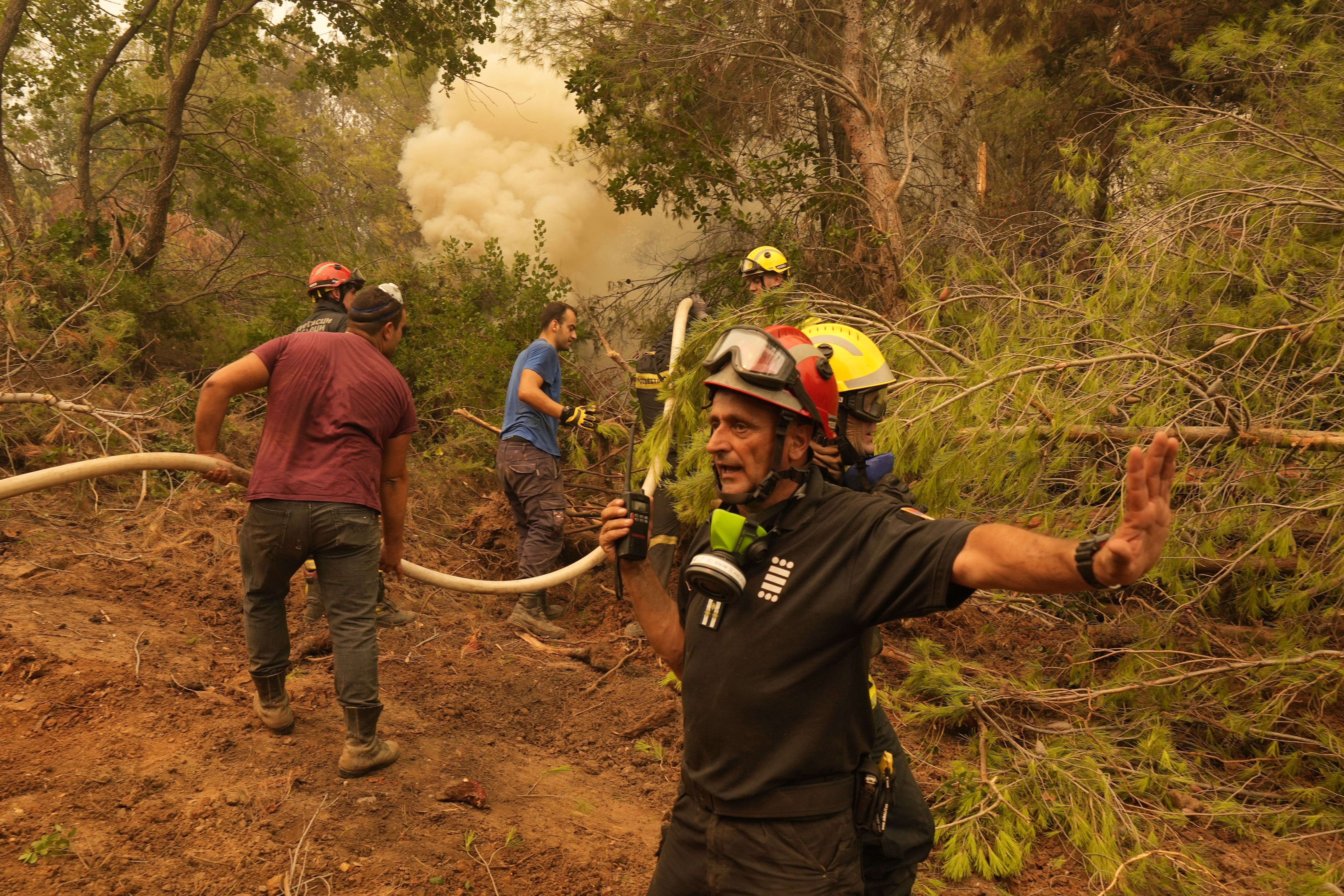
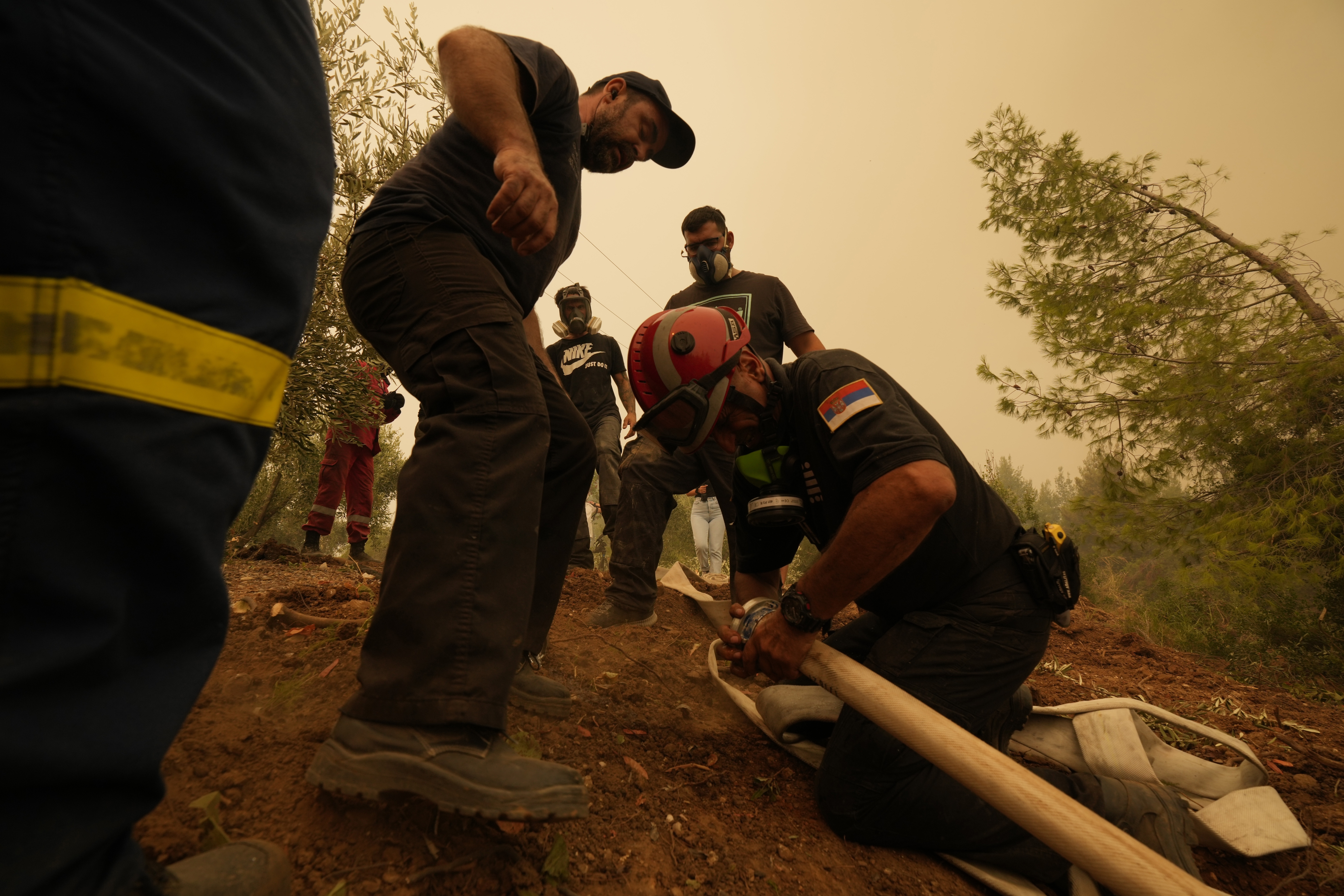
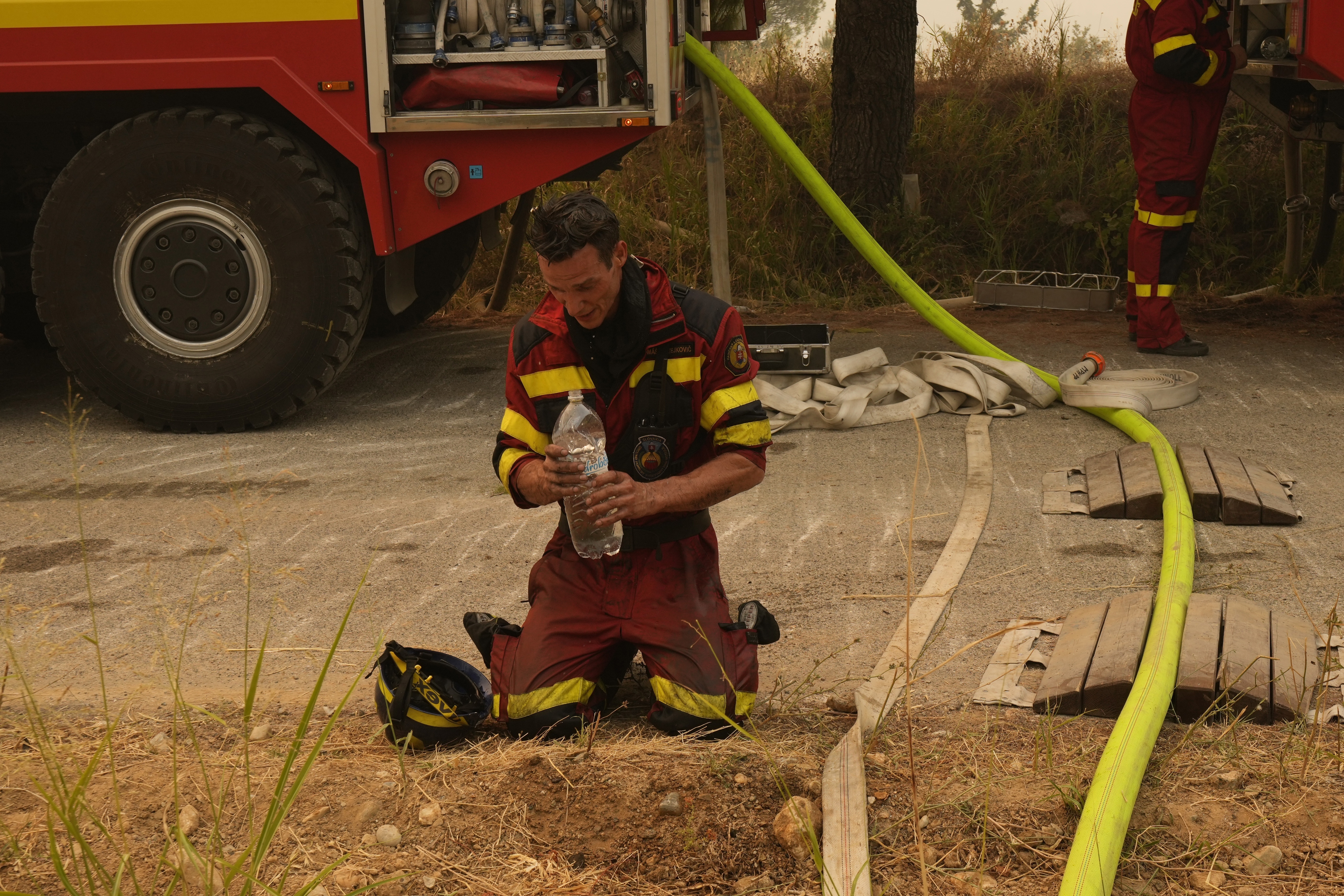
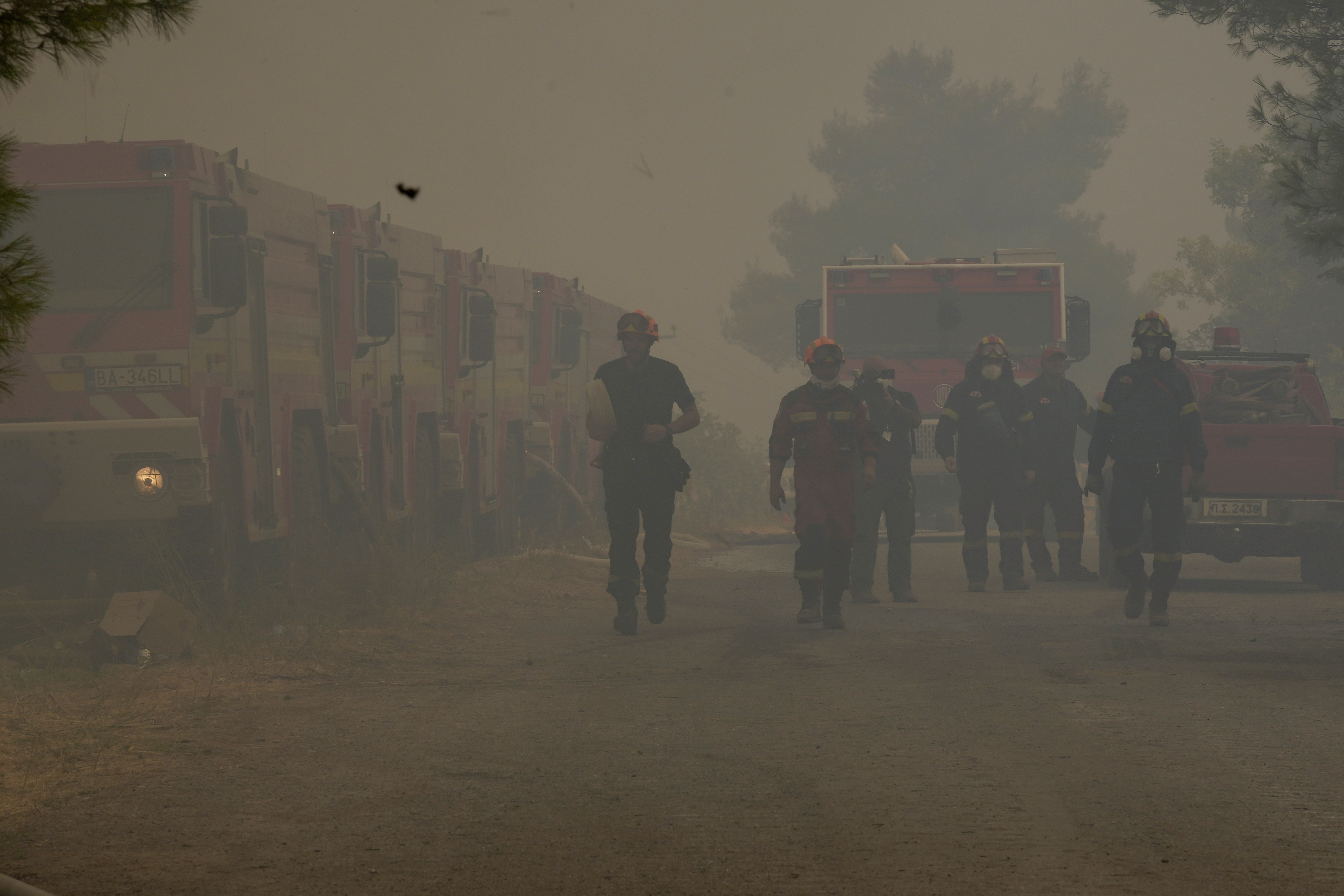
The fire service said 873 firefighters, 50 ground teams and 229 vehicles were fighting the blaze that broke out August 3. They included crews from Ukraine, Romania, Serbia, Slovakia and Poland — part of a huge international response to Greece's plea for assistance.

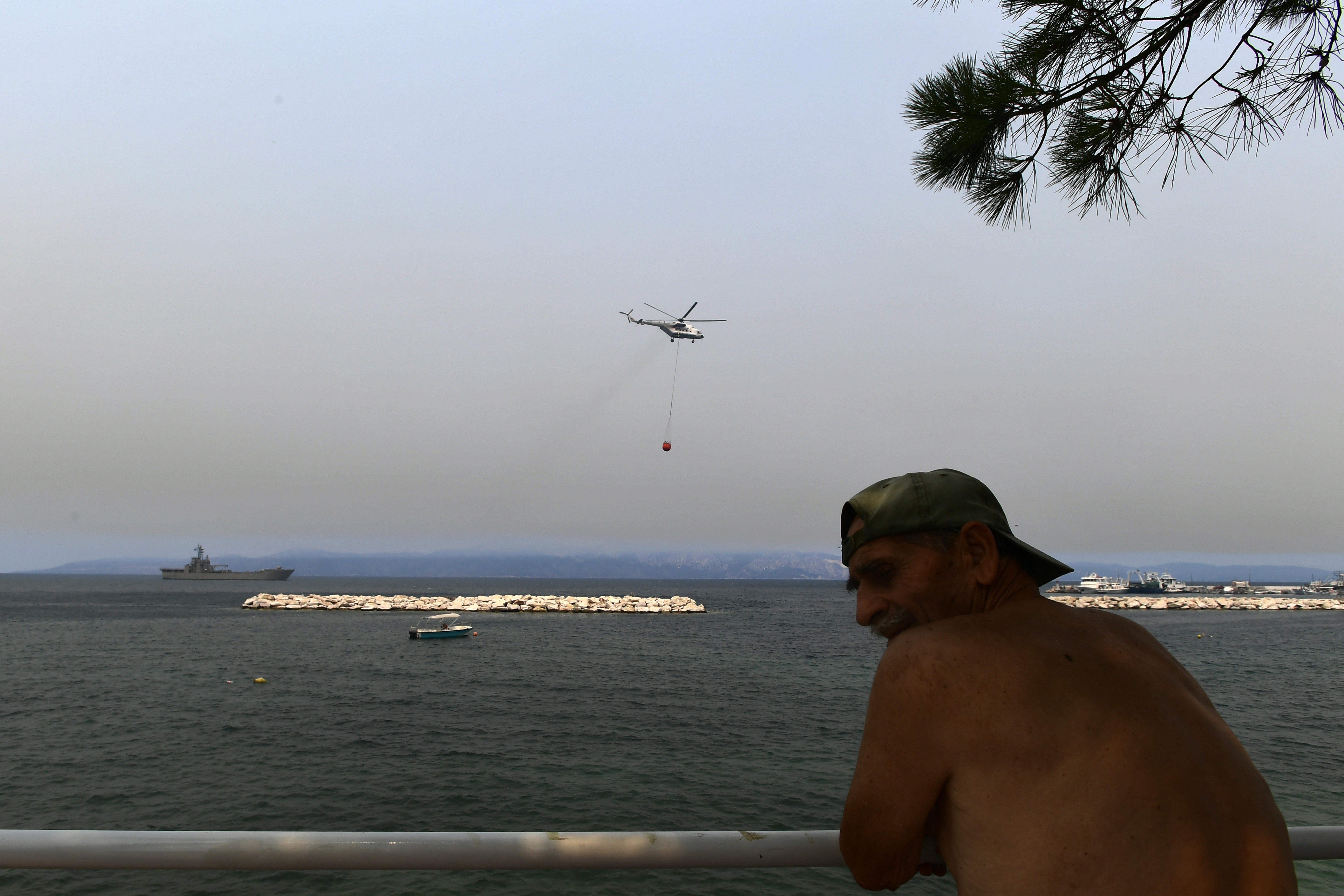
Fourteen helicopters were providing air support Tuesday on Evia, including three from Serbia, two from Switzerland and two from Egypt. The wildfire on Evia, unlike many in the United States, was taking place in an area in which villages and forests are entwined.

READ MORE: Resurgent wildfires in Greece burn homes, threaten monuments

In an afternoon briefing, Hardalias said all the fire fronts on Evia were waning, but strong firefighting forces were guarding the perimeter of the fire, particularly around a cluster of villages that are among the dozens evacuated on the island in recent days. However, heavy smoke from the fires has often reduced visibility to zero, making it very difficult and dangerous for water-dropping aircraft to assist the ground forces.

According to EU wildfire data and satellite imagery, more than 49,000 hectares have burned up on Evia — by far the worst damage from any of the recent fires in Greece.

Several other wildfires were burning in the country, with the most significant in the southern Peloponnese region, where new evacuations were ordered Tuesday afternoon.

Residents and local officials on Evia have complained about a lack of water-dropping planes, with some saying not enough were sent early on, leaving the fire to grow to such proportions that flying became too hazardous.

Hardalias argued Tuesday that when the Evia blaze broke out, authorities were already facing other enormous challenges. A major forest fire was burning through the northern outskirts of Athens, forcing the evacuation of thousands, and another was coursing through villages towards ancient Olympia — a hugely important archaeological site in the Peloponnese where the ancient Olympic Games were held for more than 1000 years.

"Every house lost is a tragedy for all of us. It's a knife in our heart," he said.

Asked whether he was satisfied with the country's firefighting response, Hardalias said: "Obviously, there can be no satisfaction after such a catastrophe. But all our available forces, ground and airborne, were sent immediately to the fires."

"Whether we could have done something different remains to be seen," he said. "But in any case, we fought a great battle, and the losses were among those fighting it, not among civilians."

Greek authorities have emphasised saving lives, issuing evacuation alerts for dozens of villages and neighbourhoods this summer. In 2018, a deadly fire that engulfed a seaside settlement near Athens killed more than 100 people, including some who drowned trying to escape the flames and smoke by sea.

Critics say the government's focus on evacuating villages, which did save lives, prevented villagers with local knowledge from helping firefighters and led to more property destruction.

Greece's centre-right government has pledged compensation to everyone whose property or business was damaged by the wildfires, and a massive reforestation effort to replace the trees that have burned. Several people have also been arrested on suspicion of arson.

Mexican cartel threatens news anchor, demands equal coverage

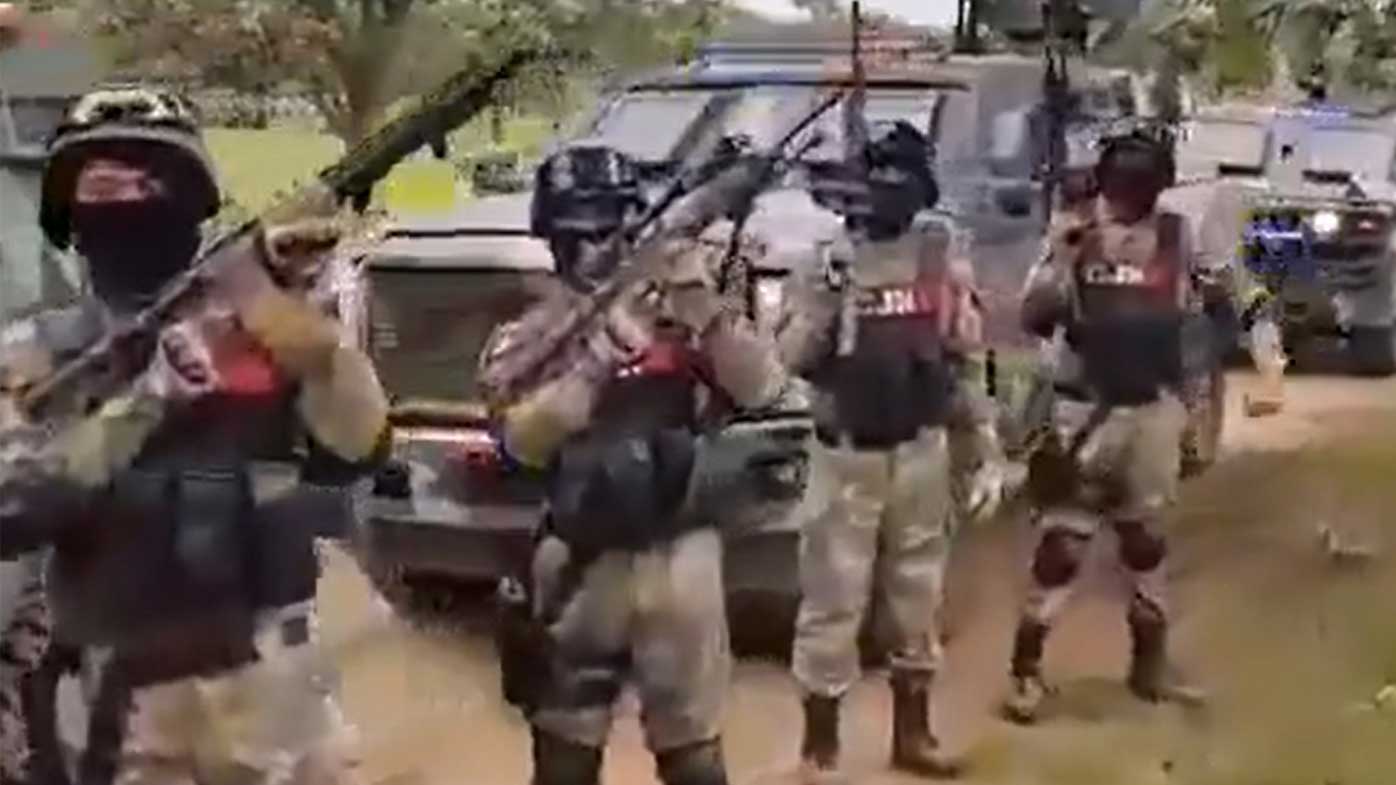
Masked men claiming to represent Mexico’s most powerful drug cartel have taken the unusual step of circulating a video threatening to kill a national television news anchor for what they viewed as unfair coverage.

The video circulated on Monday showed masked and heavily armed men surrounding a man seated at a small desk who delivered a message he said was from Ruben Oseguera Cervantes, aka “El Mencho,” leader of the Jalisco New Generation cartel. It was unclear if the person reading the message was Oseguera himself.

The message complained that Milenio Television, a national cable news channel associated with a major newspaper chain, was favoring so-called self-defense groups that are battling the Jalisco cartel in Michoacan state.

READ MORE: The Mexican drug trade offering a 5000 percent profit margin

A Mexican drug cartel has accused newsreader Azucena Uresti of being biased against them.

He singled out Mileno anchor Azucena Uresti, threatening to kill her and make her eat her words.

The man alleged that the vigilante groups were actually drug traffickers, the only organisations that could afford the armament those forces had at their disposal.

The message mentioned Hipolito Mora, who organised a self-defence force in Michoacan nearly a decade earlier, but who more recently has distanced himself from such groups, as well as Los Viagras, a criminal group operating in the state.

The Jalisco cartel representative said in the message that he did not want to inhibit freedom of expression, but just wanted the coverage to be even.

Milenio Television said in a statement late Monday that Uresti had its total support, as did other journalists. It demanded a rapid investigation that guaranteed Uresti's safety and denied that it had ever favored any group in it coverage.

READ MORE: The deadliest cities in the world revealed

The Mexican criminal organisation New Generation Jalisco Cartel displays its military hardware.

Presidential spokesman Jesús Ramírez Cuevas said via Twitter that the Mexican government “will take the necessary measures to protect threatened journalists and news outlets.”

Threats against journalists are not empty talk in Mexico. The Committee to Protect Journalists considers Mexico the deadliest country in the Western Hemisphere for journalists.

The Jalisco cartel has also shown itself to have nearly unlimited reach within Mexico. In June 2020, cartel gunmen carried out a brazen attack in Mexico City that left the police chief seriously wounded and killed three others.

READ MORE: The gruesome details of Mexico's escalating drugs war

China upholds Canadian's death sentence as Huawei case looms

A Chinese court rejected a Canadian drug convict's appeal of a death sentence in what appeared to be an effort to step up pressure on Canada to release a detained executive of tech giant Huawei.

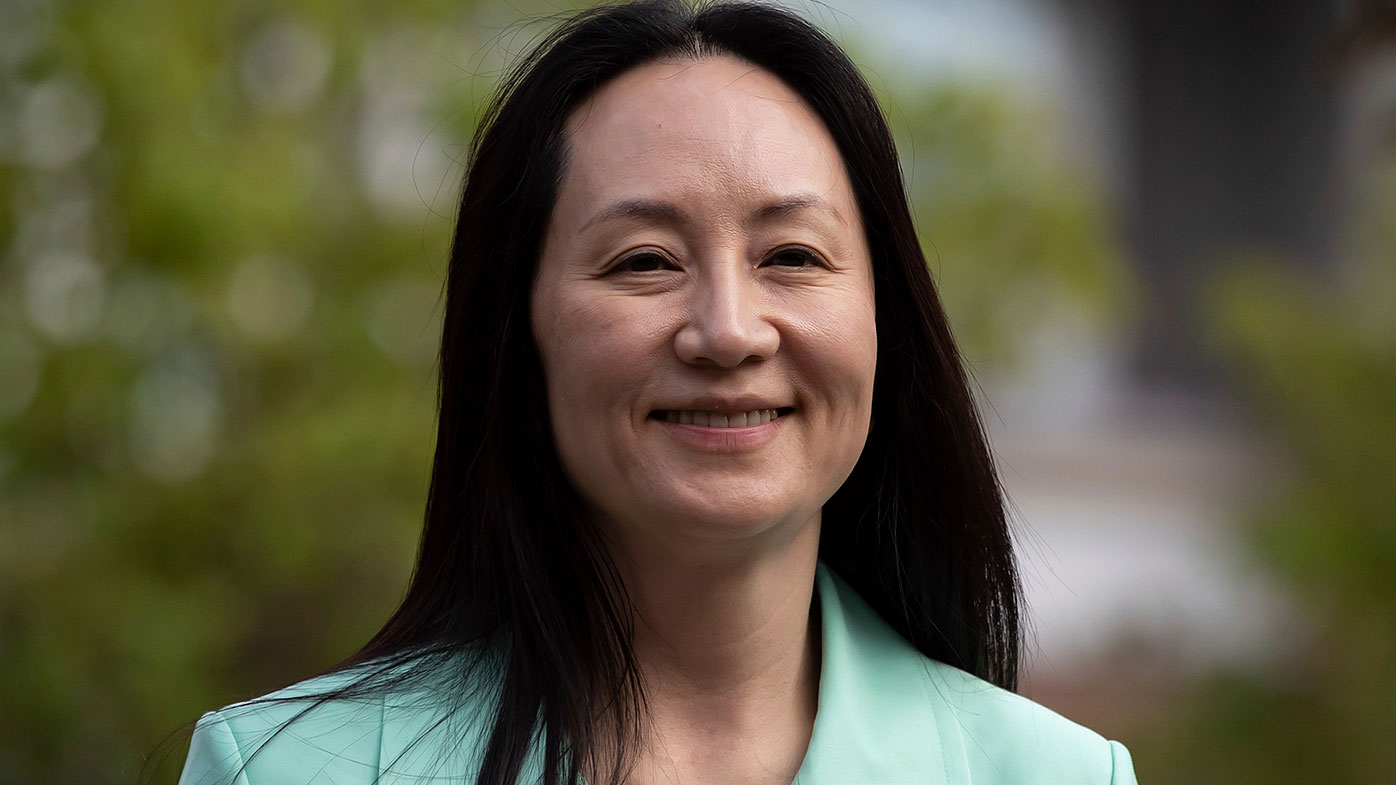
The Canadian government condemned the ruling and appealed to China to grant clemency to Robert Schellenberg. His sentence was abruptly increased from a 15-year prison term to death after the December 1, 2018, arrest of Meng Wanzhou on US charges related to possible dealings with Iran.

In separate cases, two other Canadians, a former diplomat and an entrepreneur, were arrested on spying charges as China demanded Meng's release.

READ MORE: Huawei laments 'China bashing' as Meng Hangzhou appears in court

Meng Wanzhou, chief financial officer of Huawei, has been accused of bank fraud.

The Higher People’s Court of Liaoning Province in the northeast rejected Schellenberg's appeal and sent the case to the Chinese supreme court for review, as is required by law before death sentences can be carried out.

“We condemn the verdict in the strongest possible terms and call on China to grant Robert clemency,” the Canadian ambassador to Beijing, Dominic Barton, told reporters. He criticized the penalty as “cruel and inhumane.”

“His retrial and subsequent sentence were arbitrary," Barton said by phone from the northeastern city of Shenyang, where he attended the appeals court hearing.

Schellenberg was convicted of smuggling 222 kilograms of methamphetamine, according to the court. He was sentenced in November 2018 to 15 years and resentenced to death in January 2019 after a one-day retrial.

READ MORE: China appears to be expanding its nuclear capabilities

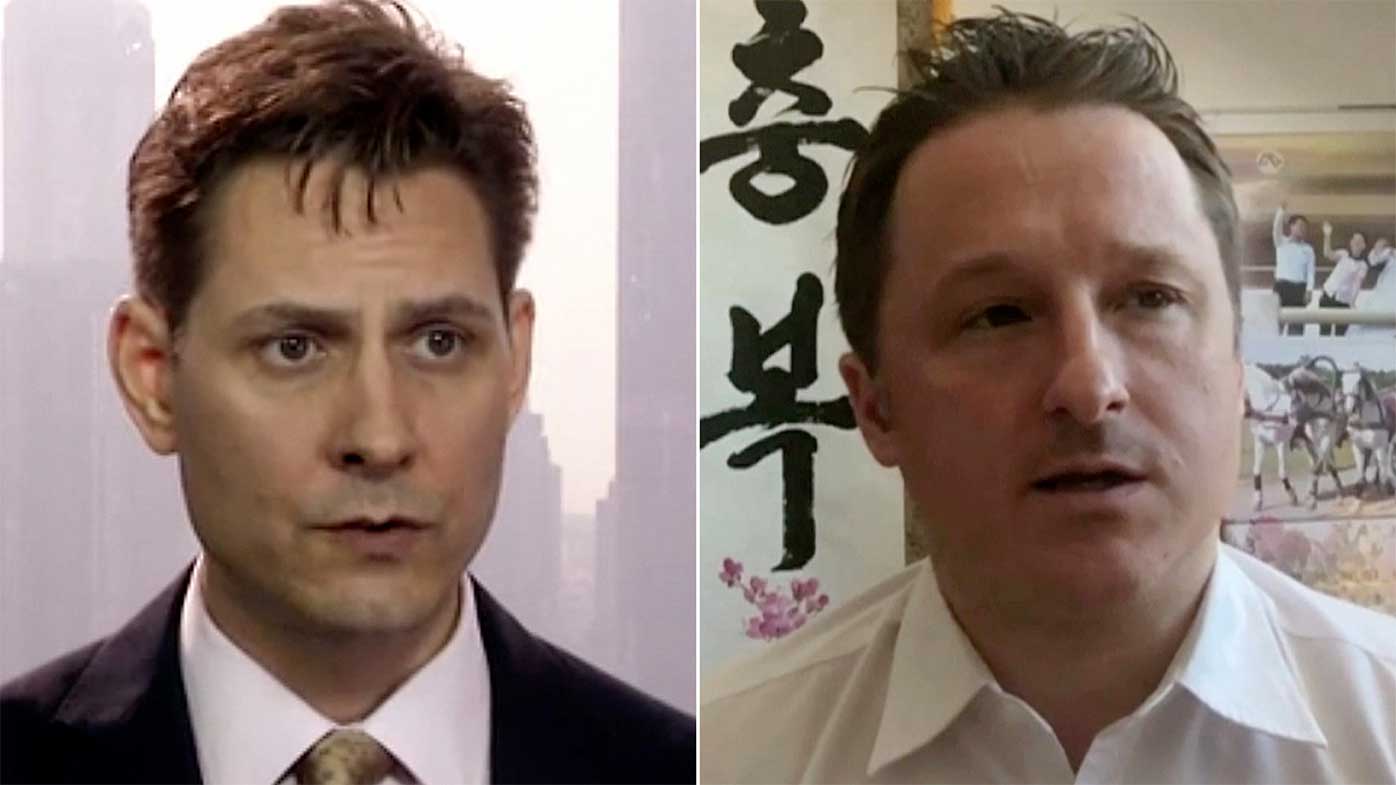
Michael Kovrig and Michael Spavor have been charged with espionage.

Former diplomat Michael Kovrig, and a Canadian entrepreneur, Michael Spavor, were detained in December 2018 and later charged with spying.

A Canadian judge will hear final arguments in the next few weeks over whether Meng should be extradited. She has been living under house arrest in Vancouver.

Canada is, along with Australia and the Philippines, among a growing group of countries that face arrests of their citizens, trade boycotts and other pressure from Beijing over political disputes.

The United States and other governments have warned their citizens of a “heightened risk of arbitrary detention” in China for purposes other than law enforcement.

Barton said he would travel later Tuesday to the northeastern city of Dandong to see Spavor.

China has rejected accusations of hacking Microsoft email servers.

Asked when a ruling in Spavor's case might come, Barton said, “our sense is, it’s tomorrow.” As for Kovrig, the ambassador said, “we have not received any indication of that.”

Asked whether the three cases were linked to Meng's, Barton said, “I don’t think it’s a coincidence these are happening right now while events are going on in Vancouver.” He said the case was “part of the geopolitical process of what is happening.”

The ambassador said Canadian diplomats talked with Schellenberg after the ruling but declined to give details.

“He is remarkably composed,” Barton said. “We had a good conversation."

Huawei is the world's largest supplier of telecommunications network equipment and second-biggest maker of smartphones.

Diplomats from the United States, Germany, Australia and France attended Tuesday's hearing, according to Barton. He expressed thanks to them and to other governments for expressing support for Canada.

Two other Canadians, Fan Wei and Xu Weihong, also were sentenced to death on drug charges in separate cases in 2019 as relations between Beijing and Ottawa deteriorated.

The United States wants the Huawei executive, Meng, who is the company founder's daughter, extradited to face charges she lied to banks in Hong Kong in connection with dealings with Iran that might violate trade sanctions.

The Chinese government has criticised the case as a political motivated attempt to hamper the country's industry development.

Scientists create daddy 'short' legs spiders

Scientists in the US have created a "daddy short legs" spider, adjusting the genetics of the common, house-dwelling daddy long legs to understand more about their makeup.

Researchers at the University of Madison-Wisconsin published their findings in the latest issue of the Proceedings of the Royal Society B. journal, hoping the results will allow for development of more sophisticated tools for functional genetics.

During the experiment, scientists isolated two genes associated with leg development in the arachnid (while daddy long legs strongly resemble spiders, they are more closely related to scorpions) and were able to block the activation of those genes in several embryos, resulting in spiders with shorter legs.

READ MORE: $60,000 raised after baby dies in magpie swooping accident

Spider daddy long legsScientists lab research

READ MORE: Huge huntsman drops on pilot as plane lands in NT

"The genome of the daddy long legs holds great potential to clarify the complex history of arachnid genome evolution and body plan, as well as to reveal how daddy long legs make their unique long legs," research leader, Dr Guilherme Gainett said in the paper.

"Looking forward, we are interested in understanding how genes give rise to novel features of arachnids, such as spider fangs and scorpion pinchers, and also leveraging the genome to develop the first transgenic harvestmen (daddy long legs)."

Leggo's sauce recalled over fears of metal and plastic inside

Containers of a popular Leggo's pasta sauce are being recalled nationwide over fears of the potential presence of metal and plastic fragments inside.

The recall specifically concerns 250-gram containers of Leggo's Fresh Napoli Sauce with Tomato, Garlic, Basil & Oregano, sold at Woolworths around Australia.

Affected products carry the use-by date of 02/10/2021.

READ MORE: Icecream recalled over presence of rubber

Patties Foods Pty Ltd today issued the recall for the sauce, alerting consumers that there is "potential presence of foreign matter (metal and plastic)".

If consumed, food products containing metal or plastic may cause illness and injury.

Customers who have purchased the affected containers are eligible for a full refund and are being advised to return it to the place of purchase.

Concerned consumers can contact Patties Foods Pty Ltd on 1800 650 069 or email them at in**@*********om.au.

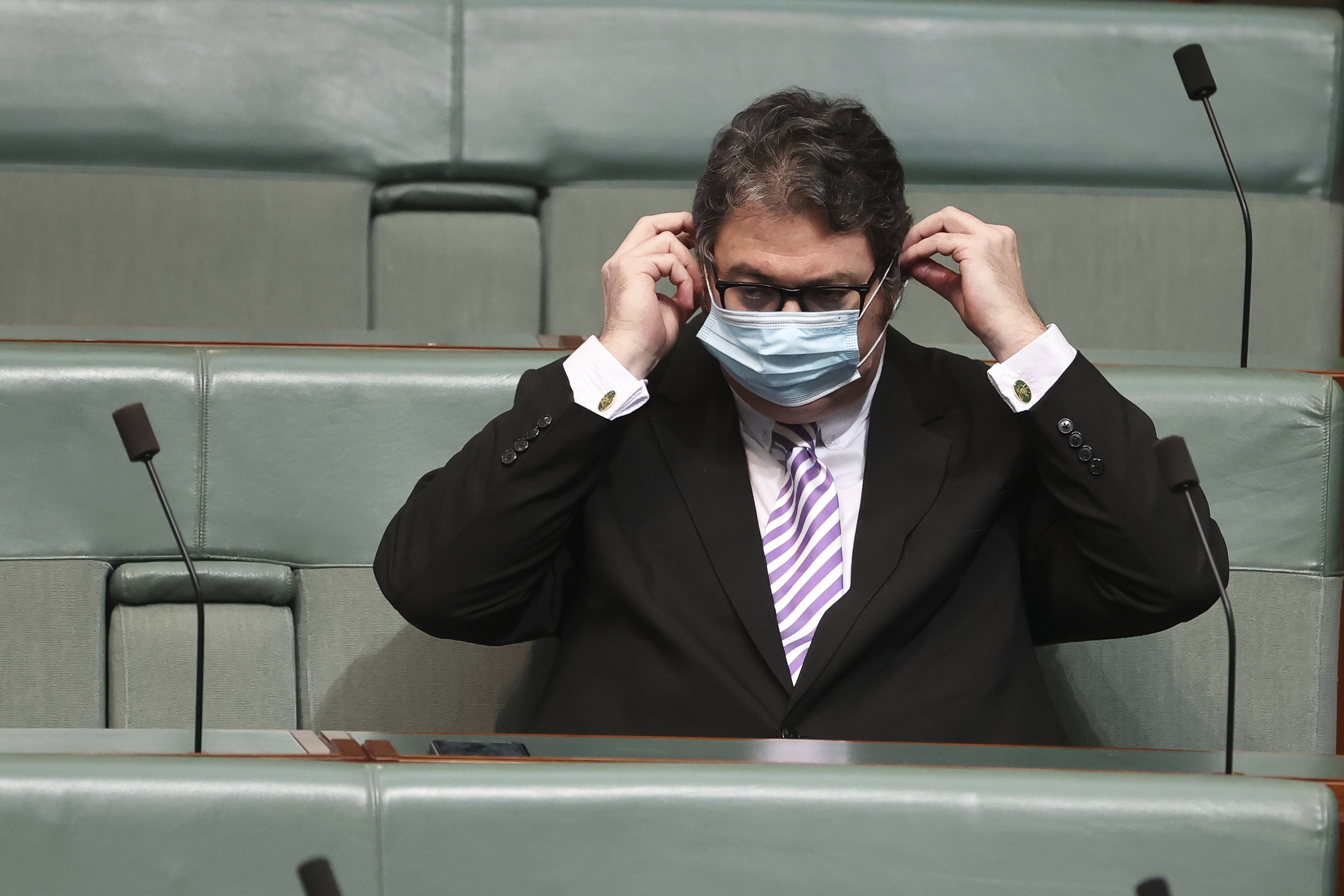
George Christensen condemned for saying 'masks do not work'

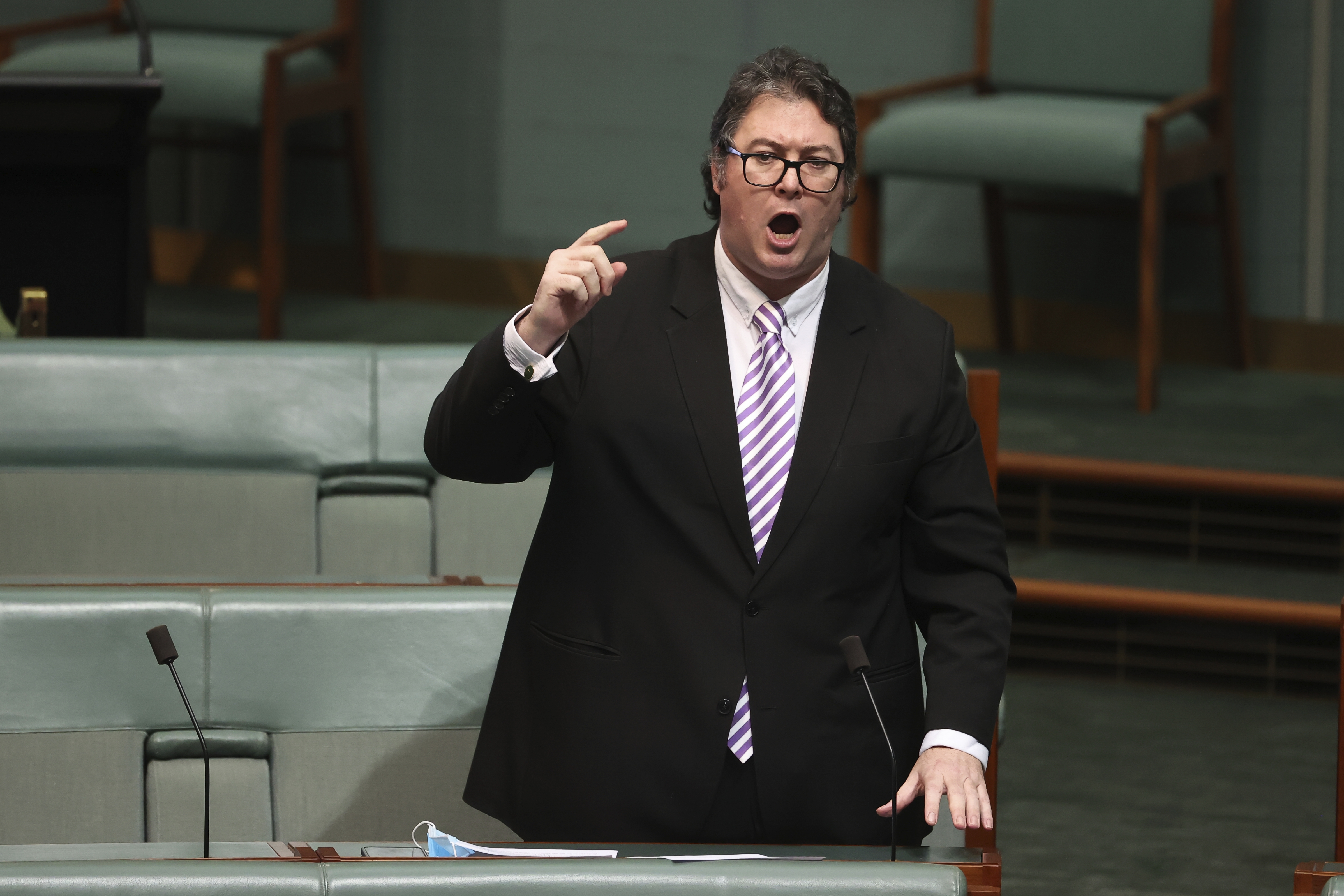
Labor and the Coalition have united in condemning rogue National Party MP George Christensen for claiming lockdowns and masks "don't work".

Opposition Leader Anthony Albanese called the motion to condemn the Dawson MP, describing his views as "dangerous" and "insulting" to health professionals.

"The fact is when it comes to the rollout of the vaccine, our scientists have done a fabulous job," Mr Albanese said.

READ MORE: Masks to remain in Queensland's south-east for another week

In his speech shortly before question time, Mr Christensen demanded an "end to the madness" of COVID lockdowns.

"It's time we stopped spreading fear and acknowledge some facts," he said.

"Masks do not work. Fact, it has been proven masks make no significant difference in stopping the spread of COVID-19, lockdowns don't work.

"Lockdowns don't destroy the virus, but they do destroy people's livelihoods and people's lives."

READ MORE: 'Things are likely to get worse' as NSW clocks 239 new cases

Labor MP Mike Freelander also slammed the comments.

"The Prime Minister was right, we have fantastic medical professionals, epidemiology, vaccines and we are very grateful to have them," he said.

"When I see people on any side of politics, doing active harm to our response to this crisis, this health crisis, it just makes me angry.

"They should not be ignored, they should be called out on every occasion because what they are doing is disgraceful.

READ MORE: Masks mandatory at indoor venues and public transport across Sydney

"I think any sensible person would understand that the time has to come when they should be called out.

"To call this pandemic, this virus, "the flu", surely that is beyond any reason, beyond any acceptability."

Mr Christensen has also been encouraging Queensland voters to join him at freedom rallies, recently attending one in Mackay.