Last week, Niwa reported that this winter – characterised by a series of tropical-charged deluges, between long spells of mild weather – could well end up our warmest ever for the second year in a row. What’s caused it? How unusual…
Tag Archives: oceania
COVID 'establishing itself in Australia'
Australia is moving into a new phase in its pandemic fight where we will no longer be able to keep COVID-19 completely out of the community, according to a CSIRO health expert.
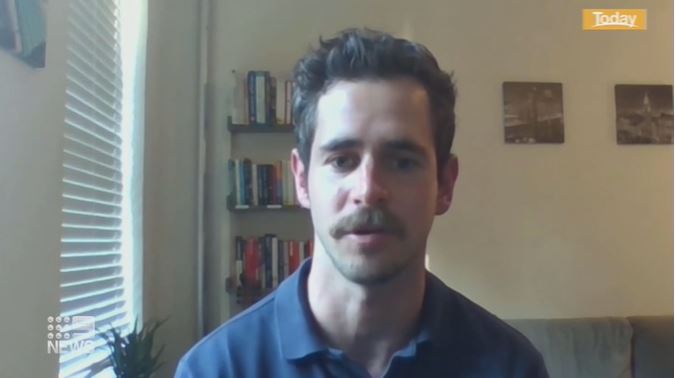
CSIRO Health Director Dr Rob Grenfell told the Weekend Today show this morning that the virus is now establishing itself in the community and was likely here to stay.
"We are in a transition phase for this pandemic," he said.
READ MORE: Numbers continue to soar in NSW as another 319 local cases recorded

"We are moving into a phase where the virus certainly appears that it is establishing itself in the country.
"This was always going to happen at some stage of the pandemic. It would have been nicer to have occurred a little later when we had say many, many more people vaccinated, but it certainly appears that is what is happening."
Yet he insisted lockdowns remained a crucial weapon in quelling rising case numbers.
"If we weren't doing this in New South Wales at the moment – let's think about it – we'd be having tens of thousands of cases," he said.
"The US and UK are demonstrating that at the moment with Delta… The US had 200,000 cases yesterday for instance."
READ MORE: Australian man living overseas feels 'abandoned' by federal government
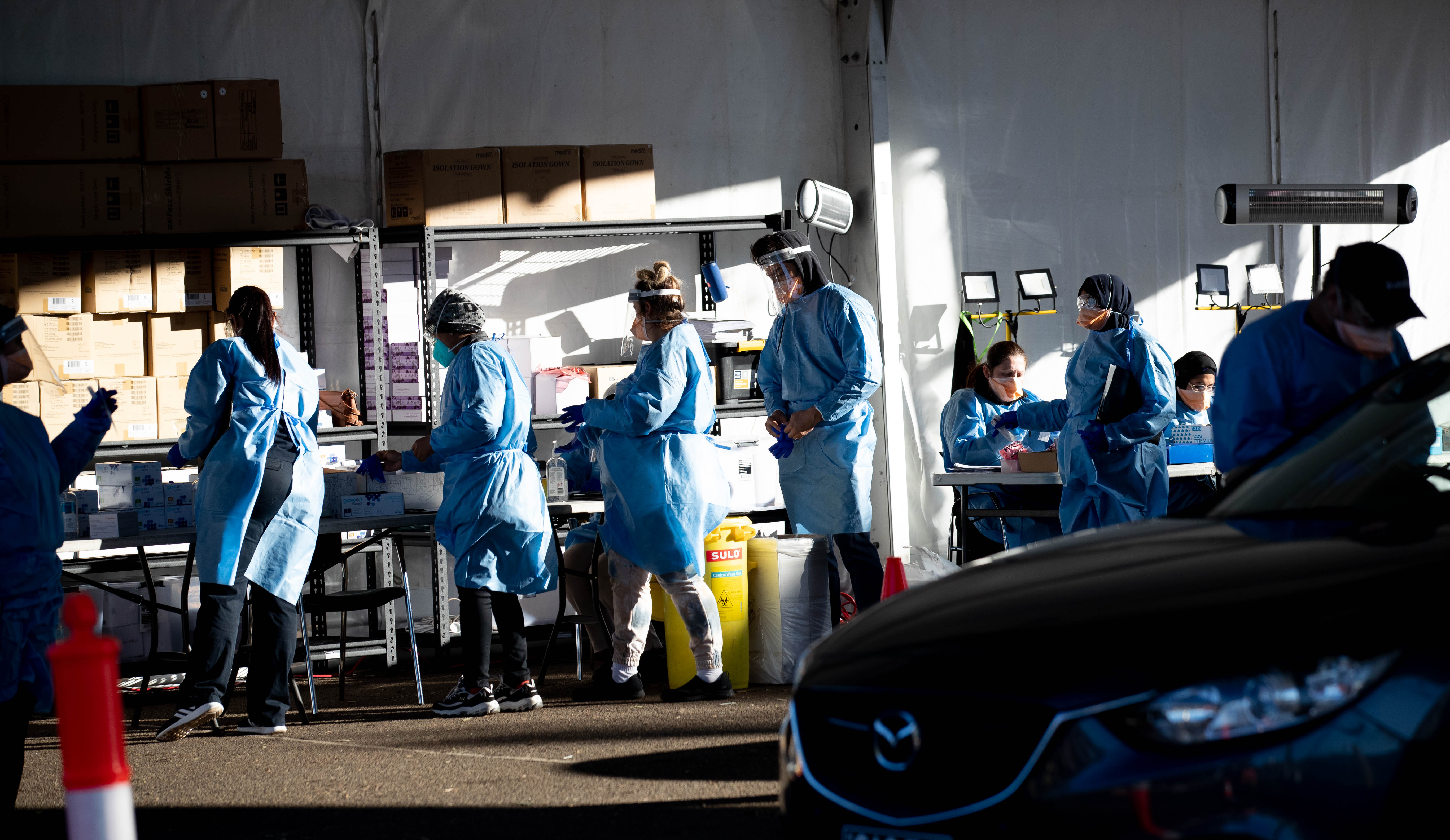
Despite its harsh lockdown, New South Wales has continued to see case numbers creep upwards, with a record 319 new infections yesterday.
Dr Grenfell said the "extremely concerning" figure meant case numbers were likely to rise further in coming days.
"That means over the last couple of weeks, or at least week or so, they have been probably spreading the virus to other people in the community," he said.
"This is a very sombre stat to actually come forward, certainly suggesting we've got a long way if we are going to go anywhere near zero cases in NSW.
In Victoria, there are growing fears their COVID-19 outbreak could head in a similar direction with 29 new infections uncovered yesterday, none of whom were in isolation.
It's the highest single-day jump in the state this year and has promped speculation that a 'ring of steel' similar to that seen during the height of Victoria's second wave last year could again encircle Melbourne.
READ MORE: Victoria records 29 locally-acquired cases of COVID-19
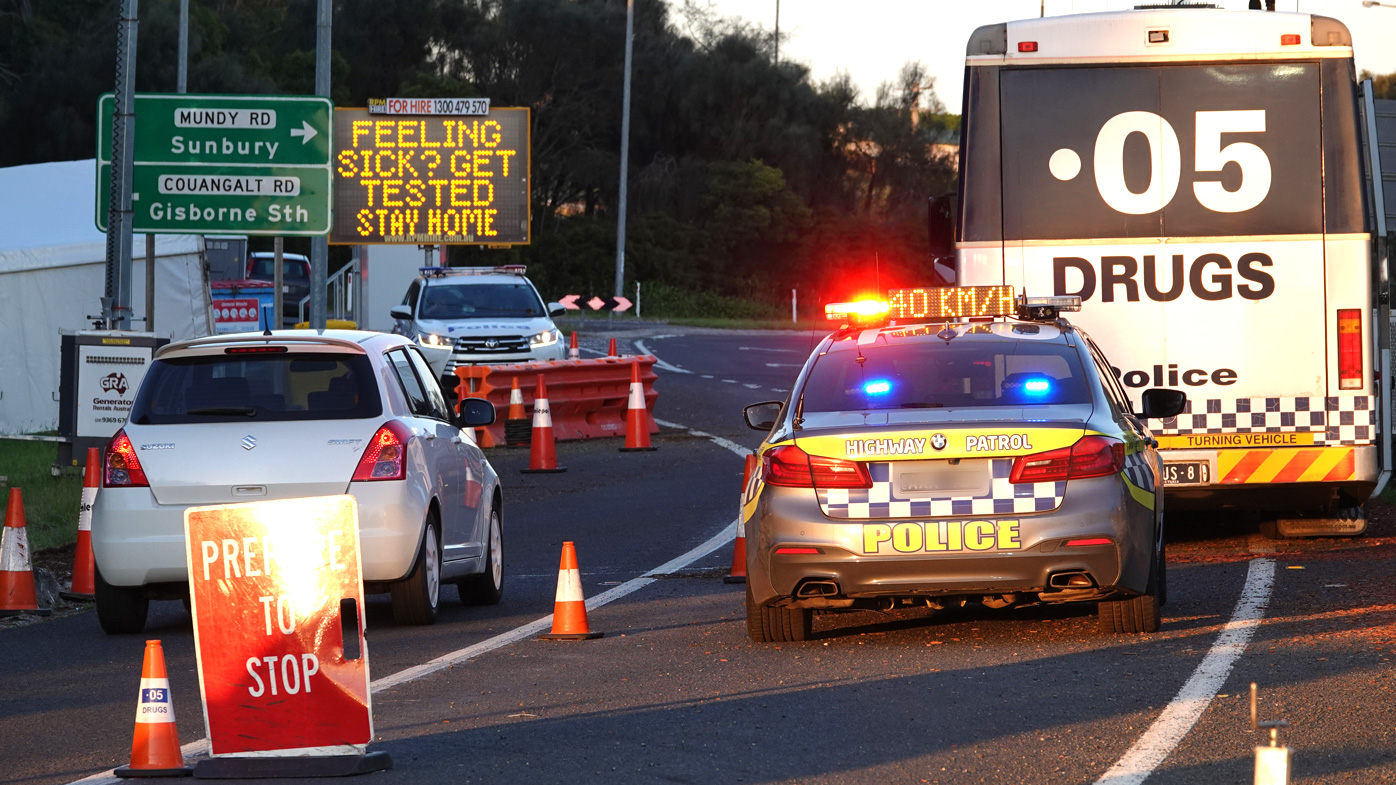
In recent weeks, Premier Daniel Andrews has called on NSW Premier Gladys Berejiklian to implement a similar strategy to prevent the virus seeping in to regional communities.
But Dr Grenfell was skeptical that such an approach would prove effective this time around, thanks to the increased infectivity of the Delta variant.
"This virus is something that threatens all of us now," he said.
"Back in the early stages, those sort of systems worked in a way of stopping the spread across.
READ MORE: Snap lockdown announced for Armidale following COVID-19 detection
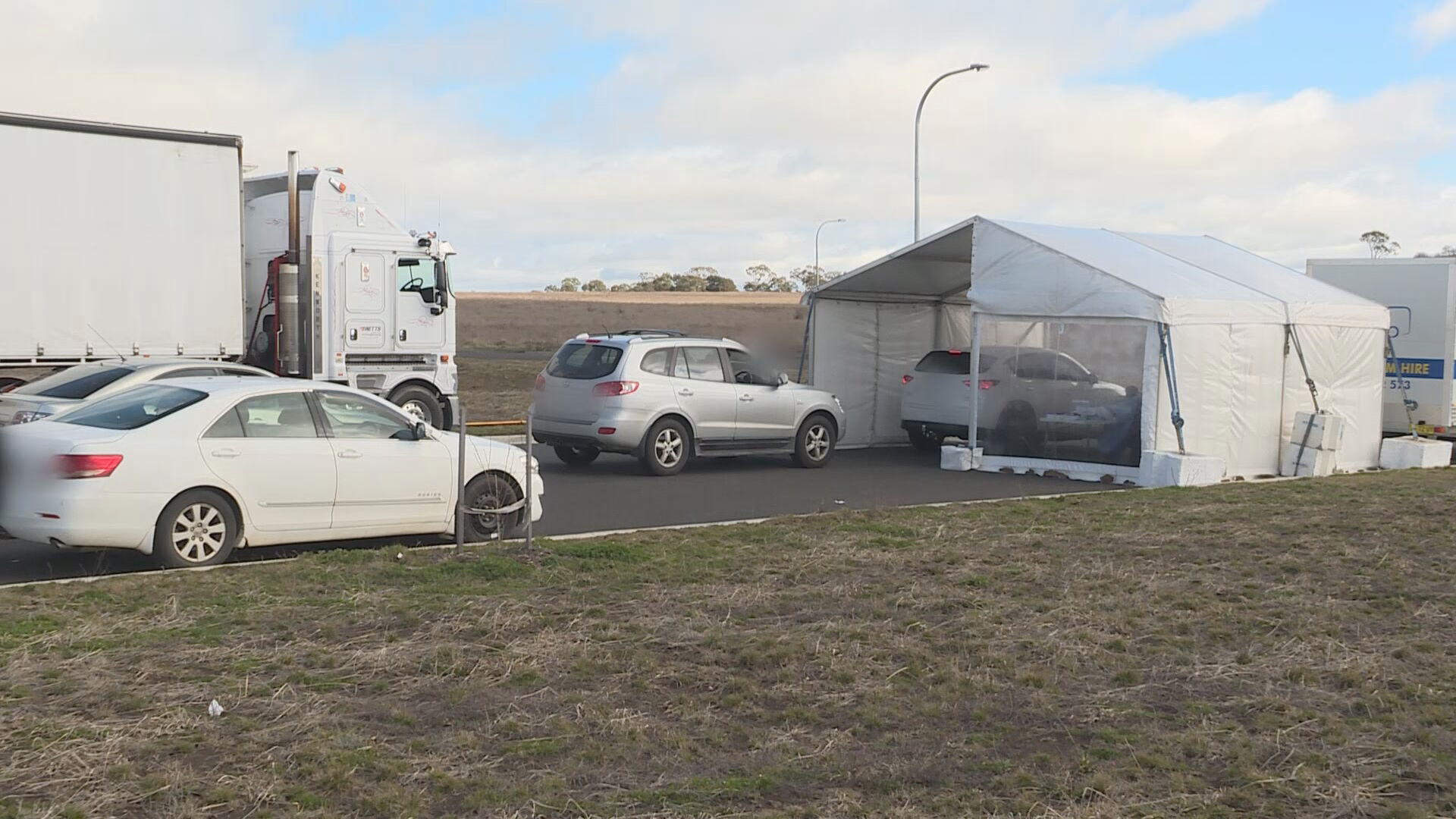
"But as we've seen, to keep society open people need to move around at least to the bare minimum to keep the wheels turning – that is food supplies, power supplies, transportation systems."
"We can't expect we can stop such a very infectious virus from coming to our regional communities – so all of us need to be taking caution."
He said a similar warning applied to New South Wales, where another regional community was plunged into lockdown yesterday after two positive cases were uncovered in Armidale.
Dr Grenfell noted that signs were "positive" for south-east Queensland easing some of its restrictions today, provided no new cases not in isolation were found.
Man, 43, who went to Australia as baby will be deported to New Zealand
By Gill Bonnett of RNZ A 43-year-old man who has been in Australia since before his first birthday has lost an appeal against being deported to New Zealand.Heath Cowgill went to Australia with his parents in 1977, when he was…
Race against time for Aussie living overseas
An Australian man who could miss seeing his father before he dies, due to recent travel rule changes, says he feels "abandoned" by the federal government.
In Brisbane, the health of 72-year-old Michael Booth is deteriorating.
His son Nathan Booth, who is half a world away in Seattle, US, has been told his father could have six months to live.
READ MORE: Numbers continue to soar in NSW as another 319 local cases recorded

Now, in a battle against time, Nathan faces another hurdle with Aussies living overseas soon needing an exemption to leave the country again if they come for a visit – the Government arguing it's just closing a loophole.
"There's a possibility I won't be able to see my dad before he dies and that's just heartbreaking," Nathan told 9News.
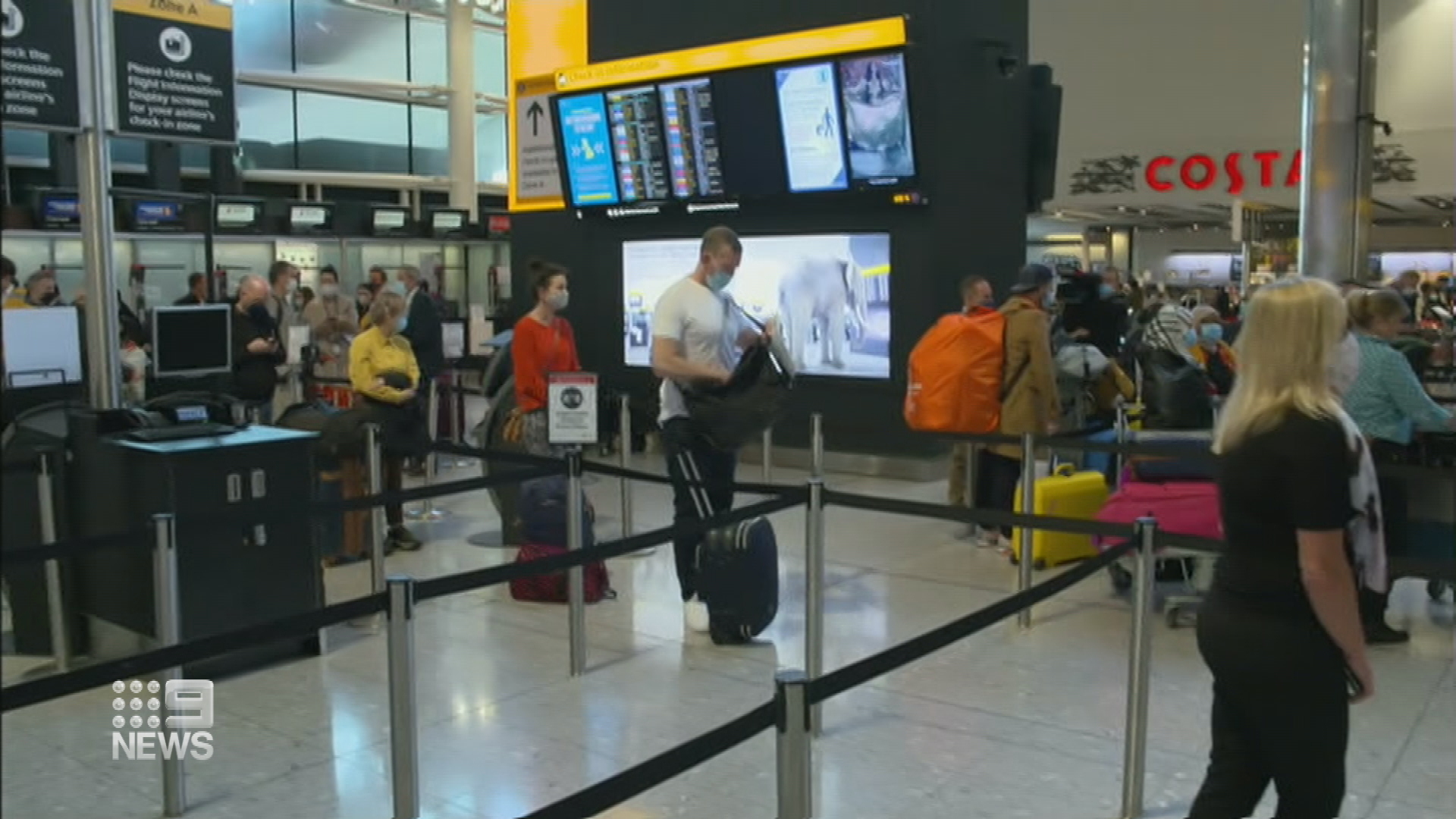
On Wednesday travel rules will change for all Australians who live overseas.
They will no longer automatically be allowed to leave the country if they come home to visit.
Instead, like every other Australian wanting to leave our shores, they will need an exemption.
READ MORE: Victoria records 29 locally acquired cases of COVID-19
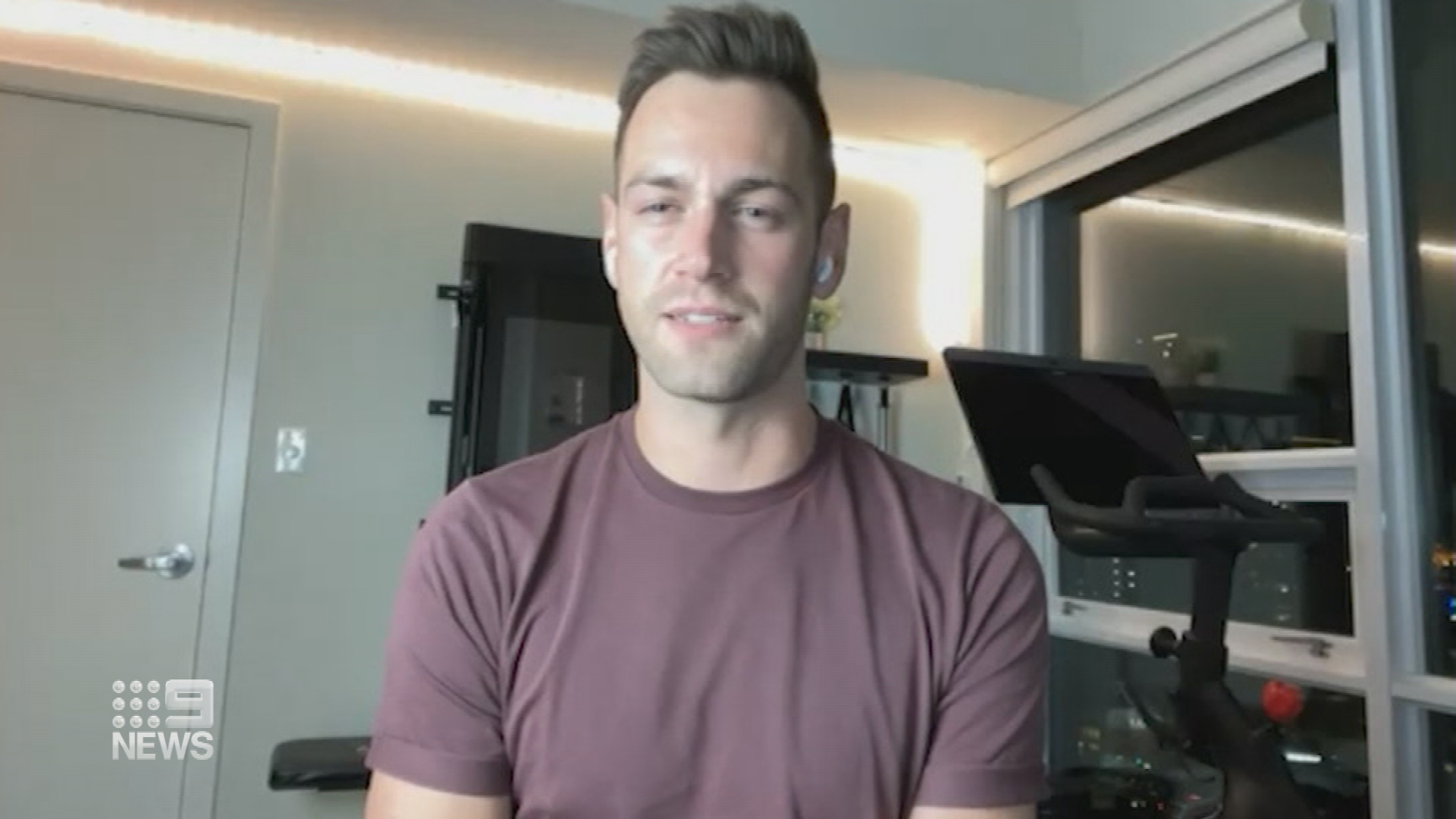
"I definitely kind of feel abandoned by the Australian government in this situation," Nathan said via Zoom, adding, "the change has caused a stir among other expats."
Joel Markoff wants a Christmas back home, not in New York.
"I thought there was some light at the end of the tunnel, it's very distressing," Mr Markoff told Today.
This week the government put the change into parliament, which says the previous rules were not intended to enable frequent travel between countries.
READ MORE: Queensland records 13 new cases of COVID-19
Adding the amendment will reduce the pressure on Australia's quarantine capacity, reduce the risks posed to Australia from COVID-19, and assist in returning vulnerable Australians.
There are currently 38,000 Aussies listed as wanting to come home.
"We've seen too many instances where people have left the country only for in relatively short order, to put their names on the request list to come back into the country," Finance Minister Simon Birmingham said of the changes.
READ MORE: Numbers continue to soar in NSW as another 319 local cases recorded
The government argues the change is just closing a loophole to bring the rules for Australian residents overseas into line with Australians at home and say the exemption can be applied for before citizens land back here.
For people like Nathan however, there's still a wait for a seat on a plane, a room in hotel quarantine and then, maybe, a chance to say goodbye.
Timaru car crash: Multiple people seriously injured – two cars collide
Multiple people have been seriously injured in a major crash in Timaru.Emergency services were called to the scene, at the intersection of Seadown Rd and Meadows Rd in Washdyke, Timaru, at about 7.20pm. A police spokeswoman said…
Man 'watching football in his car' suffers bullet wound to the head
A man watching football in his car would be dead if a bullet hurtling toward him had been one centimetre lower as another was killed in a shooting in Sydney's west.
The 25-year-old, known as Rama, was sitting in his car about 300 metres down the road from where a gun was fired in Chester Hill last night.
The innocent bystander doesn't remember the bullet grazing his head, just hearing his windscreen shatter and blacking out.
READ MORE: Apartment in COVID-19 hotspot locked down after dozens of cases
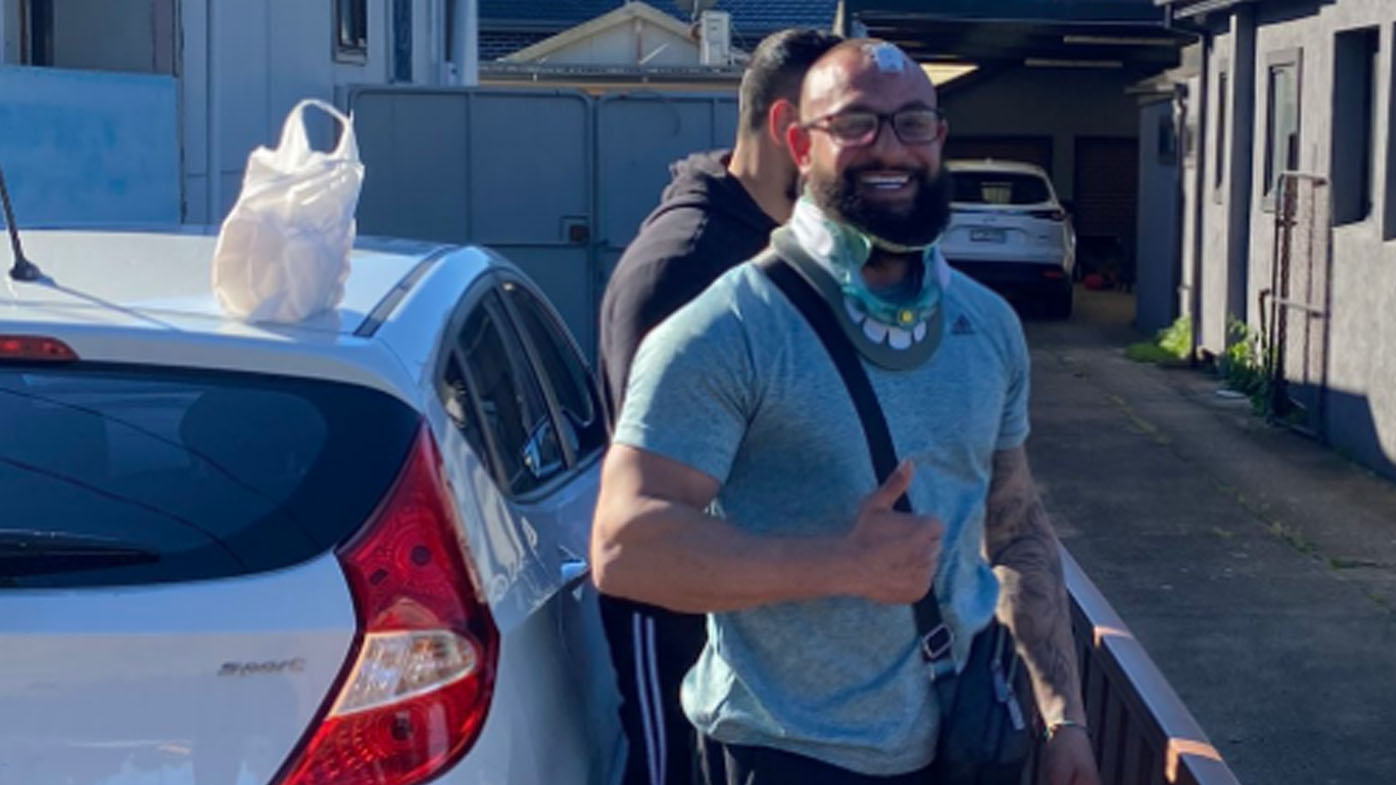
He told 9News he bought a lottery ticket after doctors told him he's extremely lucky to have suffered only minor injuries.
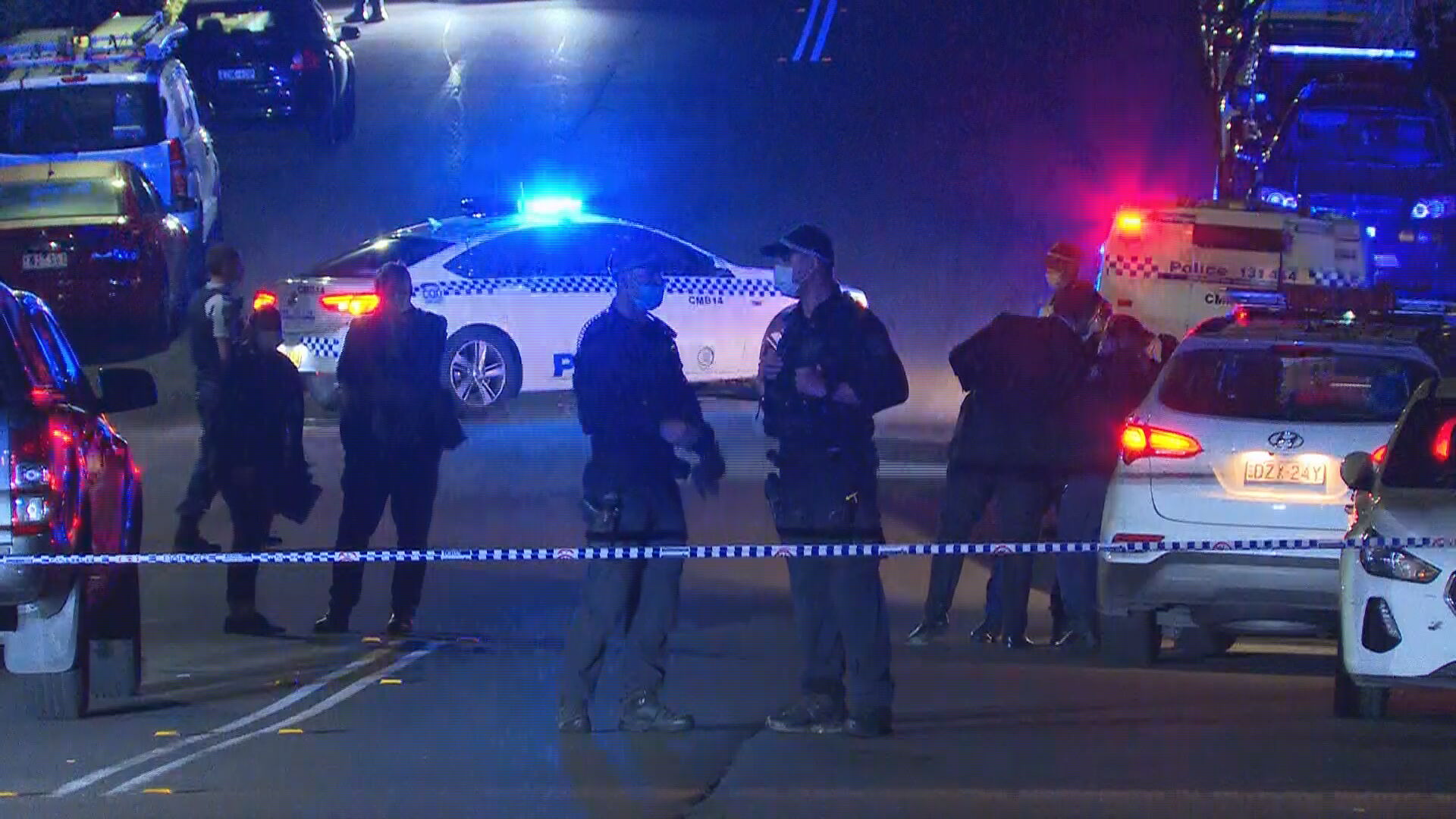
Shortly after police arrived at the scene where Rama was shot, officers were called to a nearby property in Guildford following reports that another man had been shot.
Shady Kanj, 22, was treated by paramedics but died at the scene.
He was driving when he was shot and managed to make it to the home.

Homicide Squad Commander Detective Superintendent Danny Doherty said a link between the 22-year-old and the Alameddine organised crime network was being investigated.
"We can't discount that … There are some links to the Alameddine organised crime network, however that's only one line of inquiry," he said.
"We also can't discount this could be an internal conflict between an organised crime network".
An alleged rivalry between some in the Alameddine and Hamzy crime families has led to bloodshed on Sydney streets.
Superintendent Doherty said said last night's shootings are believed to be linked.
"How dangerous and reckless that act is, first of all targeting someone and shooting him, but the stray bullet hitting someone. It's very lucky it hasn't killed anyone else in that street," he said.
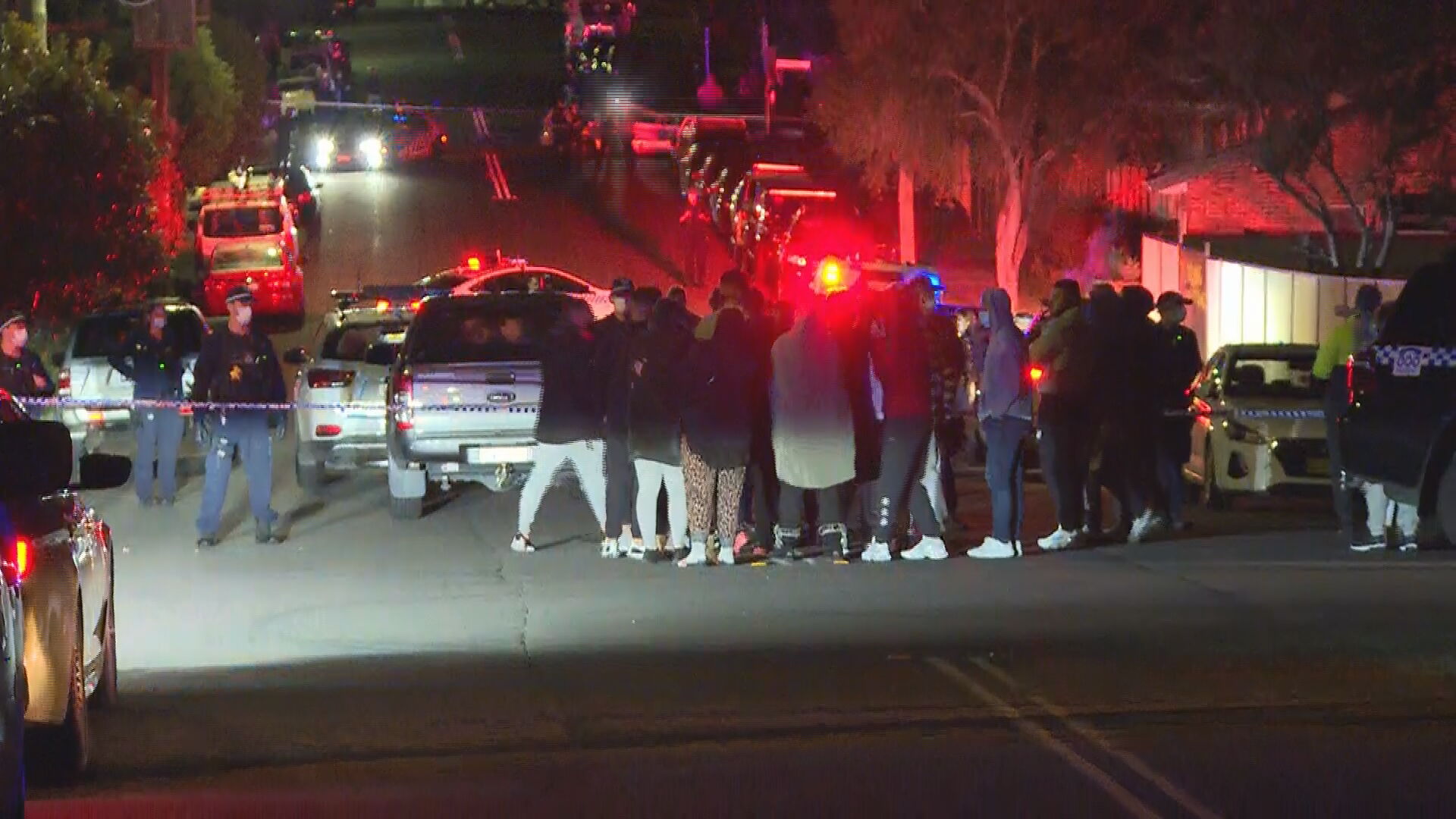
"People would have seen something or heard something and definitely there will be people who know exactly what happened."
Five Sydney teens charged with murder after boy dies
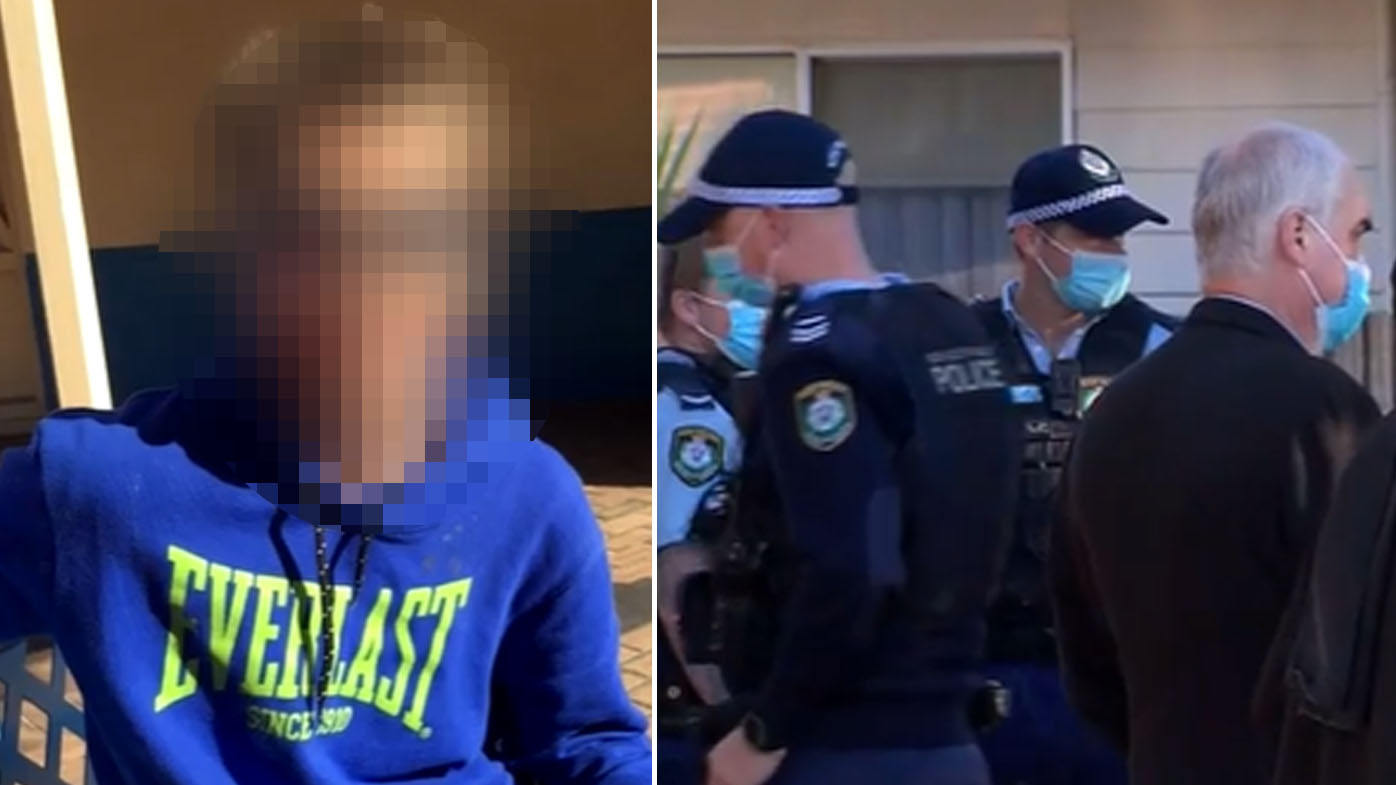
A Sydney boy who was allegedly attacked by a group of children has died, leading to five teenagers being charged with murder.
The 16-year-old boy died in hospital today after being found unresponsive with serious injuries to his head and chest at a home in Doonside, in Sydney's west, on Wednesday.
Two boys – aged 13 and 15 – were arrested and charged along with a 15-year-old girl when police launched their initial investigation earlier this week.
READ MORE: Major Newcastle hospital emergency room a COVID-19 exposure site
READ MORE: Snap lockdown announced for Armidale following COVID-19 detection
Two more boys – aged 13 and 14 – were arrested in Ermington on Thursday.
They were taken to Granville Police Station and both charged with cause grievous bodily harm to person with intent and take/detain in company with intent to get advantage occasion actual bodily harm.
All five have now been charged with the additional offence of murder.
They appeared in children's court today and have been formally refused bail.
They will next appear in court on August 13.
The investigation continues.
Trains delayed: Trespasser on the tracks Kingsland, Auckland
Aucklanders travelling by train tonight may experience some delays after a trespasser entered the tracks at Kingsland station. Police were called to the central Auckland suburb’s rail station at about 6.30pm after reports a tresspasser…
Pics of the week: Spectacular lava eruption at Sicily's Mt Etna
One of the most active volcanoes in the world, Sicily's mount Etna spewed lava flows into the sky this week.
Crew in navy's deadliest submarine disaster sent desperate message
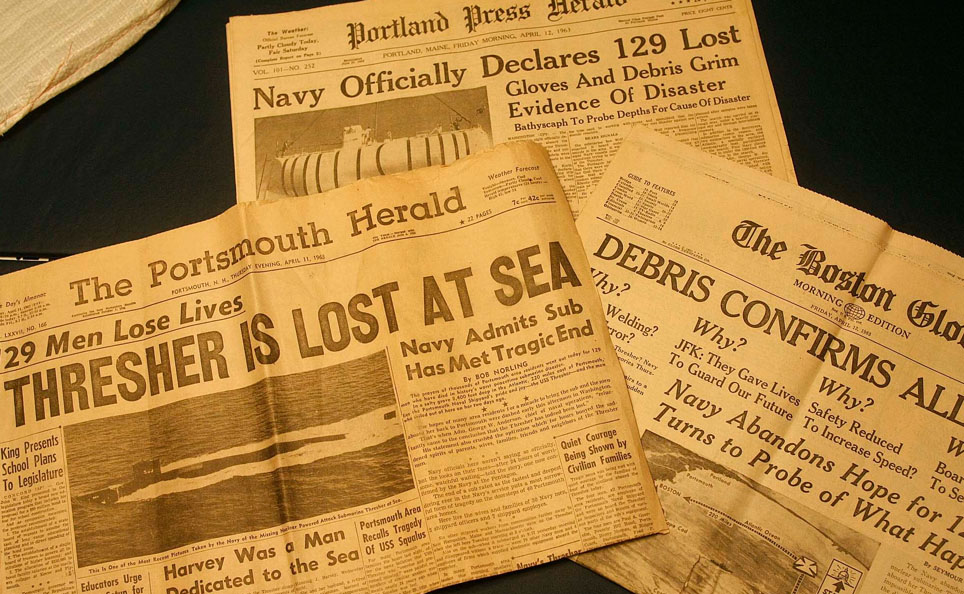
The release of about 3000 pages of documents delving into the deadliest submarine disaster in US history has not yielded any sinister effort to hide the truth, a retired Navy skipper says.
Instead, documents show the US Navy's policies and procedures failed to keep pace with fast-moving technological advances during the Cold War, allowing a series of failures that led to the sinking of the USS Thresher on April 10, 1963, said retired Captain James Bryant, who sued for release of the documents under the Freedom of Information Act.
"There's no cover-up. No smoking gun," he said.
READ MORE: Titanic museum iceberg wall collapses, injuring three visitors
That doesn't make it any less tragic, though.
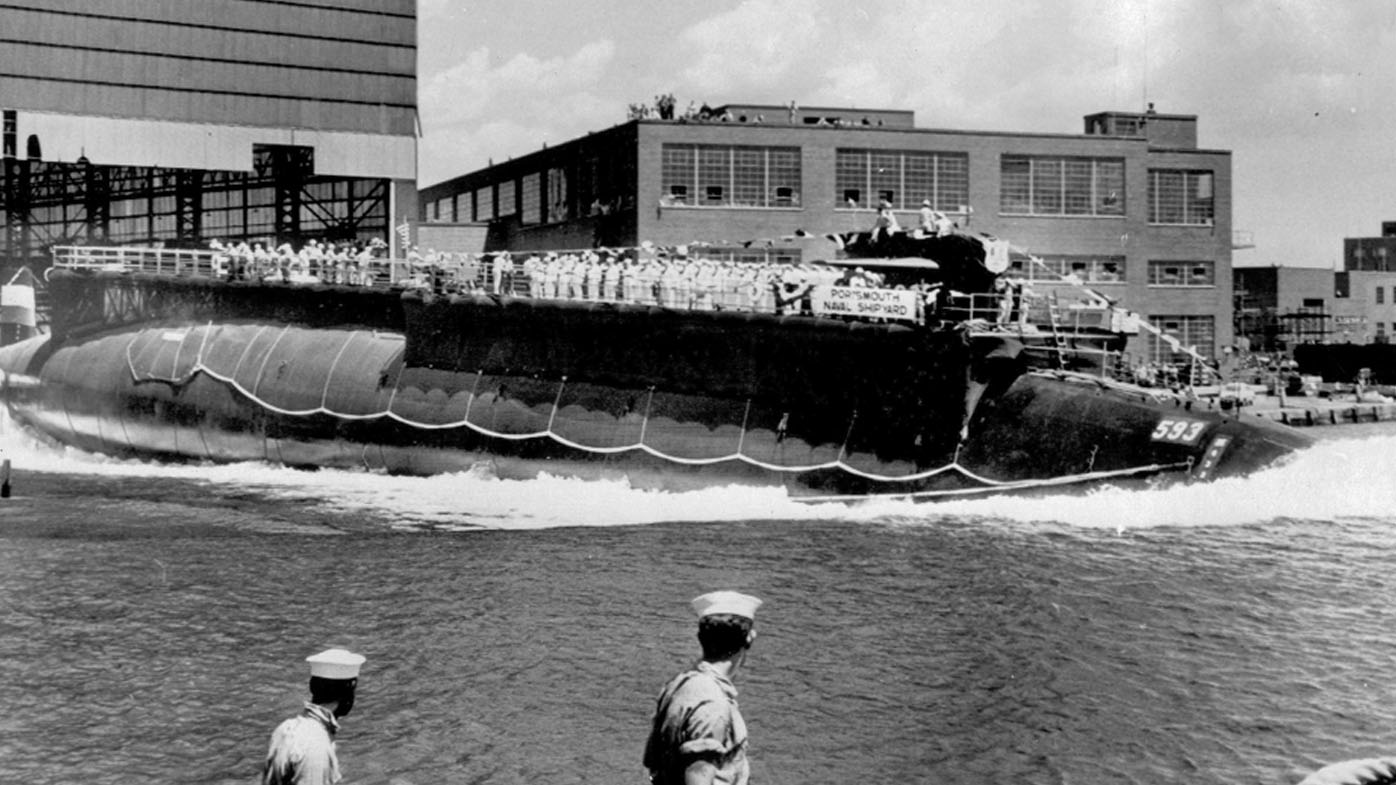
The loss of the nuclear-powered submarine and all 129 sailors and civilians aboard during a test dive in the Atlantic Ocean was both a tragedy for the families and a blow to national pride during the Cold War.
The Thresher was the first of a new class of attack submarines that could travel farther and dive deeper than any previous sub.
But the documents suggest the nuclear-powered submarine's capabilities outstripped the Navy's best practices based on older-generation subs.
For example, the ballast system used to surface in an emergency was a legacy system that was never tested at greater depths, and proved to be inadequate, the documents show. There were known problems with the silver-brazed joints in pipes throughout the sub. And training was inadequate for a nuclear reactor shutdown at depth.
The Navy believes the Thresher's sinking was likely caused by a burst pipe and electrical problems that led to a nuclear reactor shutdown.
"The Navy continues to stand by and remain transparent with the families and the public on the conclusions of the 1963 Court of Inquiry and the likely scenarios that caused the loss of Thresher," Lieutenant Katherine Diener, a US Navy spokesperson said. Another 4000 pages of Thresher-related documents are due to be released, she said.
Mr Bryant, himself the skipper of a Thresher-class submarine, agreed that a series of events led to the sinking: The sub descended far too quickly without stopping to assess for leaks from previous shock testing months earlier; there were training concerns because the location of valves had changed while in dock; and ice build-up prevented the crew from effectively blowing the ballast tanks to resurface.
READ MORE: Russia tests giant nuclear submarine equipped with secret weapons
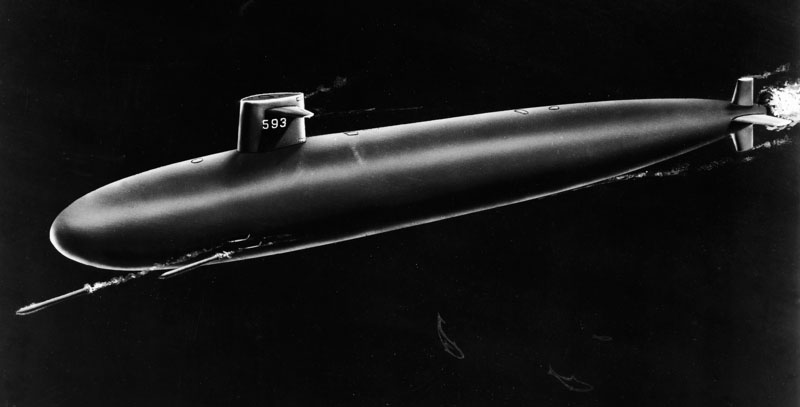
The main cooling pumps eventually stopped, followed by the nuclear reactor, robbing the submarine of the ability to stop its fatal descent, he said.
No one will know for sure exactly how the disaster played out. But it's clear that precious minutes went by as the crew became aware of their dire situation. At one point, a message from the submarine to a rescue ship referred to "900 north" suggesting the sub was 900 feet (274m) beyond its test depth, according to the documents.
The test depth was redacted but previously declassified documents indicated it was 400m, said Norman Friedman, a US naval analyst and author of more than 30 books on naval topics.
READ MORE: Submarine spotted off Queensland coast for international wargames
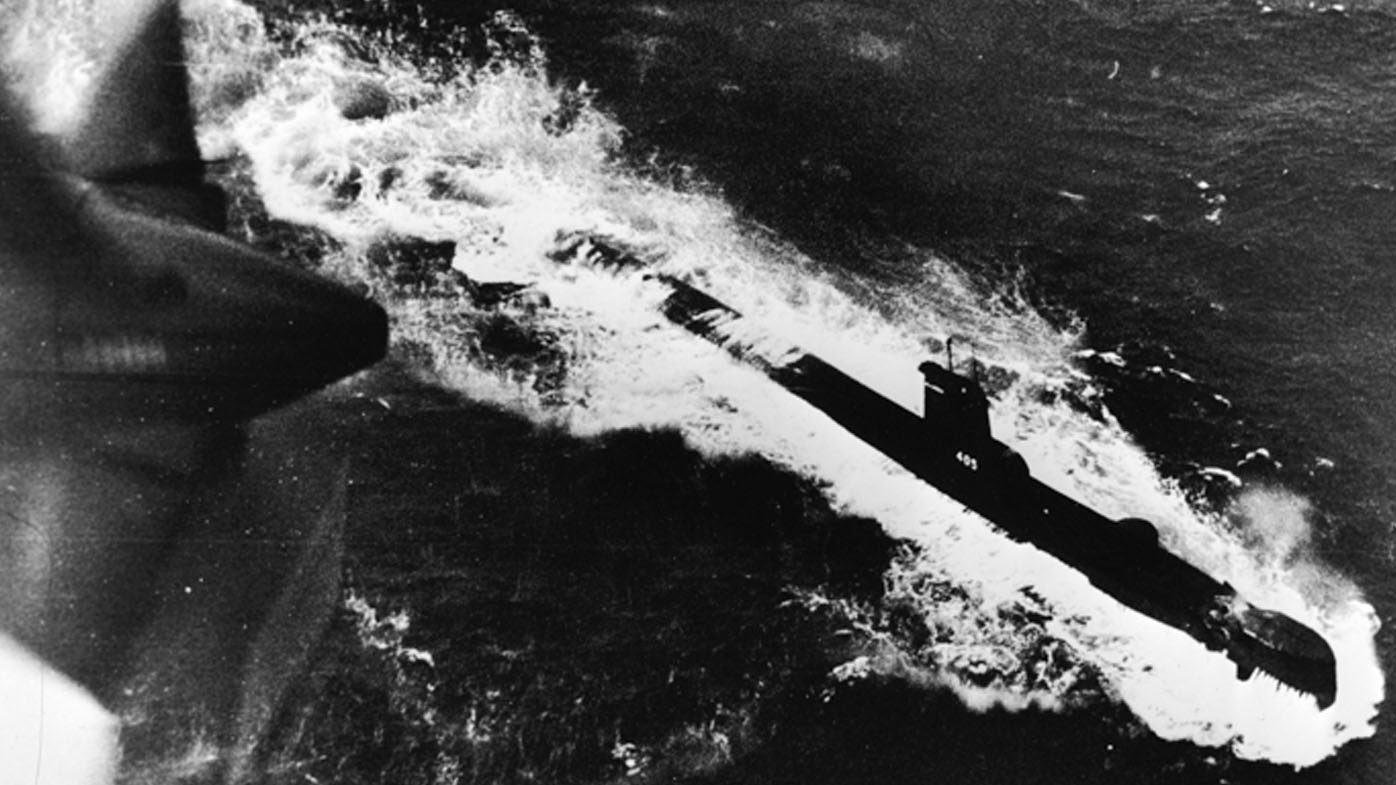
The documents reveal many of the submarine's safety systems were based on operations in shallower depths from previous-generation submarines, and were inadequate in the unlikely scenario of a loss of nuclear propulsion while deep underwater, Mr Bryant said.
That World War II mindset during the nuclear age proved fatal for the Thresher crew, he said.
At the time, the US Navy's resources and personnel were strained as it pushed to get ballistic missile-equipped submarines deployed quickly to counter the Soviet missile threat, Mr Friedman said.
That contributed to veteran crew members being reassigned and new officers and sailors coming aboard who were less familiar with the Thresher's complicated system of pipes and valves before the fatal dive, he said.
"It's almost a wartime situation and you might consider them casualties of the Cold War," he said of the Thresher's crew.
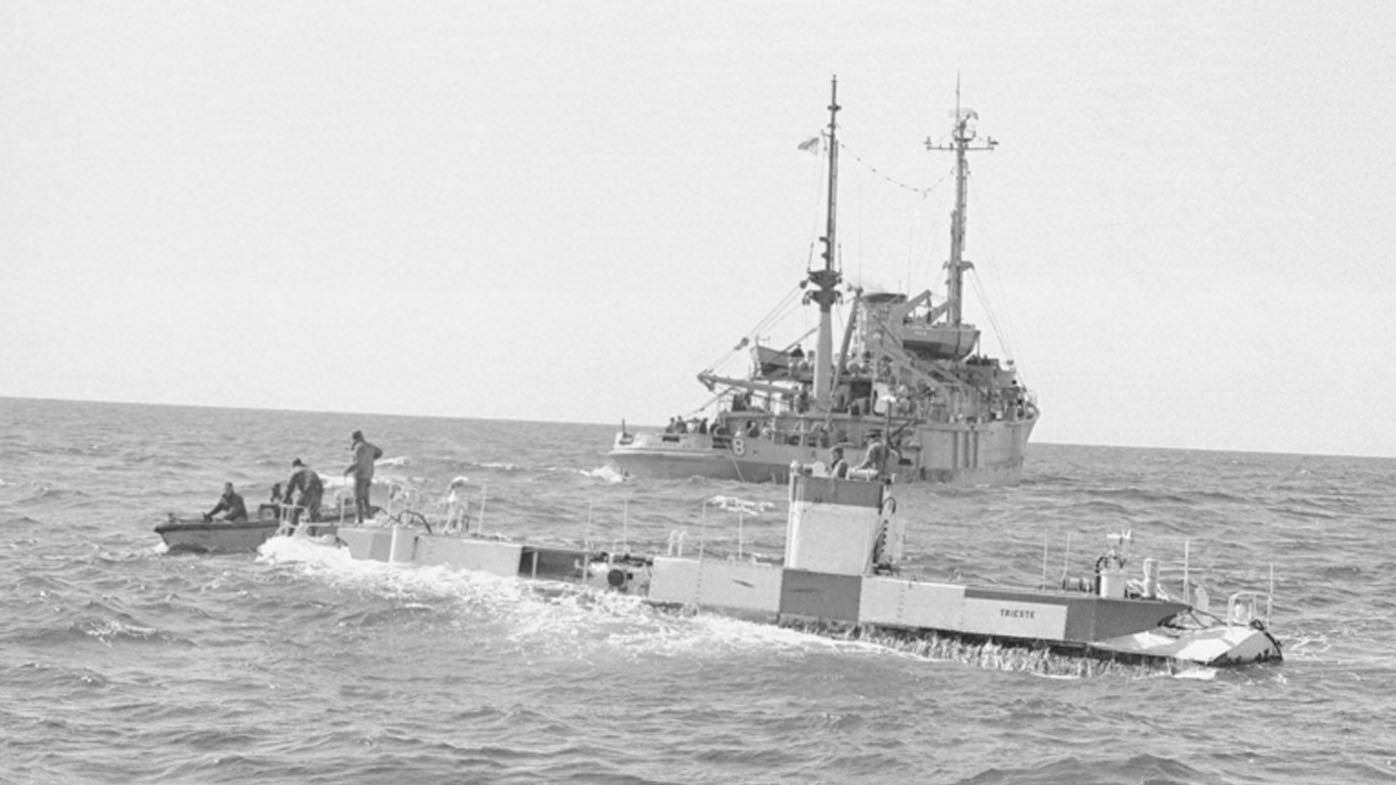
The sub's destruction caused the Navy to accelerate safety improvements and to create a program called SUBSAFE, an extensive series of design modifications, training and other improvements.
One submarine has sunk since then, the USS Scorpion in 1968, and it was not SUBSAFE-certified, the Navy said.
Tim Noonis, whose father, a radio operator, perished on the Thresher, said the loss remains painful for families like his, but he finds comfort that the Navy corrected mistakes for the sake of future sailors.
"No one wants to lose a family member, but if other families have benefited, well, there's some solace in that," Mr Noonis said.
Mr Noonis was born at Portsmouth Naval Shipyard, where the Thresher was built. The sub was based in Groton, Connecticut.
Its final dive took place beyond the continental shelf, about 350km off Massachusetts' Cape Cod.
Thresher currently rests at a depth of 2600m. The wreckage is spread over more than a kilometre on the ocean floor.