Tag Archives: oceania

One year after deadly Beirut blast, fight for justice goes on

After the massive explosion at Beirut's port a year ago, only a small part of Ibrahim Hoteit's younger brother was identified: his scalp.

Mr Hoteit buried his brother — a large man, a firefighter, a martial arts champion — in a container the size of a shoebox.

Since then, Mr Hoteit has sold his business, a perfume and accessories shop. He sleeps only a few hours a night. Black circles ring his eyes.

READ MORE: Australian victim of Beirut explosion identified as two-year-old
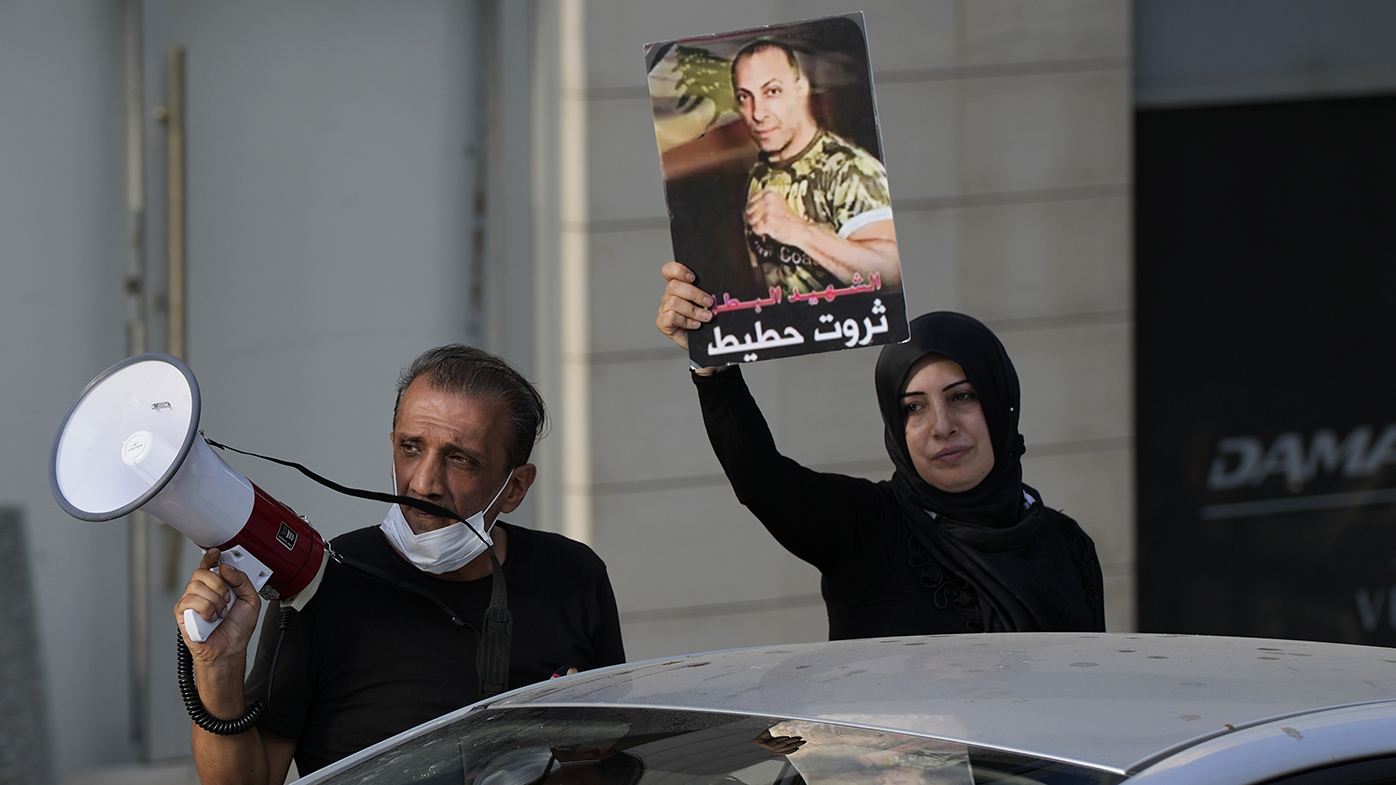
One thing drives him now: winning justice for the victims of the August 4, 2020, explosion that killed more than 214 people and punishing Lebanon's political elite, blamed for causing the disaster through their corruption and mismanagement.

"I don't see a minister or president or parliament speaker. I am seeing the person who killed my brother and others with him," Mr Hoteit said, who says he gets anonymous threats.

"This is what gives me strength. I see that I have nothing to lose."

The victims of the explosion included Australian two-year-old Isaac Oehlers.

Mr Hoteit and his wife, Hanan, have built an association of more than 100 families of those killed.

They are waging a campaign of protests and rallies trying to shame, pressure and force politicians to allow the truth to come out.

A year later, critics say the political leadership has succeeded in stonewalling the judicial investigation into the explosion.

READ MORE: Beirut explosion: Fireworks, ammonium nitrate likely fueled Lebanon blast, experts say
President Michel Aoun has said no one will have political cover if they are found negligent or guilty, but has not addressed accusations that officials are obstructing the investigation.

Mr Hoteit and other families say they are up against not just a government but the political system that has ruled Lebanon for more than 30 years.

It's a system that protects itself so intensely it seems invulnerable, even as many Lebanese say it has led the country into ruin — pointing to both the explosion and a financial meltdown that is one of the world's worst in the past 150 years.

Even the current caretaker premier, Hassan Diab, has acknowledged this, saying weeks after the explosion that corruption in Lebanon "is bigger than the state."
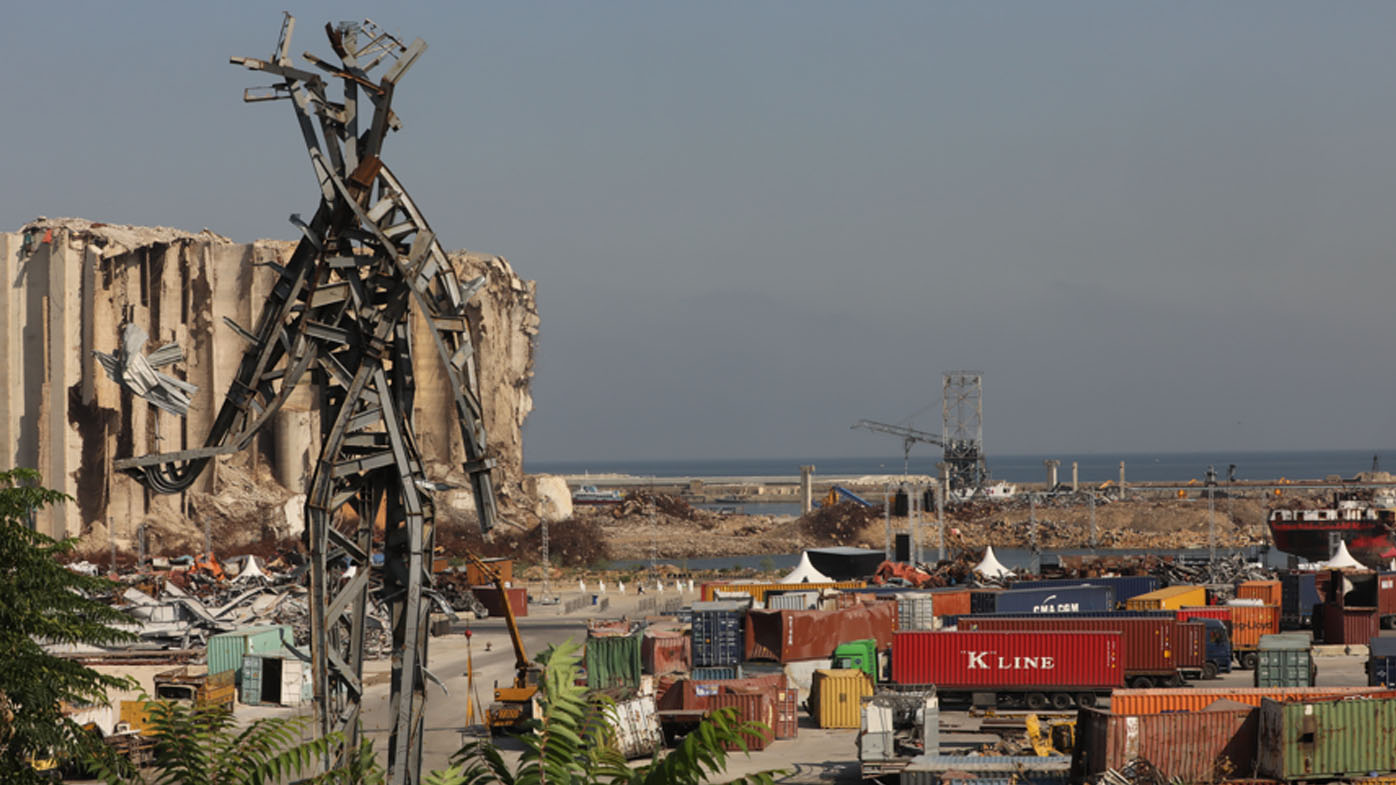
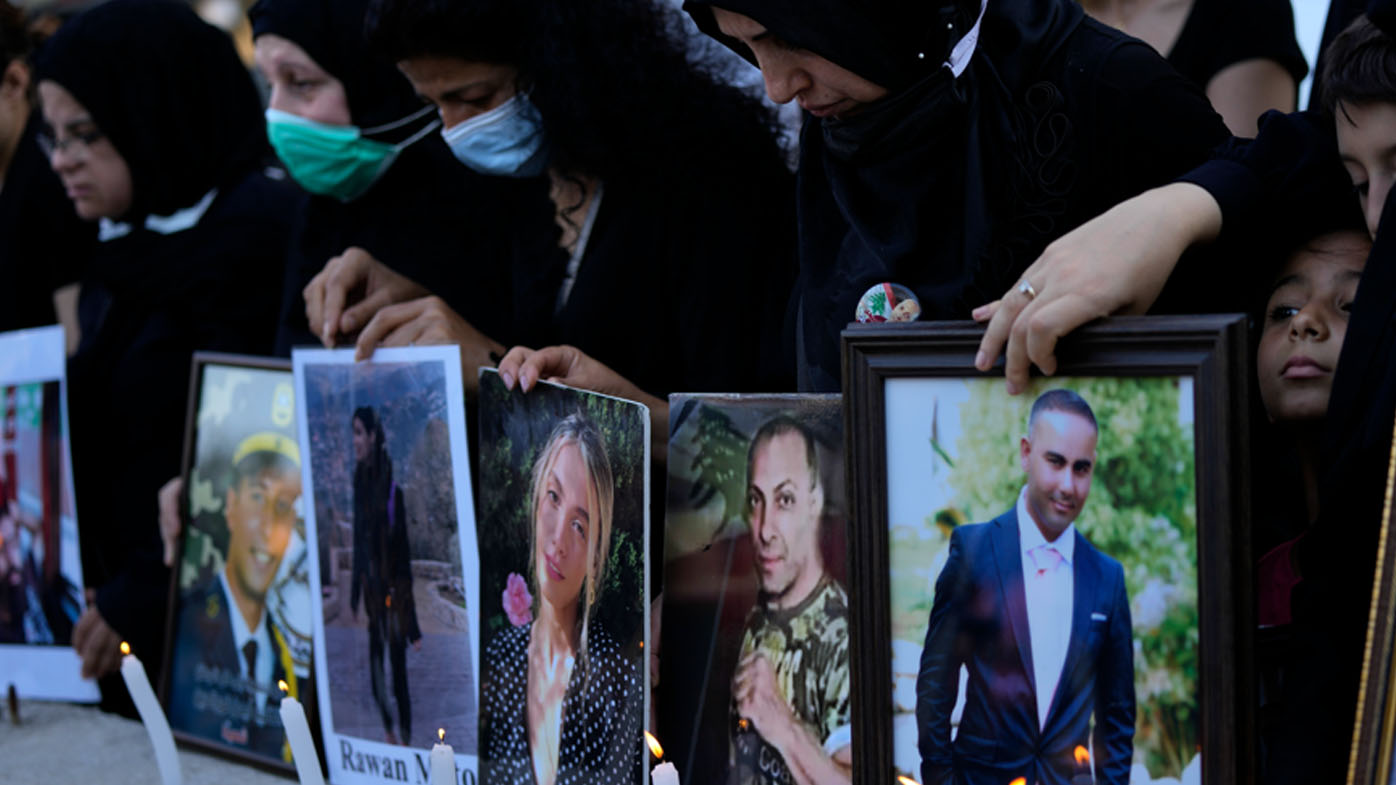
Black and white portraits of each of the blast's victims, commissioned by Mr Hoteit's group, hang from the walls of a central square near the port.

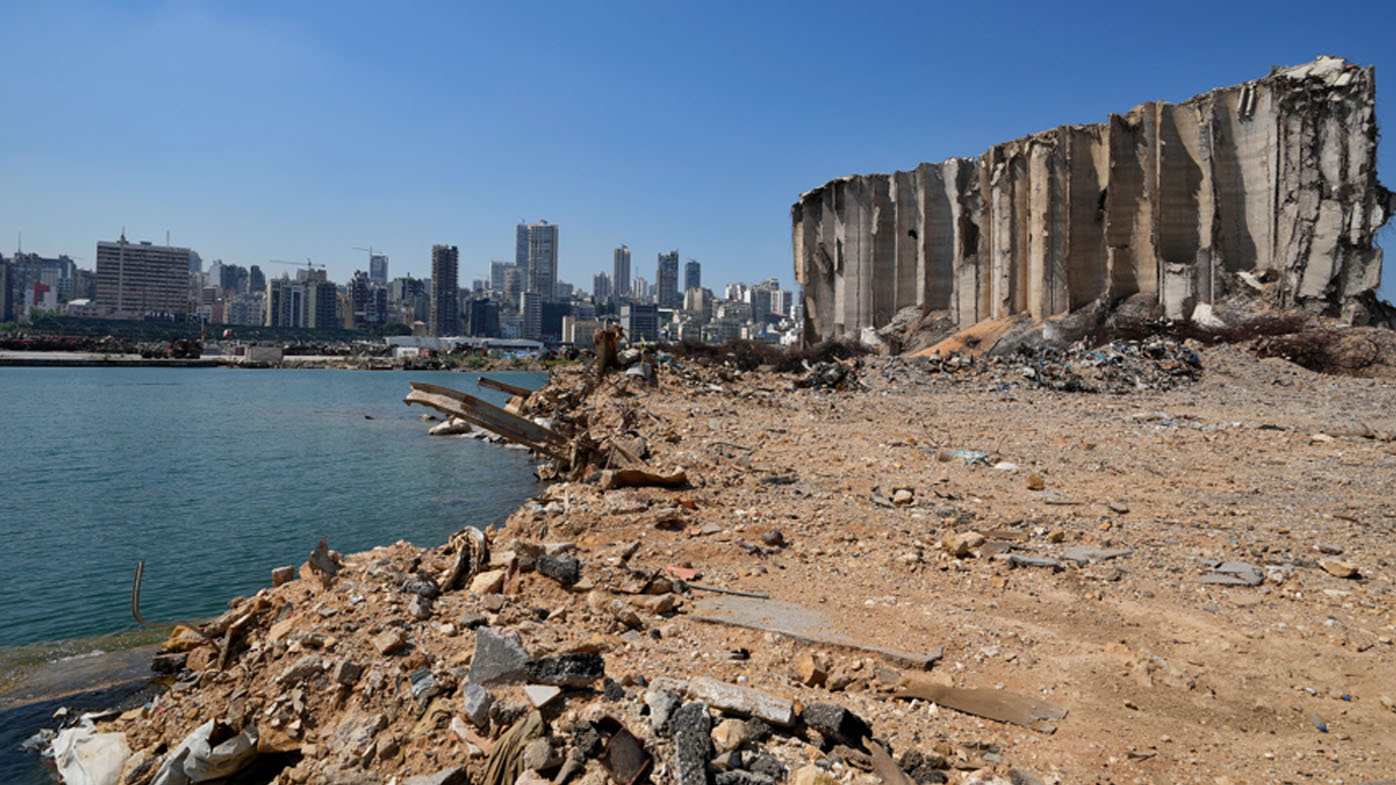
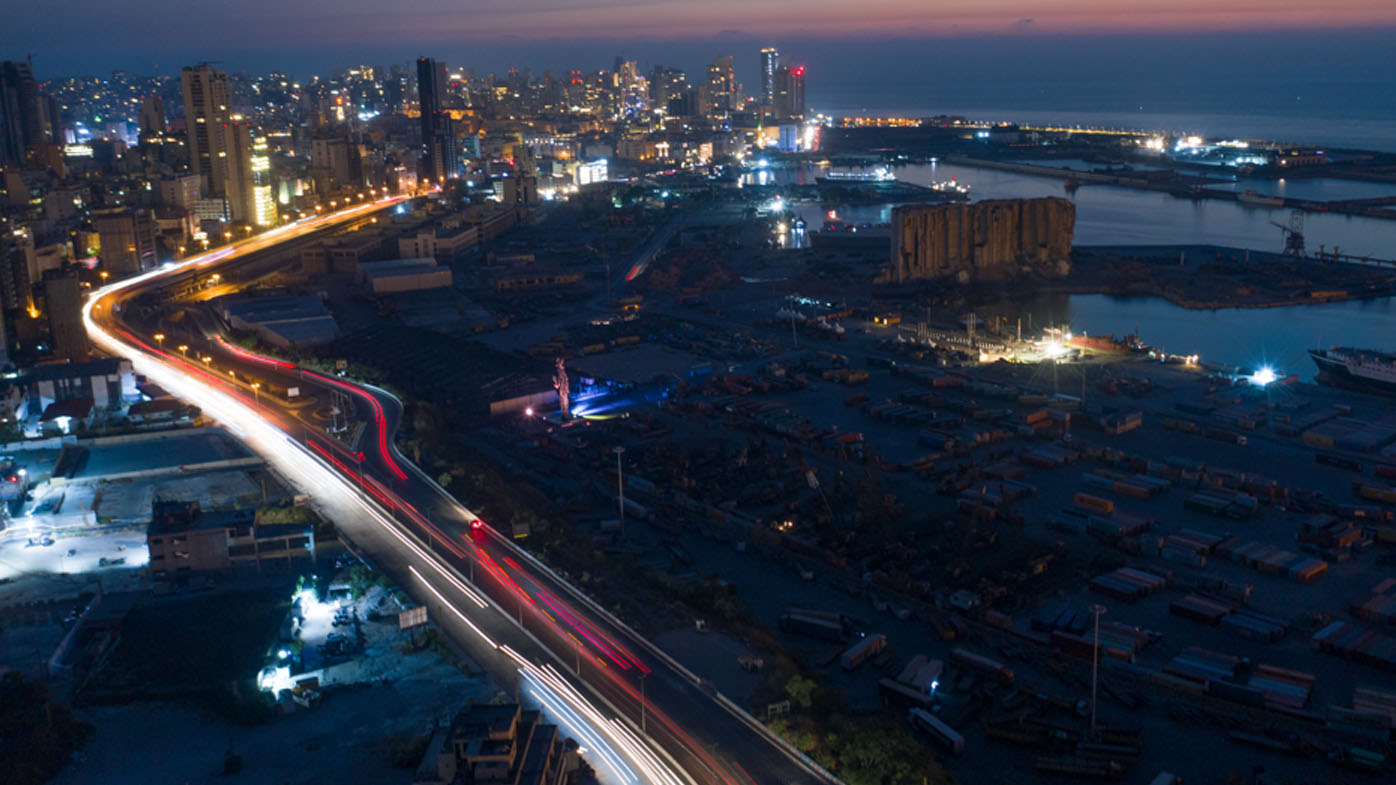
Painted on a wall opposite the still mangled port, a large slogan declares, "My government did this."

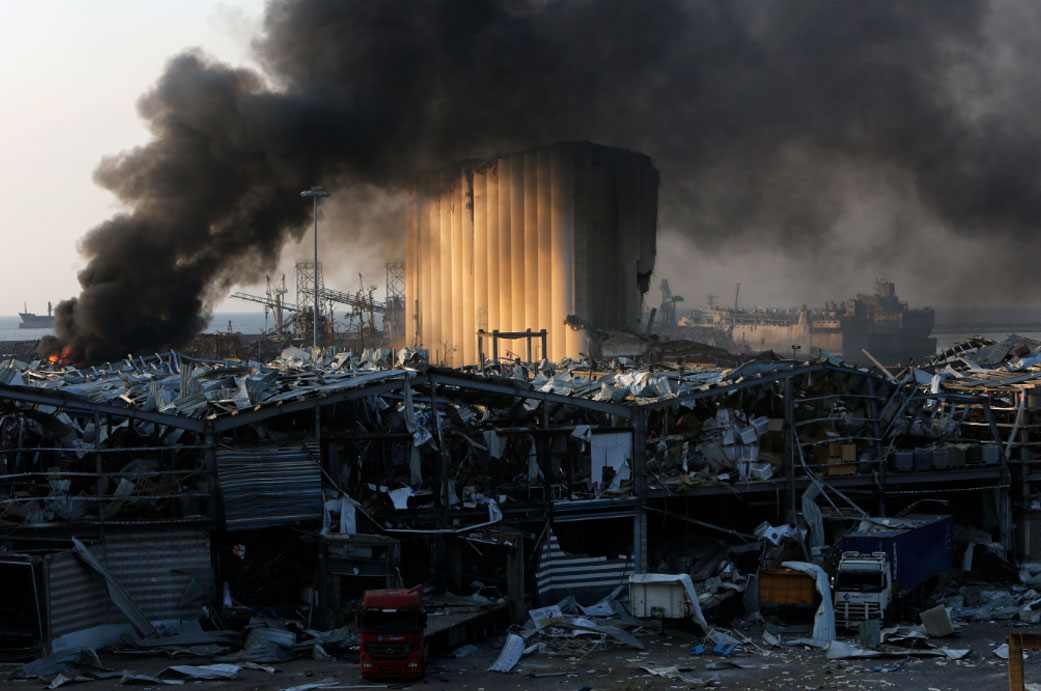
The blast was preceded by a fire that broke out at the port, and hundreds of tonnes of ammonium nitrate stored in a hangar along with other highly combustible materials exploded.

It was one of the largest non-nuclear explosions in history.

Along with the dead, thousands were injured.

Some 300,000 homes were damaged or destroyed.
It soon emerged in documents that the ammonium nitrate had been stored improperly at the port since 2014 and that multiple high-level officials over the years knew of its presence and did nothing.

But a year after the government launched a judicial investigation, nearly everything else remains unknown — from who ordered the shipment to why officials ignored repeated internal warnings of the danger.

Multiple government agencies have a role at the port, but all of them have said the ammonium nitrate was not their responsibility.
'I cried and cried': Breast cancer survivor hit with vaccine diversion

When the constant refrain from the government is "vaccinate, vaccinate, vaccinate", having your appointment for the jab cancelled can be crushing.

Jules Dos Santos knows this all too well.

The 41-year-old single mum was one of thousands over the weekend in the NSW Central Coast and Hunter regions who received a text message from NSW Health telling them they had been affected by Pfizer doses being redirected to Year 12 students in Sydney.

READ MORE: Year 12 return to school 'premature', NSW Teachers Federation says

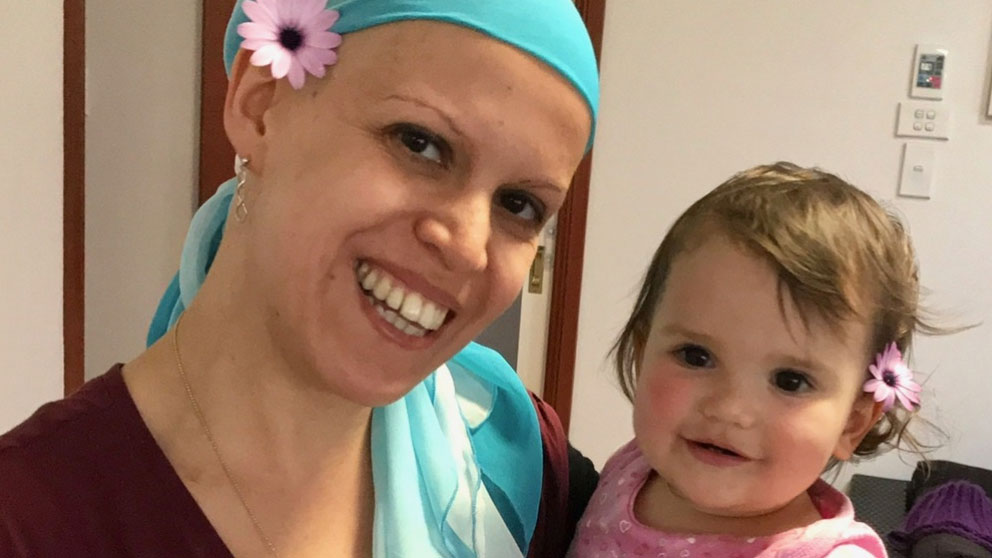
Jules Dos Santos was diagnosed with stage three breast cancer in 2016.

A stage three breast cancer survivor, Ms Dos Santos is immunocompromised and said she had been pinning her hopes on having the Pfizer vaccination, rather than the AstraZeneca, because of her medical history and also the mixed messaging around the vaccine.

"Up until a few weeks ago, all the health advice was that Pfizer is the preferred vaccine for under 50s," she said.

"I've been through a really aggressive chemotherapy regime, I have had radiation and six surgeries."

"Thankfully I'm in remission now, but I've since had allergic reactions to a few common drugs like codeine and penicillin, so I didn't want to take the risk with AstraZeneca," she said.

Ms Dos Santos booked in her vaccination appointment at Gosford Hospital in June but said she is now unable to get a new appointment until November.

"I am not one to complain like this but it really upset me. I cried and cried," she said.

"That was my vaccine.

"I get how important the HSC is for the Year 12 students, but why are they more important than me and for me to be healthy and safe so I can look after my five-year-old daughter."

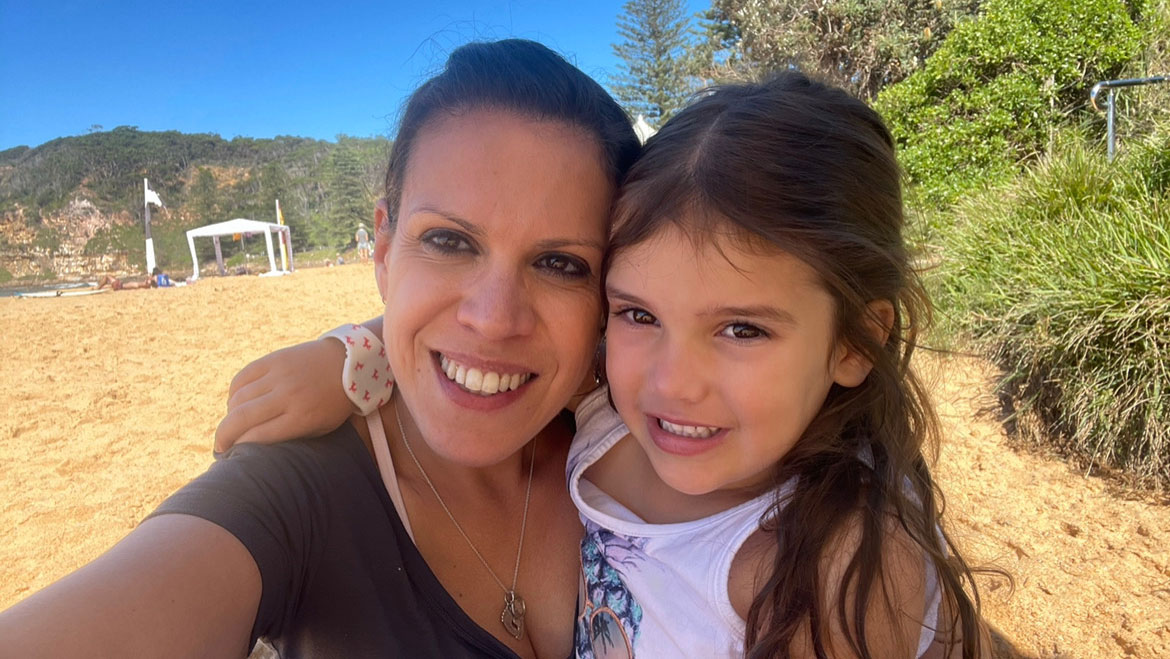
Jules Do Santos, pictured with her daughter, is now in remission from breast cancer.

Ms Dos Santos said she understood the need to prioritise Sydney hotspots but was concerned diverting vaccines could leave other areas like the Central Coast and Newcastle exposed.

"They are extinguishing one fire but then potentially compromising another community," she said.

Her comments came before Premier Gladys Berejiklian said at today's press conference she is deeply concerned about the detection of coronavirus in sewage in the Hunter region and Newcastle area.

"The sewerage detected high viral load which suggests there could be undetected cases up around the Newcastle area so we are really keep to have people come forward to get tested," Ms Berejiklian said.

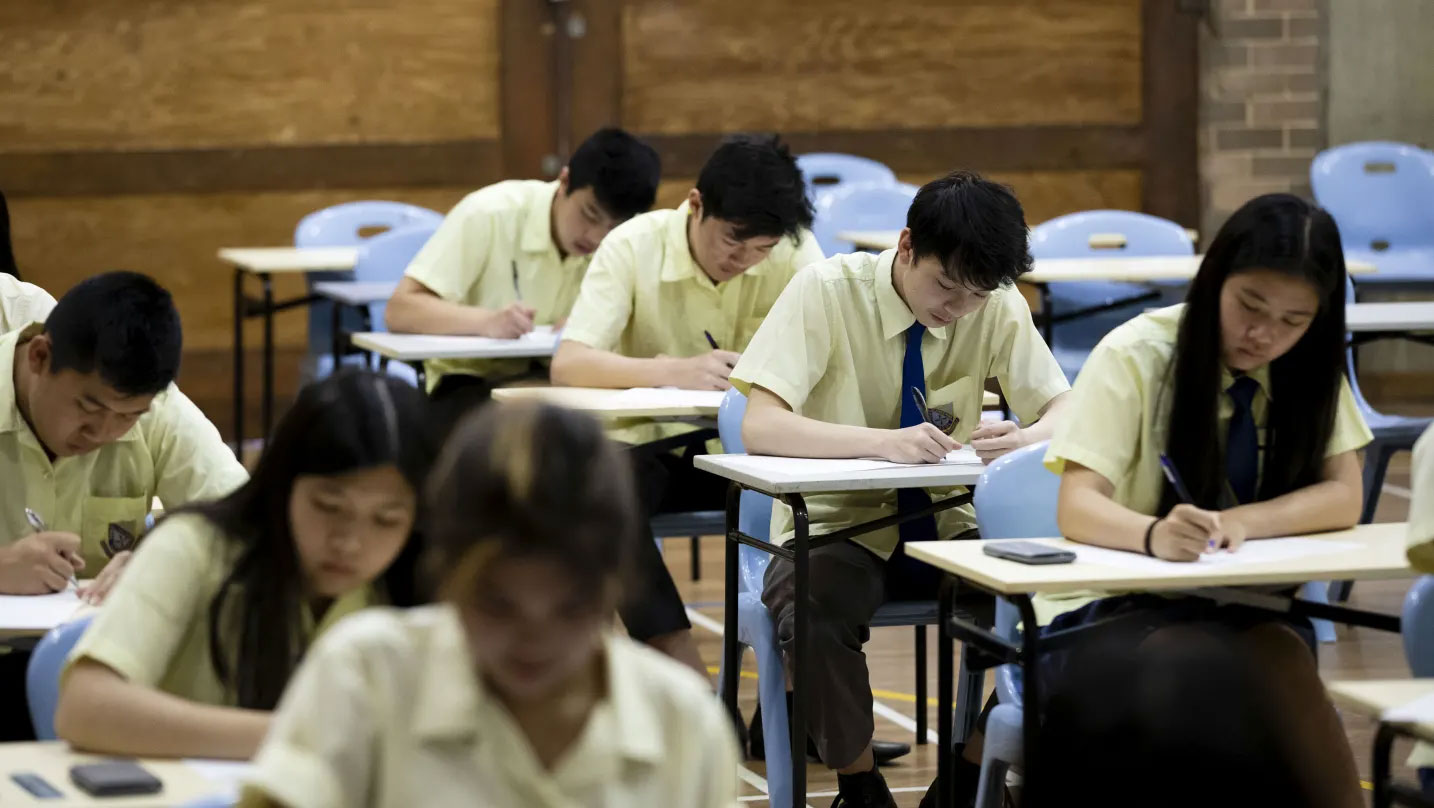
As announced by Ms Berejiklian last week, Year 12 students will go back to the classrooms in two weeks' time.

The 20,000 HSC students from hotspot local government areas in south-west and western Sydney are being offered a Pfizer vaccination in a bid to contain the spread of COVID-19 in schools as a result of the move.

The Pfizer doses for Year 12 students are coming from diverted stocks in regional NSW, with mass vaccination hubs at Belmont in Newcastle and Gosford Hospital on the Central Coast being affected.

Sydneysiders, including teachers, who booked a vaccination appointment outside of Sydney because it was the first available, have also been hit with cancelled appointments.

One Sydney teacher, who teaches HSC students, had her Pfizer vaccination at the Belmont hub cancelled.

The teacher is 39 years old and has a history of blood clots, making the Pfizer vaccine the only one she can safely have.

"My wife is a Year 12 teacher, so now she may not be able to go to school to teach her students as she is unvaccinated and many of her students live in one of the hotspot areas," the teacher's husband told nine.com.au.

"I think this is a ridiculous and immoral decision. I am sure there are many other teachers in this position.

"The question that needs to be asked is why aren't teachers of year 12 in all LGA's being given the vaccine?"

NSW Year 12 students will return to the classrooms in two weeks' time.

NSW Health said in a statement those in regional areas who fall into the 1A and 1B categories of the vaccine rollout – which include frontline health staff, quarantine workers and those in aged and disability care – have not had their vaccinations cancelled.

"GPs continue to supply Pfizer vaccinations in regional NSW, and their supplies from the Federal Government are unaffected by this reallocation. AstraZeneca remains available from GPs, NSW Health clinics and a growing number of pharmacies," NSW Health said.

Contact reporter Emily McPherson at em********@******om.au.