By RNZ Winston Peters has had his appeal in the leaking of his superannuation details before the 2017 General Election dismissed by the Court of Appeal.The former deputy prime minister has been ordered to pay the respondents…
Tag Archives: oceania
Covid 19 coronavirus: Seasonal workers from Sāmoa, Tonga, Vanuatu allowed into NZ from September
Seasonal workers from Sāmoa, Tonga and Vanuatu will be able to enter New Zealand from next month.This would be one-way corridor, entering New Zealand only, and they would not need to go through the standard two-week managed…
Covid 19 coronavirus: Border plans set to be revealed next week
By RNZ Prime Minister Jacinda Ardern will next week set out whether and how the government plans to open the country’s borders.Next Thursday, August 12, Ardern will set out the government’s future approach to the border and…
South-east Queensland extends lockdown
Queensland reported 13 new community cases of COVID-19 today, triggering a longer lockdown in the state's south-east which will now run until Sunday as fear over spread of Delta grows.
The new cases are all linked to a known outbreak which now numbers 31, Deputy Premier Steven Miles said, and includes seven students from Ironside State School in Brisbane who tested positive overnight.
One of the new cases had attended a karate school which trains at Ironside State School, potentially opening up further spread.
READ MORE: Hundreds of troops to join police on Sydney's streets from today
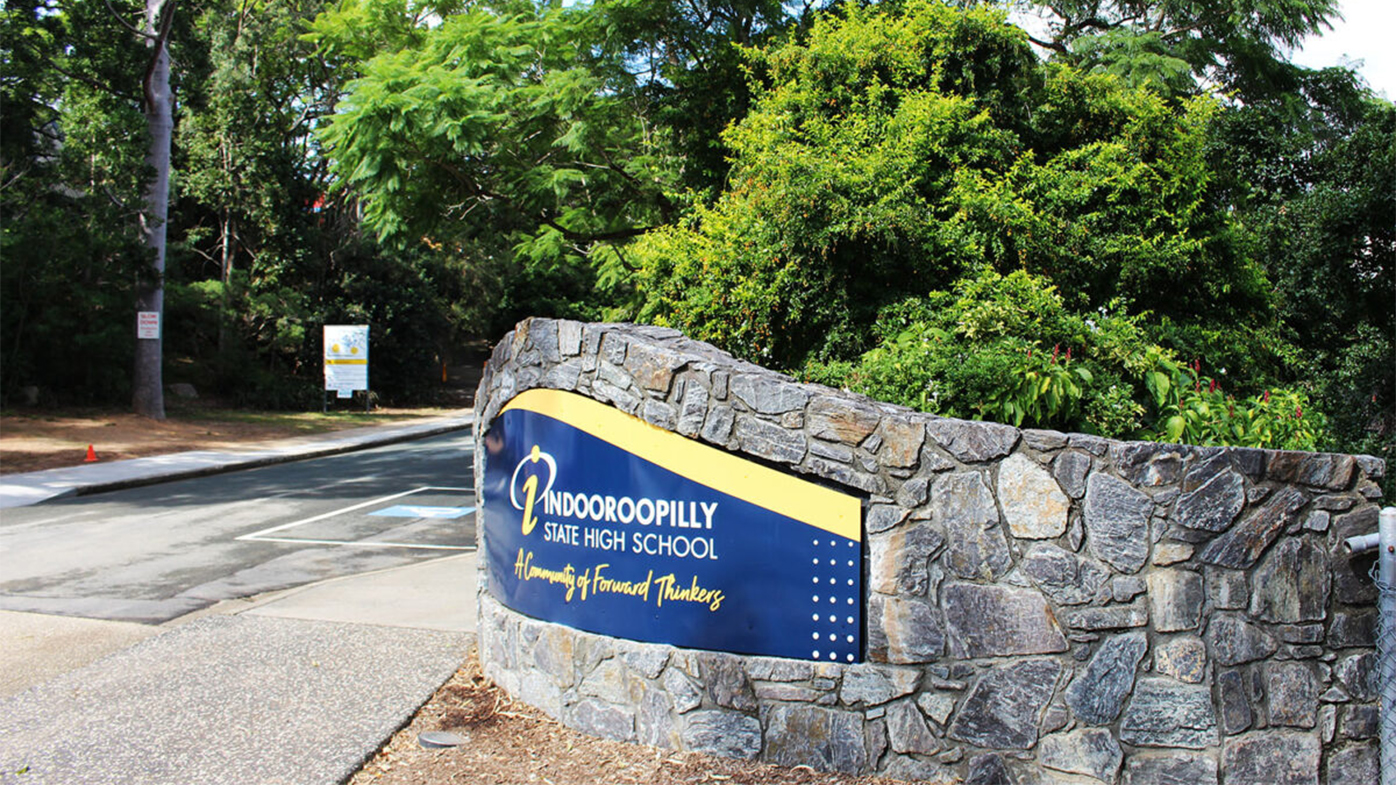
Queensland health officials are braced for "a lot of additional cases" with one of the positive cases being out infectious in the community for six days before being tested and going into isolation.
The Delta strain is known to be far more transmissible among young people than earlier variants, and rising cases detected in school students is greatly troubling health officials.
Mr Miles said the initial lockdown had been "insufficient" for the growing Delta outbreak. The snap three-day lockdown – which has forced the cancellation of the Royal Queensland Show Ekka – had been scheduled to end tomorrow, but will now last eight days, until 4pm on August 8.
Eleven LGAs are affected, including City of Brisbane, Moreton Bay Regional Council, City of Gold Coast, City of Ipswich, Lockyer Valley Regional Council, Logan City, Noosa Shire Council, Redland City, Scenic Rim Regional Council, Somerset Regional Council and Sunshine Coast Regional Council.
Home learning will be in place from Tuesday for the entire week for the impacted LGAs state schools, Mr Miles said.
Private schools will also have similar arrangements.
Mr Miles said there was too much movement in the 11 LGAs.
"There's too many cars on the road in Brisbane at the moment," he said.
"Too many people out and about."
More than 21,800 Queenslanders were tested yesterday – an increase of more than 10,000 on the previous day.
'Missing link' after two June 29 flights
Chief Health Officer Dr Jeannette Young said her team still had no idea how the Delta virus had moved from two returned travellers on June 29 into the state's south-east, and a cluster now totalling 31.
"I don't know where the missing link is," Dr Young said.
"All I know is that we had two people arrive from overseas into the Brisbane International Airport on June 29, and … now this outbreak, 29 additional people later, are all clustering with those two."
Dr Young said the outbreak was "escalating".
Four of today's new cases are from one family, she said
"Don't leave home. We know that the Delta virus, the variant of the virus, is totally unforgiving. It really and truly spreads so rapidly."
Health Minister Yvette D'Ath said people should work from home if they can.
Commercial construction and critical residential work is allowed to continue.
$260m boost for Queensland businesses
In response to the longer lockdown, Treasurer Cameron Dick said a $260 million package had been launched to support struggling Queensland businesses, particularly small and medium sized enterprises.
Grants of $5000 grants are available to all Queensland businesses – not just those in the locked down area.
"That recognises the impact that the Delta variant has had on those businesses," Mr Dick said, "because … it stopped tourists coming from other parts of the country who are also in lockdown."
READ MORE: McDonald's and Bunnings among latest Queensland exposure sites
'Magnificent opportunity'
Former Deputy Chief Medical Officer Dr Nick Coatsworth said the situation offered a "magnificent opportunity" to ramp up vaccination efforts.
"There will be that anxiety (from Queenslanders) watching what's happened in Sydney," he told Today.
"But … there is national agreement that short, sharp lockdowns are necessary whilst our vaccination rates are increasing.
"This is the best chance that Queenslanders have to get the virus under control."
He urged Queenslanders to "get out there" and have a Pfizer or AstraZeneca jab as soon as possible.
Dr Coatsworth said he had "every confidence" Australia could hit a 70 per cent fully vaccinated rate by the end of the year.
https://twitter.com/anniepullar/status/1421971405806080002?ref_src=twsrc%5Etfw
Massive testing queues
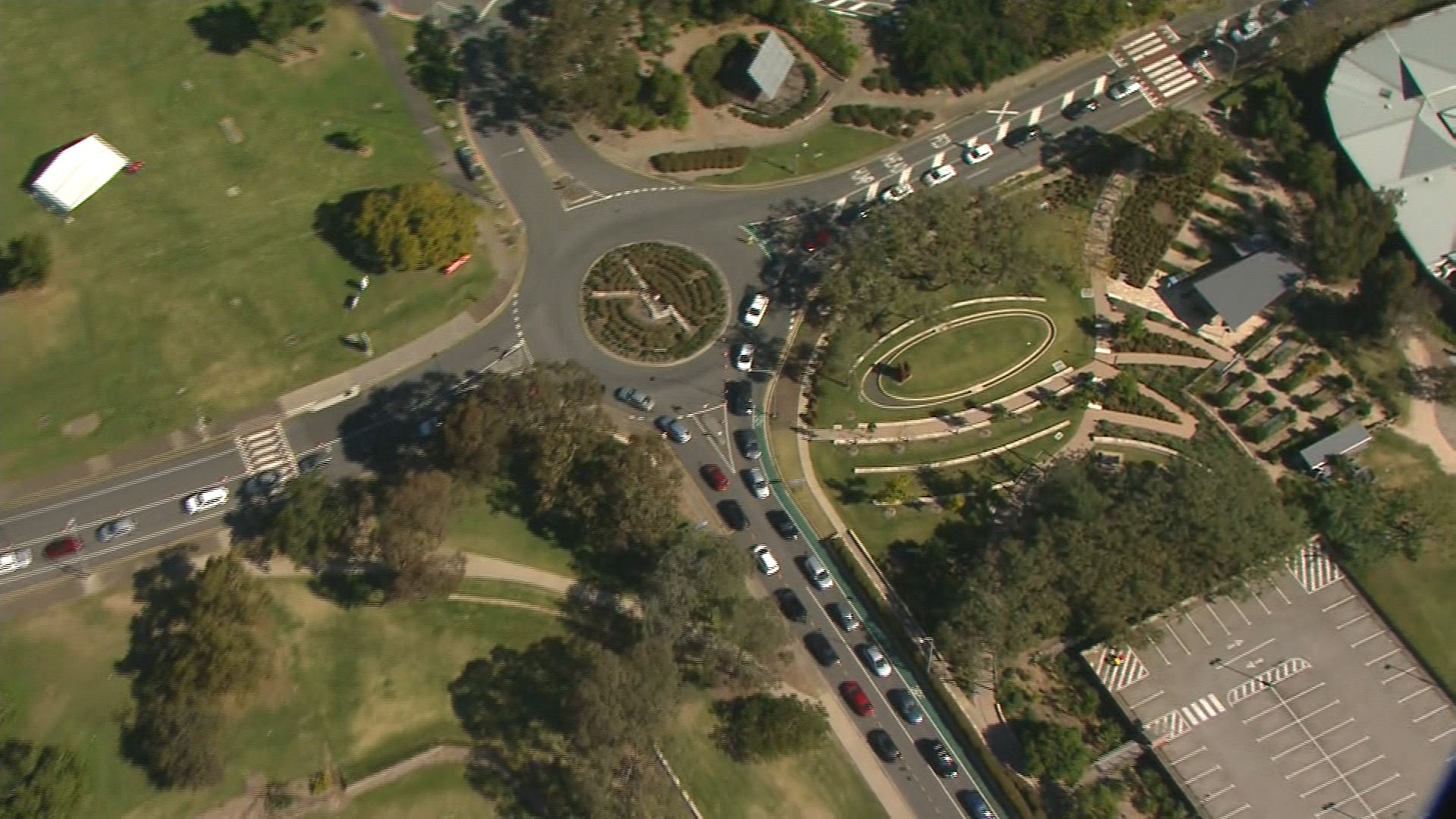
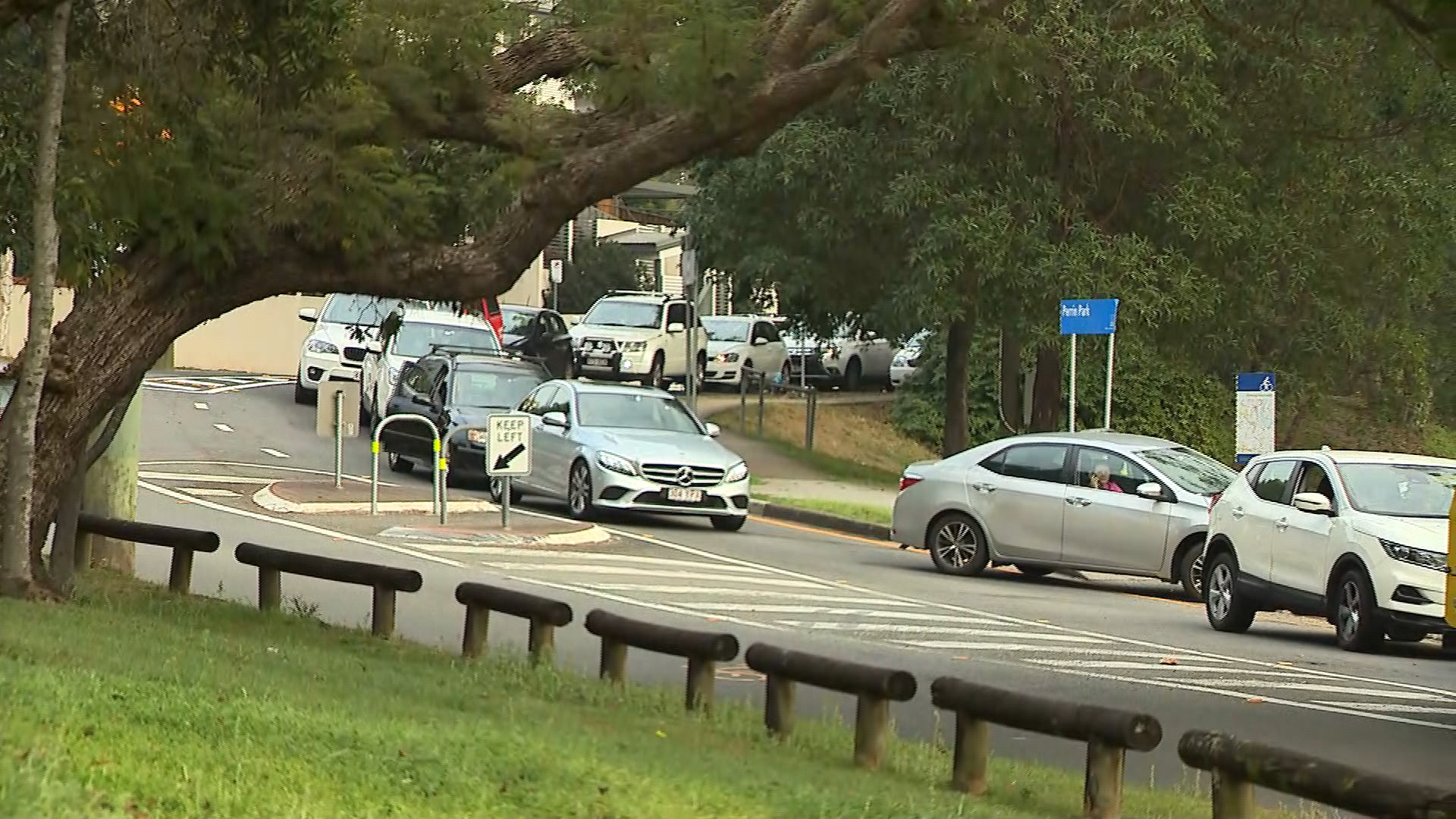
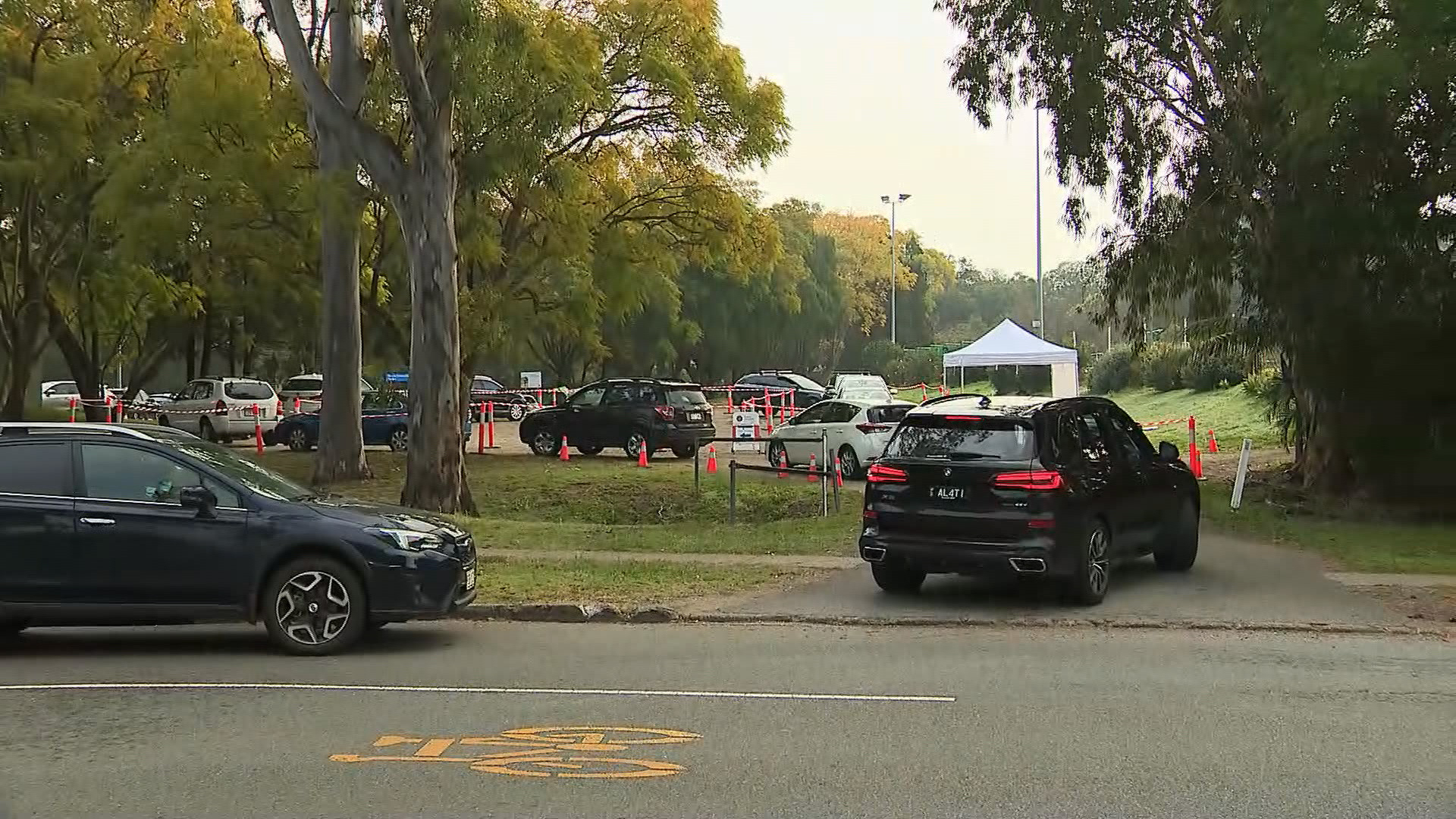
9News reporter Reece D'Alessandro said queues at the Toowong Drive testing centre in Brisbane were "massive" this morning.
At 8am (AEST) there were at least 80 vehicles in line. Making matters worse, a car had broken down at the front of the queue.
D'Alessandro said some people in the line today had tried unsuccessfully to get a test yesterday.
"They are back here this morning and they are getting frustrated."
'A really irresponsible thing to do'
Queensland Police Deputy Commissioner Steve Gollschewski has warned anti-lockdown protesters to they will be caught if they attend possible planned rallies across Brisbane today.
Police are cracking down on those breaking the rules with people being told to stay at home amid a rising number of cases.
"We had intelligence people are considering protests," Mr Gollschewski told Today.
"Can I just say – we have said this consistently – now is not the time. This is a really irresponsible thing to do.
"Protesters should put the safety interests of their community ahead of their own views for now.
"They should expect police to be there if they do go ahead."
He confirmed 57 infringement notices had been issued since the lockdown began, 29 for being outside of their homes without a valid reason.
Another 11 were issued for illegal gatherings while six people have been arrested.
Kerikeri High School locked down after person seen carrying knife on grounds
A lockdown imposed at Kerikeri High School after a youth was seen with a knife has been lifted.The 1500-pupil school was locked down around 11.30am after students reported seeing one of the youths involved in a fight was carrying…
Woman in lockdown a millionaire after finally checking lotto ticket
A woman in locked-down Fairfield, in Sydney's south-west, has discovered she's a millionaire two weeks after a Lotto draw.
The woman held the only division one winning entry across Australia in the July 21 draw, but only just thought to check her ticket.
"Because of the whole lockdown thing here in Sydney, I hadn't checked it. I have been thinking of a million other things, so I just thought to check it then," she told the Lott.

READ MORE: Ten people in Queensland lockdown win $60 million Powerball
"I cannot believe it. This makes everything so much better."
The win netted the woman $1 million.
The woman said her life was set to change.
READ MORE: Lotto winner in Melbourne lockdown hung up on officials thinking it was a scam
"I am just thinking I will be able to pay off my entire mortgage," she said.
"And when lockdown is over, I will definitely plan a holiday."
The winning ticket was purchased at Fairfield Heights Newsagency.
Africa's most populous city may soon be unlivable, experts warn
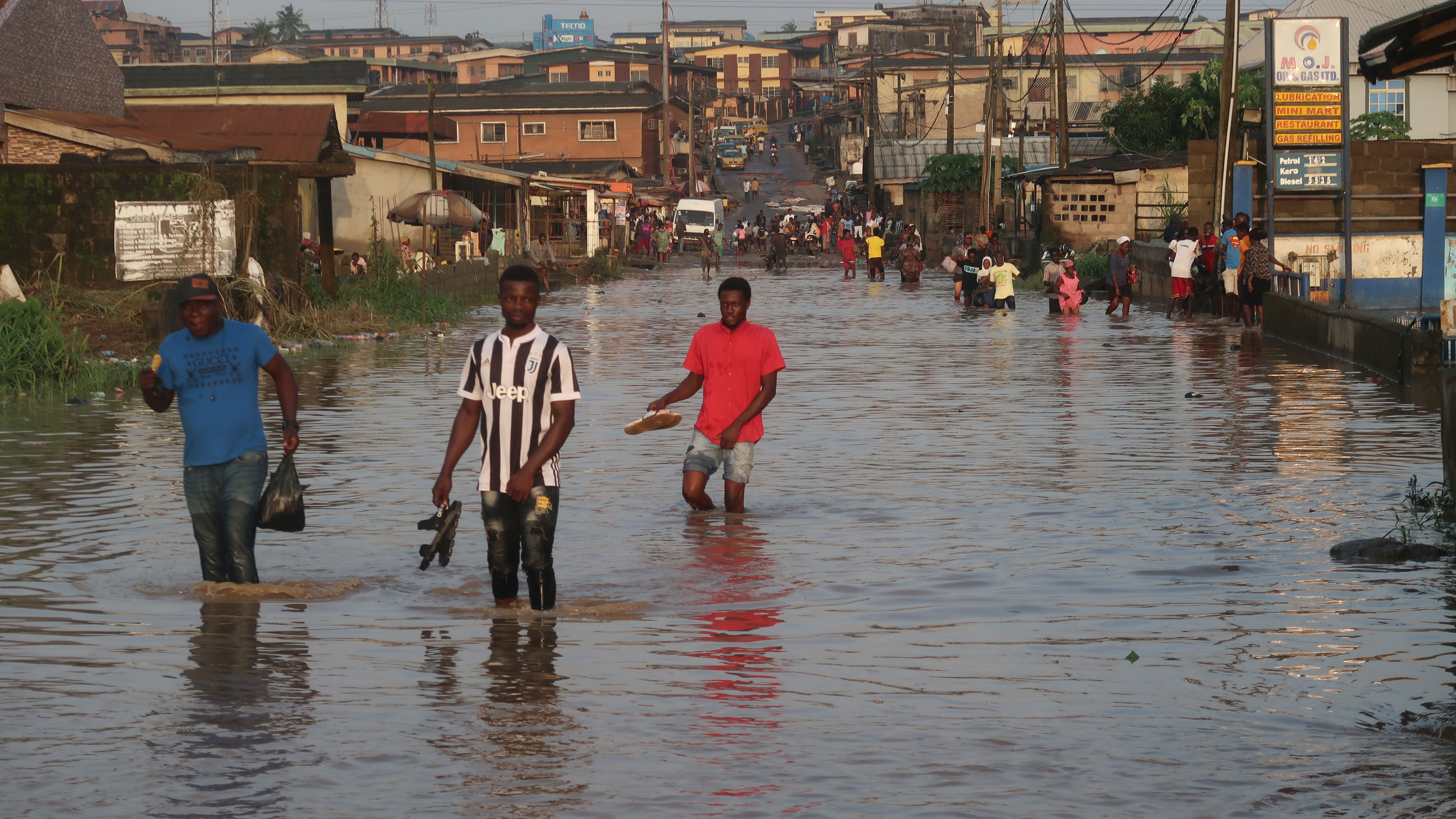
Cars and houses submerged in water, commuters wading through buses knee-high in floods, and homeowners counting the cost of destroyed properties.
Welcome to Lagos during rainy season.
Residents of Nigeria, Africa's most populous nation, are used to the yearly floods that engulf the coastal city during the months of March to November.
READ MORE: NASA satellite reveals how much sea levels have risen
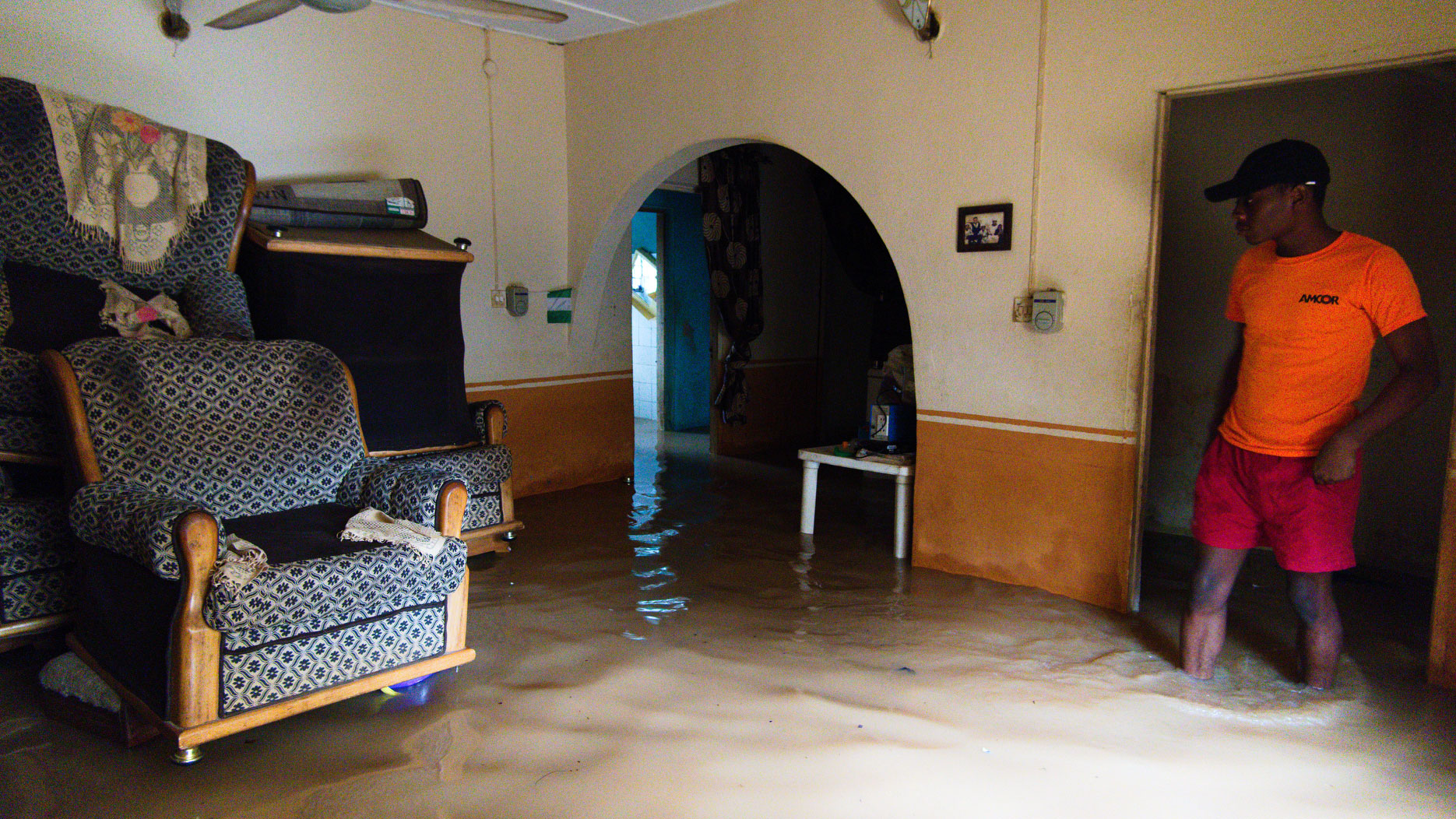
In mid-July, however, the major business district of Lagos Island experienced one of its worst floods in recent years.
"It was very bad, and unusual," Eselebor Oseluonamhen, 32 told CNN.
"I drove out of my house … I didn't realise it had rained so much … There was heavy traffic on my route because of the flood. The more we went, the higher the water level. The water kept rising until it covered the bumper of my car … then there was water flowing inside my car," Oseluonamhen, who runs a media firm on the Lagos mainland, recalled.
Photos and videos posted to social media showed dozens of vehicles inundated with water after torrential rain. The floods paralyse economic activity, at an estimated cost of around US$4b per year.
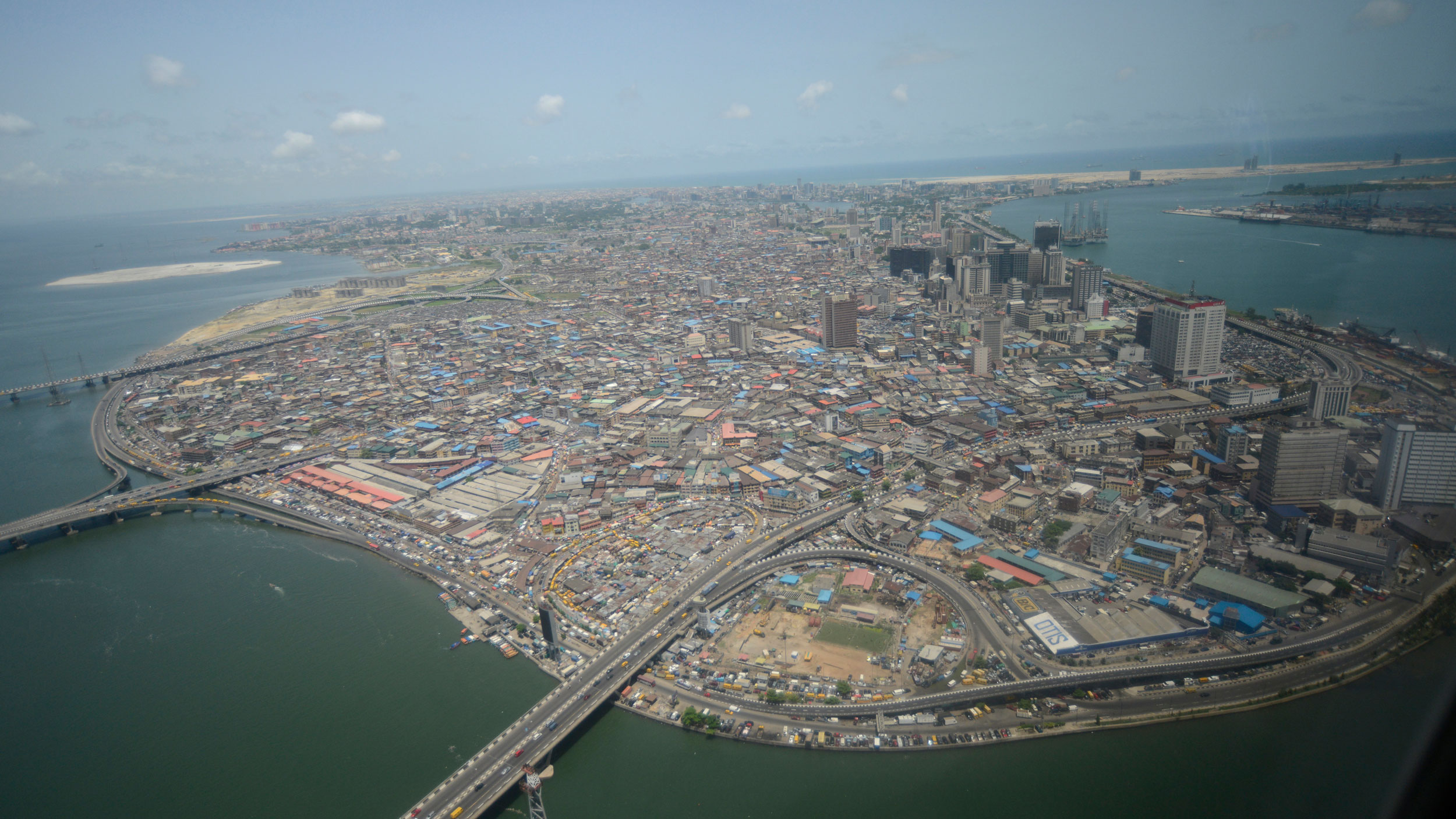
Home to more than 24 million people, Lagos, a low-lying city on Nigeria's Atlantic coast, may become uninhabitable by the end of this century as sea levels rise due to climate change, scientific projections suggest.
The problem is exacerbated by "inadequate and poorly maintained drainage systems and uncontrolled urban growth," among others, according to a study led by the Institute of Development Studies.
Nigeria's hydrological agency NIHSA has predicted more catastrophic flooding in September, usually the peak of the rainy season.
Eroding coastline
Lagos is partly built on the mainland and a string of islands.
It is grappling with an eroding coastline that makes the city vulnerable to flooding, which Nigerian environmentalist Seyifunmi Adebote says is attributable to global warming and "human-induced action over a prolonged period."
Sand mining for construction is a major contributor to shoreline erosion in Lagos, environmental experts have said.
https://twitter.com/BelindaIjeoma/status/1416060647041871877?ref_src=twsrc%5Etfw
Manzo Ezekiel, a spokesman for Nigeria's emergency management agency (NEMA), told CNN that the riverbank of Lagos' Victoria Island is already being "washed away … particularly in the V.I area of Lagos."
"There's this problem of the river bank being washed away. The increase in water level is eating into the land," Ezekiel added.
In Victoria Island, an affluent Lagos neighbourhood – an entirely new coastal city christened 'Eko Atlantic' – is being built on land reclaimed from the Atlantic Ocean, and will be protected from rising waters by an 8 kilometre-long wall made from concrete blocks, developers say.
While the ambitious project could contribute to reducing housing shortages in other parts of the city, Ezekiel fears that "reclaiming land from the sea will put pressure on other coastal areas."
Other critics have argued that adjacent areas not protected by the wall will be left vulnerable to tidal surges. CNN has contacted Eko Atlantic for comment.
Coastal cities at risk of being submerged
Low-lying coastal cities in some parts of the world may be permanently submerged by 2100, one study's findings showed. The study published by research group Climate Central stated that affected areas could sink below the high-tide line if sea levels continue to rise.
"As a result of heat-trapping pollution from human activities, rising sea levels could within three decades push chronic floods higher than land currently home to 300 million people," the study said. "By 2100, areas now home to 200 million people could fall permanently below the high tide line," it added.
Global sea levels have been predicted to rise more than 2 metres by the end of this century.
This leaves Lagos, which experts say is less than two metres above sea, in a precarious state, given that a chunk of Nigeria's coastline is low-lying. In a study from 2012, the UK's University of Plymouth found that a sea-level rise of just 1 to 3 metres "will have a catastrophic effect on the human activities" in Nigerian coastal environments.
https://twitter.com/HenshawKate/status/1416029272423153668?ref_src=twsrc%5Etfw
Adebote told CNN that Lagos' fate "would depend on how we prioritise this science prediction and what corresponding actions we take as a response." "It is only a matter of time before nature pushes back and this could be a disaster," he added.
Nigeria deadly floods
Perennial flooding in Nigeria's coastal areas has left many dead and scores displaced. According to NEMA data, more than 2 million people were directly affected by flooding in 2020.
At least 69 people lost their lives in flood disasters last year. In 2019, more than 200,000 people were affected by floods with 158 fatalities.
"Every year we witness flooding in Nigeria. It is a problem that climate change has brought and we are living with it," Ezekiel told CNN.
Beyond Lagos' vulnerability to climate change, poor drainage systems and clogged street gutters in large swathes of the city are believed to have escalated its flooding challenges.
"As much as climate change plays a part in rising sea levels, what you can see in this video is predominantly a drainage system issue," a social media user tweeted while reacting to a video of the recent flooding in Lagos.
However, as flooding rages in some areas, low-income neighbourhoods constructed on reclaimed wetlands have to contend with sinking buildings.
Keeping Lagos afloat
Adebote told CNN that for Lagos to stay afloat in the face of floods and rising sea levels, it must adapt to climate change.
"We need to look at our infrastructures – drainage systems, waste management facilities, housing structures … How resilient and adaptive are these infrastructures in the face of environmental pressures and when put side-by-side with our growing population?" he said.
Authorities in Lagos have since commenced the clearing of the state's water channels to mitigate perennial flooding.
Nigeria's President Muhammadu Buhari has also expressed the country's willingness to partner with global allies in tackling climate change.
"We look forward working with President [Joe] Biden and Vice President [Kamala] Harris. We have great hope and optimism for the strengthening of existing cordial relationships, working together to tackle global terrorism, climate change, poverty, and to improve economic ties and trade," Buhari wrote in a January tweet.
But Adebote remarks that government responses to climate action "have been largely poor."
"There is a lot that must be done and will take consistent and deliberate actions on the parts of various stakeholders for Nigeria to properly take climate actions, especially in adapting to the impacts that are already threatening our livelihood," he added.
An environmental activist, Olumide Idowu, urged government authorities to partner with the private sector in order to boost funds to tackle the issues.
"Government should look at private sector partnerships in order for them to drive climate finance to solve the flooding issues," Idowu told CNN.
Nigeria's economy has struggled in recent years, shrinking financing for climate change and other critical sectors. Authorities are nonetheless still pledging to ramp up the country's climate change response.
Last month, Nigeria's Ministry of Environment announced a presidential approval for a revamped national policy on climate change, aimed at addressing "most, if not all, of the challenges posed by climate change and climate vulnerability in the country," a spokesman for the ministry wrote in Twitter post.
Tourists, villagers flee by boat as wildfires ravage Turkish resorts
Wildfires raged near Turkey’s holiday beach destinations of Antalya and Mugla and in the surrounding countryside for a fifth day Sunday as the discovery of more bodies raised the death toll to eight, while villagers lost their homes and animals.
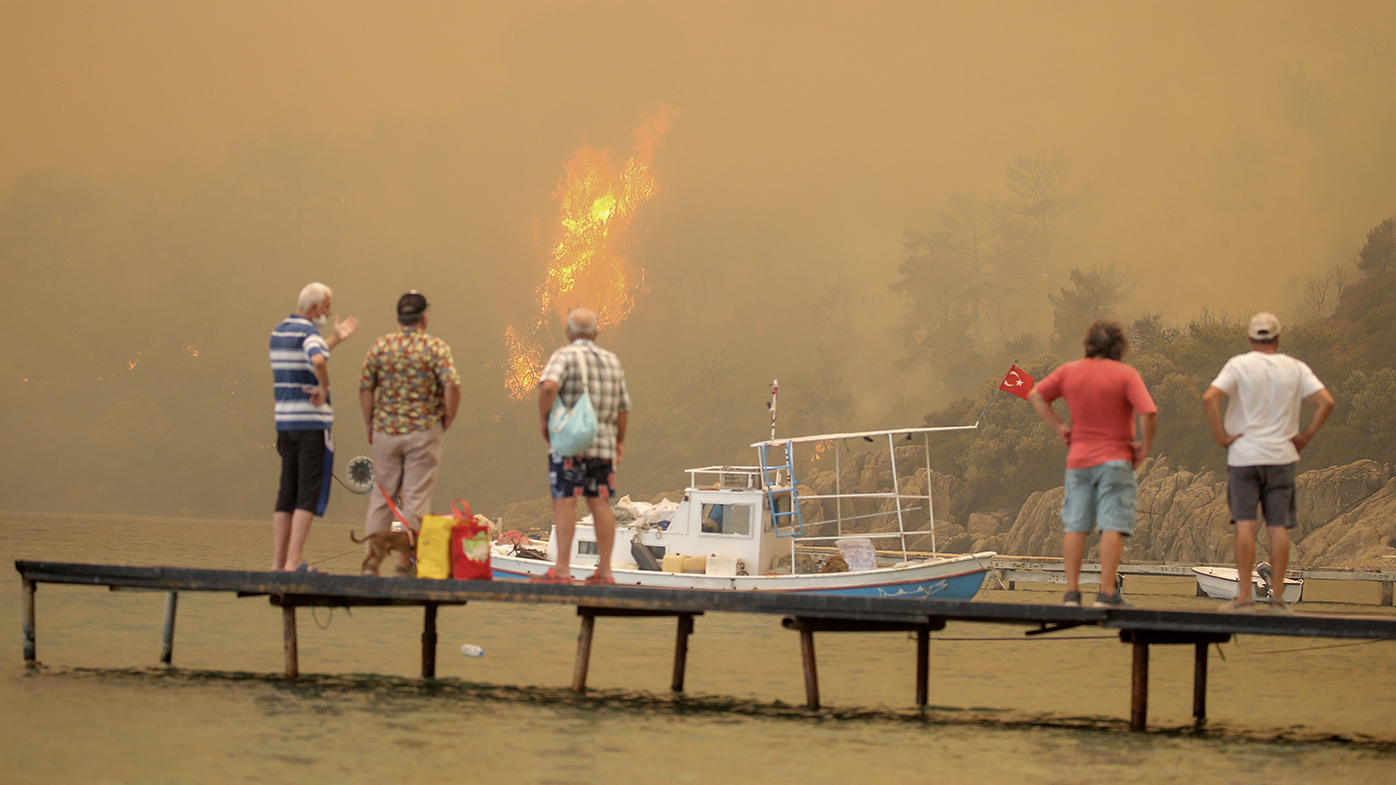
Residents and tourists fled the danger in small boats while the coast guard and two navy ships waited out at sea in case a bigger evacuation was needed.
Fires also enveloped Mugla province’s Mazikoy, and villagers who evacuated were devastated.
READ MORE: Couple whose gender reveal party 'sparked a deadly wildfire' charged
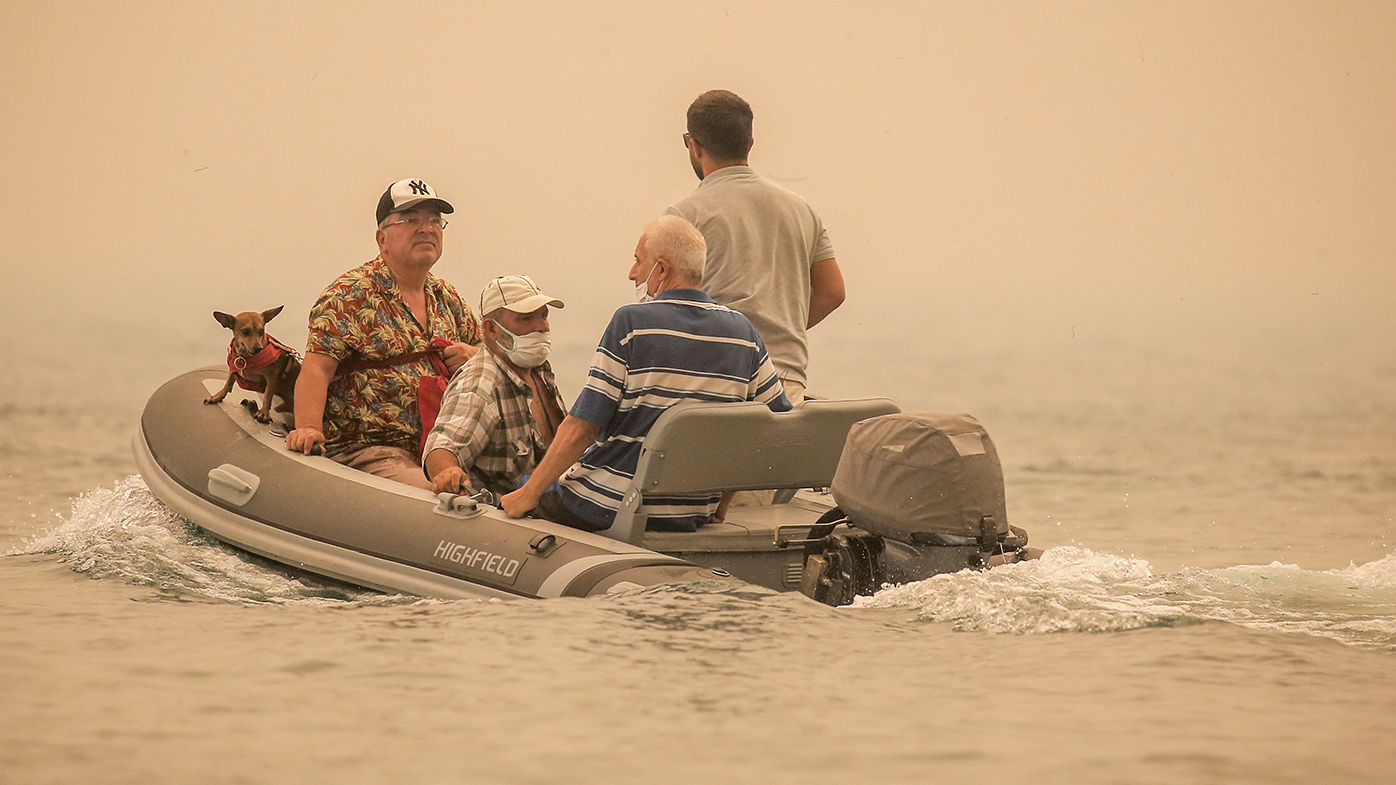
Farmer Nurten Almaz said she lost everything.
“I feel so much pain, like I lost a child,” she said.
The 63-year-old woman lost her animals and her home as well as “one century of people’s labour.” She called for the death penalty for people who may have caused the fire.
Residents had to flee nearby Cokertme village as flames neared. Some got on boats and others left by cars as the fire got closer and closer. In one video, firetrucks and cars were rushing to escape fire raging on all sides. After nightfall, the village looked apocalyptic from a distance, with flames taking over the dark hills.
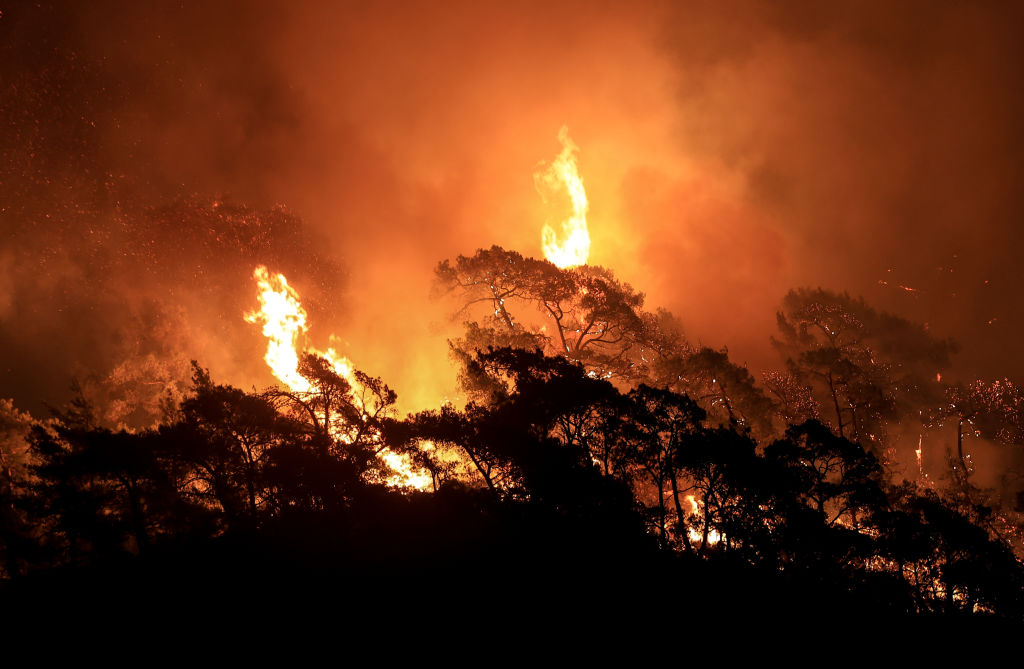
The area was engulfed by Sunday night, Turkish broadcasters said.
Reporters said they had to get hurry to safety as the fire intensified with strong winds. They said many houses burned and warned of a threat to two thermic power plants in the vicinity.
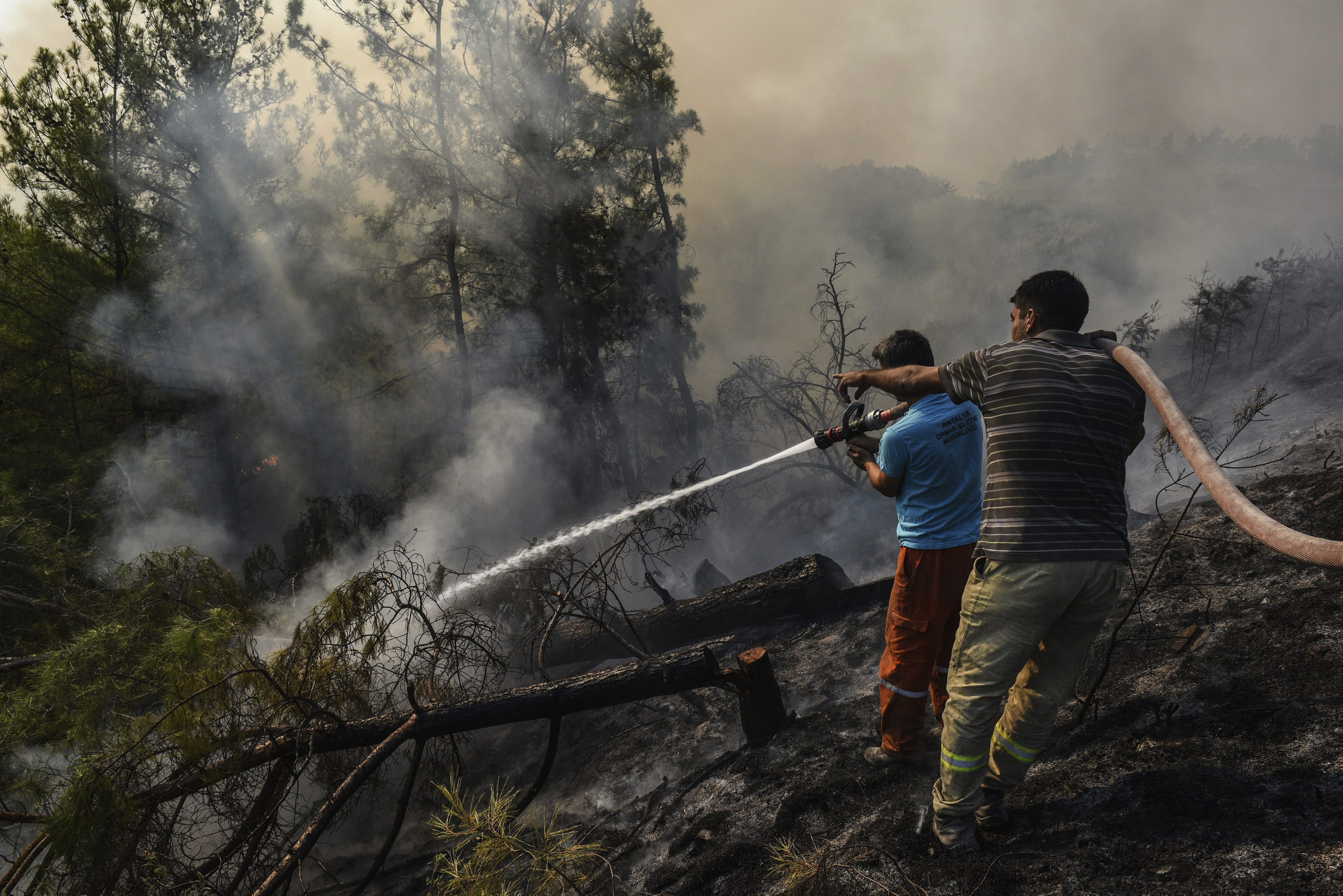
Authorities warned tourists and residents to keep evacuating Turunc, a town in the seaside resort of Marmaris in Mugla province. Fires enveloped the area and strong winds made firefighting efforts more difficult.
A helicopter attempted to extinguish the blazes, which were unreachable by land.
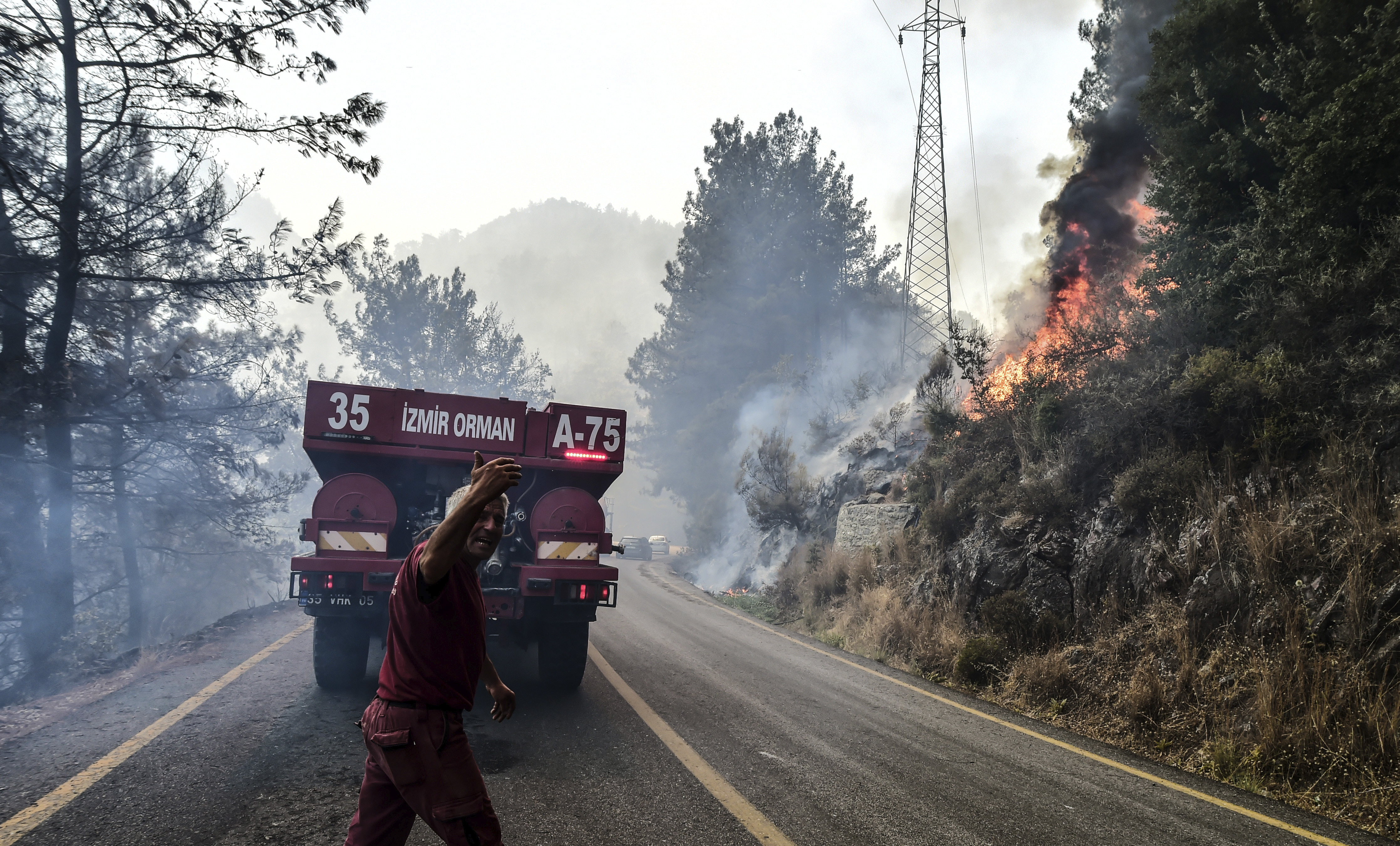
Watching from out in the Mediterranean Sea, the area looked a bright orange.
As residents of villages around Marmaris pleaded for more help on social media, people boarded small boats carrying suitcases. Others waited anxiously to see if the fire would come down to the shore.
High temperatures and strong winds were making matters worse. Antalya registered 42C, about 5 to 6C higher than seasonal averages.
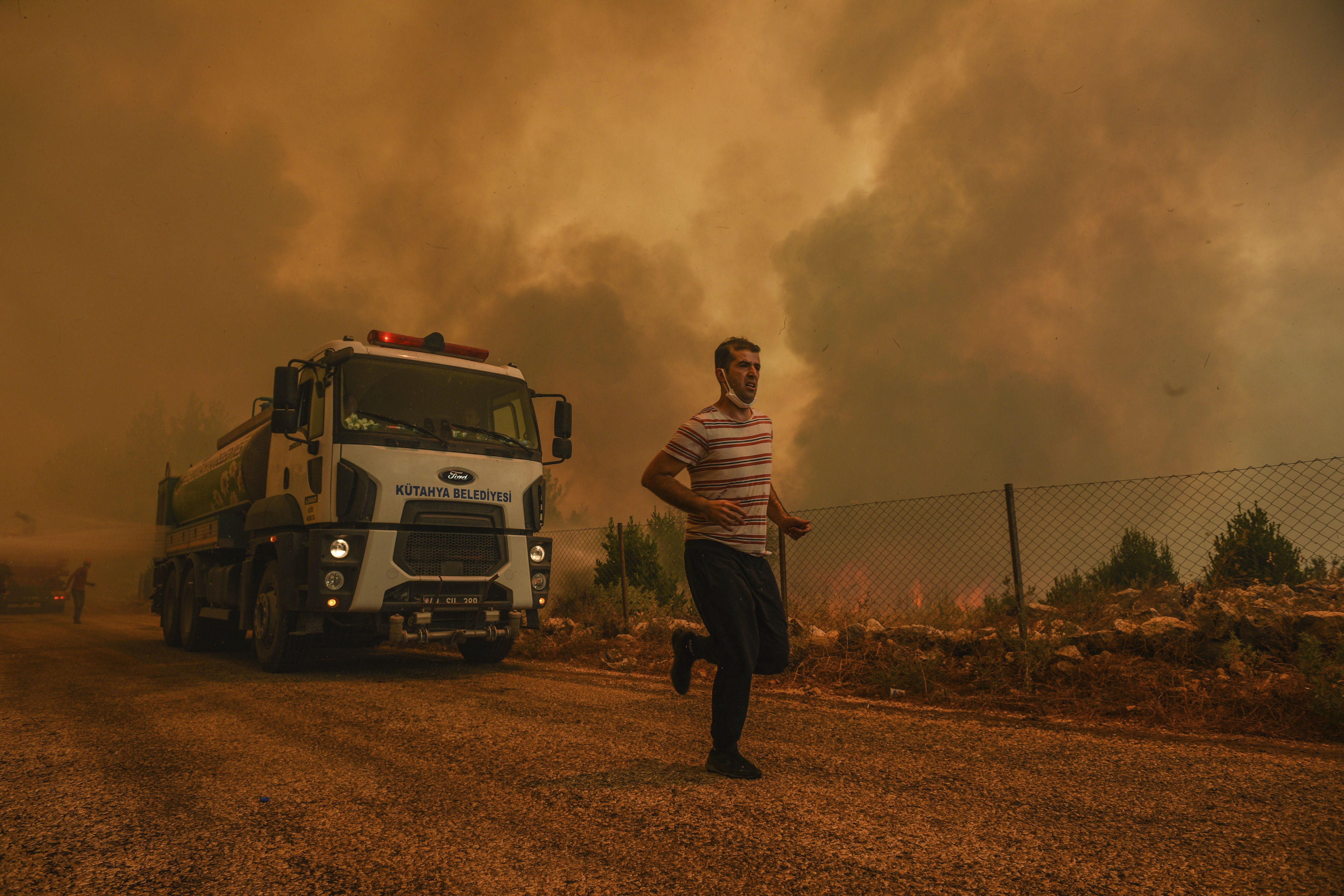
Earlier Sunday, police water cannons, usually used to control riots, helped helicopters and fire trucks in Mugla’s popular district of Bodrum to fight fires.
Turkish television showed fires had reignited after being extinguished earlier, with flame and smoke approaching a village.
Social media videos showed tourists in Bodrum scampering down streets rolling their luggage to escape the nearby flames.
Bodrum mayor Ahmet Aras said Sunday evening that people experienced “hell” near Cokertme and Mazi as they drove away from the fire. He said the blaze could not be stopped and hoped to protect residential areas but said it was too late for the trees.
Mehmet Cavdar, 45, looked onto a smoke surrounded neighbourhood of Mazikoy from a distance, describing how the fire had sped through the area.
The health minister, Fahrettin Koca, said at least 27 people affected by the fires were still receiving treatment in hospitals while hundreds of others had been released.
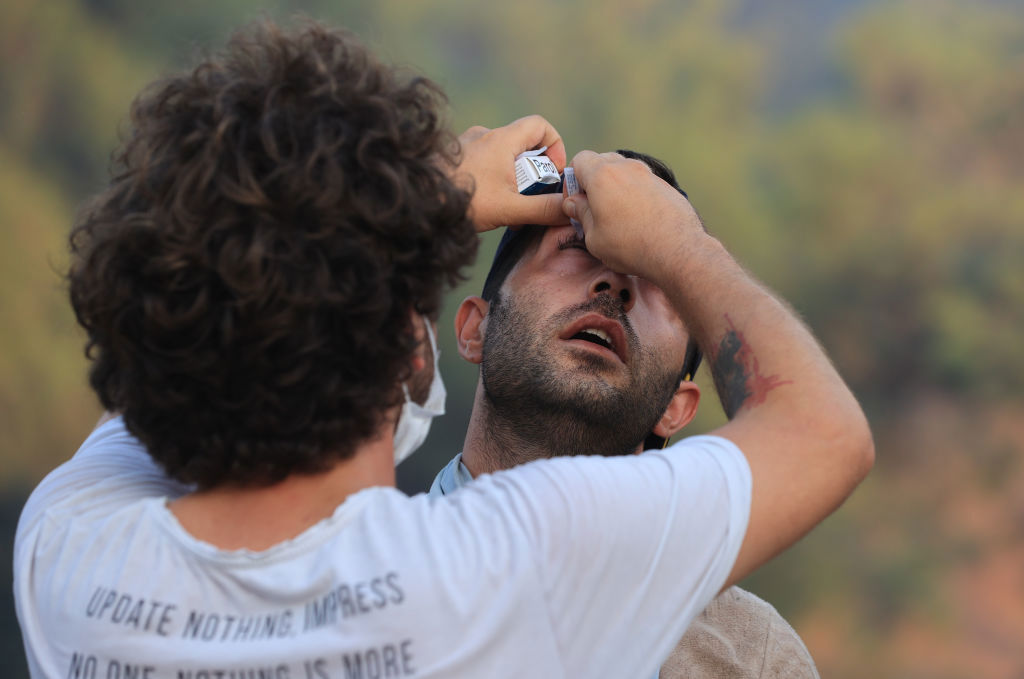
The minister of forestry and agriculture, Bekir Pakdemirli, said 117 wildfires were “under control” across Turkey while eight continued. His tweets showed that since Wednesday, wildfires had ignited in 33 provinces.
Responding to criticism of inadequate air support, the minister said Turkey had dispatched four planes, 17 helicopters, 93 firetrucks and nearly 1,500 people to fight the fires in Mugla, where he announced six villages were evacuated.
He added that 12 other airplanes, dozens of helicopters and drones were working across Turkey’s wildfires.
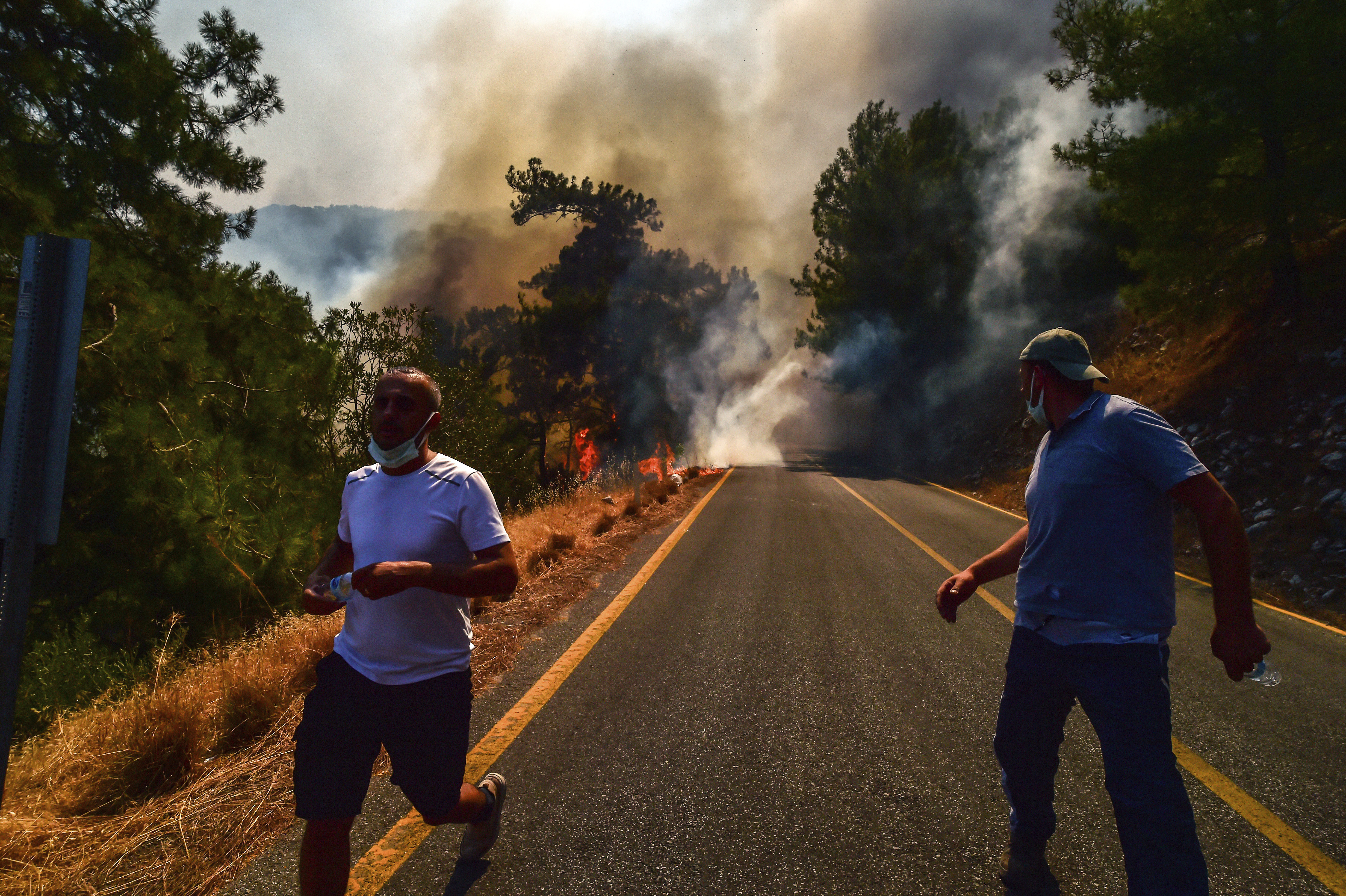
While Turkish authorities say they are investigating whether the fires may have started as “sabotage” by outlawed Kurdish militants, experts mostly point to climate change along with accidents caused by people. Mr Erdogan said one of the fires was started by children.
A heat wave across southern Europe, fed by hot air from North Africa, has led to wildfires across the Mediterranean, including on the Italian island of Sicily and in western Greece, where some residents had to be evacuated by boat to escape the flames.
On Sunday afternoon, bathers on an Italian beach south of the Adriatic city of Pescara fled when they spotted towering clouds of smoke and flames from a fire in a nearby pine forest, the Italian news agency LaPresse reported.
Several people were reportedly injured when they tried to put out wind-whipped flames that had reached their homes. Local officials told state TV that an elderly home in Pescara had to be evacuated.
Meanwhile, in Turkey’s eastern Van province, floods over the weekend destroyed at least six houses after a small river overflowed amid heavy rains. Villagers were ordered to leave their homes and climb to higher locations.
Nine new cases in Queensland as school karate class fuels spread
Queensland has recorded nine new local cases of COVID-19 today, all connected to a rapidly spiralling outbreak linked to a Brisbane high school student.
"This is the most number of new community infections we've reported in Queensland in almost 12 months," Deputy Premier Steven Miles said.
"The last time we were at this level was August 2020."
READ MORE: Doubts cast over the Ekka as snap lockdown begins
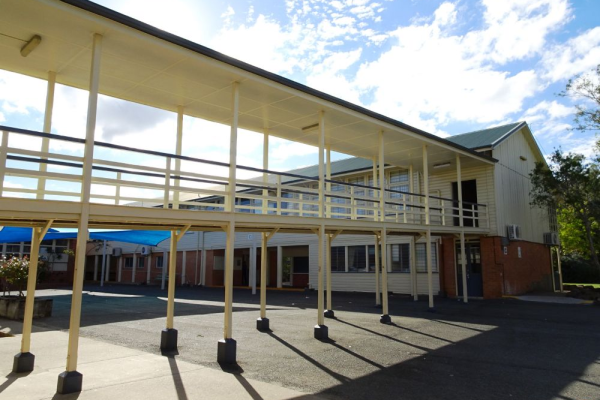
Four of today's new cases stem from a karate class held at Ironside State School in St Lucia.
The class is attended by students and their parents from all over Brisbane.
Three of the students – two from Ironside State School and one from Brisbane Boys Grammar School – have so far tested positive, as has the latter's father.
Two more students from Indooroopilly State High School – where the original case in a 17-year-old student was uncovered – have also now contracted the virus.
https://twitter.com/ShannonMM9/status/1421623895853965313?ref_src=twsrc%5Etfw
Queensland Health this afternoon released a series of new exposure site locations, in the Pullenvale, Moggill, Bellbowrie, Wilston and St Lucia areas.
These include Pullenvale State School, a Coles, post office and news agency, an acupuncture clinic, and Caltex petrol station.
Public transport sites have also been added to the list.
Mr Miles has issued an urgent call for more south-east Queenslanders to come forward for COVID-19 tests, after only 11,468 were processed in the last 24 hours.
"Our message is simple: that is not enough tests," he said.
"While that is a turnout for a Saturday, in previous outbreaks that were not this serious, we were consistently testing more than twice that number – more than 20,000 each day."
https://twitter.com/qldhealthnews/status/1421702440223535105?ref_src=twsrc%5Etfw
He particularly called on Sunshine Coast residents to present for testing, noting health authorities were concerned about potential "missing links" between cases in the area.
This message was reiterated by Health Minister Yvette D'Ath, who warned that speed was key, saying that the Delta variant "spreads in hours not days".
"New South Wales has recorded on average one death every three days – we cannot be complacent," Ms D'Ath said.
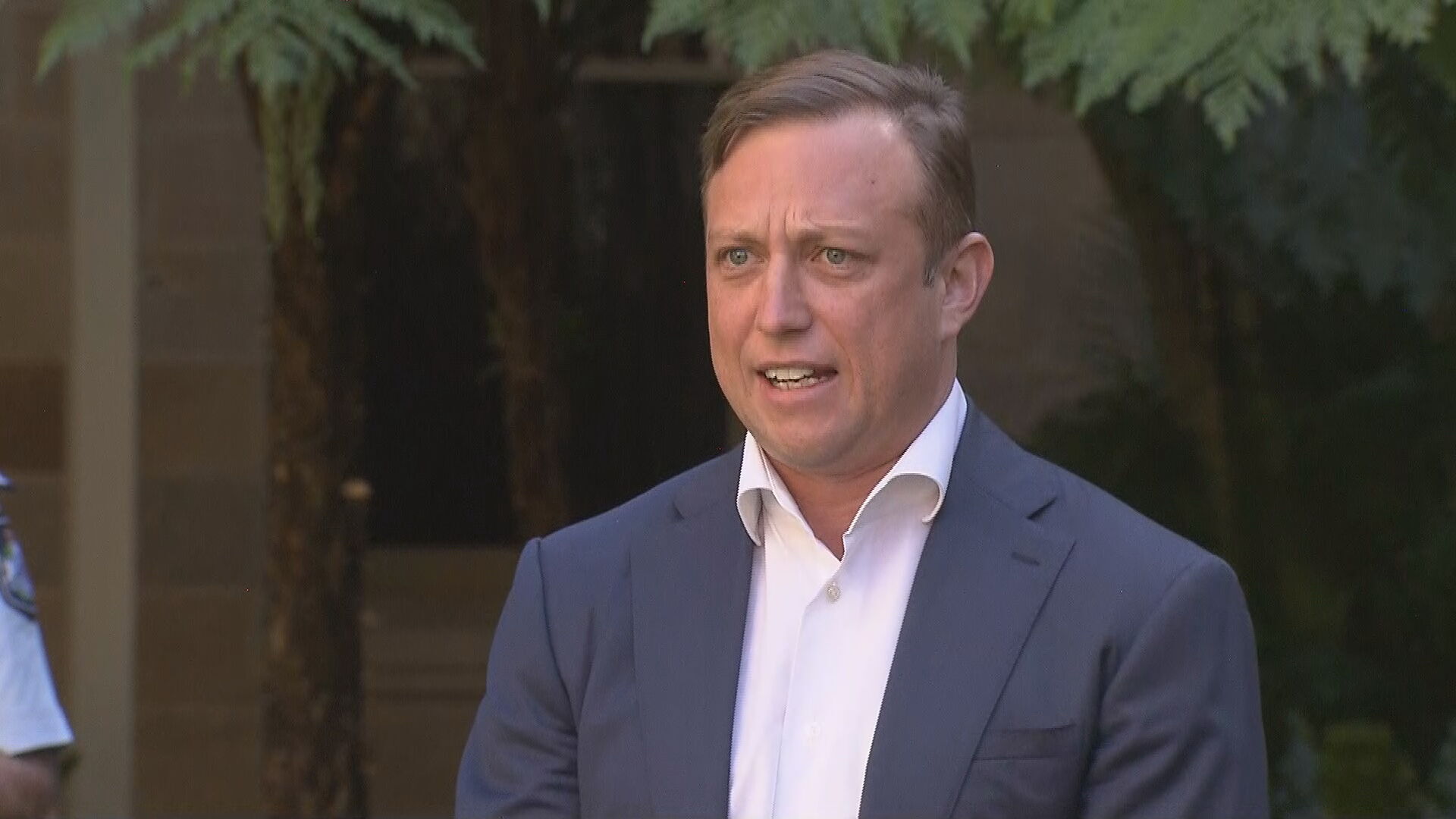
Chief Health Officer Dr Jeanette Young said it was "vital" that anyone with symptoms get tested, "because I don't know where this virus is at the moment".
There are now five Brisbane high schools on the list of COVID-19 exposure sites:
- Indooroopilly State High School
- The nearby St Peters Lutheran College
- Ironside State School, where the karate class was held
- Brisbane Boys Grammar School
- Brisbane Girls Grammar School, including anyone who attended the school's Open Day on Friday
Brisbane Boys Grammar School has been closed and staff, students and parents who attended between Wednesday and Friday sent into isolation.
An infectious parent attended an Open Day at the girls' high school on Friday.
On Friday, health authorities confirmed a 17-year-old student at Indooroopilly State High School had tested positive for COVID-19.
By the following day, six more cases linked to the student were uncovered, prompting Mr Miles to announce a snap three-day lockdown which went into effect at 4pm that day.
READ MORE: McDonald's and Bunnings among latest Queensland exposure sites
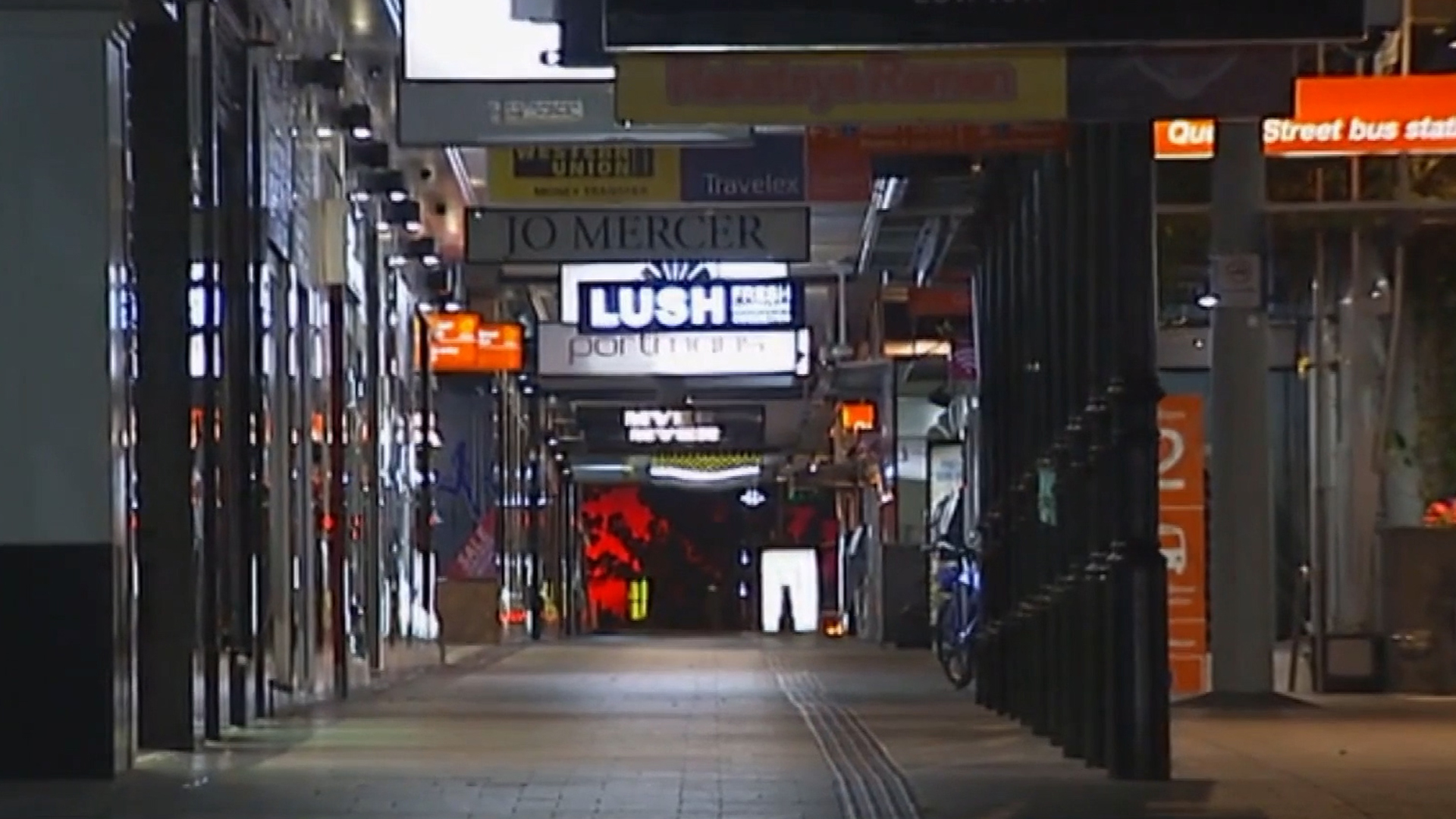
There are now 18 infections genomically linked in the cluster, with yesterday's cases including the student's parents, her siblings, a teacher and a medical student who tutored her.
It's understood the medical student also attended a number of hospitals while infectious, forcing staff there into isolation.
A lengthy list of exposure sites released by Queensland health authorities includes bus routes to and from the University of Queensland and Princess Alexandra Hospital, a shopping centre in Indooroopilly and the F block at Southbank TAFE on Wednesday.
Indooroopilly State High School earlier confirmed that three confirmed COVID-19 cases attended the school last Tuesday, Wednesday and Thursday.
All students and staff are considered close contacts and must quarantine at home for 14 days.
Also on the list of COVID-19 exposure sites is the nearby school, St Peters Lutheran College.
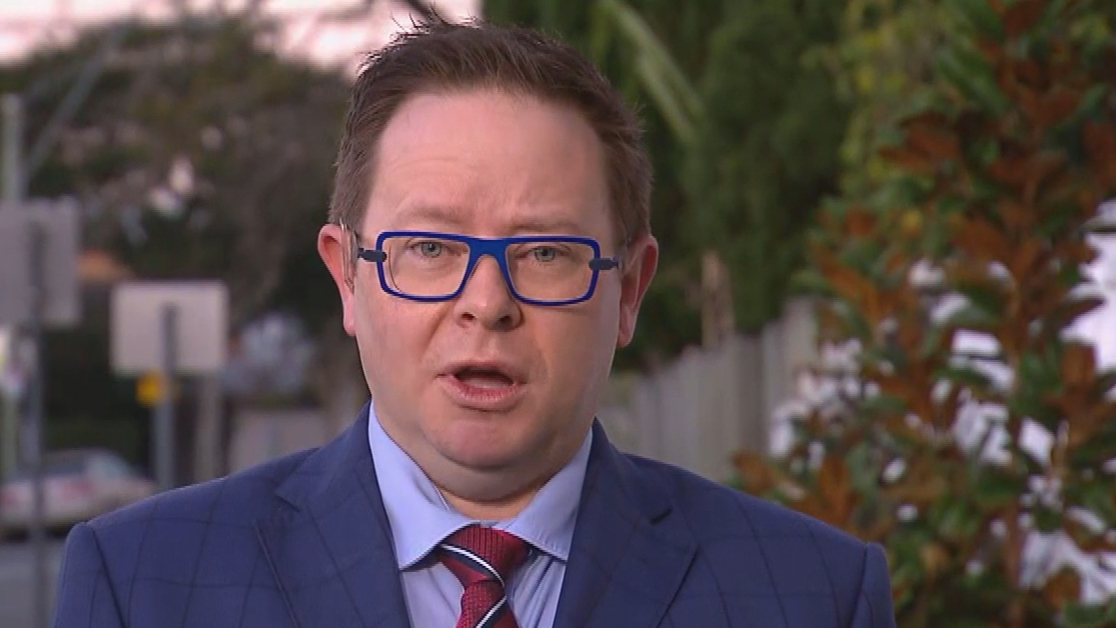
The cases have been linked to two returned travellers in hotel quarantine via genome sequencing of the virus, but health authorities are been unable to establish any direct contact between them and the new cluster.
Dr Young said she believed the cluster originated on the Sunshine Coast, before it was picked up "at the escalation point", when it spread into the Brisbane high schools.
"I still think there will be cases there in the Sunshine Coast that we don't know about and if we don't find them, they will continue to spread," she said.
One of the returned travellers arrived in Brisbane from Indonesia, and Dr Young believes that person then transmitted the virus to a UK arrival some time during their time at Singapore airport, on the flight to Brisbane or in hotel quarantine.
Queensland has had numerous community COVID-19 cases in recent weeks, with the virus leaking through from interstate, hotel quarantine and airport staff, but infectious disease expert Dr Paul Griffin warns this outbreak is markedly different.
"There's a lot of concerning elements about this, including where these people have been, how many exposure sites there are, how many people are already infected as a result," he said.
"So I do think we need a comprehensive and swift range of mitigation strategies, which is what we've seen."
READ MORE: Snap Queensland COVID-19 lockdown: What you can and can't do
Eleven local government areas are subject to the new lockdown, which kicked in at 4pm yesterday and is the strictest yet seen in Queensland.
Already, police have issued 28 fines to people breaching the stay-at-home orders, including one person who refused to wear a mask after being asked by police.
Eleven people were fined after being pulled over during police vehicle intercepts, and another 11 were caught at illegal household gatherings.
The only permitted reasons to leave home are: to buy essentials, such as groceries and shopping, work if you can't work from home, exercise within 10 kilometres of your home and healthcare, including vaccinations.
Only the children of essential workers can attend school.
The Commonwealth Government yesterday declared the locked-down LGAs to be COVID-19 hotspots, making Queenslanders in the affected regions who have lost work will be eligible for federal support payments.
The lockdown announcement has cast doubt over whether Brisbane's long-awaited Royal Queensland Show will go ahead.
Preparations are on hold for the Ekka for 24 hours as organisers seek more clarity around the current outbreak.
Mt Eden prison officer busted attempting to smuggle 'contraband'
Police are investigating after a staff member at Mt Eden prison was busted attempting to smuggle in contraband.The Herald understands the staff member is a prison guard who was intercepted attempting to bring contraband into the…