Tony the rooster’s bid to rule the roost in a quiet Christchurch neighbourhood has come to an end.Tony, described as “pretty vicious looking”, appeared in Jeremy McTear’s backyard in Heathcote last week.”He was rather large and…
Tag Archives: oceania
Person trapped after car crashes into building in Dargaville
One person is in a serious condition after a car crashed into a building in Dargaville and a person became trapped.The accident occurred shortly after 3pm today on Normanby Street.Police, Fire and Emergency and St john ambulance…
Missing Clyde teen Caitlin Blanch found after five days missing
The 17-year-old from Clyde, Caitlin Blanch, who has been missing since Tuesday has been found safe and well this afternoon.She was located in the Alexandra area, police announced in a statement after 3pm today.Blanch will be medically…
Herald afternoon quiz: July 31
Test your brains with the Herald’s afternoon quiz. Be sure to check back on nzherald.co.nz for the morning quiz tomorrow. To challenge yourself with more quizzes, CLICK HERE.
How meth gave Nazis the edge in the first years of WWII
For 80 years, the initial success of the German military during World War II has been put down to the idea of blitzkrieg, or lightning war.
With a combination of well-coordinated tanks, mechanised infantry and planes, the Germans rapidly rushed into France in 1940, inflicting heavy casualties and ensuring rapid victories.
But Germany had another factor that gave them an edge over the French and British armies that had defeated them on the same turf a generation earlier.
READ MORE: Legal fight over WWII Panther tank found in German basement

It was all thanks to something the soldiers and pilots were issued named Pervitin – a pill that would keep them up for days on end.
For the first three days of the invasion, the Germans advanced without pausing to sleep, giving them an extraordinary strategic advantage.
Nowadays Pervitin is better known by a different name – methamphetamine.
German author Norman Ohler, whose book Blitzed: Drugs in Nazi Germany, told 9news.com.au the success of the invasion of France was built around time.
"No sleep, no rest, no pause for the first three days and nights," he said.
"This would have been impossible without methamphetamine."
Not only did Pervitin keep the soldiers and pilots awake, it made them far less hesitant on the battlefield.
READ MORE: Czech man surrenders WWII-era tank in weapons amnesty
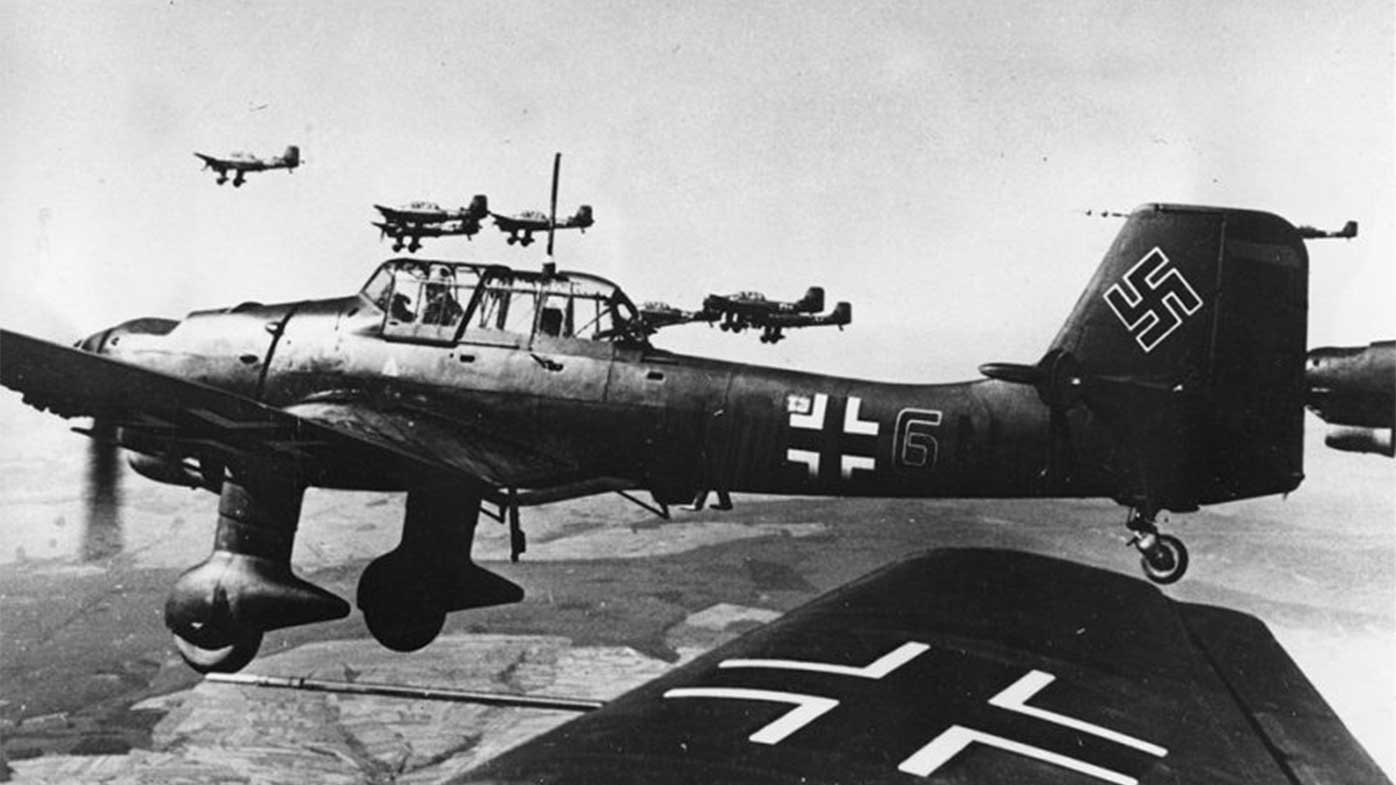
Pervitin was developed by the Temmler pharmaceutical company and was available over the counter in the 1930s in Germany.
It was so popular that it was briefly available in chocolate form.
As part of Germany's preparations to invade France, 35 million tablets were issued to their troops – about ten pills per soldier.
Mr Ohler said the pills were much more pure than the crystal meth available on the street nowadays.
Soldiers were not ordered to take the drugs, but the "Stimulant Decree" issued by High Command showed there was an expectation they would – given they would have to be awake for days on end.
But there was hardly any reluctance from troops.
"Everyone loved Pervitin, so it was not really an issue," Mr Ohler said.
"Like drinking coffee."
In the three days of the initial invasion of France, the Germans had advanced further than they ever did in the four years of World War I.
Soldiers and pilots in the US and UK during World War II were also taking amphetamines, though it was far less widespread.
READ MORE: The German prisoner-of-war who escaped so he wouldn't be sent home
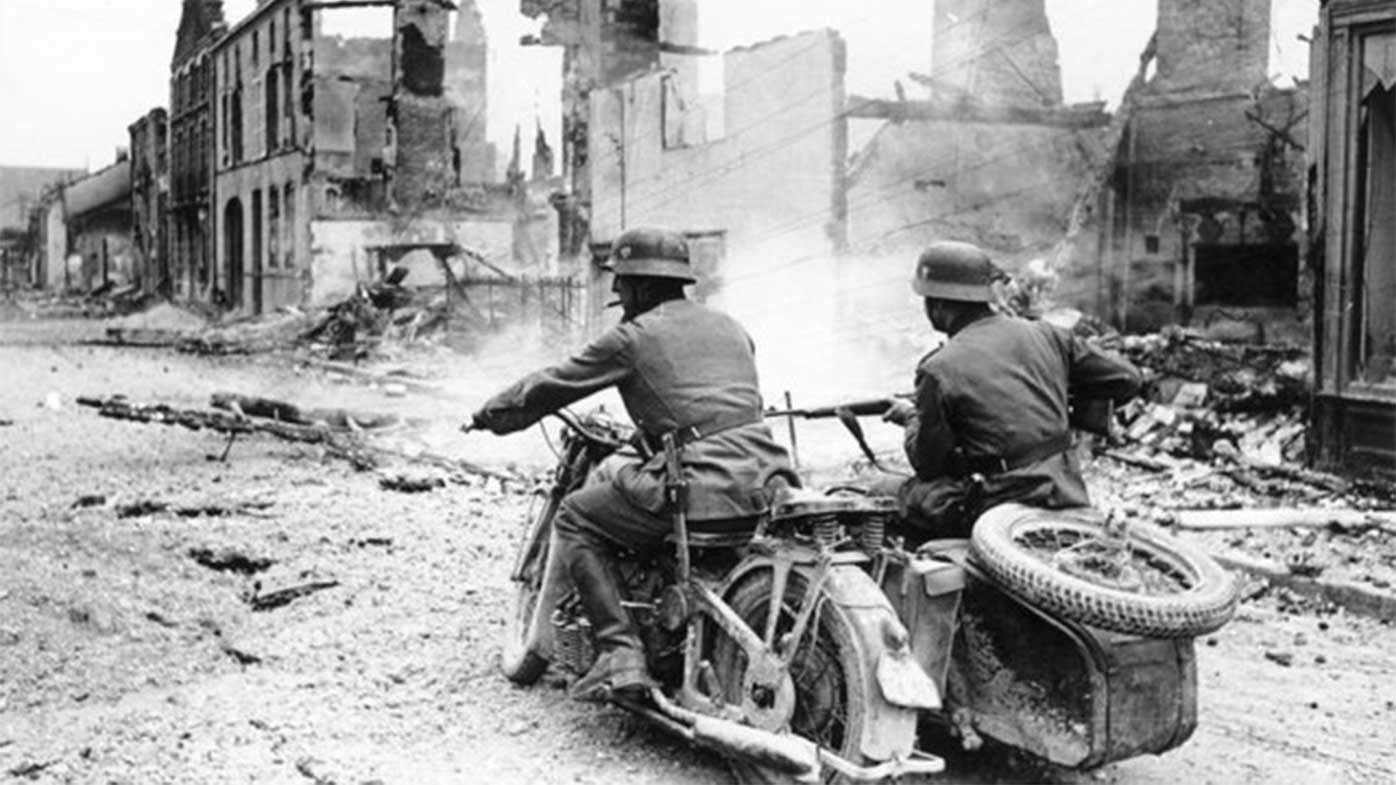
Pervitin gave Germany the edge in their blitzkrieg war, but the military soon realised the issues that arose from getting an army hooked on meth.
When high, soldiers became agitated, unpredictable, psychotic and more likely to commit war crimes.
The German military started to scale back access to Pervitin – putting many soldiers into withdrawal.
"People became addicted, and continued to use Pervitin after the war," Mr Ohler said.
One of the Germans hooked on Pervitin was Adolf Hitler himself.
Towards the end of the war, Hitler was being given a cocktail of drugs like morphine, sedatives, body-building supplements, hormones and Pervitin.
READ MORE: Divers stumble across rare Nazi coding machine beneath Baltic Sea

Though he was publicly known as a vehement non-smoker, non-drinker and vegetarian, by the end of his life, Hitler was a drug addict.
As the war progressed, Hitler became famously erratic and paranoid, raging at his generals and issuing bizarre orders.
By the end of 1944, the British had a plan in place to assassinate Hitler.
They decided against it, because Hitler's decision making was so poor that they concluded the Allies would win the war faster with Hitler in charge of Germany.
The last footage of Hitler before the fall of Berlin shows him shaking uncontrollably, suggesting he was in withdrawal in the days before his death.
Pervitin, despite its reputation, remained available to German soldiers for decades to come.
Troops in East Germany could access the drug up until the 1980s.
Criminalisation would not come until the fall of the Berlin Wall.
READ MORE: Nazi shipwreck holds clue to finding treasure palace
Two dead after 'kamikaze drone' attack on oil tanker
Two crew members died when an oil tanker connected to an Israeli billionaire was attacked off the coast of Oman, the ship's management firm said.
A Briton and a Romanian were killed amid what the company described as a "suspected piracy incident" onboard the Mercer Street tanker on Thursday.
A US defence official familiar with the details of the incident said the tanker was attacked by an armed drone believed to be operated by Iran.
READ MORE: US military denies American troops in Syria were attacked
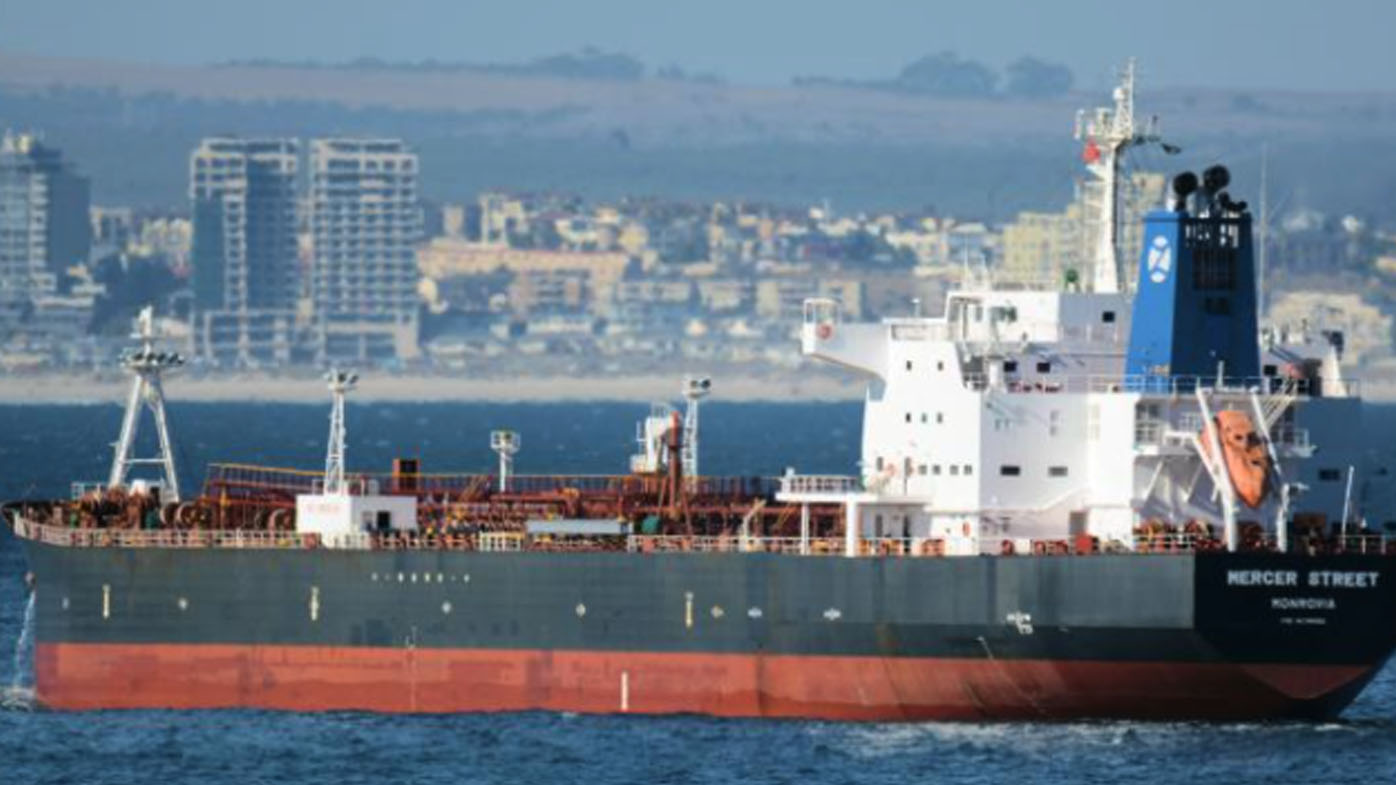
Another official said the US responded "to an emergency distress call of an apparent UAV style attack," and that the ship was escorted to port by the USS Ronald Reagan aircraft carrier and the USS Mitscher destroyer.
US Navy personnel, including explosive experts, went on board the vessel to ensure there was no additional danger, the official said.
The incident has been described as a "kamikaze drone attack" in some reports in reference to Japanese pilots who deliberately crashed their armed planes into Allied ships during World War II.
The tanker's crew reported that the drone exploded into its super structure on Thursday, the US official said.
They also reported an unsuccessful attempted drone attack earlier in the day but said that drone fell into the water.
The US military has long noted Iran has drones that operate by flying into targets and exploding on impact. The incident comes amid heightened tensions between Israel and Iran.
The Mercer Street was in the northern Indian Ocean at the time of the incident, travelling from Dar es Salaam in Tanzania to Fujariah in the United Arab Emirates with no cargo onboard, the ship's management firm said.
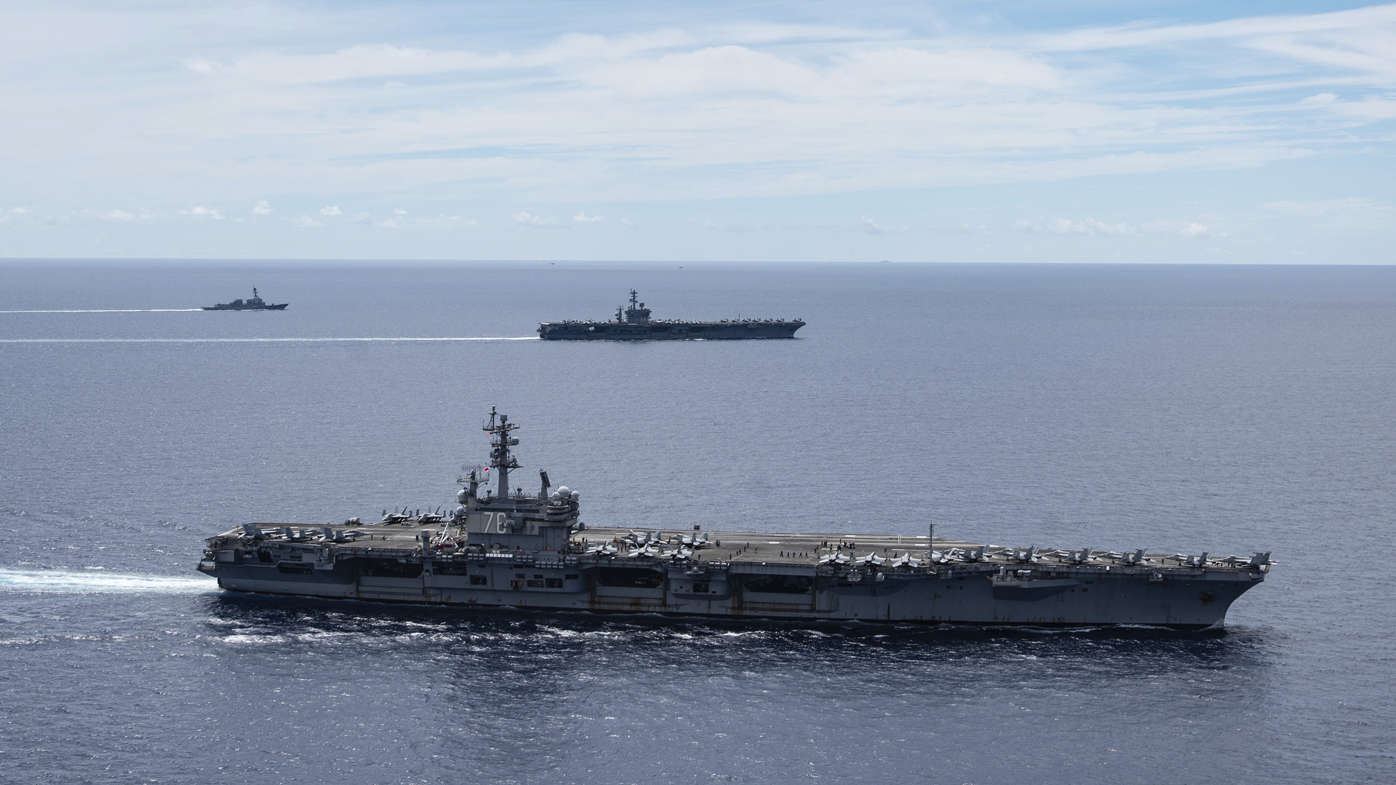
It is reported to be sailing under a Liberian flag, according to the maritime tracking website Marine Traffic. The vessel is Japanese-owned and managed by Zodiac Maritime, an international ship management company headquartered in London and led by Israeli shipping magnate Eyal Ofer.
Zodiac also confirmed that the ship was under its own power and moving to a safe location with a US naval escort. For now, the US will not say which port the Mercer will go to.
The US State Department said it working was "urgently" to determine what happened.
Victoria records two new local virus cases, more restrictions ease
Victoria has recorded two new local cases of COVID-19 in the last day, one of whom was already in isolation.
There were more than 32,500 tests conducted and 19,500 vaccines administered.
All of today's new cases are linked to existing known infections.
READ MORE: Man charged over alleged assault of police officer during Melbourne lockdown protests
https://twitter.com/VicGovDH/status/1421242799068913664?ref_src=twsrc%5Etfw
The numbers come on the fourth full day Victorians spend free from lockdown.
Today also marks the first day in two weeks that community sport across the state has been allowed to resume.
Some restrictions have still remained in place though with indoors venues limited to 100 people and outdoor venues capped at 300.
Spectators are banned except for special circumstances such as if parents need to supervise.
Yesterday, the state recorded three new local cases of the virus, and the mystery case concerning authorities was finally linked back to the Ariele Apartment complex.
Of the new cases, all were connected to the current outbreak and were in quarantine throughout their entire infectious period.
One case was a household contact of a student at Bacchus Marsh Grammar.
READ MORE: Victoria's mystery case linked to apartment complex outbreak, three new local cases of COVID-19
The second case was a close contact of an infection linked to the Isola Apartments in Richmond.
The third case was a staff member from Trinity Grammar, who had been isolating in Phillip Island, explaining the detection of the virus in wastewater.
Missing teen Caitlin Blanch: Fresh 'electronic data' spurs police to resume search
The search for missing 17-year-old Caitlin Blanch has recommenced due to fresh electronic data being gathered after police had suspended the physical search yesterday.Blanch has been missing from her home in Clyde since 8am on Tuesday…
Vaccinated people 'can carry as much Delta variant as others'
Scientists who studied a big COVID-19 outbreak in the US state of Massachusetts concluded that vaccinated people who got so-called breakthrough infections carried about the same amount of the coronavirus as those who did not get the shots.
Health officials released details of that research, which was key in this week's decision by the US Centers for Disease Control and Prevention to recommend that vaccinated people return to wearing masks indoors in parts of the US where the Delta variant is fuelling infection surges.
The authors said the findings suggest that the CDC's mask guidance should be expanded to include the entire country, even outside of hot spots.
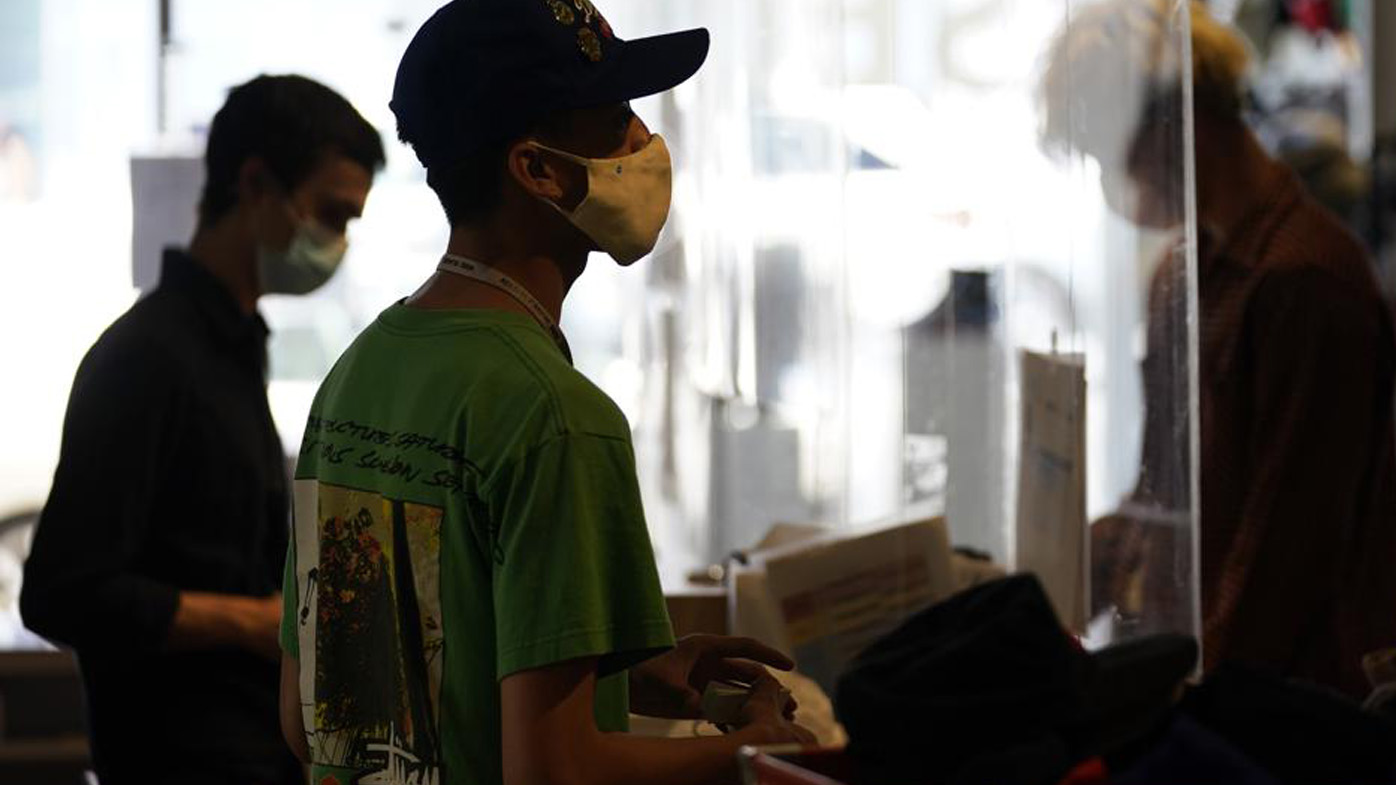
The findings have the potential to upend past thinking about how the disease is spread. Previously, vaccinated people who got infected were thought to have low levels of virus and to be unlikely to pass it to others. But the new data shows that is not the case with the Delta variant.
The outbreak in Provincetown — a seaside tourist spot on Cape Cod in the county with Massachusetts' highest vaccination rate — has so far included more than 900 cases. About three-quarters of them were people who were fully vaccinated.
Travis Dagenais, who was among the many vaccinated people infected, said "throwing caution to the wind" and partying in crowds for long nights over the July Fourth holiday was a mistake in hindsight.
READ MORE National Cabinet sets vaccination target for path out of pandemic
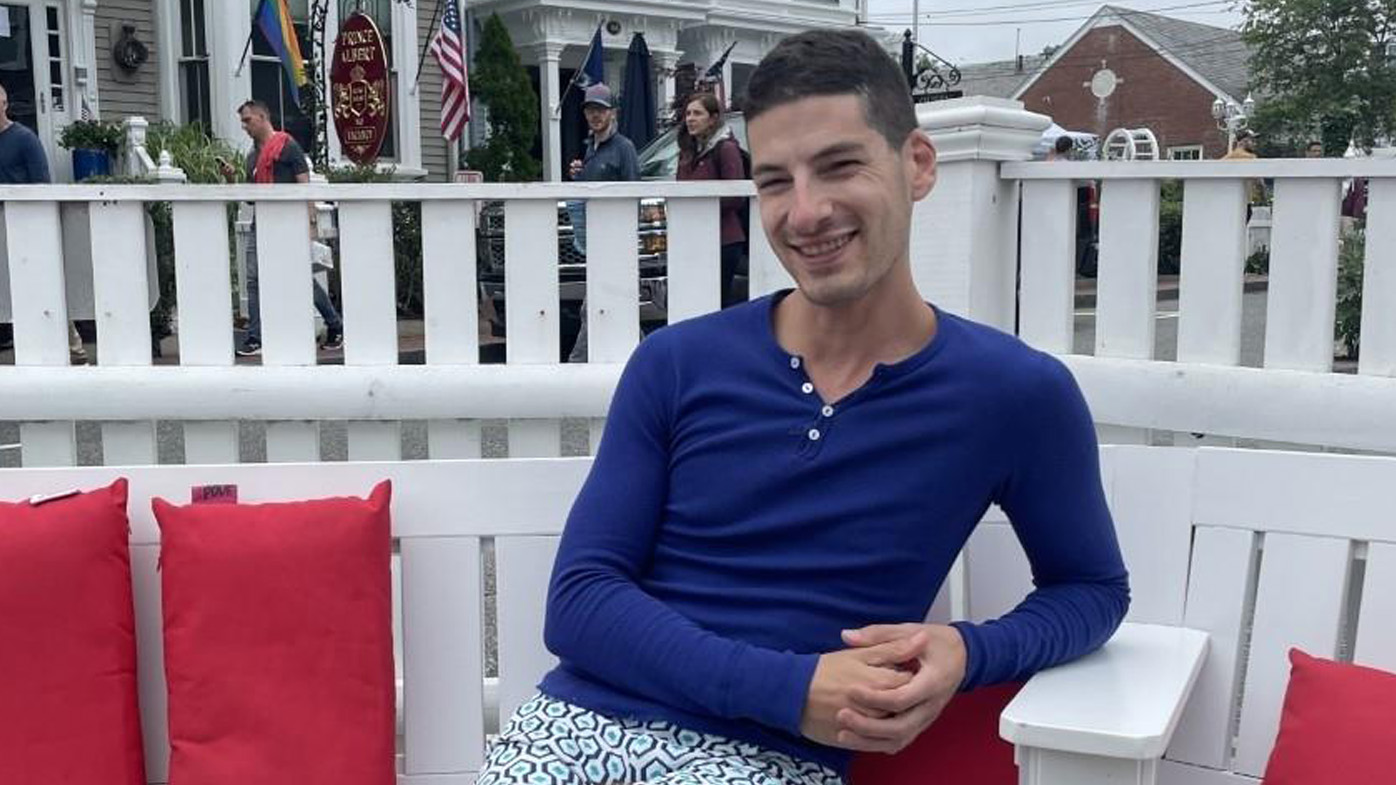
"The dominant public messaging has been that the vaccine means a return to normal," the 35-year-old Boston resident said. "Unfortunately, I've now learned it's a few steps toward normal, not the zero-to-sixty that we seem to have undertaken."
Dagenais credits being vaccinated with easing the worst of the flu-like symptoms in a couple of days. He has recovered.
Like many states, Massachusetts lifted all COVID-19 restrictions in late May, ahead of the traditional Memorial Day start of the summer season. Provincetown this week reinstated an indoor mask requirement for everyone.
Leaked internal documents on breakthrough infections and the Delta variant suggest the CDC may be considering other changes in advice on how the nation fights the coronavirus, such as recommending masks for everyone and requiring vaccines for doctors and other health workers.
READ MORE Third dose of vaccine 'strongly' boosts Delta variant protection
The Delta variant, first detected in India, causes infections that are more contagious than the common cold, flu, smallpox and the Ebola virus, and it is as infectious as chickenpox, according to the documents, which mentioned the Provincetown cases.
COVID-19 vaccines are still highly effective against the Delta variant at preventing serious illness and death.
The White House on Friday defended its approach to rising virus cases and shifting public health guidelines, repeatedly deferred to the CDC while stressing the need for vaccinations.
Although experts generally agreed with the CDC's revised indoor masking stance, some said the report on the Provincetown outbreak does not prove that vaccinated people are a significant source of new infections.
"There's scientific plausibility for the (CDC) recommendation. But it's not derived from this study," said Jennifer Nuzzo, a Johns Hopkins University public health researcher.
The CDC report is based on about 470 COVID-19 cases linked to the Provincetown festivities, which included densely packed indoor and outdoor holiday events at bars, restaurants, guest houses and rental homes.
Researchers ran tests on a portion of them and found roughly the same level of virus in those who were fully vaccinated and those who were not.
Three-quarters of the infections were in fully vaccinated individuals. Among those fully vaccinated, about 80 per cent experienced symptoms with the most common being cough, headache, sore throat, muscle aches and fever.
In the report, the measure researchers used to assess how much virus an infected person is carrying does not indicate whether they are actually transmitting the virus to other people, said Dr Angela Rasmussen, a virologist at the University of Saskatchewan.
Losing citizenship: What you need to know
By Leith Huffadine for RNZ IS-linked New Zealander Suhayra Aden is coming to New Zealand because Australia revoked her citizenship, but Aotearoa didn’t do the same thing, and there are good reasons for that.The rules around…