Tag Archives: oceania

India's pandemic death toll could be in the millions

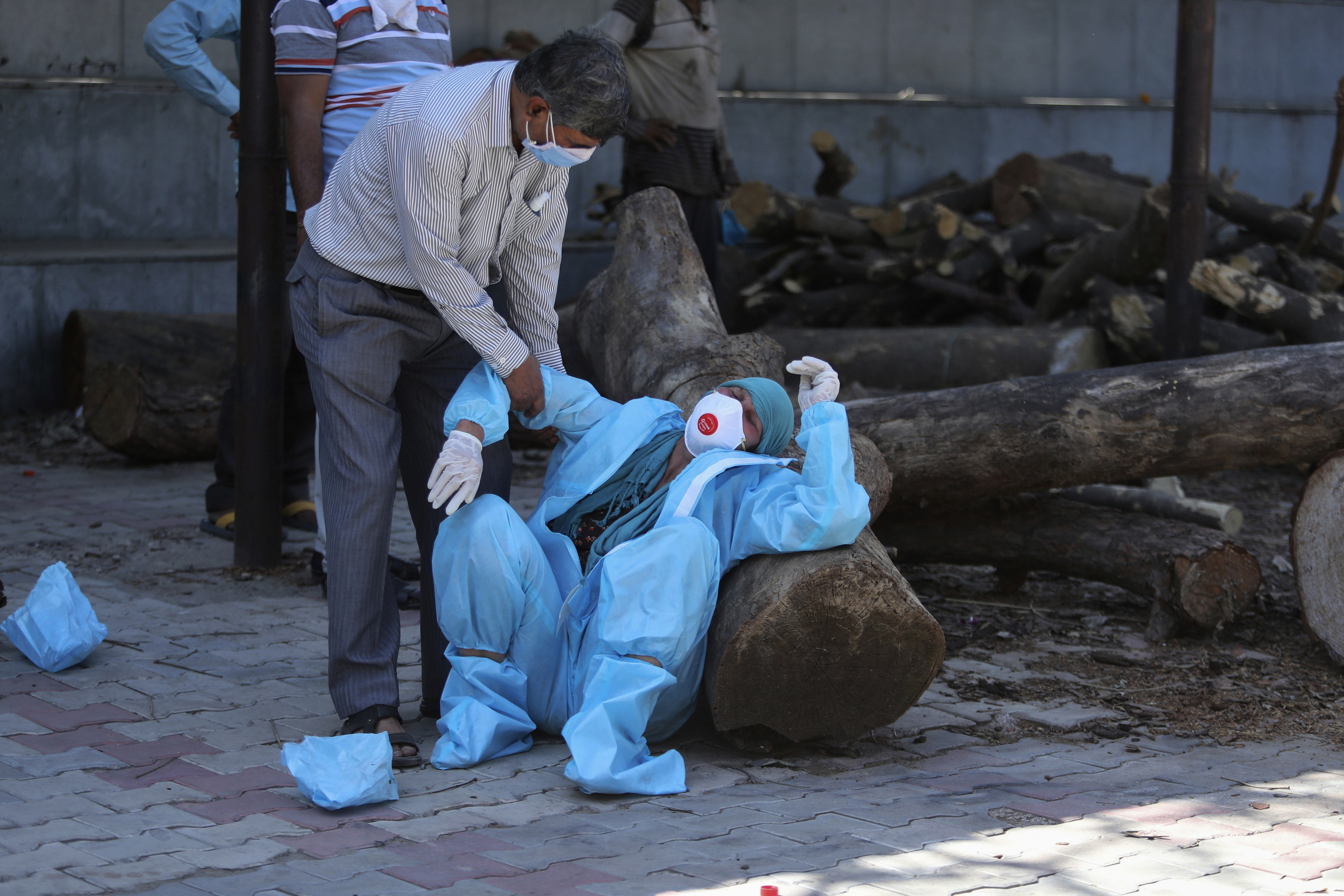
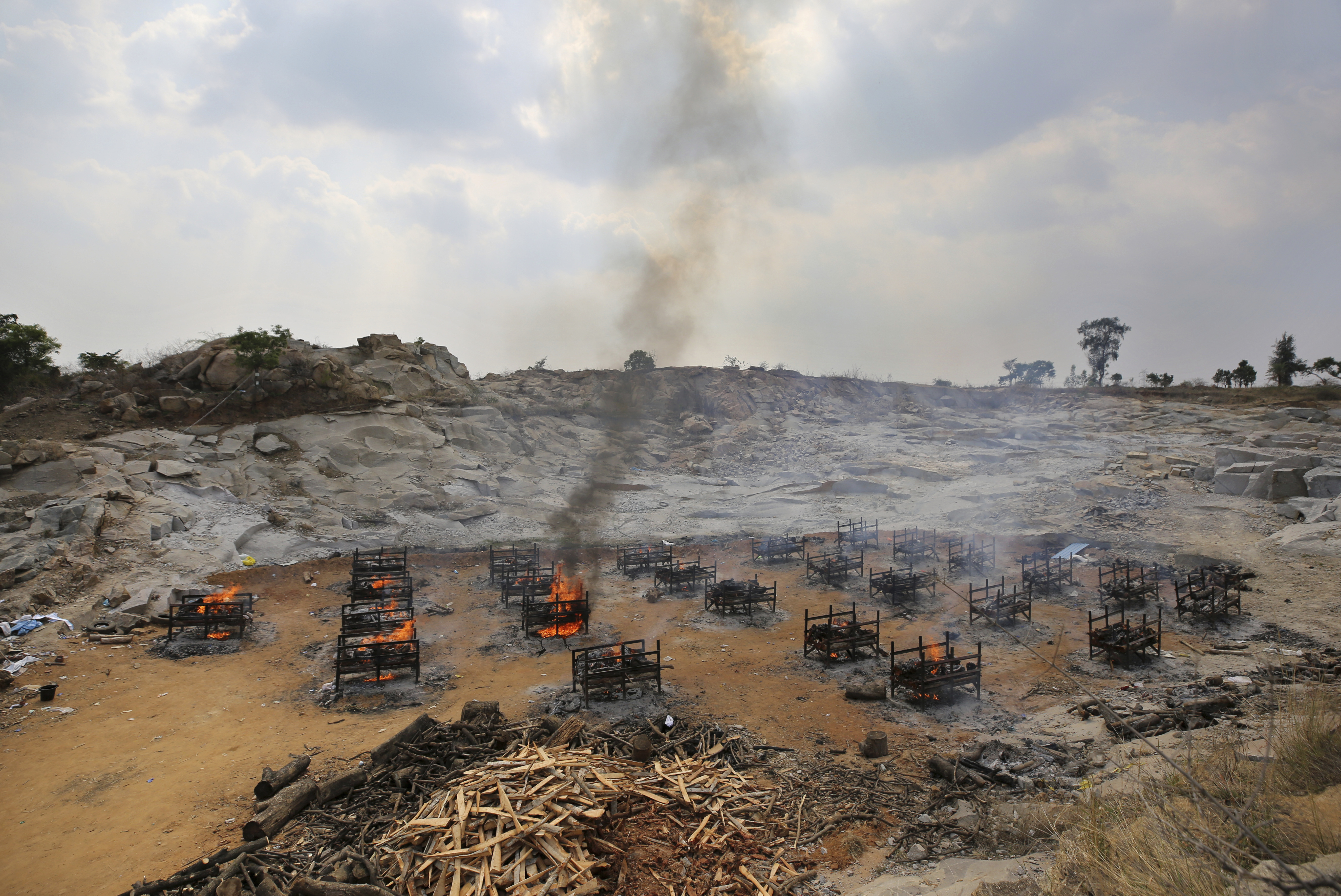
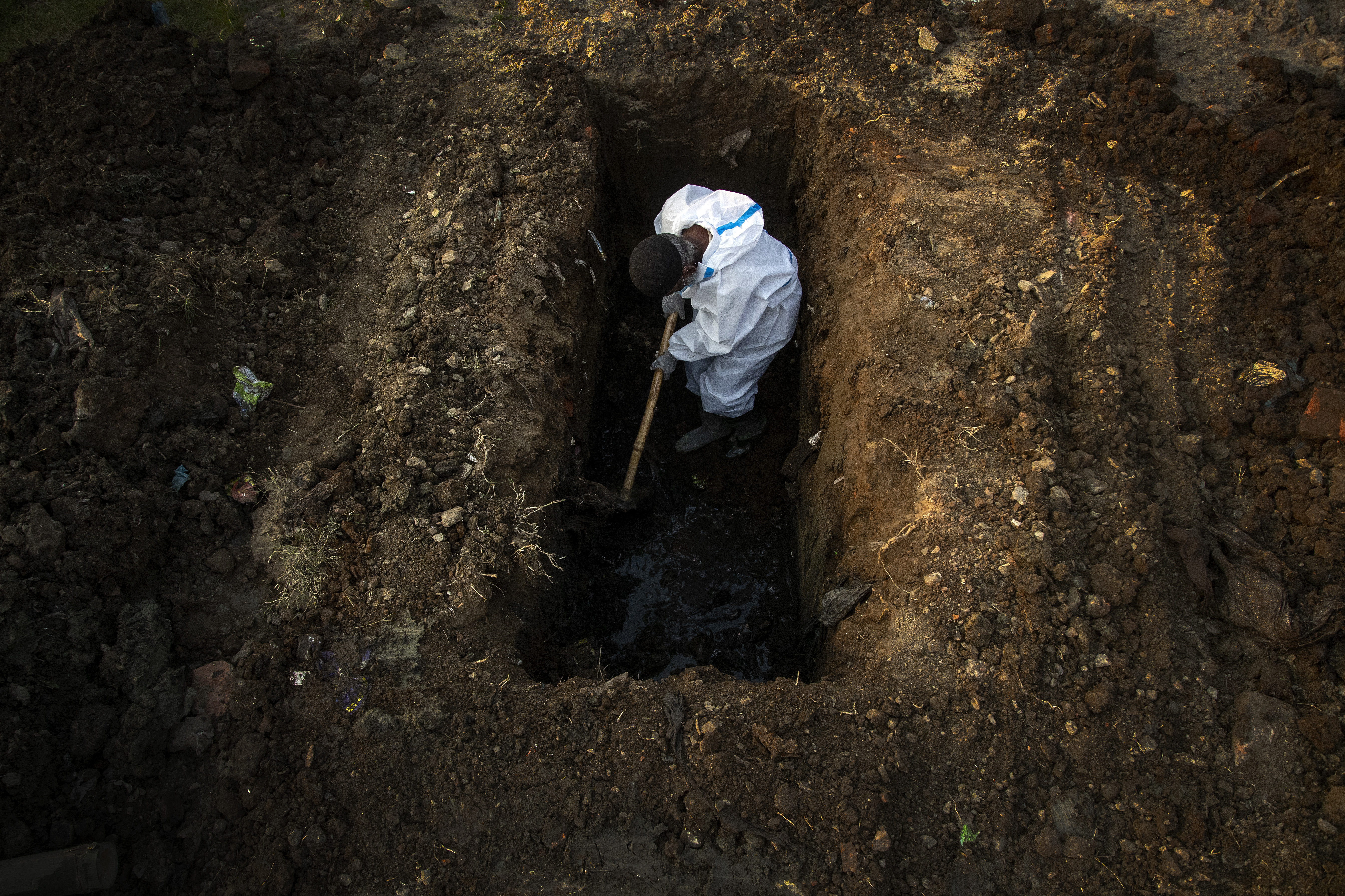
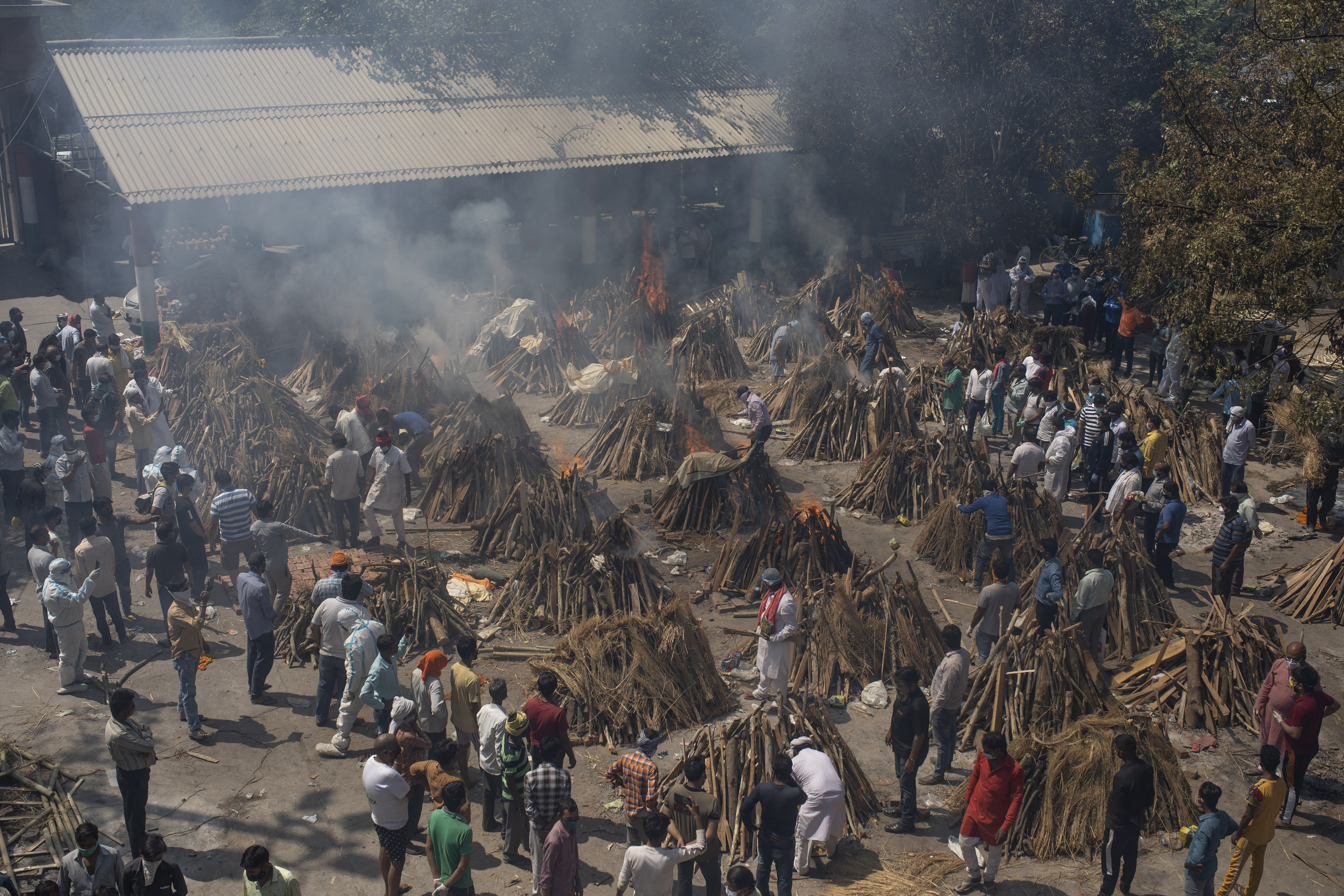
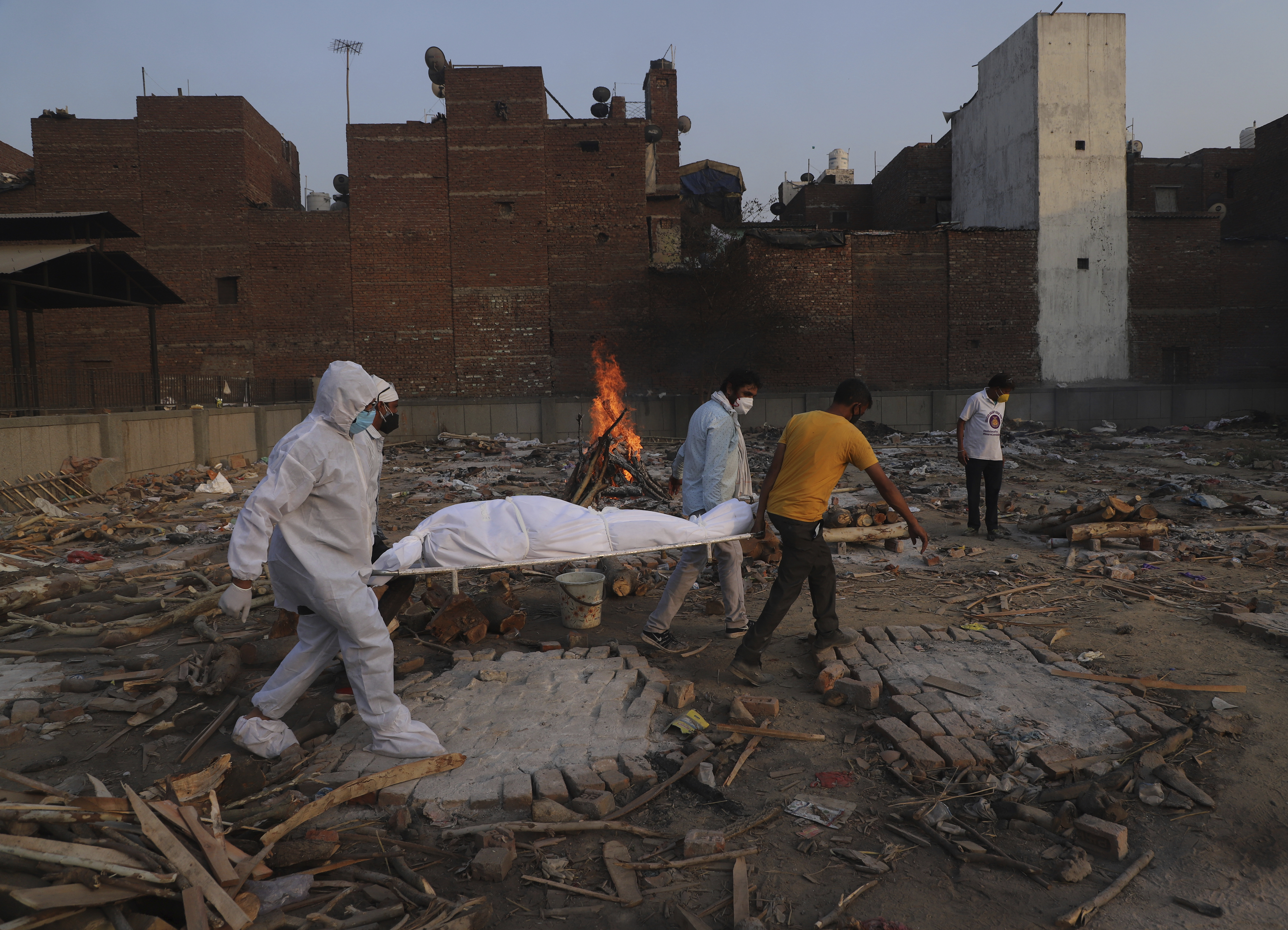
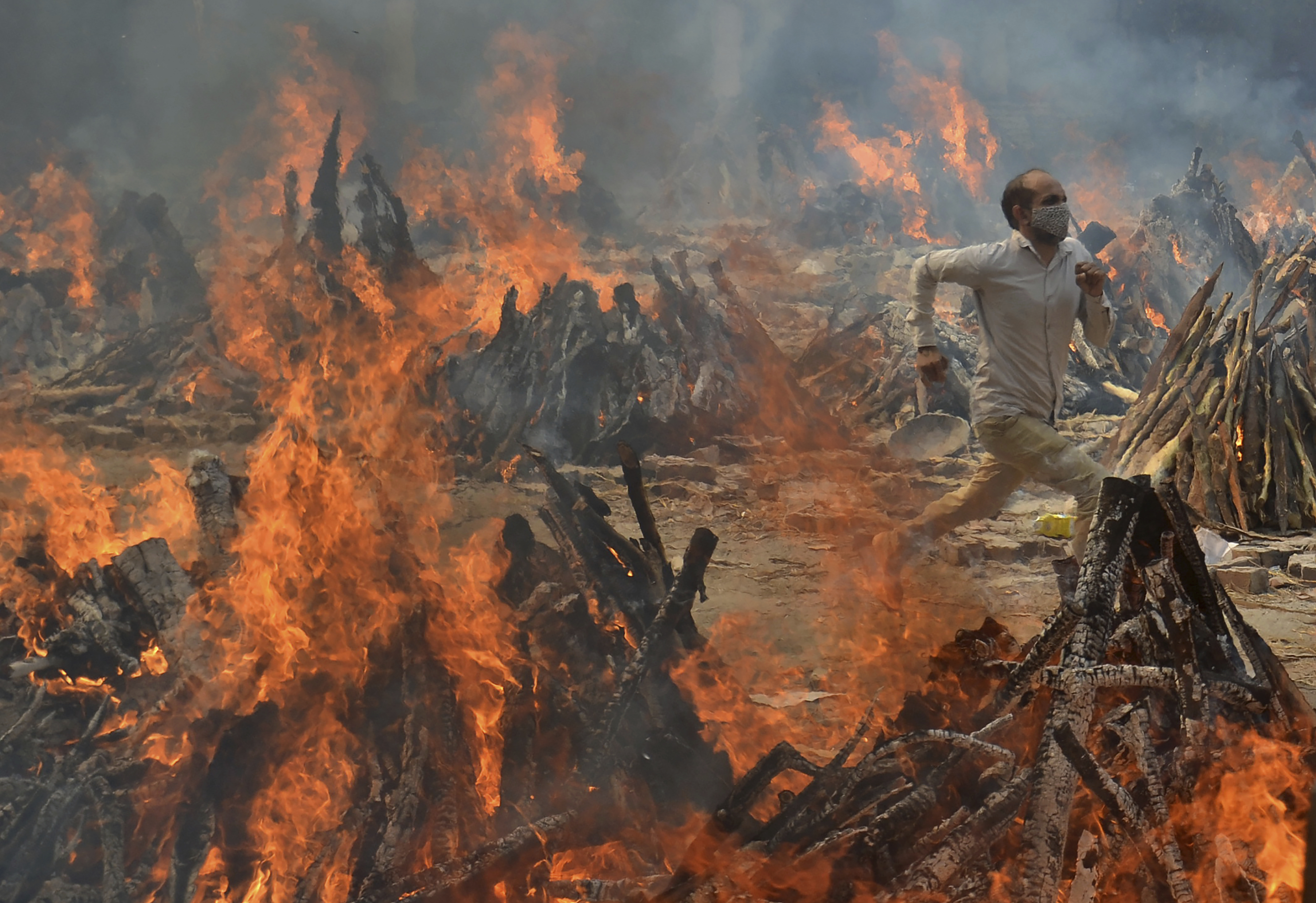
India's excess deaths during the pandemic could be a staggering 10 times the official COVID-19 toll, likely making it modern India's worst human tragedy, according to the most comprehensive research yet on the ravages of the virus in the South Asian country.

Most experts believe India's official toll of more than 414,000 dead is a vast undercount, but the government has dismissed those concerns as exaggerated and misleading.

The report released Tuesday estimated excess deaths — the gap between those recorded and those that would have been expected — to be 3 million to 4.7 million between January 2020 and June 2021. It said an accurate figure may "prove elusive" but the true death toll "is likely to be an order of magnitude greater than the official count."
The report was published by Arvind Subramanian, the Indian government's former chief economic adviser, and two other researchers at the Centre for Global Development, a nonprofit think tank based in Washington, and Harvard University.

It said the count could have missed deaths that occurred in overwhelmed hospitals or while health care was disrupted, particularly during the devastating virus surge earlier this year.

"True deaths are likely to be in the several millions not hundreds of thousands, making this arguably India's worst human tragedy since Partition and independence," the report said.
The Partition of the British-ruled Indian subcontinent into independent India and Pakistan in 1947 led to the killing of up to 1 million people as gangs of Hindus and Muslims slaughtered each other.

The report on India's virus toll used three calculation methods: data from the civil registration system that records births and deaths across seven states, blood tests showing the prevalence of the virus in India alongside global COVID-19 fatality rates, and an economic survey of nearly 900,000 people done thrice a year.

Researchers cautioned that each method had weaknesses, such as the economic survey omitting the causes of death.

Instead, researchers looked at deaths from all causes and compared that data to mortality in previous years — a method widely considered an accurate metric.
Researchers also cautioned that virus prevalence and COVID-19 deaths in the seven states they studied may not translate to all of India, since the virus could have spread more in urban versus rural states and since health care quality varies greatly around India.

Other nations are also believed to have undercounted deaths in the pandemic. But India is thought to have a greater gap due to having the world's second highest population of 1.4 billion and because not all deaths were recorded even before the pandemic.

The health ministry did not immediately respond to an Associated Press request for comment on the report.
Dr Jacob John, who studies viruses at the Christian Medical College at Vellore in southern India and was not part of the research, reviewed the report for the AP and said it underscores the devastating impact COVID-19 had on the country's underprepared health system.

"This analysis reiterates the observations of other fearless investigative journalists that have highlighted the massive undercounting of deaths," Jacob said.

The report also estimated that nearly 2 million Indians died during the first surge in infections last year and said not "grasping the scale of the tragedy in real time" may have "bred collective complacency that led to the horrors" of the surge earlier this year.

Over the last few months, some Indian states have increased their COVID-19 death toll after finding thousands of previously unreported cases, raising concerns that many more fatalities were not officially recorded.
Several Indian journalists have also published higher numbers from some states using government data. Scientists say this new information is helping them better understand how COVID-19 spread in India.

Murad Banaji, who studies mathematics at Middlesex University and has been looking at India's COVID-19 mortality figures, said the recent data has confirmed some of the suspicions about undercounting. Banaji said the new data also shows the virus wasn't restricted to urban centres, as contemporary reports had indicated, and that India's villages were also badly impacted.
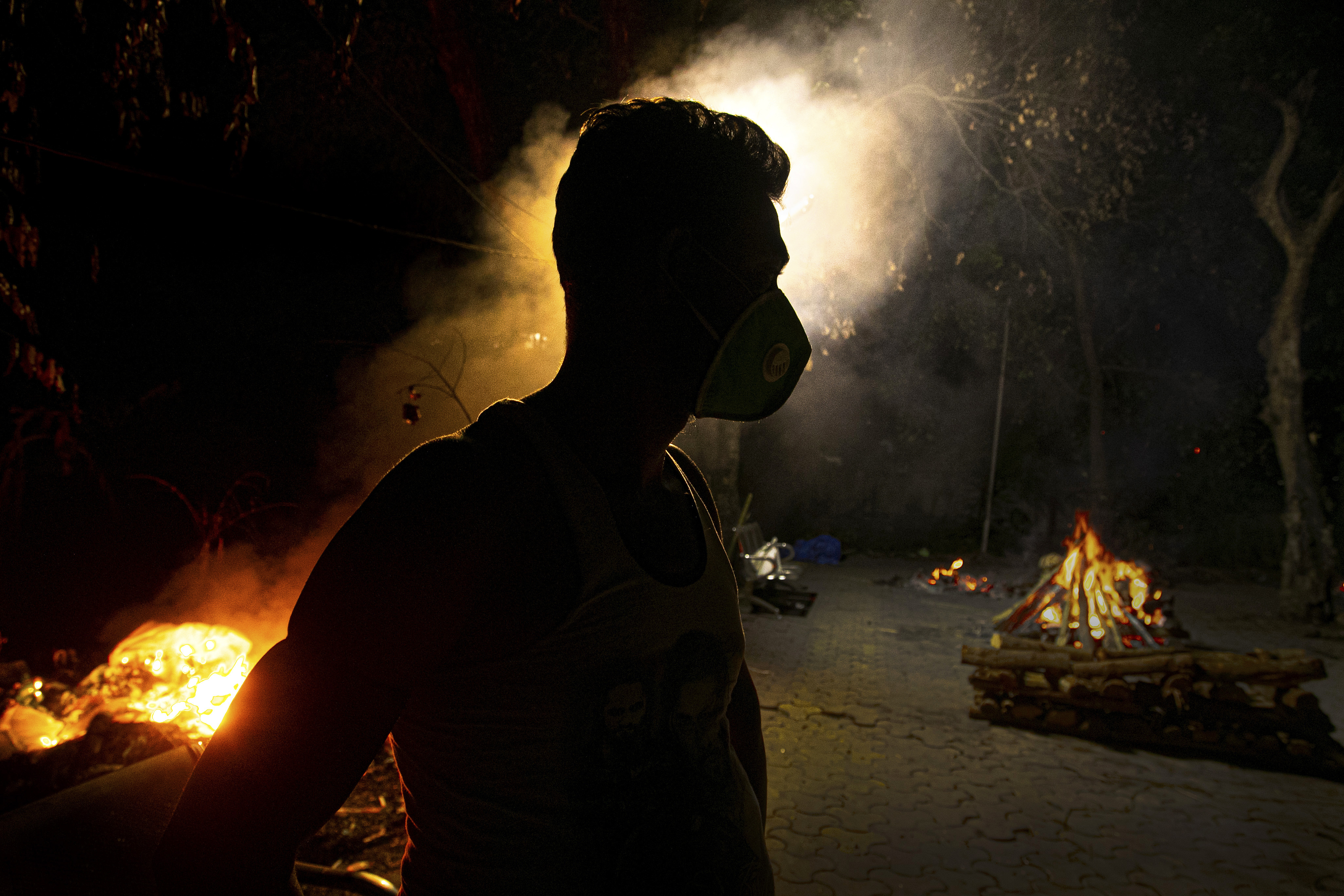
"A question we should ask is if some of those deaths were avoidable," he said.
Half of Australia in lockdown as Delta variant spreads wider

More than half of Australia's population is in lockdown and more state borders are slamming shut as the Delta variant of the coronavirus wiggles its way into regional communities, closed schools and a Meals on Wheels kitchen.

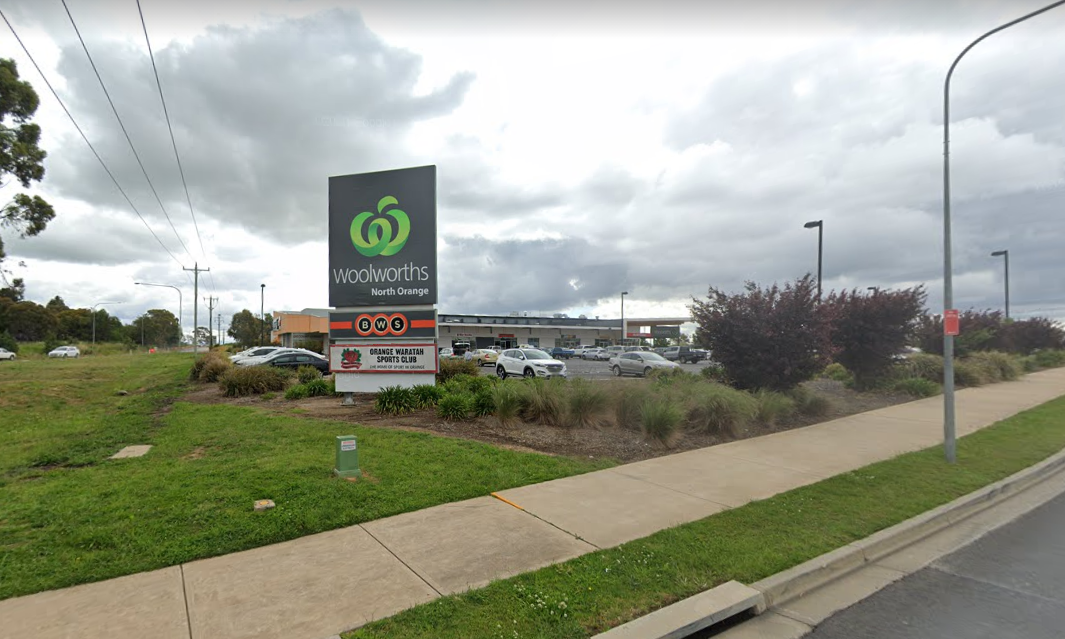
Single journeys have had major consequences. 9News understands an infected pet food delivery driver from south-west Sydney transmitted the virus to a resident near Orange, prompting the lockdown of three NSW Central West towns.

The South Australian government has locked down after six cases of the Delta variant in an outbreak that appears to have started with a trip from Argentina, via quarantine in NSW and hospital stays in both states.

READ MORE: What you need to know about Victoria's extended lockdown

The NSW government has imposed tougher COVID-19 lockdown measures because coronavirus cases have not bee lowered in three Sydney LGAs.

And the Victorian government says it needs another week to get on top an outbreak apparently seeded by trips from NSW.

More than 13.7 million people live in locked down areas, more than half of the population of Australia.

On a lesser scale, exposure sites have popped up in Queensland from the Sunshine Coast to a flight to Cairns after a woman came home from Victoria on holiday, and Newcastle is on alert for the first time in almost a year after a visit from an unknowingly infected pair of removalists.

NSW residents in the councils of Orange, Blayney and Cabonne will be hoping authorities have acted fast enough to reduce any spread, while those in Newcastle hope the removalists didn't have any contact beyond the family they were helping and a service station.

"We are concerned due to the nature of two infected people working alongside folks in their home and exhaling heavily, this does increase the risk of local transmission," director of health at Hunter New England Health Dr David Durrheim said.

READ MORE: Seven people hit with COVID-19 fines over party in office

Travel along Australia's east coast is getting increasingly complicated, with Queensland and Victoria to shut their borders to South Australia from Thursday.

That comes on top of a host of travel barriers to people in Victoria and Greater Sydney, as well as even firmer travel restrictions on the NSW capital's south-west.

And Victoria on Tuesday announced only people that would be granted a "red zone permit" to travel across the NSW border would be authorised workers and those granted a compassionate exemption.

Victoria Premier Daniel Andrews said it was critical to shut down the number of locals returning home from a potential COVID-19 transmission site.

Earlier on Tuesday, he said the state needed "more time" to drive case numbers down and quash its growing outbreak.

"We need to avoid what is going on in Sydney at the moment," Mr Andrews said.

"We are determined to do that. We wish we could bring this in earlier, but we can't run the risk that there are cases out there that we don't know about."

READ MORE: COVID-positive woman who died in Sydney had been 'offered care'

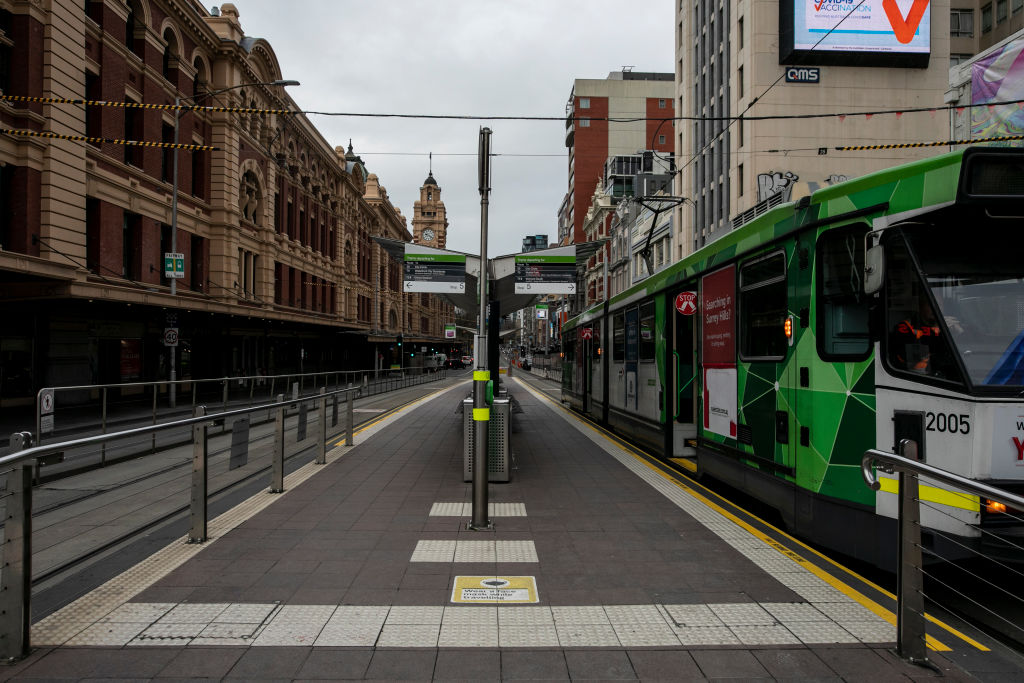
MELBOURNE, AUSTRALIA - JULY 16: A general view of an empty Flinders Street on July 16, 2021 in Melbourne, Australia. Lockdown restrictions have come into effect across Victoria as health authorities work to contain two COVID-19 outbreaks linked to Sydney's delta strain coronavirus cluster. The snap five-day lockdown, which came into effect at midnight on Thursday, was called after more new COVID-19 cases and exposure sites were confirmed across the state. Under the lockdown restrictions, Victori

Sydney's outbreak dropped on Tuesday to 78 new infections, its lowest in days but also recorded the death of a fifth person at the hands of the Delta variant.

The lockdown is already biting in many sectors of the economy and while NSW Premier Gladys Berejiklian has guaranteed construction workers will be back on site on July 31, the same can't be said for schools.

Clinical epidemiologist Professor Nancy Baxter, who said the number of infectious people out in the community remained far too high, predicted the lockdown could be extended by another month.

"It's like a bushfire right – if you leave some embers, they're going to start into flames," Professor Baxter told Today on Tuesday.

READ MORE: Latest coronavirus location alerts for Sydney

"And that's what happens if you don't drive the numbers down before you open up. 

"The numbers don't need to be zero, they don't actually need to be close to zero but … (the( number of people who were out in the community when they're infectious, that's the number that needs to get to zero. They're pretty far from that."

Ms Berejikilian had already flagged that lockdowns could be extended past July 30 but has refused to speculate about an end date.