No matter where you live, nearly every suburb in every city across the globe has the same issue of dog owners not picking up after their pooch when out for a walk.
Now a city council in Israel has taken the extreme measure of adding every pet dog's DNA to a database, so droppings left behind can be tested and owners who choose not to pick up after their fur babies will be fined.
The Tel Aviv-Yafo Municipality approved the motion for the DNA database last week.
LIVE UPDATES: All the latest breaking news in Australia and the world
All current pet licences will expire in six months and anyone who applies for a new one will be required to submit their pet's genetic information before it is approved.
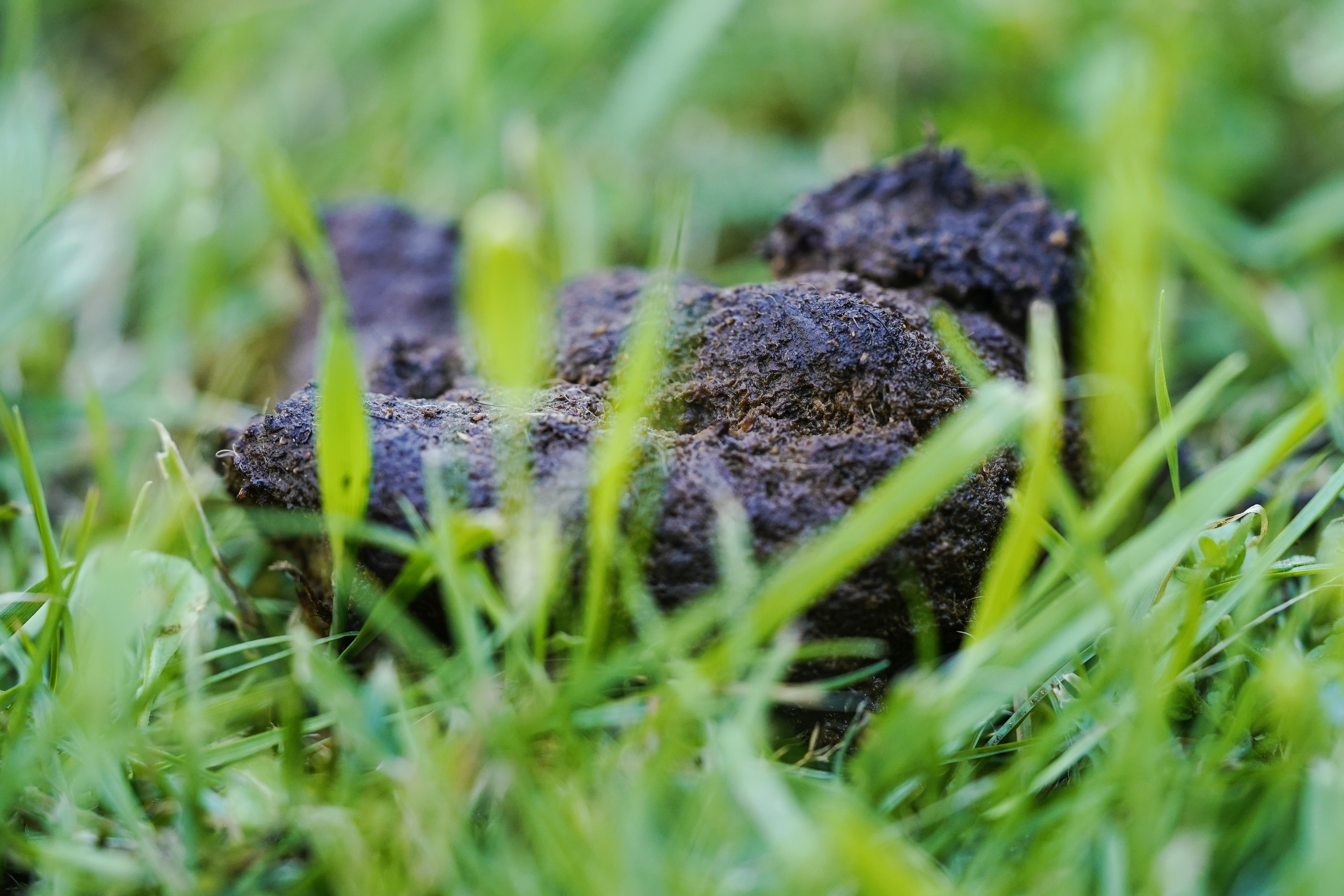
This way, any poo left on the street will be tested and if that animal's DNA is found on the database, the owner will receive a hefty fine in the mail.
"The amendment to the law was approved as part of the municipality's persistent fight against the phenomenon of dog faeces not being collected by their owners across the city," the municipality said in a statement.
"The existence of a DNA database of dogs in the city will make it possible to perform samples for faeces on the street, thus enforcing the law against the dog owner even after the offence has been committed, in a way that will address the main challenge in enforcing and eradicating the phenomenon."
READ MORE: Dog owners face $200 fine for not carrying poo bags

With most countries facing more than one lockdown since the coronavirus pandemic took hold, many have been working from home and restricted to walks around their local neighbourhood for exercise.
The global lockdown has also seen a big increase in people welcoming new dogs into their families.
Along with this increase in furry friends joining families, communities everywhere have inevitably also seen an increase in the number of dog poos being left on the street.
According to The Times of Israel, Tel Aviv introduced the new law after an increase in the cost of fines failed to reduce the number of incidents reported.
The municipality also saw a steep rise in the number of complaints about dog poos last year when the coronavirus pandemic first surged.
The regulations won't apply to guide dogs or dogs kept with animal protection organisations.